10 Mitsubishis That Were Cooler Than People Remember & 10 That Prove The Falloff Was Real
10 Mitsubishis That Were Cooler Than People Remember & 10 That Prove The Falloff Was Real
Legends and Cautionary Tales
Mitsubishi's American story is one of the more dramatic arcs in automotive history. At their peak they were producing genuinely exciting machinery, turbocharged all-wheel-drive hardware that could embarrass cars costing twice as much, backed by a rally pedigree that was the real thing. Then something shifted. The exciting stuff got discontinued, the replacements got bland, and by the 2010s Mitsubishi had become a brand most people associated with rental car lots and entry-level financing deals. The fall was real. But so was the peak, and the peak deserves more credit than it typically gets. Here's 10 Mitsubishis that were genuinely cool, and 10 that explain how a brand loses the plot.
1. Lancer Evolution VI (1999-2001)
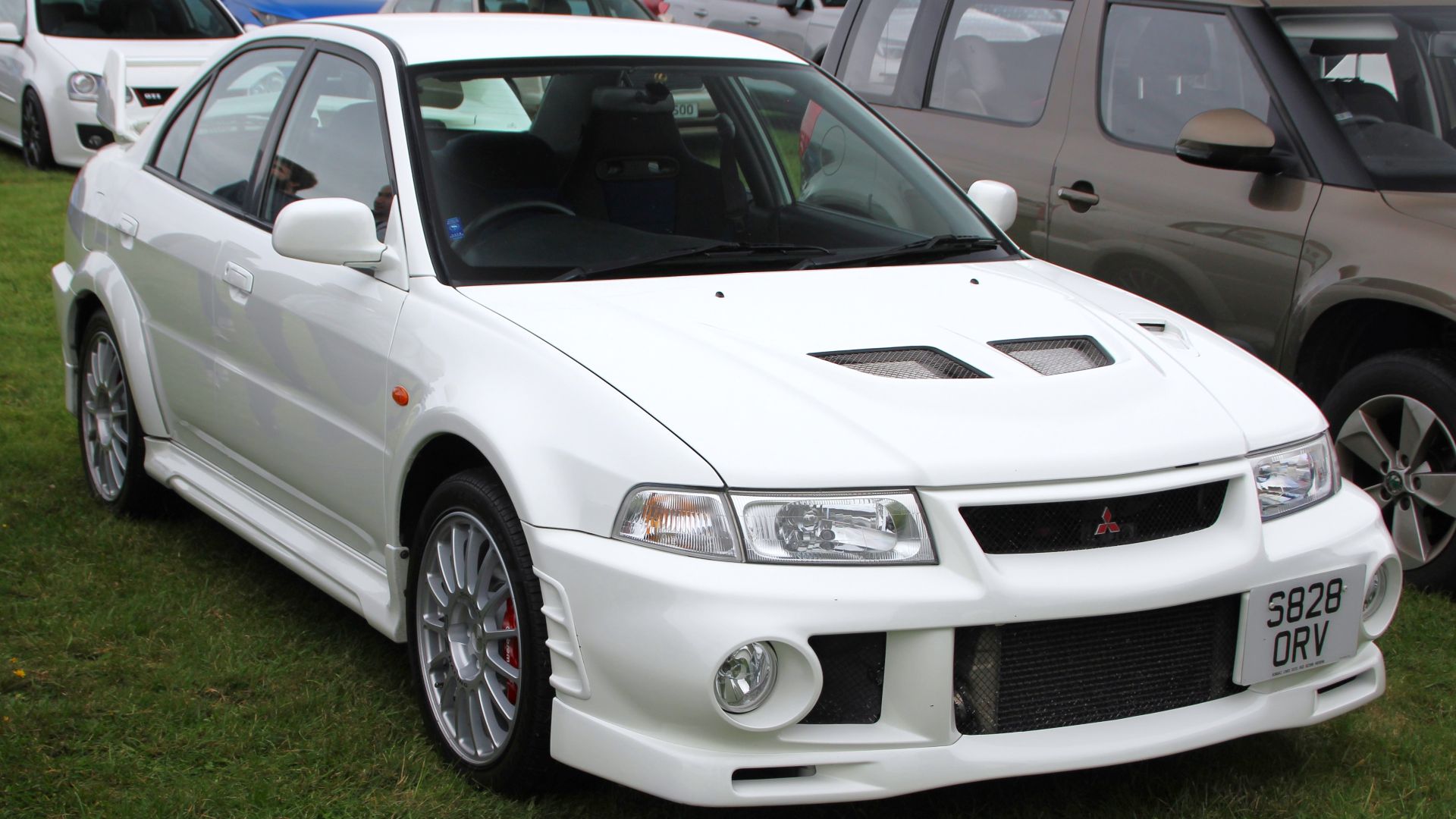
The Evo VI is the one that cemented the nameplate's reputation. Built around a turbocharged 2.0-liter four-cylinder with active yaw control and a suspension tuned to within an inch of its life, it was a weapon dressed as a sedan. The Tommi Mäkinen Edition, celebrating four consecutive WRC drivers' titles, remains one of the most capable small cars ever produced.
2. 3000GT VR-4 (1991-1999)
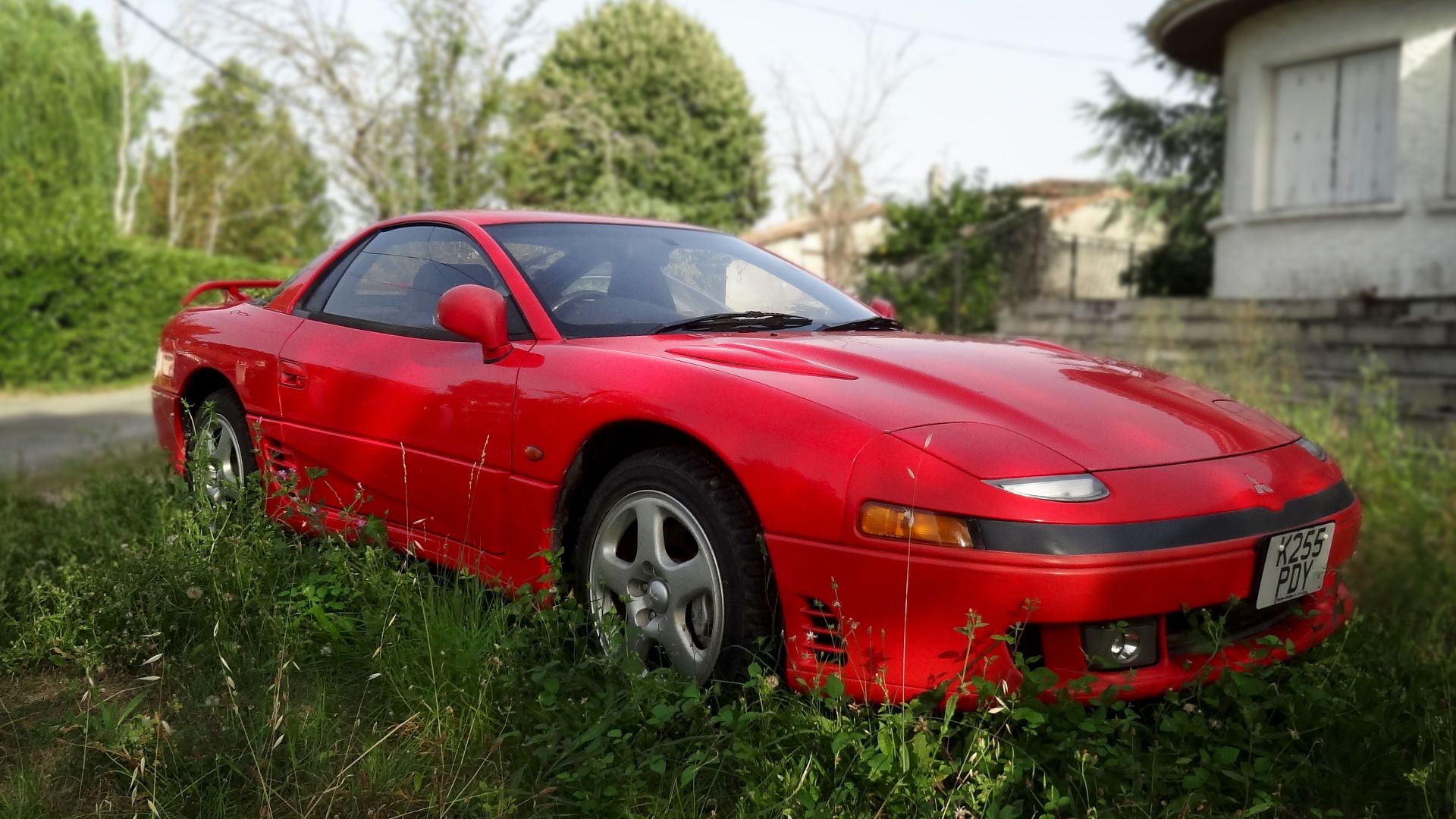
The VR-4 was almost absurdly ambitious for its era: twin turbos, all-wheel drive, all-wheel steering, active aerodynamics, and electronically controlled suspension producing 320 horsepower by the mid-1990s. It was heavy and complex, but at launch it was one of the most technically sophisticated sports cars on the market at anywhere near its price.
 Falcon® Photography from France on Wikimedia
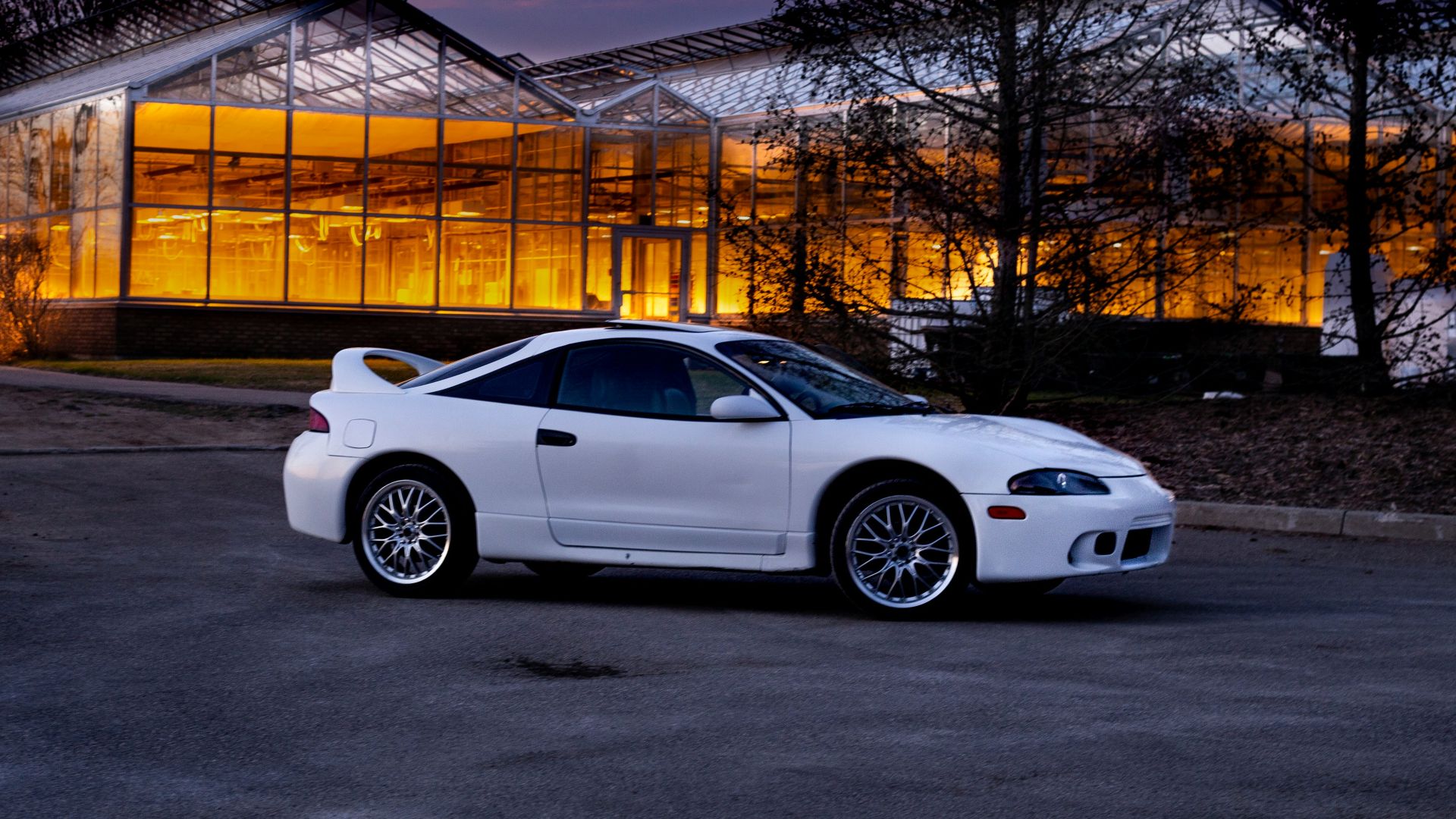
3. Eclipse GSX (1995-1999)
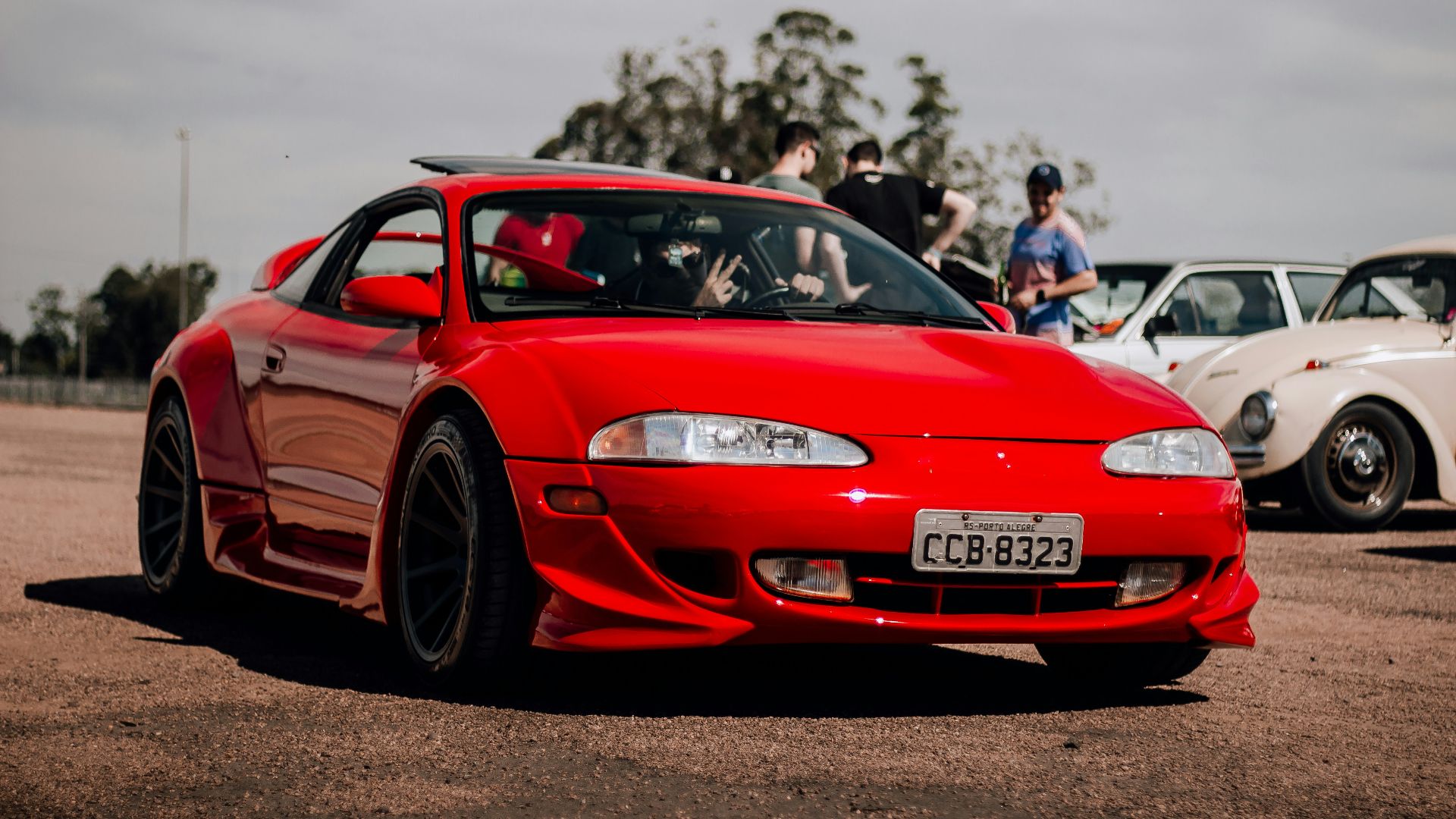
The second-generation Eclipse GSX paired a 210-horsepower turbocharged engine with all-wheel drive and looks that few sport coupes of the era could match. The GSX had the hardware to back up the styling, and used examples remain genuinely fun to drive today.
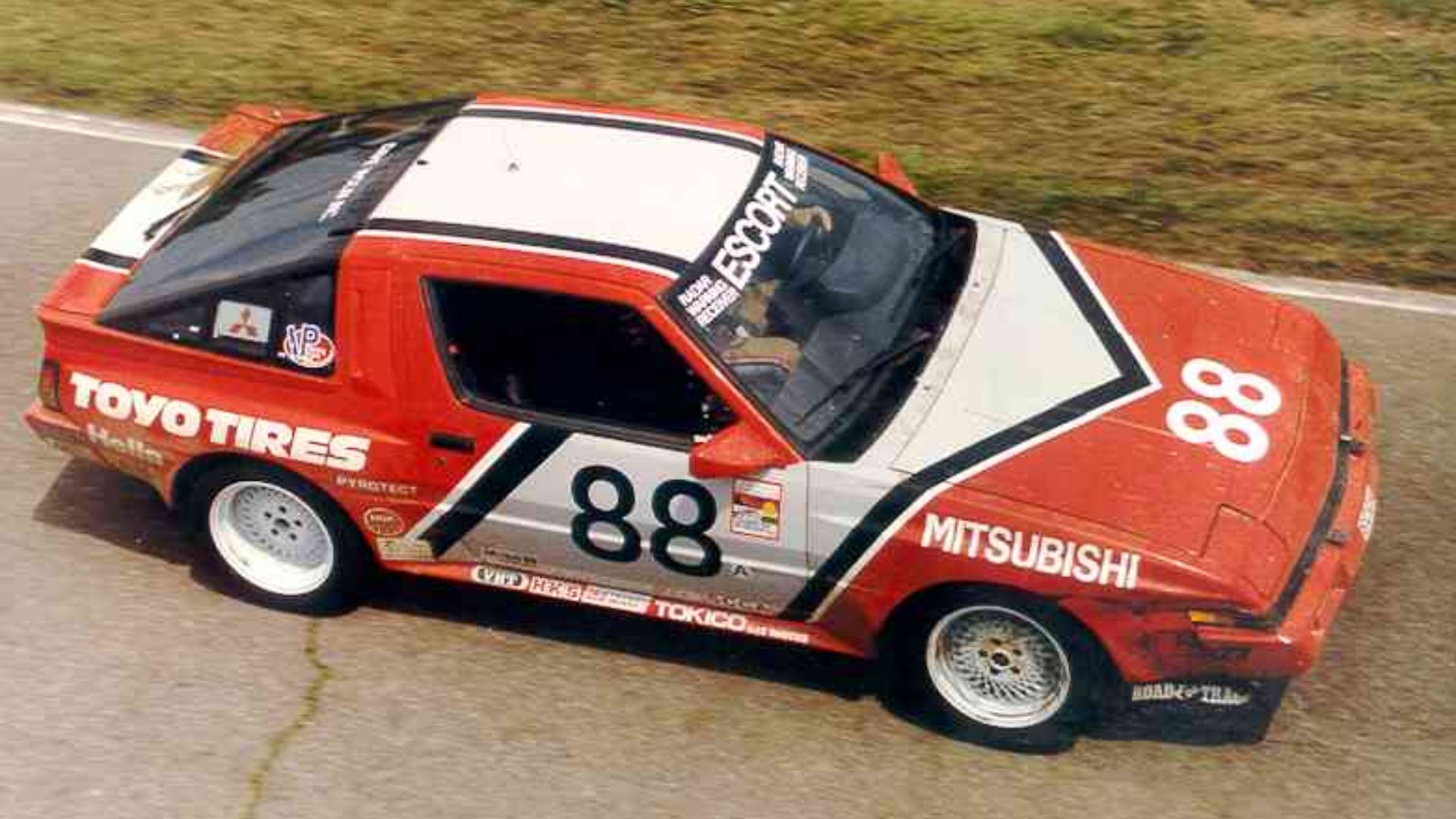
4. Starion ESI-R (1983-1989)
The wide-body Starion ESI-R had flared arches, a turbocharged 2.6-liter four-cylinder, and a look that felt genuinely aggressive for the era. It punched well above its price point and remains an underappreciated piece of 1980s Japanese performance history, one that has started getting the recognition it deserves as values climb.
 The original uploader was Pjchilds at English Wikipedia. on Wikimedia
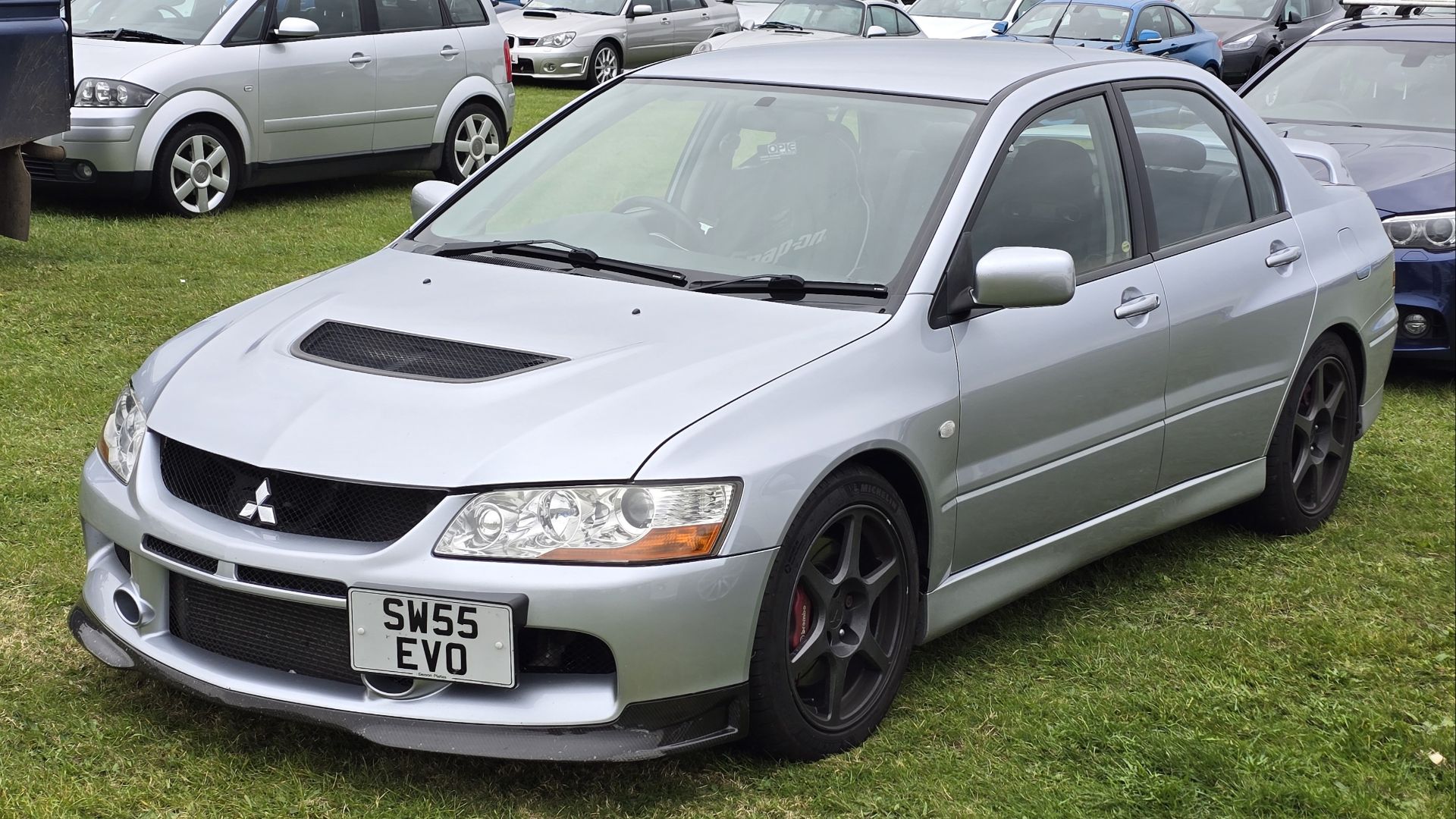
5. Lancer Evolution VIII MR (2004)
The Evo VIII MR added Bilstein suspension and a six-speed twin-clutch gearbox to the already formidable Evo formula. Road tests consistently placed it among the fastest point-to-point cars available at any price, and its official 271 horsepower understated what the engine was actually capable of with minimal modification.
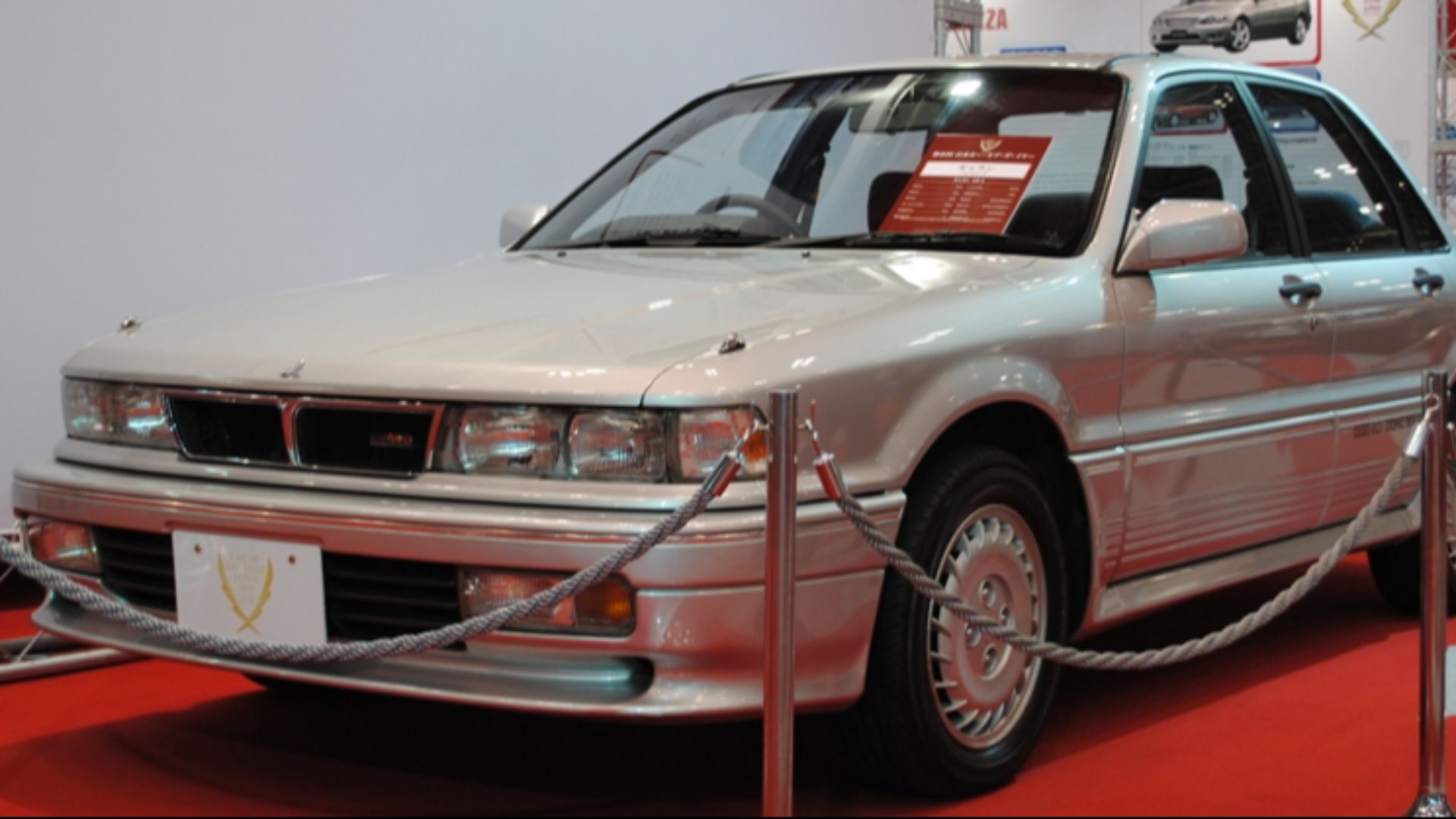
6. Galant VR-4 (1987-1992)
Before the Evo existed, the Galant VR-4 was how Mitsubishi went rallying, packing a turbocharged engine with four-wheel drive and four-wheel steering into what looked like an ordinary family sedan. It won the 1992 WRC constructor's title and never officially came to the United States, which is precisely why it has become one of the more coveted Japanese domestic market imports of its era.
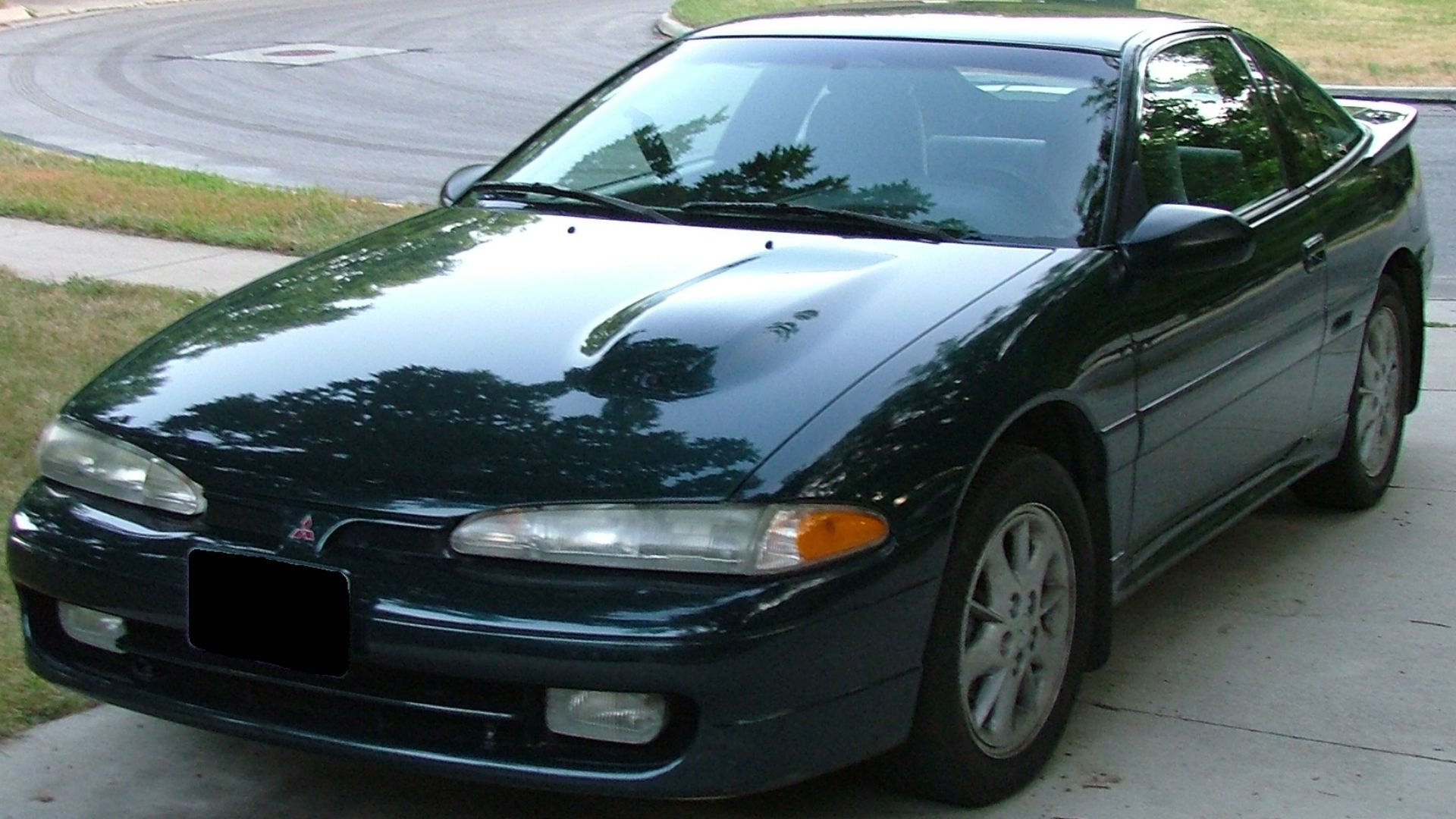
7. Eclipse GST (1990-1994)
The first-generation Eclipse GST delivered around 195 horsepower from a turbocharged 2.0-liter, which was a serious number at that price in 1990. It handled well, looked sharp, and introduced a generation of buyers to the idea that an affordable Japanese coupe could be genuinely exciting. It also launched one of the more enduring automotive cameos in pop culture history.
 commons.wikimedia.org on Google
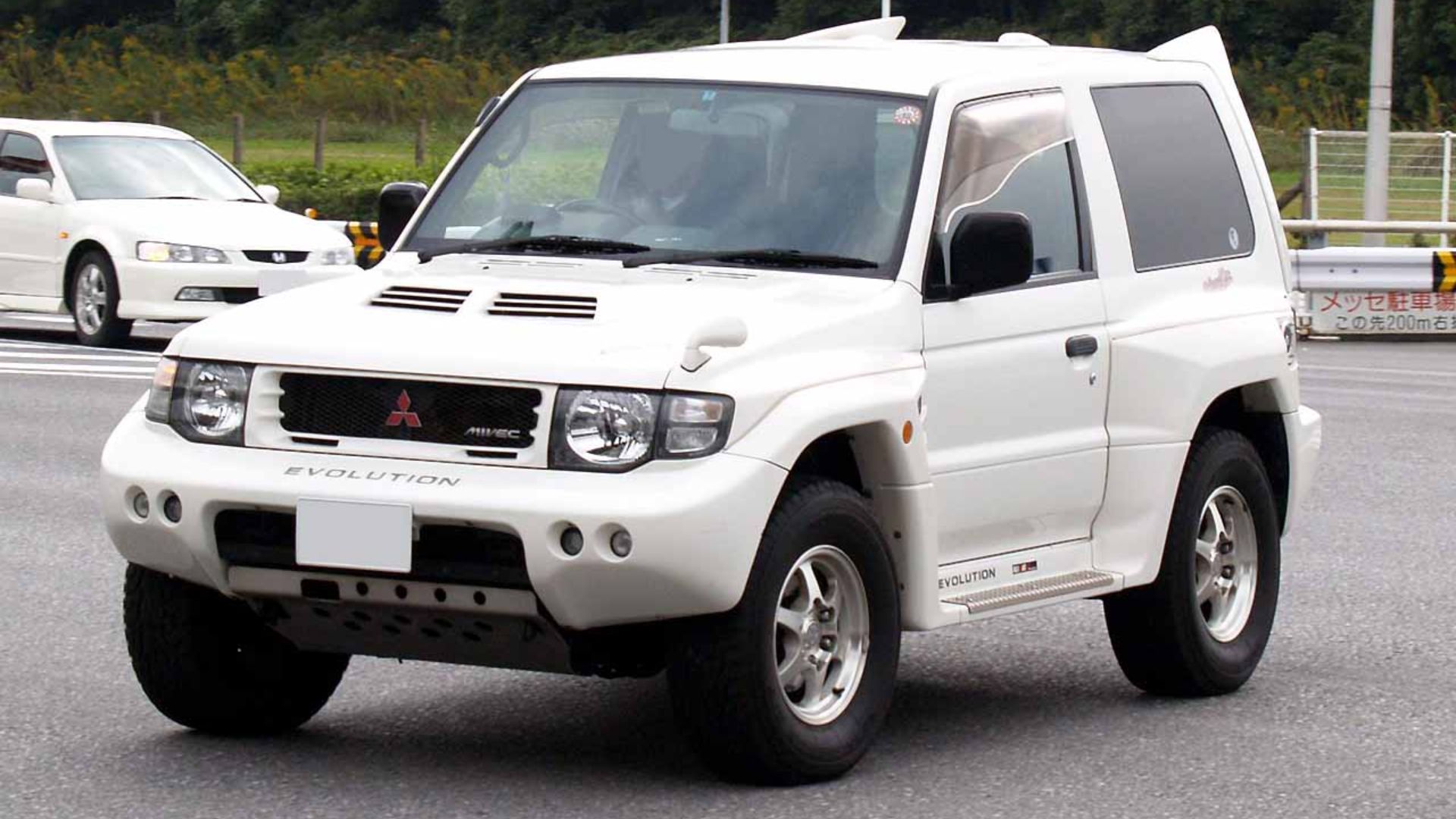
8. Pajero Evolution (1997-1999)
Built specifically to win the Dakar Rally, the Pajero Evolution used a 3.5-liter V6 and a purpose-built long-travel suspension that had almost nothing in common with the standard Pajero. It won Dakar four consecutive times. Only around 2,500 were ever built, and as a road vehicle it was impractical and uncompromising, which is exactly what made it special.
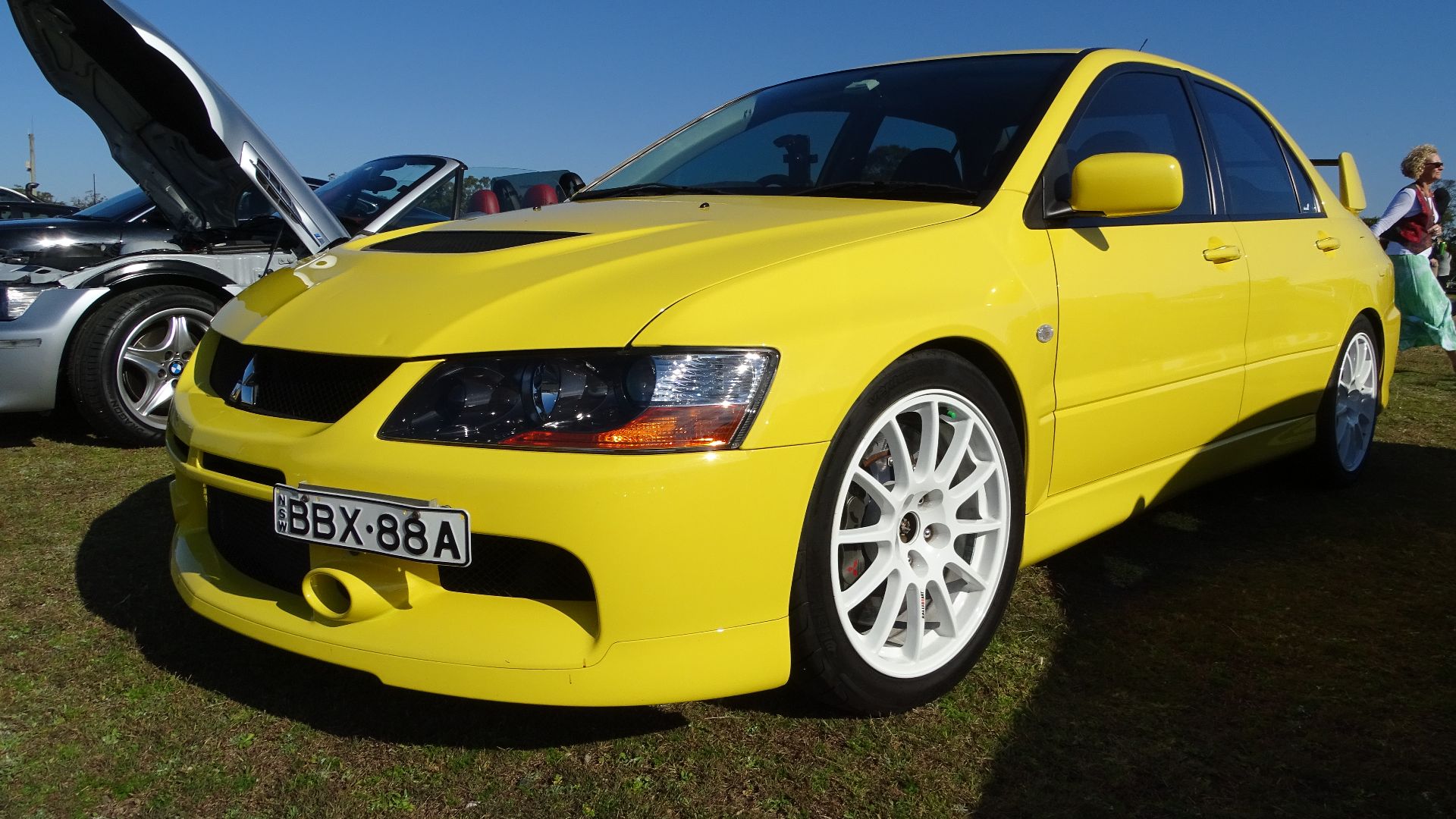
9. Lancer Evolution IX (2005-2007)
The Evo IX added variable valve timing that improved power delivery without blunting the edge, and was the last of the line to use the 4G63 engine that had defined the nameplate. Many enthusiasts consider it the purest expression of what the original Evo concept was supposed to be.
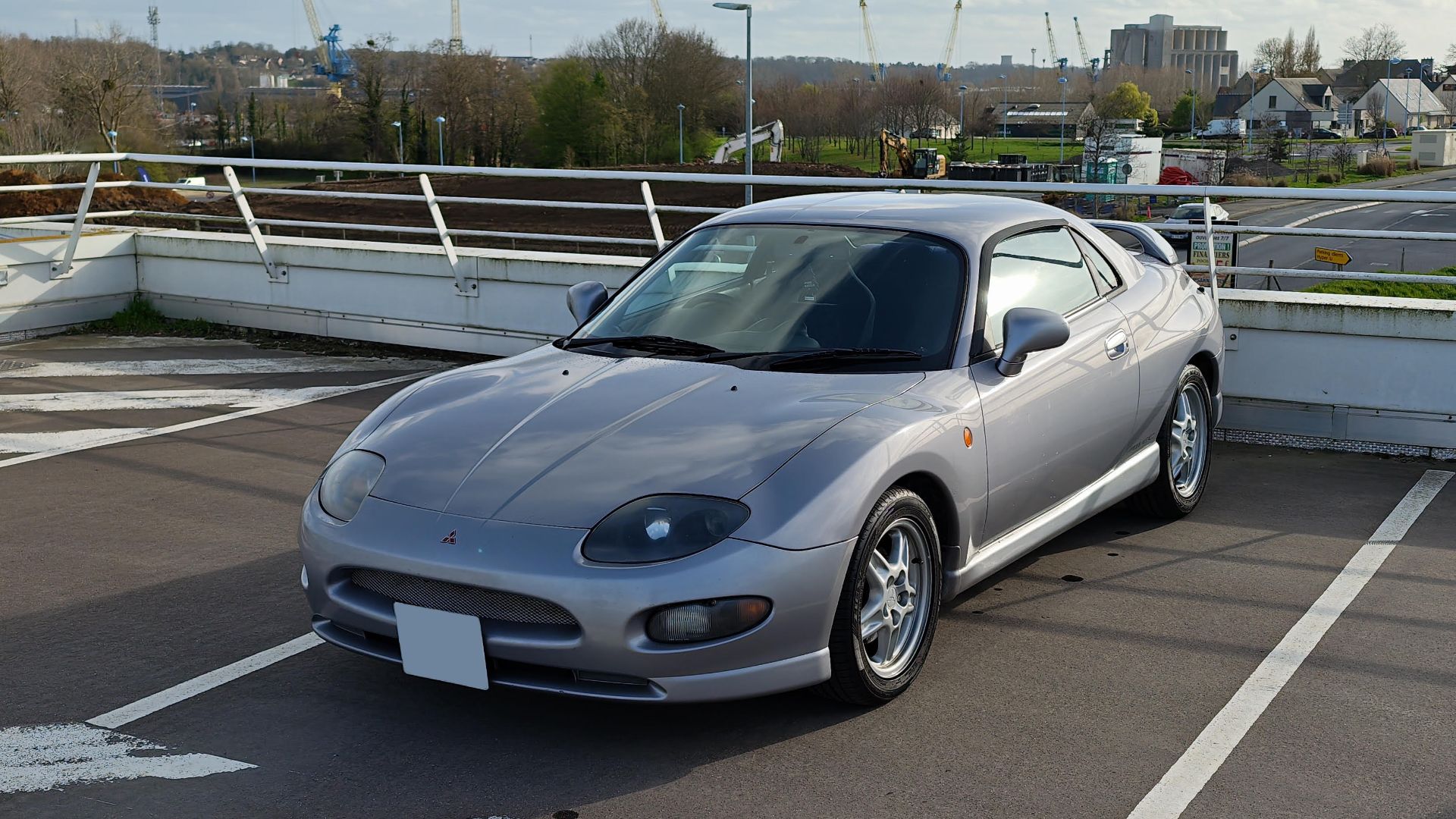
10. FTO GPX (1994-2000)
Sold only in Japan, the FTO was a front-wheel-drive coupe powered by a 2.0-liter V6 revving to nearly 8,000 rpm and producing around 200 horsepower. It won Japan's Car of the Year in 1994 and remains largely unknown outside enthusiast circles, making it one of the more underappreciated Japanese coupes of the decade.
Now, here's 10 that prove the falloff was real.
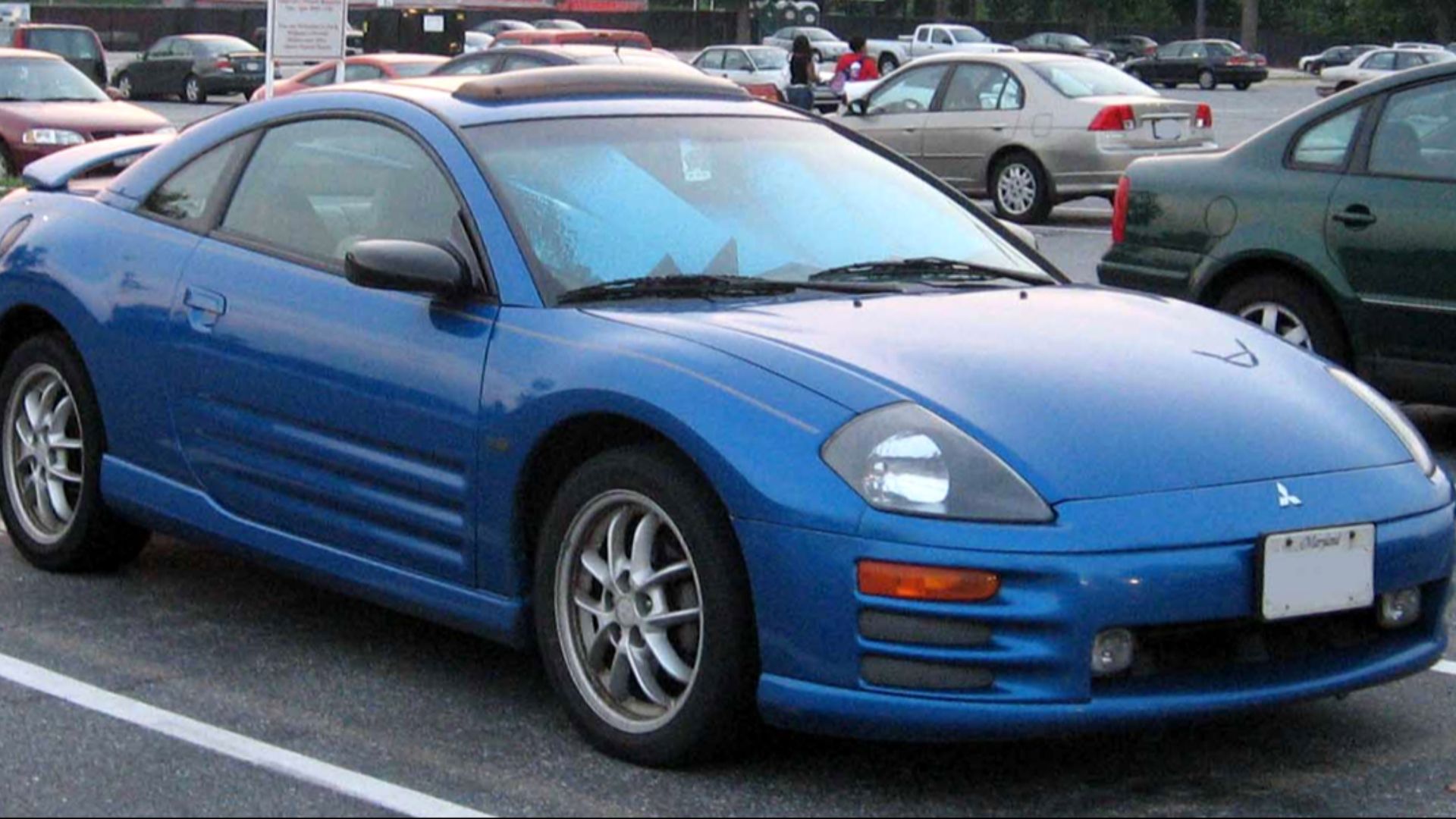
1. Eclipse (2006-2012, Fourth Generation)
Mitsubishi took a car with genuine performance heritage and turned it into a heavy, front-wheel-drive-only coupe with styling that tried too hard and dynamics that didn't try hard enough. The turbocharged all-wheel-drive versions that had defined the model were gone, replaced by a car that traded on a famous name without honoring what made it famous.
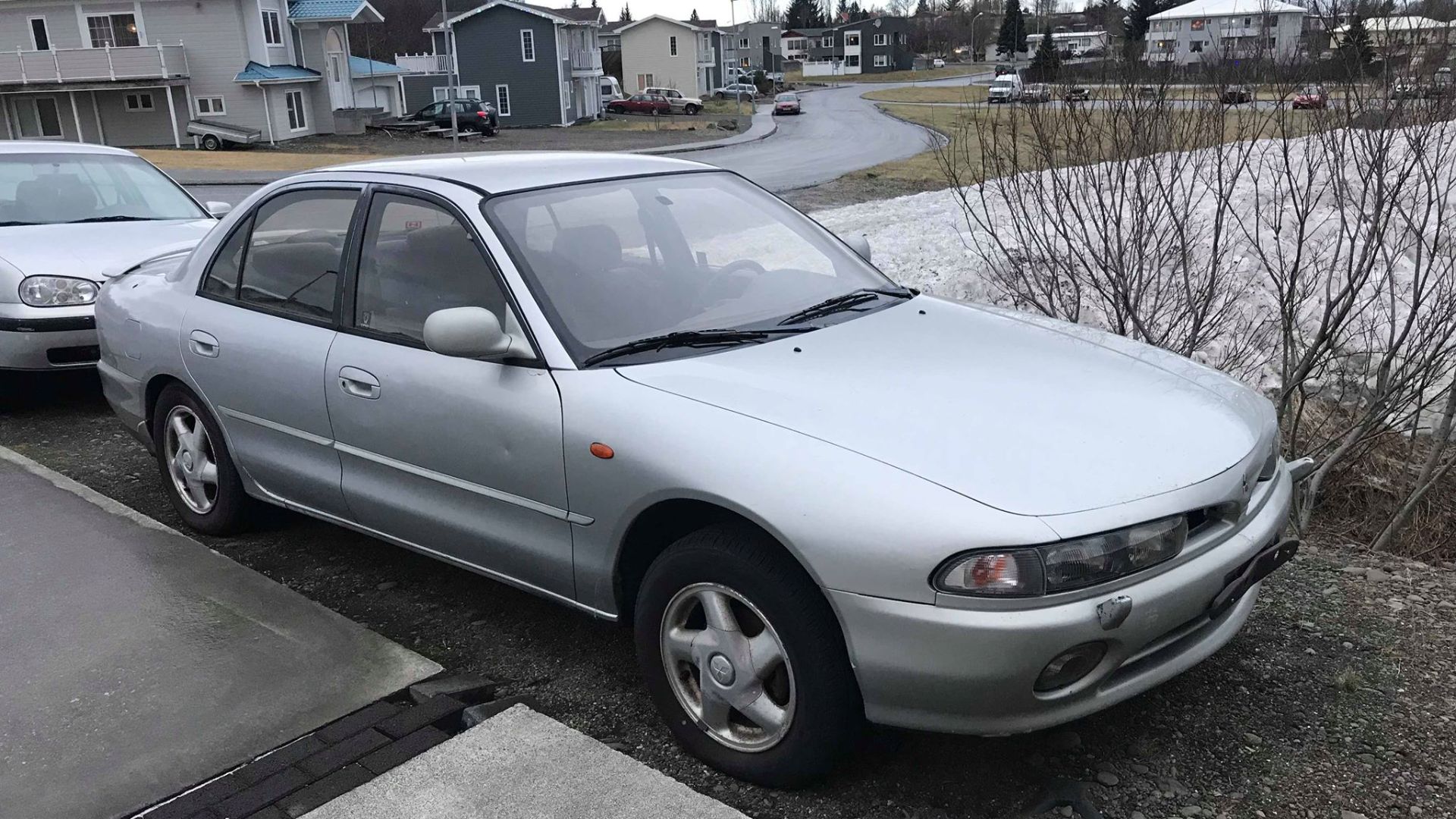
2. Galant (2004-2012, Ninth Generation)
The ninth-generation Galant started as a reasonable family sedan and simply never evolved, left largely unchanged for eight years while competitors updated on four-year cycles. By the time it was discontinued it felt a full generation behind, and its sales reflected that.
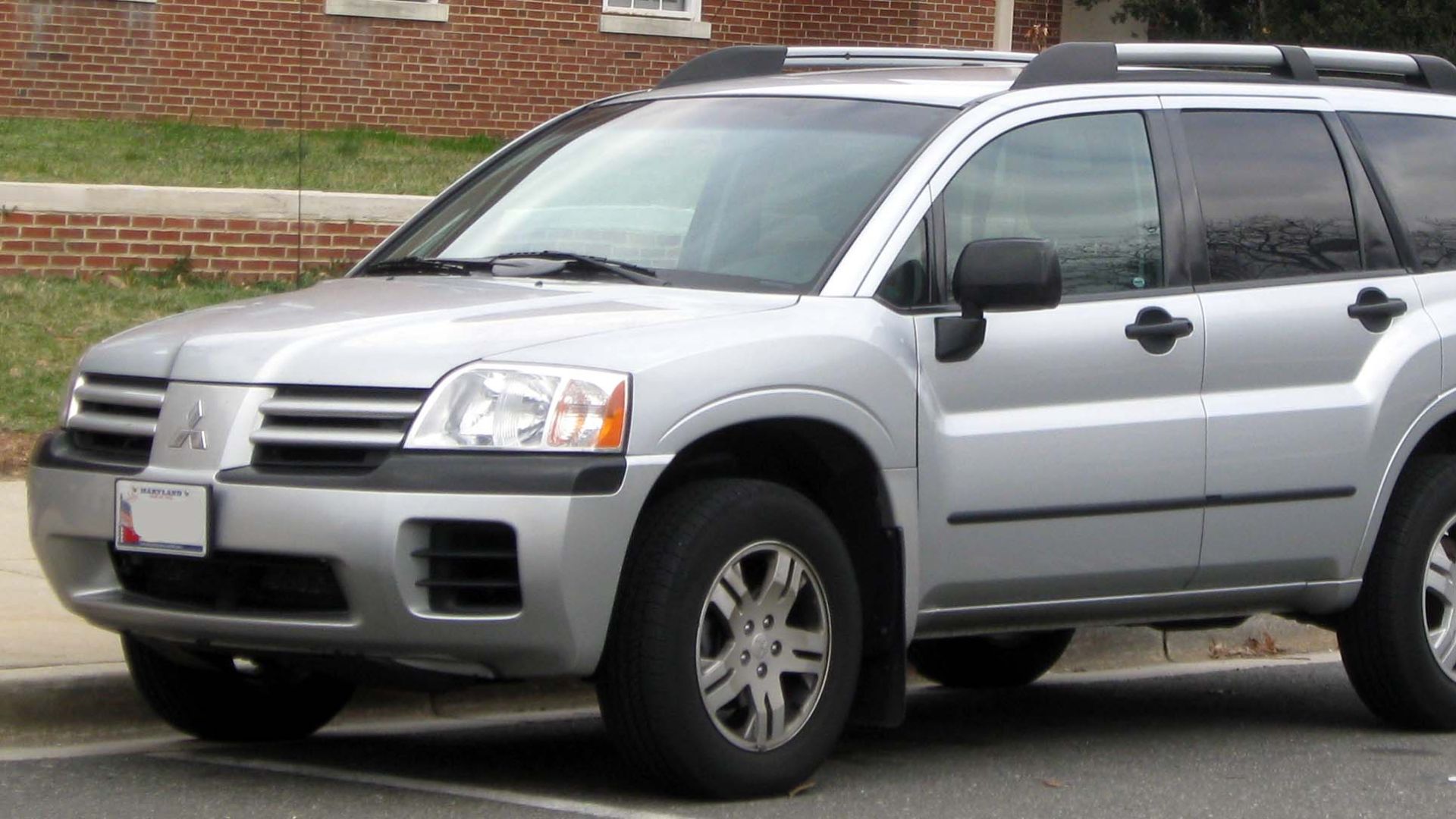
3. Endeavor (2003-2011)
The Endeavor arrived during the mid-2000s SUV boom with every opportunity to succeed and brought nothing distinctive to a crowded market. Its styling aged poorly within a few years and Mitsubishi never updated it meaningfully before discontinuing it without much ceremony.
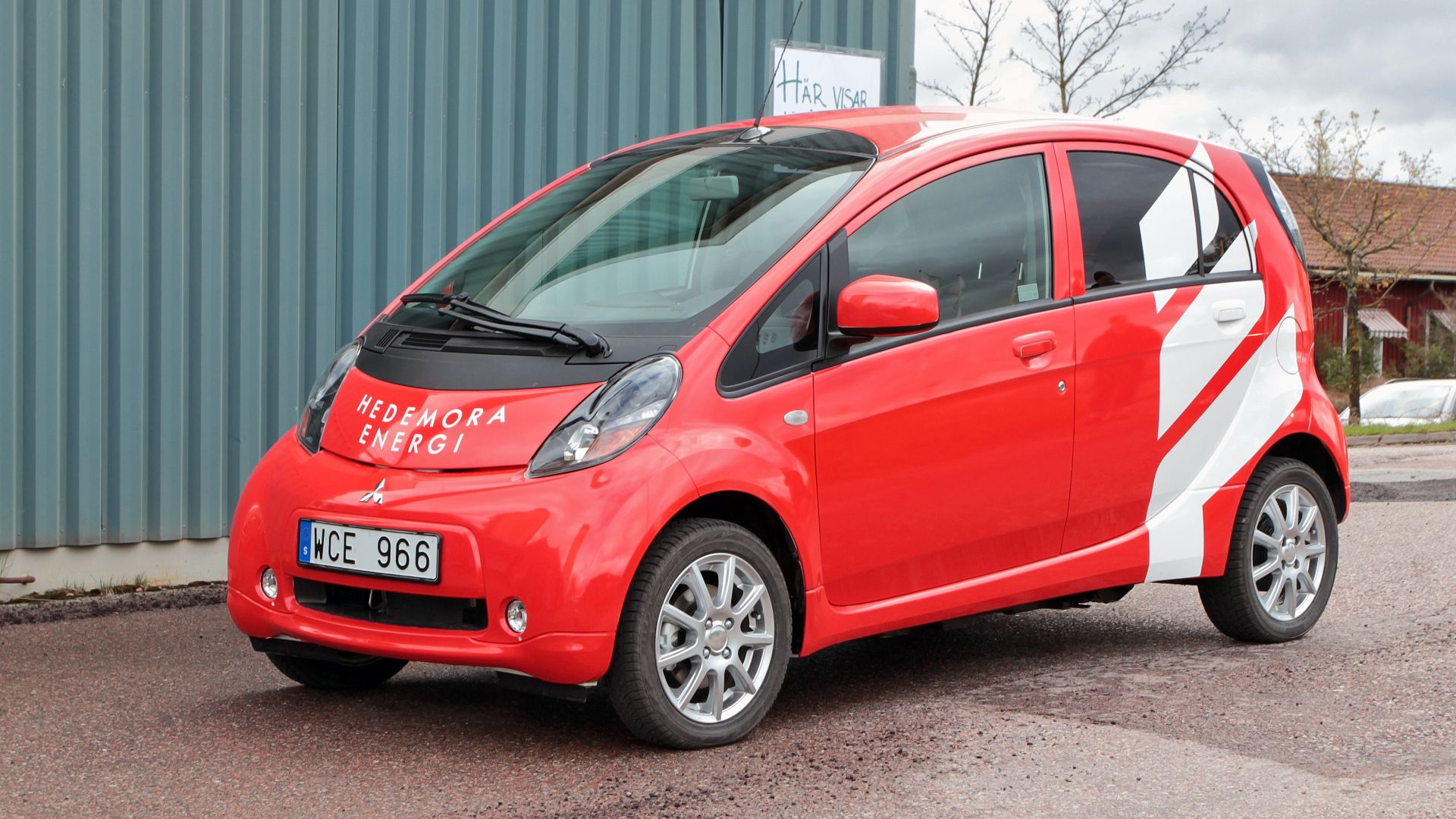
4. i-MiEV (2012-2017)
The i-MiEV deserves credit for being early to the American EV market. It deserves less for offering a 62-mile range and a driving experience that felt underdeveloped even by 2012 standards. While the Nissan Leaf was establishing what an accessible electric car could feel like, the i-MiEV felt like a science project.
 Calle Eklund/V-wolf on Wikimedia
5. Raider (2006-2009)
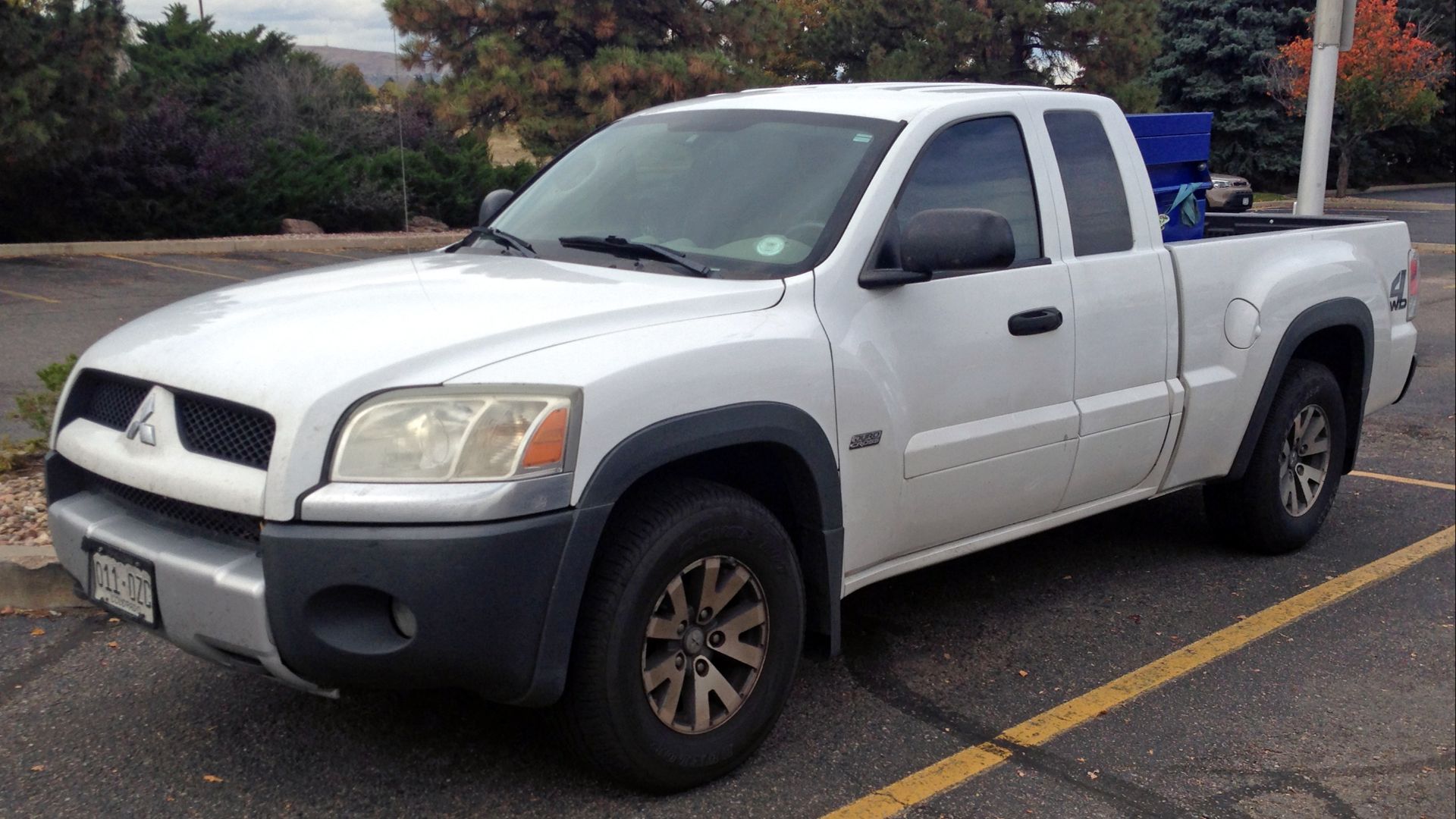
The Raider was a rebadged Dodge Dakota that fooled essentially nobody. Truck buyers have strong brand loyalty and a sharp eye for badge engineering, and the Raider sold in such small numbers that Mitsubishi discontinued it after three years having contributed nothing to the brand.
6. Diamante (1997-2004)
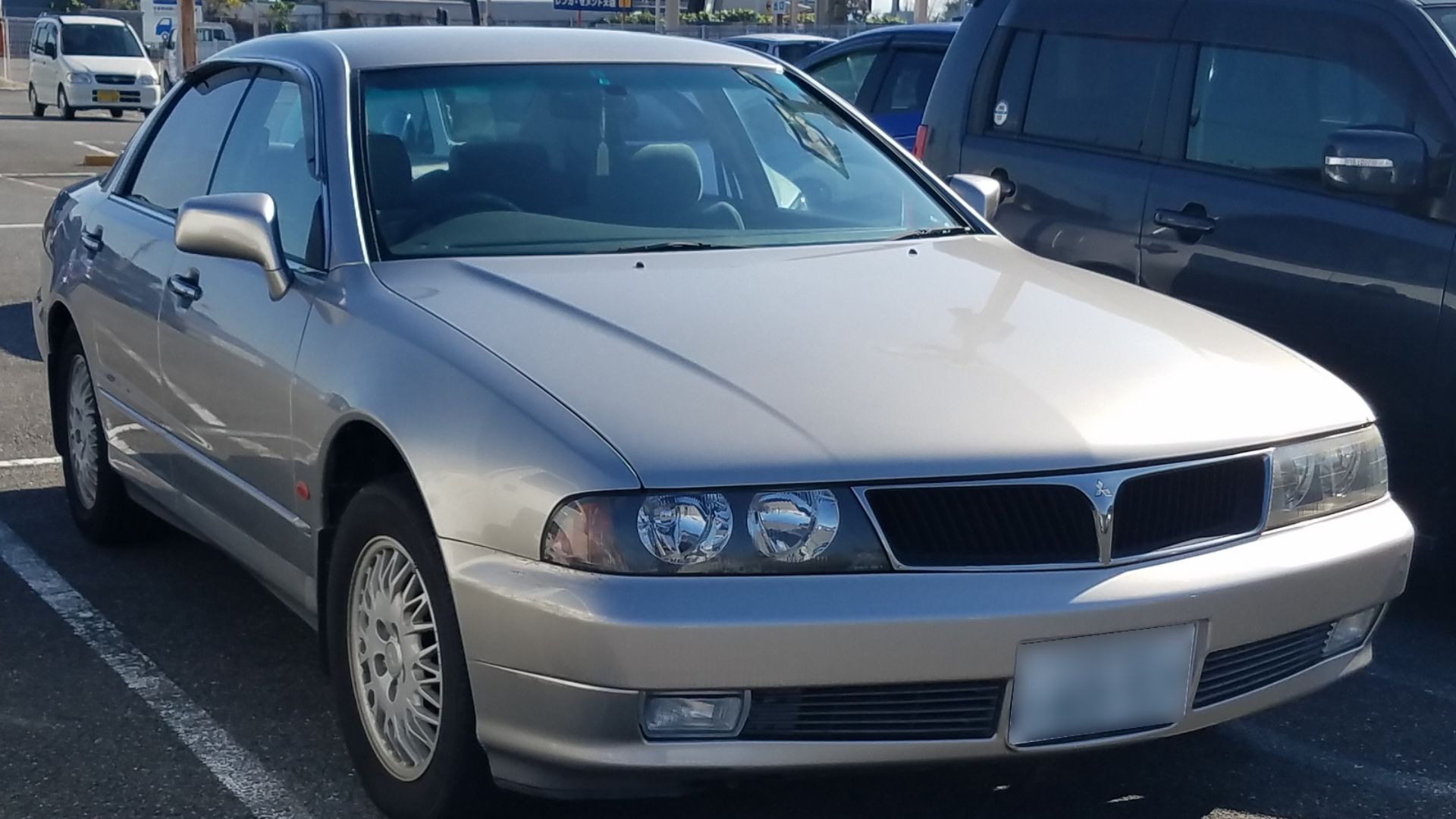
The Diamante occupied an awkward middle ground between mainstream and premium without committing to either. It lacked the refinement to justify its price against established competitors and faded from the market having made almost no impression on the segment it was supposed to compete in.
 Toyotacoronaexsaloon on Wikimedia
7. Eclipse Cross (2018-Present)
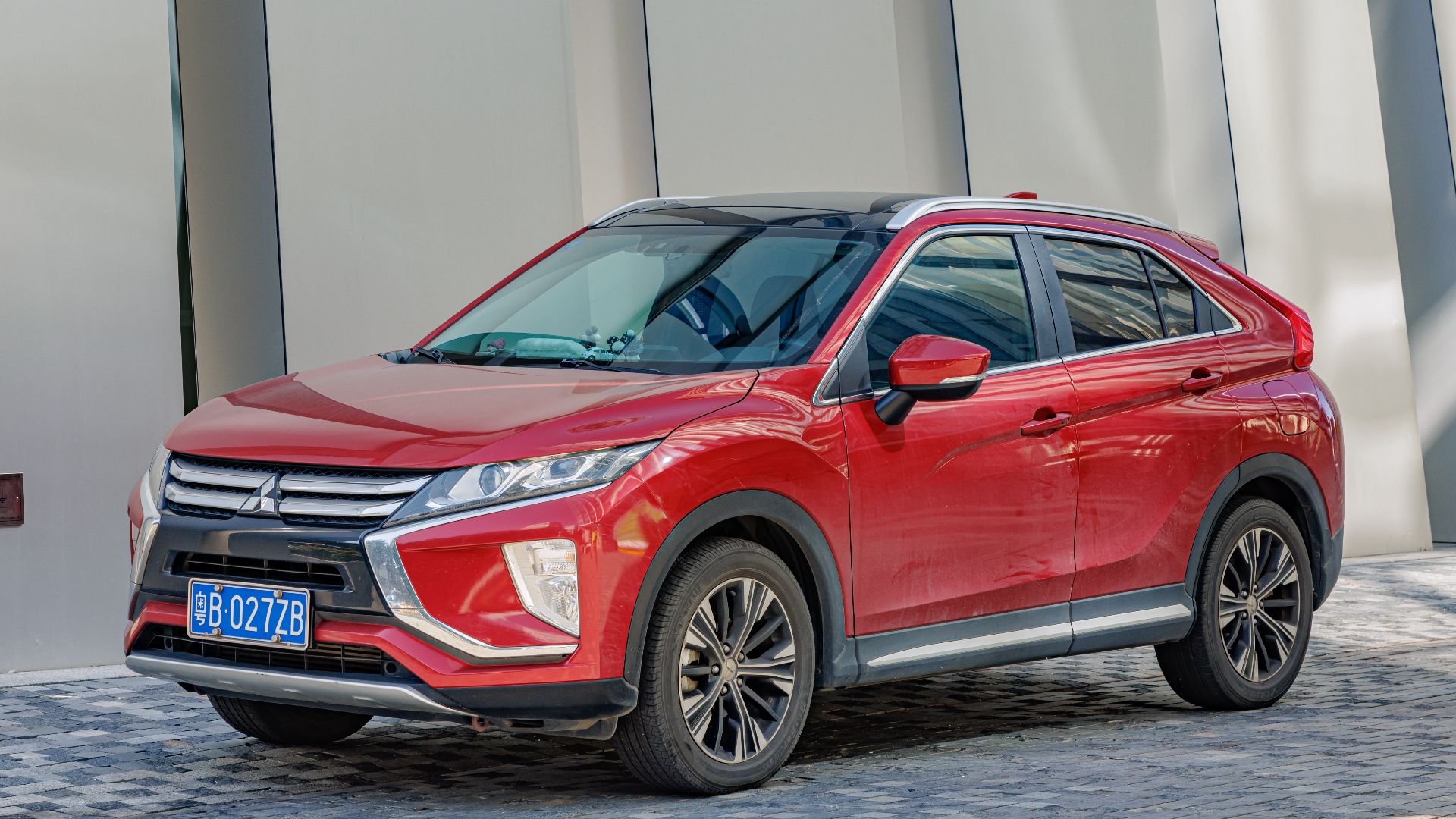
Mitsubishi resurrected the Eclipse name for a subcompact crossover, a decision that annoyed everyone who remembered what the Eclipse actually was. The Eclipse Cross is not a bad vehicle in absolute terms. It is competent and reasonably equipped and completely at odds with everything the Eclipse name meant.
8. Outlander (First and Second Generation, 2003-2013)
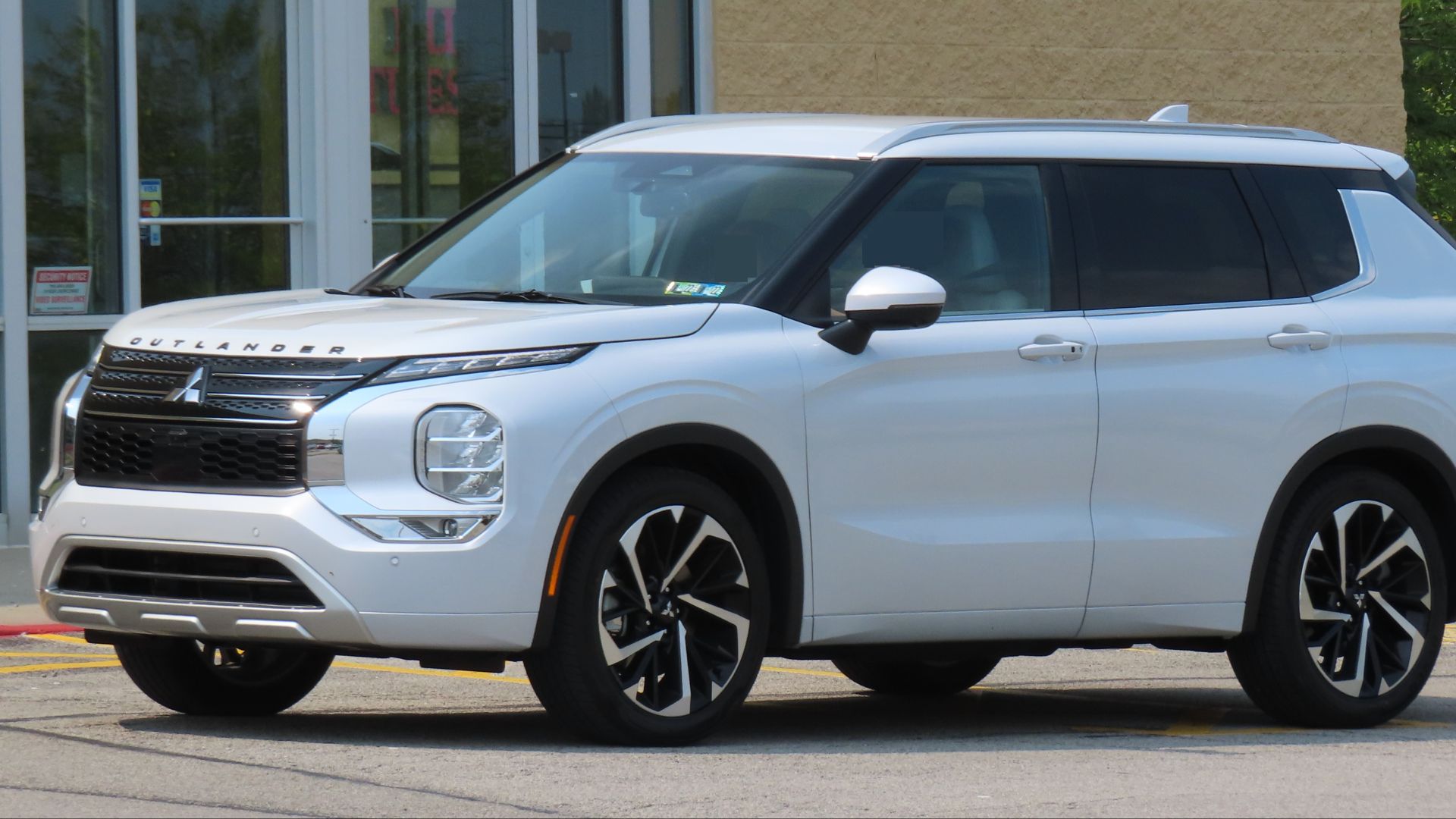
The early Outlander generations were inoffensive compact crossovers that did nothing particularly well and nothing particularly badly. In an increasingly competitive segment, inoffensive was not enough. They were the kind of cars people bought when they had exhausted other options.
9. Sigma (1990-1996)
The Sigma was Mitsubishi's rear-wheel-drive luxury sedan, priced into a segment dominated by German and Japanese competitors with far stronger reputations. It represented an expensive attempt to move upmarket that the brand's image couldn't support, and it disappeared with almost no trace.
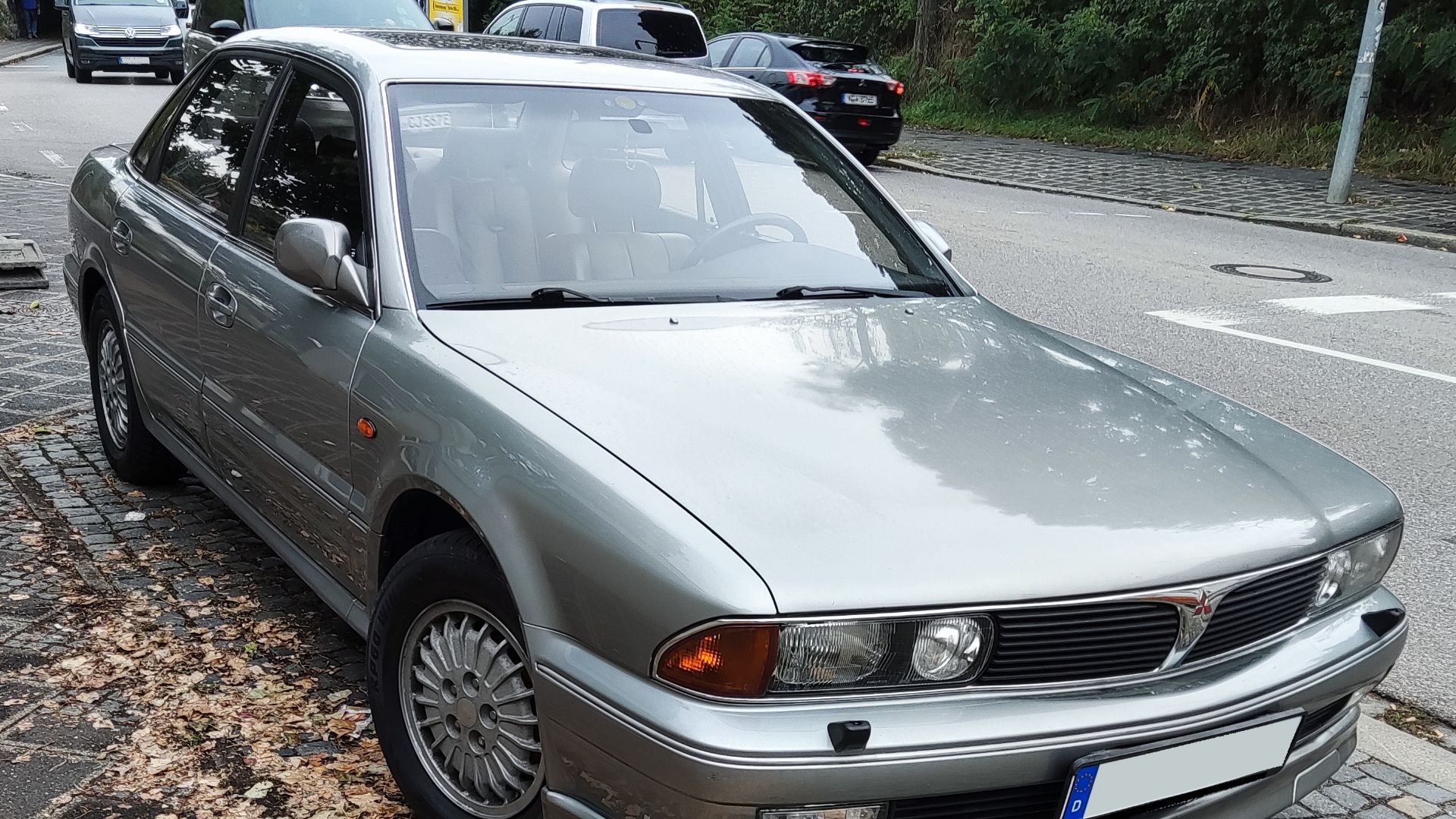 Interesting.cars.insta on Wikimedia
10. Mirage (2014-Present)
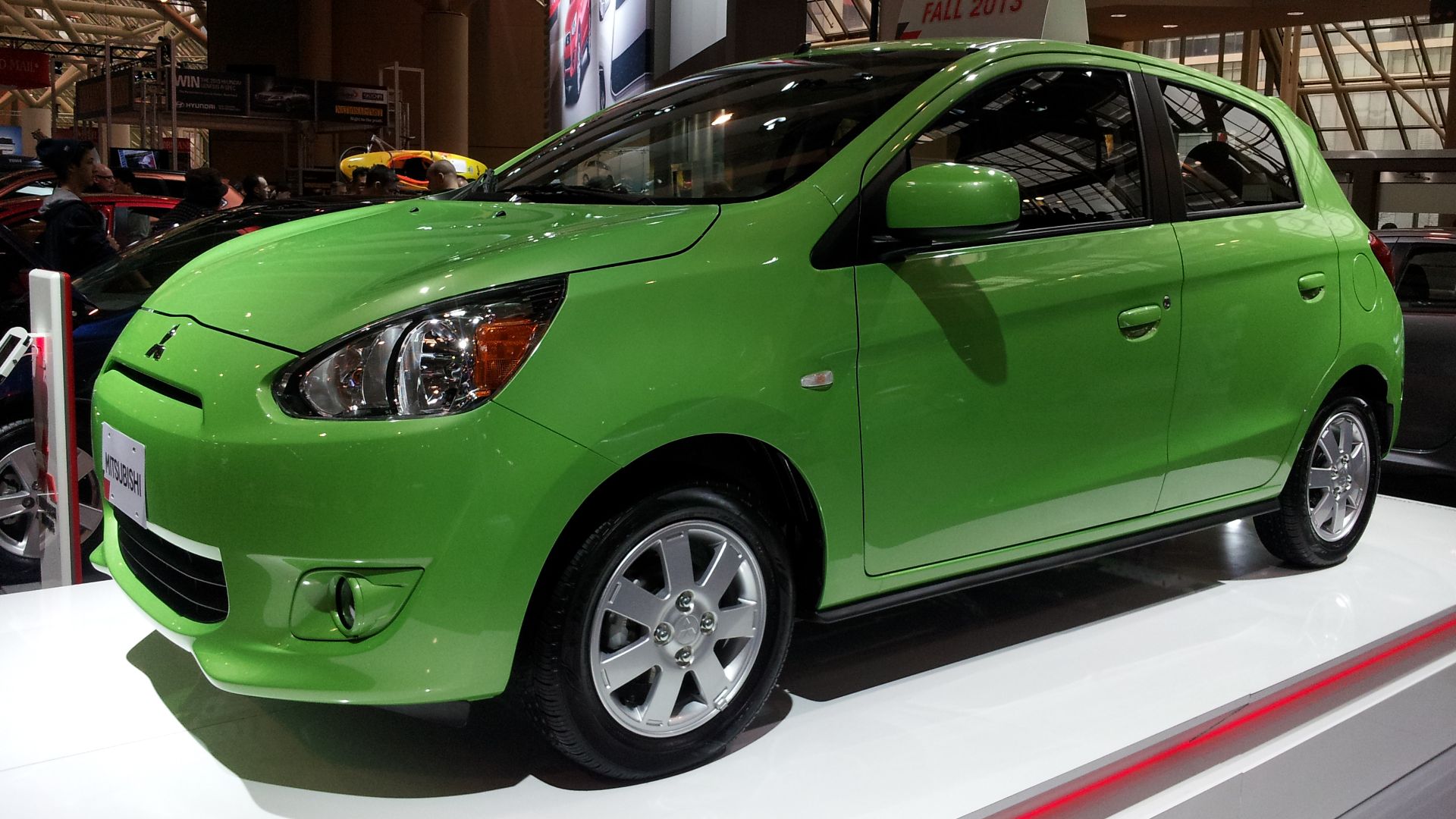
The Mirage is the car that most clearly illustrates where Mitsubishi ended up. A three-cylinder engine producing 78 horsepower, a driving experience reviewers have consistently described as adequate at best, and an existence built around low payments for buyers with limited credit. It's a long way from turbocharged sedans winning rally championships.