20 Situations Where Slowing Down Actually Gets You There Faster
Don’t Be The Hare
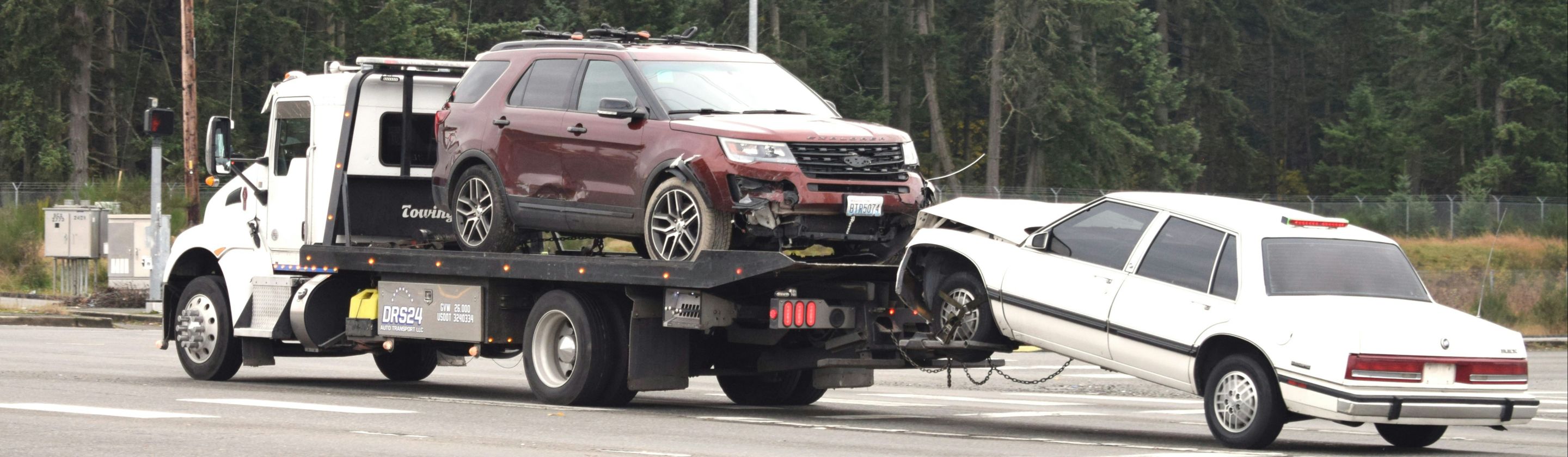
Speed can feel useful when you’re late for work, boxed in on I-95, or trying to make a dinner reservation across town. The problem is that driving faster often creates the exact delays you were trying to avoid: a missed exit, a hard stop, a ticket, a curb scrape, a fender bender, or worse. Slower, smoother driving gives you more room to think, more time to react, and fewer reasons to pull over and deal with a mess. Most drivers learn this the hard way, usually after one trip that should’ve been easy and somehow wasn’t. These are 20 situations where slowing down can actually help you get there faster.
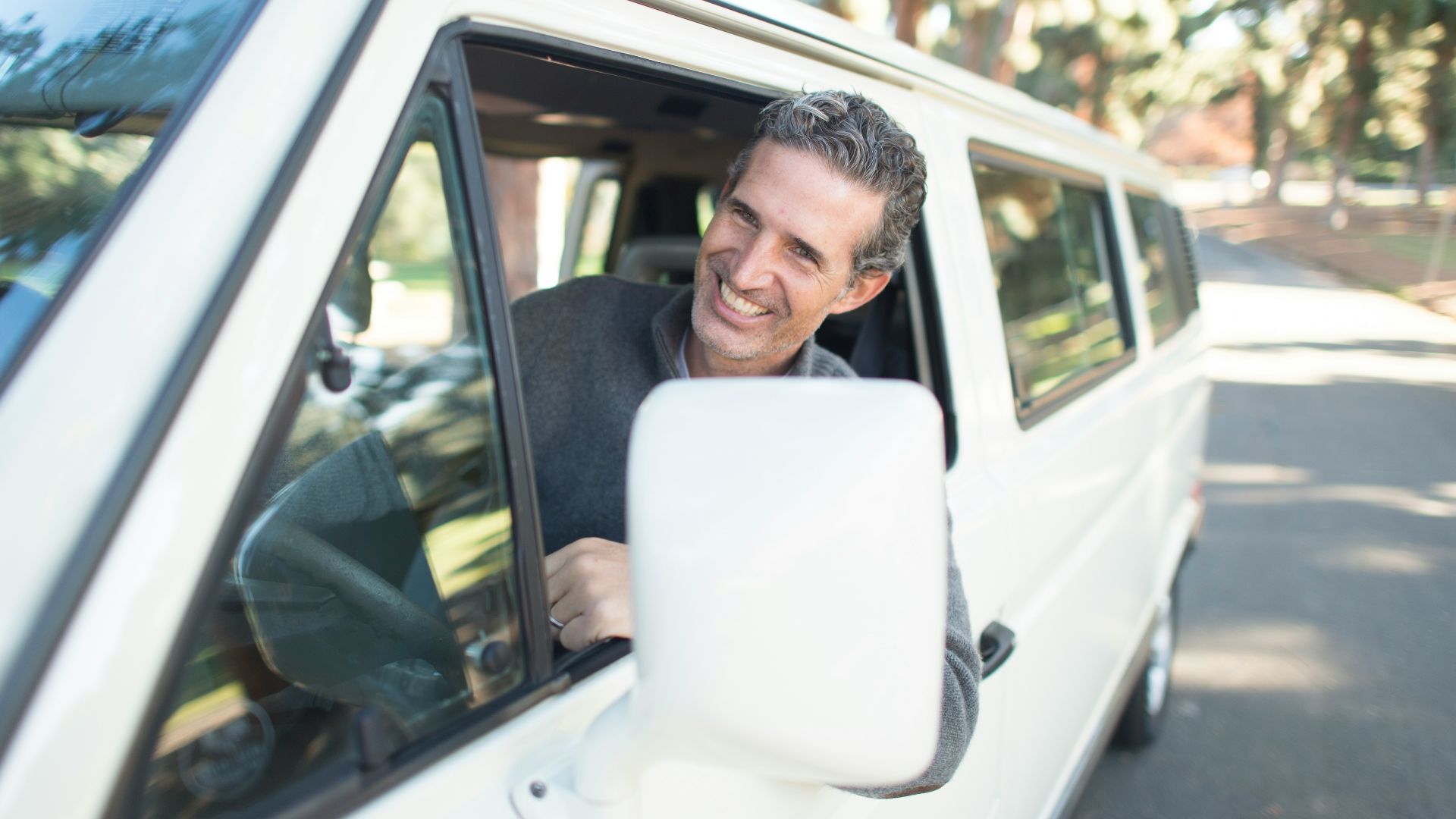
1. When You’re Already Running Late
Running late makes every red light feel just a little worse. Speeding can make the trip feel more productive, but it also raises your chances of a ticket, a bad lane change, or the chance of colliding with another car.
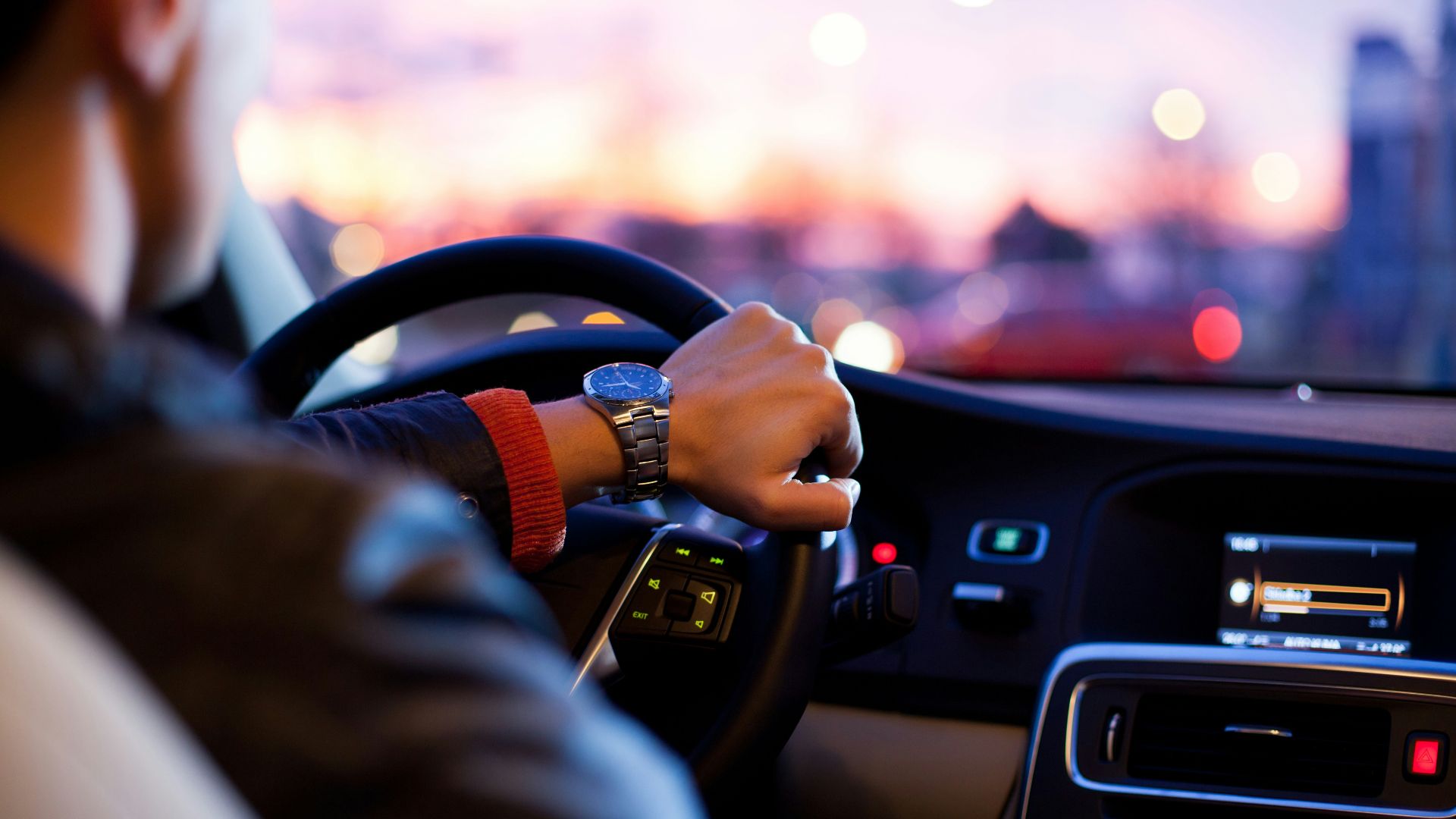
2. When Traffic Starts Bunching Up
When traffic gets thick, darting between lanes isn’t the answer. A steadier pace keeps the car moving more smoothly and helps you avoid the tiring gas-brake-gas routine.
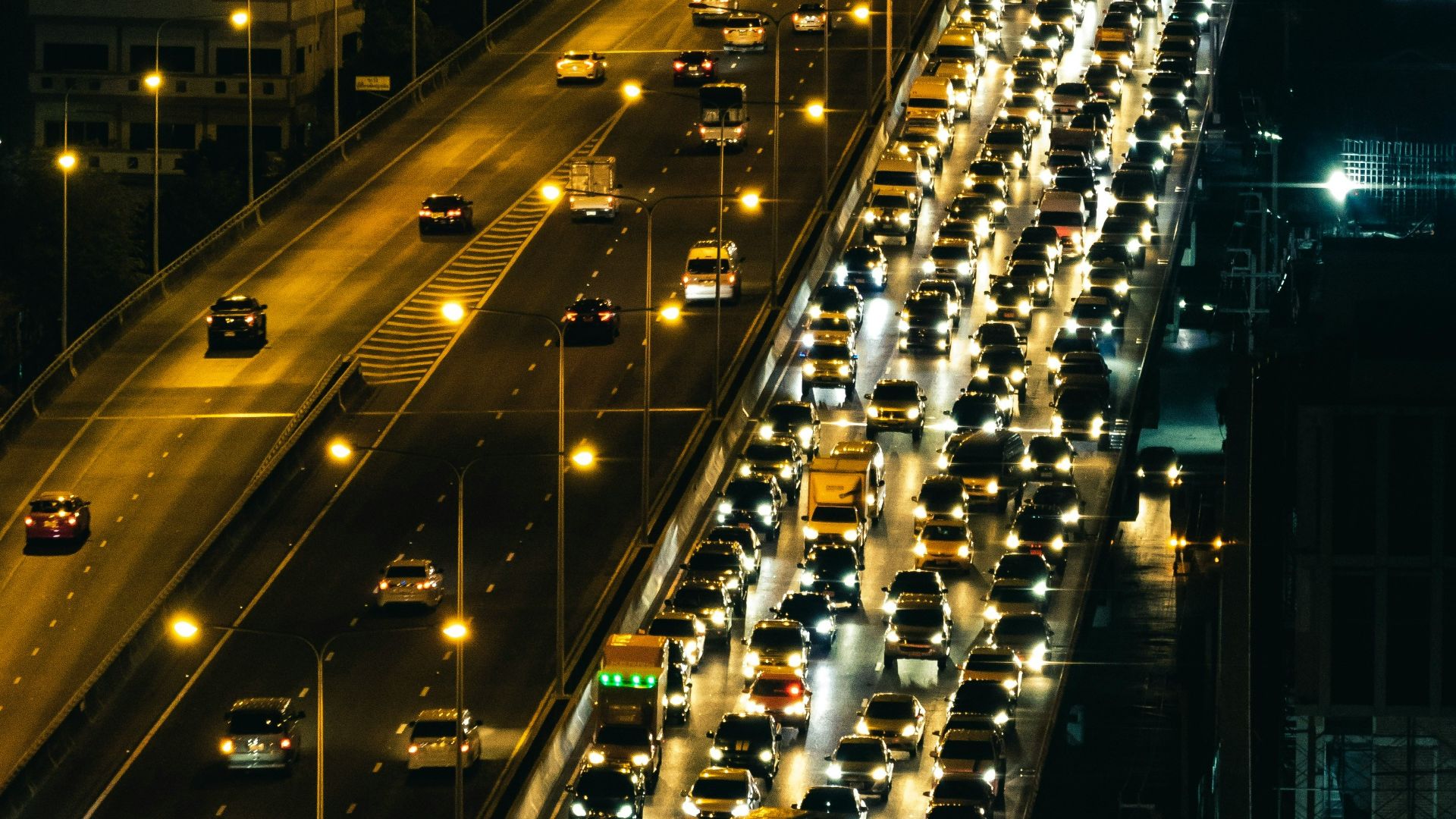
3. When You’re Approaching a Yellow Light
A yellow light can tempt even a decent driver into speeding. Intersections are busy places. Slowing early gives you a clean stop and keeps your commute from sudden doom.
4. When You’re Following Too Closely
Following too closely can feel efficient; however, that gap is what lets you avoid slamming the brakes when the car ahead stops. Backing off gives your tires, brakes, and reaction time a fair chance.
5. When Rain Starts Pooling on the Road
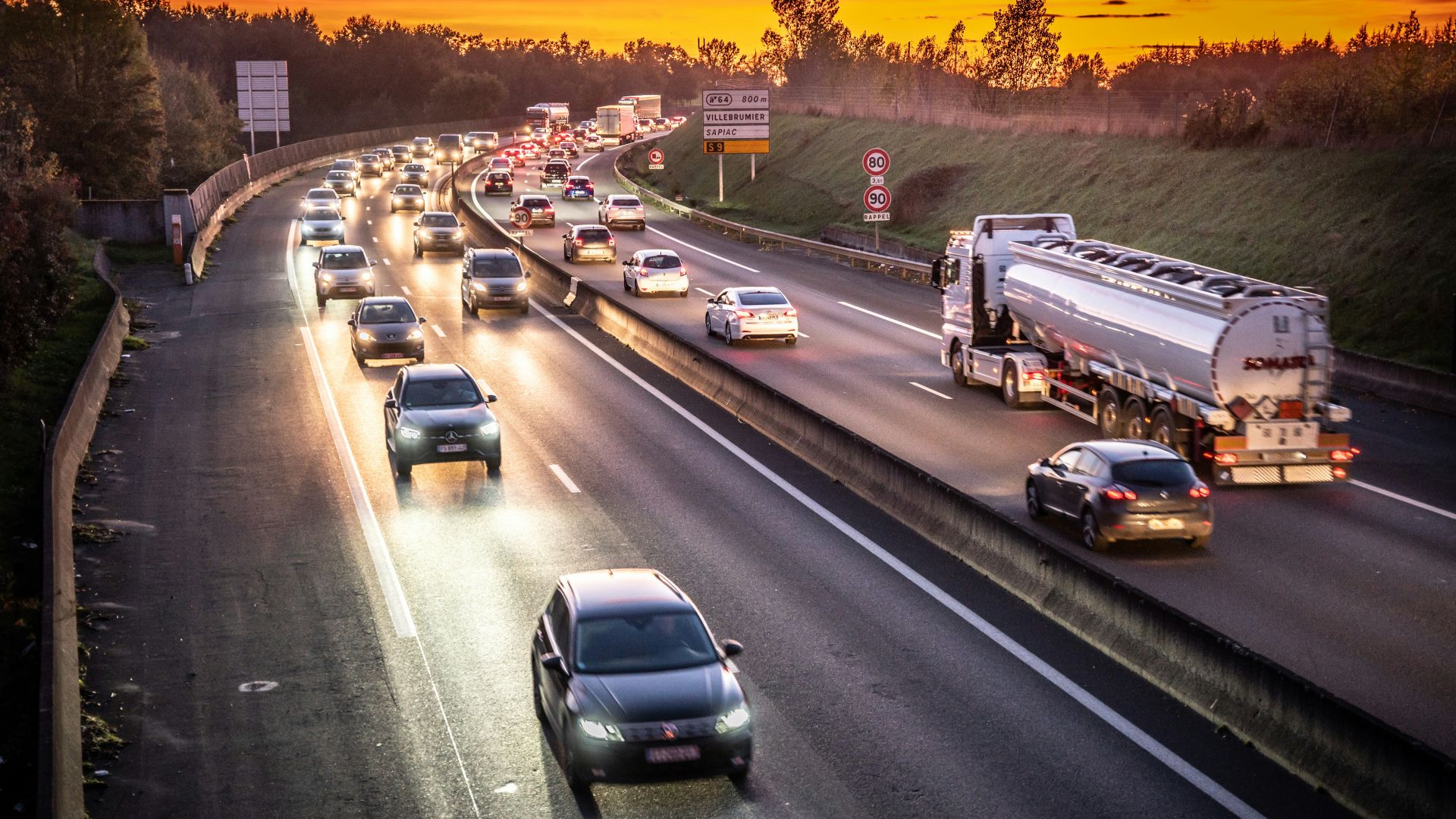
A rainstorm can change the road at a moment’s notice, especially in the right lane where water collects near the curb. Once the tires start riding over standing water, you’re at risk for hydroplaning. Slowing down helps the tires stay in better contact with the pavement and gives you more time to brake.
6. When Snow, Slush, or Ice Shows Up
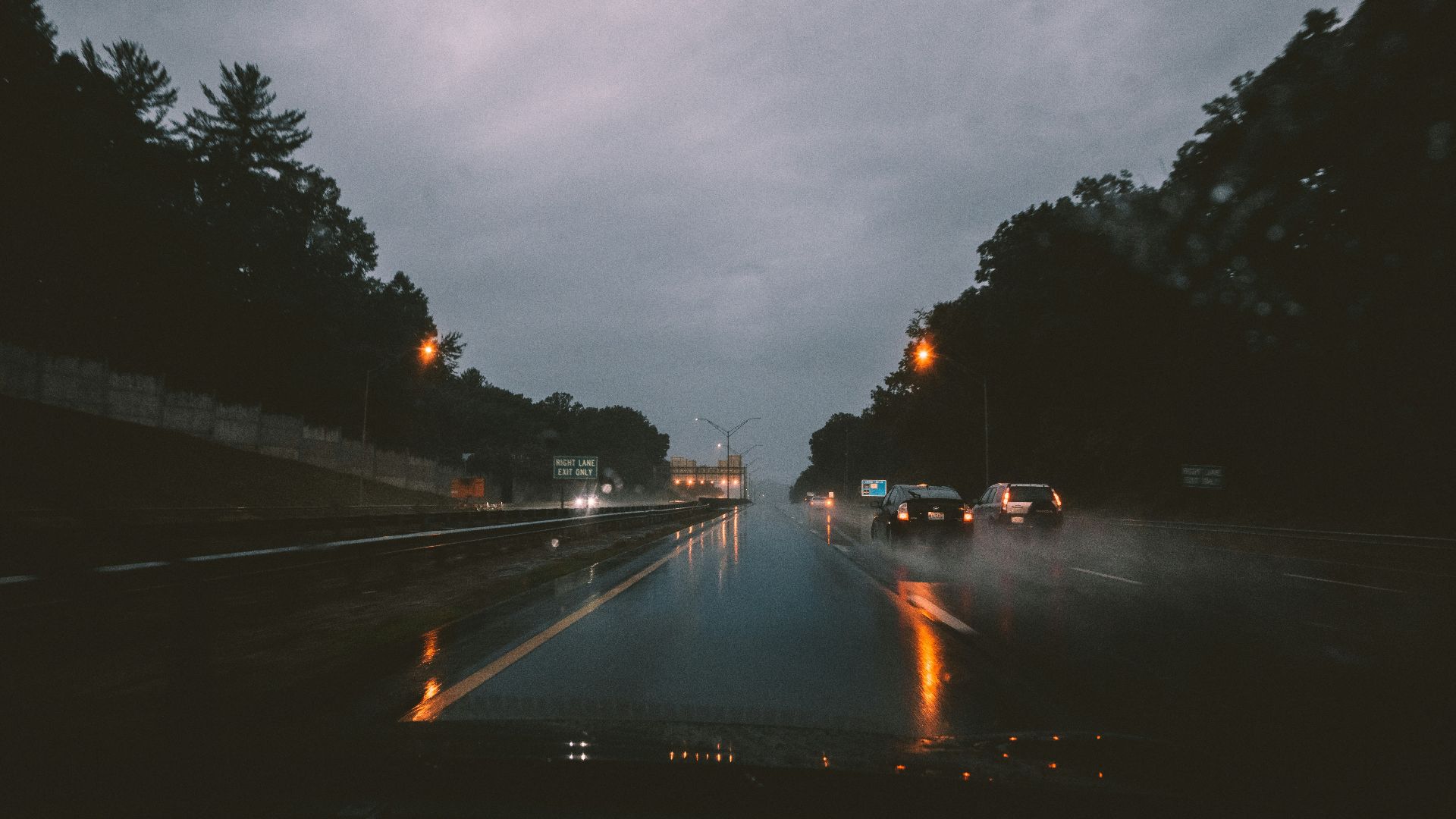
Winter driving has no patience for sudden moves. A quick stab at the brakes or a sharp turn into a snowy intersection can send the car sliding before you’ve had time to regret it. Slowing before curves, bridges, hills, and stop signs keeps the car easier to control.
7. When Visibility Gets Bad
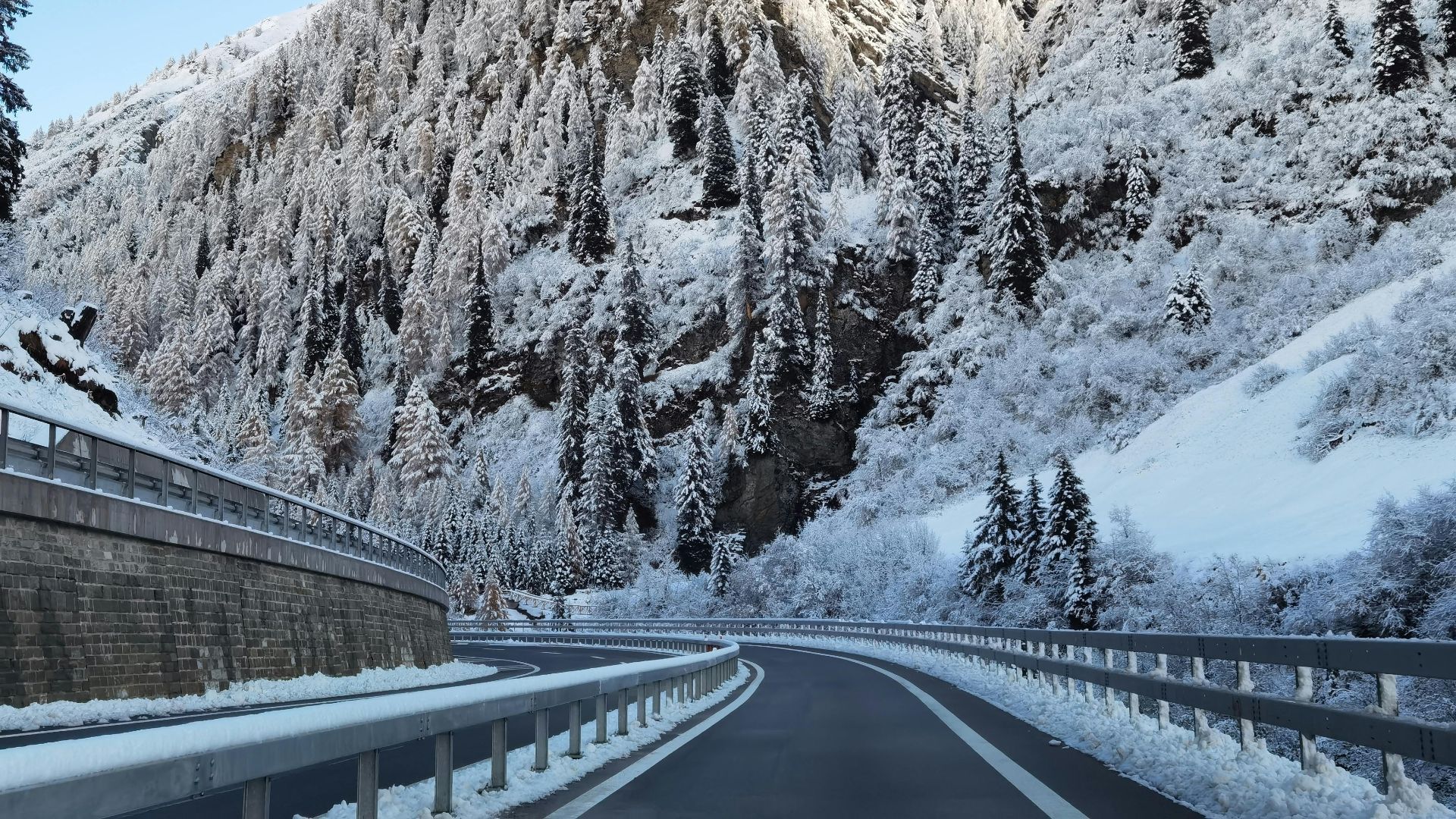
Fog, heavy rain, blowing snow, and nighttime glare all cut down how much road you can actually see. If your headlights only show a short stretch ahead, your speed needs to leave enough room to stop inside that stretch. That’s especially true on rural roads where animals, stalled cars, and fallen branches can appear out of nowhere.
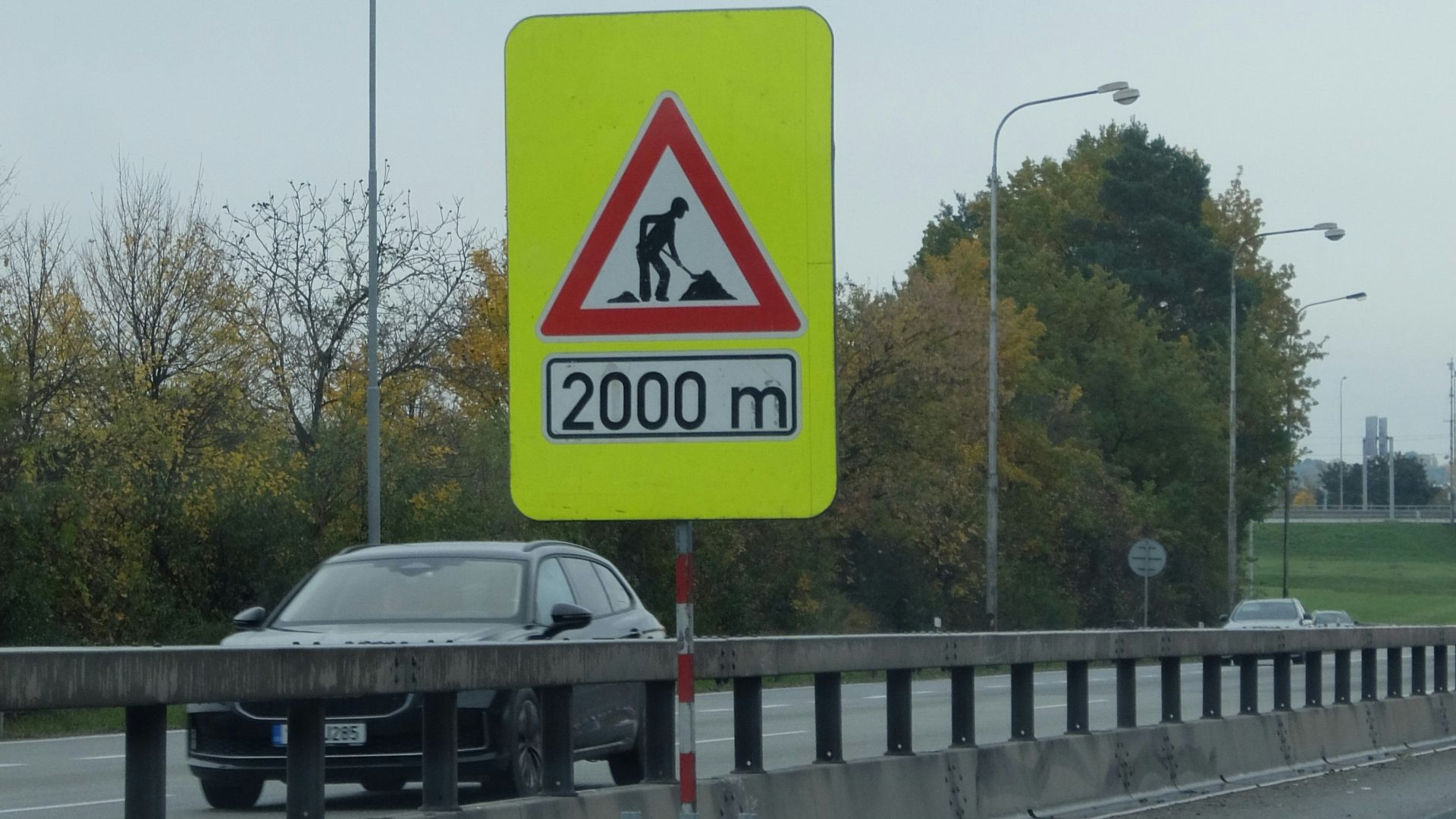
8. When You’re Entering a Work Zone
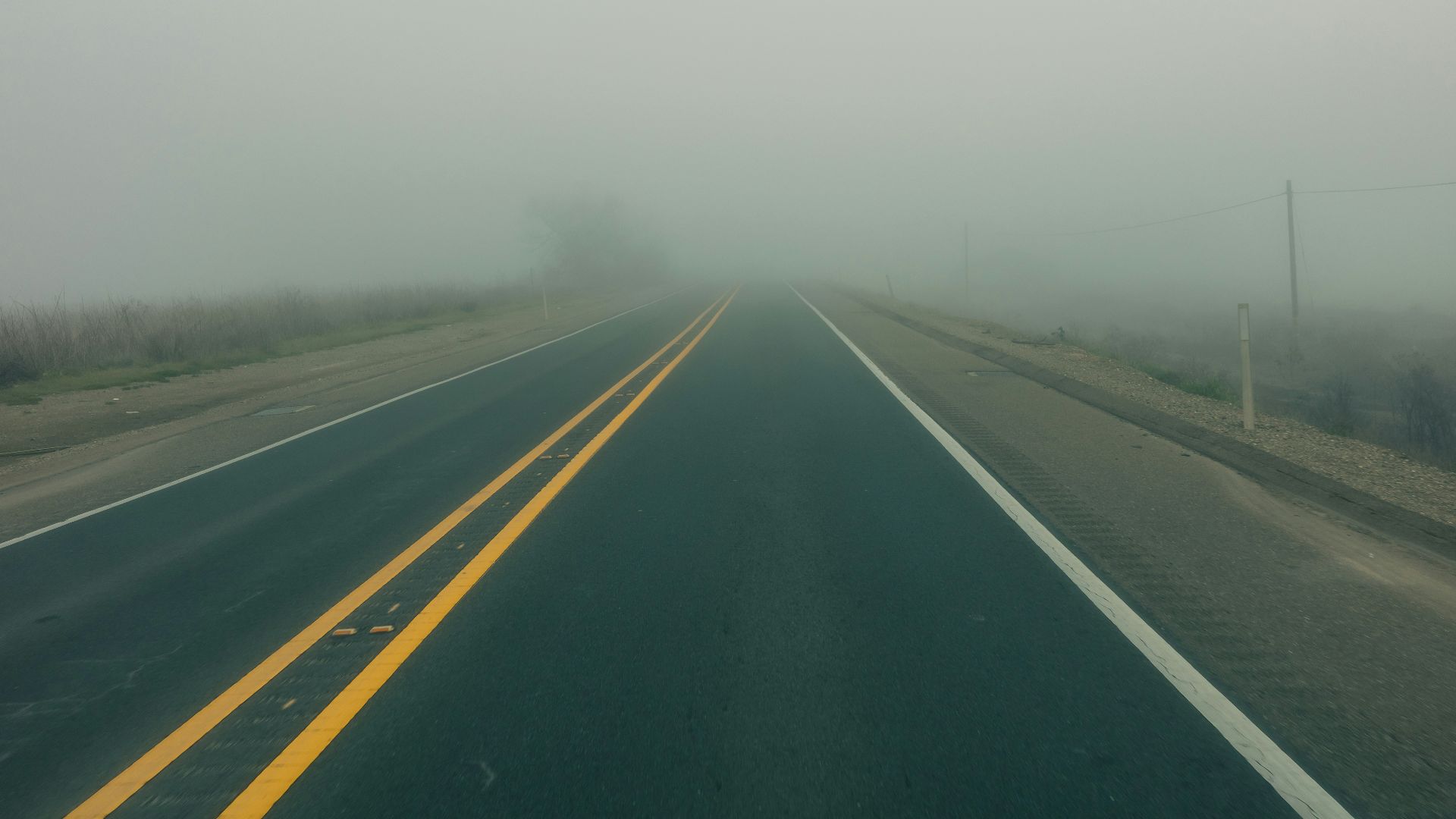
Work zones are where familiar roads suddenly stop behaving like themselves. Slowing down lets you read the signs, track the lane, and avoid turning a construction delay into a roadside delay.
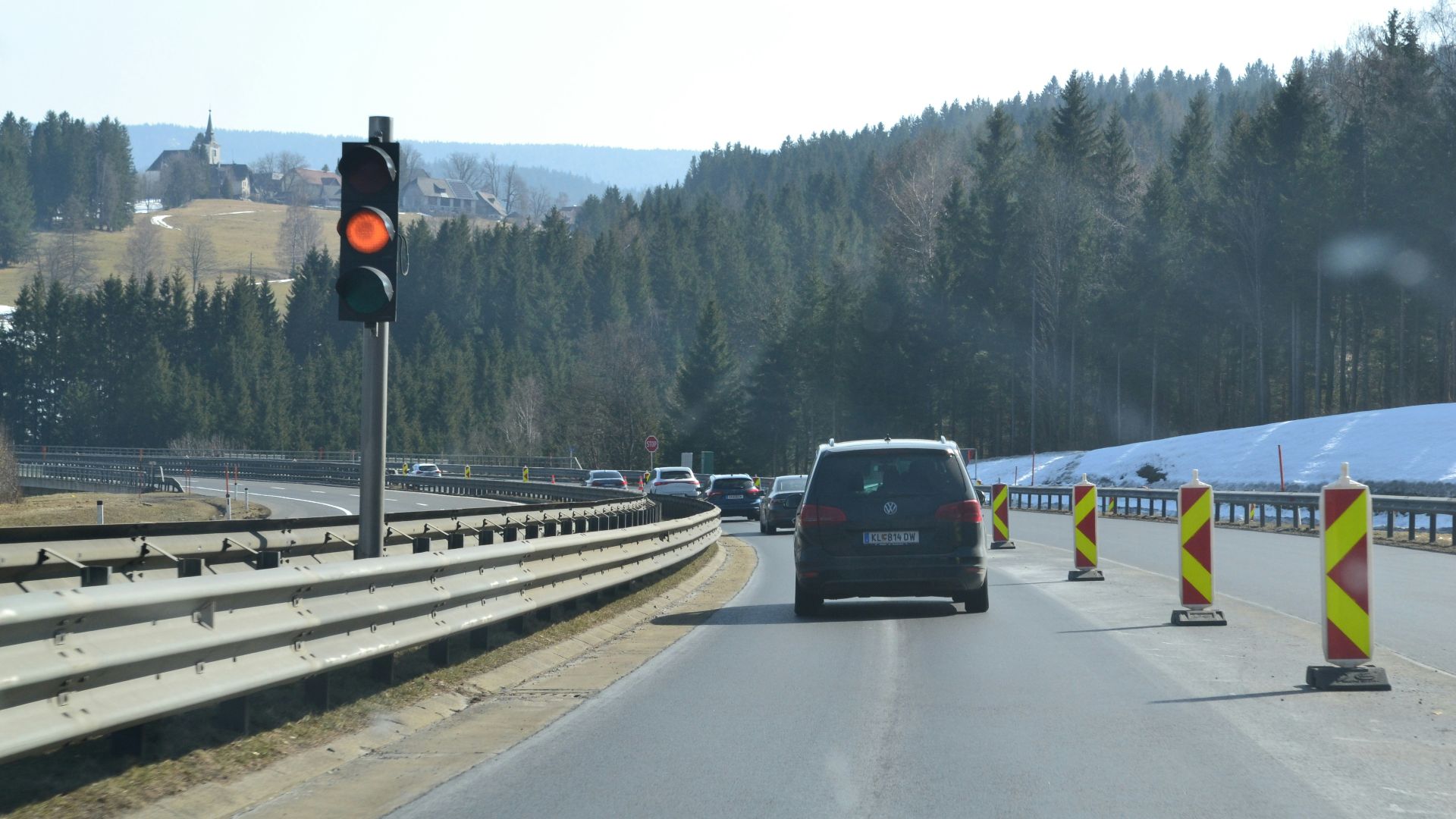
9. When a Lane Is Closing
Lane closures bring out weird behavior in people. Some drivers merge too early and guard their spot, while others rush to the end like they’ve found a secret route. Matching traffic and merging in turn near the closure helps the backup move more evenly, which is better for everyone.
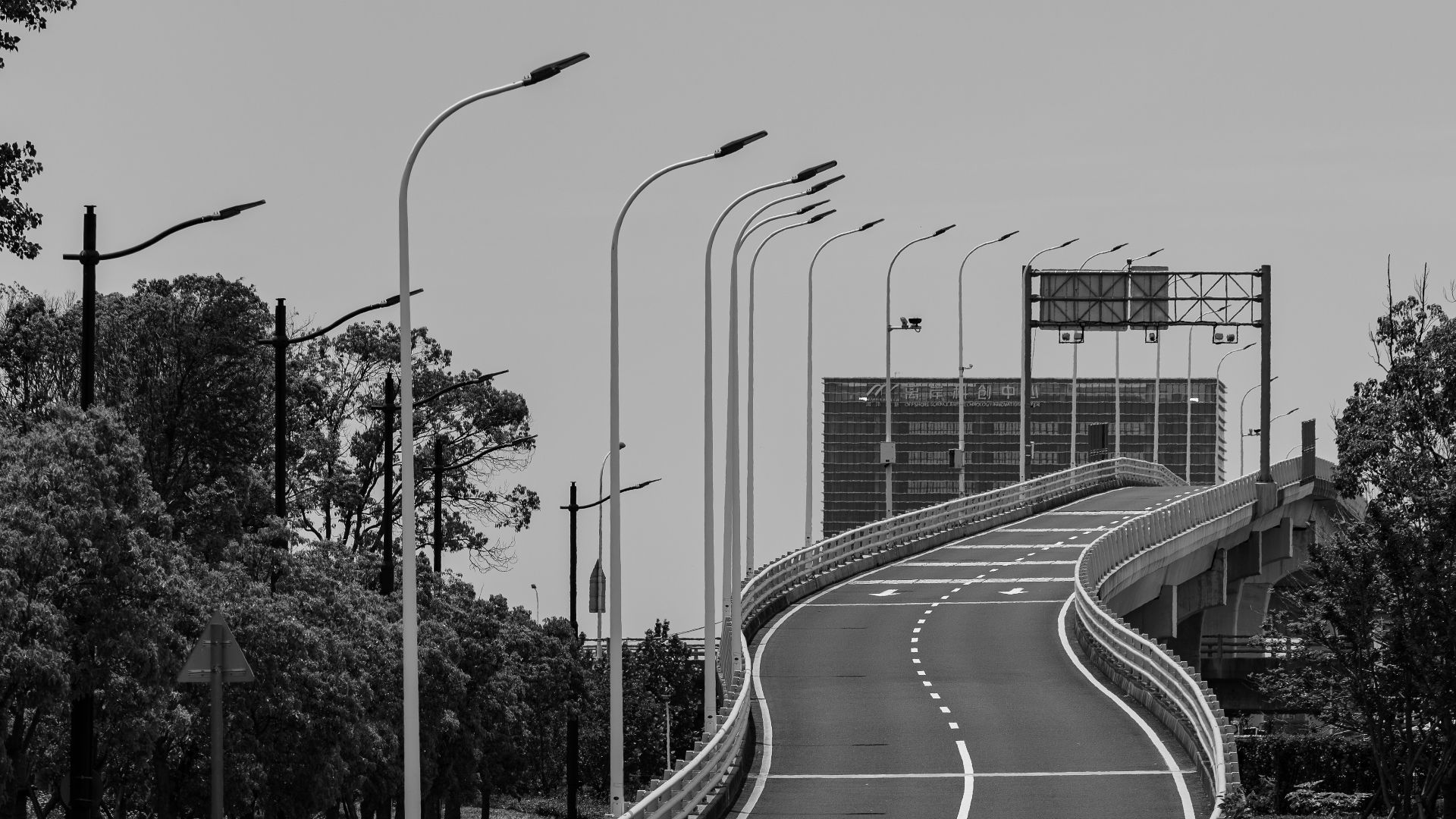
10. When You’re Taking a Ramp or Sharp Curve
Highway ramps and tight curves can catch you out because they look manageable until the car starts leaning, braking, and asking for more grip than the tires want to give. Slowing before the curve keeps the car in control. It also helps you avoid braking halfway through the turn.
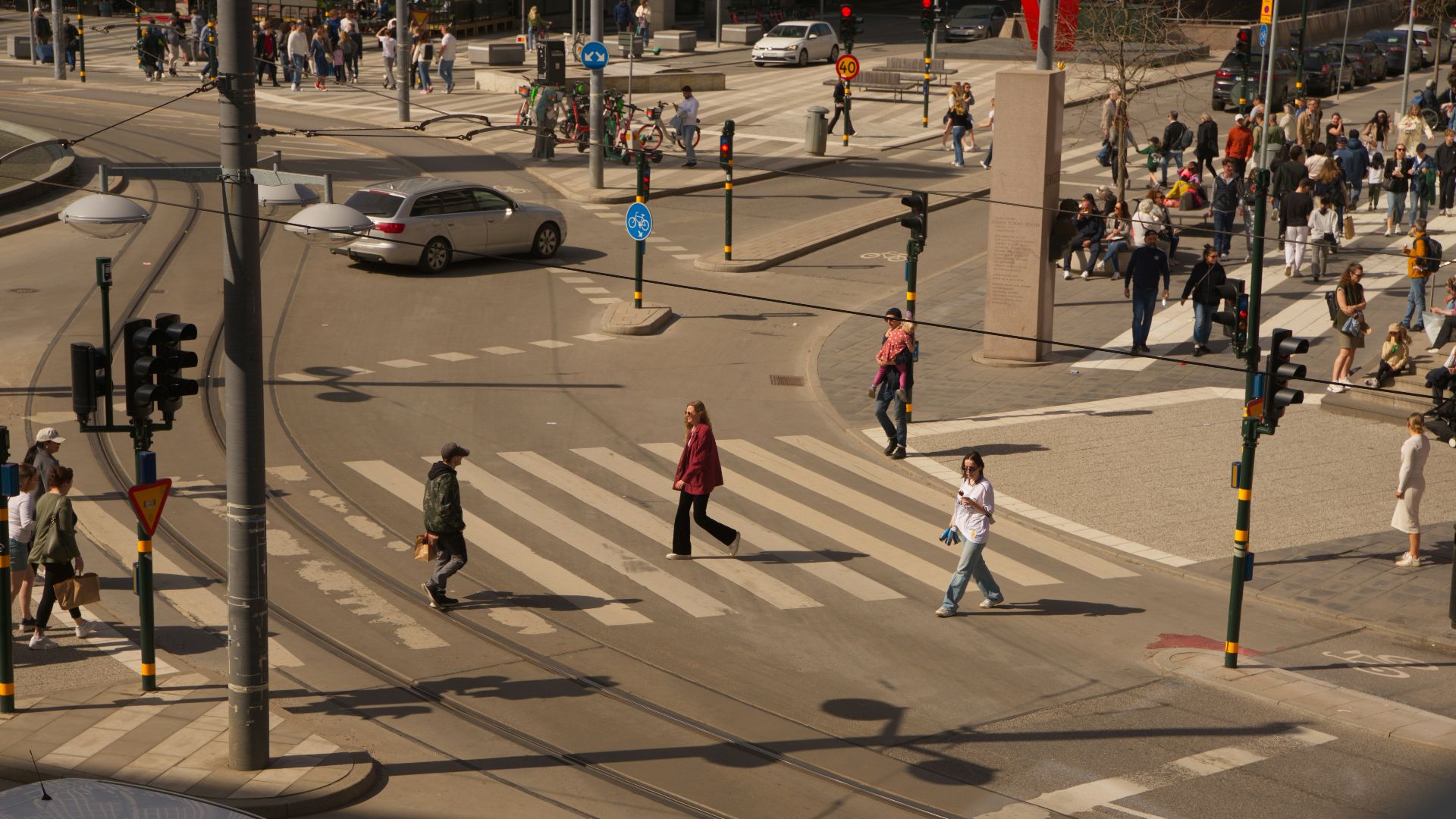
11. When You’re Driving Near Pedestrians
A few miles per hour can matter a lot near people on foot. School zones, crosswalks, downtown blocks, and neighborhood streets all have people stepping out from places you may not see right away. Slowing down gives you more time to spot them and gives them more time to realize you’re there.
12. When You’re Passing Cyclists or Motorcyclists
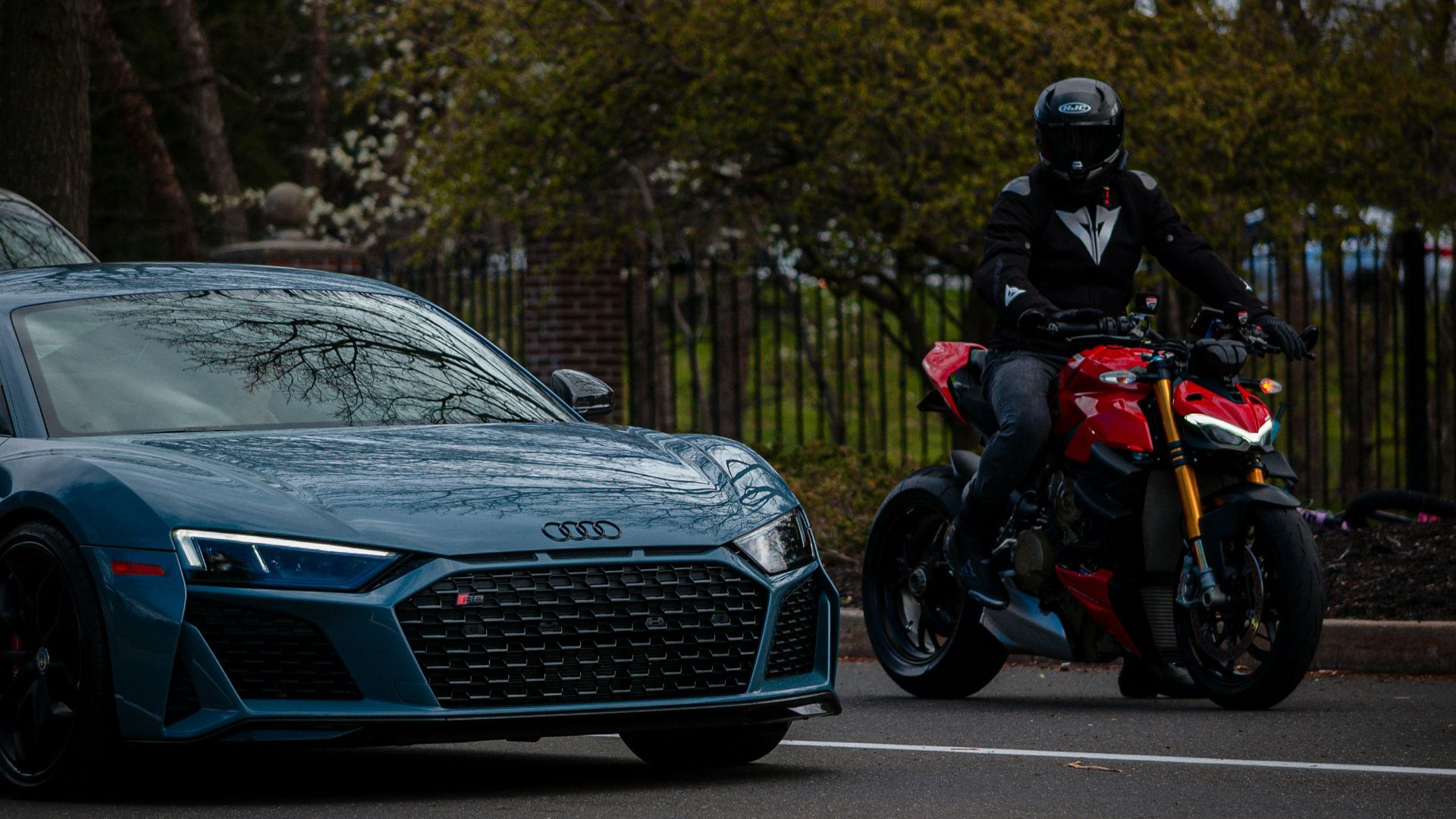
Cyclists and motorcyclists need more space than many drivers give them. A slower pass gives you time to check the next lane, watch for oncoming traffic, and move around without crowding the rider. That extra patience matters even more on two-lane roads, where a pothole or gravel patch can force a rider to shift position.
13. When You’re in a Parking Lot or Garage
Parking lots seem easy until someone backs out between two tall SUVs while a kid wanders behind a shopping cart. Slowing down helps you catch the small stuff before it hits your bumper.
14. When You’re About to Miss a Turn or Exit
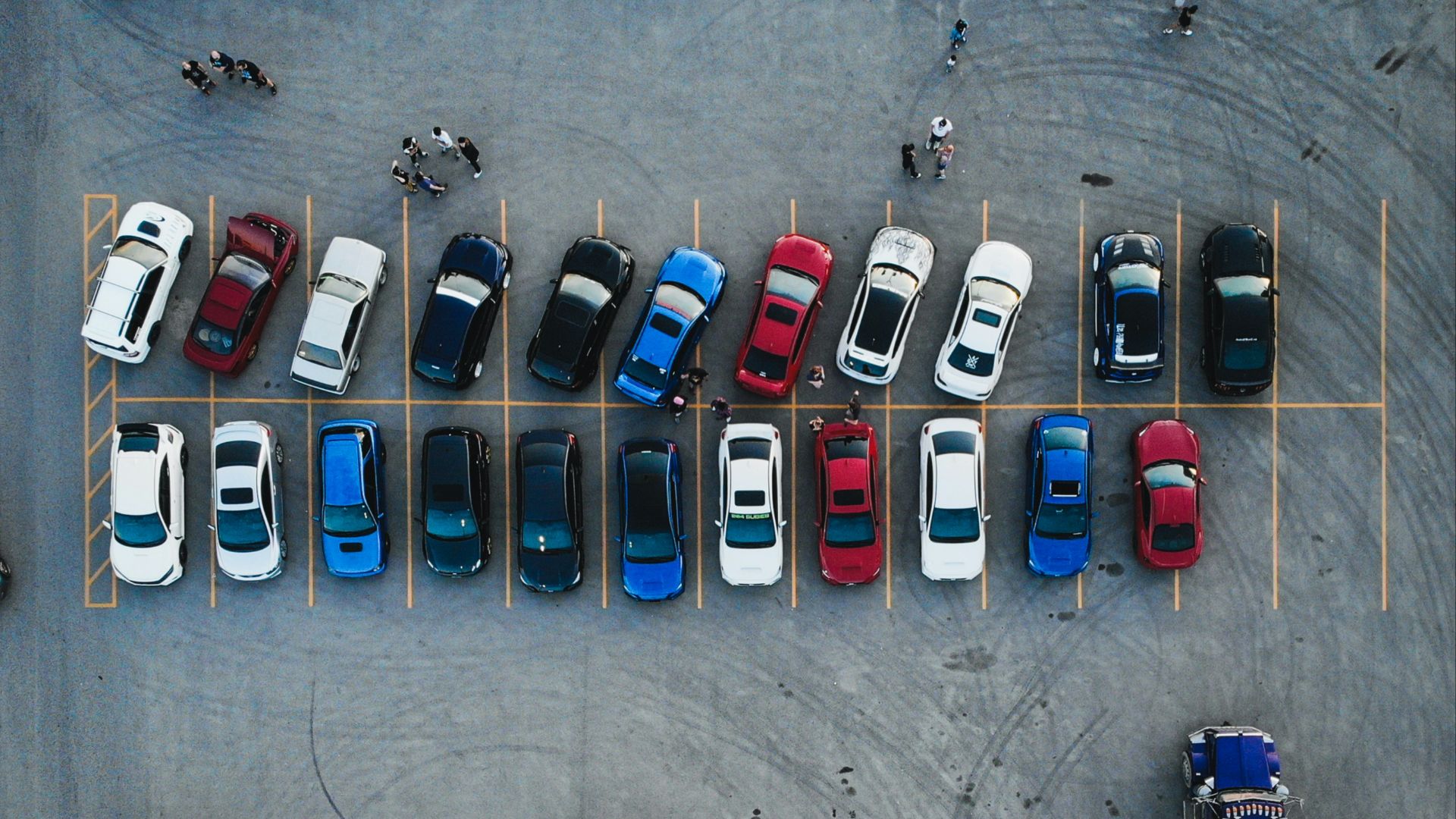
Missing a turn is irritating, especially when your navigation immediately adds six minutes and sends you through a neighborhood you’ve never seen. Swerving across lanes to save the turn can make things worse.
15. When You’re Towing or Carrying Heavy Cargo
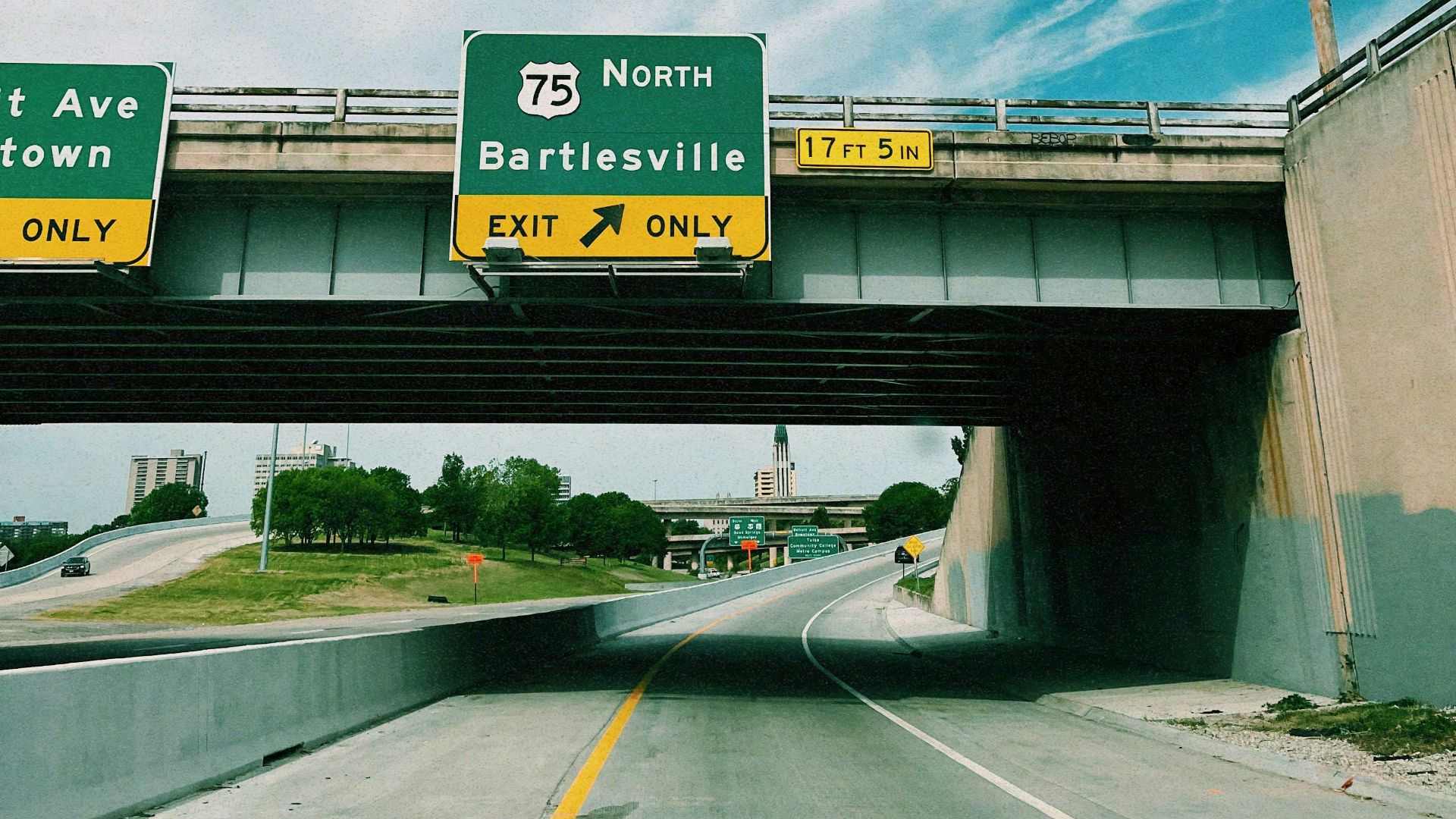
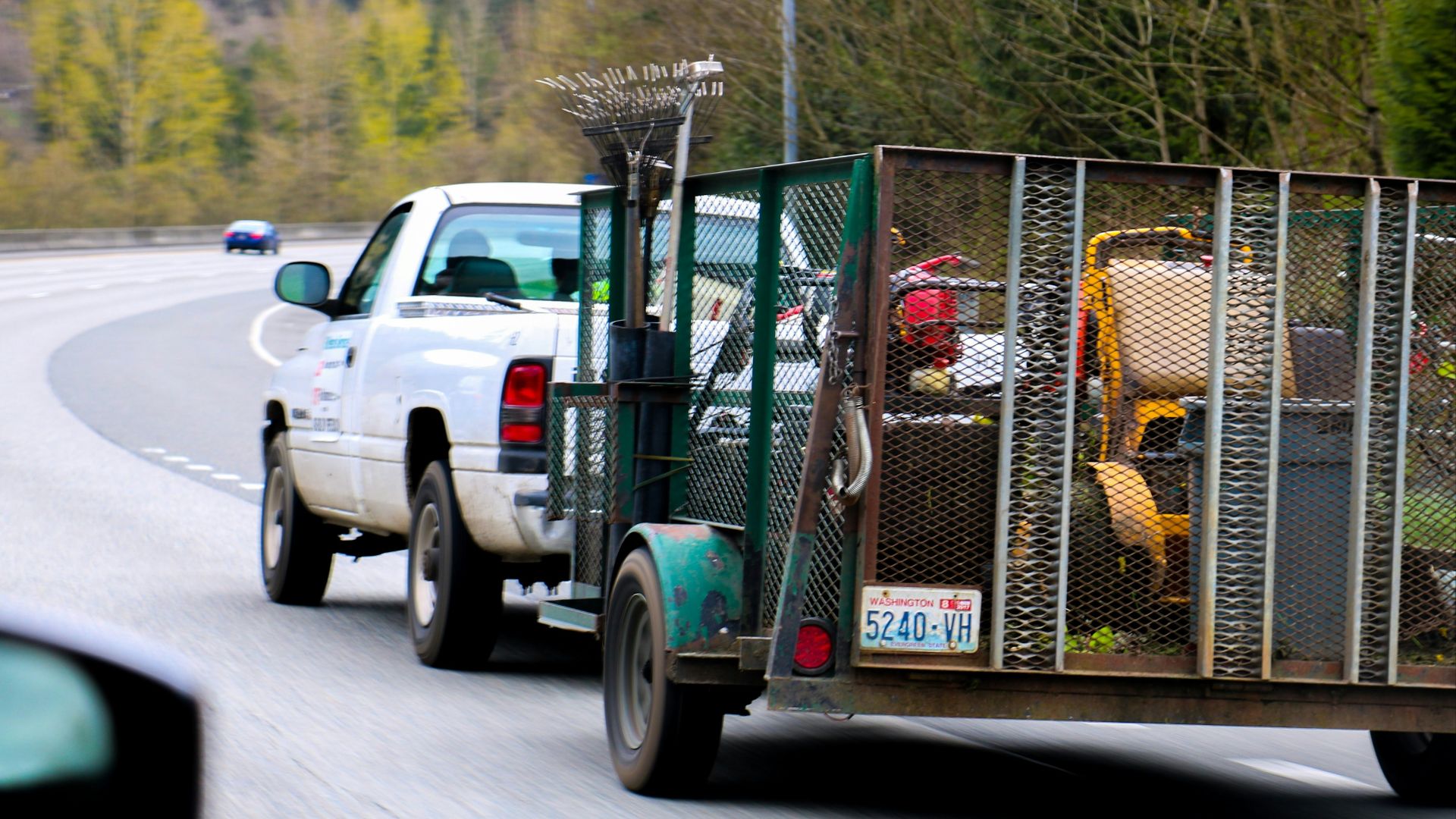
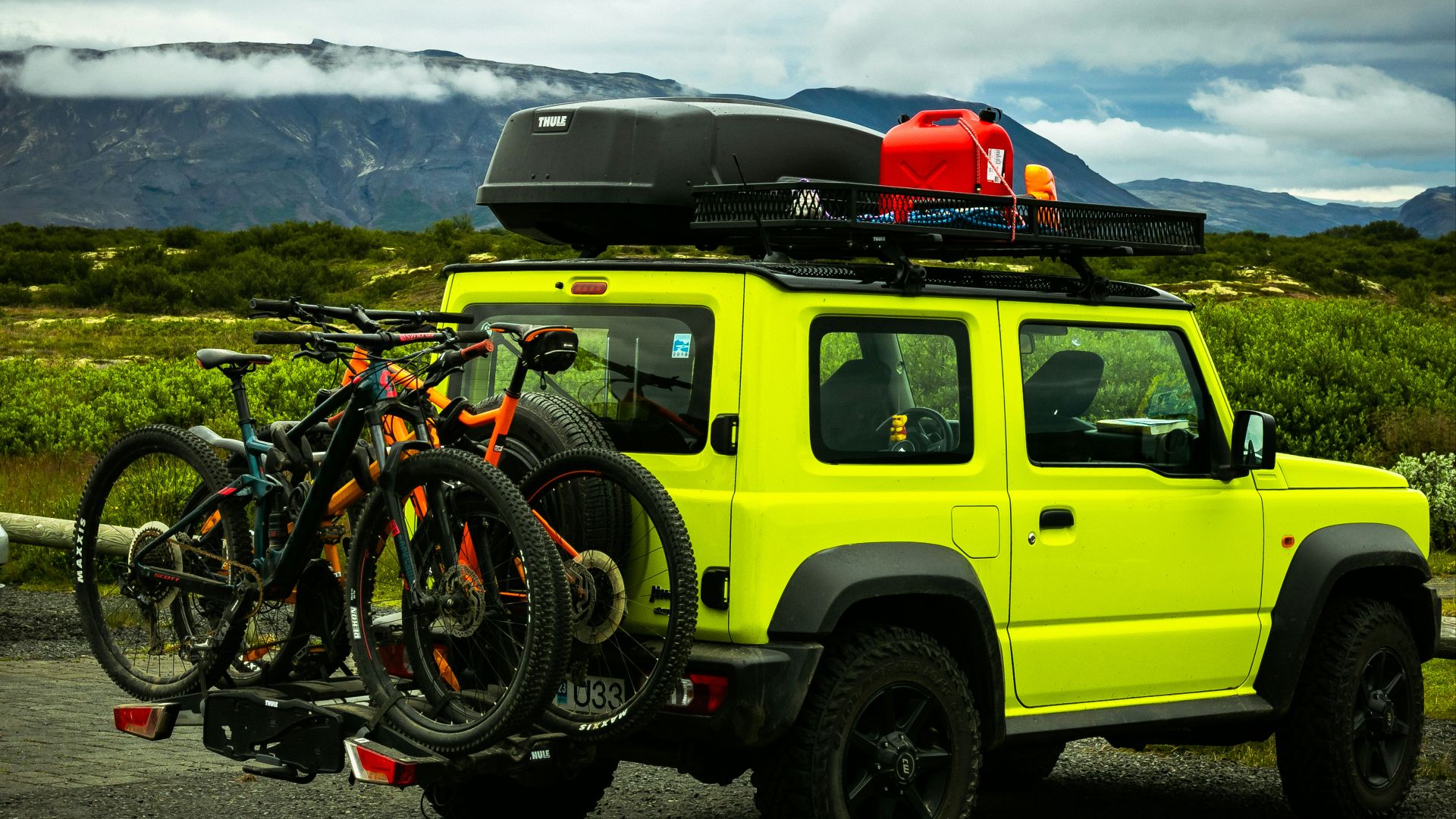
A loaded car doesn’t behave like an empty one. Add a trailer, moving boxes, camping gear, or a bed frame sticking awkwardly out of the back, and the brakes and suspension have more work to do. Slowing down gives the whole vehicle more room to stop, turn, and settle.
16. When Something Is Strapped to the Roof
A kayak, ladder, mattress, or Christmas tree may look solid when you tug the straps in the driveway. Highway wind has a way of finding every loose edge. Driving slower reduces strain on the load and gives you time to notice if something isn’t stowed correctly.
 SaiKrishna Saketh Yellapragada on Unsplash
17. When You See Flashing Lights on the Shoulder
Flashing lights on the shoulder mean someone is having a bad day very close to moving traffic. It could be a tow operator, a stranded driver, a police officer, or a road crew trying to work with cars rushing past them. Moving over when possible, or slowing when you can’t, protects them and lowers the chance of another crash.
18. When the Road Is Rough or Covered in Debris
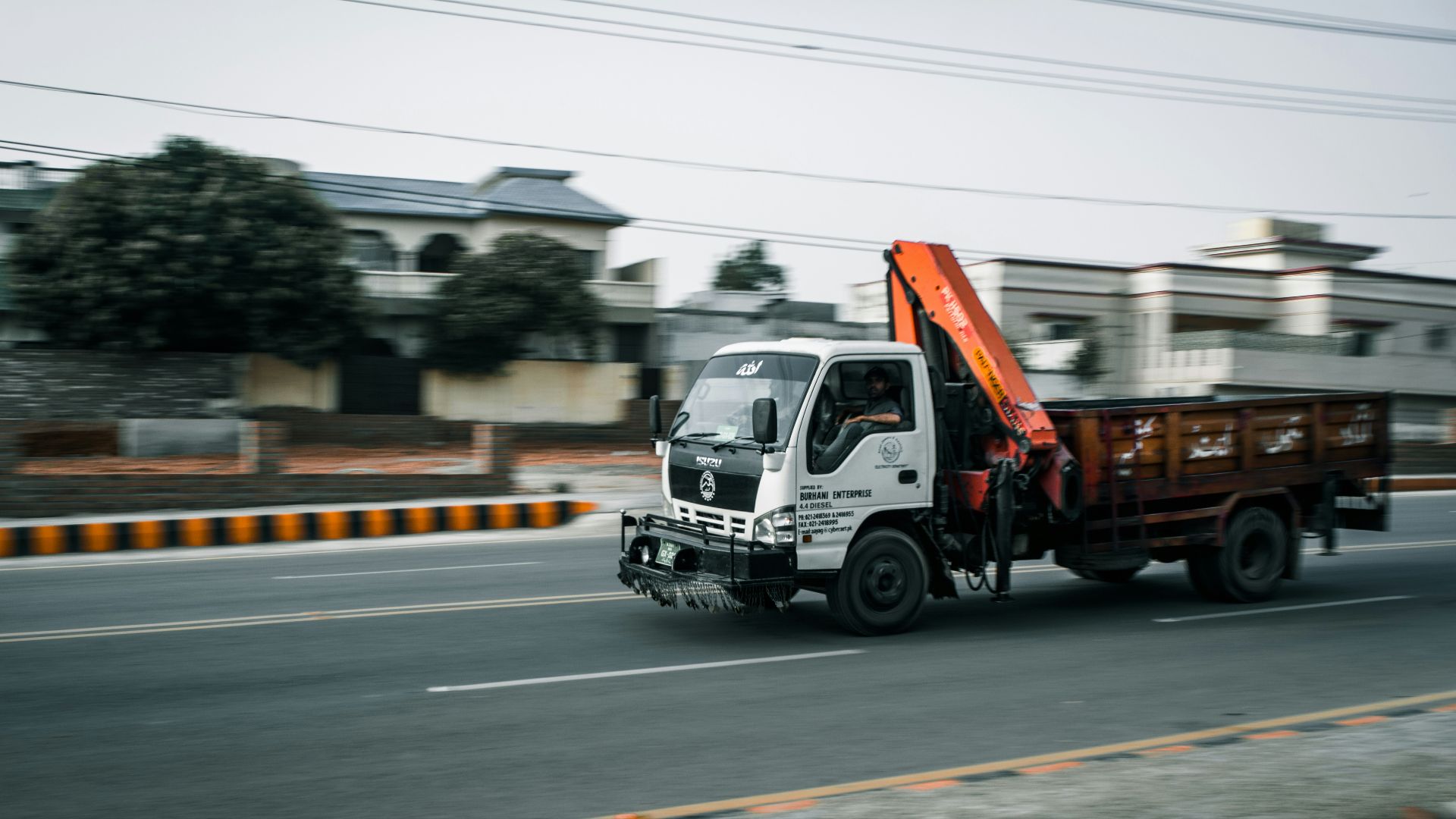
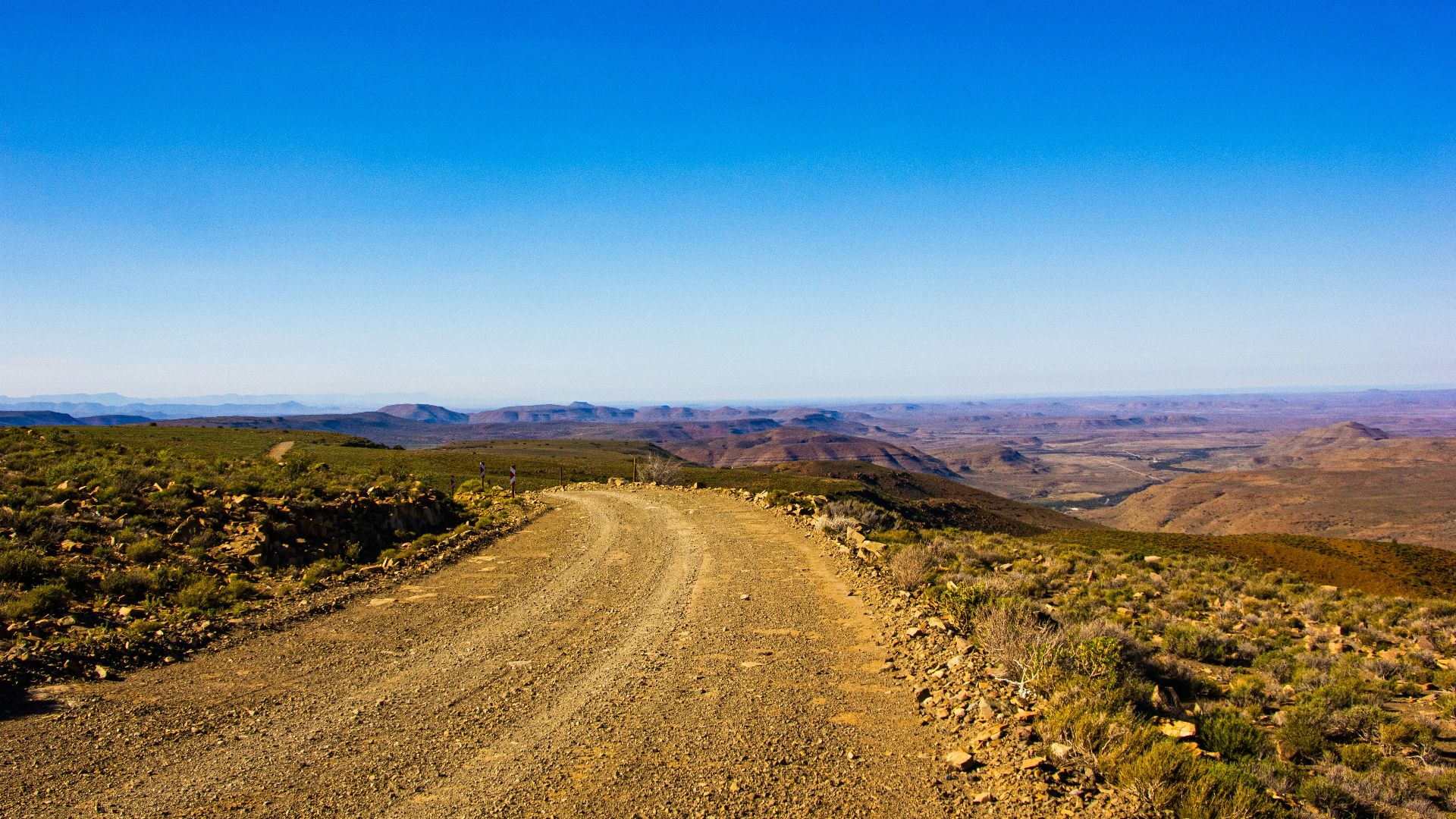
Potholes, gravel, loose tire pieces, branches, and broken pavement can all turn into repair bills when you hit them too fast. Slowing before the hazard gives you a better chance to steer cleanly and protect the wheels, tires, and suspension. It also helps you avoid the sudden swerve that can be worse than the obstacle.
 Juanita Geldenhuys on Unsplash
19. When You’re Tired, Irritated, or Distracted
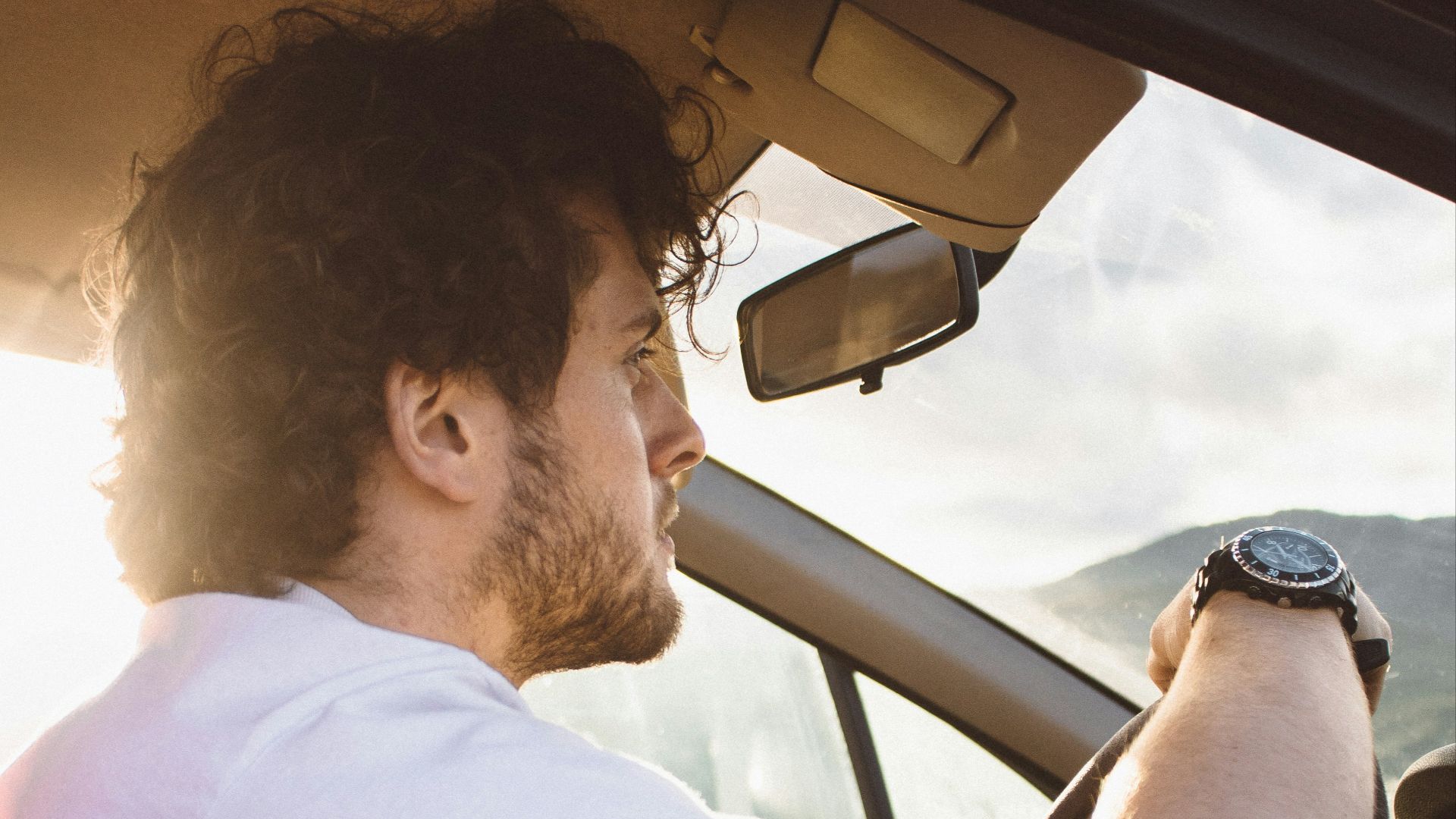
Sometimes the road is fine, and you’re the weak point. Maybe you slept badly, skipped lunch, argued with someone before leaving, or kept glancing at a phone you should’ve tossed in the back seat. Slowing down and adding space gives you more margin when your reactions aren’t at their best.
20. When You’re Trying to Save Fuel, Tires, and Brakes
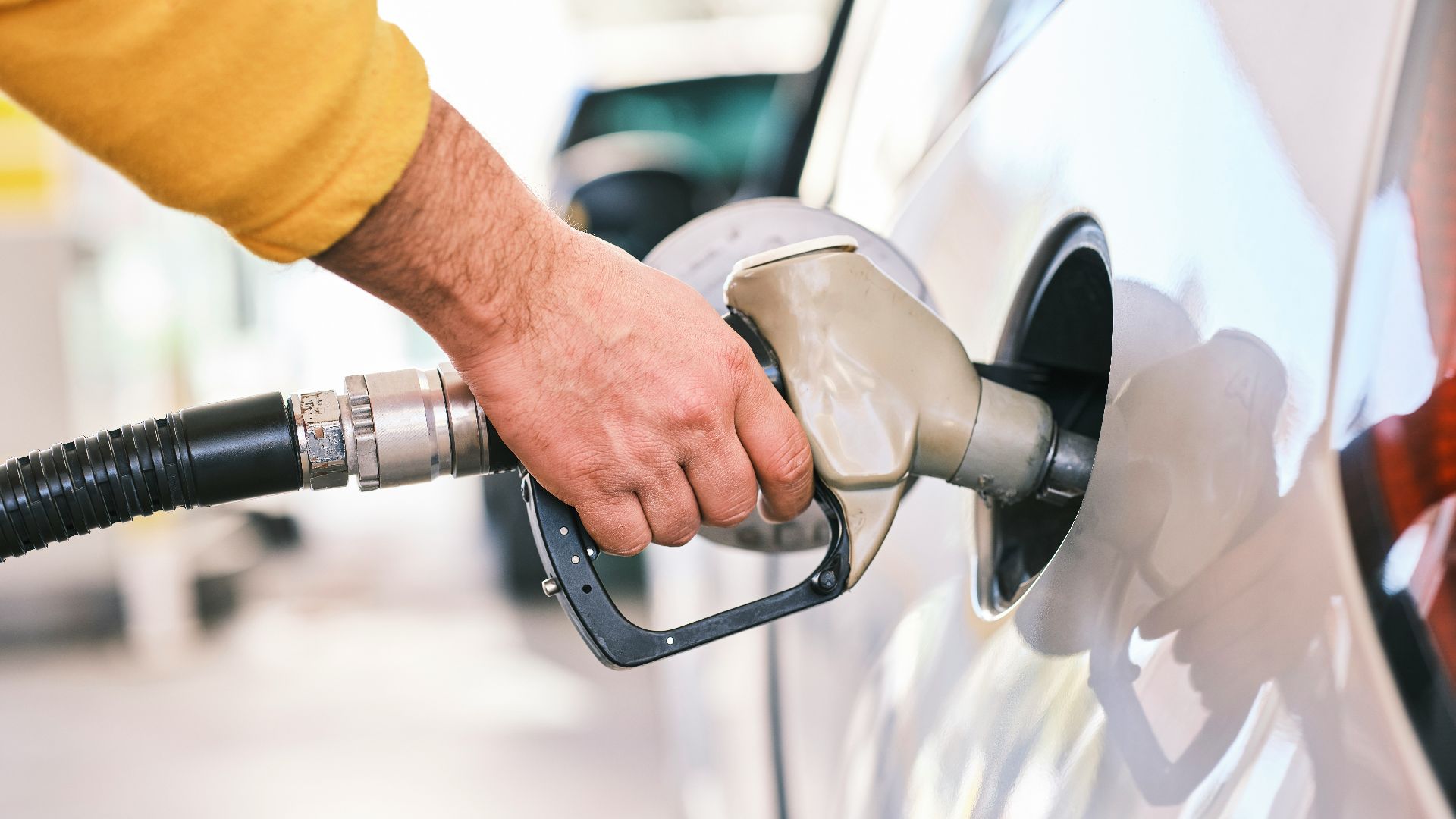
Aggressive acceleration, constant speeding, and hard braking make the car work harder than it needs to. A smoother pace keeps momentum steadier and can reduce wear on brakes, tires, and suspension parts over time. It’s also easier on your fuel bill.