The Brand That Couldn't Decide What It Wanted to Be
Mercury spent more than sixty years trying to answer a question Ford never fully let it answer: what exactly is a Mercury? Positioned between the everyday Ford and the prestigious Lincoln, the brand had enough room to carve out something genuinely its own. Sometimes it did. More often, it settled for a new grille and a different badge on something that rolled off the same line as the car in the next lane. Here are ten cars that made a real argument for Mercury's existence and ten that made you wonder why Ford bothered.
 More Cars from Berlin, Germany on Wikimedia
1. 1949 Mercury
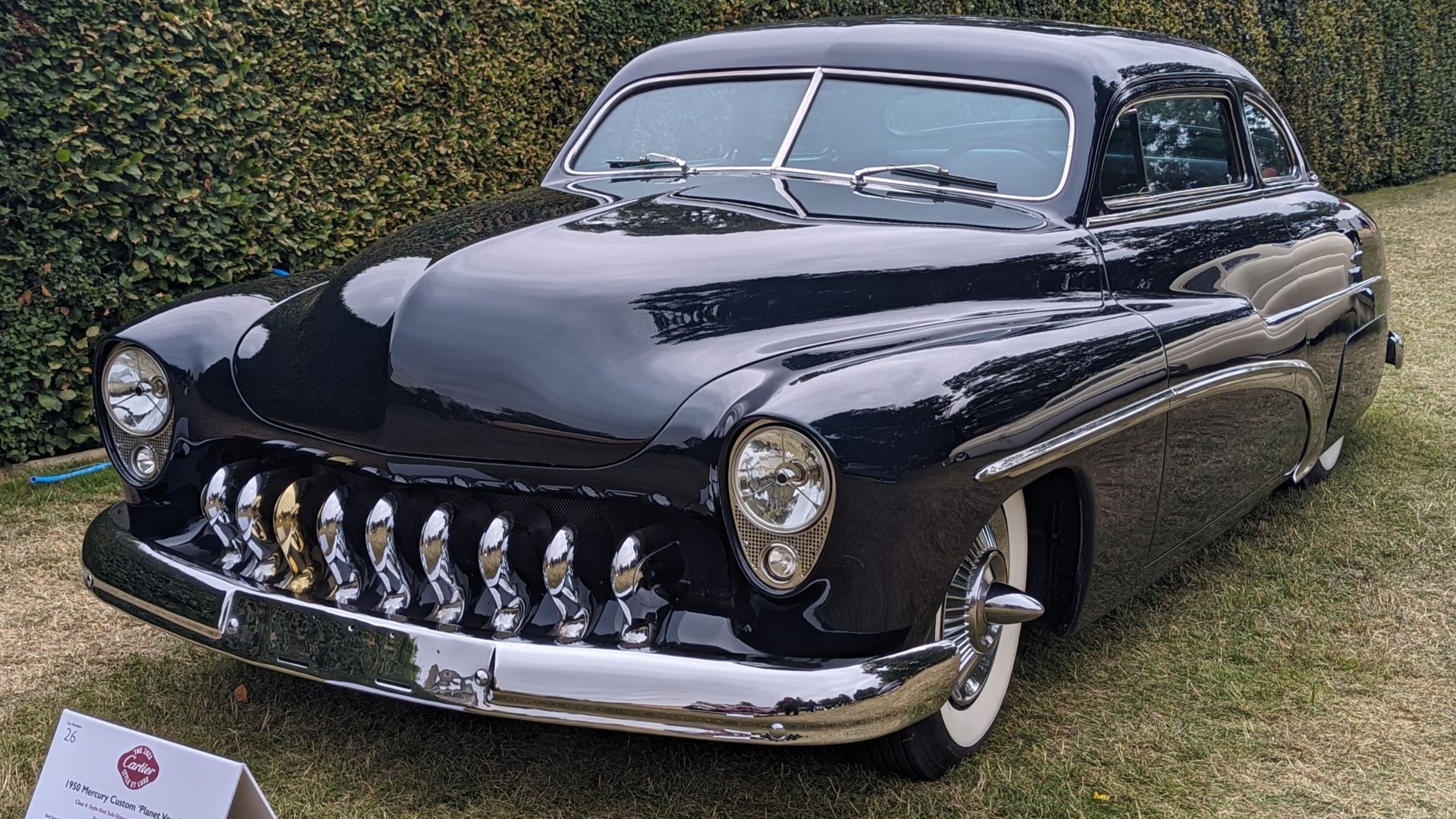
The 1949 Mercury was the car that helped launch the hot rod era’s love affair with the brand. Its roofline, stance, and proportions were distinct enough from Ford’s ordinary postwar cars that customizers saw it as something special. James Dean helped make it an icon, but the car already had the attitude: stylish, rebellious, and just dangerous enough.
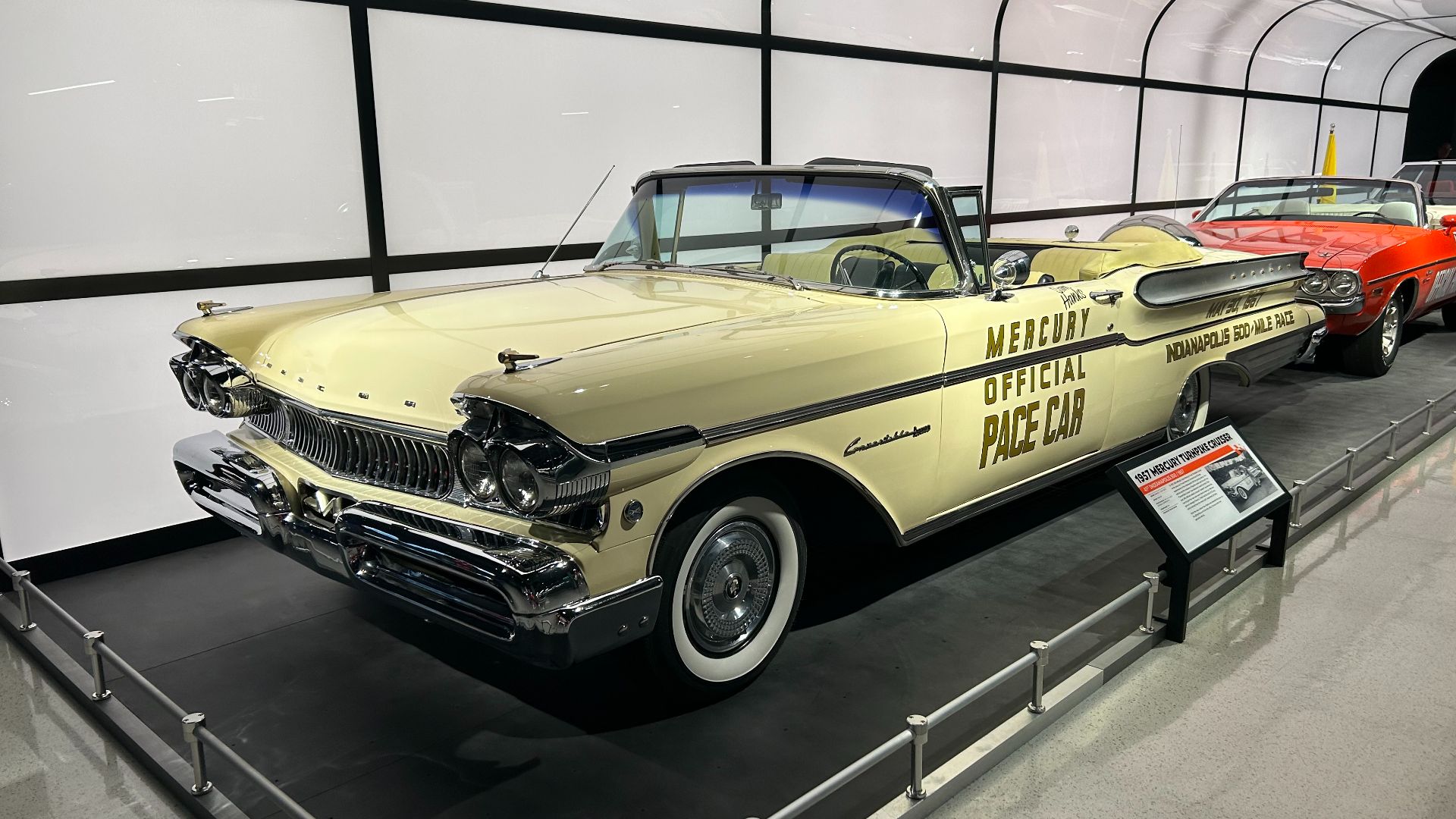
2. 1957 Turnpike Cruiser
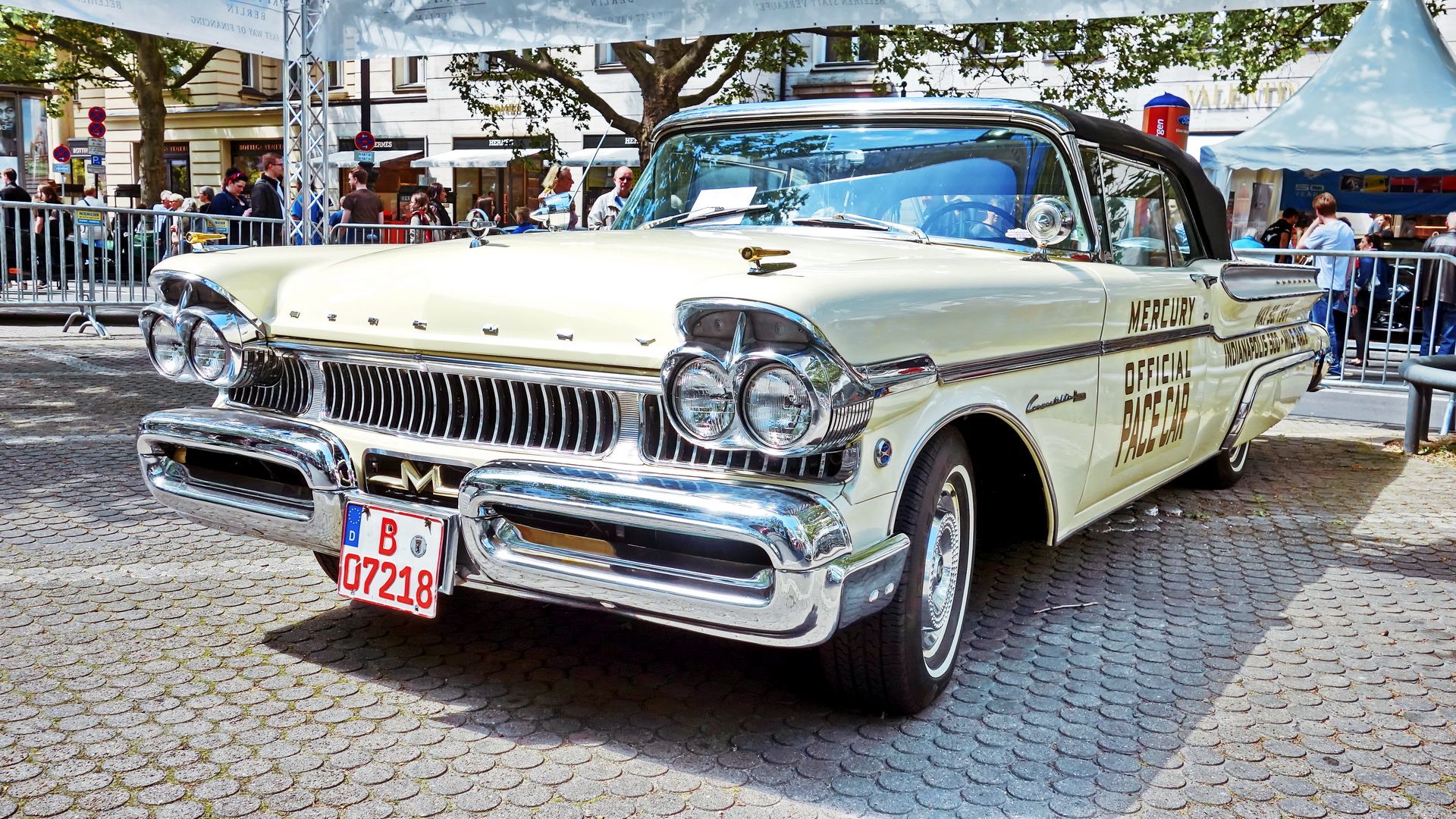
The 1957 Turnpike Cruiser was extravagant even by 1950s standards. With its retractable rear window, forward-slanting A-pillar, and unusual styling details, it looked closer to a concept car than a normal family vehicle. Nothing else in Ford’s lineup looked quite like it, which made it feel entirely and unmistakably Mercury.
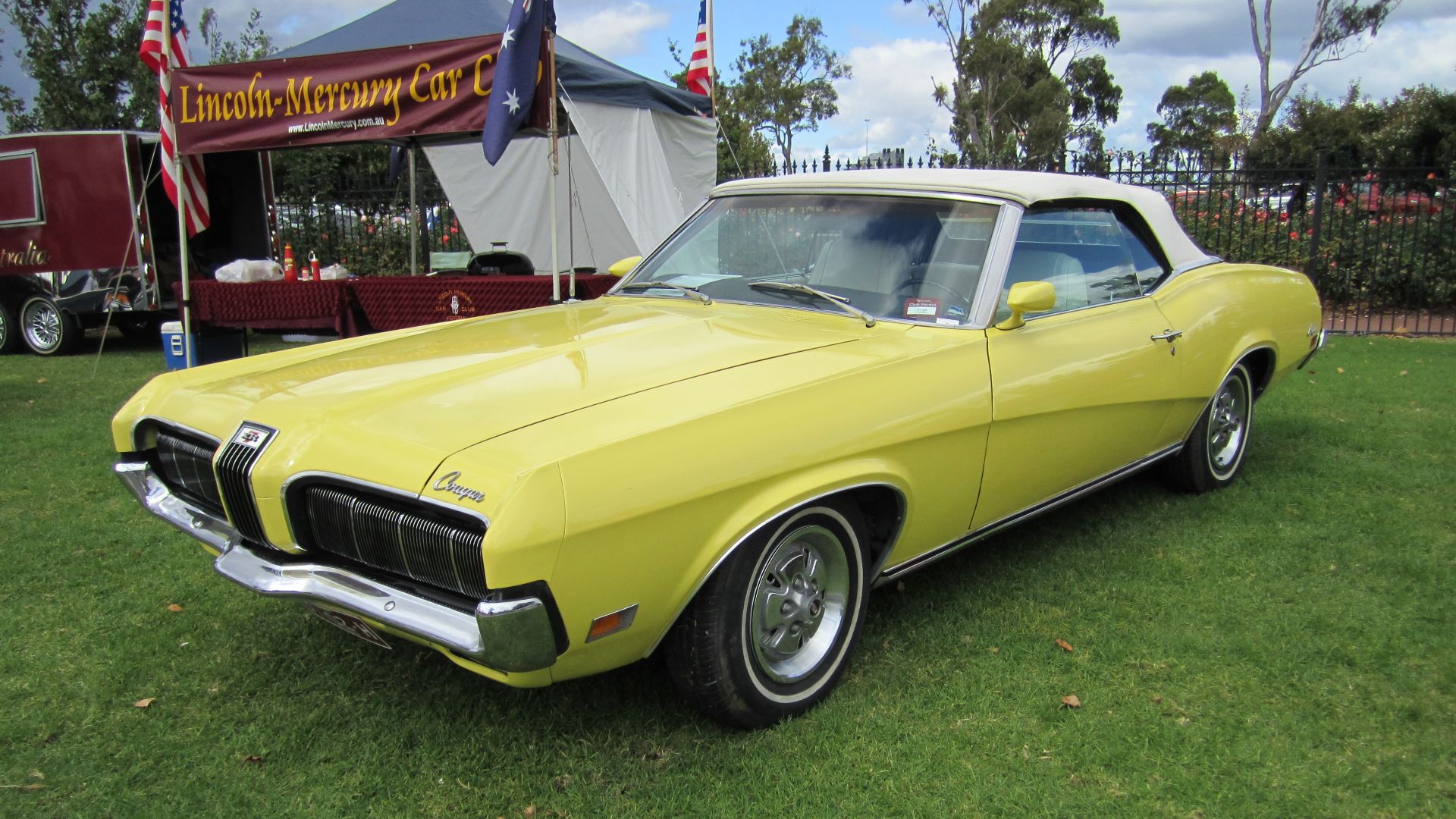
3. 1967–1970 Cougar
The first-generation Cougar shared roots with the Mustang, but it carried itself with more formality and restraint. It was broader, heavier, and more elegant, with a personal-luxury feel rather than a pure pony-car attitude. Its 1967 Motor Trend Car of the Year win proved that Mercury had created something more than a stretched Mustang.
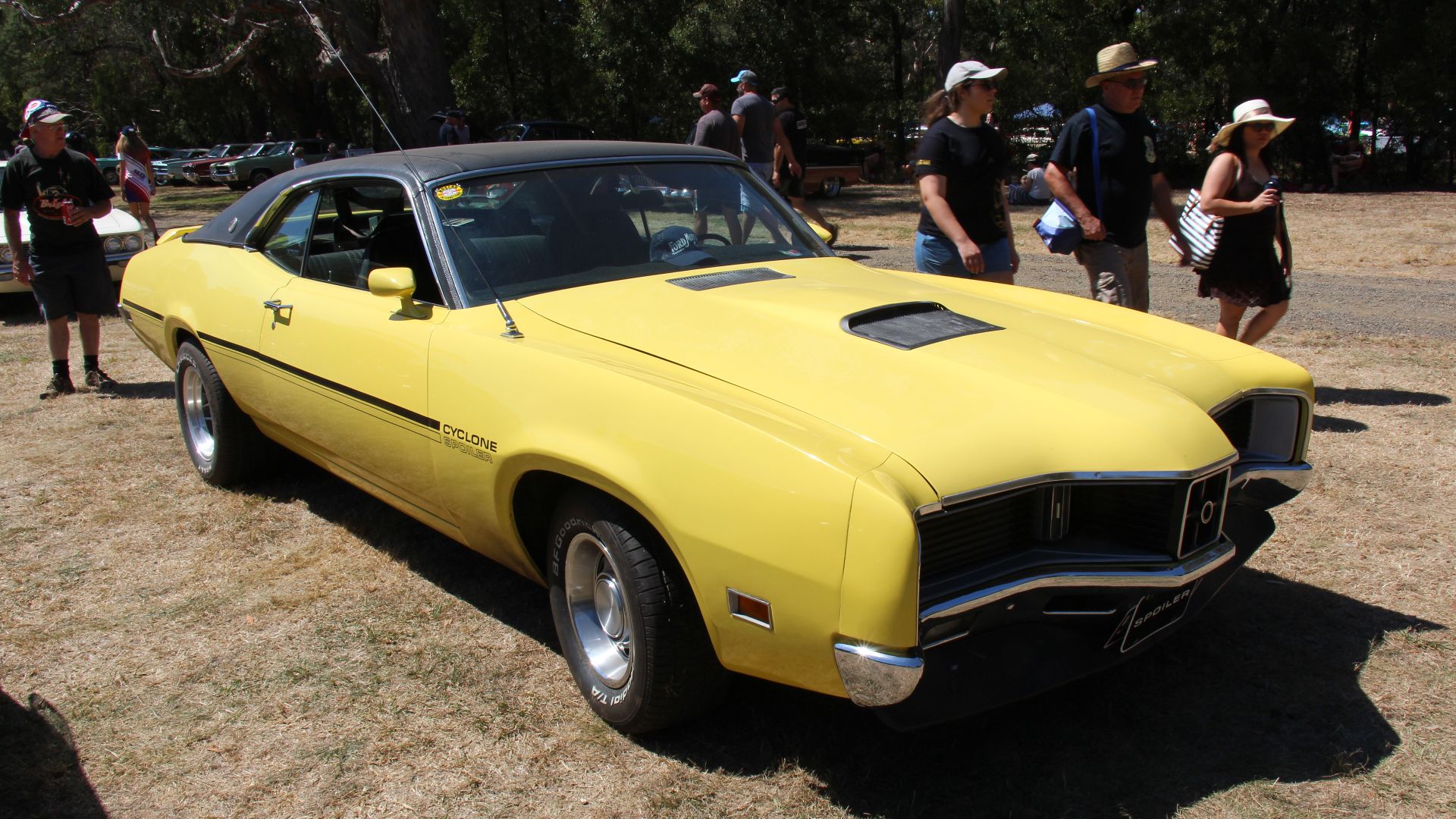
4. 1969–1970 Cyclone Spoiler
The Cyclone Spoiler gave Mercury real muscle-car credibility. Its NASCAR-inspired trim levels, available 428 Cobra Jet engine, and competition-minded bodywork made it feel focused in a way few Mercurys ever did. It was not merely sporty decoration on an ordinary coupe. It had a purpose, and that purpose was speed.
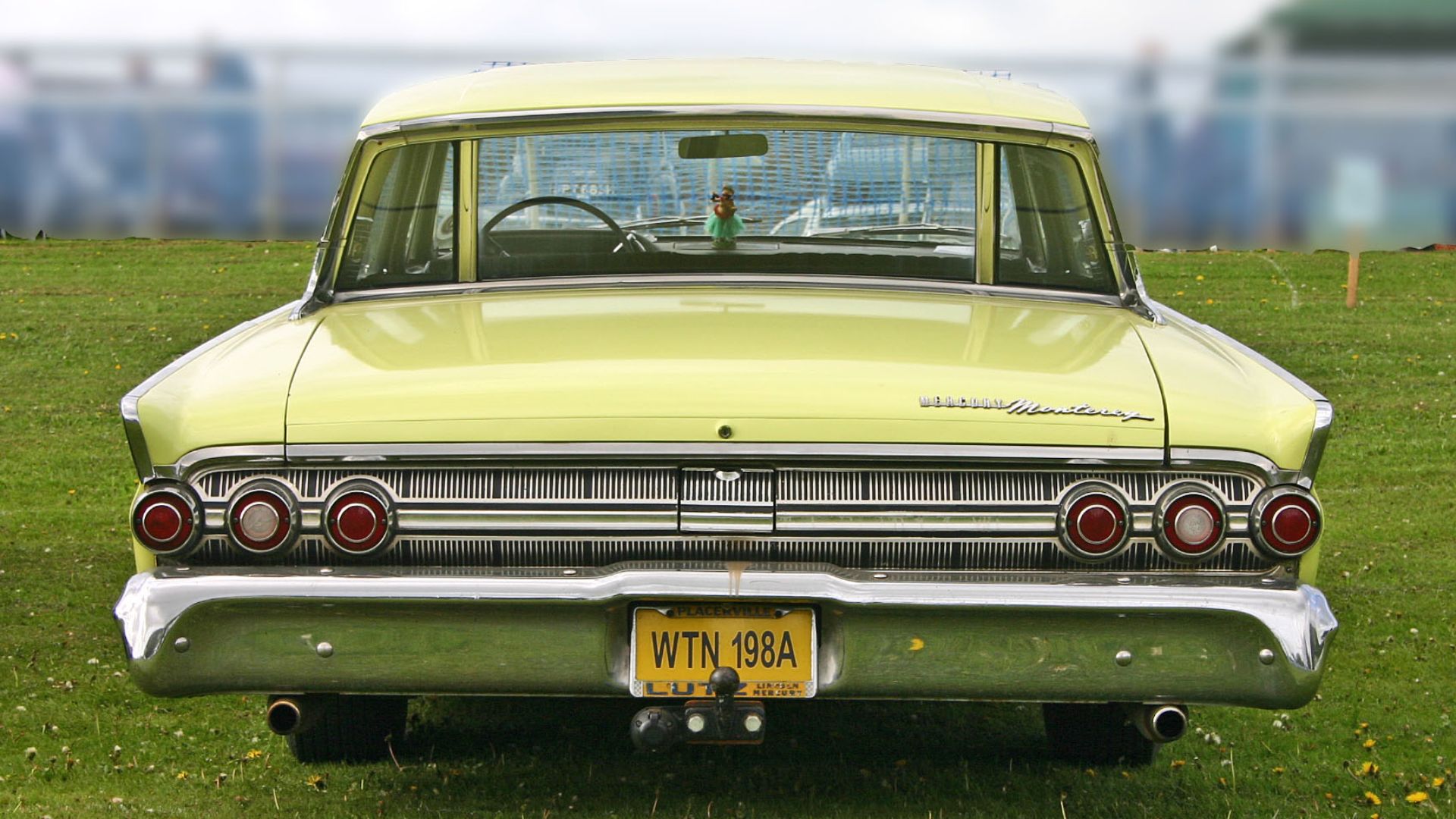
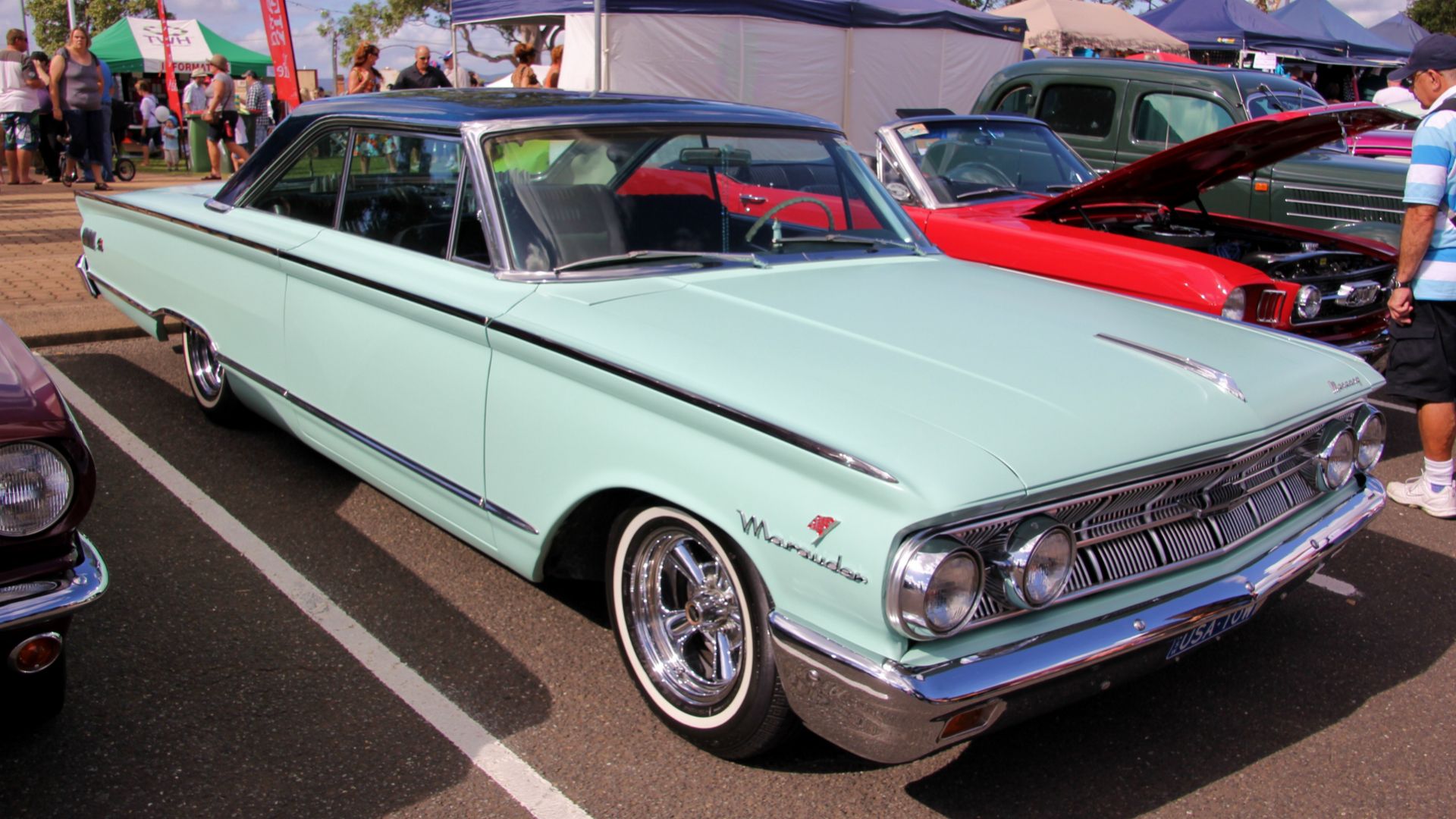
5. 1961–1963 Full-Size Line
The full-size Mercurys of the early 1960s gave the brand one of its clearest identities. Their longer, lower bodies, unique rooflines, and more distinctive interiors separated them from Ford in a meaningful way. For a short period, Mercury looked like a brand with its own design language instead of a corporate compromise.
 commons.wikimedia.org on Google
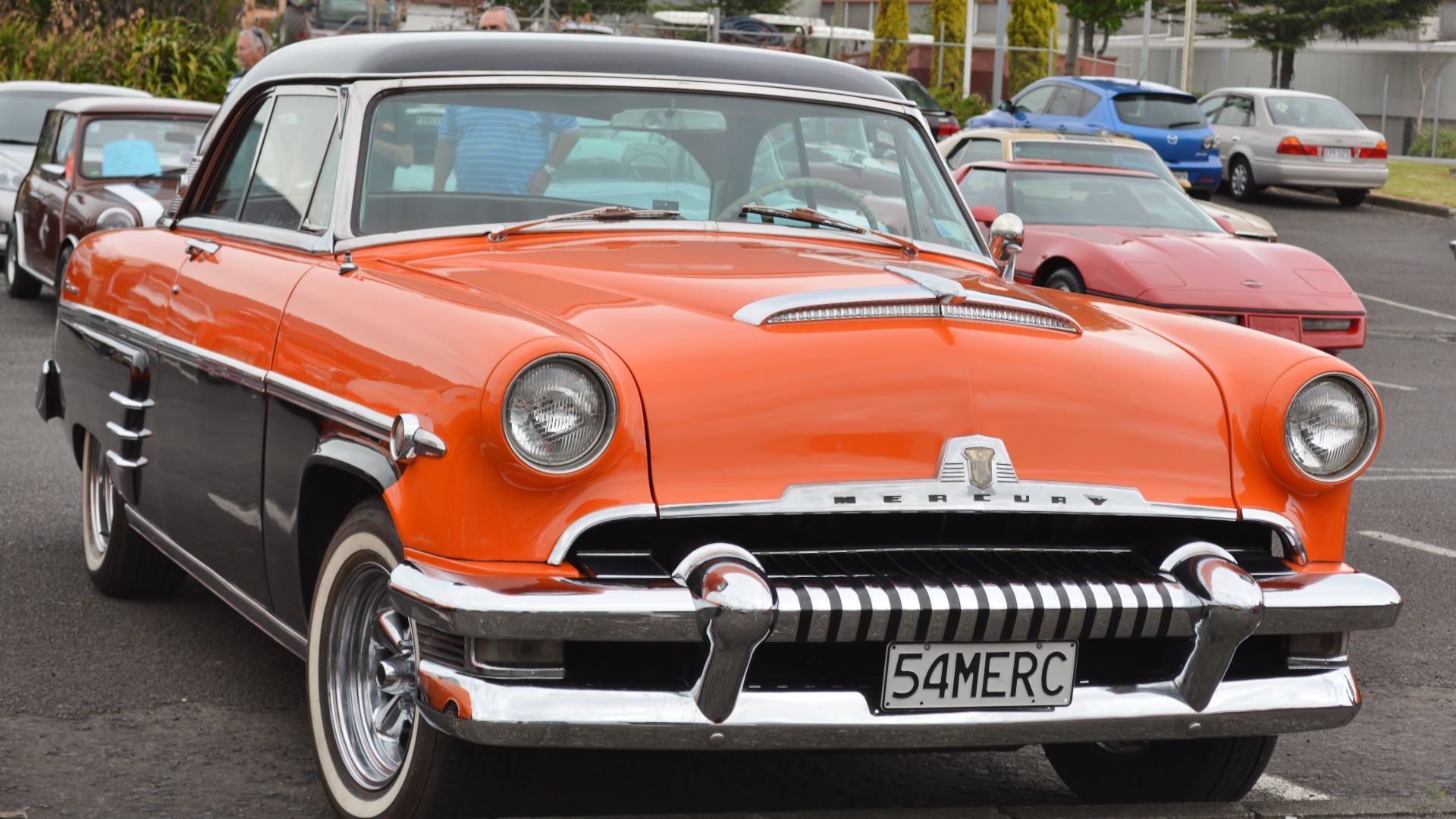
6. 1952–1954 Mercury
The 1952 through 1954 Mercurys were clean, balanced, and quietly handsome. They did not rely on theatrical styling to make their point, but they still looked coherent and deliberate. Their proportions were different enough from Ford’s that the two brands could not easily be confused, which was exactly what Mercury needed.
 GPS 56 from New Zealand on Wikimedia
7. 1963 S-55
The 1963 S-55 gave Mercury a full-size performance car with genuine substance. With a 406-cubic-inch V8, bucket seats, and a center console, it had real sporting intent rather than just a few appearance upgrades. It arrived just before the pony-car boom and offered a different kind of American performance.
8. 1966–1967 Park Lane
The 1966 and 1967 Park Lane came close to Lincoln territory without pretending to be a Lincoln. Its ride, interior quality, and confident styling made it feel genuinely upscale. The convertible was especially strong, and it remains one of the more underappreciated American cars of the decade.
 commons.wikimedia.org on Google
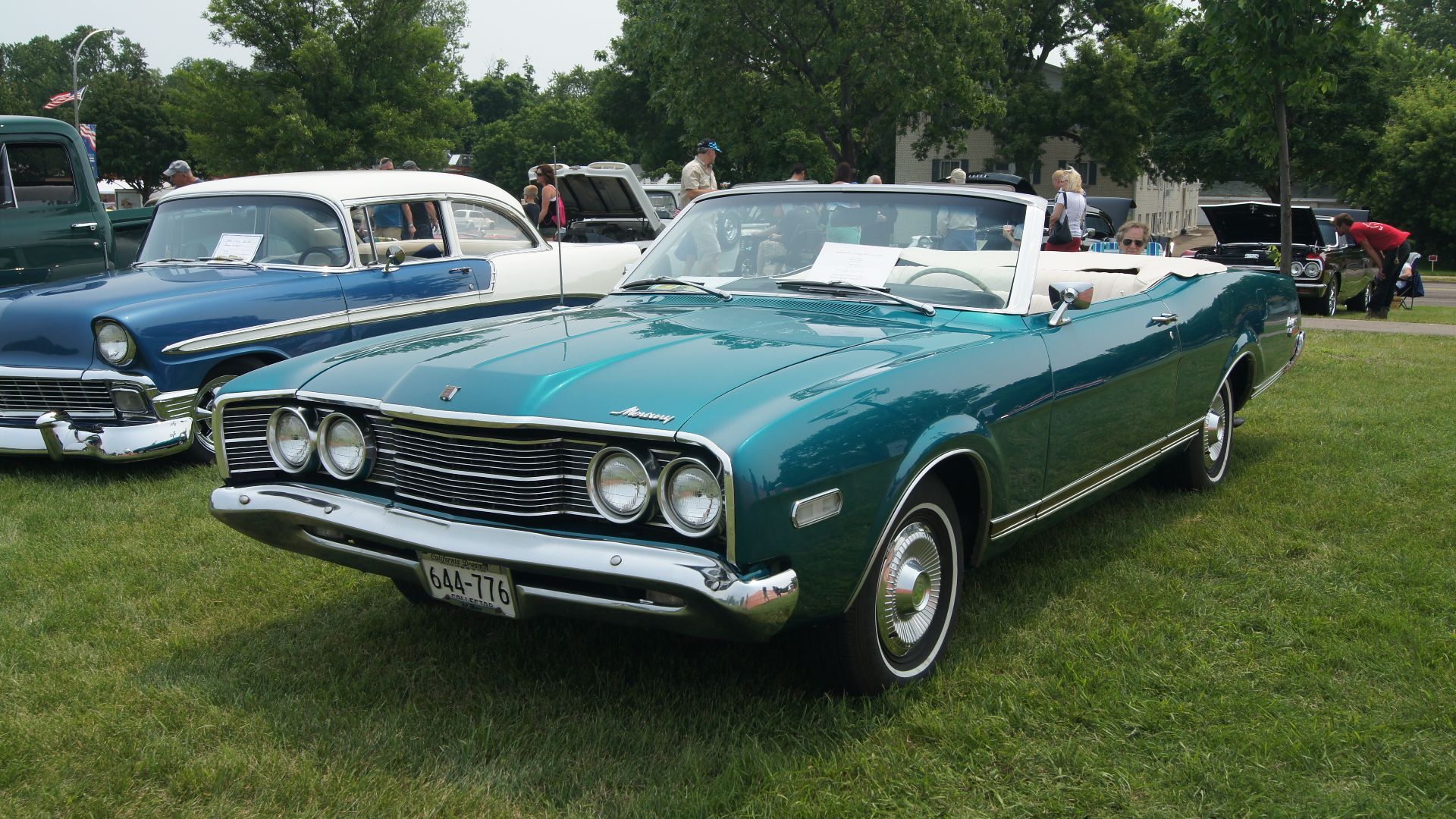
9. 1968 Montego MX
The 1968 Montego MX had one of the better shapes among Mercury’s midsize cars. Its fastback roofline gave the two-door model a clean sweep, while the MX trim added enough polish to make the car feel intentional. It looked like someone had a real design goal in mind.
 Greg Gjerdingen from Willmar, USA on Wikimedia
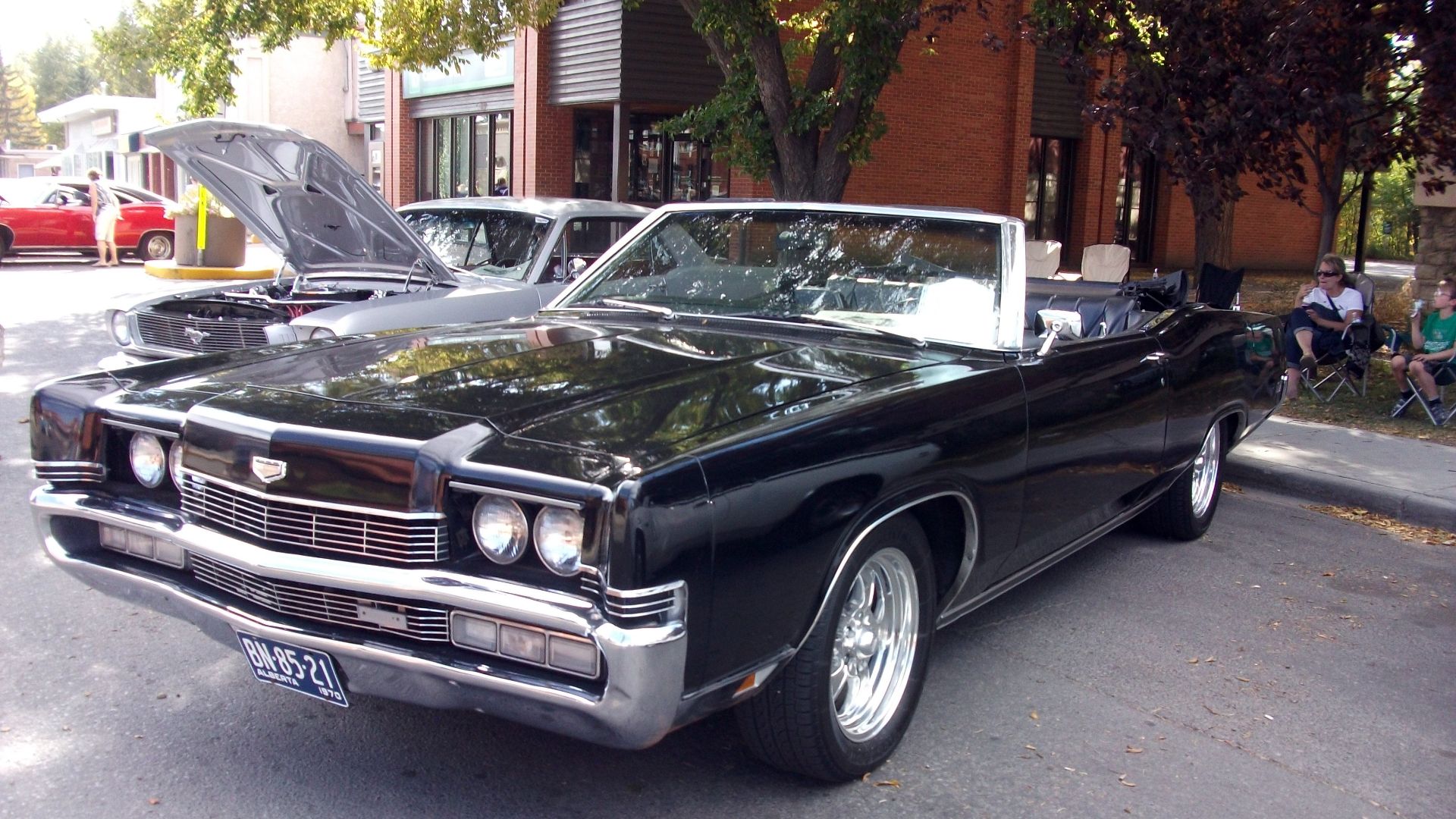
10. 1970 Marquis
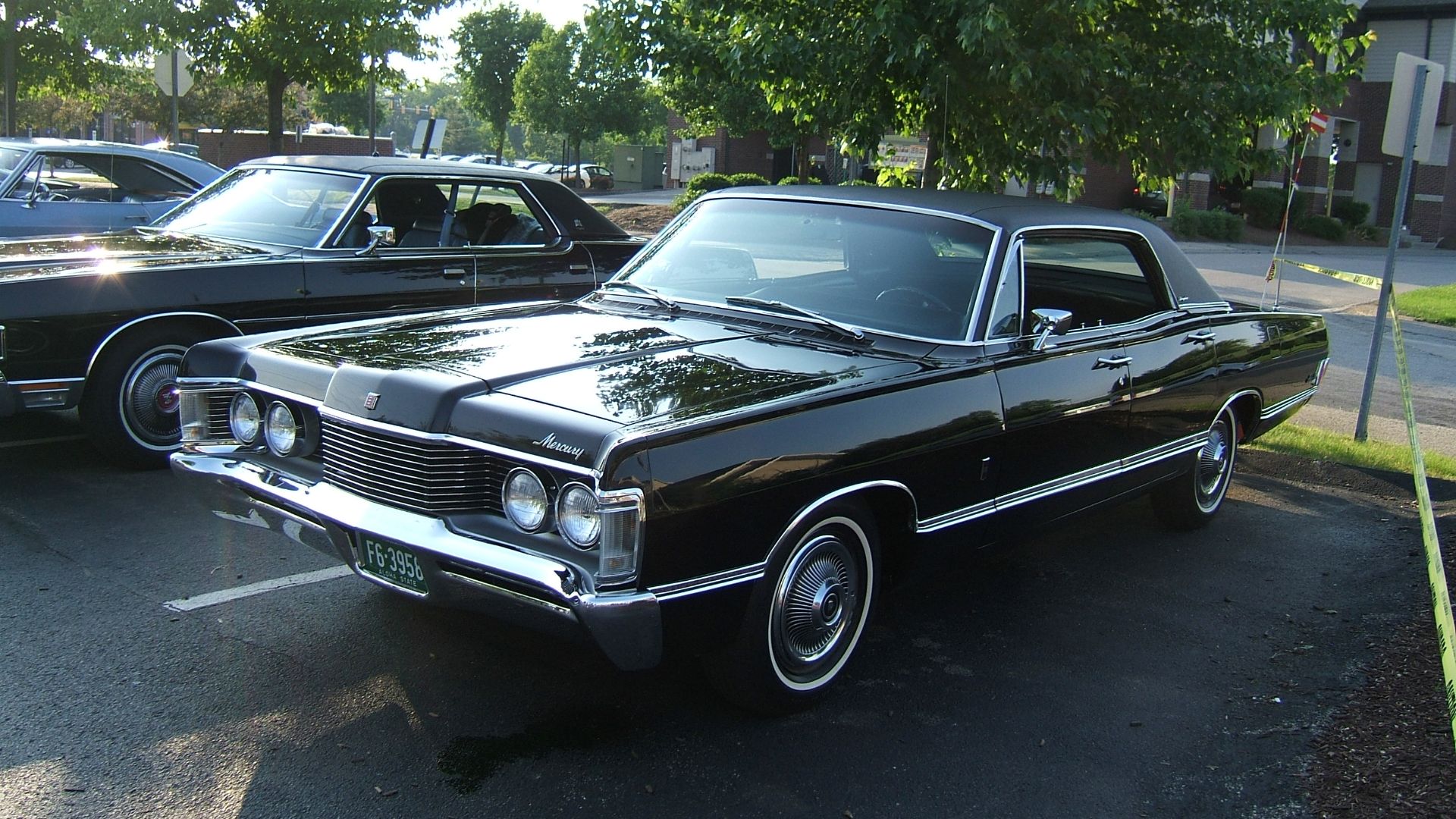
By 1970, the Marquis had become a full-size Mercury with real presence. Its styling was bold enough to stand near Lincoln, and the Brougham trim offered comfort and finish beyond a dressed-up Ford. It showed what Mercury could be when the brand was allowed to feel genuinely ambitious.
And now, here are 10 that didn't try very hard.
 dave_7 from Lethbridge, Canada on Wikimedia
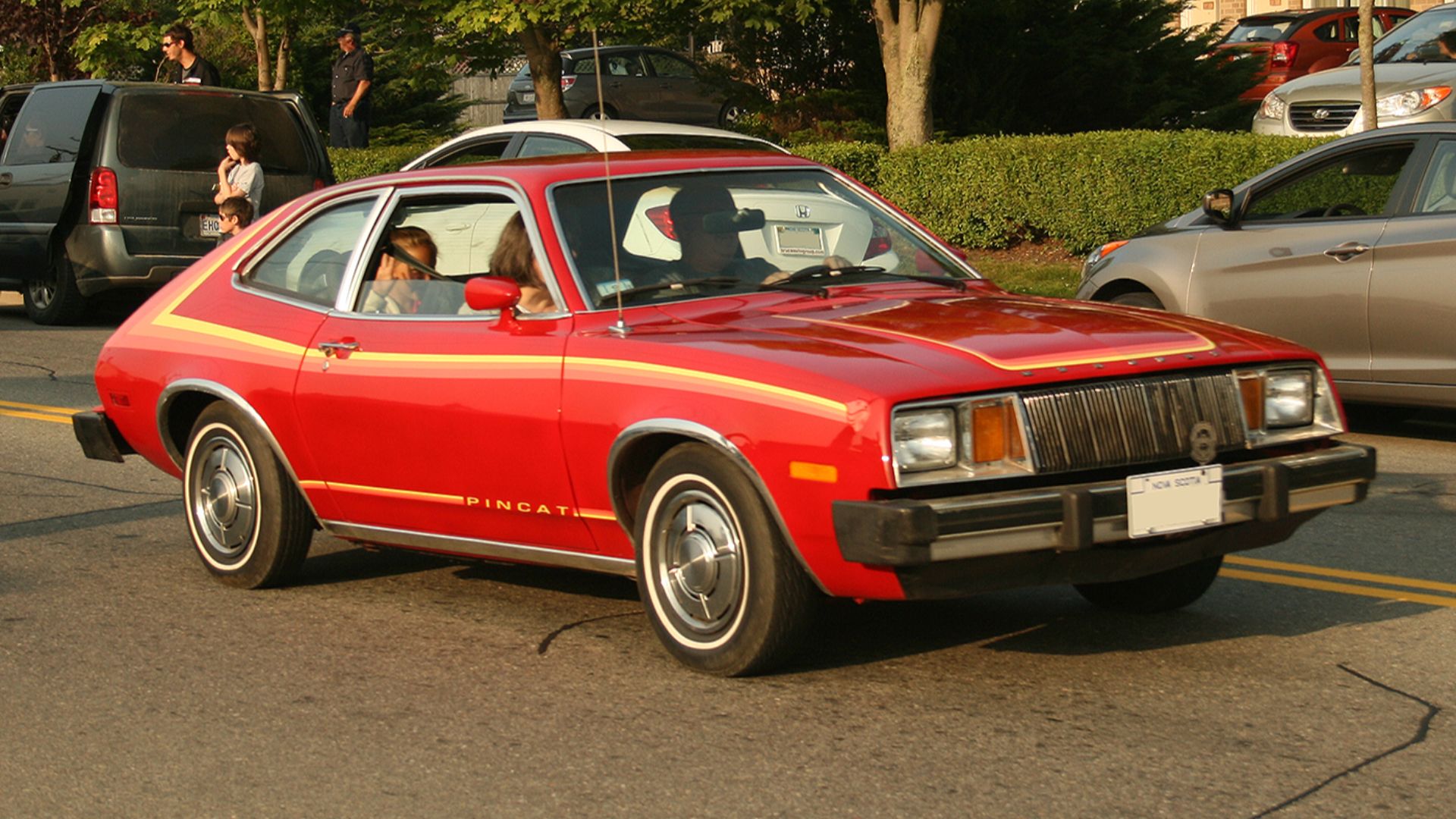
1. Mercury Bobcat
The Mercury Bobcat was essentially a Ford Pinto with a slightly different nose, and that fact explains most of the problem. Whatever reputation the Pinto carried, the Bobcat inherited. The cosmetic differences were so minor that the Mercury badge felt less like a meaningful upgrade and more like a small price increase.
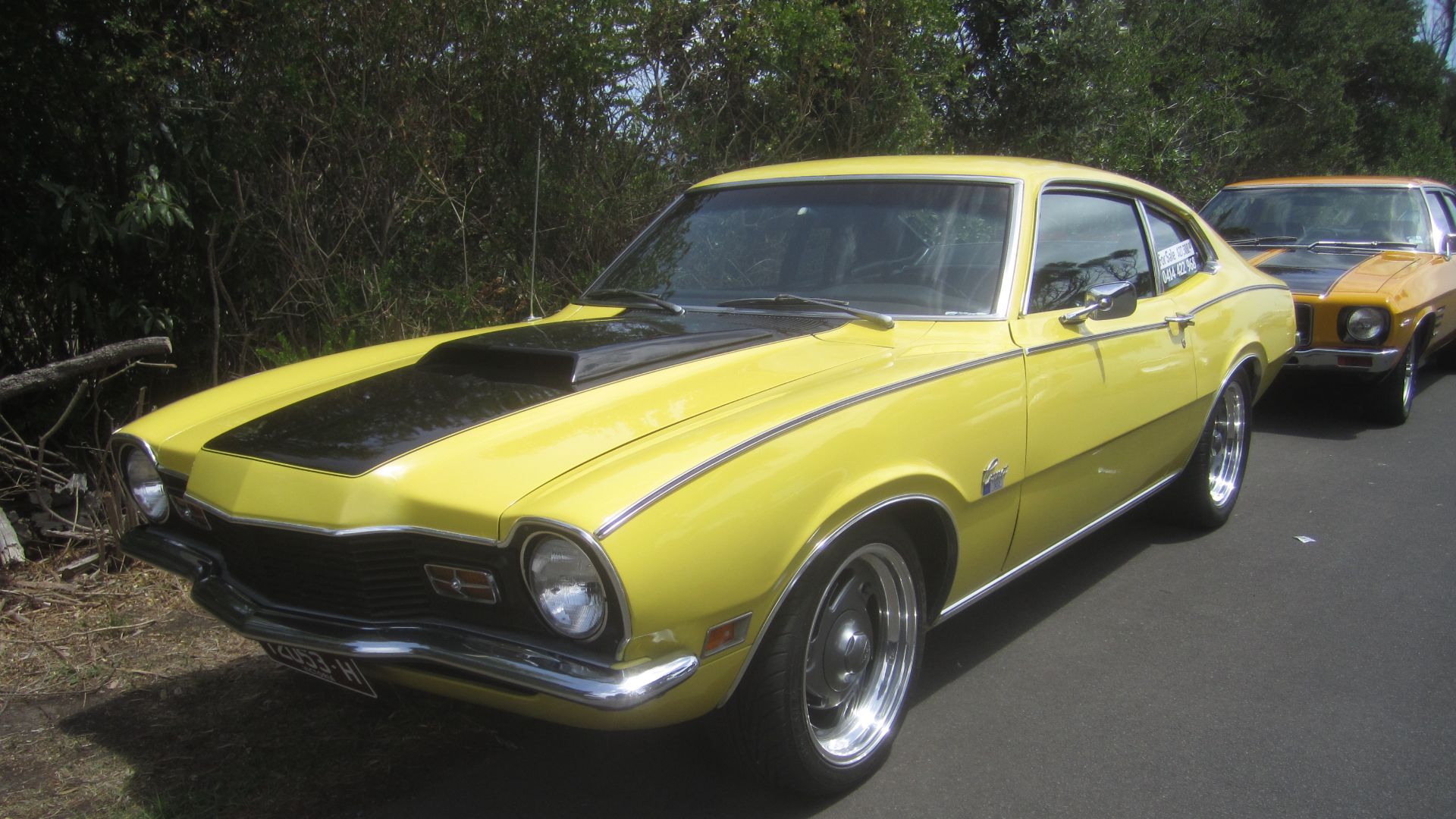
2. Mercury Comet, 1971–1977
Earlier Comets had some charm, but the 1971 through 1977 version was tied too closely to the Ford Maverick. It shared the same basic platform, greenhouse, doors, and overall character. The trim changes gave Mercury something to put in the brochure, but they did not create a distinct car.
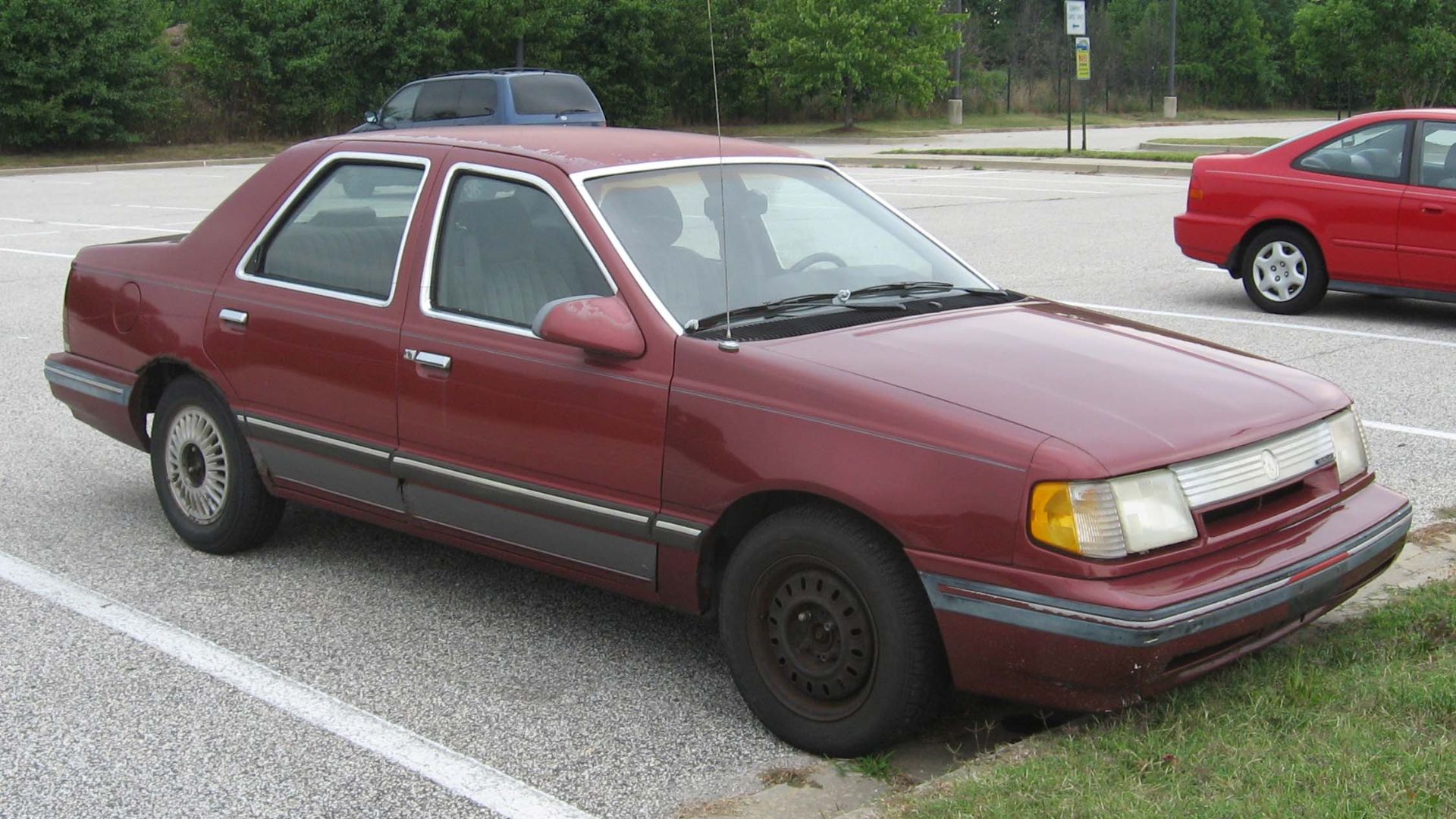
3. Mercury Topaz
The Mercury Topaz was almost entirely a Ford Tempo in Mercury form. It shared the platform, powertrain, interior architecture, and most of the same body panels. When the differences between two cars can be summarized like a footnote, the more expensive version has a difficult case to make.
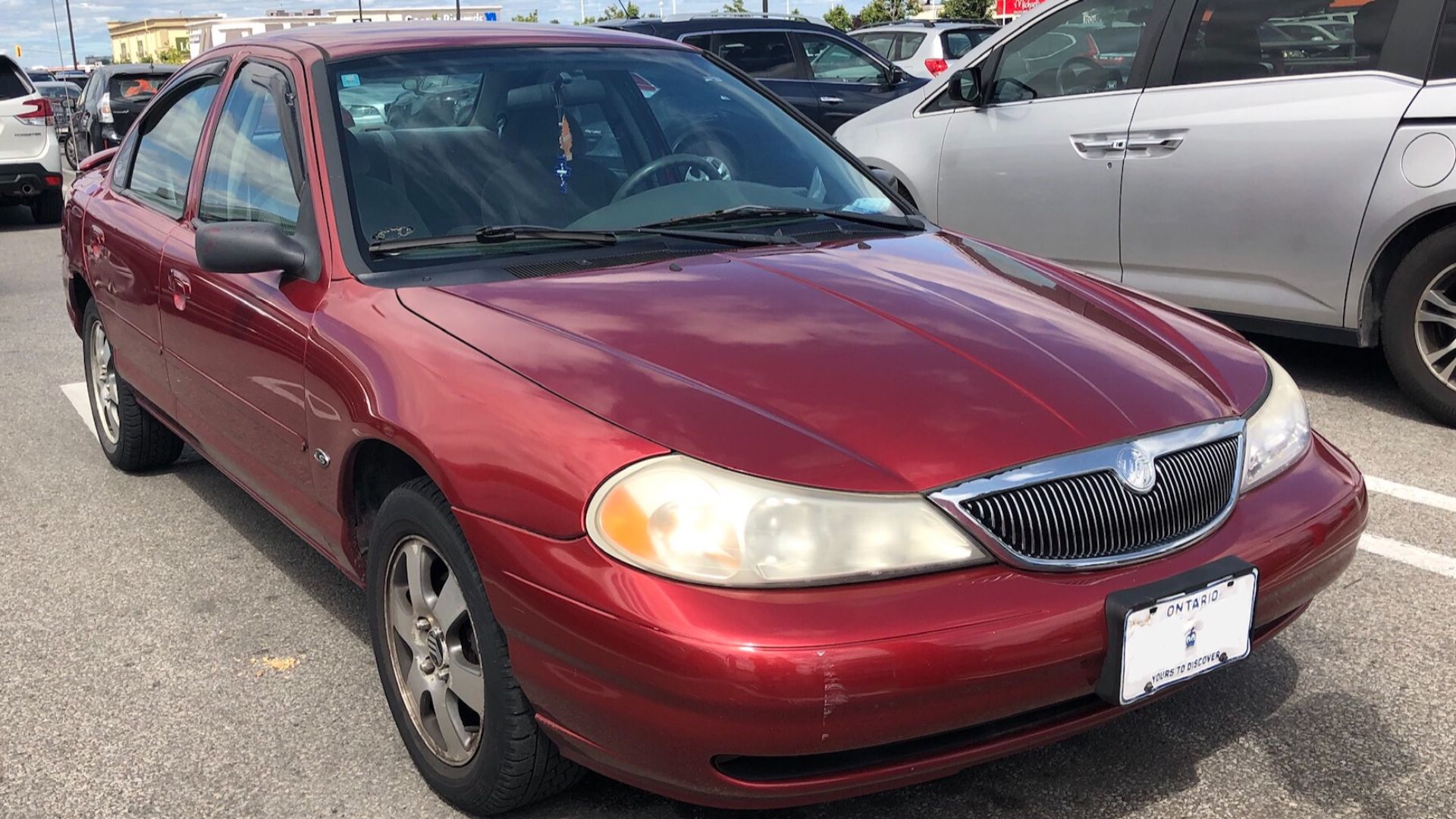
4. Mercury Mystique
The Mystique arrived in 1995 as Mercury’s version of the Ford Contour, a car that was already struggling to define itself. Because the Mystique offered little meaningful separation from the Contour, it felt competent but unnecessary. It was not bad enough to be memorable, but it was not distinctive enough to matter.
 The Wikipeadian guy on Wikimedia
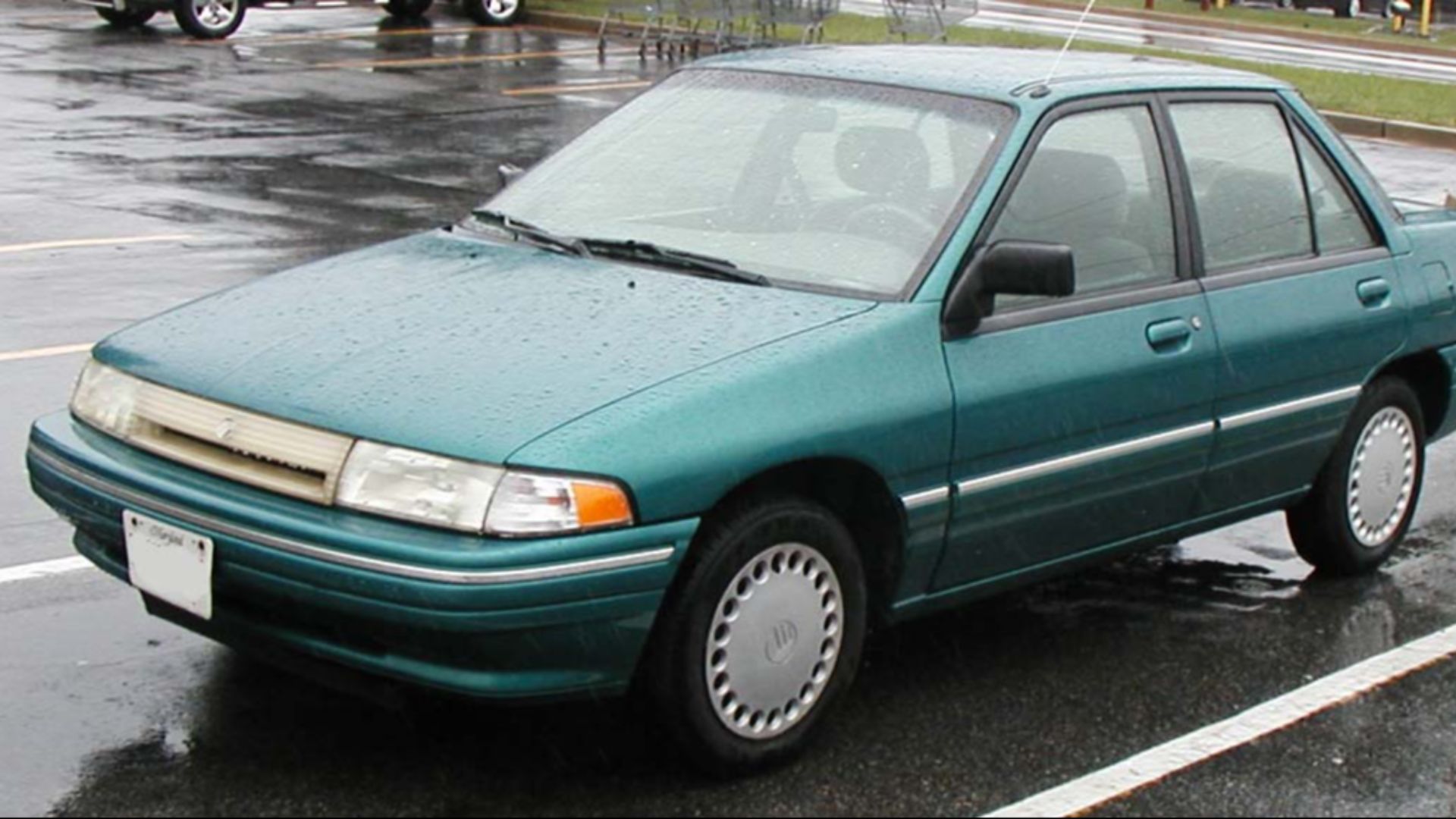
5. Mercury Tracer
In its later years, the Mercury Tracer was little more than a rebadged Ford Escort. That was a problem because the Escort itself was already a fairly ordinary car. The mechanicals, configurations, and driving experience were largely the same, leaving buyers to pay more for a slightly different badge.
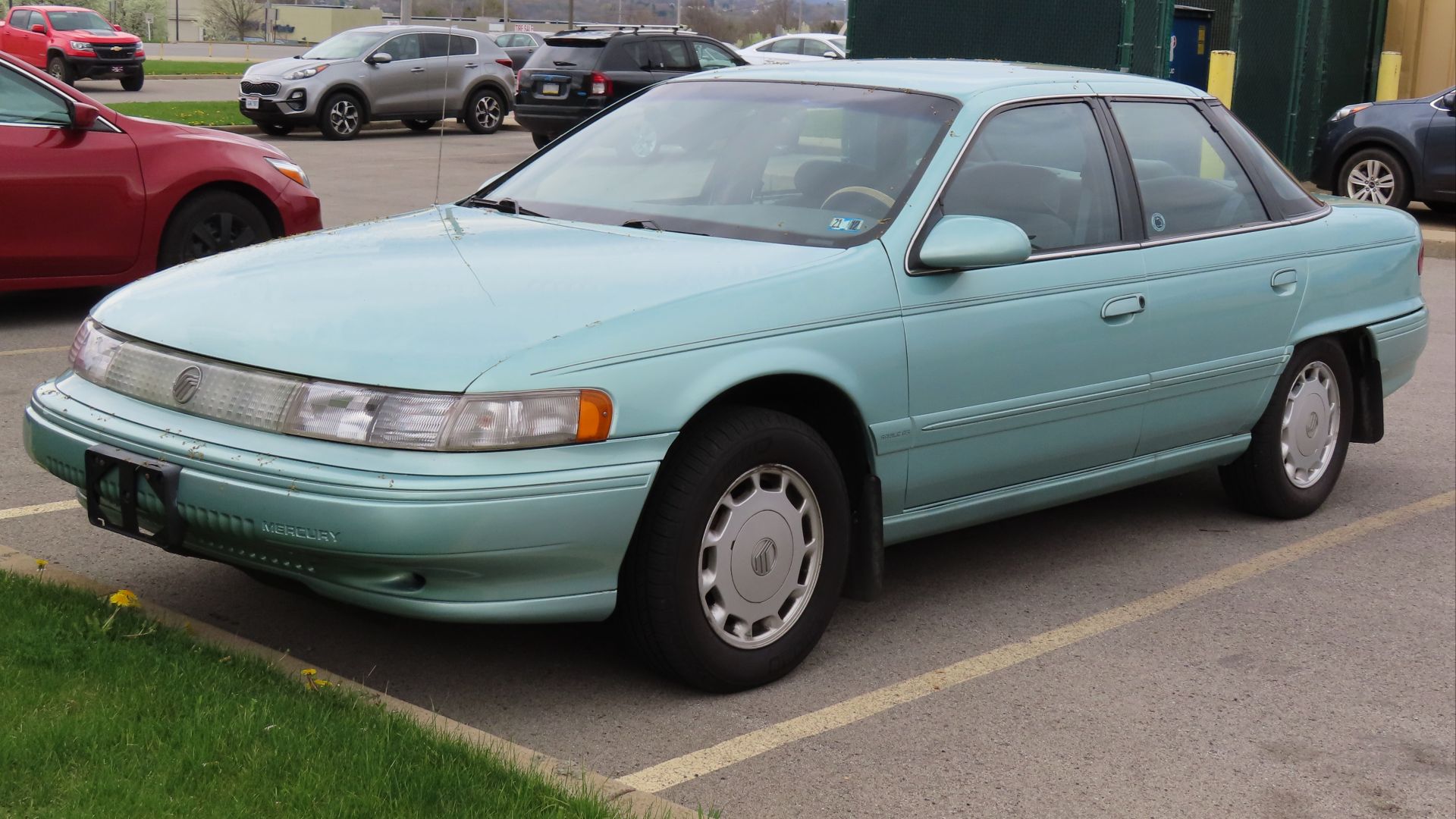
6. Mercury Sable, Later Years
The original 1986 Sable deserves credit for looking modern and distinctive beside the Taurus. By the late 1990s, however, much of that identity had faded. The Sable had become mostly a Taurus with a waterfall grille, and what once felt fresh had been reduced to decoration.
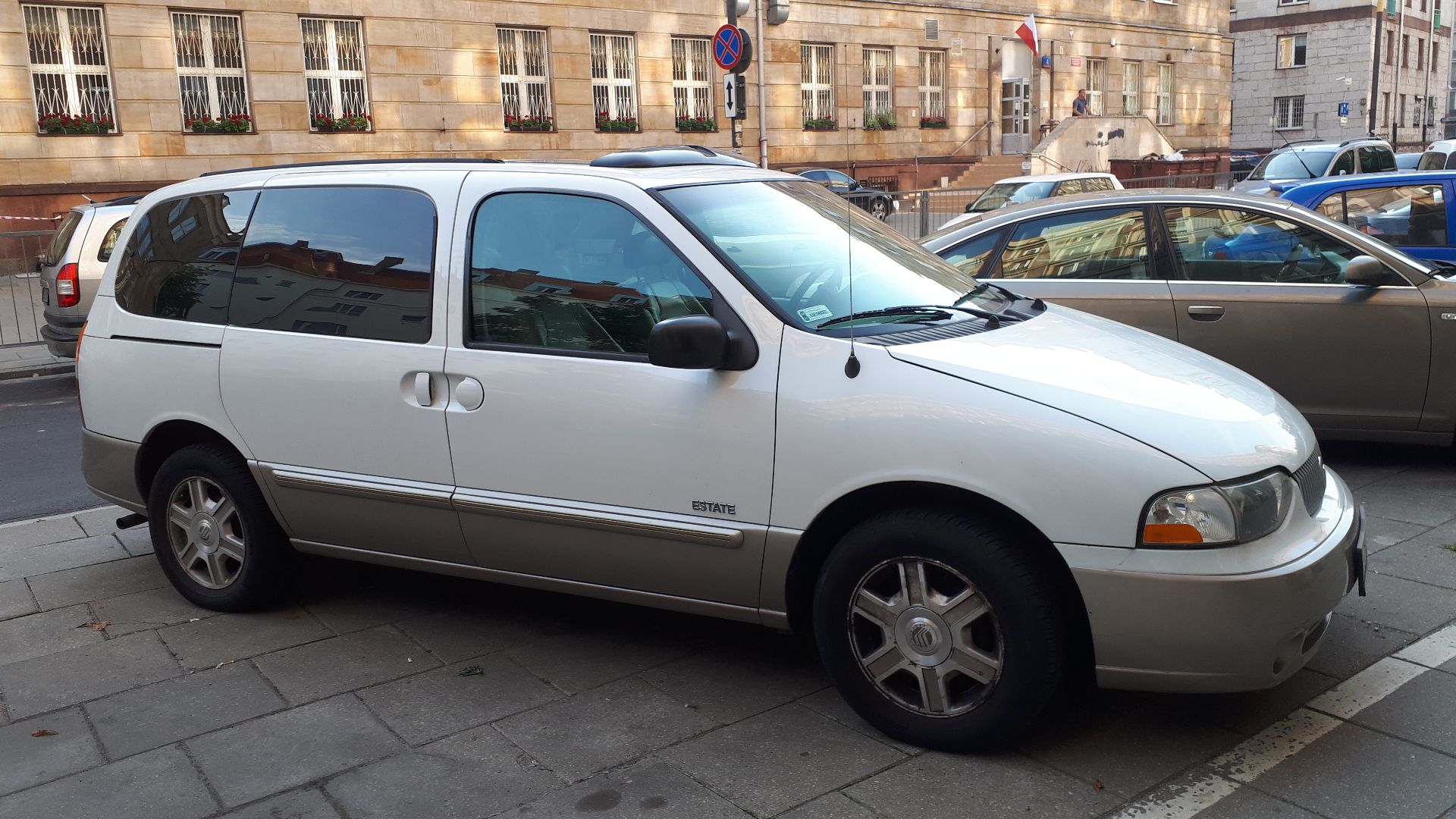
7. Mercury Villager
The Mercury Villager was not a direct Ford clone because it came from a Nissan joint venture, but it still raised an obvious question: what was Mercury doing with it? It was practical enough as a minivan, but it never felt like a Mercury product in any recognizable or useful way.
 Raf24~commonswiki on Wikimedia
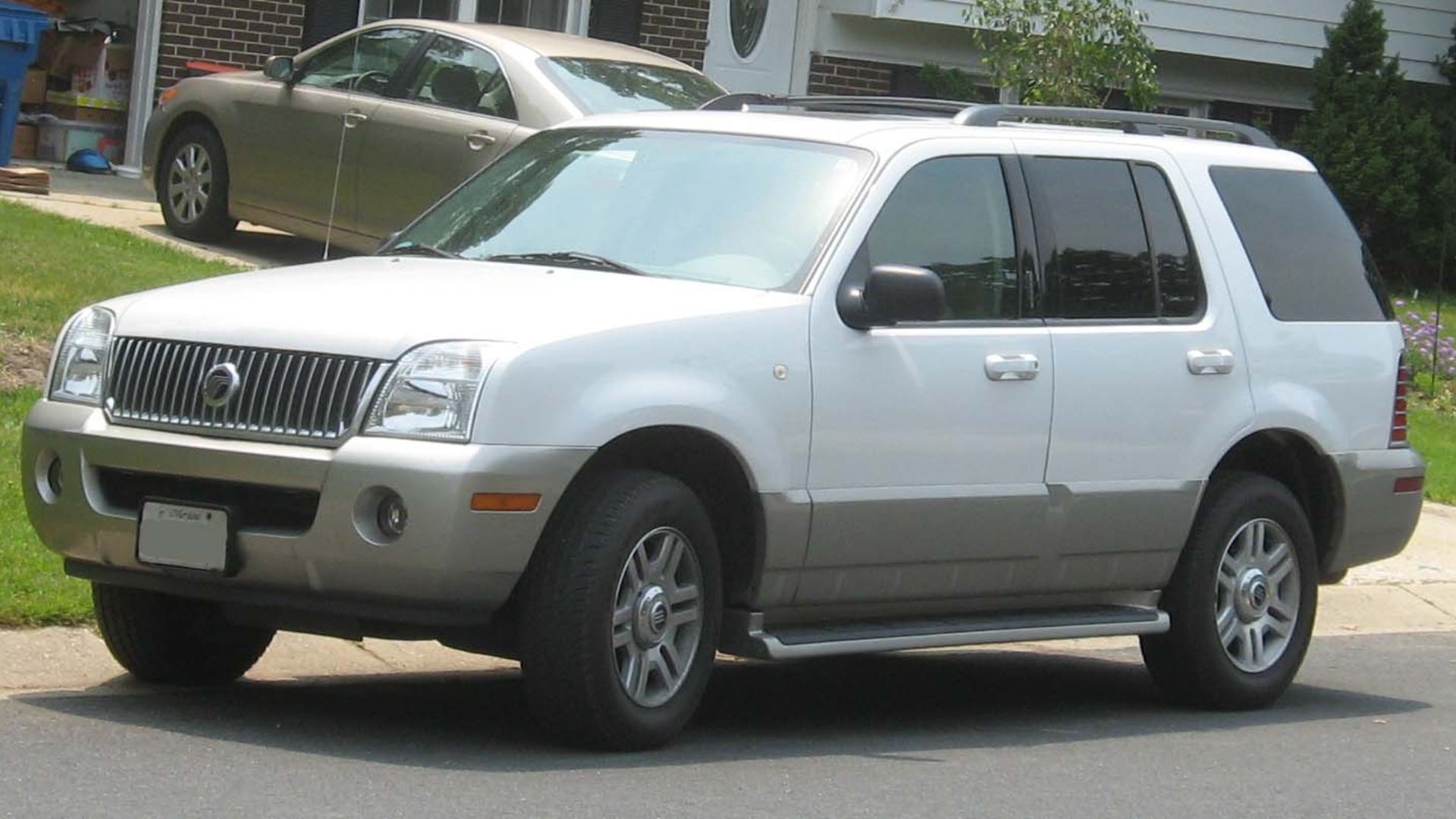
8. Mercury Mountaineer
The Mountaineer was so close to the Ford Explorer that most comparisons came down to trim details. The two shared the same basic platform, engines, dimensions, and mission. For buyers who preferred the Mercury dealership, it served a purpose, but it did little to define the brand.
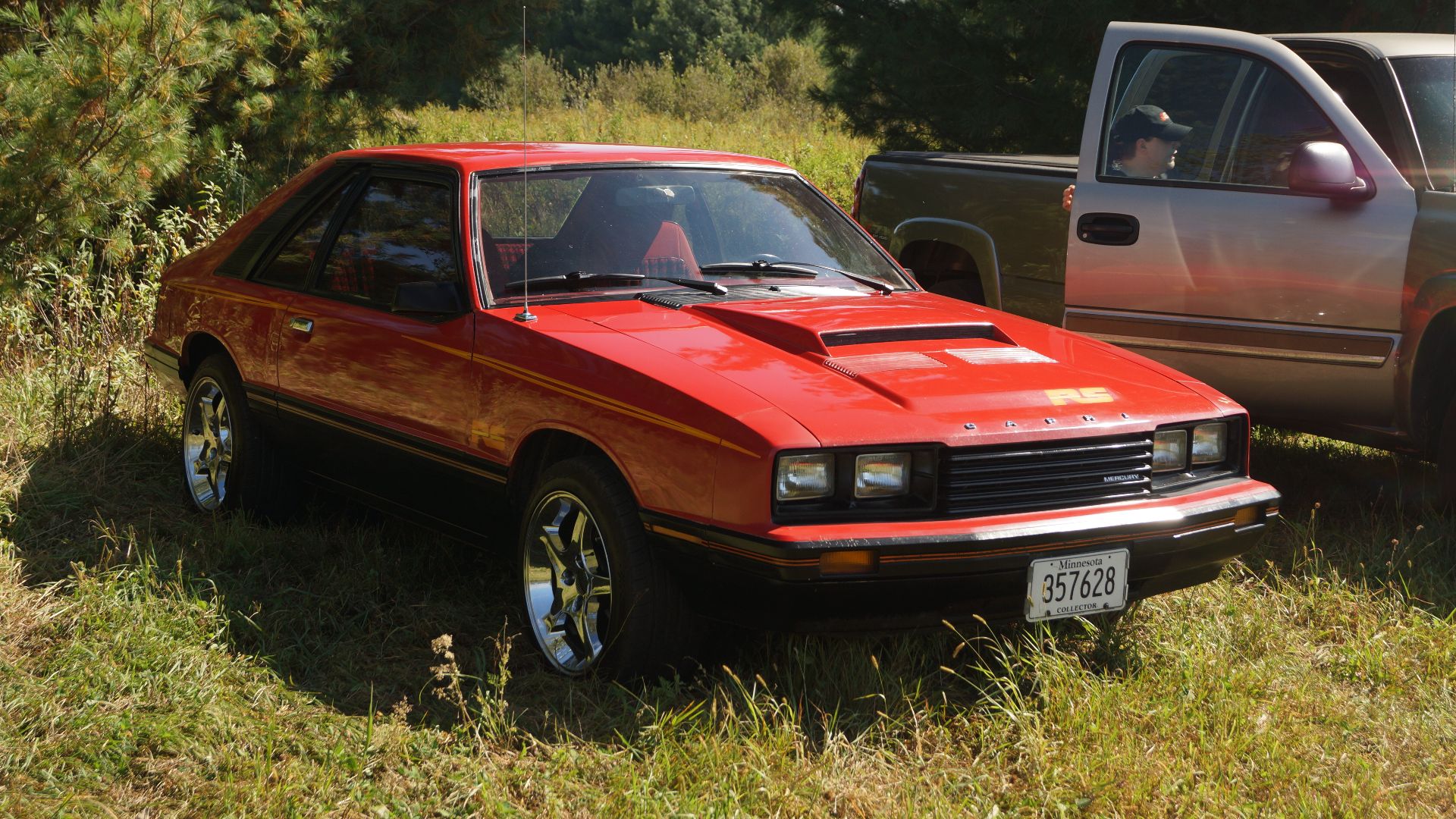
9. Mercury Capri, 1979–1986
The 1979 through 1986 Capri was essentially a Fox-body Mustang with a different front end and a hatchback. Some versions had appeal, and the hatchback added practicality, but the car never fully escaped the Mustang’s shadow. It existed because Mercury needed something sporty, not because Mercury had a separate vision.
 Greg Gjerdingen from Willmar, USA on Wikimedia
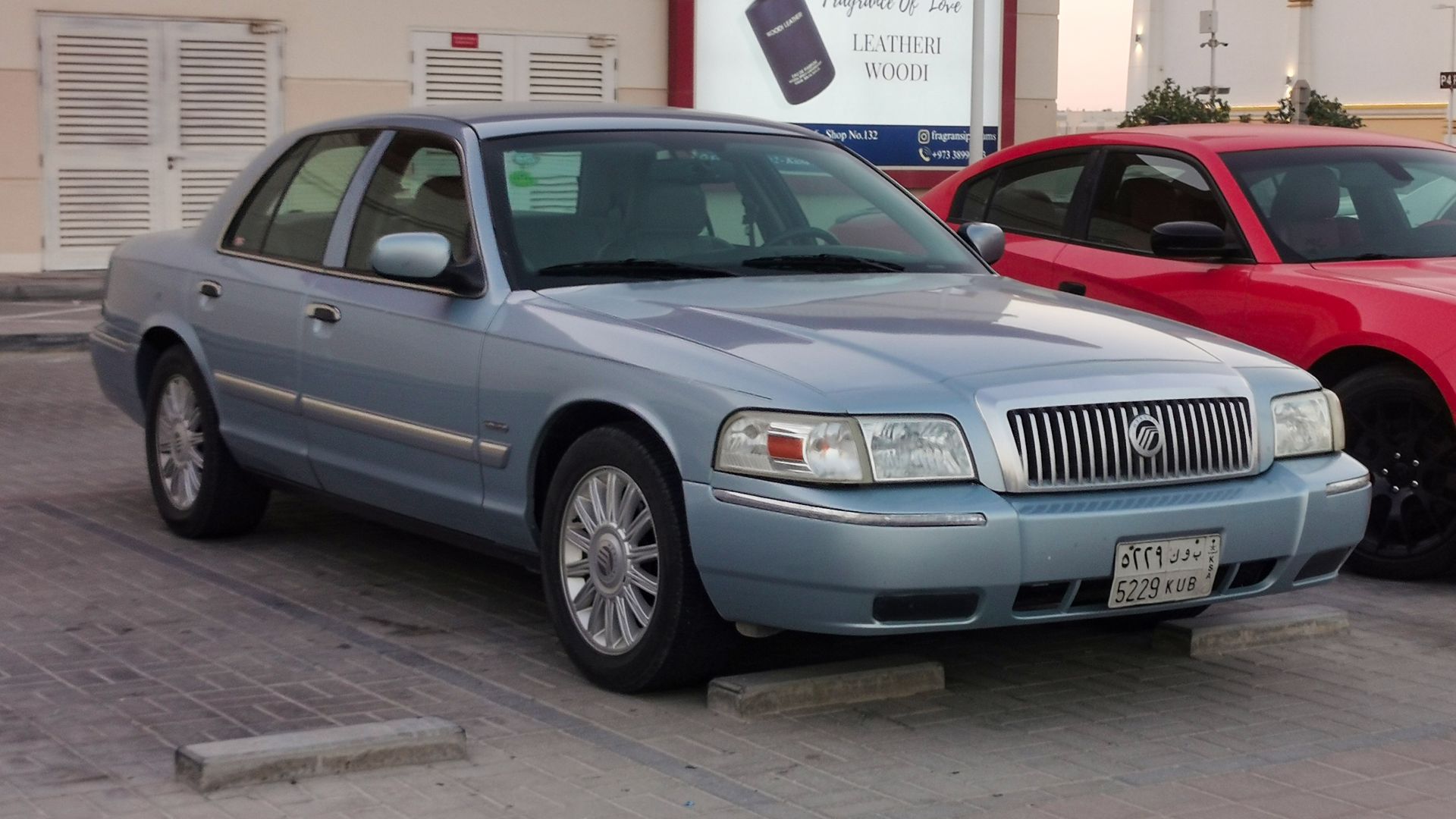
10. Mercury Grand Marquis
The Grand Marquis became a fitting final chapter for Mercury. It was reliable, comfortable, and familiar, but it shared its Panther platform with the Ford Crown Victoria and Lincoln Town Car. In its final years, it sat awkwardly between them: too similar to the Ford to feel premium, and not luxurious enough to feel like a Lincoln. It was almost something, which was often Mercury’s problem.