Looking Beyond the Sticker Price
Performance cars offer thrilling acceleration, sharp handling, and plenty of curb appeal, but the purchase price is only part of the financial picture. Many owners are surprised by the ongoing expenses that come with maintaining a vehicle designed for speed and high performance. Before taking the plunge, it's worth understanding some of the less obvious costs that can have a significant impact on your budget over time. Here are the 20 hidden costs of owning a performance car.

1. Higher Insurance Premiums
Insurance companies generally view performance cars as higher-risk vehicles due to their speed capabilities and repair costs. As a result, premiums are often substantially higher than those for standard sedans or crossovers. Younger drivers may see particularly steep increases in their rates.

2. Premium Fuel Requirements
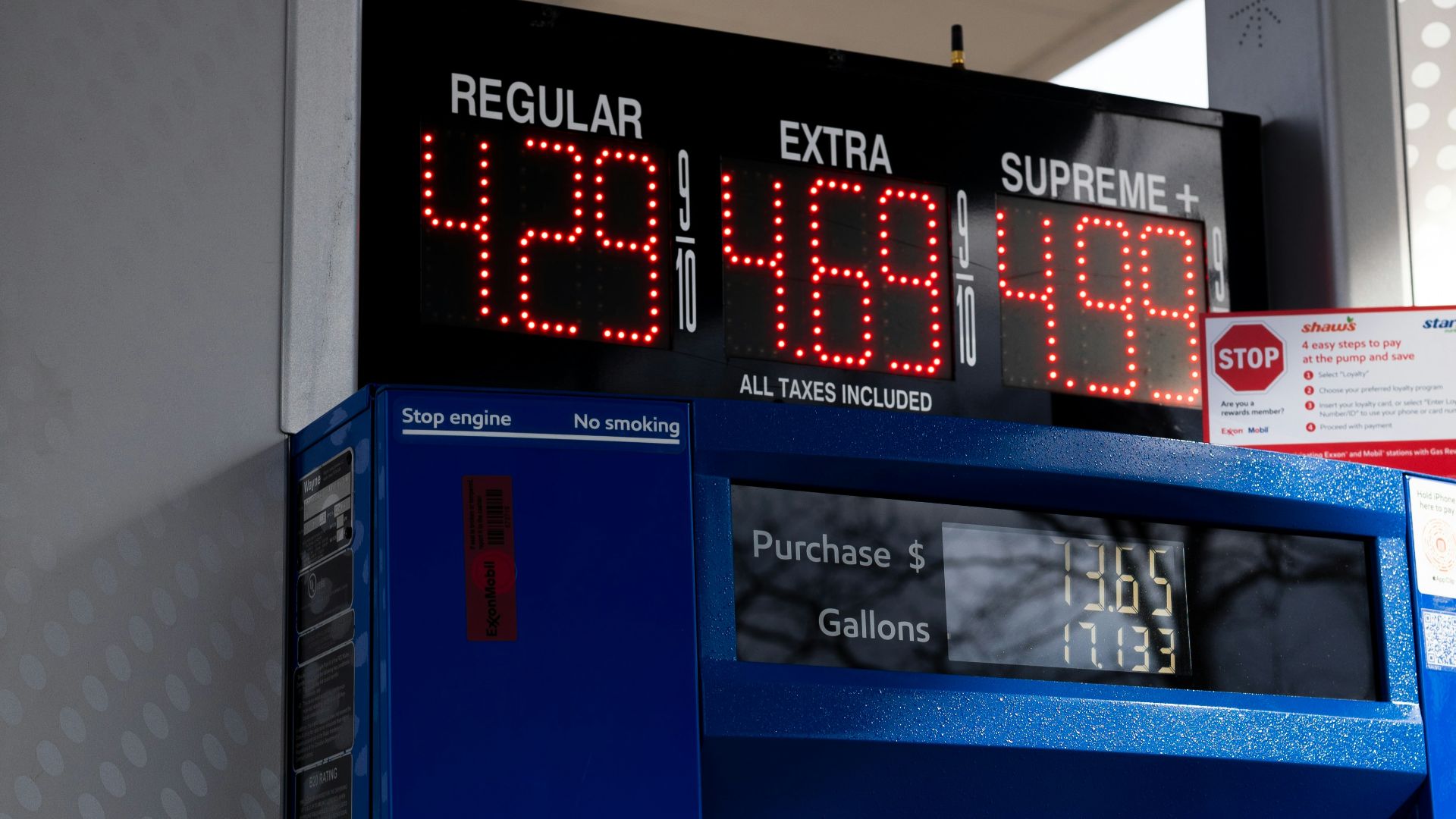
Many performance engines are designed to run on premium gasoline with a higher octane rating. Filling up with regular fuel may reduce performance or, in some cases, risk engine issues if used consistently. Over the course of a year, the added fuel expense can become quite noticeable.
3. Expensive Tire Replacements
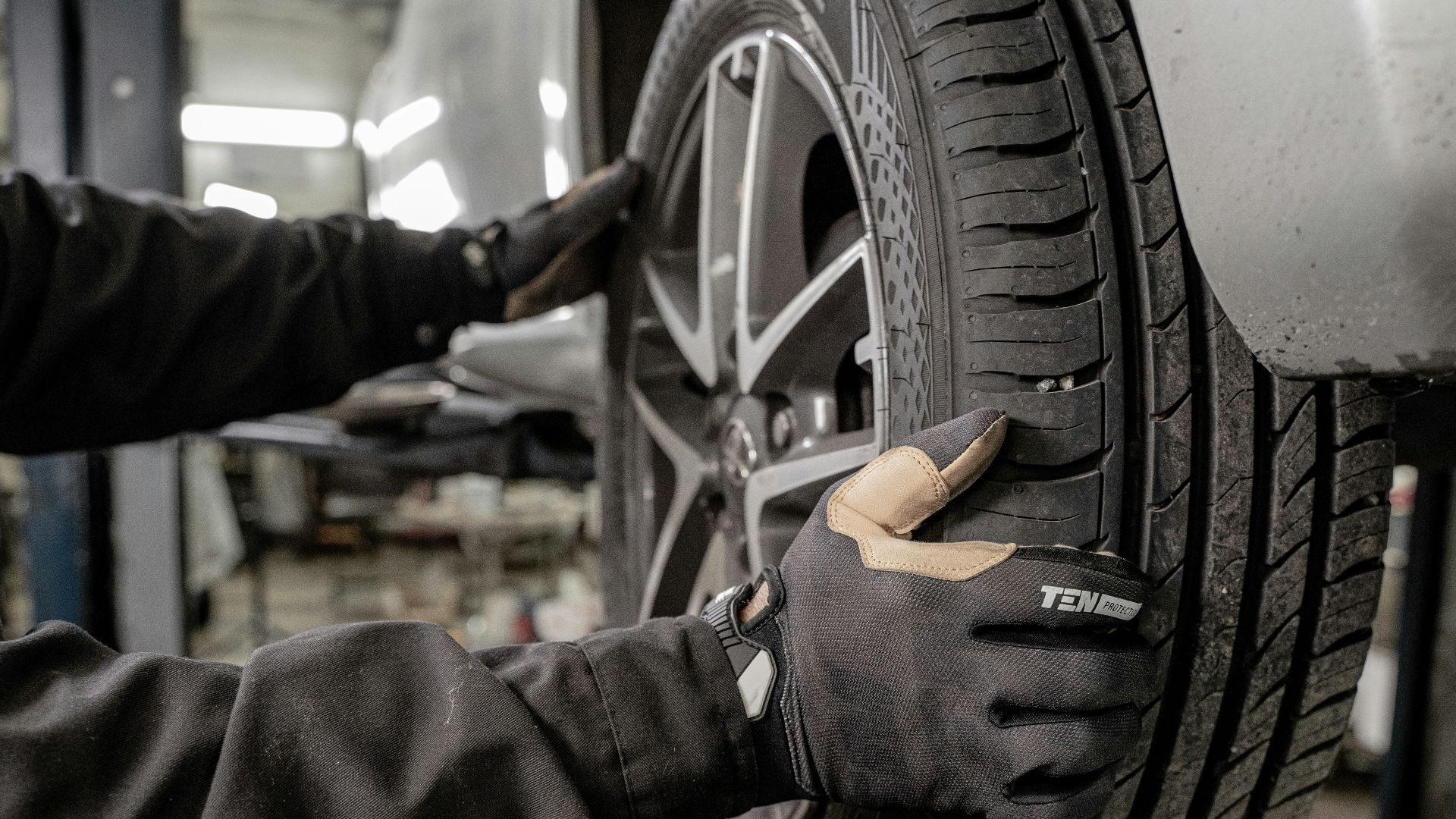
High-performance tires provide exceptional grip, but they typically wear out faster than conventional tires. Replacement sets can cost significantly more because they're often larger and built with specialized compounds. Aggressive driving can shorten their lifespan even further.
 Jimmy Nilsson Masth on Unsplash
4. Increased Brake Wear
Performance vehicles are equipped with powerful braking systems to handle higher speeds. While these brakes offer excellent stopping power, pads and rotors often wear more quickly than those on everyday cars. Replacement parts can also be considerably more expensive.
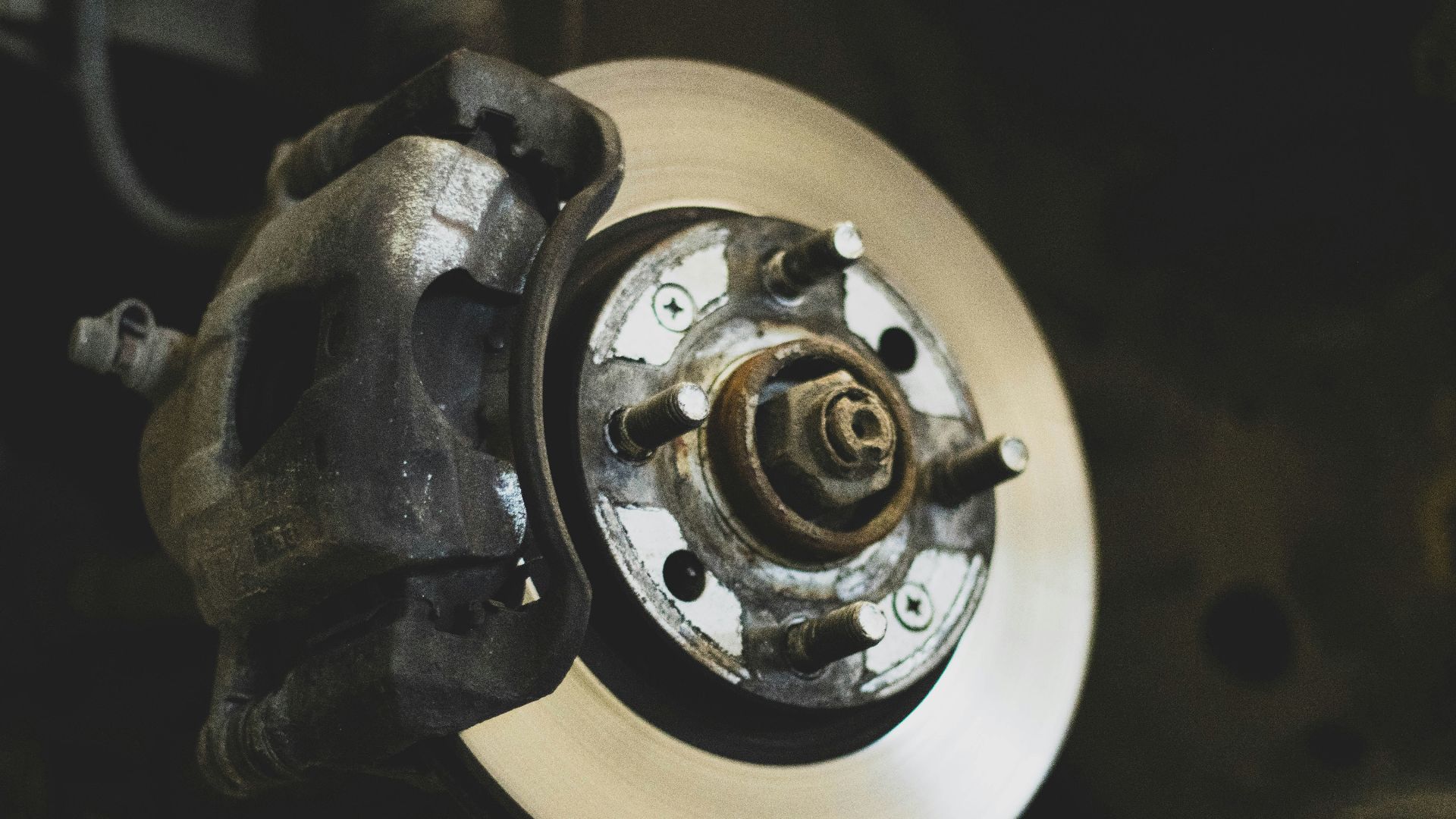
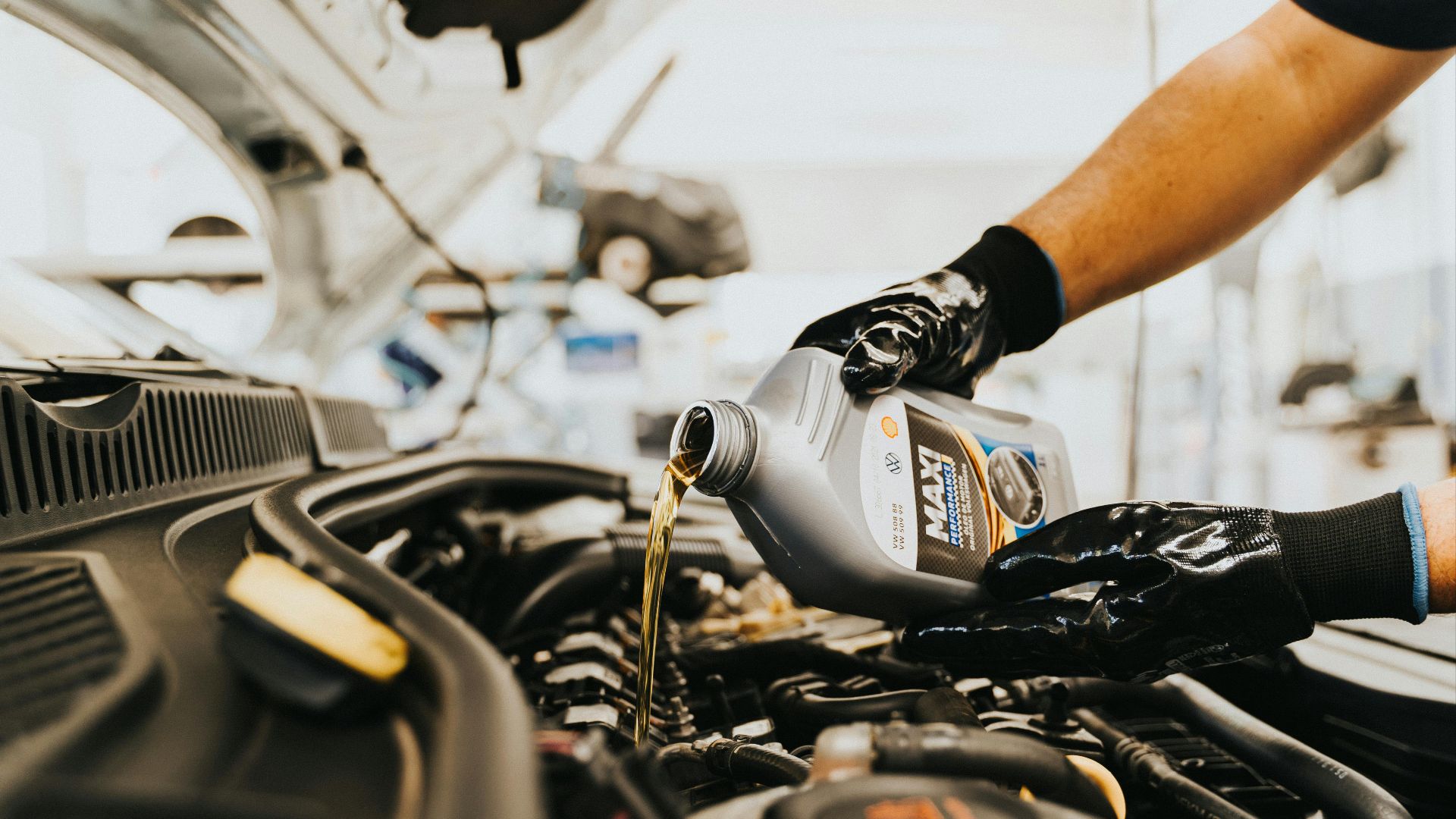
5. Costly Oil Changes
Many high-performance engines require synthetic oil and premium filters. Some models also have larger oil capacities, which increases the amount of oil needed during each service. What seems like a routine maintenance task can cost much more than expected.
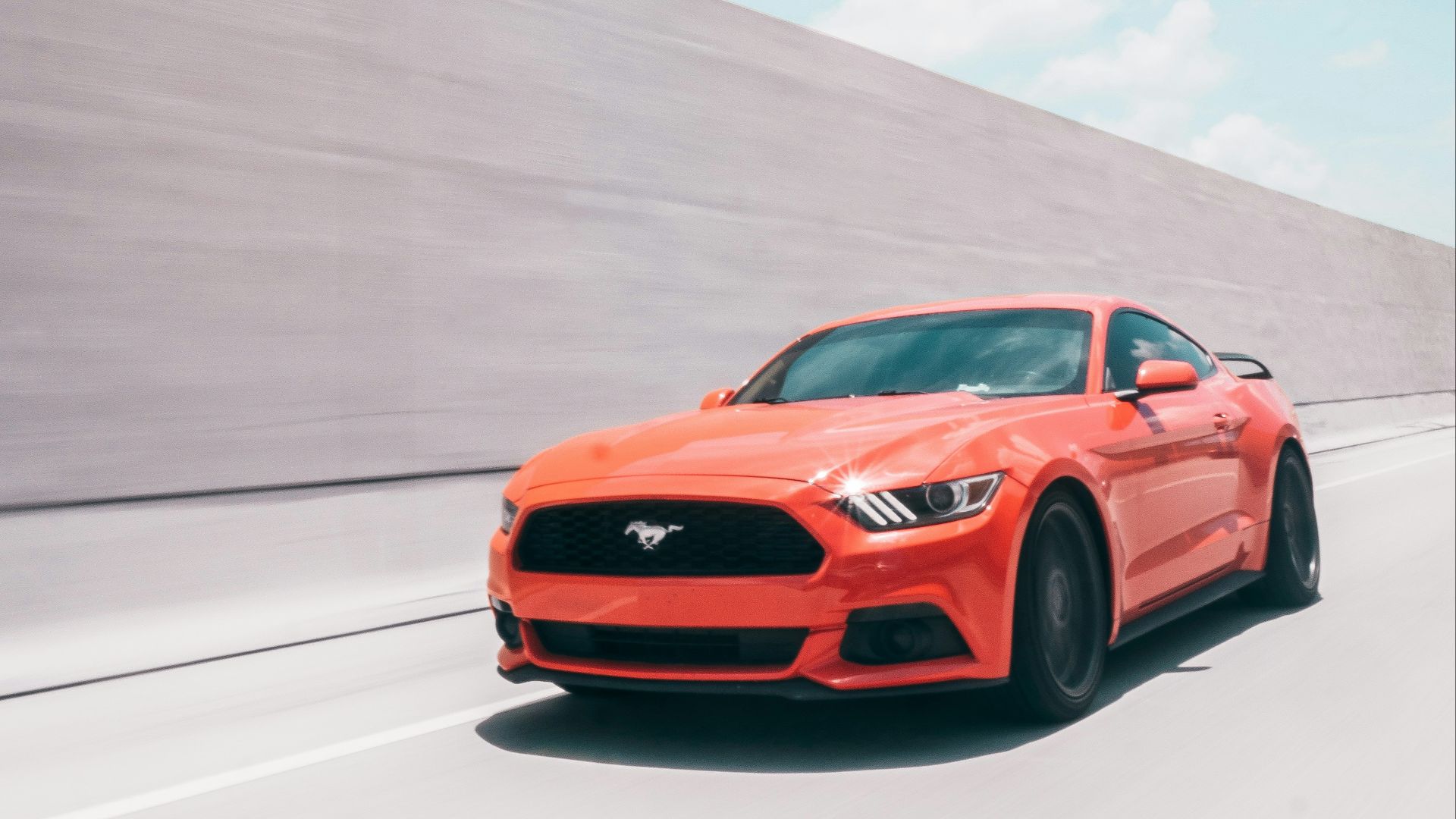
6. Faster Depreciation on Certain Models
Not every performance car becomes a sought-after collectible. Some models lose value rapidly, especially if newer versions offer significant improvements. Owners who plan to sell within a few years may face larger depreciation losses than anticipated.
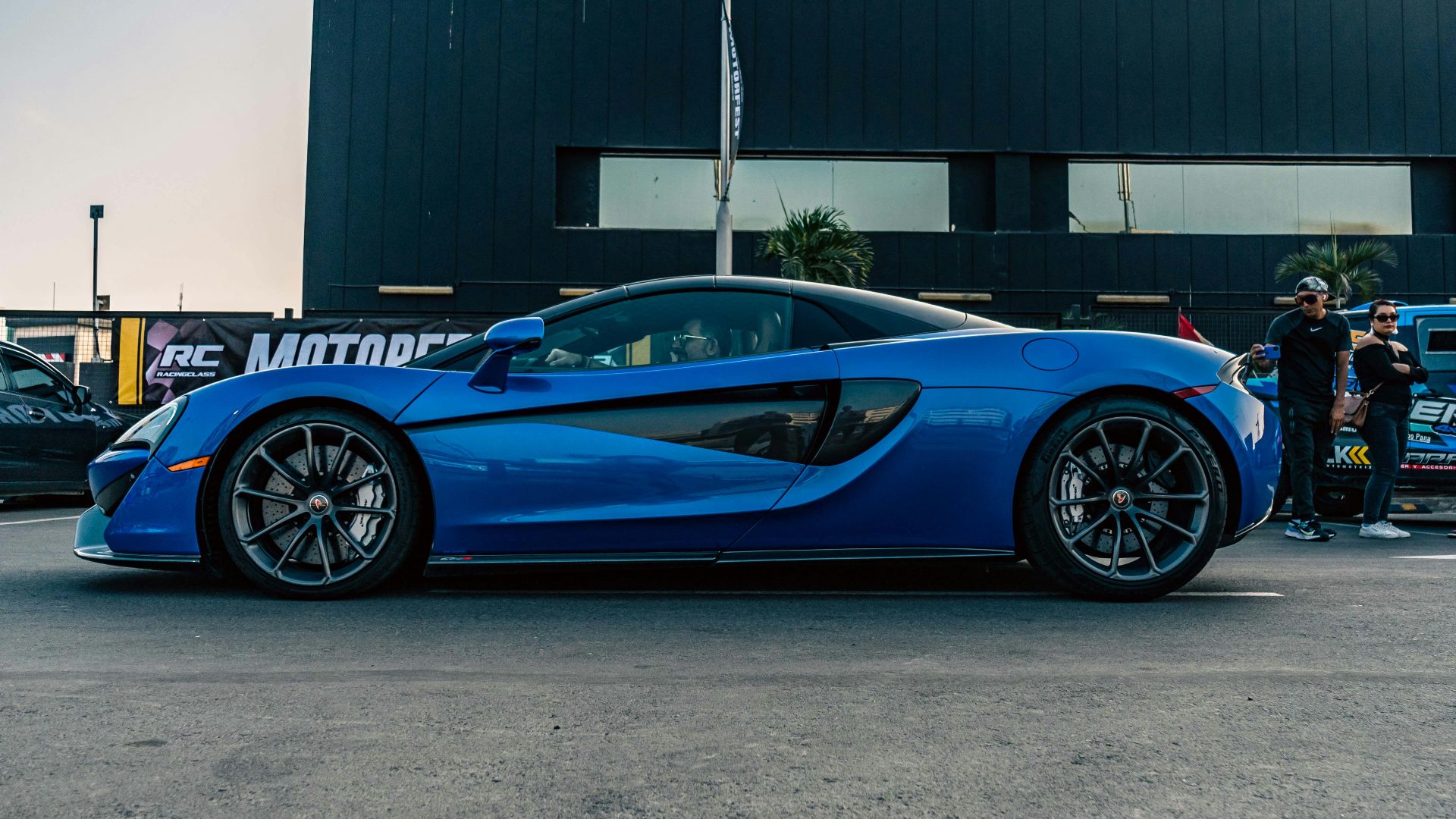
7. Specialized Repair Labor
Working on performance vehicles often requires technicians with specific training and experience. Labor rates at specialty shops or dealerships can be higher than those at general repair facilities. Even relatively simple repairs may come with premium labor charges.

8. Higher Registration Fees
In some states, registration fees are partially based on vehicle value, weight, or engine size. Because performance cars often score higher in these categories, annual registration costs can exceed those of more modest vehicles. The difference may seem small initially, but it adds up over time.
9. More Frequent Alignments
Wide tires and sport-tuned suspensions can make alignment settings more sensitive to road conditions. Potholes, rough pavement, and spirited driving may knock the alignment out of specification sooner than expected. Regular adjustments help preserve tire life but increase maintenance expenses.
10. Increased Risk of Theft
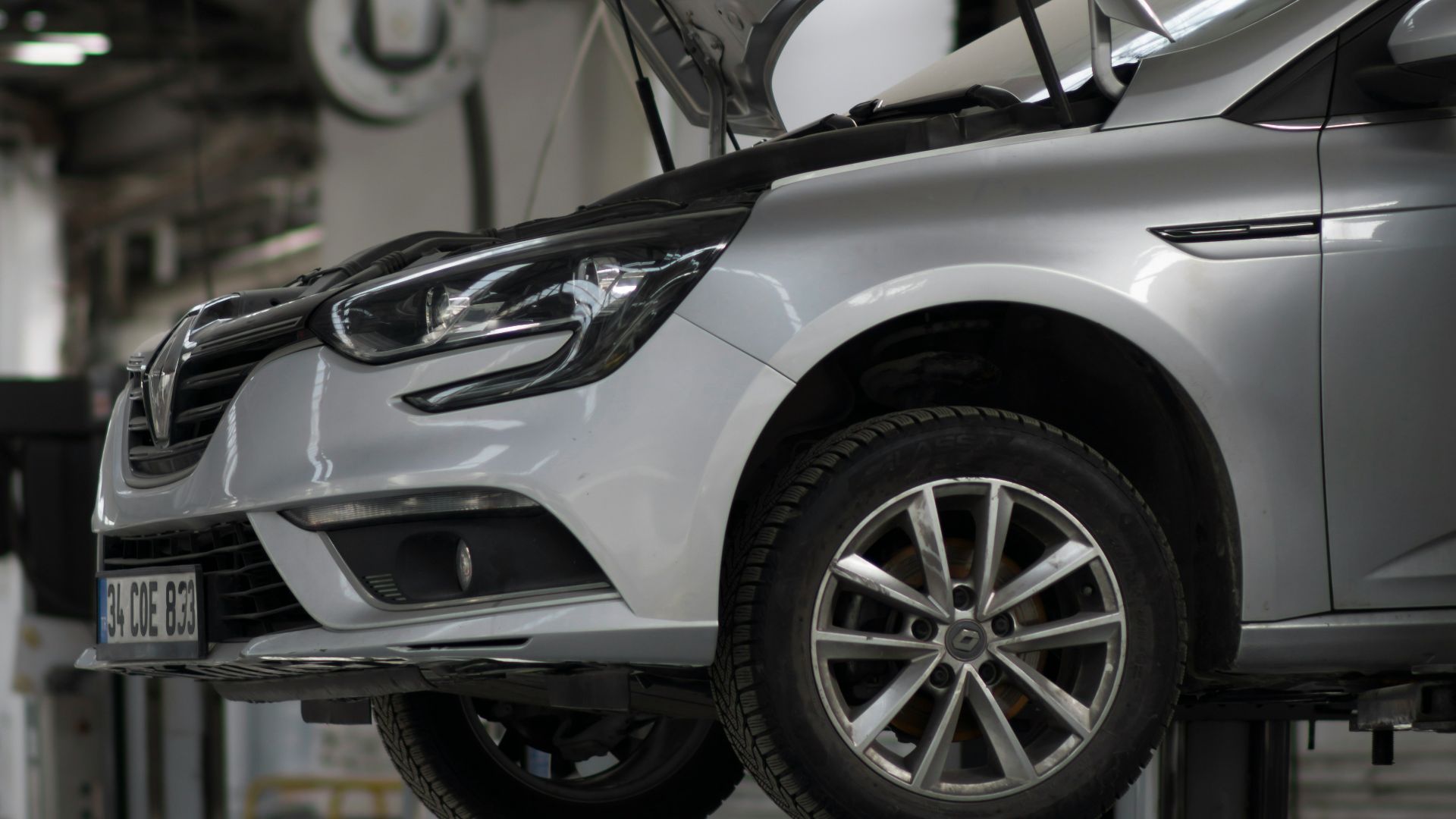
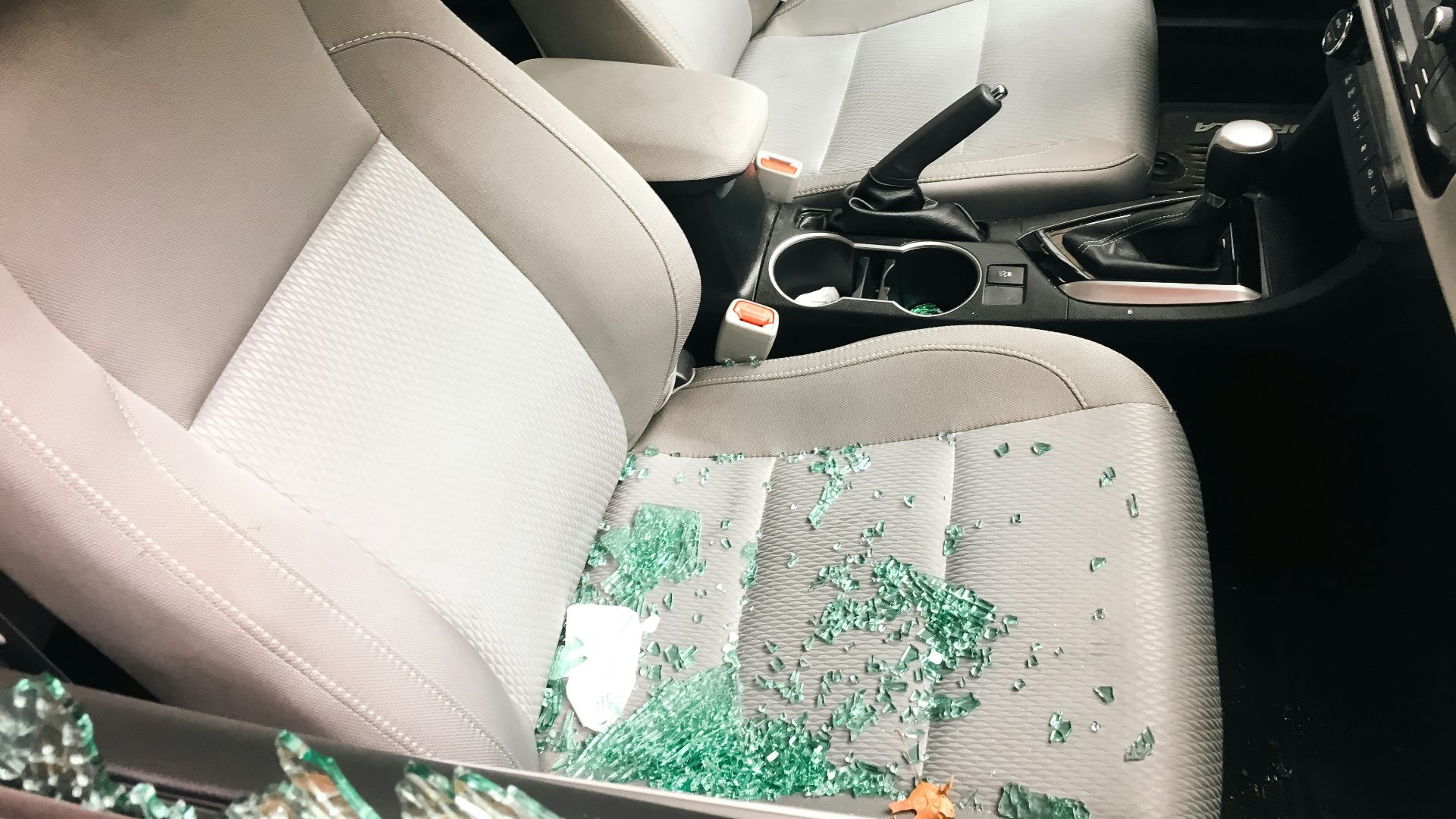
Performance cars are often attractive targets for thieves due to their desirability and valuable components. Owners may invest in tracking systems, upgraded security features, or secure storage solutions. These precautions create additional costs beyond standard ownership expenses.
11. Premium Parts Pricing
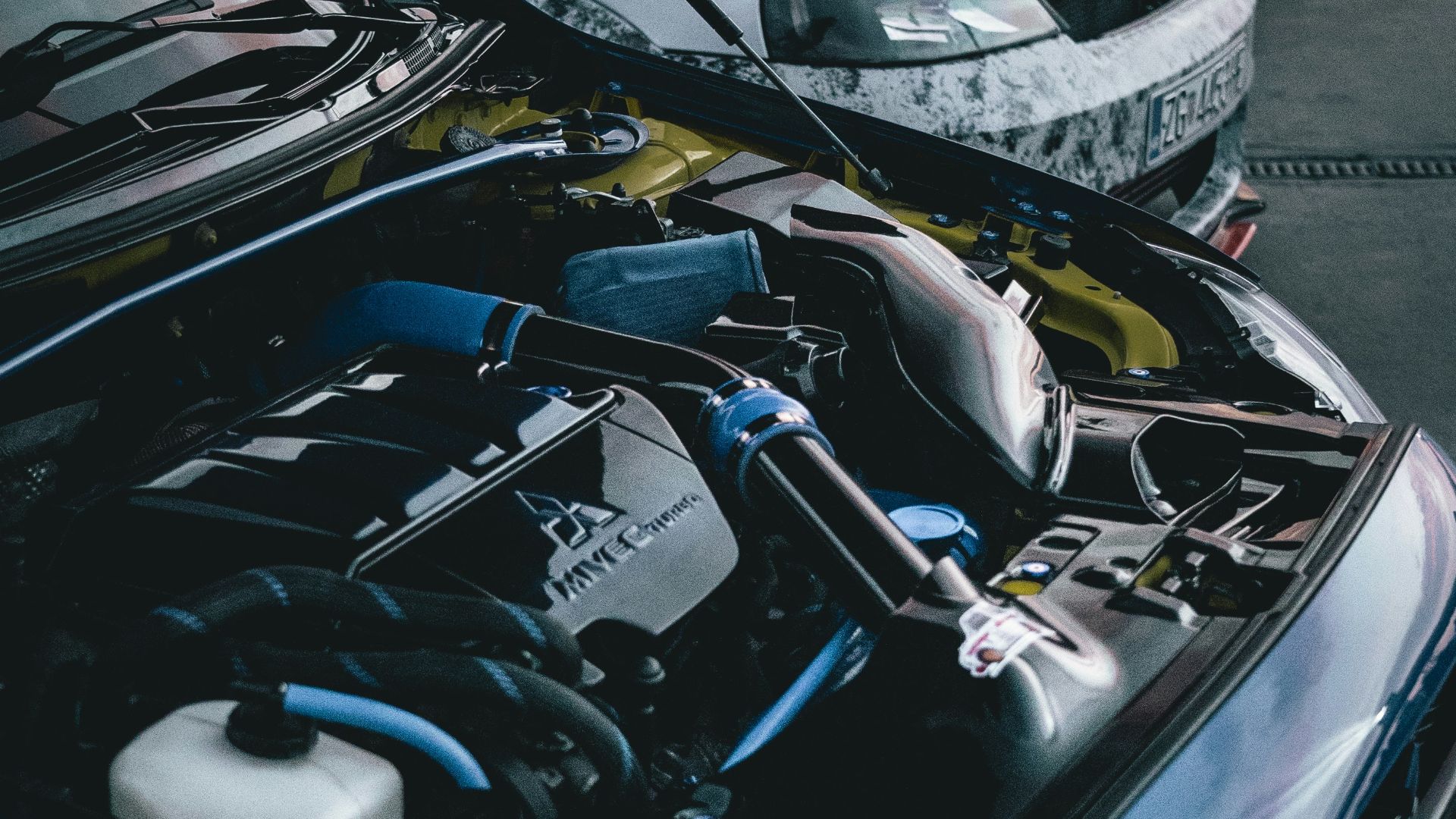
Replacement components for performance models are frequently more expensive than equivalent parts for standard vehicles. Manufacturers often use specialized materials and engineering to achieve higher performance levels. When something needs replacing, the bill can come as a surprise.
12. Track Day Expenses
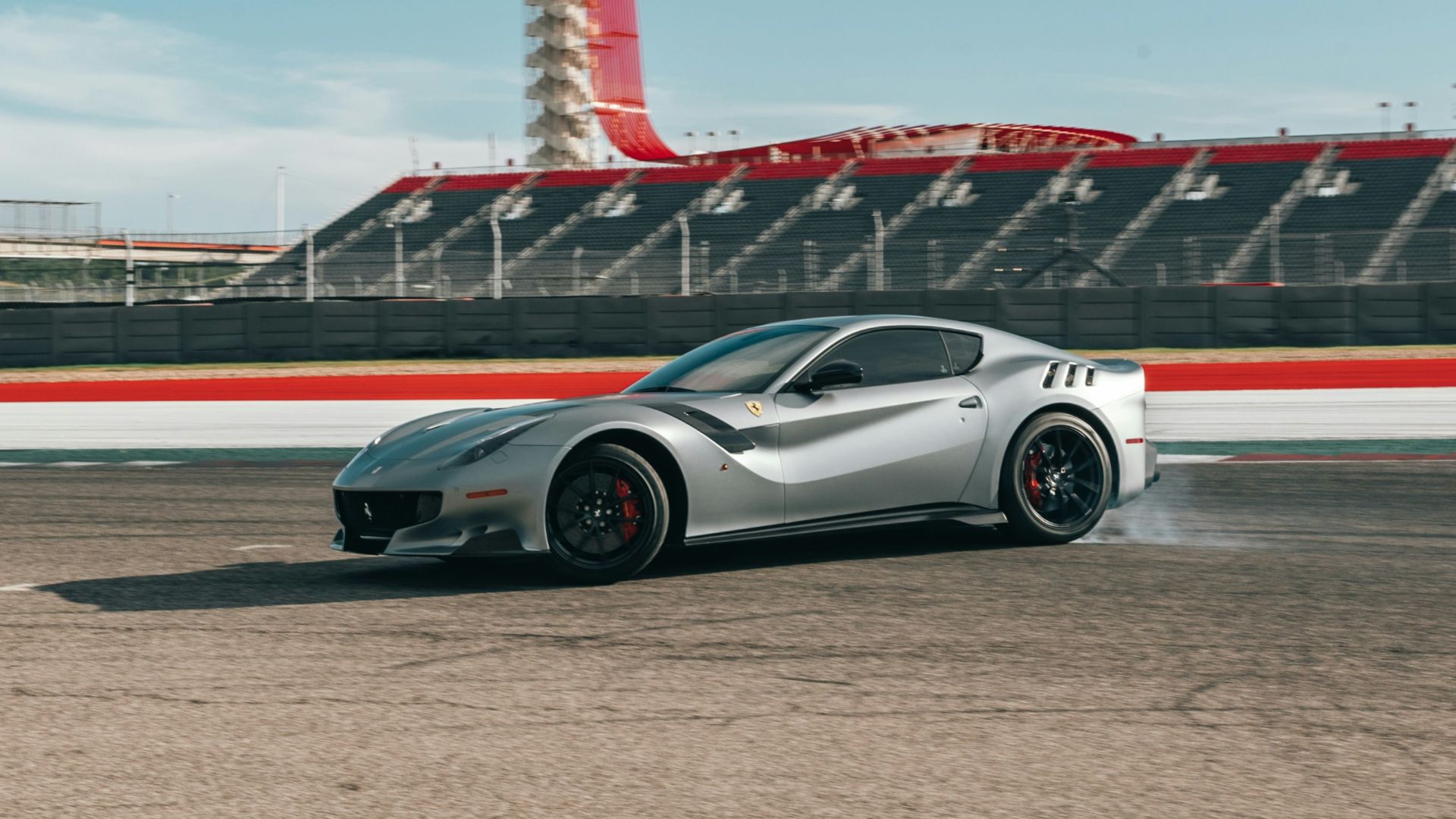
Many enthusiasts eventually want to experience their car's capabilities on a racetrack. Entry fees, safety equipment, fuel consumption, and additional maintenance can quickly increase the overall cost of participation. A few track events each year may represent a significant investment.
13. Shorter Clutch Life
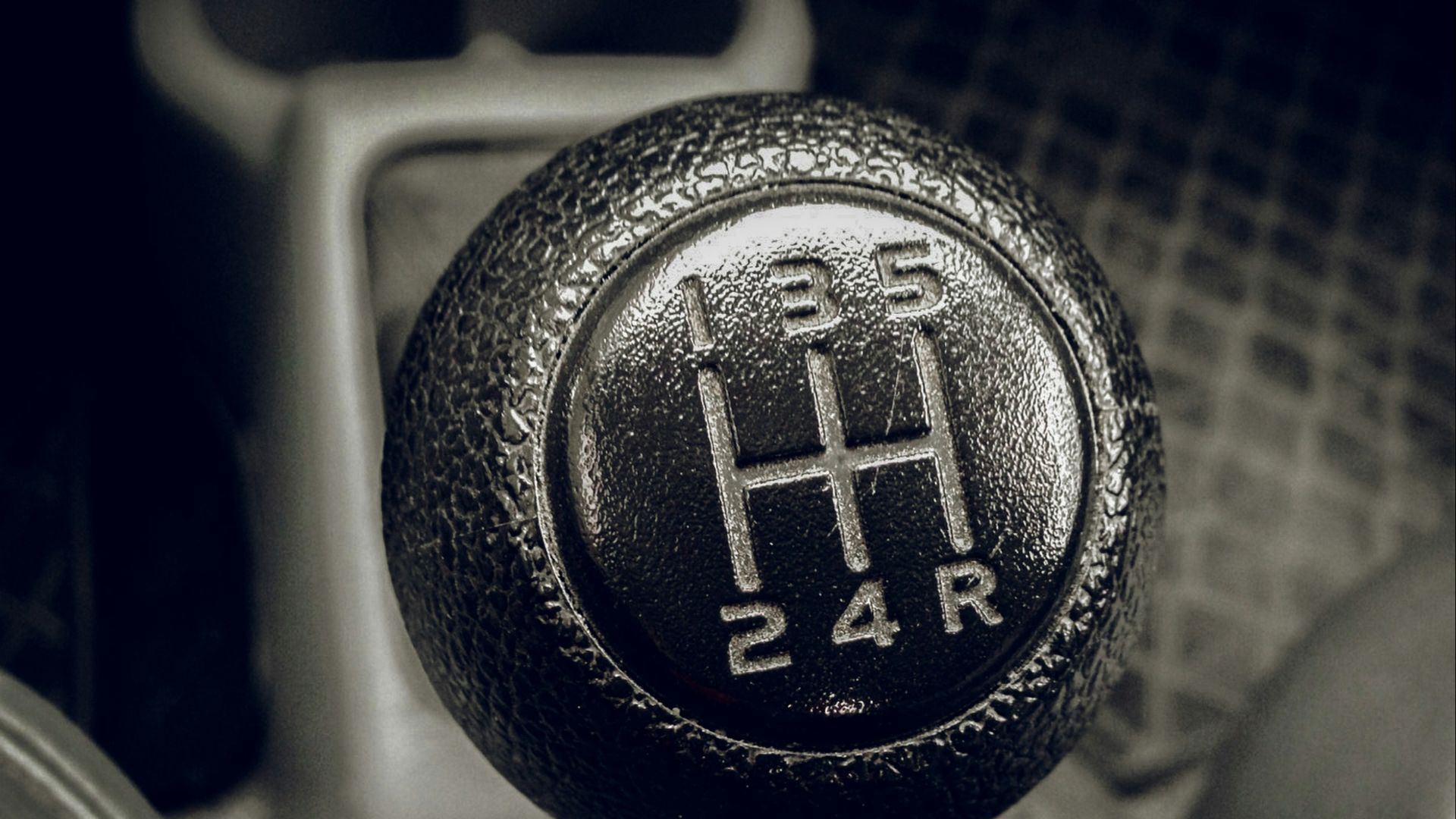
Manual-transmission performance cars often place greater demands on clutch components. Frequent stop-and-go traffic or enthusiastic driving can accelerate wear. Replacing a clutch assembly is typically a labor-intensive and costly repair.
14. Suspension Component Wear
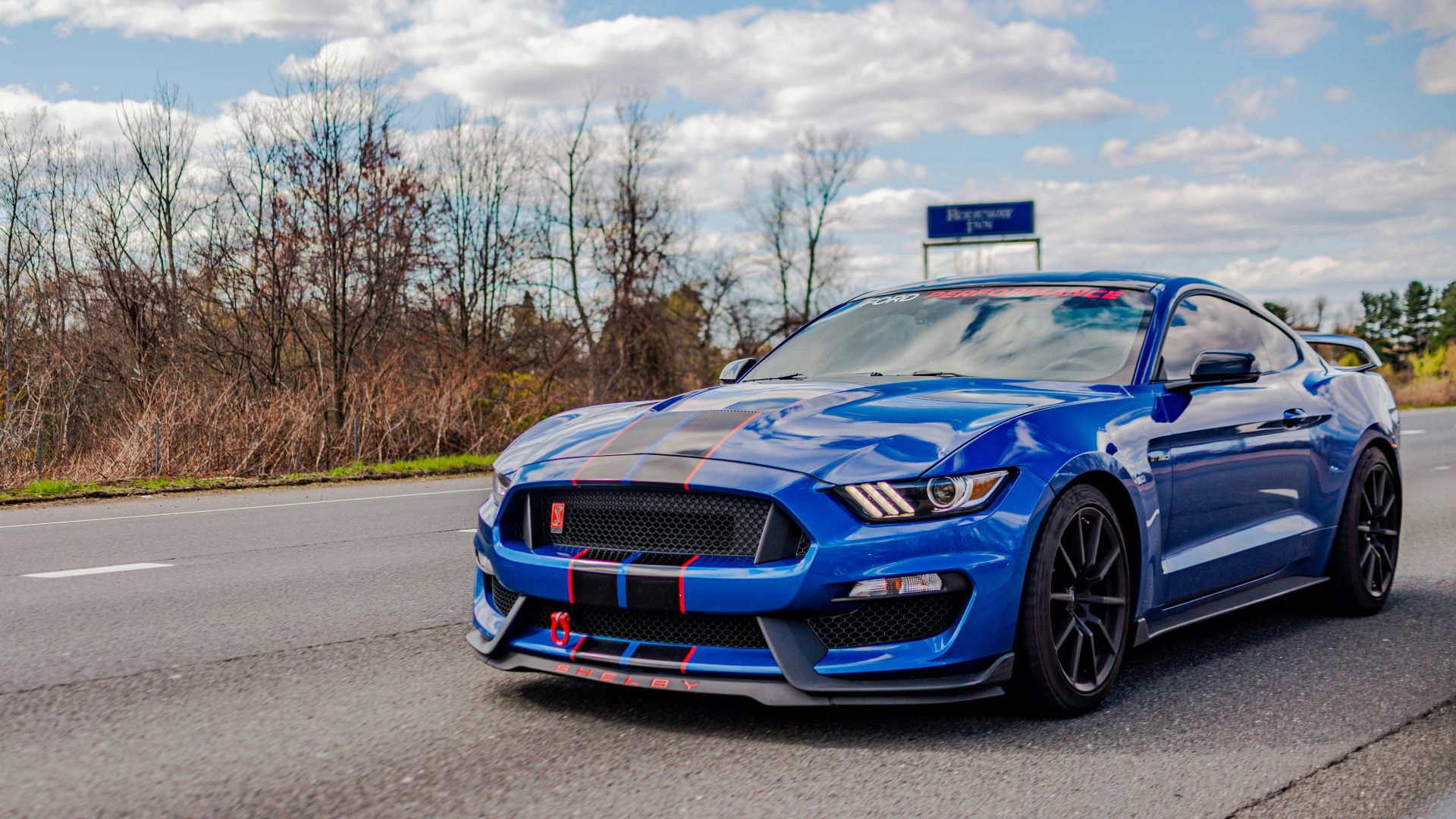
Sport suspensions are designed to improve handling, but their firmer setups can place greater stress on certain components. Bushings, shocks, and related parts may require replacement sooner than those on comfort-oriented vehicles. Repair costs can rise as the vehicle ages.
15. Reduced Fuel Economy
High horsepower usually comes with increased fuel consumption. Even drivers who behave conservatively may find themselves visiting gas stations more often than expected. Longer commutes can make this hidden cost especially noticeable.
16. Performance Package Maintenance
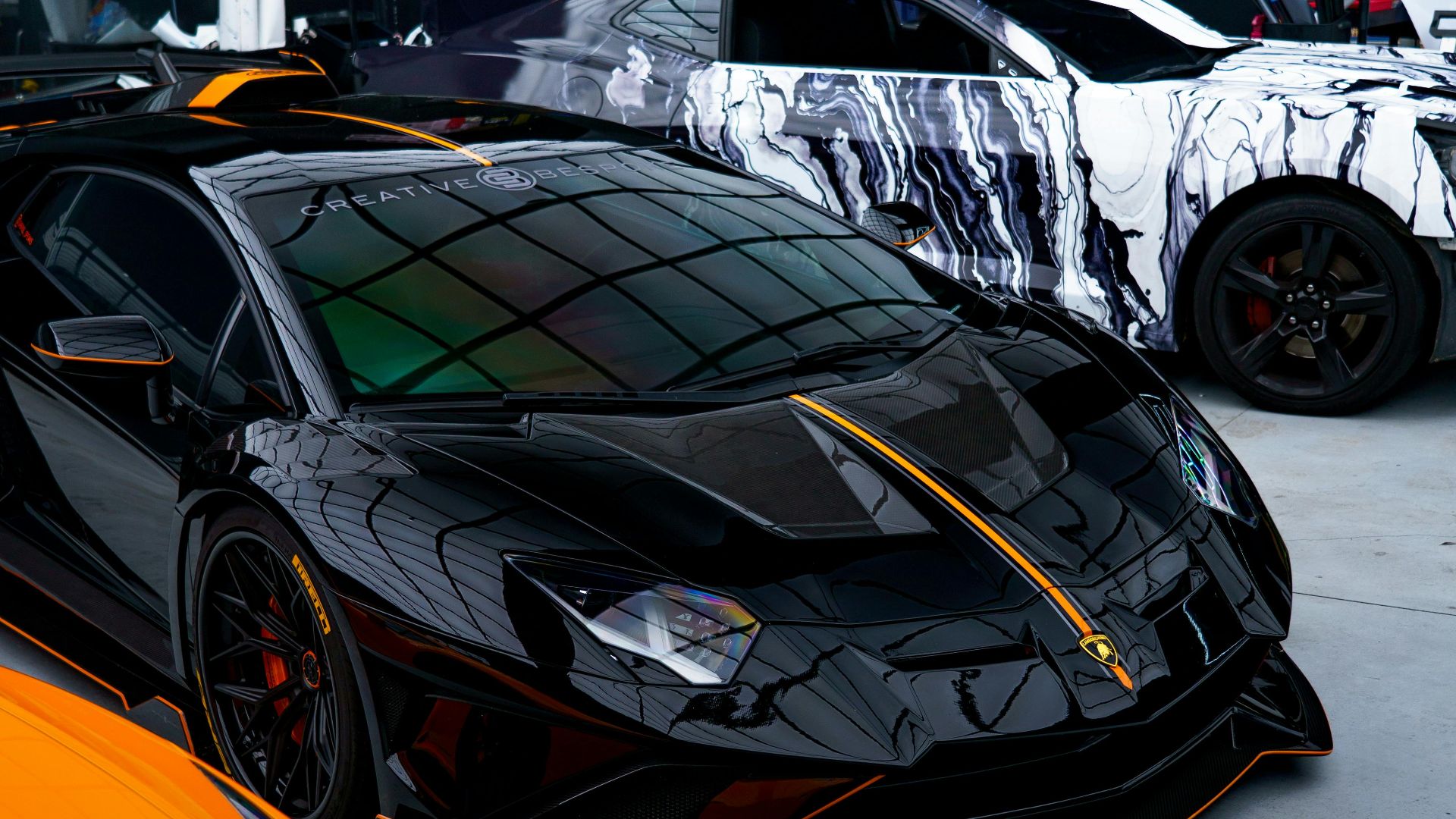
Many vehicles include optional performance packages with upgraded brakes, adaptive suspensions, or specialized cooling systems. These features enhance driving dynamics but often require more expensive servicing and repairs. Advanced technology rarely comes cheap when maintenance time arrives.

17. Limited Tire Repair Options
Some performance cars use low-profile or run-flat tires that aren't always easily repaired after damage. In certain situations, replacement may be the only recommended option. This can turn a minor tire issue into a much larger expense.

18. Higher Cooling System Costs
Powerful engines generate more heat and often rely on advanced cooling systems. Radiators, intercoolers, pumps, and related components can be costly to repair or replace. Maintaining these systems properly is essential for long-term reliability.
19. Garage and Storage Considerations
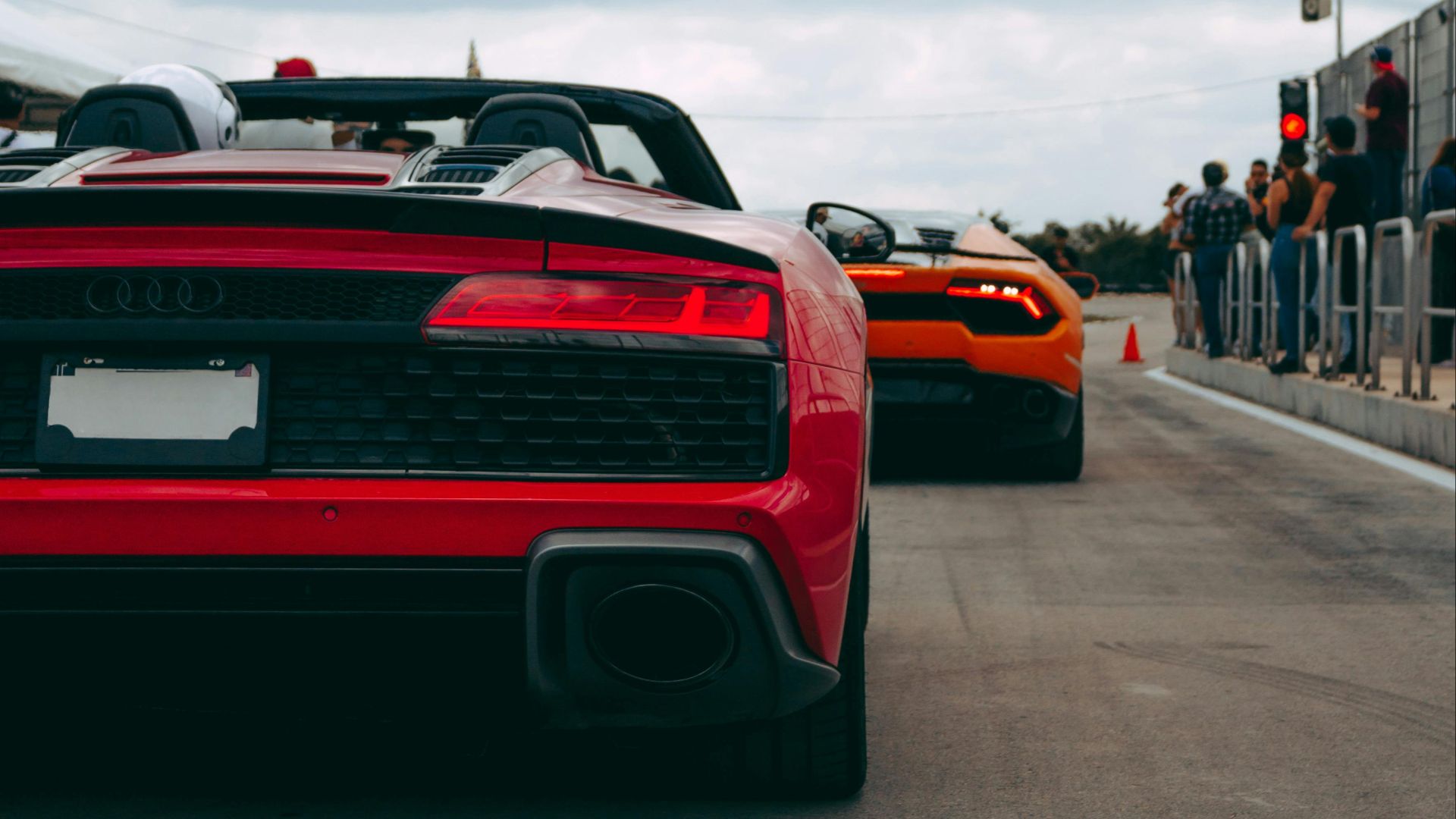
Owners frequently invest more in protecting a valuable performance car from weather and theft. Renting garage space, upgrading home security, or purchasing specialized car covers can increase annual ownership costs. These expenses are easy to overlook when budgeting for a vehicle purchase.

20. Greater Temptation to Modify
Performance cars often inspire owners to pursue aftermarket upgrades. New exhaust systems, suspension components, wheels, and engine tuning can quickly consume thousands of dollars.