20 Tools Every Car Owner Should Have Before They Need Them
The Ultimate Preventative Kit
Car trouble shows up when you least expect it. A tire gets low before a long drive, the battery gives up in a parking lot, or a loose panel starts dragging when you’re still 30 minutes from home. You don’t need to carry a full garage in the trunk, and you don’t need to pretend every roadside problem is a DIY project. Just having a few tools can give you safer options, buy you some time, and help you avoid making a small problem worse. These are the 20 tools every car owner should have before they need them.
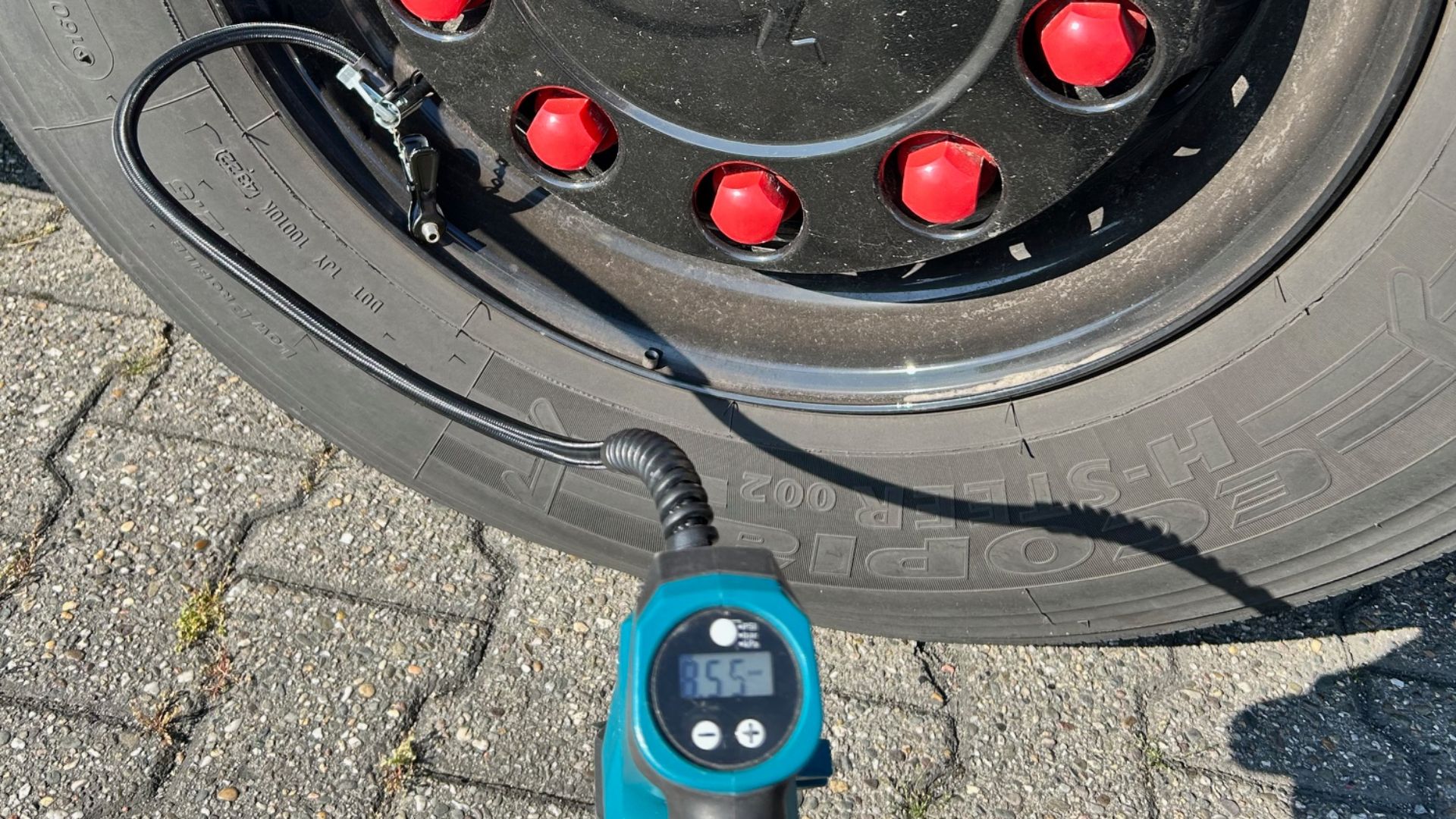
1. Tire Pressure Gauge
A tire pressure gauge is one of the easiest tools to overlook, which is exactly why it belongs in the car. It lets you check all your tires, plus the spare if your vehicle has one, before a road trip or after a sharp temperature change. Just make sure to use the pressure listed for your vehicle.
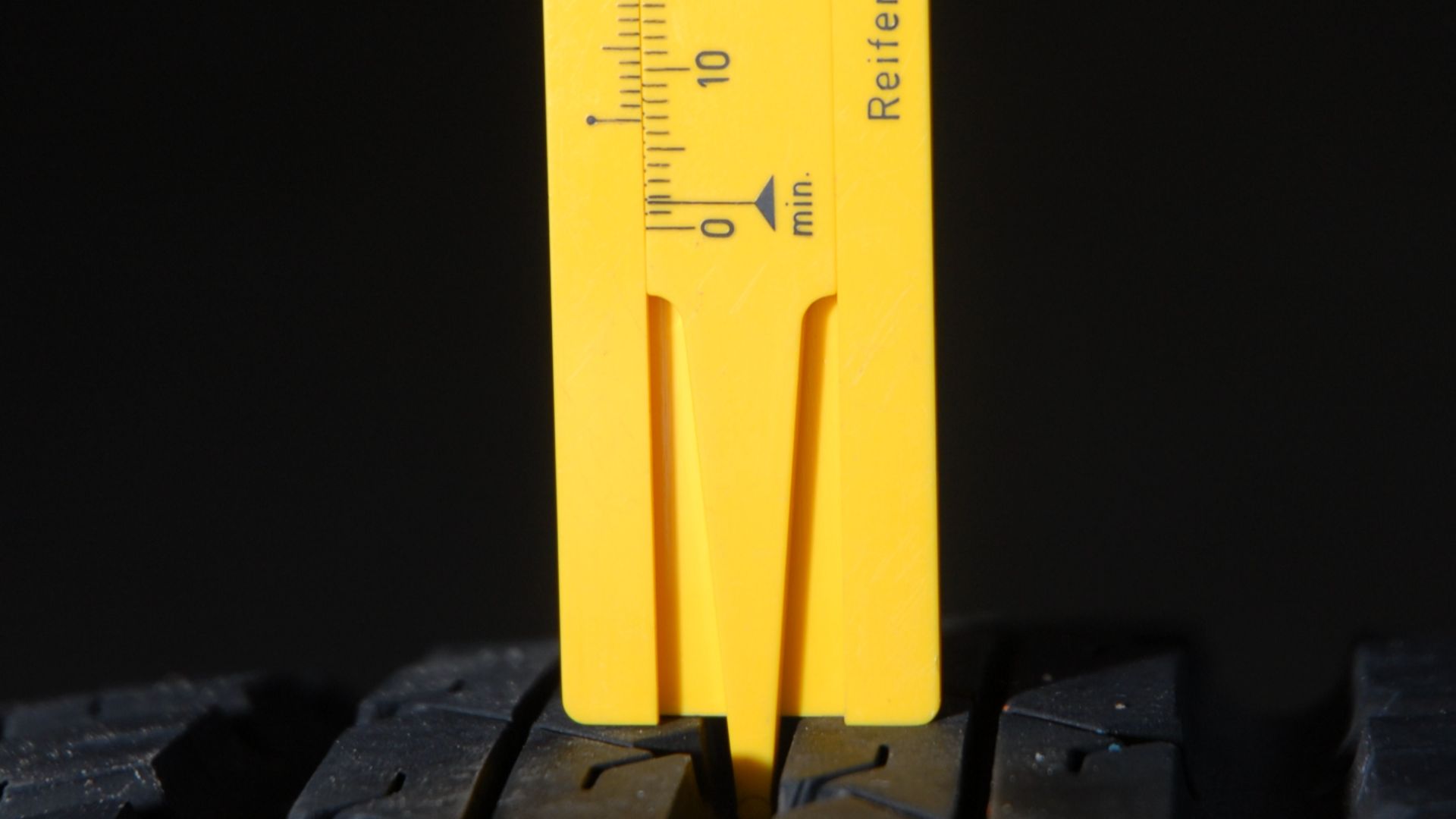
2. Tire Tread Depth Gauge
A tread depth gauge helps you understand if you need new tires or not. Worn tread can make wet roads, sudden stops, and cold-weather driving feel much less secure. Since you’re already checking tire pressure now and then, it makes sense to check tread at the same time.
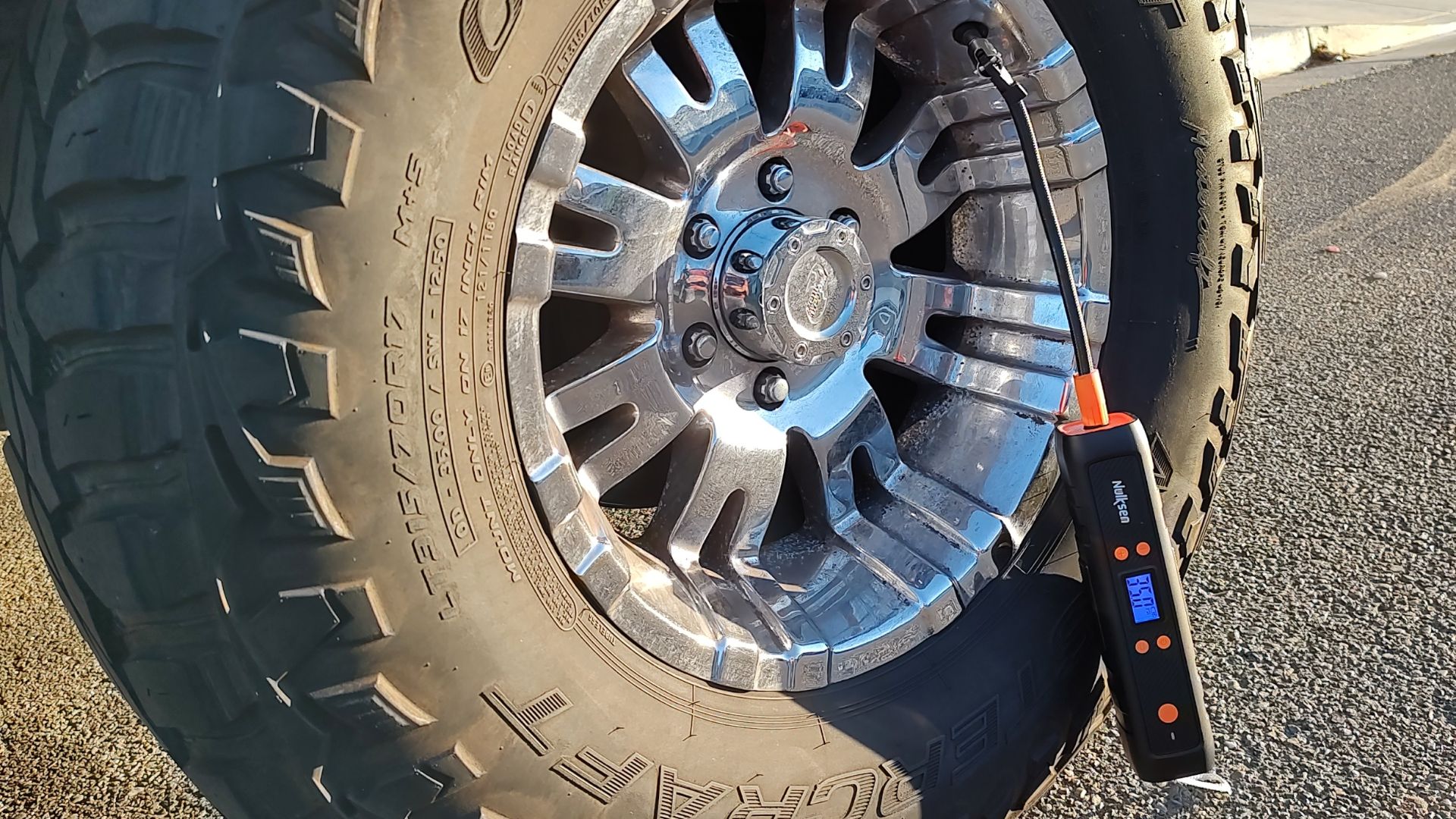
3. Portable Tire Inflator
A portable tire inflator can help when a tire is low but not completely damaged. Some plug into the car’s 12-volt outlet, while others run on a rechargeable battery and let you set the pressure you want. It won’t rescue a shredded tire, but it can help you manage a slow leak long enough to reach a safer spot.
4. Tire Repair Kit Or Sealant
A tire repair kit or sealant can help with a small puncture in the tread, like one caused by a nail or screw. It’s especially useful if your vehicle came with an inflator kit instead of a spare tire. Treat it as a short-term fix, and have the tire inspected and repaired properly afterward.
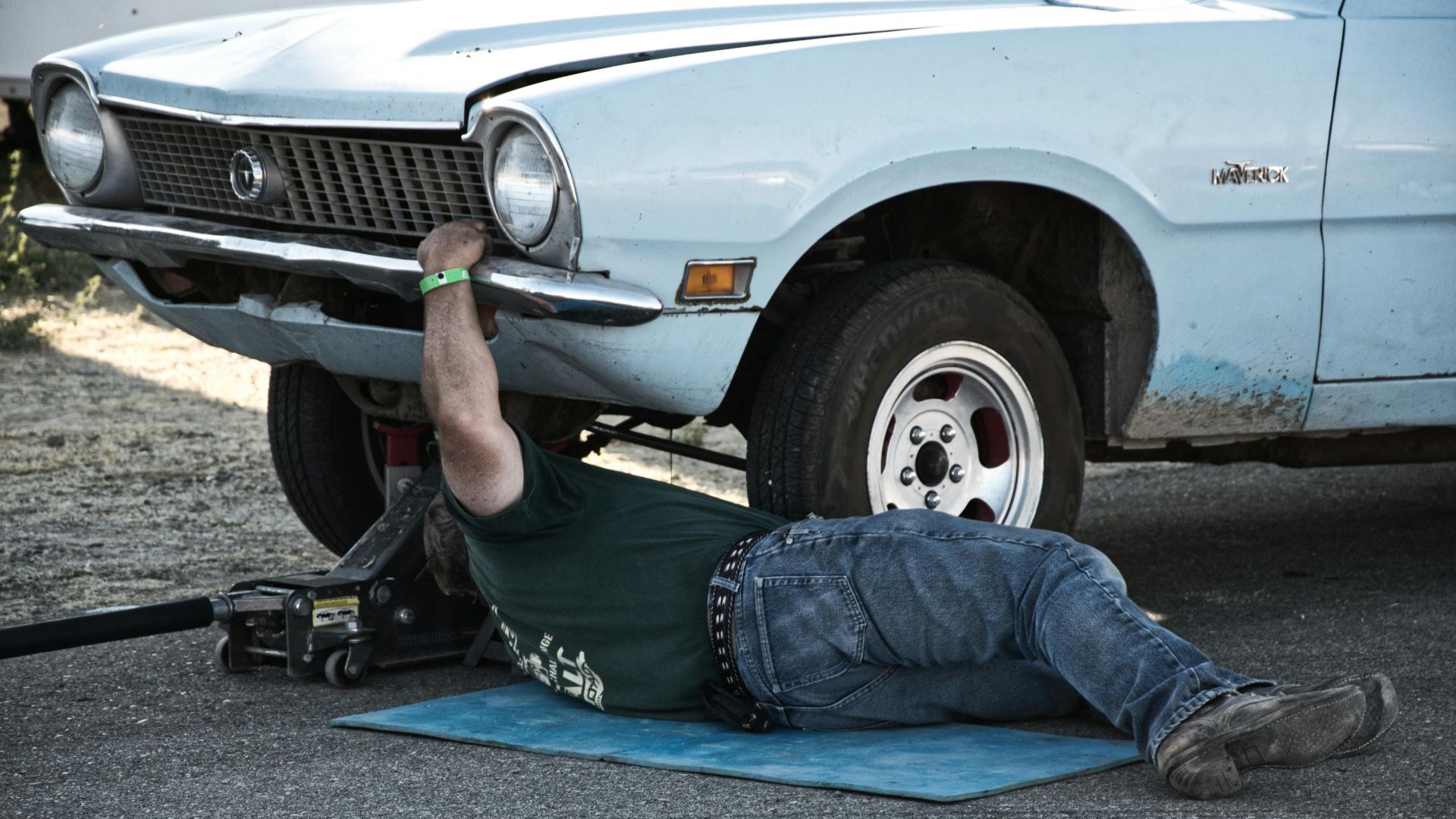
5. Jack And Ground Mat
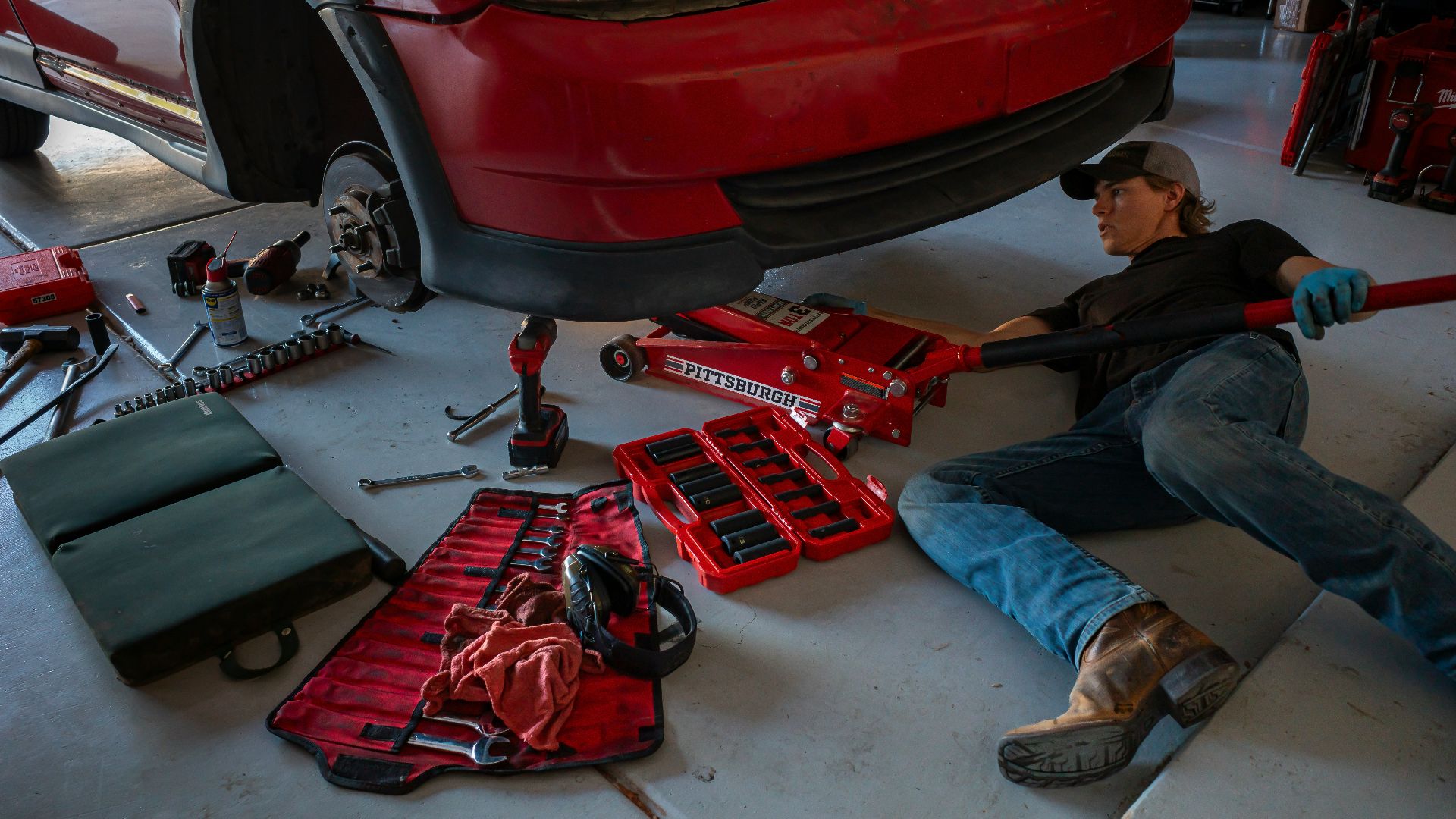
A jack only helps if it’s in the car, in good condition, and used at the correct lift points. A ground mat, sturdy board, or similar flat surface can help make the setup more stable on gravel, dirt, or damp pavement.
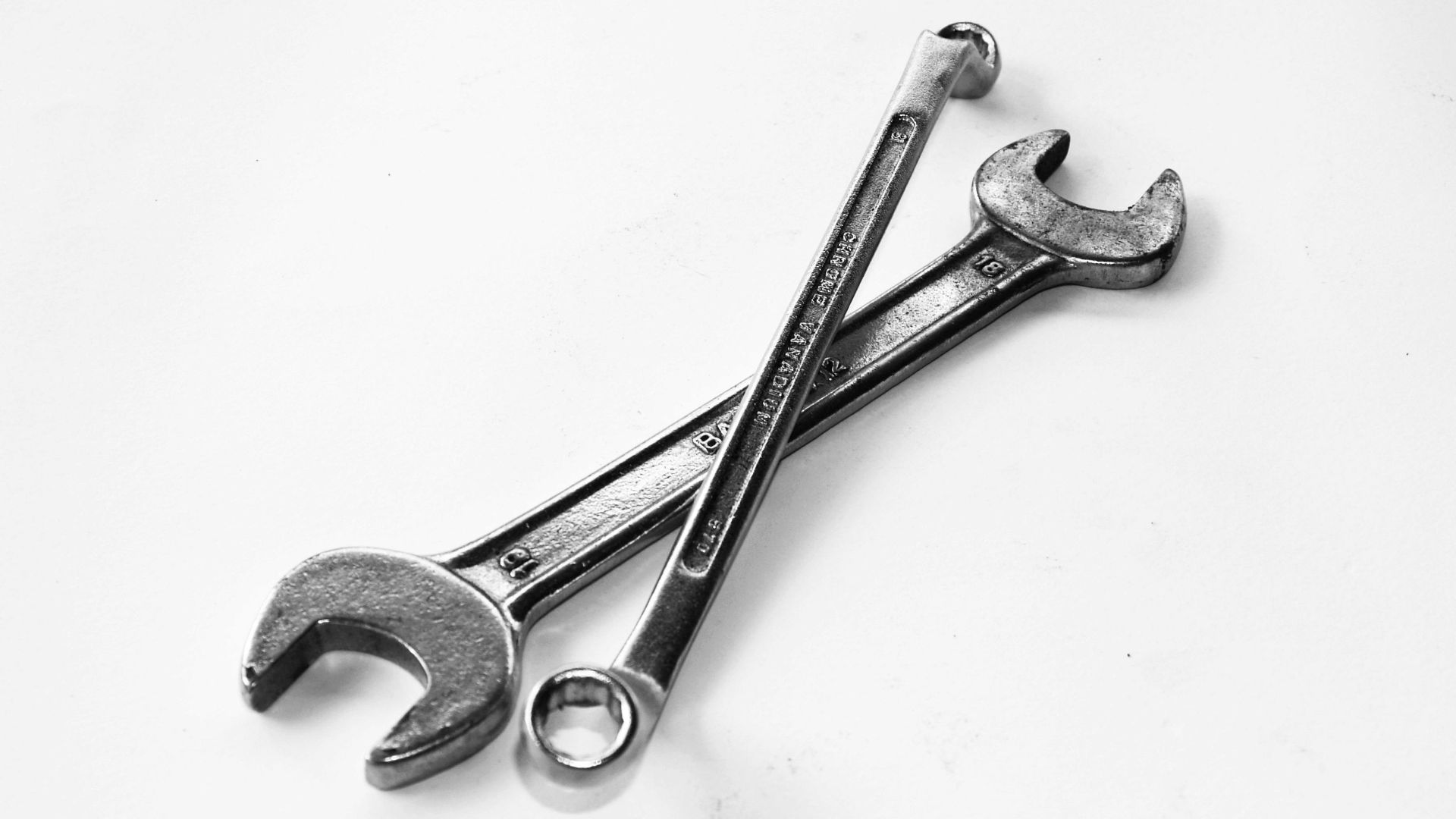
6. Lug Wrench Or Breaker Bar
Factory lug wrenches can be short, awkward, and frustrating when lug nuts are tight. A longer lug wrench or breaker bar with the right socket gives you more leverage and makes the job less miserable. Test the fit at home, especially if your vehicle has aftermarket wheels, wheel locks, or an adapter.
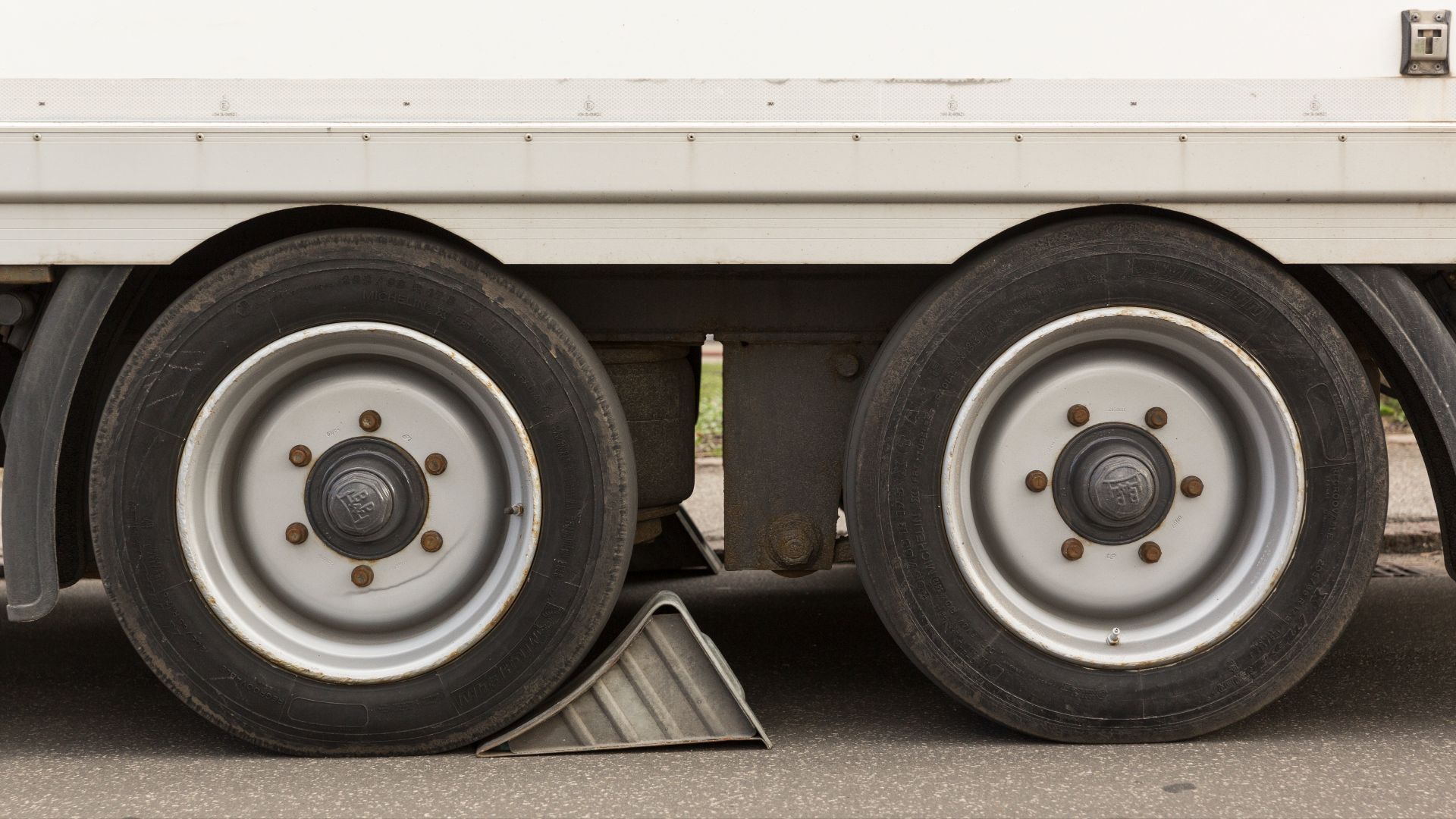
7. Wheel Chocks
Wheel chocks help keep the car from rolling while you’re changing a tire or working near a wheel. They’re especially useful on a slight incline, even when the parking brake is set. Keep them near the jack so you’re not digging through the trunk.
 Villy Fink Isaksen on Wikimedia
8. Portable Jump Starter
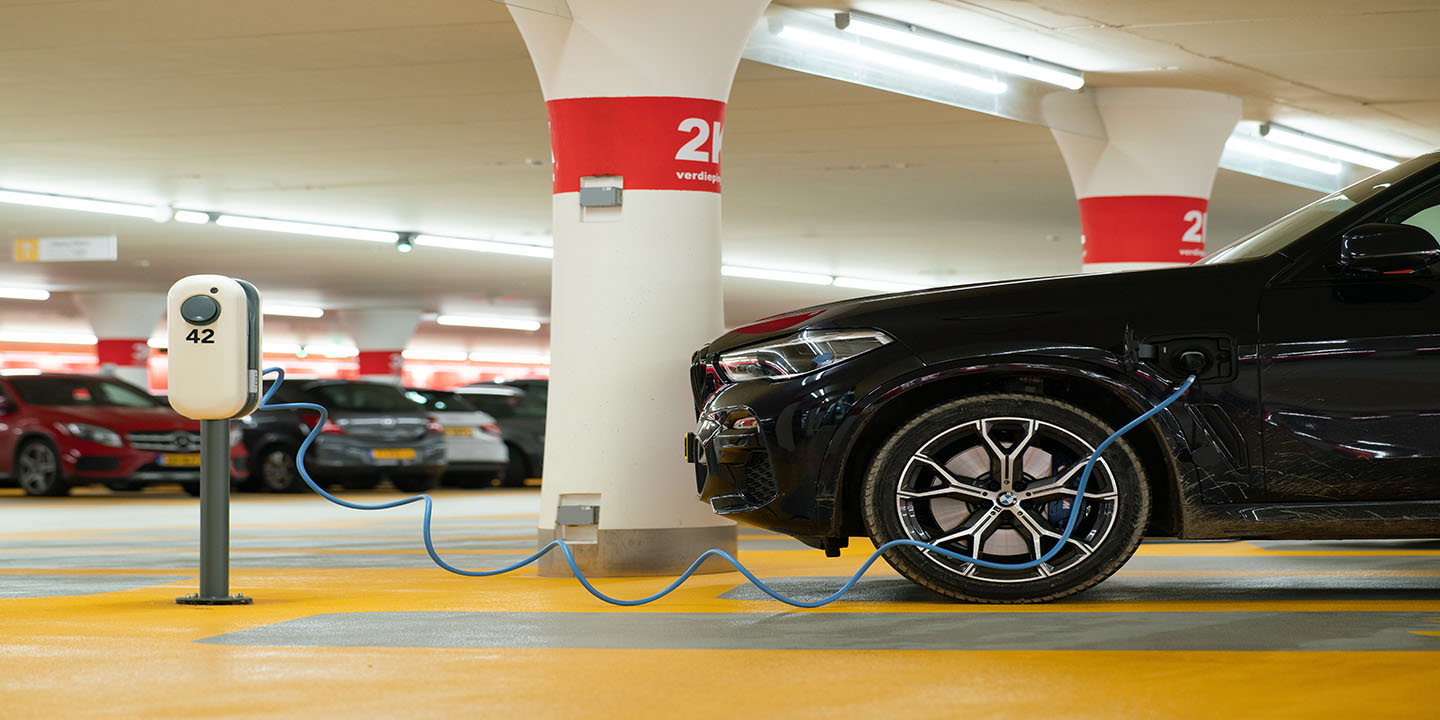
A portable jump starter lets you deal with a dead battery without waiting for another vehicle. Many compact units also include a flashlight or USB port, which makes them useful beyond battery trouble. Charge it every few months, since a dead jump pack won’t do you any good.
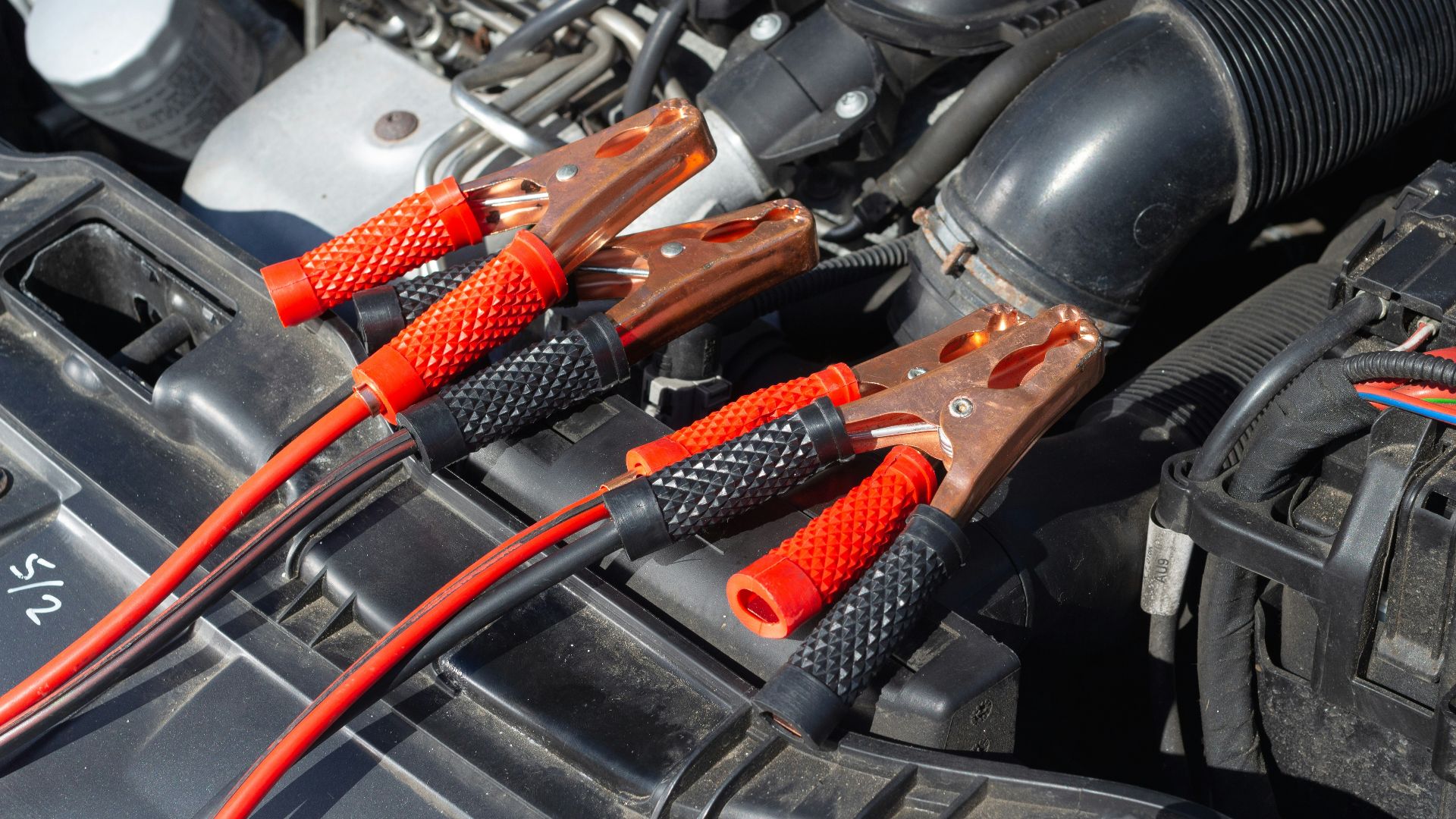
9. Jumper Cables
Jumper cables still deserve a place in the car, even if you already own a portable jump starter. They’re simple, durable, and useful when another driver can help or when your portable unit has lost its charge. Choose a set long enough to reach between vehicles without requiring weird parking angles.
 Daniel @ bestjumpstarterreview.com on Unsplash
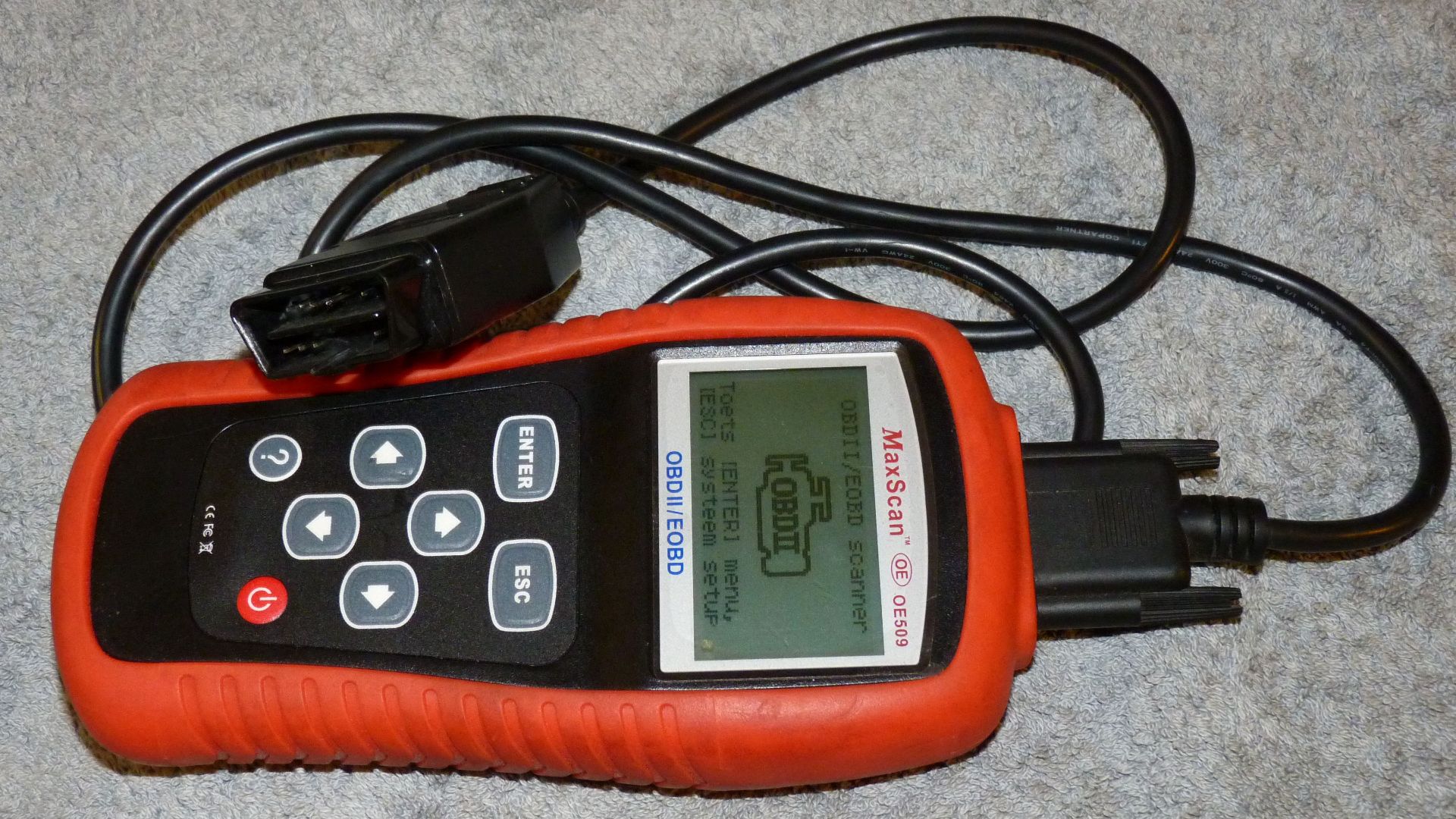
10. OBD-II Scanner
An OBD-II scanner can read basic trouble codes when the check engine light comes on. It doesn’t replace a real diagnosis, but it can still give you a starting point and help you decide whether to drive carefully to a shop or stop sooner.
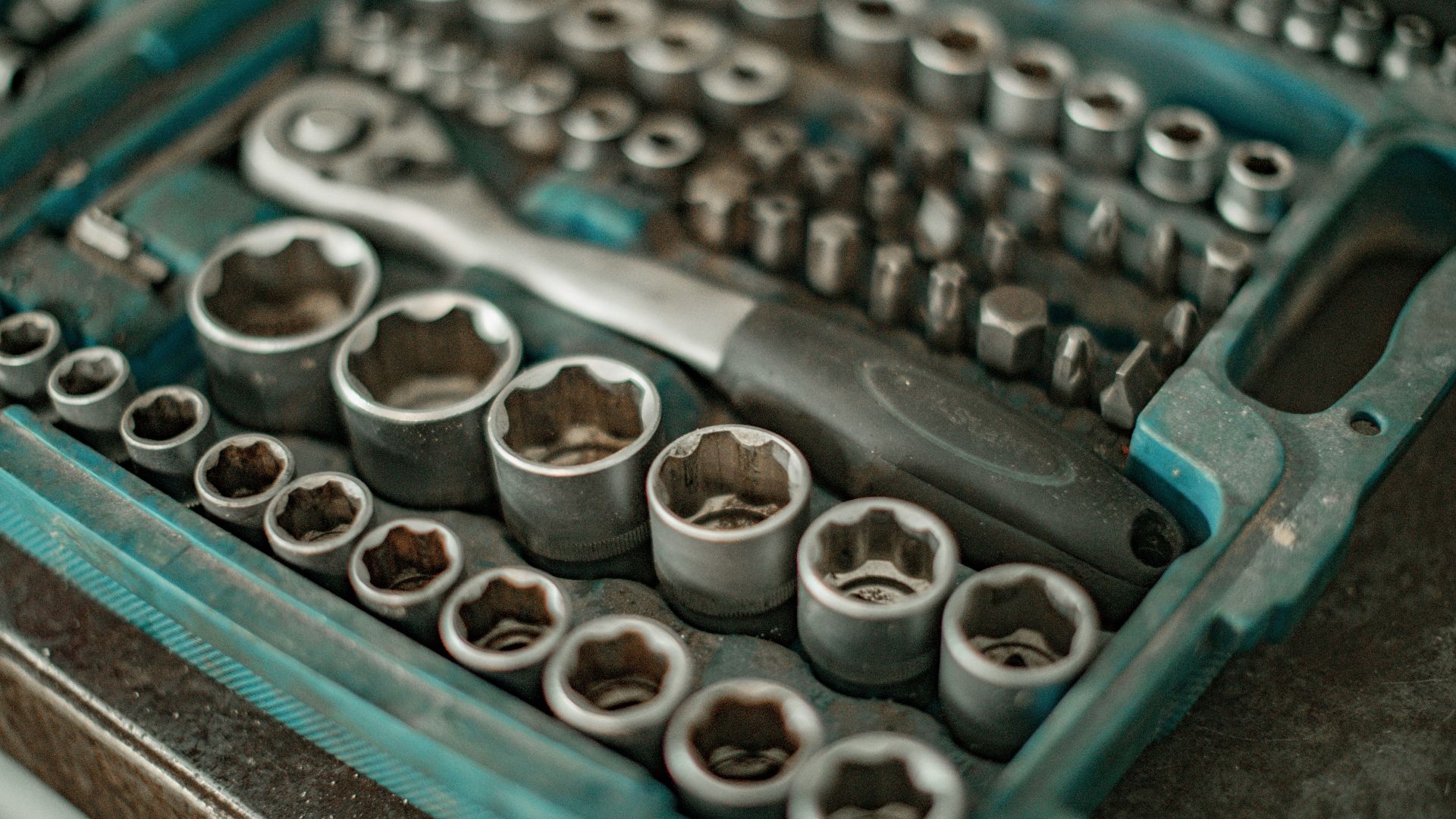
11. Socket And Wrench Set
A compact socket and wrench set can handle small roadside fixes without turning your trunk into a tool shed. Loose battery terminals, brackets, license plate hardware, and minor trim pieces are all easier to deal with when you have the right size tool. A case also keeps everything from rattling around and disappearing under the cargo mat.
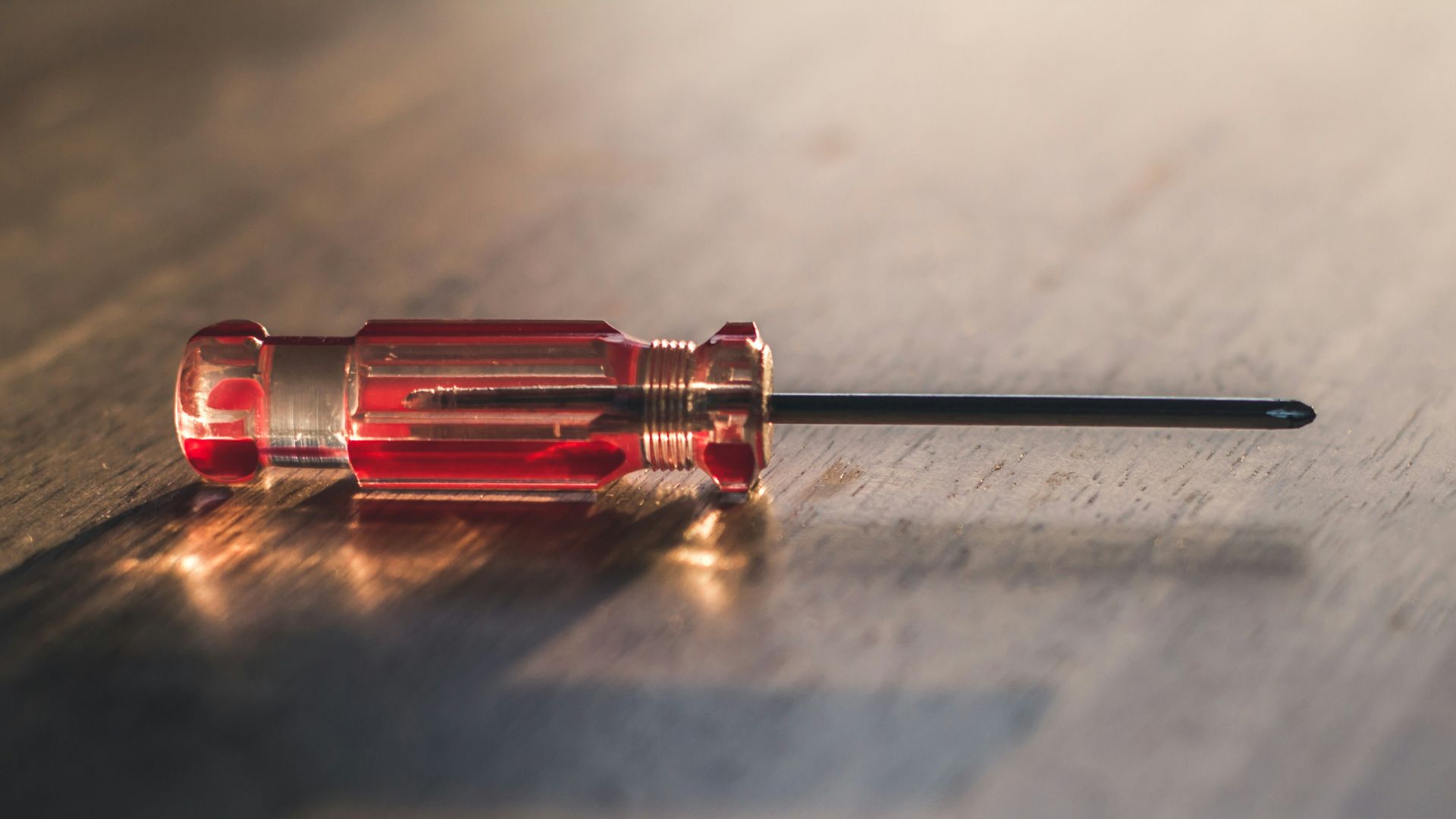
12. Screwdrivers And Pliers
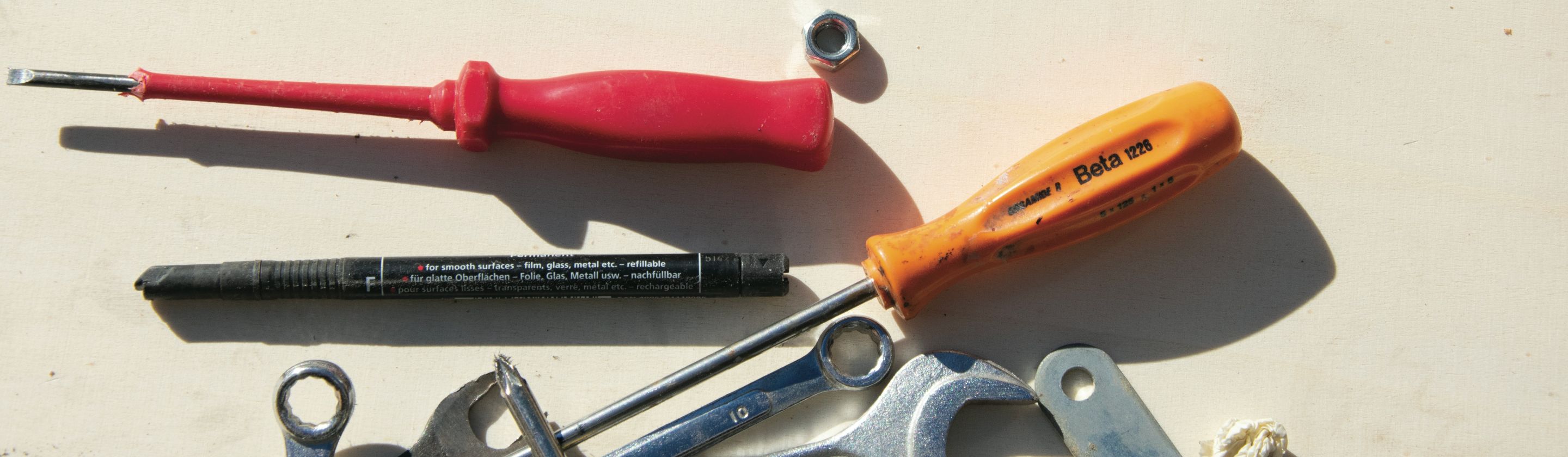
A multi-bit screwdriver and a sturdy pair of pliers can solve several car problems. They’re handy for loose clamps, stuck covers, rattling trim, and parts that need to be gripped or nudged back into place. Locking pliers are especially useful because they can hold tension while you work.
13. Duct Tape And Zip Ties
Duct tape and zip ties are temporary helpers, but they can get you through a tight spot. They can secure a dangling splash shield, loose bumper corner, or stray cable long enough to get somewhere safer.

14. Work Gloves
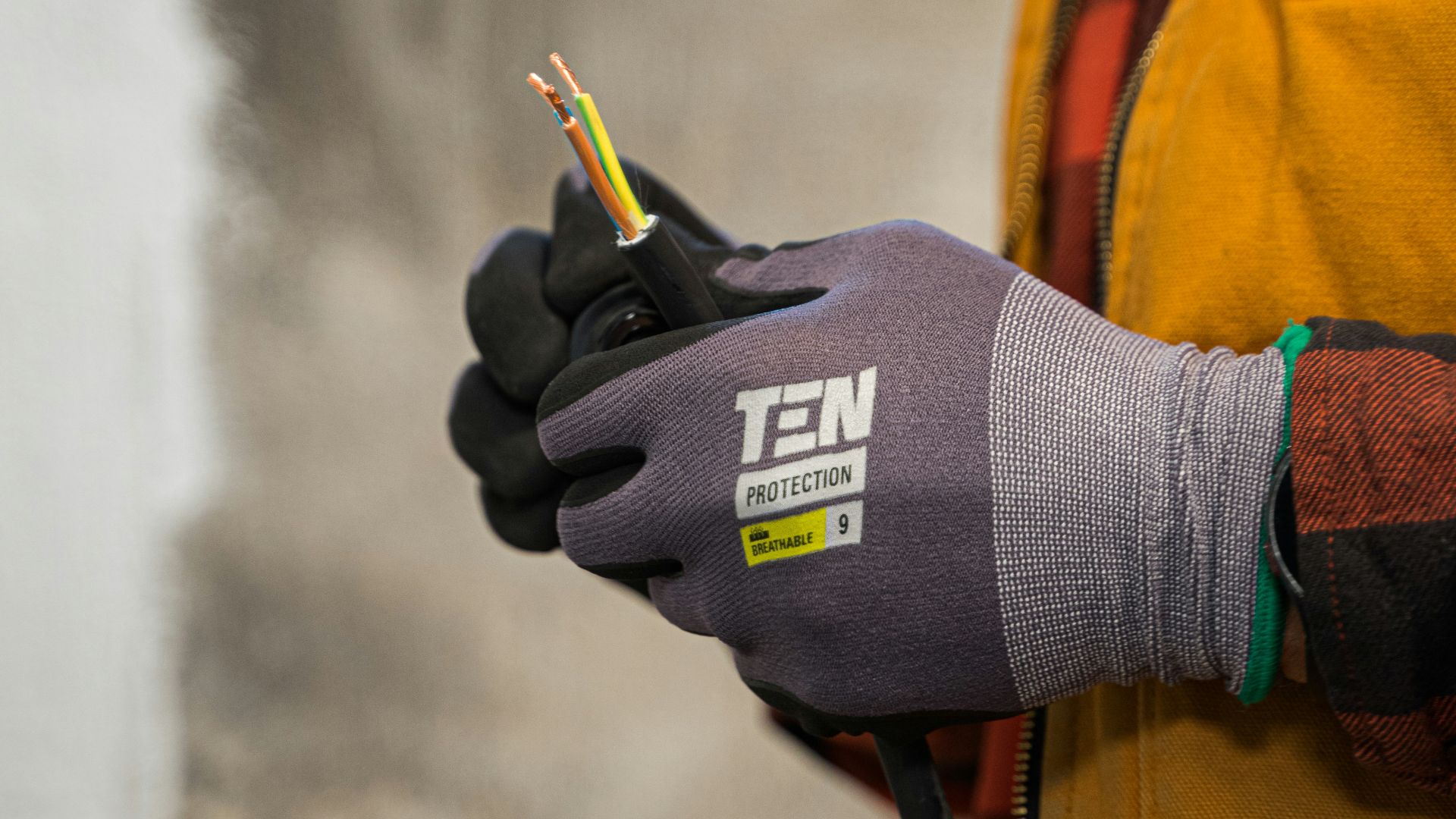
Work gloves protect your hands from hot parts, sharp edges, road grime, and brake dust. They also make a tire change much less unpleasant when the shoulder is cold, wet, or gritty. Pick gloves that still let you handle small parts and grip tools without fumbling.
 Jimmy Nilsson Masth on Unsplash
15. Flashlight Or Headlamp
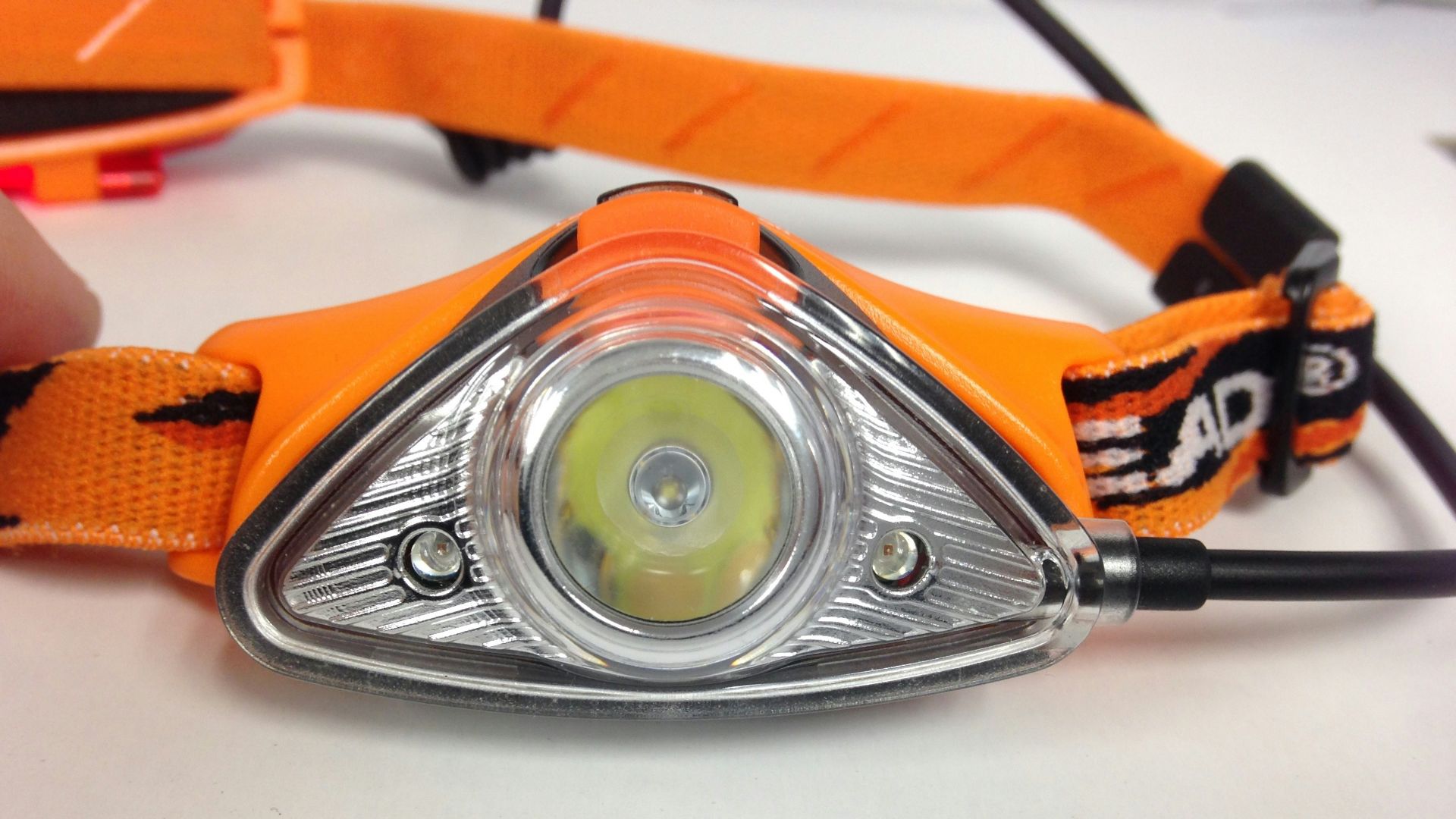
A flashlight is essential, but a headlamp is even better, as it keeps both of your hands free. Your phone light can help in a pinch, but your phone also needs a battery for maps, calls, and roadside help. Keep spare batteries nearby, or use a rechargeable light and check it before longer drives.
16. Reflective Triangles Or Road Flares
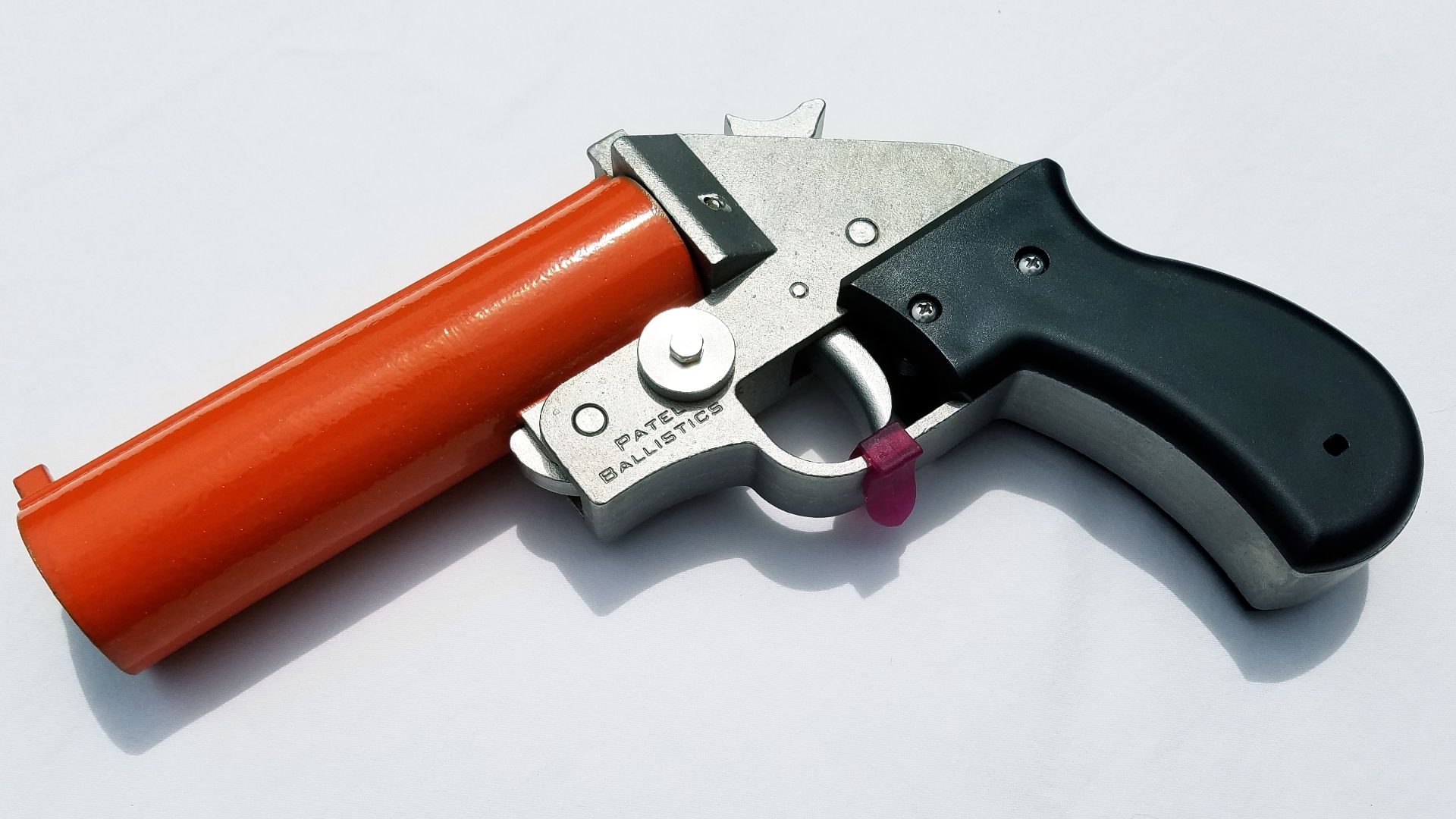
Visibility gear helps other drivers spot you before they’re too close. Reflective triangles are reusable, easy to store, and useful at night, in rain, or around a bend in the road. Road flares can also help in some situations.
17. High-Visibility Vest
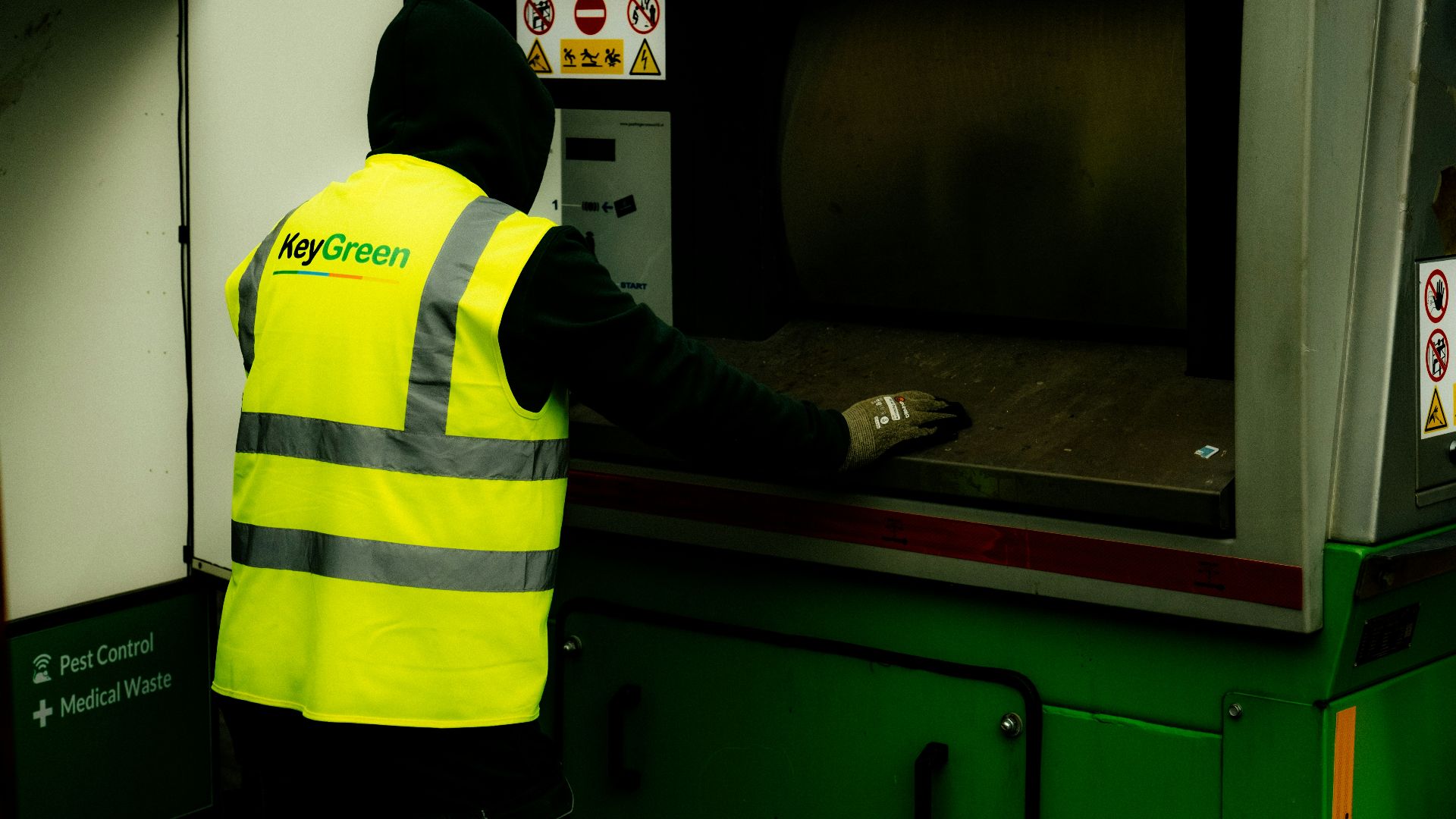
A high-visibility vest may feel like overkill, until you’re caught on the side of the road in the middle of the night. Keep it within reach of the driver’s seat, not buried under bags in the trunk. The point is to put it on before you step near traffic.
 atelierbyvineeth ... on Unsplash
18. First Aid Kit
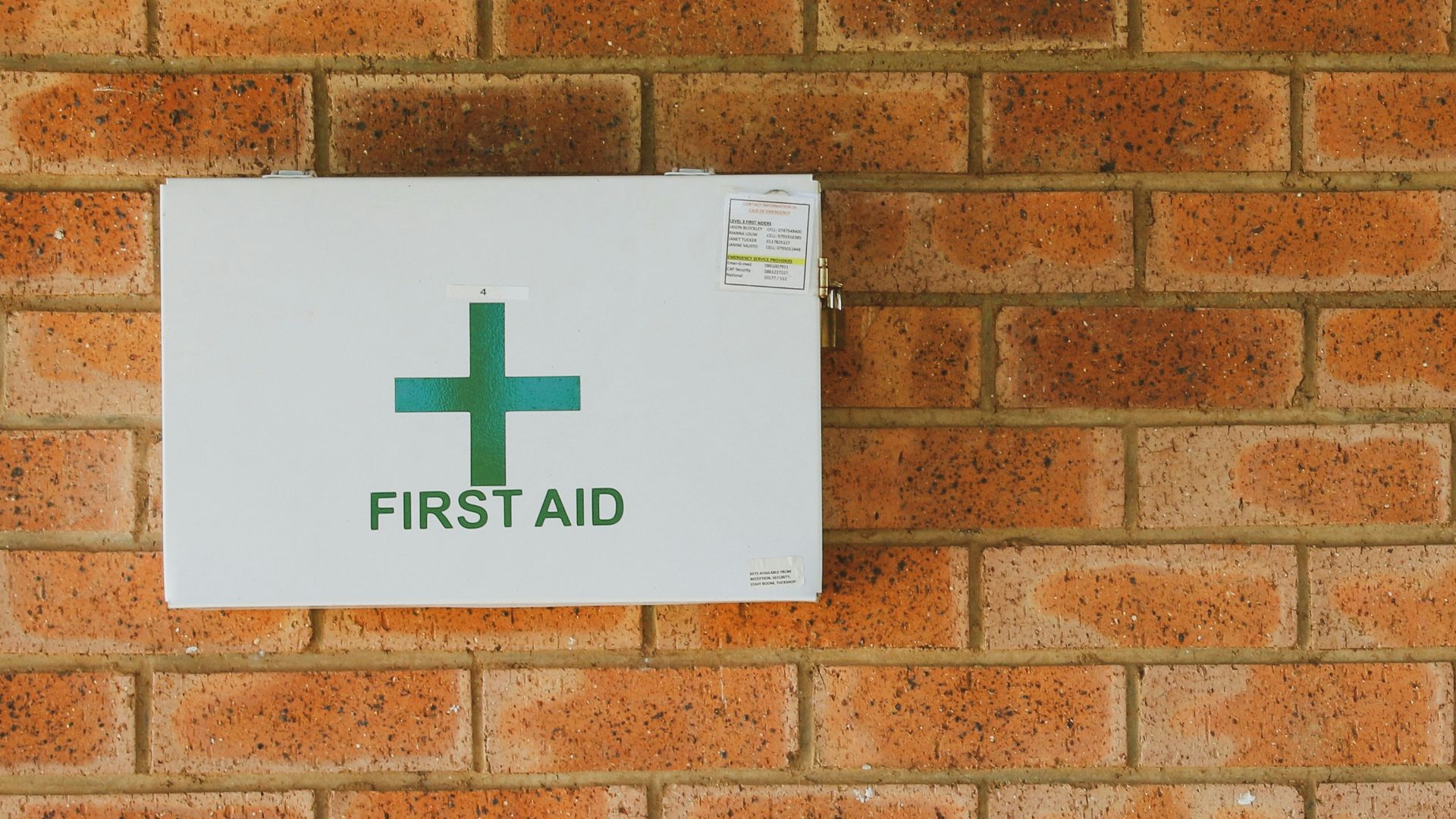
A first aid kit belongs in the car for the same reason tools do: small problems can happen without warning. Cuts, scrapes, burns, and minor roadside mishaps are easier to handle when bandages, gauze, wipes, gloves, and tape are already nearby. Add any personal items your household may need, and check the kit now and then.
19. Fire Extinguisher
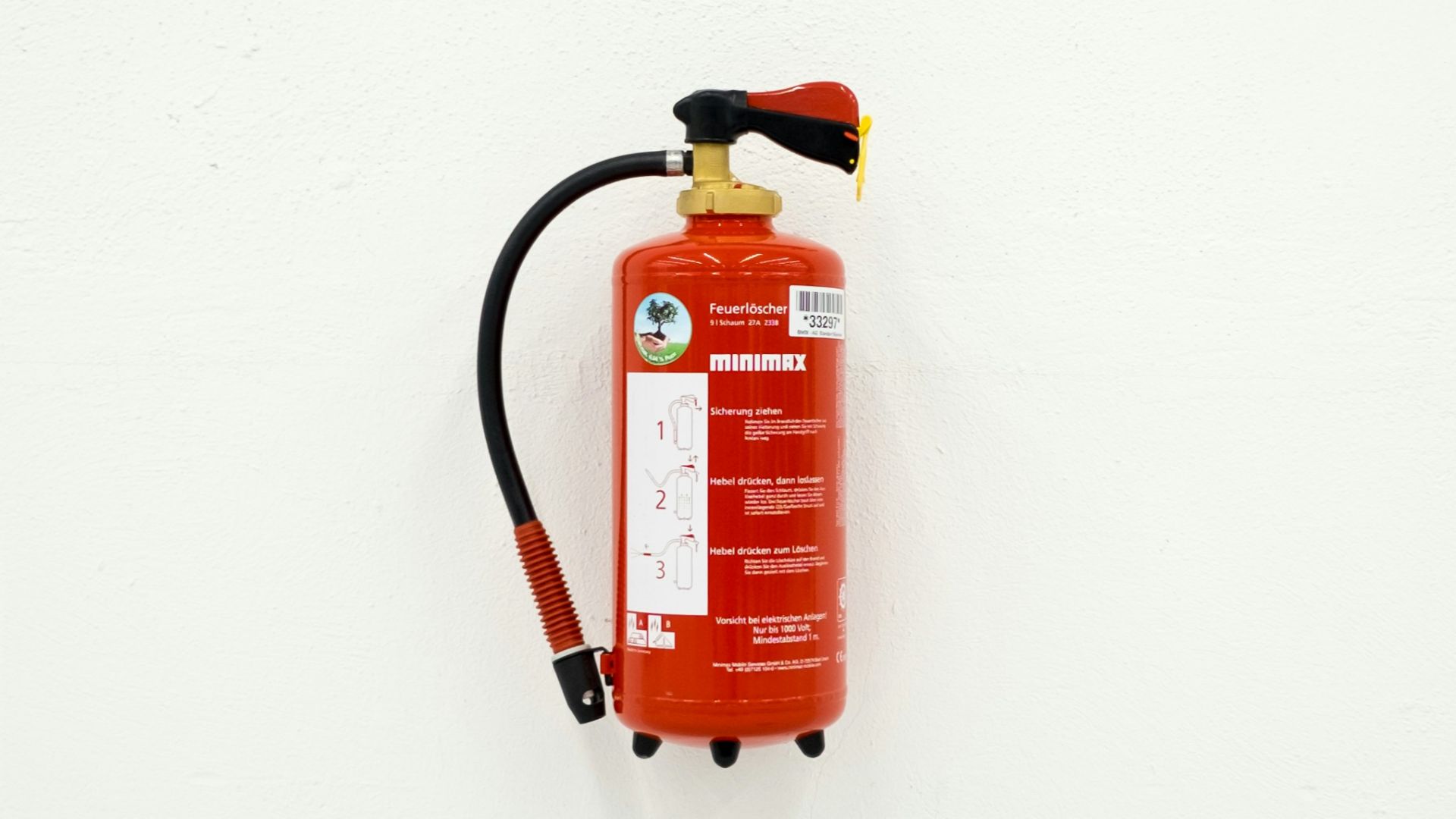
A small automotive fire extinguisher can help with a very early, contained fire, but it has to be easy to reach. Mount it securely, and choose one rated for fires involving ordinary materials, flammable liquids, or electrical equipment. If the fire is spreading, smoke is heavy, or the vehicle feels unsafe to approach, get away and call for help.
20. Emergency Escape Tool
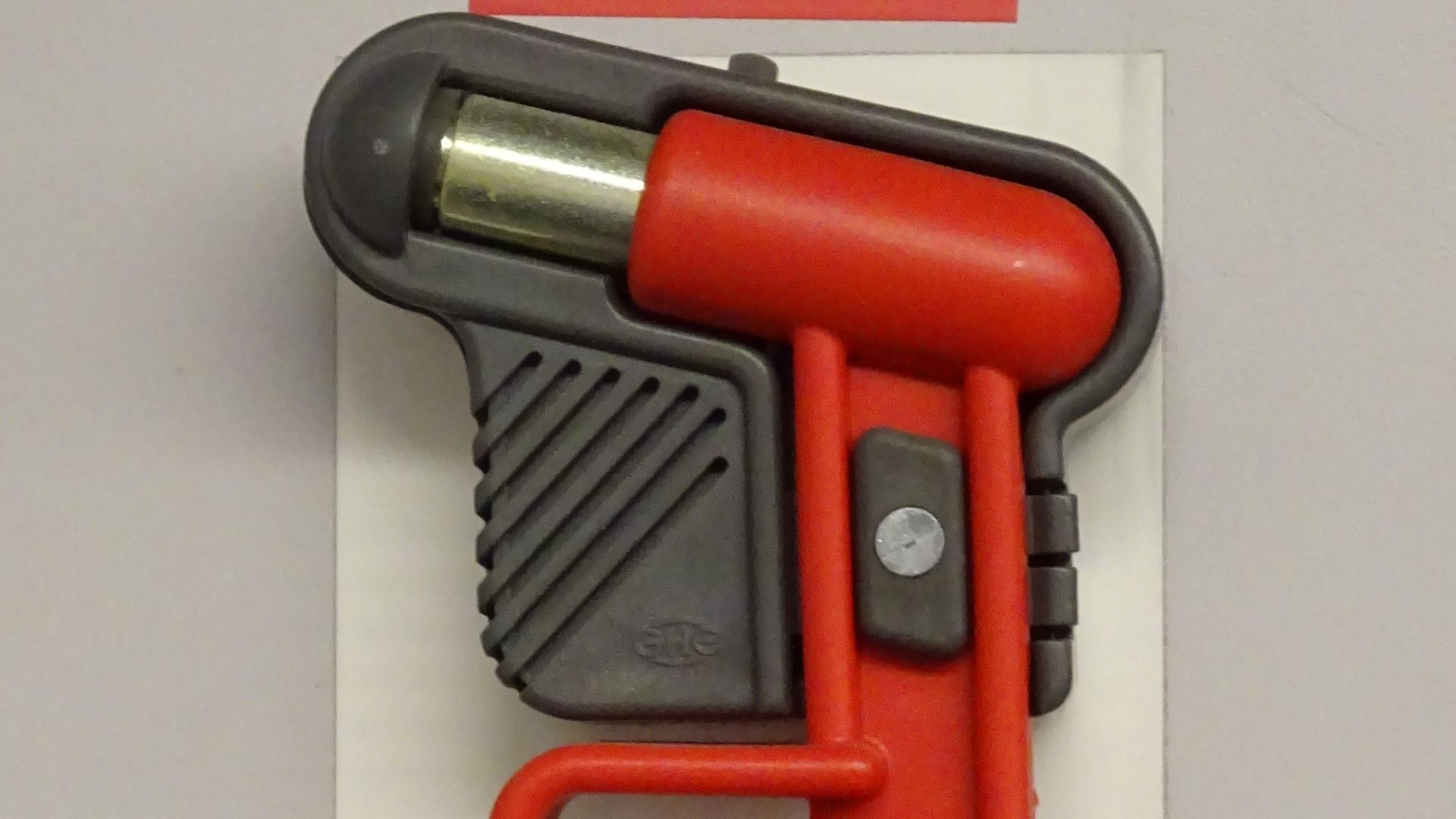
An emergency escape tool usually combines a seat belt cutter with a window-breaking point. Keep it where the driver can reach it, because a tool in the trunk won’t help if someone is trapped inside. These tools are generally meant for tempered side glass, while laminated side glass may not break with a typical consumer-grade window breaker.