
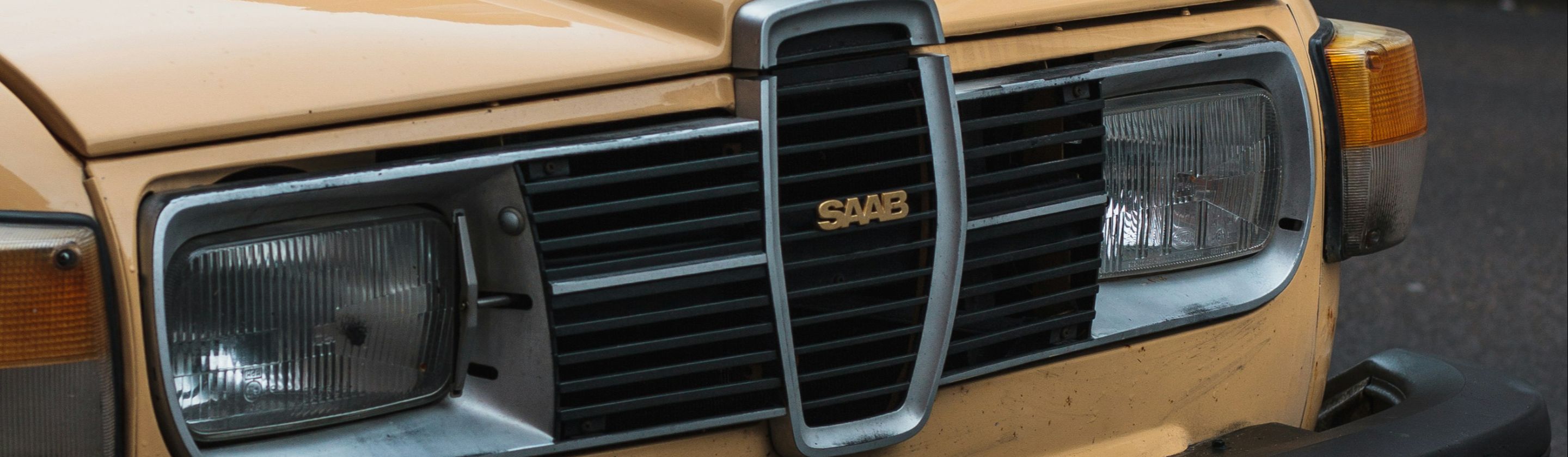
The Swedes Who Got It Very Right and Very Wrong
No car brand has ever inspired quite the combination of fierce loyalty and complete bewilderment that Saab managed over its six decades. The people who loved Saabs really loved them, the way you love a band nobody else has heard of. The people who didn't get it stared at the ignition mounted on the floor with the expression of someone handed instructions in a foreign language. Born from a Swedish aircraft manufacturer and discontinued in 2011, Saab never quite fit anywhere, which was either its greatest quality or its fatal flaw depending on who you asked. Here's 10 that earned the cult status, and 10 that made perfectly reasonable people walk straight back to the Volvo dealership.
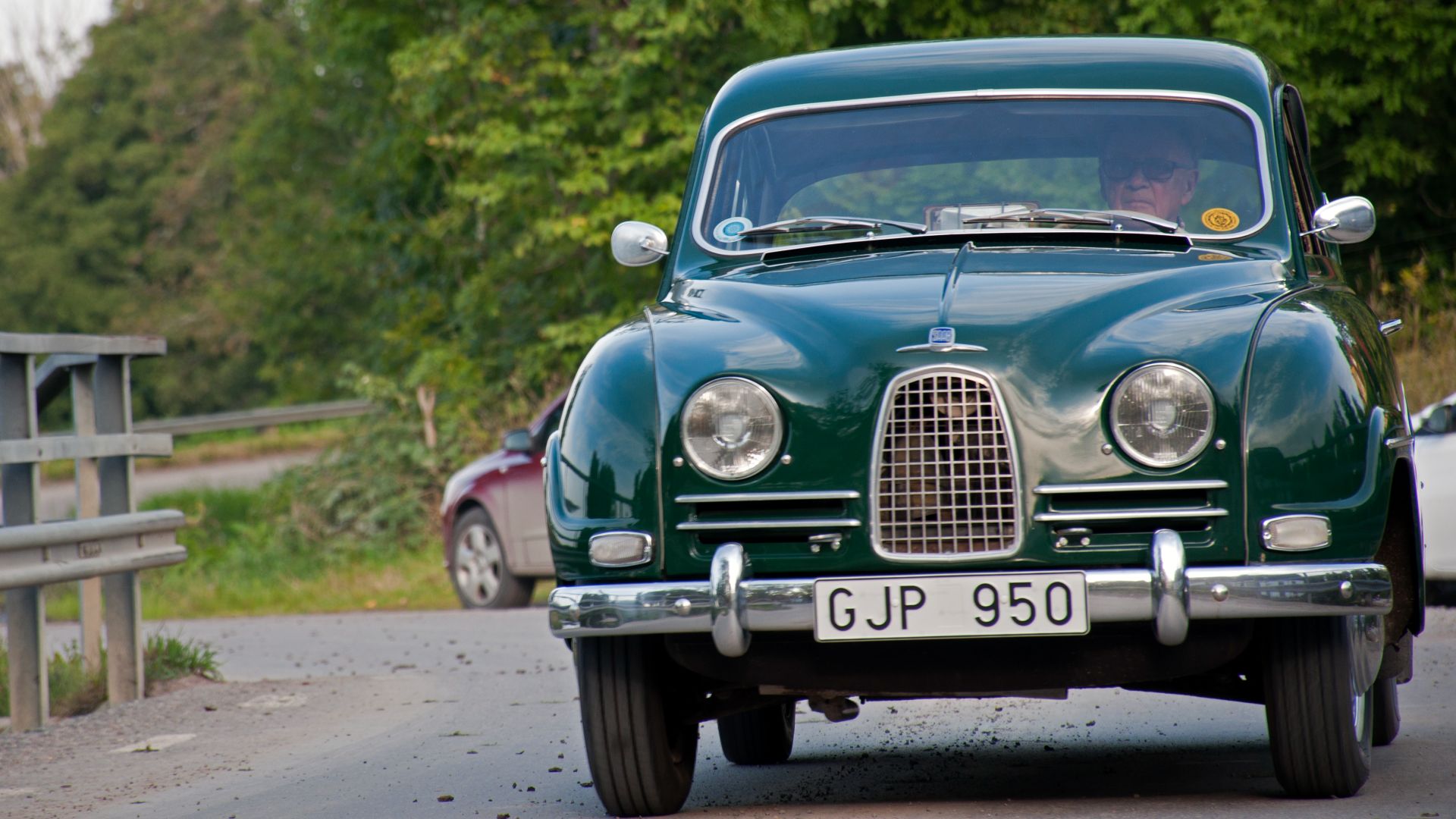 Staffan Andersson on Wikimedia
1. Saab 900 Turbo (1978–1994)
The classic 900 Turbo had a profile unlike anything else on the road, a wraparound windshield borrowed from aviation thinking, and a turbocharged punch that genuinely surprised people who'd underestimated it. Owning one was a statement, and the people who made that statement tended to make it repeatedly.
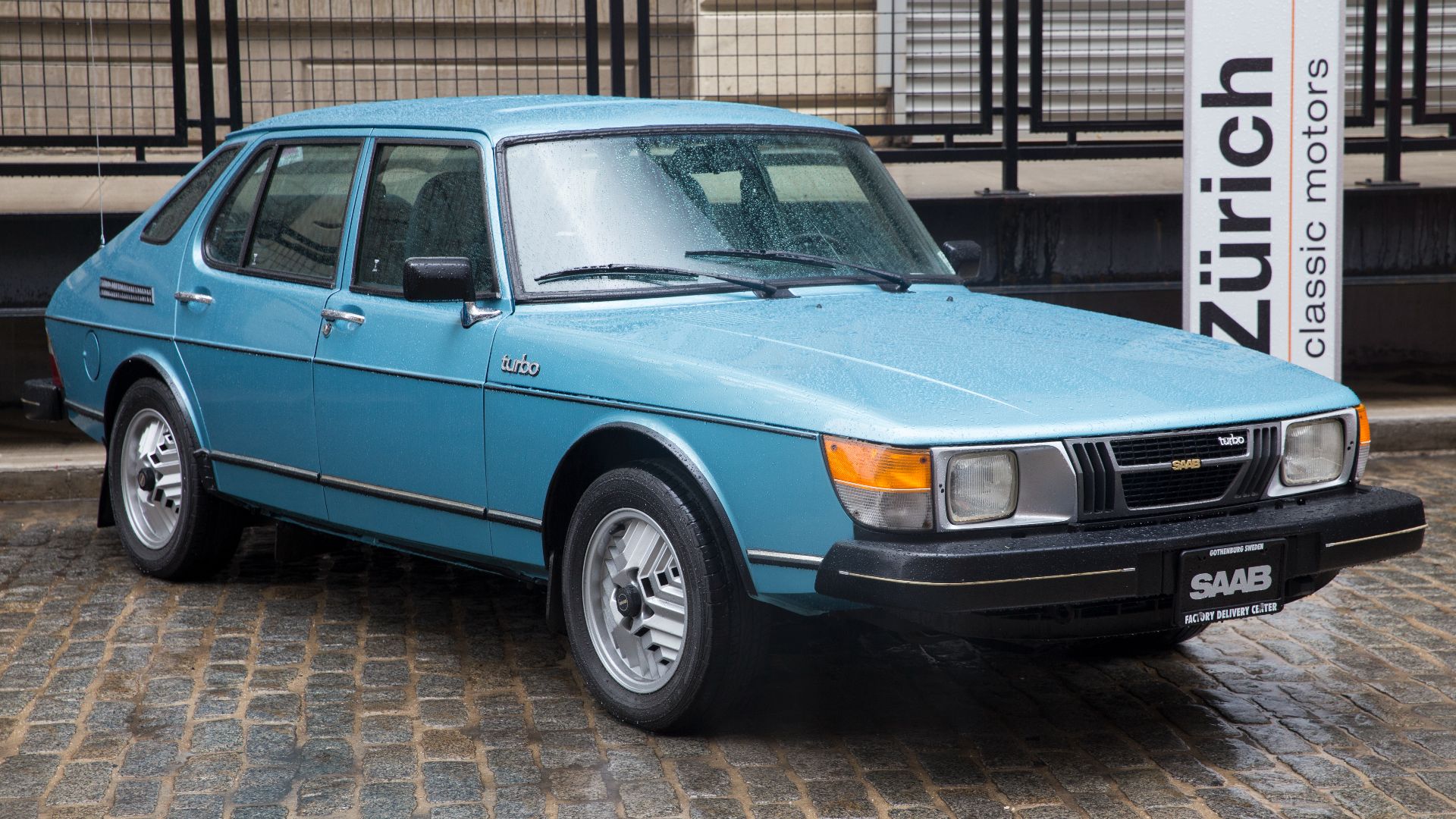
2. Saab 99 Turbo (1977–1980)
The car that put turbocharging on the mainstream map. The 99 Turbo had more lag than a transatlantic phone call, but when it finally hit, drivers understood immediately why Saab was onto something. It's considered the model that converted more people to the brand than any other.
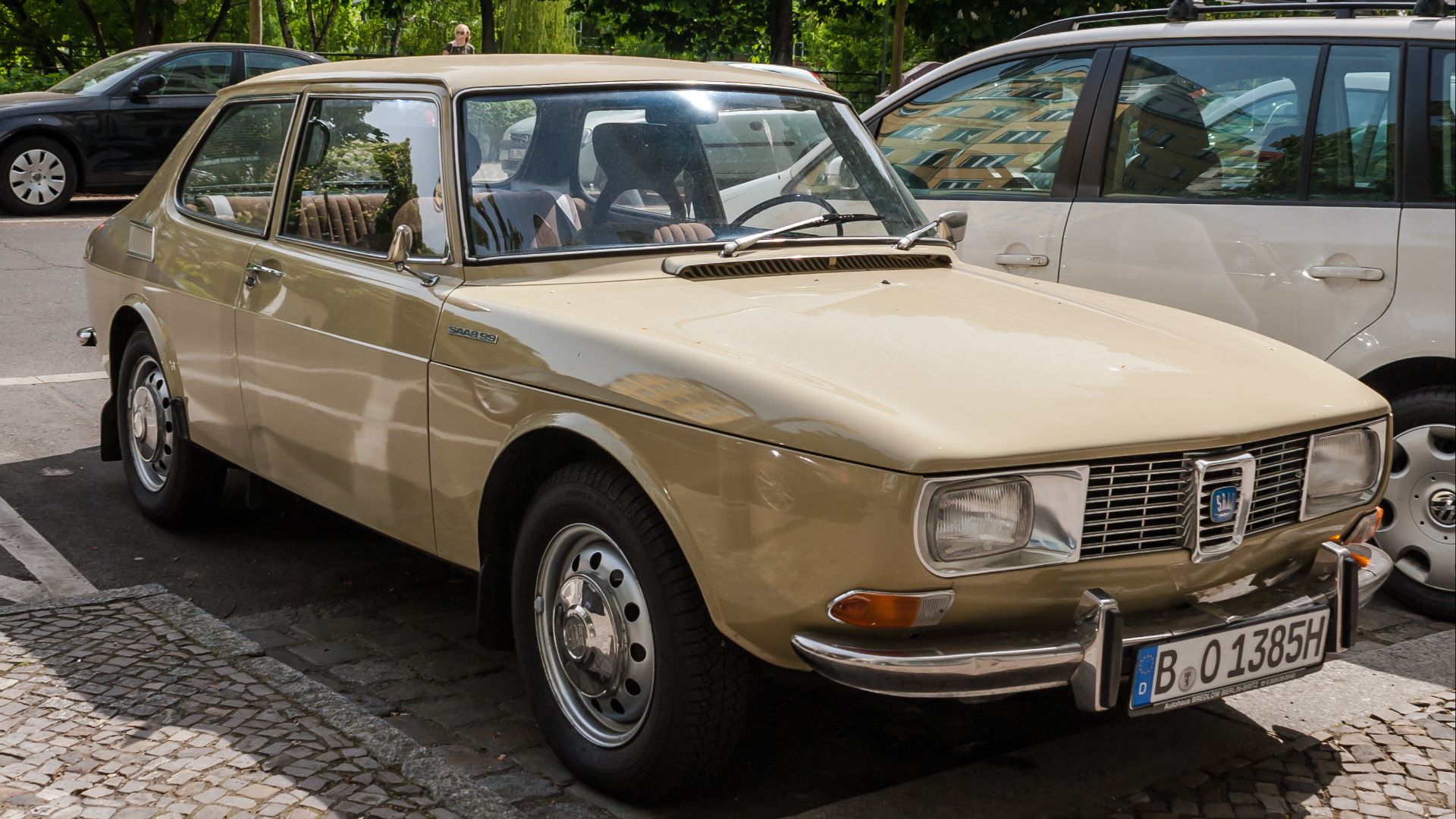
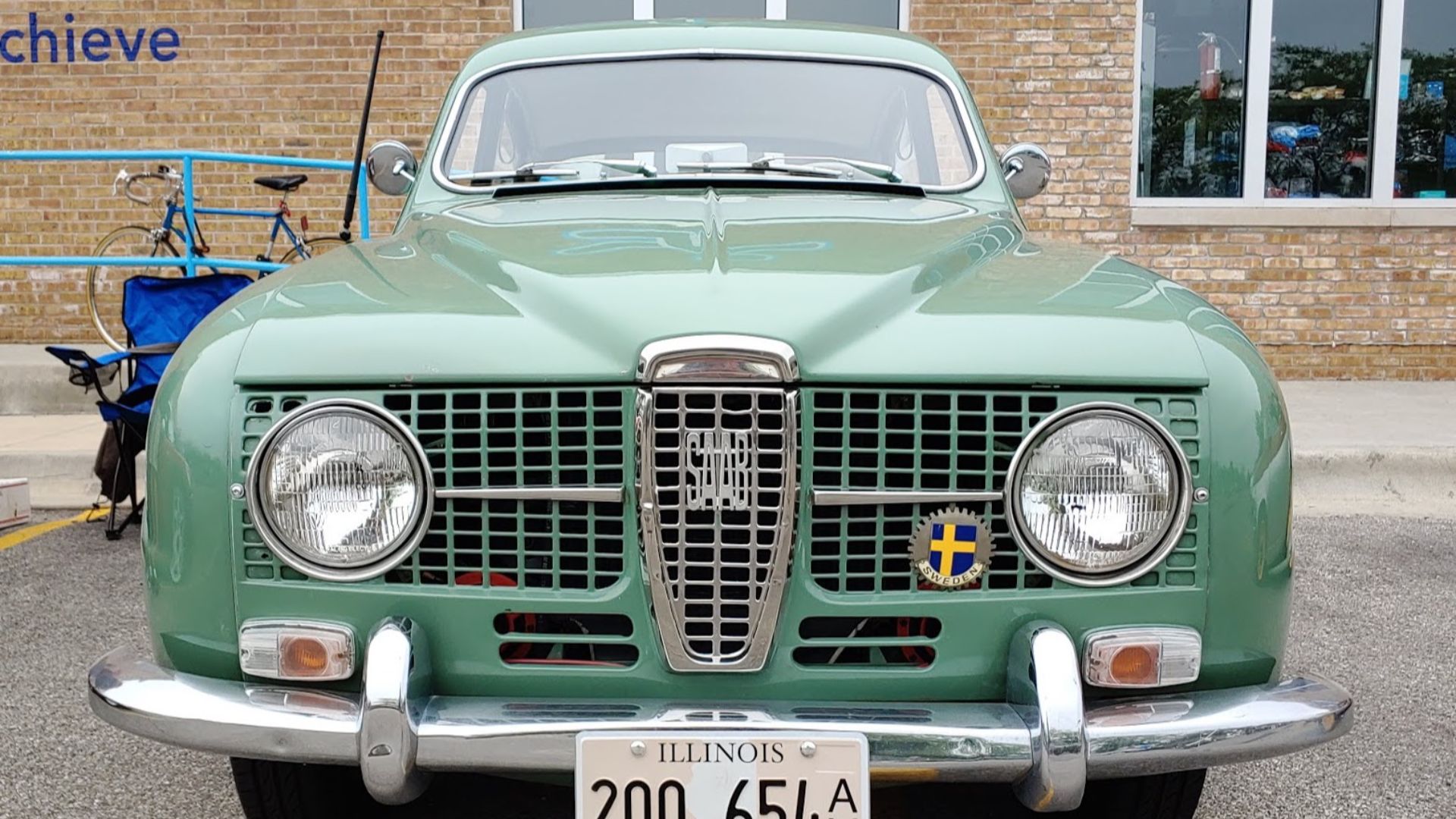
3. Saab 96 (1960–1980)
The 96 looks like someone drew a car from memory and got most of it right. It rallied well, handled Scandinavian winters with quiet confidence, and found a following among people who preferred function that happens to look interesting. The two-stroke version has become a genuine collector's piece.
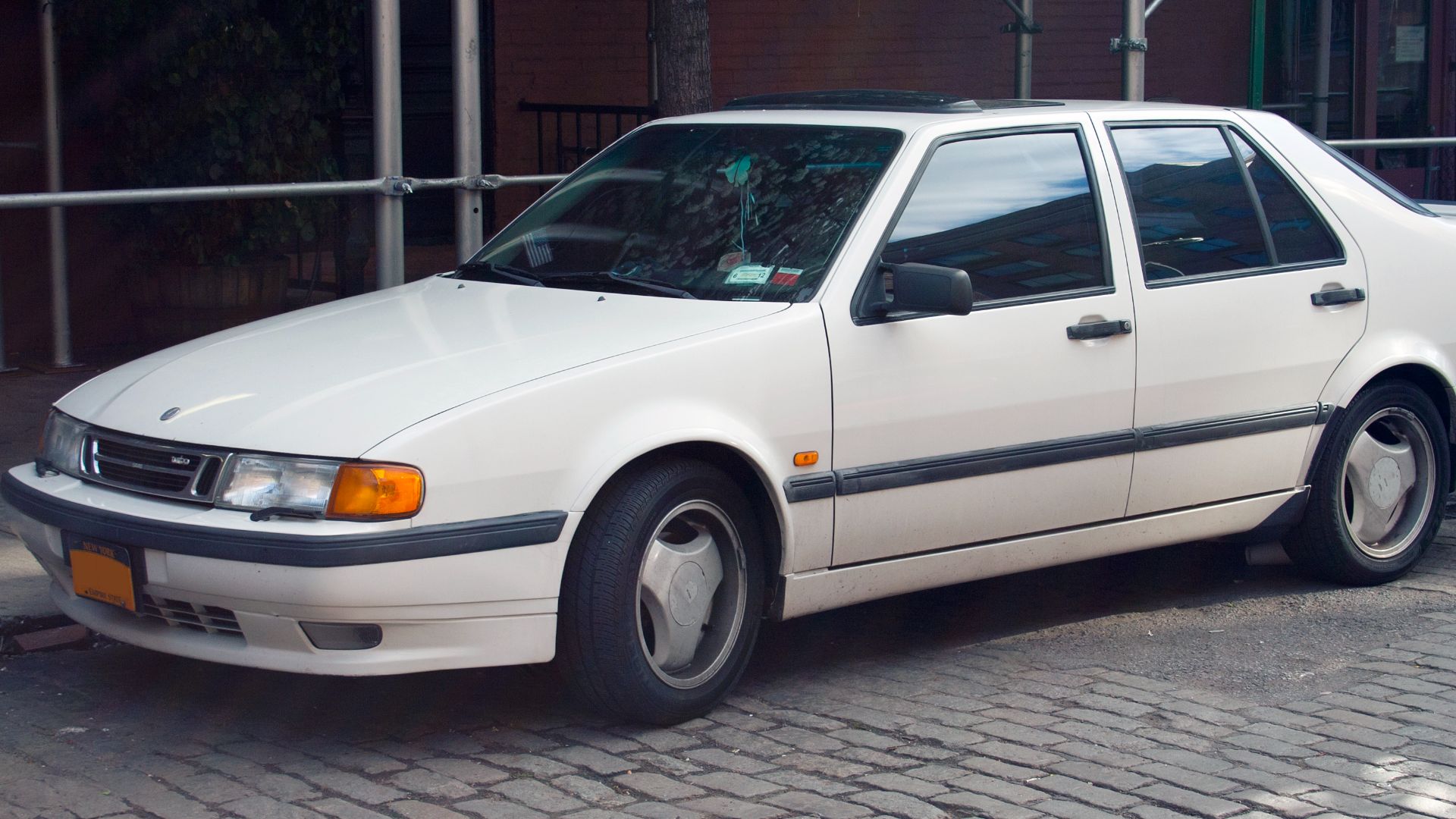
4. Saab 9000 Aero (1984–1998)
The 9000 was Saab competing with the German executive cars, and the Aero trim was its best argument. A turbocharged five-cylinder, enough grip to make the driver feel competent without requiring heroics, and a cabin that still feels considered decades later.
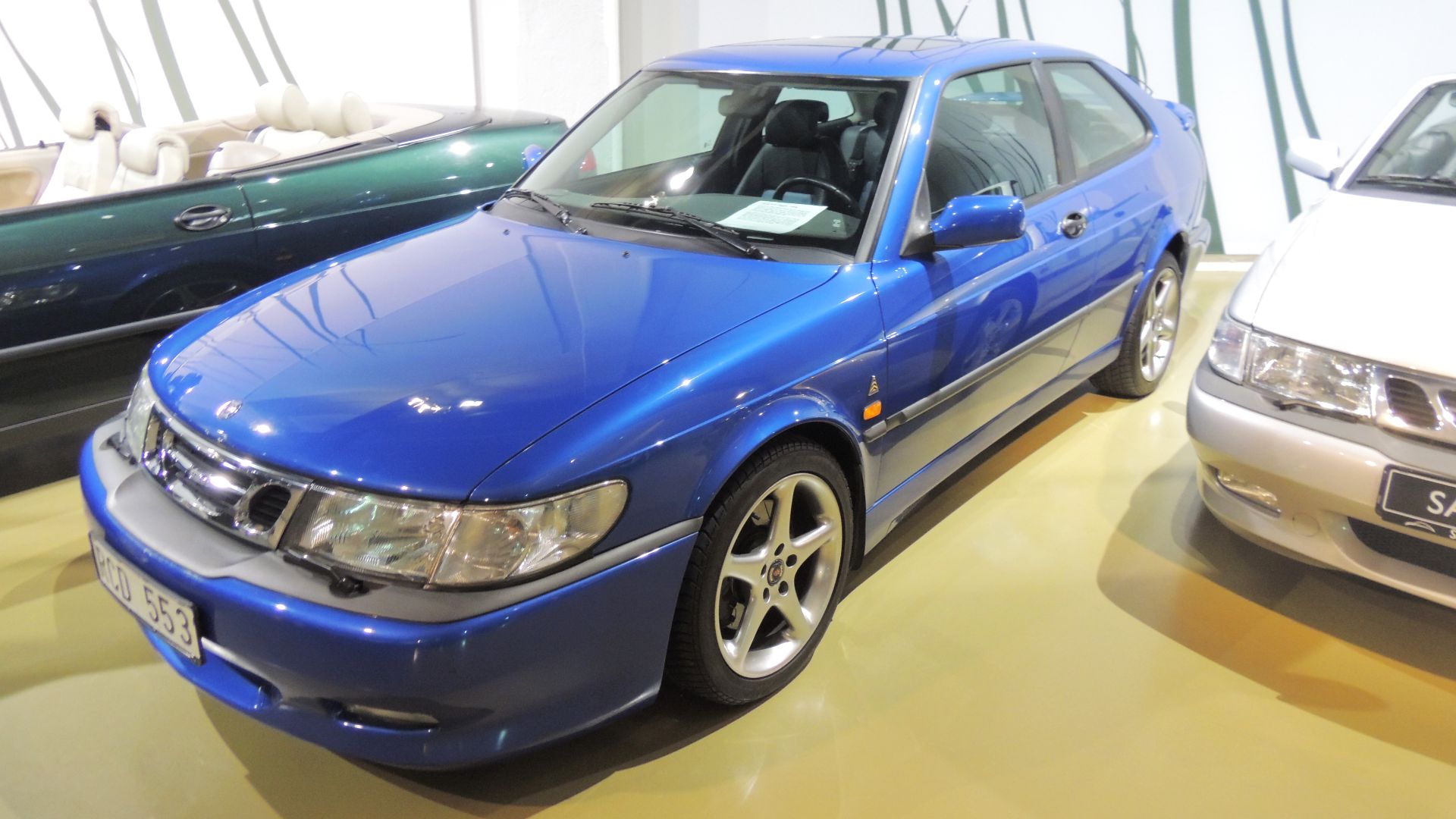
5. Saab 9-3 Viggen (1999–2002)
Named after a Swedish fighter jet, the Viggen produced 230 horsepower through the front wheels, which was a lot to manage in 1999. The torque steer was substantial, but that's half the reason enthusiasts still talk about it with the particular fondness reserved for cars that required some effort.
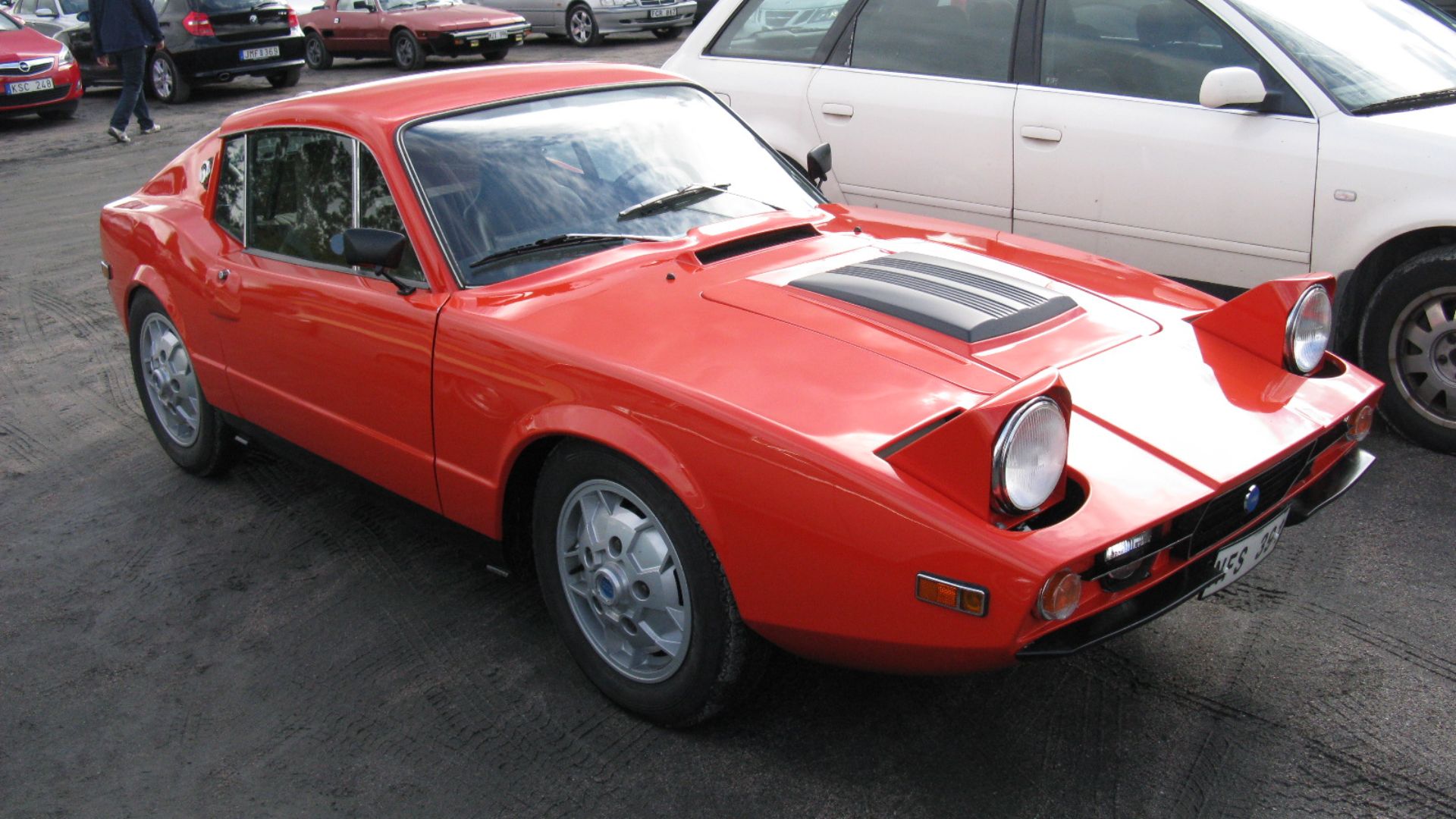
6. Saab Sonett III (1970–1974)
A two-seat sports car from Saab is an unlikely sentence, and the Sonett III made it work in a low-production, deeply idiosyncratic way. The fiberglass body had a faintly aeronautical quality, the driving position was snug, and very few were built, which only adds to the appeal.
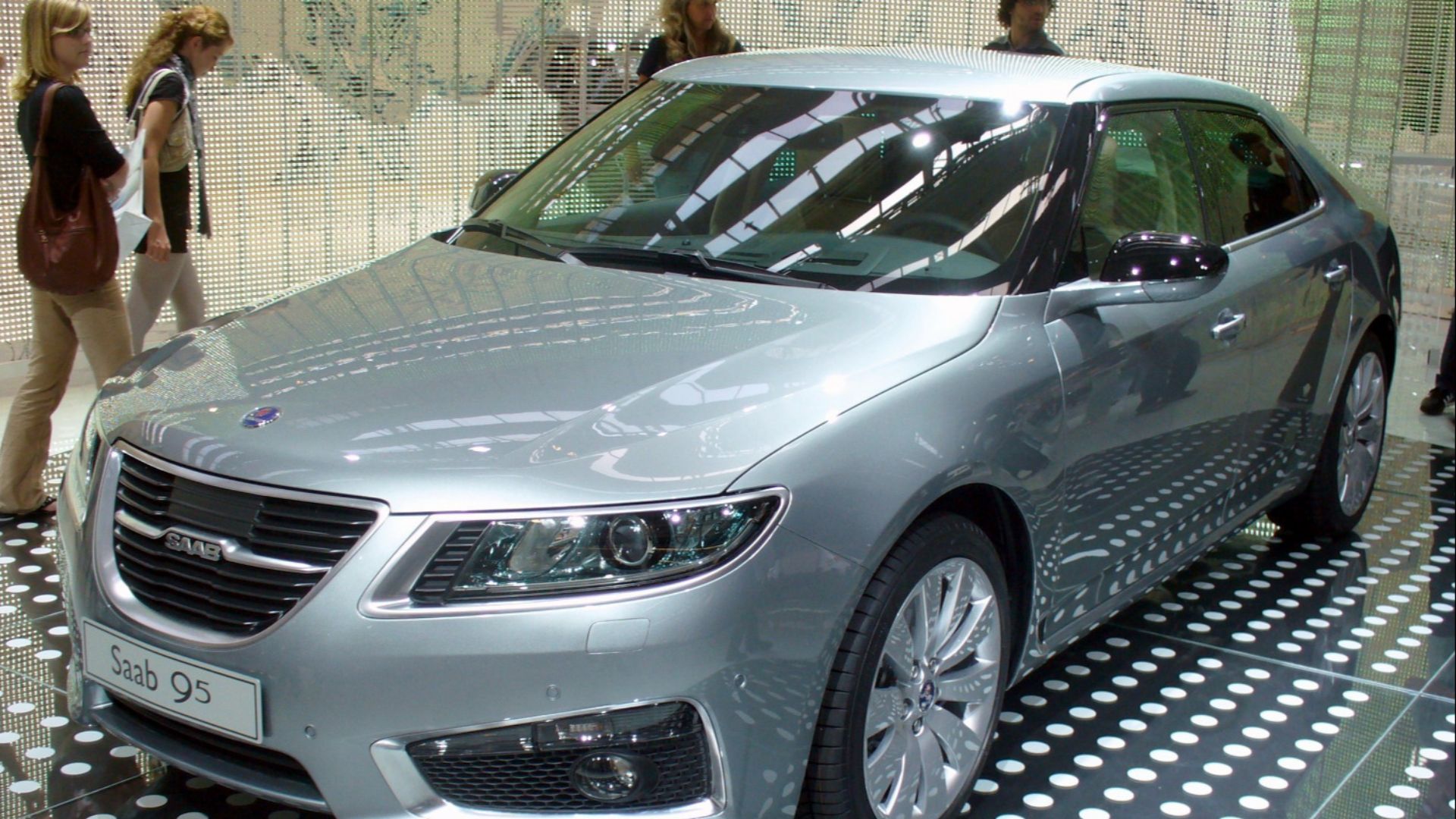
7. Saab 9-5 Aero (1997–2011)
The first-generation 9-5 Aero was a proper performance sedan that didn't ask you to announce yourself. Real power, a well-sorted chassis, and the slightly anonymous look of a car that knew it didn't need to try hard. Among enthusiasts it stands as one of Saab's strongest efforts during the GM era.
8. Saab 92 (1949–1956)
The first production Saab looks like someone streamlined a bar of soap and put a steering wheel in it. The aerodynamic body was genuinely advanced for 1949, borrowing directly from the company's aircraft work, and the whole car reads as an honest expression of what happens when engineers are handed a blank sheet and left to finish it.
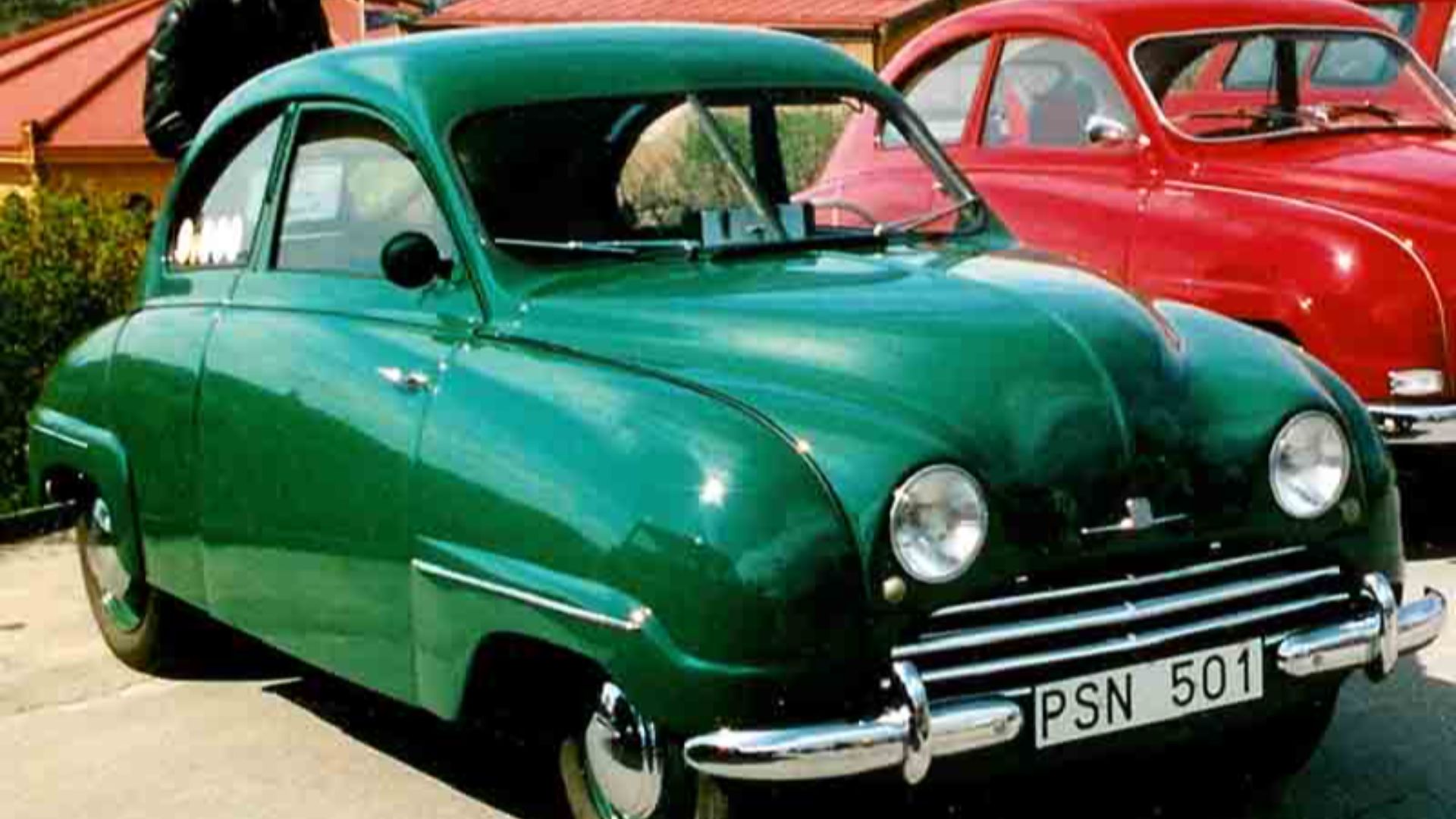 Lars-Göran Lindgren Sweden on Wikimedia
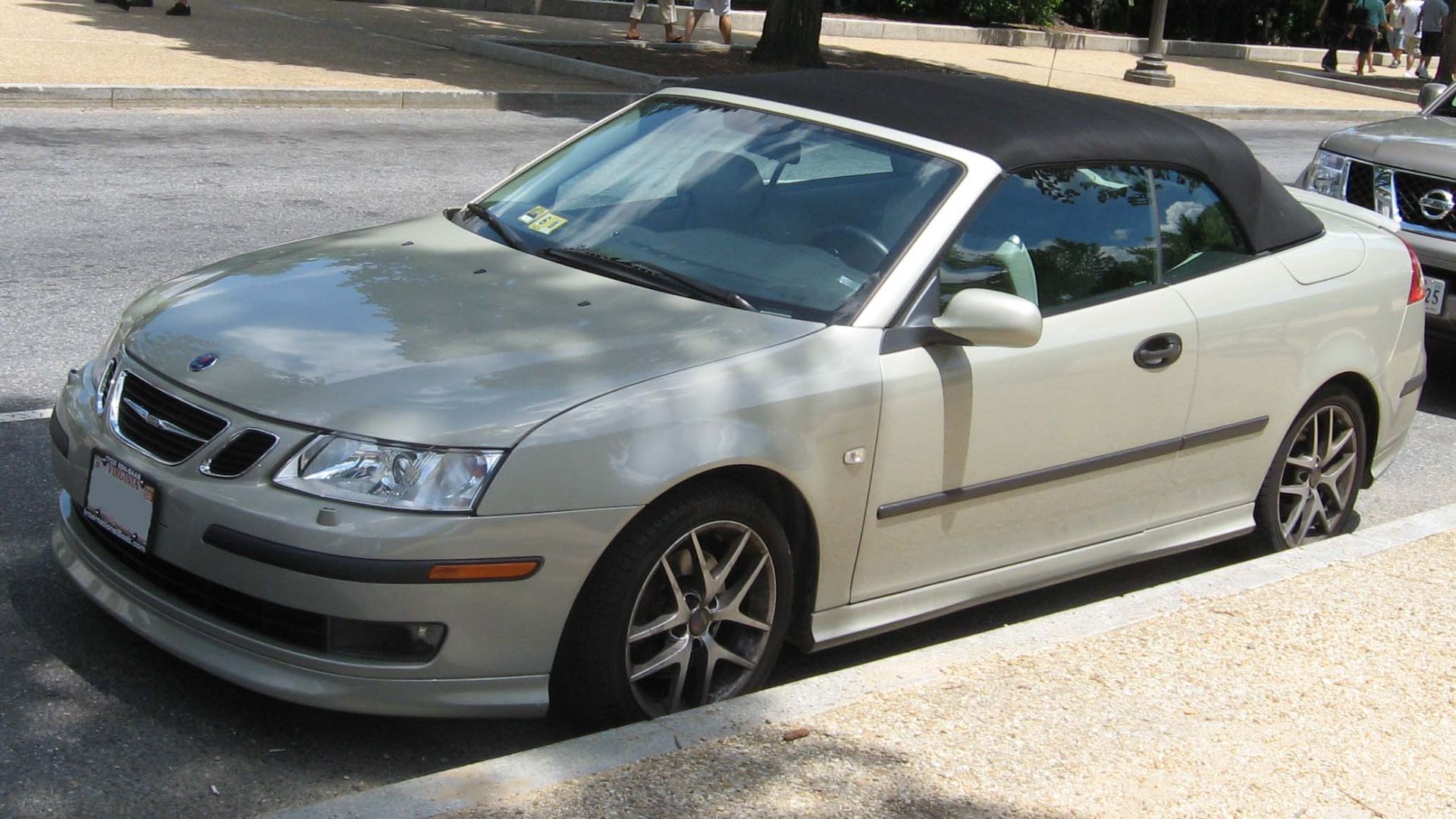
9. Saab 9-3 Aero Convertible (2003–2011)
The second-generation 9-3 convertible had genuine elegance, a solid turbocharged powertrain, and the ability to feel special without demanding constant mechanical attention. It was the car that made Saab feel almost accessible, which for a certain kind of buyer was exactly what they needed.
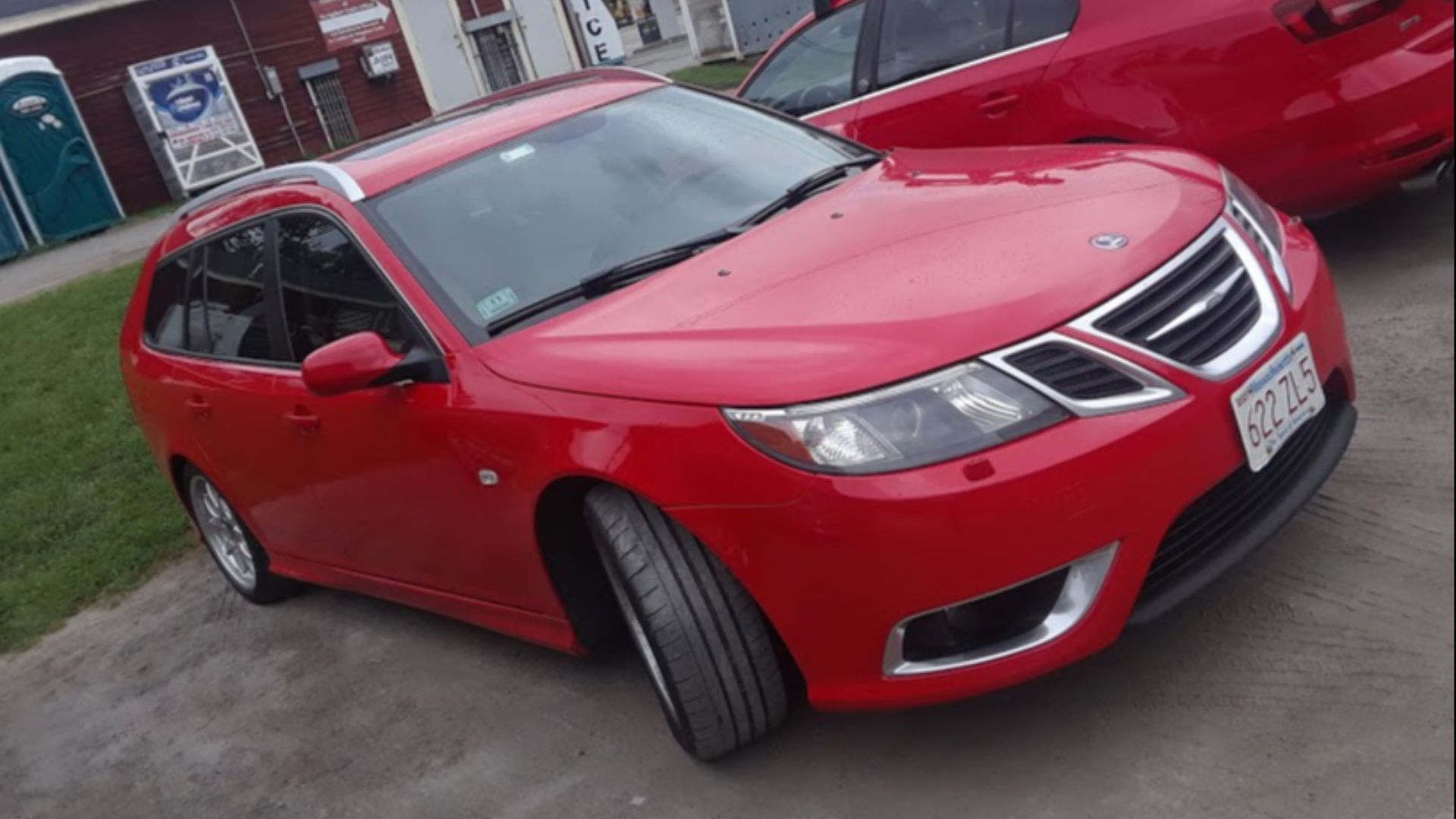
10. Saab 9-3 SportCombi (2005–2011)
The SportCombi was a wagon with better proportions than a wagon had any right to have. It carried the turbocharged engine options of the sedan, added a genuinely usable load area, and managed to look like something a Swedish architect would drive to a weekend house. Owners tend to be evangelical about it.
And here are 10 that reminded everyone why buying a Saab was always a calculated risk.
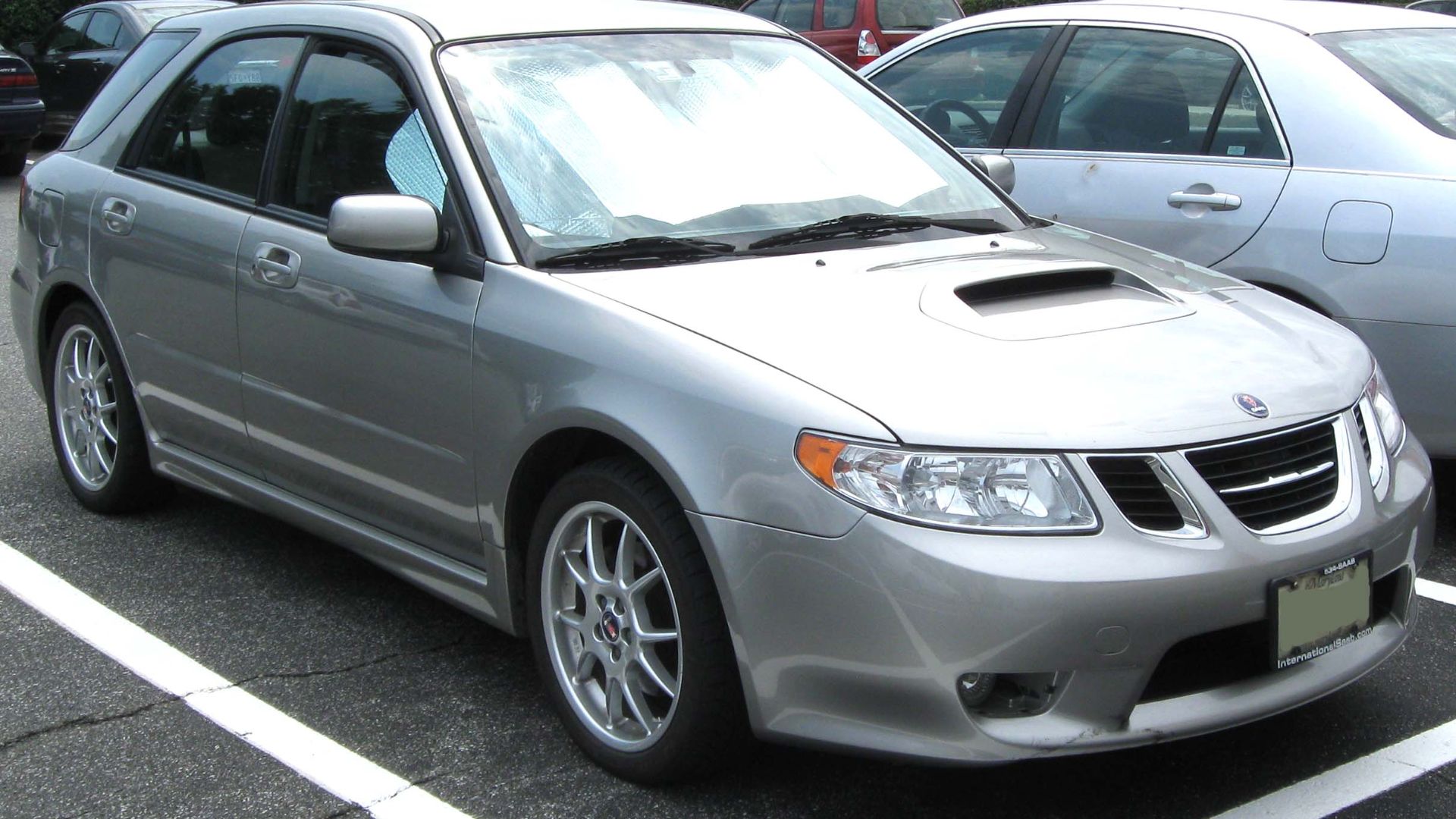
1. Saab 9-2X (2005–2006)
This was a rebadged Subaru Impreza wagon with Saab body panels grafted on, and nobody was fooled. The 9-2X satisfied neither camp, sold in embarrassingly small numbers, and is remembered mainly as the moment it became obvious that GM wasn't particularly interested in what made Saab worth saving.
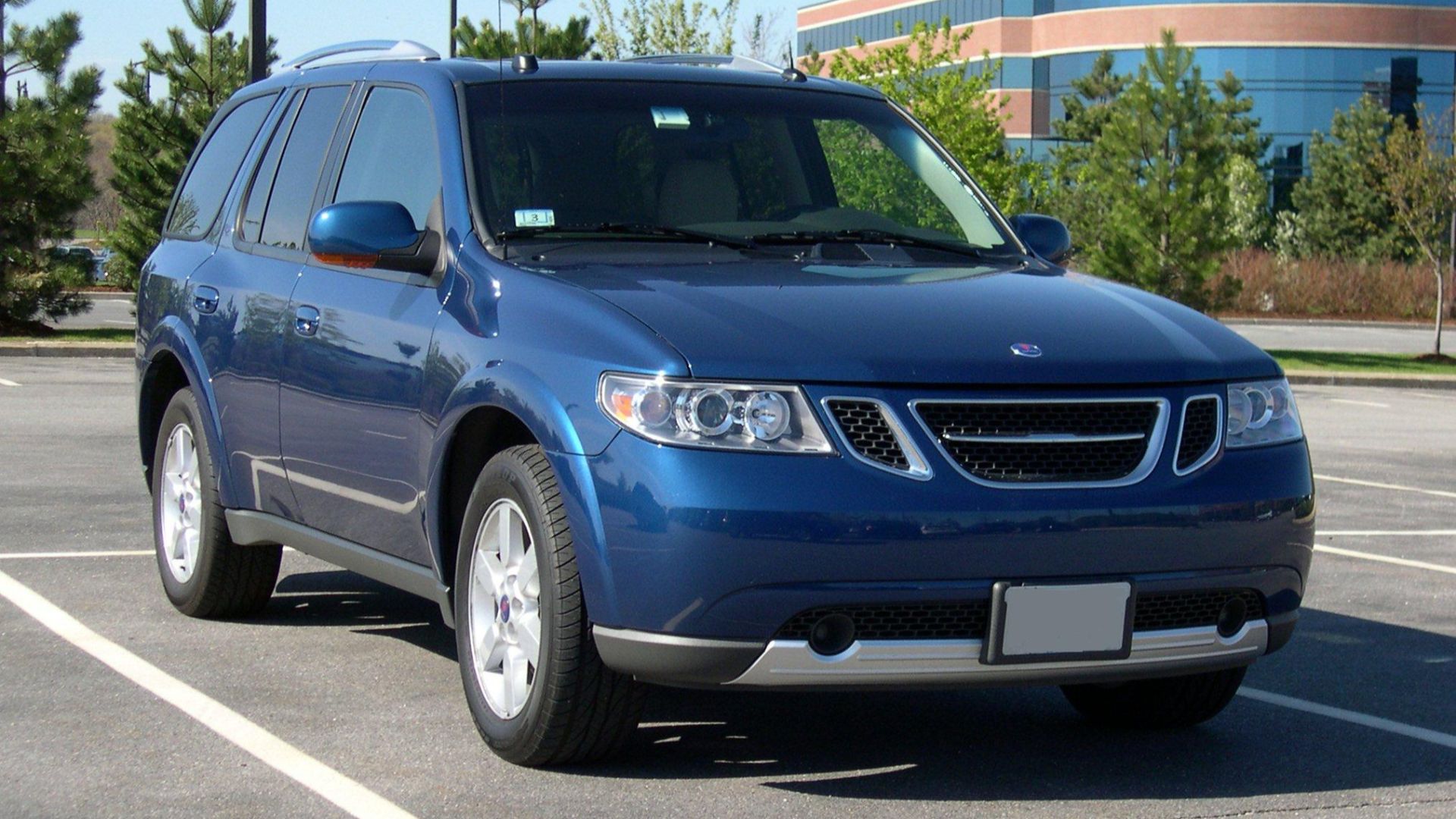
2. Saab 9-7X (2005–2009)
The 9-7X was a Chevrolet Trailblazer wearing a Saab badge and charging a premium for the privilege. Saab buyers chose their cars specifically because they were not rebadged GM trucks, and they declined to participate. It was a product that existed for spreadsheet reasons rather than any identifiable enthusiasm, and the market responded in kind.
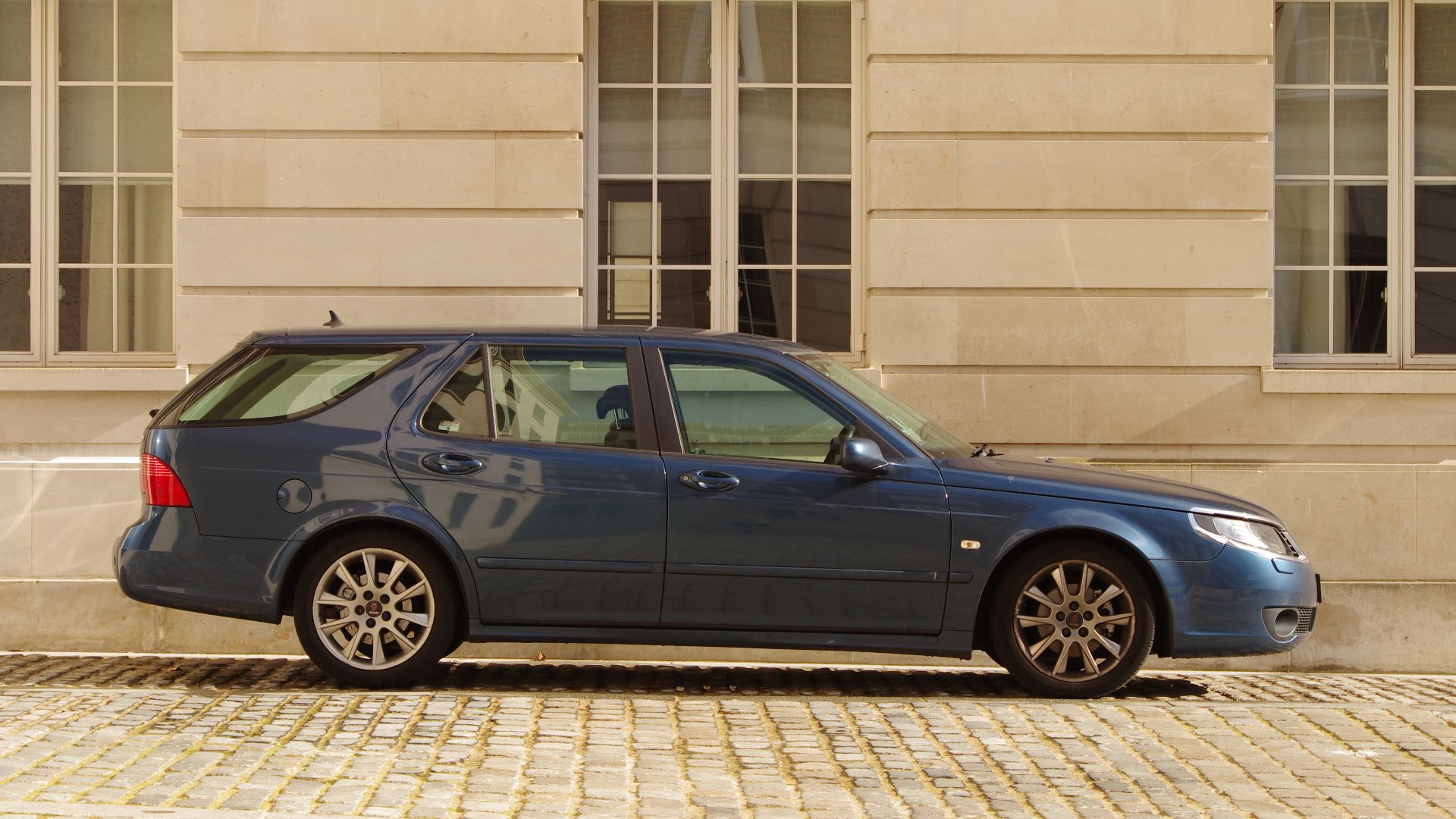
3. Saab 9-5 (2010–2011, Second Generation)
The second-generation 9-5 had the misfortune of being developed properly but launched by a company in its final death spiral. Spyker rushed it to market, build quality suffered visibly, and the resulting car felt unfinished. The design was actually promising, which makes the execution all the more frustrating.
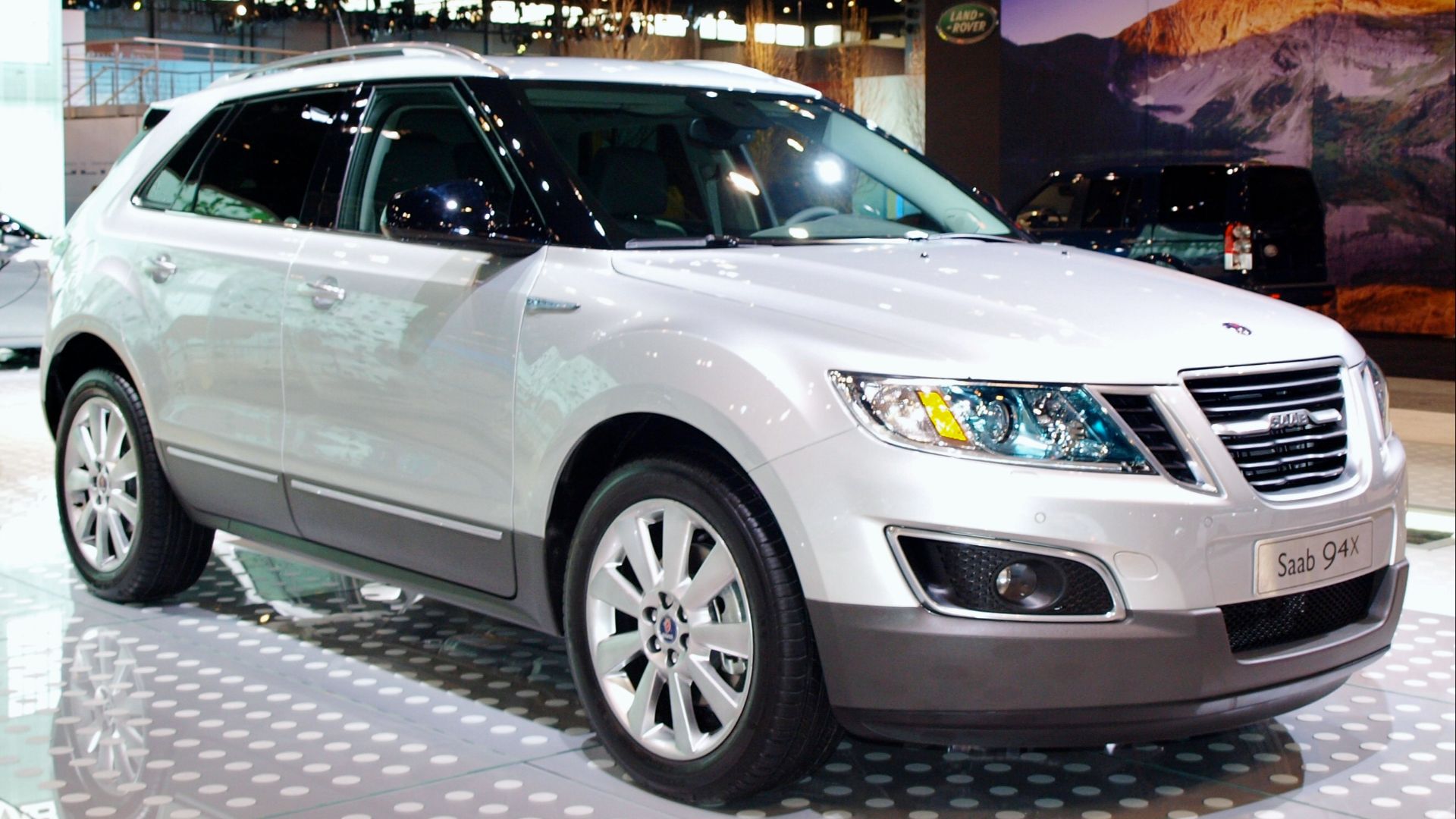
4. Saab 9-4X (2011)
Saab's attempt at a proper luxury crossover arrived in 2011, just in time for the company to collapse. Built on a platform shared with the Cadillac SRX, it had one model year of production and was recalled before most people knew it existed. As final chapters go, it was a quiet one.
 Randy Stern from Minneapolis, MN, USA on Wikimedia
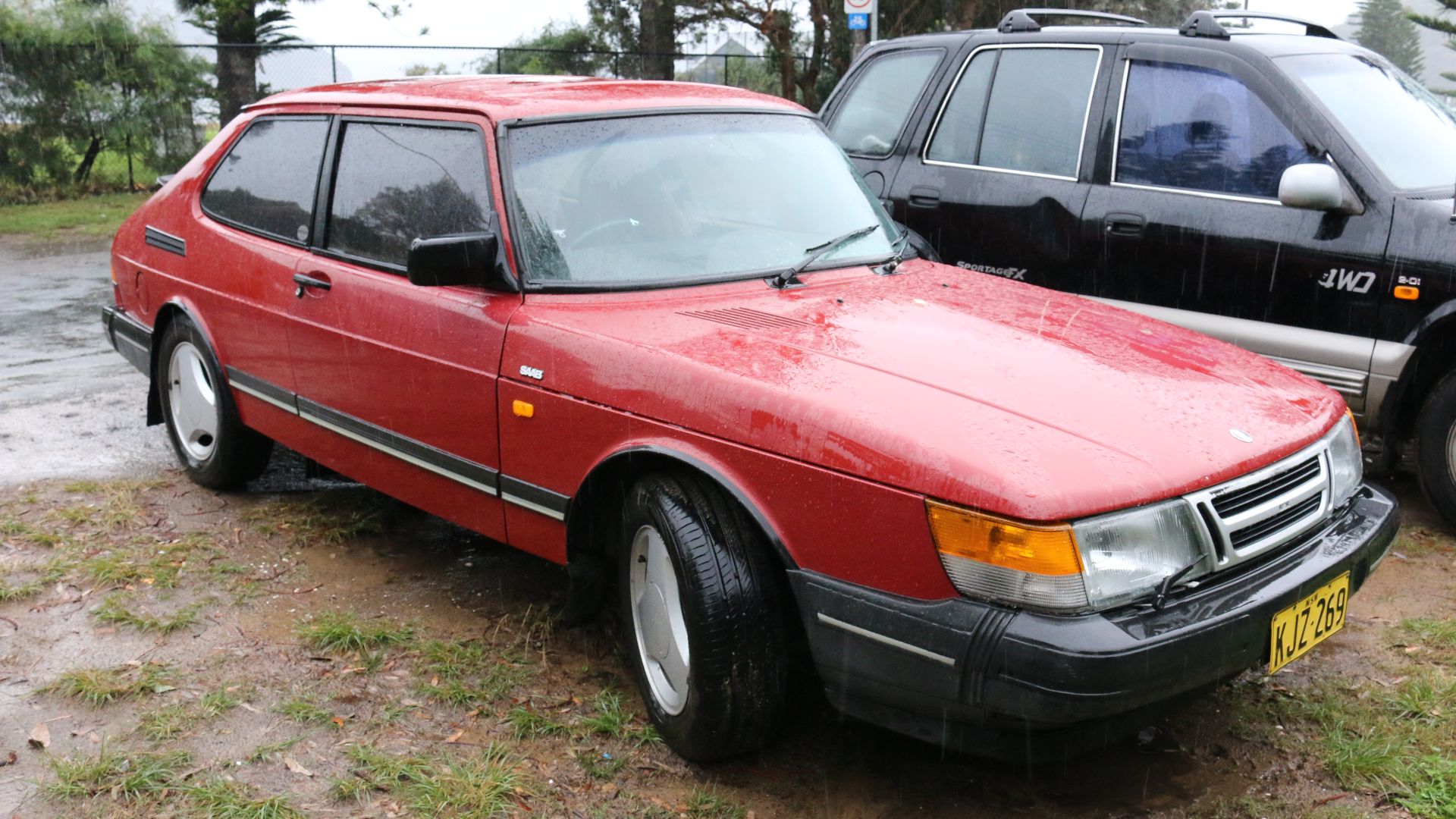
5. Saab NG900 (1994–2002)
The new-generation 900 replaced one of the brand's most beloved models and was immediately compared unfavorably to it. Built on an Opel platform rather than Saab's own architecture, it drove more generically than its predecessor, and the self-adjusting clutch cable became a recurring grievance that owners still mention.
 Jeremy from Sydney, Australia on Wikimedia
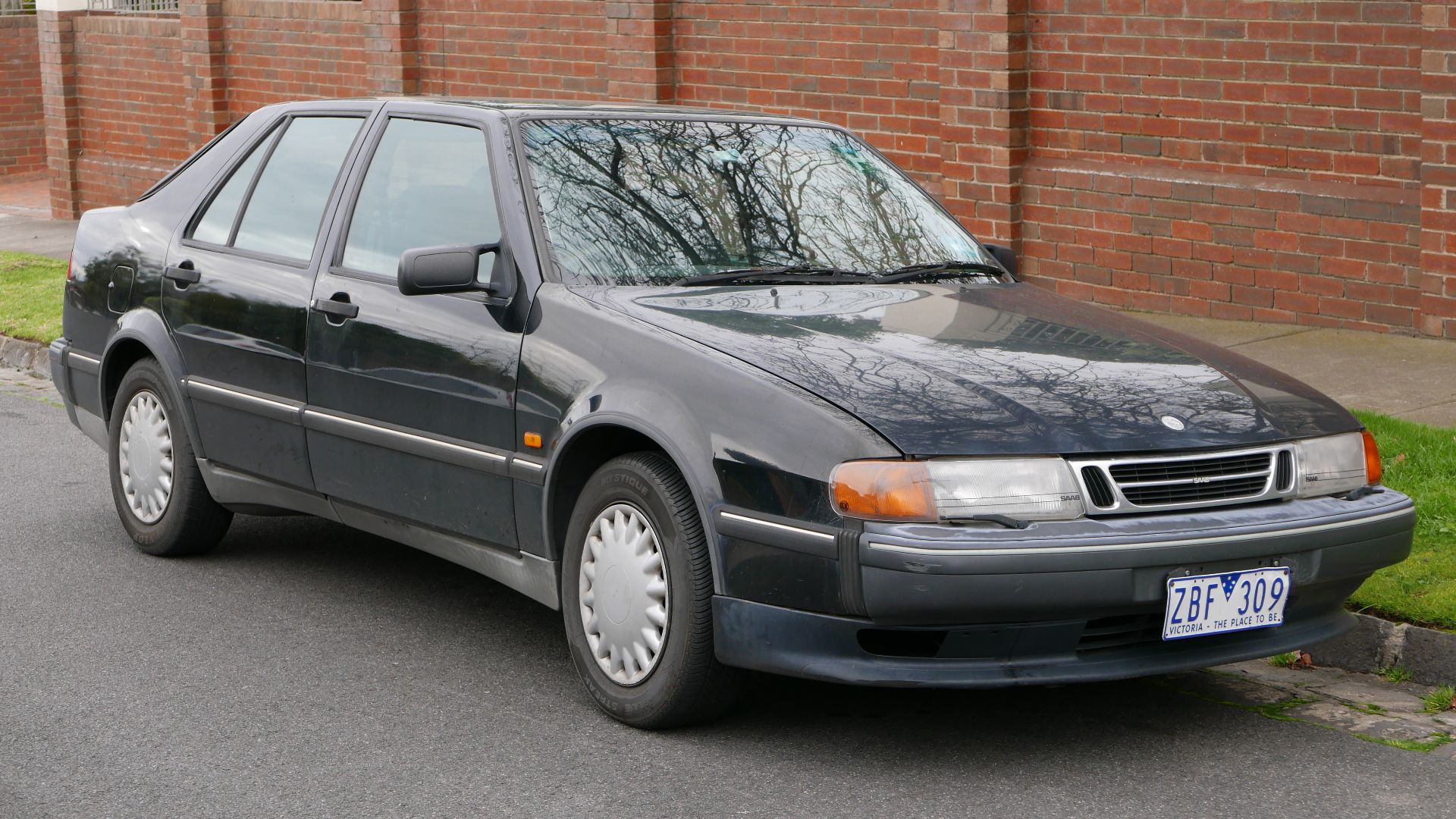
6. Saab 9000 CS Base Trim
The 9000 in its lower trims had all the bulk of the executive class without the performance or features to justify it. It was expensive to own and maintain, and the base versions didn't reward that with a driving experience to match. The Aero transformed the car, but the entry trims left buyers feeling shortchanged.
 commons.wikimedia.org on Google
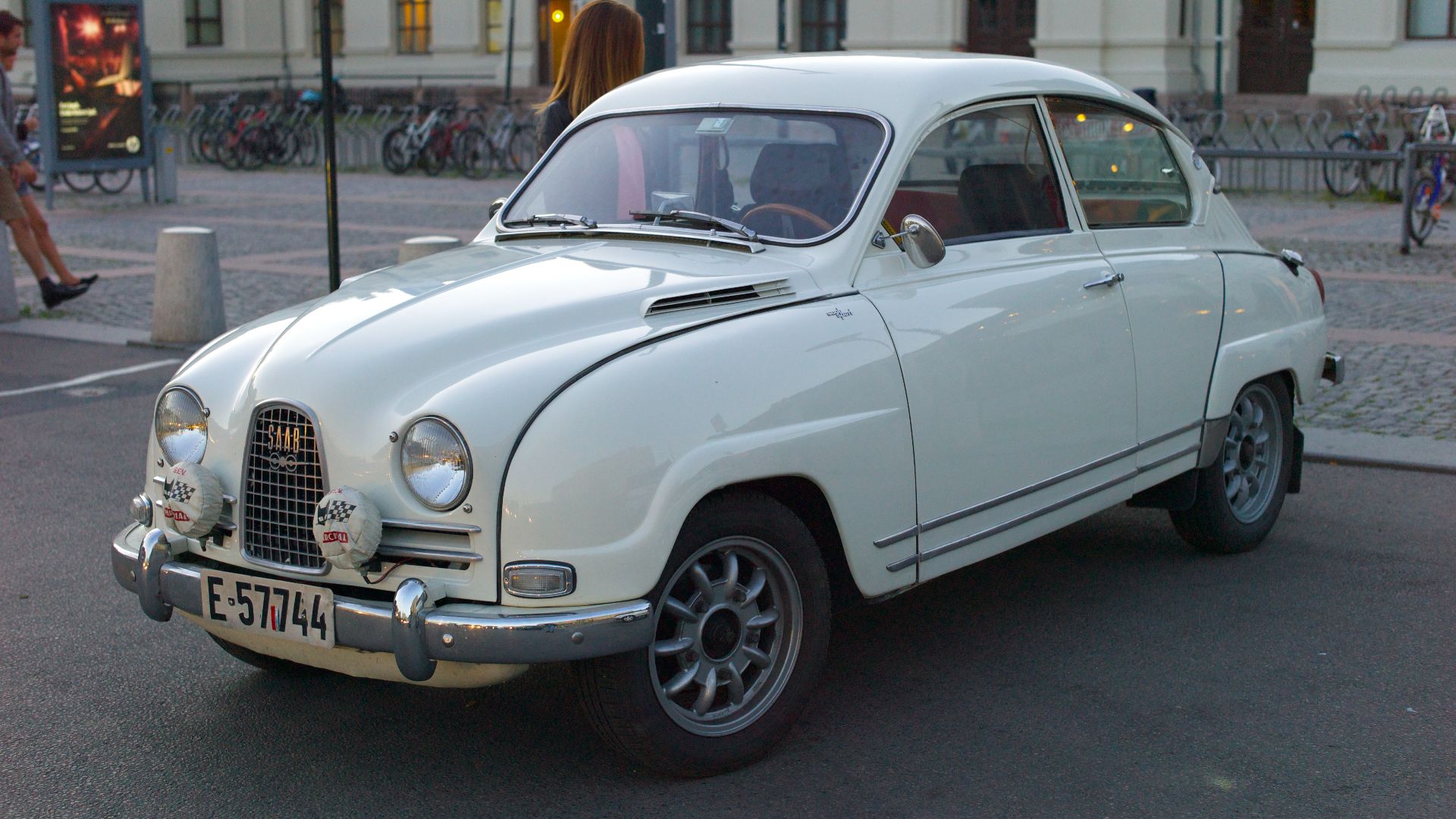
7. Saab 95 (1959–1978)
The 95 wagon was practical and genuinely useful in Scandinavian winters, but the three-cylinder two-stroke engine sent up a smoky protest at anything it considered hard work. It was loved by people with very specific patience and distrusted by everyone else who smelled one pulling away from a traffic light.
 Jon Callas from San Jose, USA on Wikimedia
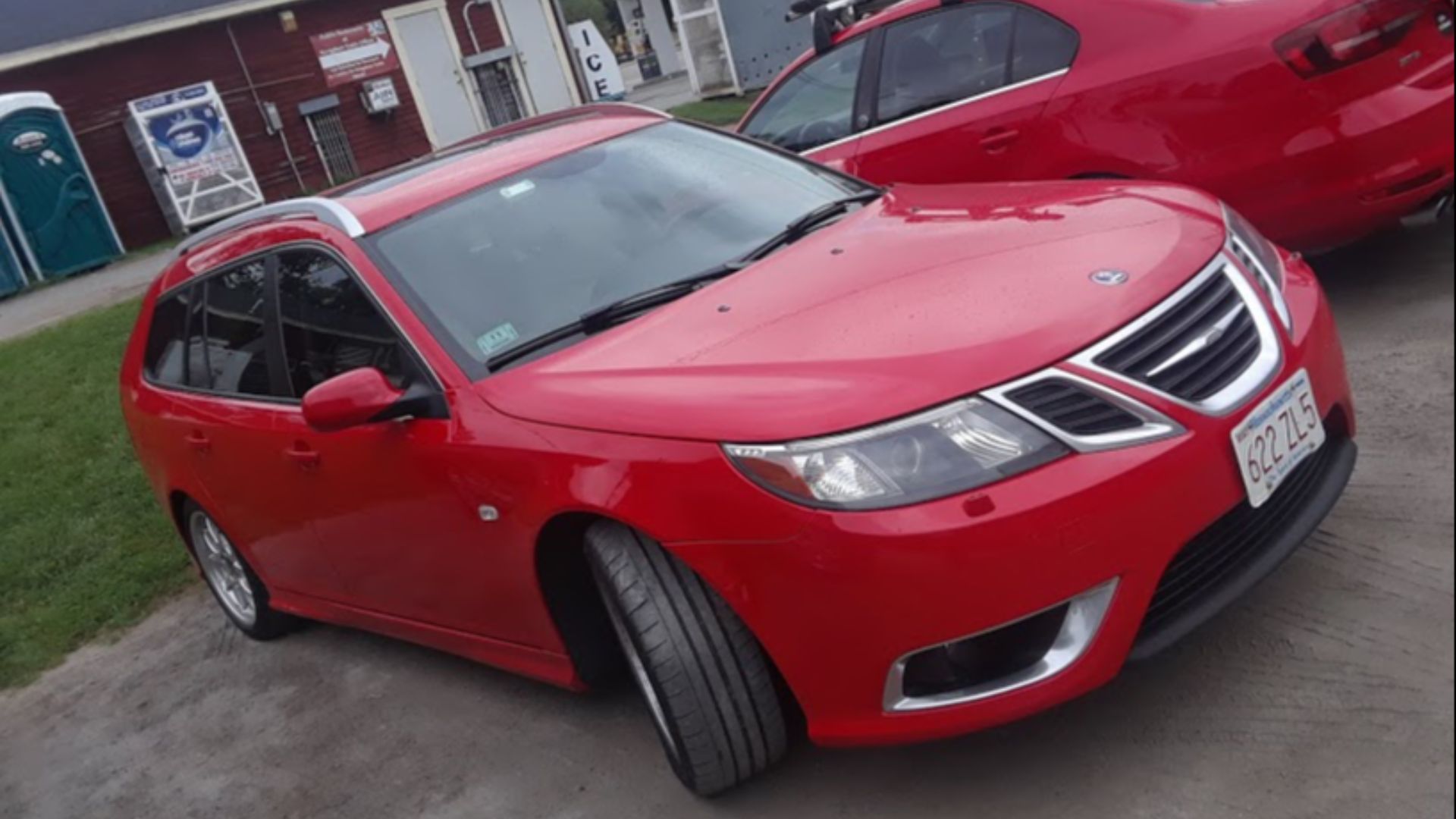
8. Saab 9-3 Early Second Generation (2003–2005)
The first couple of model years had a reputation for reliability problems owners described in specific and dispiriting terms. Timing chain issues and electrical gremlins made early examples a gamble, and the damage to buyer confidence took longer to repair than the cars themselves.
9. Saab 600 (1980–1986)
Before GM got involved, Saab was already outsourcing its identity. Lacking funds to replace the aging 96 with something original, Saab partnered with Fiat and sold a rebadged Lancia Delta to Scandinavian buyers under its own name. The 600 sold poorly for six years, the premium GLE trim was dropped after one due to slow take-up, and the whole episode was an early preview of the badge-engineering problems that would define the GM era two decades later.
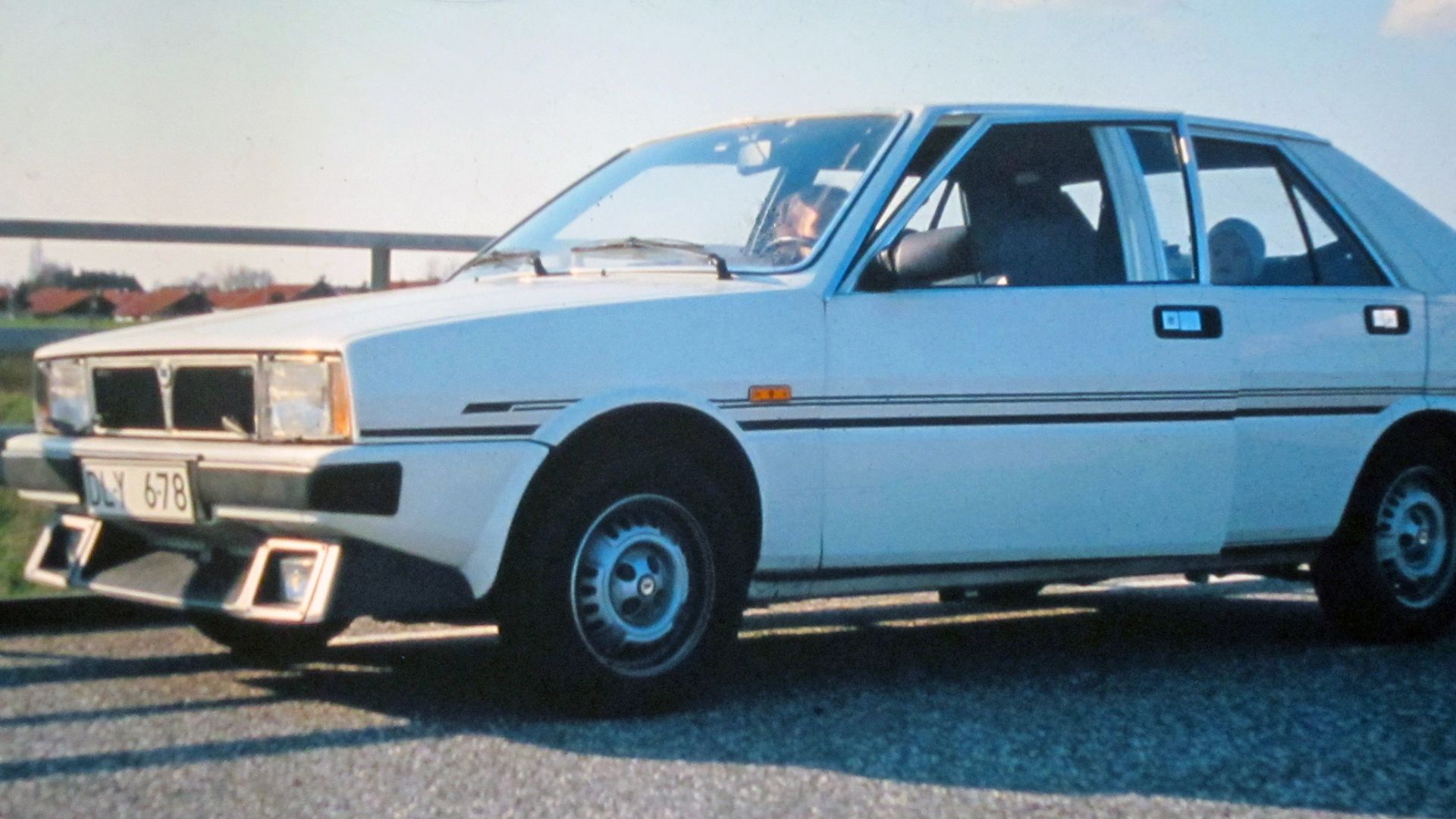 Uploader's father, digitized and altered by Mr.choppers on Wikimedia
10. Late-Era 9-5 Linear (2001–2005)
The entry-level Linear trim represented the gap between what Saab charged and what buyers felt they were getting. The base turbocharged engine was competent but unmemorable, the interior felt stripped next to the Aero, and the car sat in an uncomfortable middle ground between premium aspiration and everyday reality.
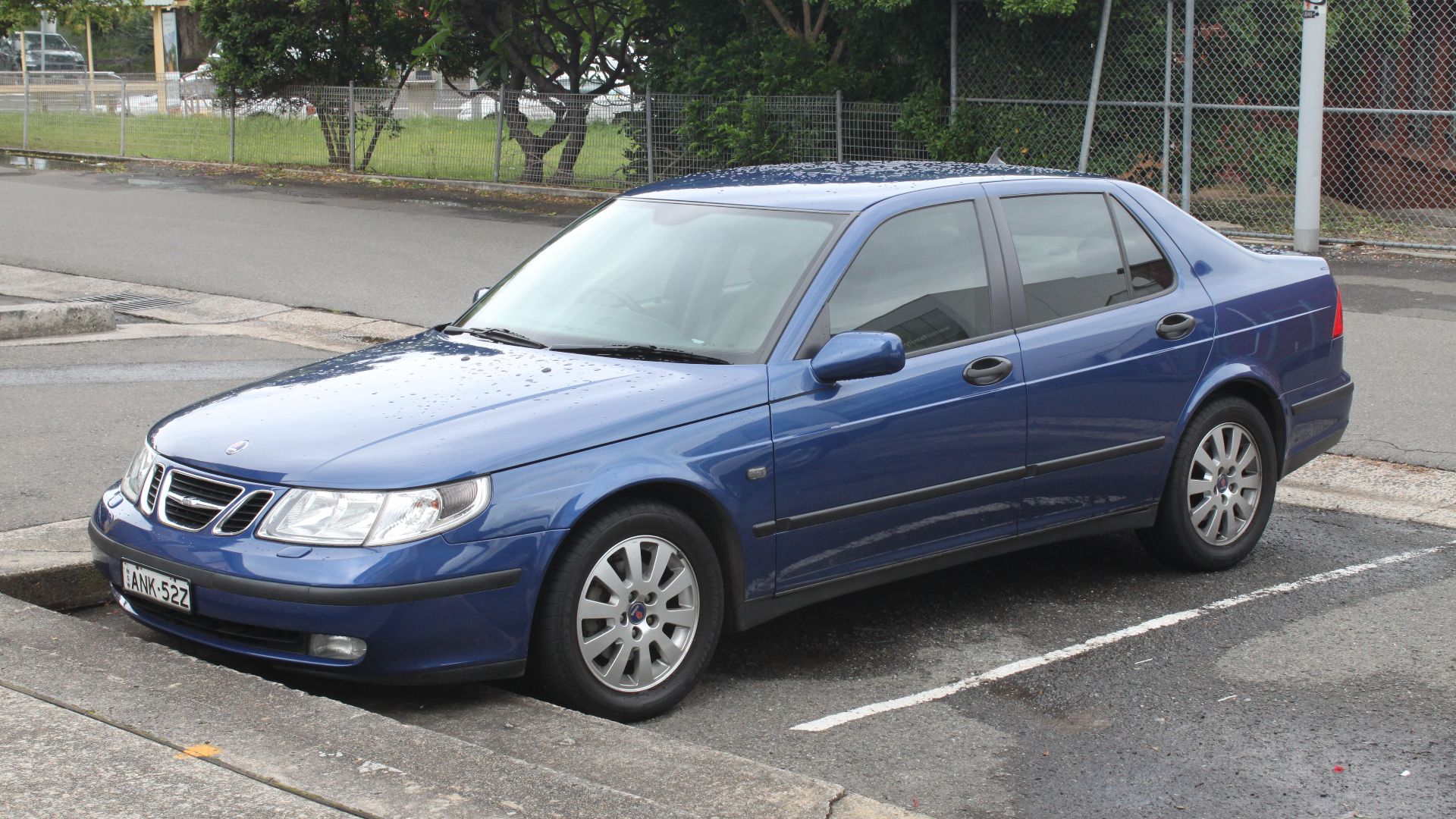 Jeremy from Sydney, Australia on Wikimedia

_01.jpg)