 Acharaporn Kamornboonyarush on Pexels
If you're like most, you probably consider yourself a safe and responsible driver, but the reality couldn't be further from the truth. In fact, even the most careful among us occasionally slip into bad habits that technically break the law. Some of these offences are so common that they've become normalized, which makes them easy to overlook, but "everyone does it" is not a good enough excuse. You shouldn't be making excuses at all.
So, what are the top offences drivers commit? As you'll see, these everyday behaviors regularly contribute to accidents, fines, and points on your license, putting both you and everyone else on the road at risk. Understanding which rules you're most likely to be bending, even unintentionally, may go a long way toward making you a safer and more conscientious driver.
Speeding, Even Just a Little
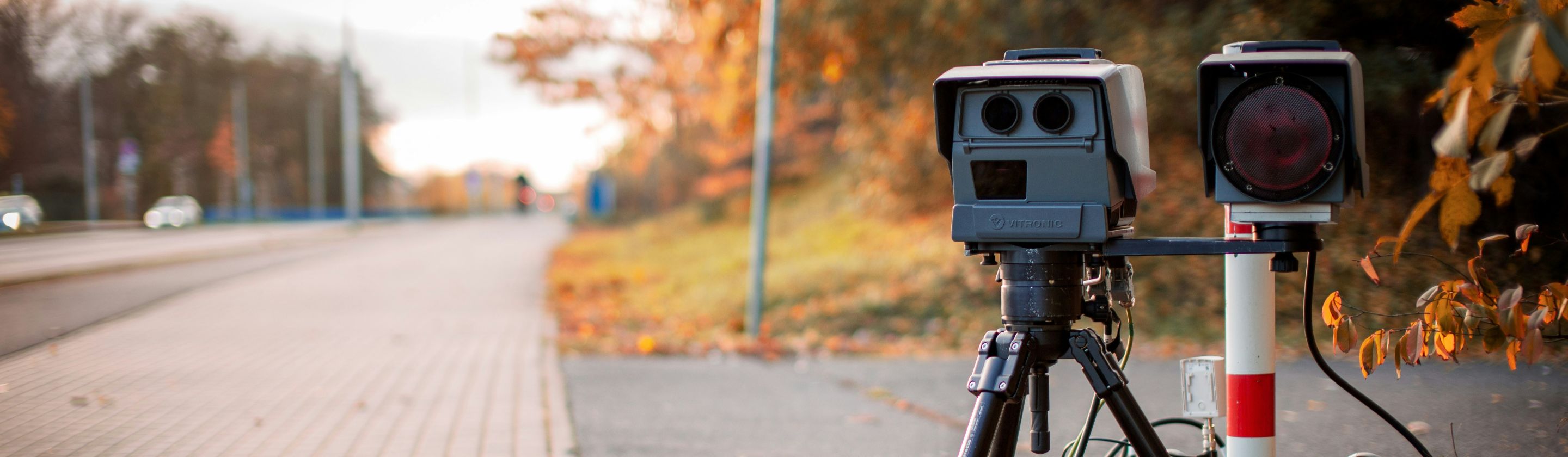
It likely comes as no surprise that speeding is the most widespread traffic violation in the United States, and the margins that drivers push are often surprisingly small. Many people operate under the assumption that traveling a few miles over the posted limit is acceptable, or even expected; in reality, any speed above the posted limit is a violation, regardless of how minor it seems. The National Highway Traffic Safety Administration (NHTSA) consistently identifies speeding as one of the leading factors in fatal crashes, accounting for a significant share of traffic deaths each year.
One of the reasons speeding is so prevalent is that modern vehicles make it easy to exceed limits without noticing. Highway driving in particular tends to encourage a gradual creep above the posted speed, especially when traffic is light and other drivers are doing the same. This kind of collective drift can make it feel as though you're driving at a normal pace when you're actually well above the legal threshold.
The consequences of speeding extend beyond the risk of a fine. Higher speeds reduce your reaction time and increase the severity of any collision that does occur; the physics of a crash at 45 mph versus 35 mph are substantially different in terms of the forces involved. Staying attentive to your speedometer, rather than simply matching the flow of traffic, is one of the most effective things you can do to stay on the right side of the law.
Using Your Phone While Driving
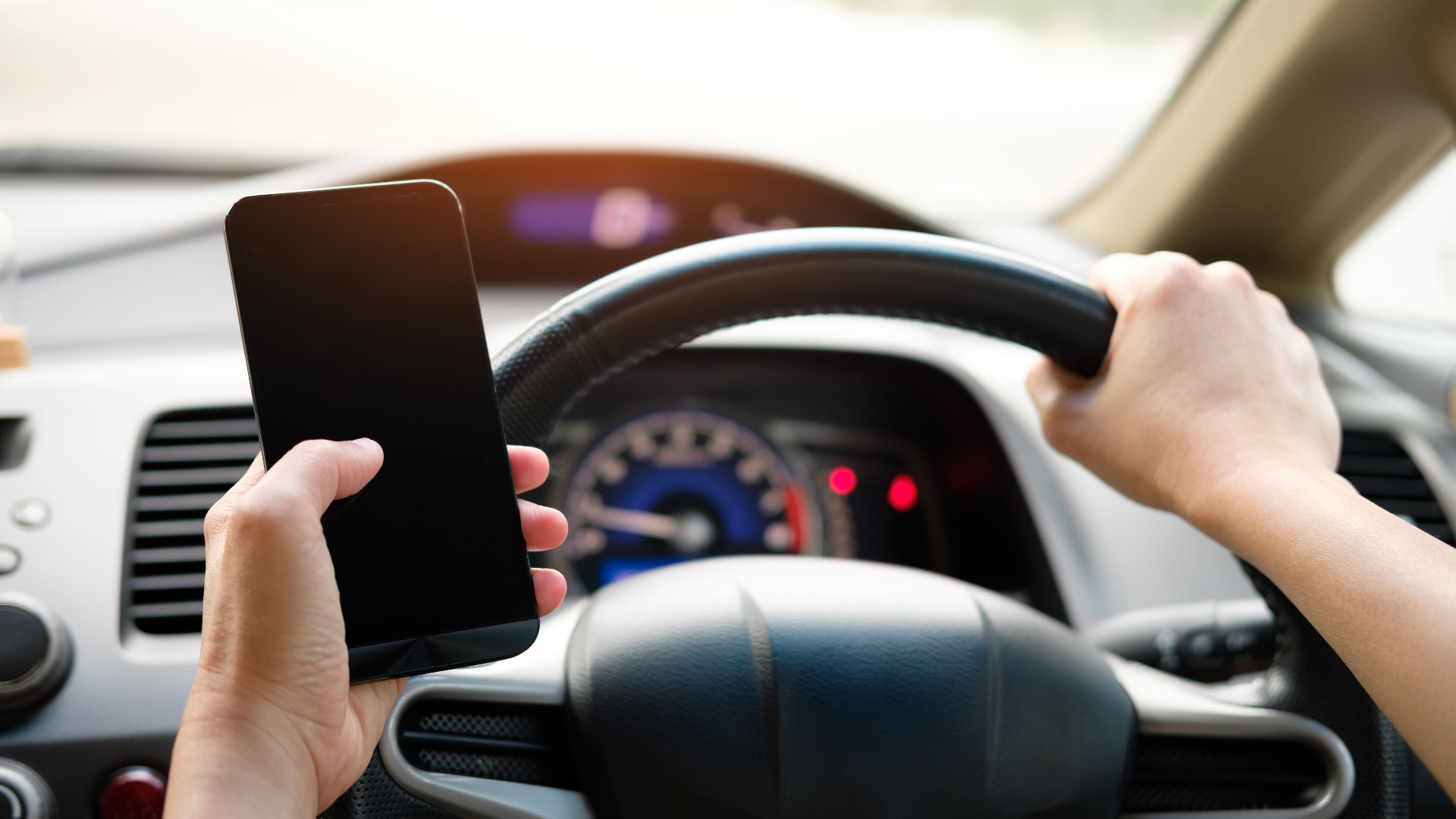
Distracted driving has also become one of the defining road safety issues of the past two decades, and phone use sits at the center of it. Despite widespread awareness of the danger, and the fact that using a handheld device is illegal in many states, a large number of drivers continue to reach for their phones at red lights, during slow traffic, or even at highway speeds, thinking there's no harm in looking away for just "one second."
What makes this offence particularly common is the frequency with which phones demand attention throughout the day. Notifications, navigation prompts, and the urge to quickly reply to a message can all create moments of temptation that feel low-risk in the moment. NHTSA notes that even if you argue that you're just glancing away for five seconds, sending or reading a text at 55 mph is the cognitive equivalent of driving the length of a football field with your eyes closed.
It's worth recognizing that "distracted driving" is broader than just phone use, too; it includes eating, adjusting the radio, and having full-blown conversations with other passengers. However, phone-related distraction tends to be the category most frequently cited in enforcement and accident reports. Many drivers genuinely believe they can multitask behind the wheel, but the data consistently shows that divided attention on the road carries real consequences.
Failing to Come to a Complete Stop at Stop Signs
Another common offense drivers make? Rolling through stop signs. The legal requirement at a stop sign is unambiguous: your vehicle must come to a complete and full stop before proceeding, not merely slow down significantly. Yet, a large number of drivers still treat stop signs as yield signs, especially when the intersection appears clear.
The risk here isn't limited to getting ticketed, though; incomplete stops are a genuine factor in intersection collisions. Low-speed intersections in residential areas can still produce serious accidents, particularly when pedestrians, cyclists, or vehicles approach from blind angles. Even if you think it's unnecessary to wait, a complete stop—and those few valuable seconds—gives you the time and visibility to properly assess whether it's safe to proceed, which a rolling approach does not reliably provide. You'll also realize, over time, that adopting the appropriate habit tends to improve your overall attentiveness at intersections over time.
The bottom line is this: the most common offences drivers make on the road are entirely reversible. Speeding by a few miles per hour, taking a quick glance at your phone, or easing through a stop sign may not seem all that reckless in the moment, but each one reduces the margin of safety you have behind the wheel. Being a responsible driver isn't only about avoiding the most serious violations; it's also about paying attention to the everyday habits that shape how safely you move through traffic. If you can recognize these behaviors before they become automatic, you're far more likely to protect yourself, avoid unnecessary penalties, and make the road safer for everyone around you.