When you think about high-end investment cars that fetch astronomical prices at modern auctions, your mind probably jumps straight to exotic Italian supercars or vintage European convertibles. There is an elite class of vehicles, however, that started their lives as relatively accessible, everyday sports cars parked in average suburban driveways. Back in the nineties, an enthusiast with a decent job could walk right into a local dealership and drive off in a cutting-edge performance machine without needing a multimillionaire's bank account. Over the decades, the automotive market has experienced a massive paradigm shift that turned these former bargains into highly coveted treasures.
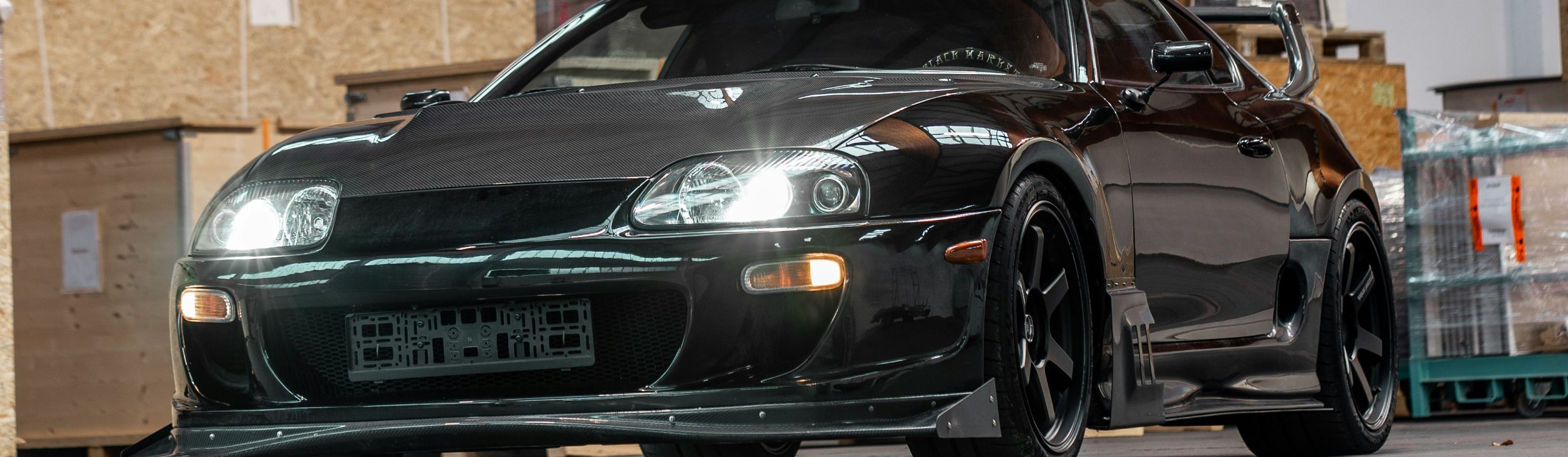
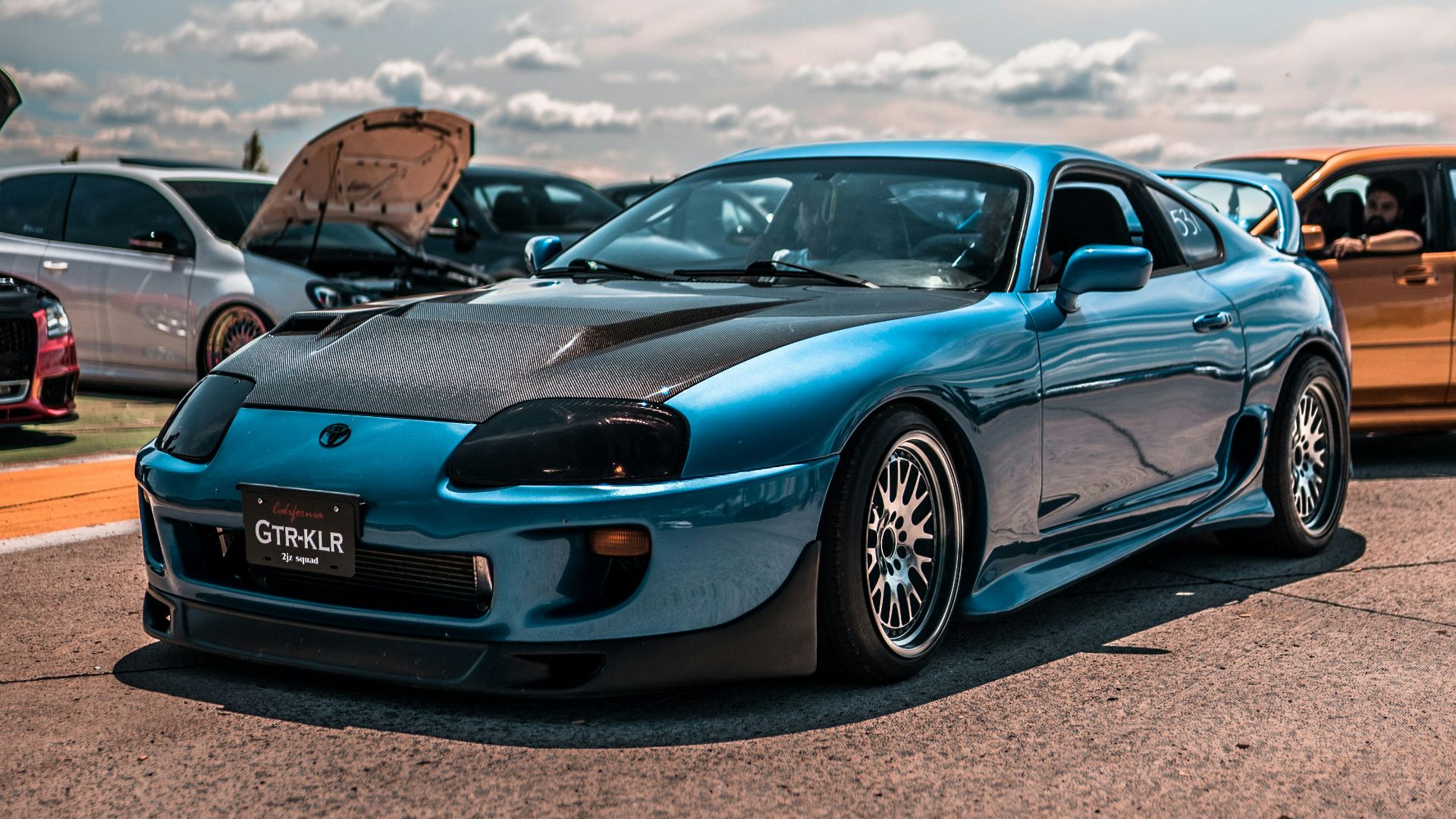
The fourth-generation Toyota Supra, affectionately known to car enthusiasts as the MKIV, stands as the ultimate poster child for this unbelievable financial transformation. When Toyota released this sleek coupe in 1993, it was designed to offer world-class performance that could challenge high-end contemporary sports cars at a fraction of their price tags. You could pick up a base model for roughly $34,000, while the legendary twin-turbo version topped out around $40,000. Today, pristine, unmodified examples of this Japanese masterpiece regularly command six-figure sums online, leaving a generation of collectors kicking themselves for not buying one when they had the chance.
The Engineering Marvel Under the Hood
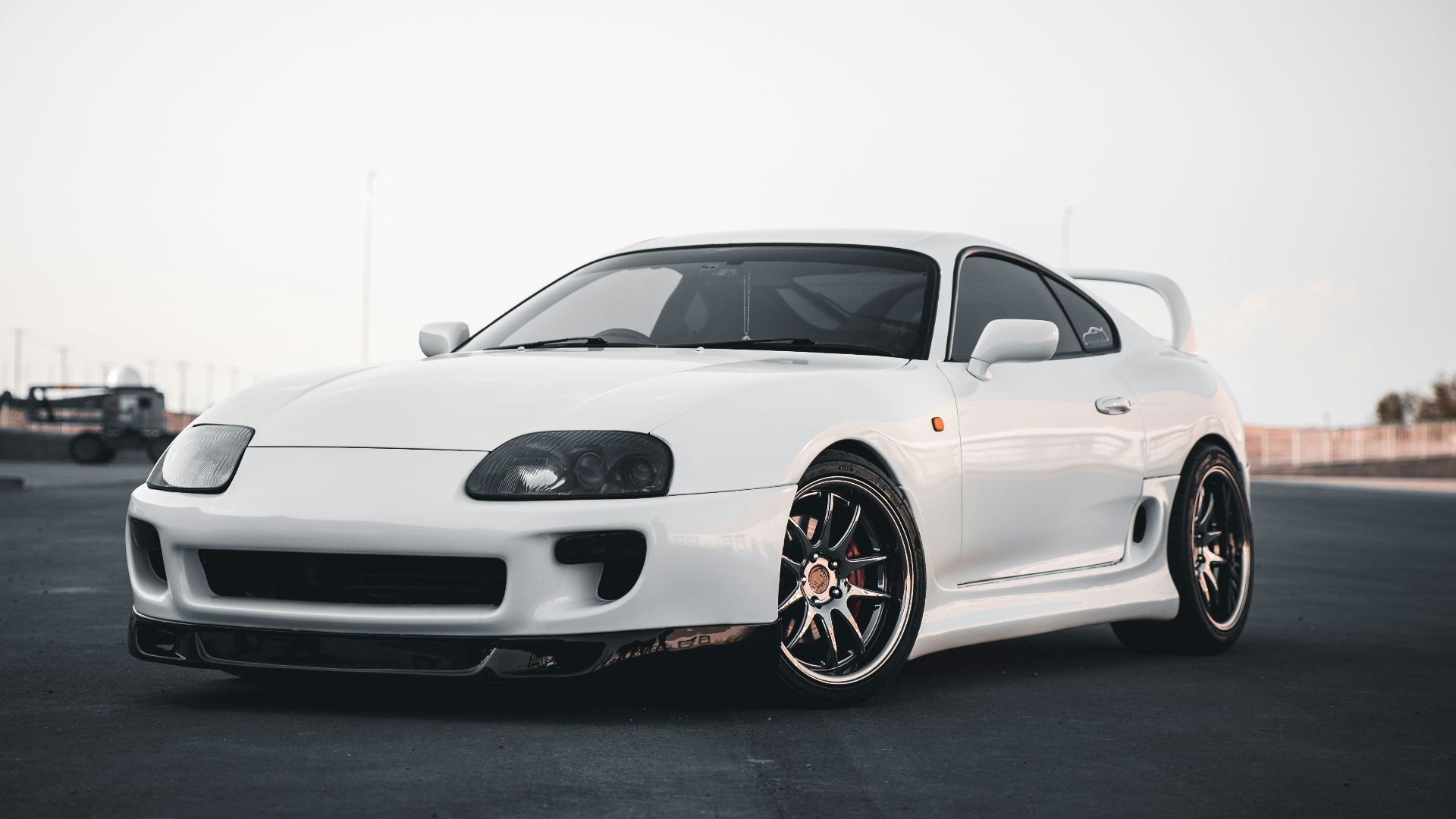
The secret sauce that originally made the vehicle a bargain, and now makes it an expensive legend, resides directly underneath its sculpted aluminum hood. Toyota equipped the turbo models with the now-legendary 2JZ-GTE engine, a three-liter, inline six-cylinder powerplant that was severely over-engineered by factory technicians. While official gentlemen's agreements in Japan limited the advertised output to around 276 horsepower, the actual mechanical components were built to handle far more stress. This robust iron-block construction meant that regular drivers were getting supercar-level durability hidden inside a standard production passenger car.
Tuners quickly discovered that they could double or even triple the car's power output with basic aftermarket modifications without ever opening up the bottom end of the engine. This incredible flexibility made the coupe a dominant force in the street racing community, which dramatically increased its desirability among younger automotive enthusiasts. You did not need to spend hundreds of thousands of dollars on a fragile European exotic when you could buy a reliable Toyota that could outrun almost anything on the highway. This unique mechanical reputation laid the groundwork for a massive cult following that has only grown stronger as the years have rolled by.
As the automotive industry shifts toward smaller engines and electric powertrains, the analog nature of this classic setup has become incredibly rare. Collectors are willing to pay an absolute premium for the raw, mechanical connection that this specific generation of sports cars provides to the driver. The market value has skyrocketed because people recognize that manufacturers will simply never build a machine like this ever again. It has transformed from a highly capable street machine into a rolling piece of mechanical history that collectors desperately want to preserve in their climate-controlled garages.
The Pop Culture Phenomenon and Scarcity
While automotive purists always appreciated the vehicle for its engineering excellence, a massive explosion in pop culture status blew the market completely wide open in the early 2000s. The car was cast as the heroic automotive star in the original The Fast and the Furious movie, cementing its bright orange silhouette into the minds of an entire generation of moviegoers. Suddenly, a vehicle that had been a somewhat niche choice for track enthusiasts became a globally recognized symbol of speed, rebellion, and cinematic cool. This immense media exposure created a tidal wave of demand that far outstripped the actual number of cars left on the road.
Finding a clean, unmolested version of the coupe has become an incredibly difficult treasure hunt because of how popular the car was with the modification community. For years, eager owners bought these affordable sports cars and immediately began modifying them, often cutting up body panels or installing cheap aftermarket parts. Many other examples were unfortunately lost to accidents, drag strip incidents, or simply rusted away from improper care over the decades. Consequently, the remaining pool of factory-original, low-mileage twin-turbo models has shrunk to a remarkably tiny number.
When you combine a massive wave of nostalgic millennial buyers who finally have disposal income with a severe shortage of clean inventory, economic reality takes over. The sheer scarcity of stock vehicles has turned every clean auction listing into an absolute bidding war among wealthy enthusiasts. People are no longer just buying a sports car; they are actively competing to own a definitive piece of their childhood pop culture heritage. This intense emotional connection ensures that prices continue to climb to heights that would have seemed completely laughable thirty years ago.
The modern classic car market has evolved into a highly professional investment arena where the humble Japanese coupe now rubs shoulders with classic Ferraris. Online auction platforms have democratized car collecting, allowing clean examples of these nineties icons to be viewed and bid on by wealthy buyers across the entire planet. It is no longer unusual to see a low-mileage, six-speed manual twin-turbo model cross the digital auction block and fetch well over $150,000. Some incredibly rare variants, such as specific factory colors or launch editions, have even breached the $200,000 mark in recent years.