Not Everyone's Cut Out
Rideshare driving looks deceptively simple until you're navigating rush-hour traffic with a chatty passenger who's already running late. The job demands more than just knowing how to drive—it requires customer service instincts, mechanical responsibility, and genuine flexibility under pressure. Discover whether you'd thrive behind the wheel or should stick to being a passenger.
1. Car Maintenance Can Wait Forever
Annual inspections are required in most cities for Uber vehicles, making procrastination about maintenance a dealbreaker for this work. Neglecting oil changes or brake checks could void your insurance coverage when you need it most.
2. Every Passenger Seems Like A Scammer
GPS tracking in Uber's app significantly reduces the potential for scams, and this makes paranoia about passengers largely unfounded in daily operations. Passengers receive ratings, too, so bad behavior impacts their ability to get future rides.
3. Taking Detours For Extra Charges
GPS calculations determine Uber fares, so detours rarely increase charges the way manipulative drivers might hope. Excessive unnecessary routing can trigger passenger complaints and refunds that damage your platform's standing. Drivers caught deliberately manipulating routes risk permanent deactivation from the service.
4. Always Racing Yellow Traffic Lights
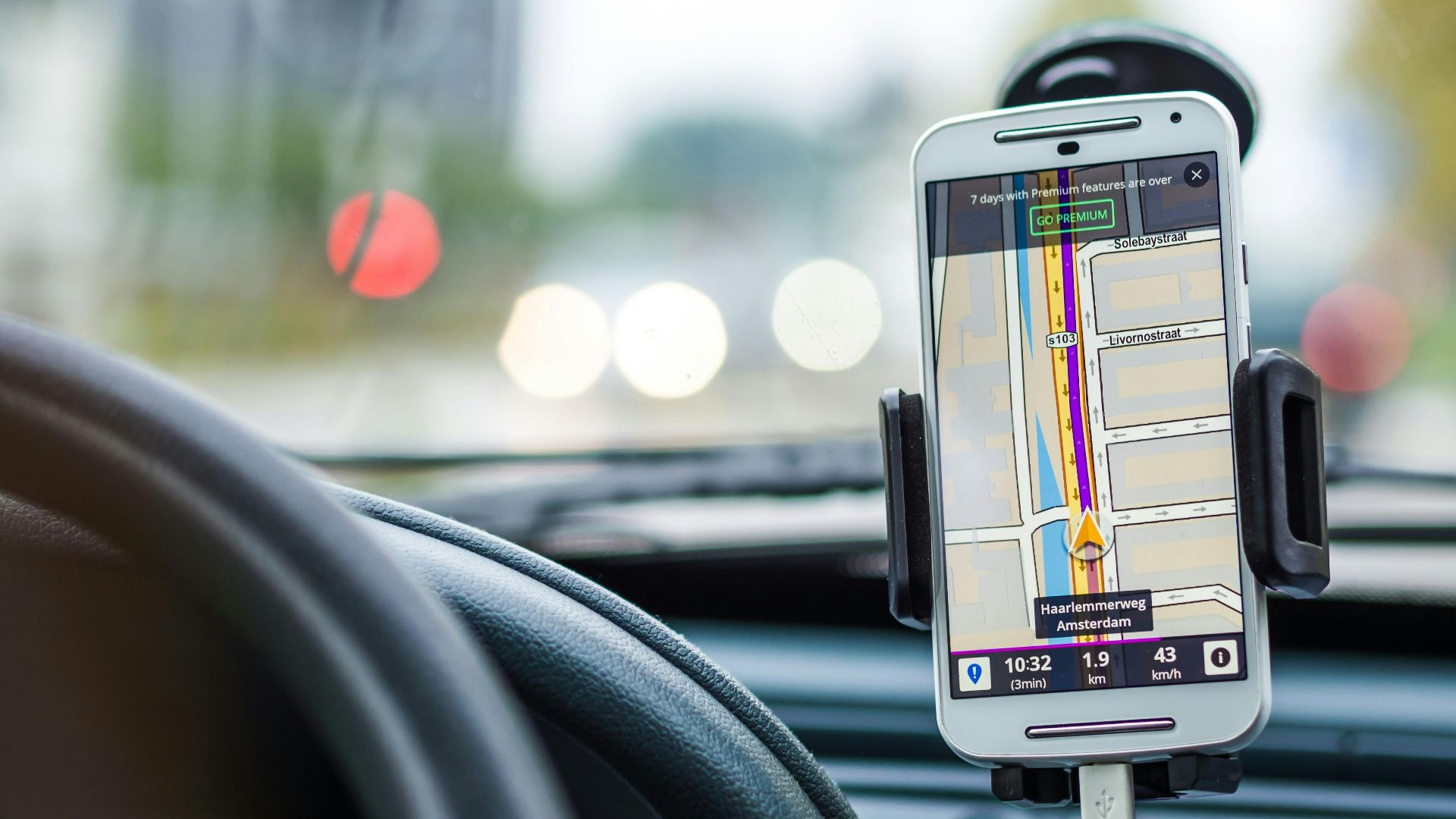
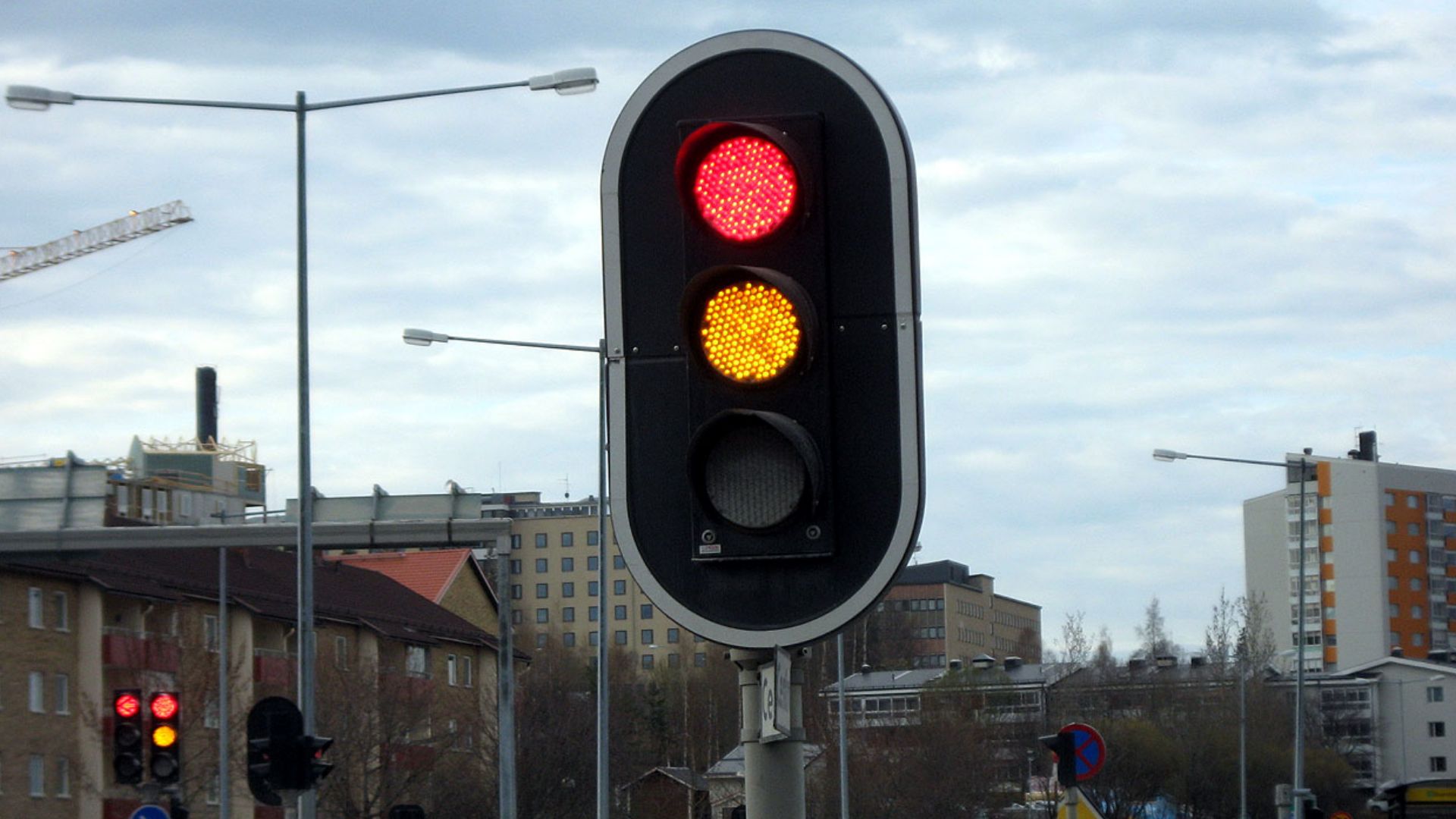
Traffic violations can lead to account suspension. Running yellows significantly increases accident risk beyond what cautious driving alone would. Just so you know, Uber explicitly requires drivers to obey all local traffic laws without exception.
5. Needing Pep Talks Before Rides
Uber's system penalizes drivers who frequently ignore incoming requests. Acceptance rates directly affect eligibility for bonuses that could significantly boost overall earnings. Long delays frustrate passengers waiting and inevitably reduce the ratings you receive.
6. Strangers In Car Horrify You
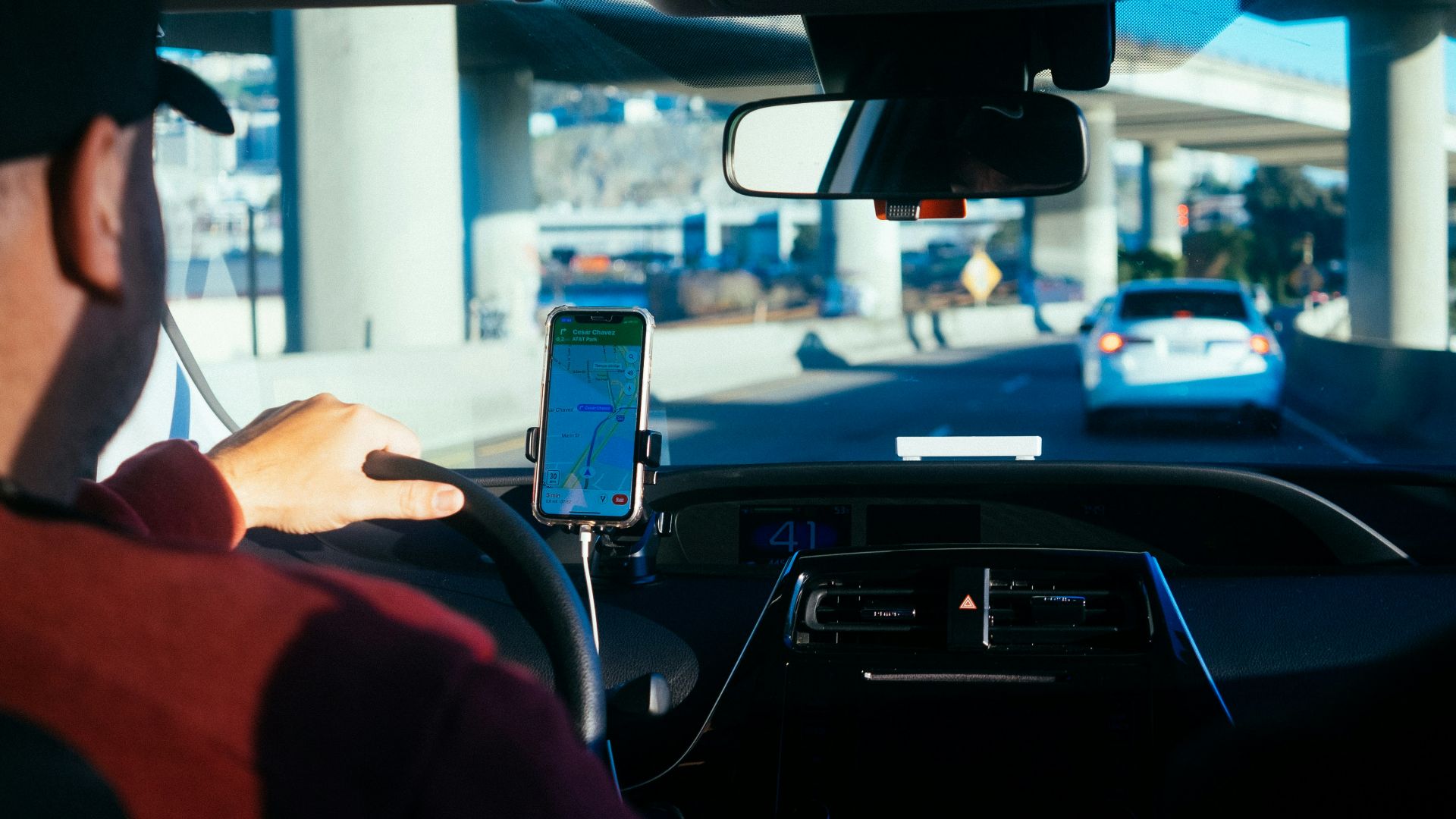
Ridesharing is fundamentally built on the principle of transporting strangers safely to their destinations every day. Drivers must pass background checks to reassure passengers about safety concerns. Comfort with unknown people becomes absolutely essential for providing decent customer service.
7. Arguing About Passenger Destinations
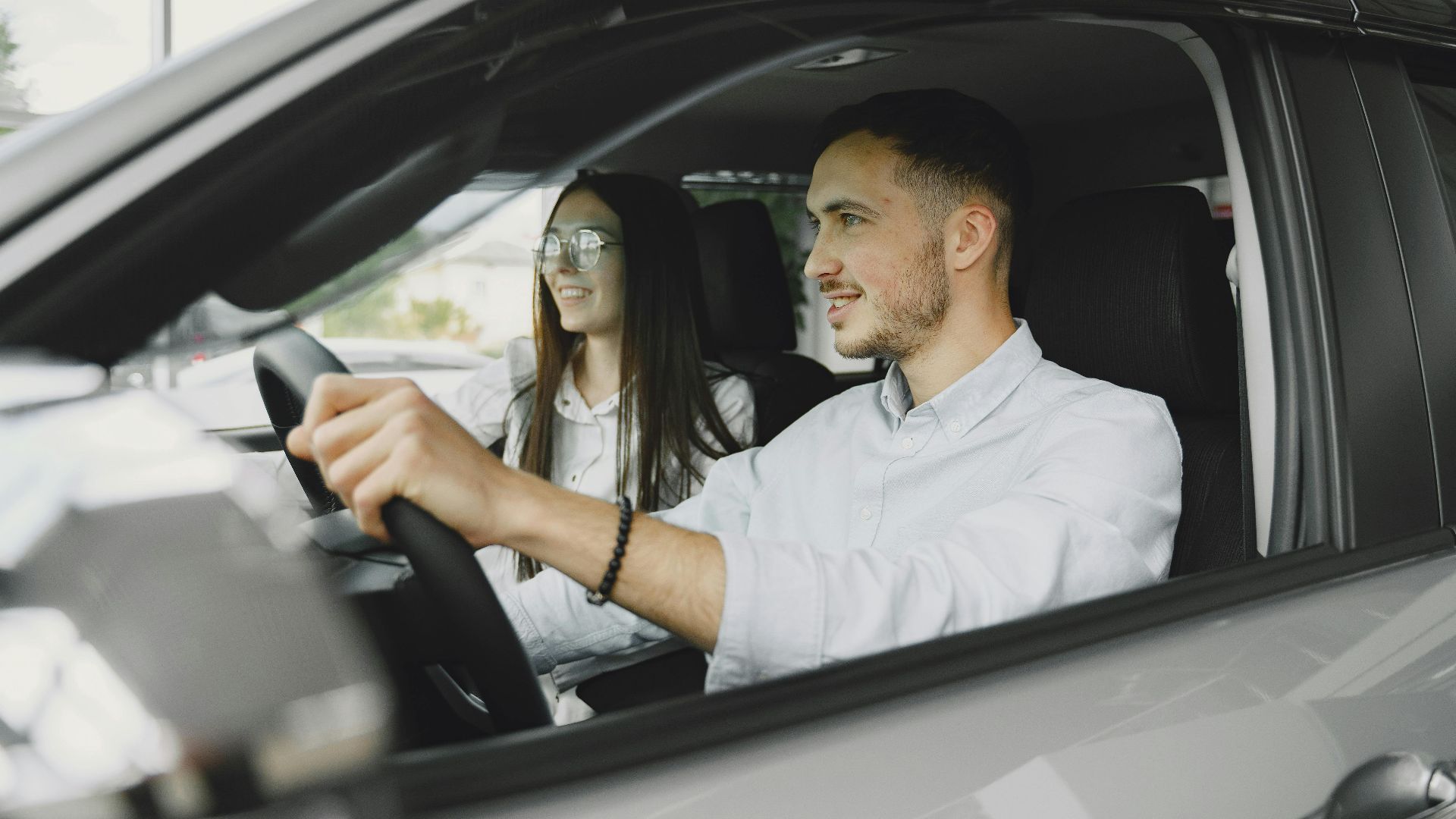
Uber's app provides exact pickup and drop-off points. Arguing about where someone wants to go can lead to formal complaints. Professional drivers are expected to follow passenger instructions unless the route becomes genuinely unsafe.

8. Requiring Detailed Advance Notice Always
Uber rides are often spontaneous, with little advance warning before requests appear on your driver app. You see pickup locations only after accepting requests, and this makes pre-planning impossible for most trips. Flexibility is a core requirement for rideshare driving that rigid personalities struggle to accommodate.
9. Ratings Are Personal Vendetta Scorecards
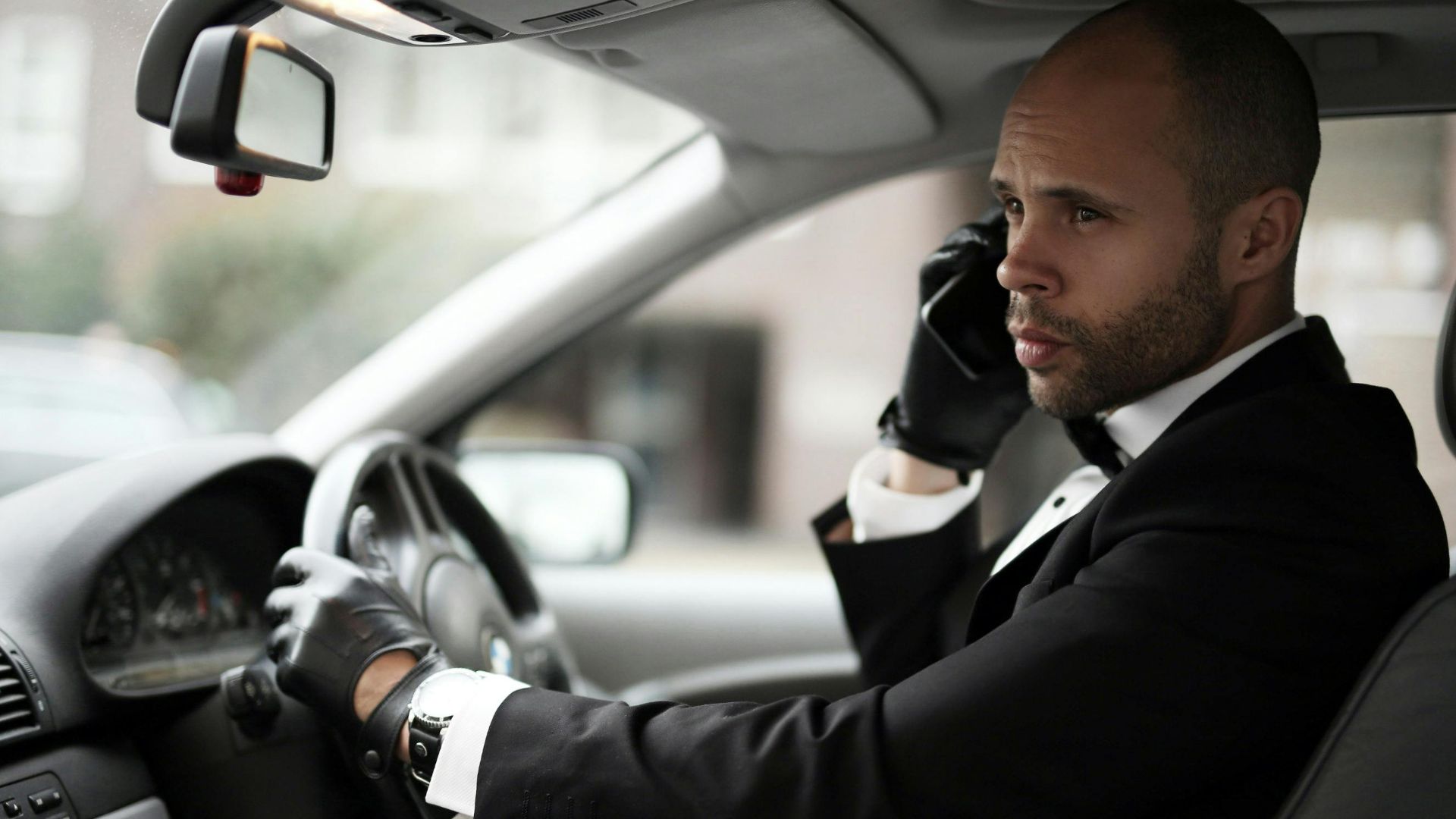
Most rideshare platforms require drivers to maintain a minimum ratings around 4.6. Ratings get averaged over time, so one bad score doesn't ruin a driver's career permanently. Retaliatory ratings can be flagged and removed when patterns suggest unfair passenger behavior.

10. Everyone Must Want Conversation Always
Did you know that Uber introduced "quiet mode" for passengers in premium rides who prefer silence during their commutes? Many passengers prefer quiet, especially during morning or evening work commutes when they're exhausted. Forcing conversation on unwilling passengers can significantly lower ratings.
1. De-Escalating Tense Situations Naturally
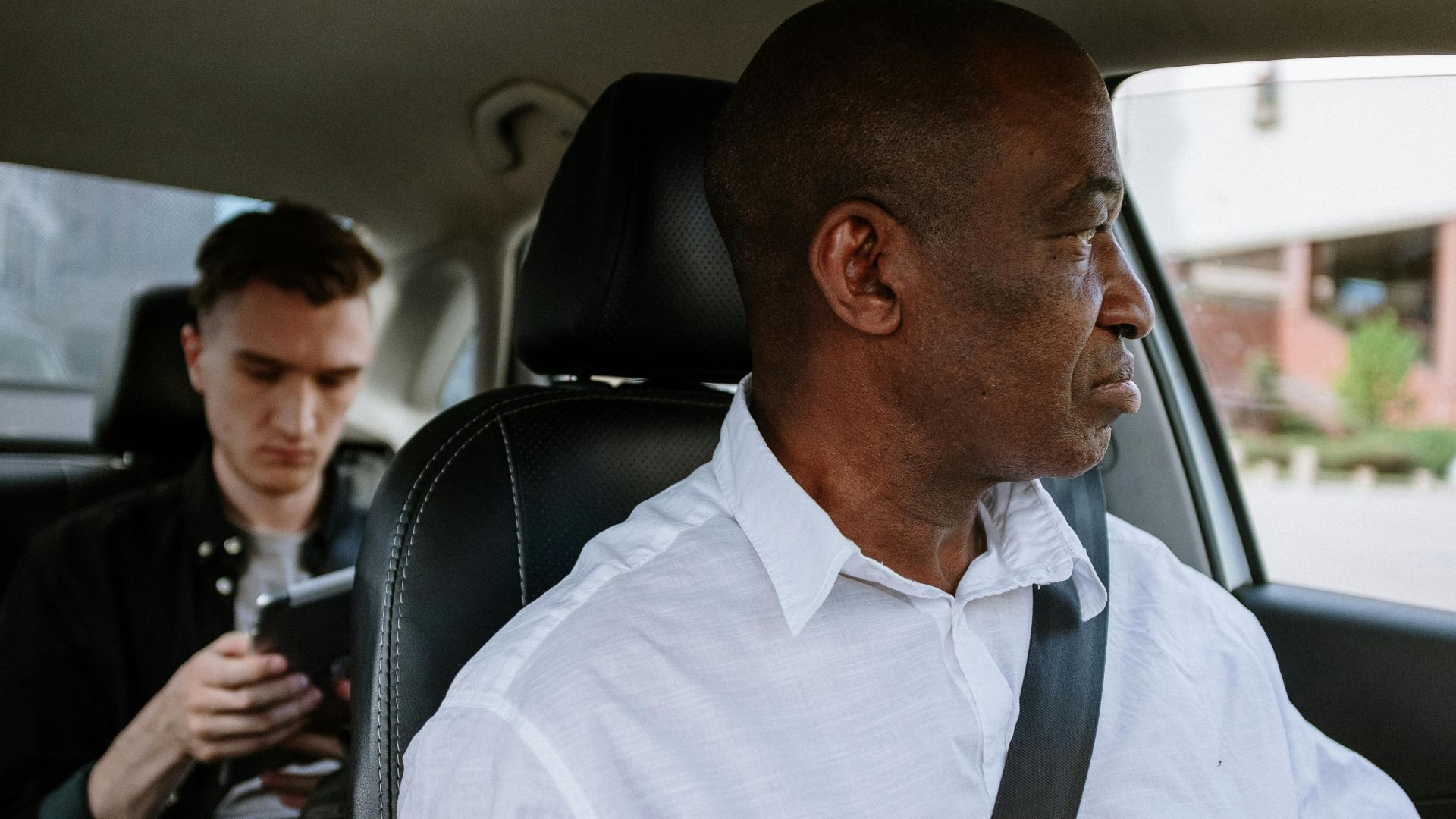
De-escalation skills reduce the risk of complaints or safety incidents that damage your account standing. Conflict-resolution skills improve passenger ratings and increase the likelihood that riders will return. Some drivers keep stress-relief items like fidget toys or calming playlists handy for tense rides.
2. Knowing City Shortcuts By Heart
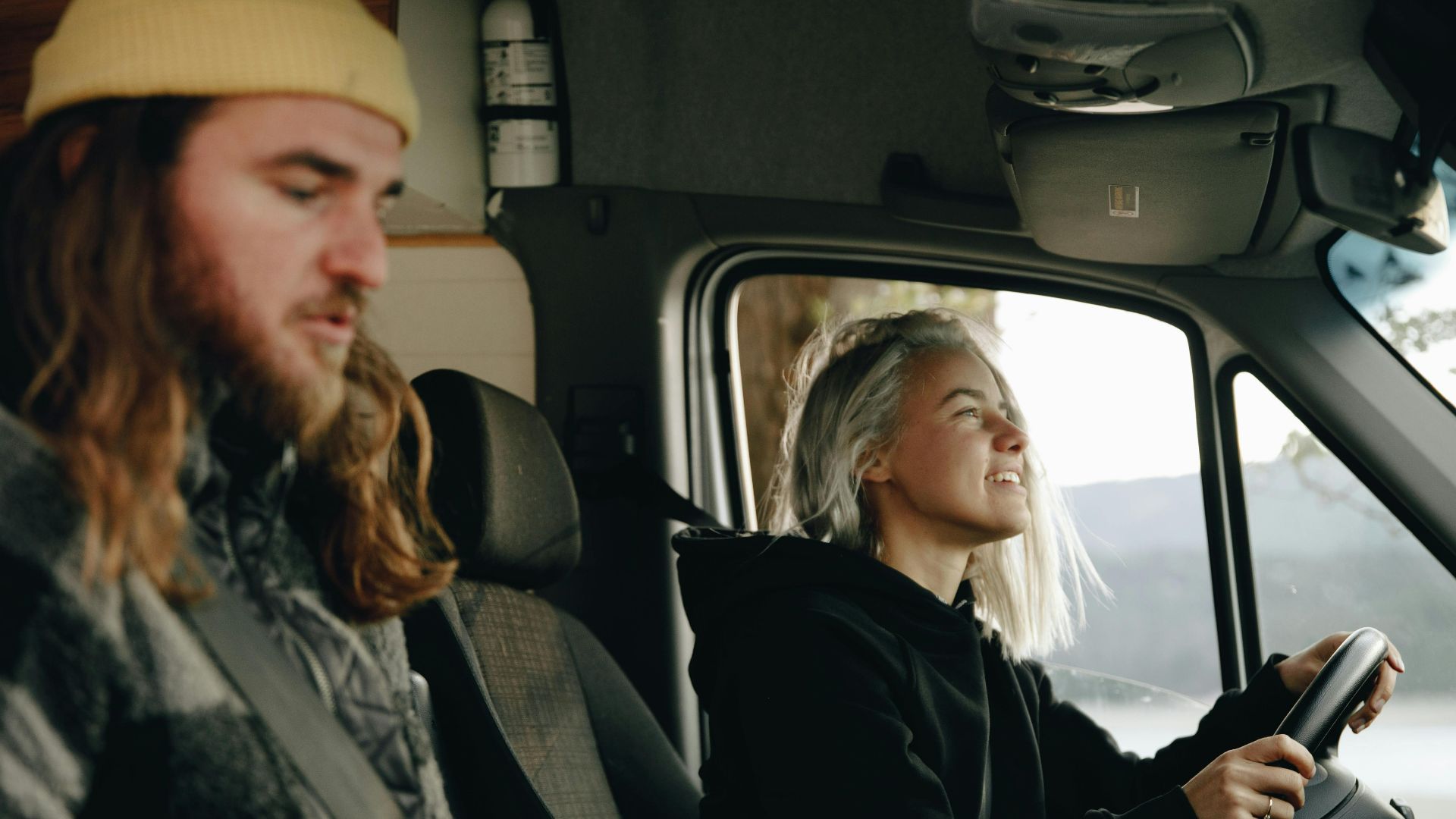
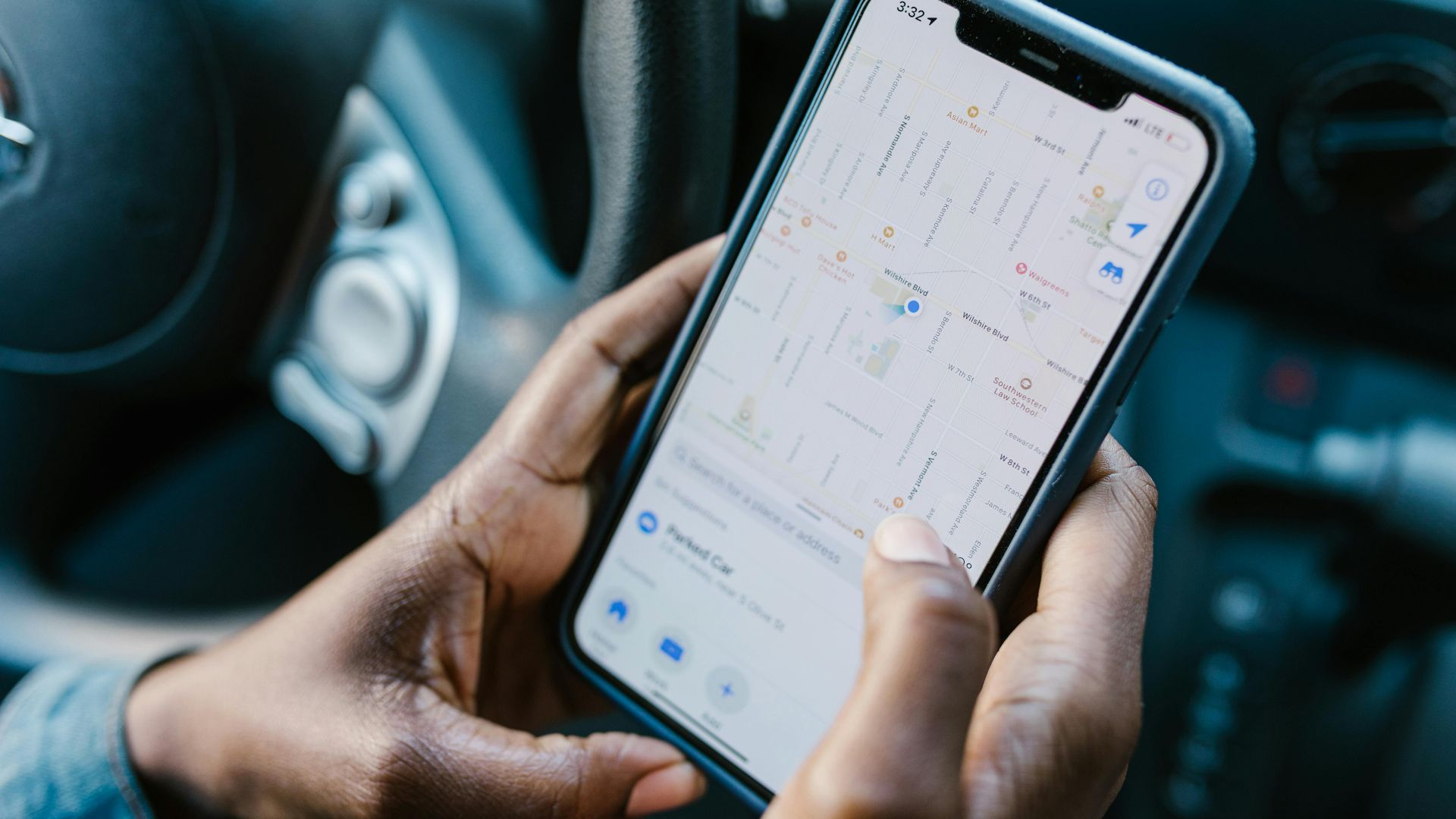
Local knowledge helps avoid traffic jams when GPS apps lag behind real-time conditions. Shorter routes save passengers time while increasing their satisfaction with your service dramatically. Those who know alternate routes can handle unexpected road closures better than those relying solely on technology.
 Karolina Grabowska www.kaboompics.com on Pexels
3. Car Is Mobile Hospitality Suite
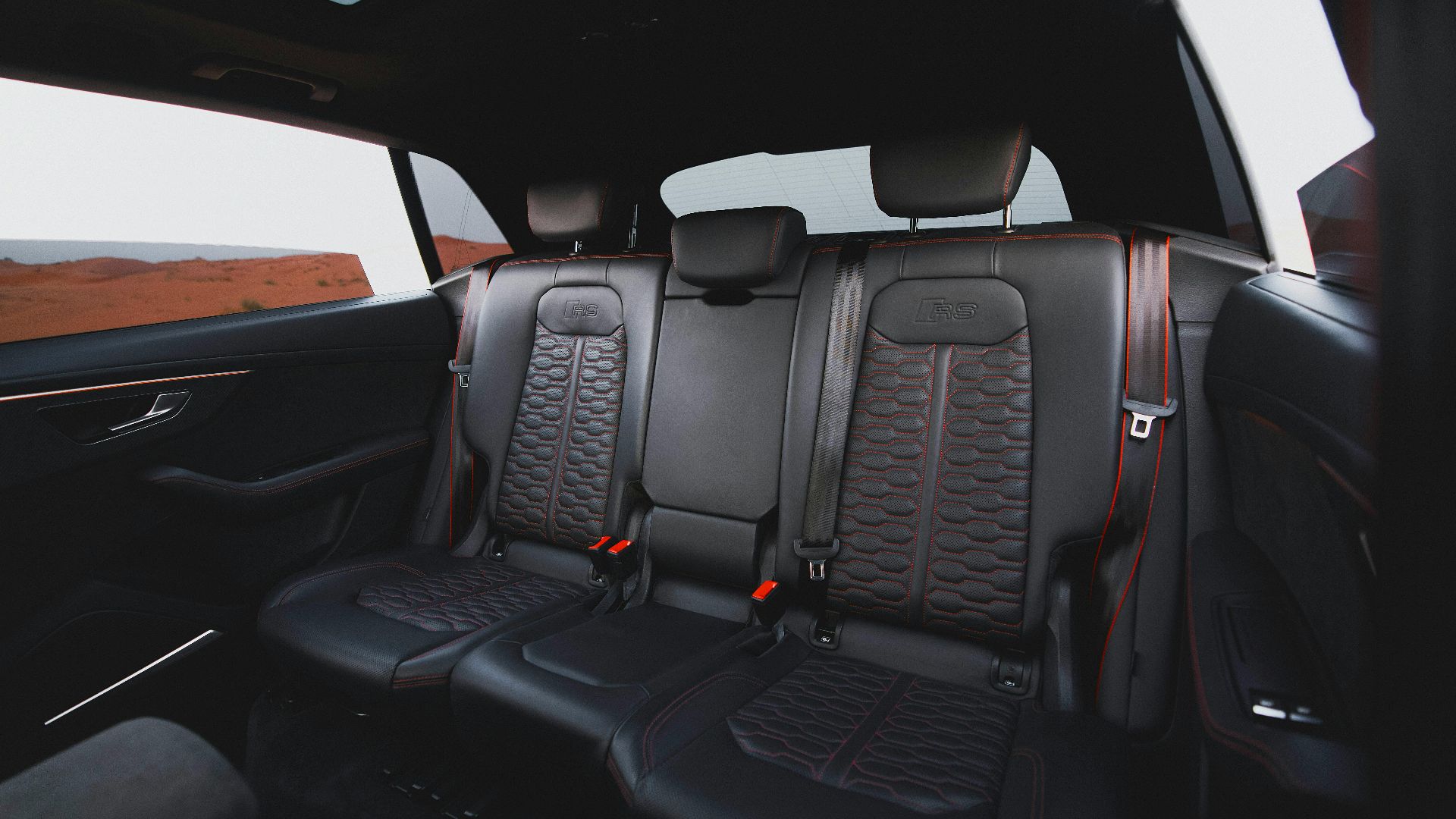
Cleanliness is a top factor in passenger ratings. Offering amenities like water or phone chargers boosts customer satisfaction beyond what basic transportation provides. Uber encourages drivers to maintain comfortable environments that make passengers feel valued.
4. Looking Forward To Solving Problems
Flexibility is essential in ridesharing because requests can arise without warning during shifts. Problem-solving reduces stress during detours or cancellations that would frustrate less adaptable personalities significantly. The ones who adapt quickly often earn higher ratings.
5. Energized By Neighborhood And Hour Variety
Different neighborhoods bring varied passenger demographics that keep the work interesting rather than monotonous. Peak hours, like weekends, often mean higher earnings for drivers willing to work during those times. Some drivers enjoy "night owl shifts" because they meet more colorful characters after dark.
6. Maintaining Boundaries While Staying Warm
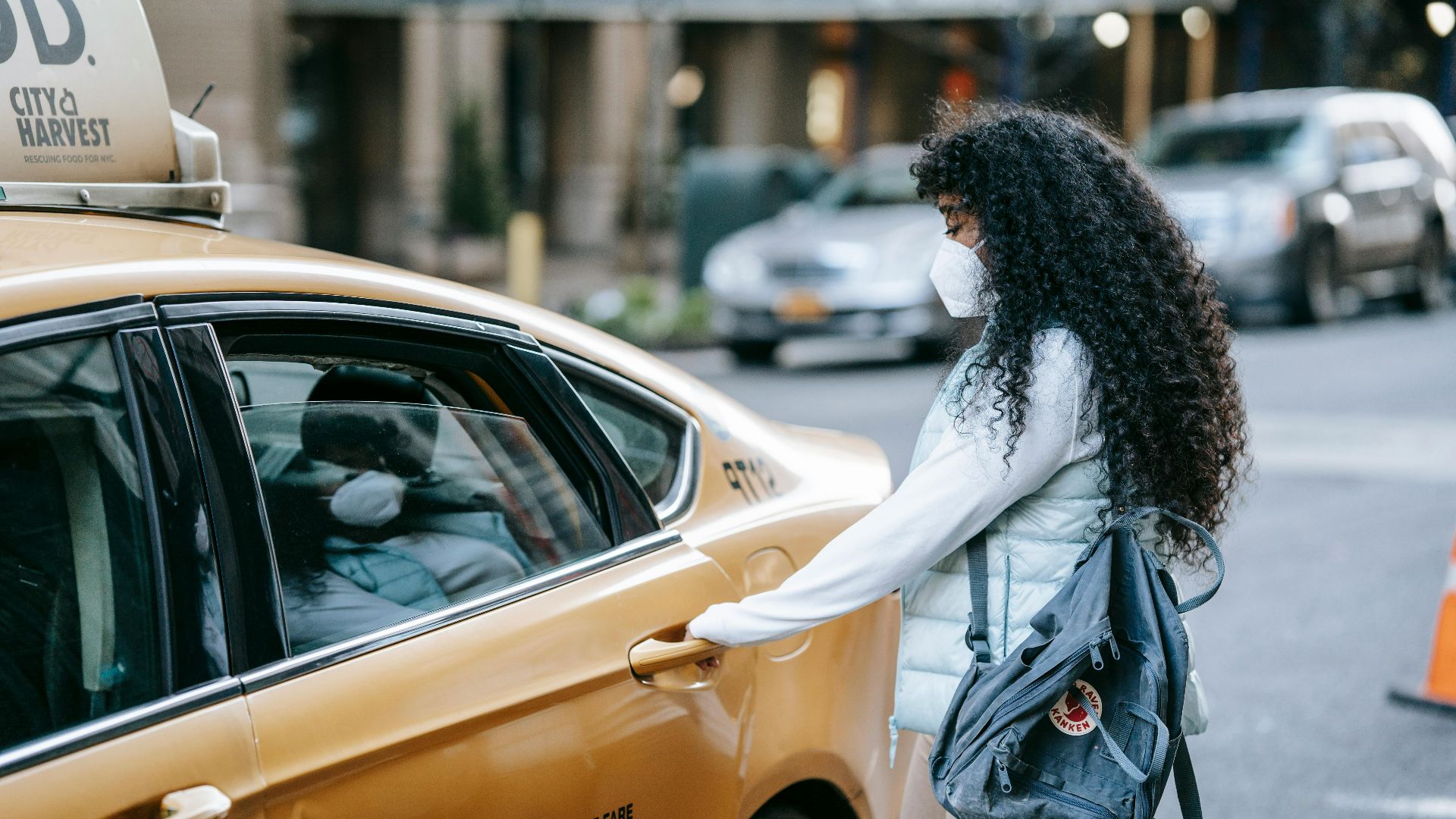
Professional warmth builds trust without crossing lines that make passengers uncomfortable during rides. Boundaries protect both driver and passenger safety in situations where strangers share confined spaces. The drivers who use humor almost always get better ratings.
7. Viewing Ratings As Improvement Data
Ratings directly affect driver eligibility for premium ride opportunities and for bonus programs. Feedback helps identify areas for improvement that might not be obvious without passenger input. High ratings activate perks, such as bonuses and incentives, that make the work financially worthwhile.
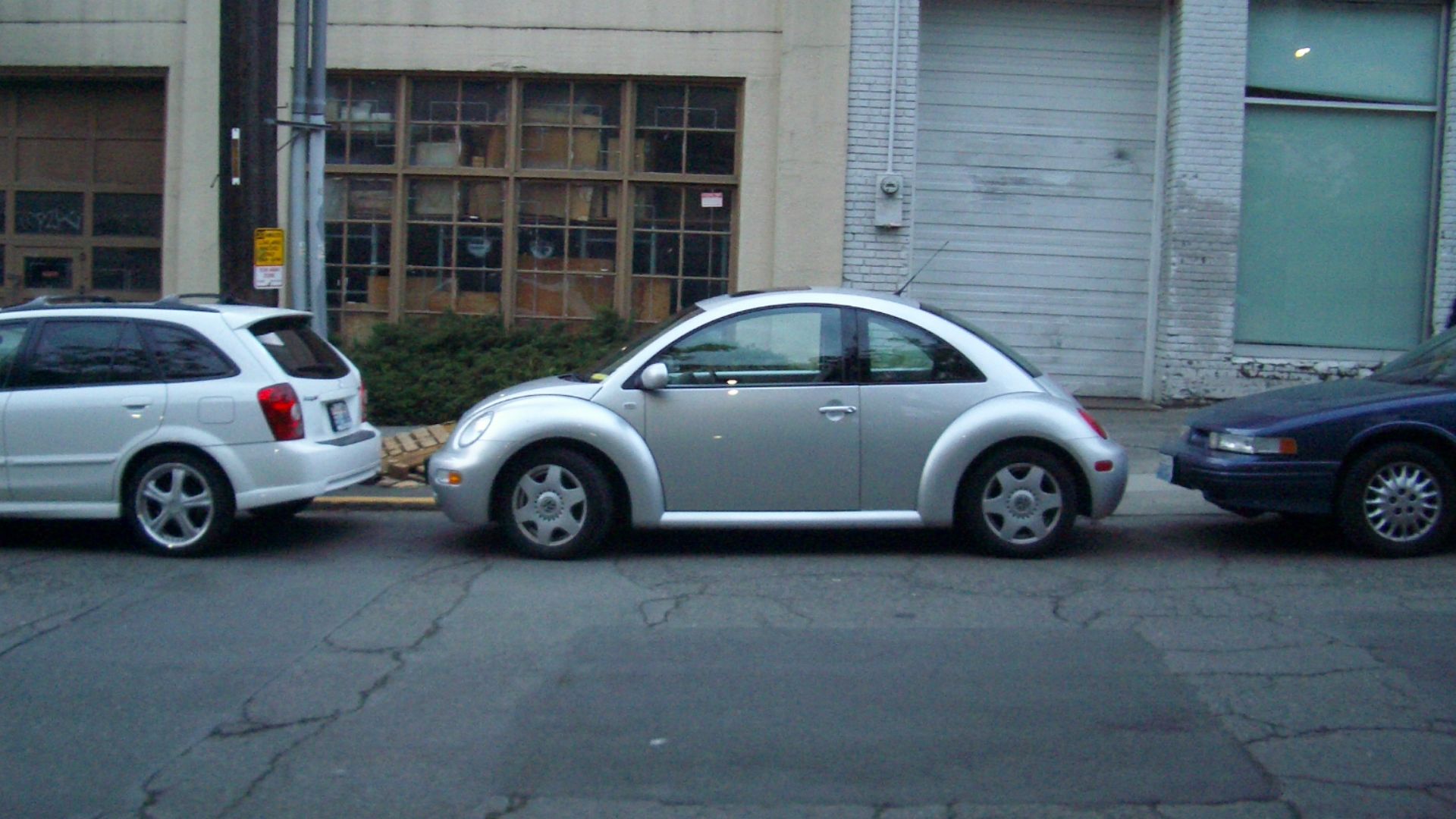
8. Parallel Parking In Tight Spaces
Parking skill is vital in dense urban areas where pickup spots are often cramped. Efficient parking reduces passenger wait times and demonstrates professionalism that impresses riders immediately. Poor parking can lead to fines or complaints that damage your reputation on the platform.
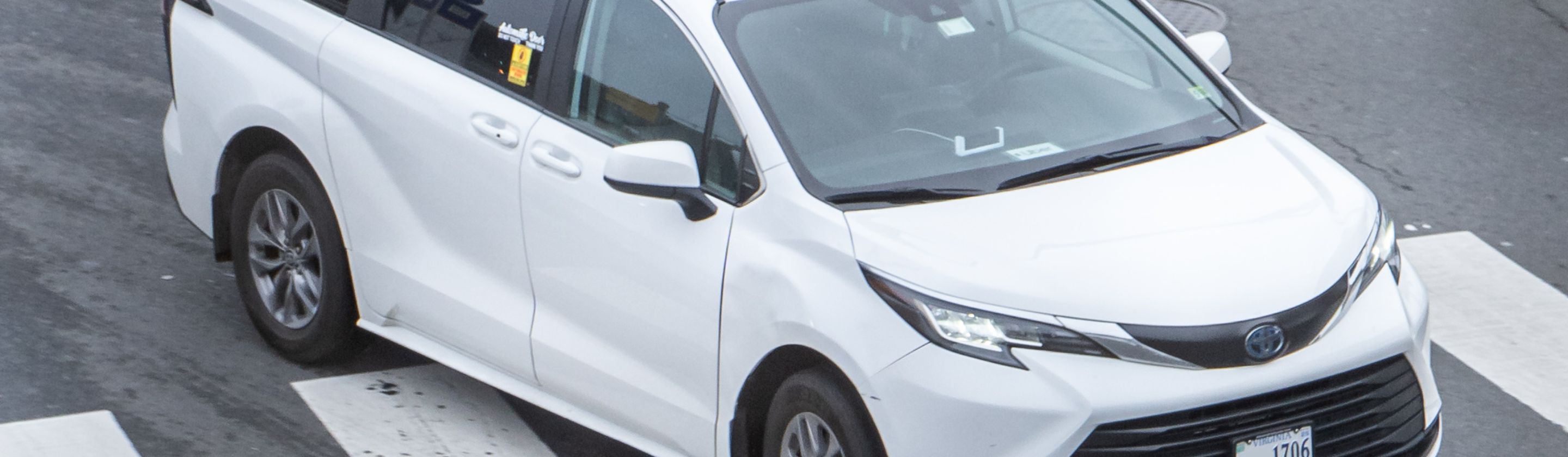
 Tom Harpel from Seattle, Washington, United States on Wikimedia
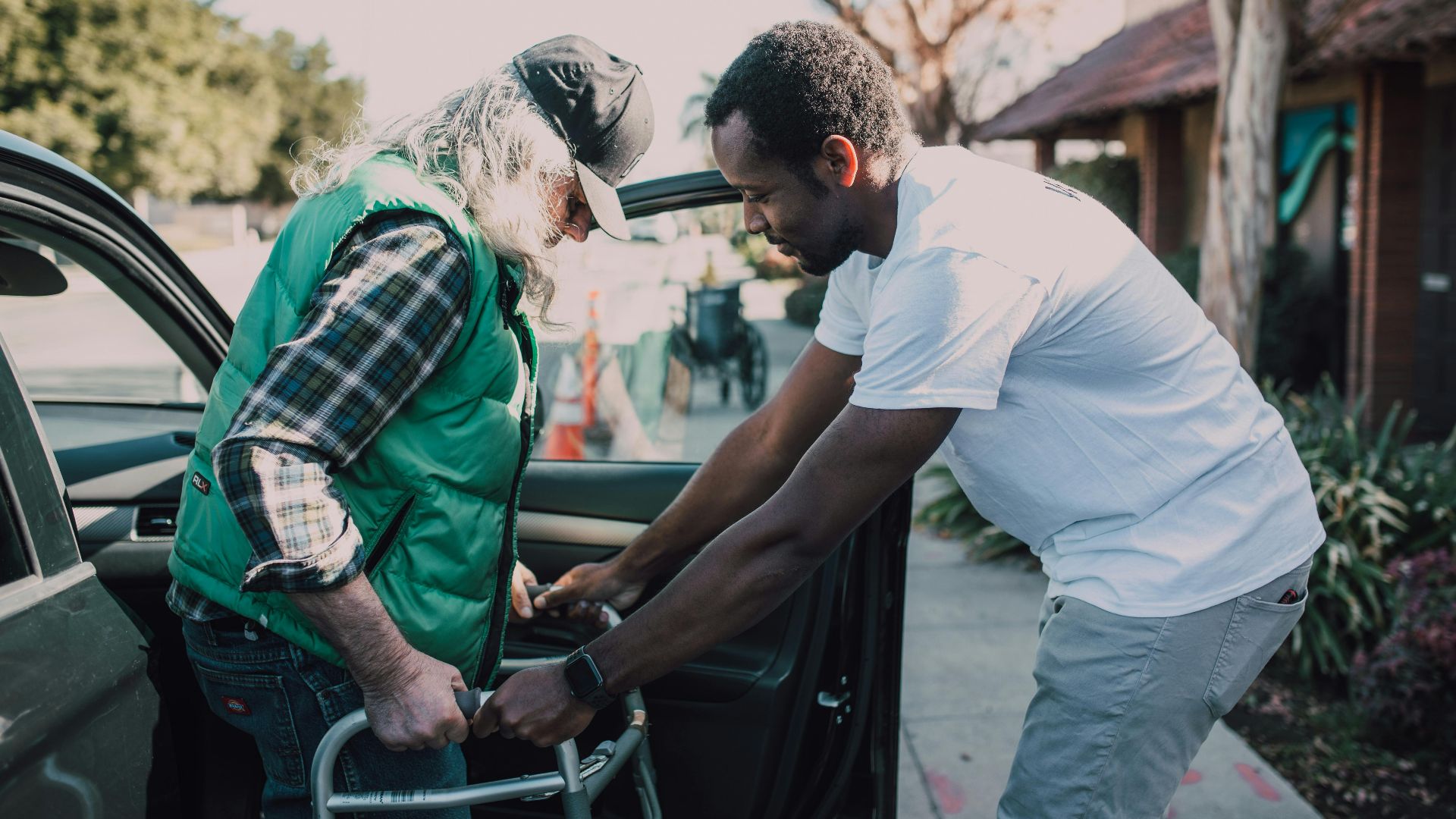
9. Patient With Elderly Or Disabled Passengers
Patience ensures safe boarding and comfort for riders who move more slowly than typical passengers. Drivers must comply with disability rights laws that protect passengers requiring accommodations during trips. When you extend this grace, you earn better feedback.
10. Remembering Regular Passengers' Preferences
Repeat passengers often appreciate personalized service that shows you noticed their habits from previous rides. Remembering preferences like quiet rides or AC settings boosts ratings without requiring much extra effort.