Miles Required, Benefits Included
If your idea of work includes movement, motion, and a steering wheel that sees more of your day than a desk ever could, you’re in the right place. Some jobs live on the road by necessity, others reward people who thrive there. This list starts with roles where driving is unavoidable, then shifts into the reasons people actively choose them. Curious which careers rack up the miles first? Buckle up and start scrolling.

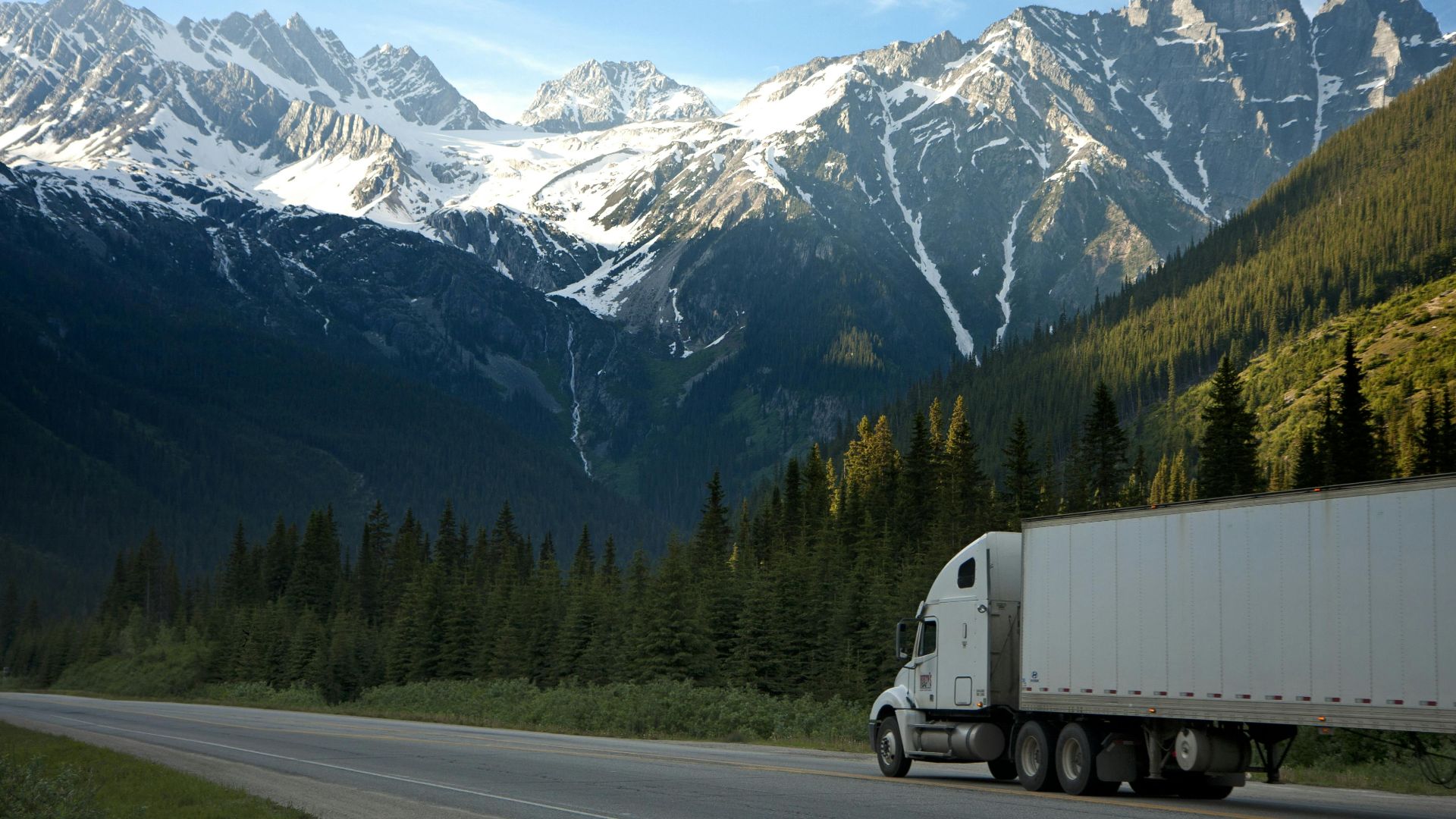
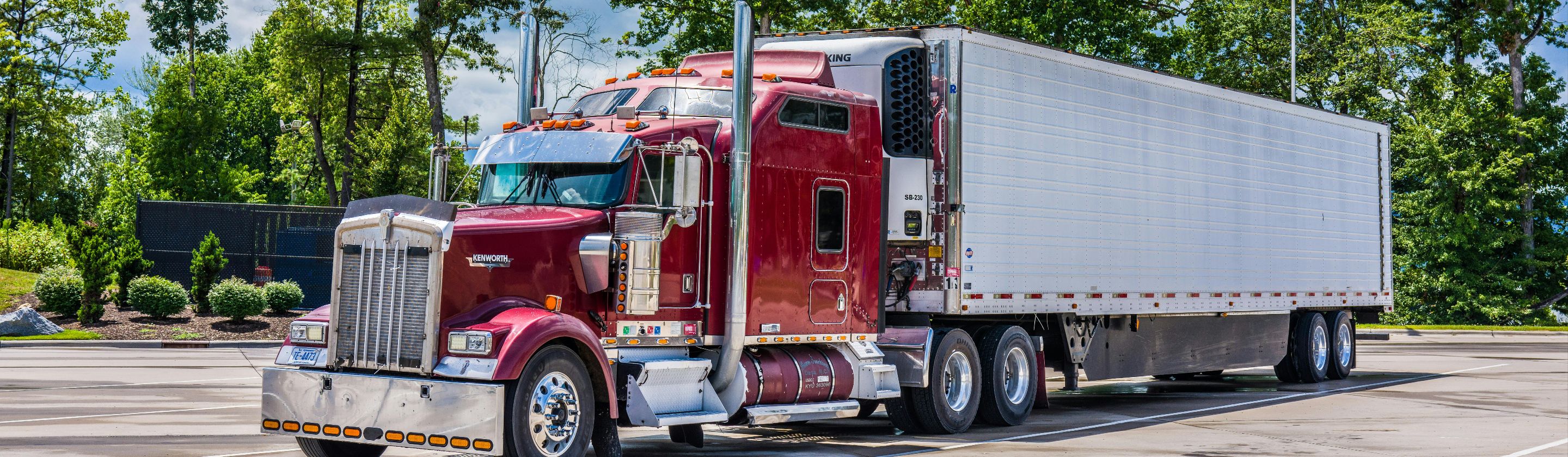
1. Long-Haul Truck Driver
Some rigs feel more like studio apartments than vehicles, which makes sense when a single driver can rack up 100,000 to 120,000 miles a year. Multi-day routes stretch across state lines, while federal limits quietly dictate when the wheels stop turning, and rest finally happens.
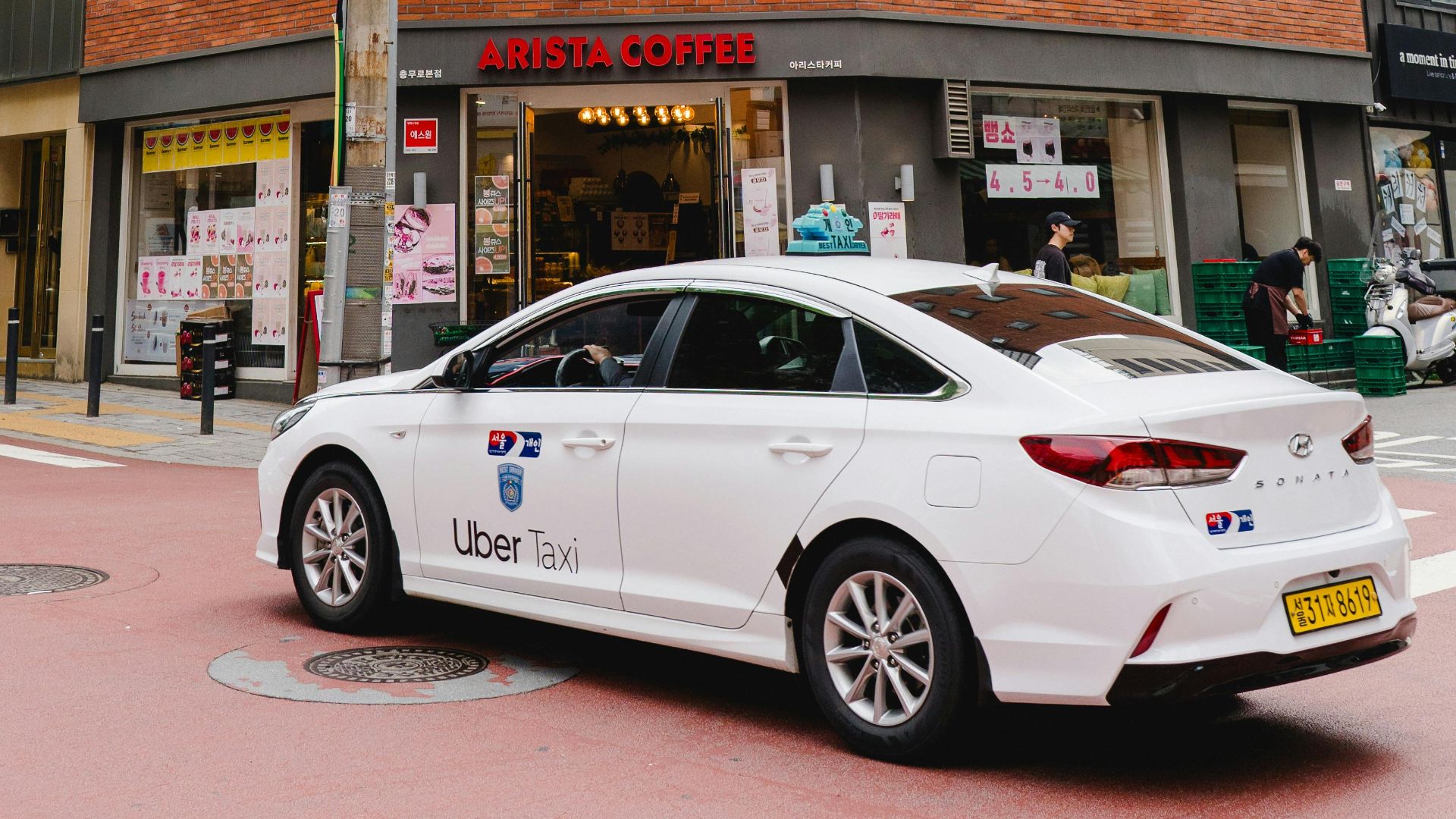
2. Ride-Share Driver
Urban traffic becomes muscle memory when the odometer keeps climbing toward 60,000 miles a year for ride-share drivers. Earnings spike and dip with demand, and frequent airport runs often carry more value per mile than casual city hops, especially during peak travel windows.
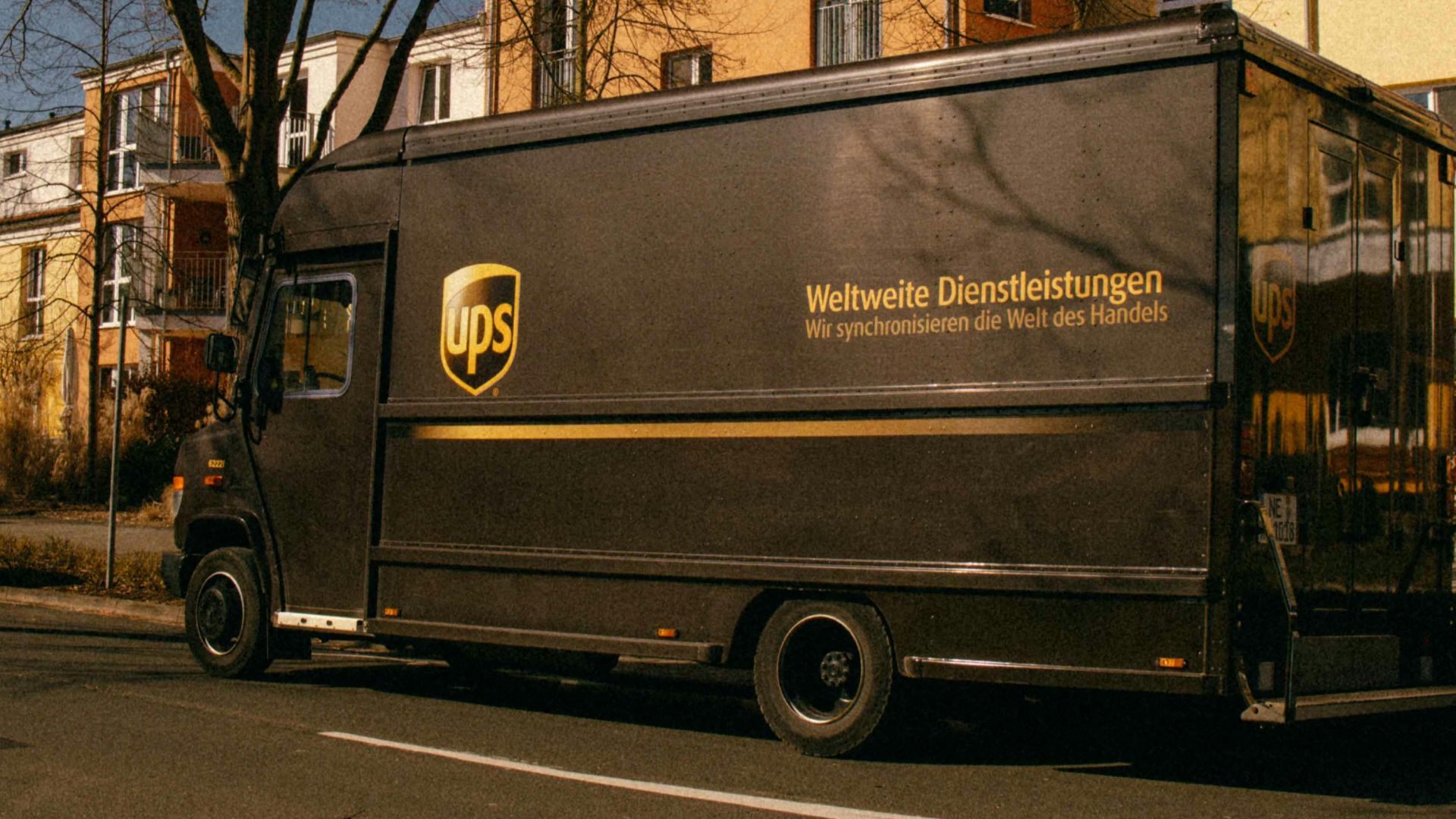
3. Delivery Courier
By the time most people finish breakfast, a courier’s route is already optimized by logistics software. Some shifts pass 100 stops, turning efficiency into income. However, even with hours behind the wheel, the job still racks up miles on foot between doors and loading zones.

4. Field Sales Representative
Meetings scattered across large territories turn a personal car into a functional office for much of the workweek. Long drives fill most workweeks, and experienced reps quietly plot routes that stretch fuel rewards as far as client conversations.

5. Real Estate Agent
The day rarely follows a straight line when showings, inspections, and client calls collide. Short drives pile up fast, pushing annual mileage beyond 20,000 for busy agents. Some also keep spare clothes tucked in the trunk just in case schedules unravel. After all, they still have to look presentable.

6. Mobile Healthcare Worker
For many patients, medical attention arrives instead of requiring a trip. Long drives between appointments turn towns and rural pockets into daily routes, with mileage stacking up quickly. Reimbursement policies differ by employer, which every mobile healthcare worker learns to factor into scheduling.
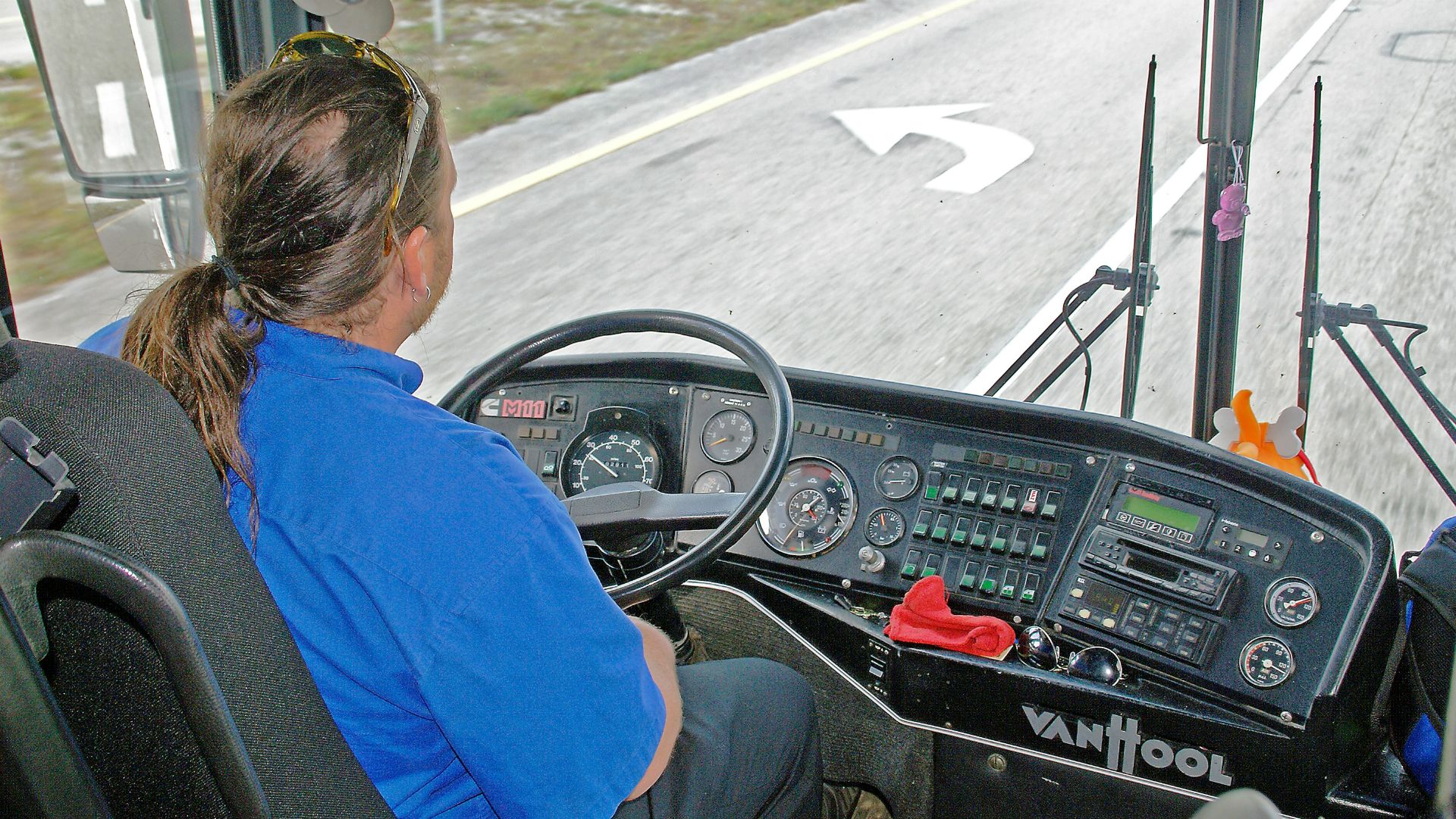
7. Bus Driver
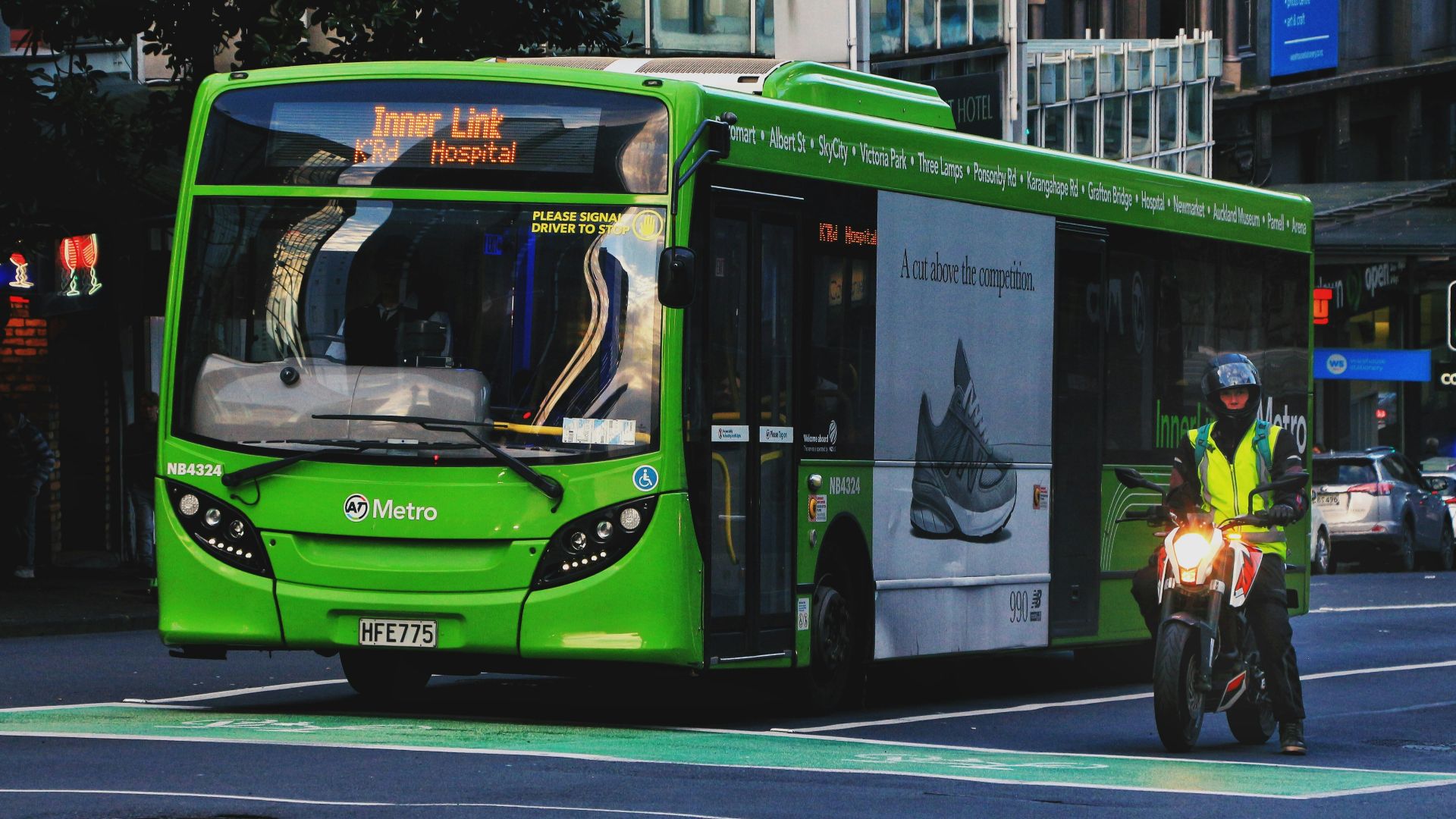
Six to ten hours can pass behind the wheel without much visual change. Traffic, timing, and safety demand constant focus, even on familiar routes. Over time, routines replace introductions, and a bus driver often recognizes regular passengers purely through habit.
 Phyllis Lilienthal on Unsplash
8. Utility Meter Reader
Meter reading requires physical access to each unit throughout the day. Travel continues regardless of weather conditions or location. In some areas, the job still involves equipment installed long before digital monitoring became standard.

9. Automotive Test Driver
Most drivers never see the miles that shape a new vehicle. Highways, city streets, and closed tracks all feed development data, surfacing flaws long before production begins. That unseen distance is logged by an automotive test driver during months of evaluation.

10. Traveling Service Technician
Breakdowns ignore planning and force routes to change without warning. Same-day calls can stretch across wide service areas. A traveling service technician relies on tools packed earlier because restocking rarely fits the pace of the day during demanding shifts.

Driving might be the common thread in these jobs, but mileage alone isn’t why people stay. The following benefits add to that decision.
1. Flexible Scheduling
Days might start early or end late. Others shrink around errands or family needs. Driving roles allow that elasticity. This is because routes dictate hours more than punch clocks, which suits people whose lives refuse neat blocks of time most weeks anyway.

2. Independence At Work
Some people work better without someone watching. Driving jobs offer that space. Decisions happen alone, progress shows through completed routes, and trust replaces check-ins for workers who prefer movement over meetings.

3. Predictable Routines
Familiarity calms the brain because muscle memory takes over. Predictable routes also remove dozens of tiny choices, even as traffic or weather shifts. That quiet repetition gives structure without demanding attention every minute of the day for many drivers' daily lives.

4. Lower Office Stress
Office tension fades quickly out here. Fewer emails. Short conversations. Work stays practical and immediate, leaving less space for politics or posturing. For many people, such a lighter mental load feels like relief after years indoors and constant exposure to heavy environments.

5. Paid Travel Time
Driving all day changes meaning once miles count as paid work. Therefore, distance stops feeling like loss. Long routes also feel justified, even motivating, because effort registers on a paycheck rather than disappearing between destinations during exhausting multi-city schedules each week.
6. Strong Job Demand
Demand rarely fades because movement keeps the economy running. Deliveries continue, services fail, and people still need transport, which keeps openings circulating. That constant need gives drivers leverage and the ability to move between roles without long gaps or stalled careers.

7. Clear Performance Metrics
Progress shows itself through completed routes and finished tasks rather than abstract evaluations. The work also leaves little room for confusion, appealing to people who value knowing exactly where they stand without waiting for reviews or decoding vague feedback weeks later.

8. Physical Movement
Long days behind the wheel teach more than endurance. Direction becomes instinctive. Time starts to organize itself. That quiet competence often opens paths into operational roles without erasing the value of earlier work.

9. Skill Transferability
Long hours on the road quietly teach structure and awareness, even if it never feels like training at the time. Those lessons tend to resurface later in operational roles that reward calm decision-making built through lived experience.
10. Scenery And Variety
Workdays unfold through changing streets and shifting light rather than static surroundings. Even familiar routes evolve with weather and seasons, adding a quiet variation that helps prevent the boxed-in feeling many people associate with repetitive indoor work.