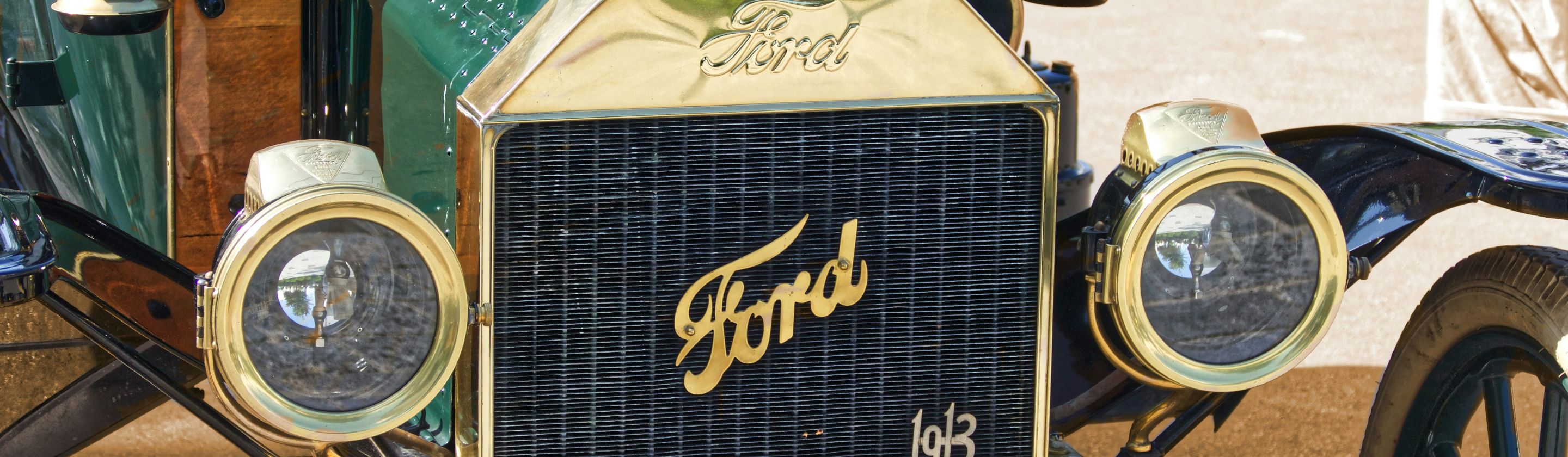
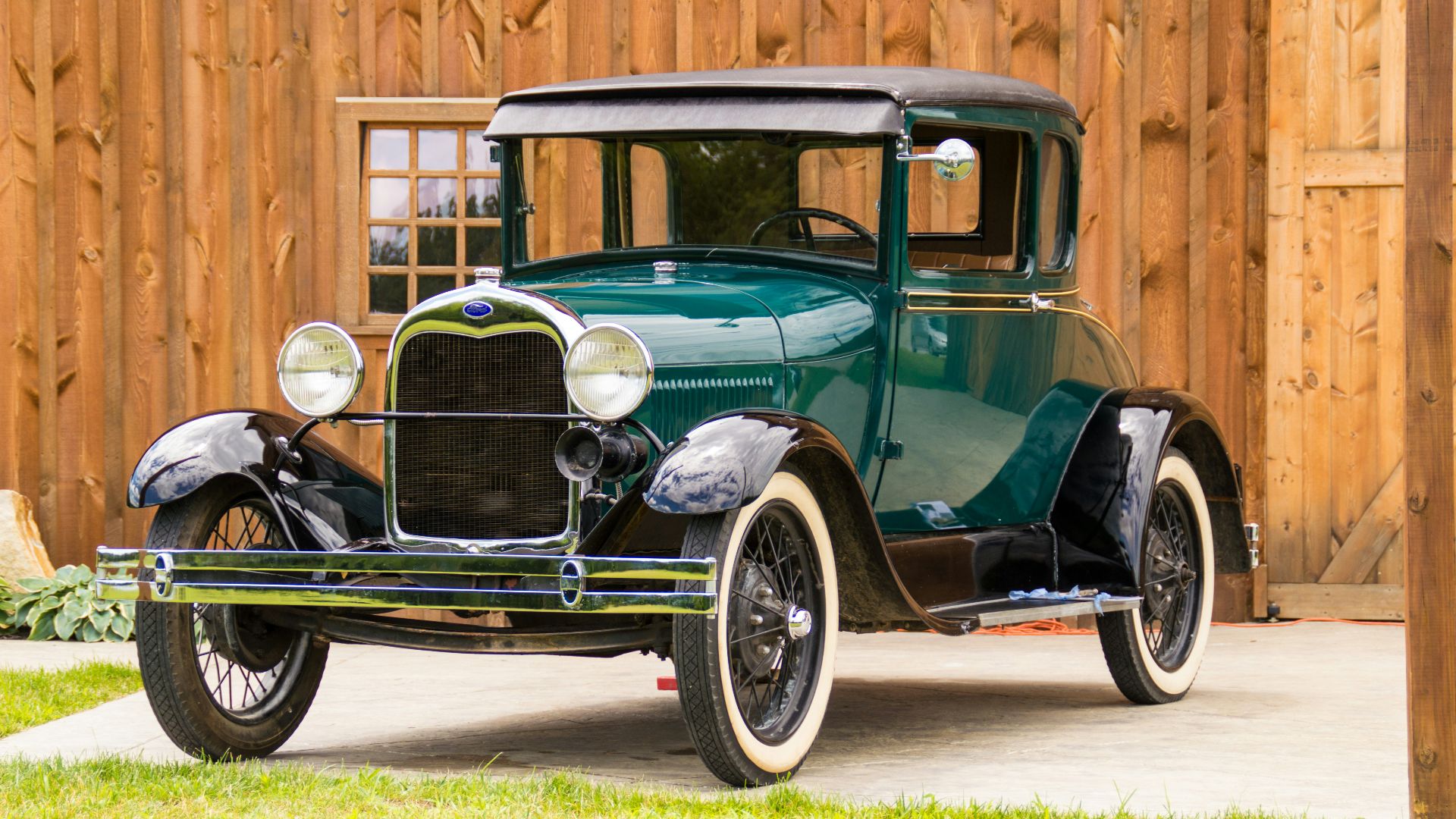
Before October 1913, building a Ford Model T chassis meant a team of workers walking from station to station, carrying parts and fitting pieces together roughly the same way a blacksmith might have done a generation earlier. It took somewhere around 12 and a half hours to finish a single chassis this way, and every one of those hours cost money that eventually landed on the sticker price. Nobody at Ford thought that was unusual, mostly because nobody had ever seriously tried building a car any other way.
Then Henry Ford's engineers flipped the entire process around, keeping workers in place and moving the car past them instead, and the effect on manufacturing went far beyond automobiles. Within months, an idea tested on a factory floor in Michigan had rewritten the rules for how nearly everything we still buy today gets built.
Where The Idea Actually Came From
Ford's engineers did not invent continuous production out of thin air. They borrowed heavily from flour mills, breweries, canneries, and industrial bakeries, all of which already moved product past stationary workers on some kind of conveyor. The most direct influence came from Chicago's meatpacking plants, where overhead trolleys carried animal carcasses past workers who each performed one specific cut before passing the carcass along to the next station down the line.
Ford tested the idea small first, on the flywheel magneto, a minor electrical component. Moving the magneto along a line and trimming the workforce to 14 people dropped assembly time from 20 minutes down to five, a result striking enough to justify trying the same approach on something far bigger.
By October 1913, engineers set up a 150 foot chassis line at the Highland Park plant, staffing it with roughly 140 assemblers who stayed in place while dollies pulled each chassis past them. The full version, moving the entire vehicle along a mechanized line, went live on December 1, 1913.
The Line That Turned 12 Hours Into 93 Minutes
The results were almost immediate. What had taken roughly 12 and a half hours to assemble by hand now took about 93 minutes on the moving line, a reduction of close to 90 percent. Ford kept refining the process through early 1914, adding a mechanized belt that moved at six feet per minute, squeezing out even more time with each adjustment.
That collapse in labor time translated directly into price. The Model T had launched in 1908 at $850, and by 1916 the same basic car sold for $360, cheap enough that the workers assembling it could eventually afford to buy one themselves. Production climbed fast enough that the ten millionth Model T rolled off the Highland Park line by June 1924.
Other manufacturers noticed almost instantly. Within a decade, the moving line had spread well beyond cars into appliances, canned goods, and eventually just about anything built in volume, becoming the default logic behind mass production rather than a novelty specific to Ford. Engineers touring Highland Park took notes and went home to redesign their own factories around the same basic principle.
The Human Cost Nobody Priced In
Speeding up the line did not make the work more pleasant for the people running it. Tasks that had once involved actual craftsmanship got broken into repetitive motions performed hundreds of times a shift, and workers left in droves. Ford's annual turnover rate climbed to somewhere around 370 percent by late 1913, meaning the company effectively had to hire close to ten workers over the course of a year just to keep one seat filled, and reports from inside the plant described exhausted men walking off the floor mid shift.
Ford's answer arrived on January 5, 1914, when the company announced it would pay a minimum of five dollars for an eight hour day, more than double the previous rate of $2.34 for nine hours. Word spread so fast that around 12,000 job seekers reportedly showed up outside the Highland Park gates in a blizzard the week the new wage took effect.
The wage increase worked about as well as Ford could have hoped, and turnover dropped sharply within a year. What it never really fixed was the work itself, which stayed just as repetitive and just as fast as it had been before anyone got a raise, a tradeoff we still argue about every time efficiency and working conditions end up on opposite sides of the same decision.