The Three Biggest "Girl Cars" & Why Women Have Such Different Tastes
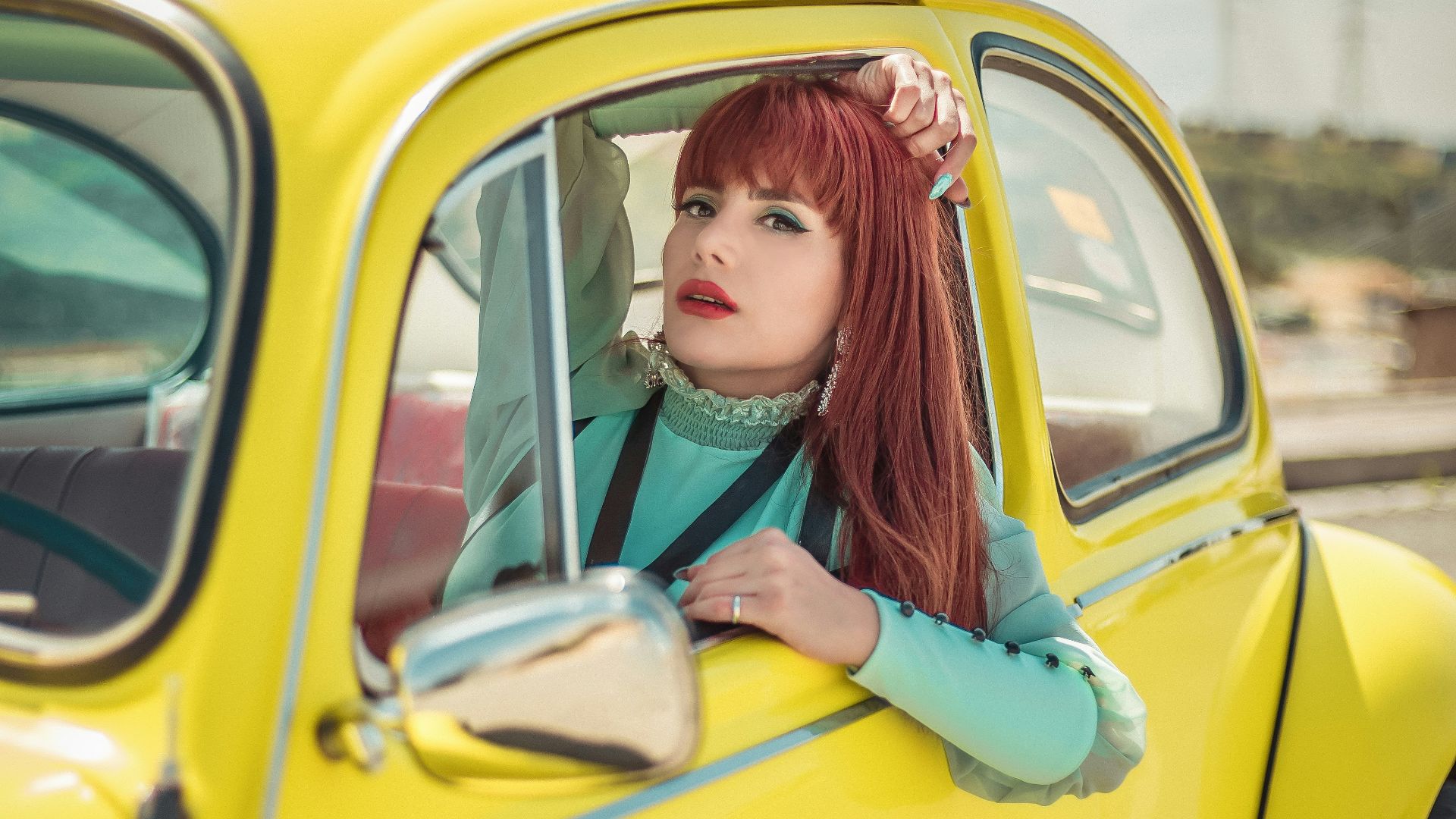
Fair or not, some cars just get labeled “girl cars." Maybe they’re small and cute, maybe they come in fun colors, or maybe they’ve simply become unusually popular with female drivers. Over the years, a few models have picked up that reputation so strongly that the stereotype has practically become part of their identity.
The funny thing is that the biggest “girl cars” don’t actually have much in common. Some women want something stylish and easy to park, while others would rather drive a rugged SUV that can handle bad weather and weekend trips. Looking at three of the most obvious examples shows just how different women’s tastes can be.
Volkswagen Beetle
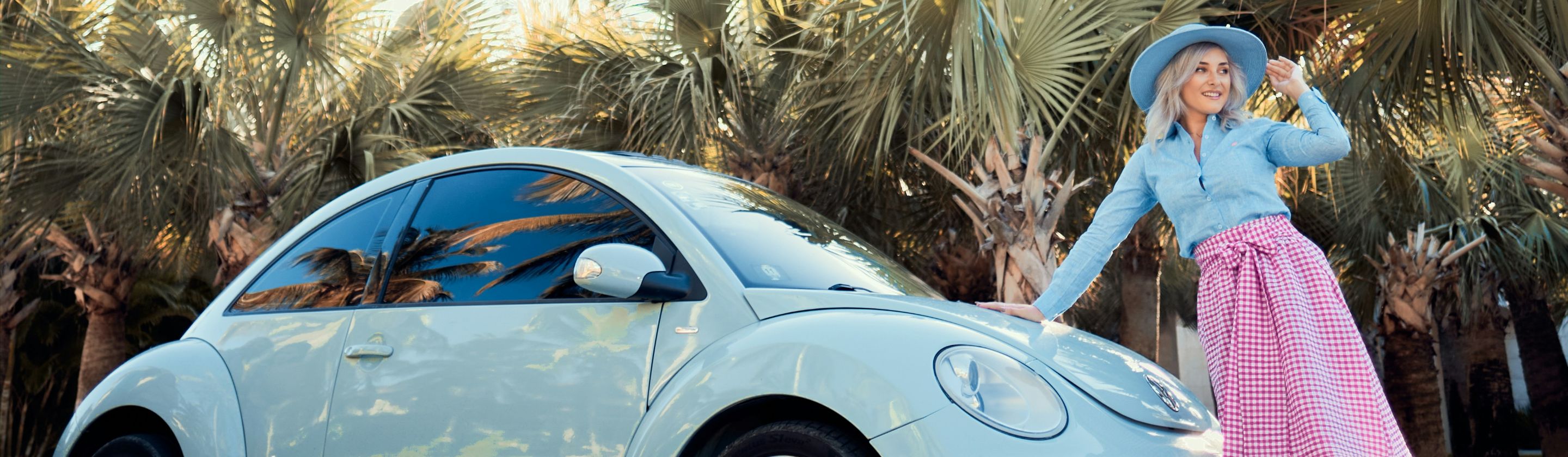
Few vehicles have carried the “girl car” reputation quite as strongly as the Volkswagen Beetle. Its rounded body, distinctive headlights, bright color options, and generally cheerful appearance gave it an identity that stood apart from more conventional compact cars. When Volkswagen revived the Beetle as the New Beetle in the late 1990s, that personality became an even bigger part of its appeal.
The association wasn’t purely anecdotal, either. Historical U.S. registration data found women accounted for a majority of New Beetle buyers, with one study putting the figure above 56%. That made it an unusually female-skewed model in an industry where new-car registrations historically leaned more heavily toward men.
Its appeal also demonstrates why appearance shouldn’t automatically be dismissed as a shallow reason to choose a vehicle. People spend plenty of money making their homes and clothes reflect their personalities, so it’s hardly surprising that some drivers want the same from a car. For buyers who liked something small, recognizable, and a little playful, the Beetle offered an alternative to anonymous-looking economy cars.
Mini Cooper
If the Beetle represents the cute side of the “girl car” stereotype, the Mini Cooper brings a slightly more polished version of the same idea. Its compact dimensions make it especially manageable around crowded cities, while its distinctive styling means you’re unlikely to mistake it for a generic commuter hatchback. Mini has also leaned heavily into customization, allowing buyers to play with colors, roofs, trims, and other cosmetic details.
Women have shown a measurable interest in the brand as well. S&P Global Mobility found that women accounted for 51.1% of Mini’s U.S. personal vehicle registrations in 2022, one of the highest female shares among the brands it examined. That doesn’t mean every Mini owner has the same reason for choosing one, but it does suggest the brand has managed to connect particularly well with female shoppers.
At the same time, a Mini isn’t simply a Beetle with a different badge. The Cooper has traditionally emphasized nimble handling and an energetic driving experience alongside its looks, giving it some enthusiast credibility too. Someone might choose one because it’s stylish and easy to park, while another buyer may genuinely enjoy the way it feels on a winding road.
Nissan Rogue
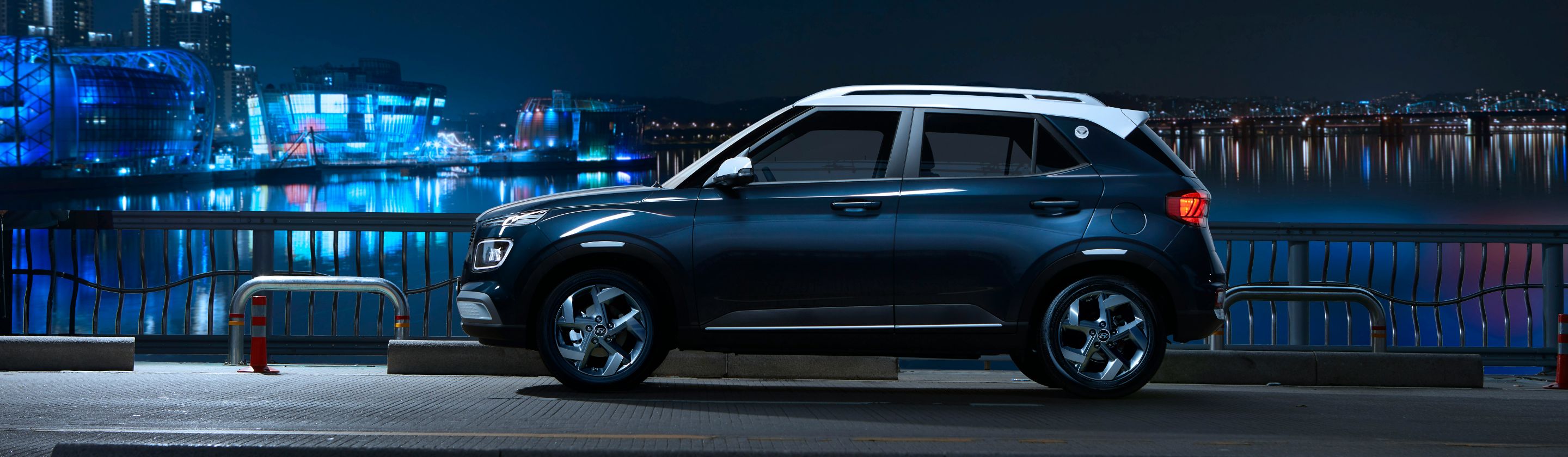
The Nissan Rogue is a very different kind of “girl car” from the Beetle or Mini Cooper. It isn't especially quirky or flashy, but it has consistently appealed to women because it delivers many of the things people actually need from an everyday vehicle. You get a comfortable driving position, useful cargo space, manageable dimensions, and the flexibility of a crossover without moving into a huge SUV.
That appeal shows up in the numbers. A TrueCar analysis of U.S. registrations found that 53.5% of Nissan Rogue registrations were female, making women the majority of registered buyers for the model. Other practical crossovers, including the Honda CR-V, Hyundai Tucson, and Toyota RAV4, also had female-majority ownership in the same dataset.
That creates an interesting contrast with the types of vehicles that tend to skew heavily male. Pickup-focused brands such as Ram, GMC, and Ford have historically attracted far more men than women, while compact crossovers tend to have a much more balanced audience. For many women, usable interior space and an elevated seating position may simply matter more than towing capacity, oversized dimensions, or enormous horsepower figures.
The Rogue also makes the broader point behind the “girl car” label clearer. Women aren't necessarily looking for cars that are feminine in appearance, because one of the strongest female-skewing vehicles can be an ordinary family crossover. What these models often share isn't a particular look, but a combination of usability, comfort, efficiency, and features that fit easily into everyday life.
The difference in taste often comes down to what men and women tend to prioritize when they shop for a car. Men have traditionally been more likely to gravitate toward horsepower, performance, size, and vehicles with a strong enthusiast or status image. Women, on the other hand, are often more interested in how a vehicle fits into daily life, including comfort, reliability, visibility, ease of driving, practicality, and design.
That helps explain why cars as different as the Beetle, Mini Cooper, and Nissan Rogue can all develop strong female followings. One offers personality, another mixes style with compact dimensions, and the third focuses heavily on everyday usefulness. There’s no single “girl car,” but there are clear patterns in what many women value, and those priorities don’t always line up with the traditional performance-first way cars have been marketed to men.