
So, you just bought a new car and the interior smells like success, while the dashboard still has that factory-fresh sheen. But here’s the thing: owning a car isn’t just about the drive. Many people make the same post-purchase mistakes that can dull performance, eat away at savings, or even void a warranty. Want your car to stay as smooth as it felt on day one? Let’s look at what not to do next.
Skipping The Break-In Period

That first 500 to 1,000 miles might not seem like a big deal, but many car manufacturers recommend taking it easy at the start, depending on your model's manual. The engine’s moving parts—pistons, rings, bearings—need time to seat properly. Driving too hard too soon can cause early wear and affect oil consumption.
During those early weeks, vary your speed and avoid towing heavy loads. Gentle driving helps new engine components settle evenly to create a smoother operation over time. That short period of patience rewards you with stronger performance and a longer-lasting engine down the road.
Neglecting Tire Pressure And Alignment
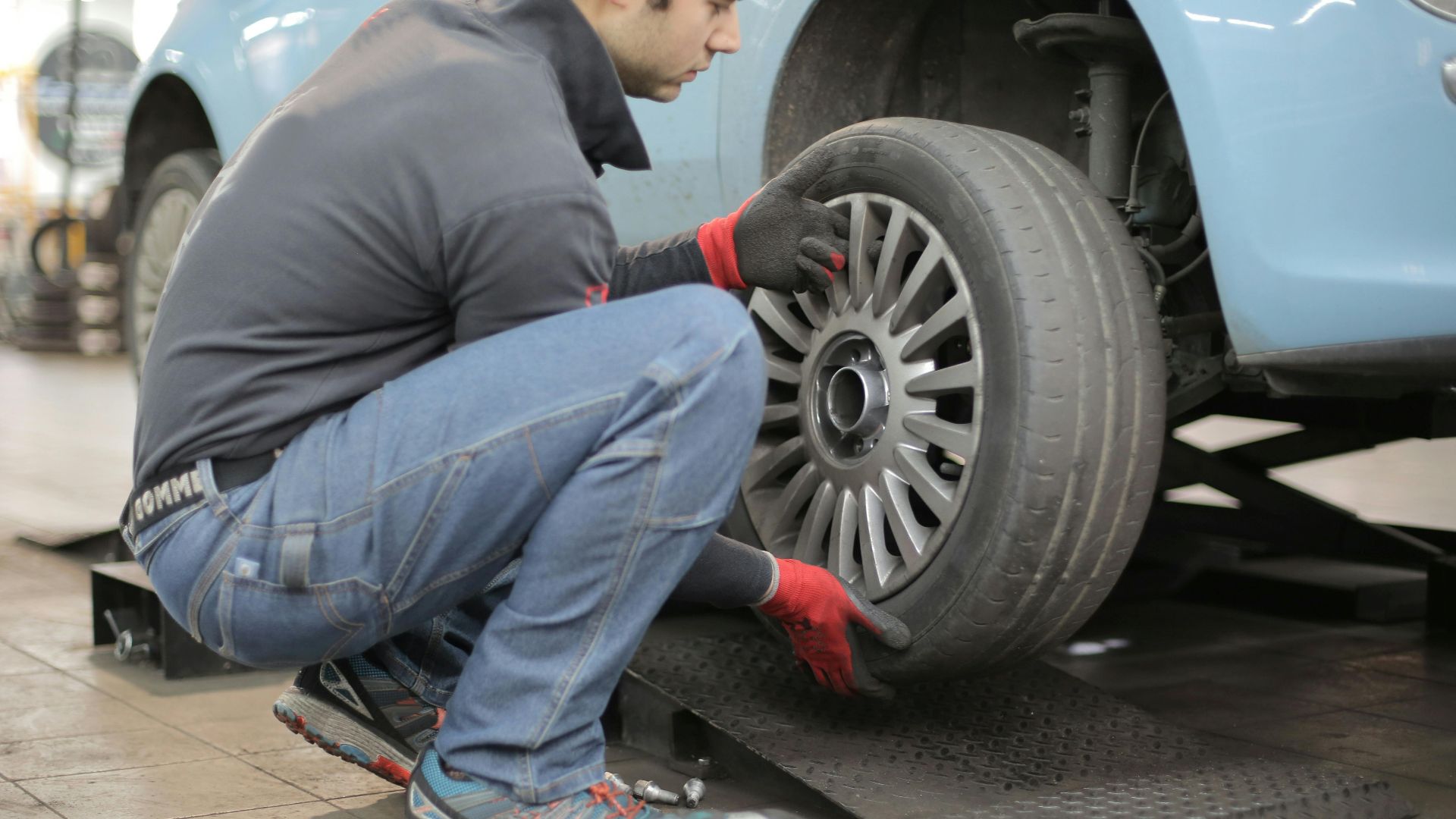
Under-inflated tires not only waste gas, but they also wear unevenly and can cut their lifespan short. Even a small drop in pressure changes how the car grips the road, making it less stable and harder to handle during sudden stops or turns.
Temperature shifts can also affect air pressure, especially during seasonal changes. Checking your tires once a month and before long drives helps keep them safe and responsive. If you feel vibration through the steering wheel or notice drifting, it’s time for an alignment check to restore balance and extend tire life.
Ignoring The Warranty And Maintenance Schedule
That thick manual in your glove box isn’t just for decoration. Automakers tie warranty coverage to maintenance milestones—miss an oil change or delay a service, and your warranty claim could be denied.
Keeping a record of every service visit also helps when selling the car later. Buyers love maintenance logs because they show reliability. Think of it as your vehicle’s report card—the cleaner the record, the better the resale value.
Forgetting To Register Or Update Insurance Promptly
In most U.S. states, you’re required to register a new car and update your insurance within a few weeks of purchase—sometimes as soon as ten days. Missing that window can mean fines or gaps in coverage if an accident occurs before the paperwork clears.
Contact your insurance provider immediately after purchase to transfer or update coverage. Accurate records protect you if damage or theft happens early in ownership. It’s not the flashiest part of buying a car, but it’s one that keeps everything else running smoothly.
A Little Care Goes A Long Way
Buying a car feels great, but keeping it great takes a little diligence. Drive gently early on, check your tires regularly, respect your maintenance schedule, and handle your paperwork fast. Do those four things, and your car won’t just look new—it’ll stay that way for years to come.