

10 Reasons Your Car Feels Off & 10 Simple Checks to Do First
Small Symptoms, Real Clues
Cars usually give you warnings before they quit. Something starts feeling slightly wrong, and it is easy to ignore it because the car still starts, still drives, and no warning light is on. But that “off” feeling is often the best time to catch a problem, when it is still cheaper and easier to fix. The hard part is that one symptom can have a few different causes, and newer cars can mask issues until they get worse. The point here is not to diagnose your car from a screen, but to call out the most common reasons a car feels wrong and the simplest checks that can help you narrow it down. Here are 10 reasons your car feels off, and 10 simple checks to do first.

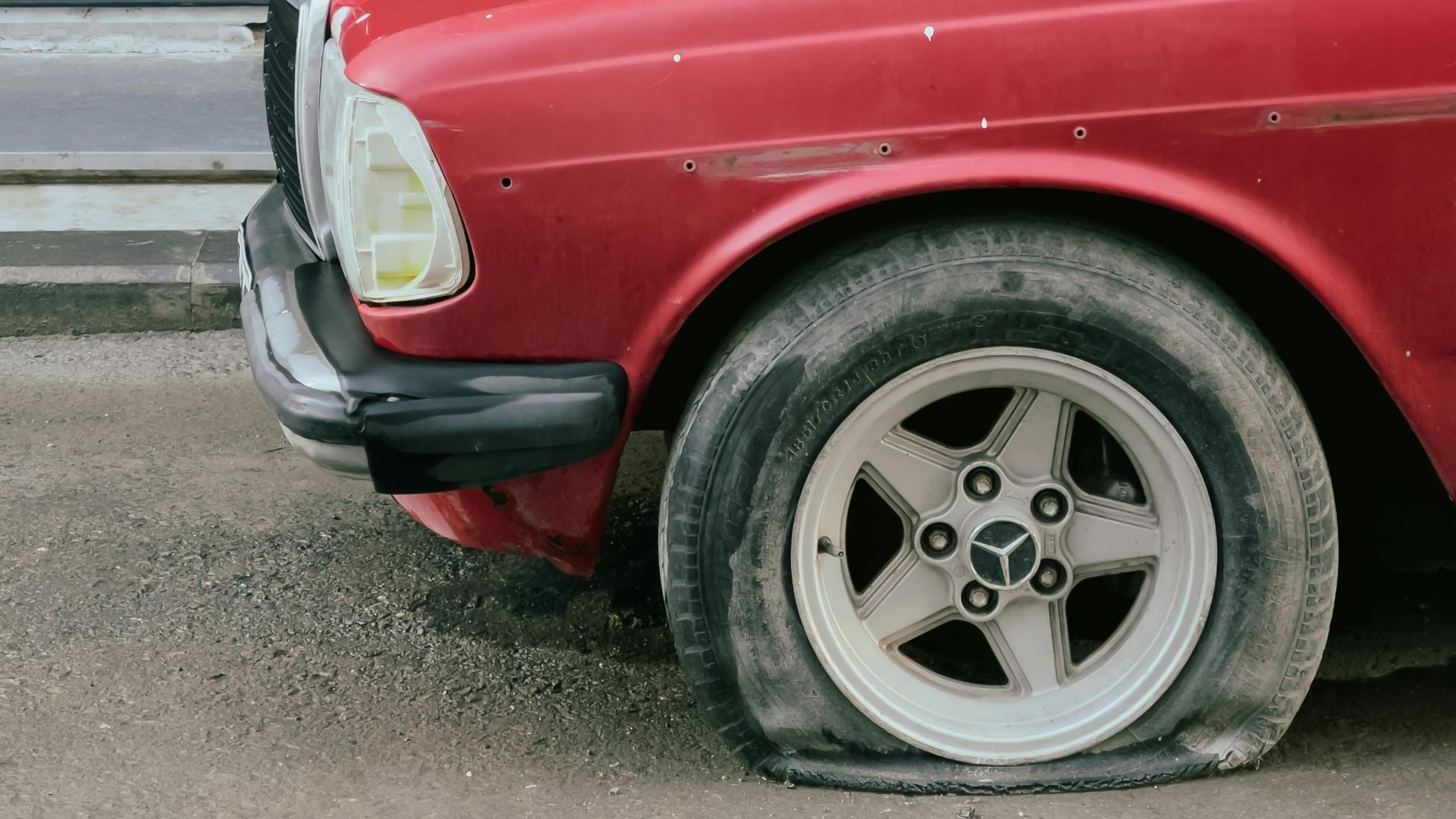
1. Tires Are Underinflated Or Uneven
When tire pressures are off, the car can feel heavy, vague, or slightly twitchy, especially at highway speed. Even a small mismatch side to side can make the steering feel wrong, and it often shows up before any warning light does.
 Mehmet Turgut Kirkgoz on Pexels
2. Wheels Are Out Of Balance
A vibration that builds with speed is often a balance issue, especially if it feels more like a steady buzz than a shake during braking. It can creep in after a pothole hit, a tire repair, or just normal tire wear shifting over time.

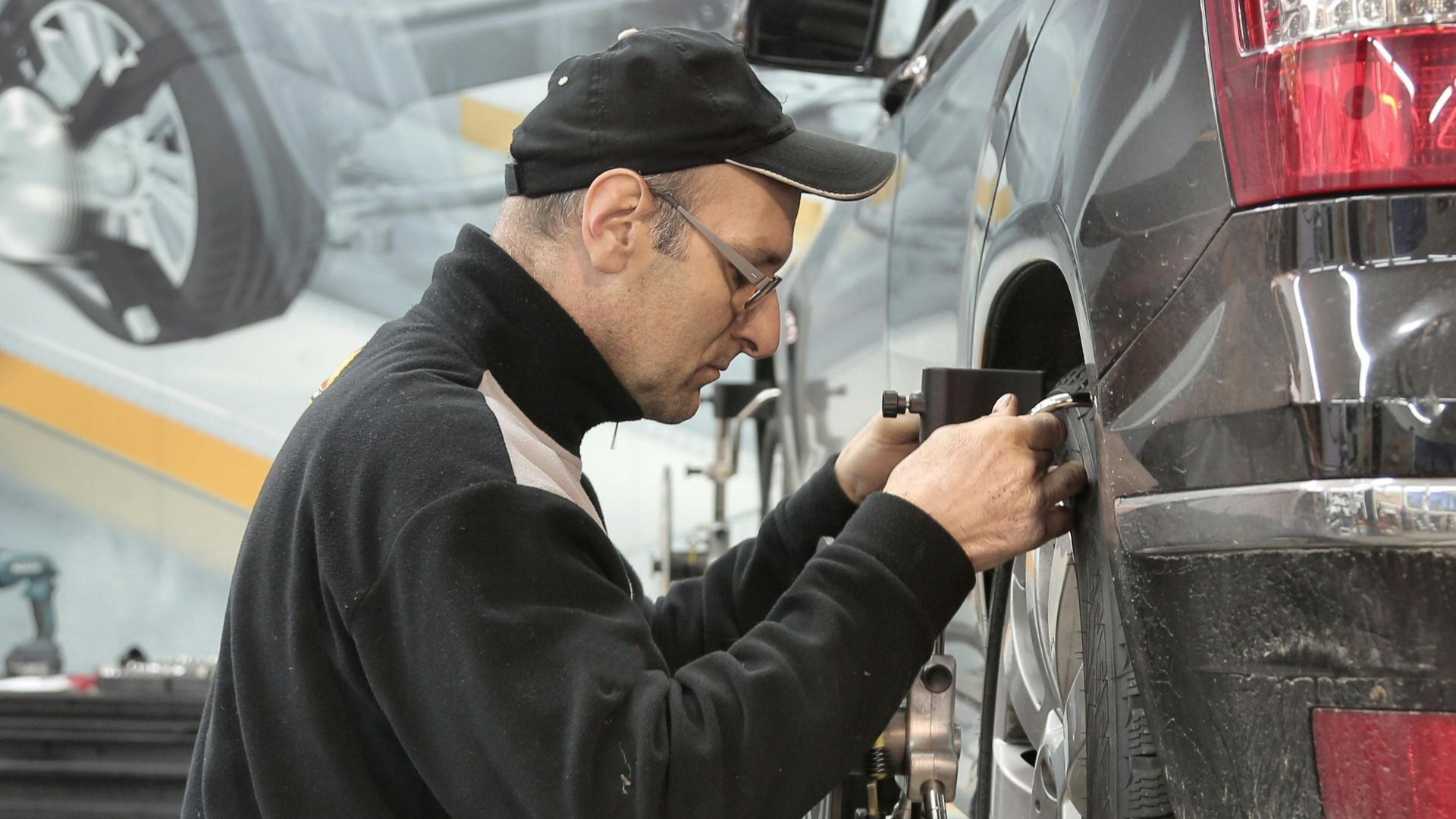
3. Alignment Is Off
If the car pulls, the steering wheel sits crooked, or the car feels nervous on straight roads, alignment is a usual suspect. It does not have to be dramatic to matter, and driving on it for long can chew through tires surprisingly fast.
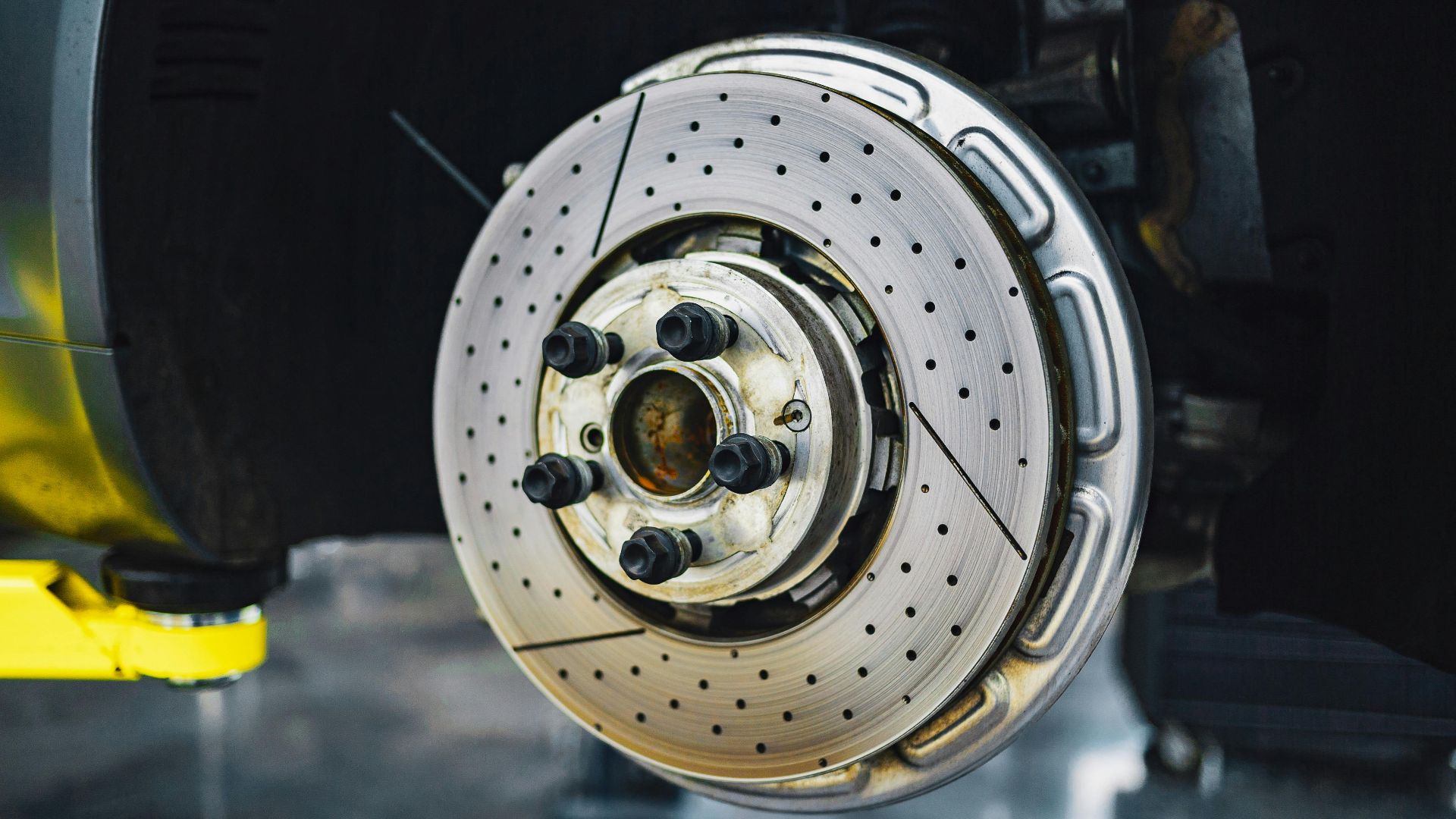
4. Brake Components Are Wearing Or Warped
A pulsing pedal or a steering shake when braking often points to rotor issues, but pads and calipers can also cause weird feedback. Brakes can still work while feeling off, which is exactly why the sensation is worth taking seriously.
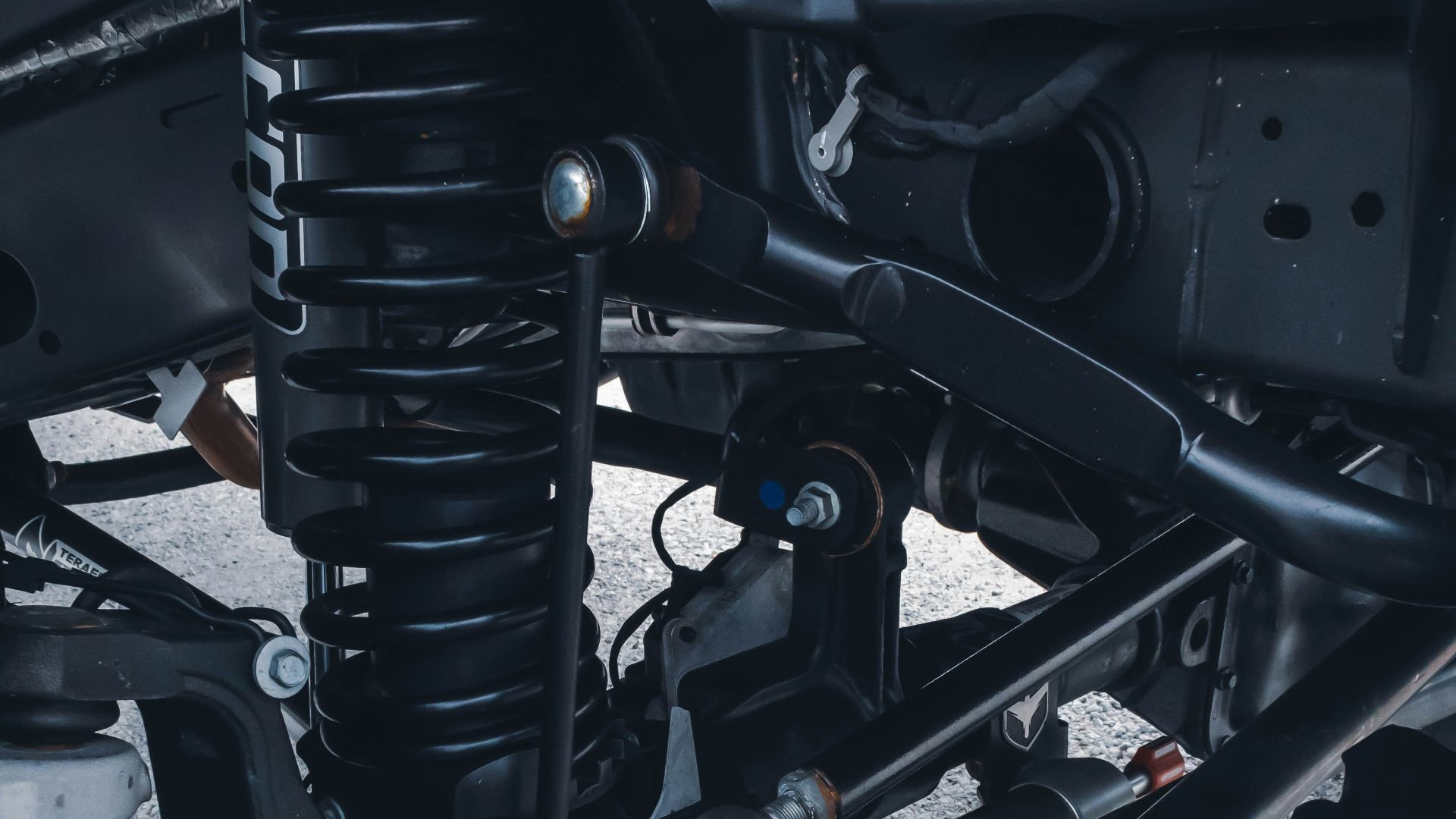
5. Suspension Parts Are Worn
Clunks over bumps, extra bounce, or a floaty feeling in corners can be signs of tired shocks, struts, or bushings. The car may still feel usable, but it starts to feel less settled, especially on rough roads or at speed.
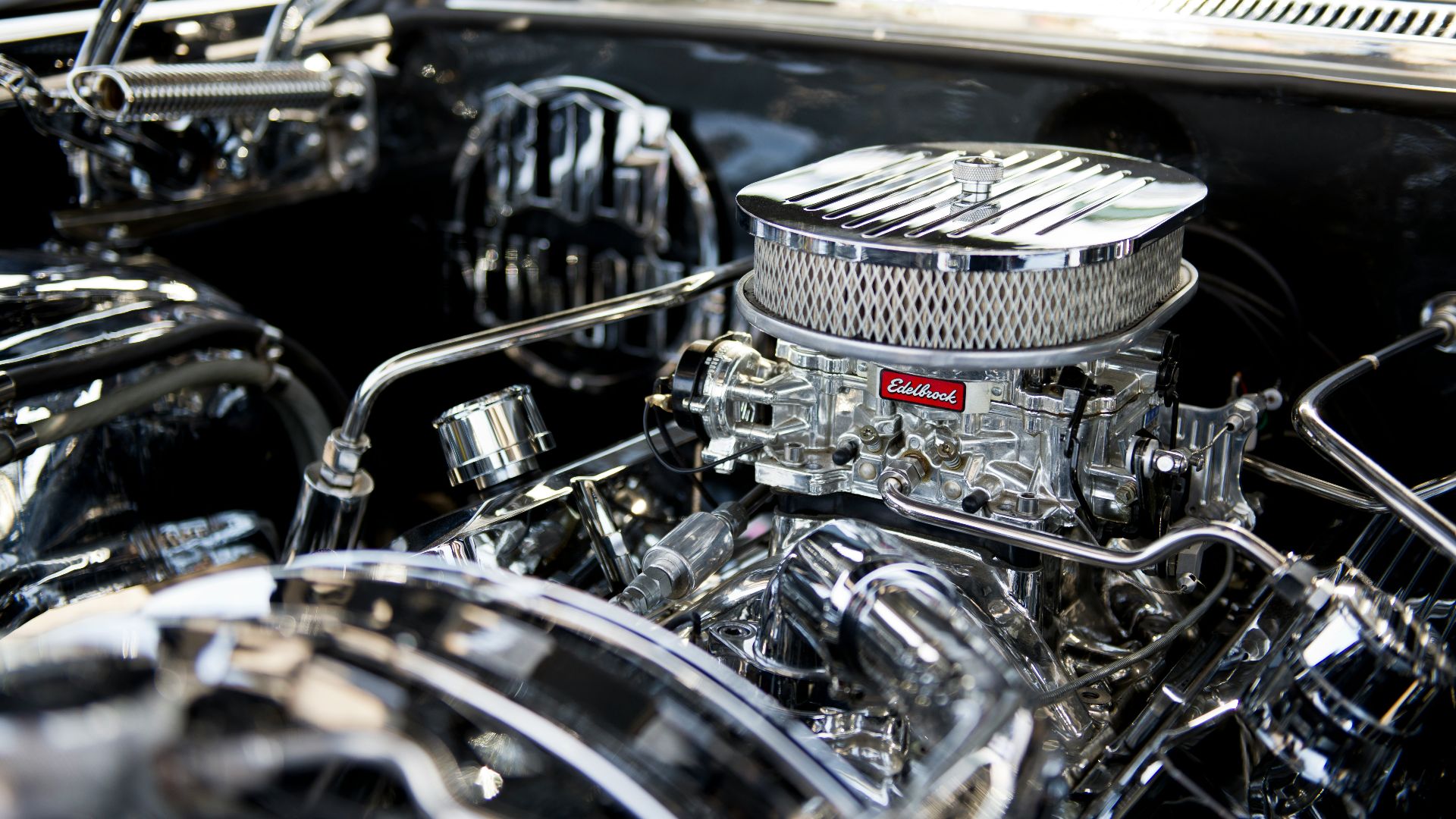
6. Engine Is Misfiring Or Running Rough
A small misfire can make the car feel hesitant, shaky at idle, or slightly down on power. Sometimes it only shows up under load, like merging uphill, which makes it easy to dismiss as “bad gas” until it repeats.
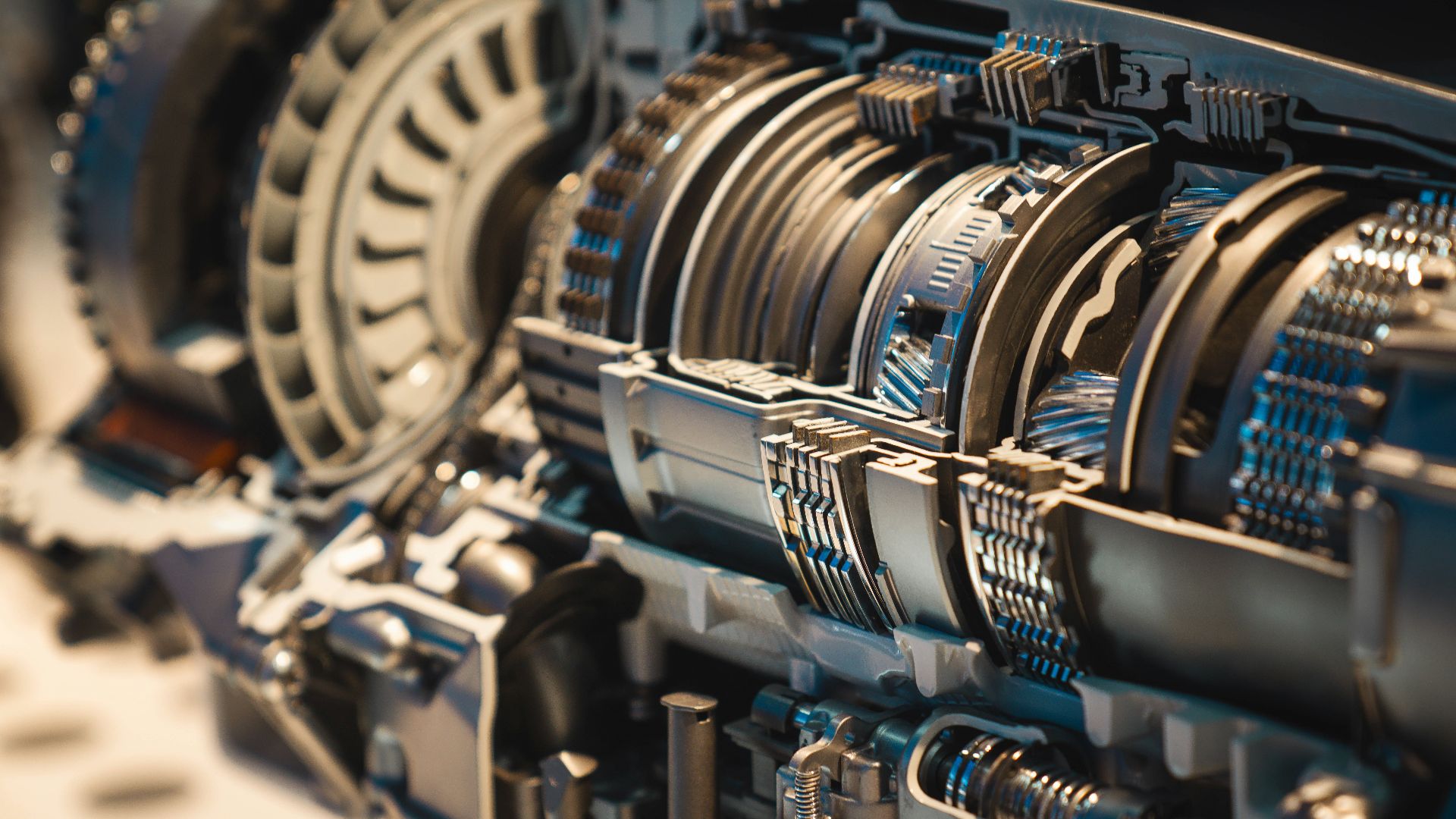
7. Transmission Or Drivetrain Is Not Shifting Smoothly
Late shifts, hard shifts, or a delay when changing from park to drive can make the whole car feel uncertain. Even if it is intermittent, those moments are useful clues, because drivetrain issues often start as occasional weirdness.
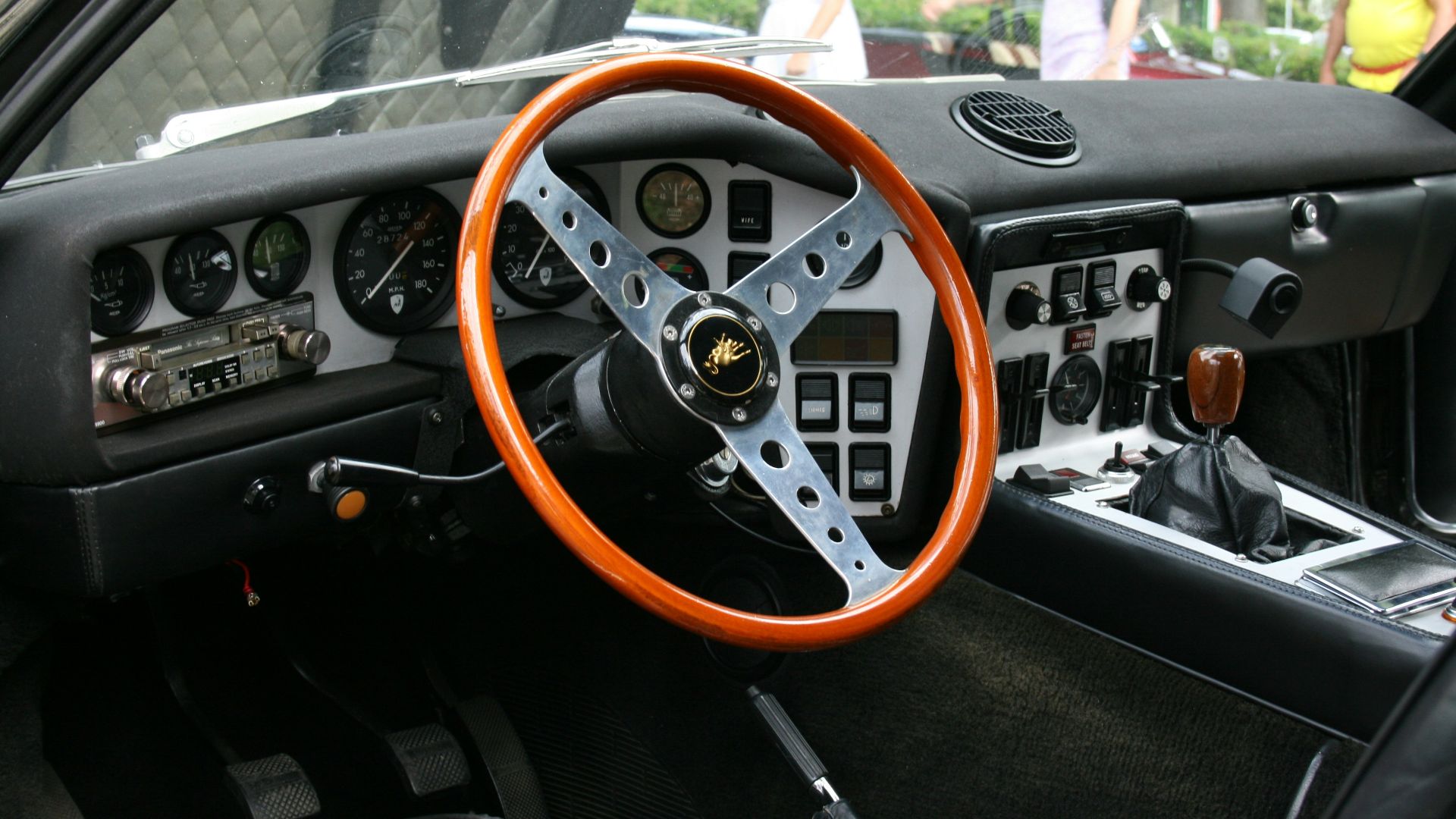
8. Steering Components Are Developing Play
If the steering feels loose, wanders, or requires constant tiny corrections, something may be wearing in the steering system. It can be subtle at first, but it tends to get worse, and it can make driving feel oddly tiring.
9. A Sensor Or Software Issue Is Affecting Behavior
Modern cars adjust fuel, timing, throttle response, and shifting based on sensor input, so a small fault can change how the car feels without immediately triggering a big warning. The result can be sluggish response, weird idle behavior, or inconsistent power delivery.

10. Fuel Quality Or Airflow Is Compromised
Old fuel, water contamination, a clogged air filter, or a partially restricted fuel filter can all create a dull, struggling feeling. It is not the most common cause, but it is common enough to belong on the shortlist when performance feels off for no obvious reason.
A lot of these issues have simple checks that can rule out the easy stuff before you assume the worst. Here are ten simple checks you can do.

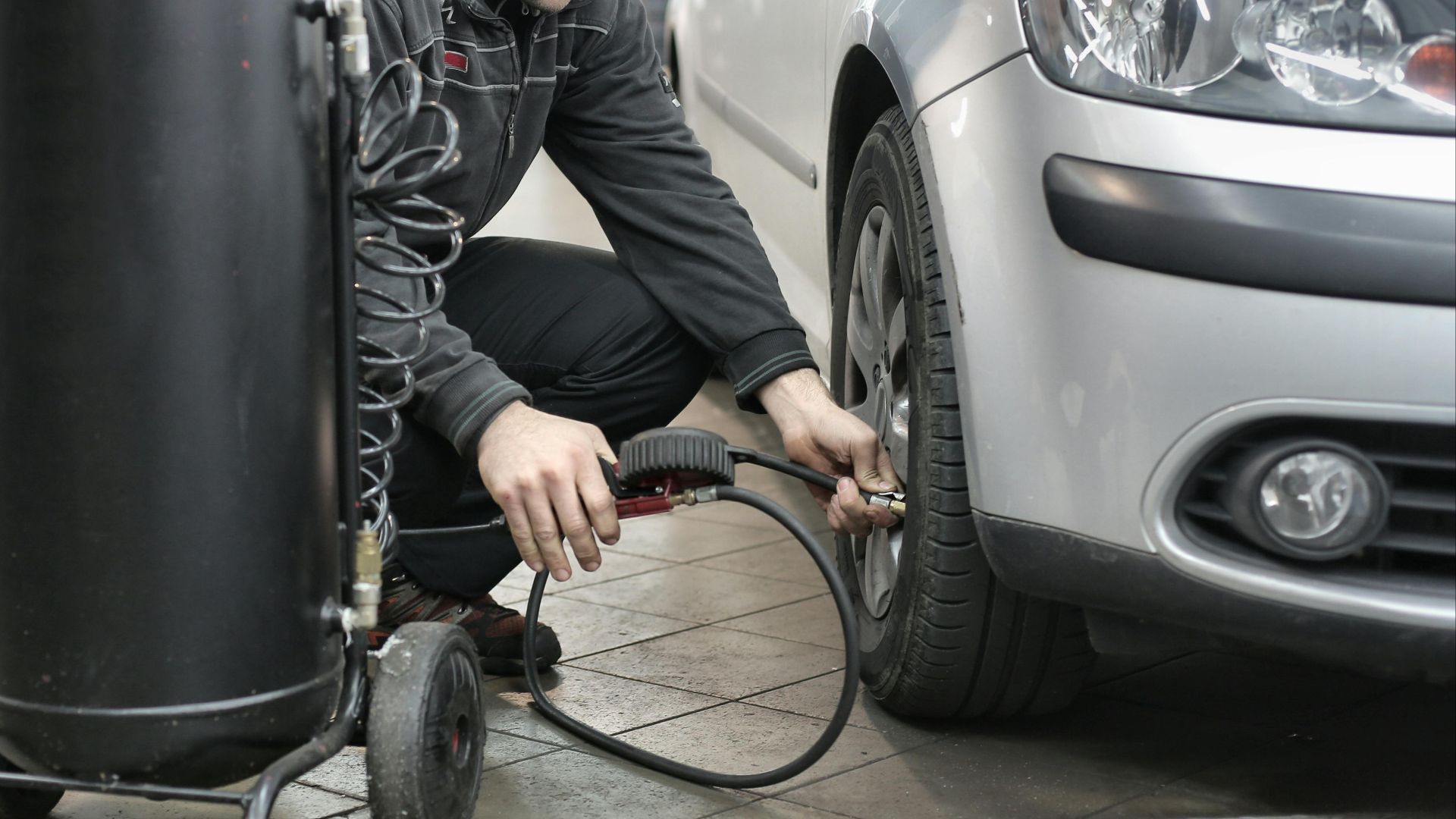
1. Check Tire Pressures When Tires Are Cold
Use a real gauge, not a kick test, and compare each tire to the driver’s door sticker spec. If one tire is significantly lower than the others, that is information, not just a number to fix and forget.
2. Look For Uneven Tire Wear
Scan the tread for bald edges, cupping, or one tire that looks noticeably different from the rest. Uneven wear often points toward alignment or suspension problems, and spotting it early can save a set of tires.
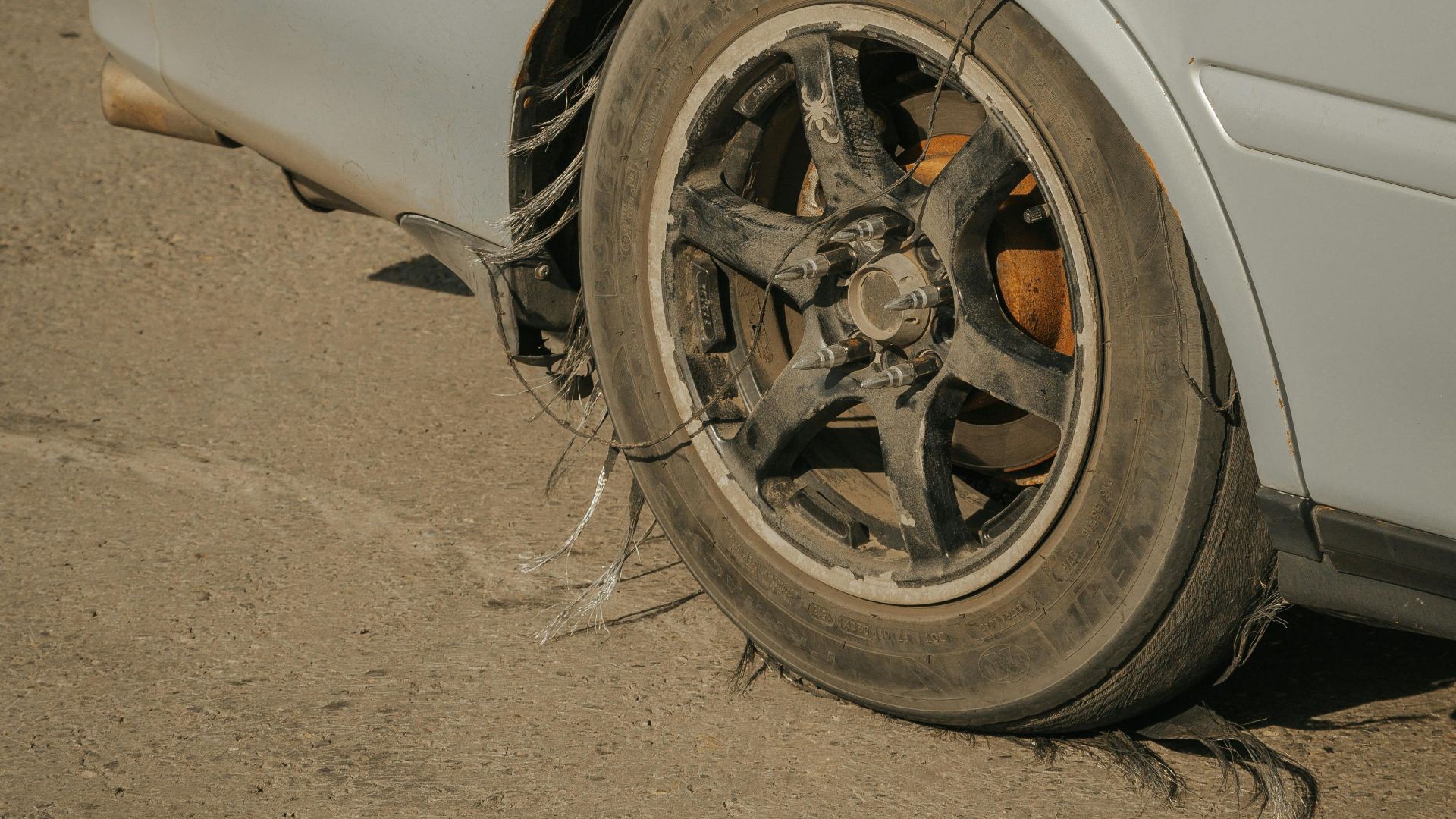
3. Inspect Tires For Bulges, Cuts, Or Embedded Nails
Run your eyes along the sidewalls and tread, and look for bubbles, fresh scrapes, or small objects lodged in the rubber. A tire can hold air and still be unsafe, especially if the sidewall is damaged.

4. Check Oil Level And Condition
Pull the dipstick on level ground and see where the oil sits, then notice if it looks gritty, milky, or unusually thin. Low oil can make an engine feel rough or loud, and bad oil can hint at neglected maintenance or a bigger issue.
 Tepalai Automobiliams on Unsplash
5. Look Under The Car For Fresh Leaks
After the car has been parked, check for spots that are new, wet, or have a strong smell. The color and location are not a perfect diagnosis, but they can give a shop a head start and keep you from driving something dry.

6. Listen At Idle With The Hood Open
With the car safely in park, listen for ticking, knocking, hissing, or a rhythmic stumble that matches the engine’s cadence. If something sounds different than it used to, that is often your most honest clue.

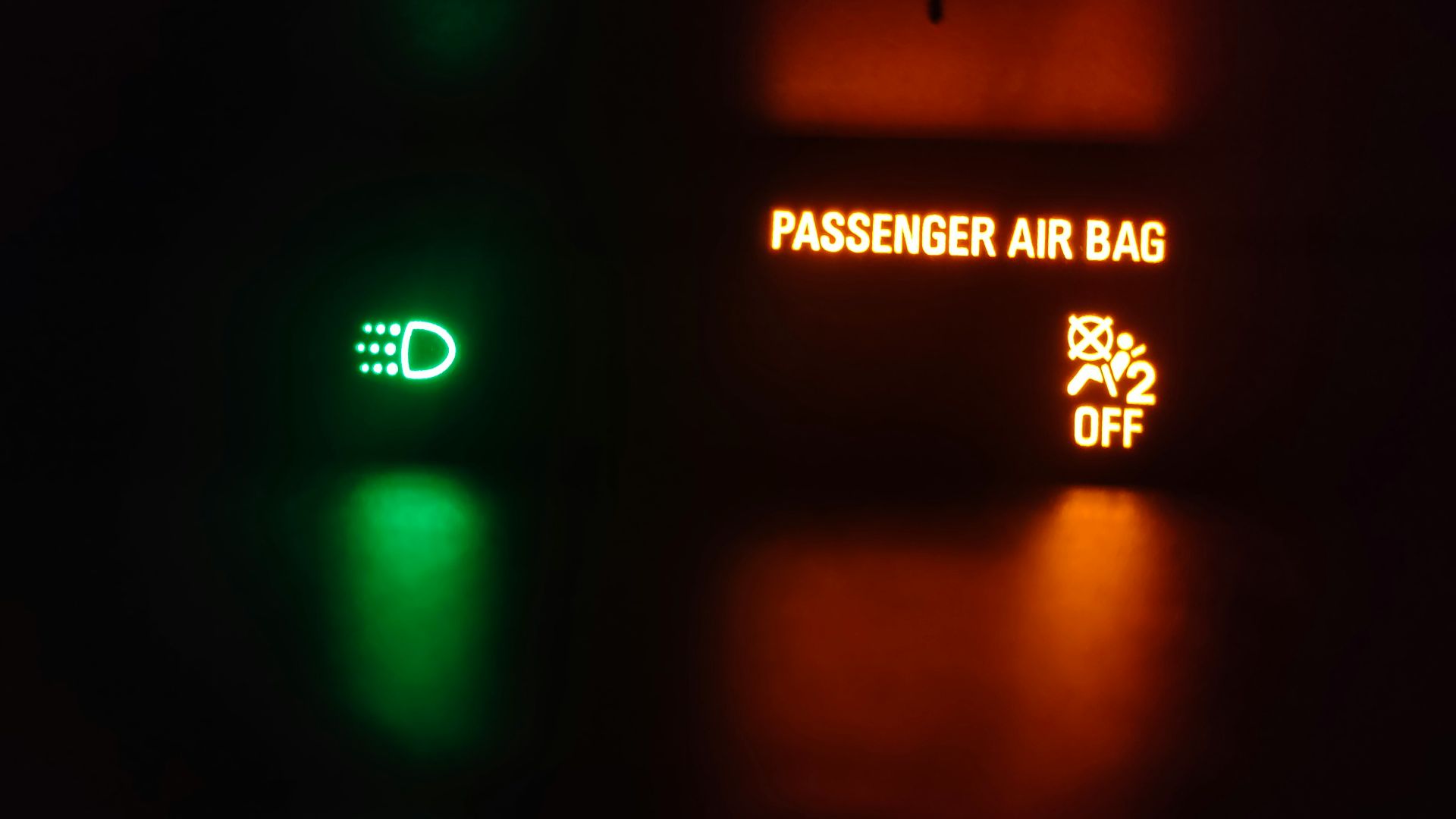
7. Check For Dashboard Warning Lights Or Stored Codes
Even if no light is on, many parts stores will scan for codes, and a cheap code reader can do the same at home. A code does not automatically mean catastrophe, but it can narrow the mystery fast.
8. Test Braking Feel In A Safe, Empty Area
At low speed, brake smoothly and notice pulling, pulsing, squealing, or a pedal that feels soft or inconsistent. You are not trying to recreate an emergency, just confirming whether the weirdness is repeatable.

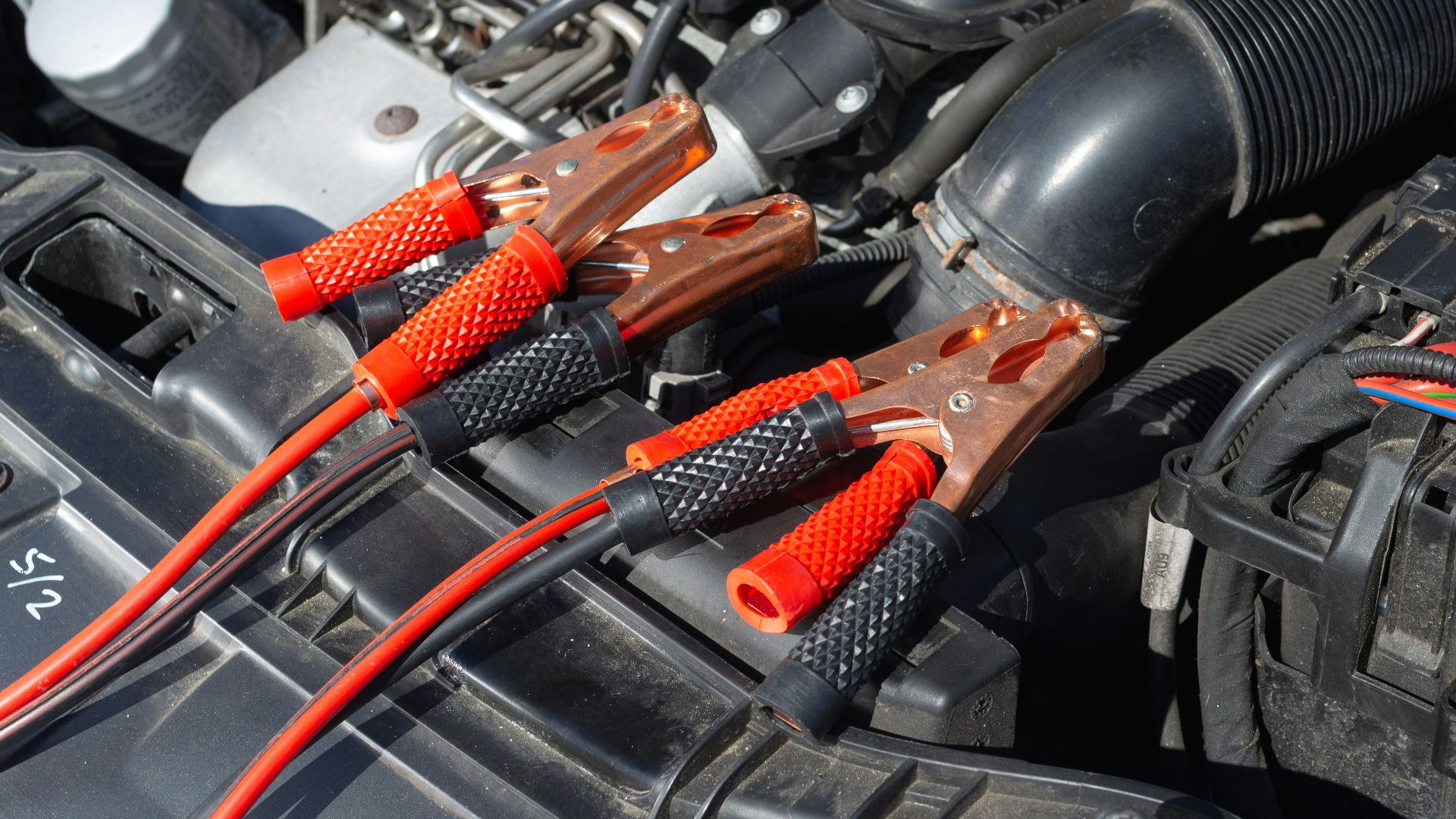
9. Check Battery Terminals For Corrosion Or Loose Connections
A flaky electrical connection can create strange symptoms that feel like engine or transmission issues. If the terminals are crusty or loose, cleaning and tightening can solve problems that otherwise send you chasing ghosts.
 Daniel @ bestjumpstarterreview.com on Unsplash
10. Notice When The Problem Happens
Pay attention to patterns like only when cold, only at highway speed, only when turning, or only when braking downhill. That timing detail is often more valuable than describing the feeling as “off,” because it points the diagnosis toward a short list instead of a long one.