From Grit To Glory
Behind McLaren’s clean design and elite reputation is a story filled with pressure, patience, and constant reinvention. The brand didn’t grow by playing it safe or following an obvious path. It survived because it adapted, sometimes painfully, when things didn’t go according to plan. Understanding that journey makes every achievement hit differently. Let's walk through the moments that quietly defined one of motorsport’s most fascinating names.
1. McLaren Was Founded In 1963
Bruce McLaren started his racing team at twenty-six after years of driving for Cooper. He'd already won a Grand Prix at twenty-two, making him the youngest winner ever at that time. Launching his own constructor felt bold, maybe reckless, but he was confident enough to bet on himself.
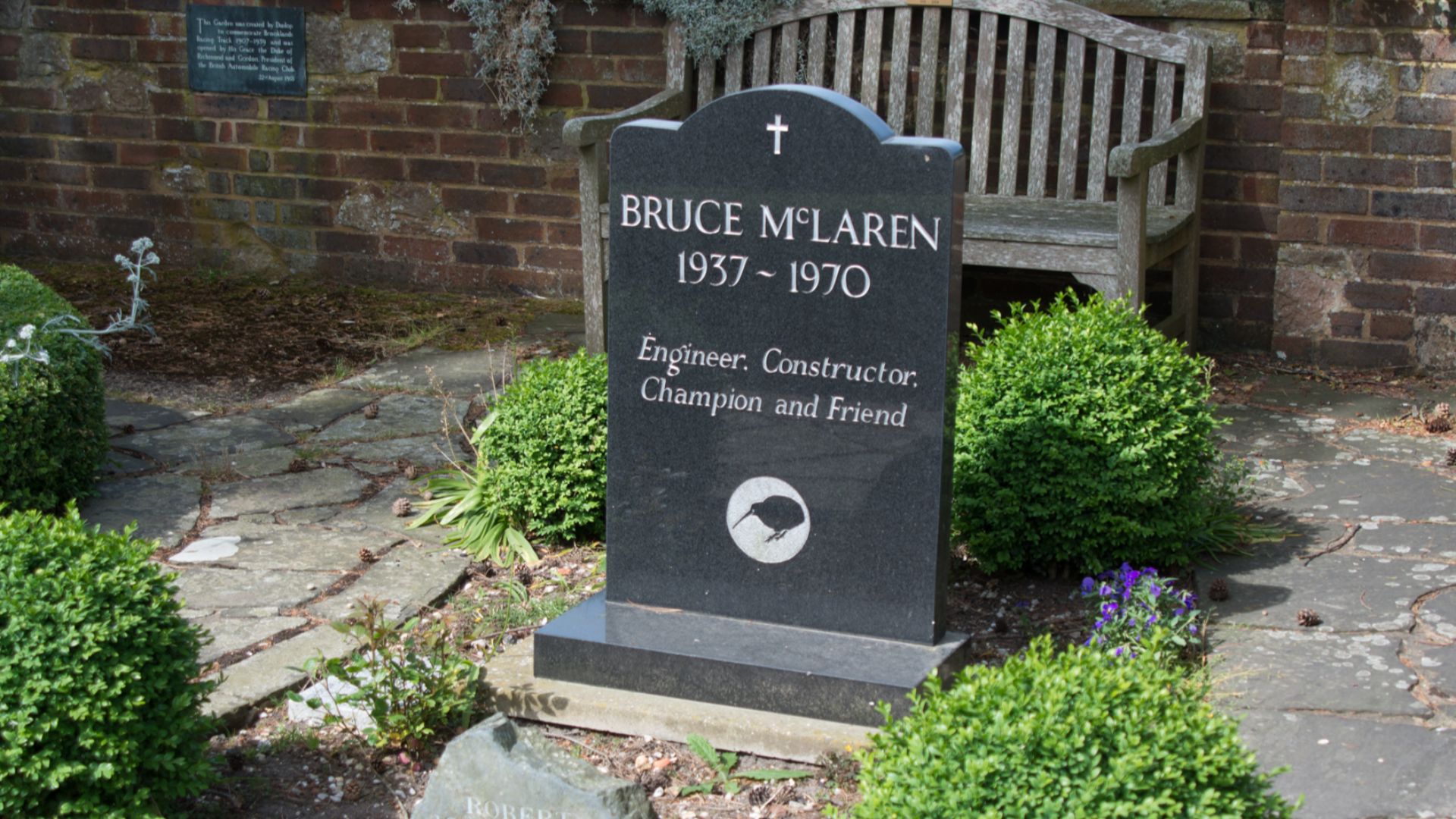
2. Bruce McLaren Died In 1970 While Testing A Car
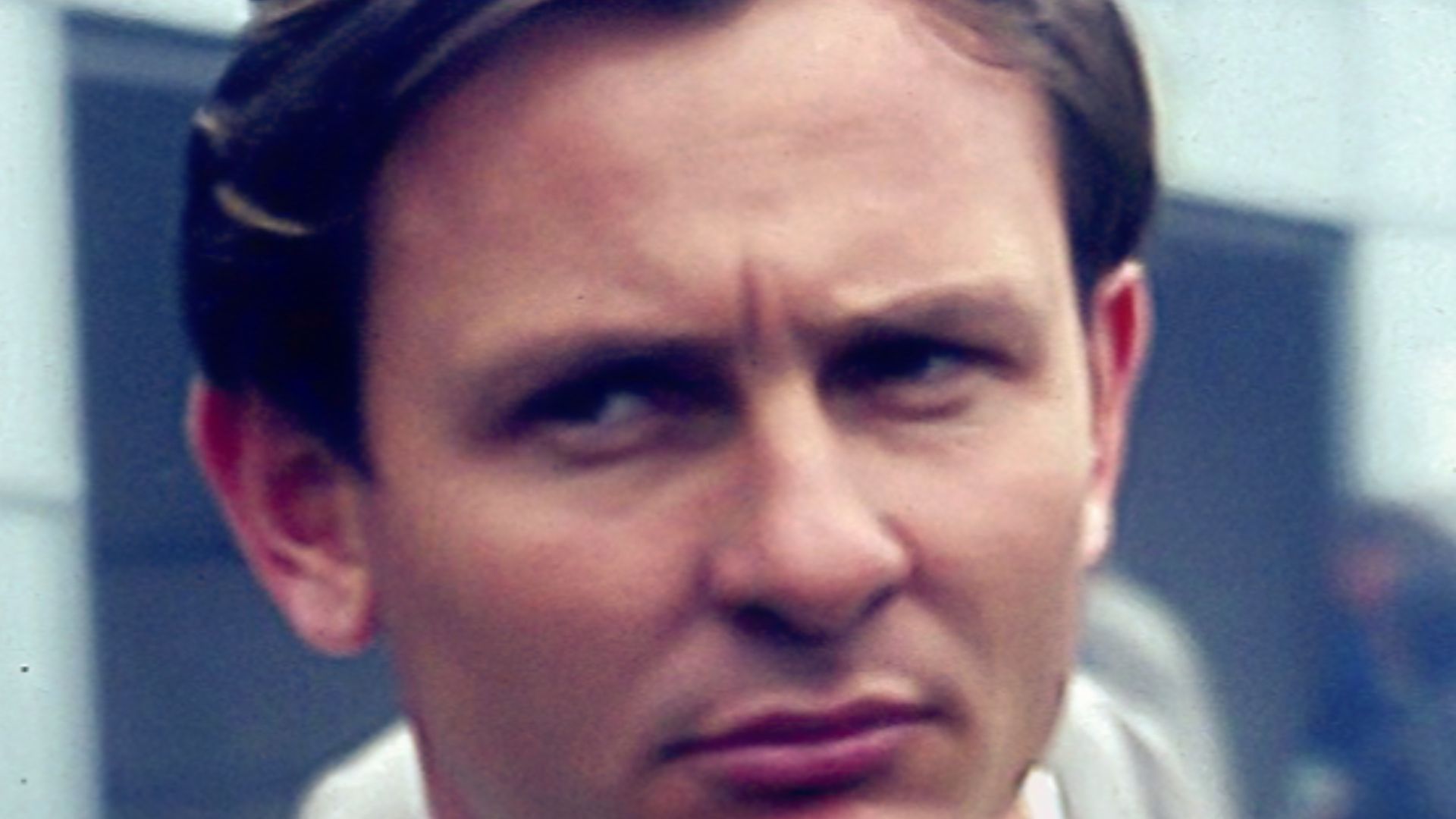
Bruce was only thirty-two when he crashed during Can-Am testing at Goodwood on June 2, 1970. Most people assumed the team would fold without its founder and driver. Instead, Teddy Mayer and the crew kept racing for Bruce.
3. McLaren Entered Formula 1 In 1966
The team debuted at Monaco in 1966, running customer cars with no podiums to show for it. They looked completely outmatched by established teams. Two years later, Bruce himself won the Belgian Grand Prix and gave McLaren its first F1 victory.
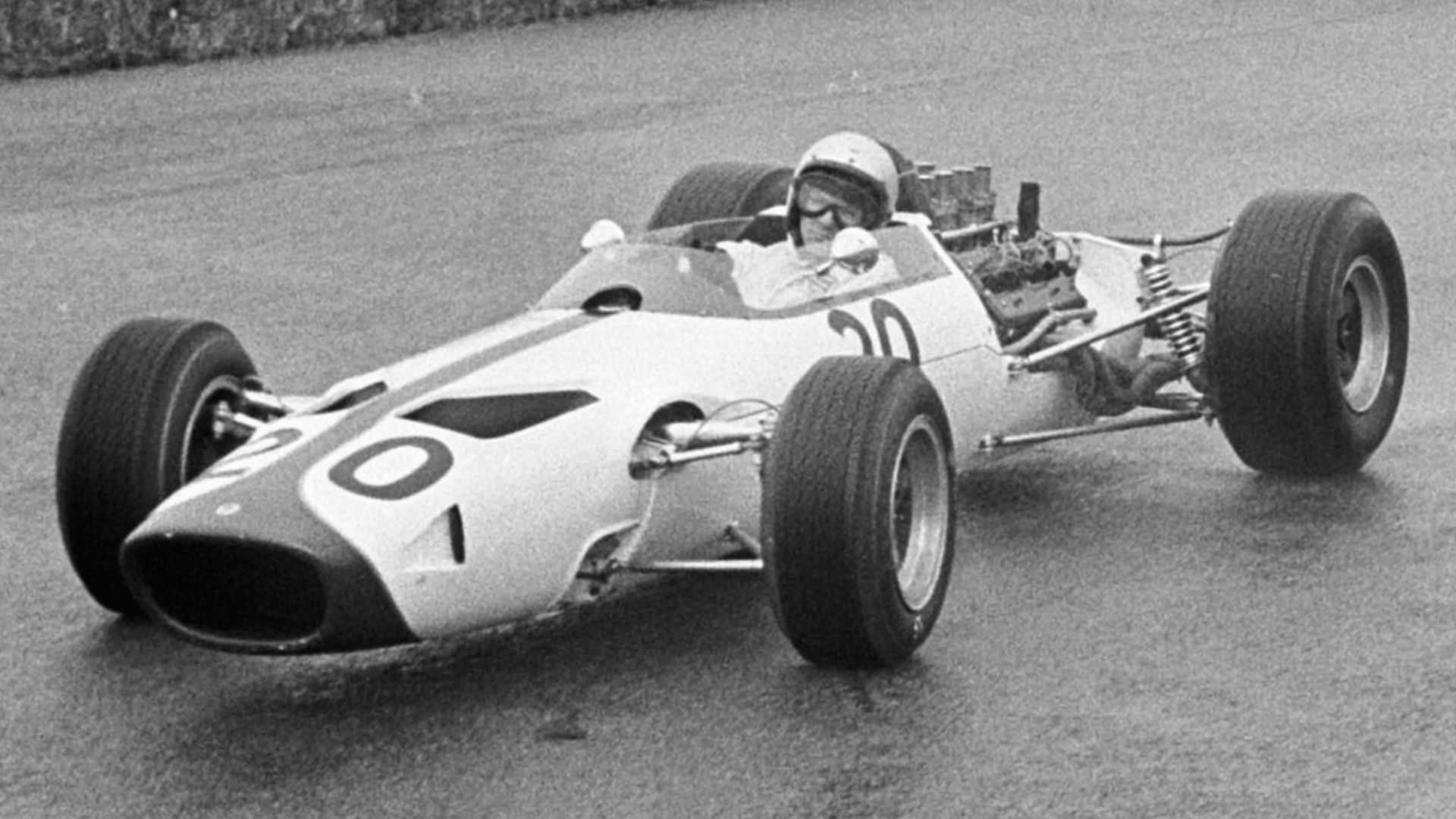 Eric Koch for Anefo on Wikimedia
4. The Company’s First Constructor's Championship
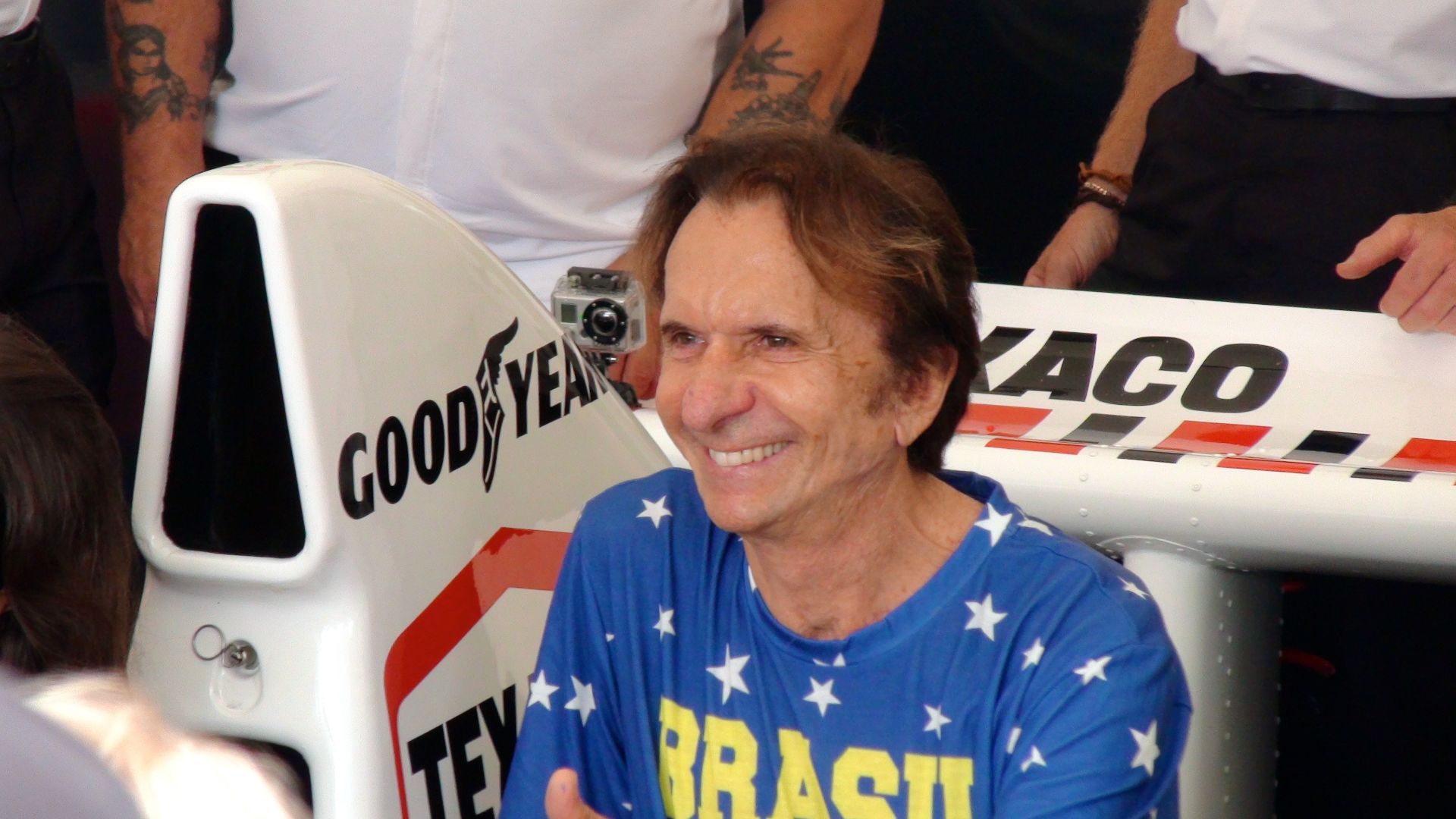
It took eight years from founding and eleven from their F1 debut to finally win a Constructor's title. Emerson Fittipaldi drove them to glory in 1974, four years after Bruce's death. That championship felt especially meaningful—proof that the team wasn't just one man's vision.
5. McLaren’s First F1 Race In 1968
Bruce drove his own car to victory at Spa-Francorchamps, becoming founder, designer, and race winner all at once. Denny Hulme added two more wins that same year. It was the moment McLaren stopped being the new kids and became legitimate contenders.
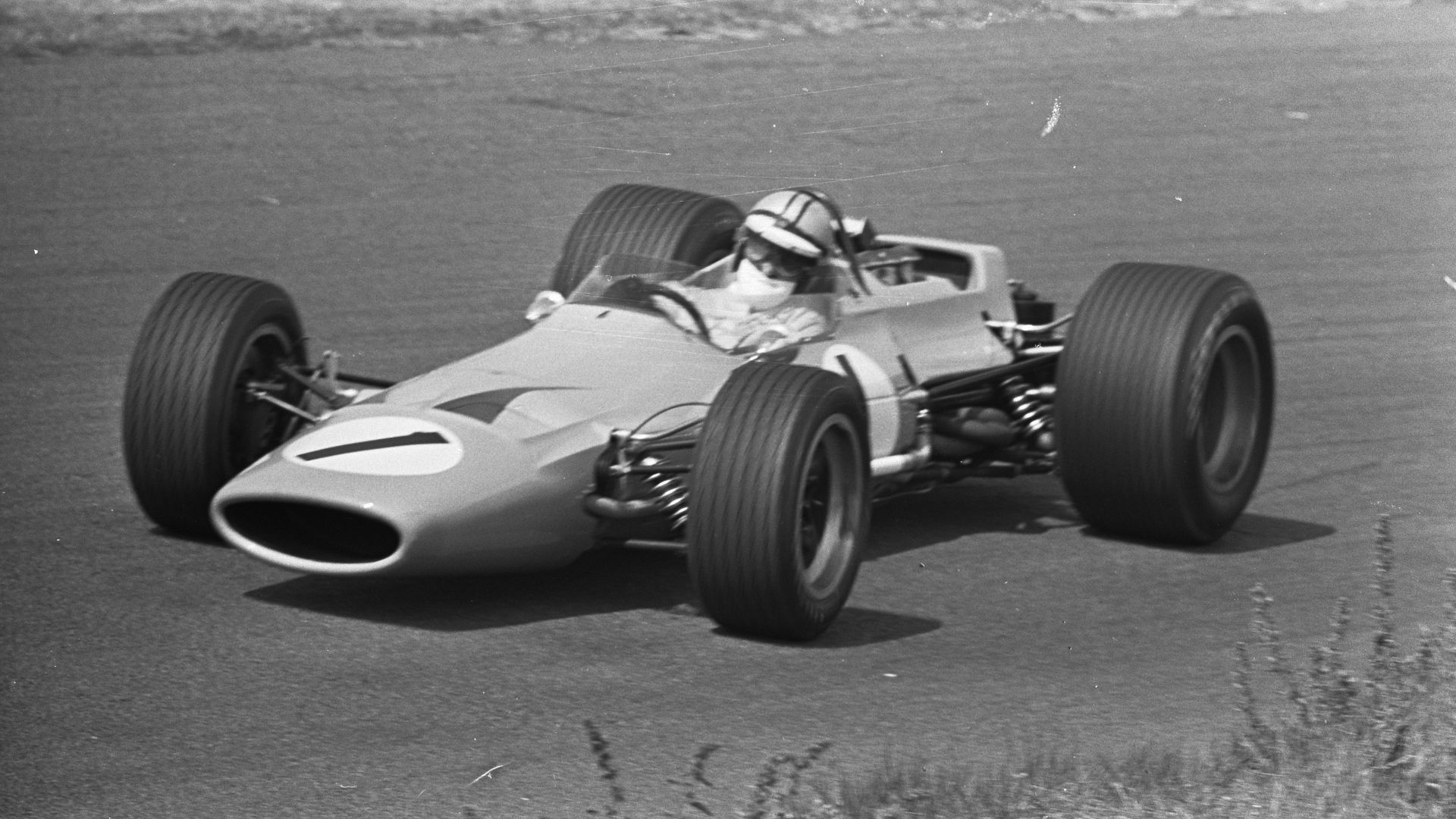 Joost Evers / Anefo on Wikimedia
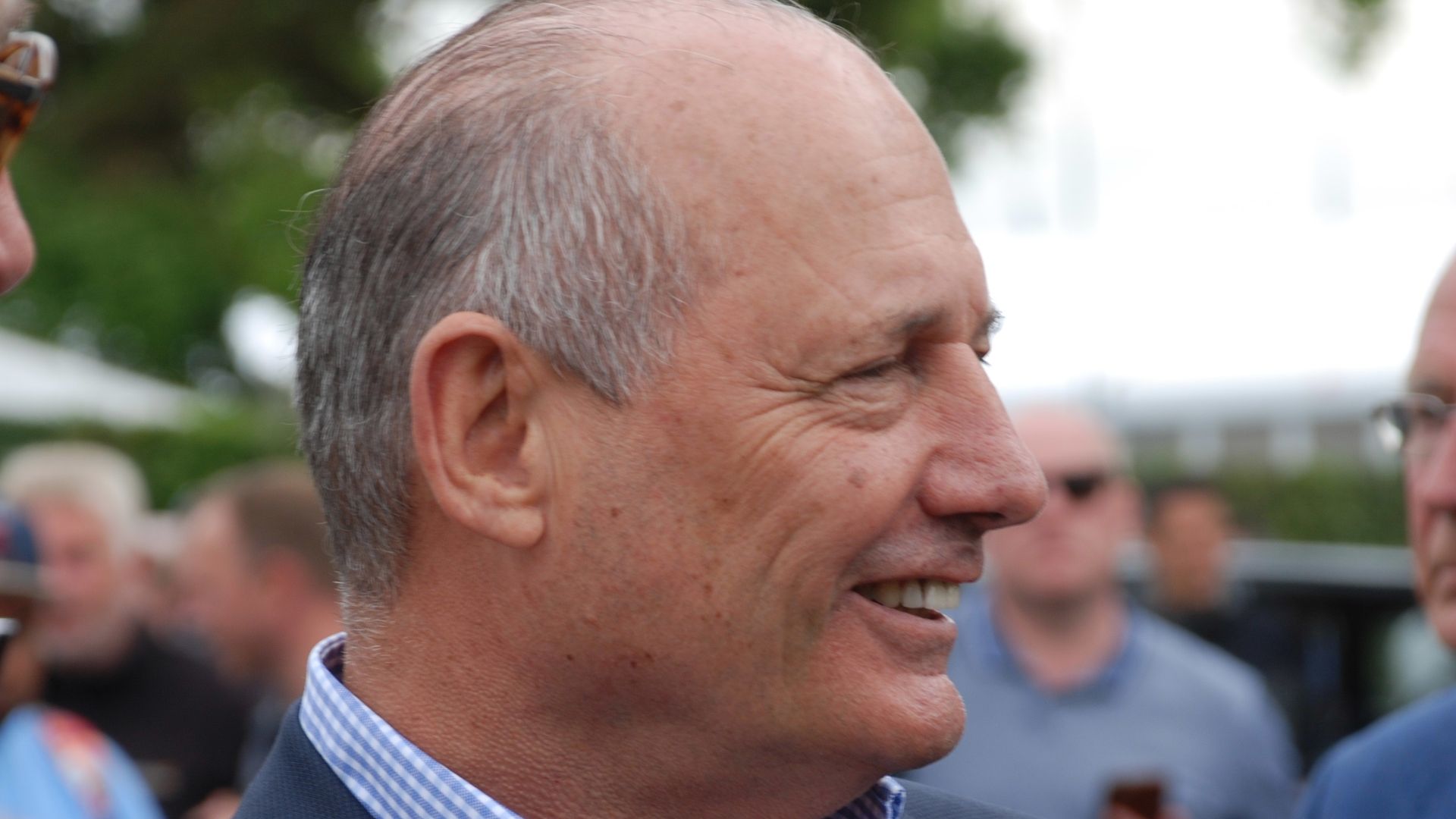
6. Ron Dennis Took Control In 1981
Dennis merged his Project Four team with McLaren in 1981 and immediately changed everything. He brought advanced carbon fiber technology and an obsession with perfection that bordered on neurotic. The struggling team became a dominant force that won multiple championships through sheer technical superiority and discipline.
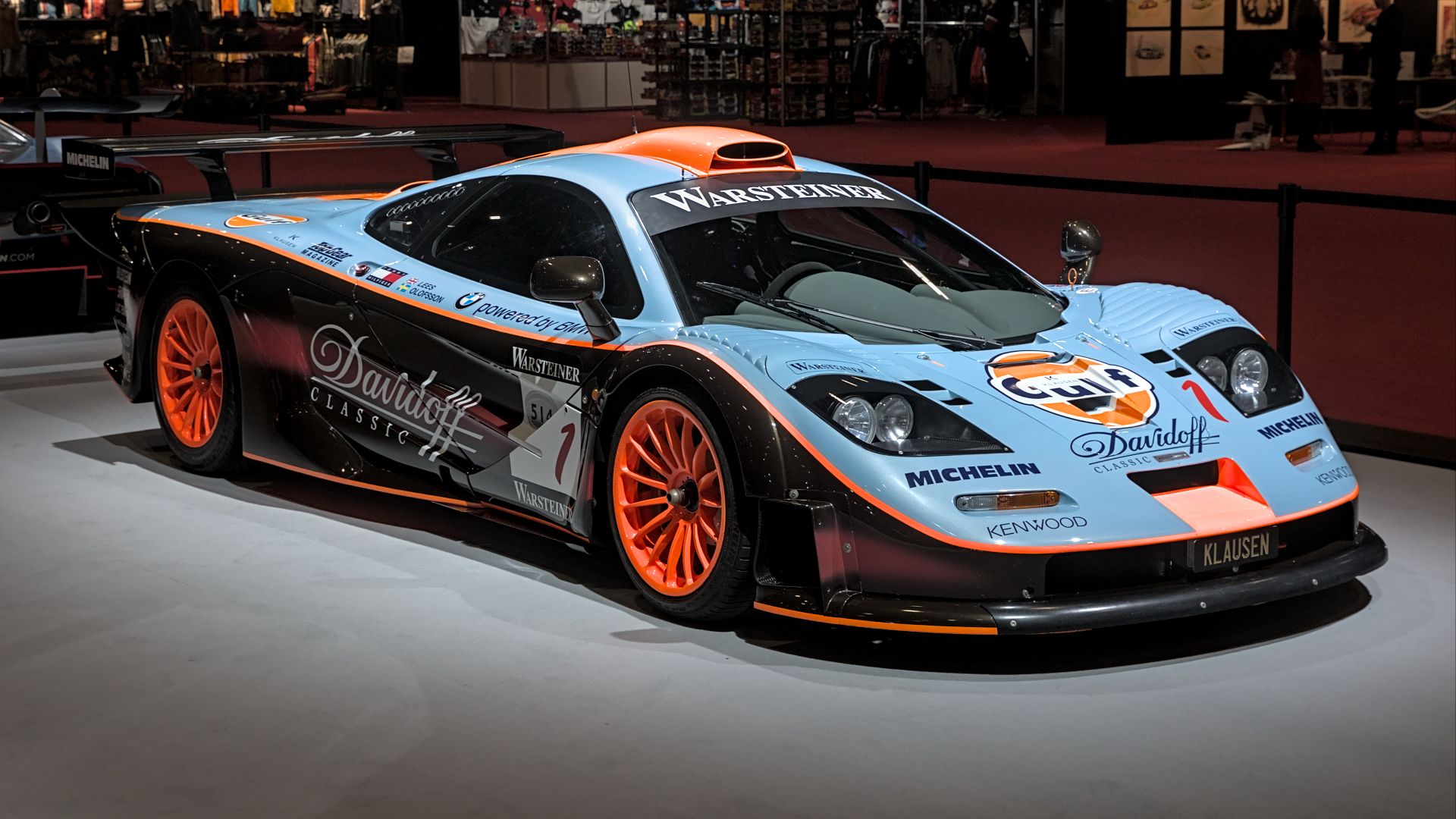
7. McLaren's First Road Car (The F1)
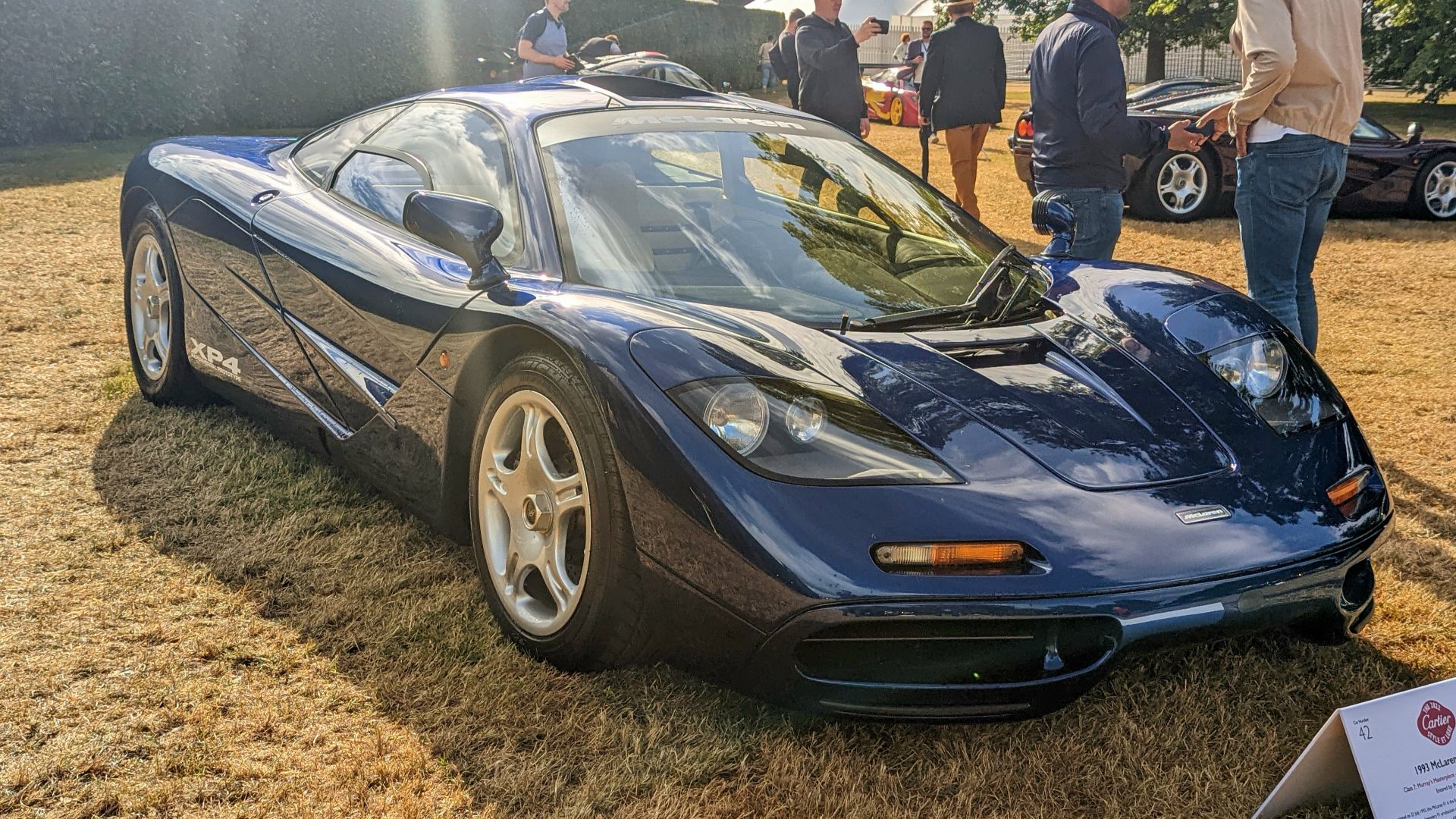
McLaren spent nearly thirty years focused entirely on racing before Gordon Murray designed the F1 in the late 1980s. Production started in 1992, creating the company's first true road-legal supercar. That's three decades of patience before deciding regular people deserved to drive something with a McLaren badge.
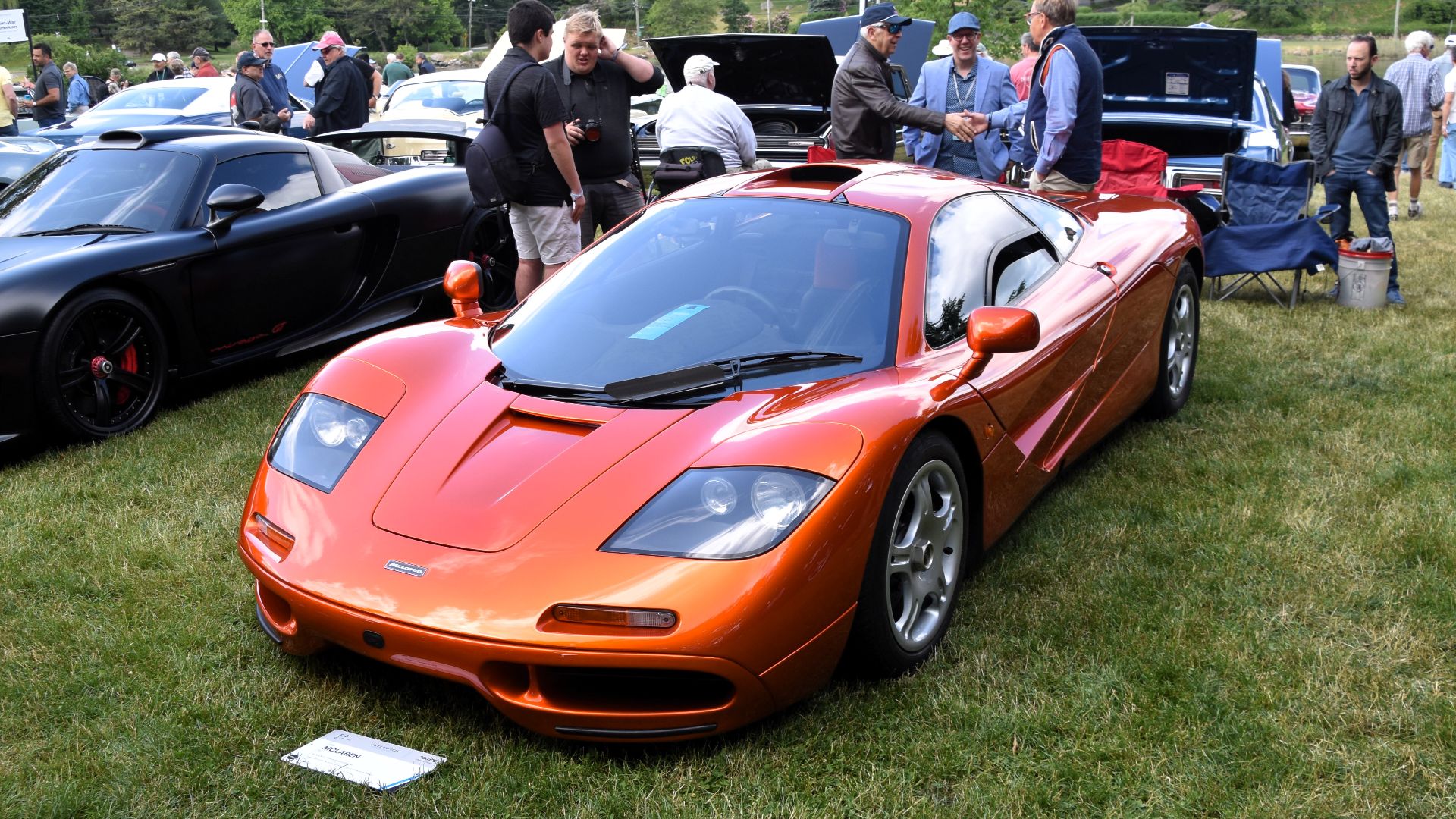 Charles from Port Chester, New York on Wikimedia
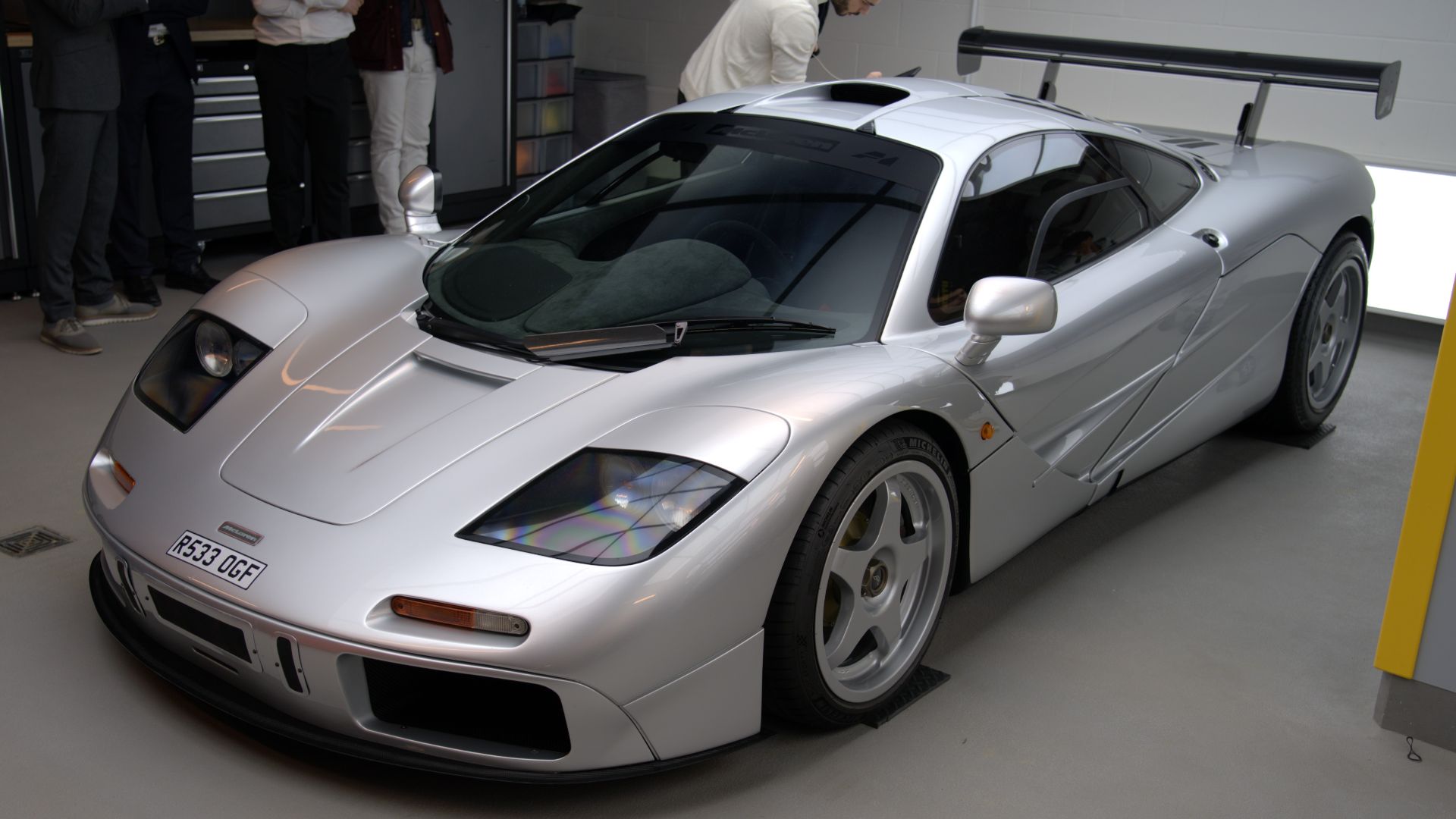
8. The McLaren F1’s Production Car Speed Record
The F1 hit 240.1 mph in 1998 using a naturally aspirated BMW V12 with no turbochargers. It held that record for twelve years until the Bugatti Veyron showed up. Even today, it remains the fastest naturally aspirated production car ever built.
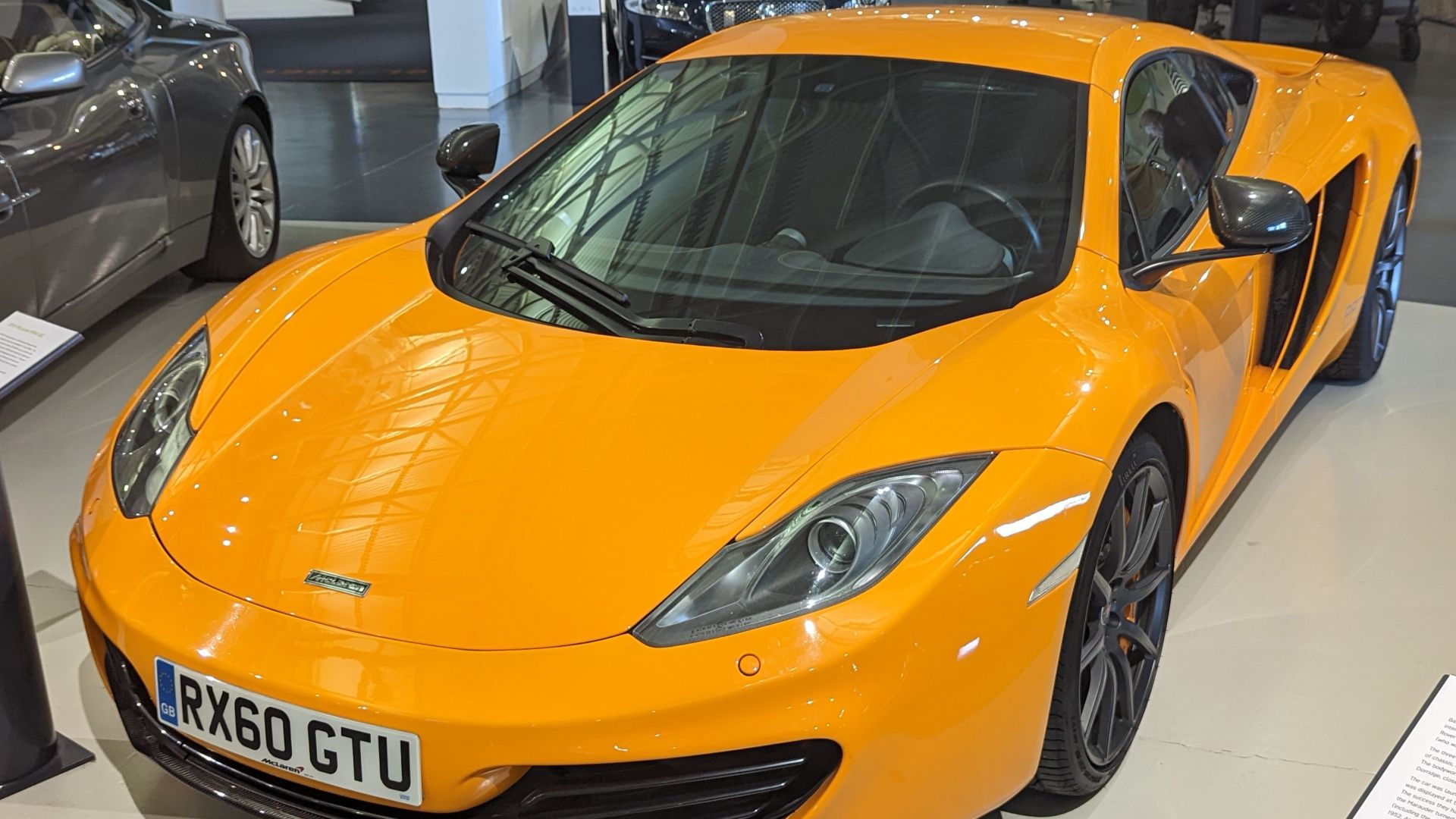
9. McLaren Automotive’s 2010 Relaunch
After the iconic F1, McLaren took a twelve-year break from road cars before relaunching as a standalone company in 2010. They came back with the MP4-12C and a plan to compete properly in the supercar market.
10. Fernando Alonso Returned To F1 With McLaren
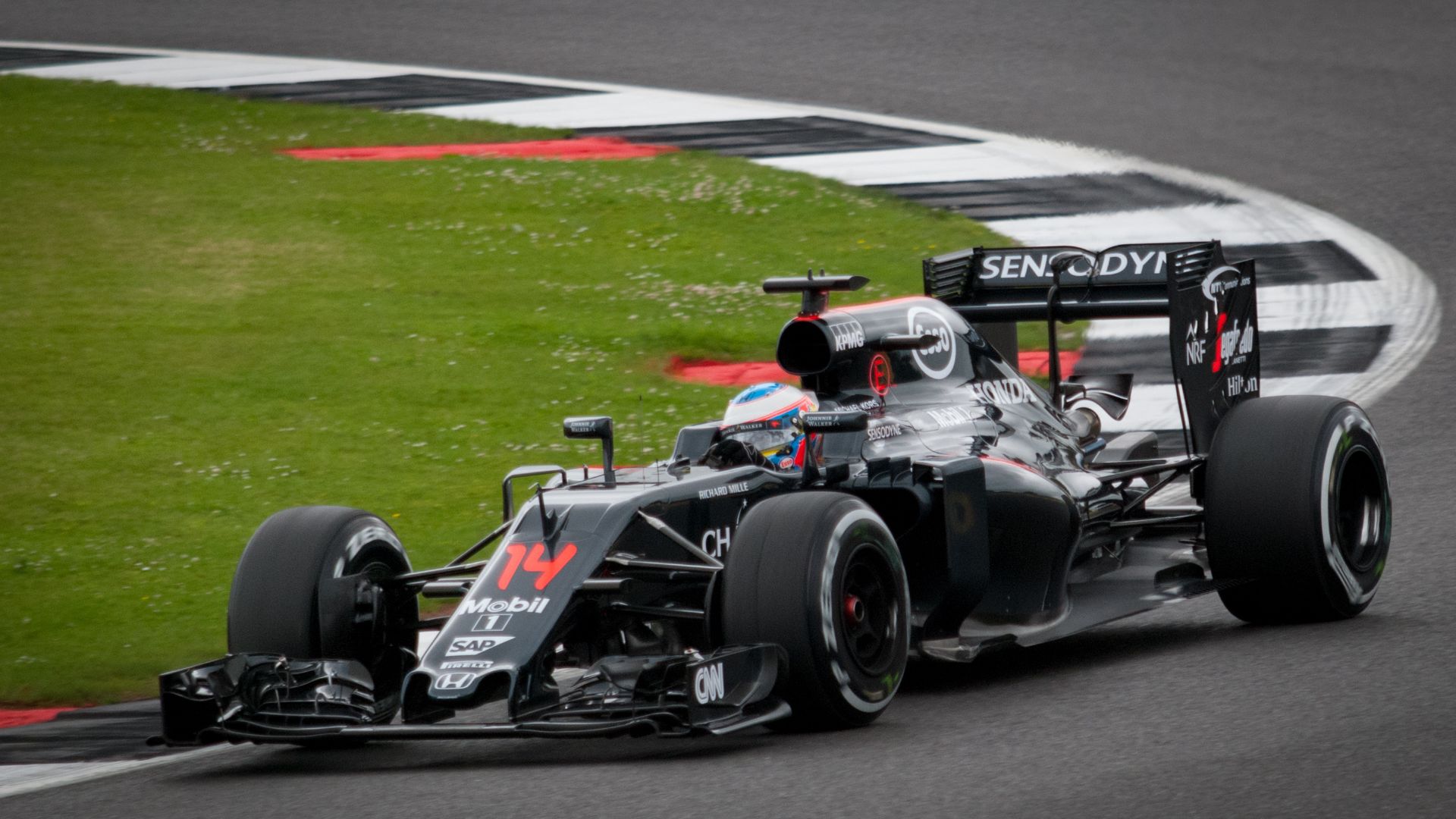
The two-time champion came back after a sabbatical to drive McLaren's difficult Honda years from 2015–2018. His frustration peaked with the legendary "GP2 engine" radio complaint that became an instant meme. Alonso's talent was wasted on underpowered cars, making those years painful for everyone watching a champion struggle with terrible machinery.
 Jake Archibald from London, England on Wikimedia
11. The MP4/4 In 1988 Won 15 Out Of 16 Races
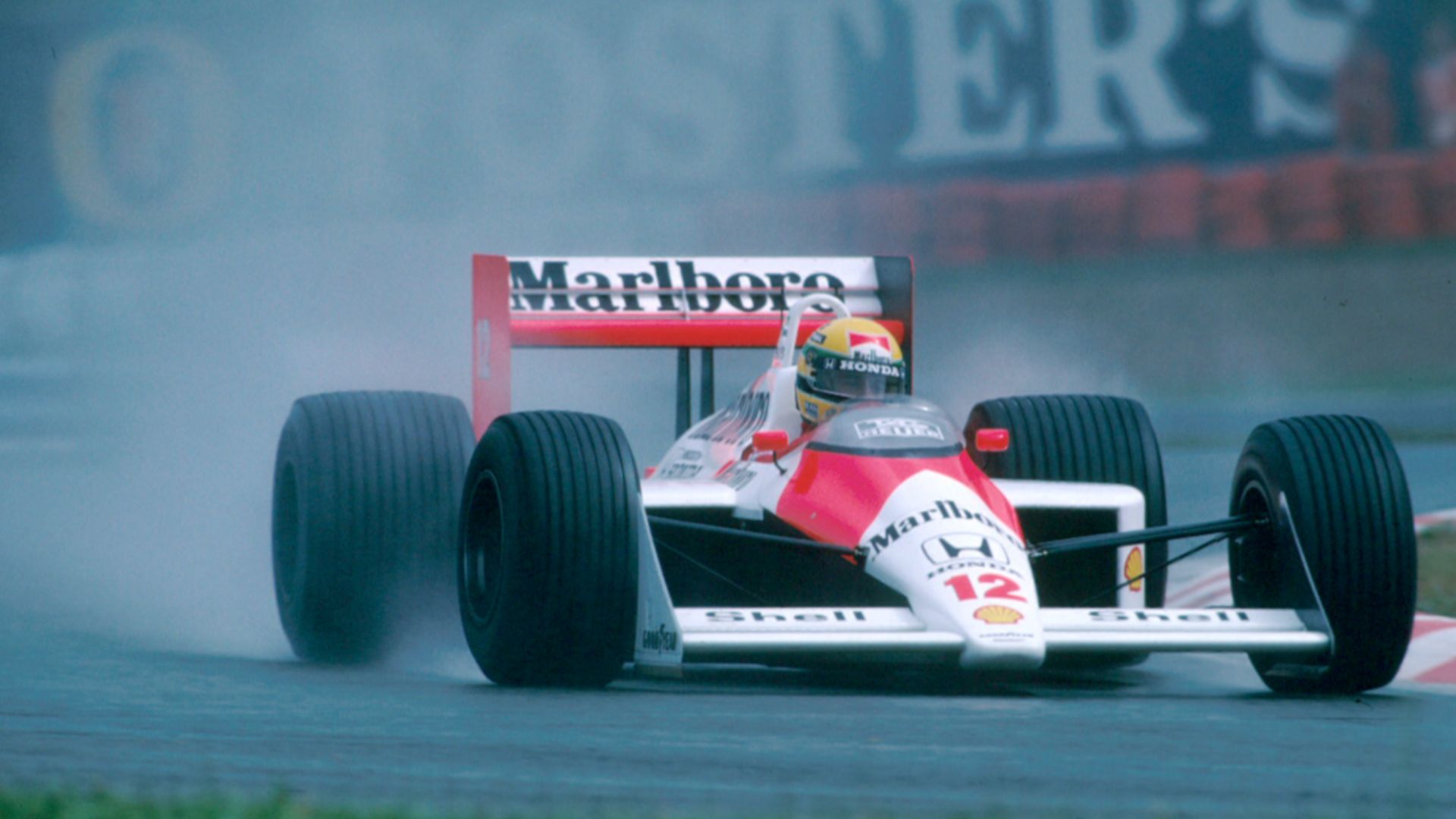
Ayrton Senna and Alain Prost dominated 1988 with a 93.75% win rate that stood until 2023. They only lost Monza because a backmarker caused a collision. Otherwise, the season would've been perfect with sixteen races and sixteen wins.
 Instituto Ayrton Senna on Wikimedia
12. Partnership With Mercedes-Benz
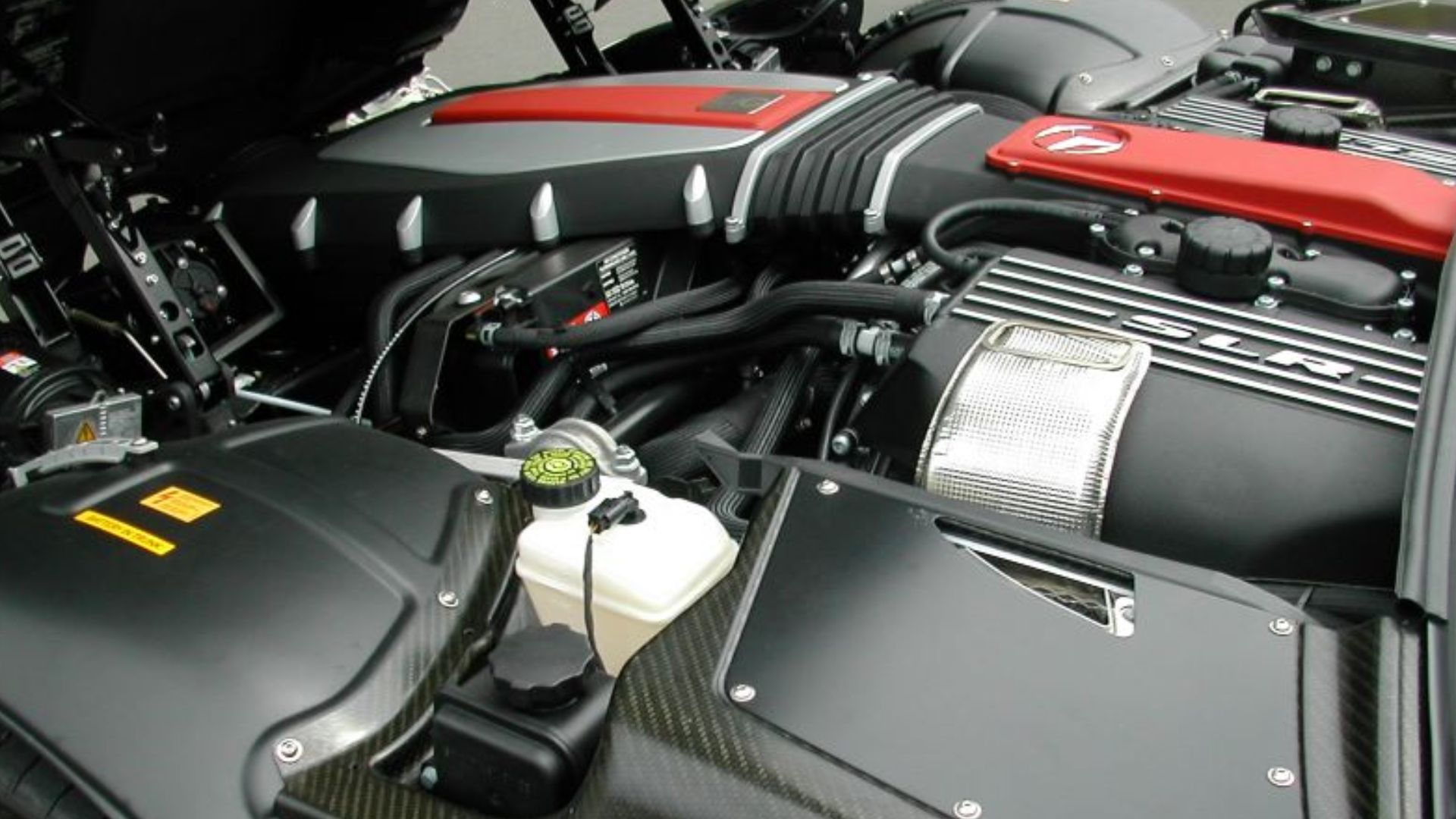
The twenty-year Mercedes engine partnership, from 1995 to 2014, produced championships in 1998, 1999, and 2008. They called it the "silver arrows" era. McLaren eventually split to try Honda, then Renault, before crawling back to Mercedes in 2021.
 Sfoskett~commonswiki on Wikimedia
13. McLaren Entered IndyCar Full-Time In 2020
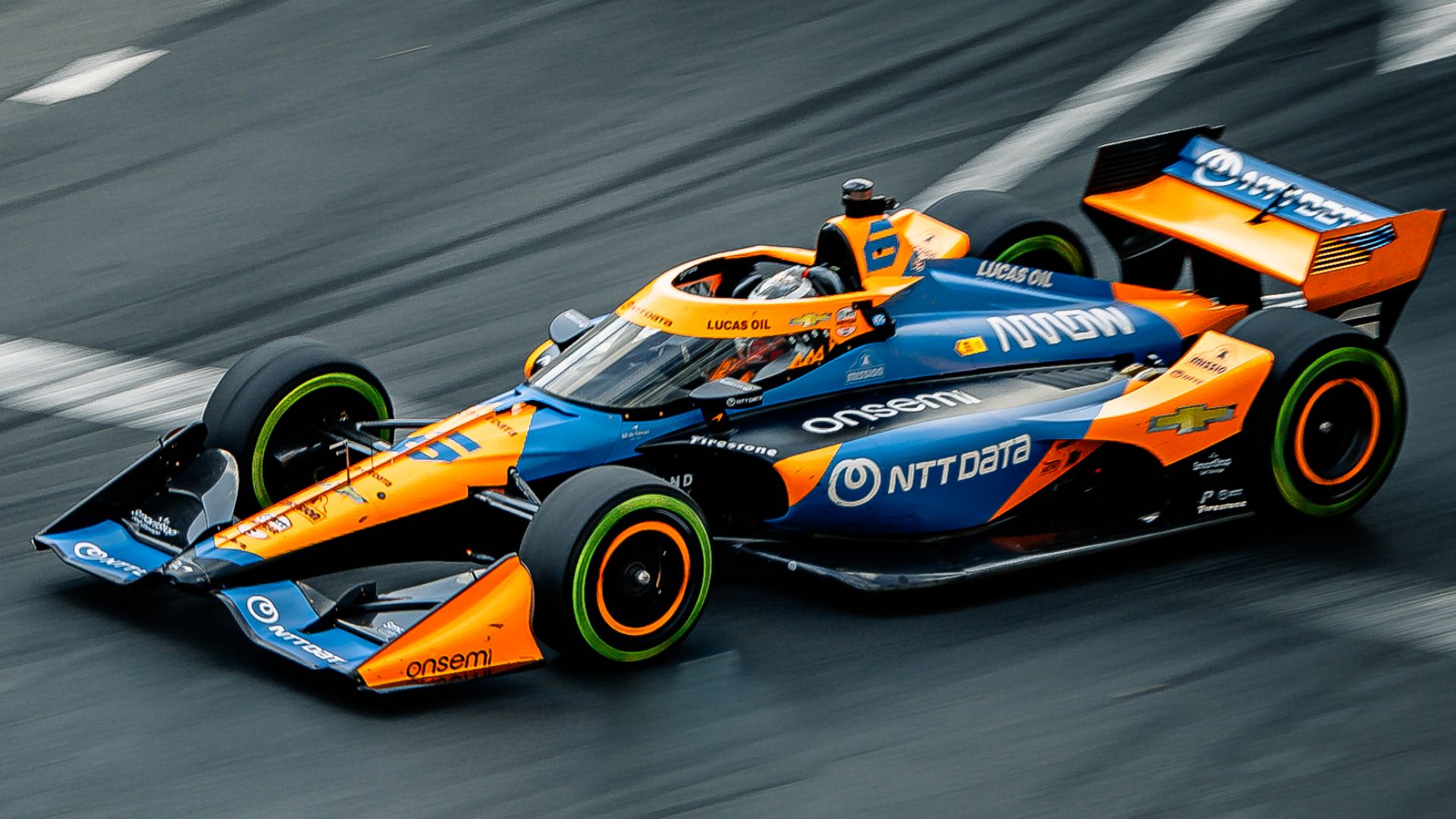
McLaren launched Arrow McLaren as a full-time IndyCar effort in 2020. They've secured multiple wins since and built a competitive team that chases Indy 500 glory. The move represented McLaren's return to American racing ambitions.
14. Only 106 McLaren F1s Built (1992–1998)
Total production included prototypes, LMs, and GTRs, with just sixty-four standard road versions. That makes the F1 rarer than most limited editions, practically a unicorn in the supercar world. Scarcity beyond today’s “exclusive” hypercars has driven values into the tens of millions.
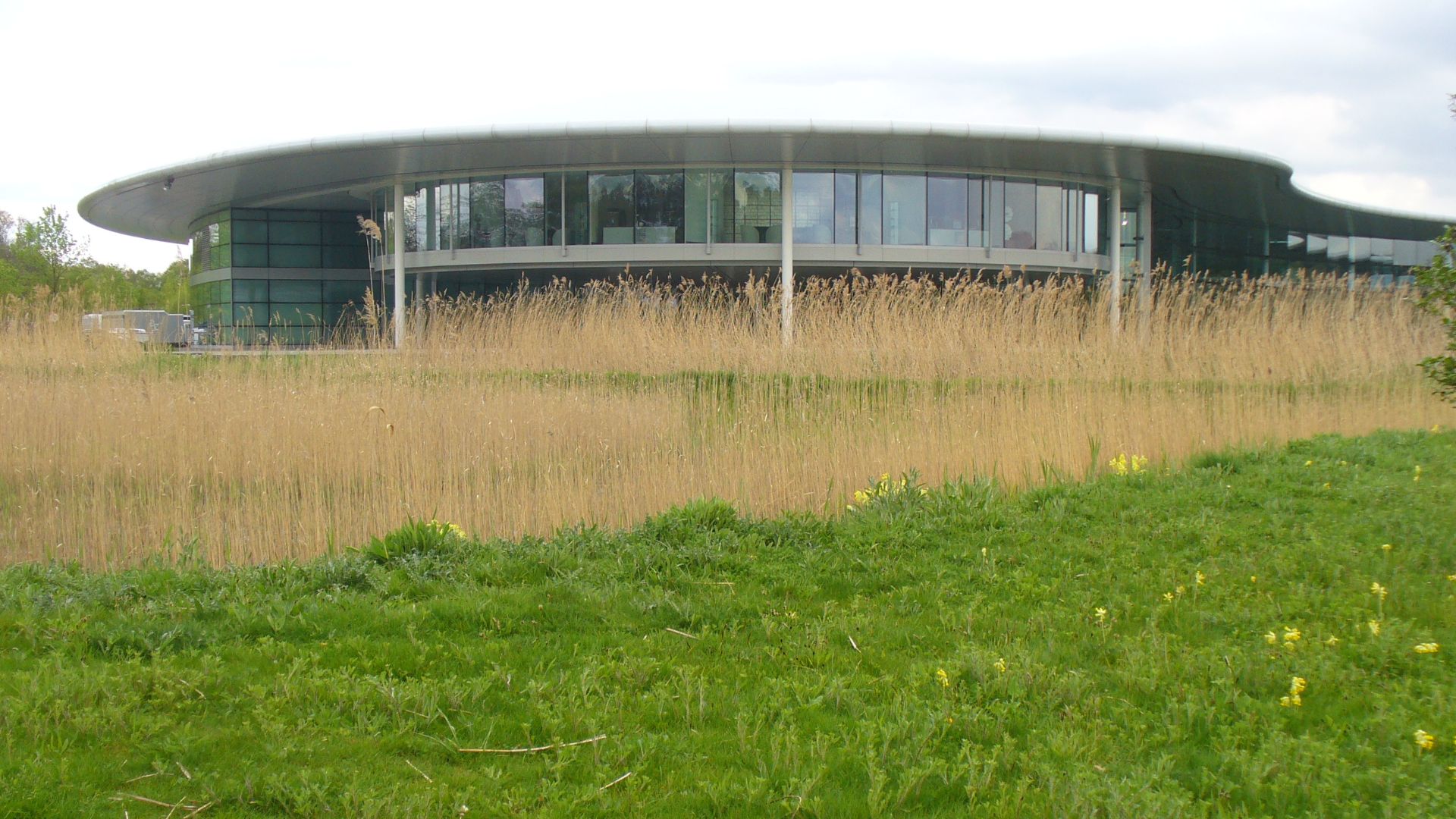
15. The Company Moved To The McLaren Technology Centre in 2004
Norman Foster designed the futuristic MTC in Woking, which opened in 2004. Inside, every aspect of McLaren’s work comes together under one sleek roof—from racing to road cars to advanced technology. The building looks more like a spaceship than a factory.
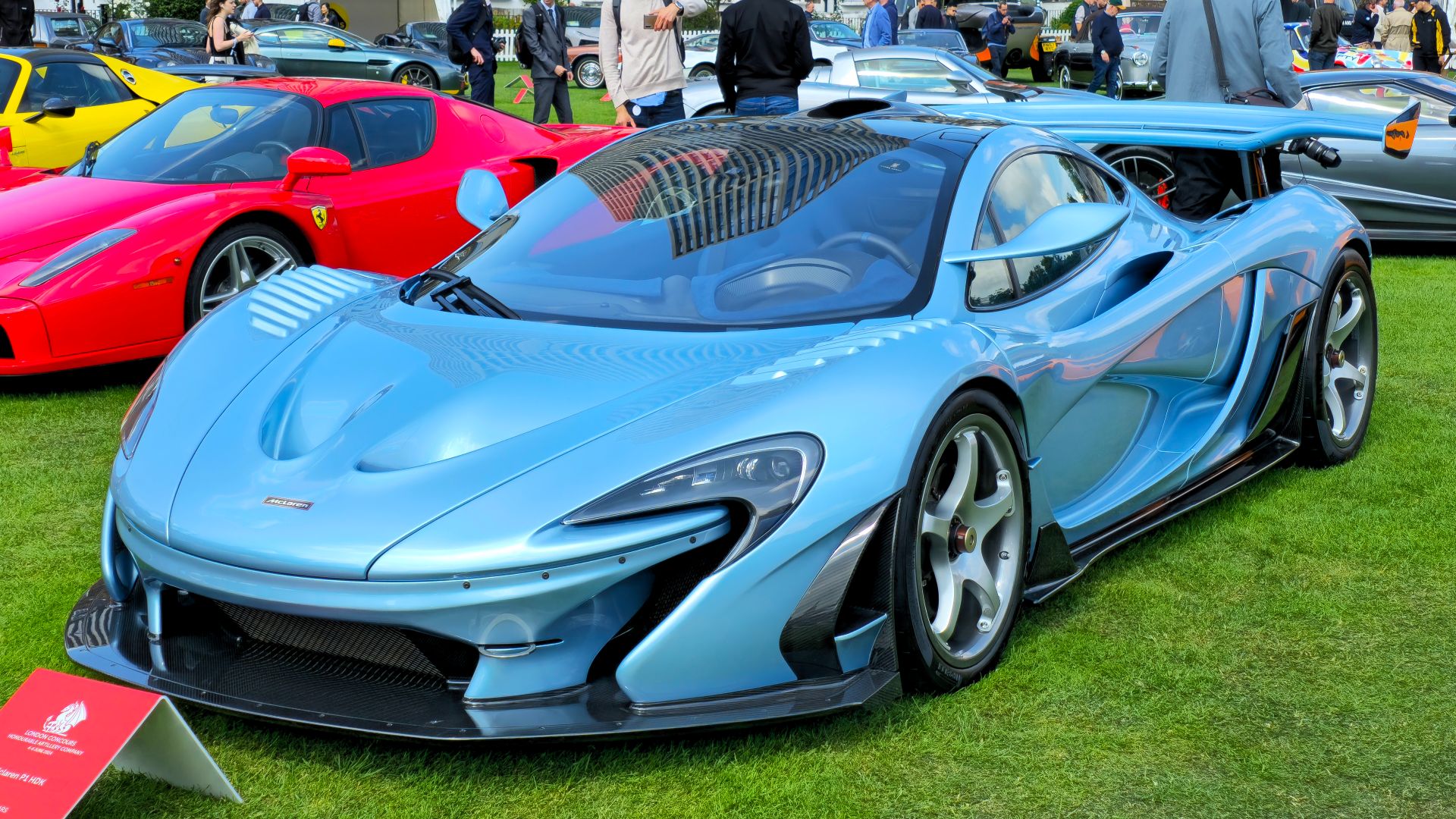
16. The P1 Hypercar Was Only Produced From 2013–2015
McLaren built just 375 P1 units in that short window. The hybrid hypercar became part of the "holy trinity" alongside Ferrari's LaFerrari and Porsche's 918 Spyder. Its brief production run created instant collectibility; gone in a flash, but leaving a massive impact on the hypercar world.
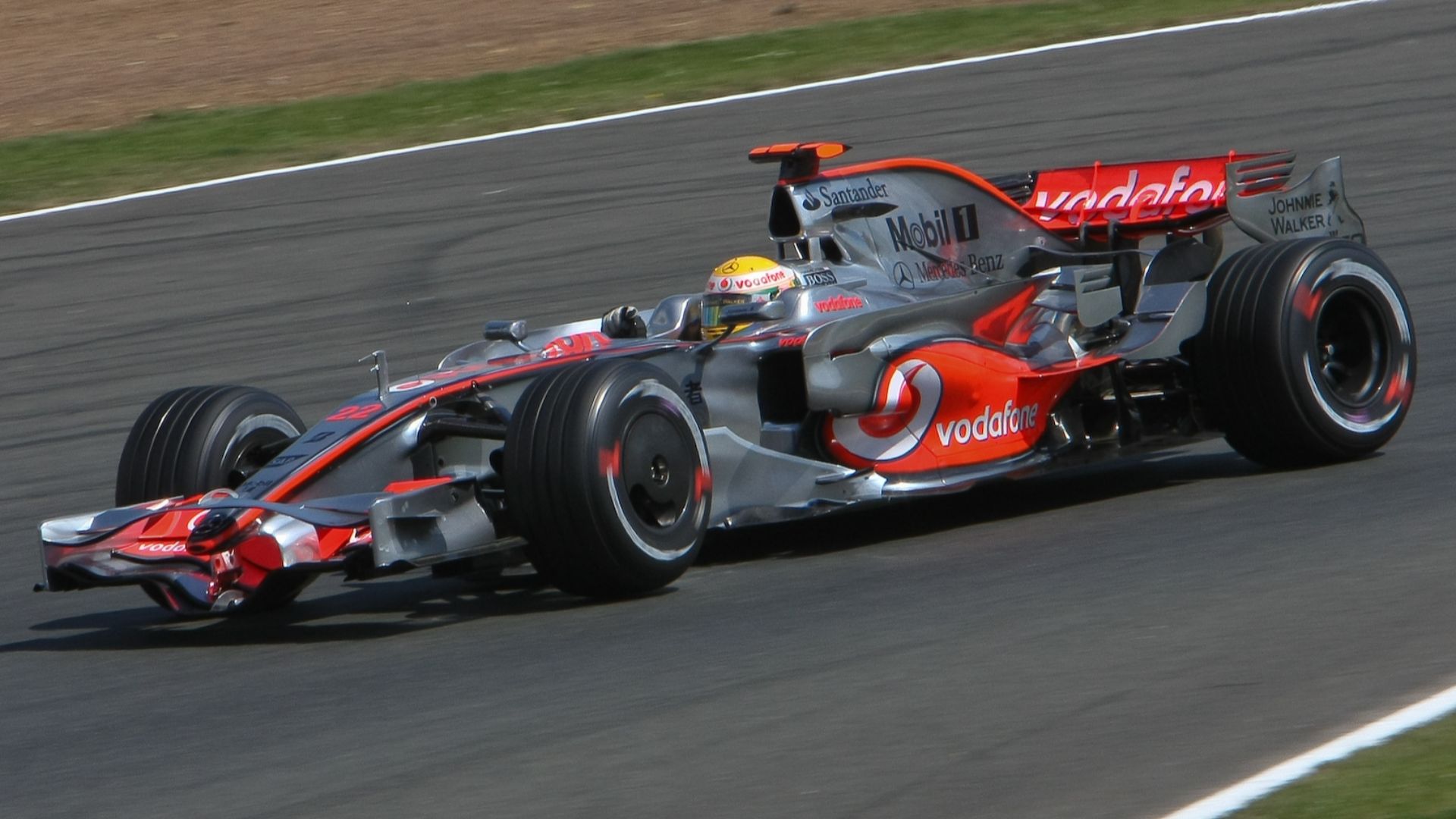
17. McLaren’s F1 Title Drought Began In 2008
Lewis Hamilton’s 2008 driver’s title marked McLaren’s last championship before a 17‑year drought. That stretch finally ended in 2024, closing years of frustration and proving their era of success was not permanently gone.
 Marc Evans from Newbury, UK on Wikimedia
18. McLaren Applied Technologies Spun Off
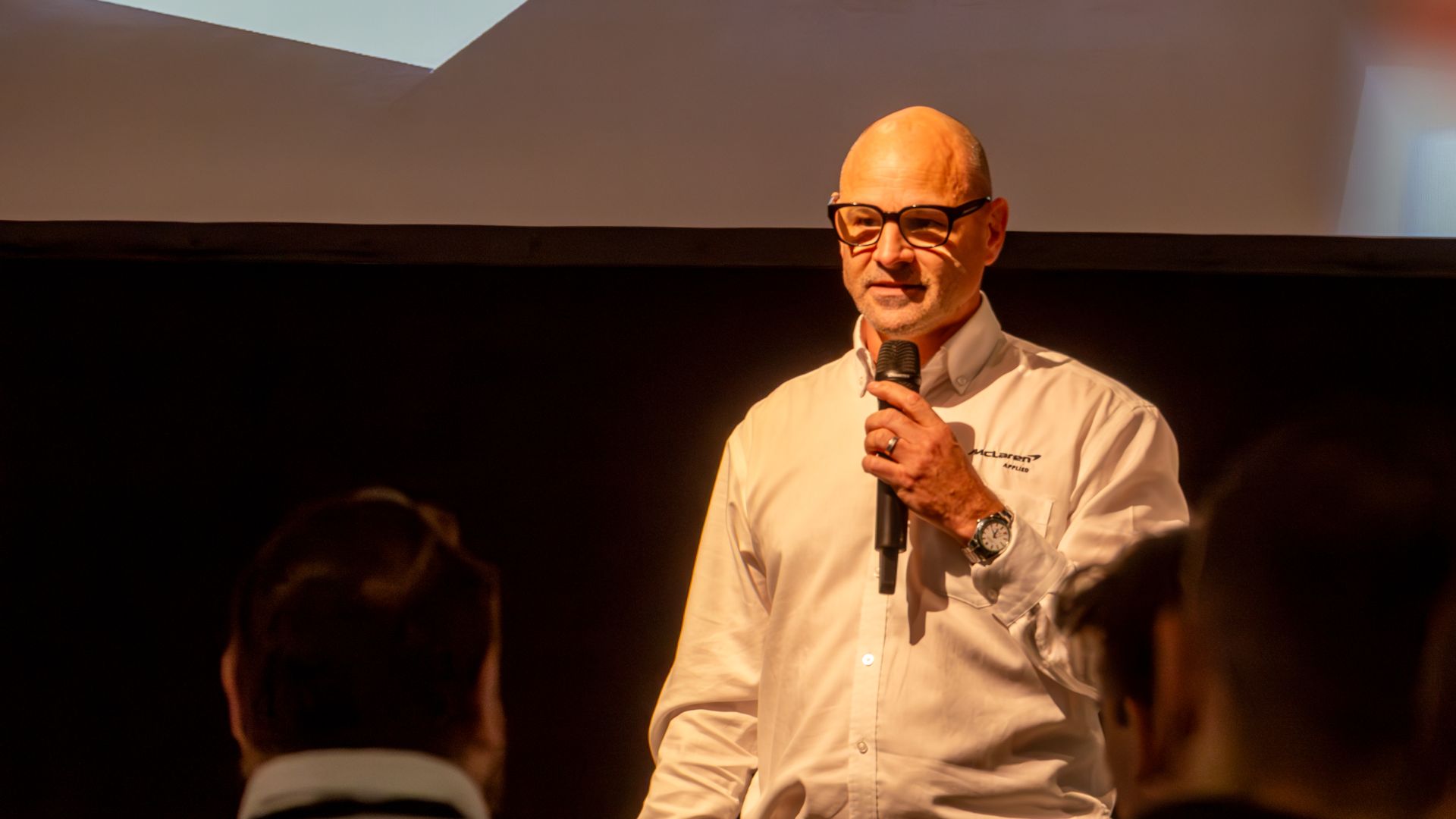
McLaren formed a division around 2004 that applied F1 technology to other industries beyond racing. They took composite knowledge and racing expertise into mining, healthcare, and other sectors. The entire operation was fully spun off and sold in 2021.
19. The Brand Filed For Bankruptcy Protection During COVID-19
Pandemic revenue collapse forced McLaren to seek UK court protection from insolvency in 2020. They nearly went under completely and required major restructuring and emergency investments to survive. But they pulled off an epic comeback.
20. McLaren Automotive Became Profitable Only In 2017
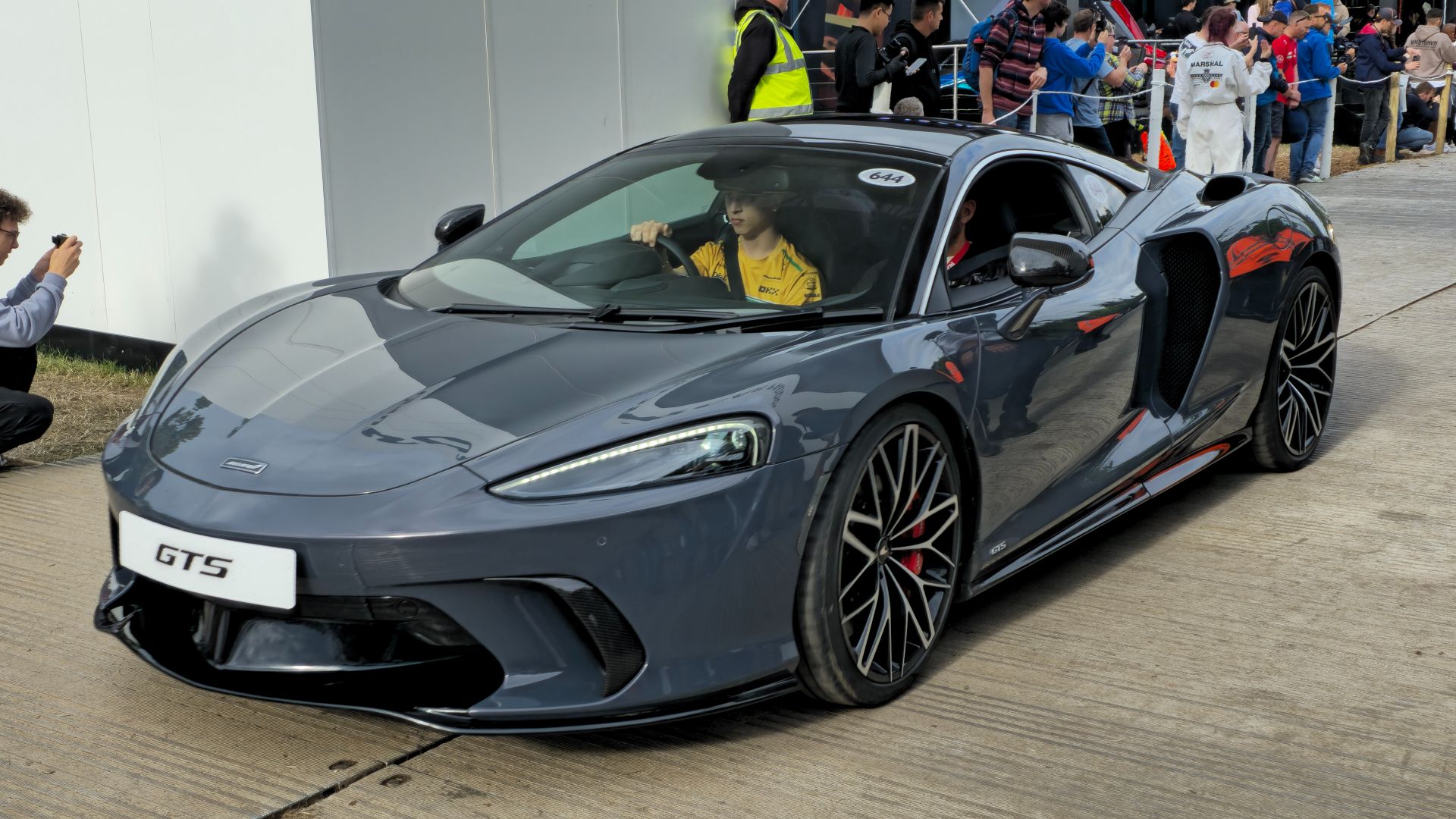
The road car division finally turned its first real profit around 2016–2017 after years of heavy investment. Record sales and profitability followed, proving the business model worked eventually. It took decades from their F1 racing roots to actually make money selling cars to customers.