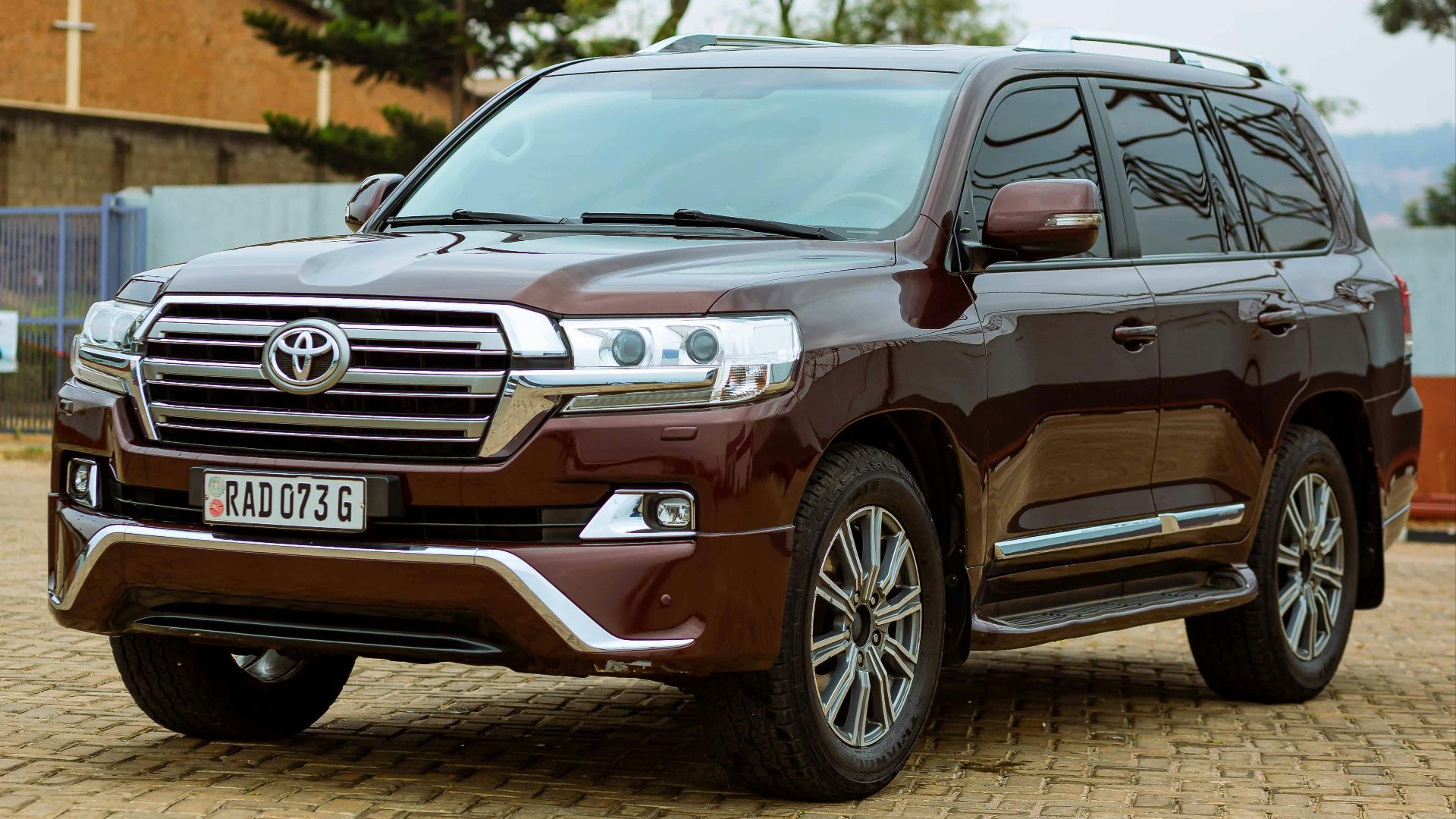

The Quiet Advantages That Add Up At 80,000 Miles
Toyota’s edge rarely looks like a flashy stunt. It shows up in the boring places that actually decide whether you keep loving a car: the door seal that doesn’t start whistling, the hybrid battery that keeps doing its job, the switchgear that still feels tight after years of sunscreen, coffee, and life. While other brands chase attention with big promises, Toyota tends to win by stacking small, repeatable decisions that make ownership easier and more predictable. That predictability has a way of turning into trust, and trust turns into sales, resale value, and the kind of customer loyalty that doesn’t need constant incentives. Here are 20 reasons Toyota keeps beating the field, not with one grand secret, but with a whole system of advantages that compound.

1. They Treat Reliability Like A Brand Feature, Not A Happy Accident
Toyota’s reputation for durability isn’t folklore, it’s reinforced constantly in mainstream reliability rankings. Consumer Reports’ brand reliability lists have repeatedly put Toyota near the top, which matters because owners buy with their wallets, not their wishful thinking.

2. The Toyota Production System Still Runs The Show
A lot of companies talk about “process,” yet Toyota built a global identity around it, especially through just-in-time production and jidoka, the idea of building quality into the process and stopping to fix problems. That mindset creates cars that feel less like prototypes and more like finished products.
 Haryad photography on Unsplash
3. They Make Boring Choices That Save You Later
Toyota will happily let another brand be first to market with a risky feature, then arrive later with the version that doesn’t glitch at the worst possible moment. It can feel conservative in the showroom, then feel brilliant the first time you realize you’re not scheduling another dealer visit for a software tantrum.
4. They Standardize The Stuff That Should Be Standardized
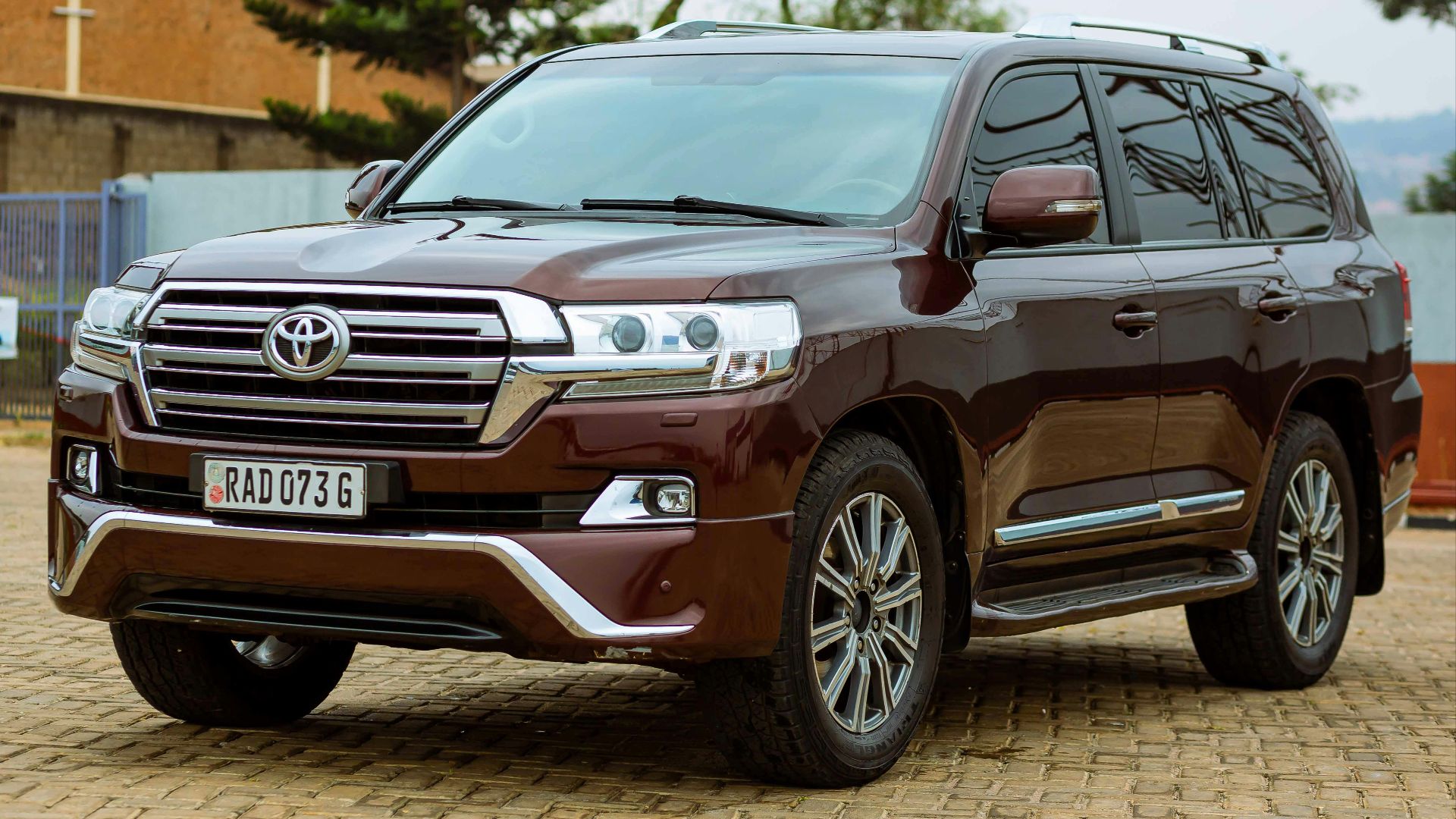
A window switch shouldn’t require a reinvention arc every model year. Toyota standardizes components and design thinking across vehicles, which helps with parts quality, service familiarity, and the simple comfort of things working the same way every time you touch them.
5. They Spend Big On Hybrids, Not Hype
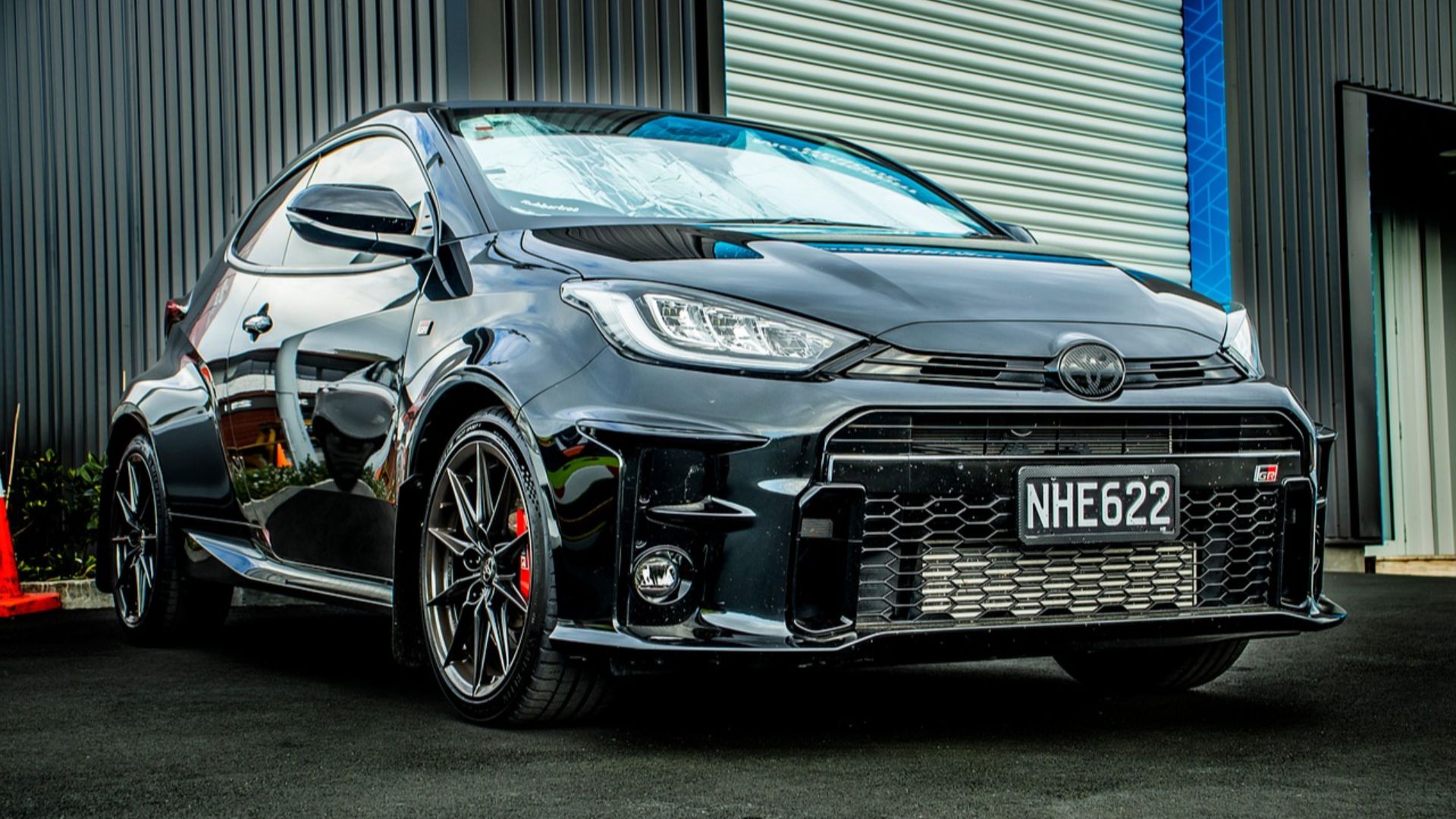
Toyota didn’t treat hybrids as a one-season trend, they treated them like a long-term infrastructure project. Years of hybrid production experience means fewer surprises, better integration, and a technology stack that’s been refined in millions of real commutes.
6. They Sweat Manufacturing Details People Never See
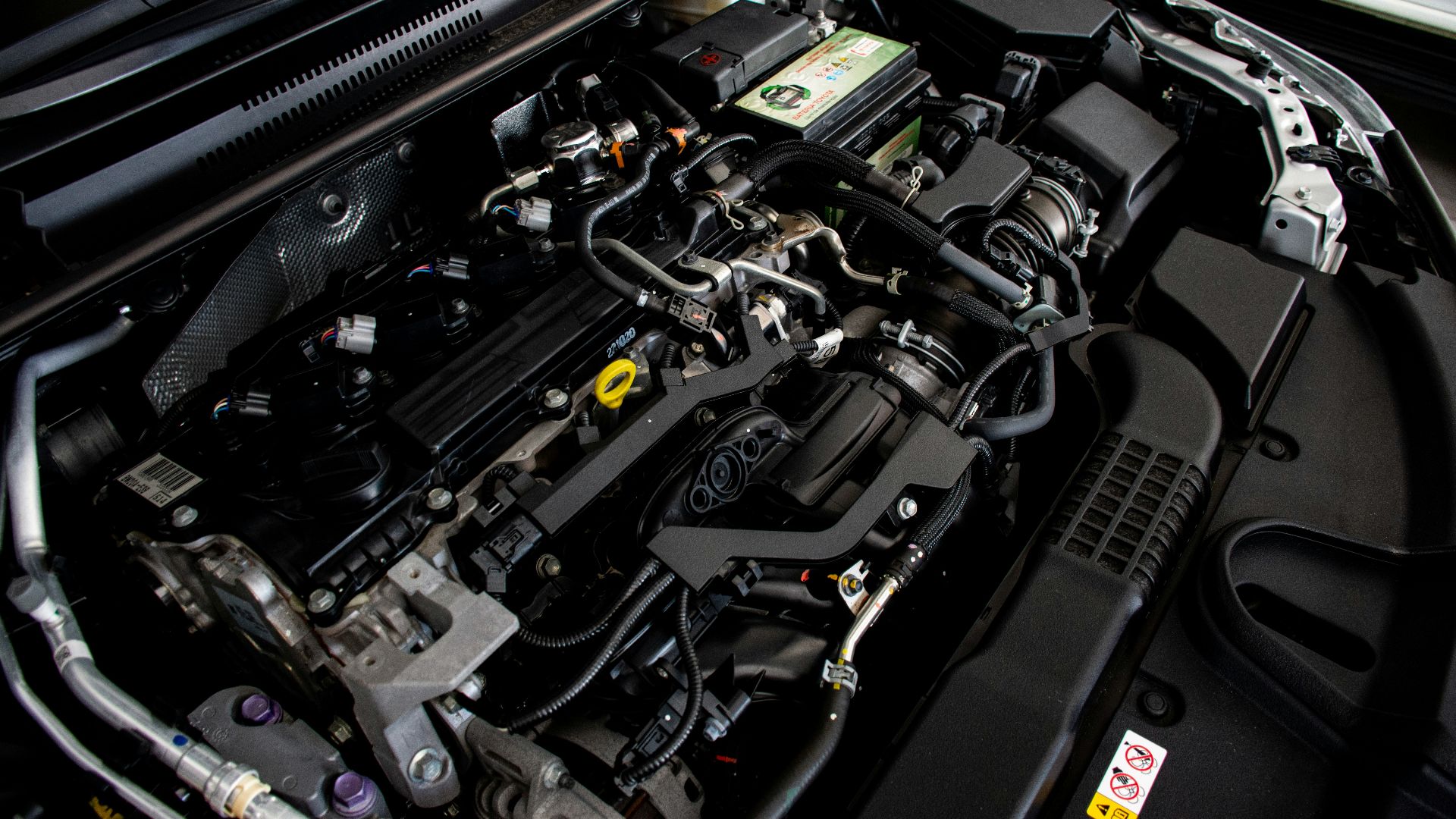
Panel gaps, paint consistency, wiring routing, and fastener choices sound like factory trivia until you’re the one paying to fix rattles and electrical gremlins. Toyota’s culture is built around noticing those details early, when they’re cheap to correct and easy to standardize.
7. They Build For The Middle Of Real Life
A Toyota interior rarely feels like it was designed only for press photos. The layouts usually assume you’ll be driving with a bag in the passenger seat, a water bottle rolling around somewhere, and a brain that wants buttons you can find without staring.
8. They Keep Powertrains Simple Where It Counts
Toyota tends to avoid overcomplicating the core mechanical pieces that decide long-term ownership costs. Even when the engineering is sophisticated, the end result often behaves straightforwardly, which keeps repairs and maintenance from turning into a saga.

9. They Use Platforms To Improve Cars, Not To Cheapen Them
Toyota’s TNGA strategy is a modular approach meant to raise baseline performance and streamline development across many models. When it’s done well, platforms create consistency you can feel, steering that makes sense, bodies that feel solid, and fewer weird one-off issues.

10. They Keep A Tight Grip On Supply Chains And Supplier Quality
Toyota is famously serious about supplier relationships, expectations, and feedback loops. That means fewer “we had to switch parts mid-year” surprises, and fewer tiny failures that ripple into big customer frustration.
11. They Design With Service In Mind
Some cars feel like they were engineered in a vacuum, and the technician is an afterthought. Toyota tends to make cars that can be maintained without heroic labor hours, which keeps ownership from becoming a slow bleed of time and money.

12. They Don’t Bet The Company On A Single Powertrain Future
Toyota has invested across hybrids, plug-ins, hydrogen, and battery EVs, sometimes taking criticism for not going all-in on one path. That spread can look cautious, yet it also keeps Toyota flexible when regulations, infrastructure, and consumer reality refuse to line up neatly.
13. They Know Resale Value Is Part Of The Product
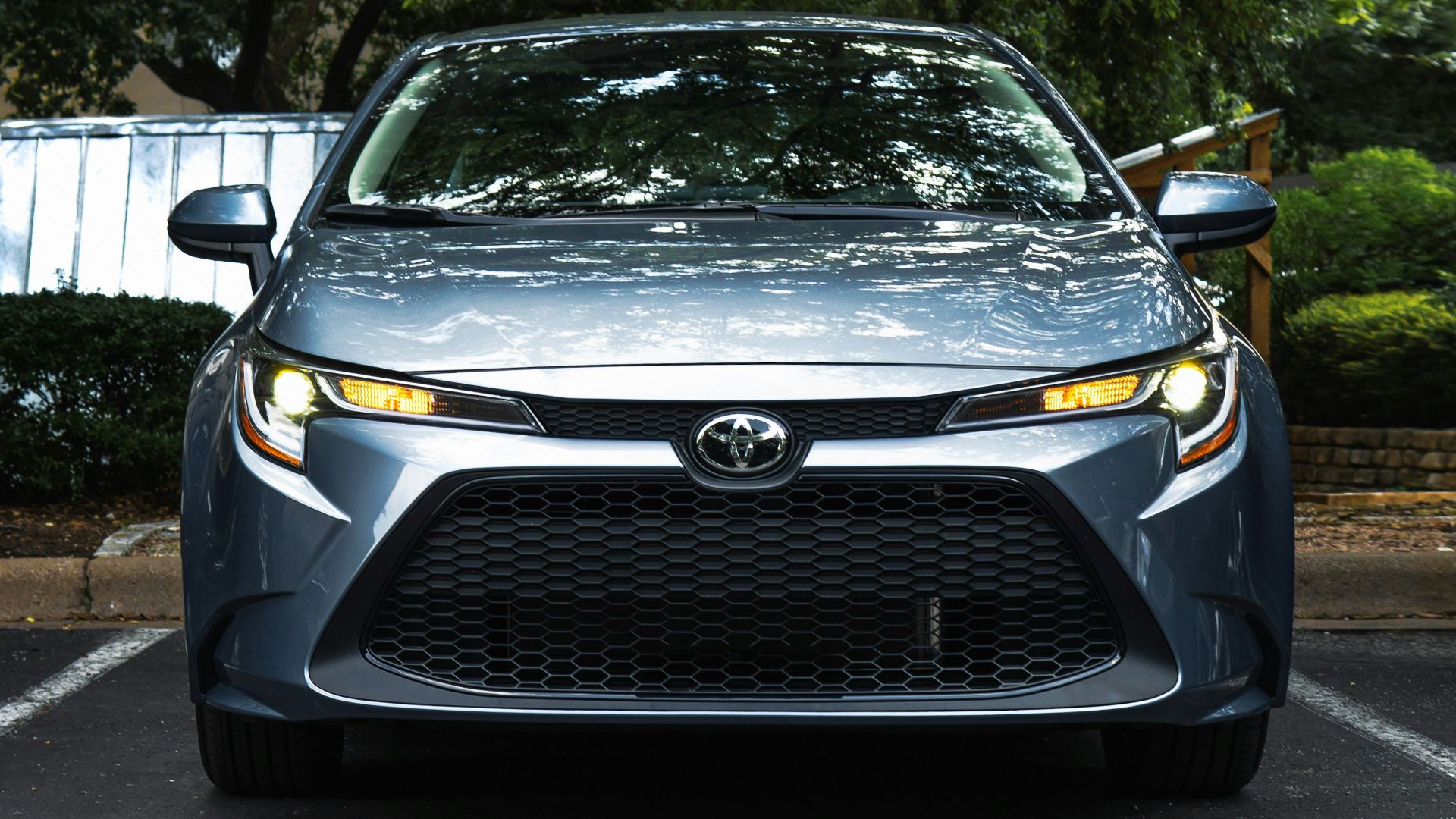
Toyota’s strength isn’t only what you pay up front, it’s what you get back later. Strong resale value changes the math for buyers, lease customers, and families who like the idea that their next car will cost less because the current one holds its ground.

14. They Optimize For The Second Owner, Too
A lot of brands build like every customer is flipping the car after the warranty ends. Toyota builds with the reality that many of these vehicles will live long, messy second lives, and that durability keeps the brand’s reputation circulating in used-car lots.

15. They Take Quality Data Seriously, Not Personally
When something goes wrong, Toyota’s culture leans toward problem-solving instead of defensiveness, which is a real advantage at scale. The point isn’t to look perfect, it’s to correct the root cause so the same failure doesn’t show up again in a different model.

16. They Keep Model Lines Stable Long Enough To Get Them Right
Toyota doesn’t always chase dramatic redesigns at maximum speed. A longer product cadence can mean more time to refine the weak spots, the squeaks, the weird little complaints that only show up once thousands of people have lived with the car.
17. They Win The “Normal Day” Test
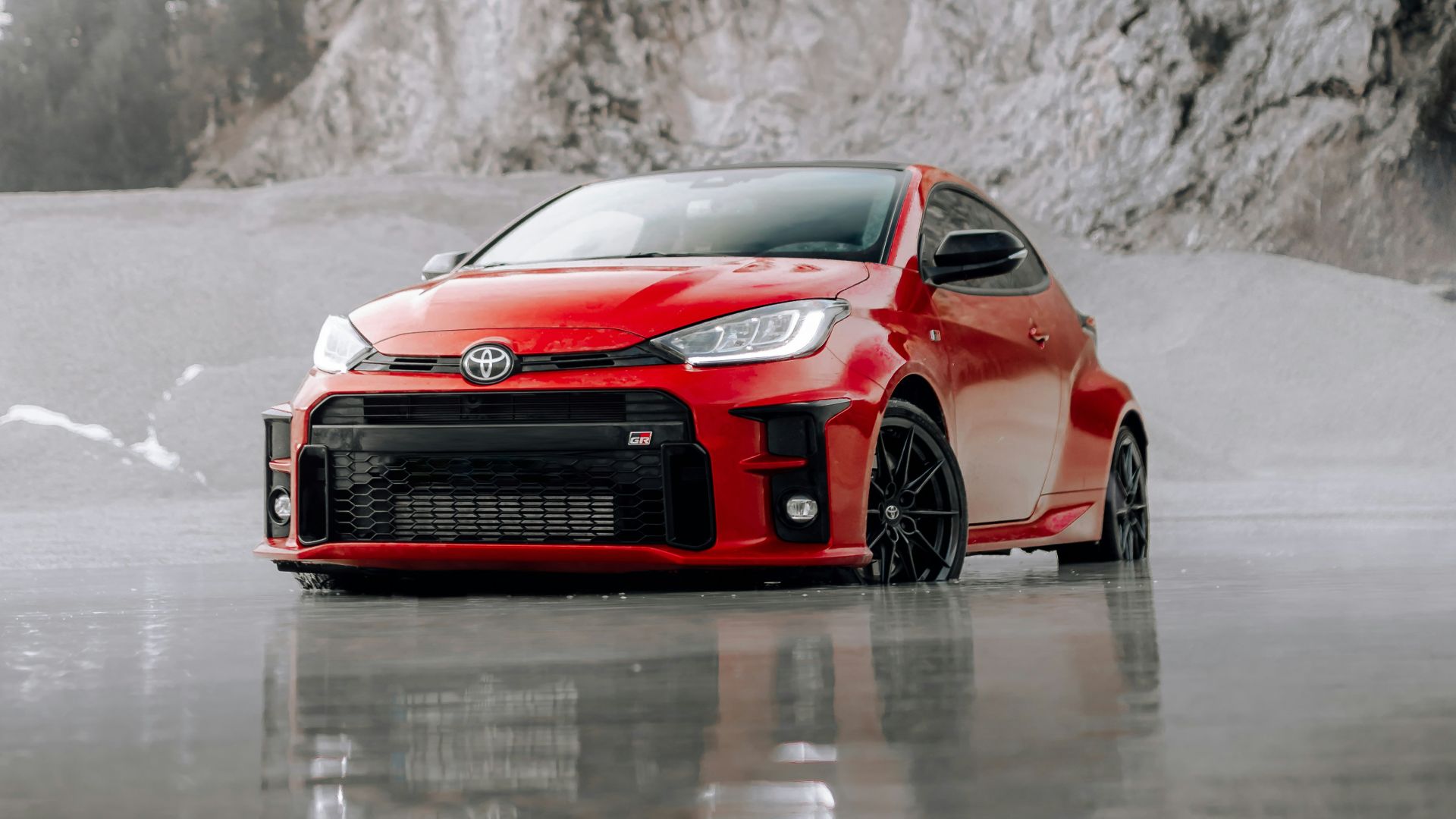
A Toyota often feels slightly underdramatic on the first drive, then increasingly smart after months of errands, road trips, and weather. The brand keeps outperforming because it’s optimized for the 95 percent of driving that is not cinematic.
18. They Protect The Customer Experience With Dealer Depth
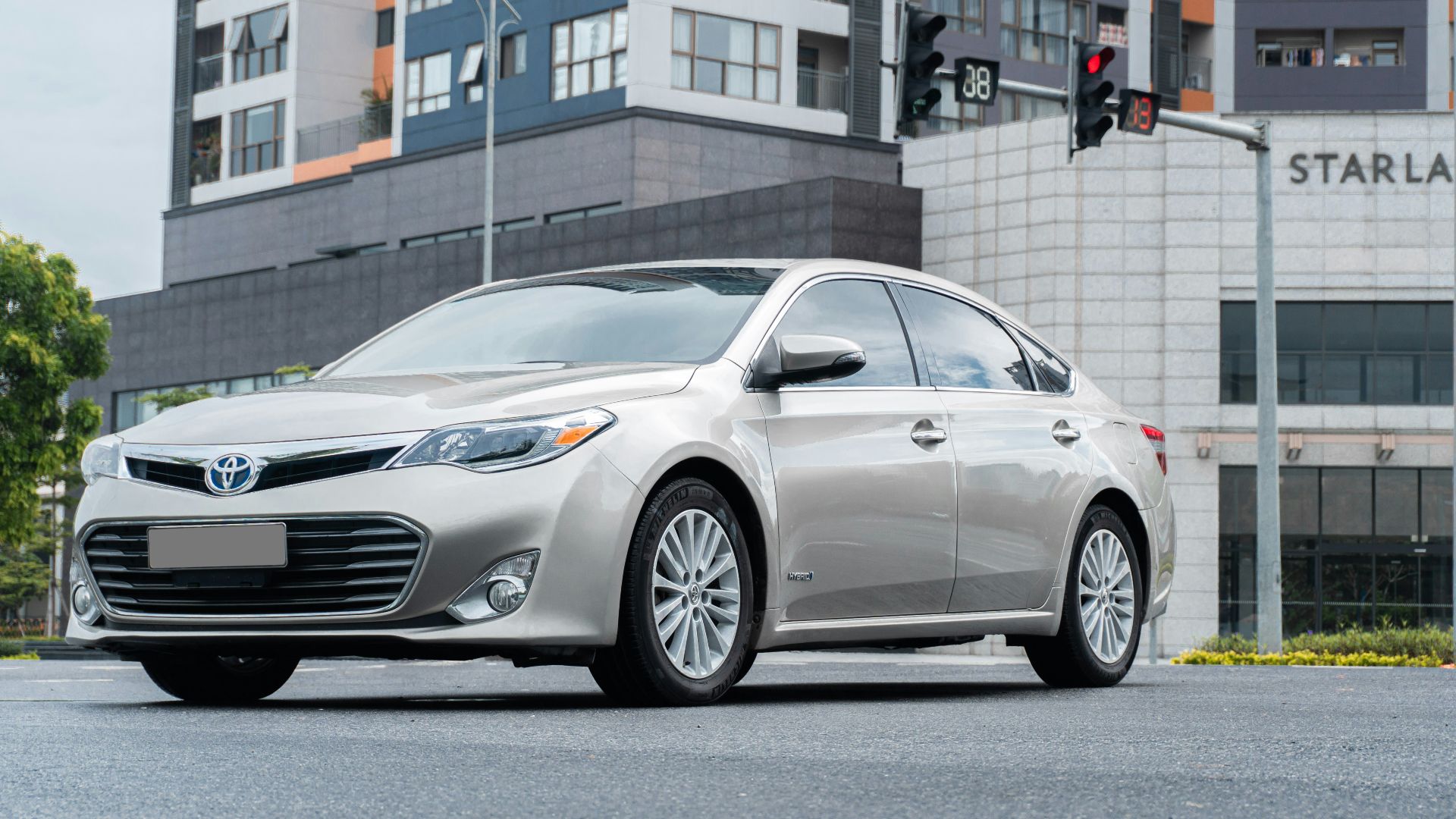
Toyota’s dealer and service footprint is part of why ownership feels manageable in so many places. When help is easier to find, maintenance stays on schedule, small issues get handled early, and the whole ownership story stays calmer.
19. They’re Good At Not Making Enemies Of Their Own Customers
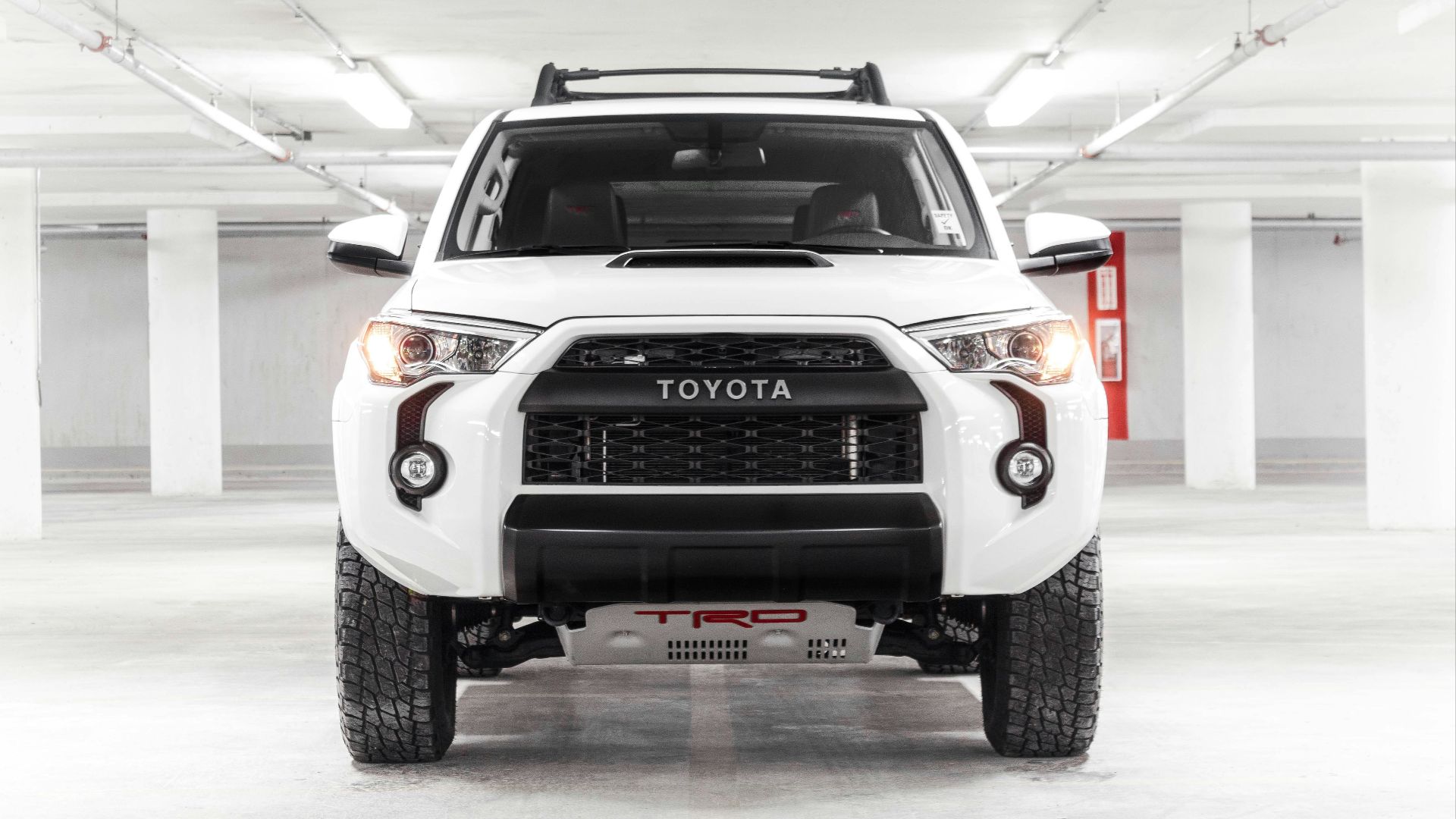
Some brands burn loyalty by chasing novelty while ignoring the stuff people actually liked. Toyota is more likely to preserve what works, improve what doesn’t, and avoid the whiplash of “everything changed, and the old way is gone now.”
20. They Let The Product Speak, Then They Let Time Confirm It
Toyota’s biggest flex is that the story keeps getting told by odometers, not ads. When reliability studies like Consumer Reports’ rankings and J.D. Power’s dependability research keep pointing toward Toyota and its luxury sibling Lexus near the top, the brand’s advantage becomes self-reinforcing in the most powerful way: people believe it because they’ve seen it last.