
Ask Questions Before You Drive Off the Lot
Buying a new car is exciting, but it’s also one of the biggest financial decisions you’ll make outside of housing. The pressure at dealerships, flashy features, and endless options can make it easy to rush a decision. Asking the right questions ahead of time helps you avoid regret, save money, and end up with a car that actually fits your life. These questions are designed to slow you down in a good way and make sure you’re buying smart, not just buying shiny.
 Erik Mclean on Unsplash1. What’s my realistic budget, including monthly costs?
It’s easy to focus only on the sticker price, but that’s just the beginning. You also need to factor in insurance, fuel, maintenance, and potential repairs. A car that feels affordable upfront can strain your finances long-term. Be honest with yourself about what fits comfortably, not what barely works.

2. How much can I afford for a down payment?
A larger down payment usually means lower monthly payments and less interest paid over time. It can also give you better loan terms. If you put too little down, you may owe more than the car is worth early on. That situation can make selling or trading painful.
 Antoni Shkraba Studio on Pexels
3. Should I buy new, used, or certified pre-owned?
Each option has clear pros and cons depending on your priorities. New cars offer warranties and the latest tech, but depreciate quickly. Used and certified pre-owned vehicles often provide better value. Think about how long you plan to keep the car and how much risk you’re comfortable with.
 Antoni Shkraba Studio on Pexels
4. What kind of driving do I actually do on most days?
Your daily routine matters more than you might think. Long commutes, city driving, road trips, or hauling gear all call for different features. Buying a vehicle that doesn’t match your habits leads to frustration. Choose practicality over hypothetical situations you rarely face.

5. How reliable is this model over time?
Not all cars age equally, even within the same brand. Research long-term reliability ratings and common issues. A car that looks great today can become a money pit later. Reliability often matters more than luxury features.

6. What will my insurance cost be?
Insurance premiums vary widely based on the car, not just your driving record. Sportier or luxury vehicles usually cost more to insure. Get a quote before you buy, not after. This step alone can save you from an unpleasant surprise.
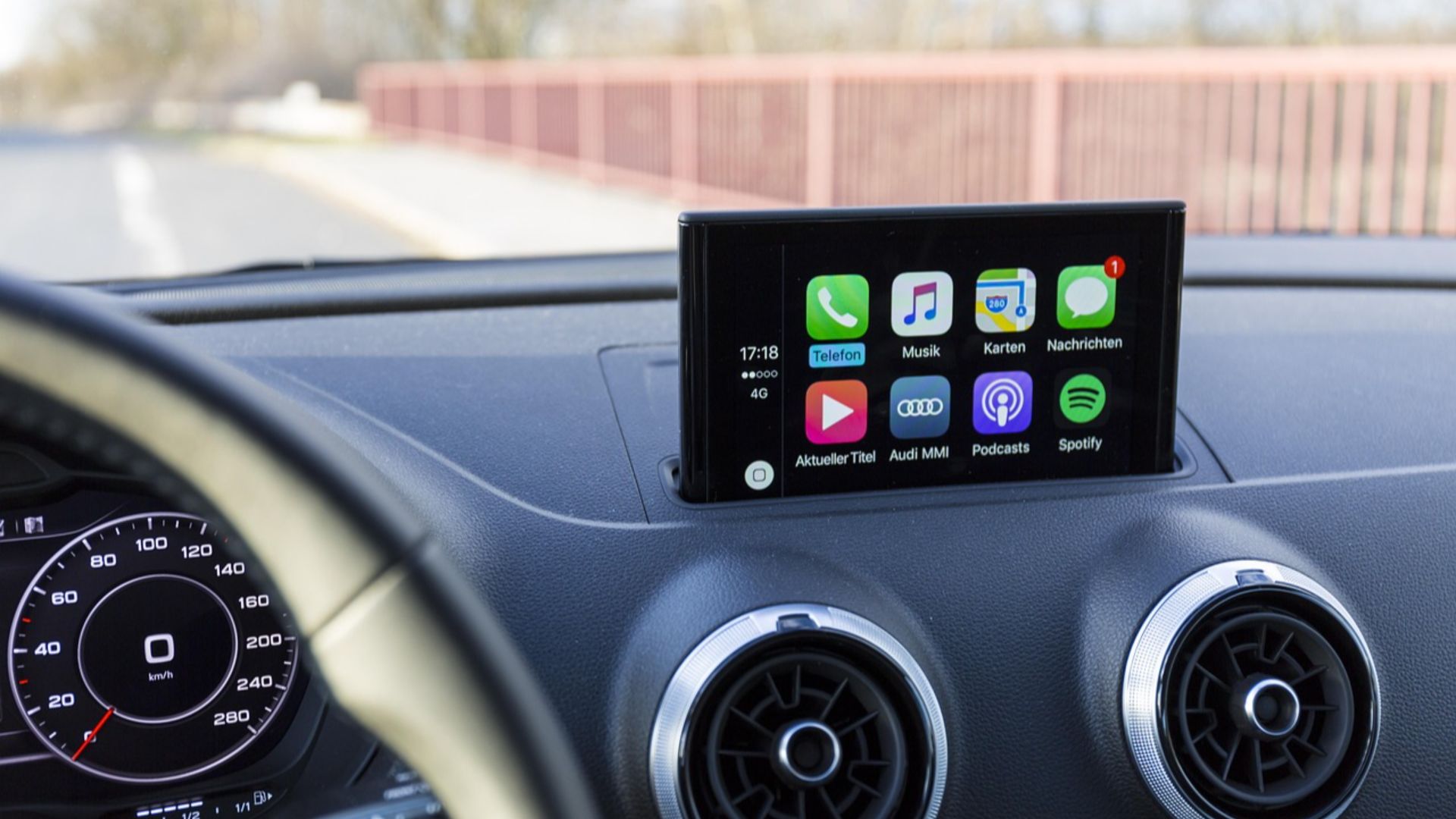
7. How much does it cost to maintain and repair?
Routine maintenance adds up faster than many buyers expect. Some brands require pricier parts or specialized service. Check service intervals and average repair costs, as affordable maintenance can make ownership far less stressful.

8. What kind of warranty coverage comes with it?
Warranties vary more than most people realize. Pay attention to what’s covered and for how long. A strong warranty can offer peace of mind during the early years. Just make sure you understand any exclusions.
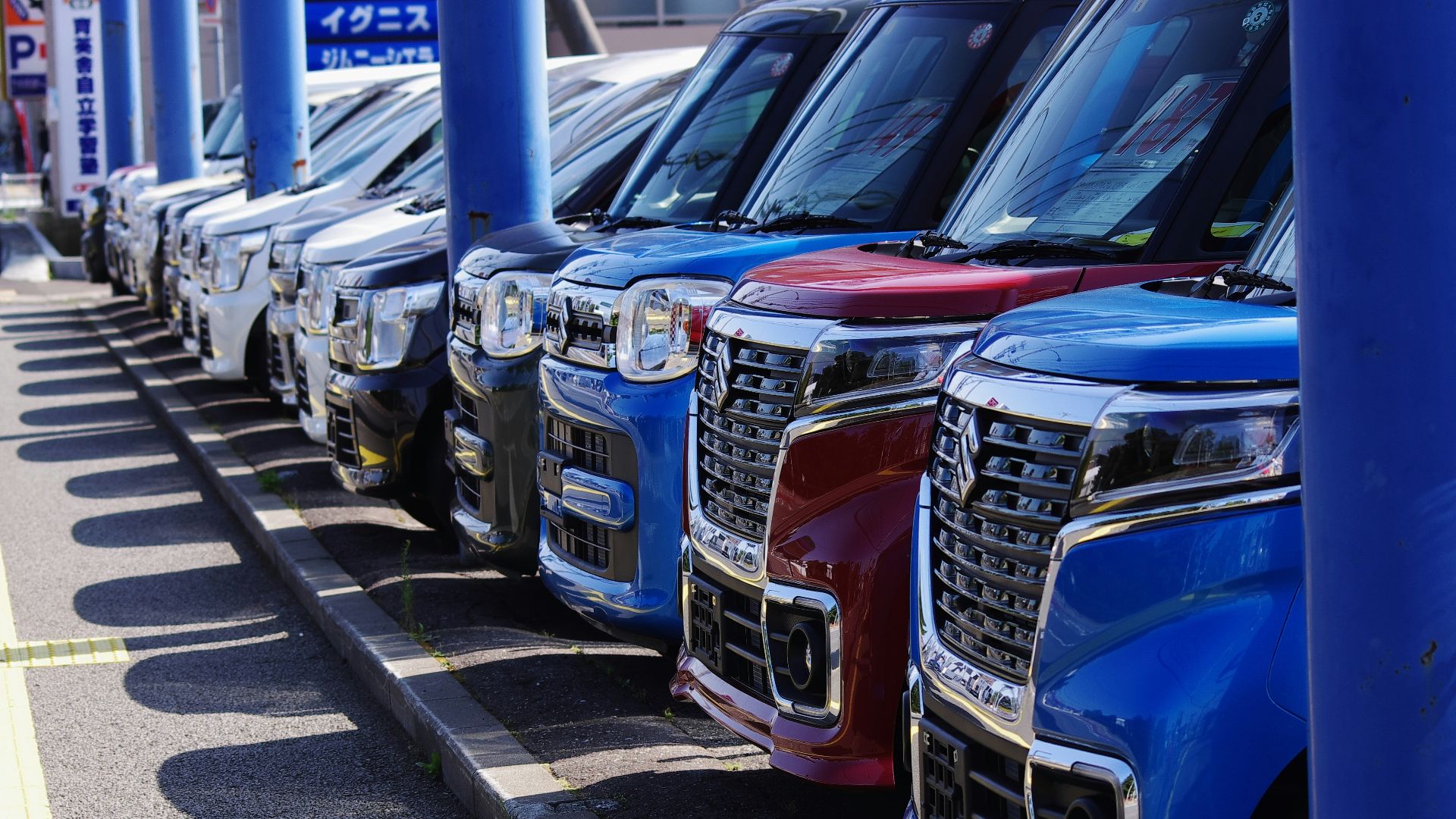
9. How does this car hold its resale value?
Depreciation is unavoidable, but some cars lose value faster than others. Strong resale value protects you if you sell or trade in later. This matters even more if you don’t plan to keep the car long-term. It’s an often-overlooked part of the real cost.
 Antoni Shkraba Studio on Pexels
10. Do I need all these features, or just want them?
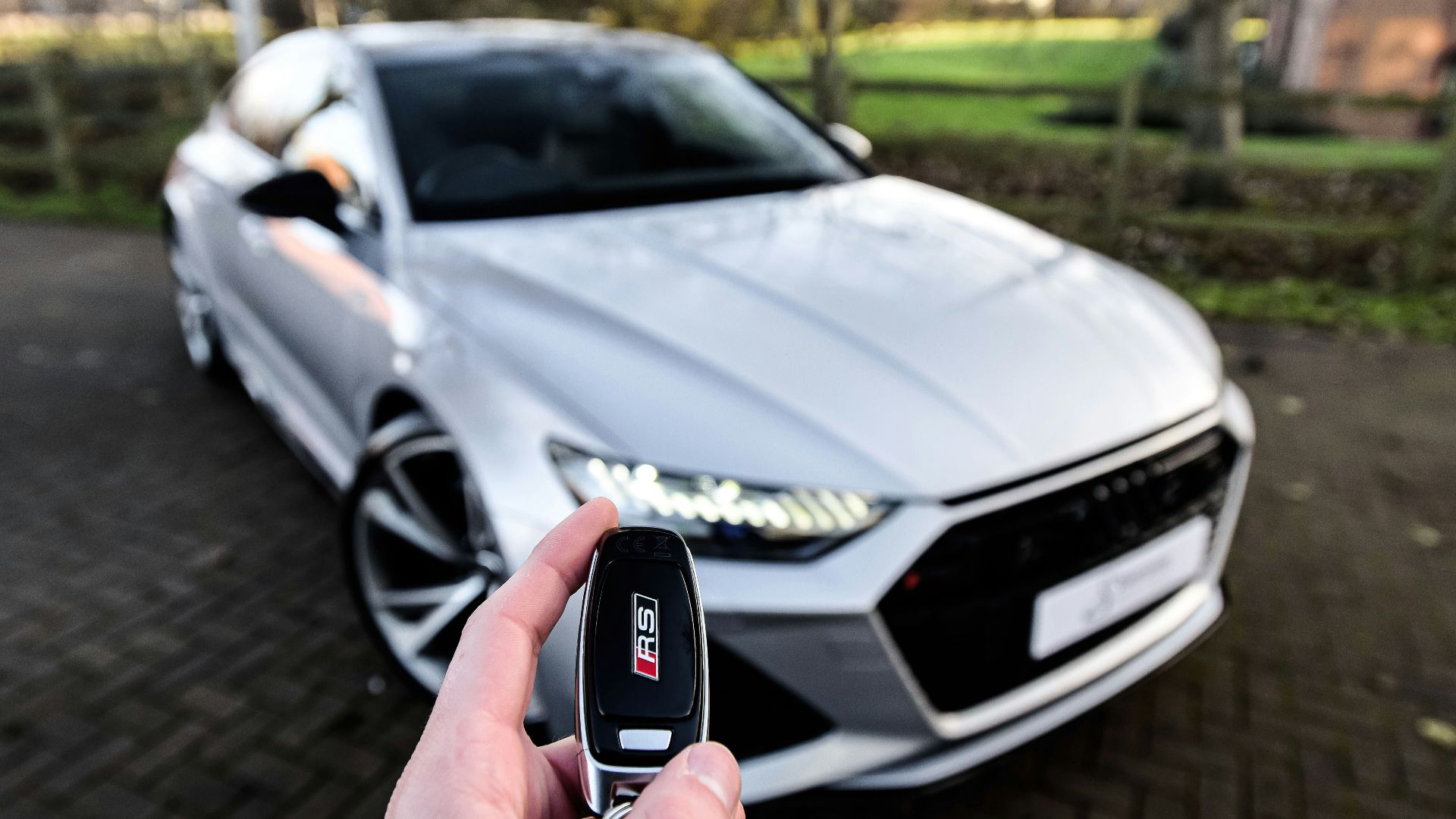
Modern cars are packed with tech that looks impressive on the lot. Some features genuinely improve safety or comfort, while others rarely get used. Every extra feature usually raises the price. Focus on what improves your daily driving experience.
 Swansway Motor Group on Unsplash
11. Is the fuel efficiency right for my needs?
Fuel costs can quietly drain your budget over time. Compare real-world MPG, not just advertised numbers. If you drive a lot, efficiency matters more than you think.

12. How does it perform in real-world conditions?
Test drives should reflect how you’ll actually use the car. Pay attention to visibility, comfort, braking, and acceleration. Try different roads if possible. A short spin around the block doesn’t tell the full story.

13. Is the interior comfortable for long drives?
Comfort goes beyond how the seats feel on your first ride. Think about legroom, headroom, and seat support over time. Controls should be easy to reach and intuitive. You’ll notice small annoyances much more on long trips.

14. How safe is this vehicle compared to others?
Safety ratings provide valuable insight beyond marketing claims. Look at crash test results and standard safety features. Advanced safety tech can prevent accidents, not just protect you during them. This is especially important if you drive with passengers, including children, often.

15. What financing options are available to me?
Dealership financing isn’t always the best option. Compare rates from banks, credit unions, and online lenders. Even a small difference in interest can cost thousands over time. Knowing your options gives you negotiating power.
 Antoni Shkraba Studio on Pexels
16. Are there any current incentives or rebates?
Manufacturers often offer incentives that aren’t heavily advertised. These can include cash back, low APR financing, or loyalty discounts. Timing your purchase can make a big difference. Always ask what promotions are available right now.

17. How long do I plan to keep this car?
Your ownership timeline should influence your decision. Long-term owners may prioritize durability and comfort. Short-term owners might care more about resale value. Knowing your plan helps narrow your choices.

18. Does this car fit my future needs?
Life changes faster than cars do. Think about family plans, job changes, or lifestyle shifts. A car that works now might not work in three years. Buying with some flexibility can save you from upgrading too soon.

19. What do real owners say about this car?
Reviews from actual owners often reveal issues salespeople or ads won’t mention. Look for patterns in complaints or praise. One bad review isn’t a deal breaker, but repeated issues are a red flag. Owner feedback adds a valuable real-world perspective.

20. Am I buying this car for the right reasons?
It’s worth checking in with yourself before signing anything. Ask yourself, are you buying out of pressure, emotion, or excitement alone?
 Antoni Shkraba Studio on Pexels