European Engineering at Its Best and Worst
European automakers have produced some of the most respected, influential, and enjoyable vehicles ever sold, but the continent’s factories have also released models weakened by poor construction, questionable engineering, or badly judged designs. Since “best” and “worst” will always involve some personal preference, this list considers reliability, safety, performance, innovation, practicality, historical significance, and overall execution. The weaker cars fell well below reasonable expectations, while the strongest models changed their categories or delivered an unusually complete driving experience. Here are the 10 worst European-made cars and the 10 best.
1. Yugo GV
Built in Yugoslavia and exported to North America during the 1980s, the Yugo GV attracted buyers with an extremely low price. Unfortunately, inconsistent assembly quality, weak reliability, poor refinement, and limited dealer support quickly damaged its reputation. Its affordability couldn’t compensate for frequent mechanical complaints and a driving experience that already felt outdated at launch.

2. Trabant 601
East Germany’s Trabant 601 was designed to provide basic transportation under severe manufacturing and material restrictions. Its smoky two-stroke engine, minimal safety equipment, slow acceleration, and plastic-based body panels made it crude compared with Western alternatives.
3. Reliant Robin
The British-made Reliant Robin offered low running costs and could be driven under favorable licensing rules in the United Kingdom. Its three-wheel configuration, however, created unusual handling behavior and made stability a constant concern during aggressive cornering.

4. Austin Allegro
British Leyland introduced the Austin Allegro in 1973 as a modern family car, yet it soon became associated with the company’s larger quality-control problems. Awkward styling, inconsistent build quality, corrosion, and troublesome mechanical components weakened its appeal. Even its unusually shaped steering wheel attracted ridicule, giving critics another reason to question the vehicle’s development priorities.
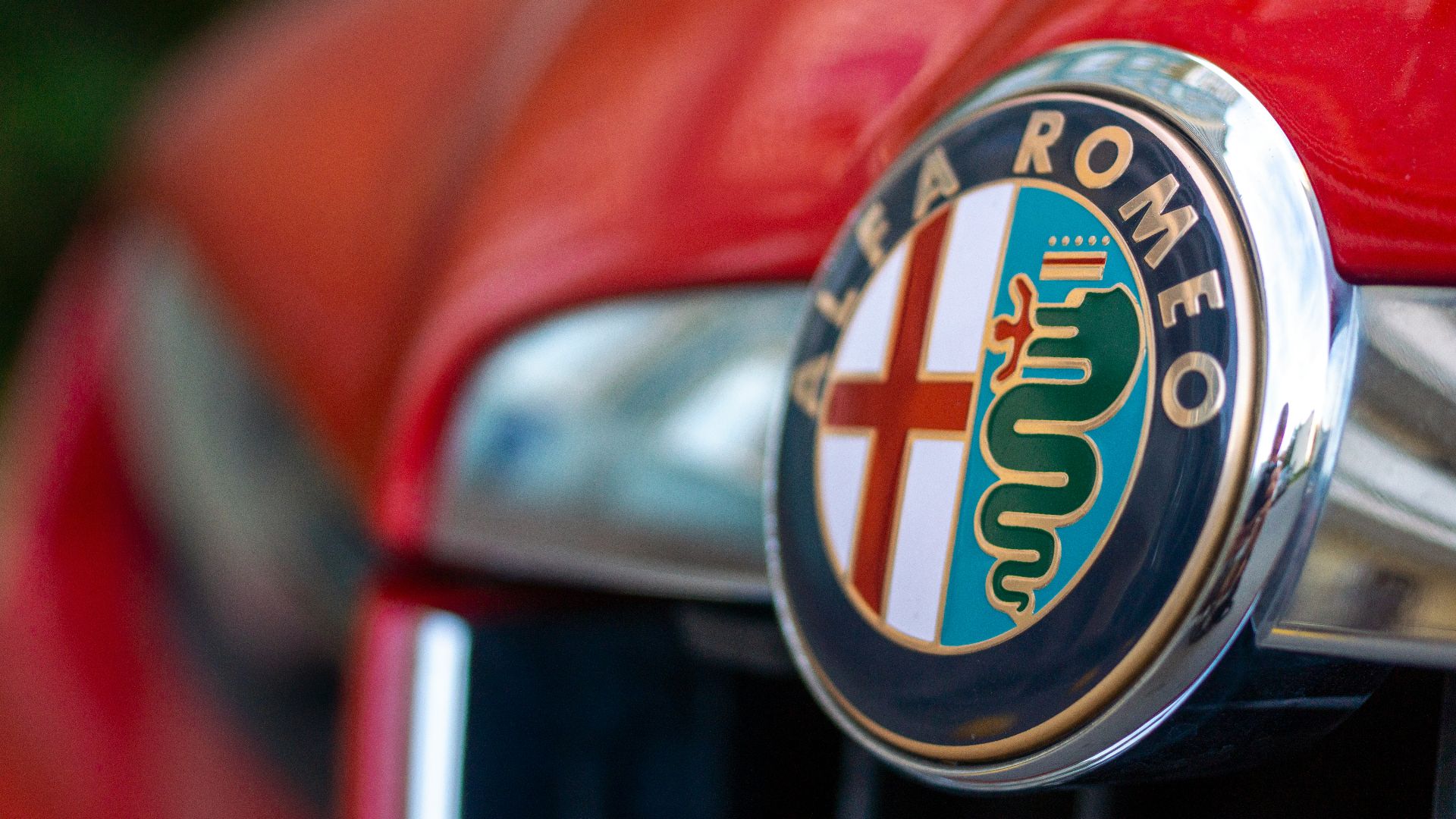
5. Alfa Romeo Arna
The Arna was created through a partnership between Alfa Romeo and Nissan, combining Japanese body engineering with Italian mechanical components. Rather than blending the strengths of both companies, it delivered plain styling, disappointing performance, and continuing concerns about corrosion and reliability.
 Vladimir Vishnyakov on Unsplash
6. Morris Marina
The Morris Marina was developed quickly as a straightforward rival to popular family cars such as the Ford Cortina. Its dated underpinnings, unremarkable handling, and uneven construction made it feel old-fashioned even during its original production run.

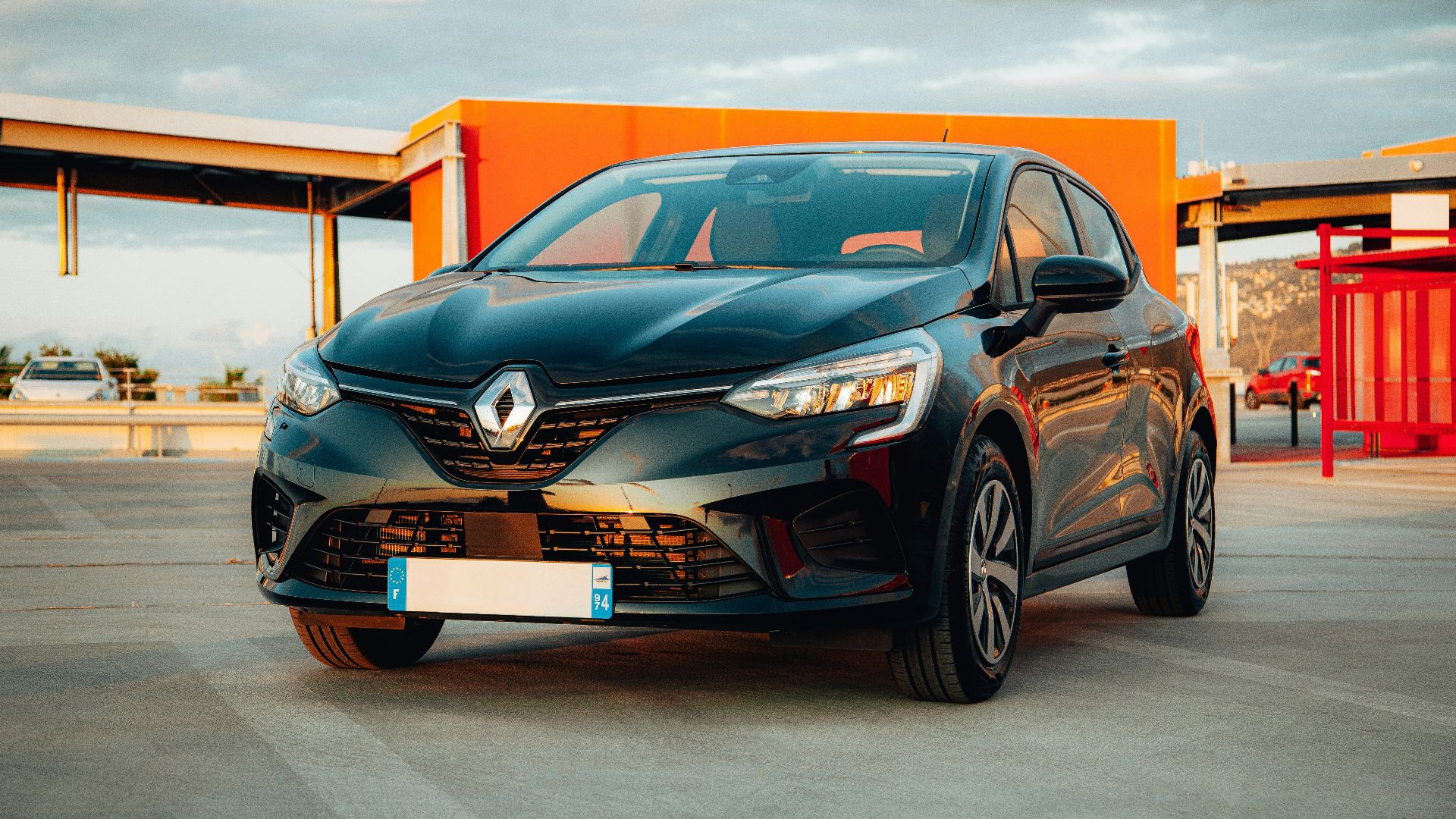
7. Renault Avantime
Renault’s Avantime was an ambitious French luxury vehicle that mixed the proportions of a coupe, minivan, and grand tourer. Its large doors, considerable weight, awkward packaging, and confusing market position made daily ownership harder than its futuristic appearance suggested.
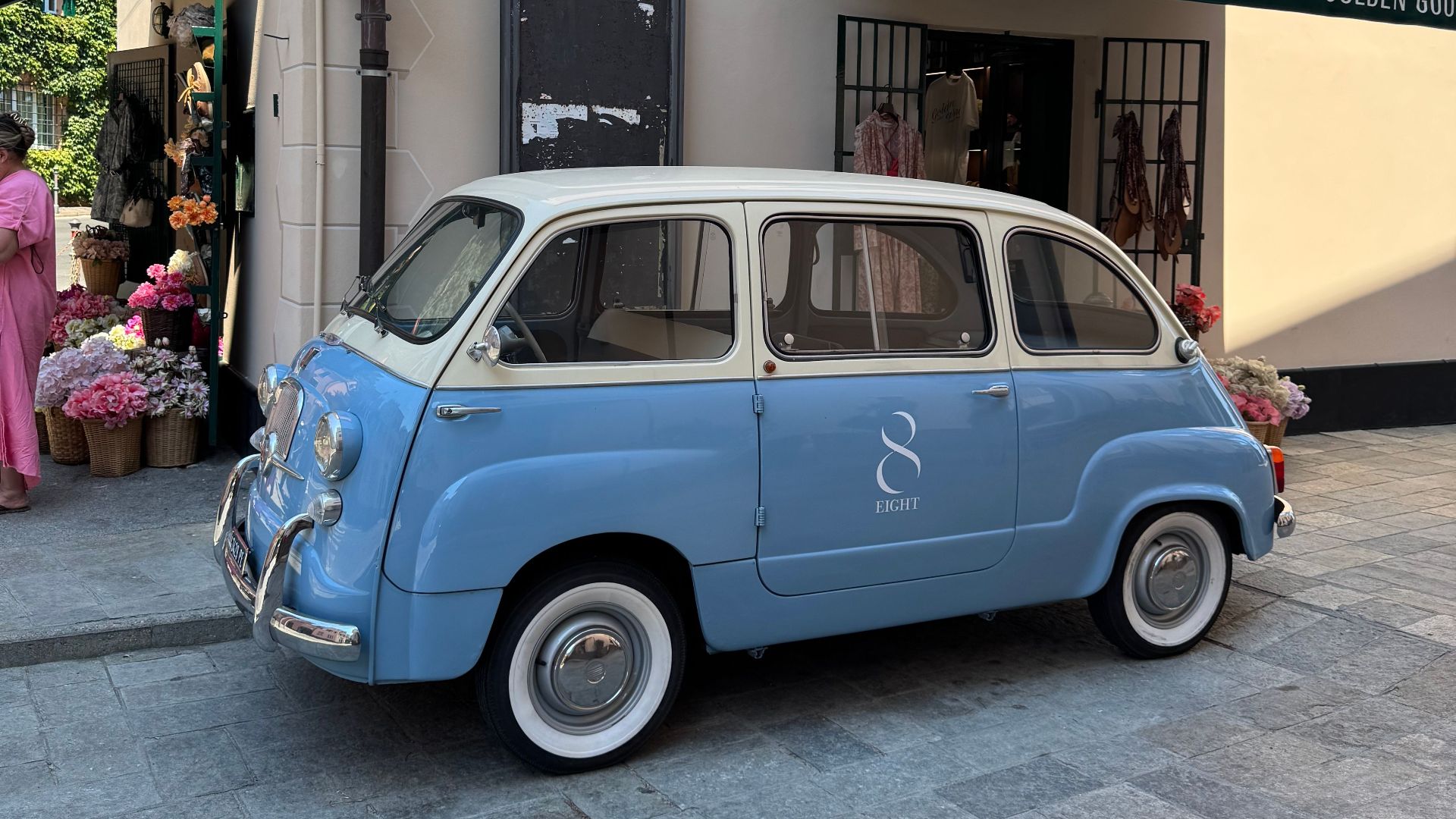
8. Fiat Multipla
The original Fiat Multipla was exceptionally practical, with two rows of three seats inside a relatively compact body. Its wide stance and unconventional front-end styling, however, overshadowed its clever packaging and became the feature most people remembered. Build-quality concerns and an inexpensive cabin further limited its appeal, despite the vehicle’s genuinely useful family-friendly layout.
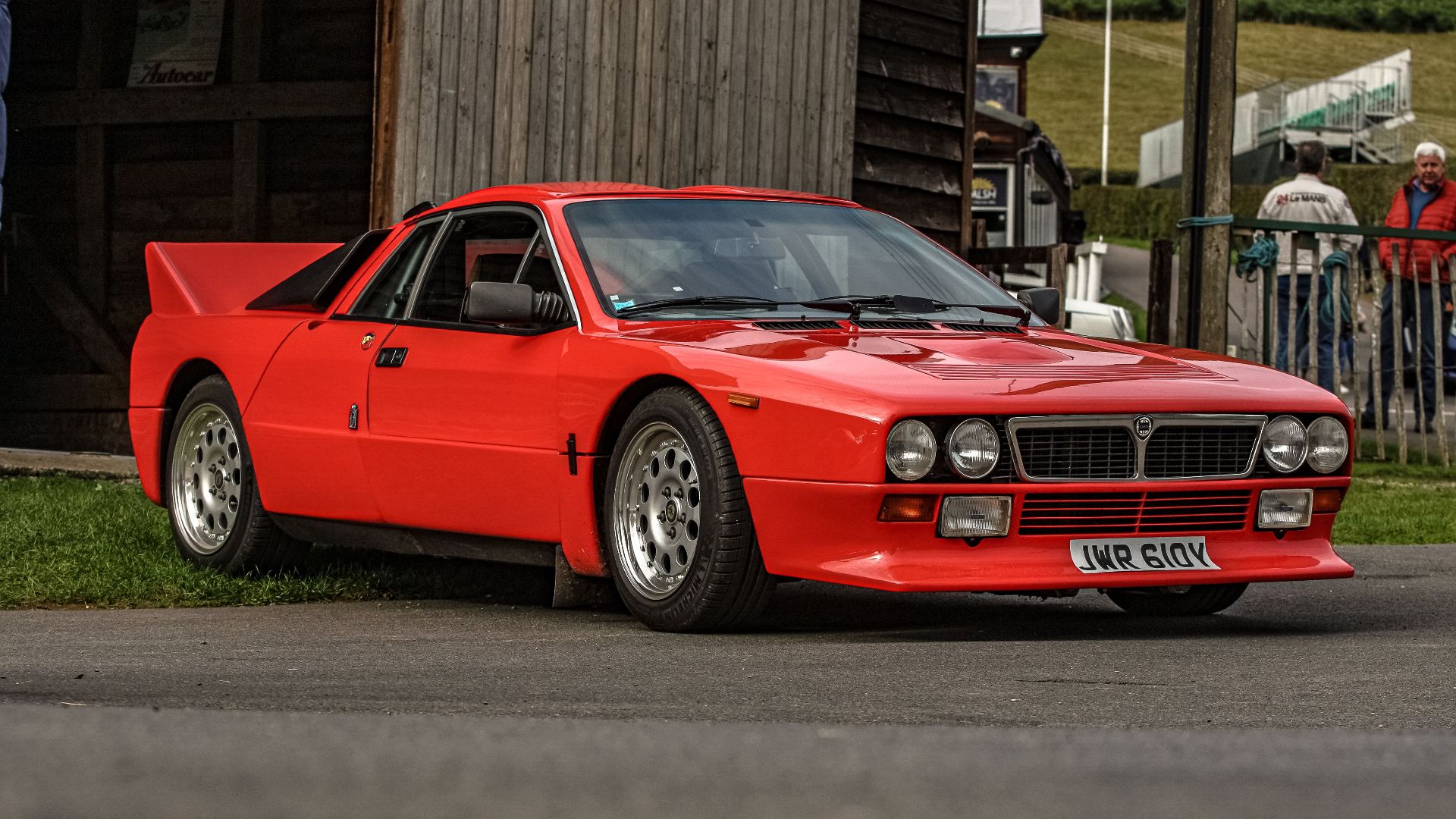
9. Lancia Beta
The Lancia Beta offered sophisticated styling, engaging handling, and several appealing body styles during the 1970s and 1980s. Serious corrosion problems in some markets severely damaged the model’s reputation and helped undermine confidence in the entire brand.
10. Rover CityRover
Rover introduced the CityRover by adapting India’s Tata Indica for European buyers and positioning it as an affordable small car. The model suffered from weak refinement, poor interior quality, unimpressive handling, and pricing that placed it too close to stronger competitors.
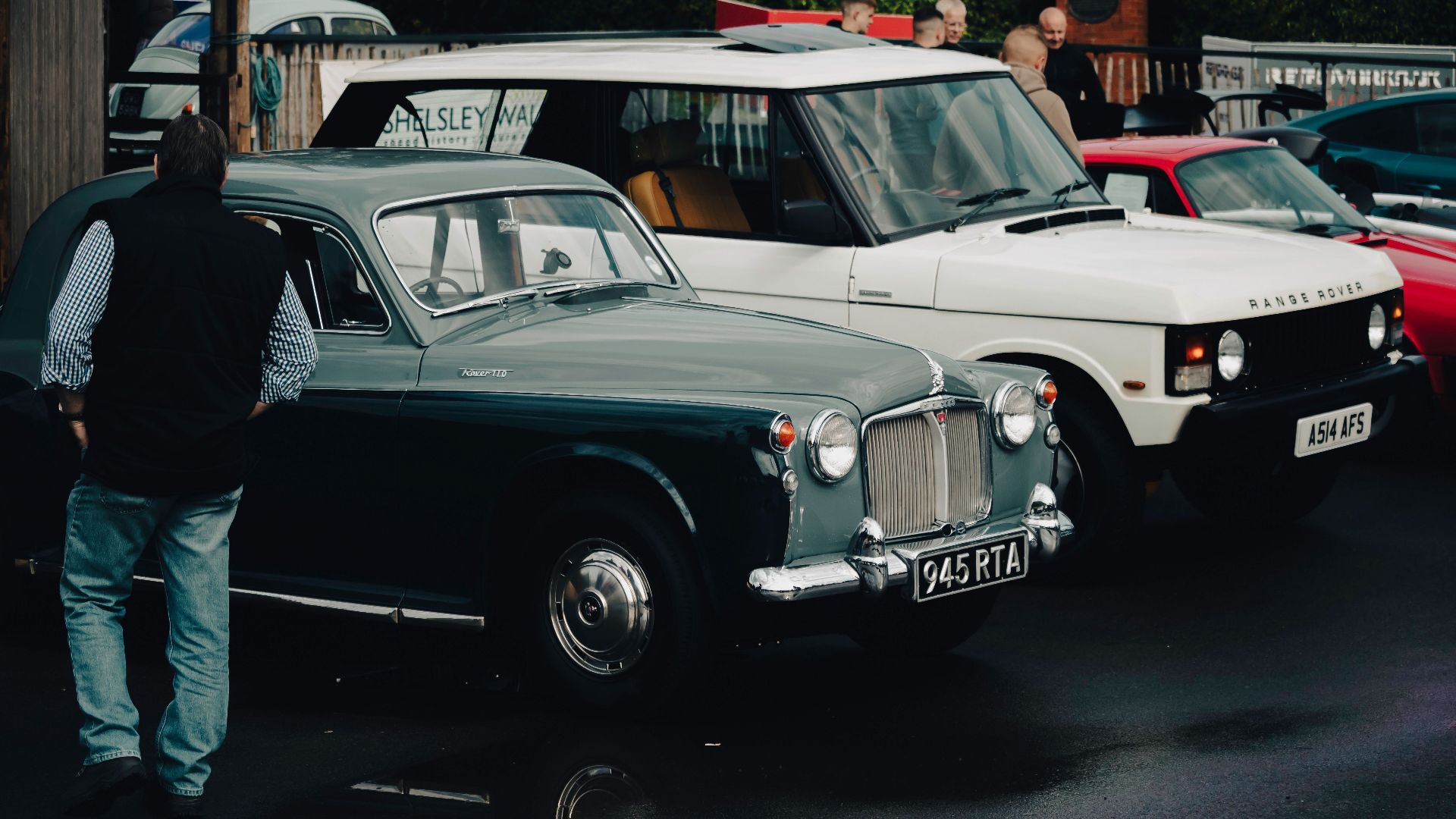
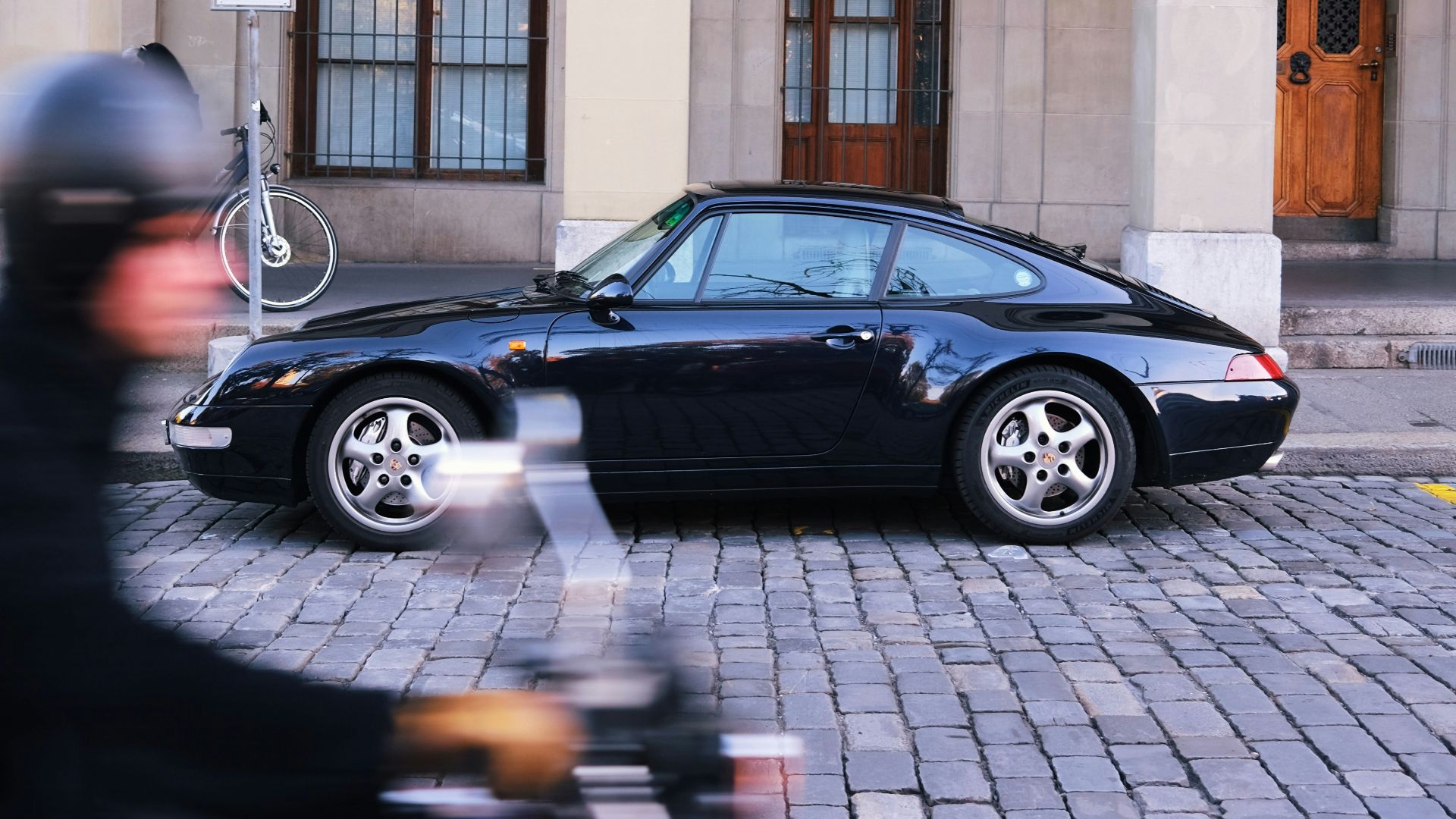
1. Porsche 911
The German-built Porsche 911 has remained in continuous development since the 1960s while retaining its recognizable rear-engine layout and basic identity. Successive generations have combined strong performance, precise handling, high-quality engineering, and surprising everyday usefulness.

2. Volkswagen Golf GTI
The original Volkswagen Golf GTI wasn’t the first sporty hatchback, but it helped establish the modern hot-hatch formula for a broad audience. It combined useful cargo space, compact dimensions, lively performance, and approachable pricing in one practical package.

3. Mercedes-Benz S-Class
Mercedes-Benz has repeatedly used the S-Class to introduce advanced comfort, safety, and convenience features before they reached more affordable vehicles. Its strongest generations offer quiet cabins, controlled rides, powerful engines, and exceptional long-distance comfort.

4. Citroën DS
Introduced in 1955, the French Citroën DS looked dramatically different from almost every other car available at the time. Its hydropneumatic suspension delivered exceptional ride comfort, while its aerodynamic body and advanced braking technology demonstrated unusual engineering ambition.

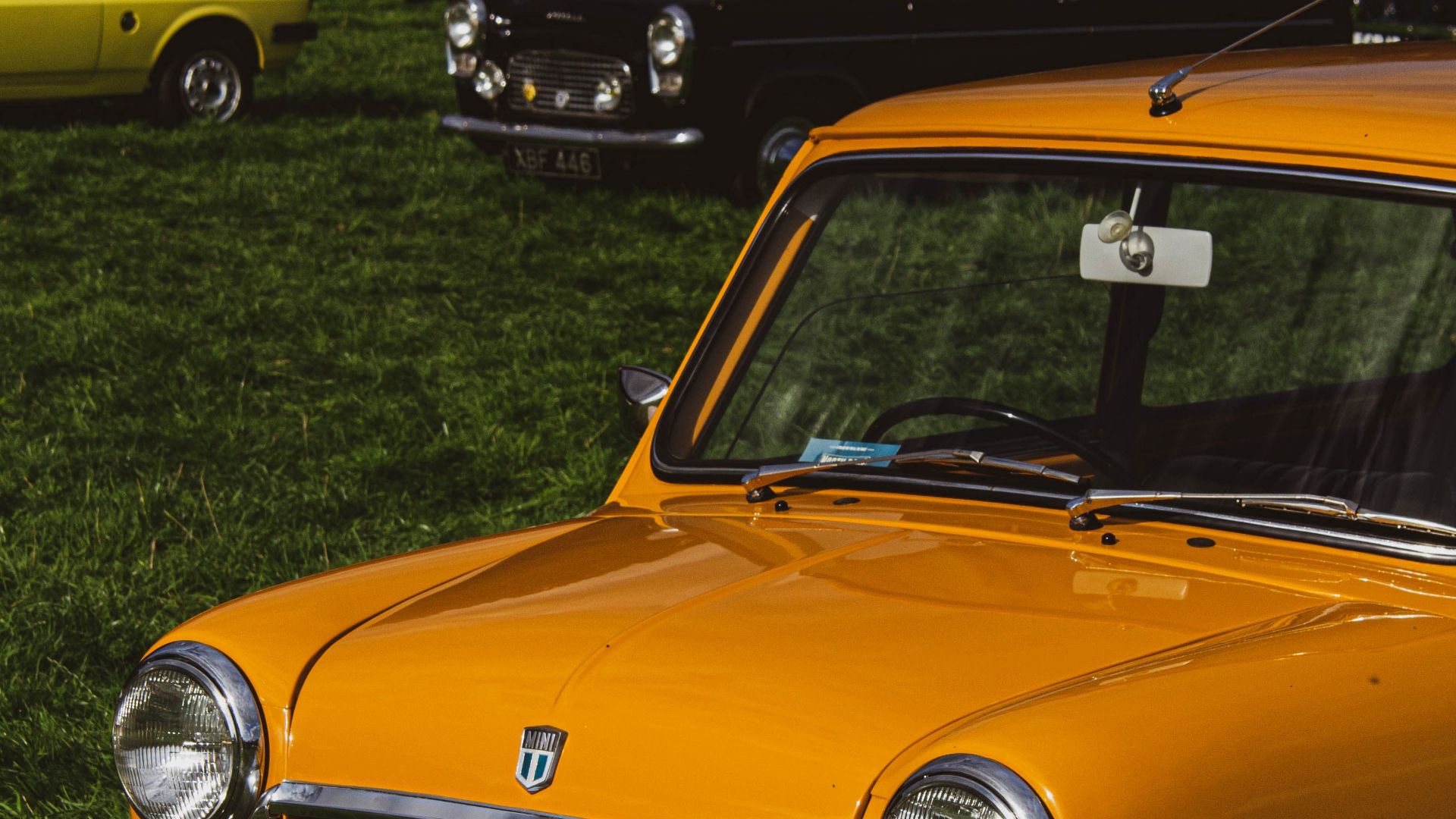
5. Mini Cooper
The original British Mini used a transverse engine and front-wheel-drive layout to create remarkable interior space within a tiny footprint. Cooper versions added stronger performance and proved highly successful in competition, including multiple victories at the Monte Carlo Rally.

6. BMW E39 5 Series
Produced from the mid-1990s into the early 2000s, the E39-generation BMW 5 Series achieved an unusually effective balance between comfort and driver involvement. Its composed chassis, accurate steering, strong engine choices, and understated interior made it suitable for commuting or enthusiastic driving.

7. Volvo 240
The Swedish Volvo 240 earned its reputation through durability, practicality, straightforward engineering, and a strong emphasis on occupant protection. Its boxy wagon version provided considerable cargo room without requiring the size or fuel consumption of a full-size utility vehicle.

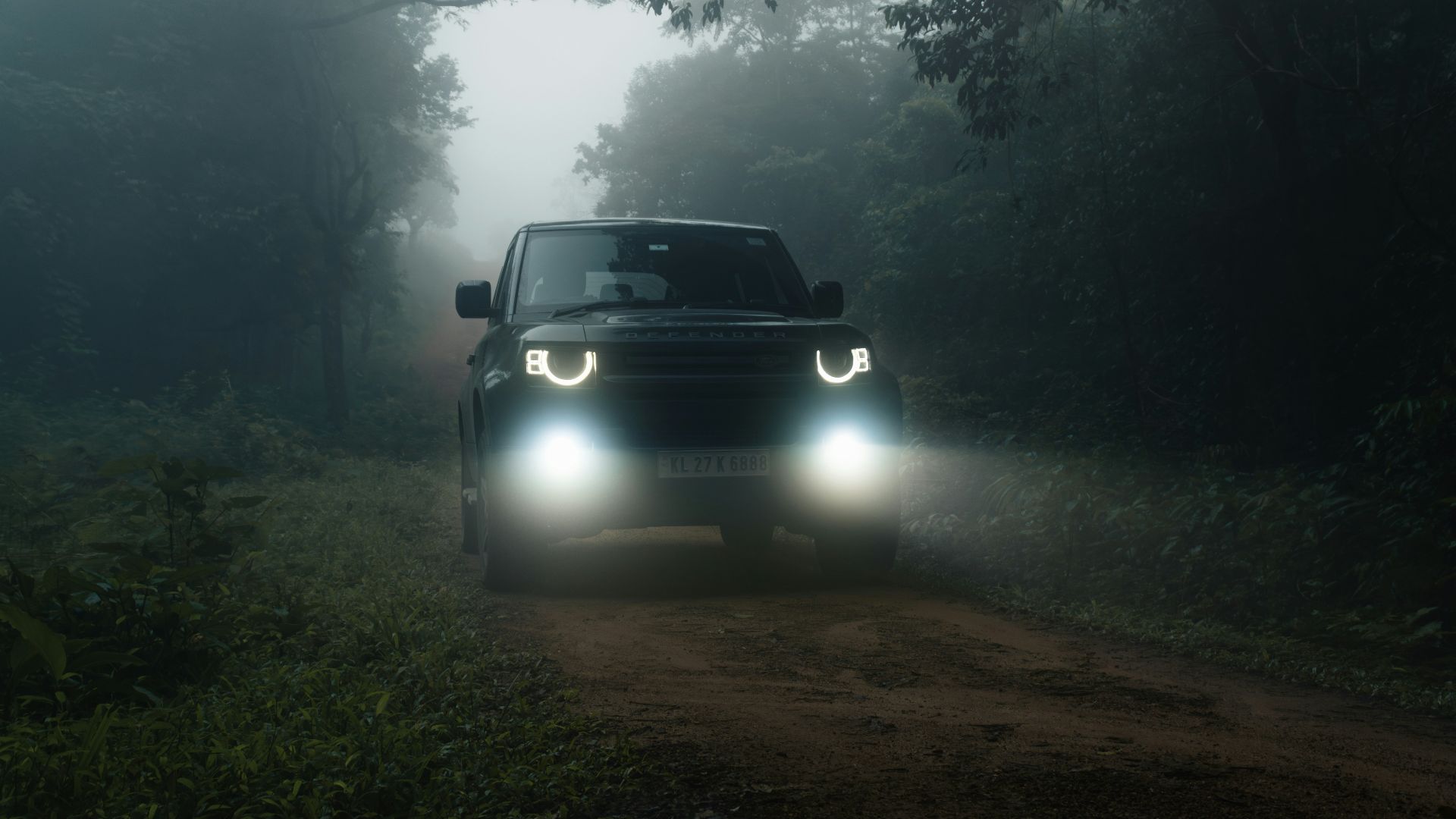
8. Land Rover Defender
The traditional British Land Rover Defender was developed from a line of rugged utility vehicles built for farms, military service, exploration, and difficult terrain. Its simple construction, excellent ground clearance, and capable four-wheel-drive system made it effective far beyond paved roads.
 Abhinand Venugopal on Unsplash
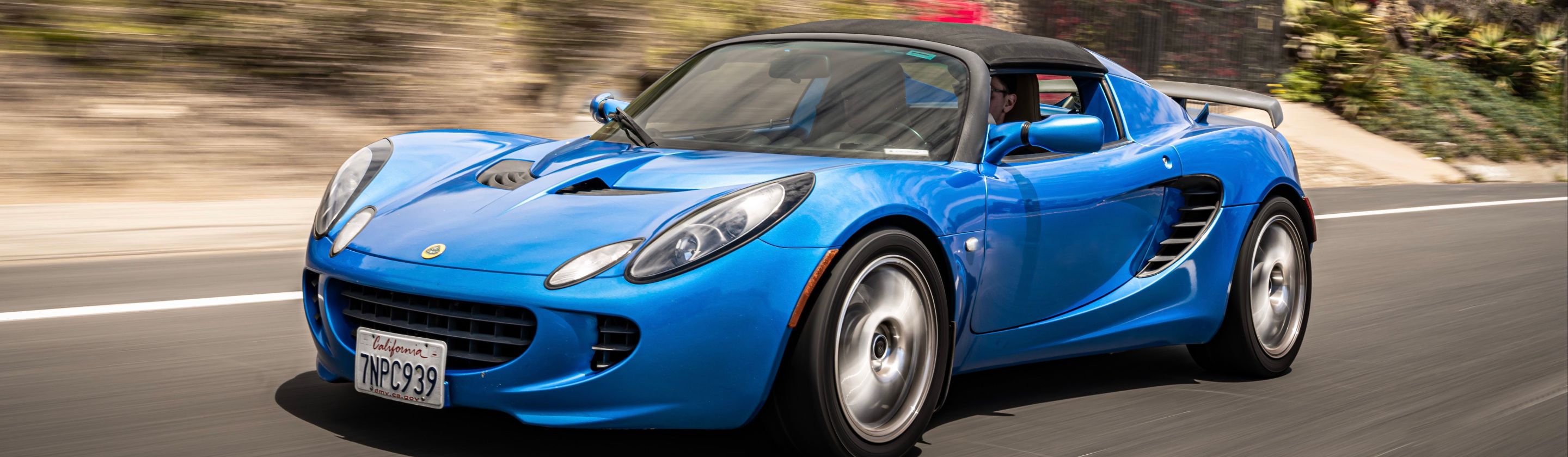
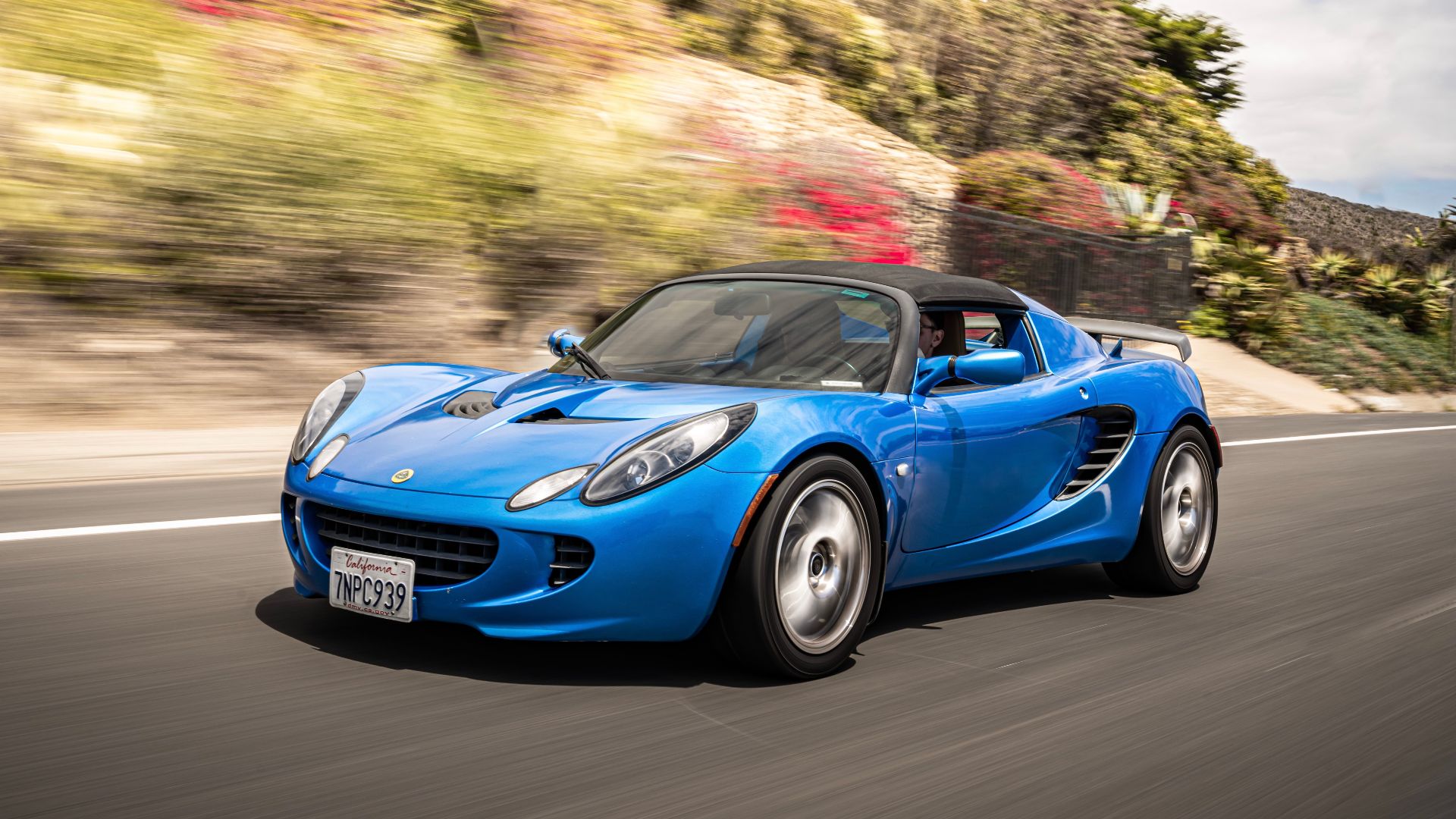
9. Lotus Elise
Lotus introduced the Elise in the 1990s with an aluminum chassis and a firm commitment to minimizing unnecessary weight. Modest engine output still produced excellent performance because the car was light, responsive, and designed around direct driver feedback.
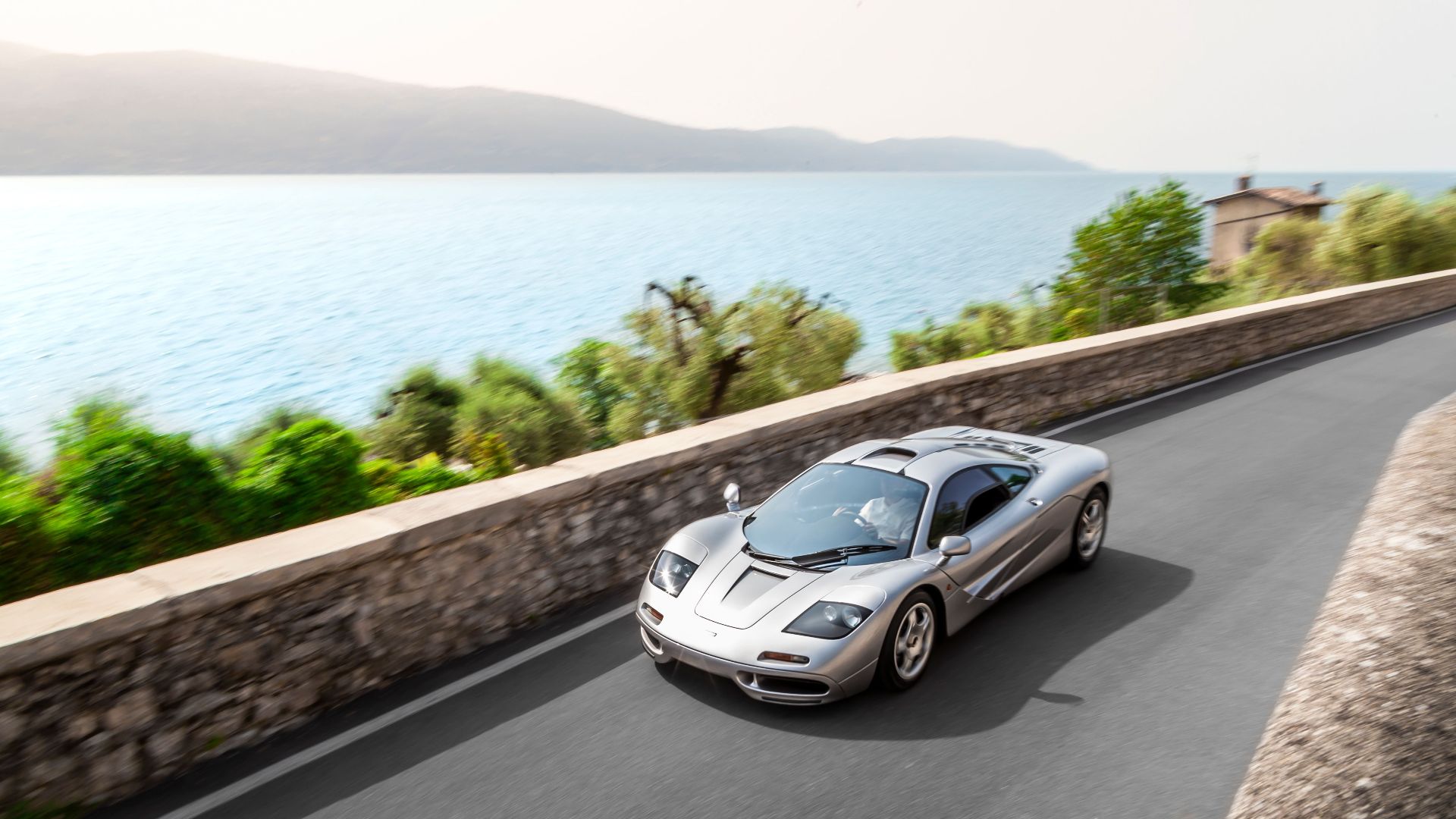
10. McLaren F1
Built in England during the 1990s, the McLaren F1 combined a central driving position, carbon-fiber construction, a naturally aspirated BMW V12, and extraordinary attention to weight reduction. It set a production-car speed record that remained unbeaten for years and required no turbochargers to achieve its performance.