Genius And Punchline, Same Badge
Fiat has spent close to a century making small, cheap cars for people who needed to get around without spending a fortune, and that mission has produced some of the most quietly brilliant engineering in automotive history. It's also produced some absolute stinkers, cars so rust-prone or half-finished that they became shorthand jokes among mechanics for decades. The tricky part is that the brand rarely gets credit for the good ones, since "cheap Italian car" carries a reputation that follows even the models that deserved better. Meanwhile, the bad ones get remembered so vividly that they've overshadowed everything else the company ever built. Here are 10 Fiats that deserve more credit than history has given them, and 10 that earned every single joke aimed their way.
 Vitali Adutskevich on Unsplash
1. Fiat 500 (1957)
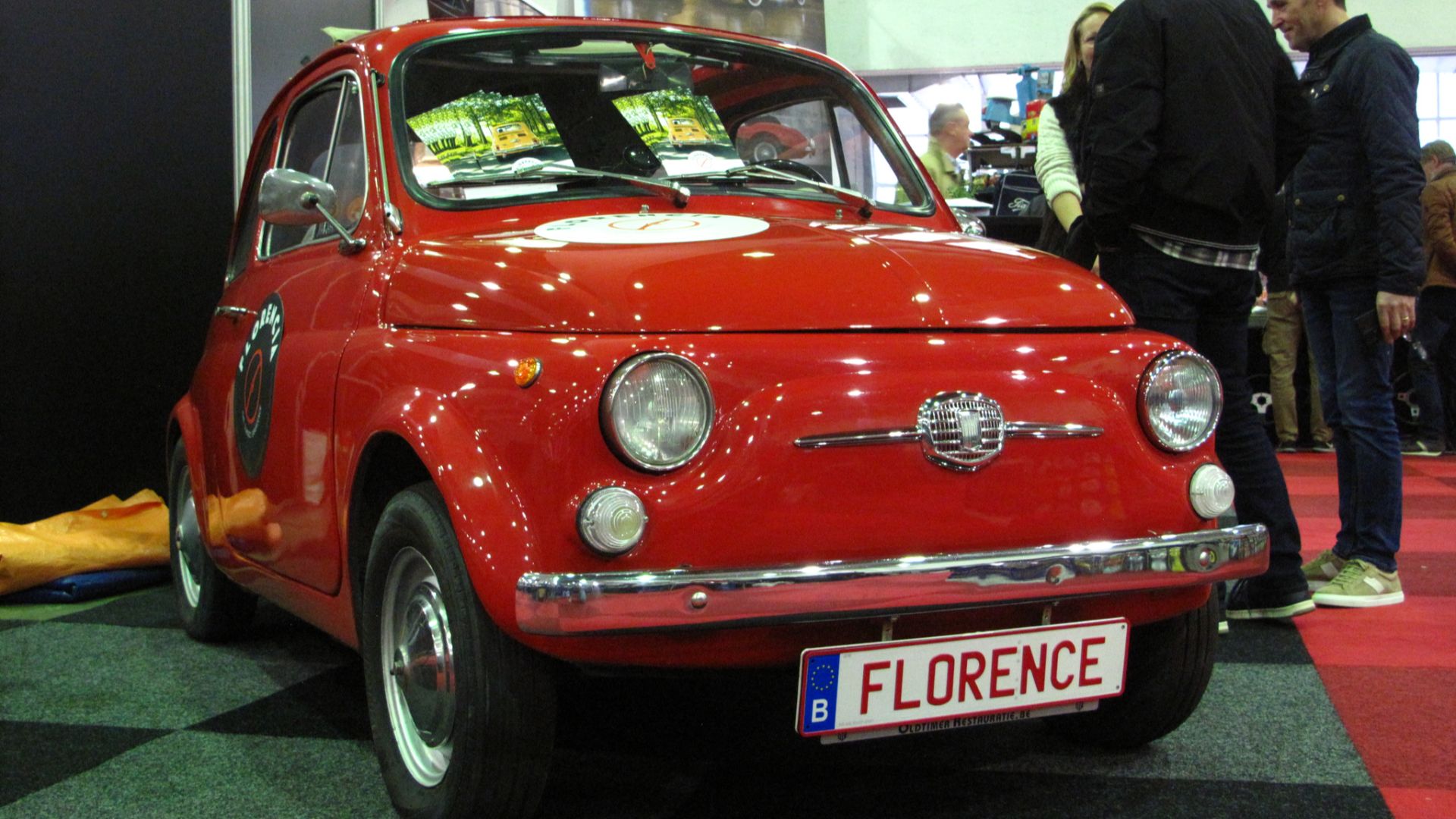
The original Cinquecento crammed a rear-mounted two-cylinder engine and four seats into a car barely ten feet long, and it managed to feel roomy rather than cramped. Its simplicity meant Italian mechanics could keep them running for decades with basic tools and stubbornness. Six decades later, the little car is still treated as a design icon rather than a punchline.
 Rutger van der Maar on Wikimedia
2. Fiat Panda (1980)
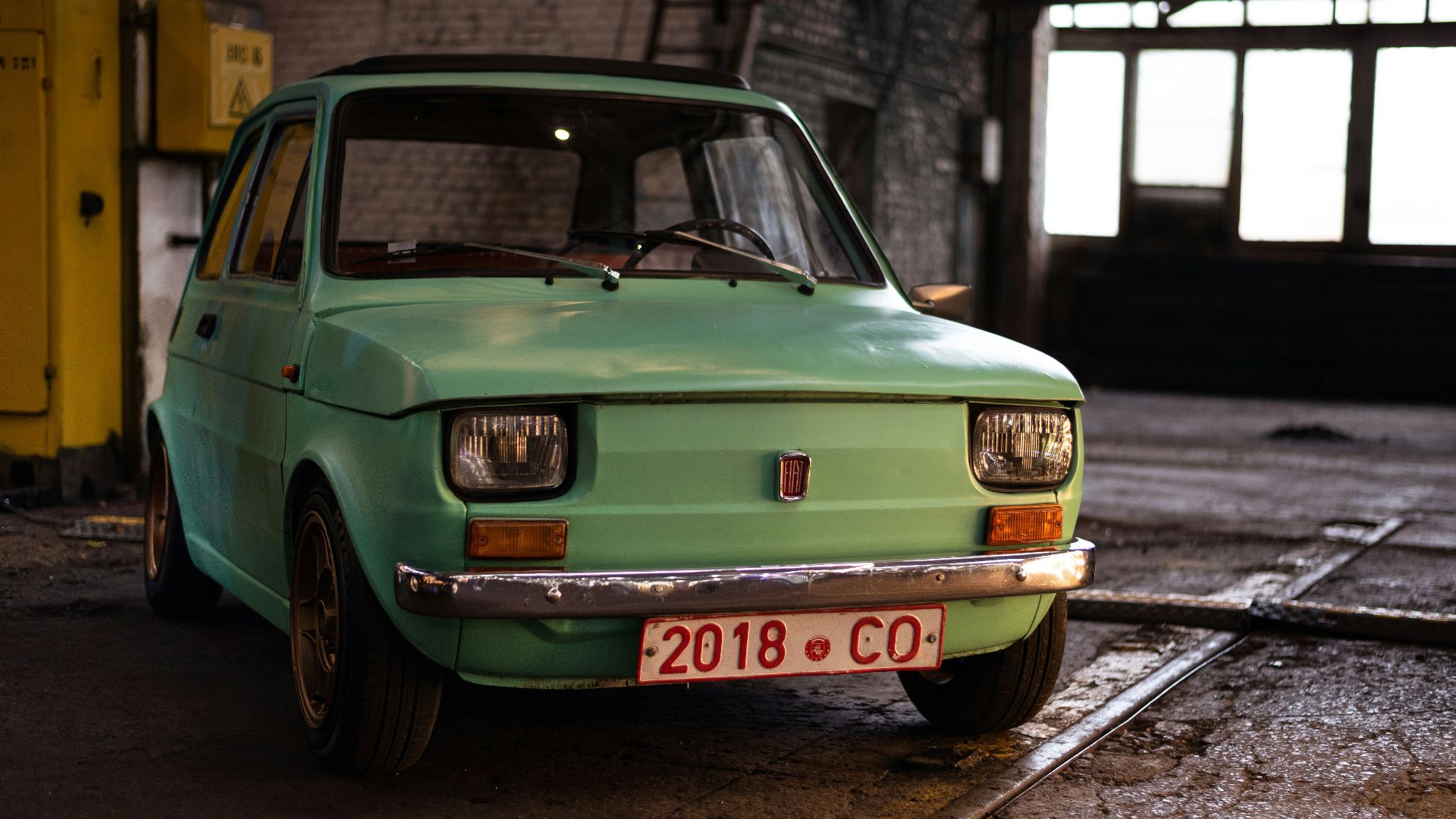
Giorgetto Giugiaro designed the first Panda around flat glass and simple stamped panels specifically so it would be cheap to repair after a fender bender. The seats folded into a makeshift bed, the dashboard doubled as storage, and the whole thing was marketed as "the jeans of cars" for its no-nonsense practicality. It stayed in production, largely unchanged, for 23 years, which is about as strong an endorsement as a car can get.
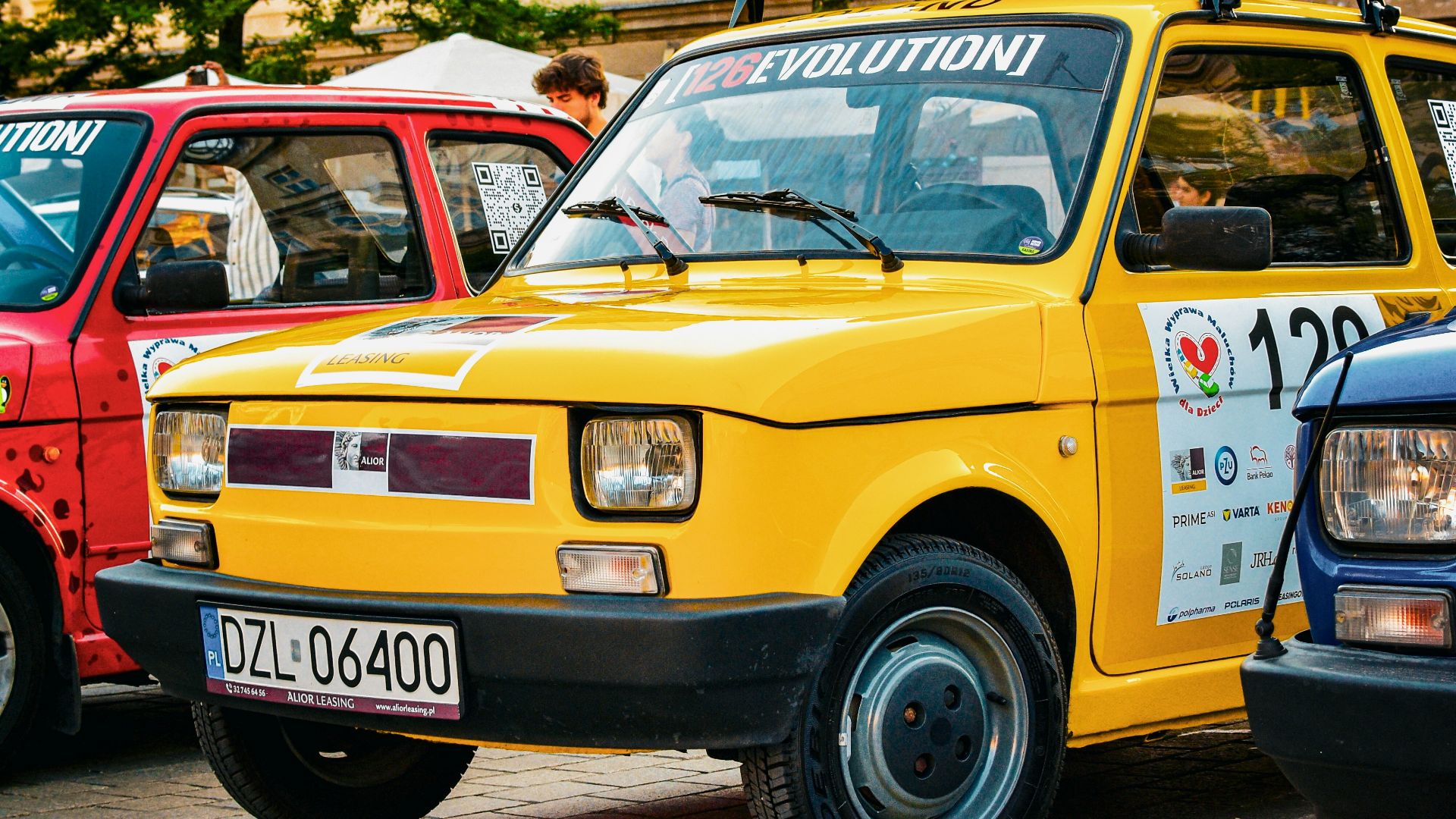
3. Fiat 128 (1969)
Long before Volkswagen or Honda popularized it, the 128 pioneered the transverse-engine, front-wheel-drive layout that now underpins the vast majority of small cars on the road. It won European Car of the Year in 1970 and quietly rewrote the blueprint that nearly every compact car manufacturer would eventually copy. Most drivers today have no idea they're driving a Fiat's idea.
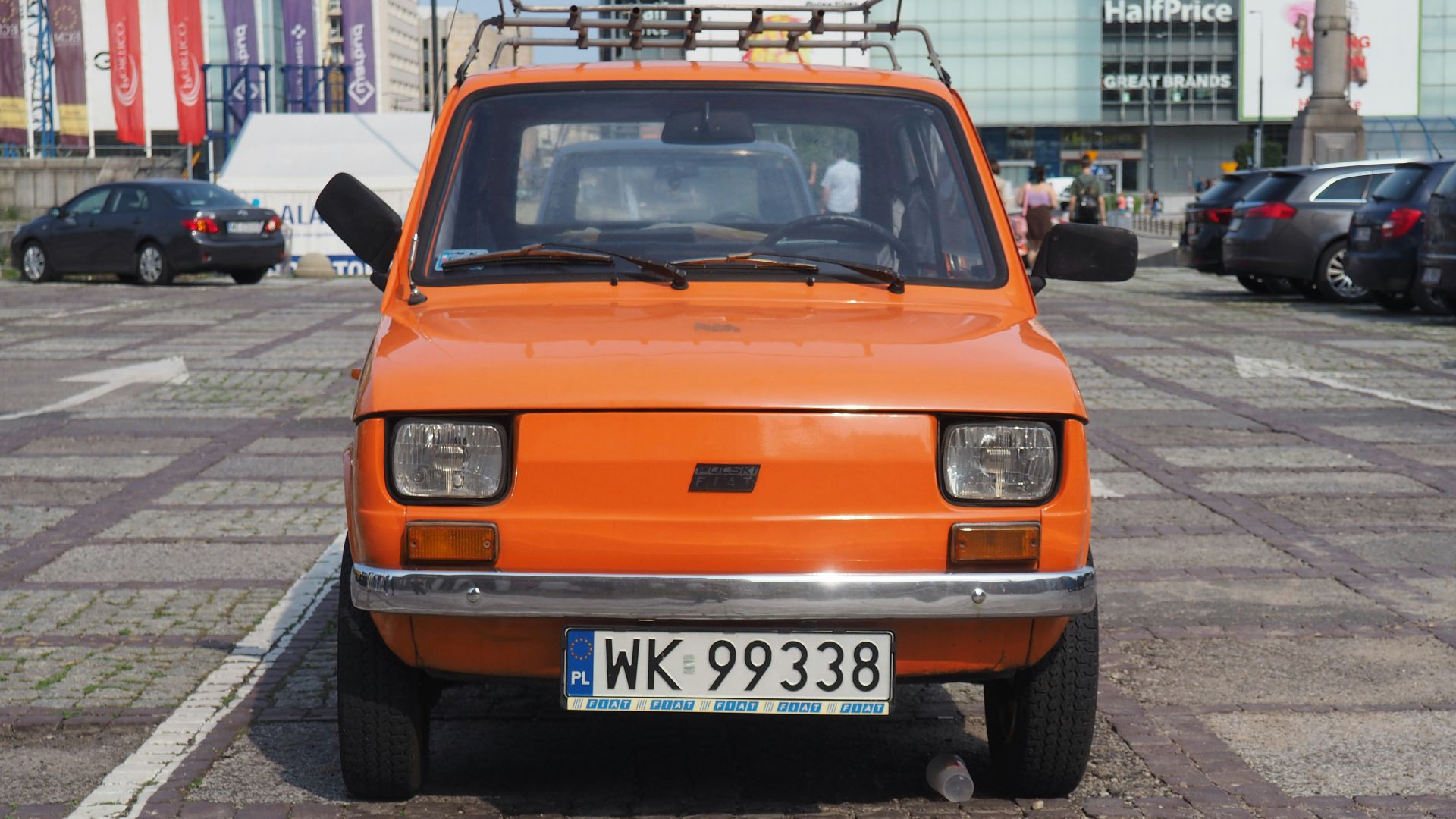
4. Fiat Panda 4x4 (1983)
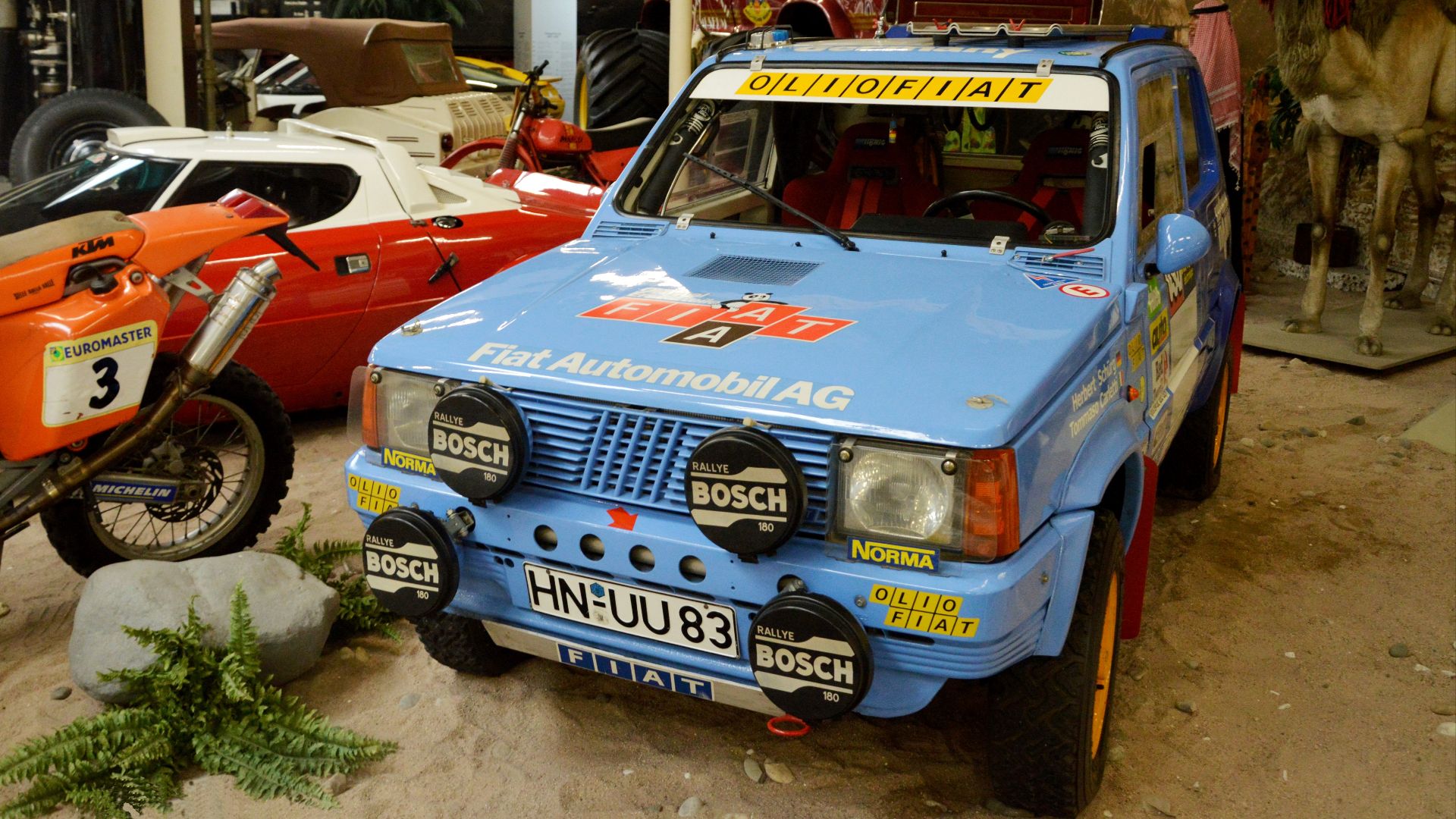
Fiat squeezed a genuinely capable four-wheel-drive system into its smallest, cheapest car using a simple viscous coupling instead of anything electronically complicated. The result was a tiny hatchback that could climb mountain passes and plow through snow that stranded far more expensive SUVs. It built a cult following among farmers and ski instructors who needed real capability without a real budget.
 commons.wikimedia.org on Google
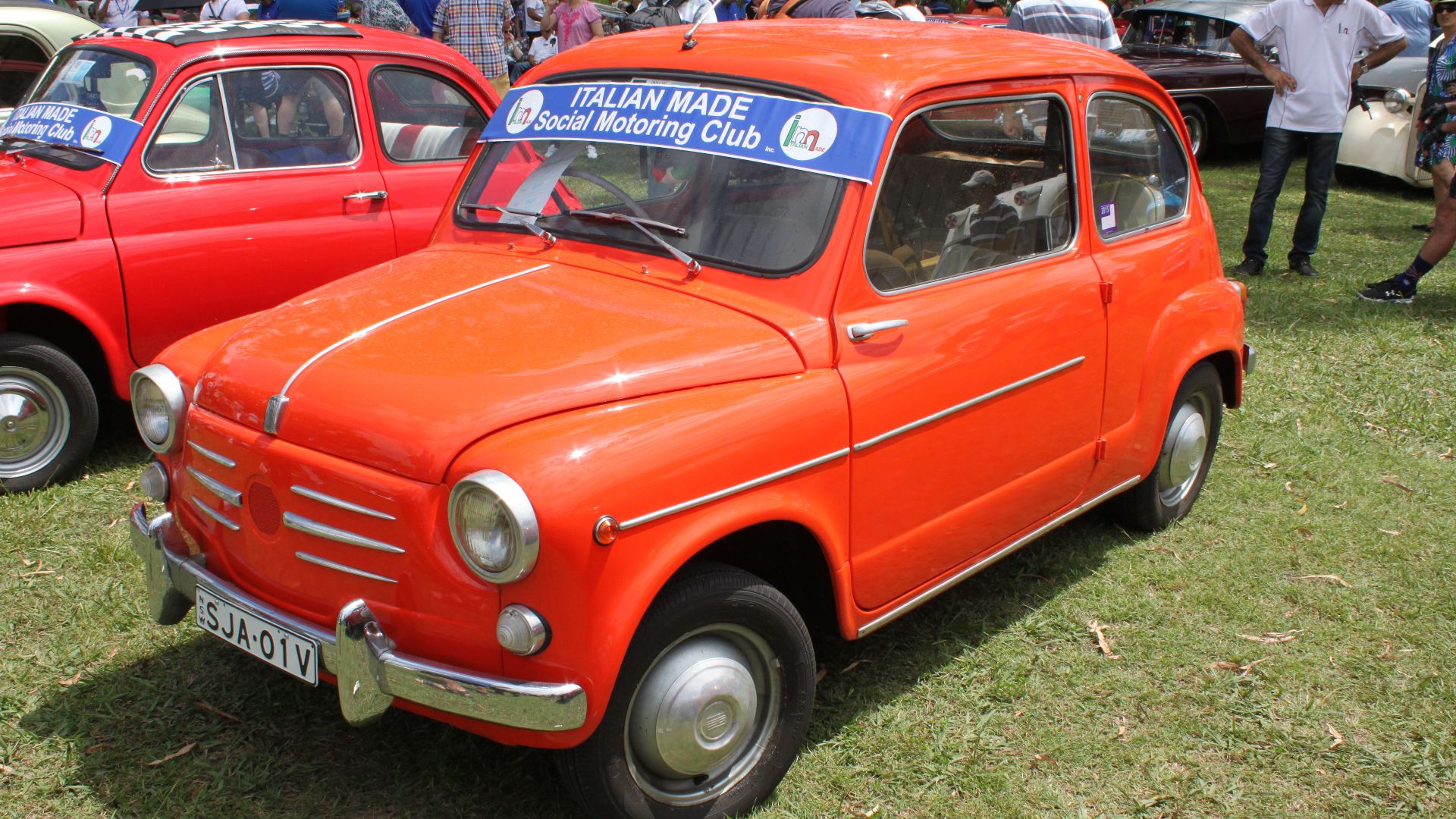
5. Fiat 600 (1955)
The 600 packed a rear engine and four doors into a car small enough to park almost anywhere, and its basic architecture got borrowed, licensed, and copied across half the globe. Versions of it were built as the Seat 600 in Spain and the Zastava 750 in Yugoslavia, putting entire nations on wheels for the first time. Few single designs did more to motorize post-war Europe.
 Jeremy from Sydney, Australia on Wikimedia
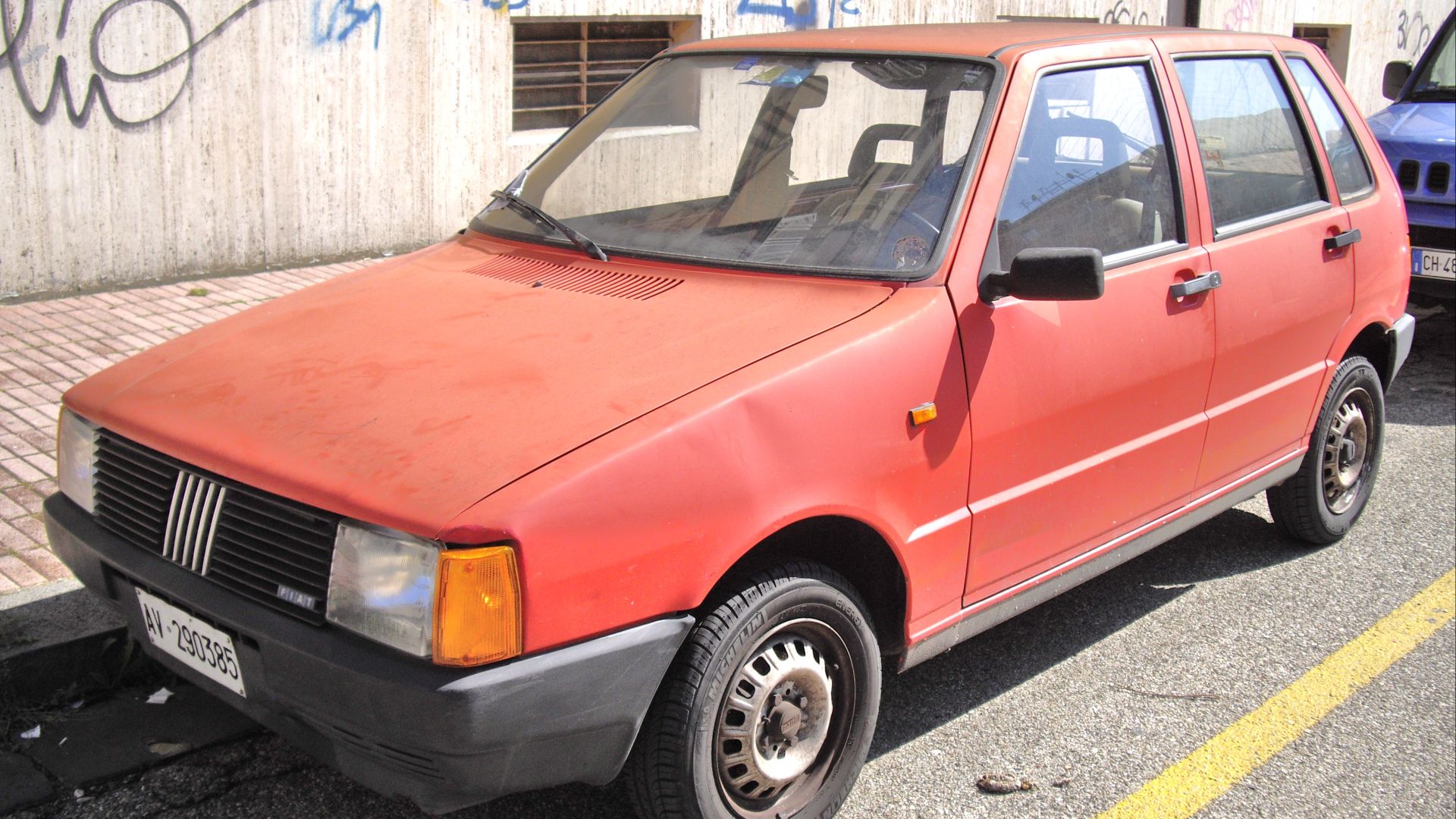
6. Fiat Uno (1983)
Giugiaro's Uno was aerodynamically slippery for its era, with a drag coefficient that beat plenty of cars twice its price, and its boxy shape hid a genuinely clever, space-efficient interior. It became one of the best-selling cars in European history almost entirely on the strength of doing the basics extremely well. Nobody ever called it exciting, but it never broke down when it mattered.
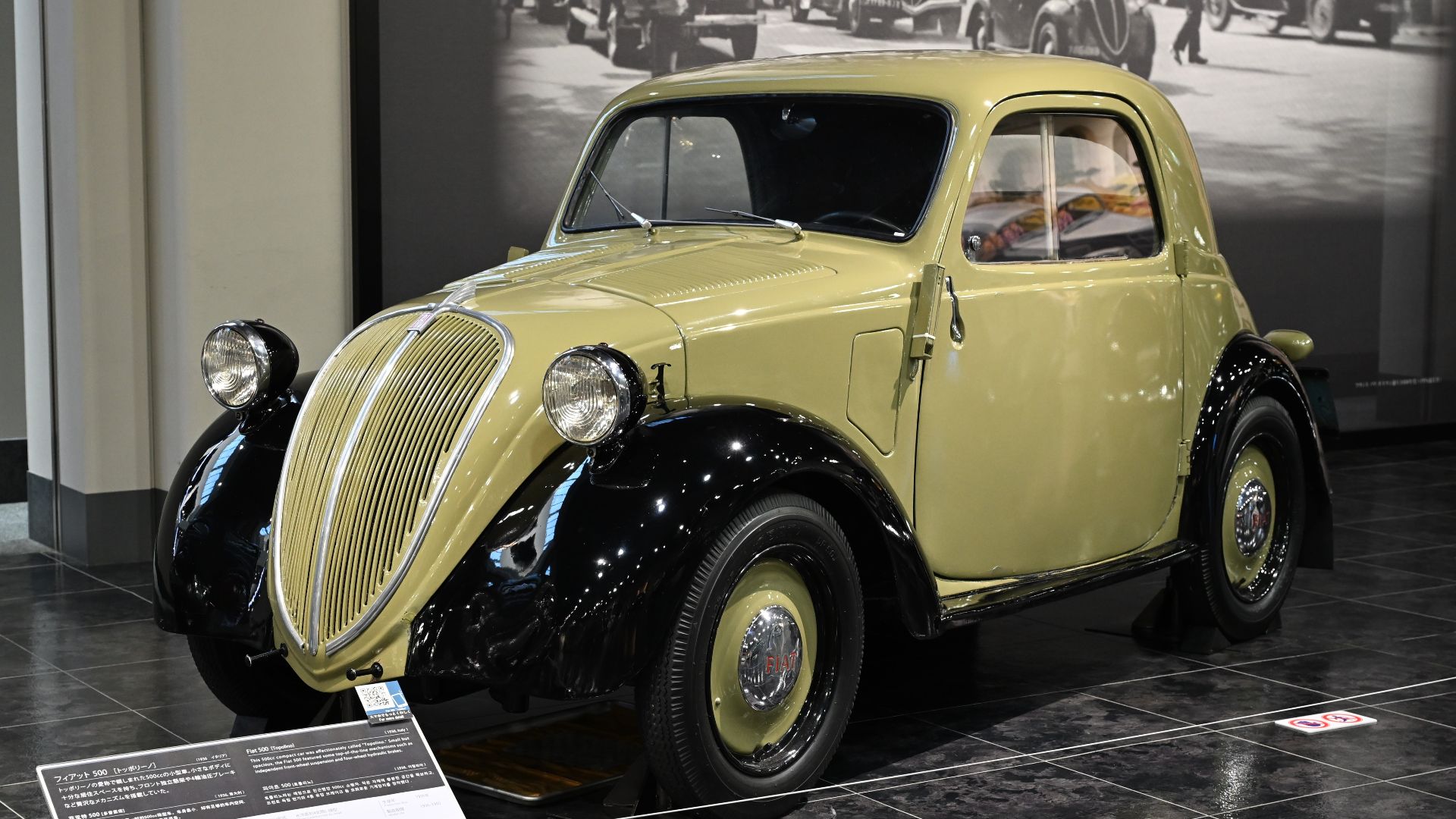
7. Fiat Topolino (1936)
Fiat's "little mouse" arrived at a time when most cars were still large, heavy, and expensive, and it proved a tiny, affordable car could still be well engineered rather than a compromise. Its independent front suspension and lightweight construction were genuinely advanced for the mid-1930s. It sold in the hundreds of thousands and helped define what an economy car could be for generations after it.
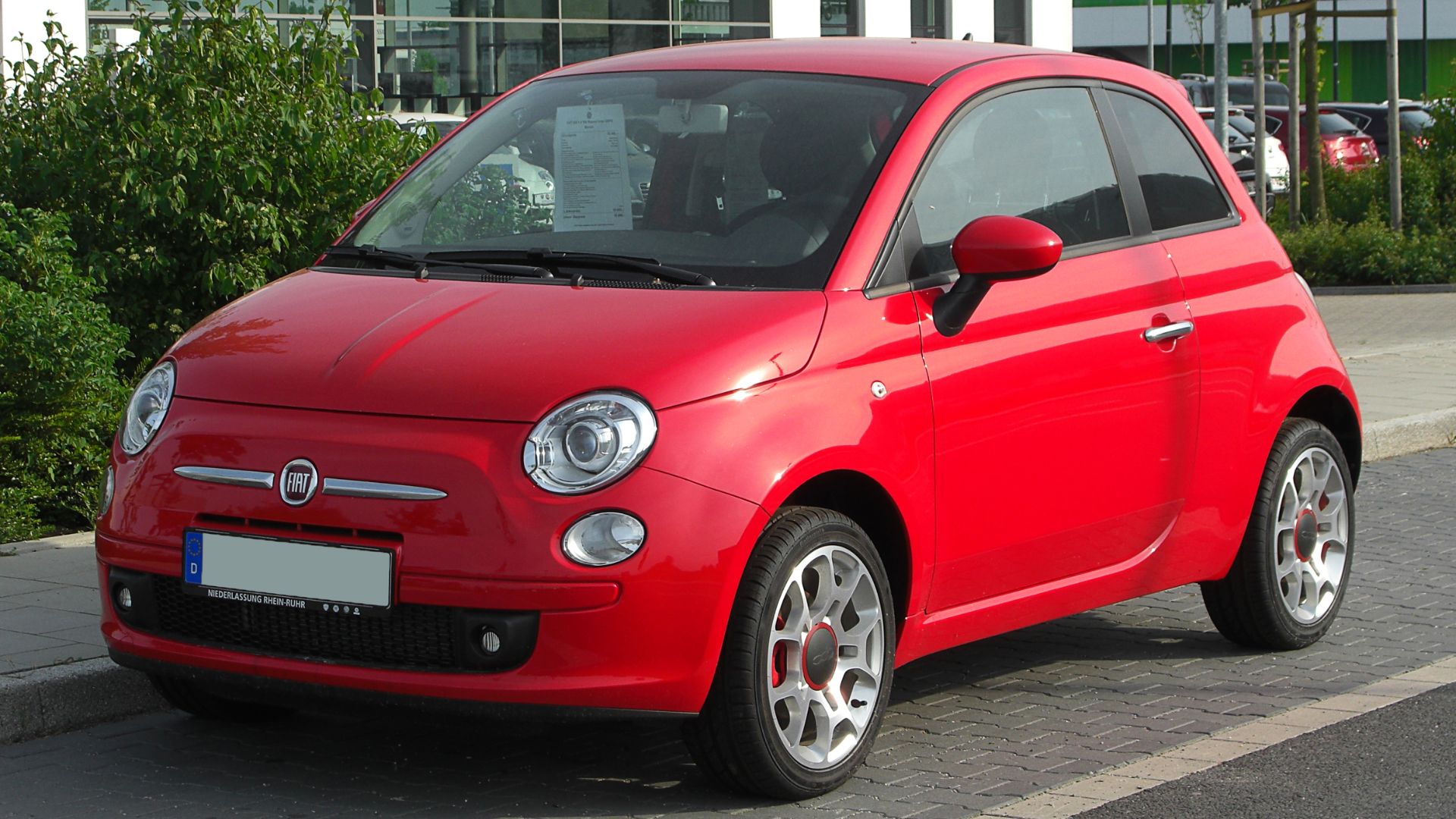
8. Fiat 500 (2007)
When Fiat revived the 500 name, it built the new car on a shortened version of the platform underneath the Ford Ka and Fiat Panda, keeping development costs sane while still delivering a genuinely well-sorted small car. Critics who expected a shallow nostalgia exercise found tidy handling and a surprisingly grown-up ride underneath the retro paint job. It single-handedly revived the brand's fortunes in markets that had written Fiat off.
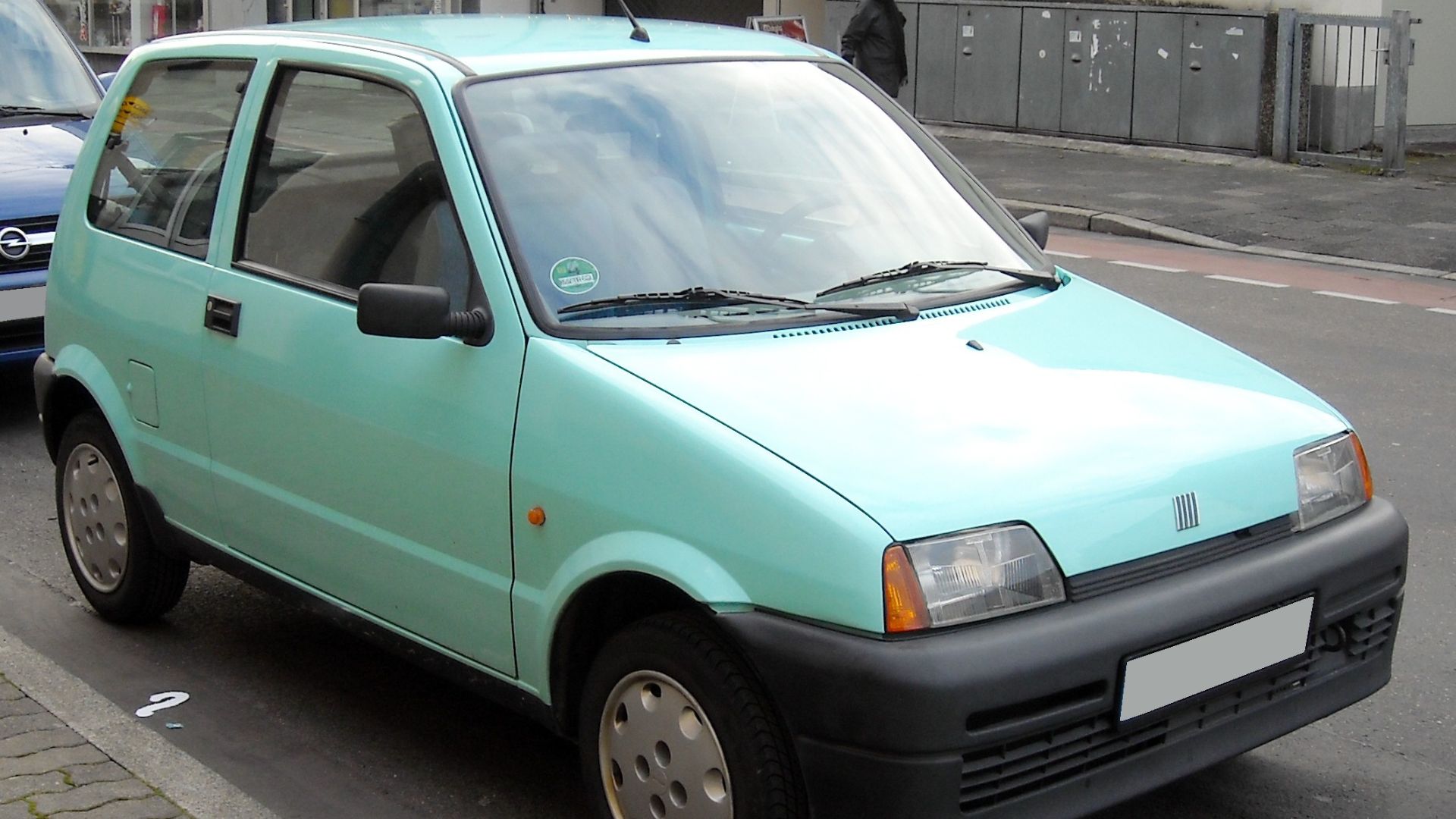
9. Fiat Cinquecento (1991)
Built to be as light and simple as possible, the Cinquecento used a chassis so straightforward that owners could handle most repairs themselves with a basic toolkit. It weighed barely over 1,500 pounds, which made even its smallest engines feel reasonably peppy. For a car built down to a price, it earned a surprising amount of owner loyalty.
10. Fiat Panda II (2003)
The second-generation Panda won European Car of the Year in 2004, an honor that doesn't usually go to cars this cheap or this modest looking. Reviewers praised its clever interior packaging, boxy visibility, and genuinely comfortable ride for a car with such a tiny footprint. It proved the original Panda's practicality-first formula still worked perfectly two decades later.
And now, the 10 that lived all the way down to their reputation.
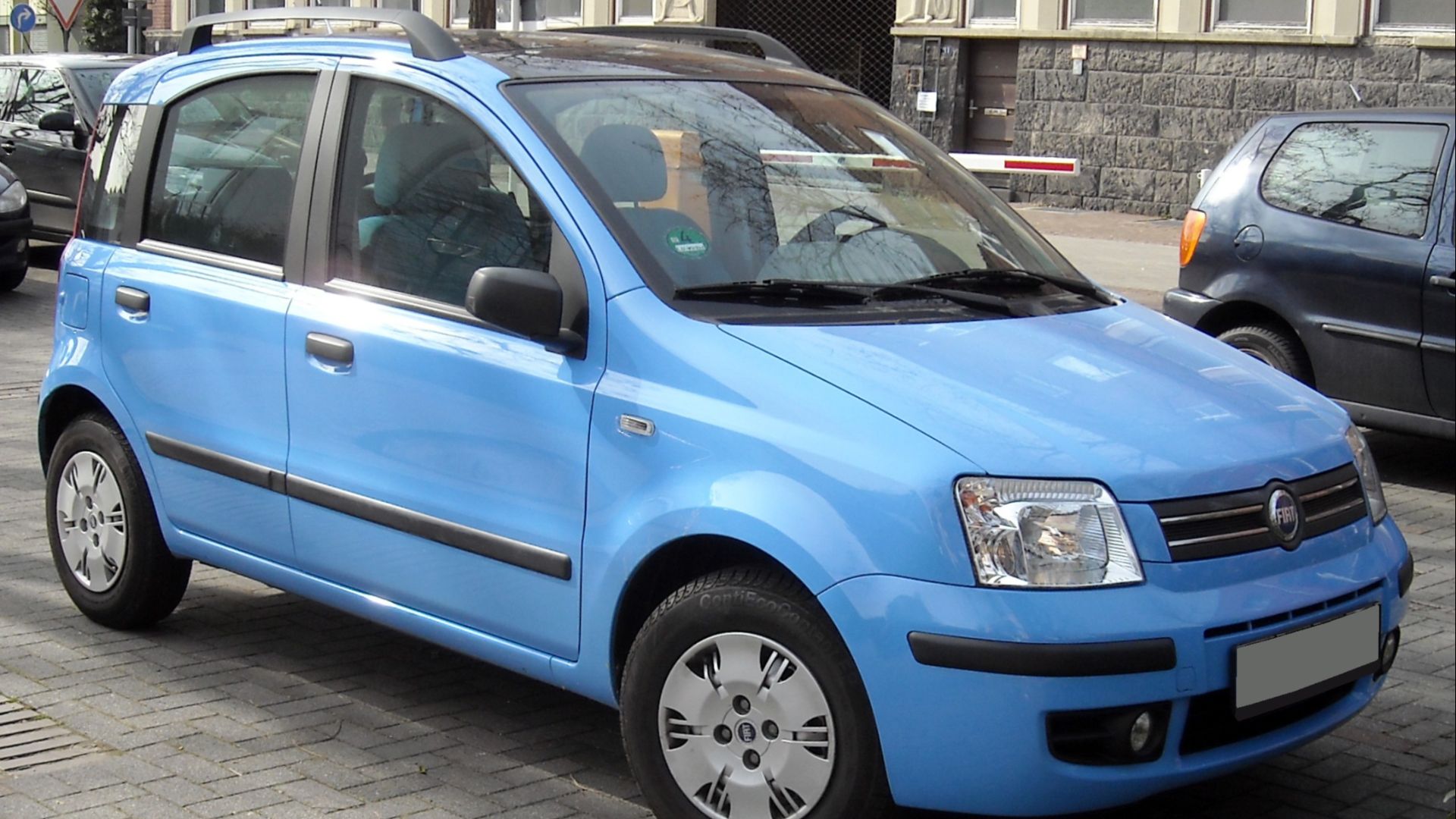
1. Fiat Stilo (2001)
The Stilo arrived with awkward proportions and handling that never matched its more polished European rivals, and sales reflected it almost immediately. Fiat discontinued it after less than a decade, a short lifespan for a car meant to anchor the brand's family hatchback lineup. It's mostly remembered now as the car that came right before Fiat figured out what it was doing again.
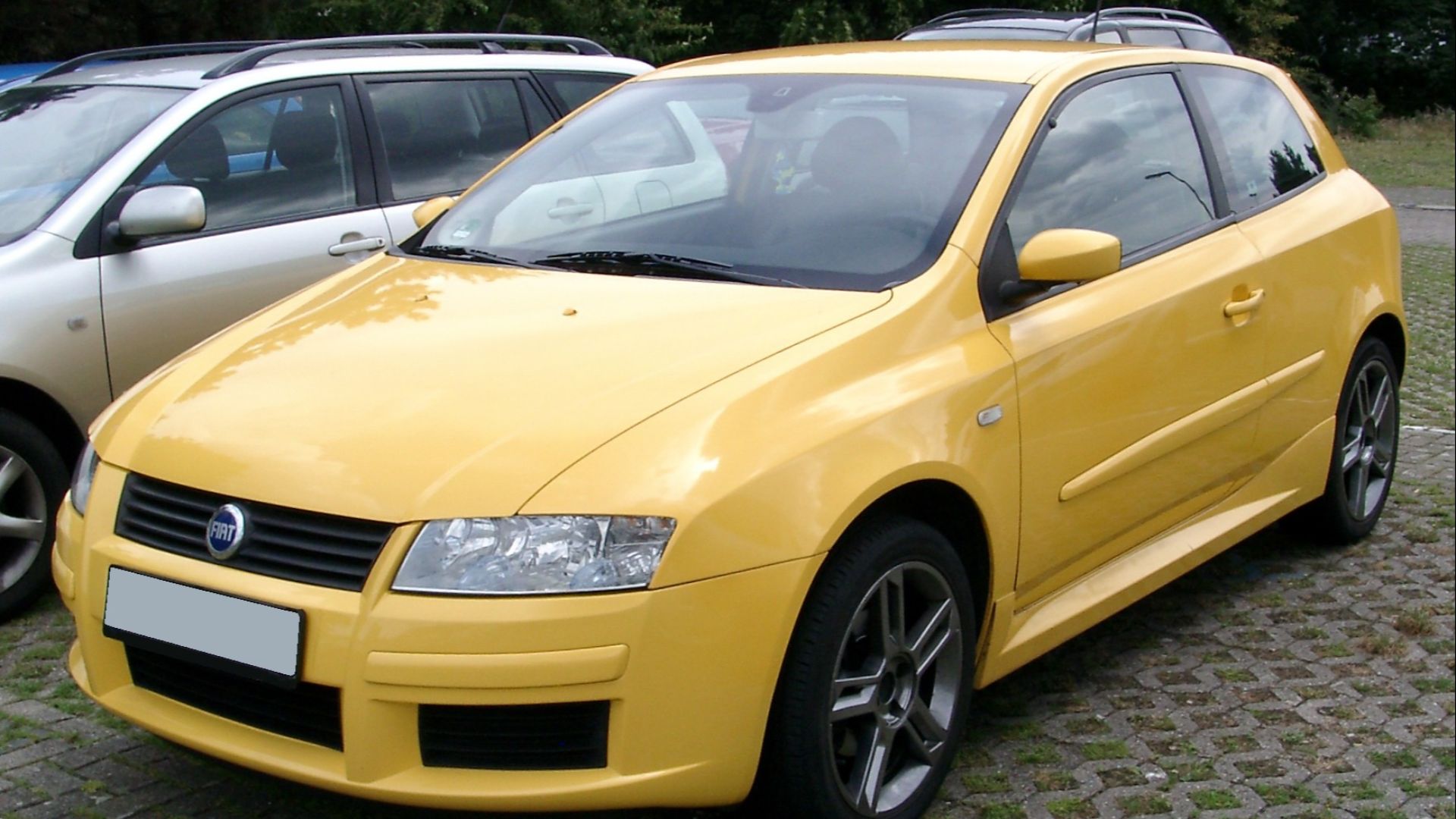
2. Fiat Marea (1996)
Electrical gremlins and rust became such a persistent complaint with the Marea that used-car buyers in several markets learned to avoid it almost on instinct. It was meant to be Fiat's answer to solid, dependable family sedans from Germany and Japan, and it simply wasn't. The car quietly disappeared from most lineups within about a decade.
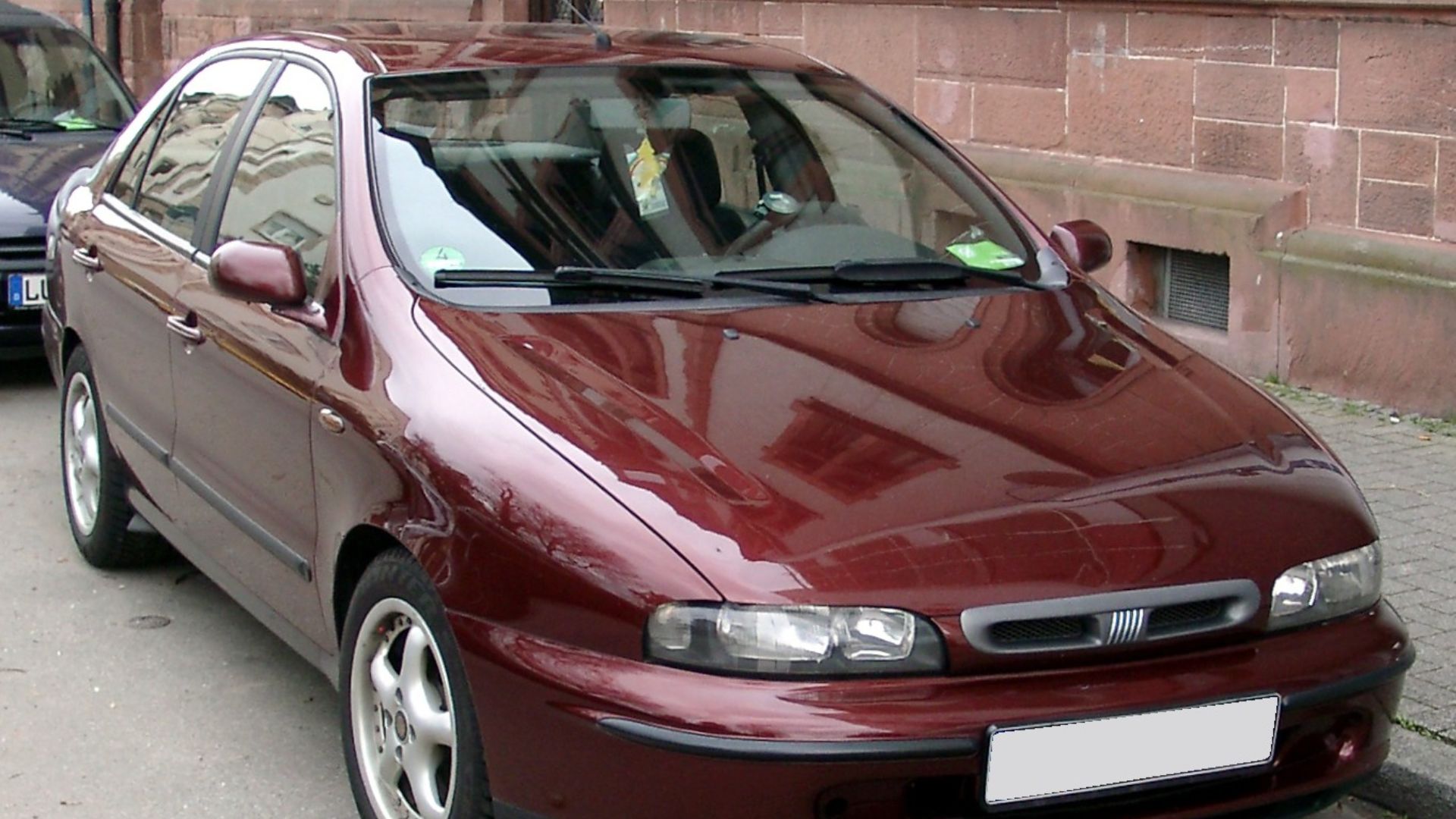
3. Fiat Croma (2005)
The second-generation Croma was built on a General Motors platform shared with the Saab 9-3 and Opel Vectra, and it never felt like it belonged to either brand's identity. Sales were so weak that Fiat pulled it from most markets after just a few years. It stands as a reminder that badge-engineering rarely fools anybody.
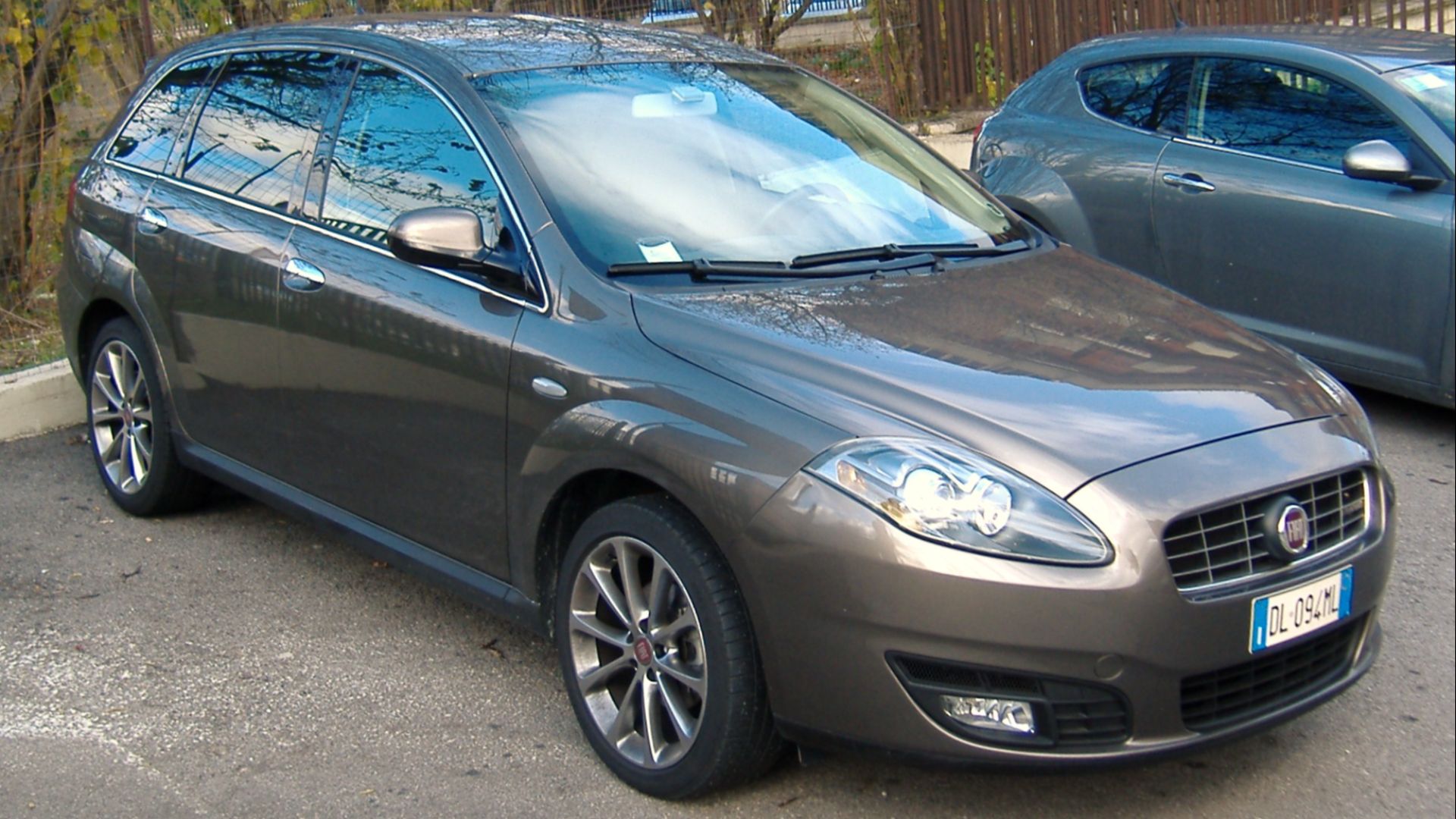
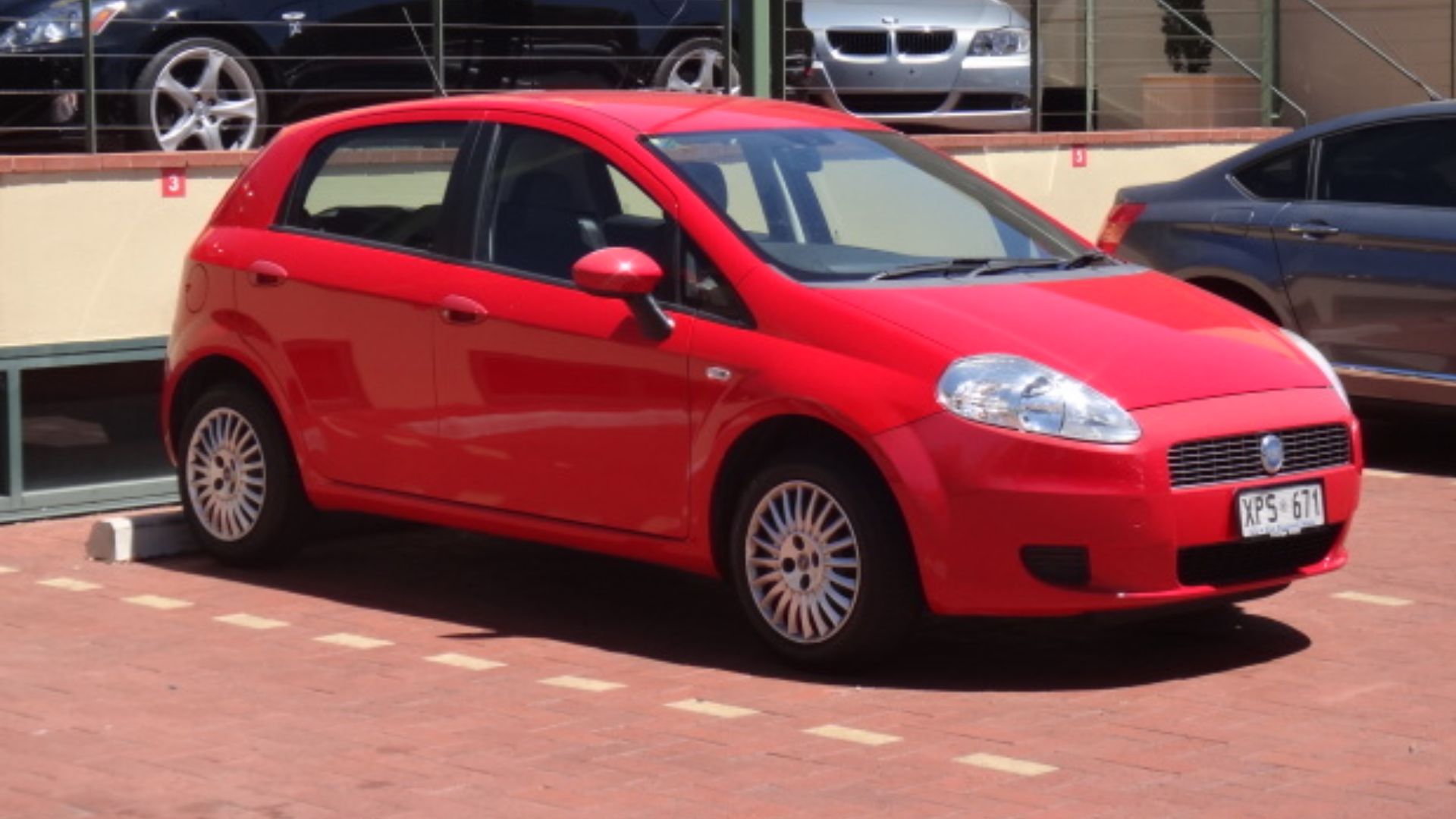
4. Fiat Punto (2009)
The later Grande Punto and Punto Evo generations stuck around on dealer lots for years without a meaningful redesign, aging visibly next to newer competitors. What started as a genuinely competitive small hatchback slowly turned into the car buyers settled for rather than chose. By the time it was finally discontinued, it had been outdated for the better part of a decade.
 TuRbO_J from Adelaide, Australia on Wikimedia
5. Fiat Ritmo (1978)
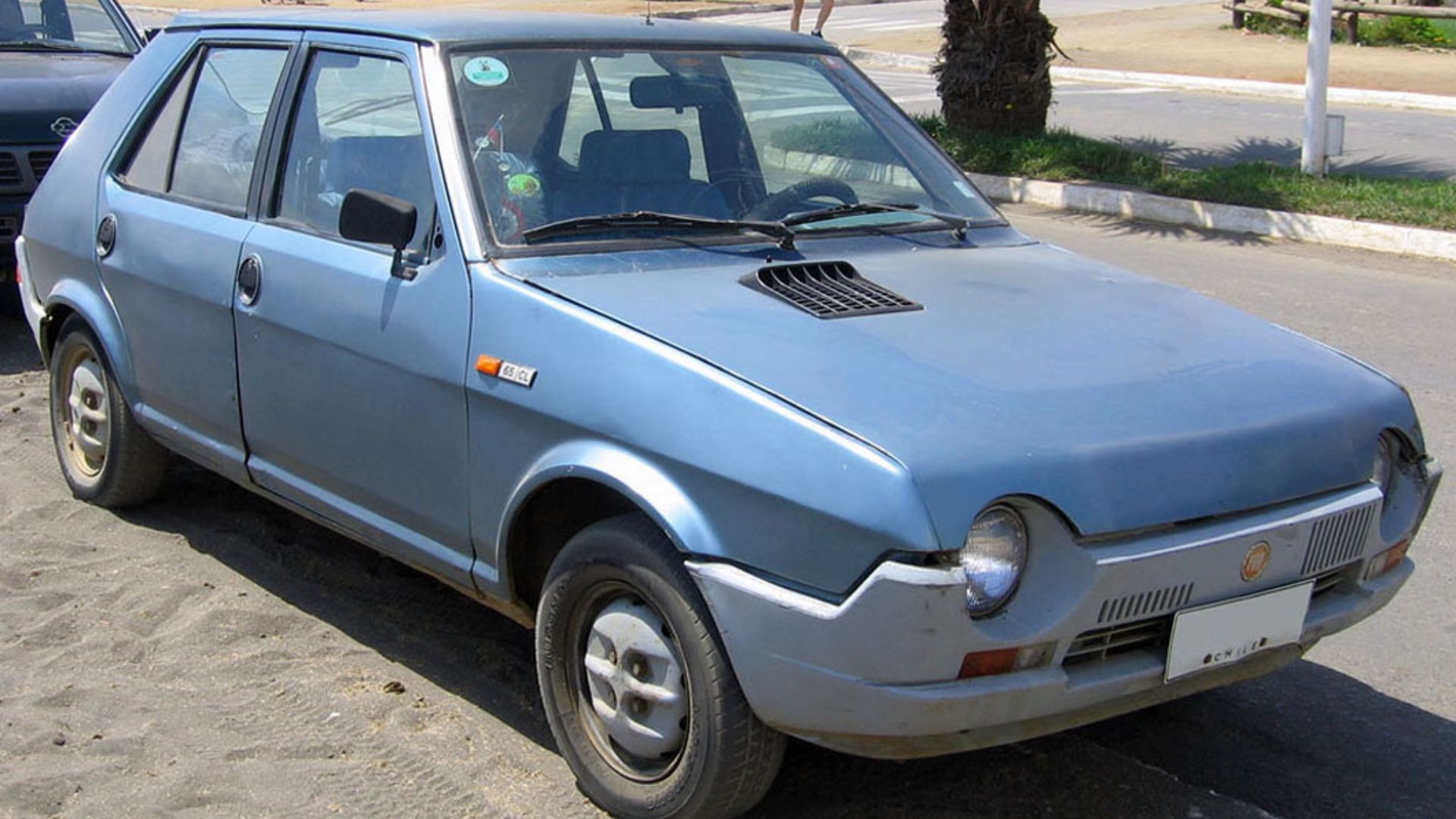
Fiat's ad campaign for the Ritmo, sold as the Strada in some markets, famously boasted that it was "hand-built by robots," a line meant to signal precision manufacturing. Instead, the cars became notorious for rust and inconsistent build quality that made the slogan into an industry punchline. Mechanics of a certain generation still bring it up unprompted.
 Chamelfo Ropatras;Cropped and levels adjusted by uploader Mr.choppers on Wikimedia
6. Fiat Tempra (1990)
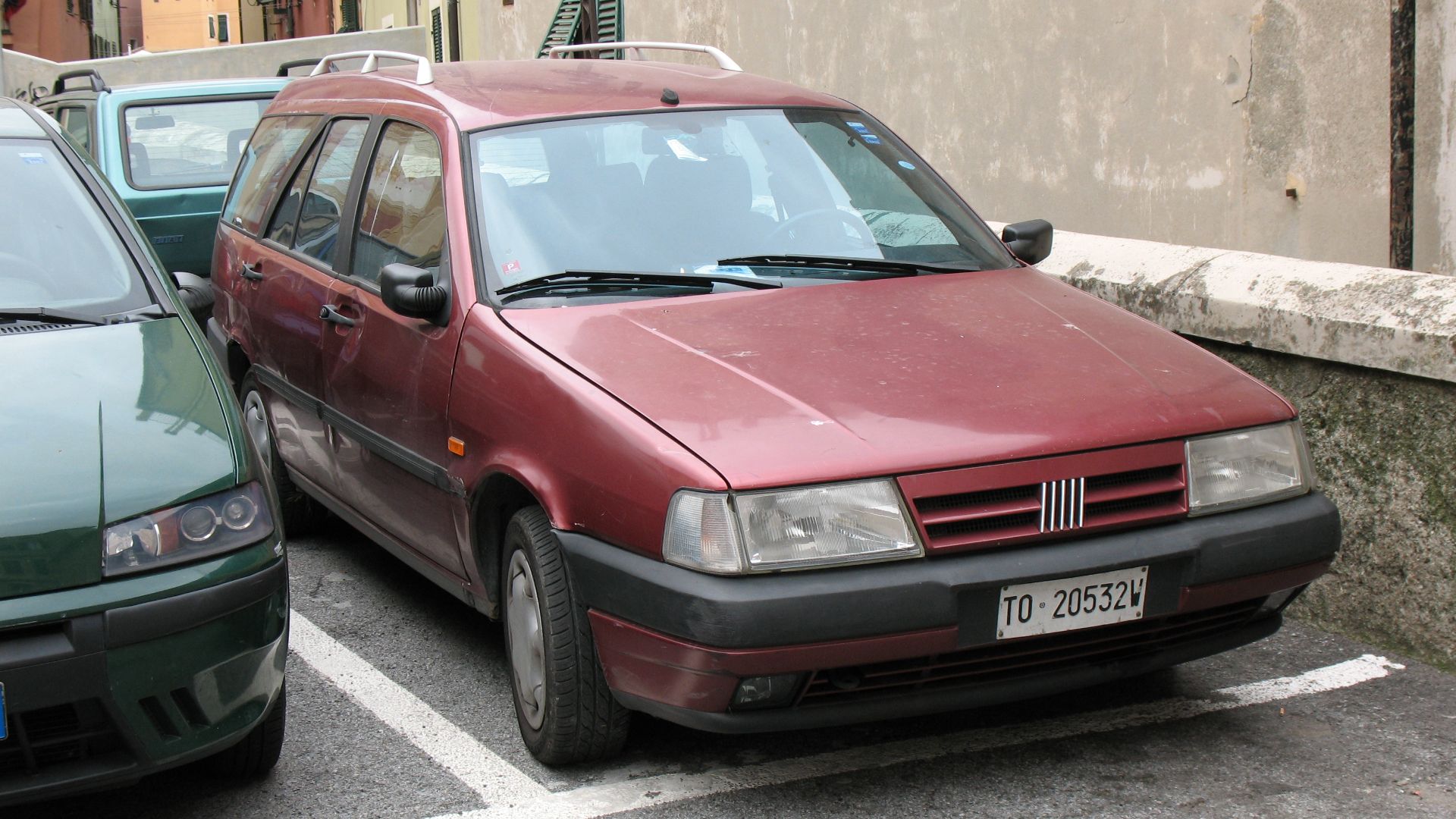
The Tempra was Fiat's attempt at a competent mid-size sedan and wagon, but it never shook a reputation for rust and a driving experience that reviewers politely called forgettable. It sold reasonably well on price alone but rarely inspired any loyalty. Few of them are left on the road today, and even fewer people miss them.
7. Fiat Sedici (2006)
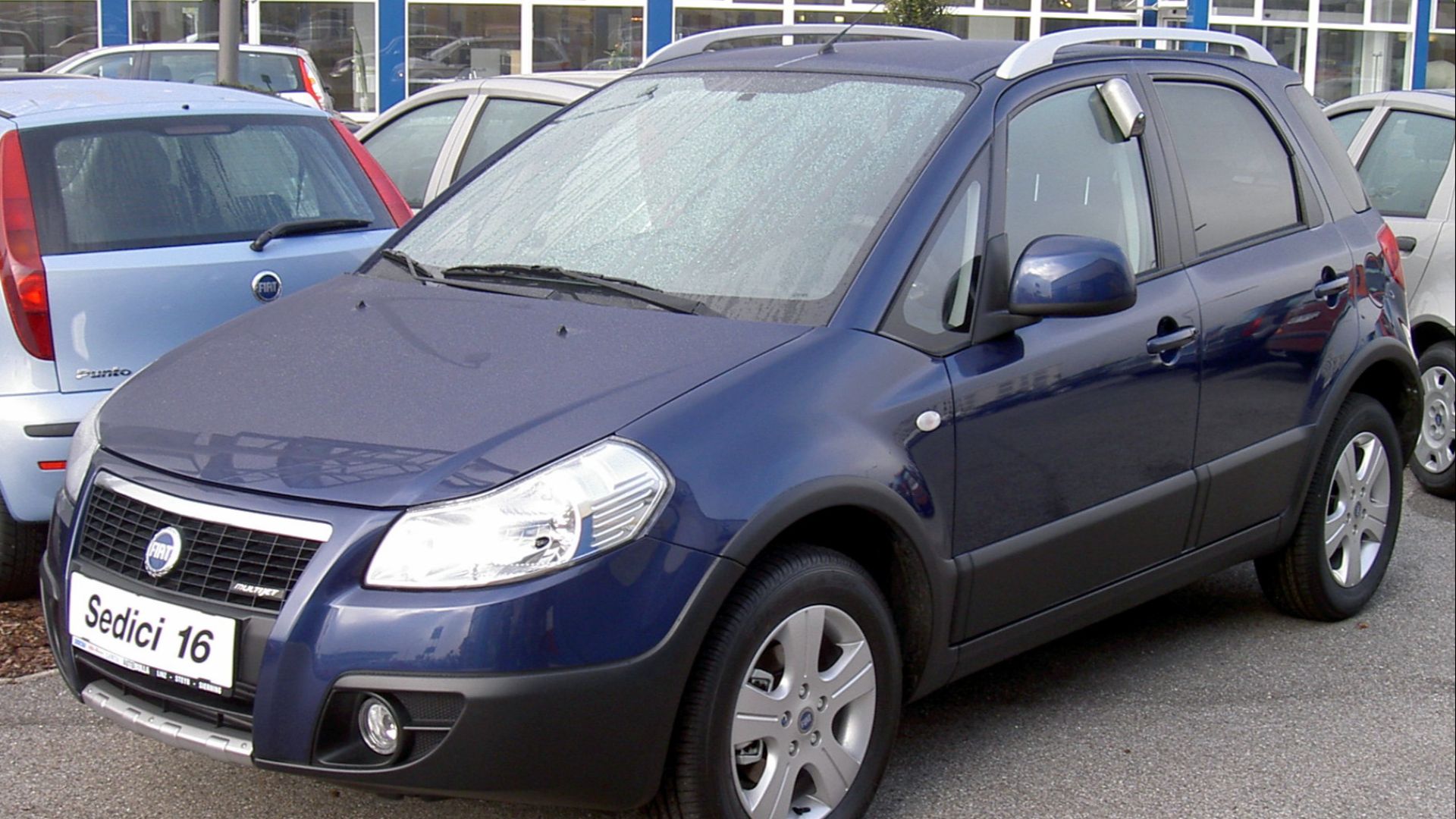
Built jointly with Suzuki and based heavily on the SX4, the Sedici never felt like it had a clear identity of its own. Buyers largely ignored it in favor of either the cheaper Suzuki or a more distinctly Fiat alternative, and sales numbers reflected the confusion. It quietly exited the lineup with barely a mention.
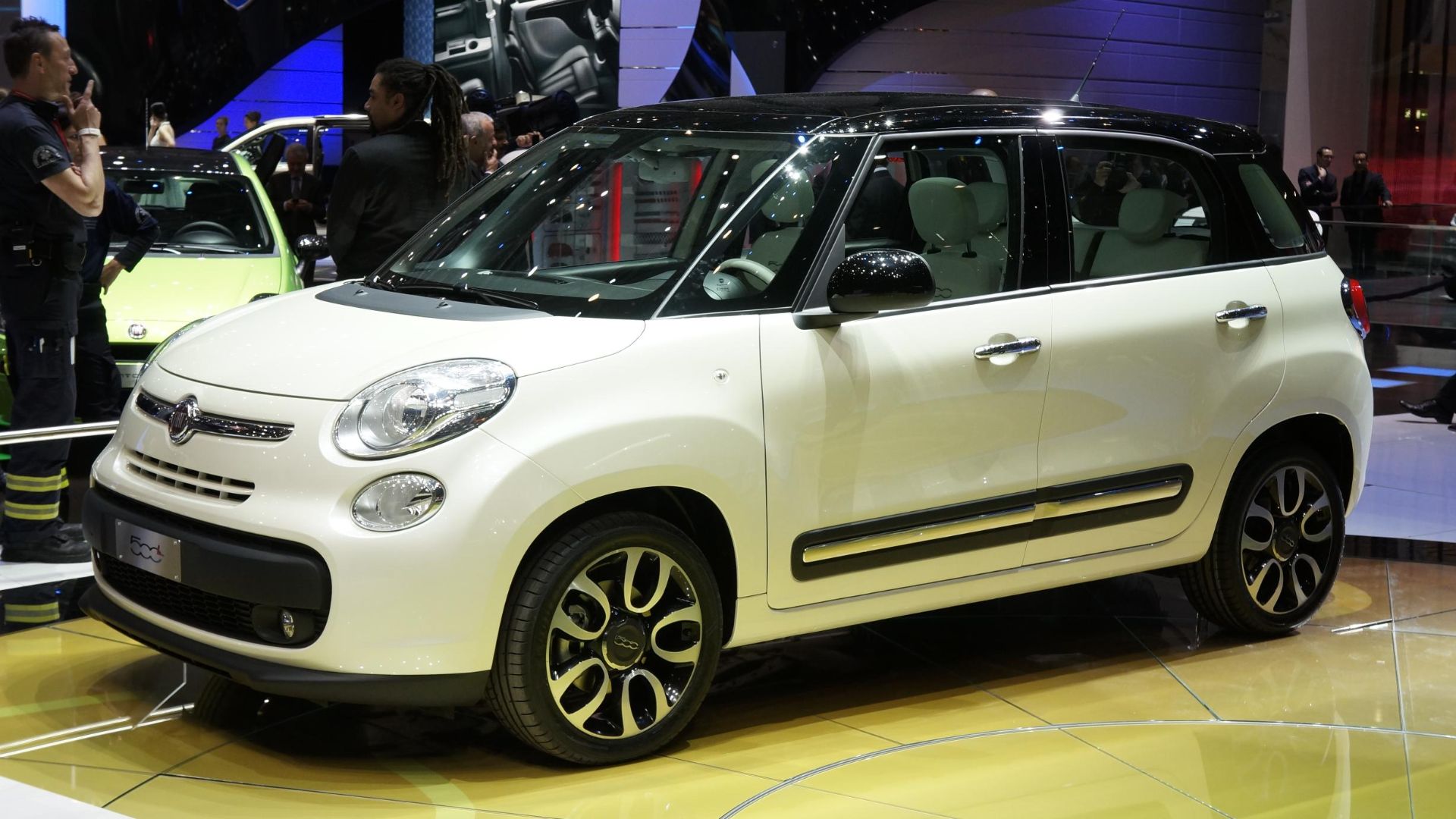
8. Fiat 500L (2012)
Stretching the beloved 500's cute proportions into a taller, bulkier family car produced something that satisfied almost nobody, with reviewers frequently mocking its awkward stance. Reliability complaints piled up quickly in the U.S. market, where it became a common punchline among car reviewers. Fiat eventually pulled it from American showrooms altogether.
 NRMA Motoring and Services on Wikimedia
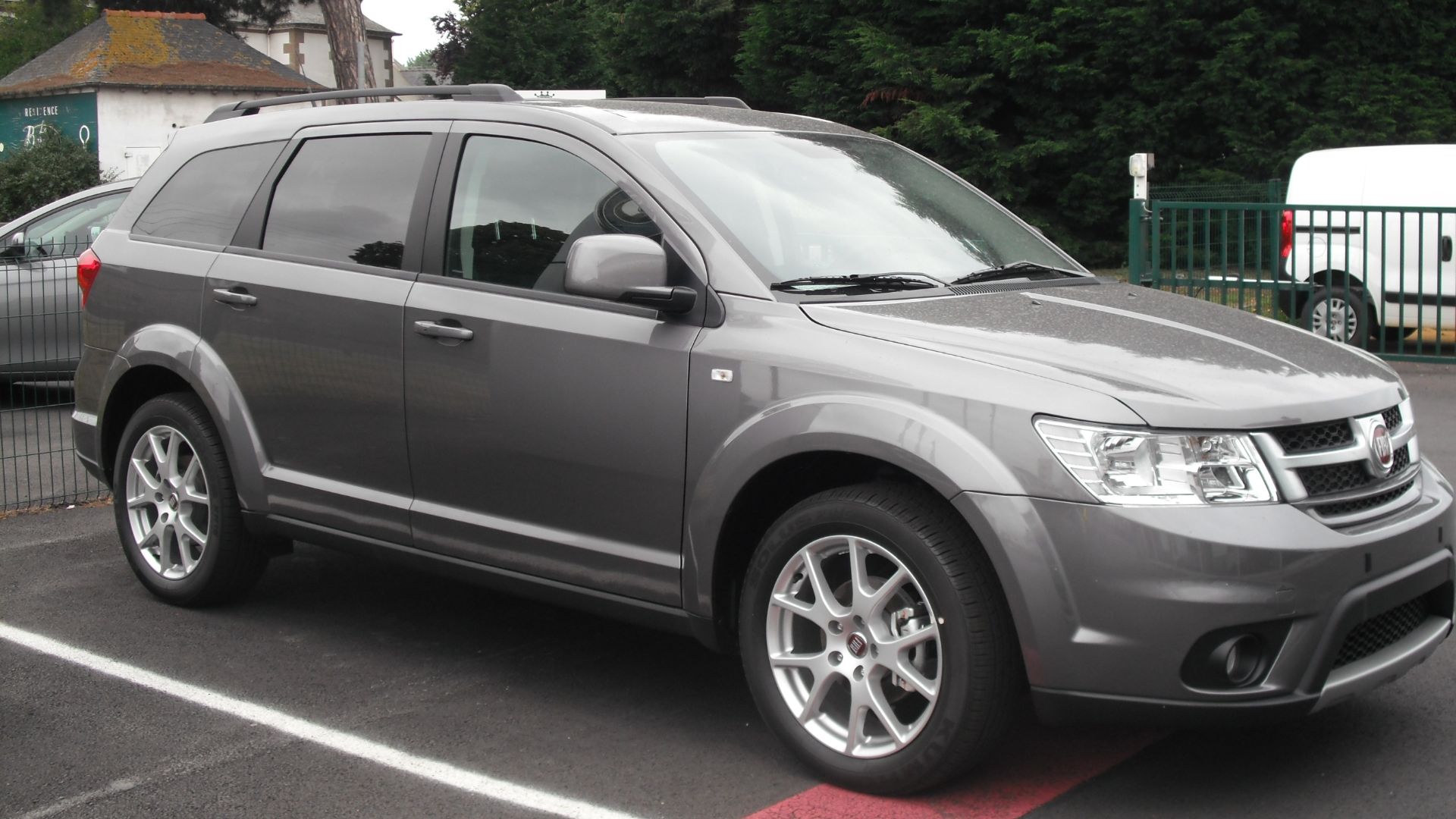
9. Fiat Freemont (2011)
The Freemont was essentially a Dodge Journey wearing a Fiat badge for European buyers, and it never felt like it belonged in Fiat's lineup of small, efficient cars. Its size and driving character clashed with everything the brand was supposed to represent. It was discontinued within a few years, largely unmourned.
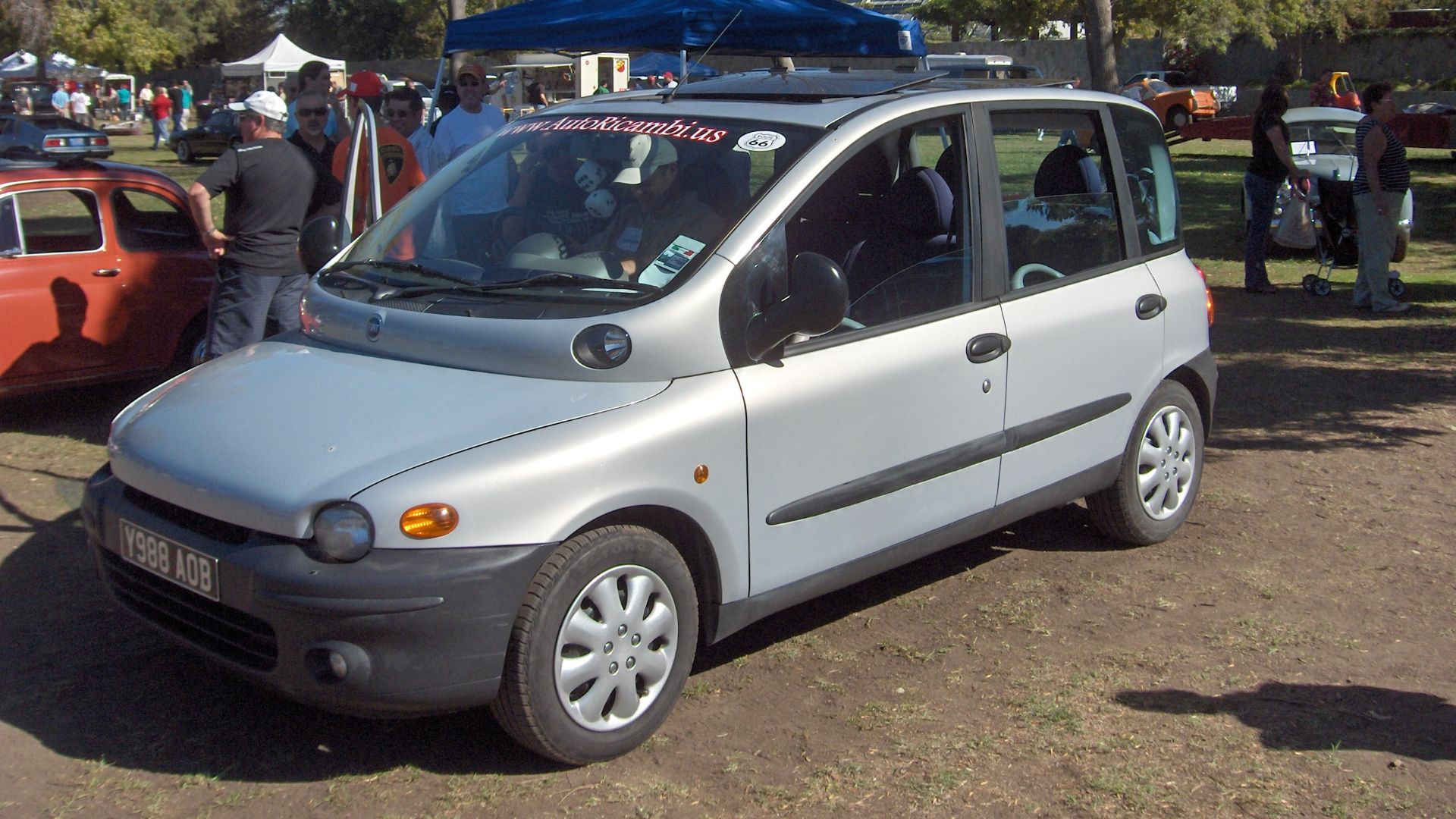
10. Fiat Multipla (1998)
The second-generation Multipla's bug-eyed double-decker windshield made it a fixture on worst-looking-car lists for years, including a memorable ribbing on Top Gear. Underneath the polarizing styling was a genuinely clever six-seat interior layout, but almost nobody could get past the face long enough to notice. It remains one of the most mocked shapes in automotive history, deserved or not.