Ford’s success in the pickup market isn’t based on a single popular model or a temporary advertising campaign. The company has spent decades building a broad truck lineup that serves construction crews, rural drivers, families, outdoor enthusiasts, and people who simply prefer the flexibility of an open bed. That wide appeal allows the brand to reach buyers whose priorities can be completely different from one another and its strong name recognition helps keep those customers within the same family of vehicles.
Sales figures continue to reflect that reach, with the F-Series remaining America’s best-selling truck line through 2025 and extending a lead established over many years. However, past success alone doesn’t guarantee that buyers will return, particularly when competitors offer capable alternatives. Ford maintains its position by regularly updating powertrains, technology, configurations, and specialized models without changing the basic usefulness customers expect. The result is a lineup that feels familiar while still responding to newer demands.
A Truck For Nearly Every Kind Of Buyer
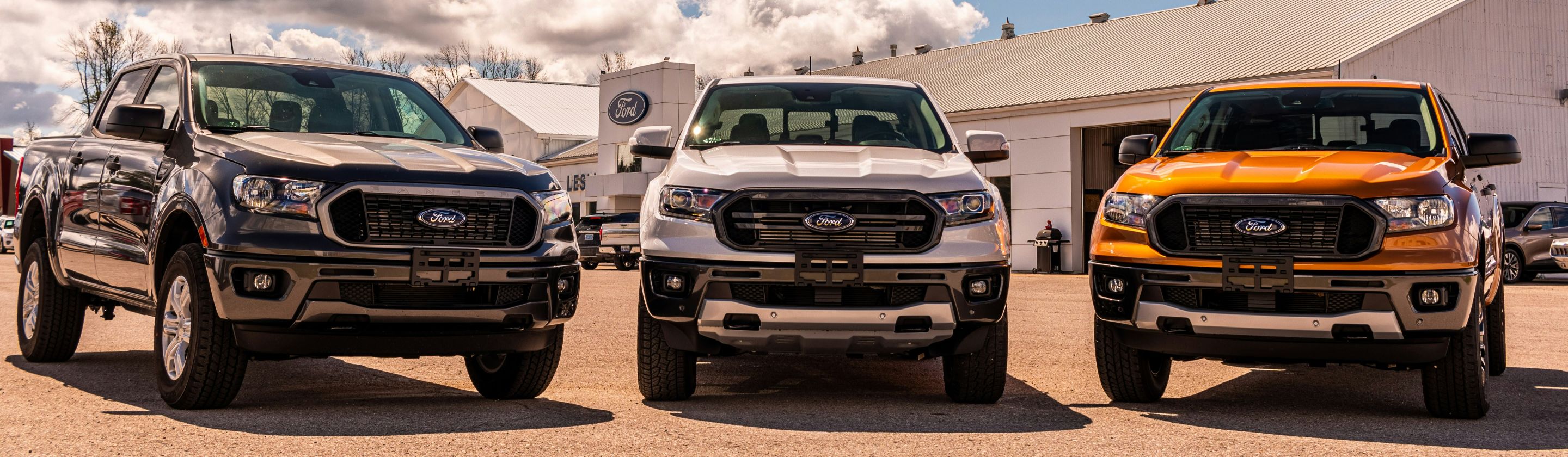
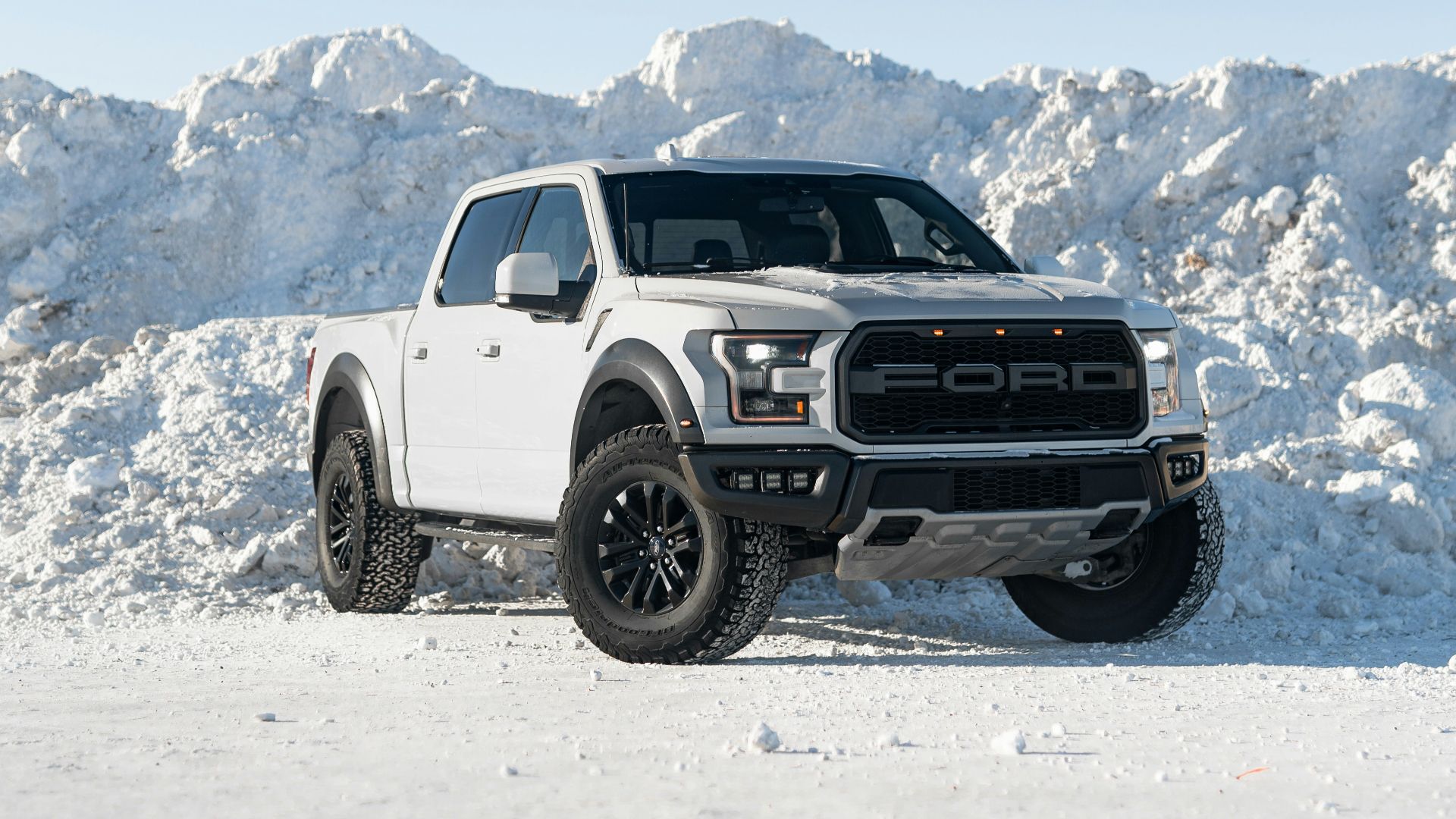
One of Ford’s greatest advantages is the number of choices available within its pickup range. The Maverick provides a smaller and more affordable entry point, the Ranger covers the midsize category, and the F-150 serves the heart of the full-size market. Super Duty models then address buyers who need substantially greater towing, hauling, or commercial capability.
The variety continues within each model because buyers can select among multiple cab styles, bed lengths, trim levels, engines, and equipment packages. A basic work truck can be configured around durability and price, while a higher trim may include premium materials, advanced cameras, and additional convenience features. Off-road versions appeal to recreational drivers, whereas fleet-oriented configurations focus on practical ownership.
Ford has also recognized that many modern truck buyers don’t fit traditional expectations. Some use their pickups mainly for commuting, family transportation, home projects, and weekend trips rather than daily commercial work. Smaller models have expanded the audience by offering useful beds and comfortable cabins without the size or expense of a heavy-duty vehicle. The Maverick’s record sales in 2025 suggest that affordability and manageable dimensions remain powerful attractions in a market known for increasingly large and costly trucks.
Capability Backed By Practical Technology
Pickup buyers often begin their search with towing and payload figures, and Ford makes those capabilities central to its truck identity. Properly configured F-150 models can tow heavy trailers, while Super Duty versions are designed for far more demanding jobs. Just as importantly, the company offers several powertrains so drivers can balance output, fuel use, purchase price, and intended workload.
Technology strengthens this appeal when it reduces the difficulty of routine truck tasks. Camera views can help drivers position a trailer, available assistance systems can simplify backing, and onboard scales can provide information about cargo weight on equipped models. These features aren’t substitutes for careful driving or proper loading, but they can make complicated work more manageable. Ford generally succeeds when technology supports a recognizable need rather than existing only to make the dashboard appear more advanced.
The available hybrid system offers another example of practical innovation. It combines strong torque with improved efficiency while also supporting an onboard generator that can power tools, equipment, or household essentials in certain situations. Buyers don’t have to adopt a fully electric vehicle to gain some of the benefits associated with electrification.
Loyalty Built Through Familiarity And Scale
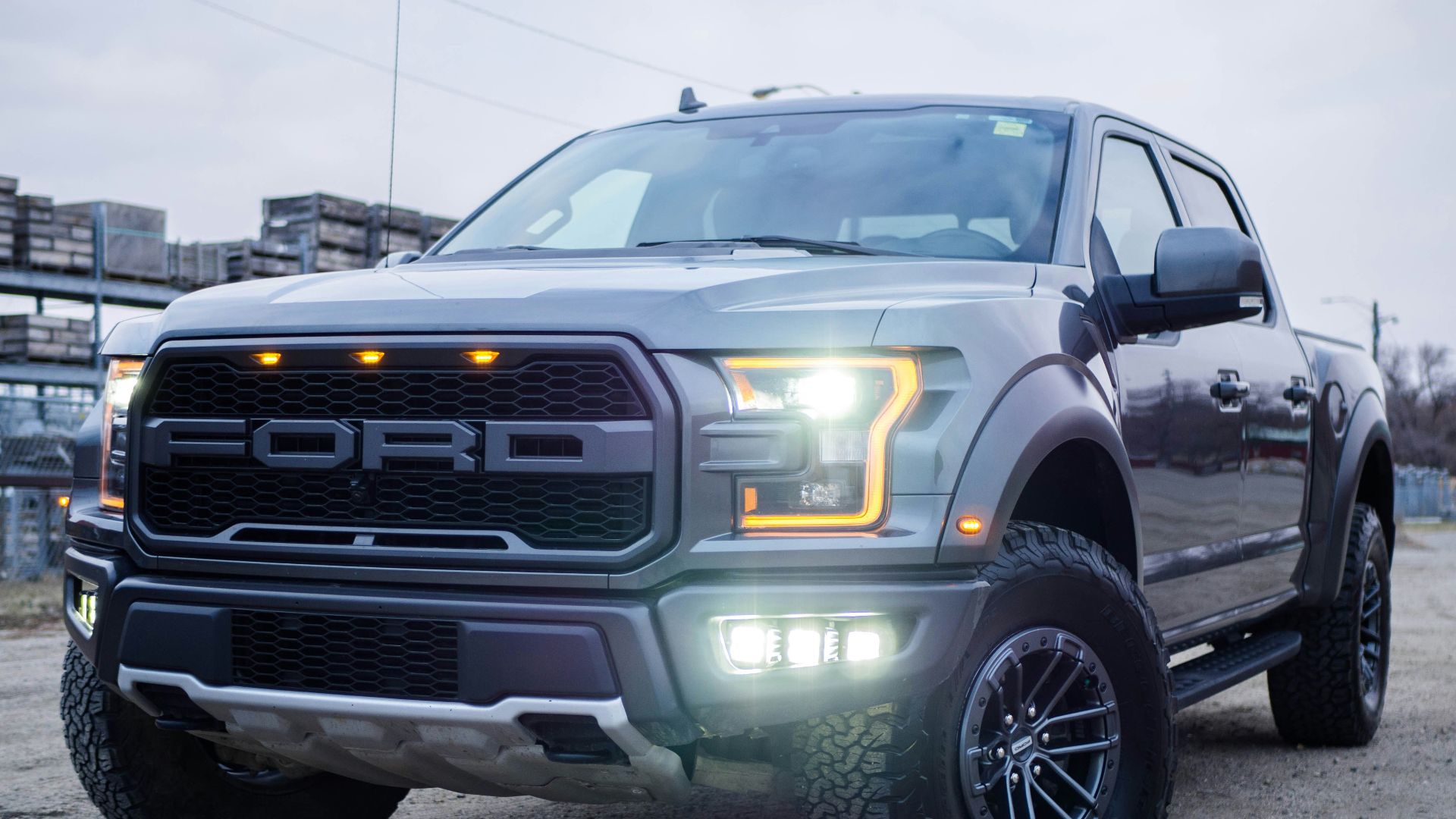
Decades of strong sales have placed Ford trucks in workplaces, driveways, farms, and commercial fleets throughout North America. That visibility creates familiarity, and familiarity can reduce uncertainty when someone is preparing to make an expensive purchase. A buyer may already know how an older model performed for a relative, employer, or previous owner.
A large dealer and service network also matters because trucks are often expected to remain useful for many years. Owners want access to maintenance, replacement parts, warranty support, and technicians familiar with the vehicle. Commercial customers place even greater importance on limiting downtime because a truck that isn’t working may also prevent an employee from working.
The company’s reputation also benefits from maintaining a clear identity around trucks even as the wider automotive industry changes. Ford continues improving conventional gasoline models while developing hybrids, electric trucks, digital services, and new commercial tools. This approach gives customers options without forcing the entire market to adopt one technology at the same pace.
No automaker can dominate indefinitely without responding to competition, economic pressure, and changing customer expectations. Ford still faces concerns involving high vehicle prices, increasingly complex repairs, and serious rivals offering their own strong combinations of comfort and capability. By combining broad selection, credible capability, useful innovation, and long-standing customer familiarity, the company gives many shoppers a reason to begin and often end their search at the same dealership.