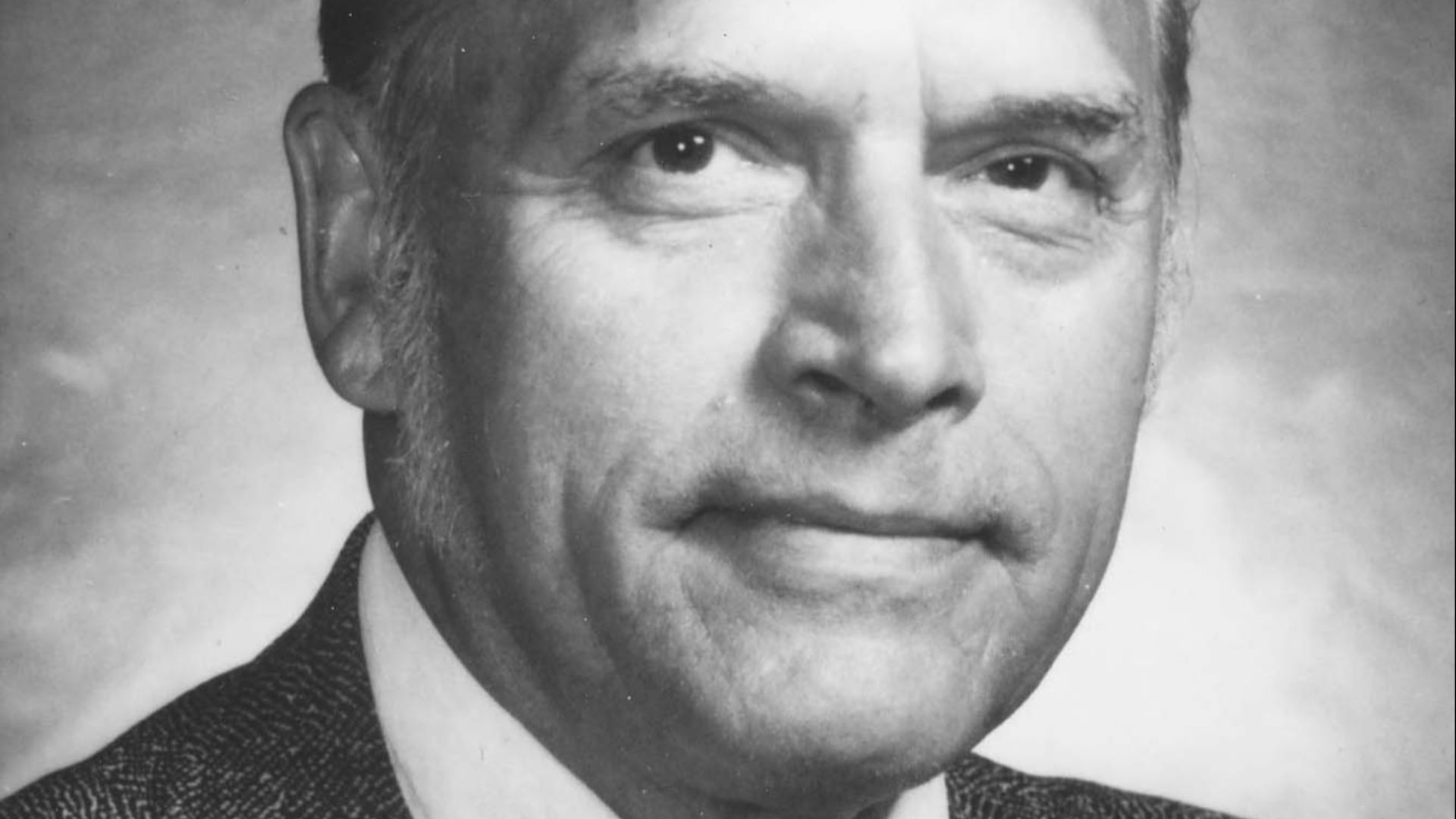
For fifteen years, a biomechanics professor at Wayne State University in Detroit spent his working life getting hit. Metal pendulums slammed into his chest. Pneumatic hammers struck his face. He rode a rapid-deceleration sled built to mimic a head-on collision more than four hundred separate times, absorbing forces that would send most people straight to an emergency room.
His name was Lawrence Patrick, and none of this was punishment or a strange personal habit. It was research, conducted because nobody in the entire field of automotive safety actually knew how much force a human body could take before it broke, and somebody had to find out with real flesh instead of a math equation.
Nobody Knew What A Body Could Actually Survive
Car crash research in the early twentieth century had a basic problem baked into it from the start. Engineers could measure how a car's frame crumpled and how fast a dashboard came apart on impact, but almost nobody had reliable data on how much force a human skull, chest, or spine could absorb before serious injury began. Wayne State had started poking at this gap as early as 1939, testing cadaver skulls to get some baseline numbers on impact tolerance, though the field was still barely established as a real discipline.
Patrick joined that effort and eventually helped push it much further than skull fragments on a lab bench. Working alongside fellow researcher Herbert Lissner, he helped develop what became known as the Wayne State Tolerance Curve, a set of figures describing exactly how much force applied over how much time was likely to cause a head injury in a crash. That curve later became a foundational piece of the Head Injury Criterion, a standard automakers around the world still reference when designing dashboards, airbags, and windshields today.
Cadavers could only tell researchers so much, though, since dead tissue does not respond to force the same way a living, tensed, breathing body does. To get data that actually mattered for a living driver, somebody needed to volunteer their own body for punishment that a corpse simply could not replicate. Patrick decided that somebody would be him.
He Became His Own Test Subject
Between 1960 and 1975, Patrick strapped himself into a purpose-built rocket sled and rode it more than four hundred times, each ride designed to slam his body forward at the exact speed and force of a real automobile crash. He also stood in place while a twenty-two-pound steel pendulum swung directly into his chest, testing how much blunt impact a ribcage and sternum could withstand before something gave out.
His face took its own share of abuse too. Researchers fired pneumatically driven rotary hammers at him to study facial injury thresholds, and at other points sprayed him with shattered glass to recreate what happens to a driver's skin and eyes when a windshield gives way on impact. He also repeatedly slammed his own knee against a metal bar fitted with a load cell, gathering data on how much force a kneecap could absorb before fracturing against a dashboard.
Patrick later admitted the whole process left him fairly sore on a near-constant basis, which reads as a significant understatement given what the tests actually involved. He and his graduate students treated their own bodies as the only reliable measuring instrument available, since no dummy built at the time could replicate how living tissue actually bent, bruised, and occasionally broke under real crash forces.
The Data Outlived Him By Decades
Live human testing eventually ran into an obvious ceiling, since researchers could only push a living body's tolerance so far before risking permanent injury or worse. Once experiments needed to explore genuinely dangerous injury thresholds, Patrick's lab moved on to using donated cadavers, continuing the same basic mission with subjects who could absorb forces no living volunteer safely could.
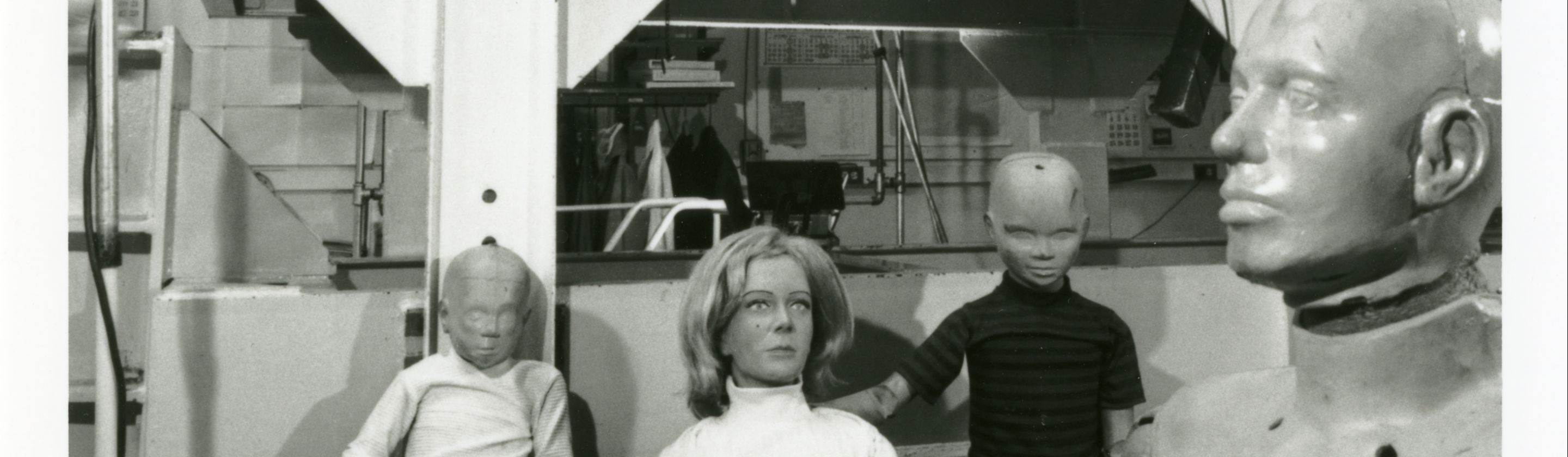
One of the students who trained under Patrick, Harold Mertz, went on to help design Hybrid III, the crash test dummy that eventually became the worldwide standard used across the automotive industry. The mathematical models built from Patrick's own body absorbing four hundred sled impacts, along with the cadaver data that followed, quietly became the backbone of how every dummy since has been calibrated to behave like an actual human.
Patrick died in 2006, decades after retiring from the sled and the pendulum. Every car built since with a properly designed dashboard, airbag timing calibrated to real injury thresholds, and a windshield engineered to fail in a specific, less dangerous way owes some quiet debt to a professor who decided the only honest way to answer his research question was to let the car hit him first.