Big Expectations Don’t Always Predict The Outcome
Automakers can spend years developing a new vehicle, only to discover that buyers don’t understand it, don’t want it, or simply aren’t ready for it. Other models arrive amid heavy criticism and then become essential to their manufacturers, sometimes creating entirely new market segments. The 10 most shockingly bad car launches of all time and the 10 most surprising successes show how styling, timing, pricing, quality, and public perception can matter just as much as the original idea.
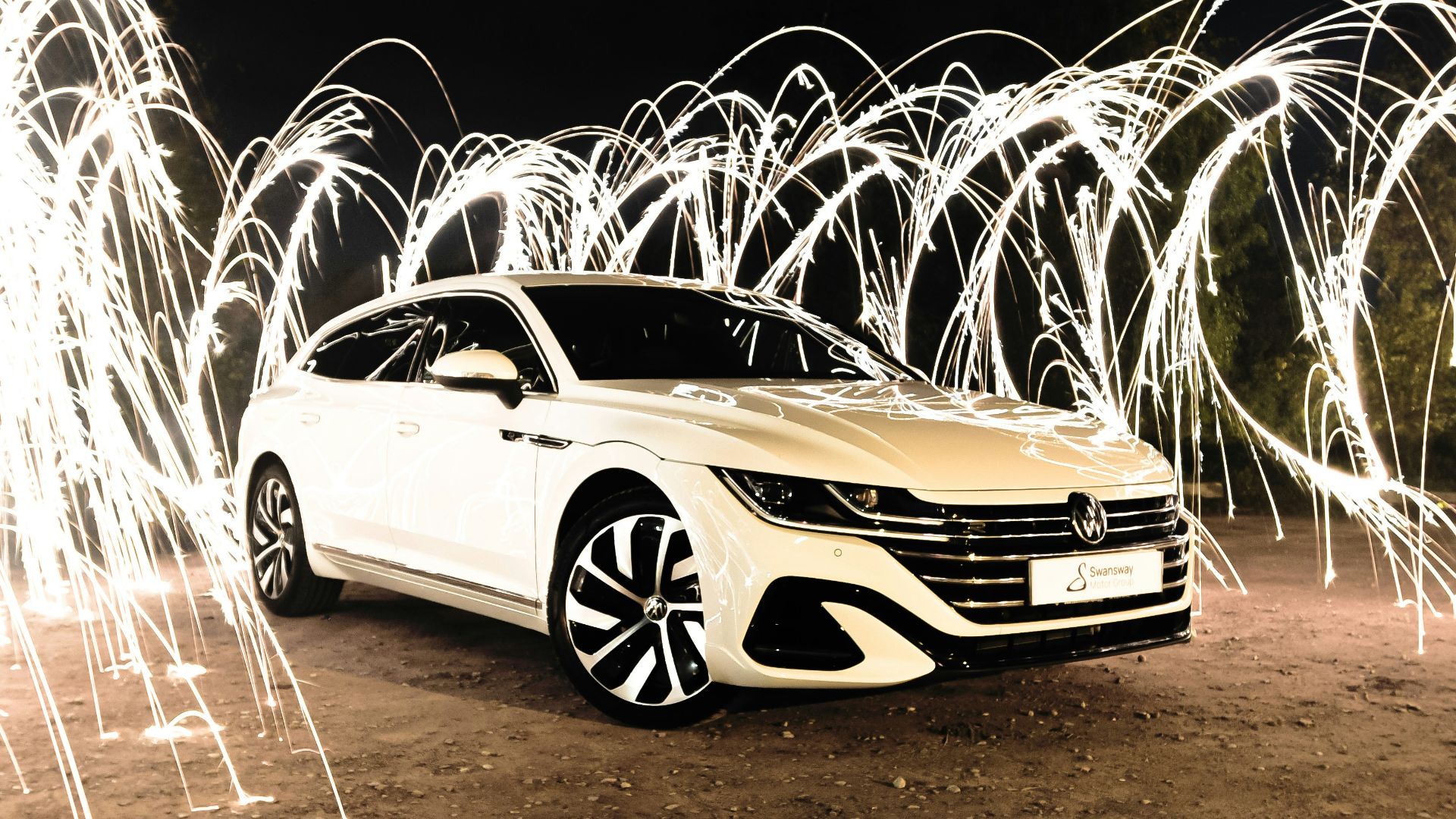 Swansway Motor Group on Unsplash
1. Ford Edsel
Ford introduced the Edsel division in 1957 after investing heavily in research, development, and an enormous advertising campaign. Unfortunately, confusing model positioning, controversial styling, quality problems, and a weakening market for mid-priced cars undermined the launch.
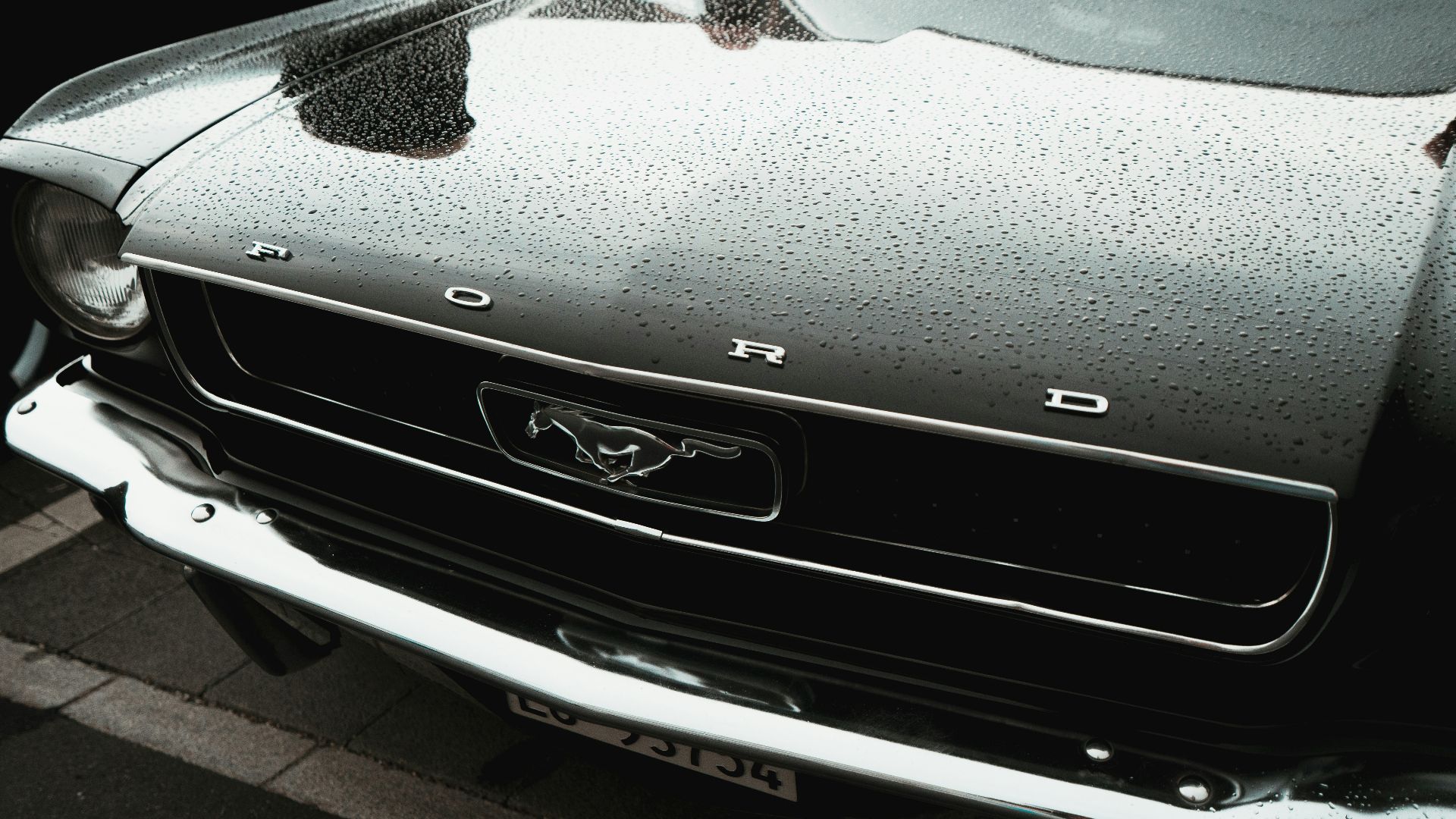
2. Pontiac Aztek
Pontiac promoted the Aztek as an adventurous crossover designed for active young buyers, complete with flexible cargo space and an optional camping package. Its unusual bodywork dominated the public conversation, while the relatively high price made it difficult for customers to overlook the styling.

3. Cadillac Cimarron
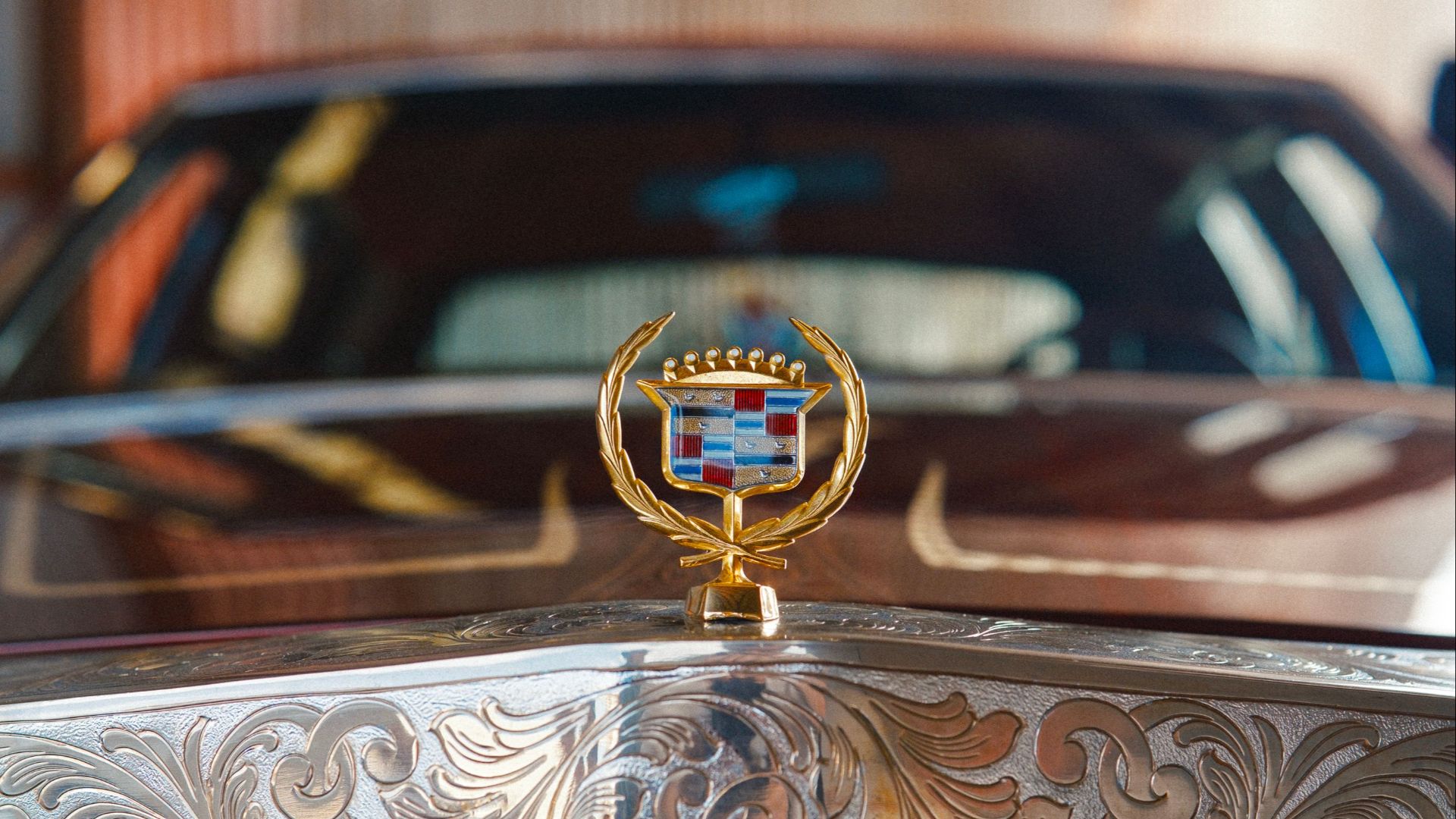
Cadillac launched the Cimarron for the 1982 model year as a smaller, more fuel-efficient alternative to its traditional luxury cars. Buyers quickly noticed that it shared much of its basic structure and appearance with considerably cheaper General Motors compacts.
4. Chevrolet Vega
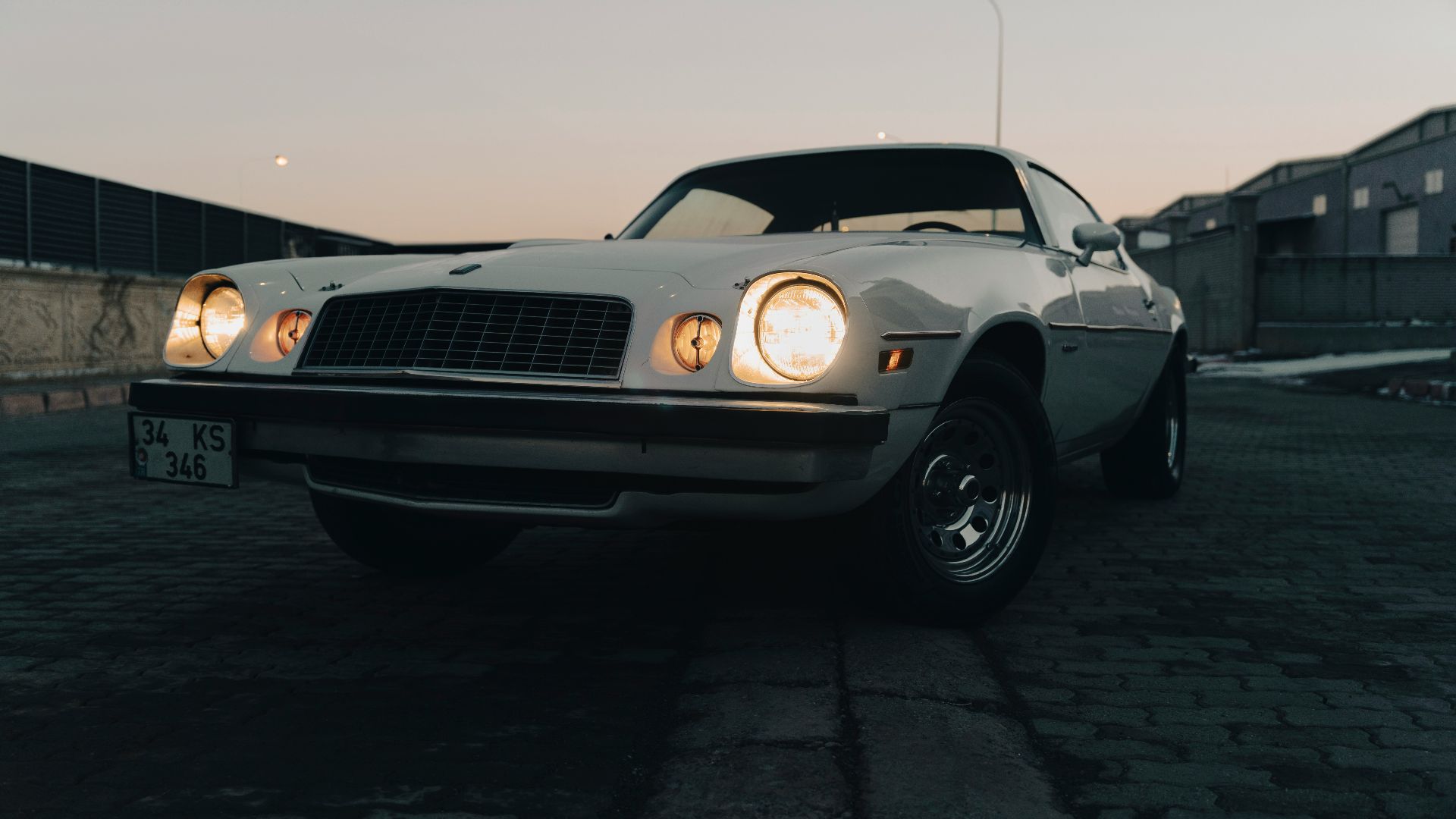
The Chevrolet Vega arrived for the 1971 model year with attractive styling and considerable expectations as General Motors’ answer to increasingly popular imported compact cars. Early examples became notorious for corrosion, engine durability concerns, and inconsistent manufacturing quality. Although millions were sold and later models improved, the troubled introduction damaged the car’s reputation before Chevrolet could fully correct its weaknesses.
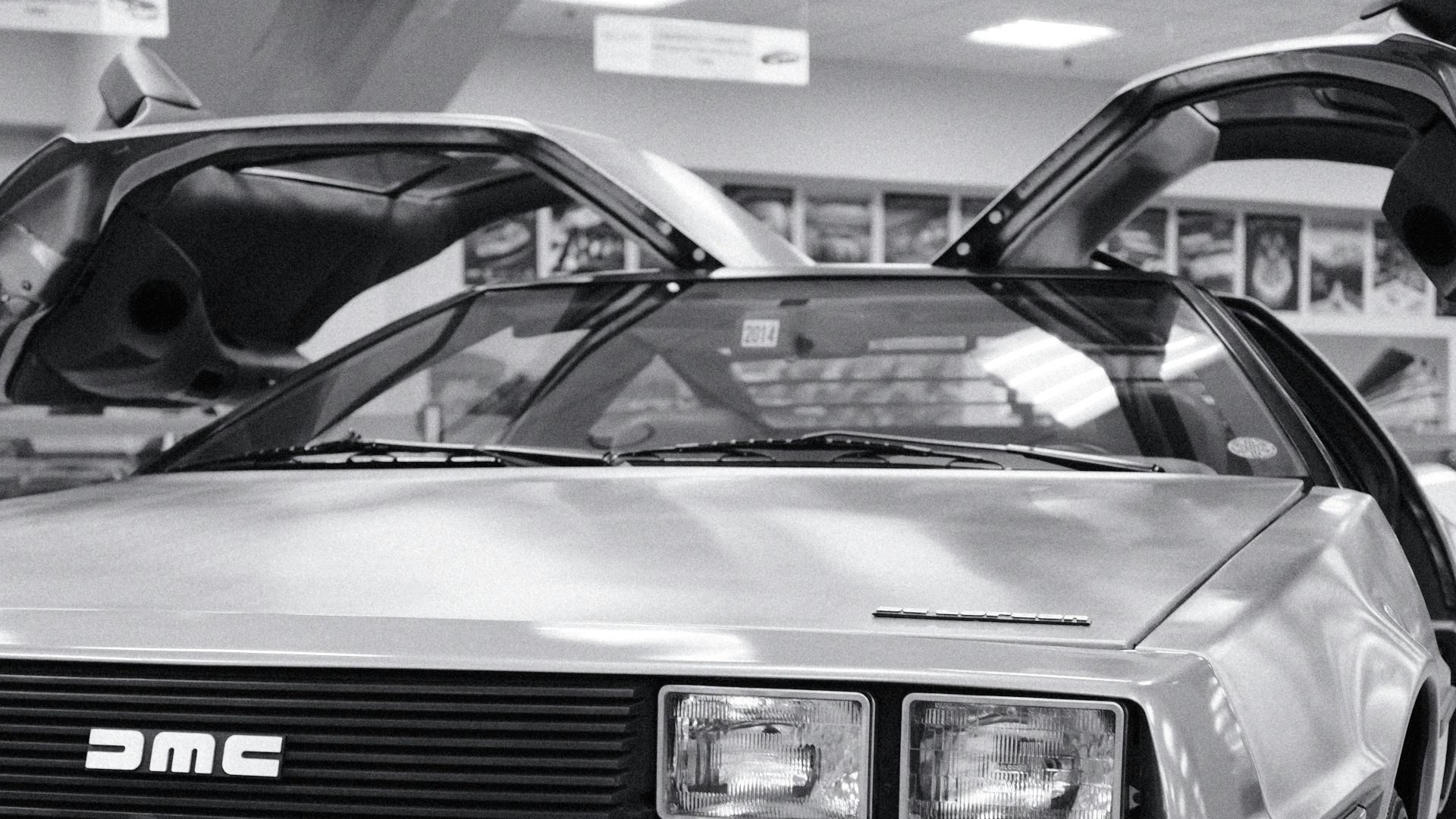
5. DeLorean DMC-12
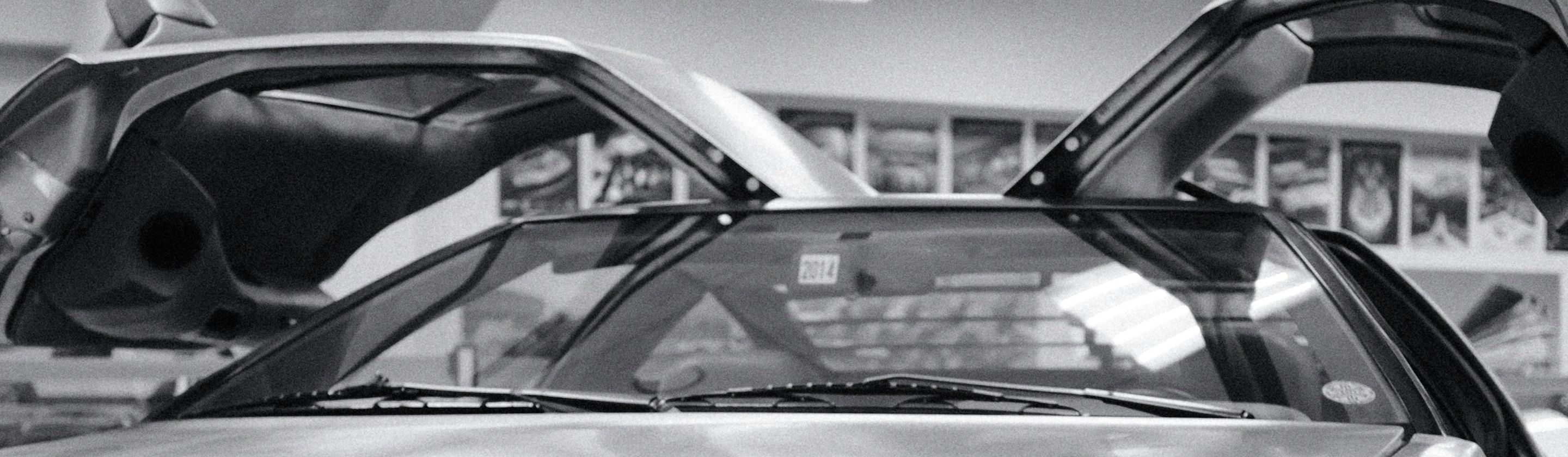
The DMC-12 appeared strikingly futuristic with its stainless-steel panels and gullwing doors, creating significant attention before production began. Delays, quality-control problems, a high price, and performance that disappointed some sports-car buyers weakened demand once deliveries started.
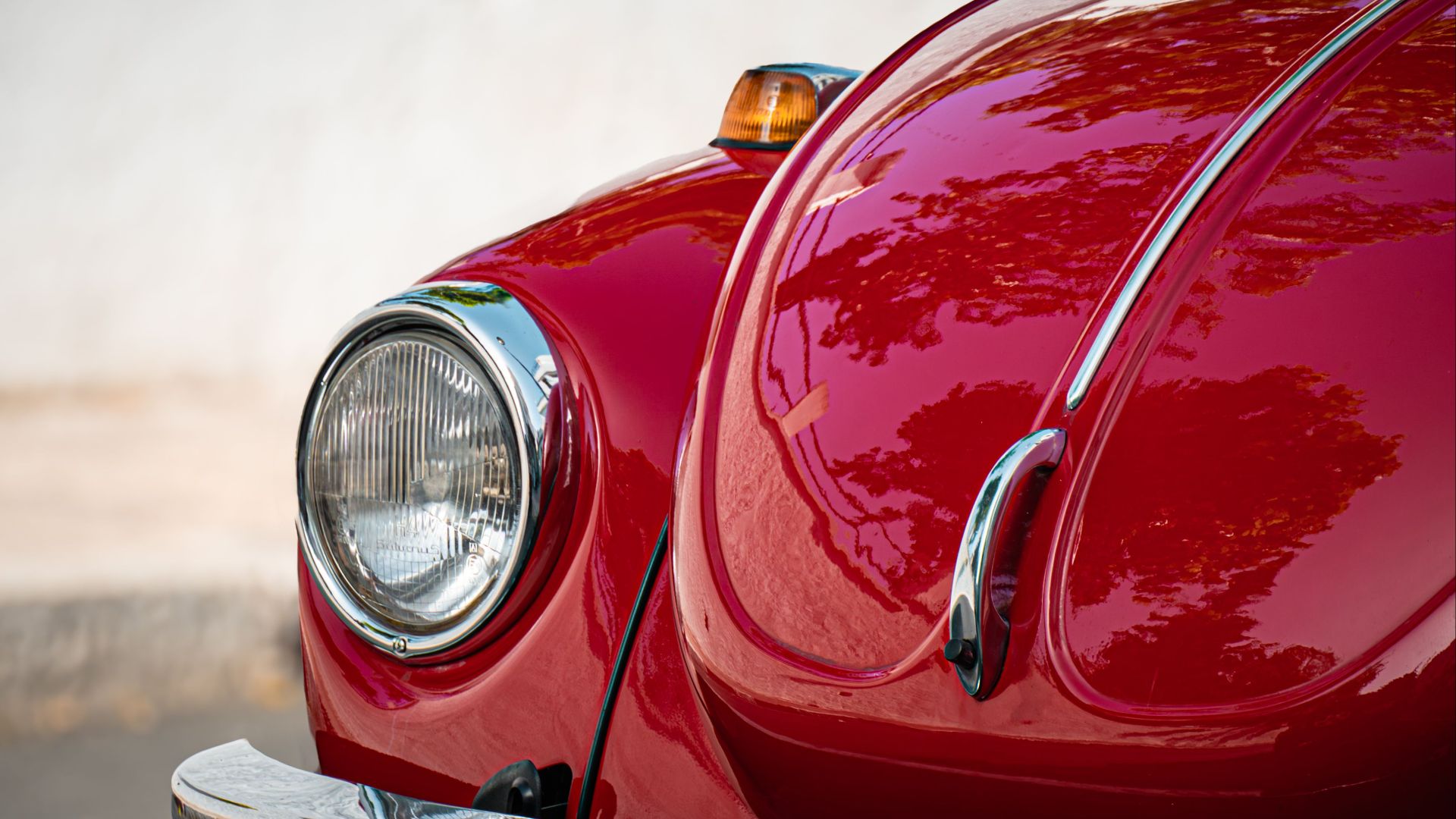
6. Yugo GV
The Yugo GV entered the American market in 1985 with a remarkably low starting price that generated immediate curiosity. Cost cutting, poor reliability, basic construction, and an unfavorable ownership reputation soon overshadowed its affordability.
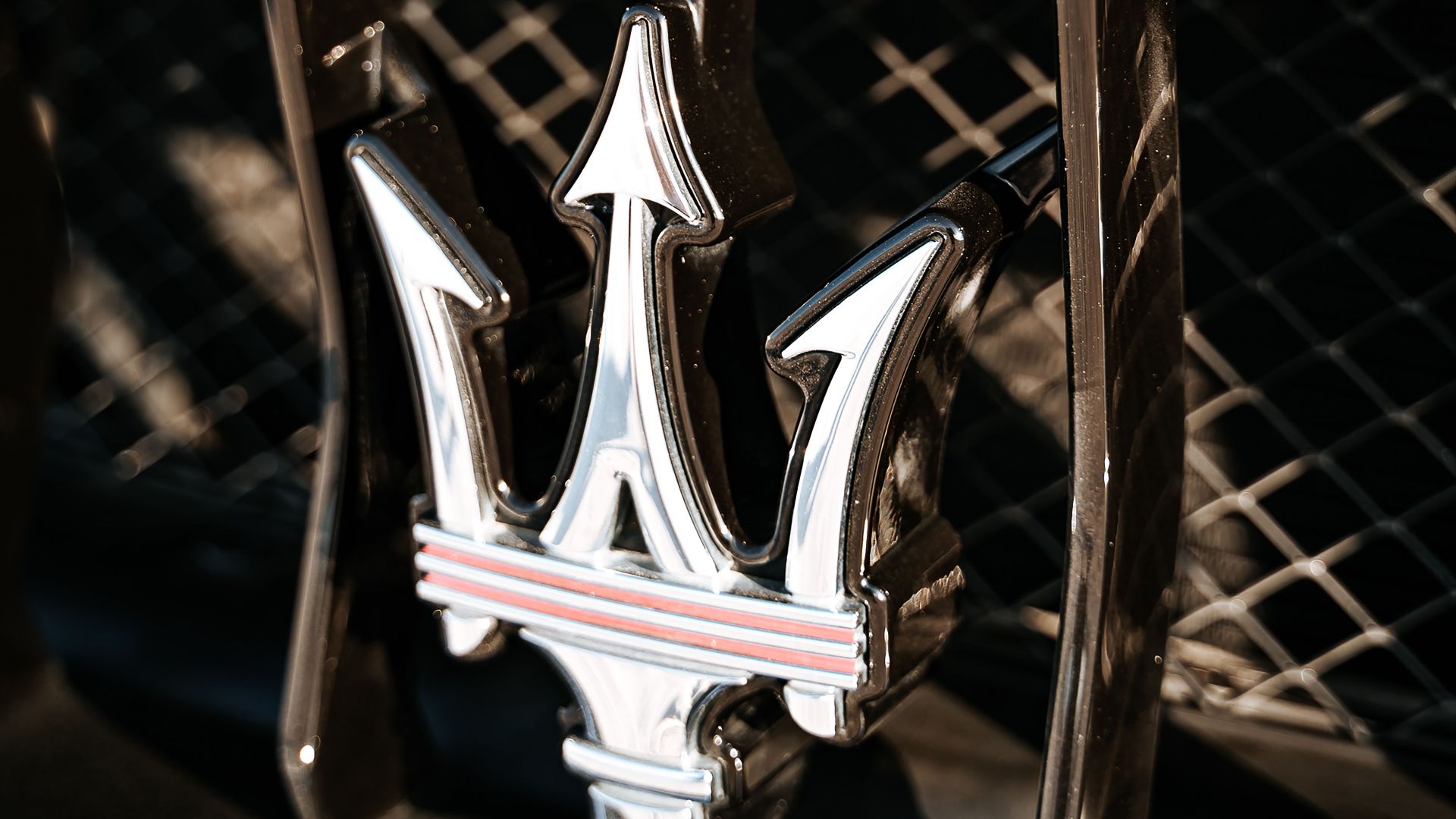
7. Chrysler TC By Maserati
Chrysler and Maserati collaborated on a two-seat luxury convertible that was intended to strengthen Chrysler’s image and demonstrate Italian craftsmanship. Repeated production delays meant the TC arrived after the less expensive Chrysler LeBaron convertible, which looked frustratingly similar to many customers.
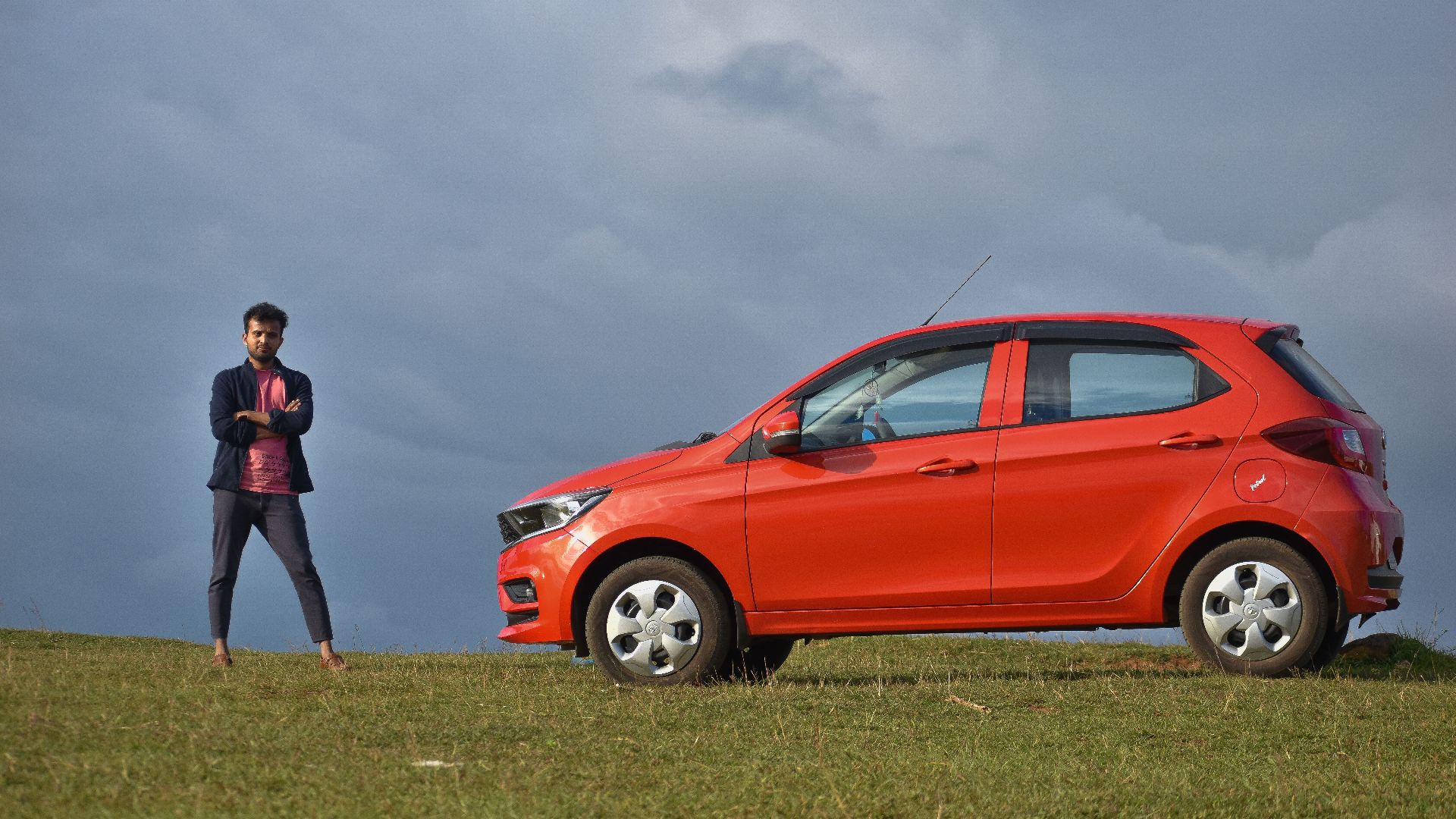
8. Tata Nano
Tata Motors presented the Nano as an affordable alternative for Indian families who relied on motorcycles and scooters. Production delays, early safety concerns, rising prices, and marketing that emphasized its status as the world’s cheapest car weakened its aspirational appeal.
9. Fisker Karma
The Fisker Karma entered production with dramatic styling, a luxurious cabin, and an innovative plug-in hybrid powertrain. Its launch was disrupted by software issues, recalls, battery problems, high costs, and the bankruptcy of a key battery supplier.
10. Jaguar X-Type
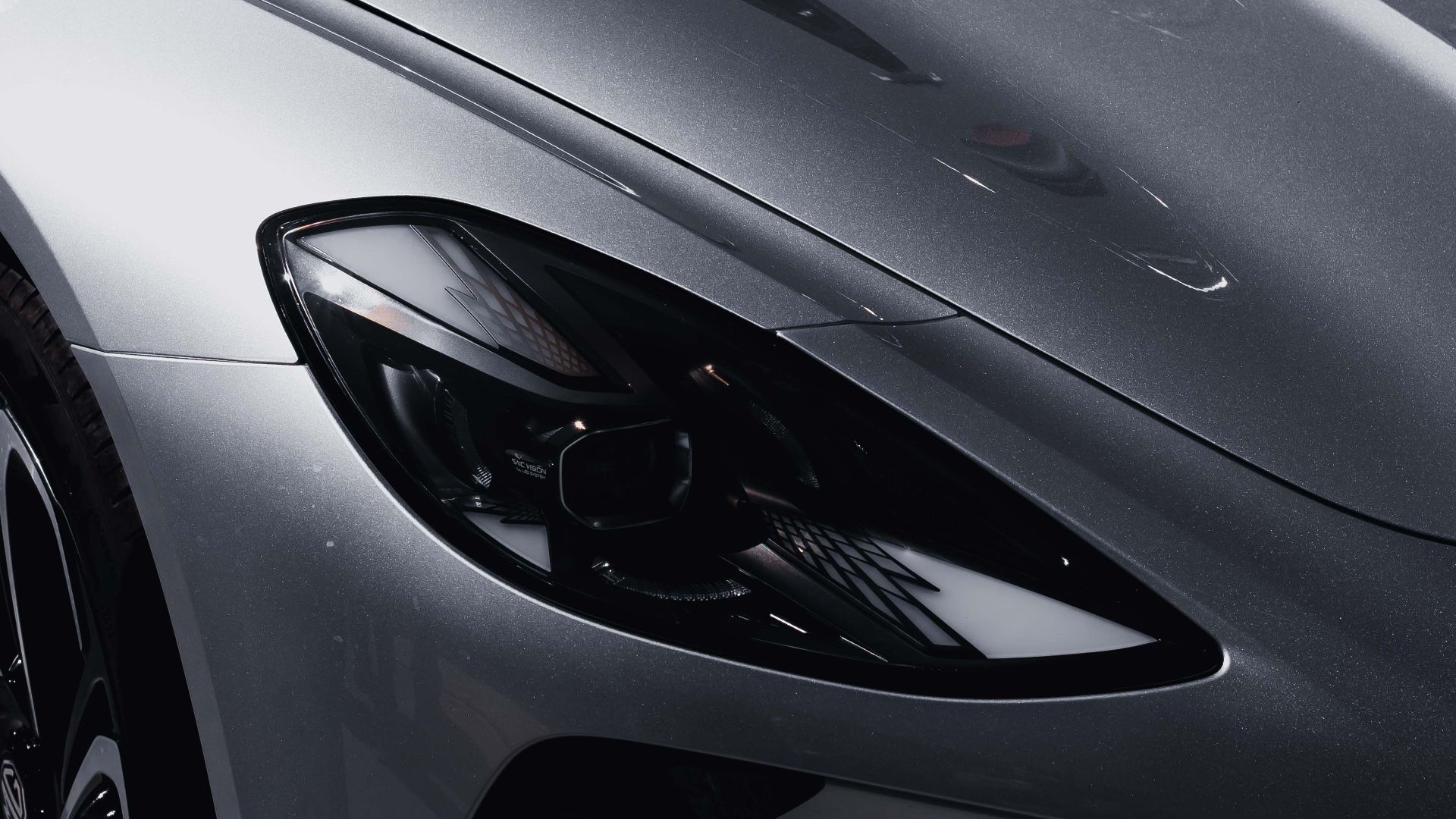
Jaguar introduced the X-Type in 2001 to attract new customers with a smaller, more accessible luxury sedan. Its Ford-related platform and conservative design led critics to question whether it felt distinctive enough to justify the Jaguar badge and price.
1. Porsche Cayenne
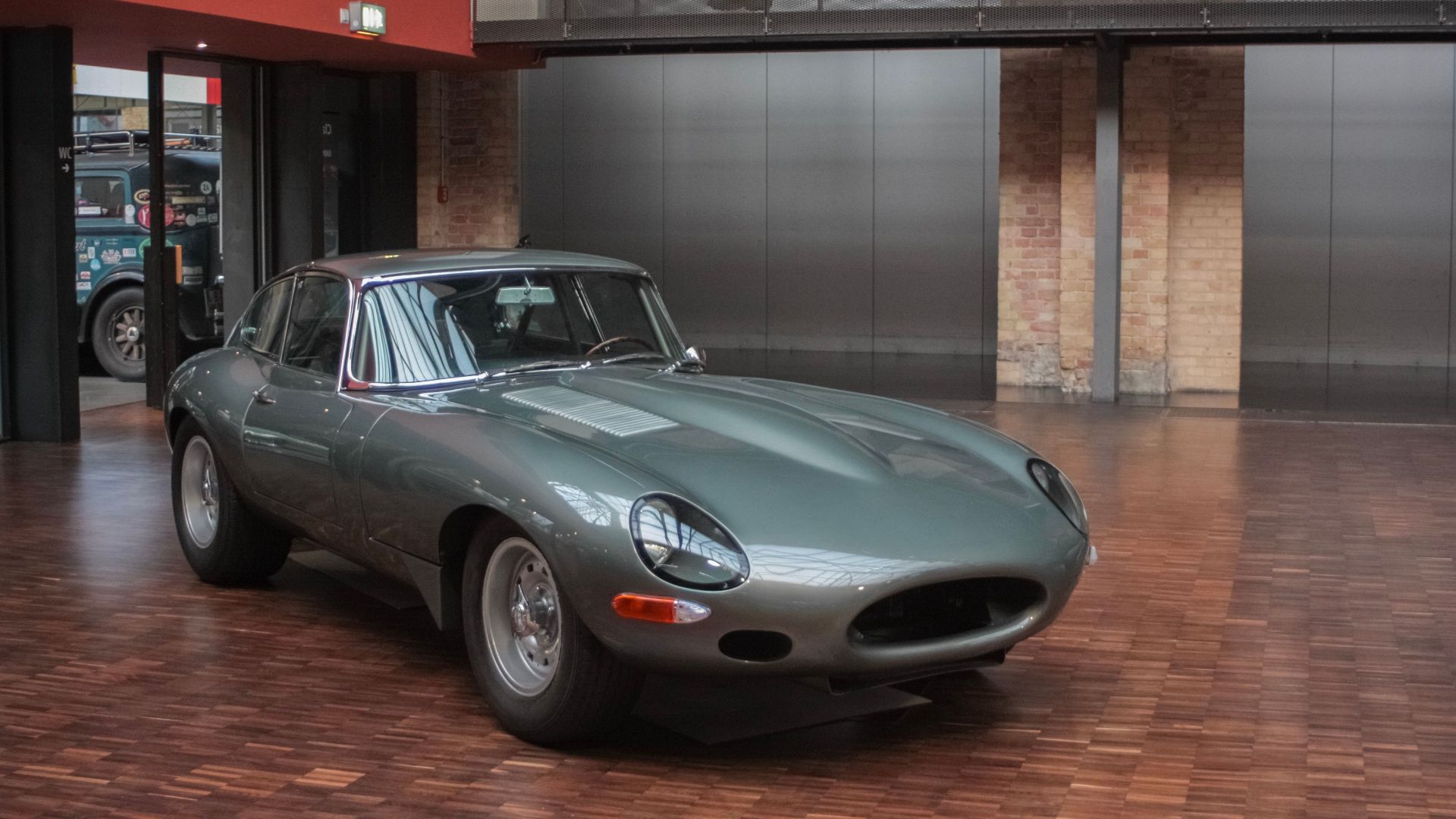
Many Porsche enthusiasts strongly objected when the sports-car manufacturer announced that it was developing a large SUV. The Cayenne nevertheless exceeded the company’s original annual sales expectations and brought the brand to customers who needed greater passenger and cargo space.
2. Toyota Prius
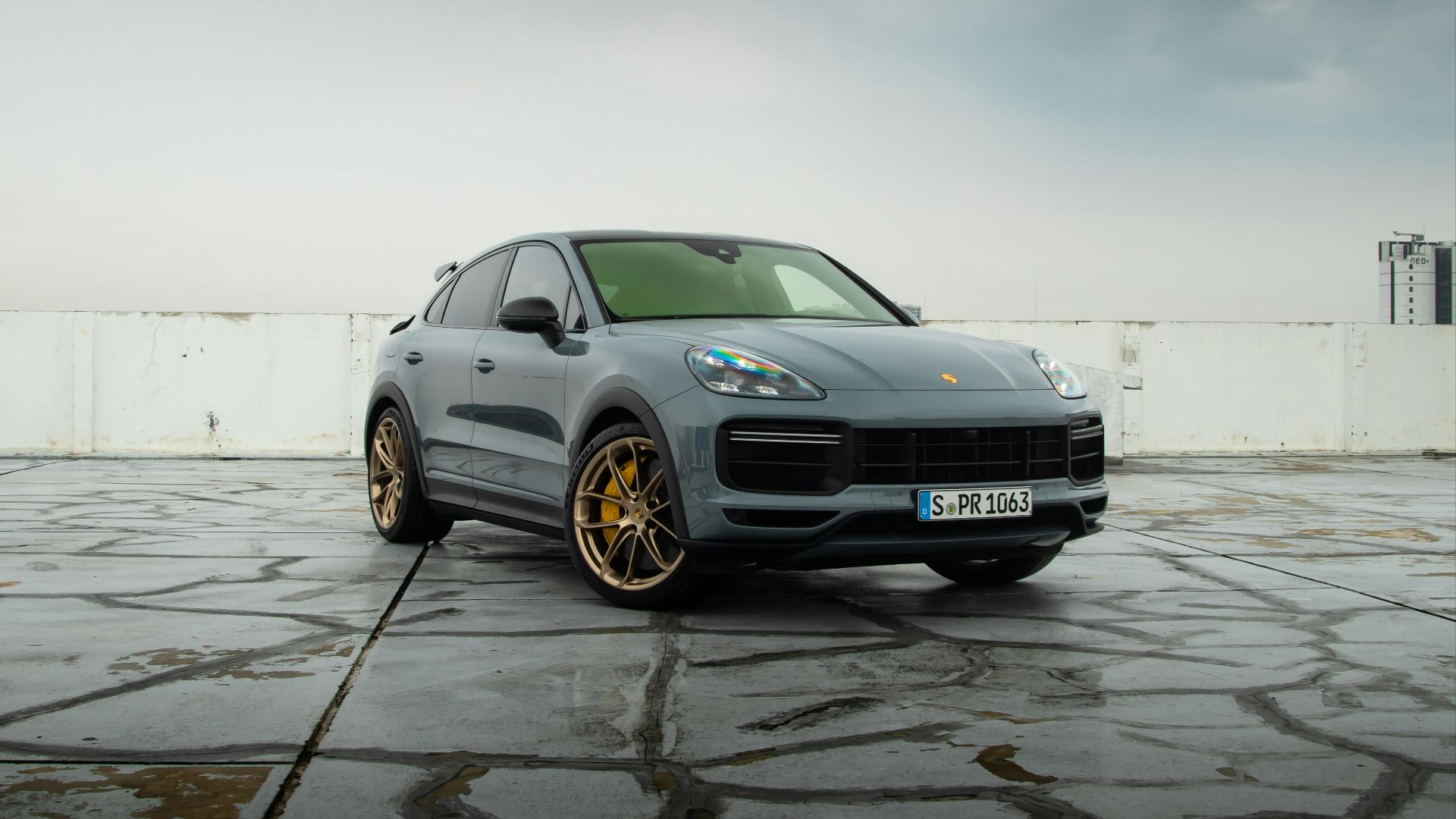
The early Prius looked unusual and introduced hybrid technology that many drivers initially viewed as complicated or unnecessary. Rising interest in fuel efficiency, dependable operation, and Toyota’s commitment to improving the system gradually moved it into the mainstream.
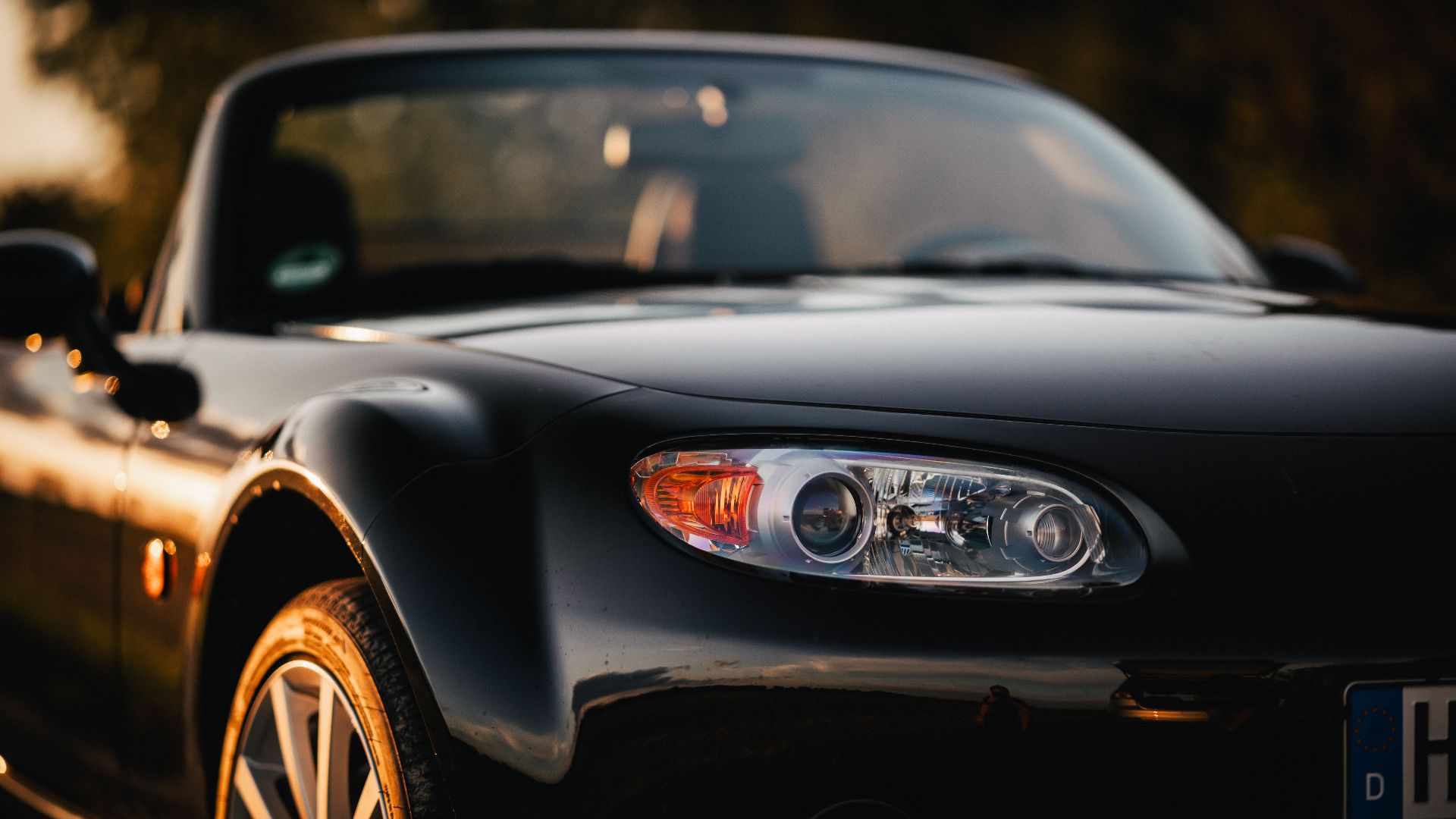
3. Mazda MX-5 Miata
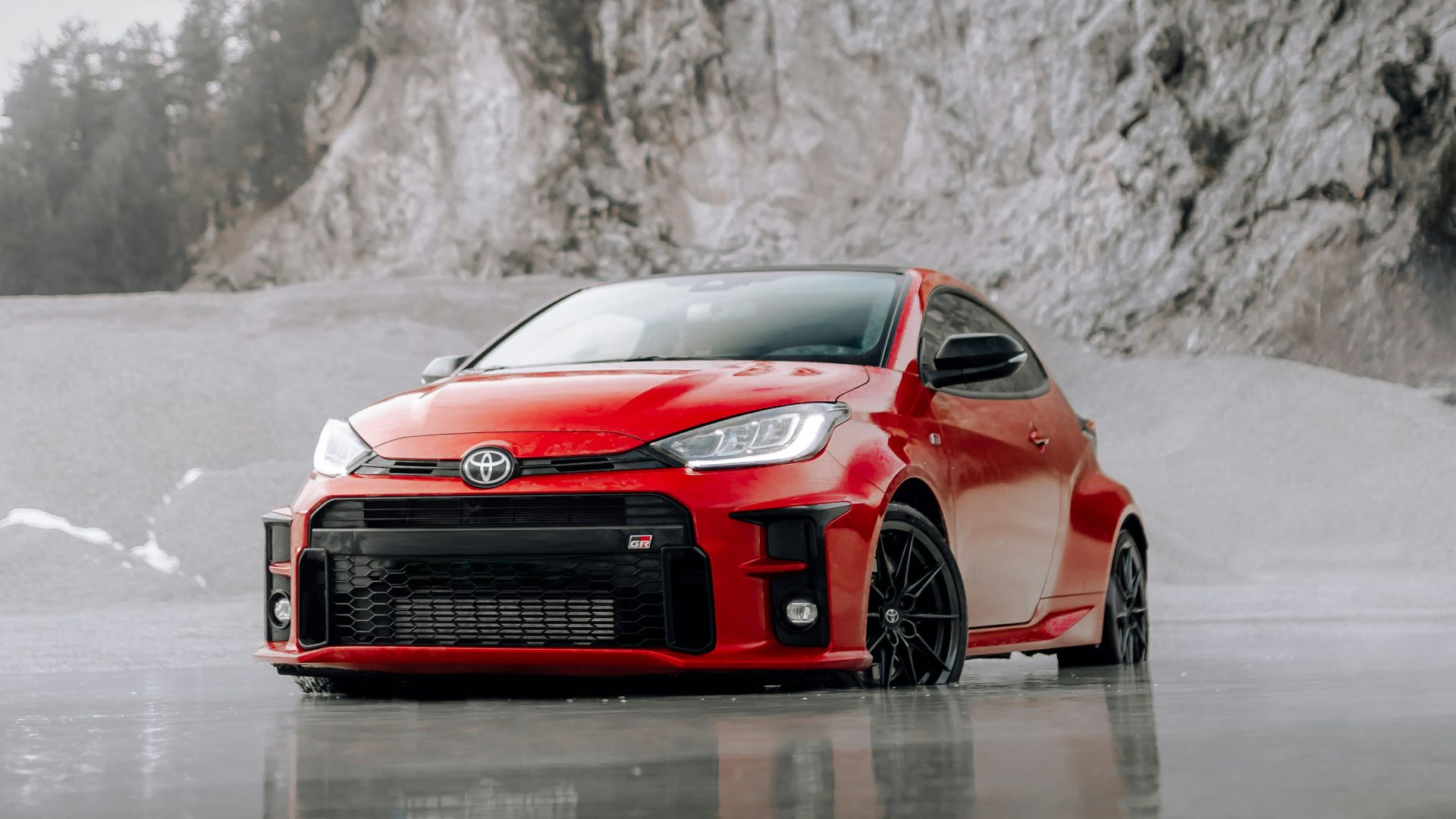
Small, lightweight roadsters had largely disappeared from mainstream showrooms when Mazda introduced the MX-5 in 1989. Some observers questioned whether buyers still wanted a compact two-seat convertible focused more on handling than outright power. Its reliability, approachable price, and enjoyable driving experience produced lasting demand.
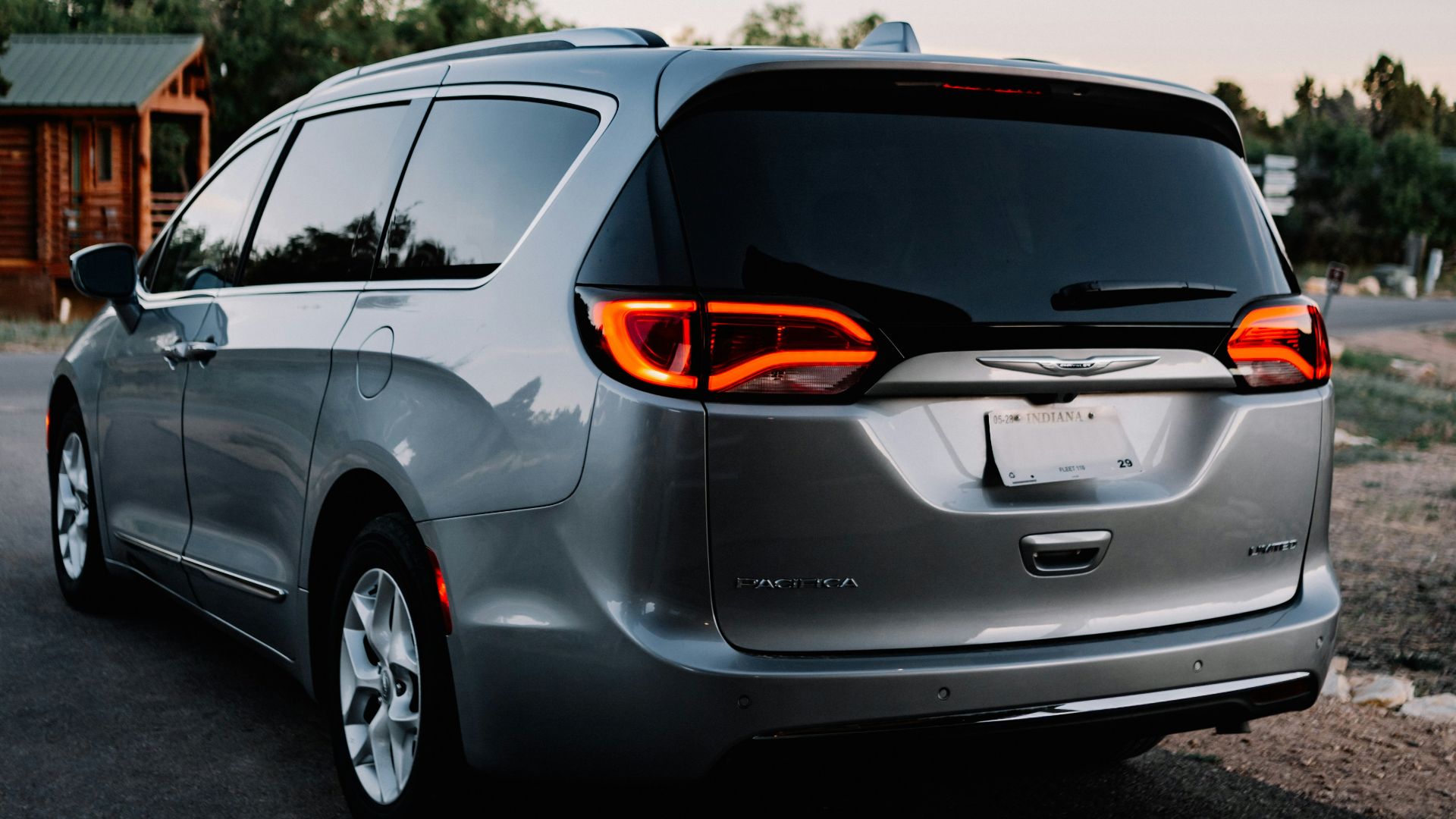
4. Chrysler Minivans
Chrysler’s first modern front-wheel-drive minivans arrived for the 1984 model year while the company was still recovering from severe financial trouble. The vehicles became immediate hits, created a highly profitable segment, and played an important role in Chrysler’s recovery.
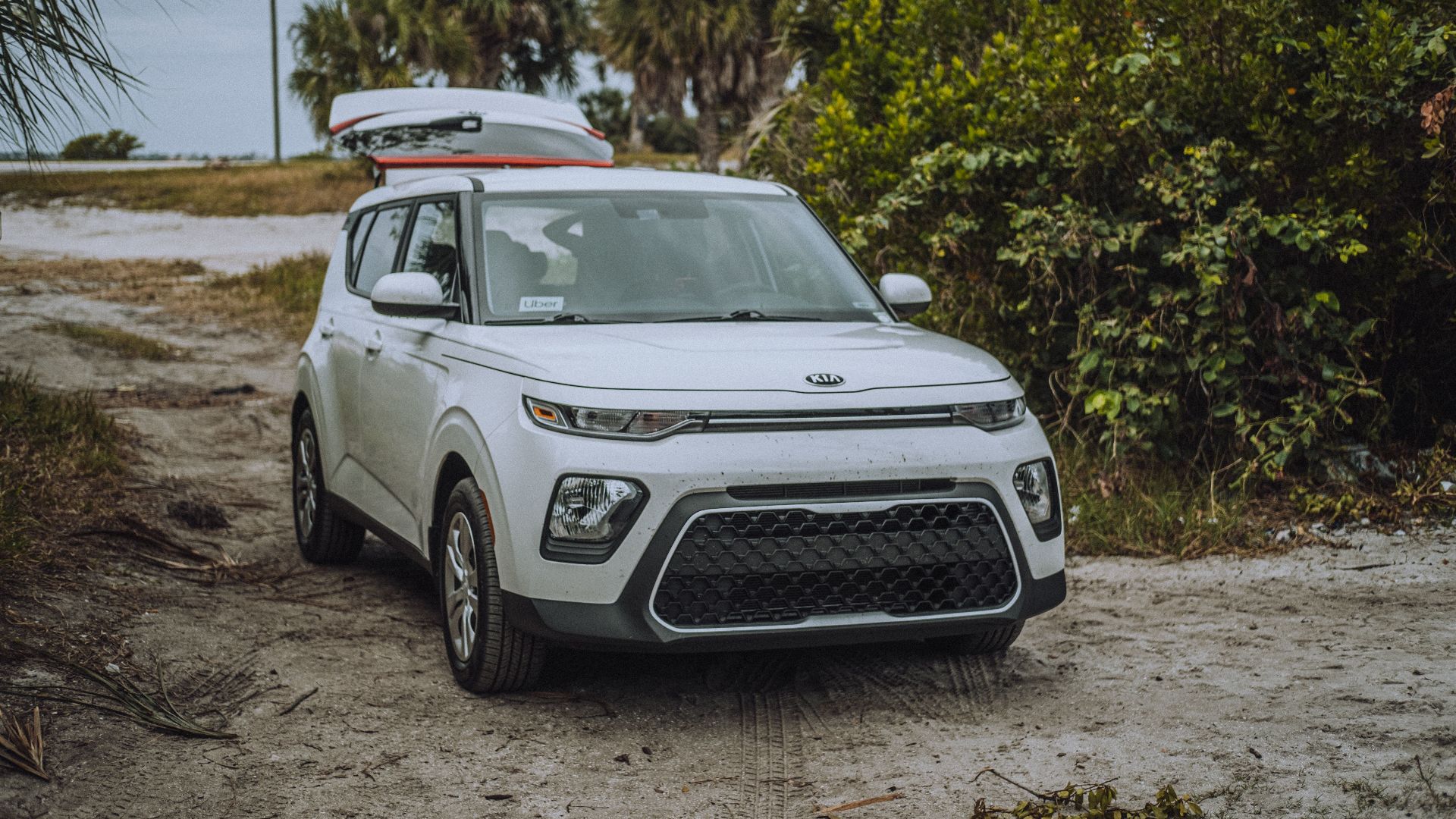
5. Kia Soul
The box-shaped Kia Soul entered a market filled with several other unconventional compact vehicles aimed at younger customers. Multiple generations followed, making it one of the company’s most recognizable and enduring models in North America.
 Connor Scott McManus on Pexels
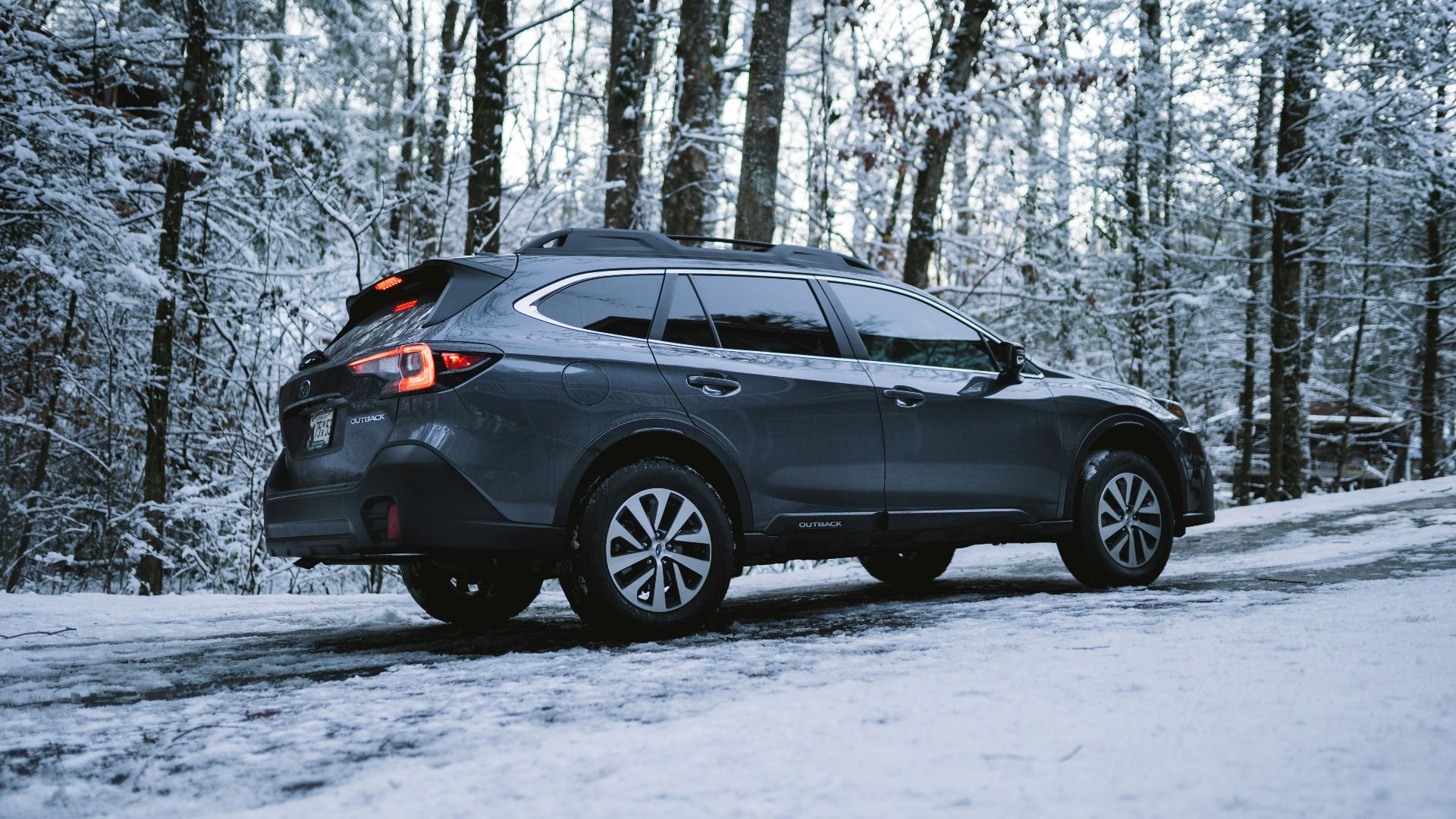
6. Subaru Outback
The original Outback began as a more ruggedly styled version of the Legacy wagon rather than an entirely separate vehicle. Its success influenced the growth of crossover-style wagons and eventually made the Outback central to Subaru’s identity.
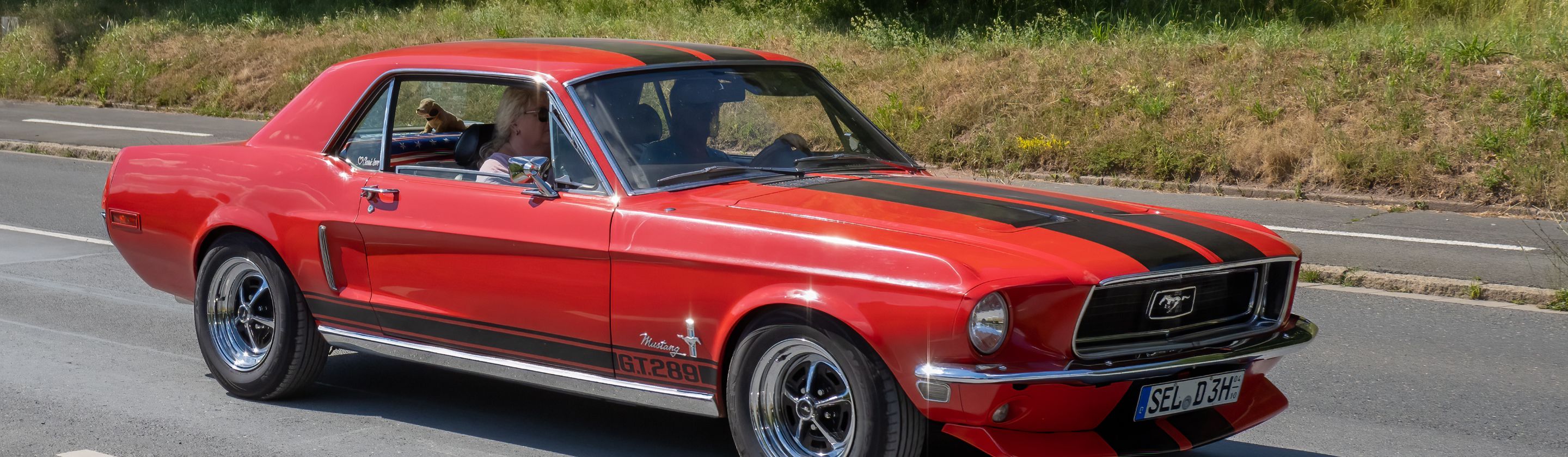
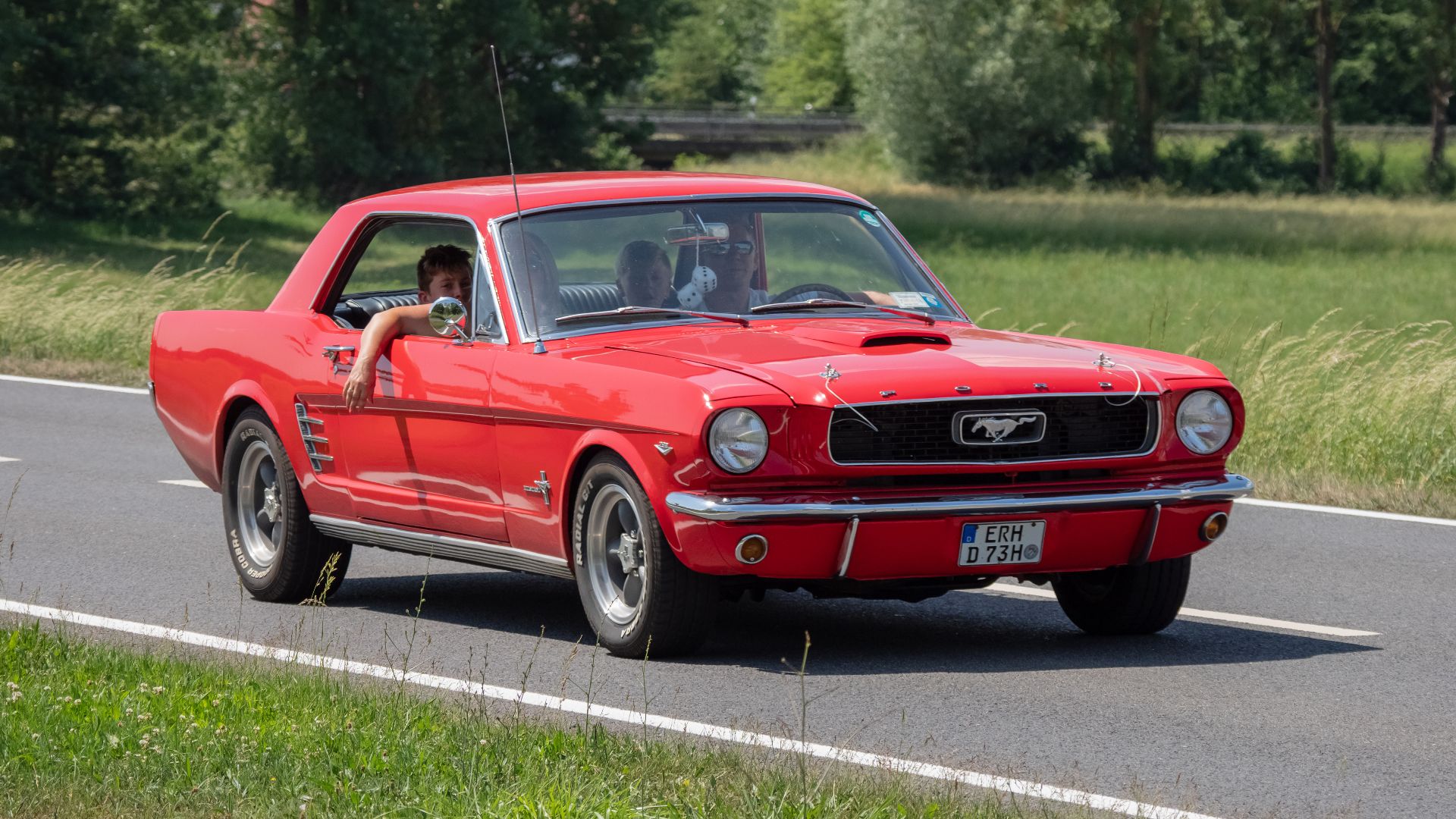
7. Ford Mustang
Ford knew there was interest in a sporty, affordable compact car, but the response to the Mustang’s 1964 introduction surpassed even optimistic expectations. The enormous first-year demand created the pony-car segment and prompted rapid responses from rival manufacturers.
8. Honda CR-V
Compact SUVs were still a developing idea when the Honda CR-V reached major international markets during the 1990s. Instead, buyers valued its efficient packaging, manageable size, comfortable road manners, and dependable reputation, helping it become one of the world’s most popular crossovers.

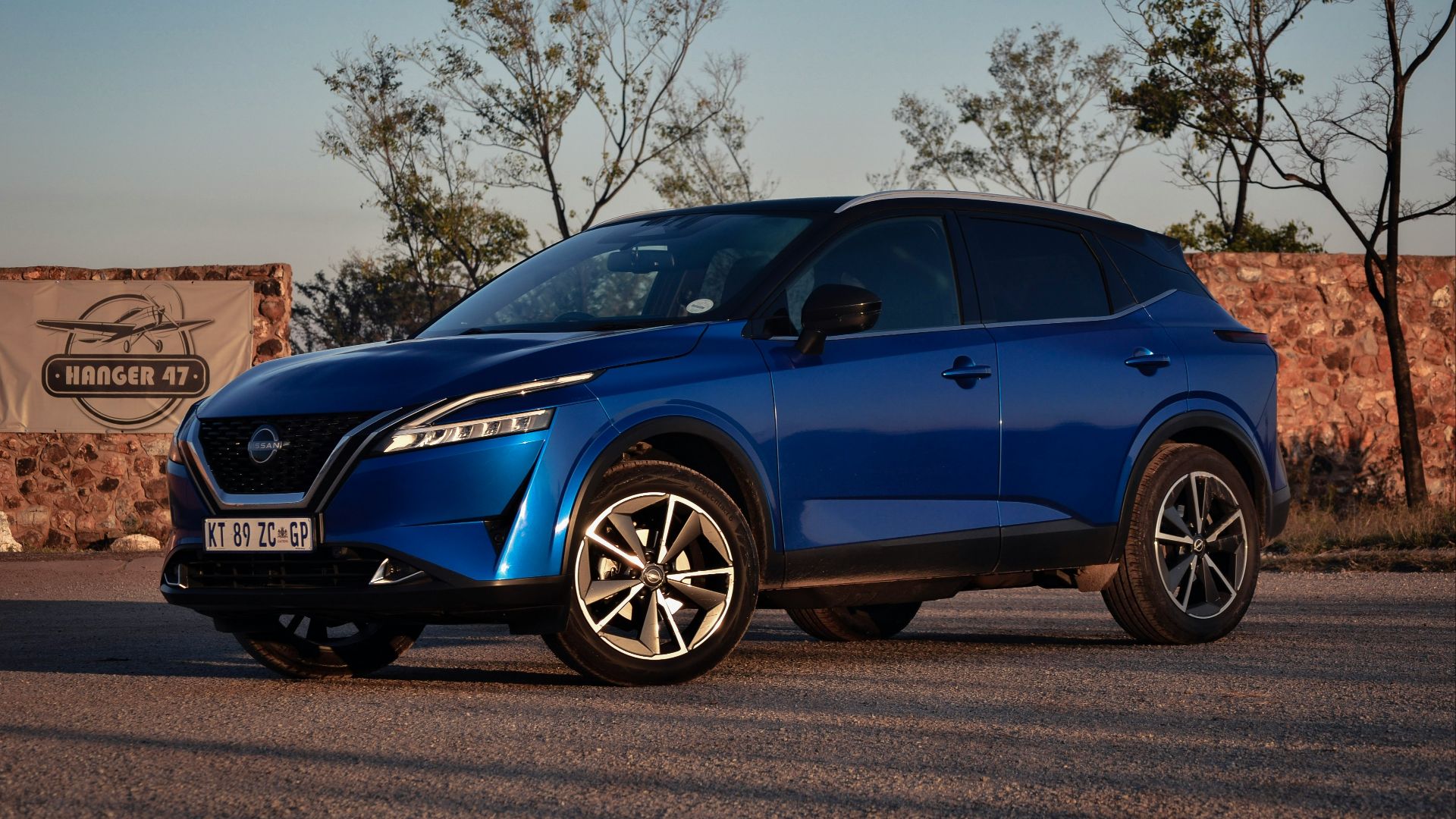
9. Nissan Qashqai
Nissan took a risk by replacing conventional European hatchback offerings with the Qashqai, a vehicle combining passenger-car dimensions with SUV-inspired styling. Strong demand encouraged nearly every large manufacturer to develop similar compact crossovers, reshaping the European family-car market in the process.
10. Honda Ridgeline
The Honda Ridgeline challenged pickup conventions with unibody construction, independent rear suspension, a lockable in-bed trunk, and a tailgate that opened in two directions. It never dominated sales charts, but its loyal audience and eventual second generation proved that a comfort-focused pickup could maintain a viable place in the market.