A Brand Built On Taking Genuine Risks
Citroën has spent nearly a century treating the auto industry's conventional wisdom as more of a suggestion than a rule. Sometimes that stubbornness produced genuine breakthroughs every other manufacturer eventually copied. Other times it produced something so strange that even loyal buyers couldn't justify it. Here's 10 Citroëns that actually changed the industry and 10 that pushed the brand's weirdness a step too far.
1. Traction Avant
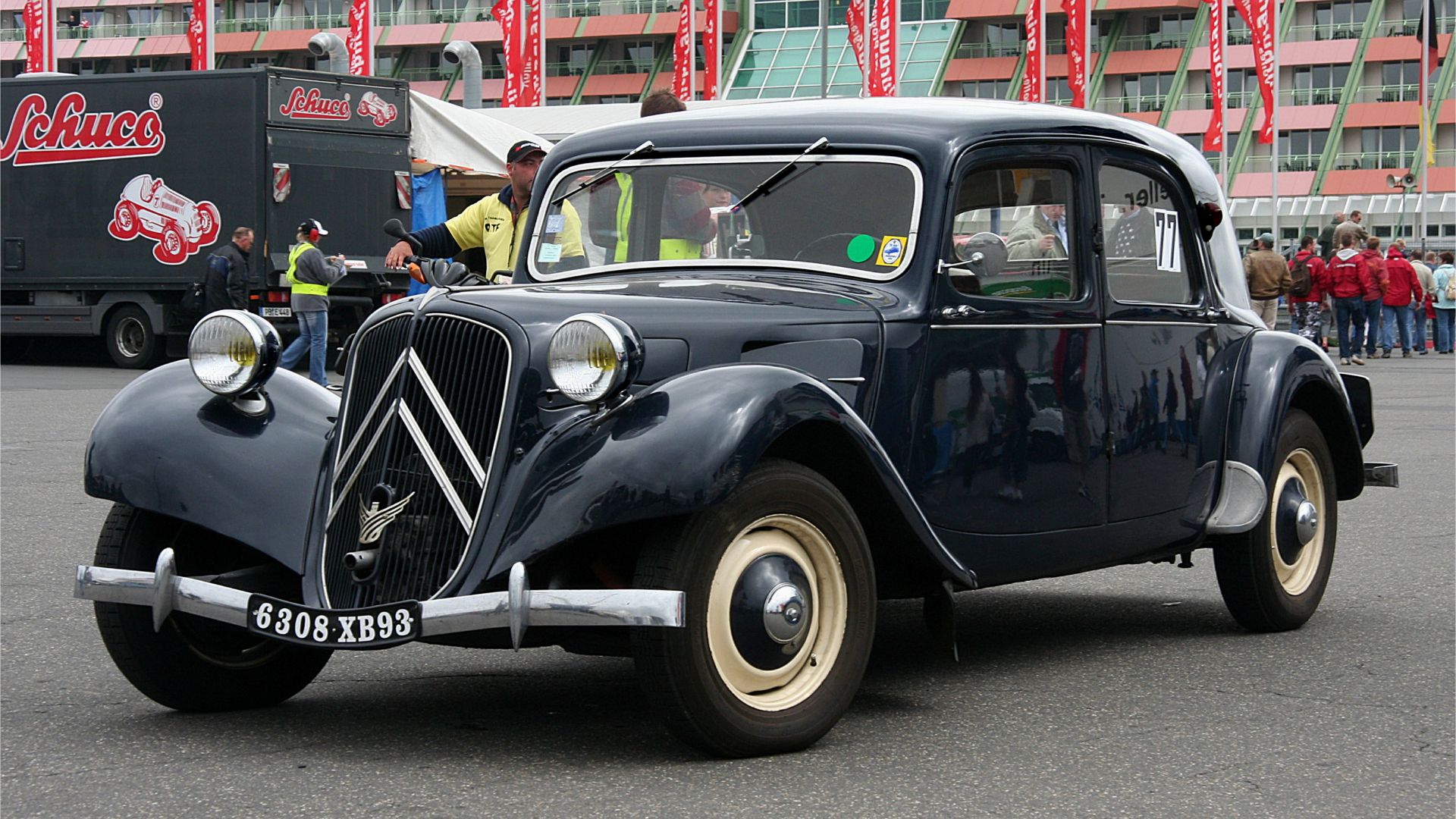
Launched in 1934, the Traction Avant introduced front-wheel drive and unitary body construction to mass production at a scale no manufacturer had attempted before. Both ideas eventually became standard practice industry-wide, decades before rivals caught up. It also nearly bankrupted Citroën, since founder André Citroën poured the company's finances into retooling factories mid-development.
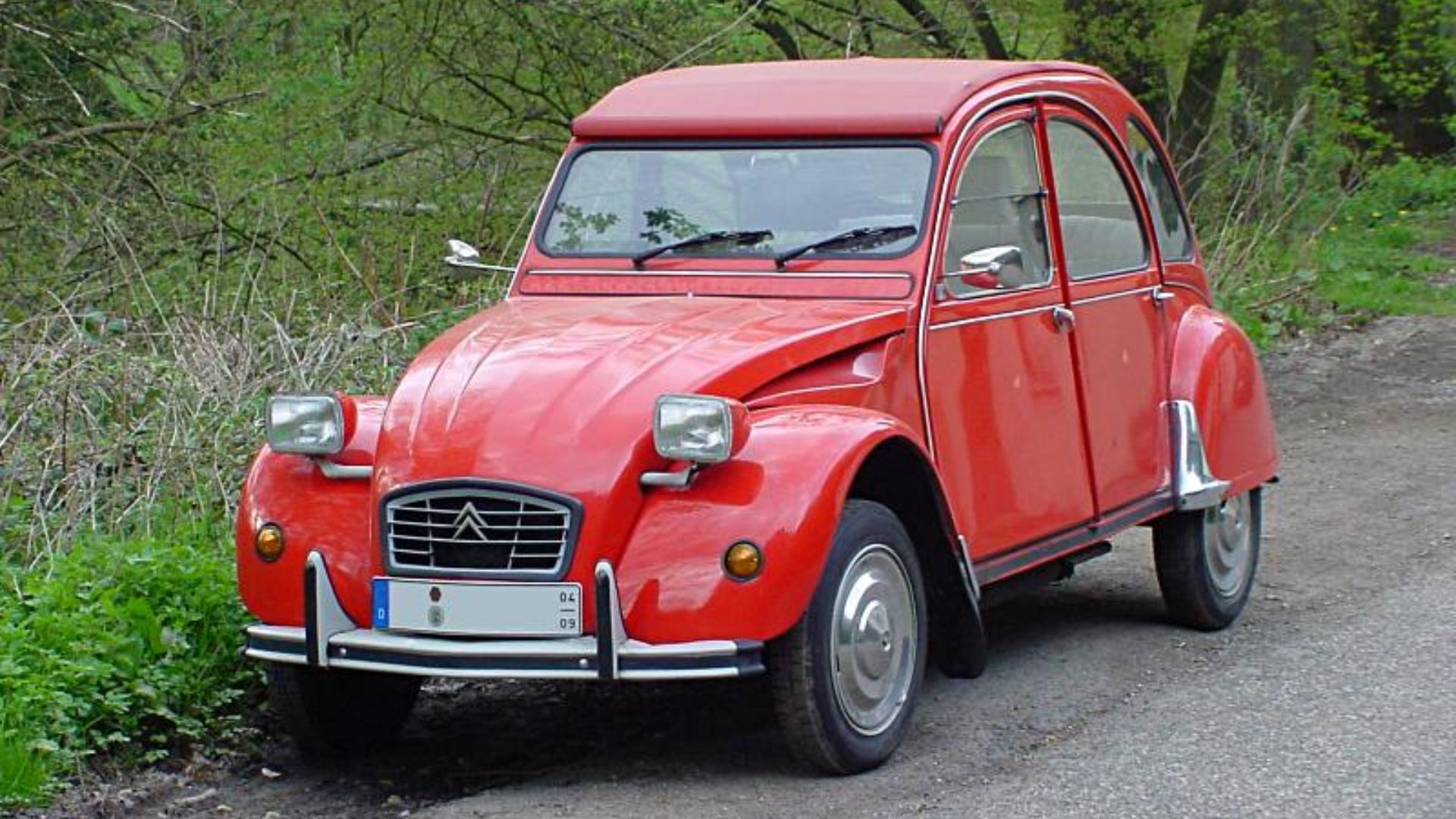
2. 2CV
Designed to carry farmers and a basket of eggs across a plowed field without breaking either, the 2CV delivered an ingenious, ultra-simple suspension and a spartan build that prioritized function over everything else. It stayed in production for over four decades with remarkably few fundamental changes. It remains one of the purest examples of engineering built around a real-world problem.
 Michael Tettinger, Solingen on Wikimedia
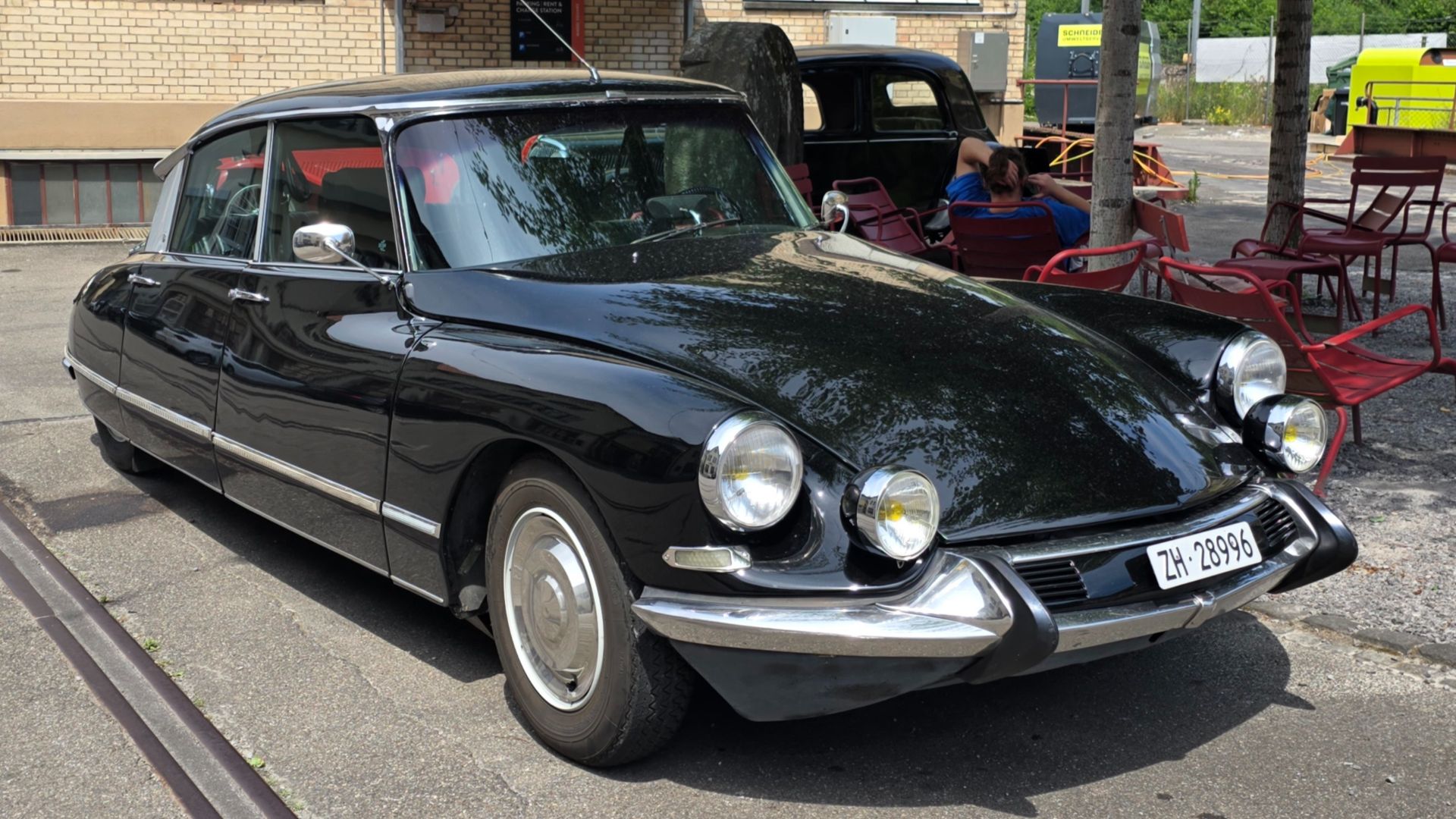
3. DS
The DS introduced hydropneumatic self-leveling suspension, disc brakes, and genuinely aerodynamic styling in 1955, a combination competitors spent years trying to catch up to. Its suspension famously let the car limp away on three wheels after an assassination attempt on Charles de Gaulle damaged a tire. It remains one of the most influential engineering achievements in automotive history.
4. SM
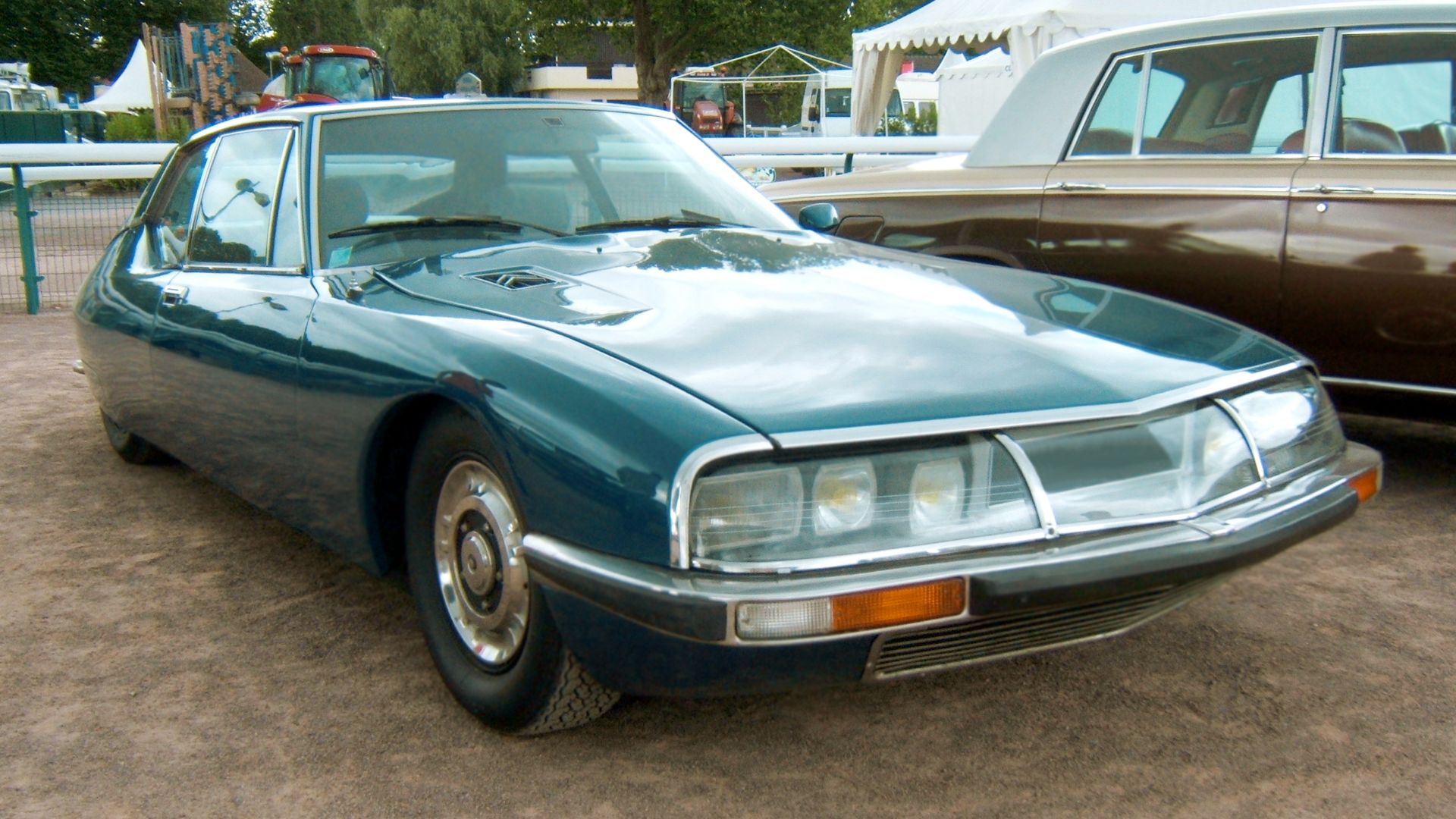
The SM combined a Maserati-built V6 with Citroën's hydropneumatic suspension and an early variable-assist steering system called DIRAVI that self-centered at speed. Its headlights swiveled with the steering wheel, remarkably advanced for a 1970 production car. It proved Citroën could build a genuine grand tourer without abandoning its engineering weirdness.
5. CX
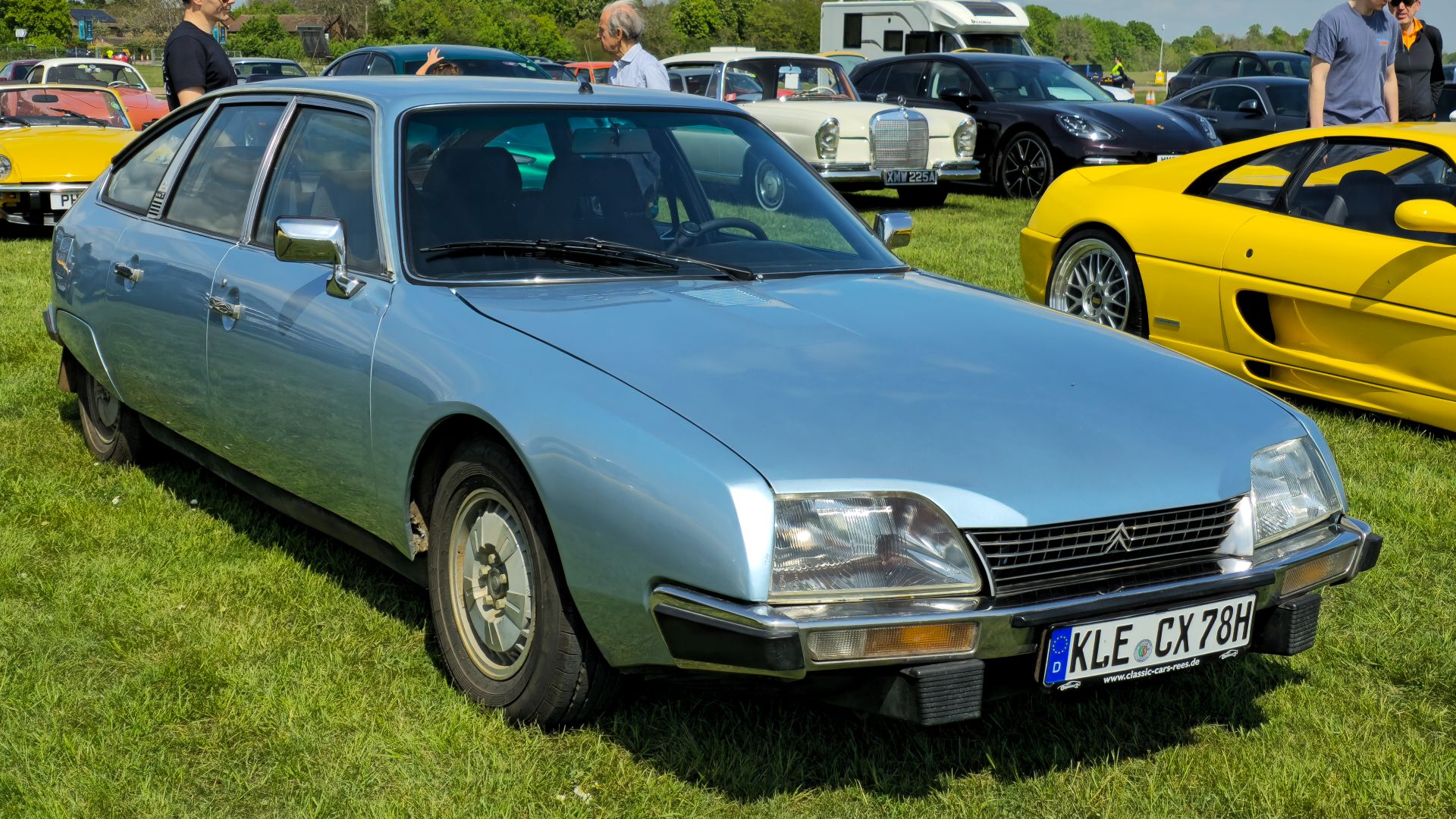
Replacing the DS in 1974, the CX carried hydropneumatic suspension and aerodynamic design into a new generation, adopting a distinctive concave rear window that improved airflow. It won European Car of the Year in 1975, validating the engineering even as Citroën's finances collapsed around it. It stayed in production for sixteen years despite that turmoil.
6. GS
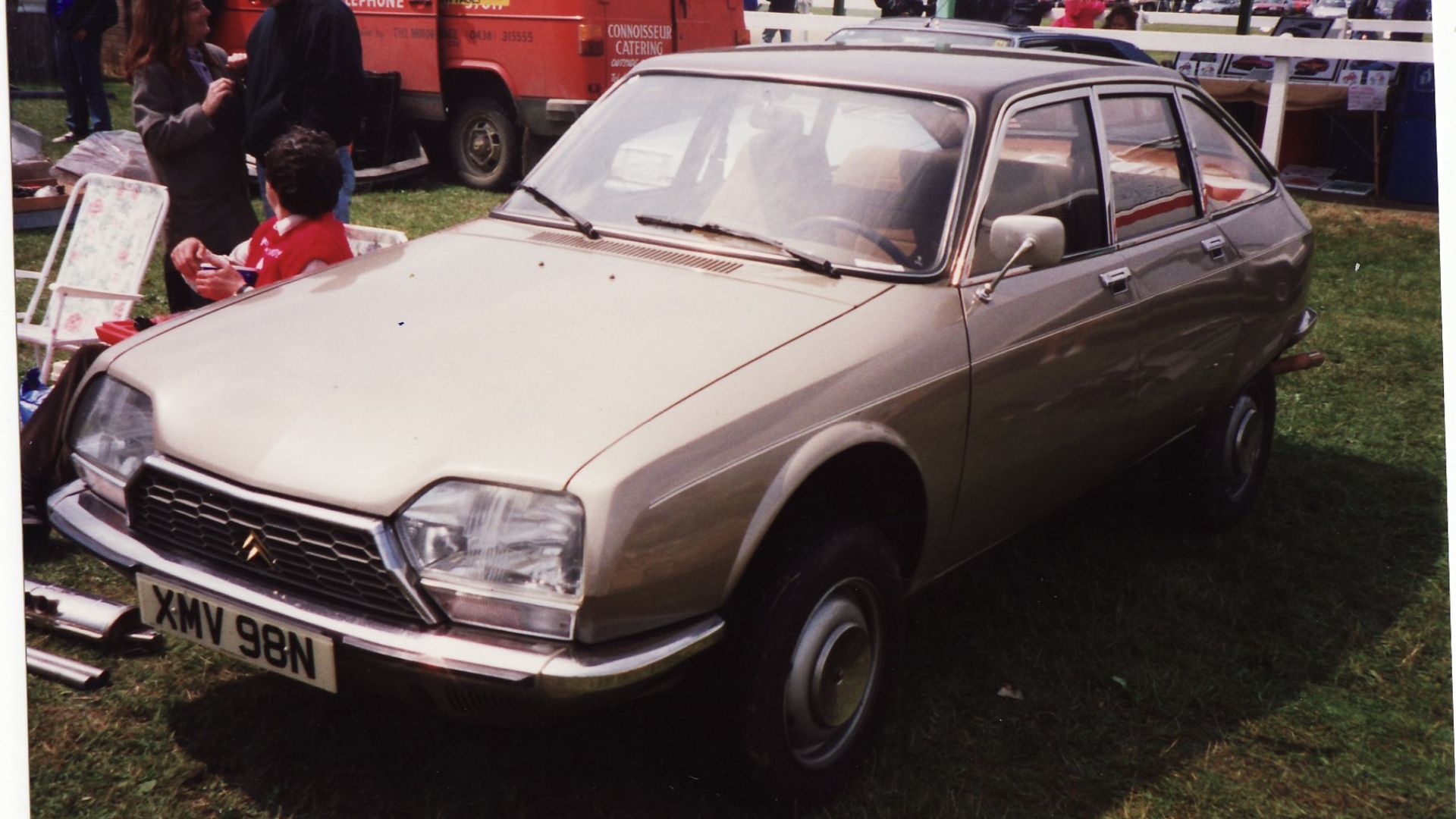
The GS brought hydropneumatic suspension into the compact segment for the first time in 1970, giving ordinary buyers ride quality that luxury owners paid far more for elsewhere. It paired that suspension with an unusual air-cooled flat-four at a time when rivals had settled on simpler layouts. It became one of Citroën's best-sellers precisely because of that combination.
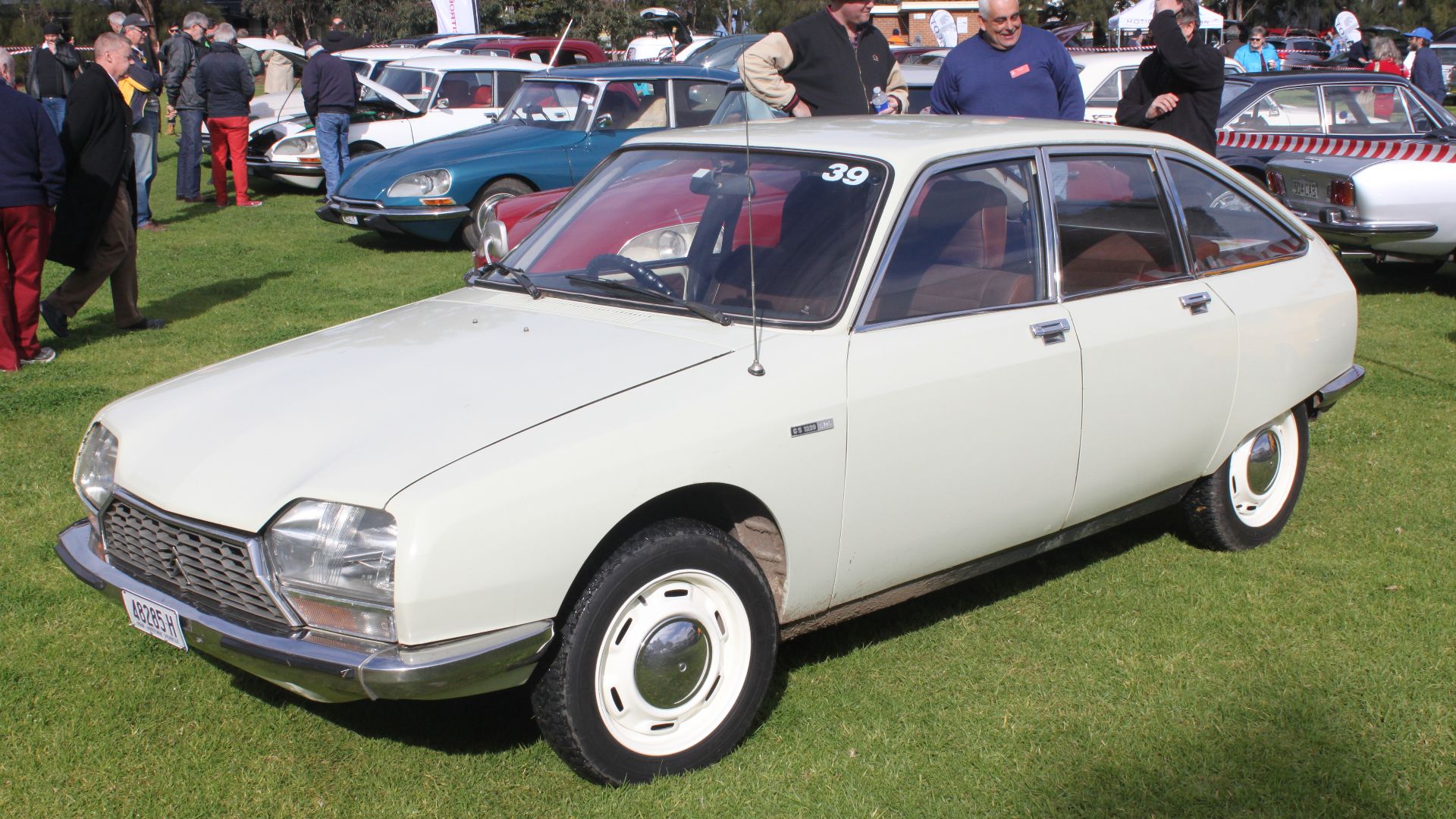 Jeremy from Sydney, Australia on Wikimedia
7. BX
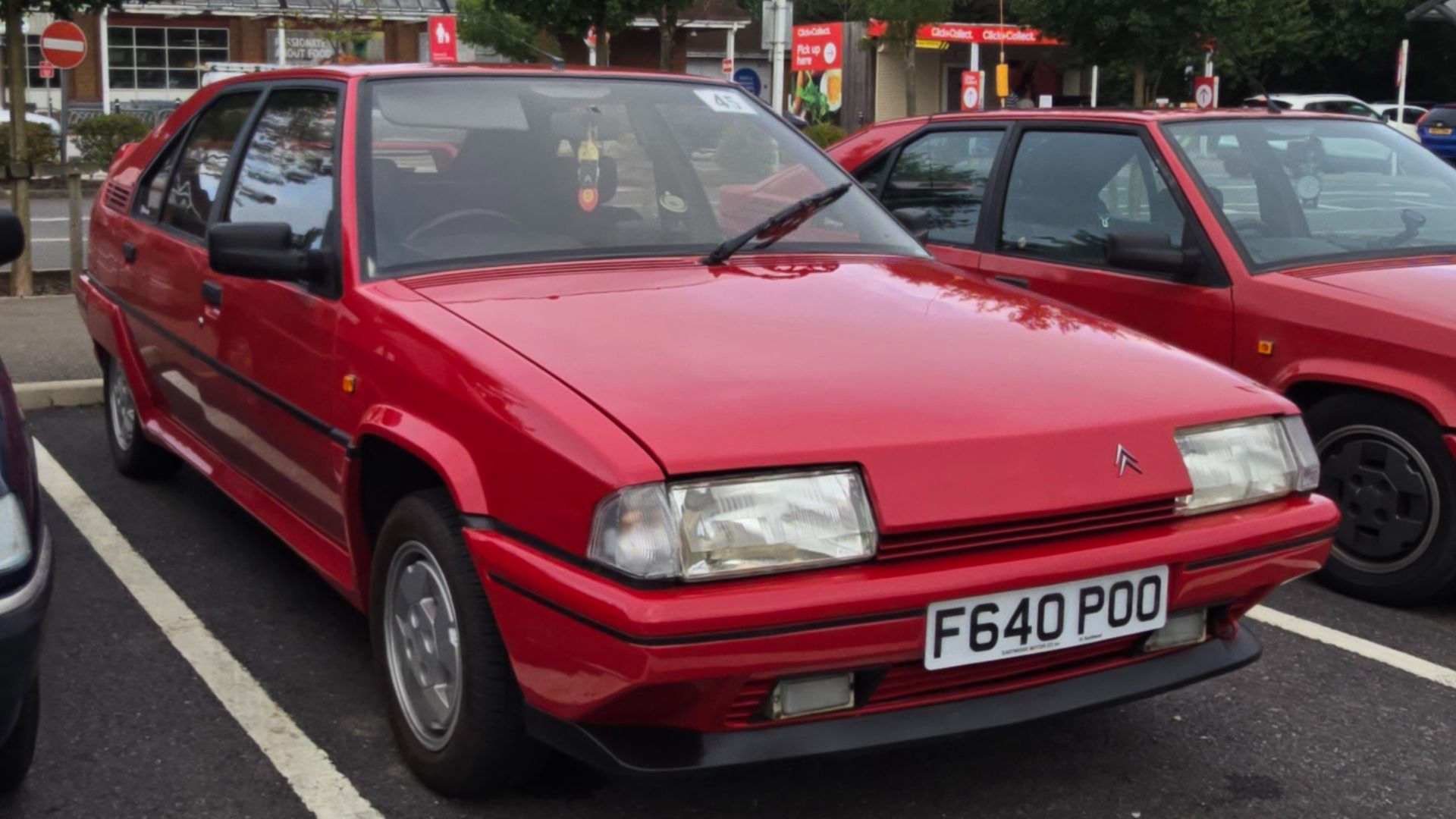
The BX carried hydropneumatic suspension into the 1980s while introducing lightweight composite body panels that kept weight and cost down without sacrificing ride quality. It proved Citroën's signature engineering could survive a more budget-conscious era without being diluted. It became a genuine sales success across Europe throughout the decade.
8. Xantia
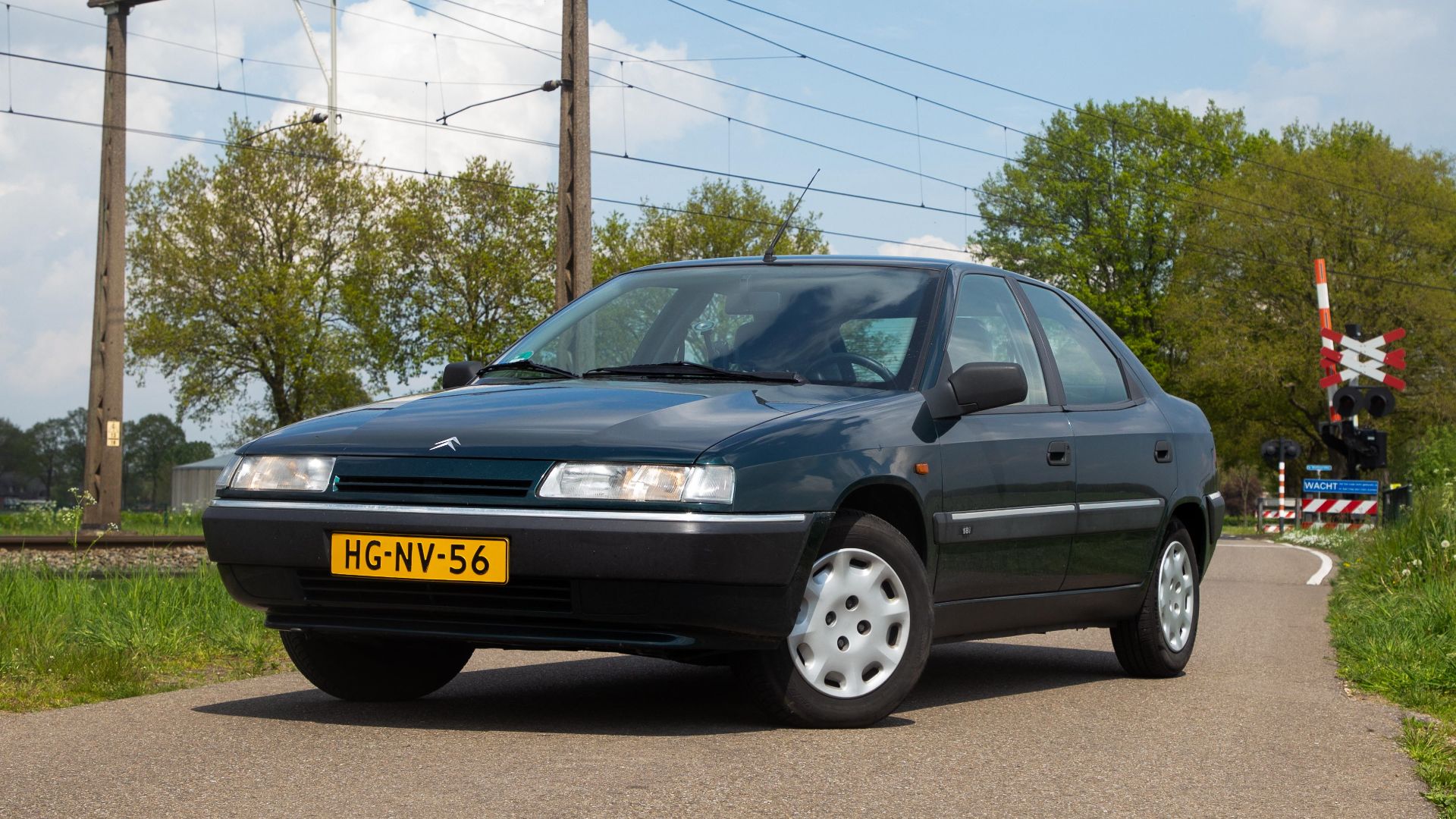
The Xantia introduced Hydractive suspension, an evolution that could actively adjust firmness based on driving conditions in real time. Journalists consistently praised its handling as class-leading, a rare feat for a car built around such complex hardware. It represented Citroën successfully modernizing a decades-old innovation rather than just repeating it.
9. C6
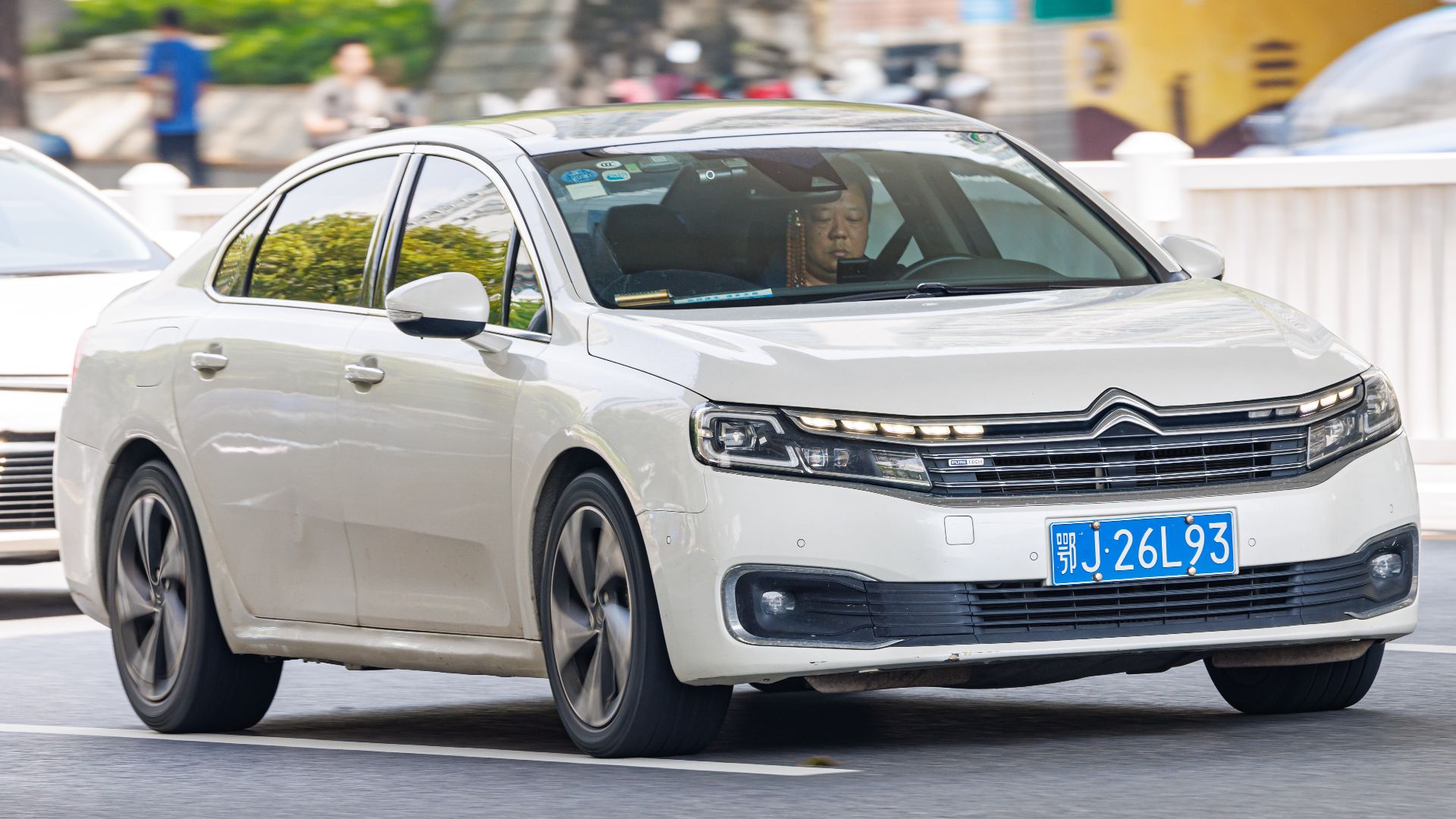
Arriving in 2005, the C6 was one of the last production cars with true hydropneumatic suspension before Citroën phased the system out entirely. Its dramatically curved rear window echoed the CX decades earlier, a deliberate nod to the brand's heritage. It marked something of a final statement for a technology that had defined Citroën for half a century.
10. H Van
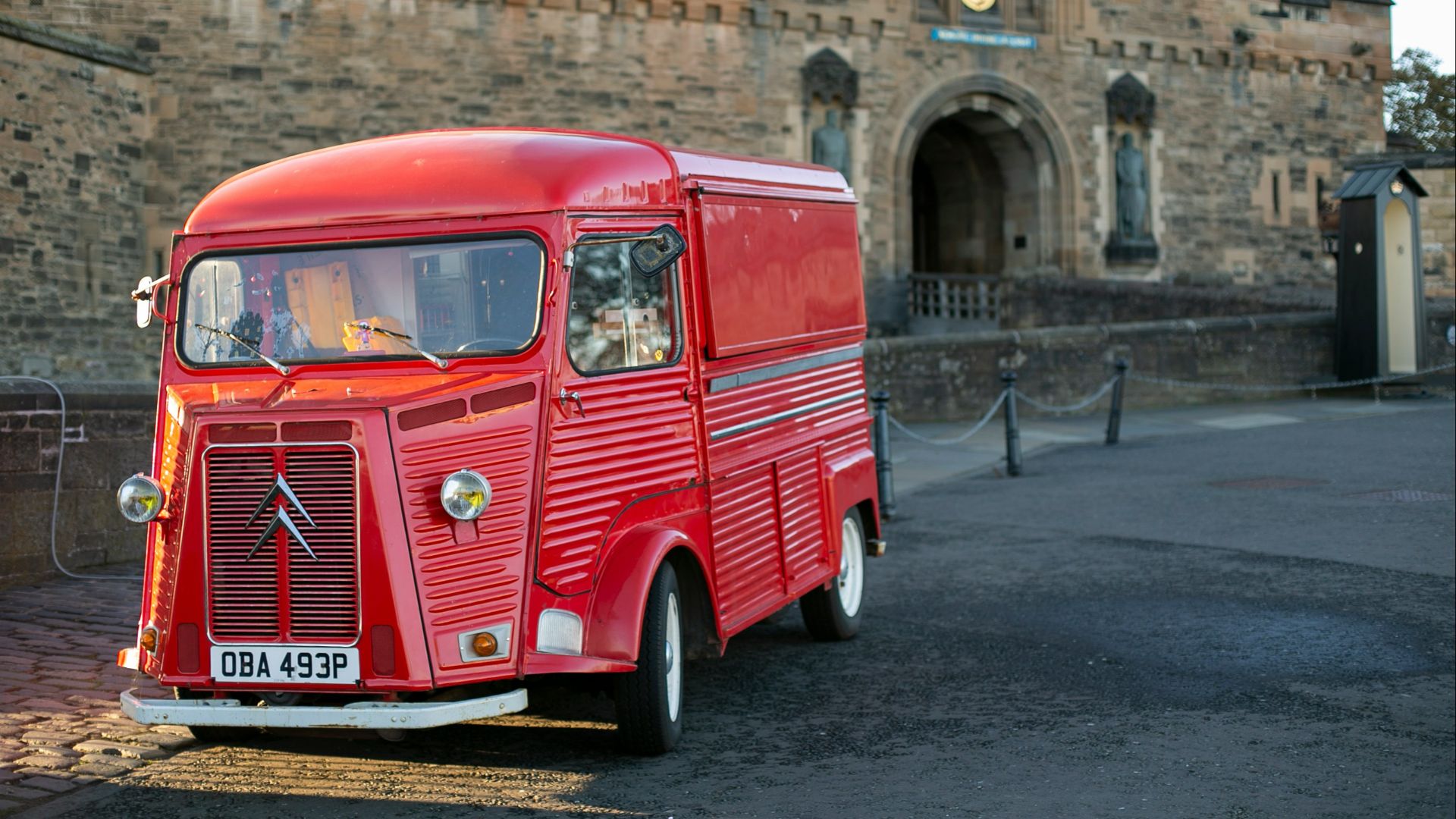
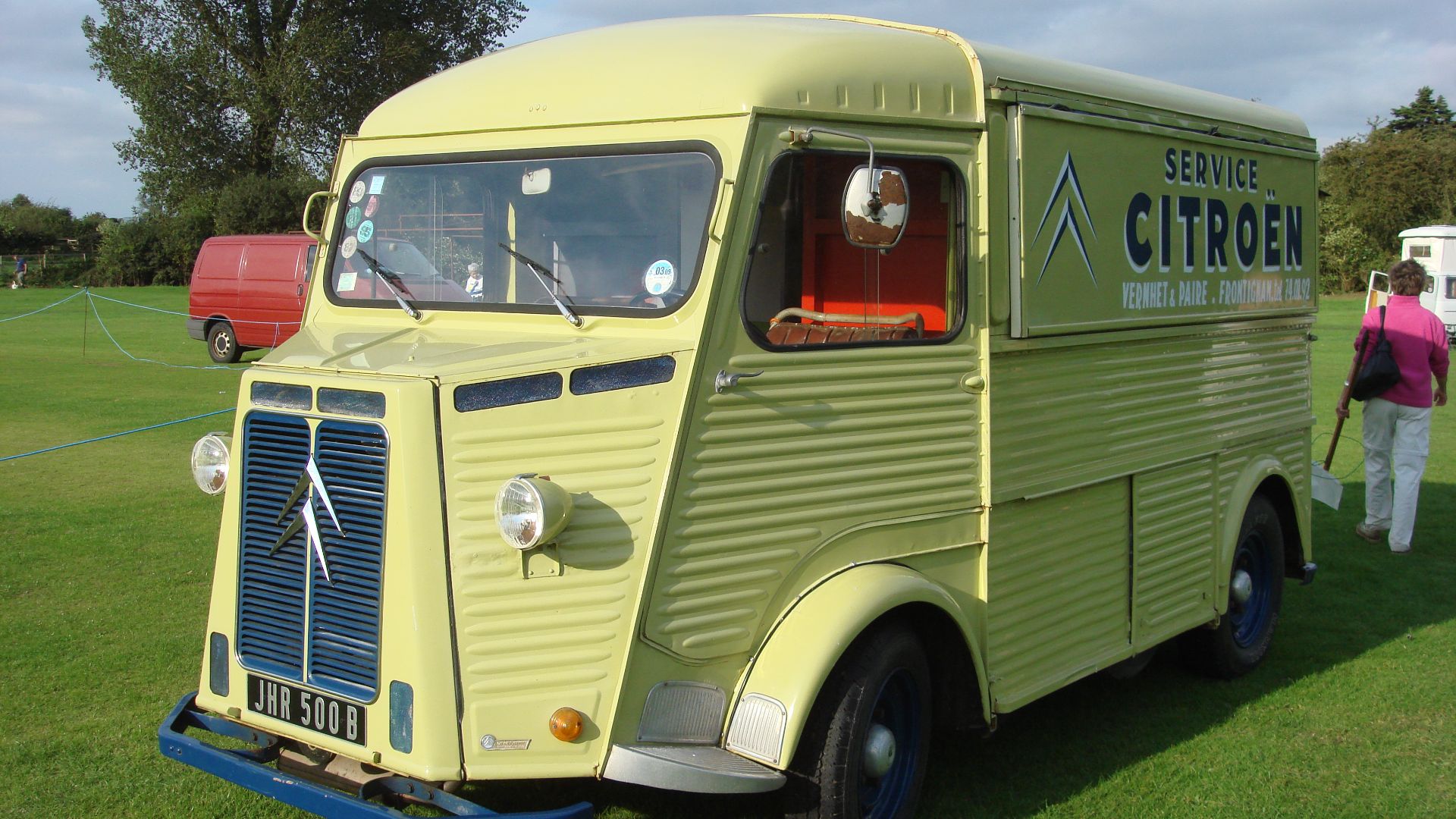
Introduced in 1947, the corrugated-steel H Van applied Citroën's front-wheel-drive expertise to commercial vehicles at a time when most delivery vans were still adapted car chassis. Its ridged body panels added structural rigidity without extra weight, a clever solution to a real manufacturing constraint. It stayed in production for over three decades and became an enduring icon of French commercial life.
Here's 10 that pushed the brand's experimental streak past the point buyers were willing to follow.
1. Bijou
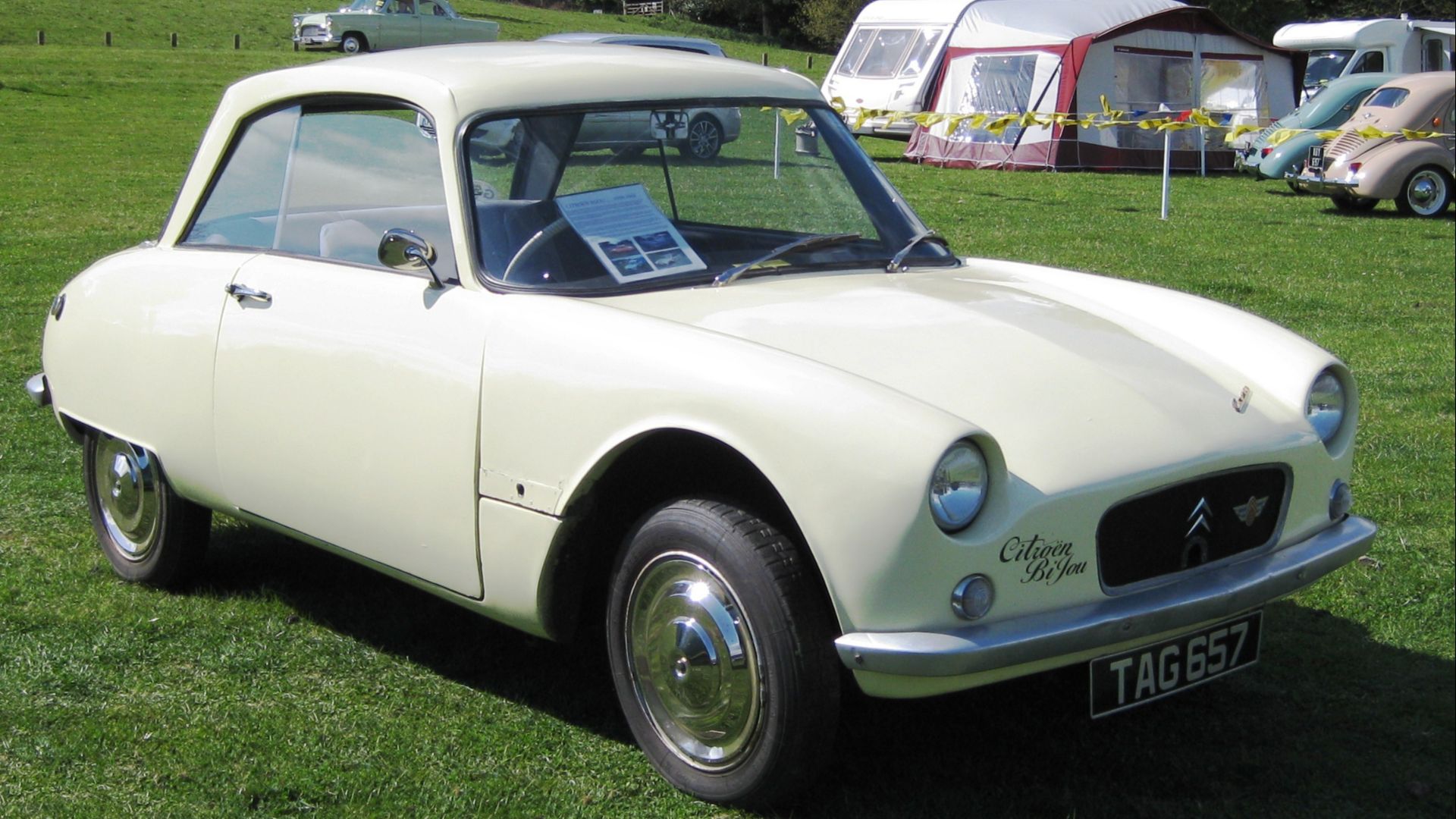
Built for the UK market in 1959, the Bijou wrapped a 2CV's mechanicals in an oddly proportioned fiberglass body meant to look more conventional. It ended up costing more than the Mini while offering less space and performance. Fewer than 210 were ever built before Citroën quietly abandoned it.
2. GS Birotor
Citroën paired a Wankel rotary engine with the GS in 1973, creating a car with impressive performance undermined by disastrous fuel economy just as the oil crisis hit. Reliability problems compounded the timing, with engines often needing replacement before 20,000 miles. Citroën bought back and crushed most of the roughly 847 units built to avoid supporting them long-term.
 Andrew Bone from Weymouth, England on Wikimedia
3. BX 4TC
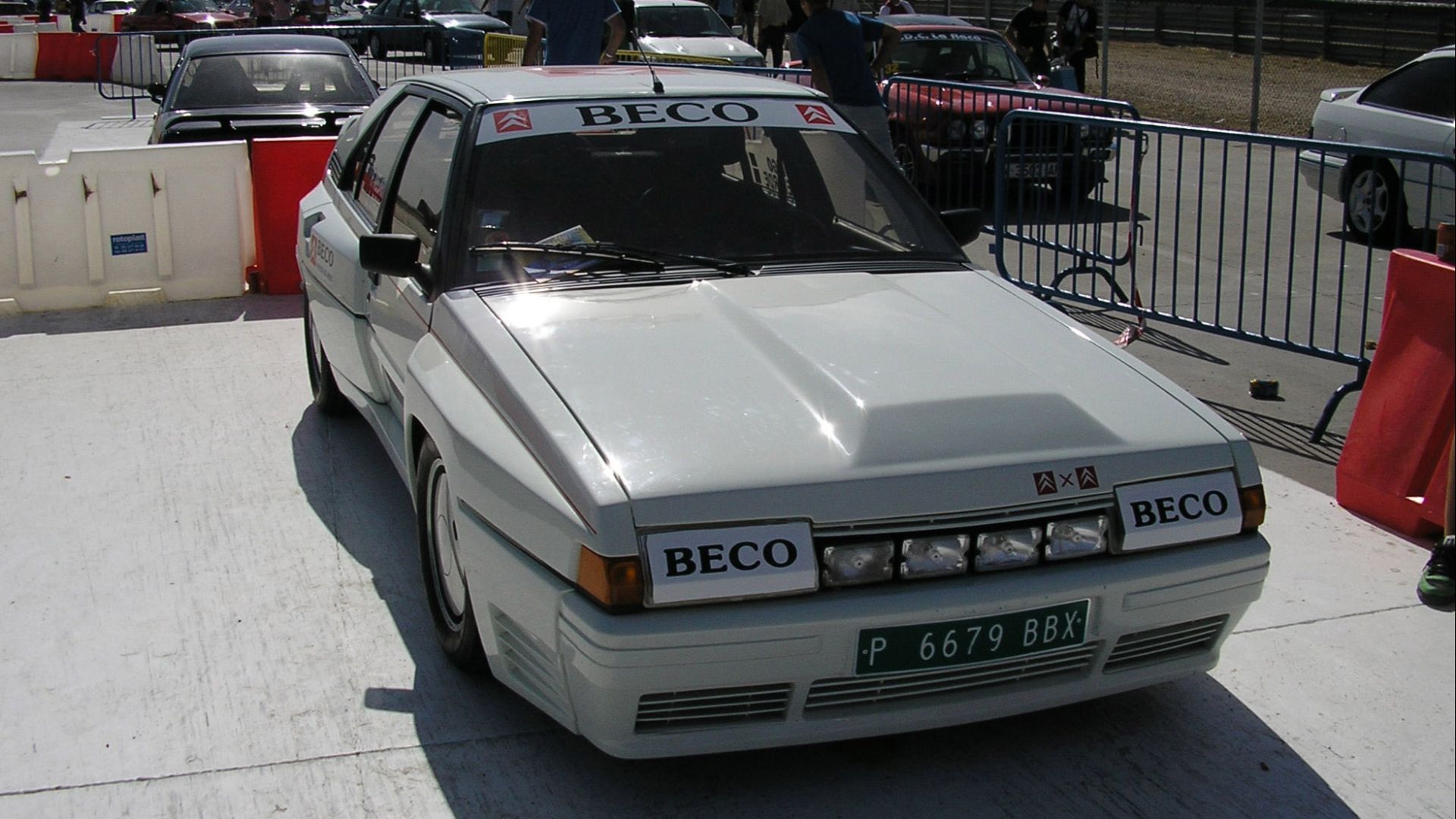
Built to satisfy Group B rally homologation rules, the BX 4TC used a front-engine layout adapted from a standard hatchback rather than a purpose-built design, leaving it heavy, underpowered, and nose-heavy. It failed to finish multiple rallies before Citroën pulled the plug after just three events. The brand was reportedly so embarrassed that it bought back and destroyed as many road-going versions as it could.
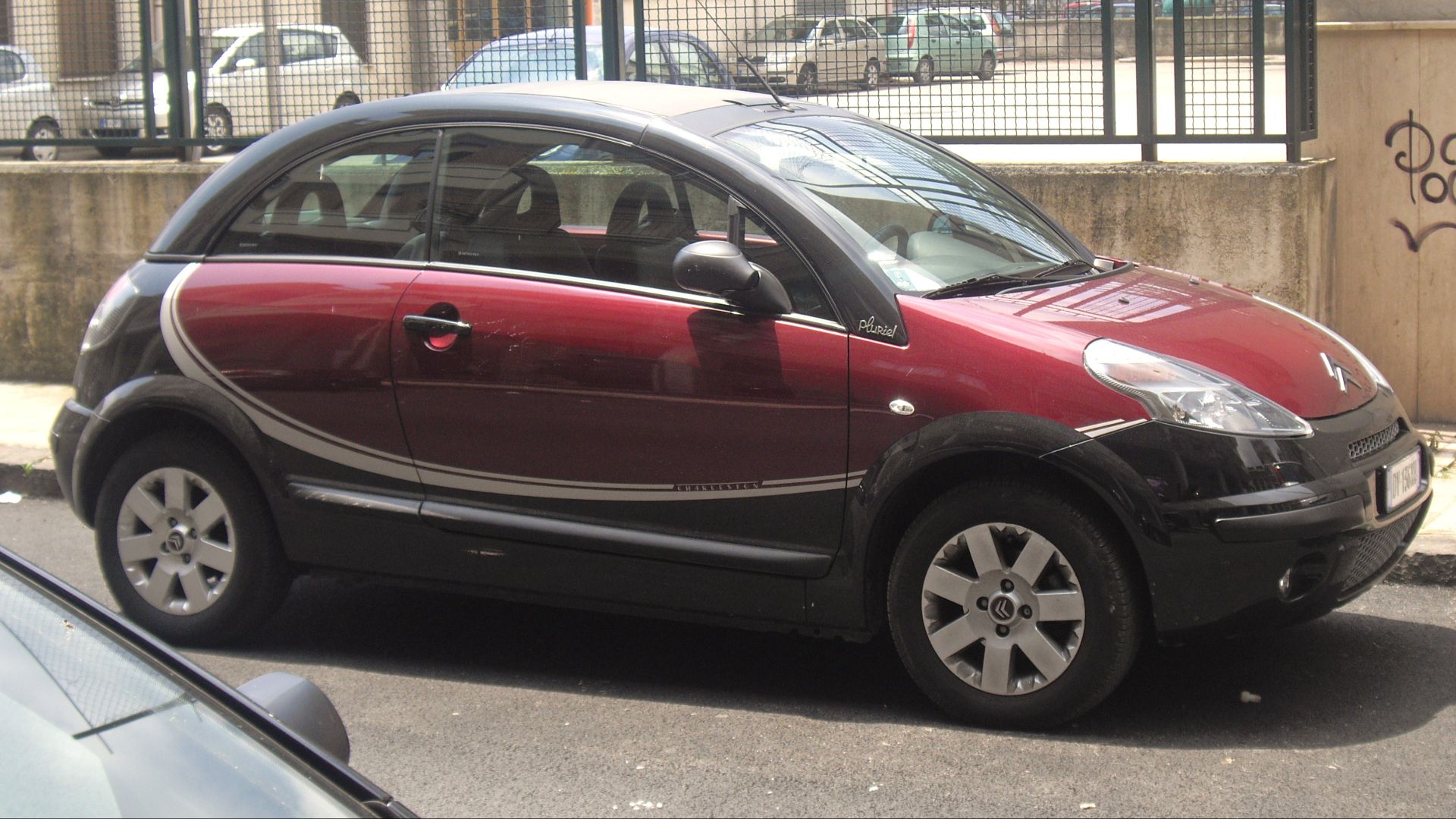
4. C3 Pluriel
The C3 Pluriel promised versatility through a complex folding roof that could turn the car from hatchback to convertible to open-air pickup. That complexity brought frequent leaks and reliability complaints that undercut the whole concept. It never came close to matching the sales Citroën hoped the novelty would generate.
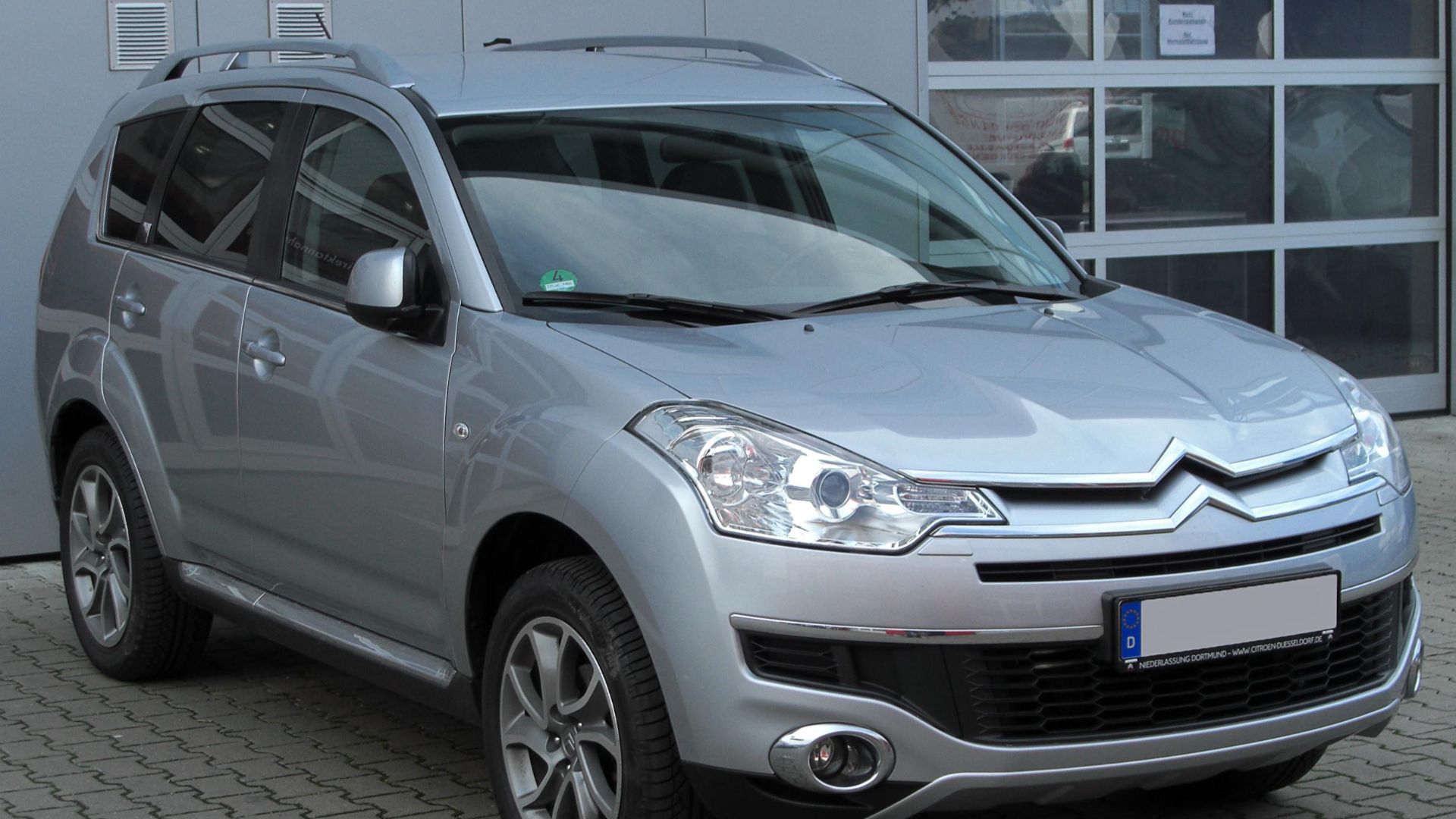
5. C-Crosser
Built on a shared platform with the Mitsubishi Outlander, the C-Crosser offered solid mechanicals but almost none of the design character associated with the Citroën badge. Reviewers routinely noted the mechanically identical Peugeot and Mitsubishi versions offered the same practicality for less. It came and went from the lineup with barely a ripple of enthusiasm.
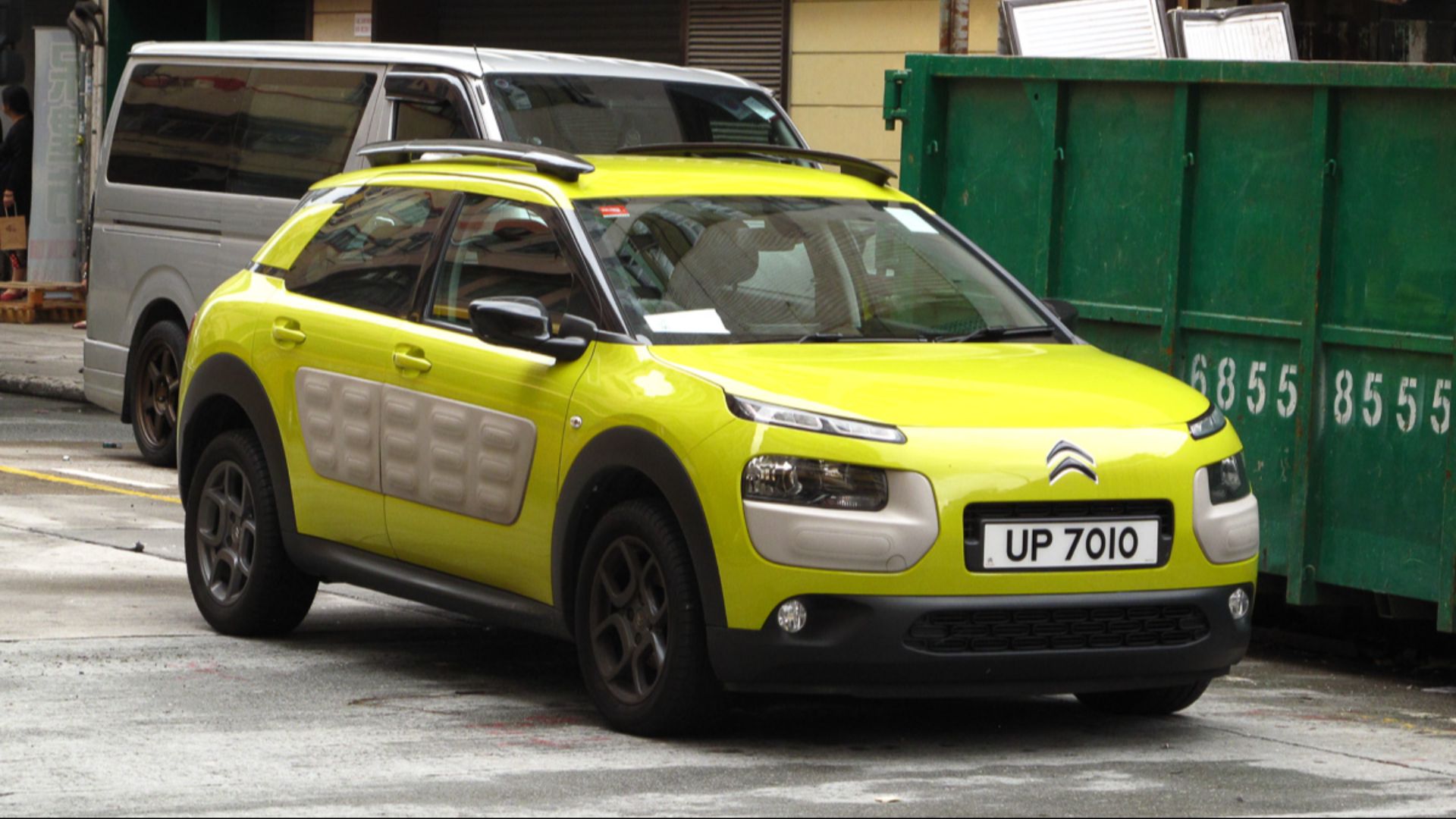
6. C4 Cactus (Original AirBump)
The original C4 Cactus introduced rubber-cushioned AirBump panels designed to absorb minor parking dings in crowded cities. The styling divided opinion sharply, and Citroën removed the feature in a later facelift after lukewarm reception. It remains a case study in a genuinely clever idea that never won over mainstream buyers.
 Rutger van der Maar on Wikimedia
7. Ami (2020)
Citroën's compact electric quadricycle uses identical panels on its front and back ends to cut manufacturing costs, resulting in proportions plenty of reviewers found deliberately odd. The styling became an instant target for mockery across the automotive press. It found a genuine niche among younger urban buyers, but never came close to mainstream acceptance.
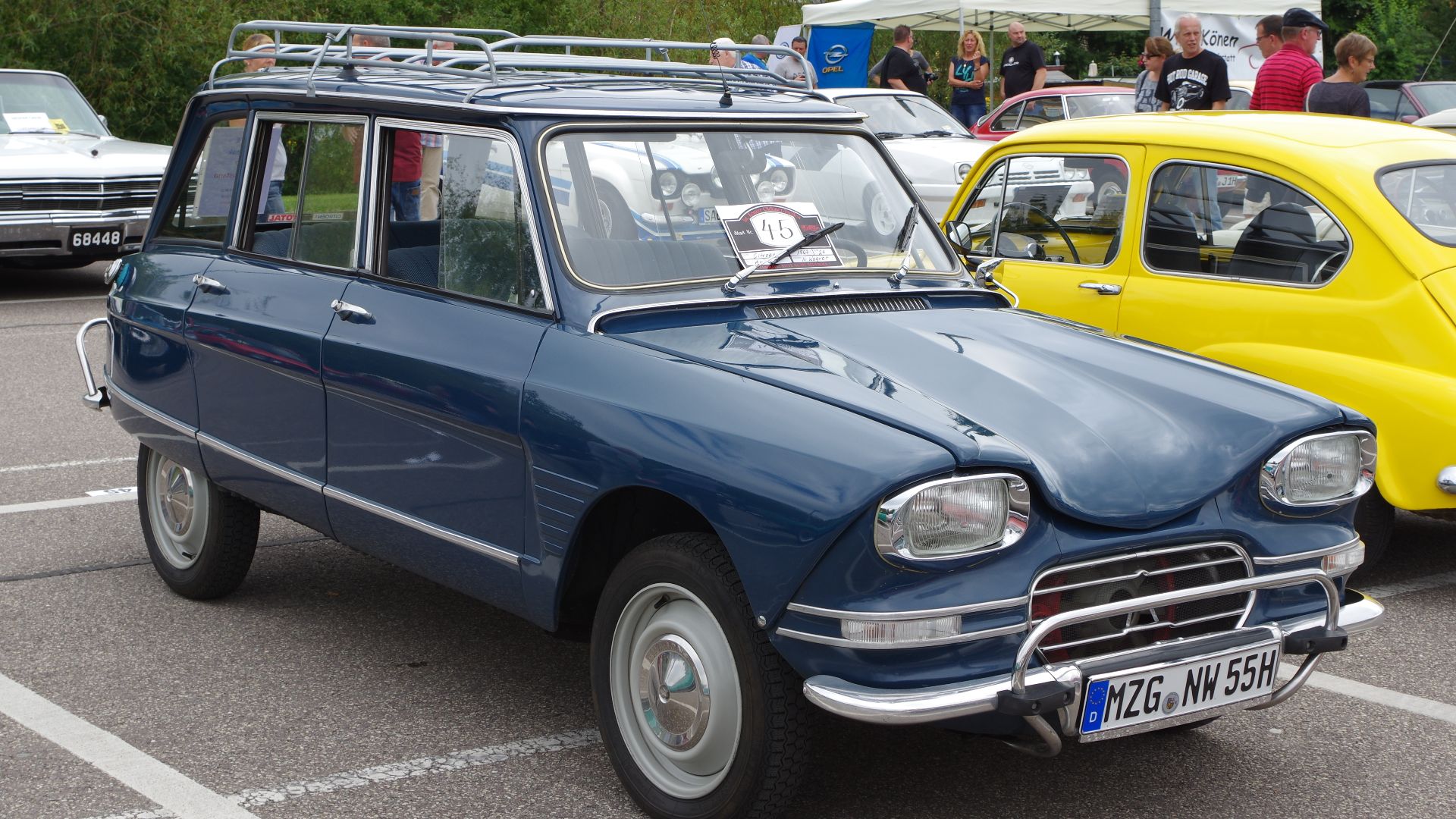
8. DS5
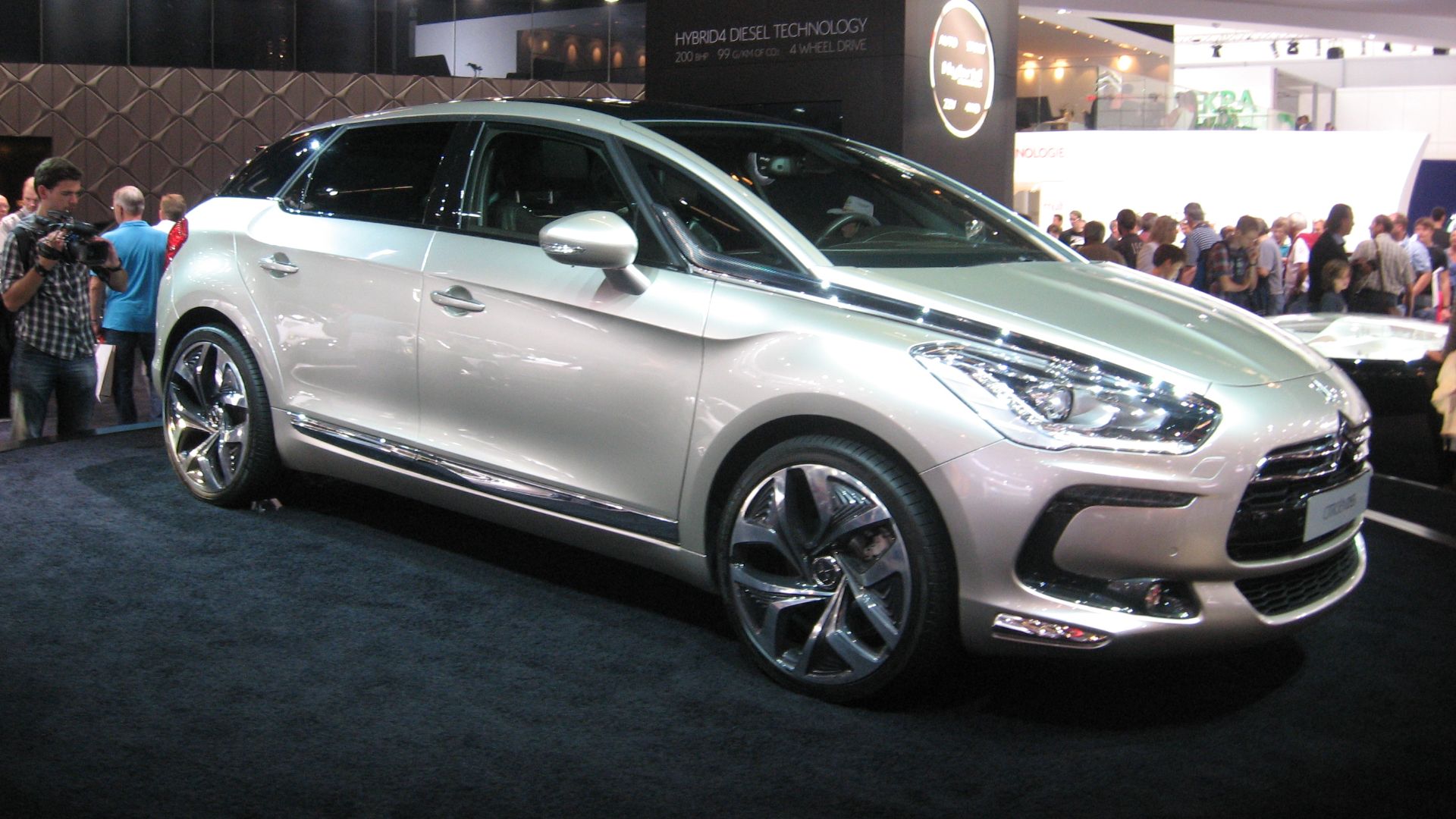
Launched as a flagship for Citroën's short-lived premium DS sub-brand, the DS5 combined an unusual triple-glazed panoramic roof with proportions that never settled into a clear identity. Sales consistently disappointed against established premium rivals buyers already trusted. It became emblematic of the broader struggle DS Automobiles faced in a crowded luxury segment.
9. Karin Concept
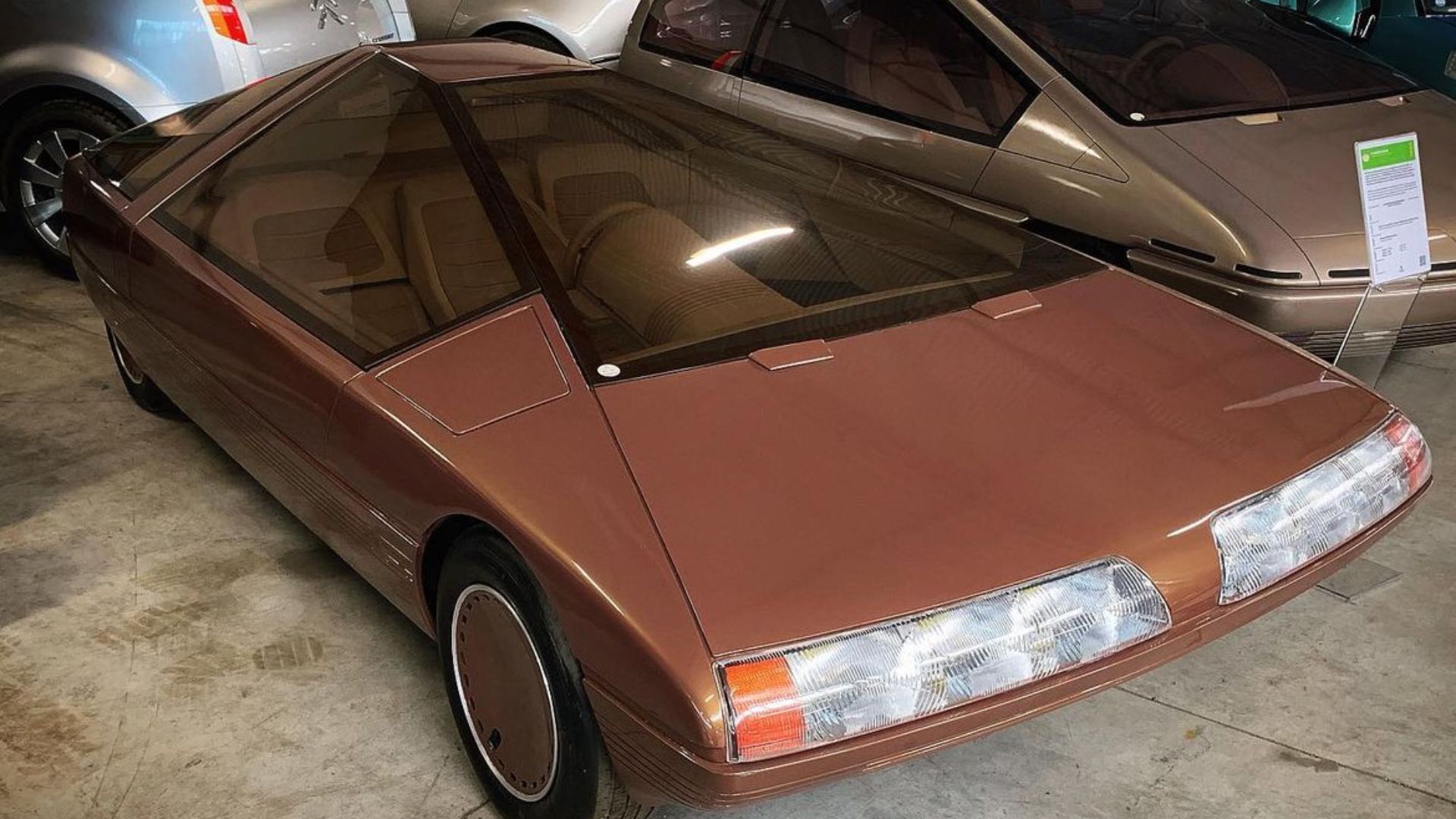
Unveiled in 1980, the Karin concept featured a pyramid-shaped cabin with a central driving seat flanked by two passengers, a layout with no realistic path to production. Its severe, angular design pushed Citroën's experimental reputation about as far as a concept car could go. It remains a favorite among design historians precisely because nothing that strange ever reached a showroom.
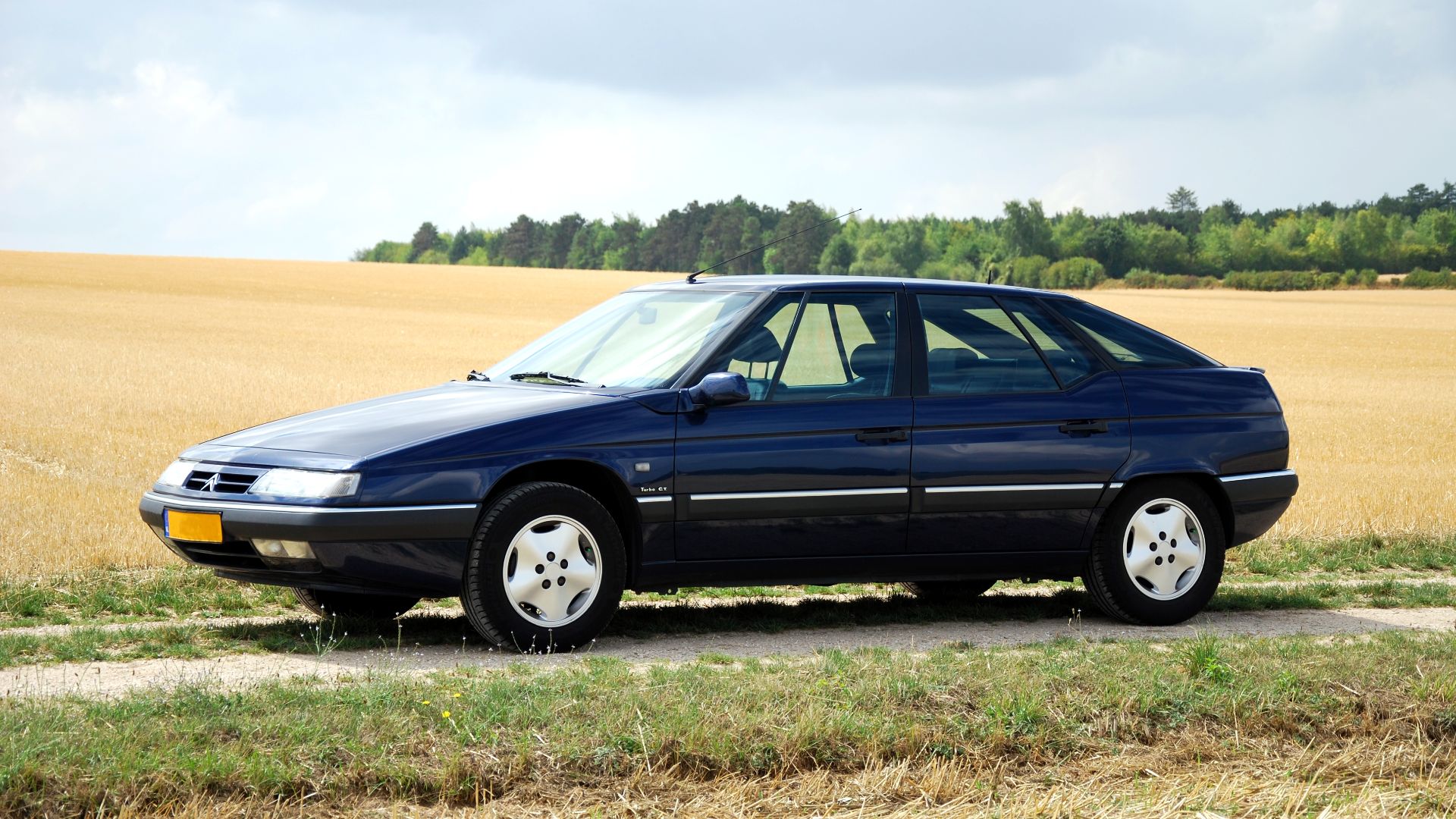
10. XM
Replacing the beloved CX in 1989, the XM carried an evolved hydropneumatic system called Hydractive II promising even sharper handling and comfort. In practice, the system proved expensive and unreliable enough to damage Citroën's reputation right as German rivals set new build-quality standards. It's often remembered as Citroën's engineering ambition outrunning its ability to execute reliably.