The French Brand's Real Report Card
Renault has spent decades getting lumped into the same "quirky and unreliable" bucket as the rest of French motoring, and for a handful of models, that reputation was earned fair and square. But the badge has also produced some genuinely clever, well-engineered cars that got buried under bad press for entirely different, worse models. Sorting the two apart takes some digging, since Renault's history is long enough to include both a genuine MPV pioneer and a car so unloved it got pulled from lineups within a couple of years. Some of these cars deserved better than the jokes they got, and some of them earned every bit of the mockery. Here's 10 Renaults that hold up better than their reputation suggests, and 10 that really don't.
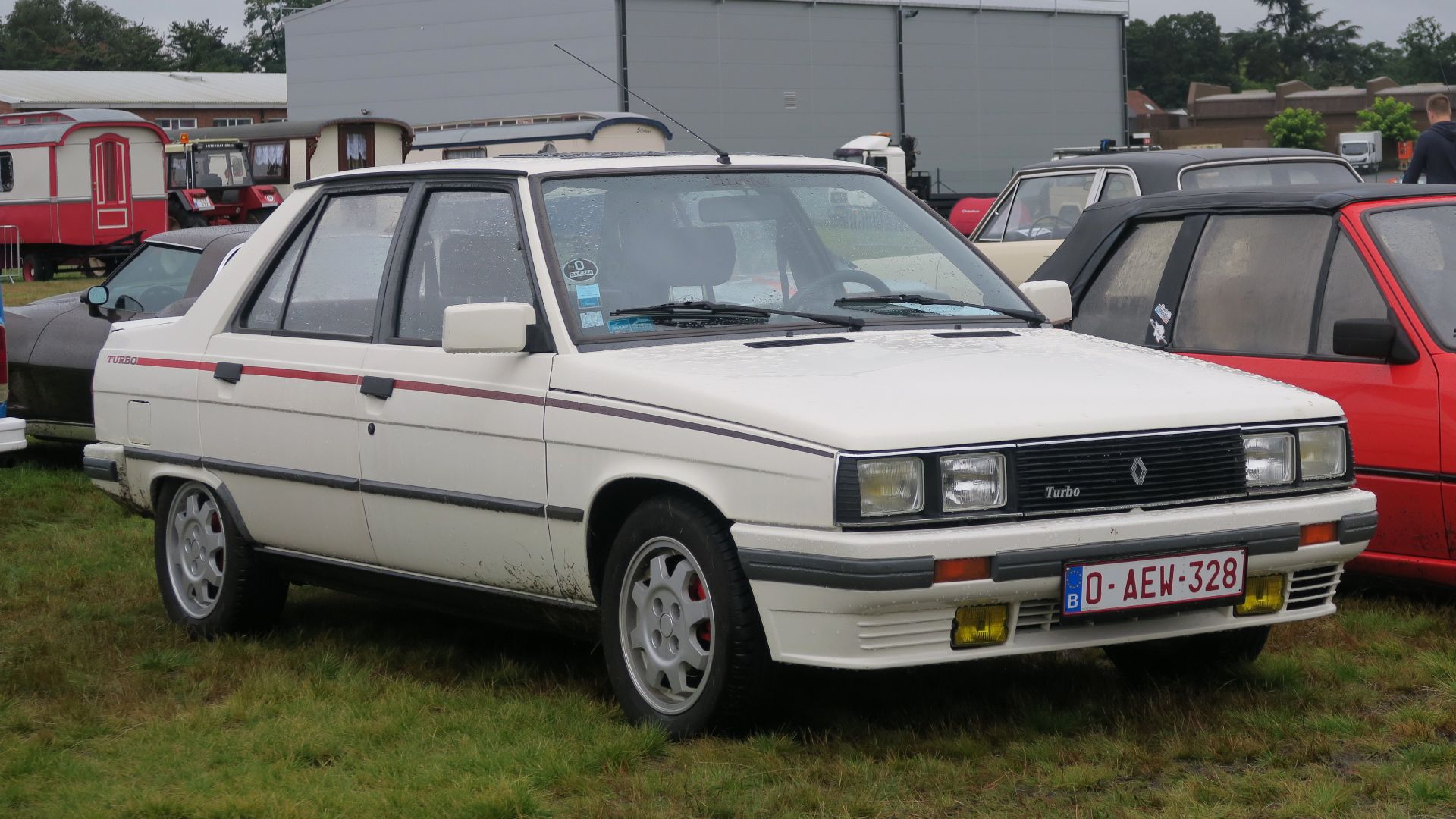
1. Renault 9
The Renault 9 won European Car of the Year in 1982, a genuinely rare honor, and then spent the following decades getting completely overshadowed by flashier hatchbacks from the same era. It was boxy and unglamorous, but it was also roomy, efficient for its time, and mechanically straightforward in a way that made it a reliable workhorse for families who never bothered to brag about it.
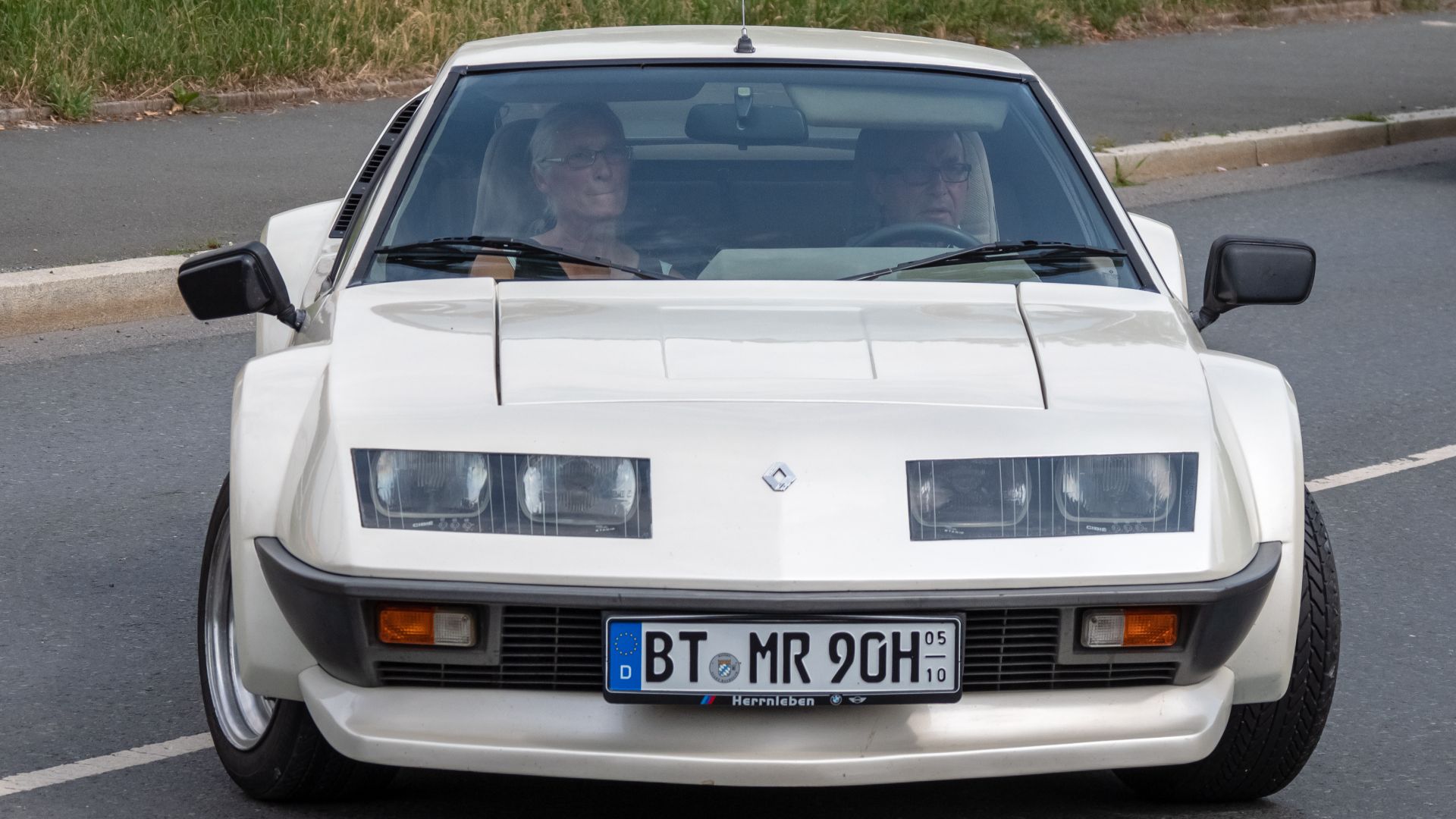
2. Renault Fuego Turbo
The Fuego gets remembered, when it's remembered at all, as an awkward-looking coupe from the early '80s, but the turbocharged version was genuinely quick for its era and came loaded with tech that felt ahead of its time, including one of the first cabin remote locking systems on a mainstream car. It sold well in markets like Argentina long after Europe moved on, which says something about how well the underlying package actually worked.
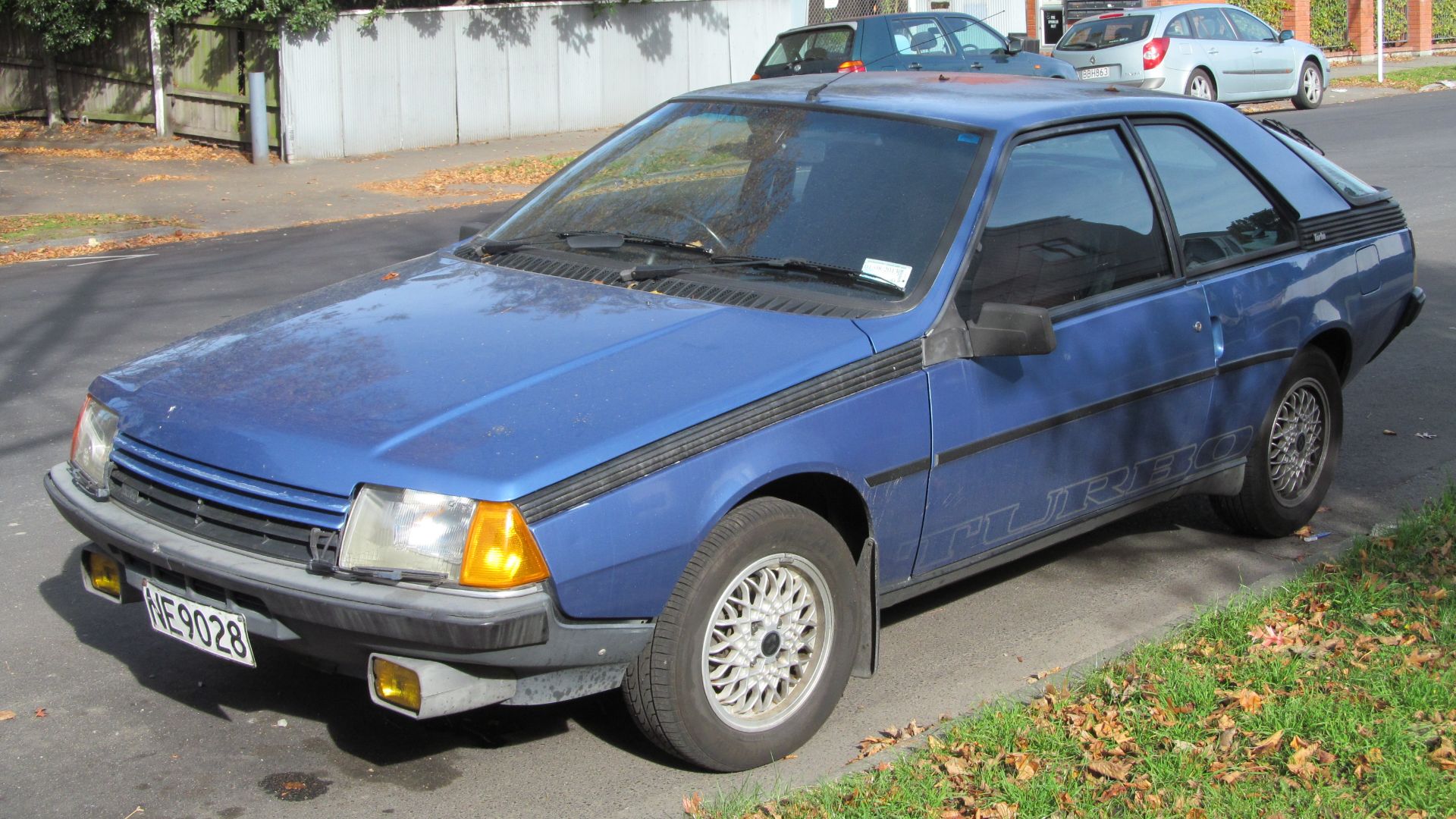 Riley from Christchurch, New Zealand on Wikimedia
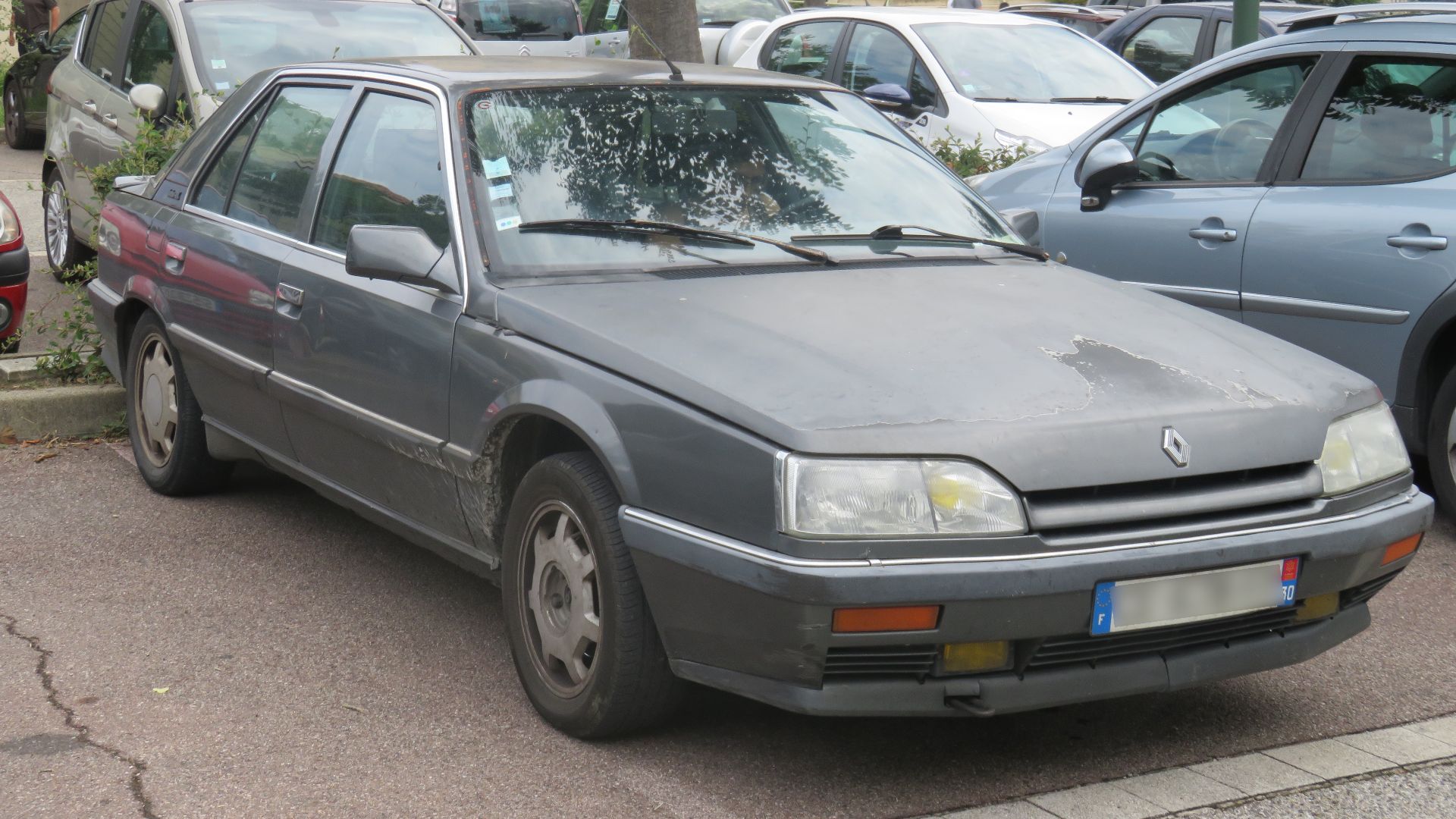
3. Renault 25
The Renault 25 was France's answer to the German executive saloon, and it did the job with a genuinely slippery aerodynamic shape and a cabin full of digital gauges that looked like something out of a spaceship in 1984. It served as an official state car for French presidents, which is not a role handed to a bad car, even if most people outside France barely remember it existed.
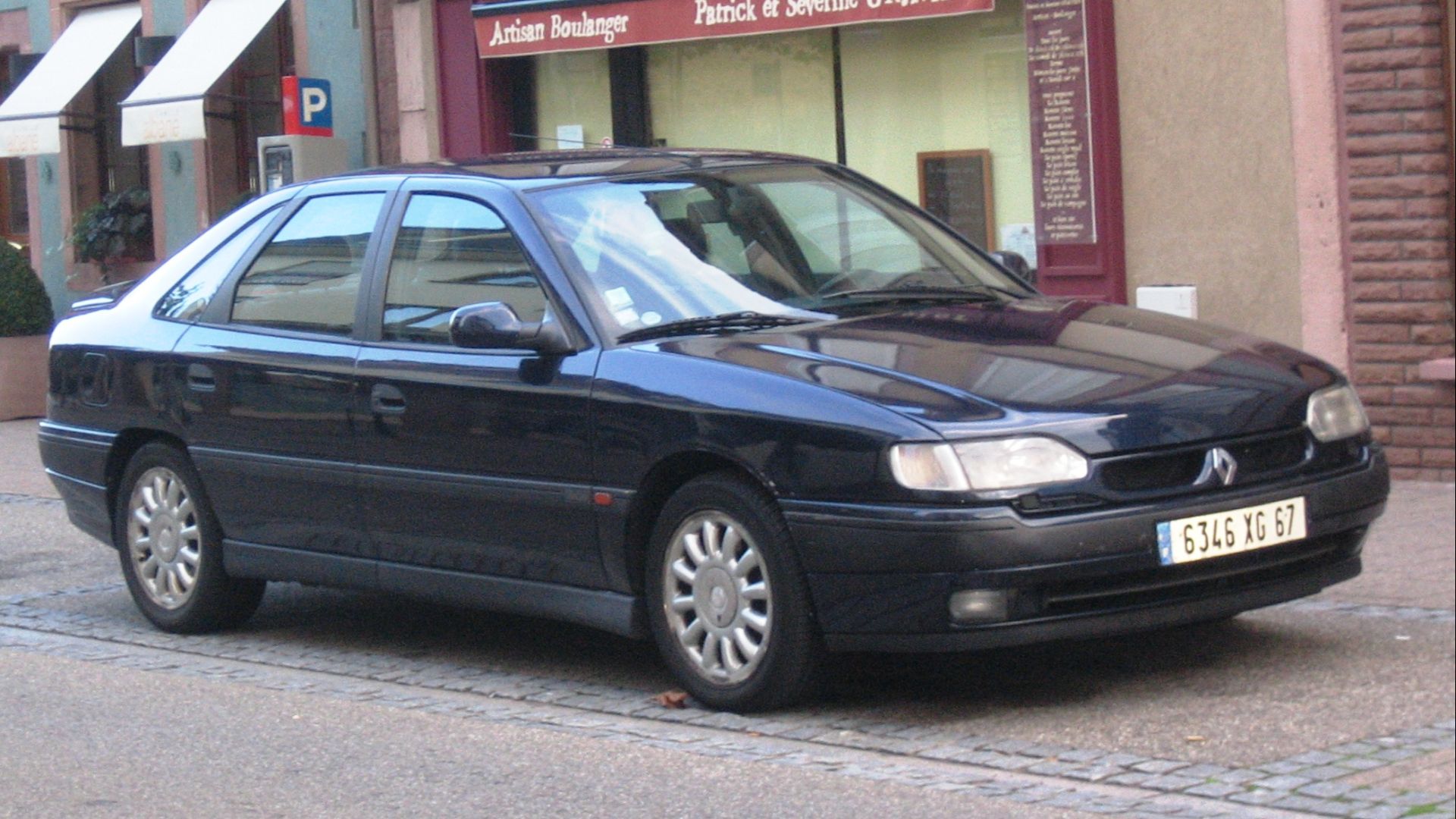
4. Renault Safrane Biturbo
The Safrane Biturbo is the kind of car enthusiasts rediscover and then can't believe they'd forgotten, a French executive sedan with a Hartge and later AMG-tuned V6 biturbo engine putting out serious power in a package that looked completely unassuming. It never sold in huge numbers and rarely gets mentioned alongside its German rivals, but the engineering behind it was genuinely ambitious for a mainstream manufacturer.
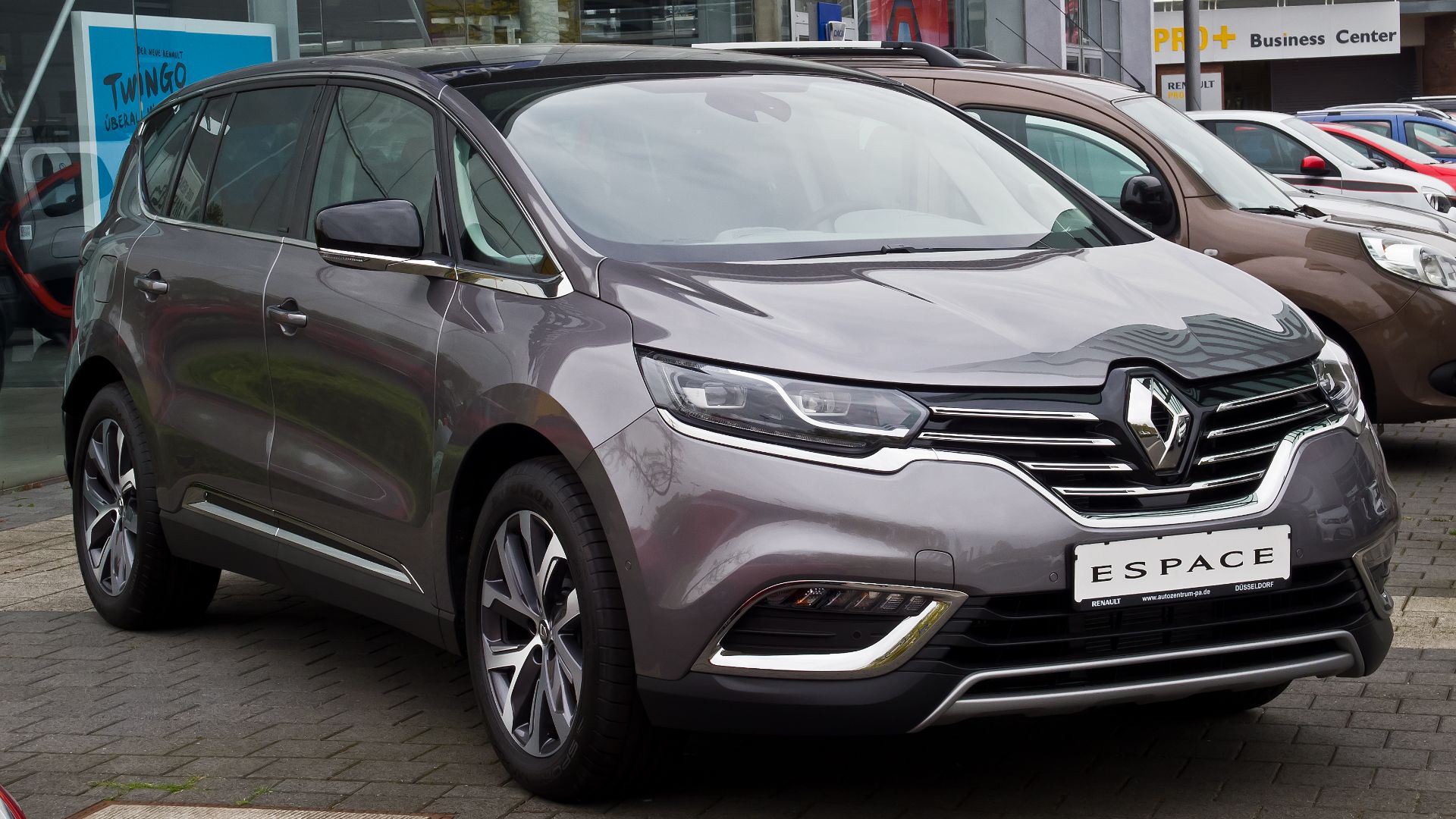
5. Renault Espace
The original Espace essentially invented the mainstream European MPV, arriving with a fiberglass body over a steel frame and a seating layout that could be reconfigured in ways no family car had offered before. It sold slowly at first, since dealers weren't sure what to make of it, but it went on to define an entire vehicle category that other manufacturers spent years catching up to.
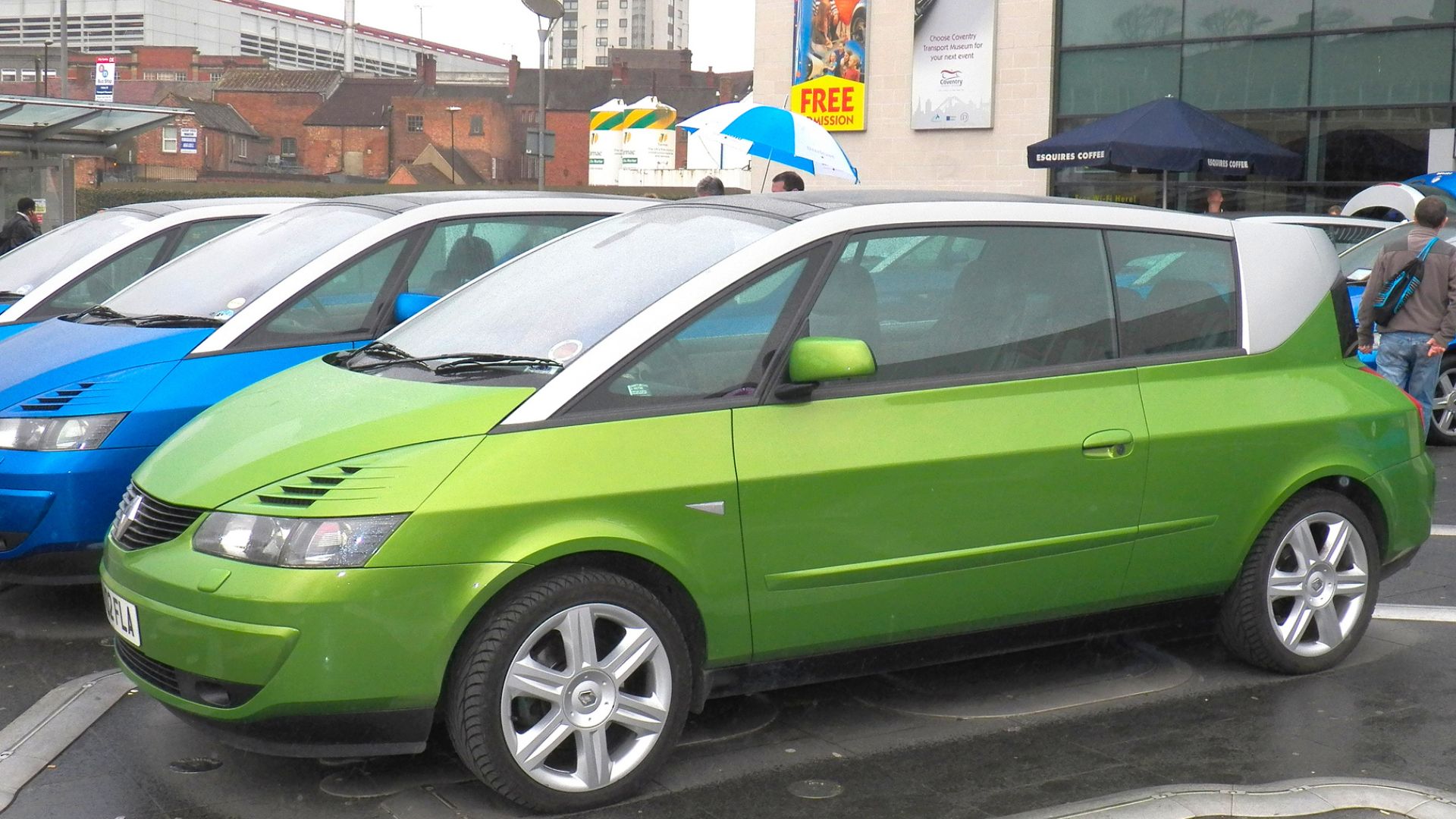
6. Renault Avantime
The Avantime was strange by design, a two-door coupe with the interior space of an MPV, and it flopped commercially within two years of launch. Reviewers at the time and since have generally agreed the concept was more interesting than the execution deserved credit for, and it's become something of a cult favorite precisely because nothing else on the road looked remotely like it.
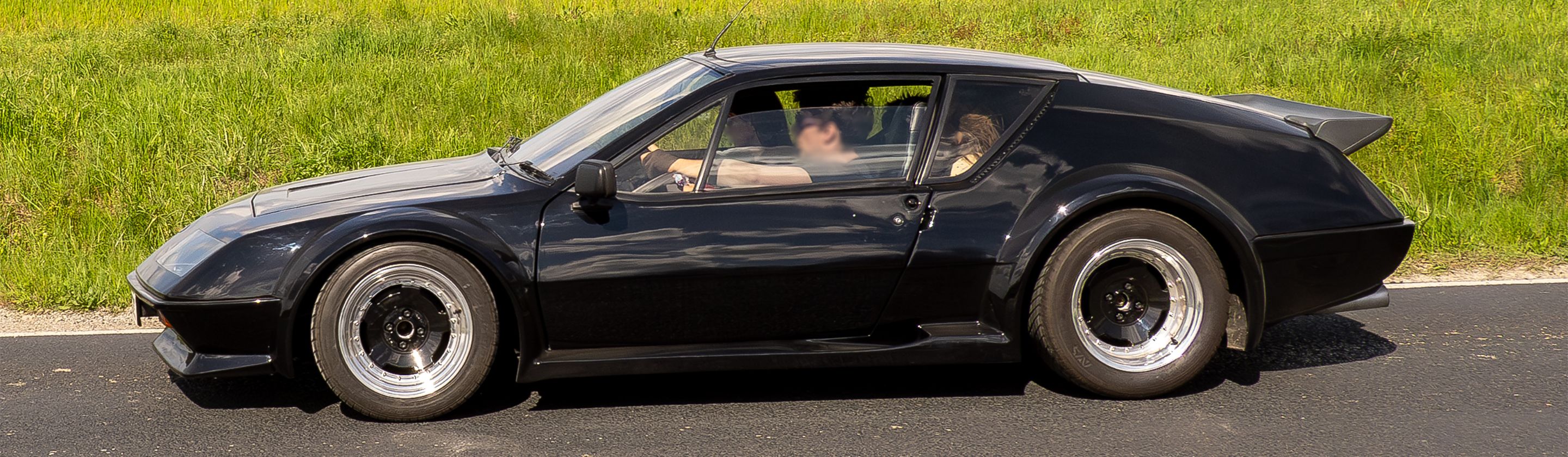
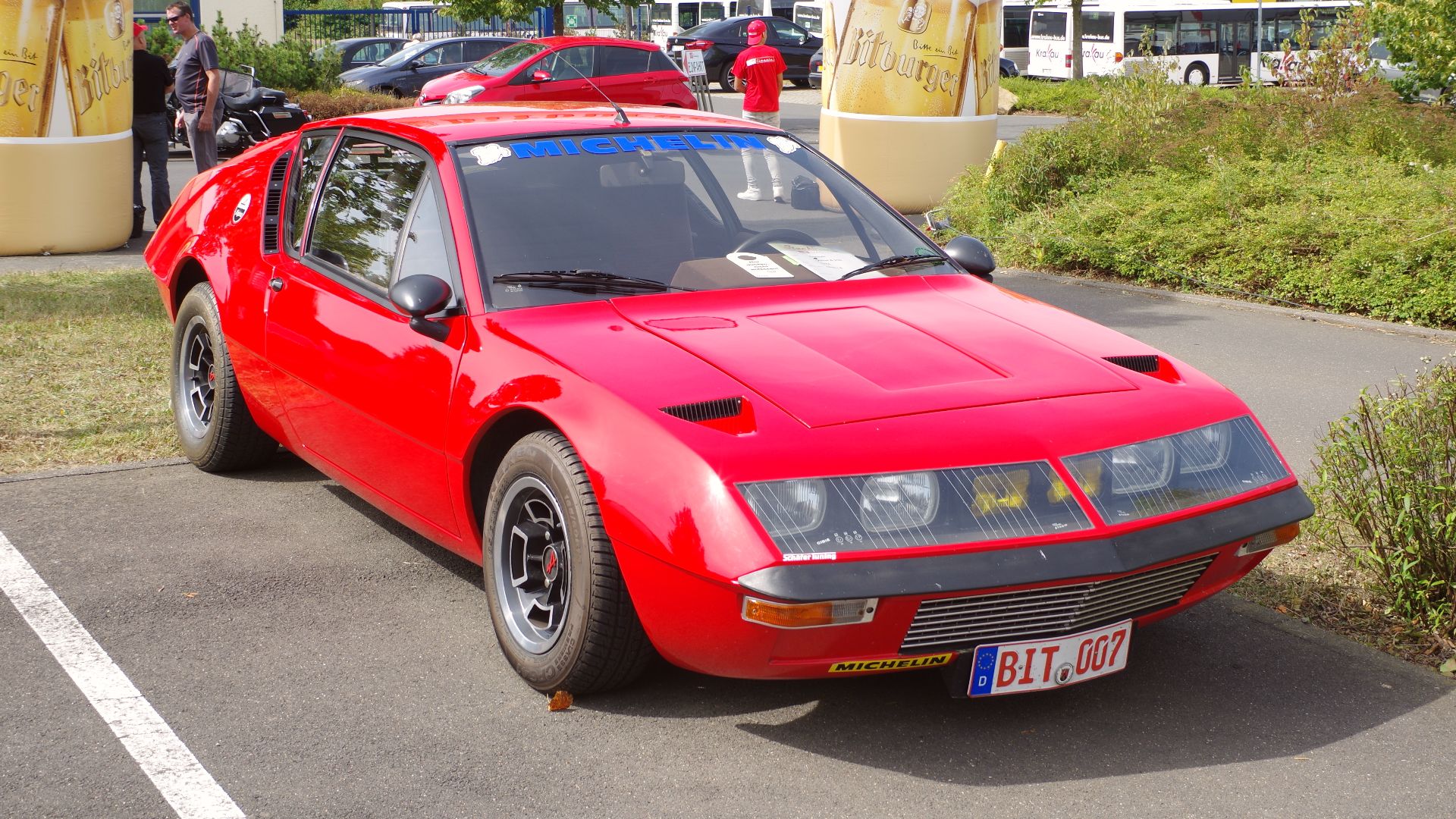
7. Renault Alpine A310
The A310 lived in the shadow of the A110 that came before it, but the later V6-powered version was a genuinely capable sports car with sharp handling and styling that still looks distinctive decades later. It never built the same racing pedigree as its predecessor, which is likely why it gets skipped over in most retrospectives of the Alpine name.
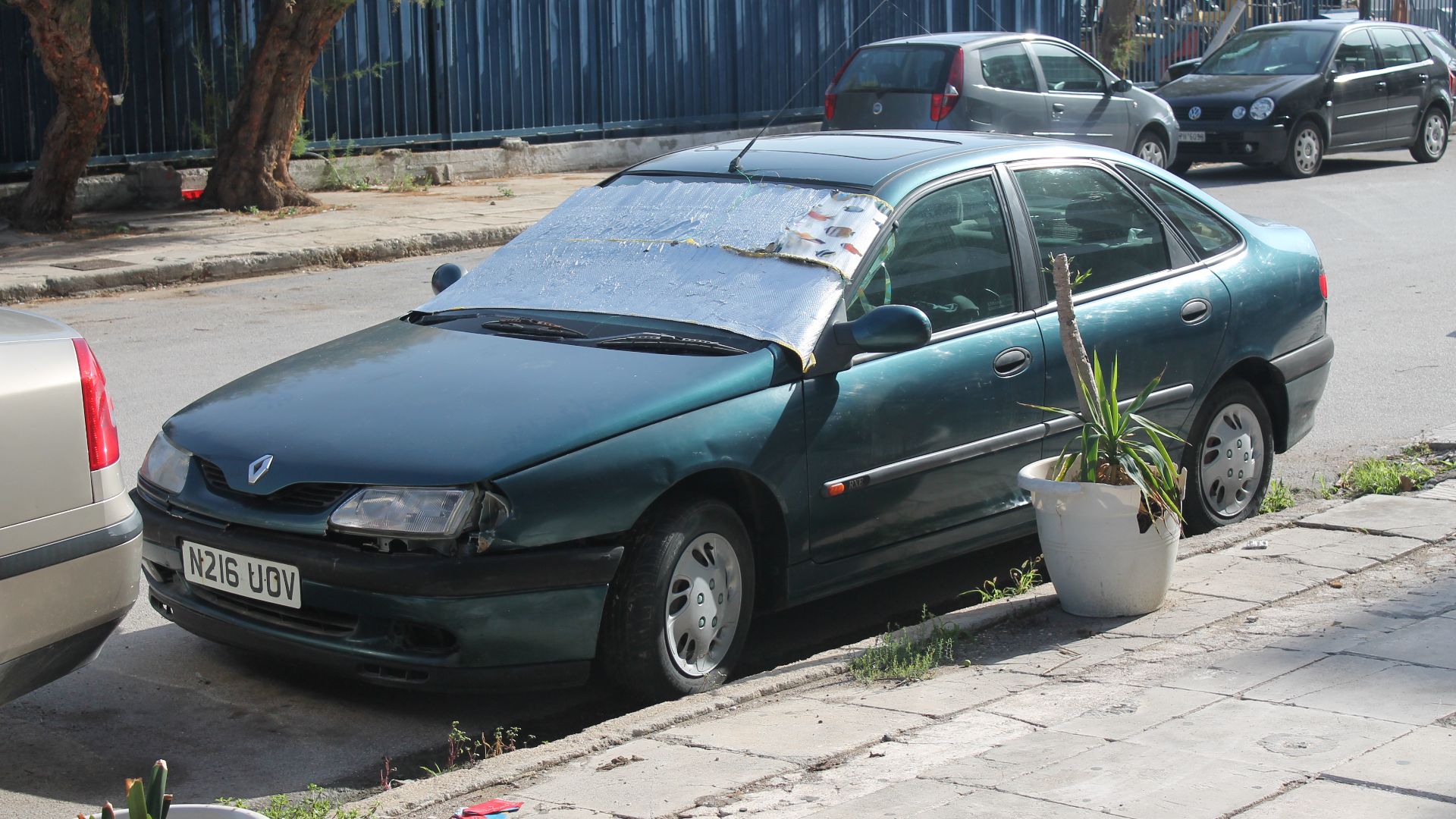
8. Renault Laguna Mk1
The first-generation Laguna doesn't get much credit today, but it became the first car to earn a five-star Euro NCAP crash rating, a genuine engineering milestone at the time. It was comfortable, well-built for a mid-'90s French sedan, and quietly competitive with cars that got a lot more attention in the segment.
 Charlie from United Kingdom on Wikimedia
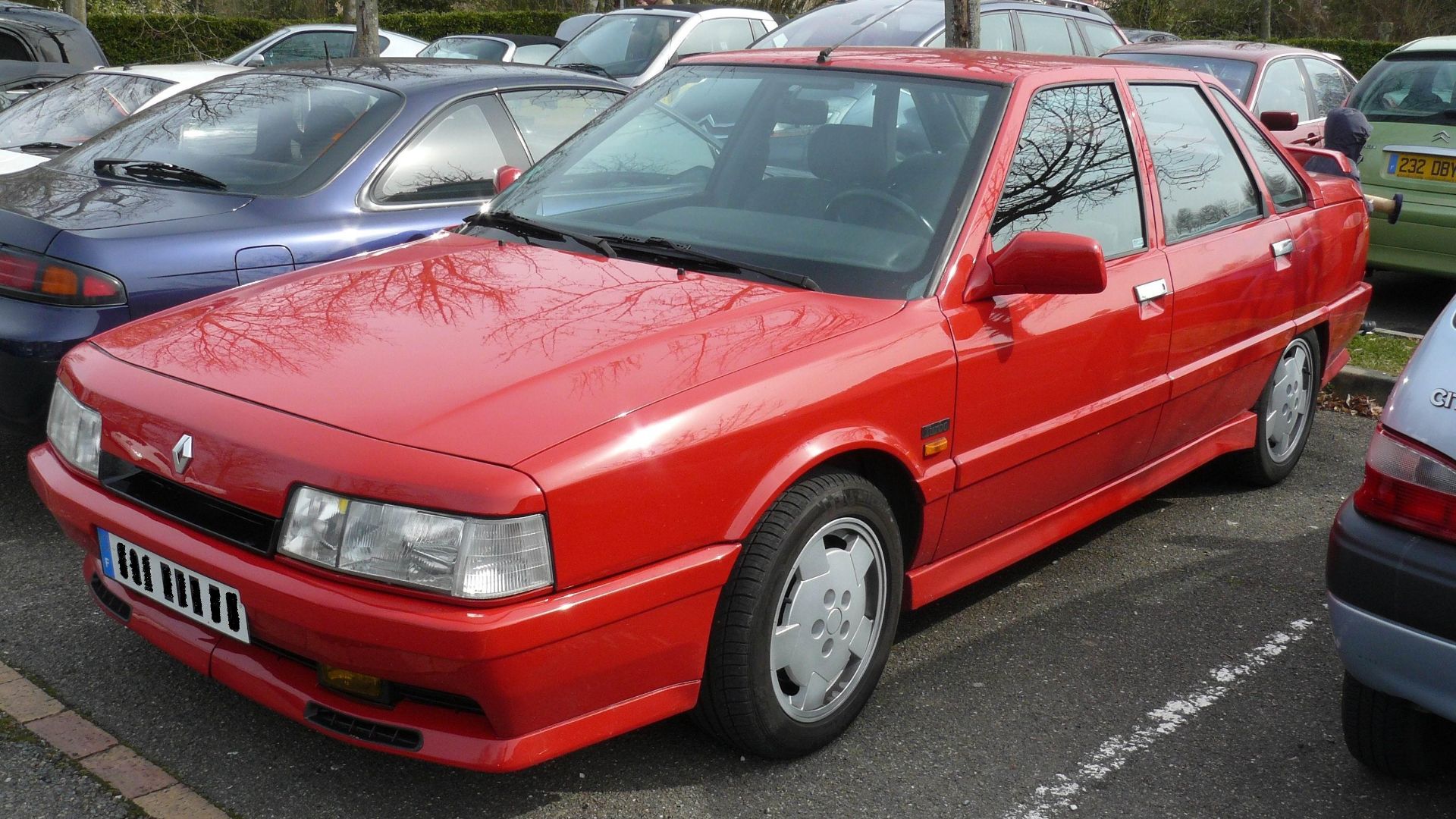
9. Renault 21 Turbo
The 21 Turbo packed a genuinely potent front-wheel-drive powertrain into a fairly ordinary-looking family sedan, and for a few years it was one of the fastest front-drive cars you could buy in Europe. It never built the cult reputation of hot hatches from the same period, mostly because a turbocharged sedan didn't fit the image buyers wanted from a performance car.
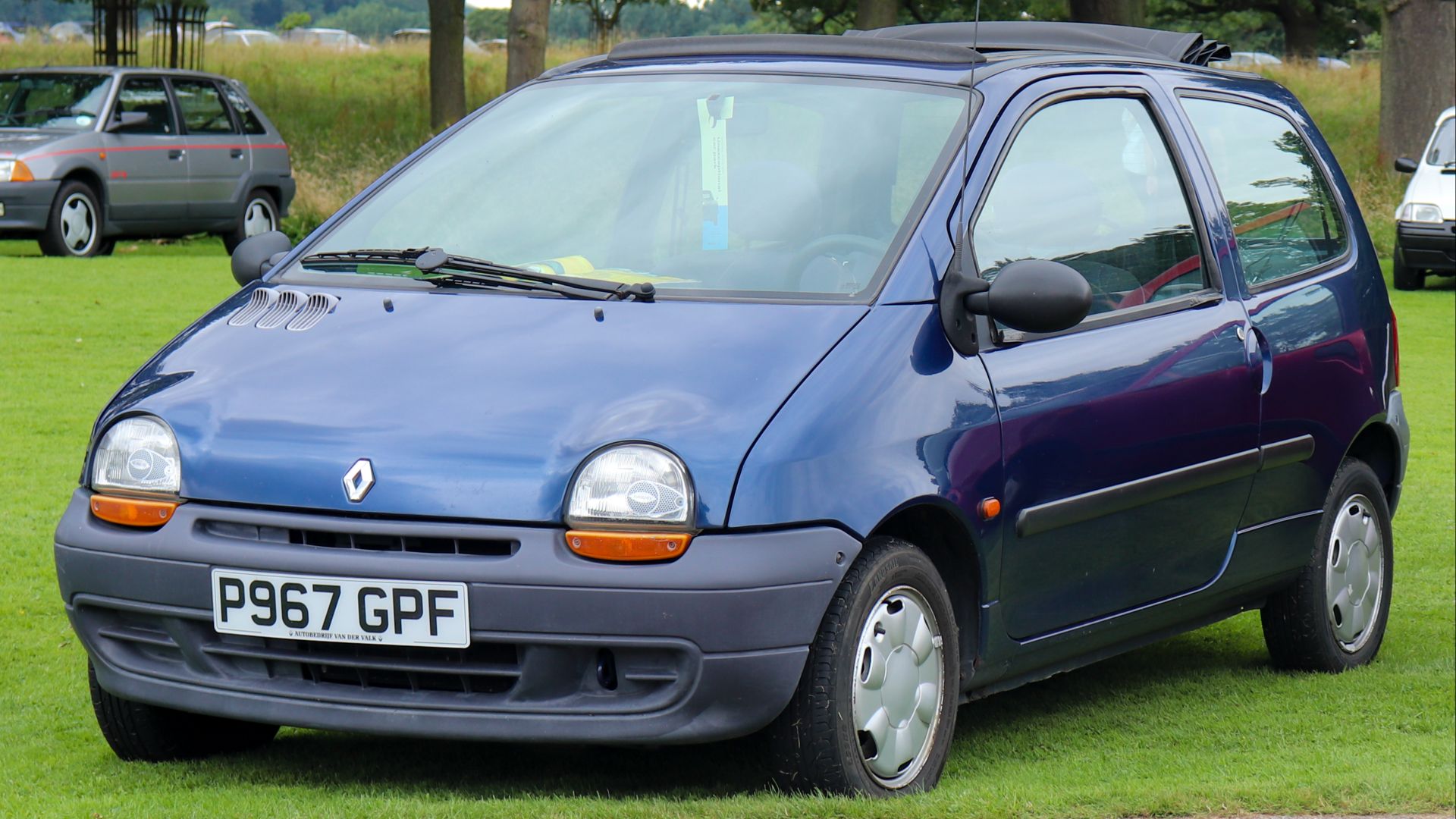
10. Renault Twingo Mk1
The original Twingo had a friendly, bug-eyed design that looked nothing like anything else on European roads, and it packed a surprising amount of interior space and cleverness into a genuinely tiny footprint. It never officially made it to the UK market, which is part of why it's remembered more fondly on the continent than almost anywhere else.
And now, 10 Renaults that earned their forgettable reputation the hard way.
 commons.wikimedia.org on Google
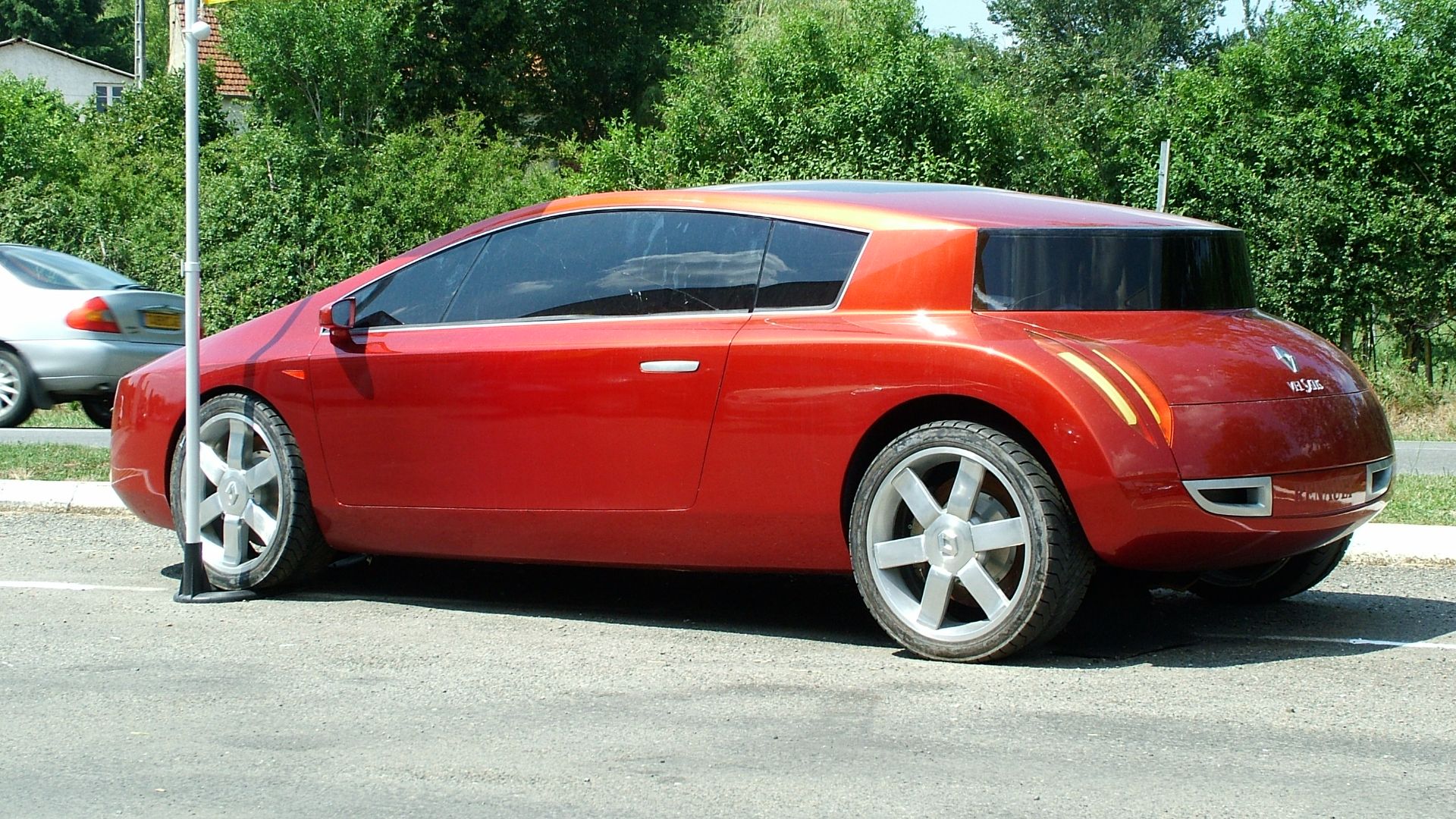
1. Renault Vel Satis
The Vel Satis tried to reinvent the executive sedan with a tall, awkward silhouette and a cabin full of unproven tech, and buyers largely stayed away. Reliability complaints piled up quickly, and Renault pulled it from most markets well before it had any chance to build the reputation it was aiming for.
 Ronald van der Graaf (ronaldc5) on Wikimedia
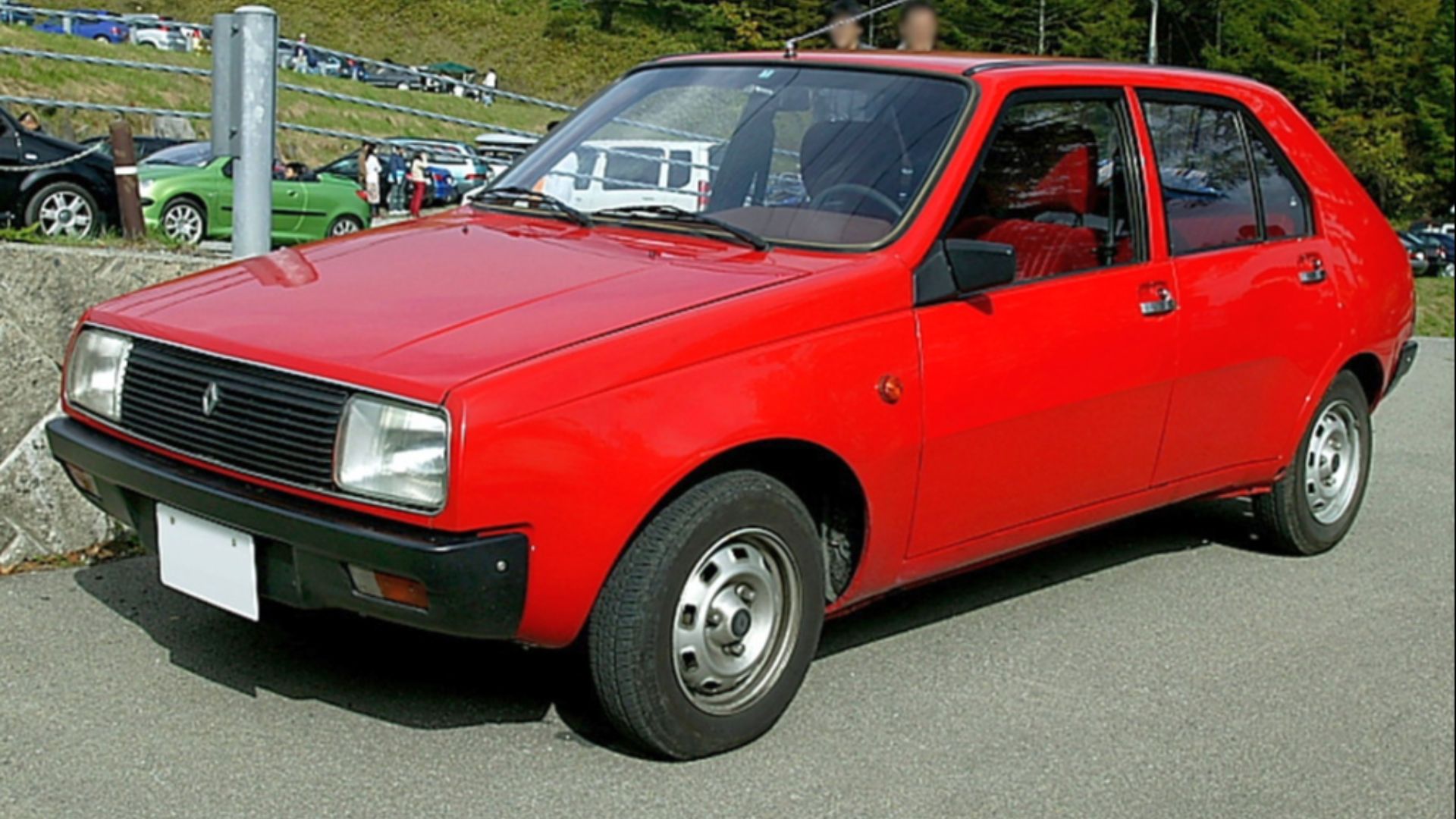
2. Renault 14
The Renault 14 is infamous mostly for its own marketing, an ad campaign that compared the car's shape to a pear, which buyers took as an insult rather than a compliment. Sales never recovered from the joke, and the mechanical issues underneath, particularly with an underpowered engine borrowed from Peugeot, didn't do it any favors either.
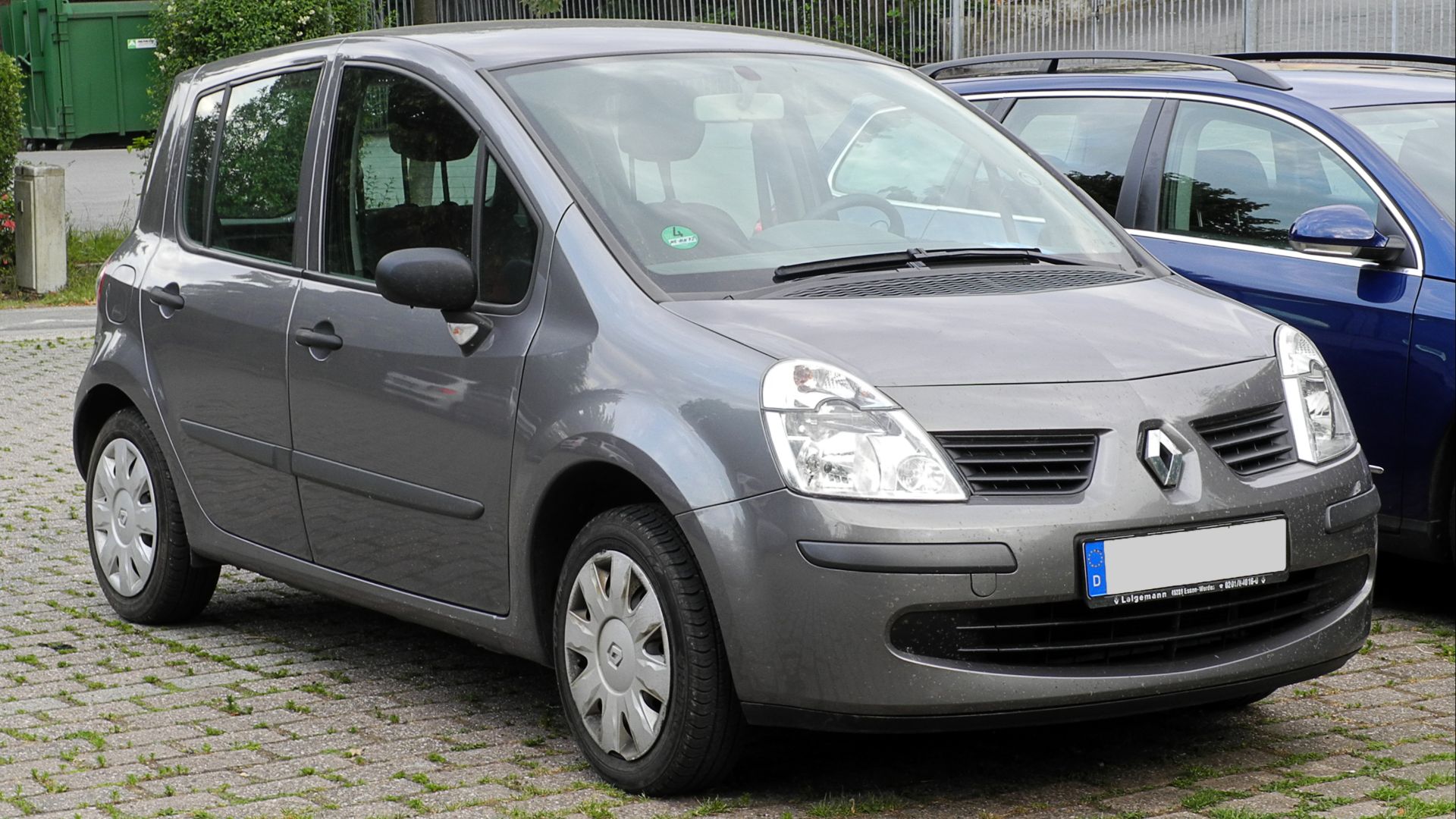
3. Renault Modus
The Modus tried to split the difference between a supermini and a compact MPV and ended up feeling like neither, cramped for a minivan and oddly tall for a hatchback. It disappeared from Renault's lineup within a few years, quietly replaced without much fanfare or mourning.
4. Renault Wind
The Wind was a small roadster with a folding hardtop that arrived just as the market for small convertibles was already shrinking, and it never found much of an audience. Renault discontinued it after only a couple of years, one of the shortest production runs in the brand's modern history.
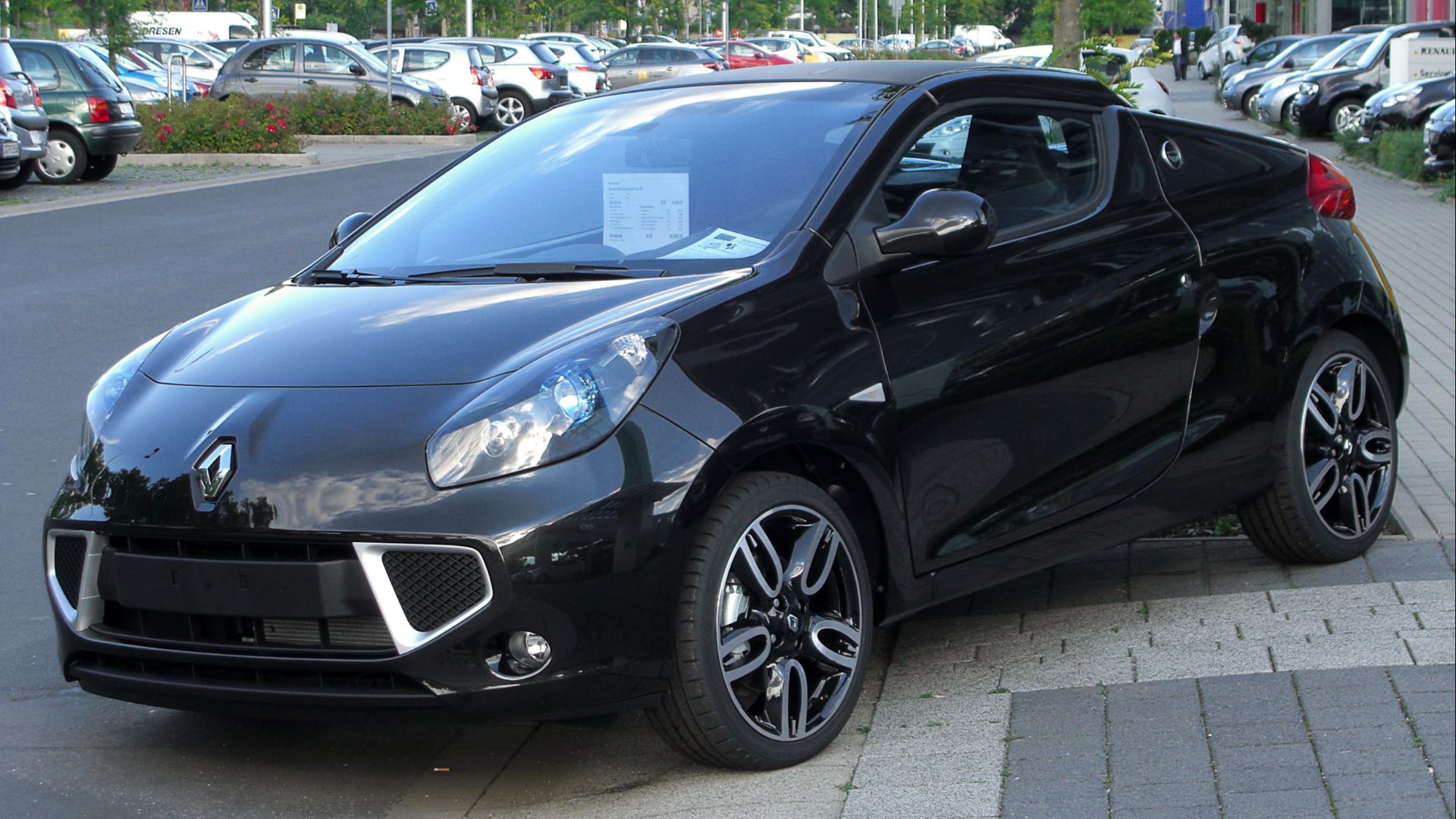
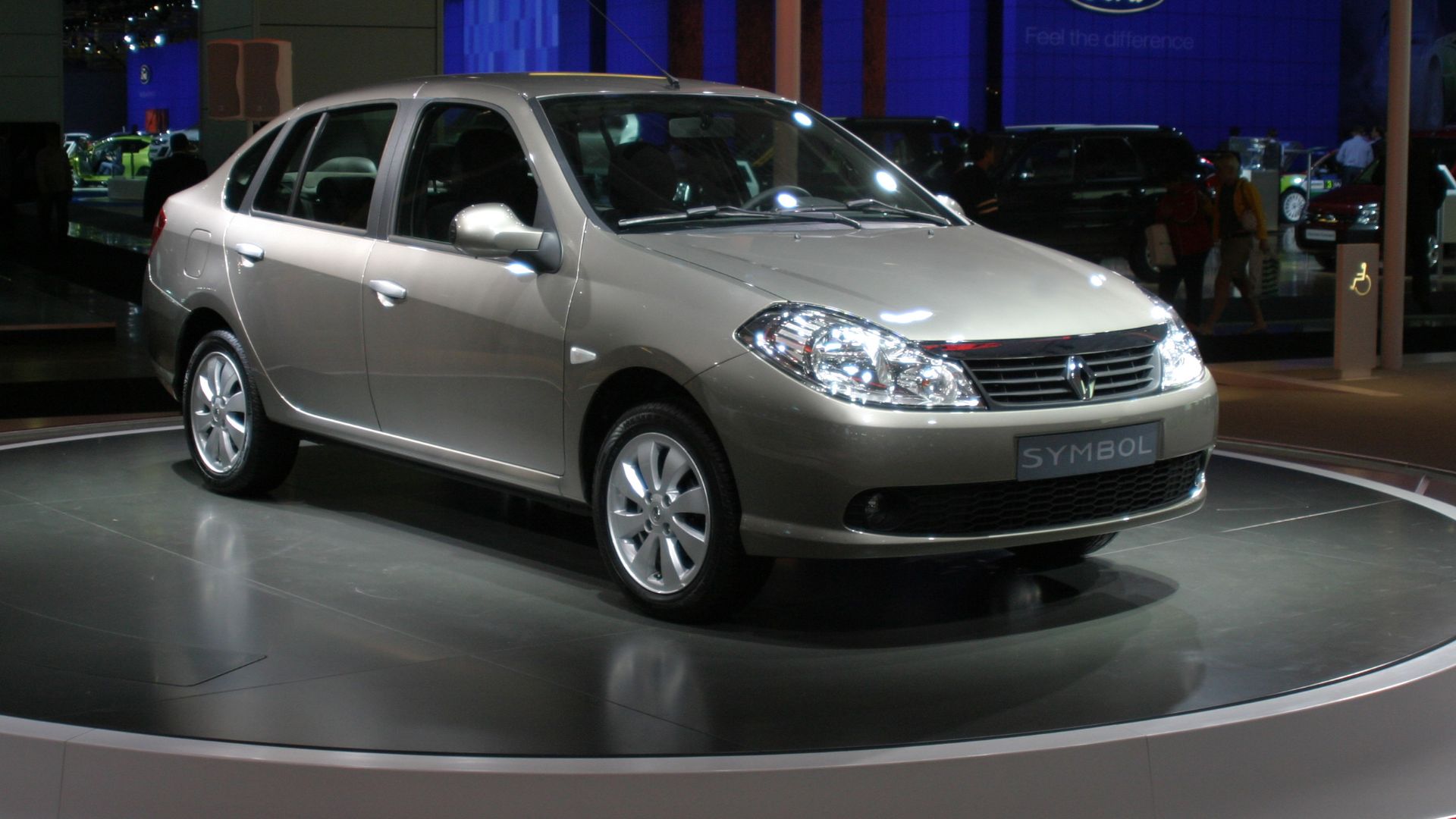
5. Renault Symbol
The Symbol, sold as the Thalia in some markets, was a budget sedan built by bolting a trunk onto a Clio platform, and it looked exactly as awkward as that description implies. It served its purpose as cheap transportation in emerging markets, but nobody who drove one walked away with strong feelings about it either way.
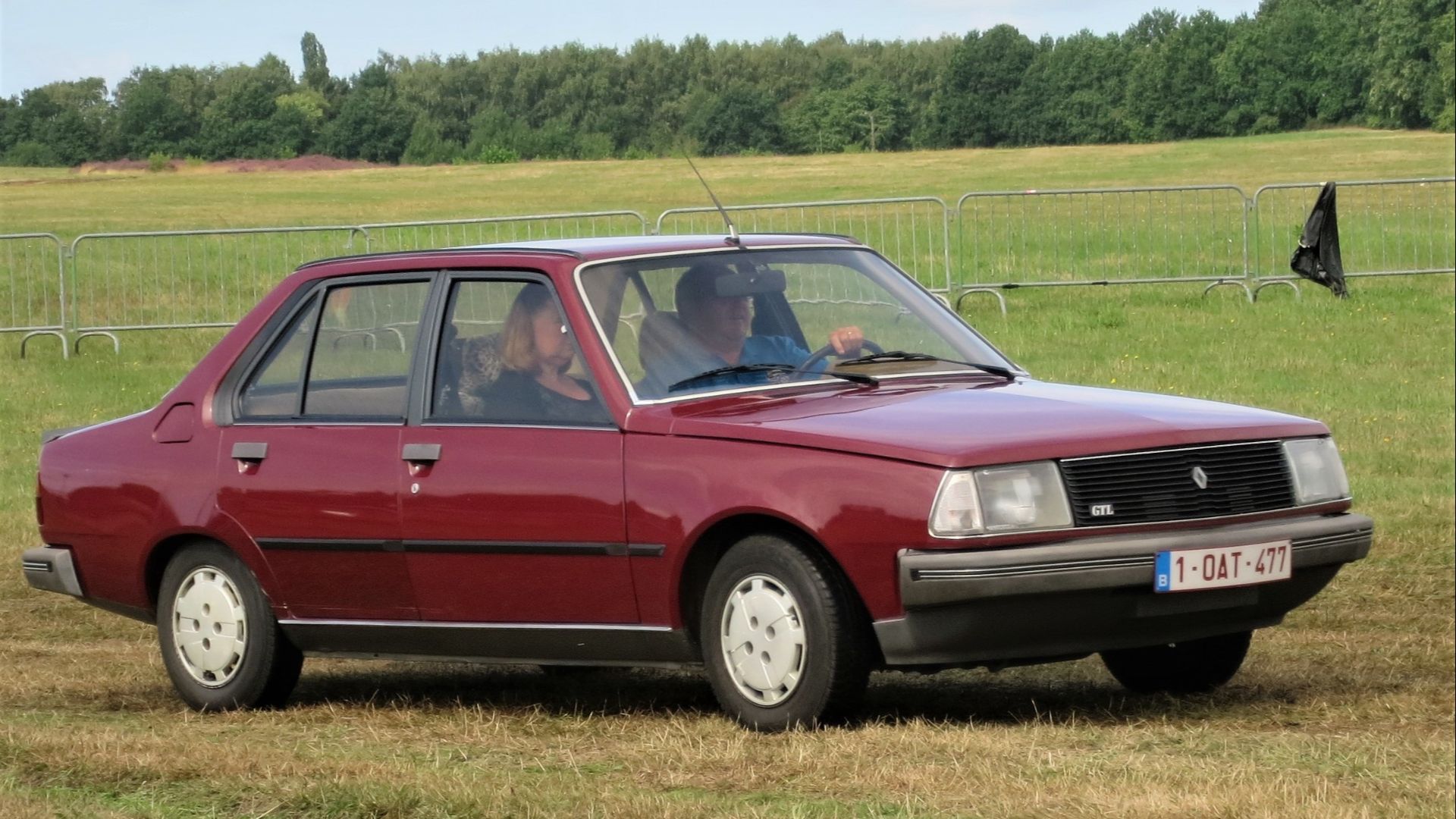
6. Renault 18
The Renault 18 was a thoroughly unremarkable family sedan that suffered badly from rust issues common to French cars of its era, with owners in wetter climates reporting serious corrosion within just a few years. It sold reasonably well on price alone, but it left almost no lasting impression once production ended.
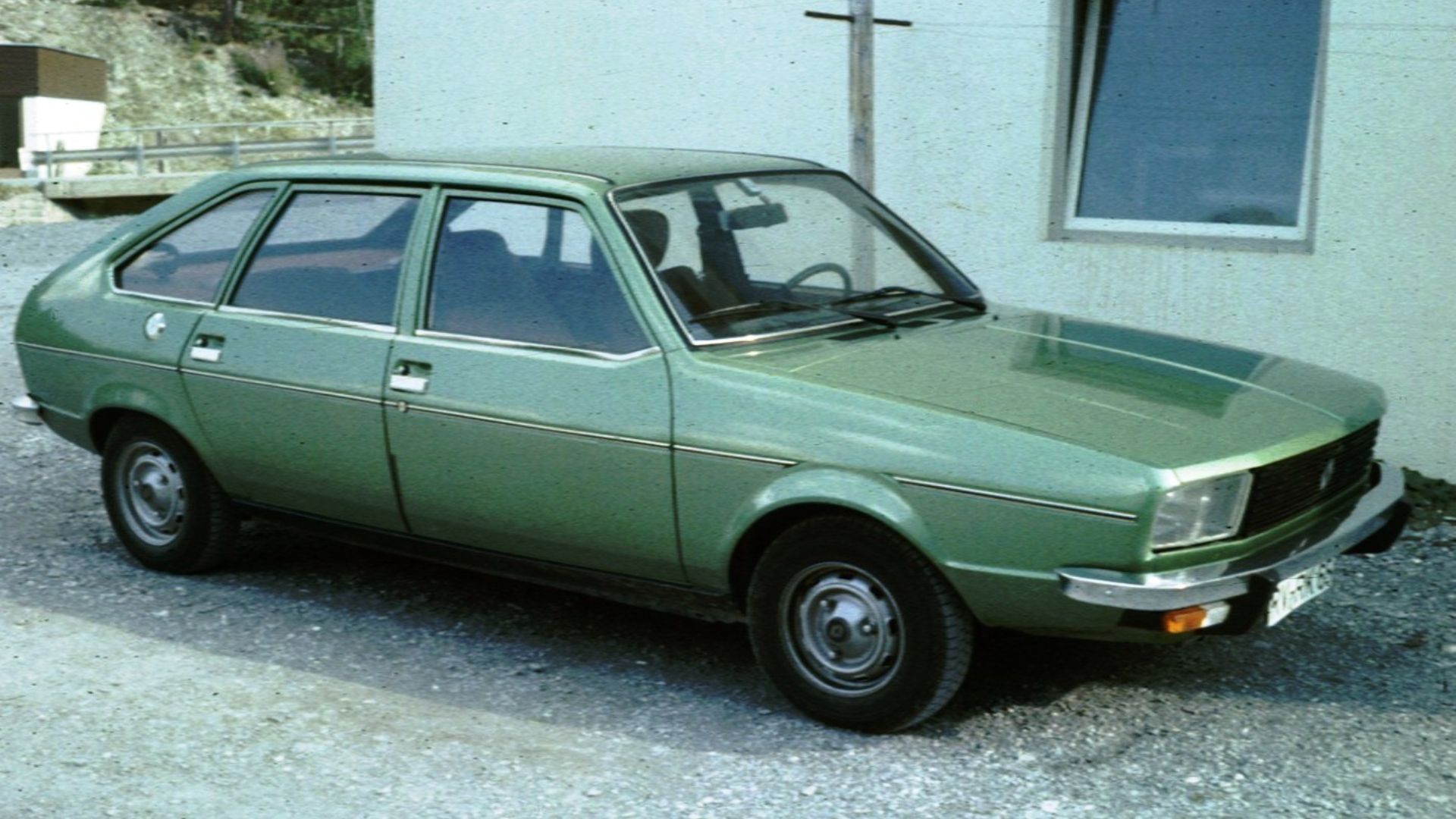
7. Renault 20/30
The 20 and 30 executive range shared a troubled PRV V6 engine with Peugeot and Volvo that developed a reputation for reliability headaches, undercutting whatever comfort and space the cars otherwise offered. They were meant to compete with German executive sedans and instead became a cautionary tale about badge-engineered engine partnerships.
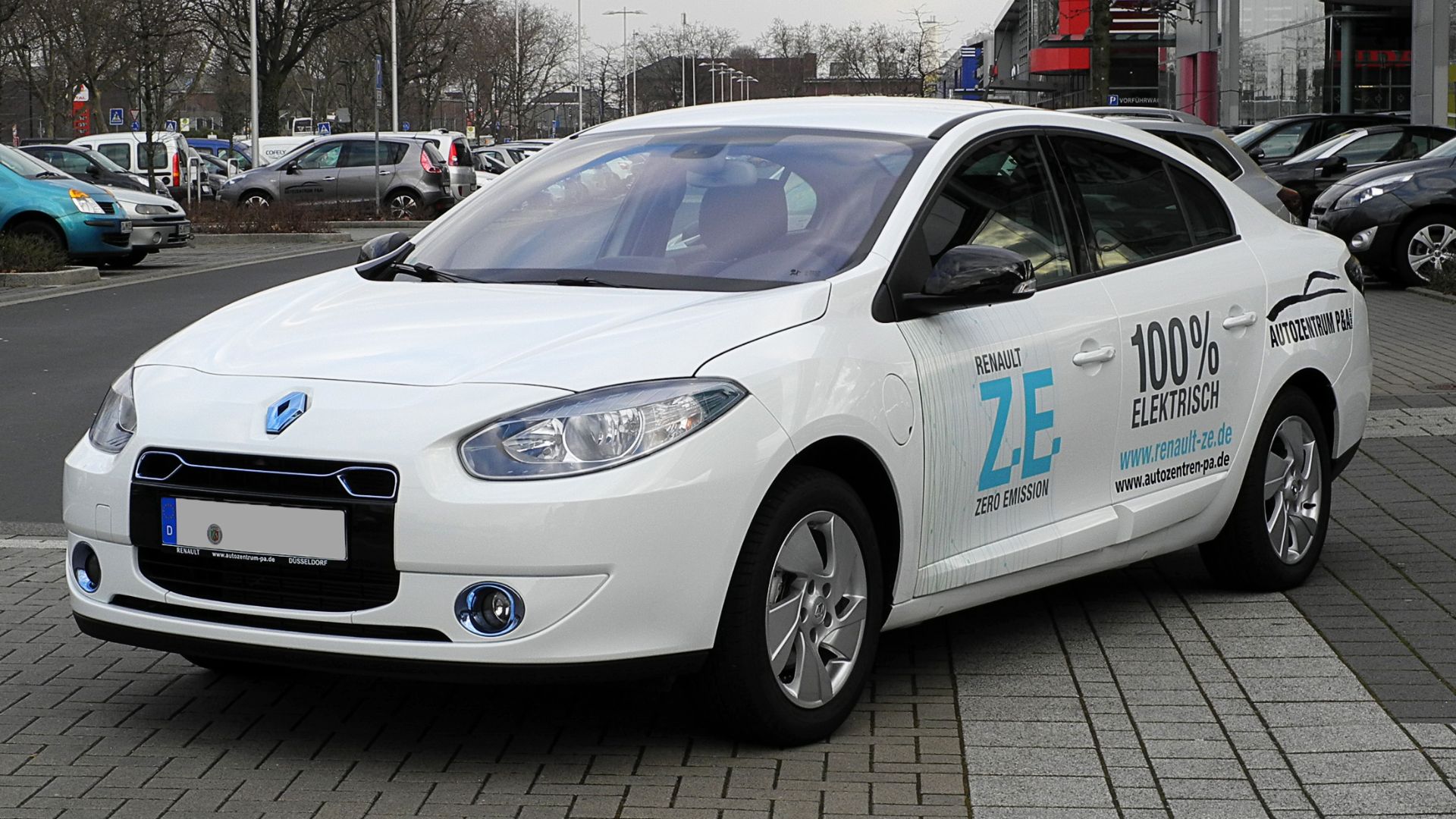
8. Renault Fluence Z.E.
The Fluence Z.E. was an early electric sedan built around a battery leasing scheme that confused buyers more than it reassured them, since the car and its battery were technically owned by two different parties. Limited range and a lineup that never expanded beyond a handful of markets meant it faded out with barely a footnote in Renault's EV history.
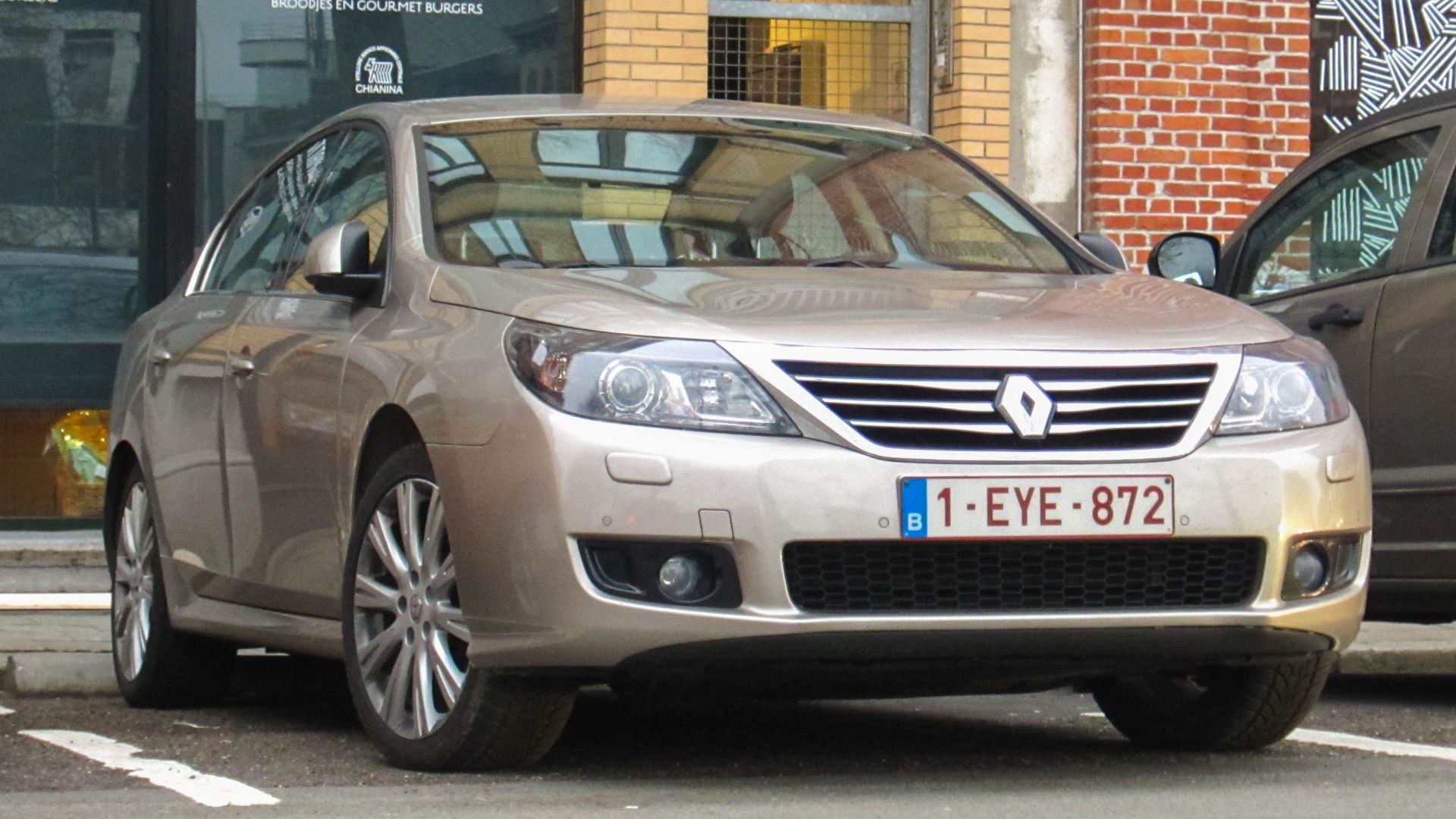
9. Renault Latitude
The Latitude was a rebadged Samsung SM5 brought over to fill a gap in Renault's sedan lineup, and it showed, with styling and a driving feel that never quite matched the rest of the brand's identity. It lasted only a few years in most markets before Renault quietly discontinued it without a direct replacement.
 Rutger van der Maar on Wikimedia
10. Renault Koleos Mk1
The first-generation Koleos arrived as Renault's attempt at a proper SUV, developed jointly with Samsung and Dacia, and it struggled with reliability complaints and a cabin that felt cheaper than its price suggested. It never built much of a following, and later Koleos generations quietly moved away from most of what defined the original.