A typical restoration shop helps an aging car look better, run more smoothly, or return to regular use. Specialists who work on museum-quality collectibles have a narrower and much more complicated job. Every repair can affect the historical evidence found in old paint, worn leather, handmade bodywork, and mechanical changes made decades ago. Their goal is to protect the car’s story while keeping the vehicle stable, understandable, and, in some cases, ready to run.
These restorers may work for museums, private collections, specialist companies, or programs that train the next generation of craftspeople. Their projects often include important racing cars, rare European classics, early automobiles, prototypes, and unusually original survivors. The finished car may eventually appear in a museum or at a concours event, though the real work begins much earlier, usually with a pile of records and a very close look at the car itself.
Choosing The Right History
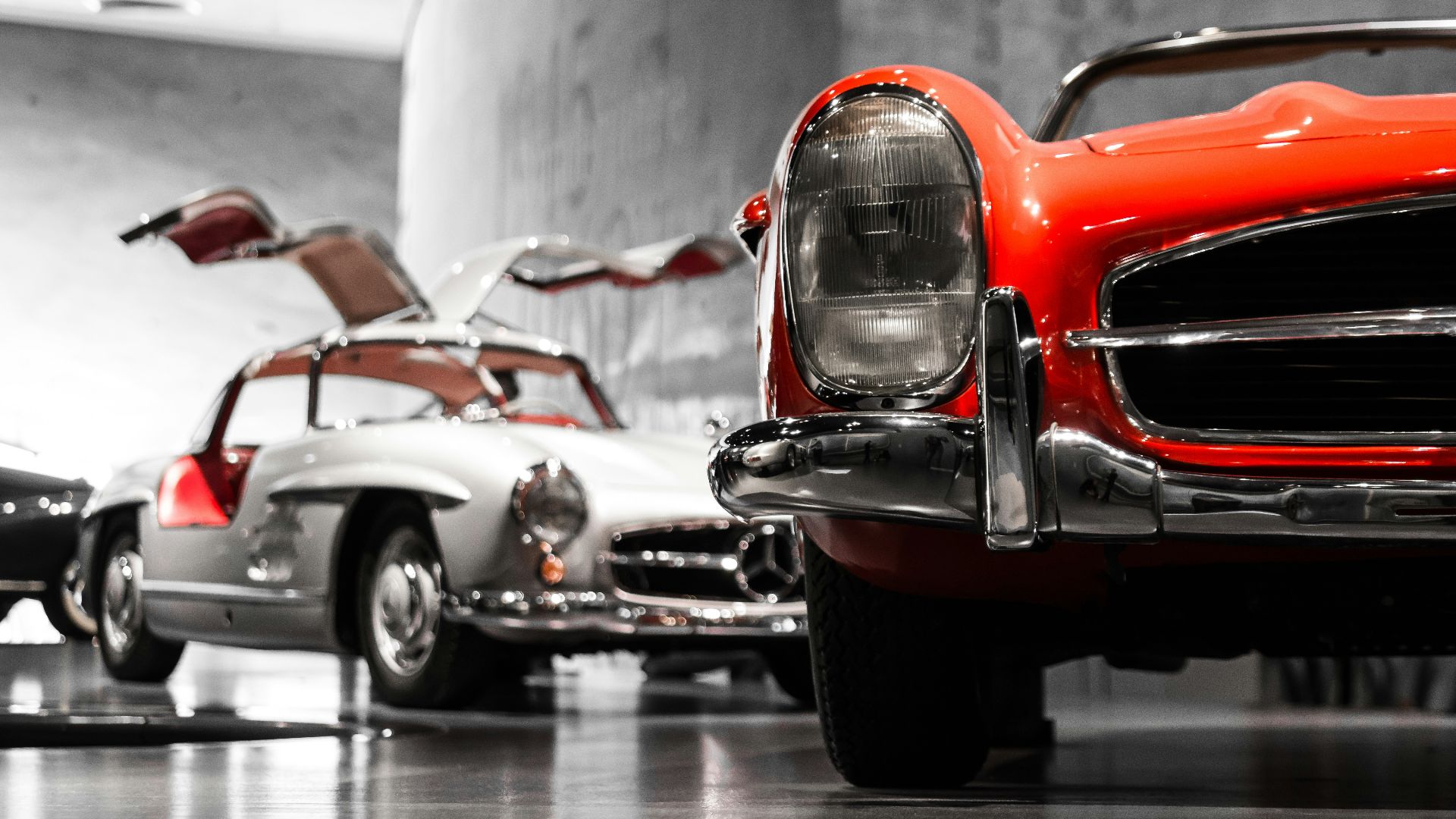
A historic car can have several authentic versions of itself. A racing machine may have used different engines, body panels, paint schemes, and suspension setups during its competitive life, while a road car may have received meaningful changes under a notable owner. The Hagerty Drivers Foundation has documented restorers using photographs, publications, racing records, surviving parts, and physical marks on a car to decide which period a project should represent. That choice affects almost everything the restoration team does next.
The evidence can be small, easy to miss, and even easier to break or remove by accident. An unused mounting hole may show where a bracket once sat, a lower layer of paint may reveal an earlier racing livery, and an old repair may connect the vehicle to a particular race or owner. A team that starts sanding, cleaning, or replacing parts too soon can wipe away clues that have survived for years. What looks like a random flaw at first may turn out to be an important piece of the car’s history.
Revs Institute supports this kind of work through a library and archives that cover marques, models, motorsports, automotive design, industry, and historic preservation. Its workshop also plans for the long-term care of its cars instead of treating each visit as a separate repair job. Written records, photographs, and close physical study help technicians understand what has changed and what still belongs to the vehicle’s earlier life.
Preservation
One of the hardest parts of restoring a museum collection is knowing when to leave something alone. Car restorers must decide between preservation, conservation, restoration, and repair, as each type of work serves a different purpose. Preservation protects a vehicle in its current condition, conservation stabilizes historic material, and restoration may replace missing areas to show an earlier version of the car. Those differences matter when a finish looks tired but still carries useful information about how the vehicle was built, used, or changed.
Pressure to restore historic vehicles has led to original surfaces and materials being replaced or altered. Conservation guidance explains that too much restoration can leave behind a generic example of a vehicle type instead of an unaltered historical document. The same guidance advises preserving original upholstery, decorative paint, and other surviving materials whenever possible. A cracked seat, faded finish, or chipped racing number may look imperfect, but each one can hold information that a new replacement can’t reproduce.
This approach is also recognized at major concours events. Pebble Beach Concours d’Elegance says its class judges pay close attention to originality and authenticity, including whether a vehicle has been correctly preserved or restored. A carefully conserved survivor and a fully restored car can both succeed, though they’re valued for different reasons. The right choice depends on the individual vehicle, the original material that remains, and the part of its history the work is meant to protect.
The Craft
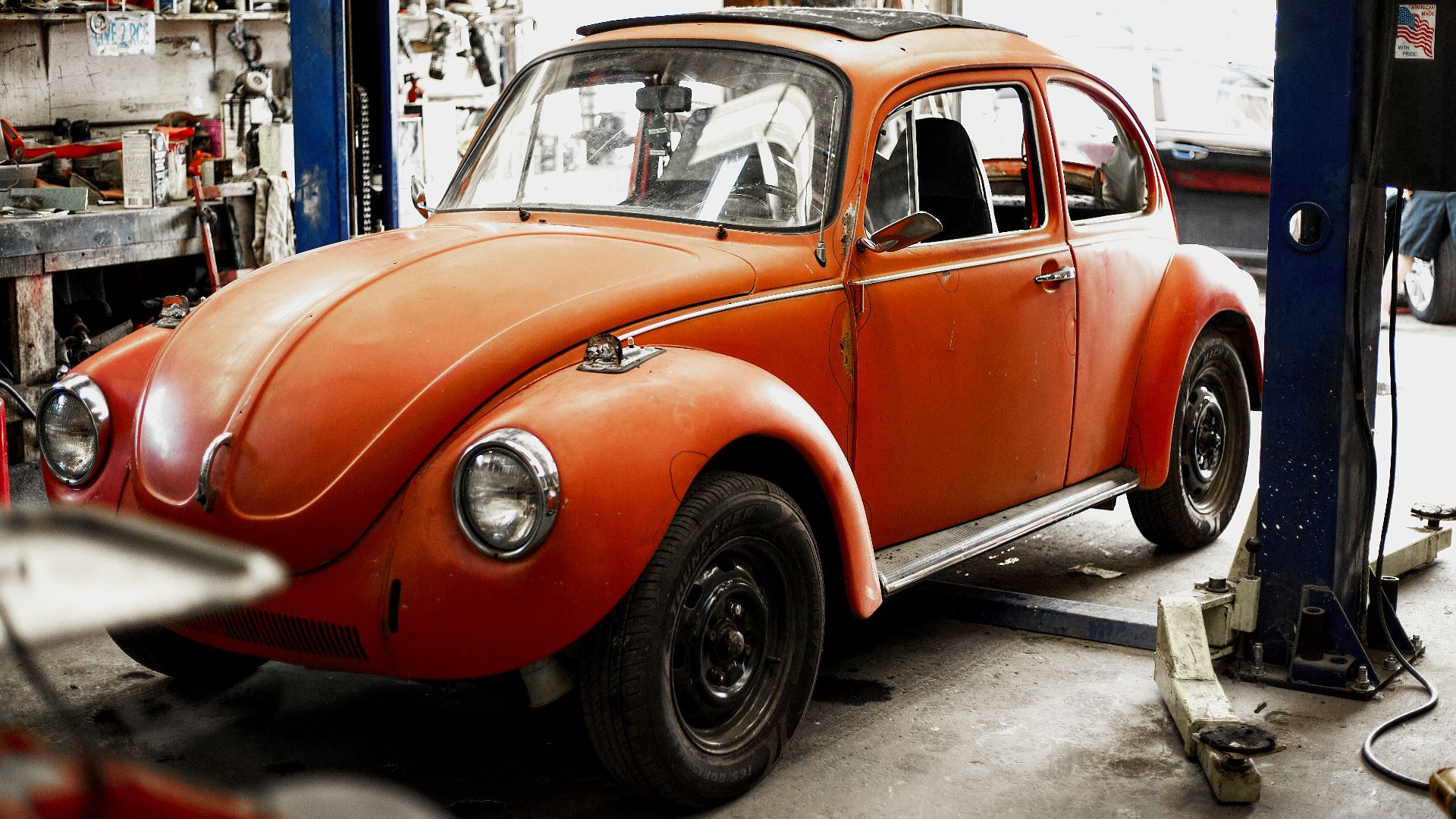
Museum-quality restoration takes a team with a wide range of skills. The Paul Russell and Company workshop includes separate areas for mechanical work, machining, coachbuilding, bodywork, painting, and upholstery. Through its restoration services, the company says each component is examined and then reused, rebuilt, or replaced only as a last resort, with close attention to original materials and construction details. One finished car may reflect the work of researchers, metal shapers, engine builders, painters, trimmers, machinists, and parts specialists.
Some of the smallest details can take the most time. A handmade body panel may not match the same panel on another car of the same model, and a replacement interior can still look wrong. Restorers may compare factory information, period photographs, surviving vehicles, and the physical evidence in front of them before making or installing a part.
Passing these skills to younger craftspeople has become part of preserving the cars themselves. McPherson College’s automotive restoration program gives students hands-on training for careers in the collector-car field, and in 2023, a 1953 Mercedes-Benz 300 S Cabriolet restored by McPherson students placed second in its class at the Pebble Beach Concours d’Elegance. Museum collectibles may also have lives beyond static display, since Revs Institute says it regularly exercises its cars, driving road vehicles on public streets and limiting racing cars to controlled settings such as parking-lot laps, test days, or selected historic events. The people who care for these cars preserve more than polished bodywork. They keep alive the knowledge of how the machines were built, maintained, driven, and understood.