 JOHN LLOYD from Concrete, Washington, United States on Wikimedia
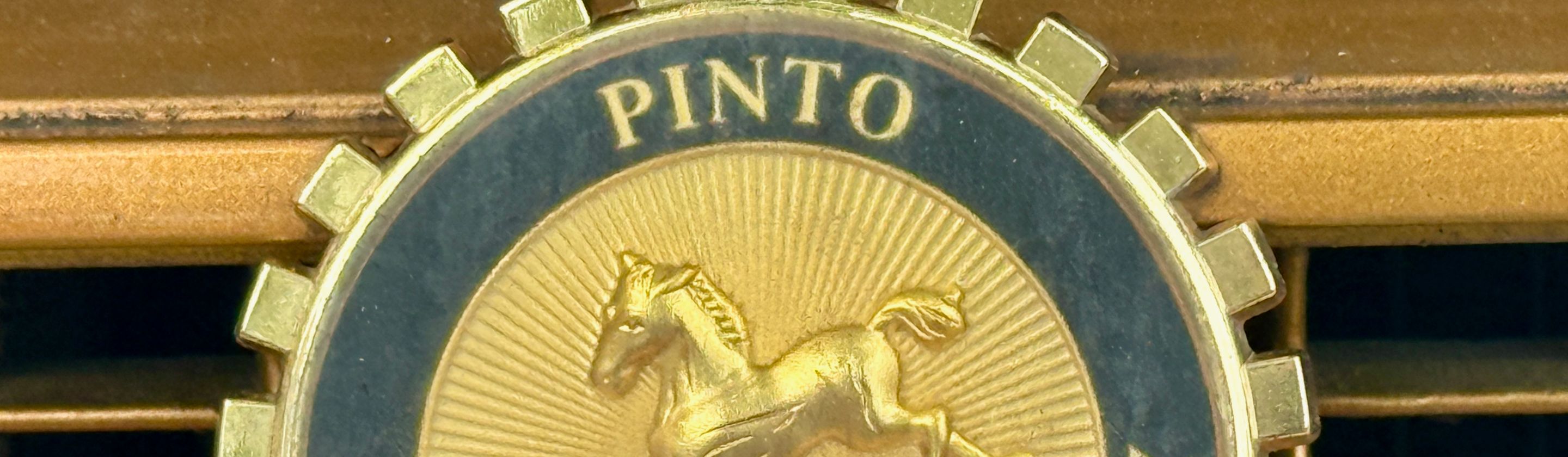
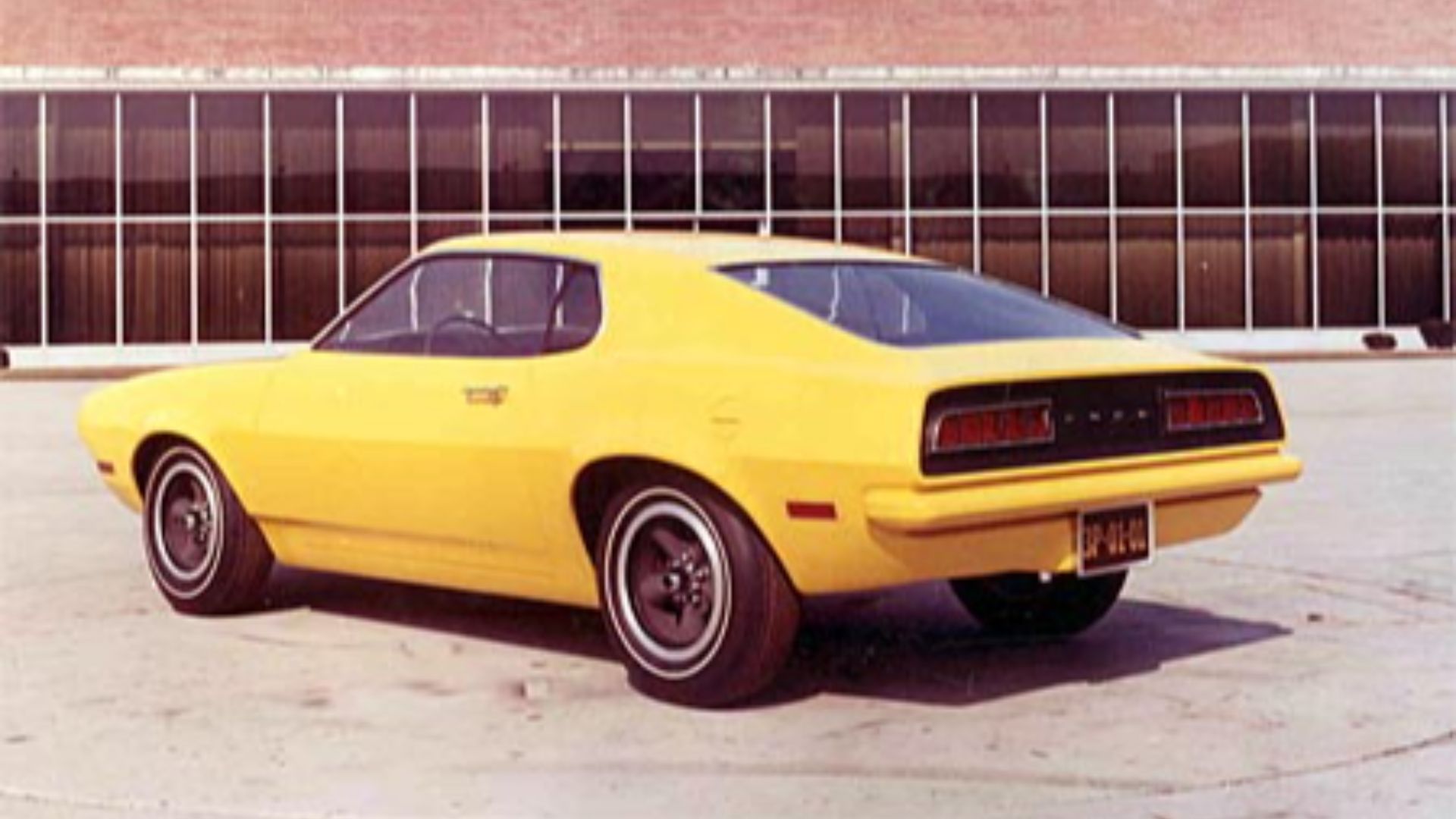
A single internal document turned a mid-priced subcompact car into one of the most cited case studies in American corporate history. The Ford Pinto itself was an unremarkable little car built to compete with cheaper Japanese imports in the early 1970s, priced under two thousand dollars and weighing under two thousand pounds. What made it infamous had almost nothing to do with how it drove and everything to do with a piece of paper that surfaced years after it hit dealer lots.
That paper became known as the Pinto memo, and it did something few internal corporate documents ever manage. It put an actual dollar figure on a human life, then used that figure to argue against spending eleven dollars per car on a safety fix. Once lawyers and journalists got hold of it, the math itself became the scandal.
A Fuel Tank Built To Save Nine Pounds And Two Inches
Ford designed the Pinto's fuel tank to sit behind the rear axle, tucked close to the rear bumper, a placement that saved cargo space and manufacturing cost compared with alternatives used on some other cars. Engineers reportedly flagged the vulnerability during crash testing before the car ever reached production, noting that a rear-end collision at even moderate speed could rupture the tank and spark a fire. Fixing the weak point would have meant adding a shield or a rubber bladder liner around the tank, either of which raised the per-unit cost.
Former Ford engineer Harley Copp later testified in court that senior management understood the risk well before the Pinto went on sale and chose to proceed with the existing design anyway. Company leadership was under real pressure at the time, racing to get the car to market on an unusually tight production schedule set by president Lee Iacocca. Every added part meant added weight, added cost, and a delay nobody wanted on a car built around a strict price target.
None of that alone would have made national news. Plenty of cars from that era carried design compromises that only became public knowledge decades later, buried in engineering files nobody outside the company ever saw. What changed everything for the Pinto was a single internal analysis that made its way into a courtroom and, from there, into the public record.
The Spreadsheet That Ran The Numbers On Human Life
In 1973, Ford prepared an internal report titled Fatalities Associated With Crash Induced Fuel Leakage And Fires, written in response to a fuel system safety rule the federal government was considering for the entire auto industry. The document never mentioned the Pinto by name, since it was meant to apply across Ford's lineup and, by extension, every other manufacturer facing the same proposed regulation. That distinction got lost almost entirely once the memo entered public conversation.
The numbers inside were stark regardless of intent. Fixing the fuel system across an estimated eleven million cars and one and a half million light trucks would run about eleven dollars per vehicle, adding up to roughly one hundred thirty seven million dollars total. Preventing the fires the fix was meant to stop, according to Ford's own projections, would save around one hundred eighty lives, prevent another one hundred eighty serious burn injuries, and avoid roughly twenty one hundred vehicle losses each year.
Ford valued each life at two hundred thousand dollars and each serious injury at sixty seven thousand dollars, figures pulled from a National Highway Traffic Safety Administration formula rather than invented internally. Multiplying those out produced a benefit of roughly forty nine and a half million dollars, well short of the fix's price tag. On paper, the math argued against the regulation. In the hands of a jury years later, that same math read as a company weighing burned bodies against a budget line.
How A Courtroom And A Magazine Turned A Memo Into A Scandal
The memo's real turning point came through Grimshaw v. Ford Motor Company, a lawsuit stemming from a 1972 crash near San Bernardino, California, where a Pinto driven by Lilly Gray was struck from behind at under thirty miles an hour. The car's fuel tank ruptured and caught fire, killing Gray and leaving her thirteen year old passenger, Richard Grimshaw, with severe, disfiguring burns that required years of surgery. Plaintiffs' attorneys introduced the cost-benefit memo at trial, and jurors awarded Grimshaw over two and a half million dollars in compensatory damages plus a punitive award of one hundred twenty five million dollars, later reduced by the judge but still one of the largest such awards on record at the time.
A 1977 Mother Jones article by Mark Dowie brought the memo to a mass audience for the first time, framing it in blunt terms that stuck permanently in public memory. Regulatory pressure followed quickly, and Ford recalled roughly one and a half million Pintos and related Mercury Bobcats in 1978 to modify the fuel system. The company also faced a rare criminal prosecution in Indiana over three deaths in a separate Pinto fire, though a jury ultimately acquitted Ford in that case.
Legal scholars have since complicated parts of the popular version of events. A widely cited 1991 review by Gary Schwartz in the Rutgers Law Review found that the memo's actual scope was broader than the Pinto alone, and that some of the death tolls attributed to the car in press coverage ran higher than what investigators could substantiate. None of that changes what the memo actually said or how it got used in court, and it remains one of the clearest documented instances of a company running the numbers on human life and deciding the fix cost too much.