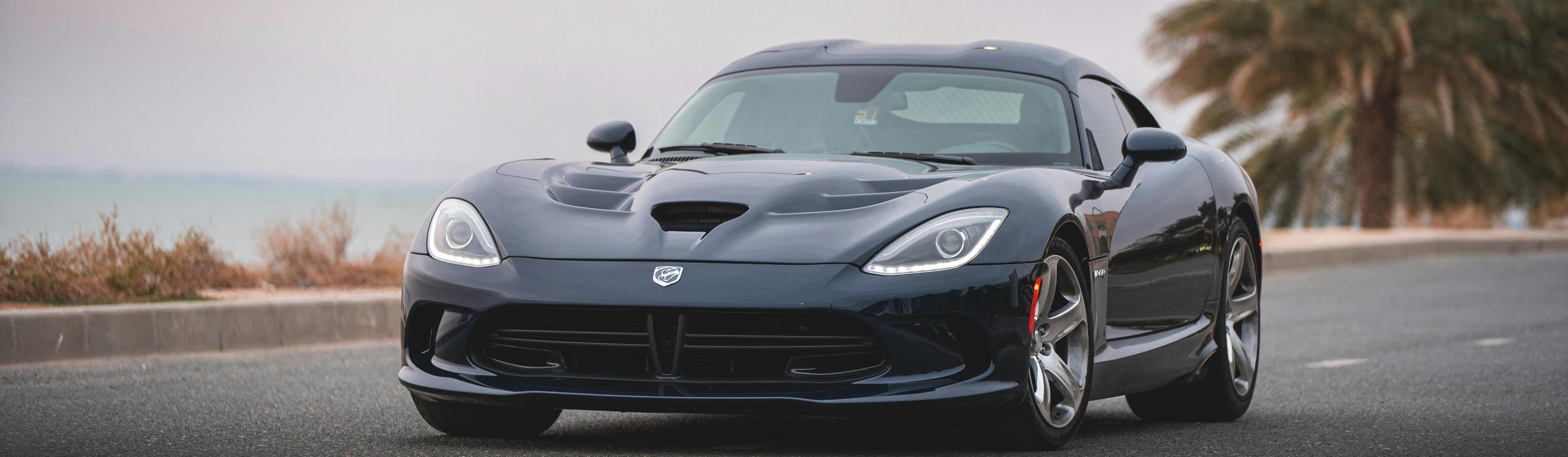

Ceramic coating has become one of the most heavily promoted services in modern car care, with advertisements promising unmatched shine, effortless cleaning, and years of paint protection. The treatment does provide real advantages, particularly for owners who want a glossier finish and easier maintenance. However, understanding the reality behind ceramic coating claims requires separating its proven strengths from expectations no liquid product can reasonably meet.
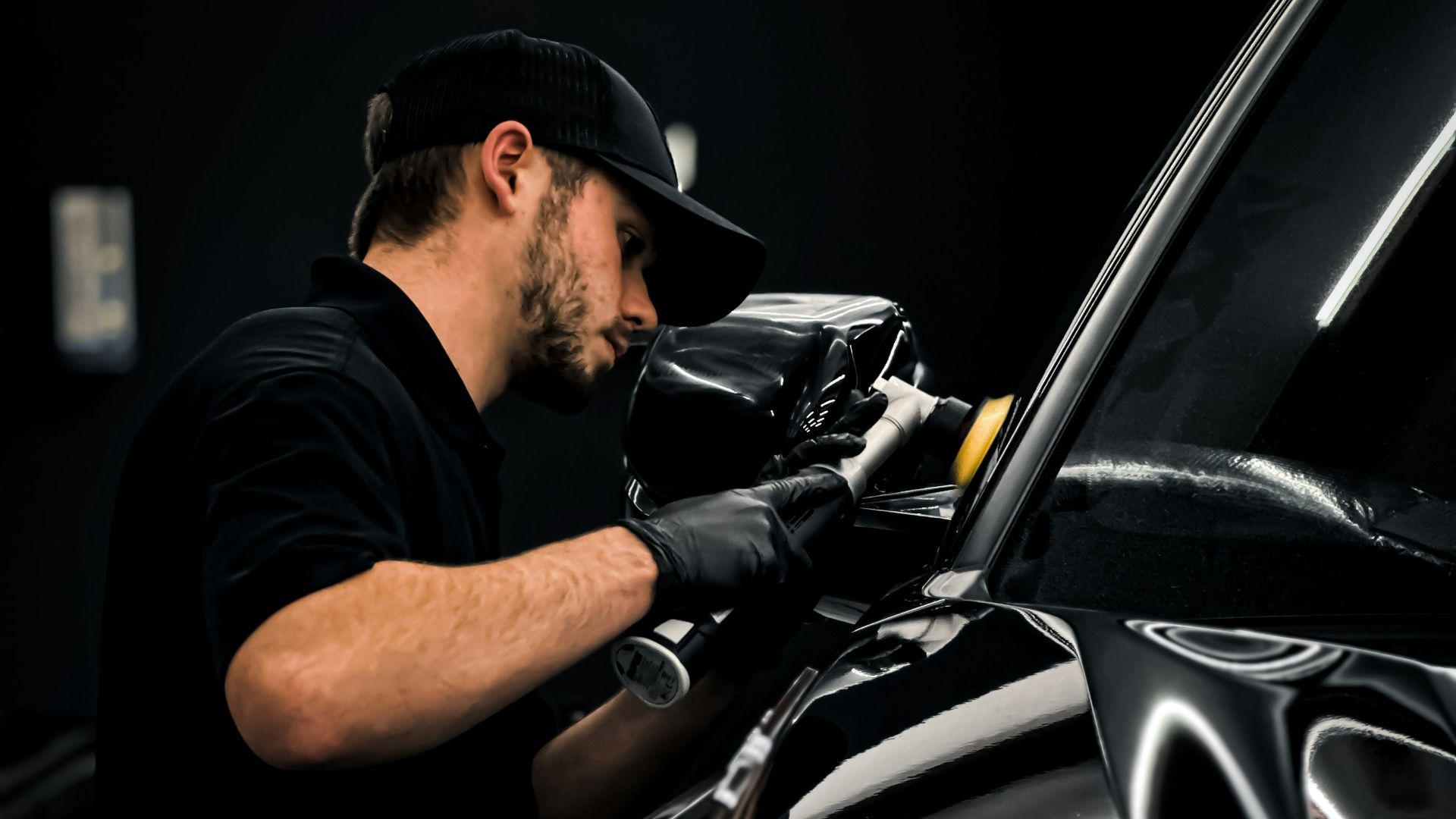
Unlike traditional wax, a genuine ceramic coating cures into a thin protective layer that bonds with a vehicle’s clear coat. Most formulas contain silicon dioxide or related compounds that create a slick, water-repellent surface once properly applied. That chemical resistance and durability can be valuable, but the finished layer is still extremely thin and won’t turn ordinary automotive paint into an indestructible exterior.
What Ceramic Coating Actually Does Well
Water repellency is the feature most drivers notice immediately because rain gathers into rounded beads and moves across the surface more easily. Dirt, road film, and other contaminants have greater difficulty clinging firmly to the slick finish, which can make routine washing less demanding. The coating doesn’t clean the vehicle by itself, but grime may require less agitation to remove than it would from unprotected paint.
A properly prepared and coated surface can also display greater gloss and visual depth. This improvement occurs partly because professional preparation usually includes decontamination and paint correction before the coating is applied. Scratches, oxidation, and swirl marks must be addressed first, since the transparent product won’t conceal major defects and may instead make them easier to notice.
Chemical resistance offers another practical benefit, especially against bird droppings, insect residue, tree sap, road salt, and certain environmental pollutants. The coating creates an additional barrier between those substances and the factory clear coat, giving owners more time to remove them safely.
Where the Marketing Gets Carried Away
Ceramic coating doesn’t provide meaningful protection against rock chips, door impacts, deep scratches, or parking-lot damage. Its cured layer is far too thin to absorb the force produced by gravel striking a vehicle at highway speed. Paint protection film is better suited to impact defense because its thicker, flexible material can absorb forces that a rigid liquid coating can’t handle.
Claims about scratch resistance also require careful interpretation because resistance isn’t the same as immunity. A coating may reduce very light marring caused by gentle contact, but poor washing methods can still produce visible swirls. Automatic brushes, dirty wash mitts, abrasive towels, and careless drying techniques remain capable of damaging the coating and the clear coat beneath it.
The frequently advertised “9H” rating can sound as though the finish has become nearly as hard as a gemstone. In most automotive coating discussions, however, the label refers to a pencil hardness test rather than the Mohs mineral scale. It may indicate resistance to controlled surface marking, but it doesn’t mean the coating can withstand keys, branches, shopping carts, or deliberate scratching.
Application and Maintenance Determine the Results
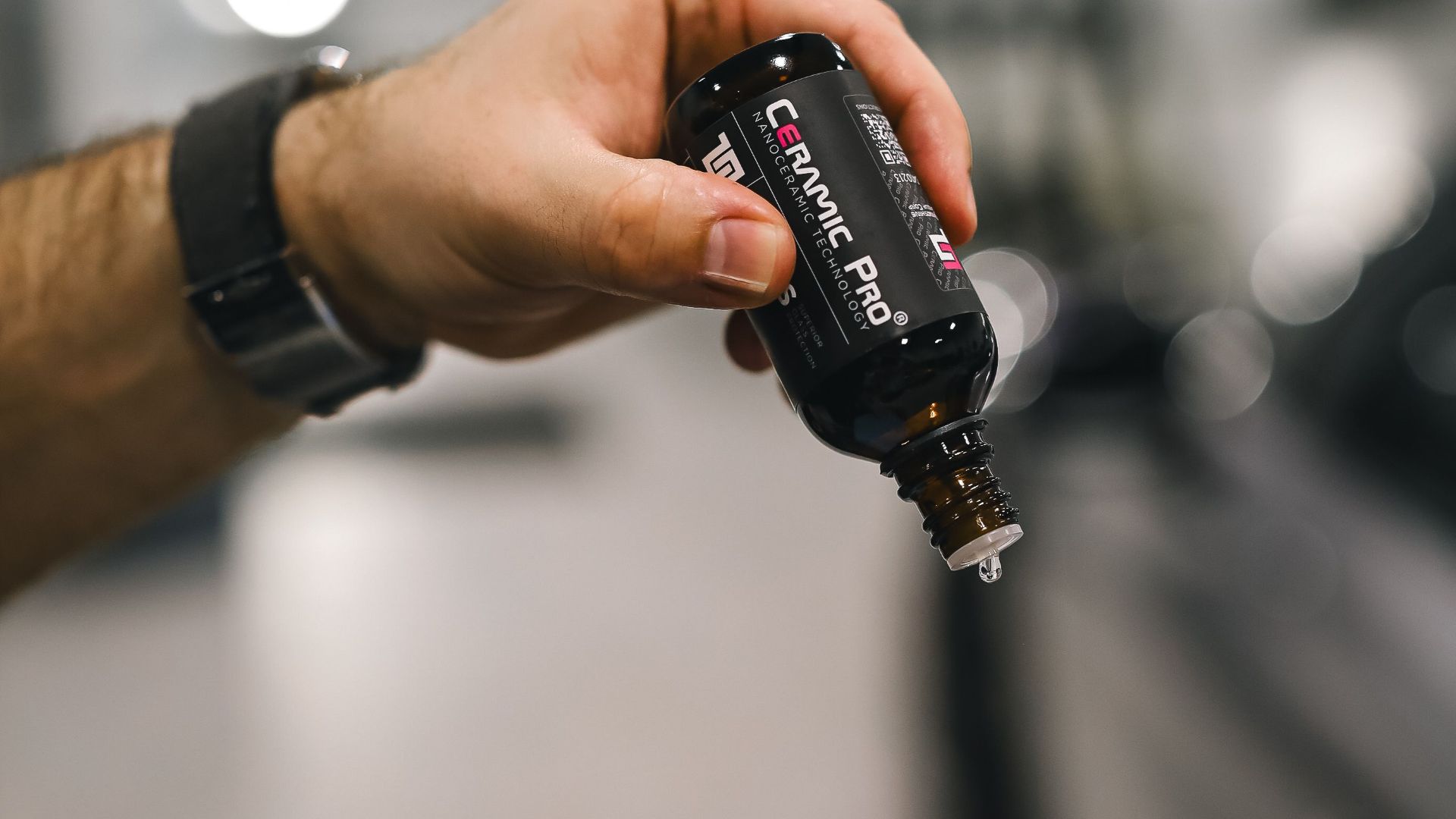
Surface preparation is often more important than the coating itself because the product locks in the condition of the paint underneath it. A professional detailer may spend hours washing, removing bonded contaminants, polishing imperfections, and eliminating oils before application begins.
Application conditions also affect how well the product cures. Temperature, humidity, lighting, ventilation, and timing must be controlled carefully, particularly with professional-grade formulas that begin hardening quickly. Applying too much product or waiting too long before leveling it can leave dark patches that may require machine polishing to remove.
Even a successfully installed coating needs regular care rather than complete neglect. Owners should wash the vehicle with suitable products, avoid harsh chemicals, remove contamination promptly, and occasionally use approved maintenance treatments.
Deciding Whether the Expense Makes Sense
Professional ceramic coating can be expensive because the price generally includes preparation, correction, specialized products, controlled application, and considerable labor. A newer vehicle with paint in excellent condition may require less correction, while a neglected finish can demand many additional hours.
Do-it-yourself coatings offer a lower-cost alternative, although their durability and application requirements vary substantially. Modern consumer products can provide strong water behavior and attractive gloss, but users must follow preparation and curing instructions closely.
The service makes the most sense for someone who values appearance, washes regularly, and wants maintenance to be more manageable. It may offer less value to a driver expecting complete scratch protection or freedom from future cleaning. Owners primarily concerned about stone chips may benefit more from applying paint protection film to vulnerable areas, with ceramic coating added for gloss and easier washing.
Ceramic coating isn’t a useless gimmick, but it also isn’t the permanent force field suggested by some enthusiastic advertising. Its genuine advantages include water repellency, chemical resistance, enhanced gloss, and easier maintenance, provided that preparation and aftercare are handled correctly. Once the exaggerated promises are removed, it becomes a worthwhile paint-care option for the right owner rather than a miracle product every vehicle automatically needs.