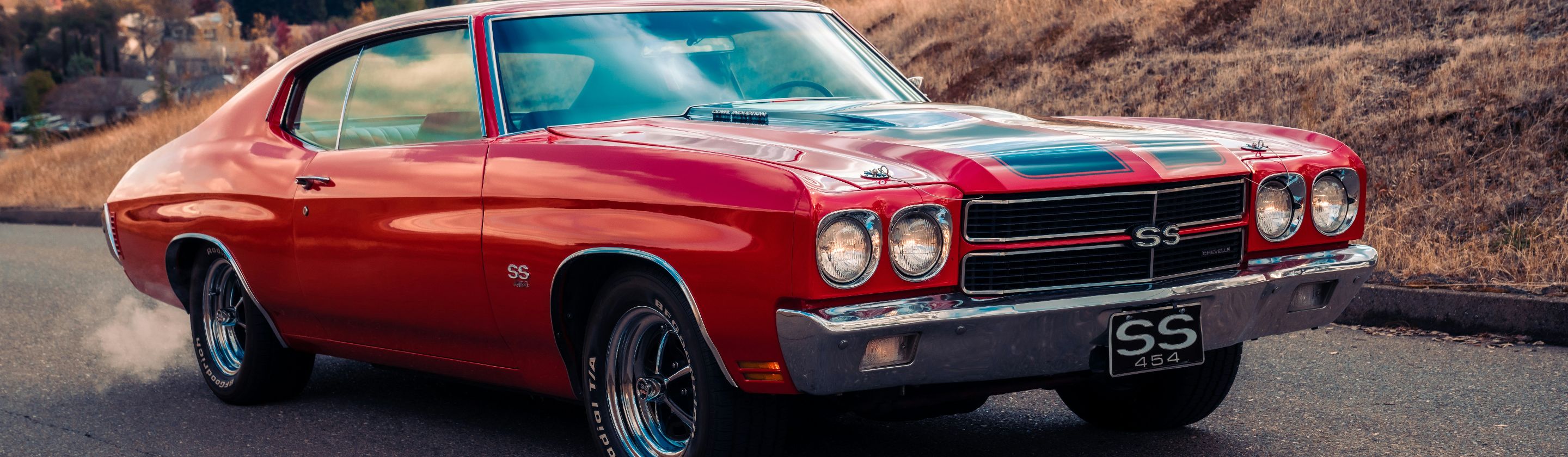

The classic American muscle car has become one of the most celebrated symbols of automotive history. Powerful V8 engines, bold styling, and affordable performance helped define an era that stretched from the mid-1960s into the early 1970s. Cars like the Pontiac GTO, Dodge Charger, Chevrolet Chevelle SS, Plymouth Road Runner, and Ford Mustang captured the imagination of enthusiasts who wanted speed without the price tag of an exotic sports car.
Looking back, it can seem as though the muscle car era disappeared almost overnight. While the change wasn't caused by a single event, several major developments arrived within just a few years and dramatically reshaped the automotive industry. Rising insurance costs, stricter emissions regulations, new fuel economy concerns, and the 1973 oil crisis combined to bring an end to what many consider the golden age of muscle cars.
Rising Costs Changed The Rules Of Performance

By the late 1960s, muscle cars had become faster and more powerful than ever before. Manufacturers competed by offering increasingly larger engines and higher horsepower ratings, creating what enthusiasts often call the horsepower wars. Buyers benefited from this competition, but it also attracted growing attention from regulators, insurance companies, and safety advocates.
Insurance companies began noticing that many high-performance cars were being purchased by younger drivers, who statistically faced higher accident risks. As a result, premiums for powerful models increased substantially in the early 1970s. For many potential buyers, the cost of insuring a muscle car became almost as significant as the purchase price itself.
Automakers also faced changing federal safety requirements. Throughout the late 1960s and early 1970s, new regulations required improvements such as energy-absorbing steering columns, side marker lights, stronger occupant protection, and later, impact-resistant bumpers. These changes improved vehicle safety but also increased development costs and added weight to many models.
At the same time, manufacturers began reevaluating their priorities. Instead of focusing solely on maximum horsepower, engineers had to balance performance with durability, emissions compliance, safety, and fuel efficiency. That shift marked the beginning of a very different chapter in American automotive design.
Emissions Rules And The Oil Crisis Changed Everything
One of the biggest turning points came with the introduction of stricter emissions regulations in the United States. The federal Clean Air Act of 1970 established ambitious goals for reducing vehicle emissions, encouraging manufacturers to redesign engines and install new emissions-control technologies. These changes were important for improving air quality, but they also affected engine performance during the early years of implementation.
Many manufacturers lowered engine compression ratios so vehicles could operate on unleaded gasoline, which became necessary with the introduction of catalytic converters on most new passenger cars beginning with the 1975 model year. Lower compression reduced the likelihood of engine knocking while helping meet emissions requirements, but it also contributed to lower power output compared with the high-compression engines of the late 1960s.
Another factor that created the impression of declining performance involved horsepower ratings themselves. Beginning with the 1972 model year, most American manufacturers switched from reporting gross horsepower to net horsepower. Net horsepower measured engines with production accessories and exhaust systems installed, producing lower but more realistic figures than the earlier gross ratings.
Then came the 1973 oil crisis, which dramatically changed consumer priorities almost overnight. Fuel shortages and long lines at gas stations encouraged many buyers to consider smaller, more fuel-efficient vehicles instead of large-displacement performance cars. While muscle cars didn't disappear immediately, the market that had fueled their rapid growth changed remarkably fast.
The End Of One Era Led To Another
Although many enthusiasts remember the early 1970s as the end of the muscle car era, performance never completely disappeared. Manufacturers continued producing sporty models throughout the decade, but they emphasized different qualities than the high-horsepower machines that had dominated just a few years earlier. Handling, comfort, and improved drivability became increasingly important as technology evolved.
Advances in engine management eventually helped performance return. Electronic fuel injection, computerized engine controls, and improved ignition systems allowed manufacturers to produce cleaner engines without sacrificing nearly as much power as earlier emissions equipment had required. By the 1980s and especially the 1990s, performance cars were once again becoming quicker while also meeting stricter environmental standards.
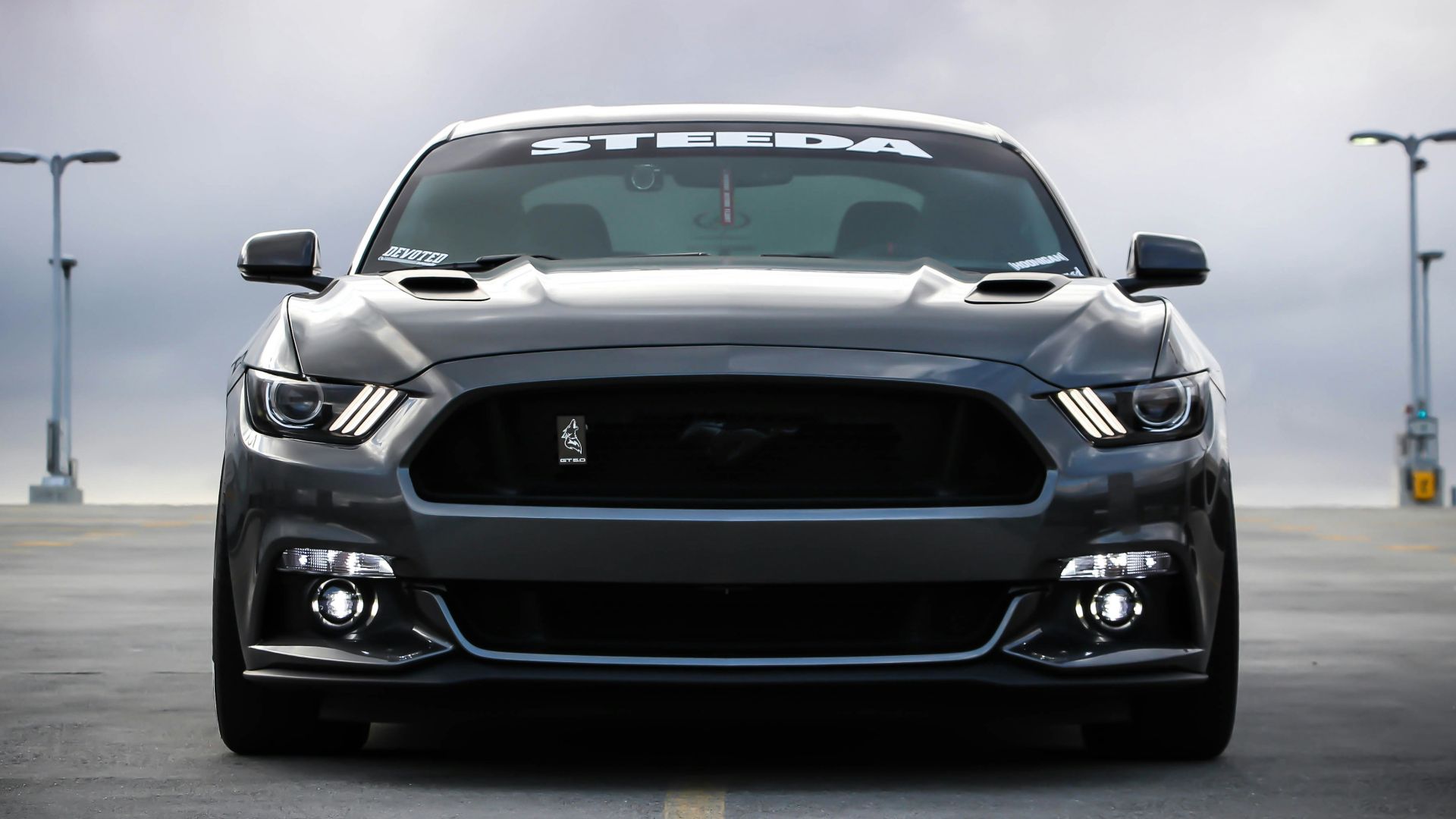
The muscle car itself eventually experienced a remarkable revival. Beginning in the early 2000s, manufacturers introduced modern interpretations of classic models, including the Ford Mustang, Dodge Challenger, and Chevrolet Camaro. These vehicles combined nostalgic styling with advanced engineering, offering impressive horsepower alongside modern safety features, better fuel management, and significantly improved reliability.
Perhaps the biggest lesson from the end of the original muscle car era is that it wasn't truly an ending at all. Instead, it marked a transition driven by changing regulations, economic realities, and advances in automotive technology. The legendary cars of the 1960s and early 1970s remain icons because they captured a unique moment in history, but their influence continues to shape performance vehicles today. If you climb into a modern muscle car, you'll still find the spirit of that golden age, only refined by decades of engineering progress and changing expectations.