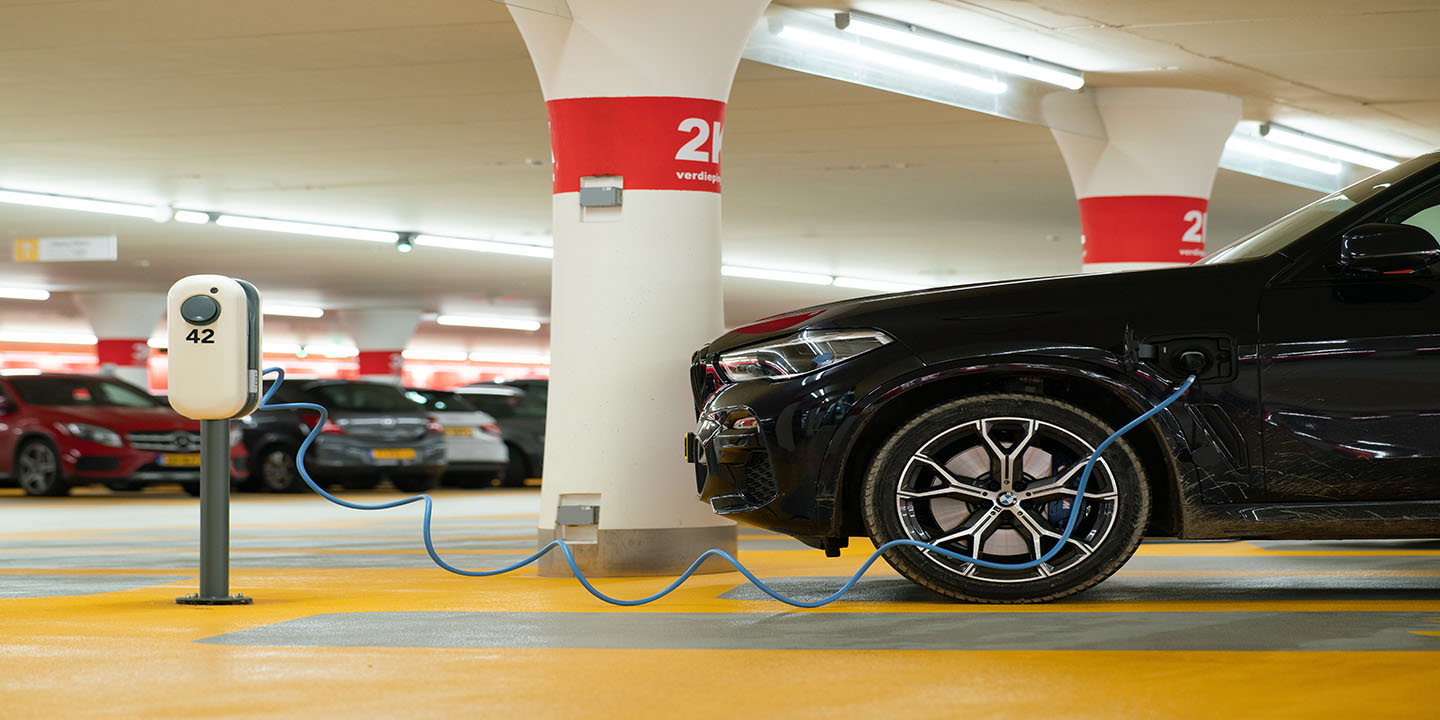
Old Habits Die Hard
Cars have gotten quieter, smoother, and far more electronic than they used to be, and that shift has changed the emotional experience of driving in ways most people never consciously notice. The mechanical noises that once told you what the engine, transmission, or controls were doing have faded away or vanished outright. So automakers add sound back in, sometimes purely for safety, sometimes just to make a two-ton box of metal and circuitry feel alive under your hands. A few of these effects come entirely from speakers. Others start as real sounds that get boosted, cleaned up, or reshaped until they hit just the right note. Here are 20 examples of the surprising amount of craftsmanship hiding behind the noises you hear every time you turn the key, or these days, just sit down and go.
1. Engine Notes Through the Speakers
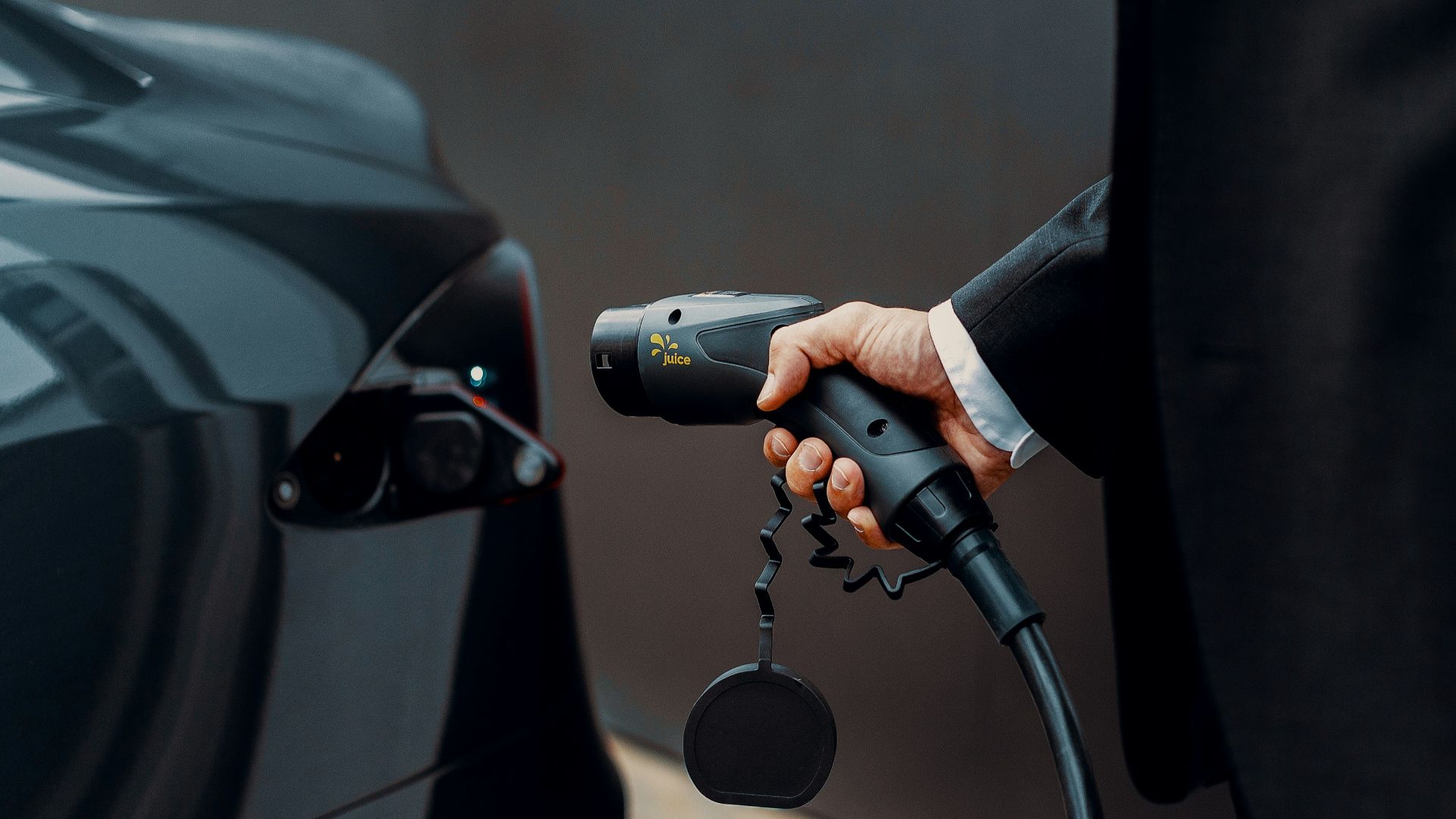
Modern soundproofing is so effective that flooring the accelerator in some cars barely raises the volume inside the cabin. To compensate, automakers pipe a curated version of the engine note through the stereo system, amplifying the exciting parts of the sound while filtering out the harsh droning sound.
2. An Amplified Intake Growl
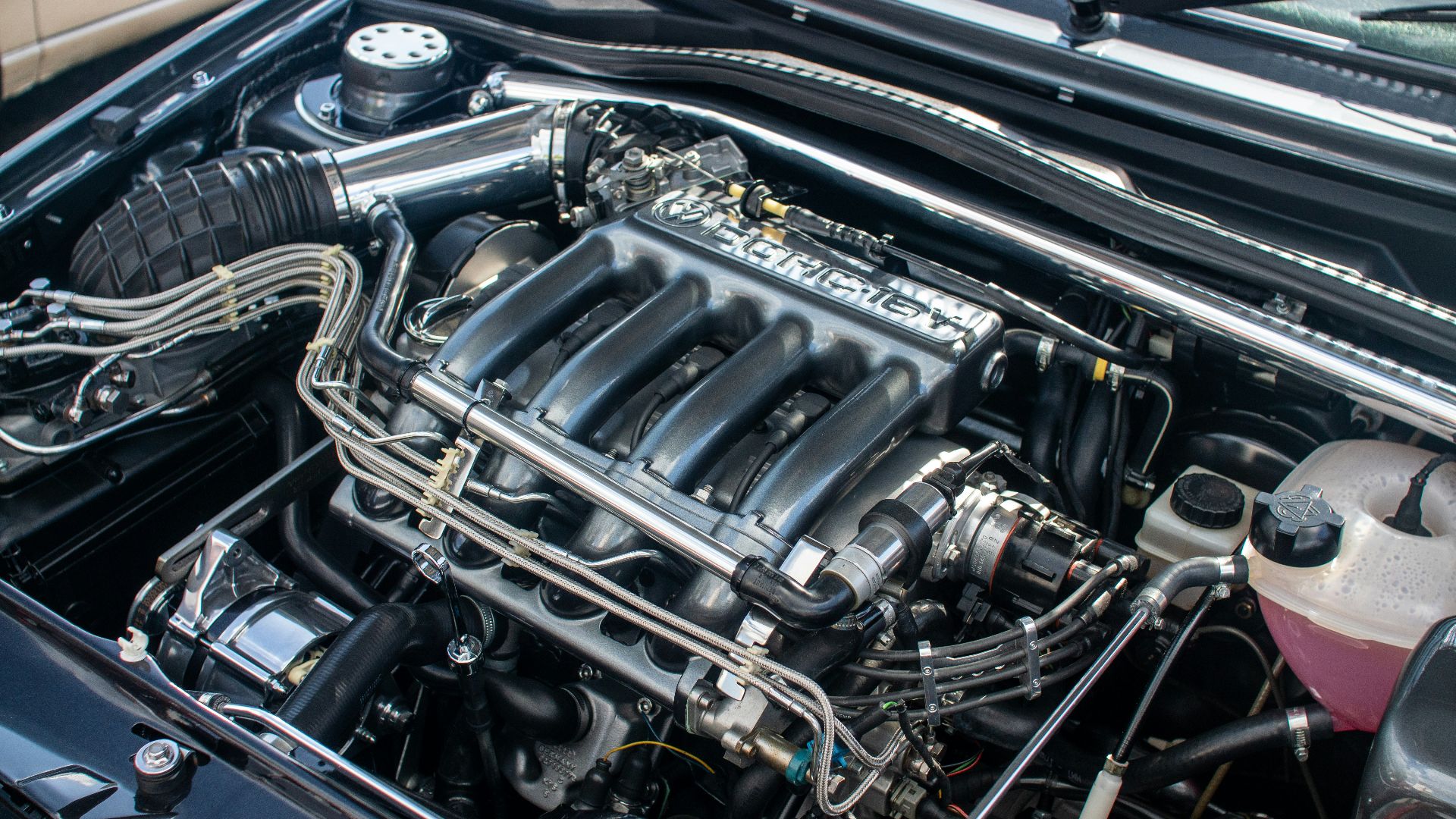
That satisfying rush of air during hard acceleration is often louder than it has any right to be. Engineers channel and boost the natural sound of air entering the engine, making it more prominent inside the cabin exactly when you're asking for maximum power. It's a way to make the throttle feel more dramatic without needing a permanently loud exhaust.

3. Speaker-Generated Exhaust Burble
Those playful pops and crackles when you lift off the throttle aren't always coming from the tailpipe. Many performance cars recreate that motorsport-style burble through the cabin speakers, giving drivers a little burst of theater as the car slows down. It delivers the fun without relying on real, fuel-wasting combustion events under the hood.
4. Electric Acceleration Soundtracks
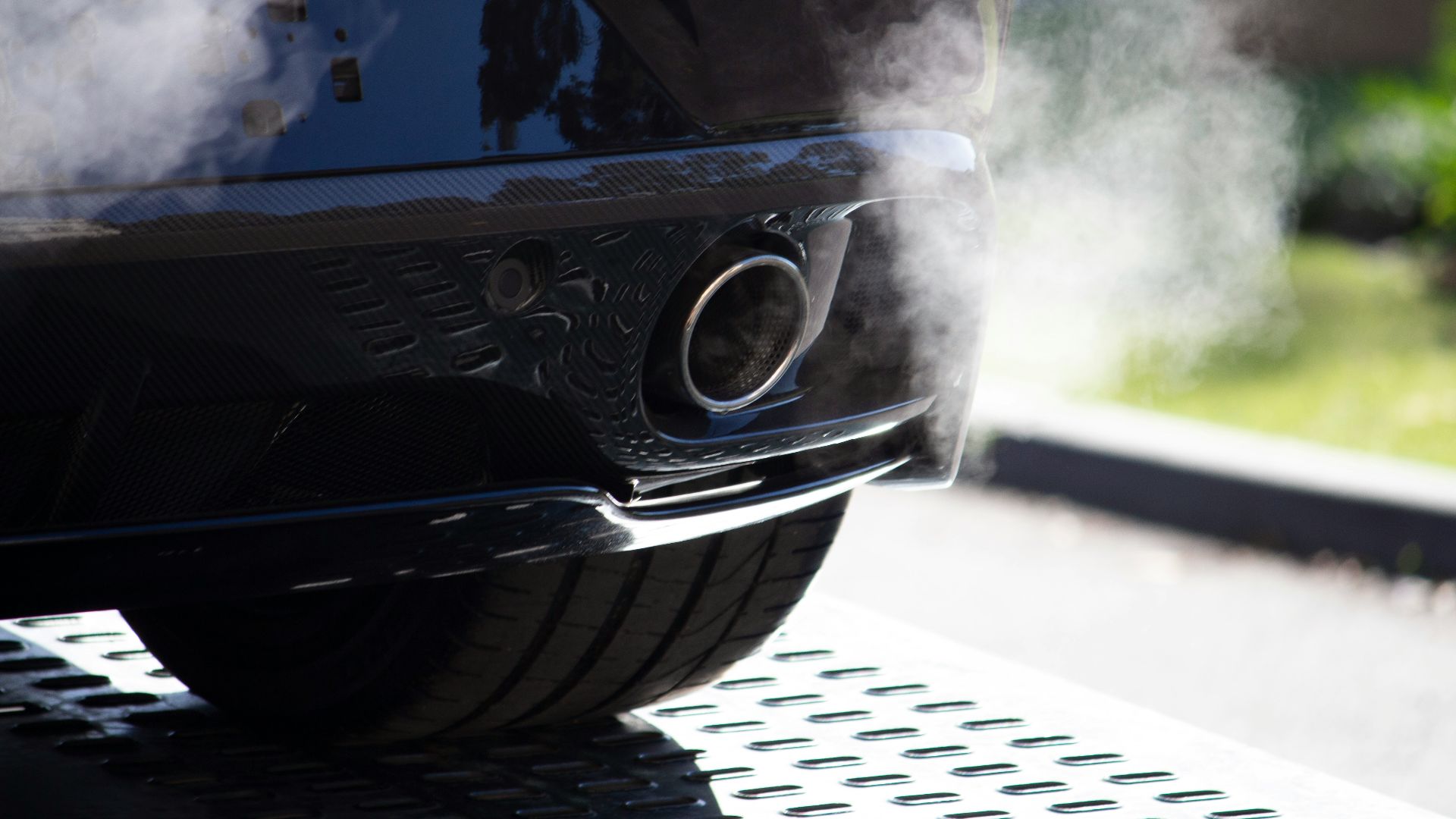
Electric motors can launch a car forward with startling force while making almost no noise beyond a smooth mechanical whine. To make that acceleration audible and emotionally satisfying, many EVs layer in a synthetic soundtrack that swells with speed and throttle input. It's not just for drama either. The sound helps drivers gauge how quickly they're gaining speed while giving the car a distinct personality.

5. Selectable Fantasy Powertrain Sounds
Some high-performance EVs let you pick between engine-inspired, futuristic, or even jet-fighter-style sound themes. The result is a driving experience that feels far more engaging than the hardware alone would suggest.
6. Virtual Gearshift Sounds
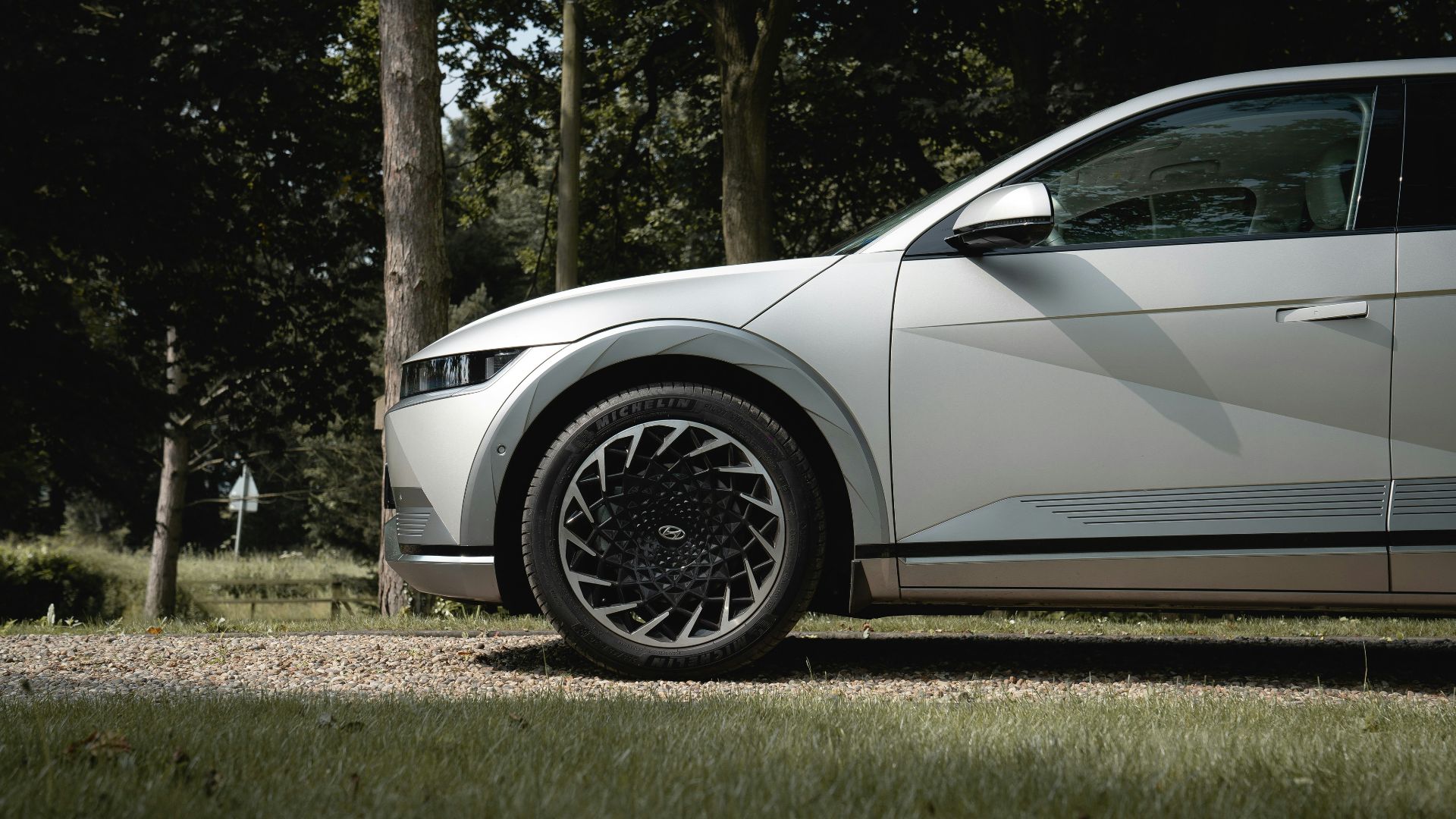
Electric vehicles generally don't need multiple gears, yet some are engineered to simulate the sound and rhythm of shifting anyway. For drivers who grew up loving the feel of a manual or a snappy automatic, this trick makes an EV feel comfortingly familiar.
7. A Synthetic Rev Limiter
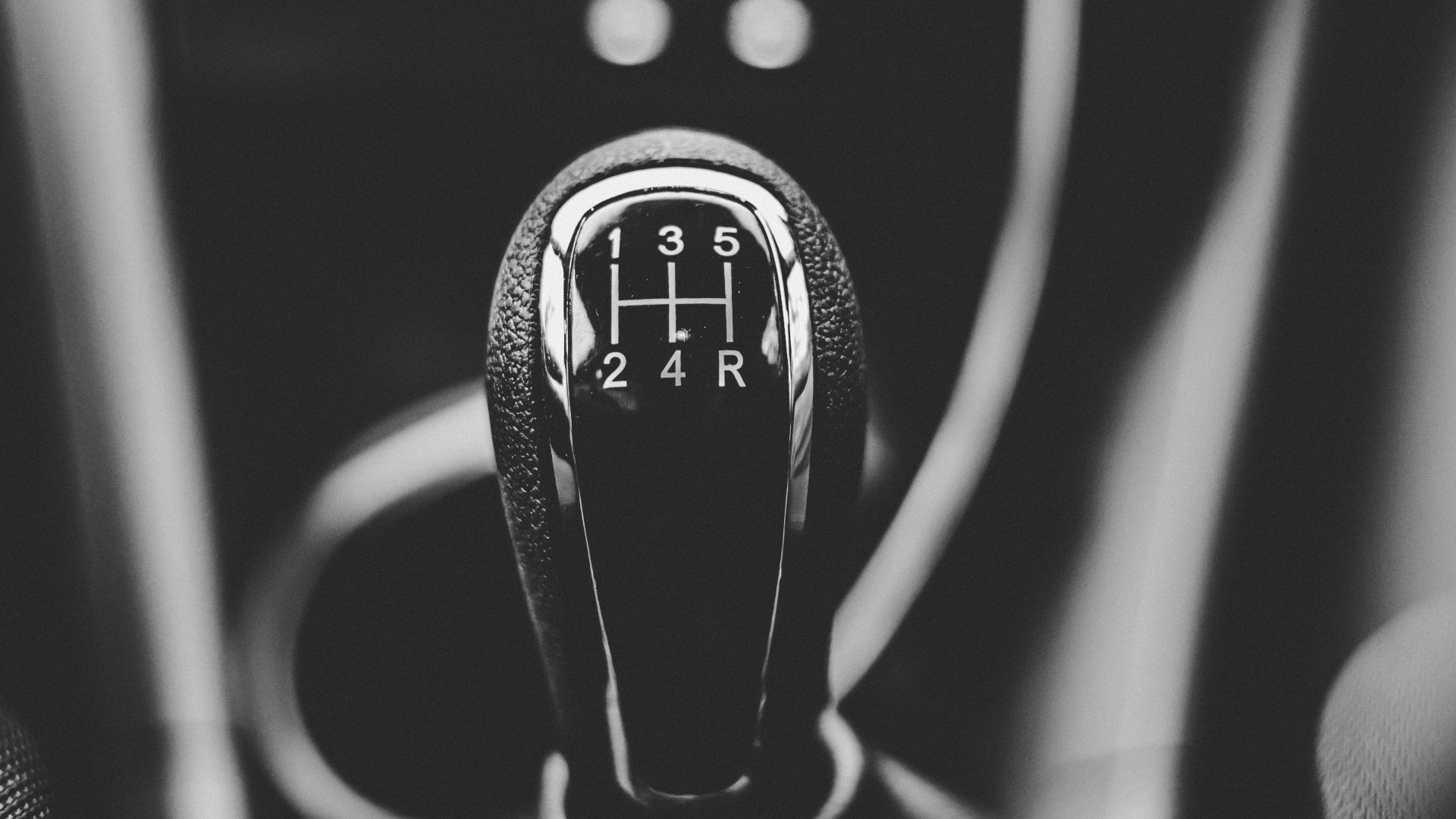
Traditional engines hit a redline because their spinning components have physical limits. Electric motors face limits too, though often without any dramatic warning sound of their own. So some performance EVs invent a synthetic redline complete with a rising pitch and an abrupt cutoff, cueing the driver to grab the next virtual gear.

8. An Artificial Idle Rumble
Electric cars have no need to idle, yet some electric muscle cars rumble anyway. The sound often responds in real time to revving or throttle input, preserving the aggressive character buyers expect from a powerful performance vehicle. Some systems go even further, generating vibrations you can physically feel.

9. The Low-Speed Pedestrian Alert
Electric and hybrid vehicles can be nearly silent at low speeds, but it also means pedestrians can't hear them coming. Exterior speakers emit an audible alert during slow-speed driving, helping people nearby notice an approaching or moving vehicle before it's too close for comfort.

10. The Electric Reverse Warning
A nearly silent car backing out of a driveway is a hazard, so electric and hybrid vehicles emit a distinct warning tone while in reverse. It alerts anyone nearby that the vehicle might be moving in their direction.

11. The Turn Signal Click
That familiar clicking sound used to come from electricity flowing through a mechanical flasher, physically opening and closing a circuit. Modern electronic systems can operate in complete silence, so many manufacturers deliberately recreate that nostalgic click through a speaker or dedicated sounder.
12. The Ready-to-Drive Startup Tone
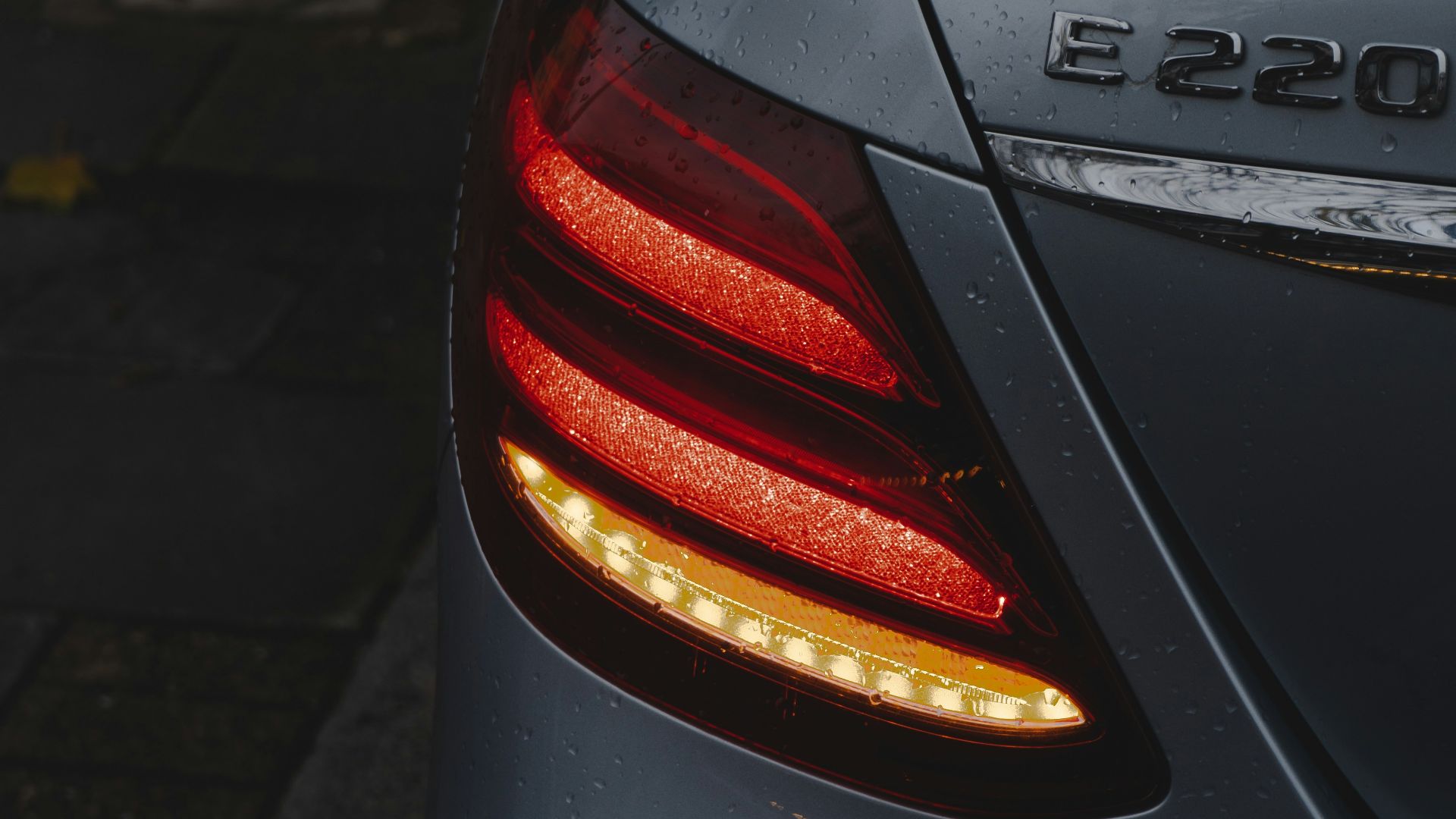
A gasoline engine announces its own readiness through the sound of the starter motor and the settling rhythm of an idle. Electric vehicles offer no such natural cue, sometimes leaving drivers unsure whether the car is actually on. A short, deliberate startup chime solves that problem.

13. The Lock Confirmation Chirp
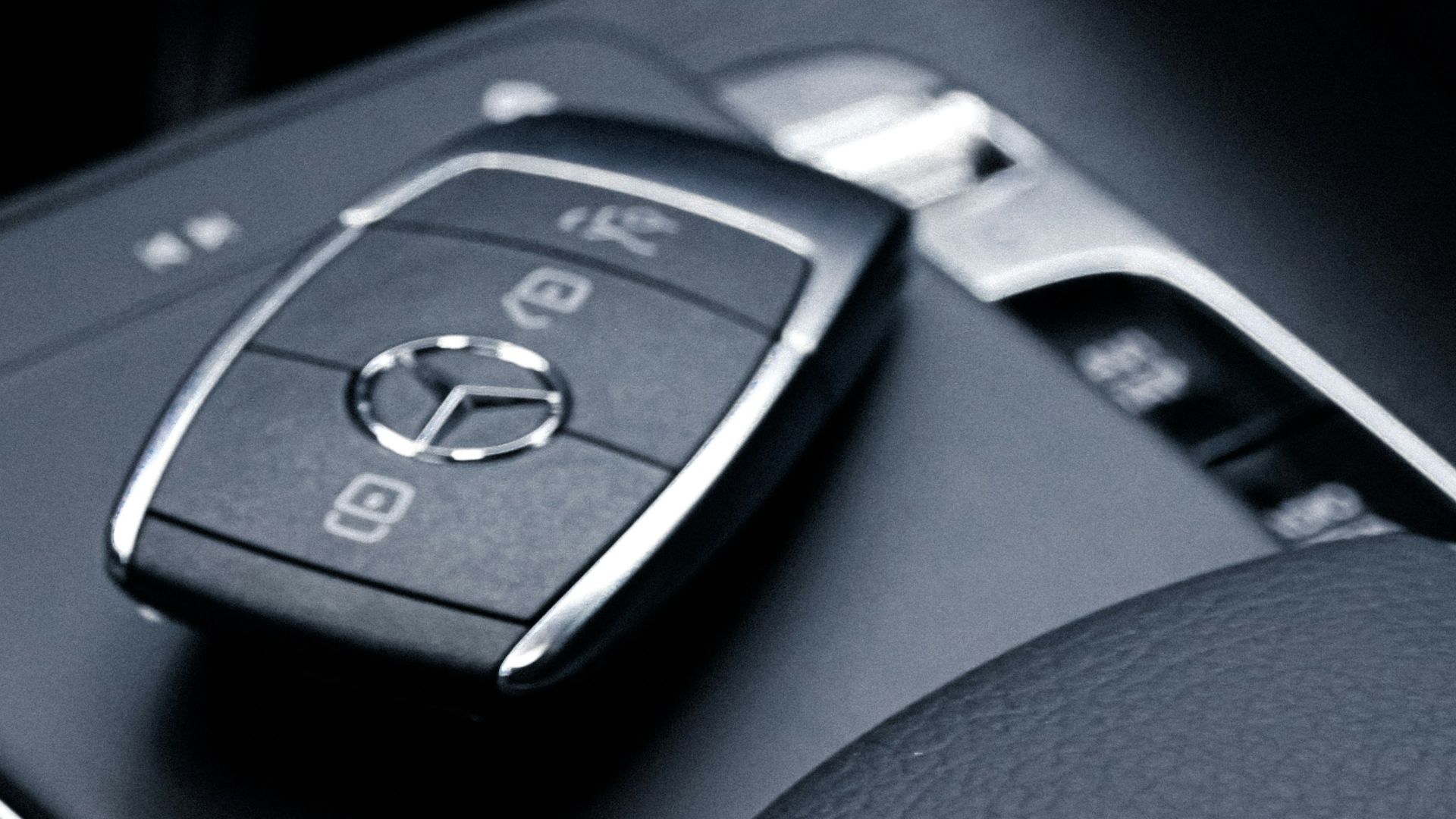
That satisfying chirp as you walk away from your parked car usually isn't the actual sound of the locks engaging. A different chirp pattern, sometimes a double horn honk, can also warn you that a door or trunk is open and prevent the car from locking properly.
14. The Seat Belt Reminder
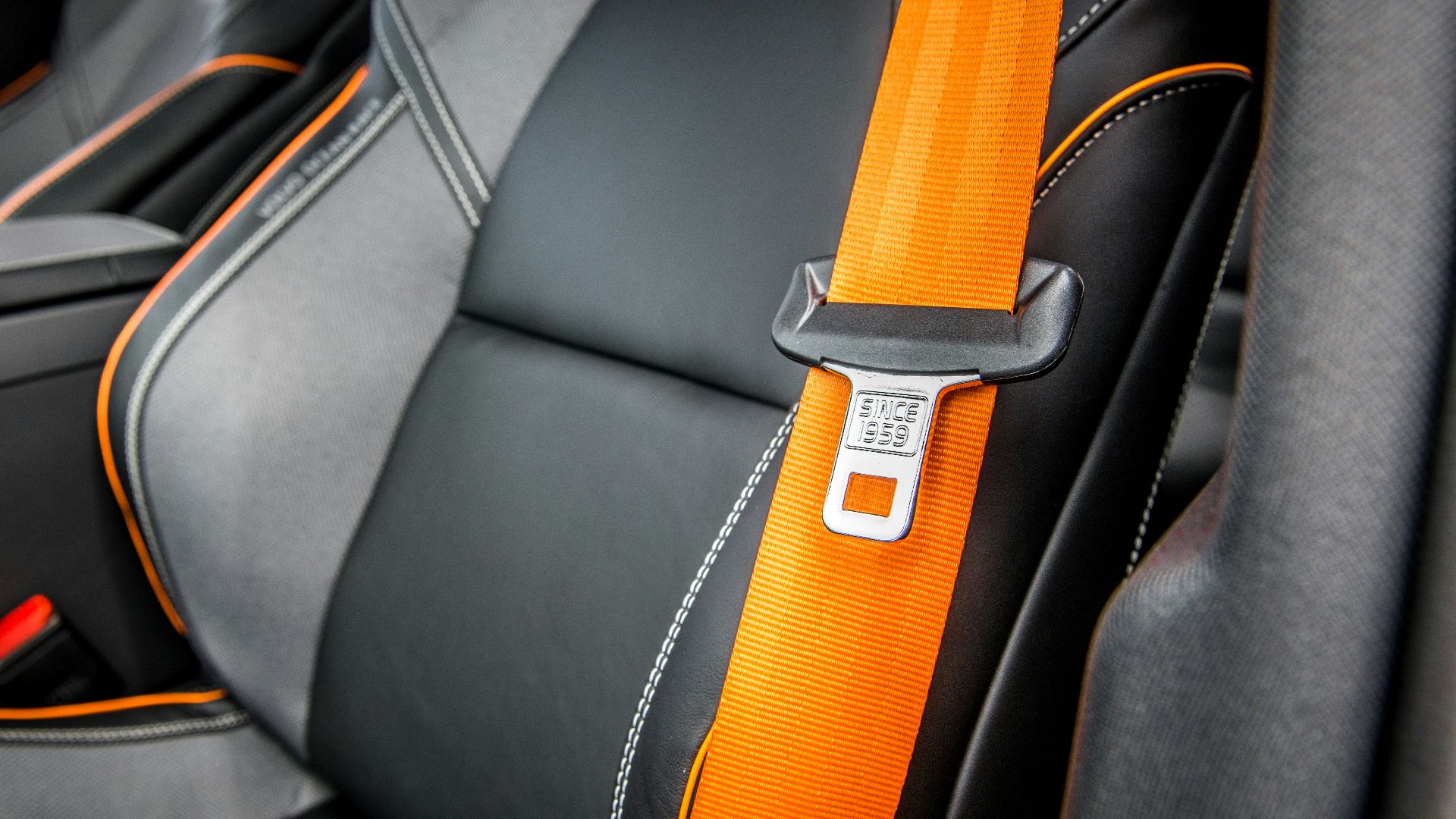
An unbuckled seat belt makes no sound of its own, so cars rely on electronic chimes as a reminder. It's annoying by design, precisely so the safety reminder never fades quietly into the background.
15. Parking Sensor Beeps
Parking assistance systems translate raw sensor and camera data into a simple language of electronic beeps. The gaps between beeps shrink as you get closer to an obstacle. This lets your eyes stay on your mirrors and surroundings instead of glued to a screen while you inch into a tight space.
16. The Forward-Collision Alert
When a car senses it's closing in too fast on traffic ahead, its warning tone cuts through music and ambient road noise instantly. That's why the sound is sharp and jarring, designed to grab your attention immediately so you can brake or steer in time.

17. The Lane-Departure Warning
Drift toward or across a lane marking, and your car may respond with a beep. That familiar auditory cue communicates the problem without forcing you to glance down at a dashboard message. Because your eyes never leave the road, you can correct the course faster and more safely.
 Jennifer Latuperisa-Andresen on Unsplash
18. The Blind-Spot Warning Chime
A small warning light tucked into the side mirror is easy to miss. Many blind-spot systems use an audible warning whenever another vehicle lurks beside you. Some systems even use directional audio, making the alert sound like it's coming from the exact side where the threat is located.

19. The Solid Door-Closing Thunk
Unlike most entries on this list, the reassuring thunk of a well-engineered door closing isn't played through a speaker. Instead, engineers meticulously tune the door's structure, latch, seals, damping materials, and even the cabin's air pressure to eliminate rattling and echo. What's left is one clean, confident sound that many drivers instinctively associate with quality and solid construction.
20. The Sound That Creates Silence
Perhaps the strangest entry here is a sound engineered specifically so you never notice it at all. Active noise control systems use microphones to detect unwanted frequencies, then generate precisely opposing sound waves to cancel them out. It's a fighting sound, and when it works well, the payoff is noticeable.