The Same Badge, Two Very Different Reputations
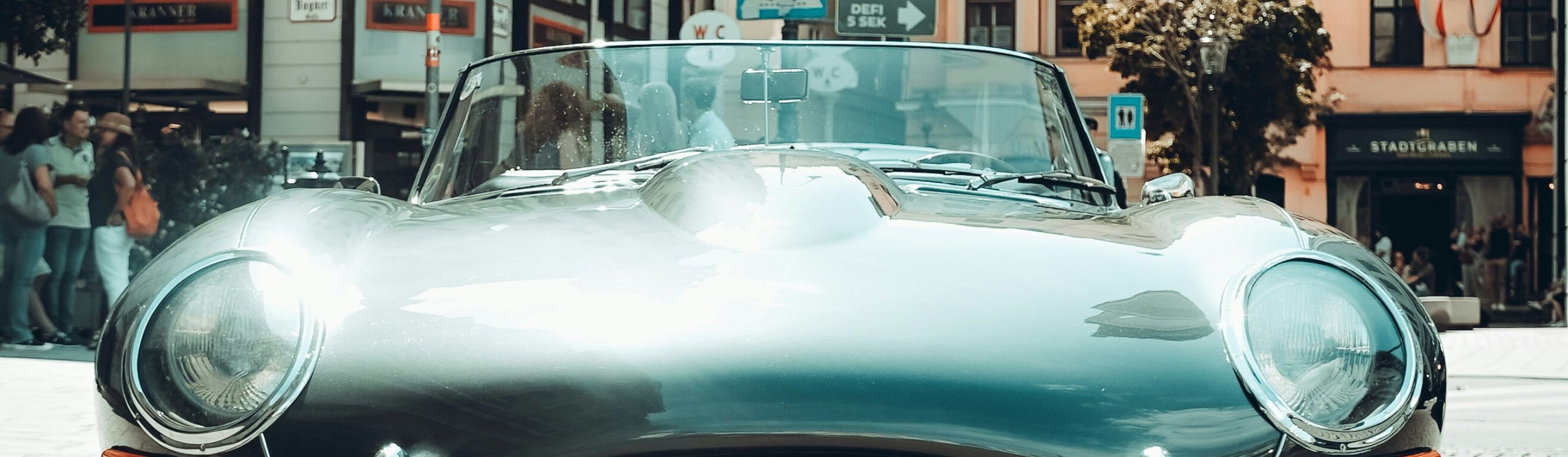
Few car brands have swung between elegance and exasperation quite like Jaguar. On a good day, the badge conjures leaping cats on long hoods, walnut dashboards, and a ride so smooth it made British aristocrats trade in their chauffeurs for the steering wheel themselves. On a bad day, particularly during a certain stretch of the 1970s and 80s, it conjured something closer to a mechanic on speed dial and an electrical system with a mind of its own. The same company that built cars fit for a coronation also built a few that tested the patience of everyone who ever owned one. Here's 10 Jaguars that genuinely felt like royalty, and 10 that felt like an open invitation to your local repair shop.
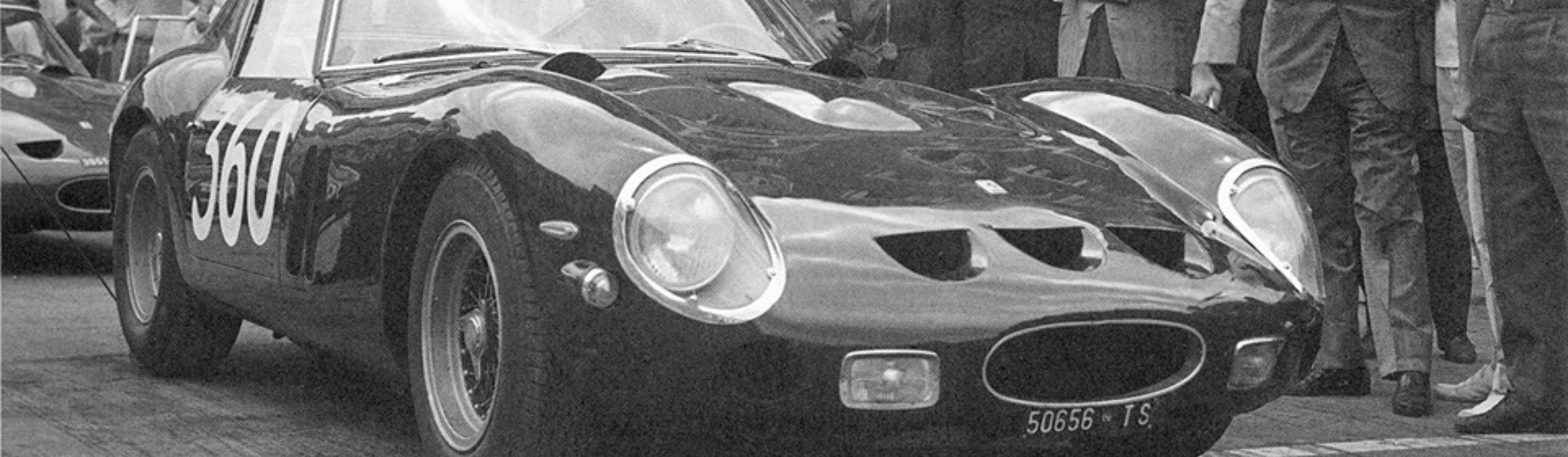
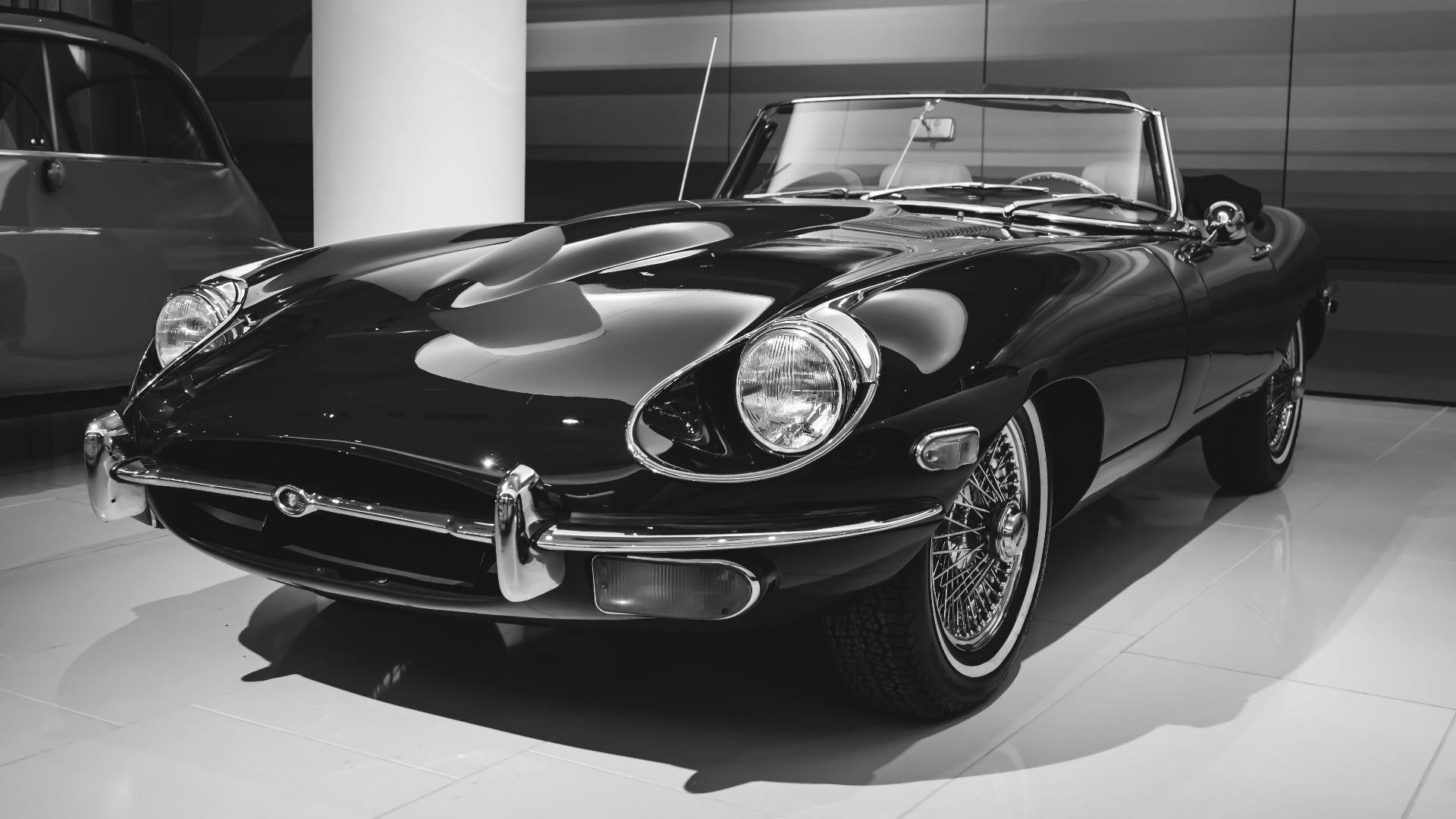
1. Jaguar E-Type (1961)
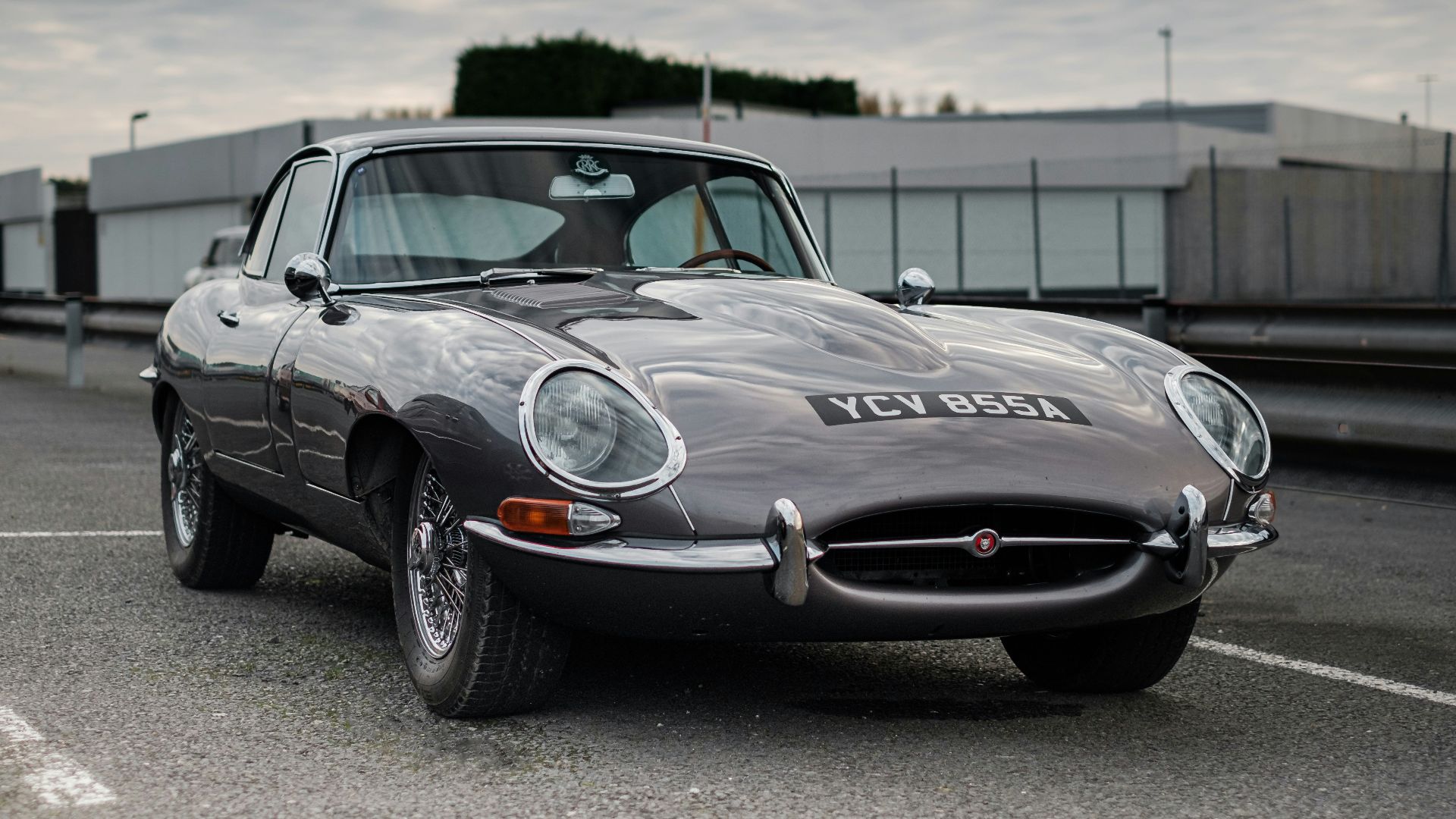
Enzo Ferrari reportedly called it the most beautiful car ever made, and six decades later that opinion has aged remarkably well. The long hood, the low stance, and the sheer drama of the shape turned an ordinary drive into an event. It remains the car most people picture the moment someone says the word "Jaguar."
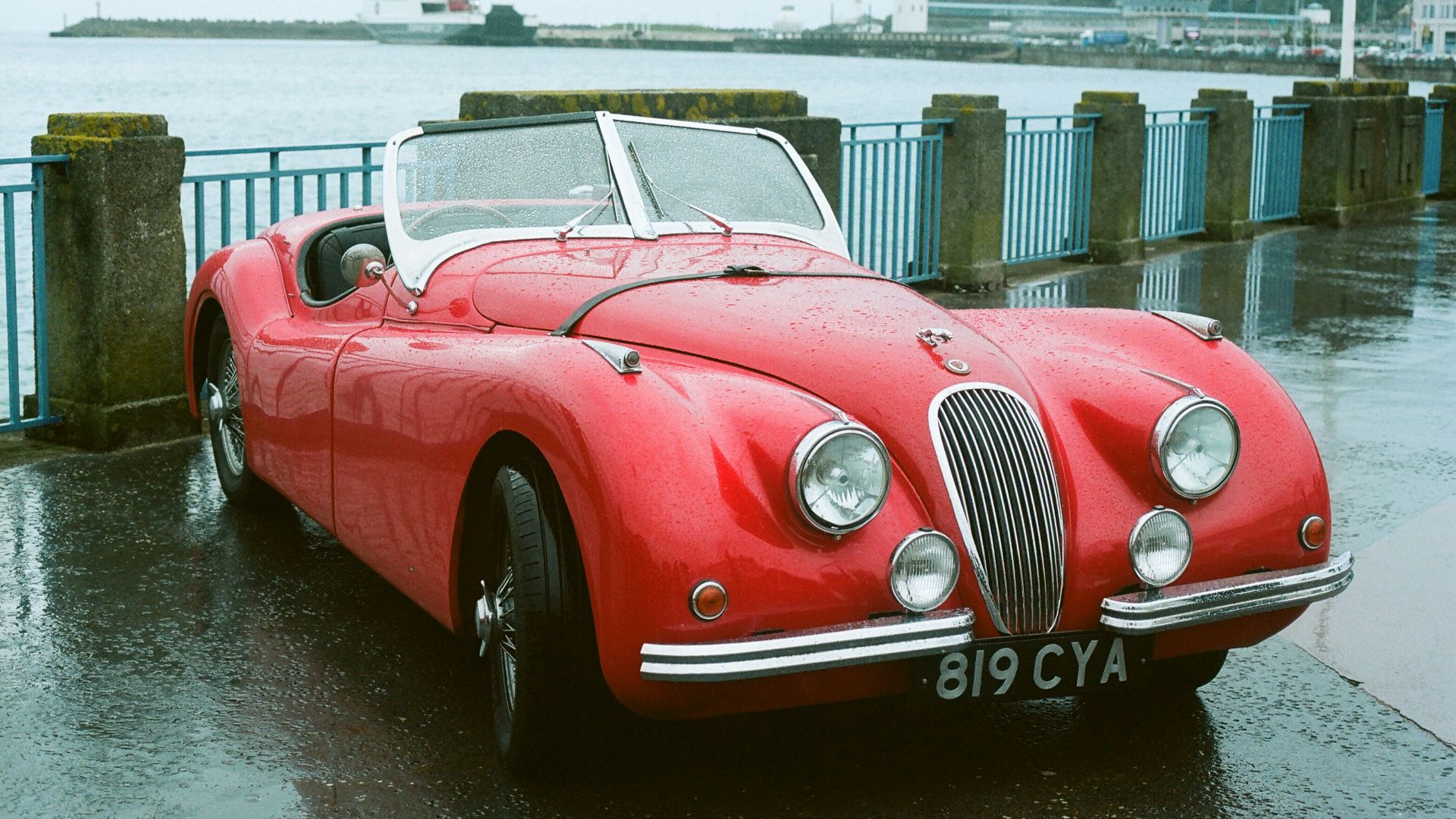
2. Jaguar XK120 (1948)
When it launched, the XK120 was the fastest production car in the world, a genuine shock coming out of a company better known before the war for stately saloons. Its rounded, flowing body looked like nothing else on British roads at the time. It effectively launched Jaguar's reputation as a builder of proper sports cars rather than just comfortable transport.
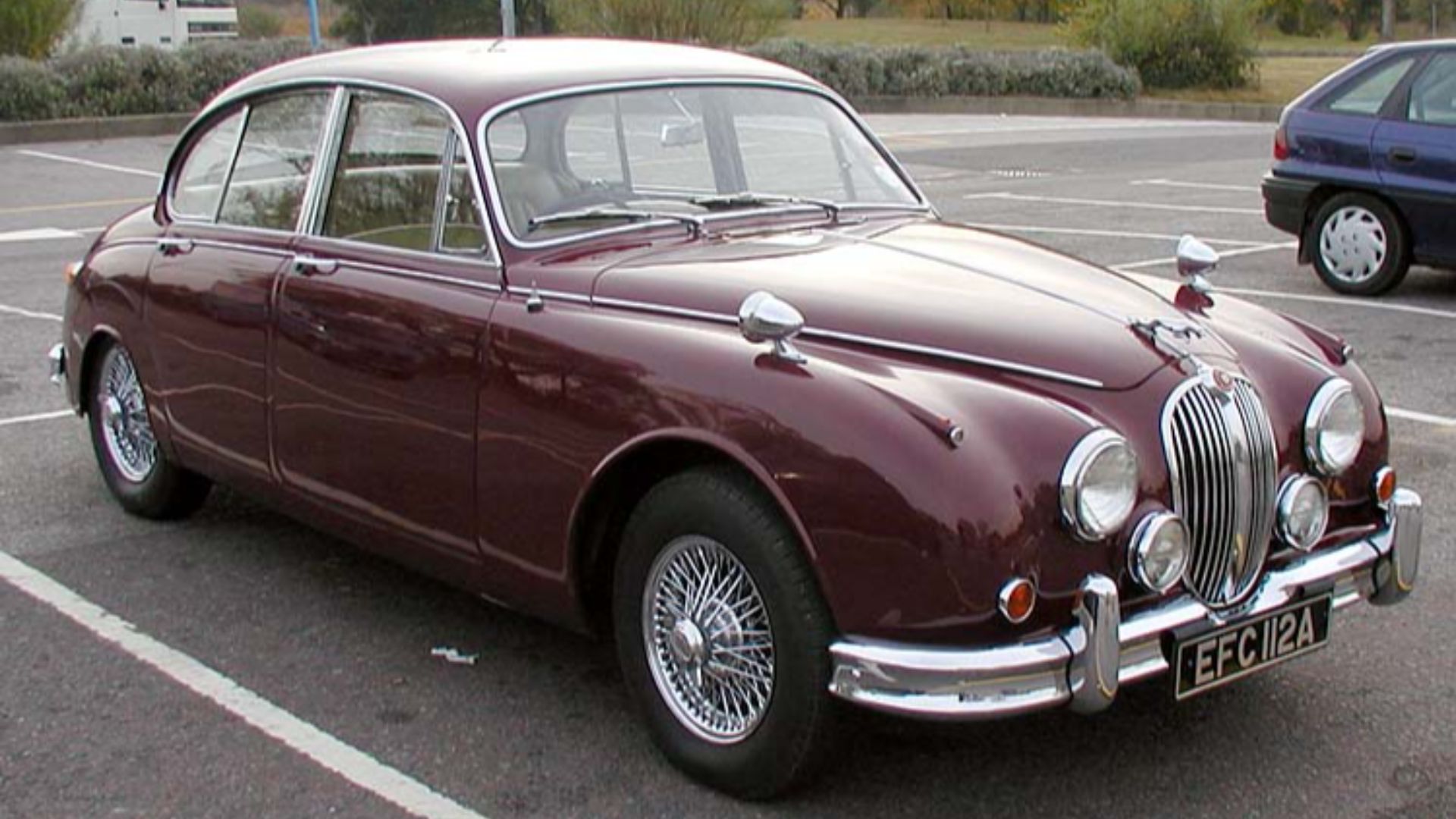
3. Jaguar Mark 2 (1959)
Wood-trimmed, leather-lined, and quick enough to embarrass faster-looking cars off the line, the Mark 2 became the saloon of choice for everyone from bank managers to the occasional well-dressed bank robber. Its combination of comfort and genuine performance was unusual for the era. It remains one of the most instantly recognizable British sedans ever built.
 User Arpingstone on en.wikipedia on Wikimedia
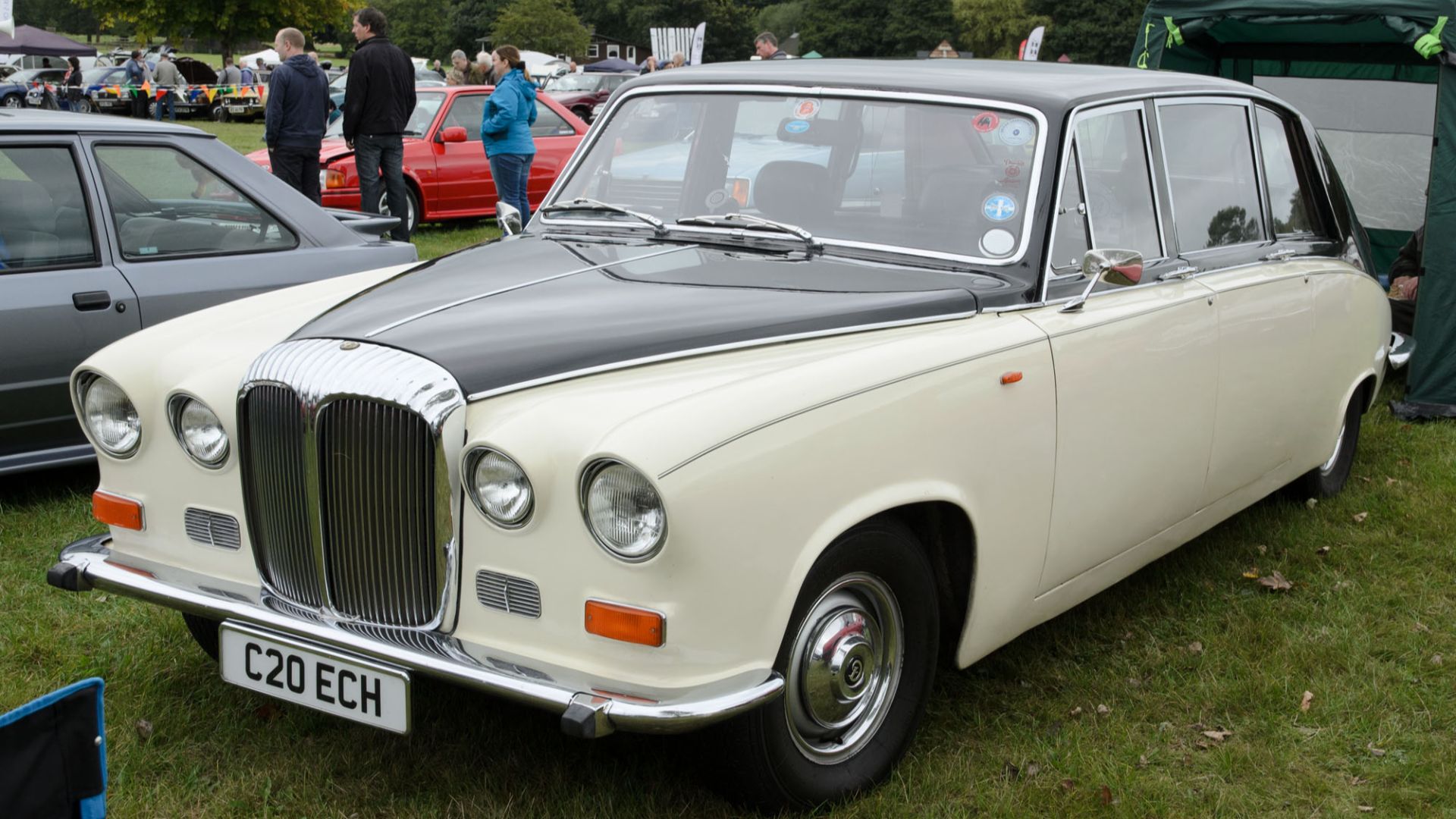
4. Daimler DS420 (1968)
Built by Jaguar under the Daimler name, this stately limousine became the literal car of choice for British royal weddings for decades, ferrying members of the royal family to and from ceremonies. Its sheer length and formal presence made it look like it belonged outside a palace rather than a dealership. Few cars have a more direct claim to the word "royalty" in their résumé.
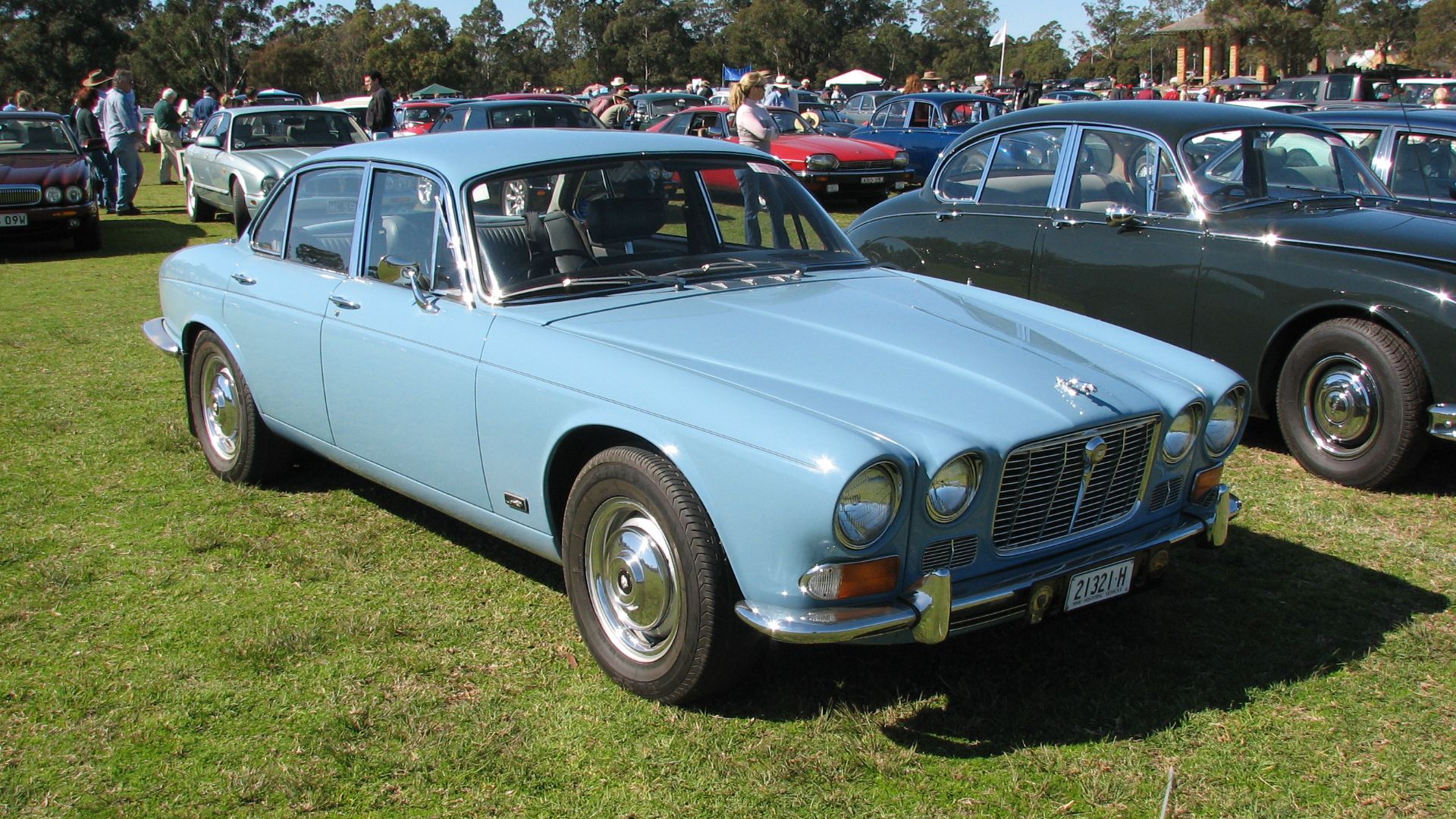
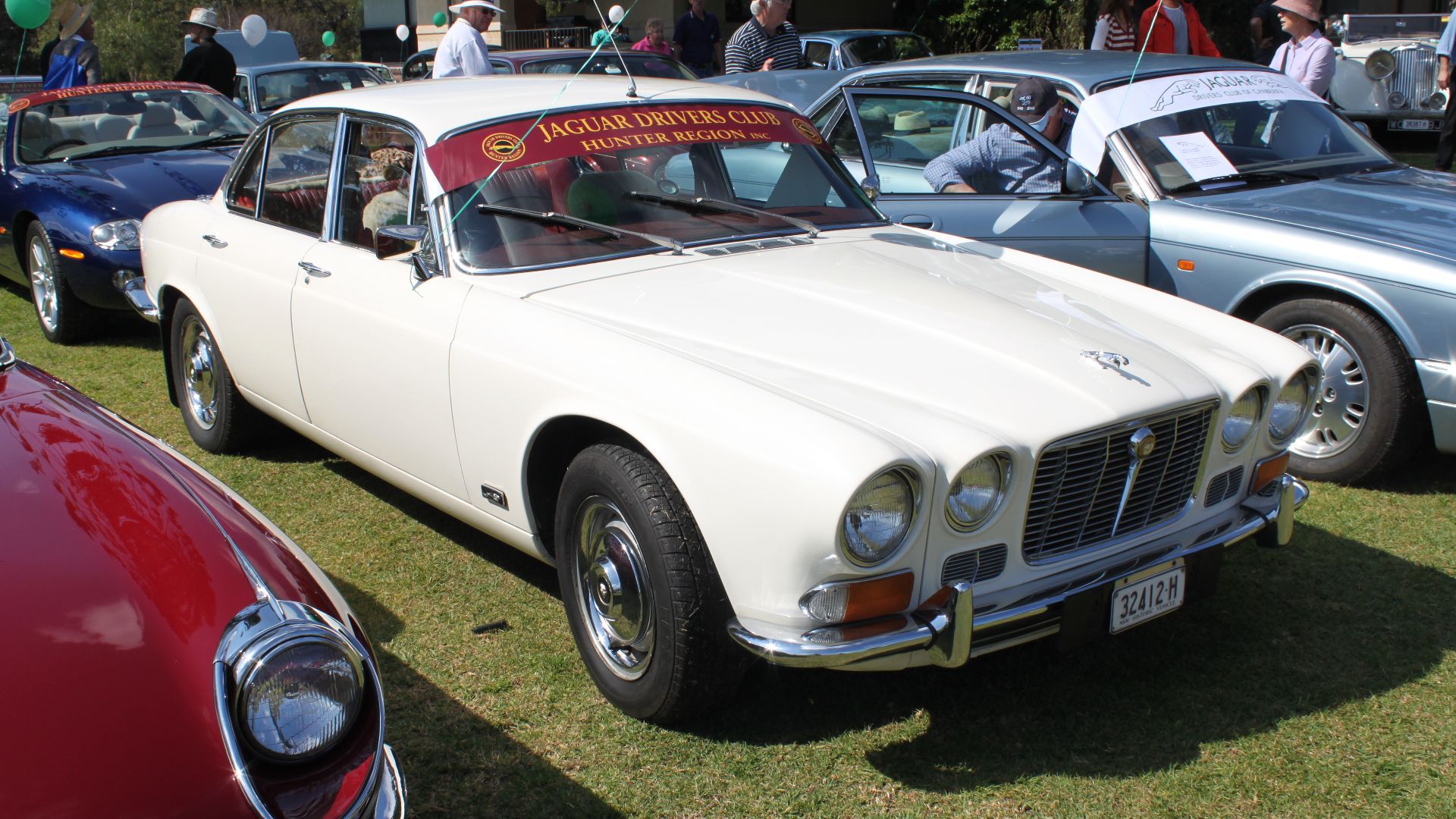
5. Jaguar XJ6 Series 1 (1968)
The original XJ6 set a new standard for what a luxury sedan could feel like, with a hushed cabin and a ride so composed it earned comparisons to cars costing twice as much. Reviewers at the time struggled to find a genuine flaw in how it drove. It became the template every Jaguar flagship since has tried to live up to.
 Jeremy from Sydney, Australia on Wikimedia
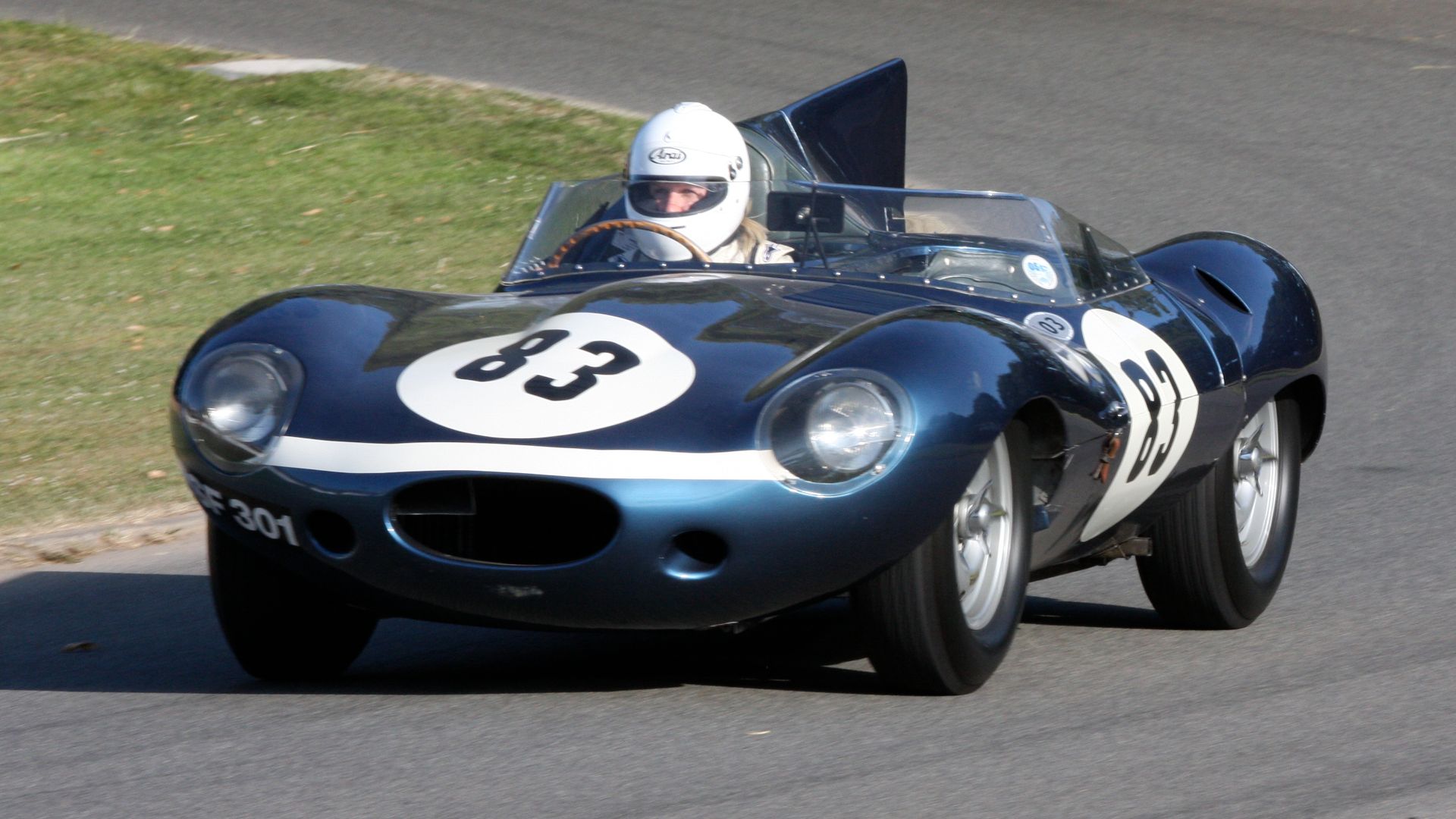
6. Jaguar D-Type (1954)
Built purely to win at Le Mans, the D-Type did exactly that, taking the overall victory three years running in the mid-1950s. Its aerodynamic, aircraft-inspired shape looked like nothing else on a racetrack at the time. That racing pedigree gave the entire Jaguar brand a credibility no marketing campaign could have manufactured.
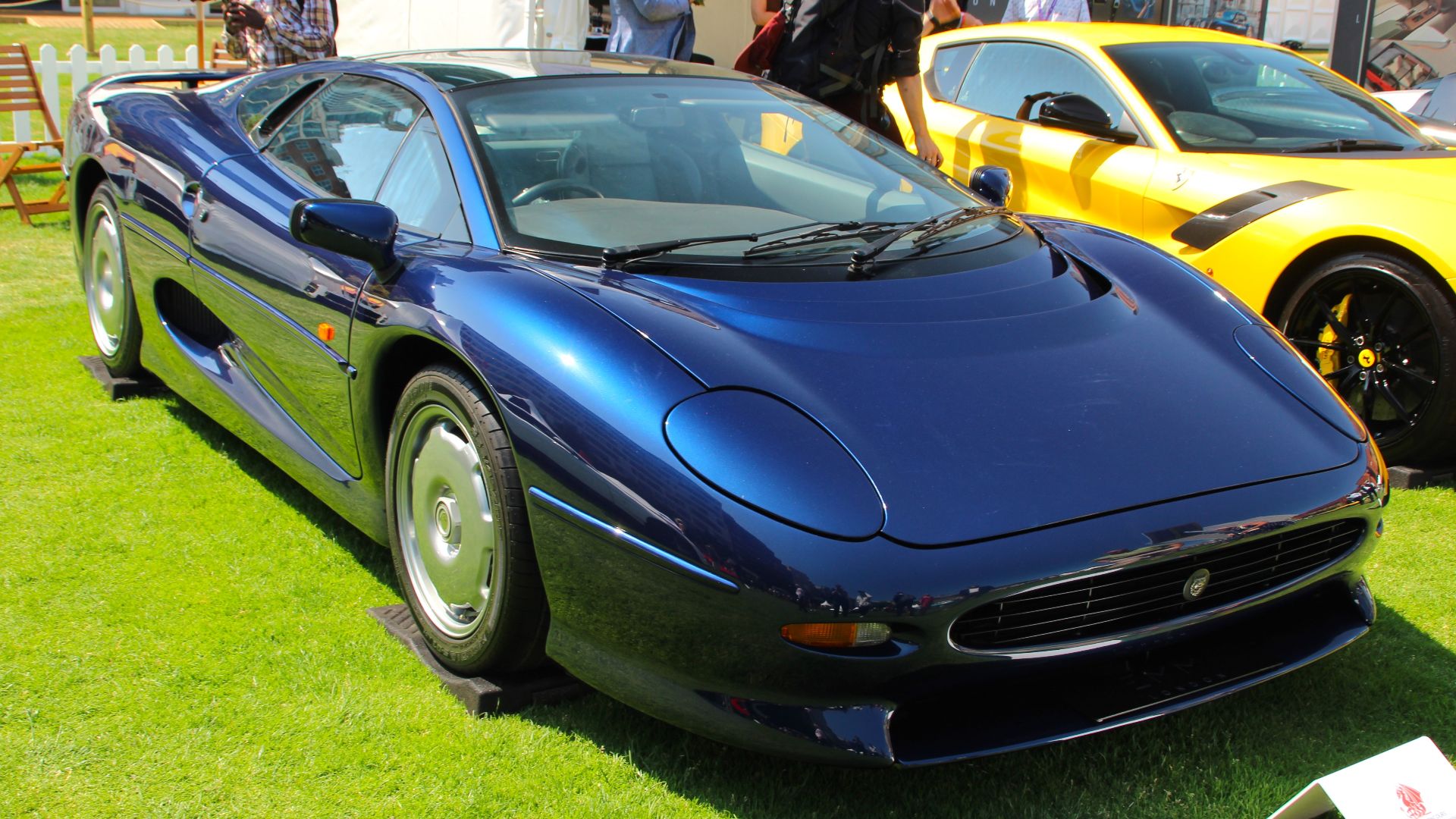
7. Jaguar XJ220 (1992)
For a brief stretch, the XJ220 held the title of the world's fastest production car, a genuinely startling achievement for a company more associated with dignified sedans. Its low, wide, almost impossibly long body looked like a dare on wheels. It remains one of the rarest and most talked-about Jaguars ever built.
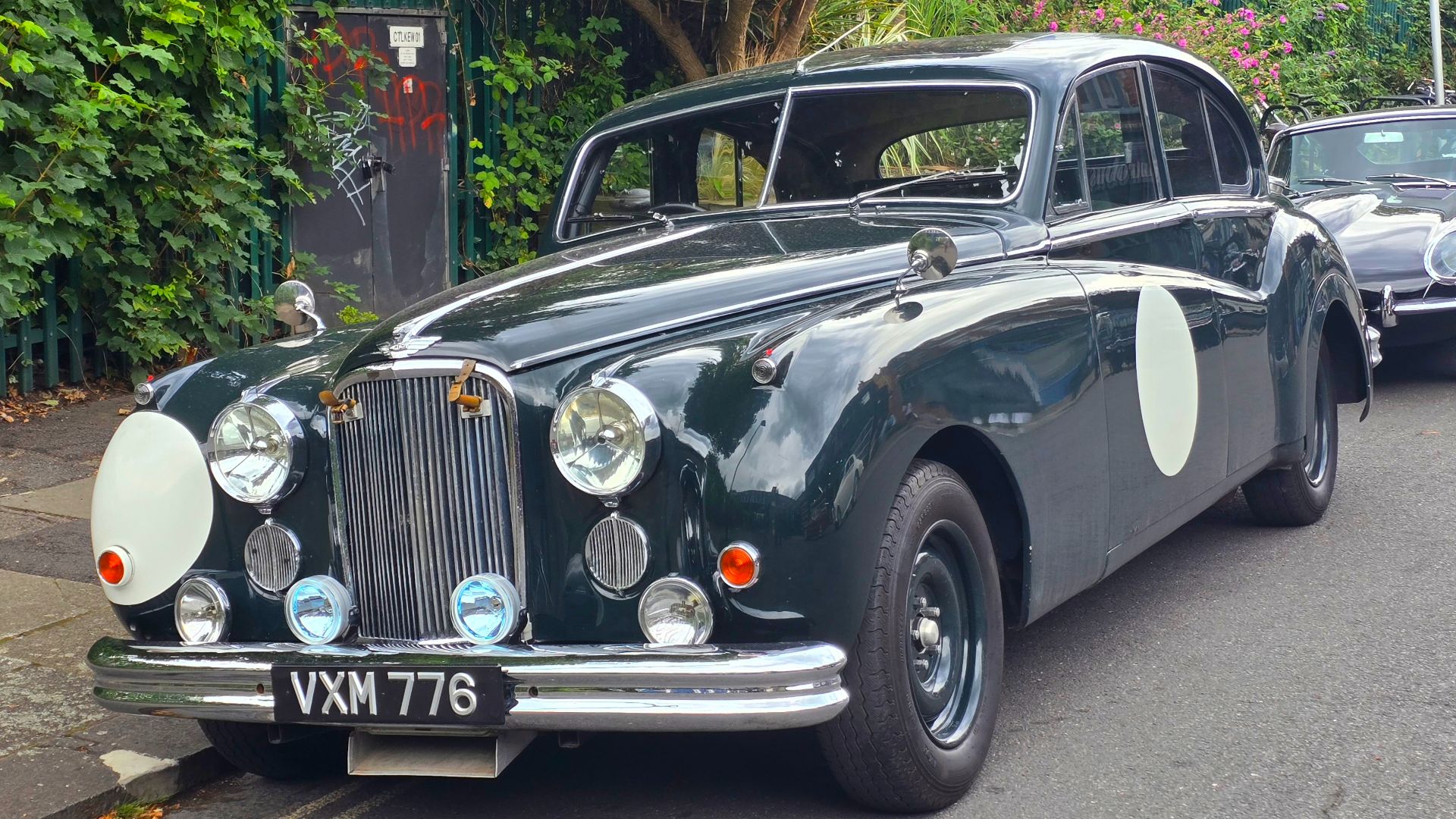
8. Jaguar Mark VII (1950)
Heavy, stately, and built for comfort above all else, the Mark VII became the preferred car of British establishment figures who wanted presence without ostentation. It also, somewhat surprisingly, proved competitive in rally racing, which added a layer of credibility to its otherwise formal image. It set the tone for Jaguar's postwar identity as a builder of serious, substantial cars.
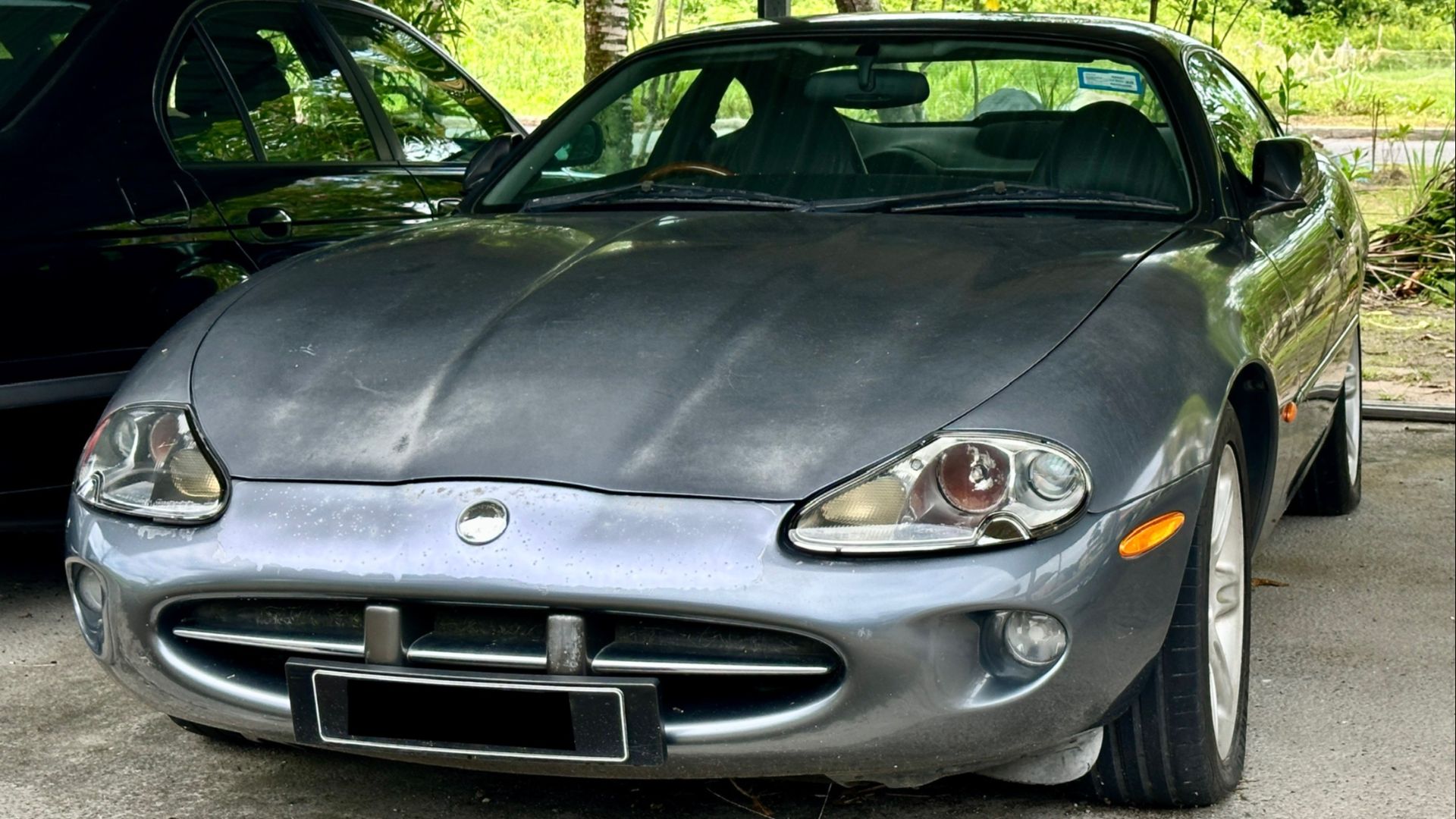
9. Jaguar XK8 (1996)
Replacing the long-running XJS with something more modern, the XK8 combined genuinely elegant styling with a smooth, refined V8 that finally moved Jaguar past its more troubled engine era. It looked expensive without trying too hard, which is harder to pull off than it sounds. It gave the brand a genuinely desirable grand tourer heading into the new millennium.
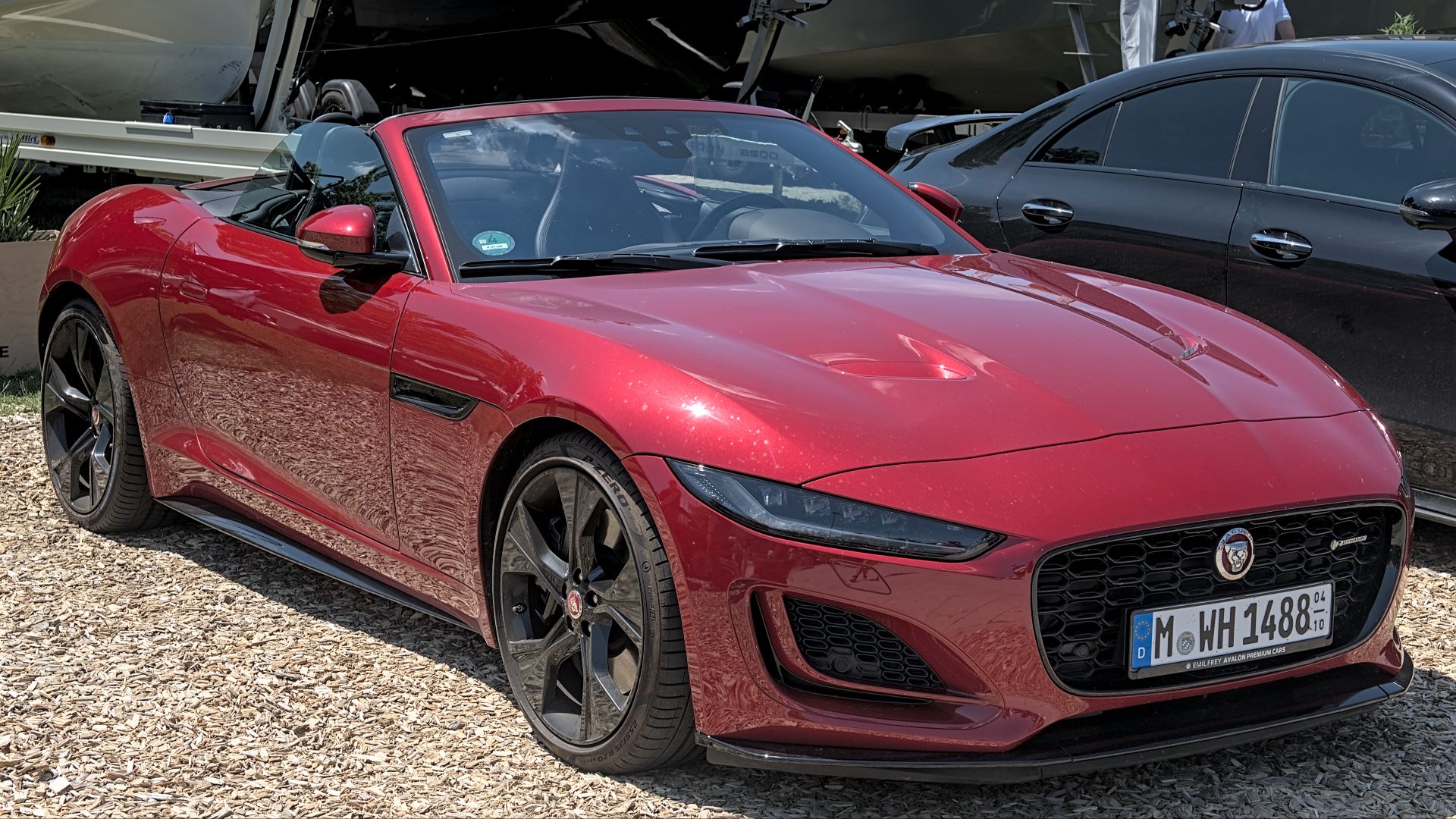
10. Jaguar F-Type (2013)
Decades after the E-Type, Jaguar finally built a proper spiritual successor, with a shape that turned heads and an exhaust note that turned even more of them. Critics largely agreed it was the sports car the brand had been missing for years. It proved Jaguar could still build something genuinely thrilling when it committed to the effort.
And now, the 10 that tested every owner's patience and their mechanic's phone number.
1. Jaguar XJ6 Series 2 (1973)
Built during one of British Leyland's roughest stretches, the Series 2 XJ6 became infamous for rust that set in early and electrical gremlins that never seemed to fully resolve. Quality control at the factory during this period was widely considered some of the worst in the company's history. Owners who loved the driving experience often found themselves resenting everything that happened when the car wasn't actually moving.
 Jeremy from Sydney, Australia on Wikimedia
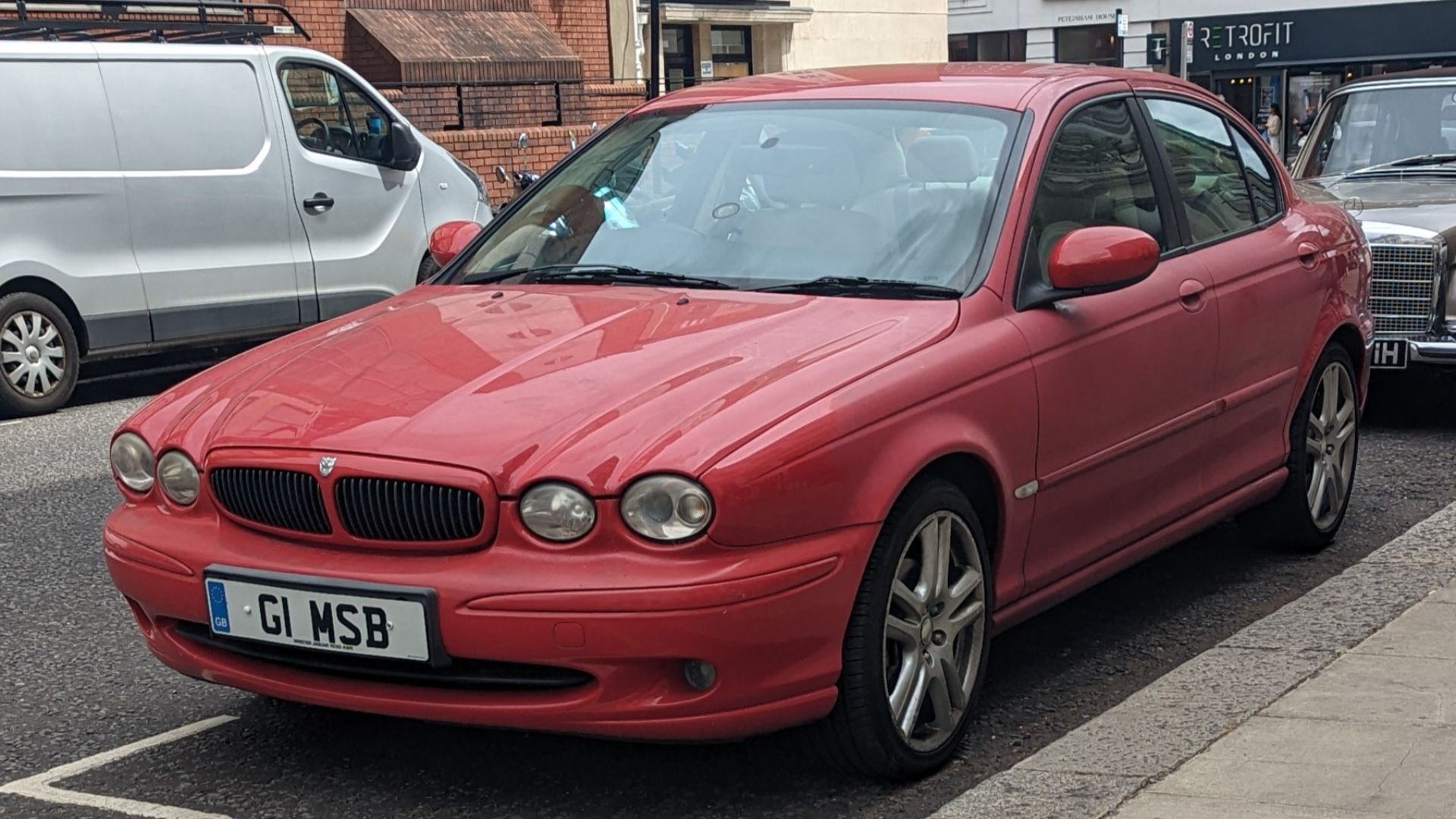
2. Jaguar X-Type (2001)
Built on the same platform as the Ford Mondeo, the X-Type was Jaguar's attempt to reach a wider, more affordable audience, and enthusiasts noticed immediately. Critics argued it diluted the brand's identity more than it expanded it. Reliability complaints and disappointing resale values followed it for the rest of its production run.
3. Jaguar S-Type (1999)
The reborn S-Type leaned hard into retro styling cues from the original 1960s model, but the execution underneath drew far less affection. Electrical faults and interior quality complaints became common themes in owner reviews. It never quite escaped the shadow of the more beloved original it was named after.
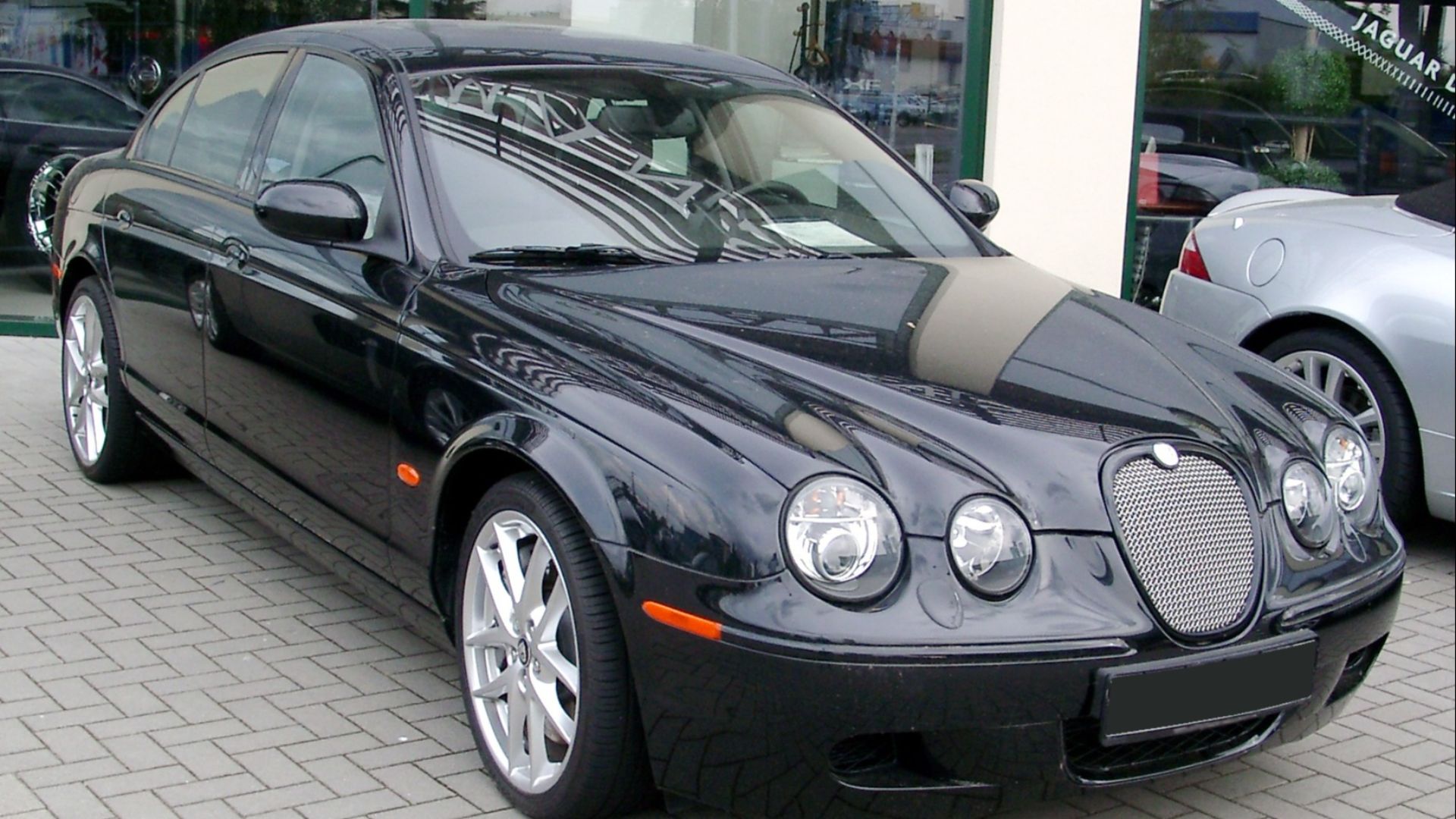
4. Jaguar XJS V12 (1975)
The early XJS paired a genuinely smooth twelve-cylinder engine with a fuel injection system that became a running joke among owners for its unpredictability. Lucas, the company behind much of Jaguar's electrics during this era, earned the nickname "Prince of Darkness" for a reason. Fuel economy during the 1970s oil crisis didn't help its case either.
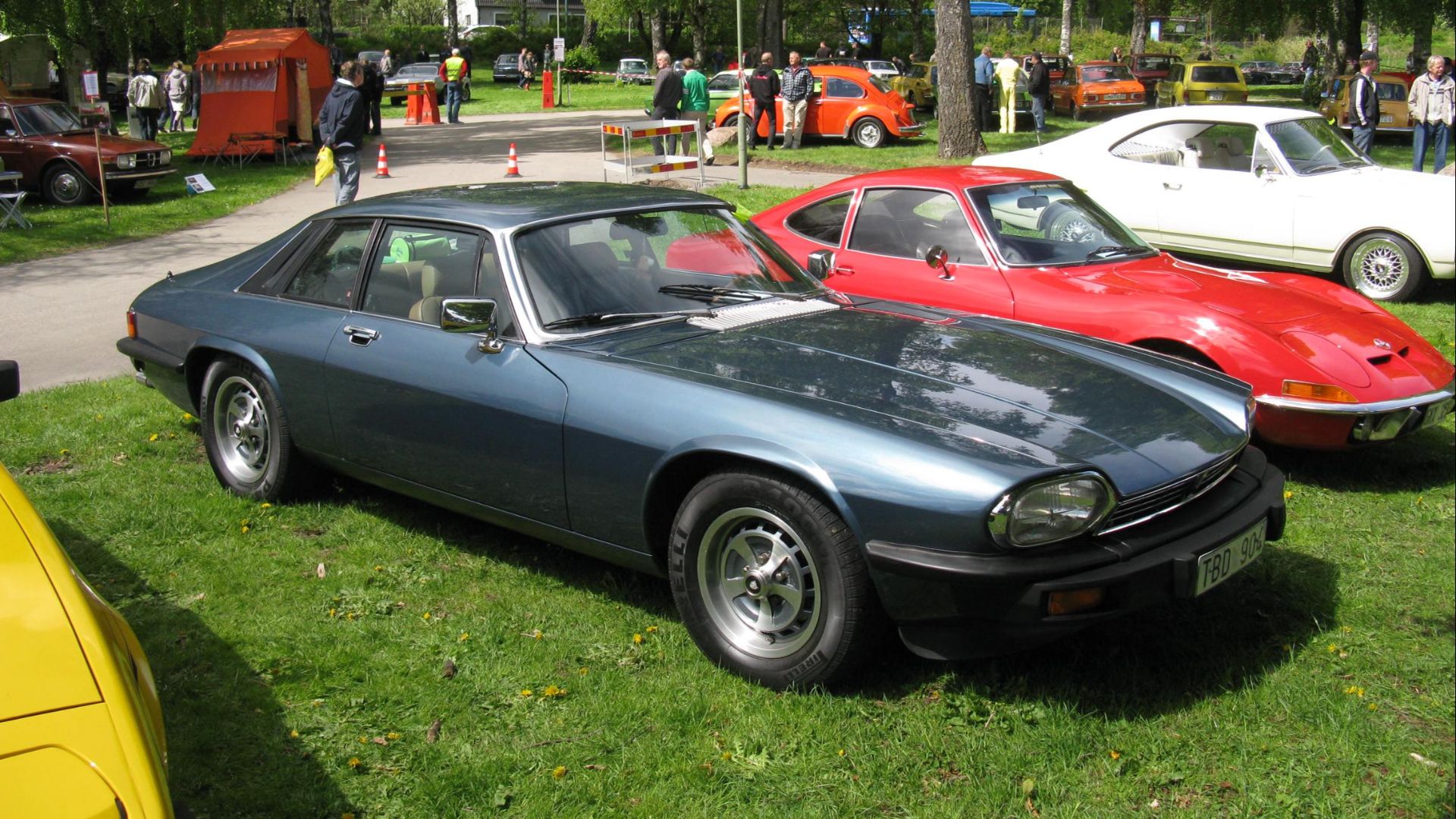
5. Jaguar XJ40 (1986)
Meant to modernize the XJ line, the XJ40 arrived with a digital dashboard and electronic systems that frequently had minds of their own. Owners regularly reported dashboard warning lights for problems that didn't actually exist, and vice versa. It became a textbook example of technology outpacing the reliability needed to support it.
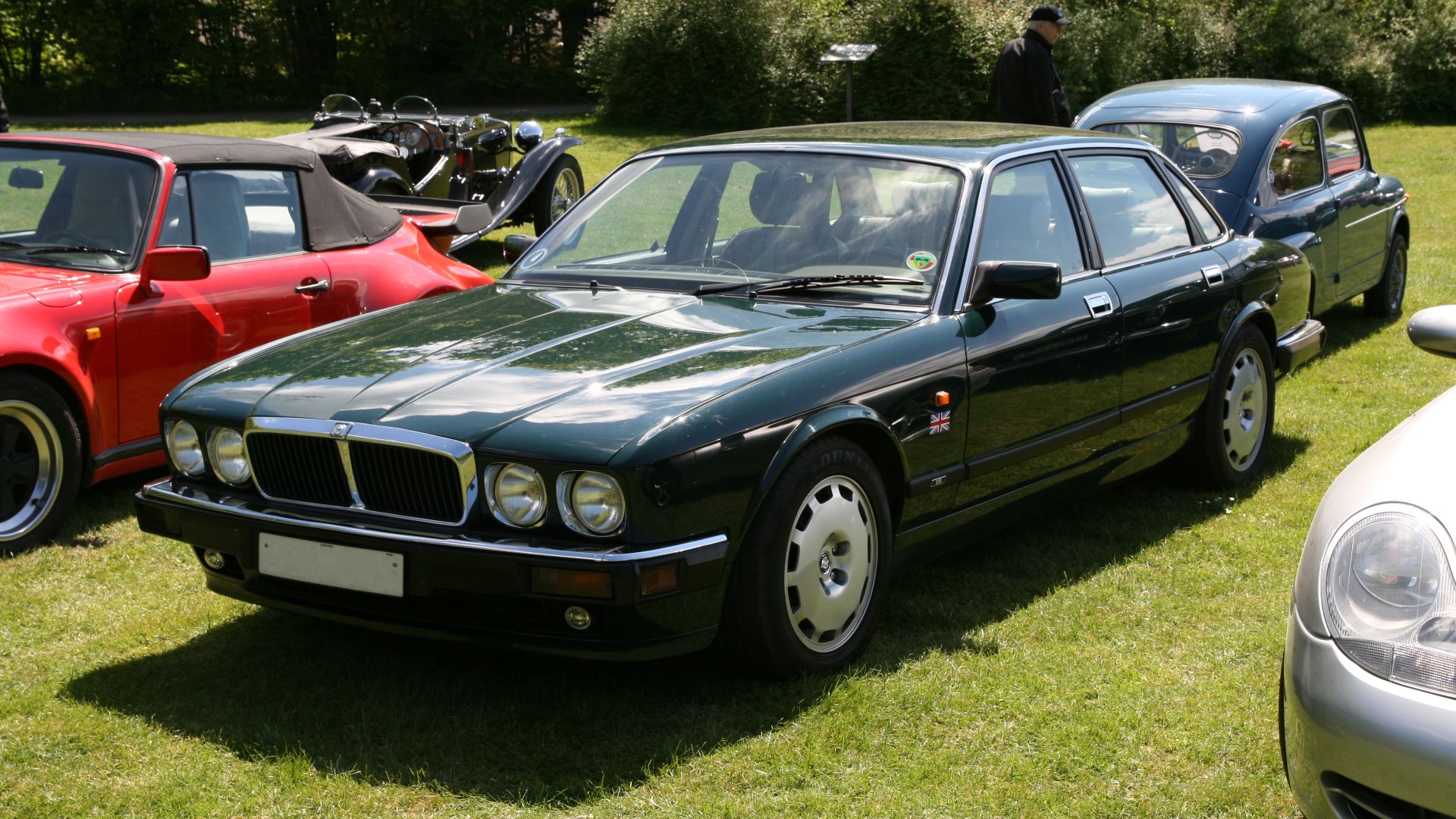
6. Jaguar 420G (1966)
Enormous, heavy, and underpowered relative to its size, the 420G felt dated the moment it launched, overshadowed almost immediately by the far more modern XJ6 waiting in the wings. Its handling struggled to match its imposing dimensions. It's remembered today more as a footnote than a favorite.
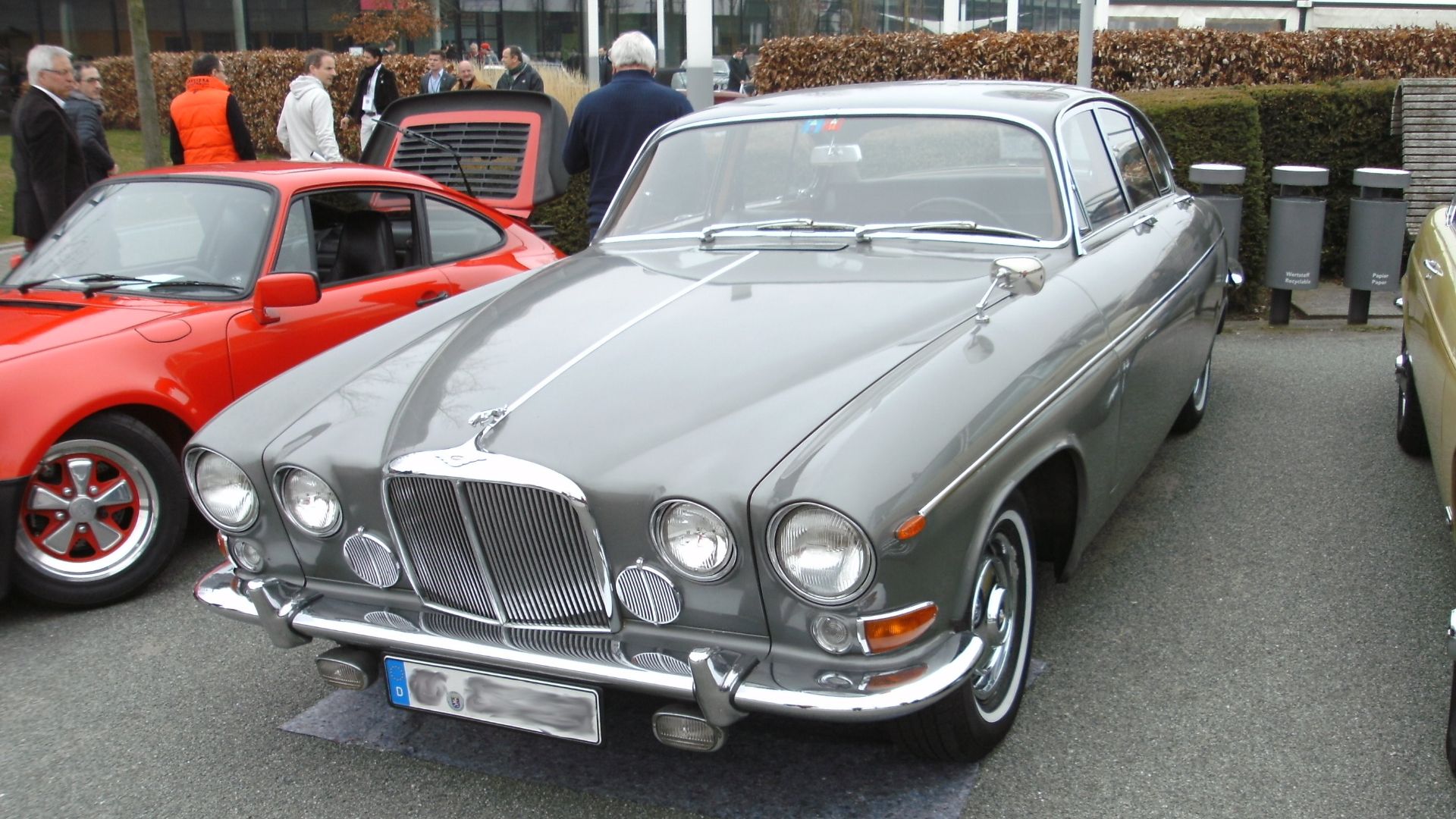
7. Jaguar XJ12 Series 3 (1979)
Pairing a thirsty V12 engine with the depths of the 1970s oil crisis was, in retrospect, poor timing on Jaguar's part. Fuel costs alone were enough to scare off buyers who might otherwise have loved the smooth, powerful engine underneath. Maintenance costs on that same V12 did little to help its reputation for value.
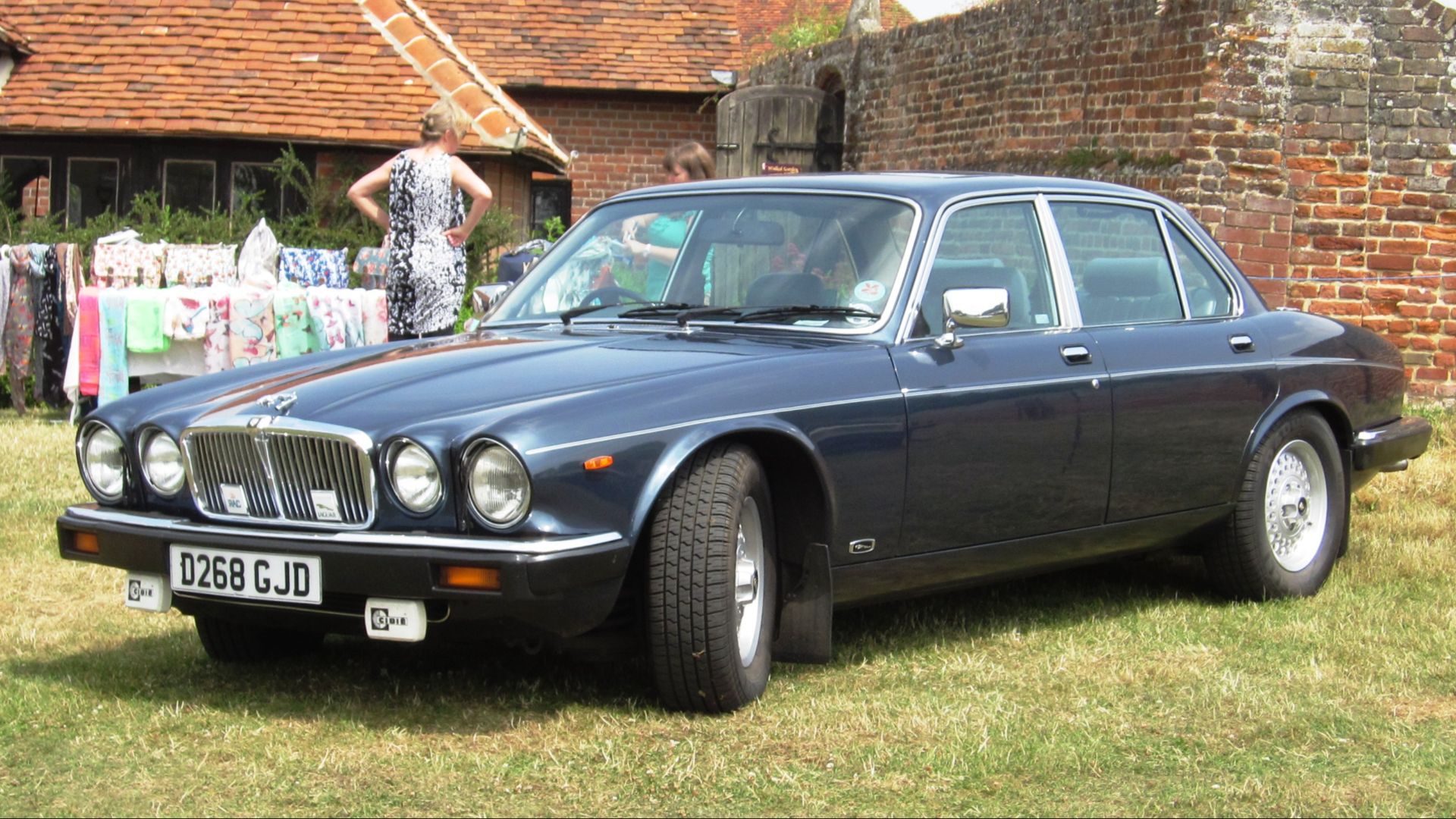
8. Jaguar XJ X350 (2003)
Jaguar's shift to an aluminum body for this generation of XJ was innovative on paper, cutting weight significantly compared to steel construction. In practice, early production issues and unfamiliar repair procedures left some owners facing higher-than-expected bills when something went wrong. The ambition of the engineering occasionally outran the execution.
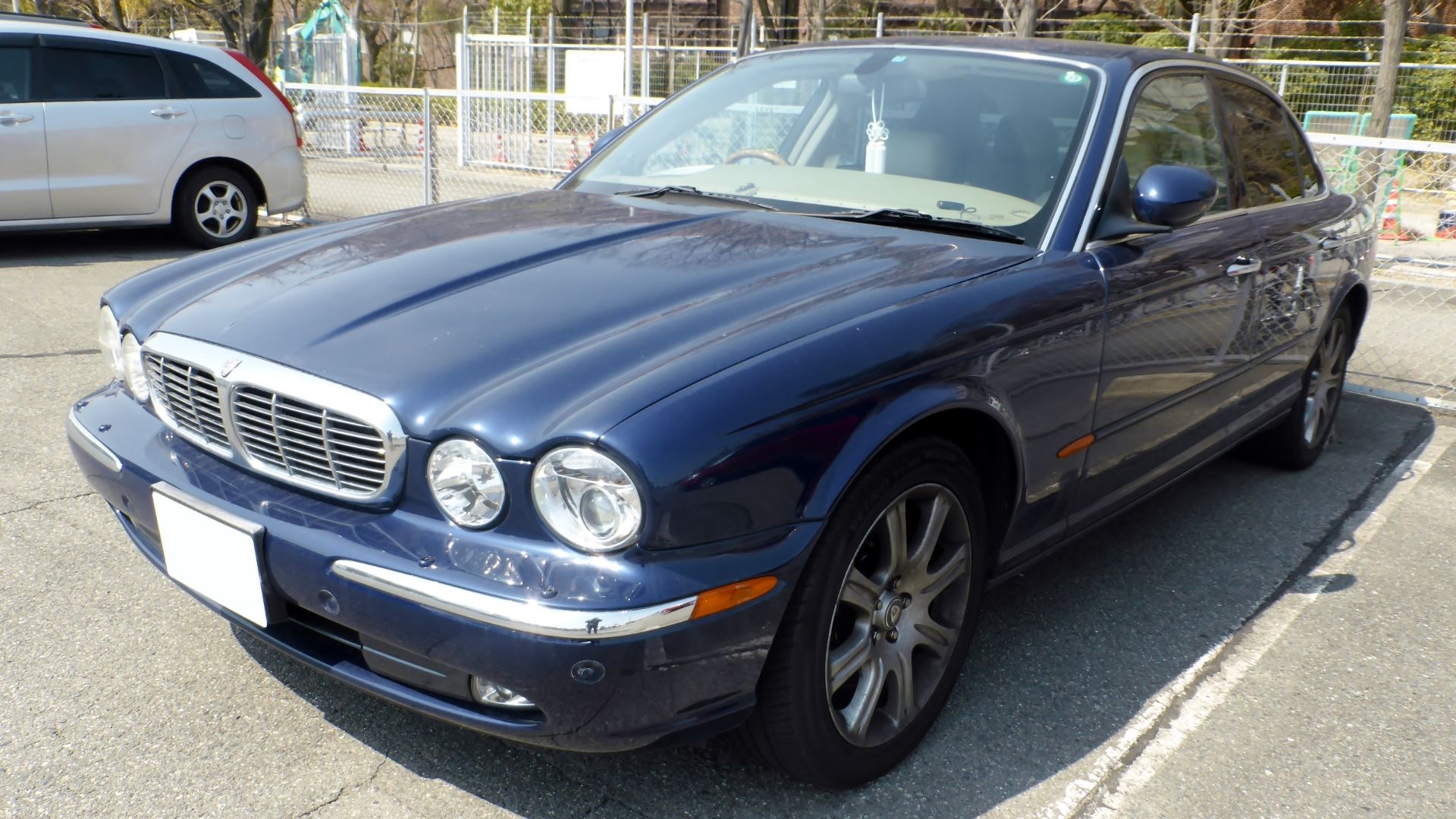 Tokumeigakarinoaoshima on Wikimedia
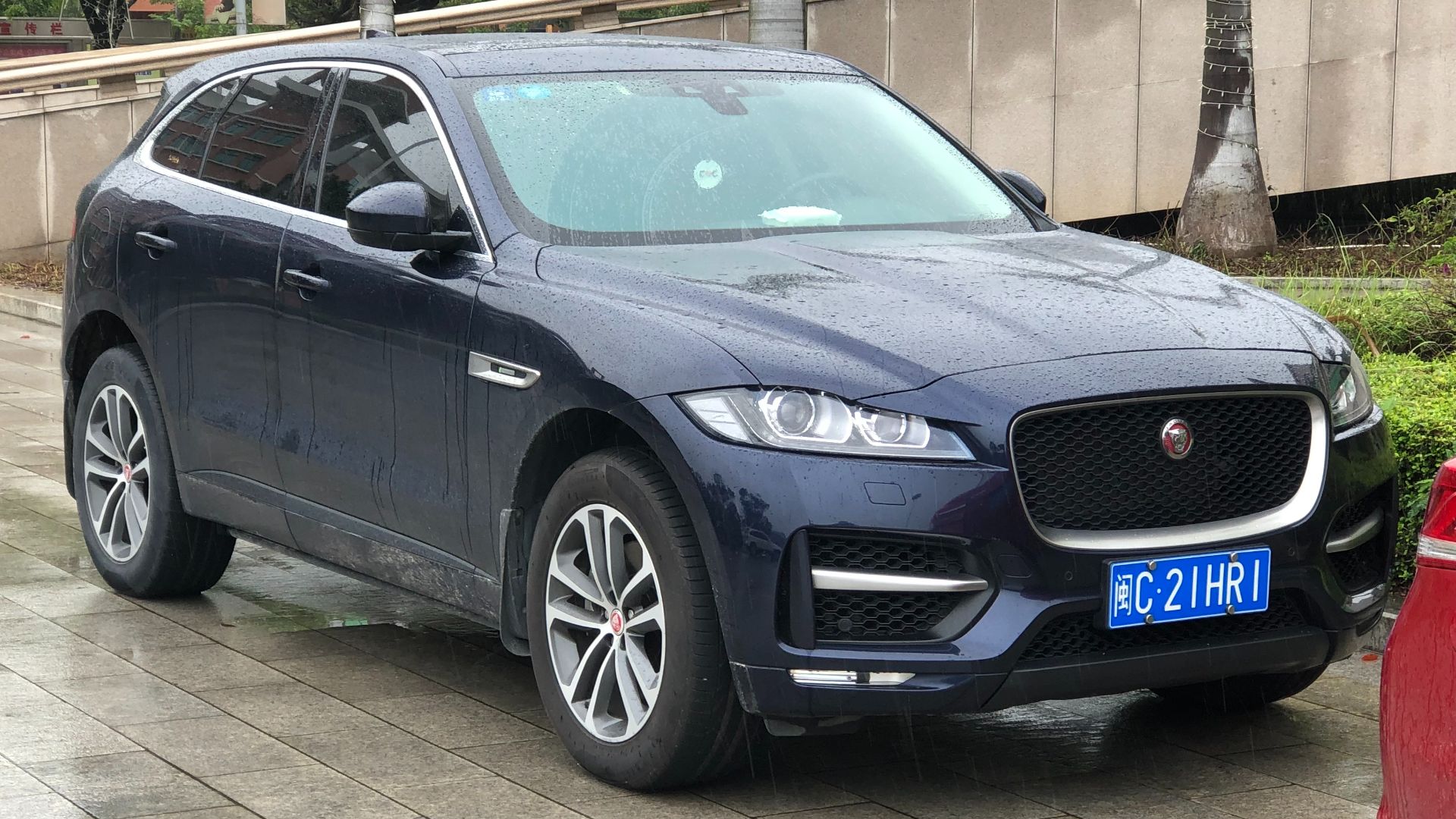
9. Jaguar F-Pace (2016)
Jaguar's first SUV brought real driving dynamics to a growing segment, but early model years drew persistent complaints about infotainment glitches and electrical faults. Reliability surveys consistently placed it below rivals from more established SUV makers. It sold well despite the complaints, which says something about how much buyers wanted a Jaguar with more ground clearance.
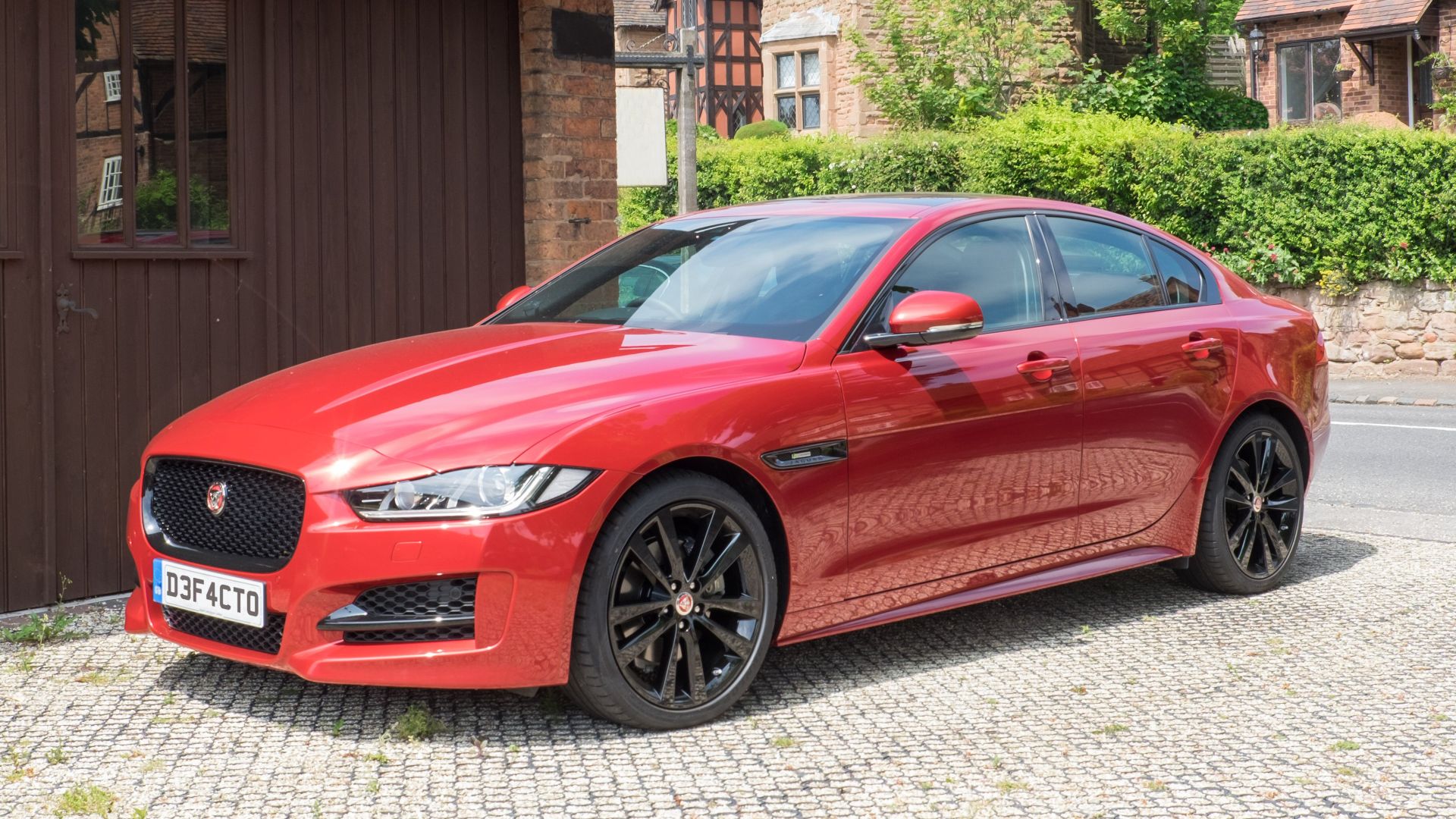
10. Jaguar XE (2015)
Positioned to take on German sport sedans, the XE impressed reviewers with its handling but disappointed plenty of owners once the warranty period ended. Reliability rankings from independent surveys placed it near the bottom of its class more than once. It's a reminder that a great first drive at the dealership doesn't always predict what year three looks like.