Recognition Extends Beyond the Biggest Winners
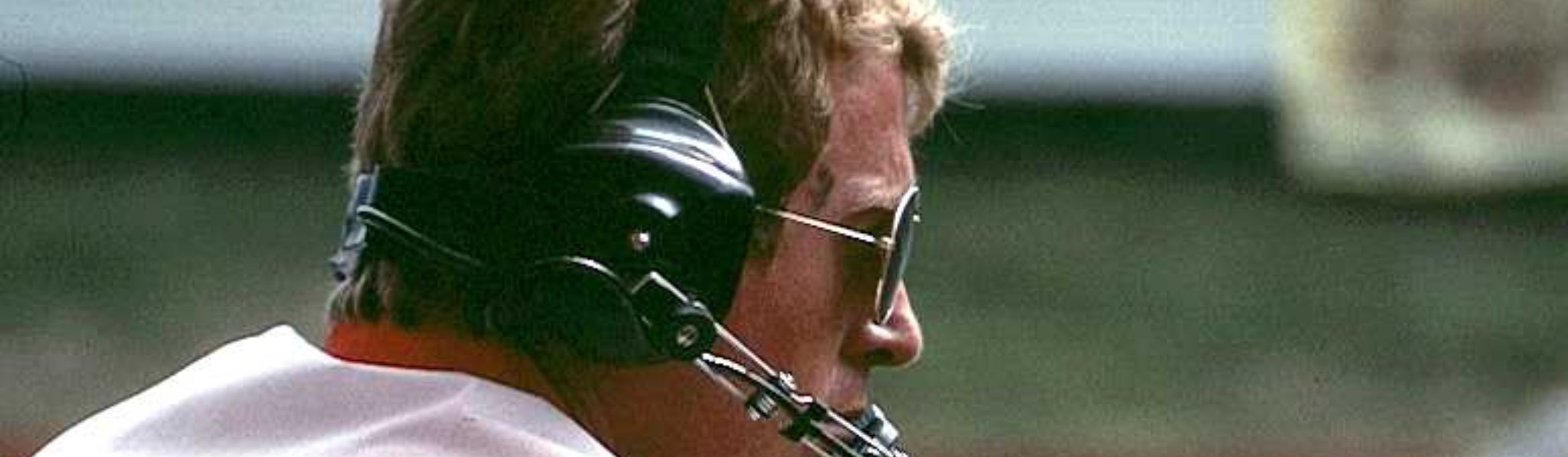
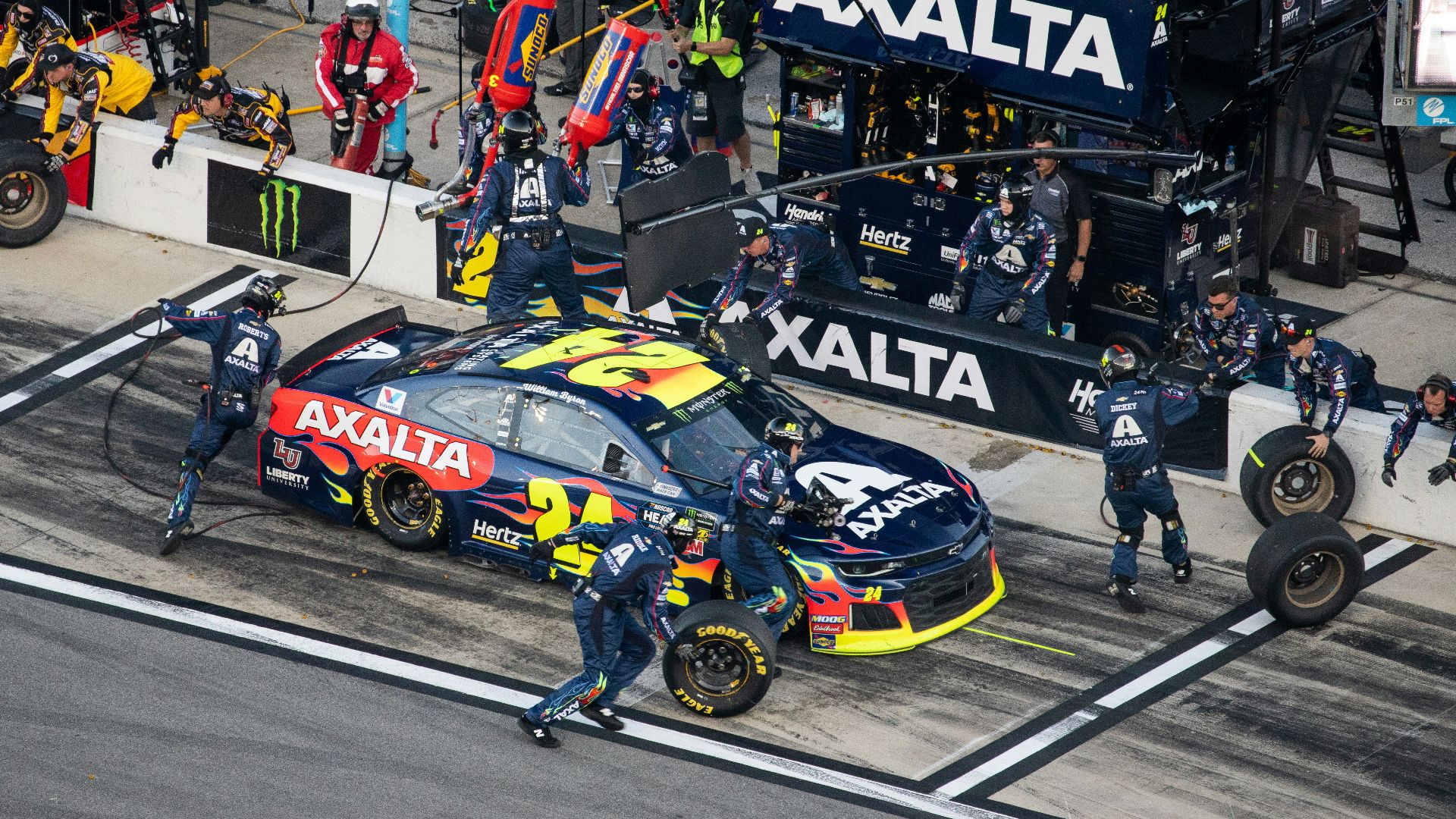
NASCAR history is usually told through champions, record holders, and drivers whose names became familiar far beyond the racetrack. However, the sport was also shaped by competitors who raced through injuries, mechanics who created winning equipment, pioneers who opened closed doors, and short-track legends who never received equal national attention. Their accomplishments may not always dominate highlight reels, but their influence remains visible in modern stock car racing. These are 20 unheralded heroes of NASCAR.
1. Wendell Scott
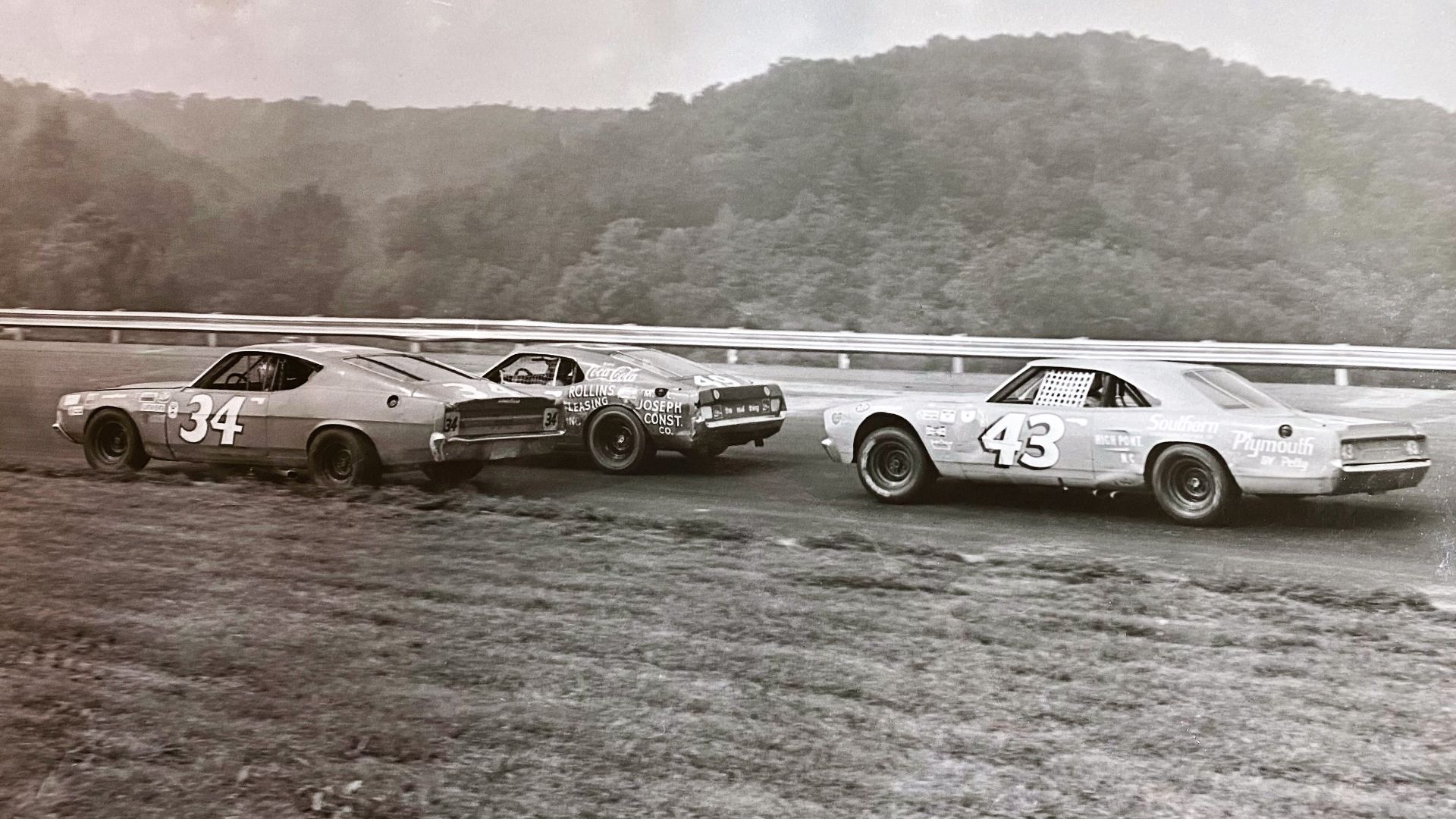
Wendell Scott became the first Black driver to win a race in NASCAR’s top division, earning his victory at Jacksonville in 1963. He competed despite discrimination, limited sponsorship, and equipment that was often inferior to that of larger teams.
2. Janet Guthrie
Janet Guthrie became the first woman to compete in the Daytona 500, finishing 12th in the 1977 race. She entered major stock car events while facing doubts about her ability, physical endurance, and right to participate.
3. Tiny Lund
Tiny Lund earned his place in NASCAR history through an unexpected combination of bravery and driving ability. He helped rescue Marvin Panch from a burning sports car before the 1963 Daytona 500, then replaced the injured driver and won the race. That remarkable week sometimes overshadows the rest of Lund’s solid and versatile racing career.
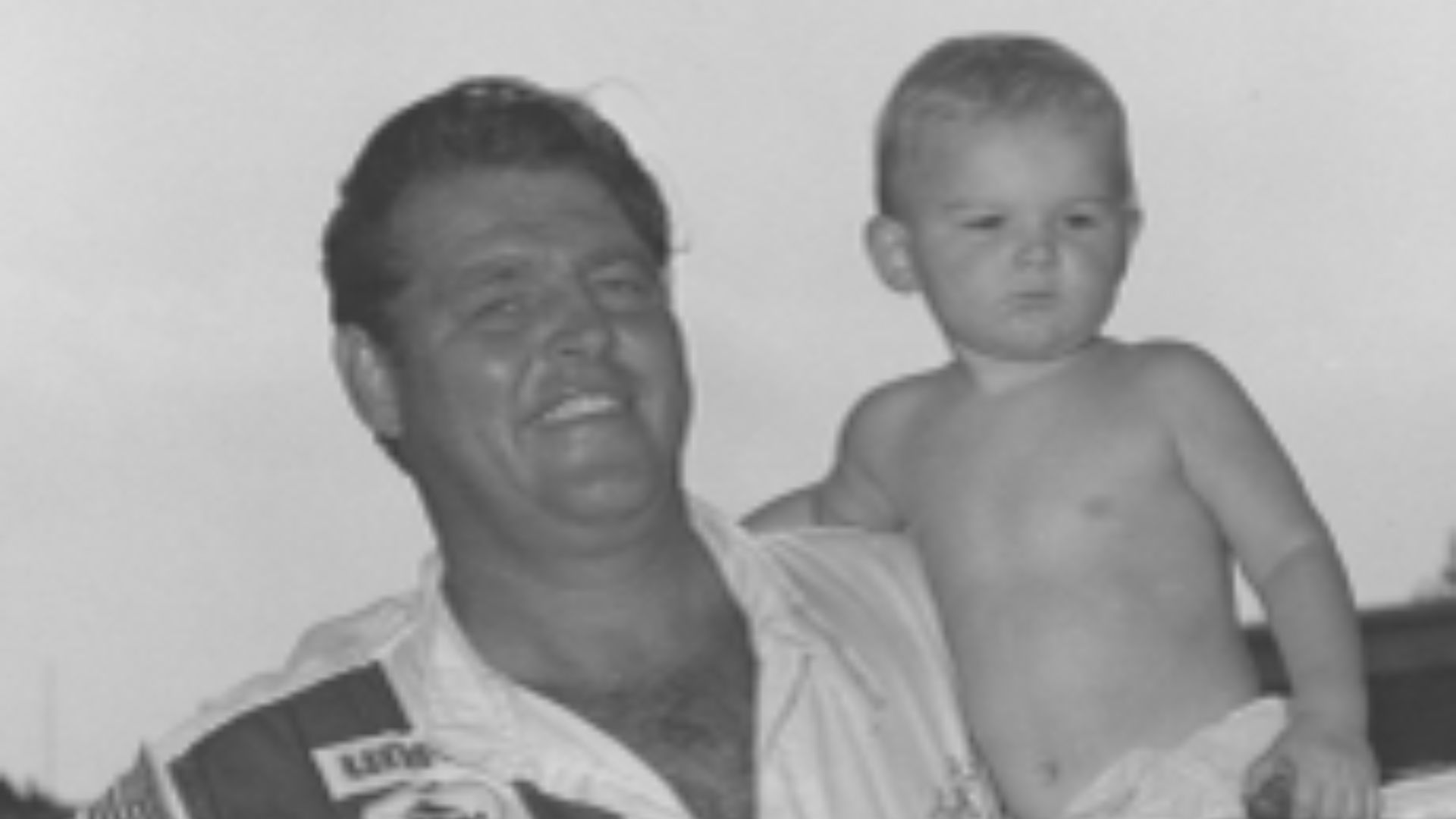 No machine-readable author provided. Cdlund assumed (based on copyright claims). on Wikimedia
4. Ricky Rudd
Ricky Rudd built a career around toughness, consistency, and a willingness to compete under difficult circumstances. After a violent crash at Daytona in 1984 left his eyes badly swollen, he used tape to keep them open and raced the following weekend.
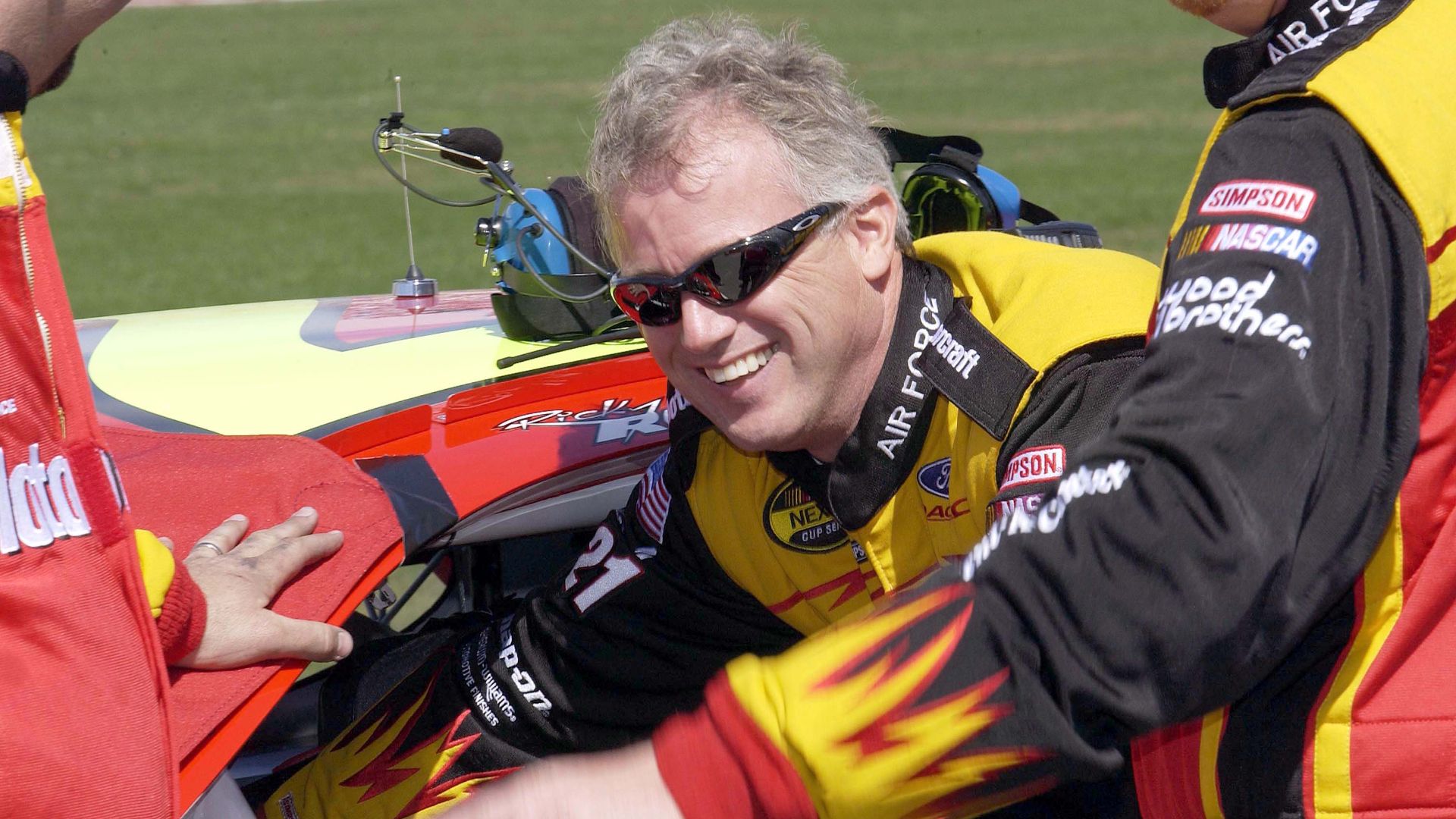 Unknown authorUnknown author on Wikimedia
5. Neil Bonnett
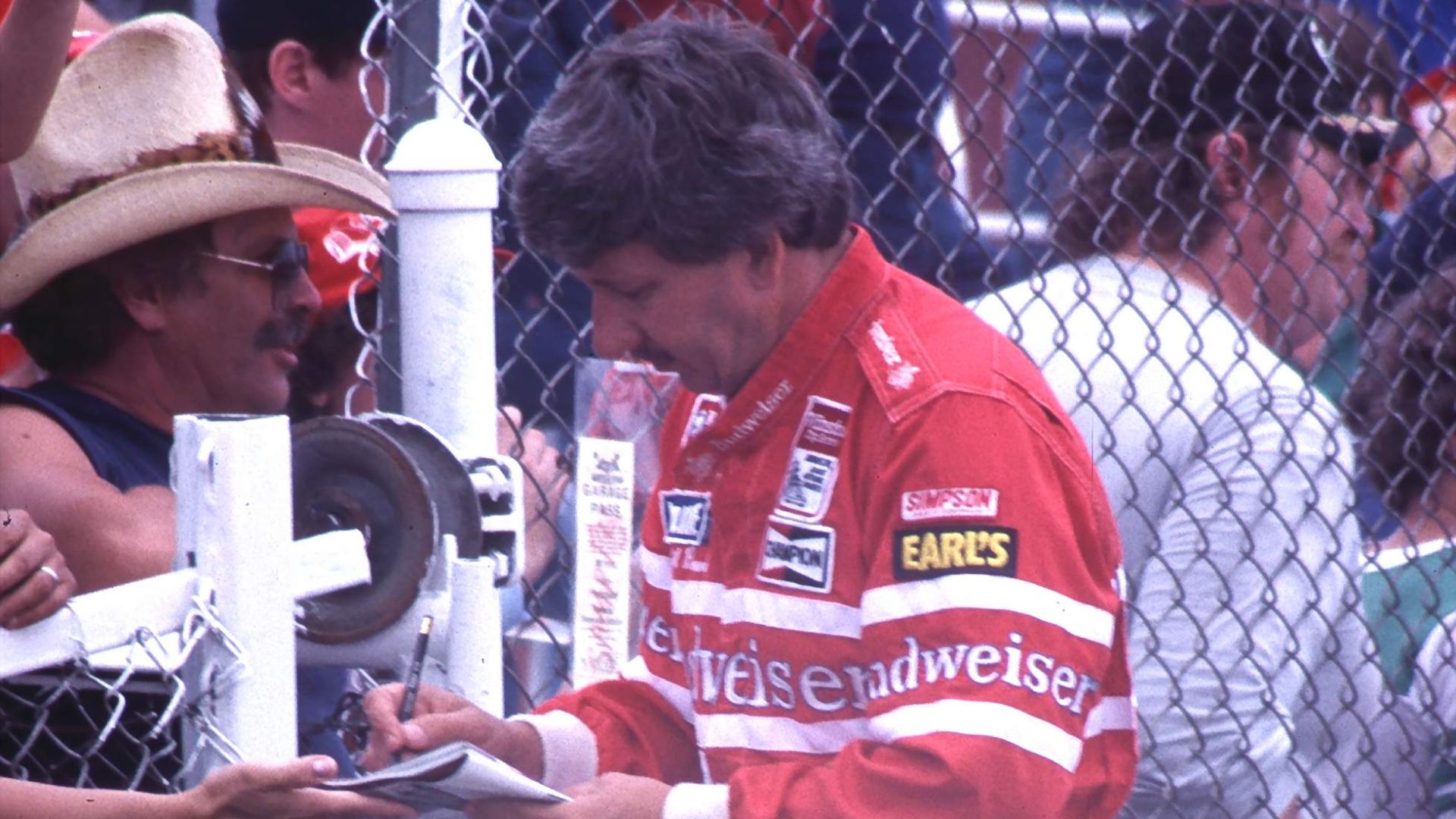
Neil Bonnett won 18 Cup races and became one of the most respected drivers within NASCAR’s garage. He was particularly successful in major events, capturing consecutive Coca-Cola 600 victories and winning at tracks that demanded patience and technical skill.
6. Harry Gant
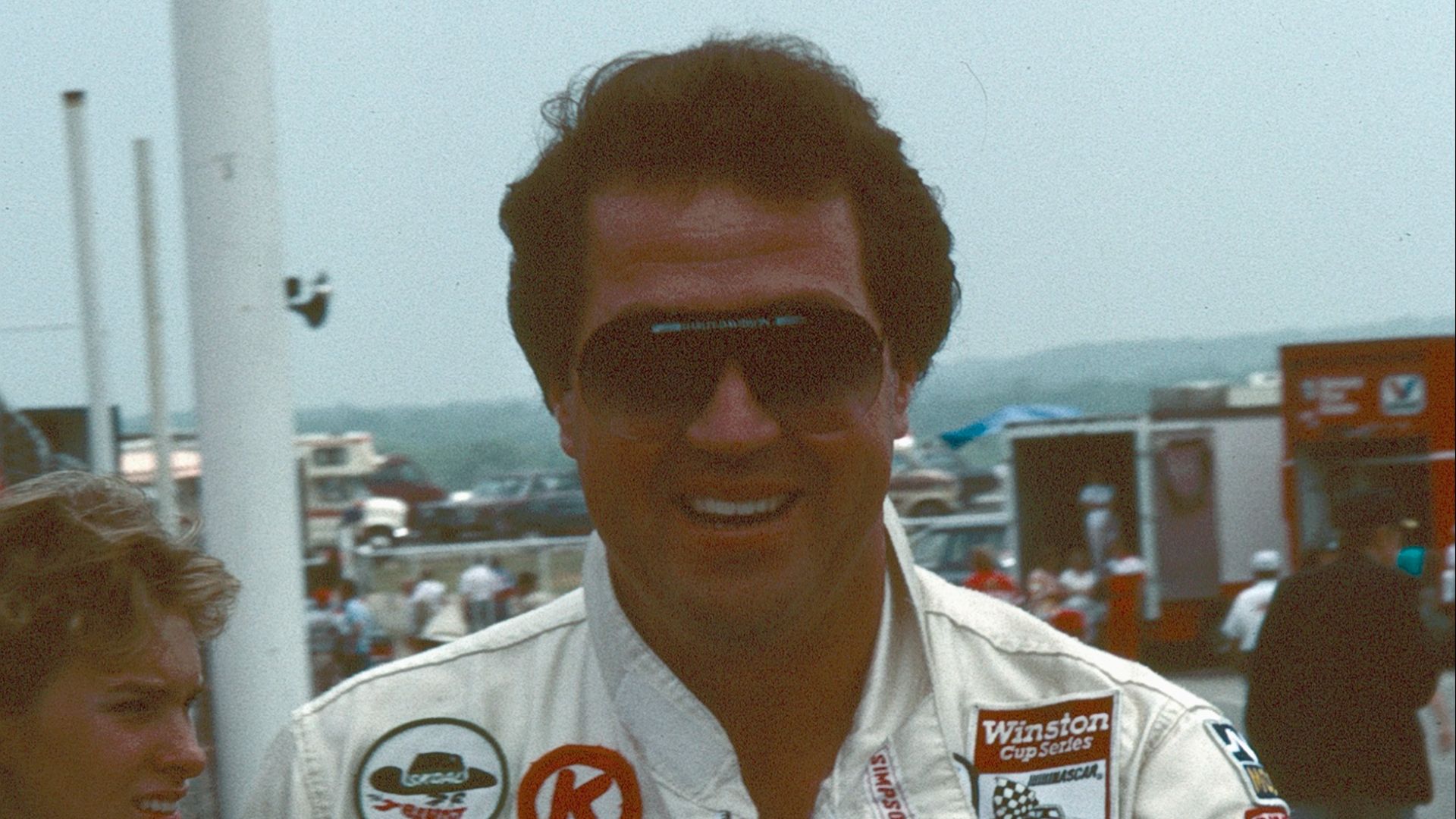
Harry Gant didn’t begin racing full-time in NASCAR’s top division until he was already in his late 30s. He nevertheless won 18 Cup races and became famous for capturing four consecutive victories in September 1991 at age 51.
7. Dave Marcis
Dave Marcis competed in more than 880 Cup races across a career that stretched from the 1960s into the early 2000s. He frequently operated as an independent owner-driver without the resources enjoyed by major organizations.
8. Morgan Shepherd
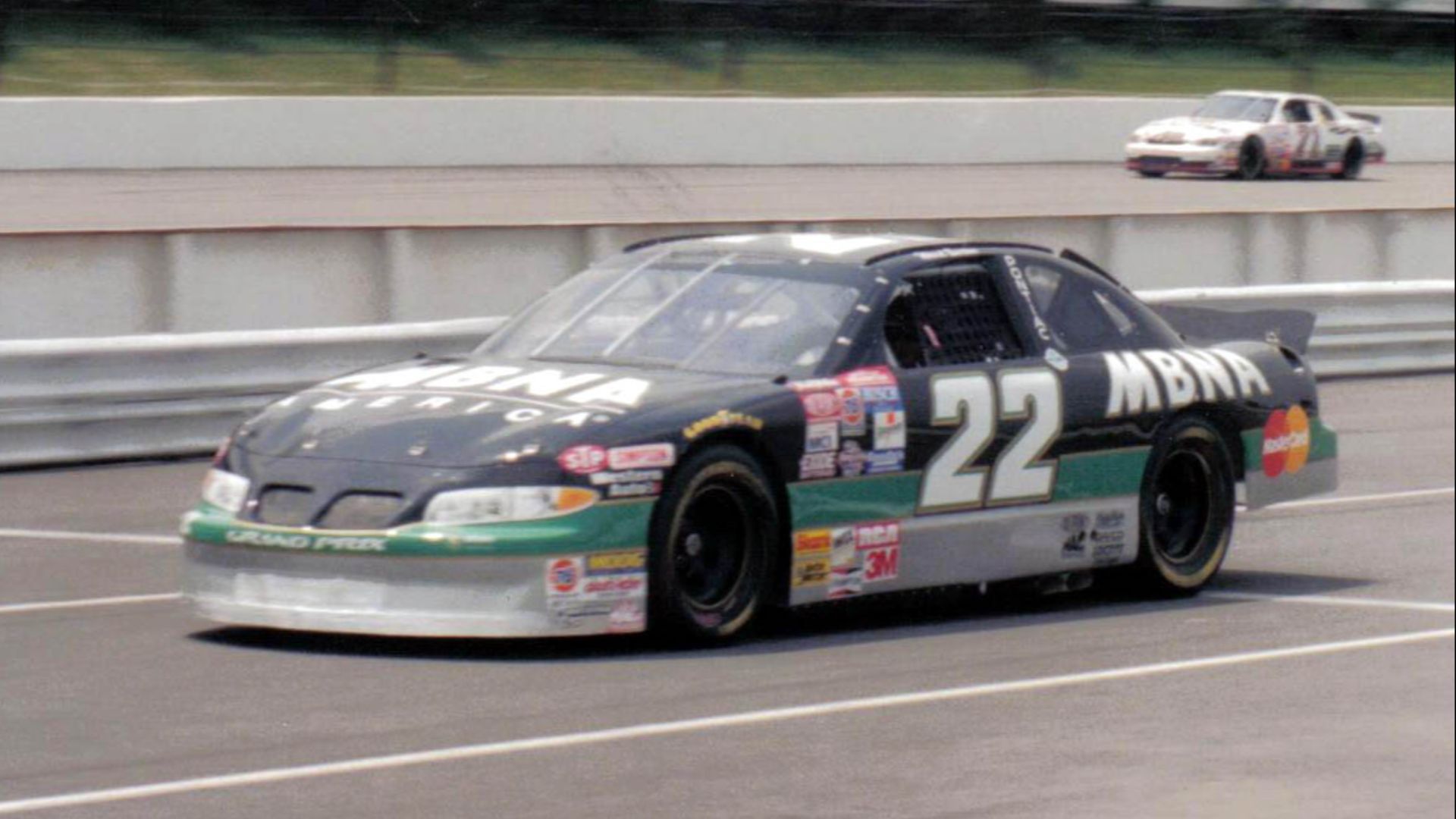
Morgan Shepherd won four Cup races and remained involved in national-series competition well beyond the age most drivers retire. His career included strong performances for established teams as well as years spent maintaining his own smaller operation. Away from competition, he became known for charitable work and quietly assisting people throughout the racing community.
9. Dick Trickle
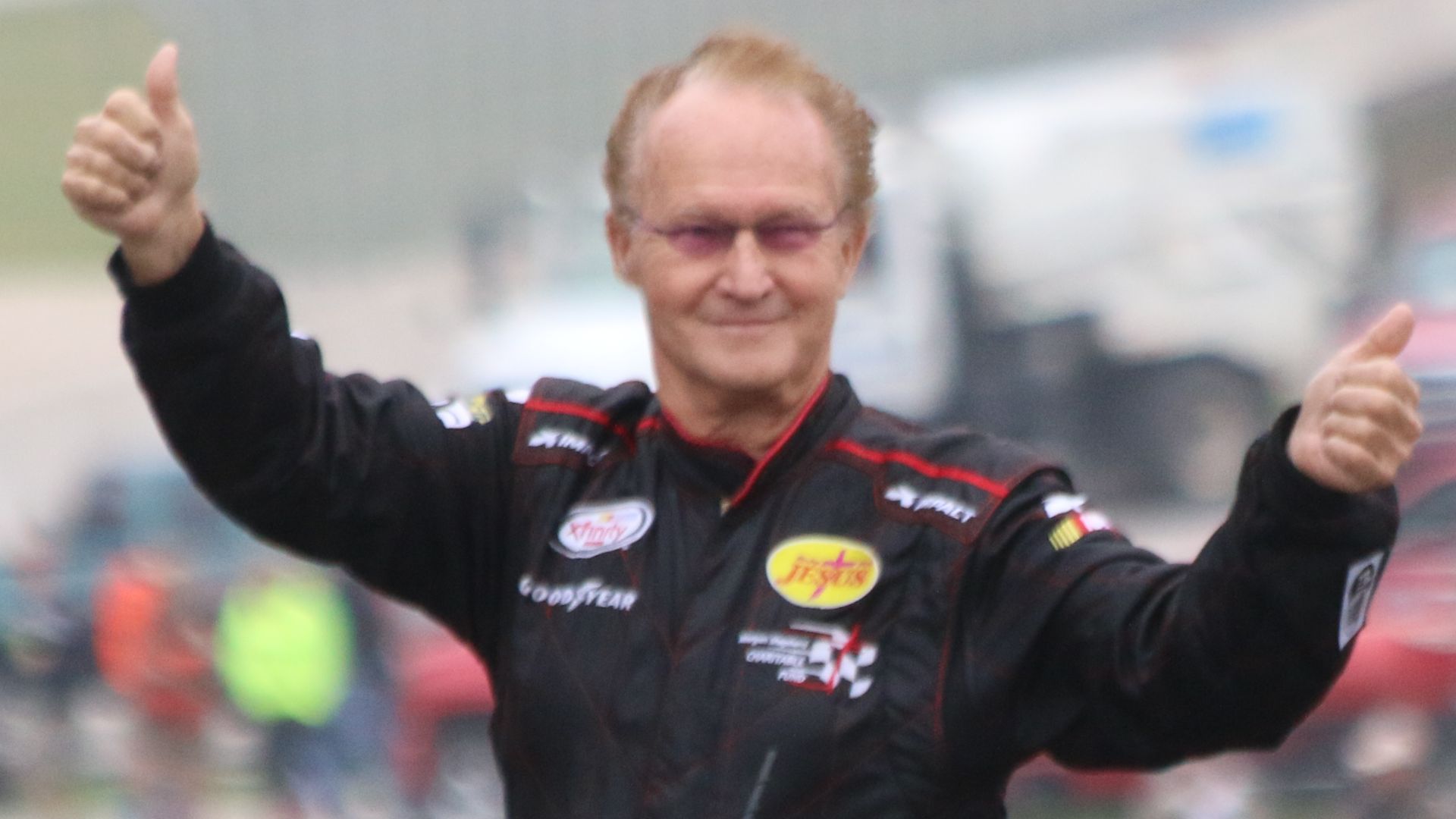
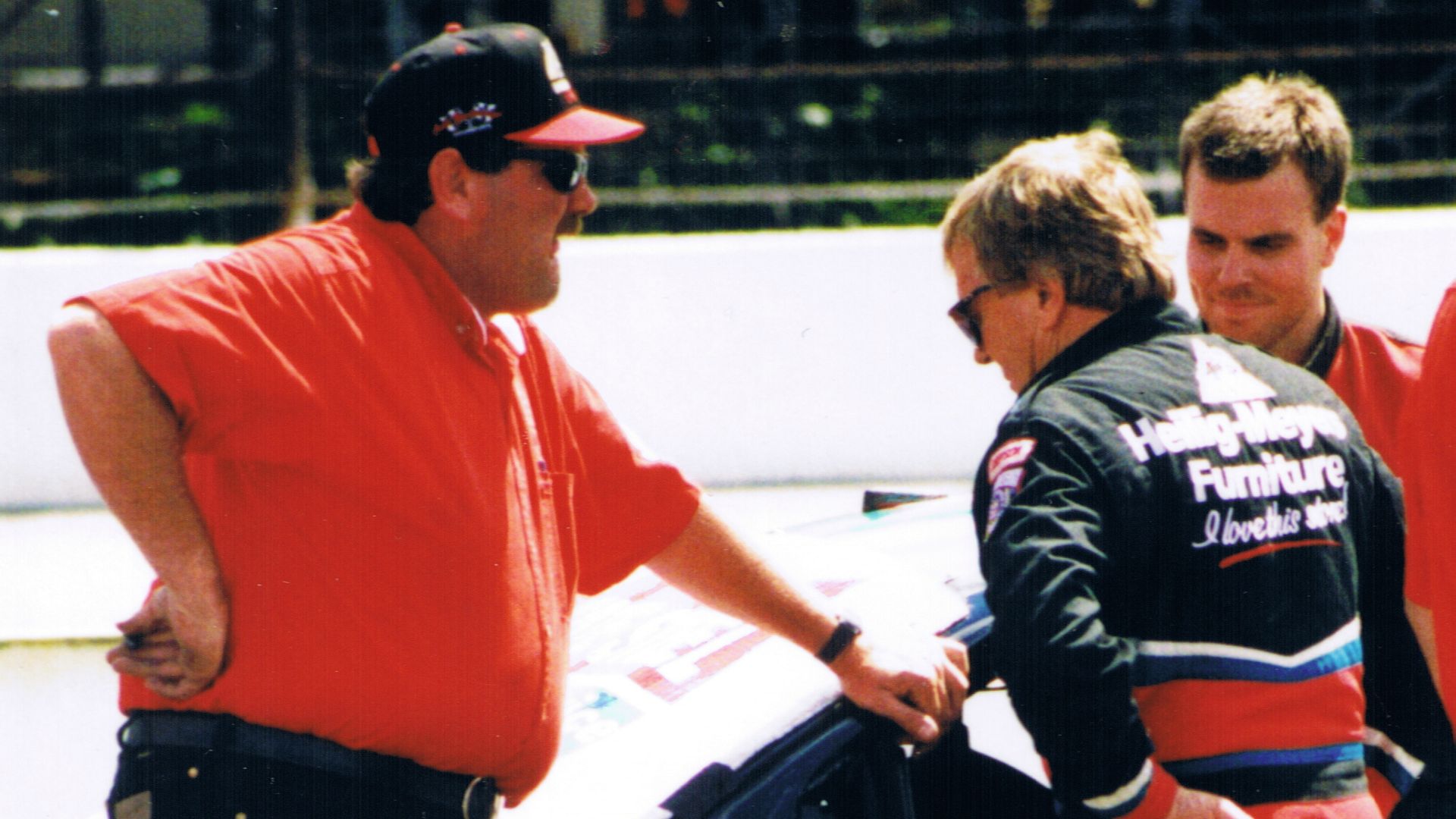
Dick Trickle became a national NASCAR figure later in life, but his greatest accomplishments came on Midwestern short tracks. He reportedly won hundreds of feature races while developing a reputation for mechanical understanding and remarkable car control.
 Spikerogan (talk) on Wikimedia
10. Sam Ard
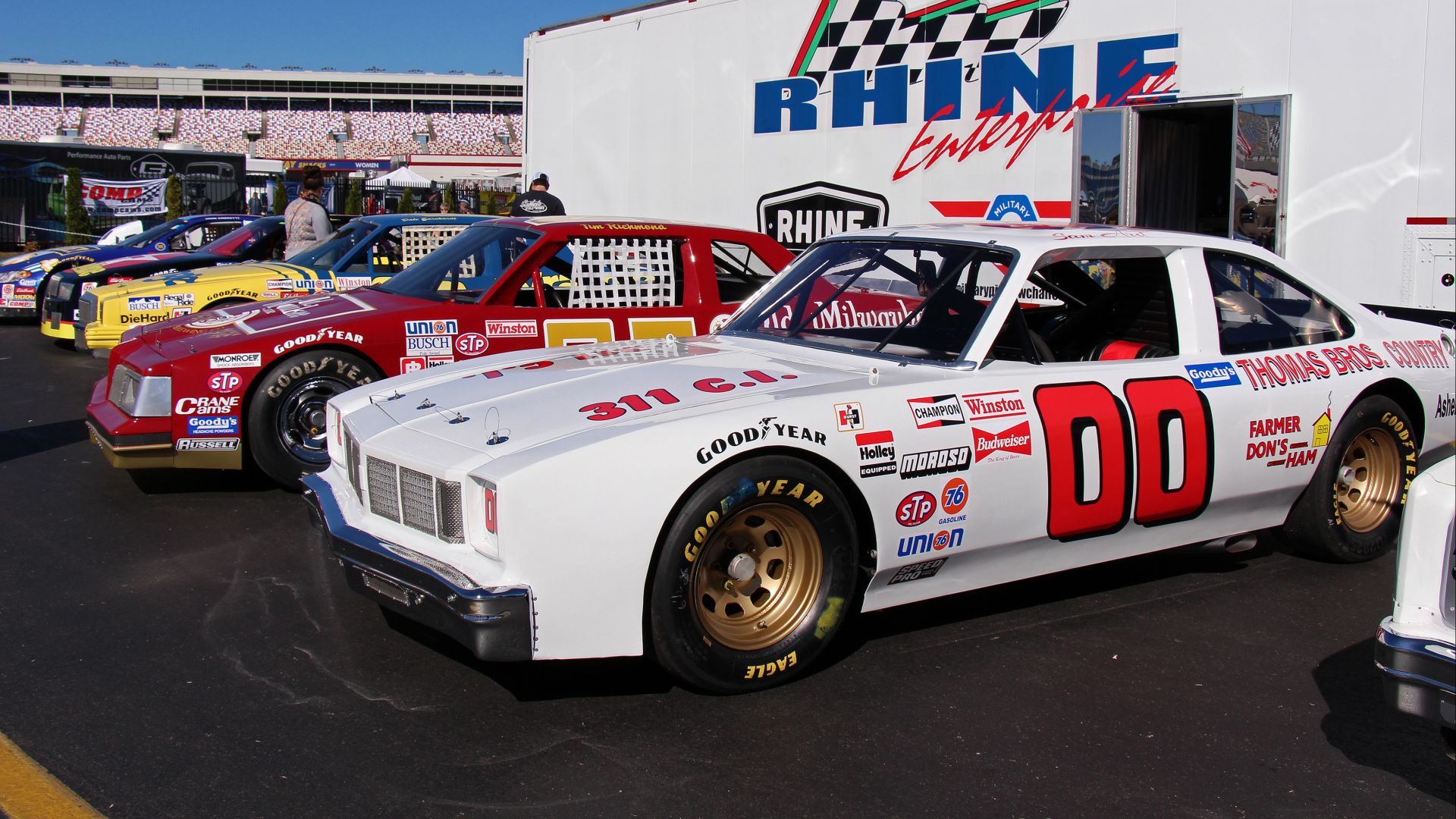
Sam Ard was one of the earliest stars of NASCAR’s modern second-tier national series. He won back-to-back championships in 1983 and 1984 while competing against drivers with stronger financial support and wider recognition.
 Trailers of the East Coast on Wikimedia
11. Jack Ingram
Jack Ingram helped establish NASCAR’s second-tier series as a serious national championship rather than a collection of supporting events. He won titles in 1982 and 1985 while collecting 31 victories across his career. Known for his intelligence and preparation, Ingram regularly defeated younger drivers and larger teams without attracting the attention given to Cup stars.
12. Banjo Matthews
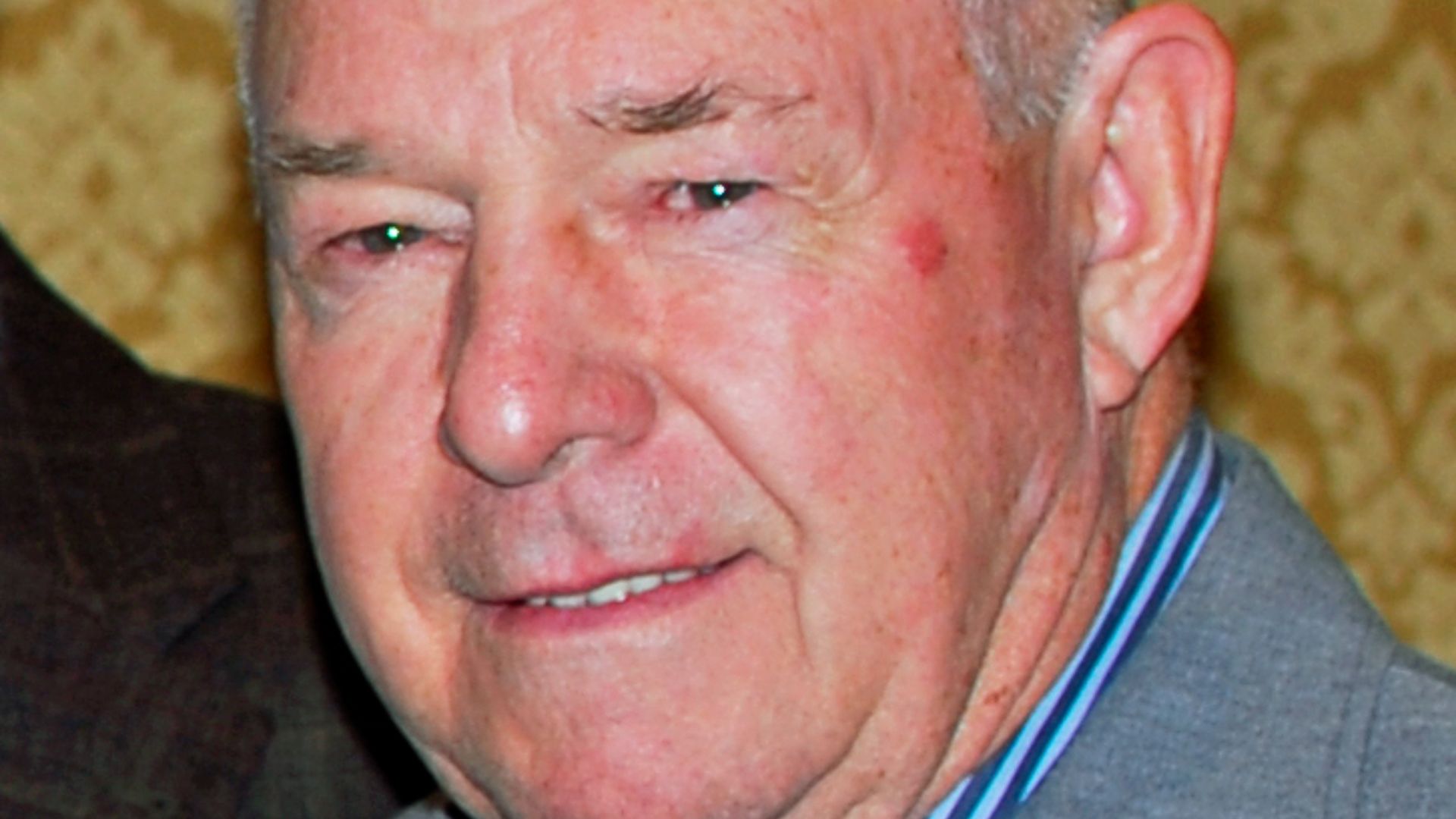
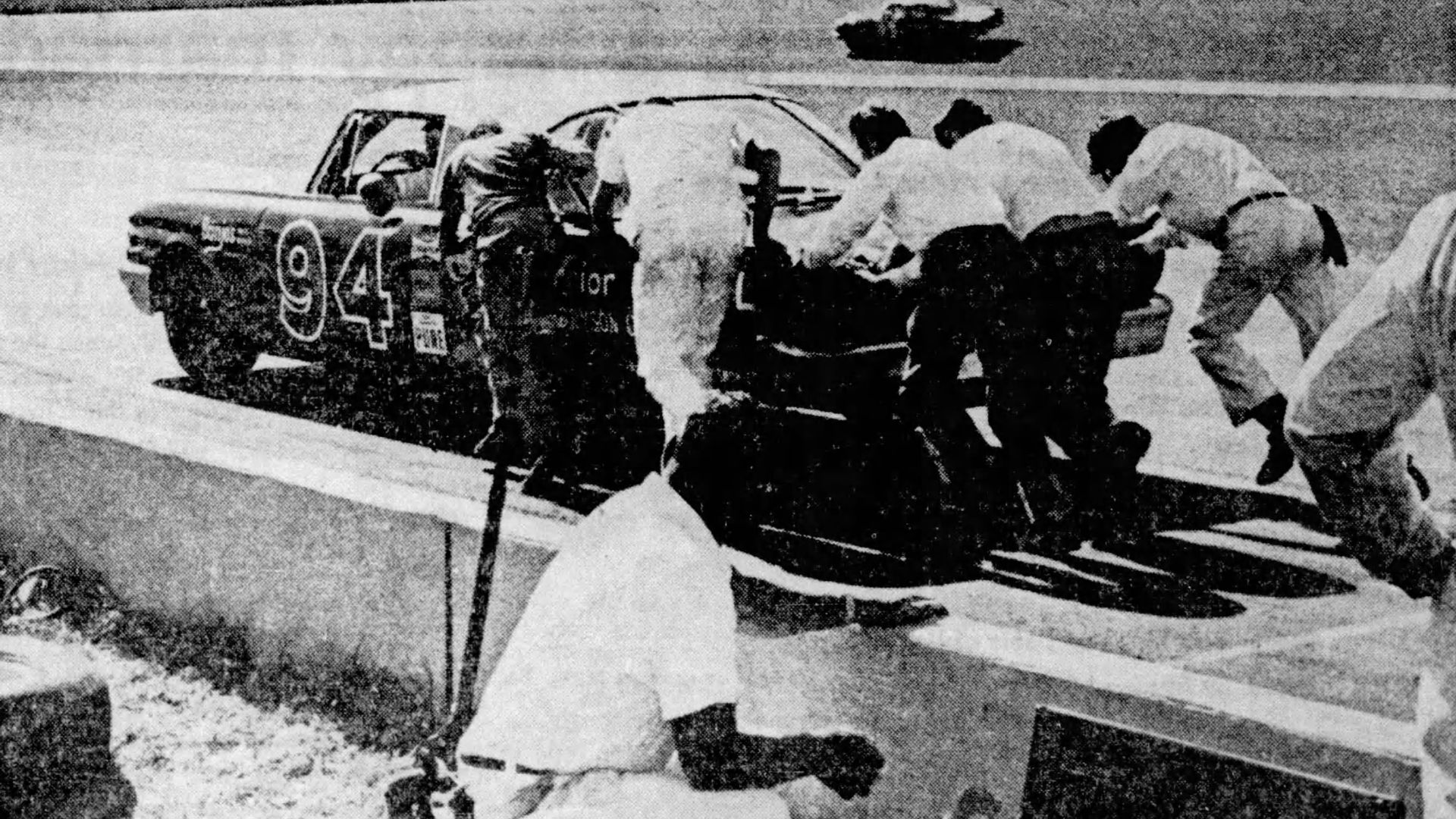
Banjo Matthews became one of stock car racing’s most important builders despite receiving little attention from casual fans. Cars constructed by his operation won more than 250 Cup races and multiple championships during an era in which many leading teams relied on outside chassis specialists.
 Daytona Beach Morning Journal on Wikimedia
13. Ray Fox
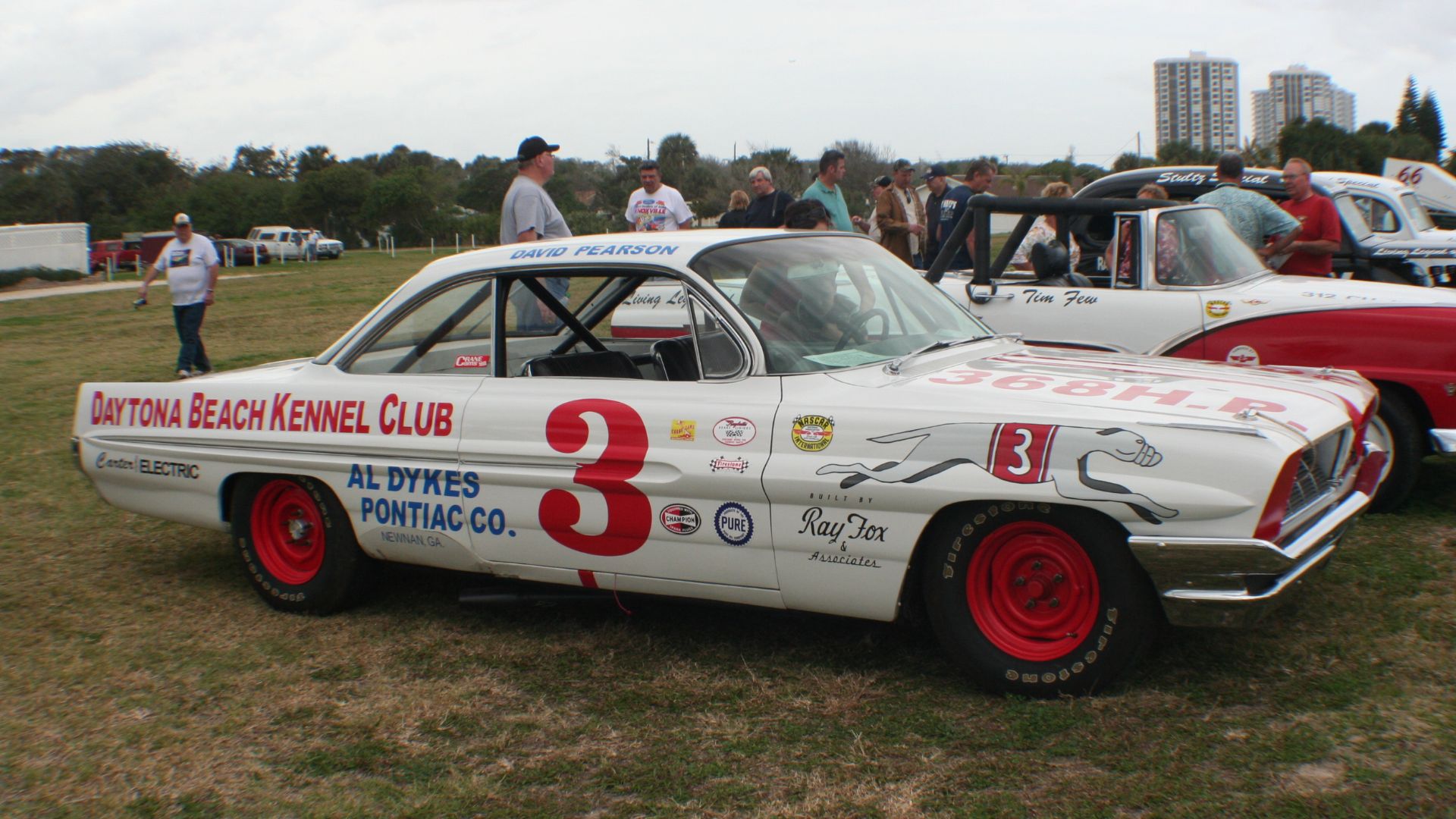
Ray Fox succeeded as a mechanic, engine builder, car owner, and race official during NASCAR’s formative decades. He prepared the car Junior Johnson drove to victory in the 1960 Daytona 500 and later won 14 Cup races as an owner.
 Freewheeling Daredevil on Wikimedia
14. Herb Nab
Herb Nab served as crew chief for championship-winning campaigns with Bobby Isaac and Benny Parsons. Despite those numbers, Nab never developed the public profile enjoyed by many drivers whose careers depended heavily on his preparation and strategic decisions.
15. Waddell Wilson
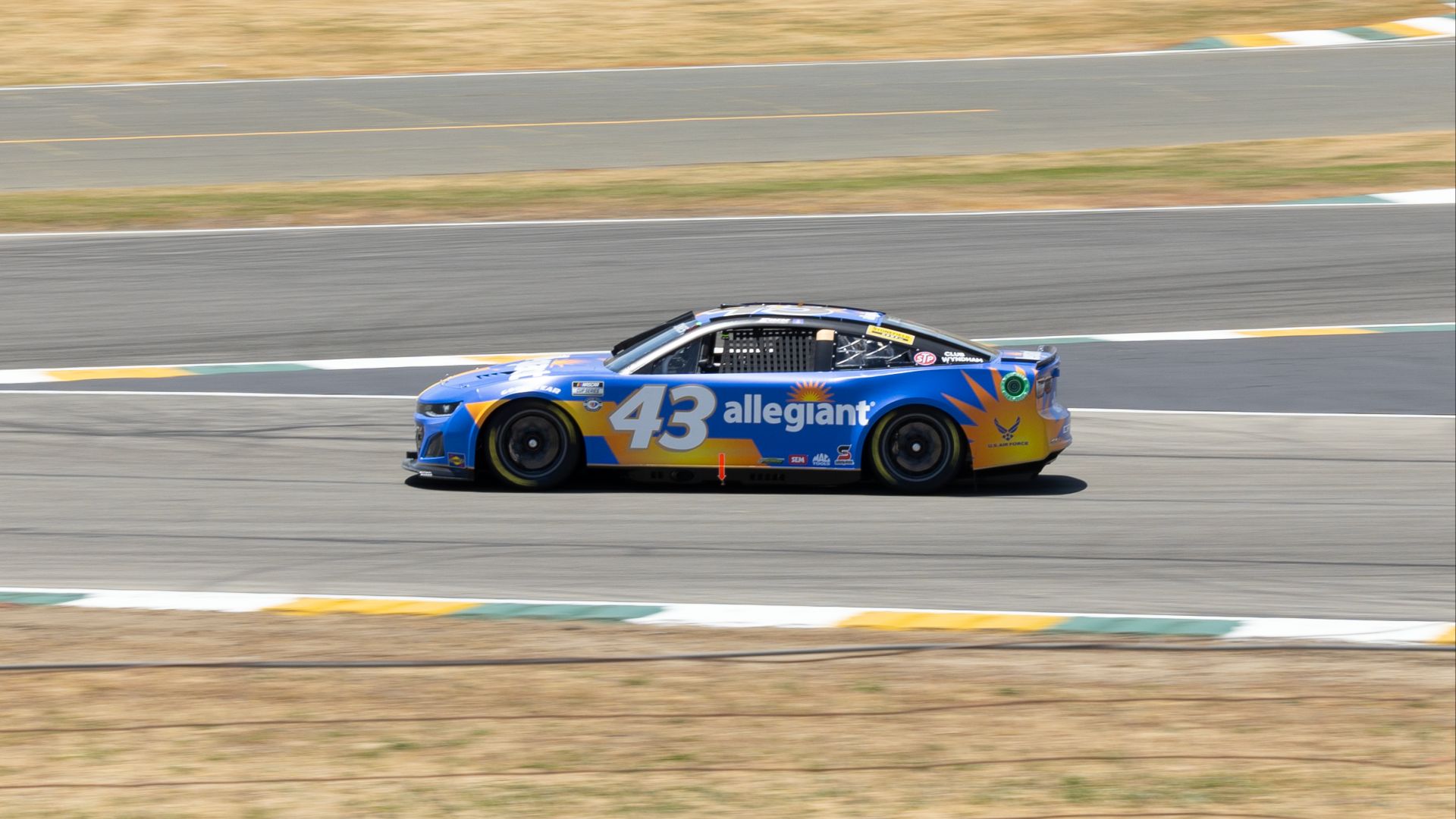
Waddell Wilson excelled both as an engine builder and as a crew chief. Engines prepared by Wilson powered several Daytona 500 victories, while his leadership helped drivers succeed in many of NASCAR’s most important races.
16. Randy Dorton
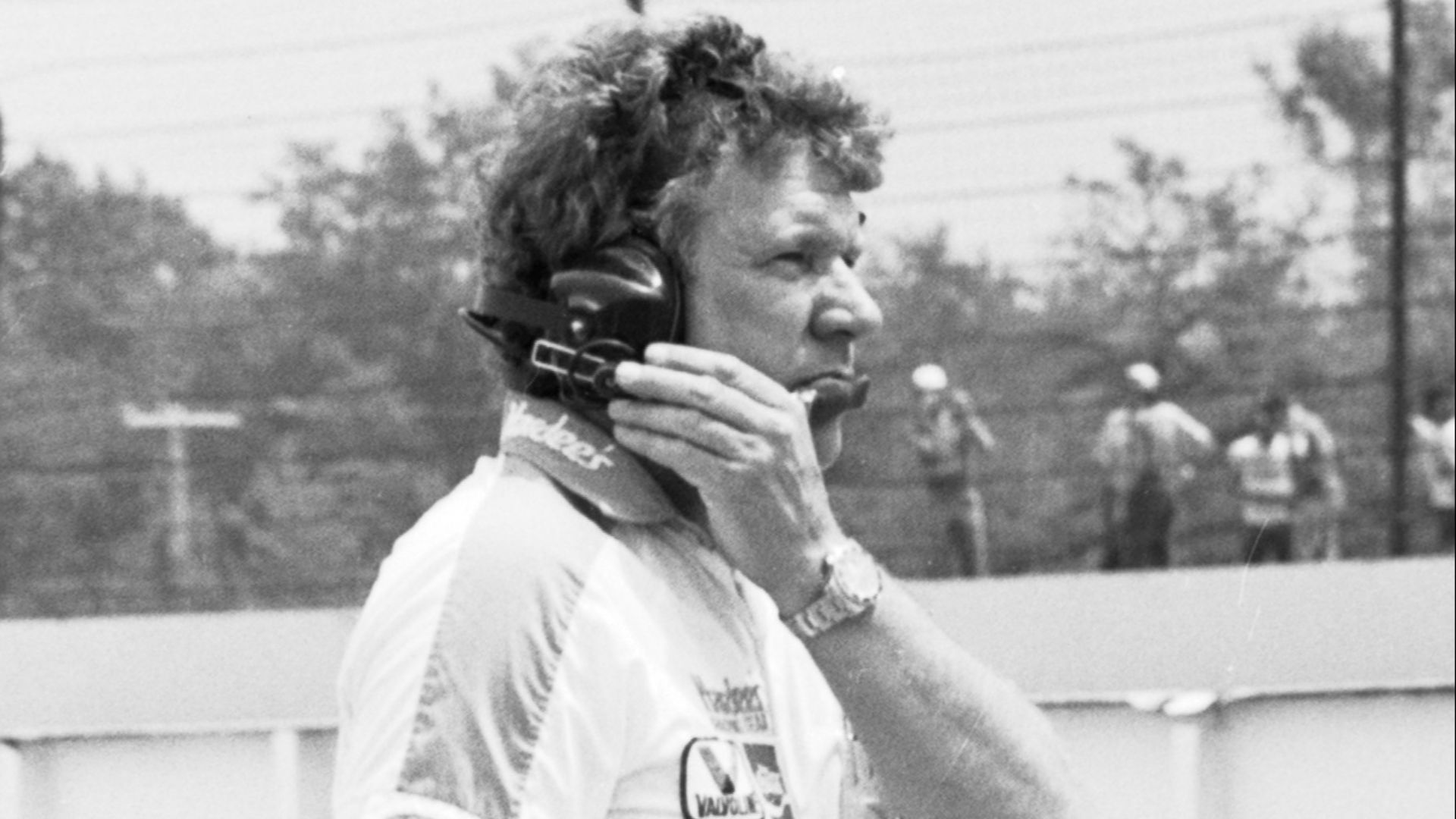
Randy Dorton built engines for Hendrick Motorsports during its rise from a young organization into a NASCAR powerhouse. His work contributed to hundreds of victories across several racing divisions and helped establish the company’s reputation for technical excellence.
17. Ernie Elliott
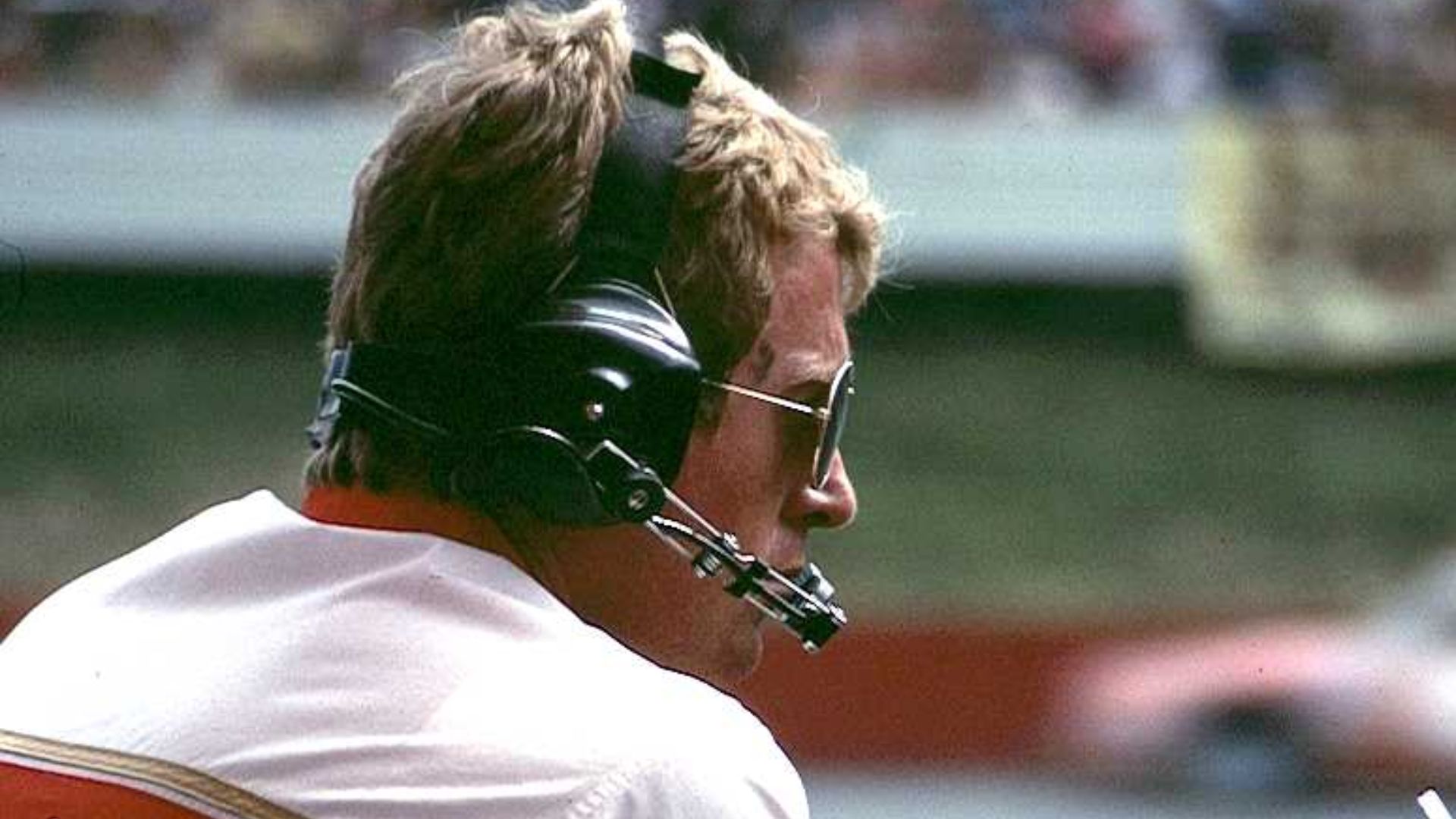
Ernie Elliott built the engines that powered his brother Bill through one of the fastest and most successful periods in NASCAR history. His work helped produce a championship, Daytona 500 victories, and record-setting qualifying speeds.
18. Maurice Petty
Maurice Petty was a central figure in the success of Petty Enterprises, although his brother Richard naturally became the family’s most recognizable member. Known as “The Chief,” Maurice built engines that contributed to numerous victories and championships.
19. Kirk Shelmerdine
Kirk Shelmerdine became Dale Earnhardt’s crew chief while still in his 20s and helped guide him to four Cup championships. Shelmerdine later competed as a driver, often operating with limited funding and a very small crew.
20. Alvin Hawkins
Alvin Hawkins worked as NASCAR’s first flagman and helped organize racing at Bowman Gray Stadium alongside Bill France Sr. His responsibilities expanded to officiating, promoting events, and developing procedures during the organization’s early years.