When Safety Caught Up And When It Never Quite Did
Car recalls are usually framed as inconveniences, but they exist for a reason. Sometimes a defect is so obvious, so widespread, or so dangerous that regulators, manufacturers, and the public all agree something went wrong. Other times, a model builds a reputation slowly, through owner complaints, lawsuits, and patterns that feel impossible to ignore. Some cars get pulled back into the shop under federal order, while others skate by on technicalities and timing. These are ten vehicles that were recalled for very real reasons, followed by ten that many drivers still believe deserved the same fate.
1. Ford Pinto
The Pinto became the textbook example of a recall that came too late. Rear-end collisions could rupture the fuel tank, leading to fires, a flaw documented in internal Ford memos and later court cases. The car was eventually recalled in 1978 after mounting fatalities and public pressure.
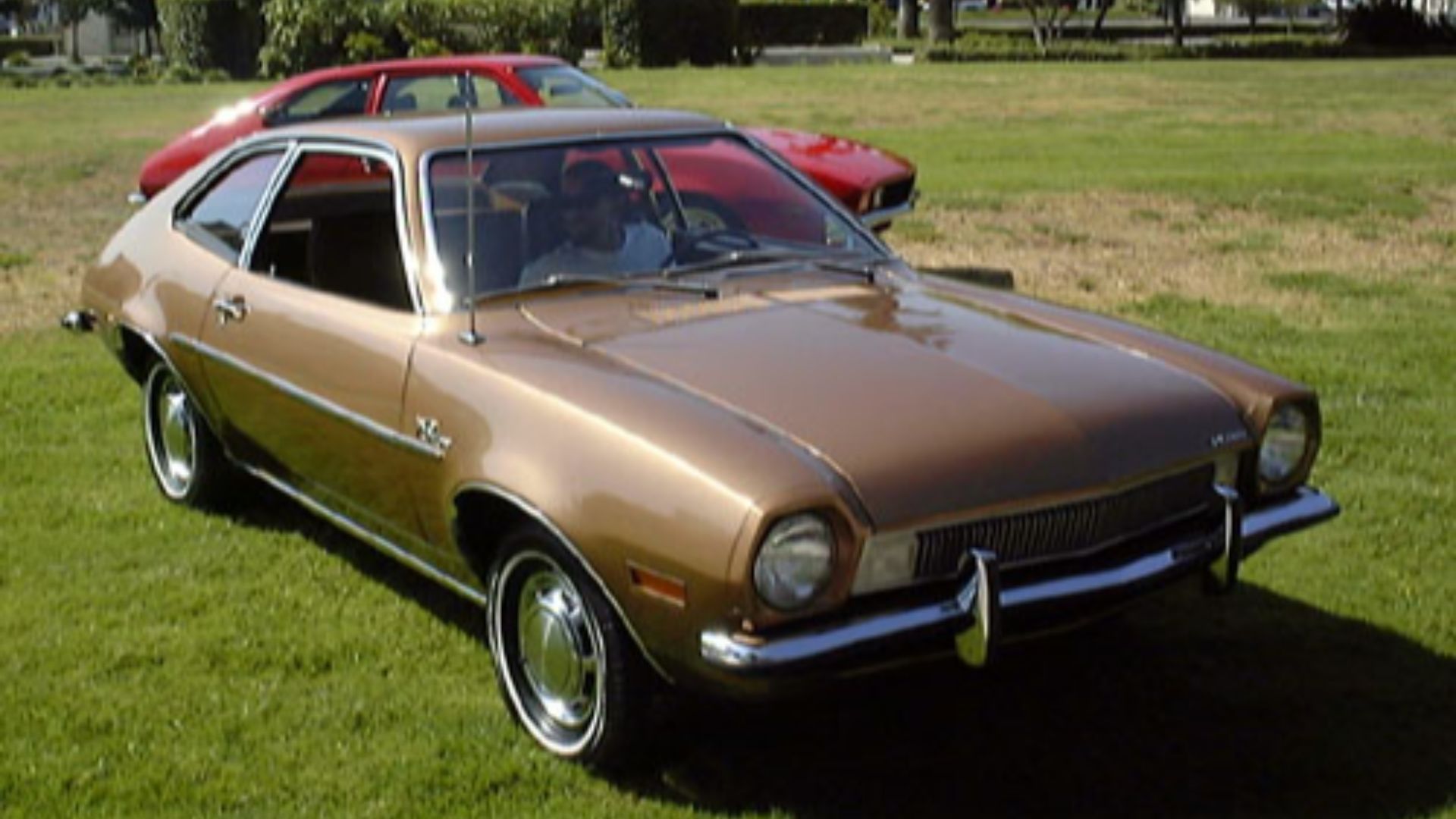 User Morven on en.wikipedia on Wikimedia
2. Toyota Corolla And Camry With Sudden Acceleration
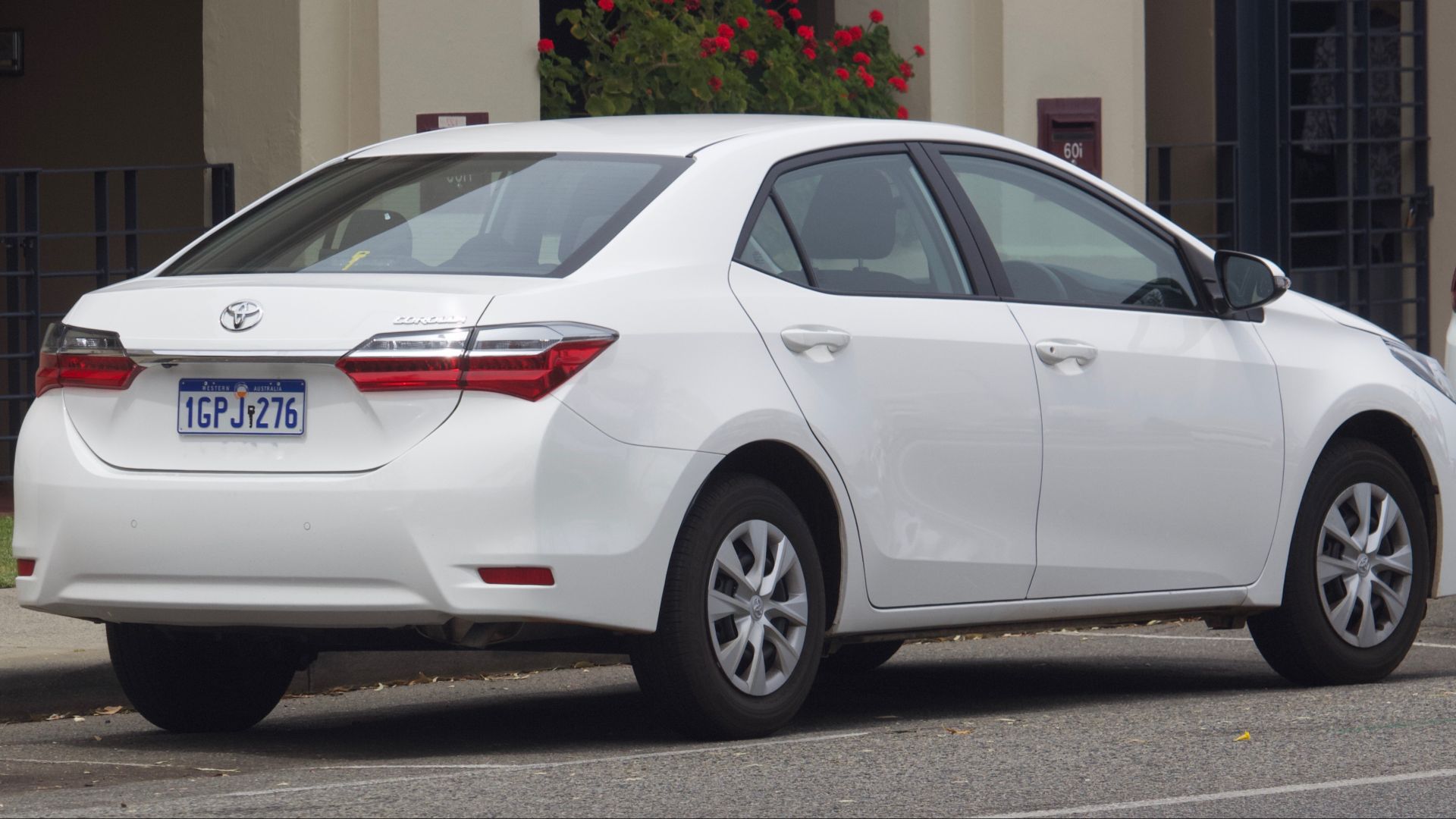
Between 2009 and 2010, Toyota recalled millions of vehicles over unintended acceleration linked to floor mats and pedal mechanisms. NHTSA investigations confirmed safety risks, even if electronic causes were debated. The recalls reshaped how automakers respond to defect claims.
3. General Motors Vehicles With Faulty Ignition Switches
GM recalled over 30 million vehicles after ignition switches were found to shut off engines and airbags while driving. Internal investigations showed the issue had been known for years. At least 124 deaths were linked to the defect, according to GM’s own compensation program.
4. Takata Airbag-Equipped Vehicles
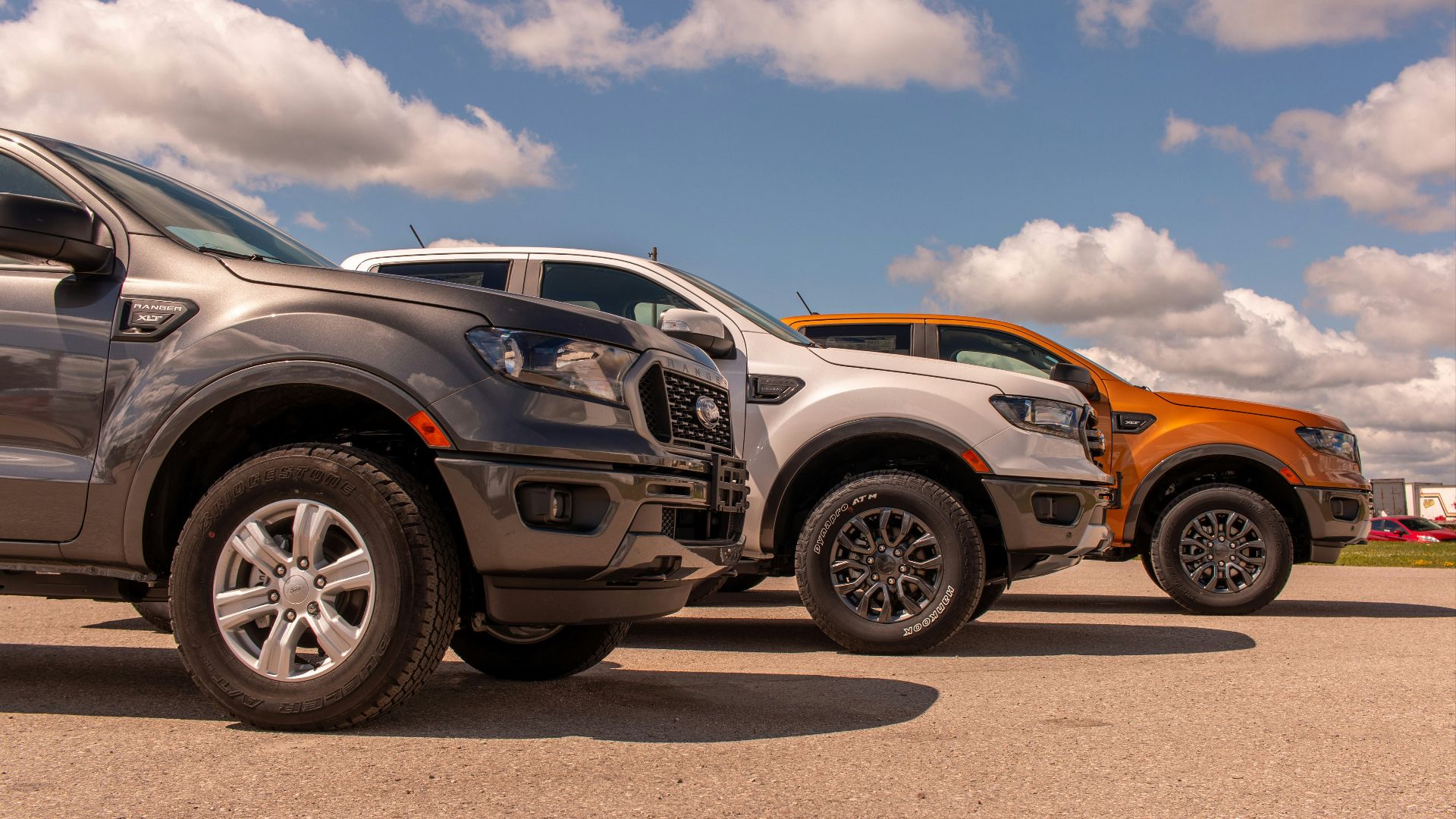
This recall affected dozens of brands and tens of millions of vehicles worldwide. Takata airbags could explode upon deployment, sending metal shrapnel into the cabin. NHTSA has called it the largest automotive recall in U.S. history.
5. Jeep Grand Cherokee And Liberty Fuel Tank Recall
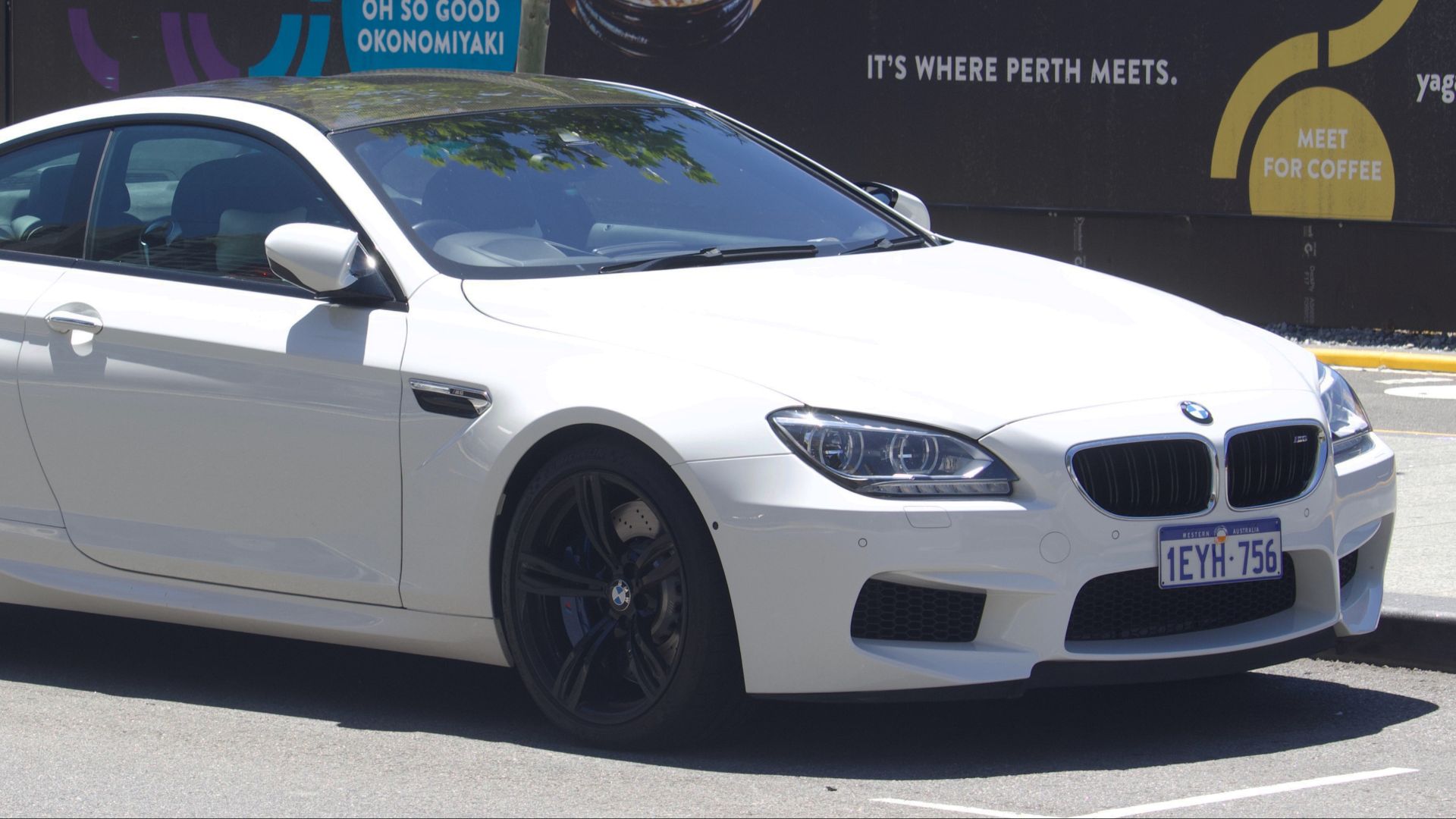
Certain Jeep SUVs were recalled after NHTSA linked rear-mounted fuel tanks to increased fire risk in rear-end crashes. Chrysler initially resisted but eventually agreed to recall and retrofit vehicles. Crash data supported higher-than-average fire incidents.
6. Hyundai And Kia Engine Failure Recalls
Multiple Hyundai and Kia models were recalled for engine defects that could cause stalling or fires. NHTSA investigations found manufacturing debris left inside engines. Owners reported sudden failures at highway speeds.
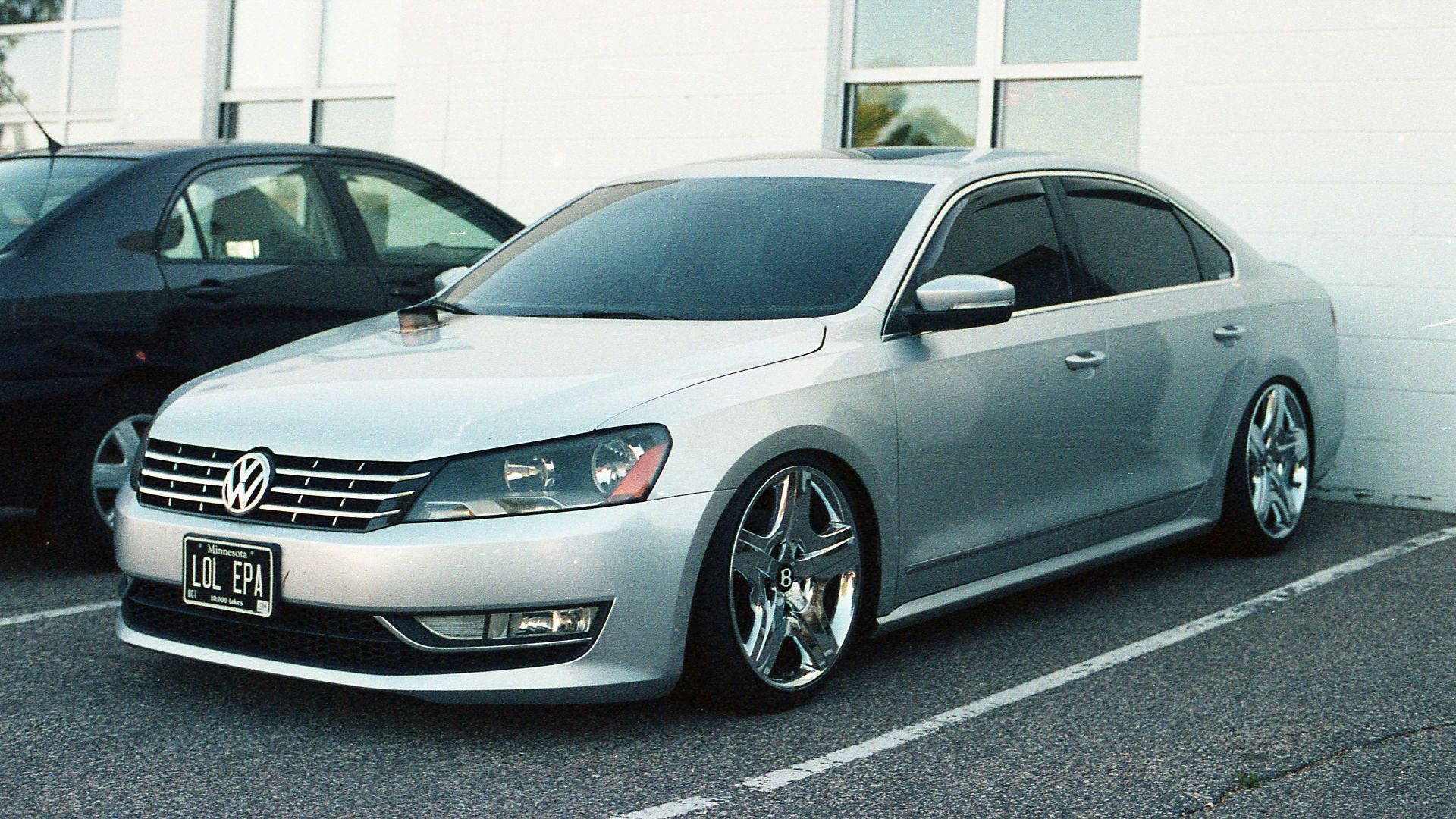
7. Volkswagen Diesel Vehicles
Volkswagen recalled and bought back vehicles after admitting to using software to cheat emissions tests. Regulatory investigations across multiple countries confirmed the deception. The scandal resulted in billions in fines and settlements.
8. Firestone Tires On Ford Explorers
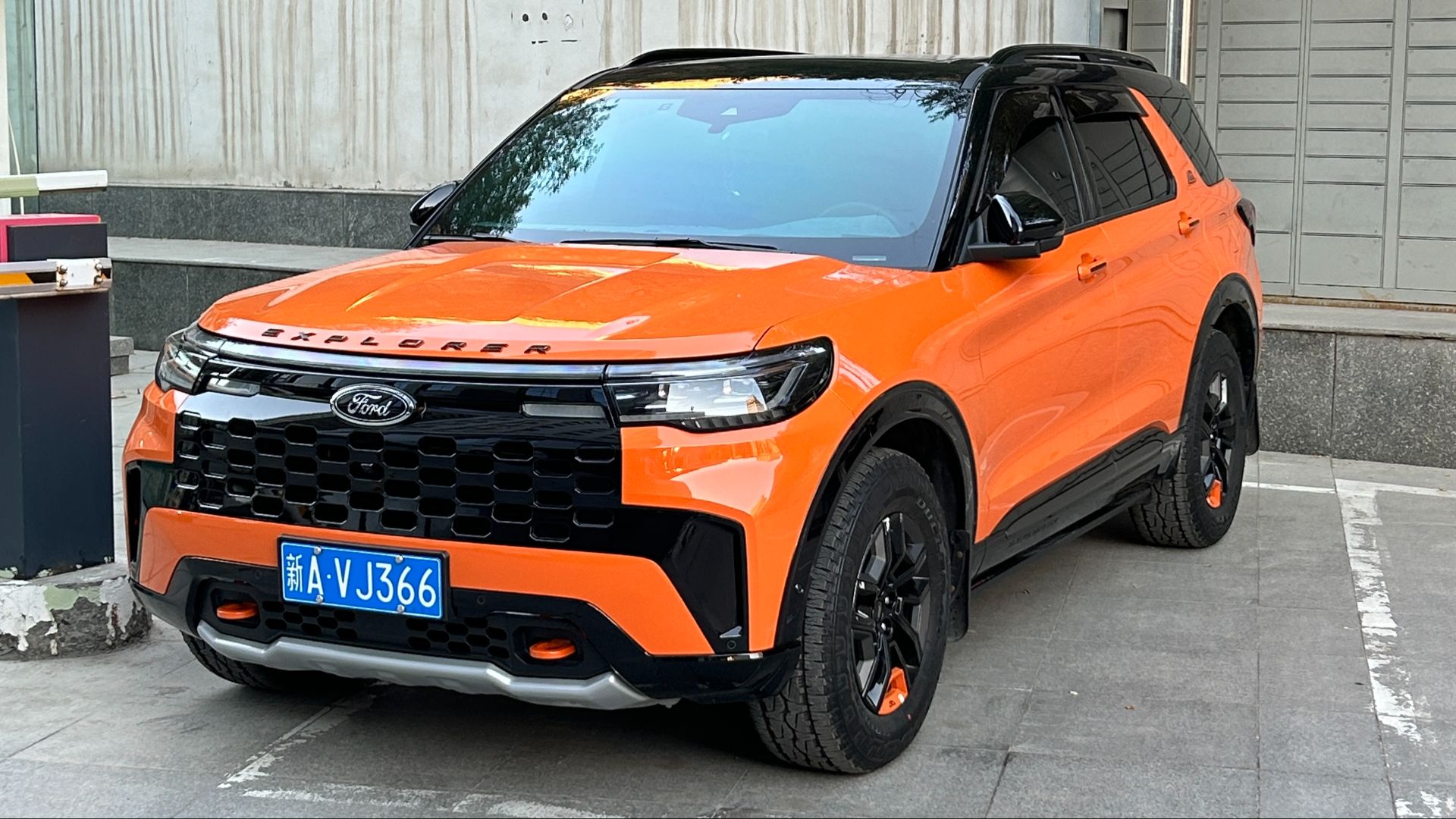
In the early 2000s, Firestone recalled millions of tires linked to tread separation. The failures were associated with rollovers, particularly on Ford Explorers. Congressional hearings followed, highlighting design and oversight issues.
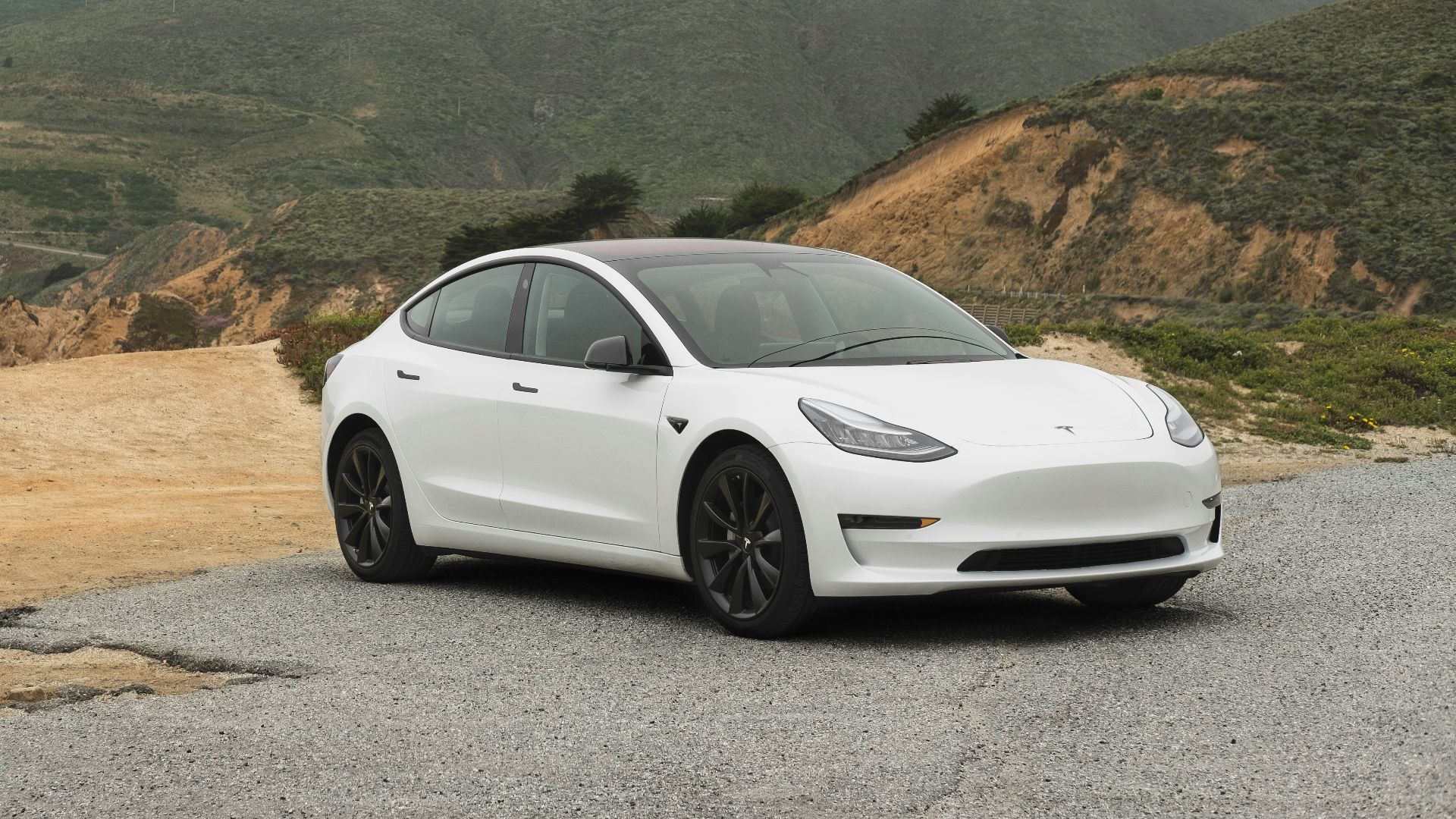
9. Tesla Model S And X Suspension Recalls
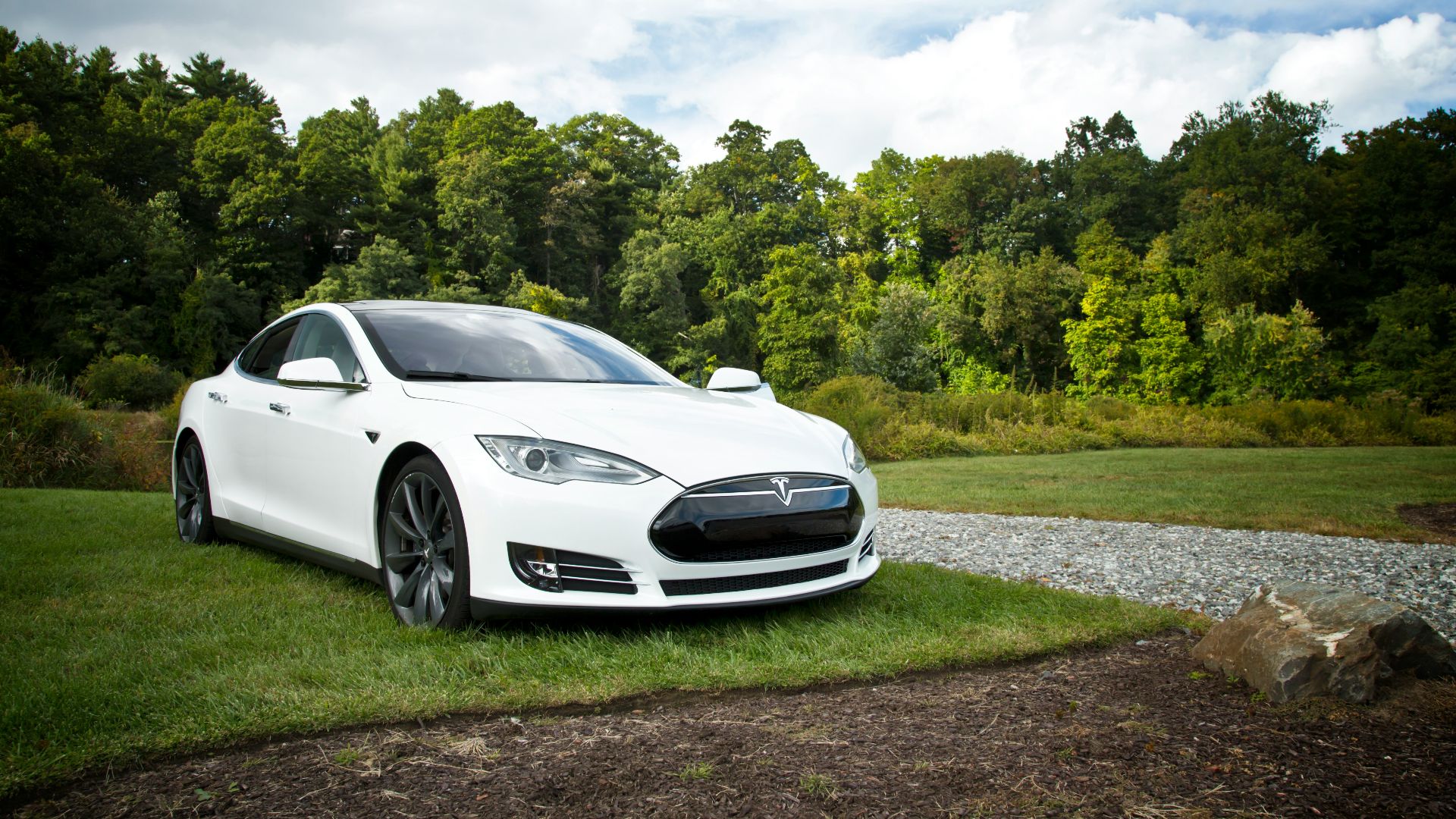
Tesla has issued recalls for suspension components that could fail prematurely. NHTSA investigations and owner complaints documented sudden collapses. Software updates addressed some issues, while hardware fixes followed.
10. Honda Vehicles With Faulty Power Steering
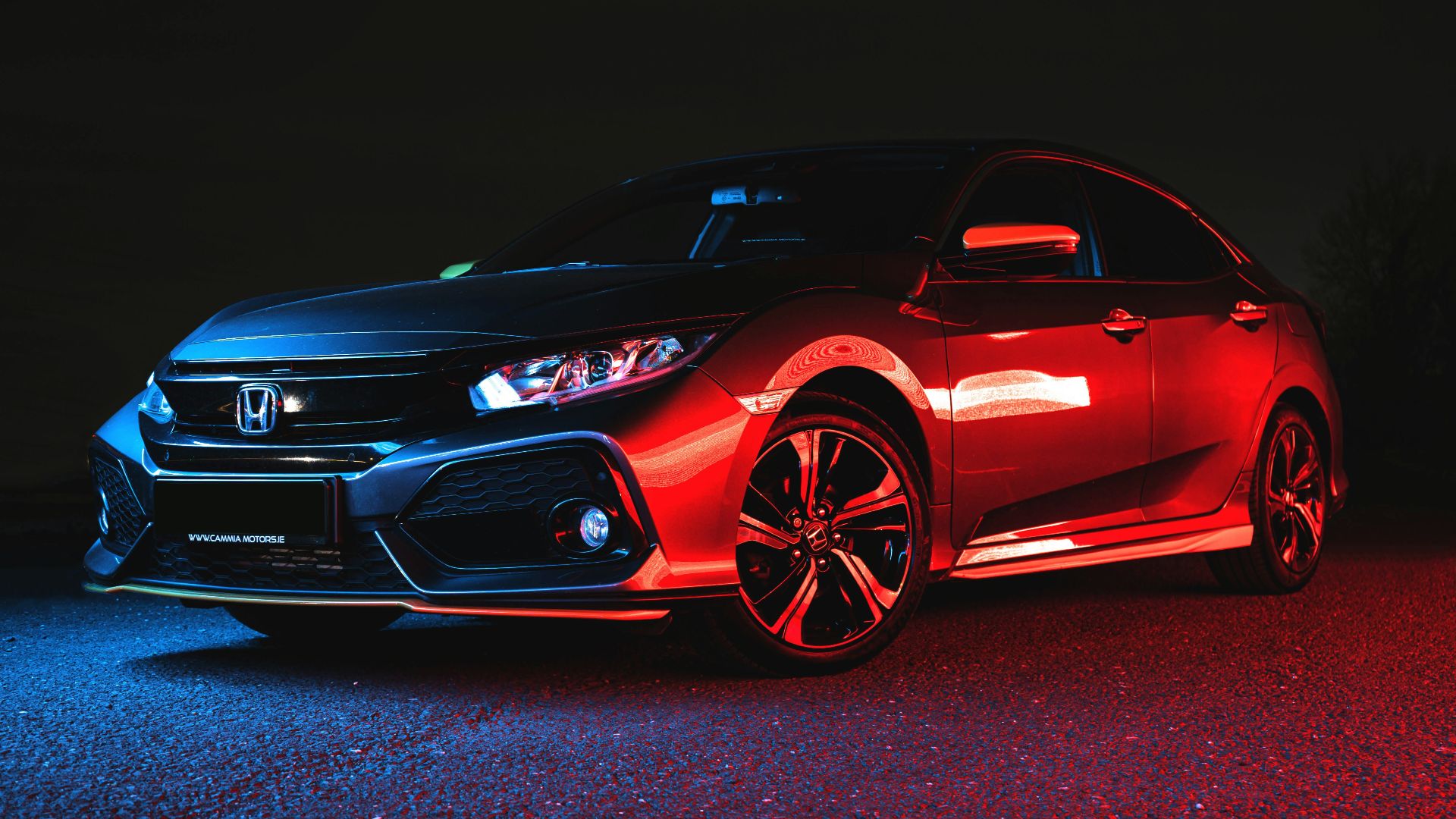
Honda recalled hundreds of thousands of vehicles for power steering hose defects that could leak fluid onto hot engine components. The issue posed both steering loss and fire risks. Repairs were mandated after regulator review.
Some recalls arrive only after years of data, pressure, and persistence. Others never arrive at all, even when patterns feel hard to dismiss.
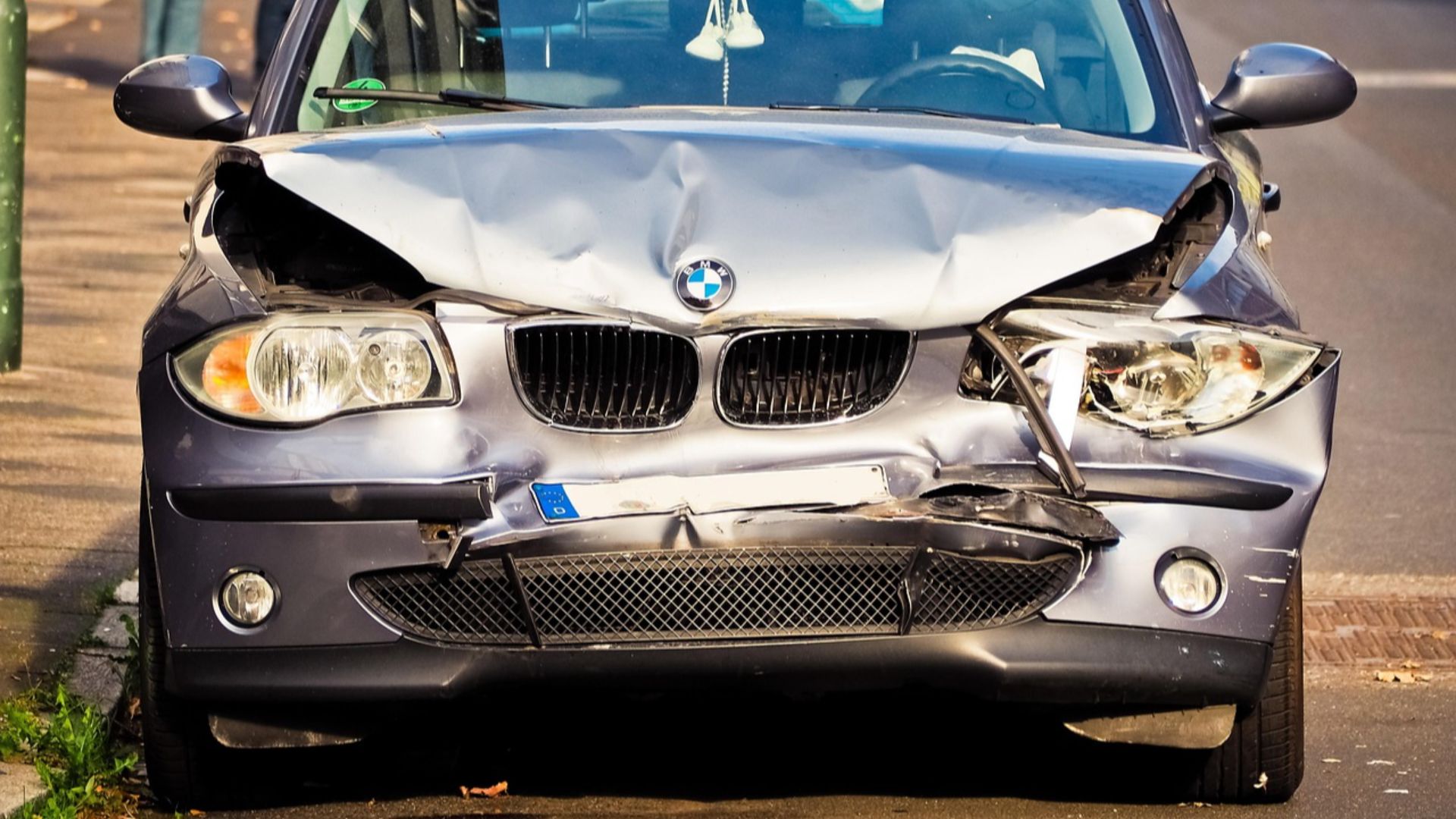
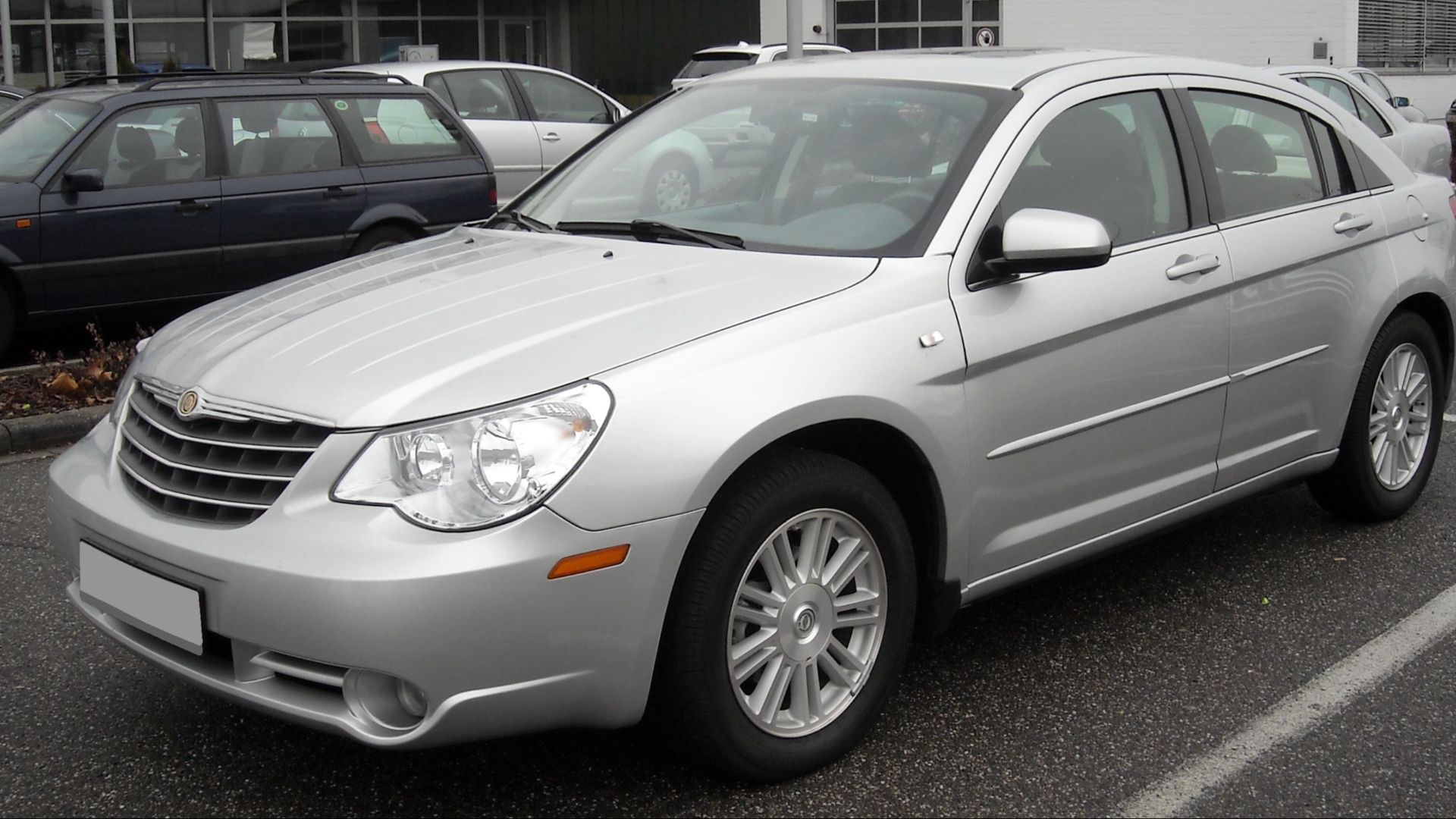
1. Chrysler Sebring
The Sebring developed a reputation for transmission failures, electrical issues, and premature engine wear. Consumer Reports consistently rated it poorly for reliability. Despite widespread complaints, no comprehensive recall ever addressed the core problems.
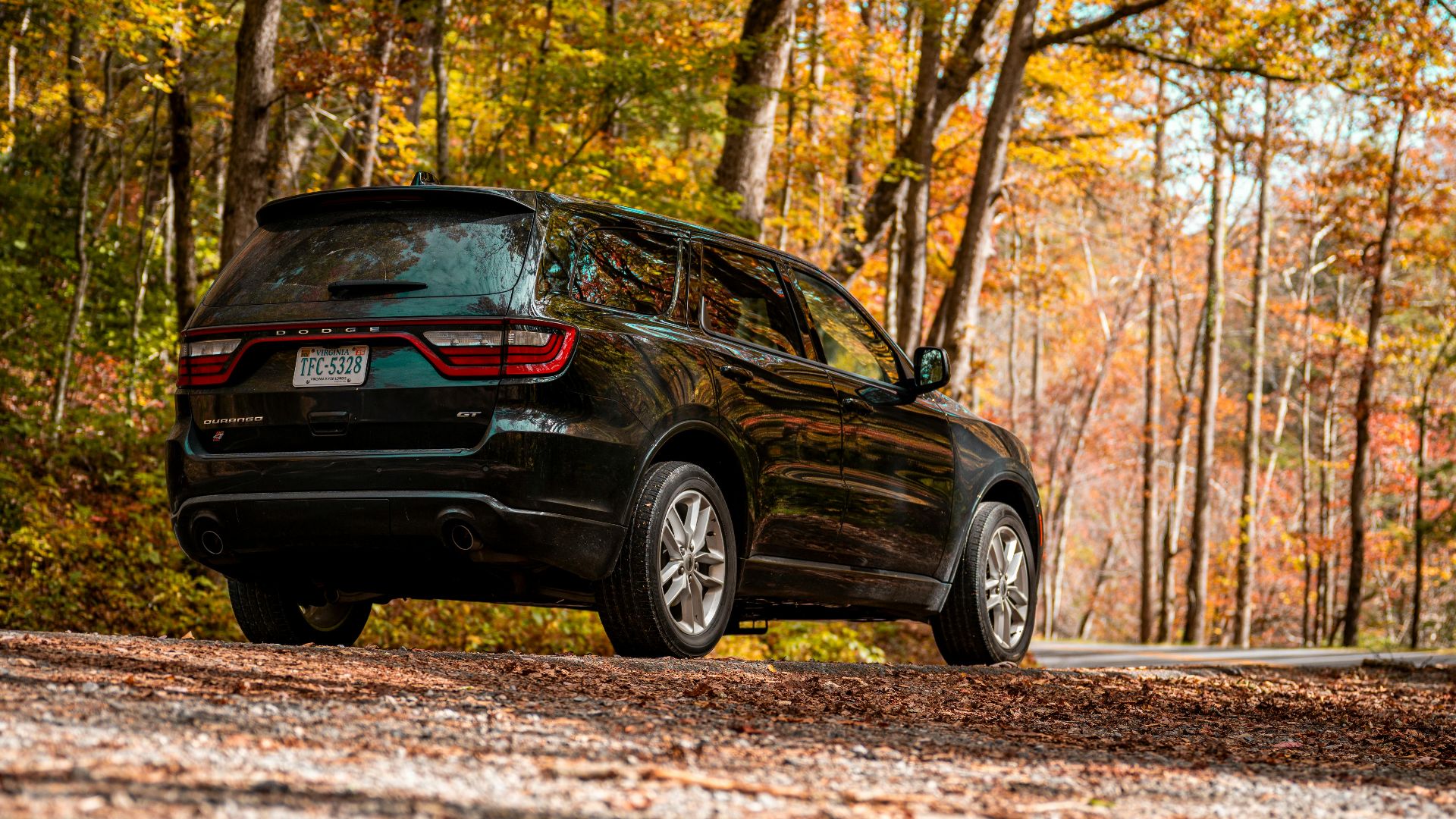
2. Dodge Journey
Owners frequently reported brake failures, electrical glitches, and suspension issues. NHTSA databases show thousands of complaints across model years. Problems were handled piecemeal rather than through a broad recall.
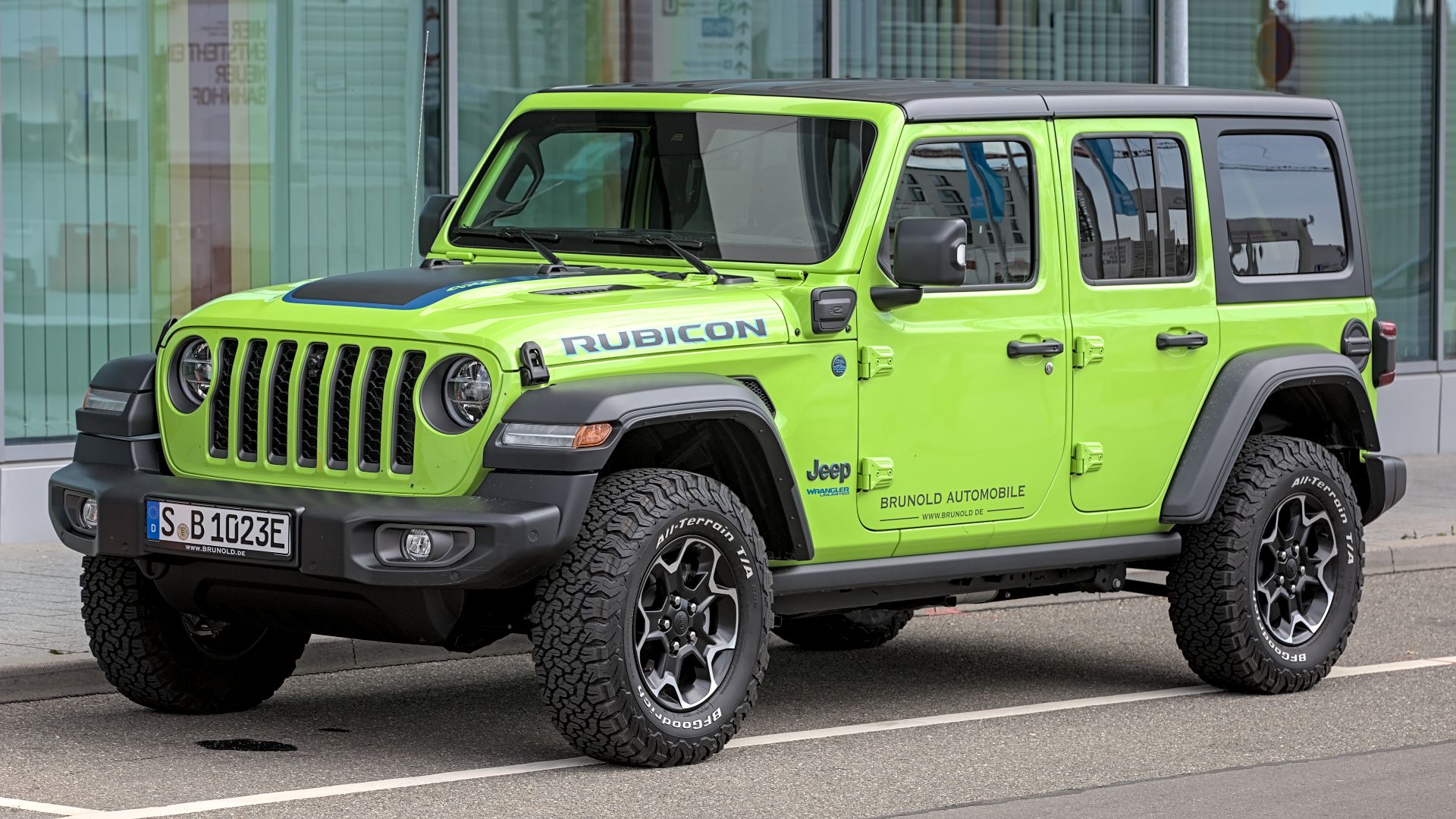
3. Jeep Wrangler Death Wobble Models
The so-called death wobble has plagued certain Wrangler generations for years. Steering components can trigger violent shaking at highway speeds. Lawsuits and service bulletins followed, but a full recall never materialized.
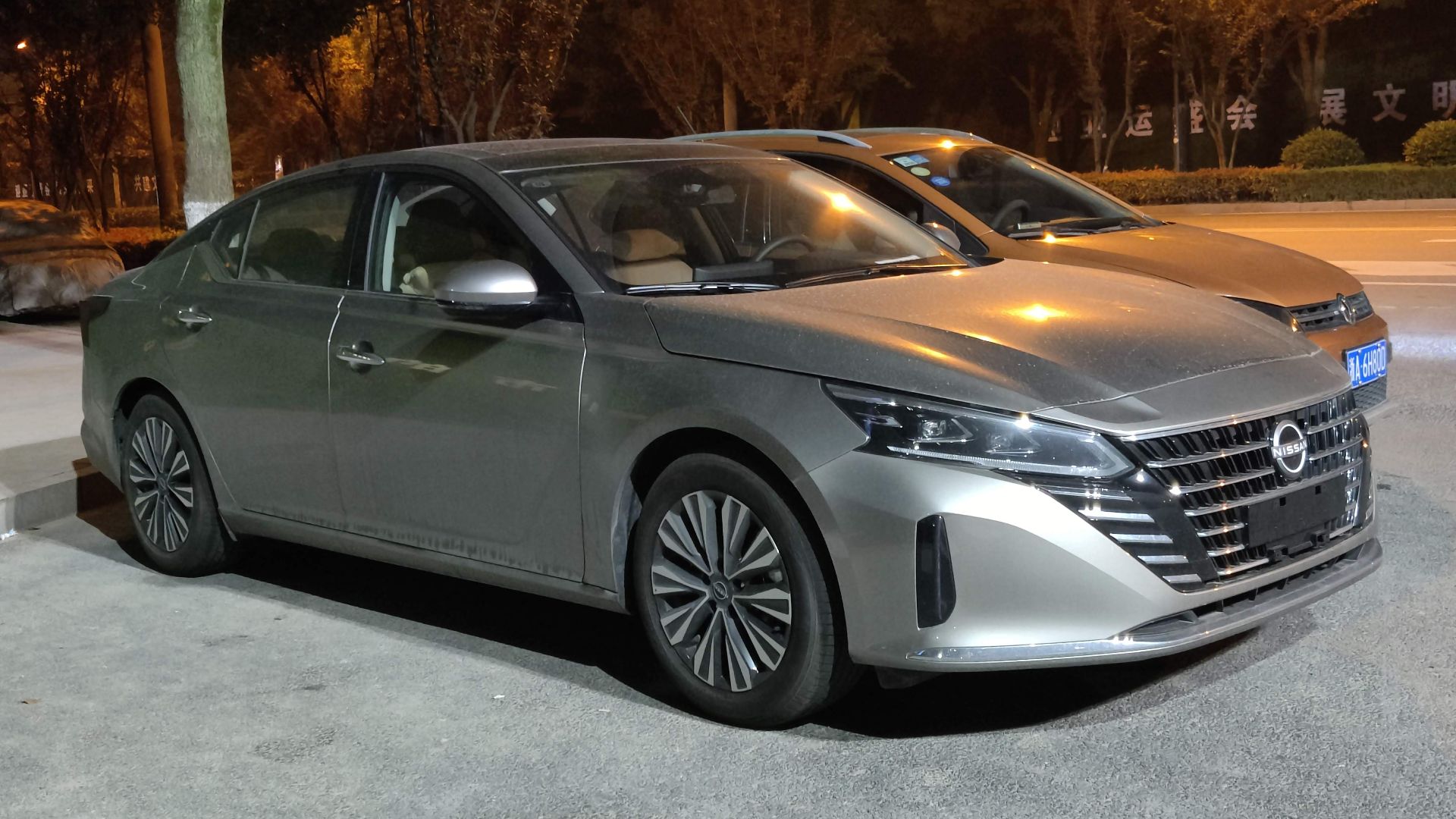
4. Nissan Altima CVT Models
Nissan’s continuously variable transmissions have drawn heavy criticism for premature failure. Class-action lawsuits alleged design defects and poor durability. Warranty extensions were offered, but recalls were not.
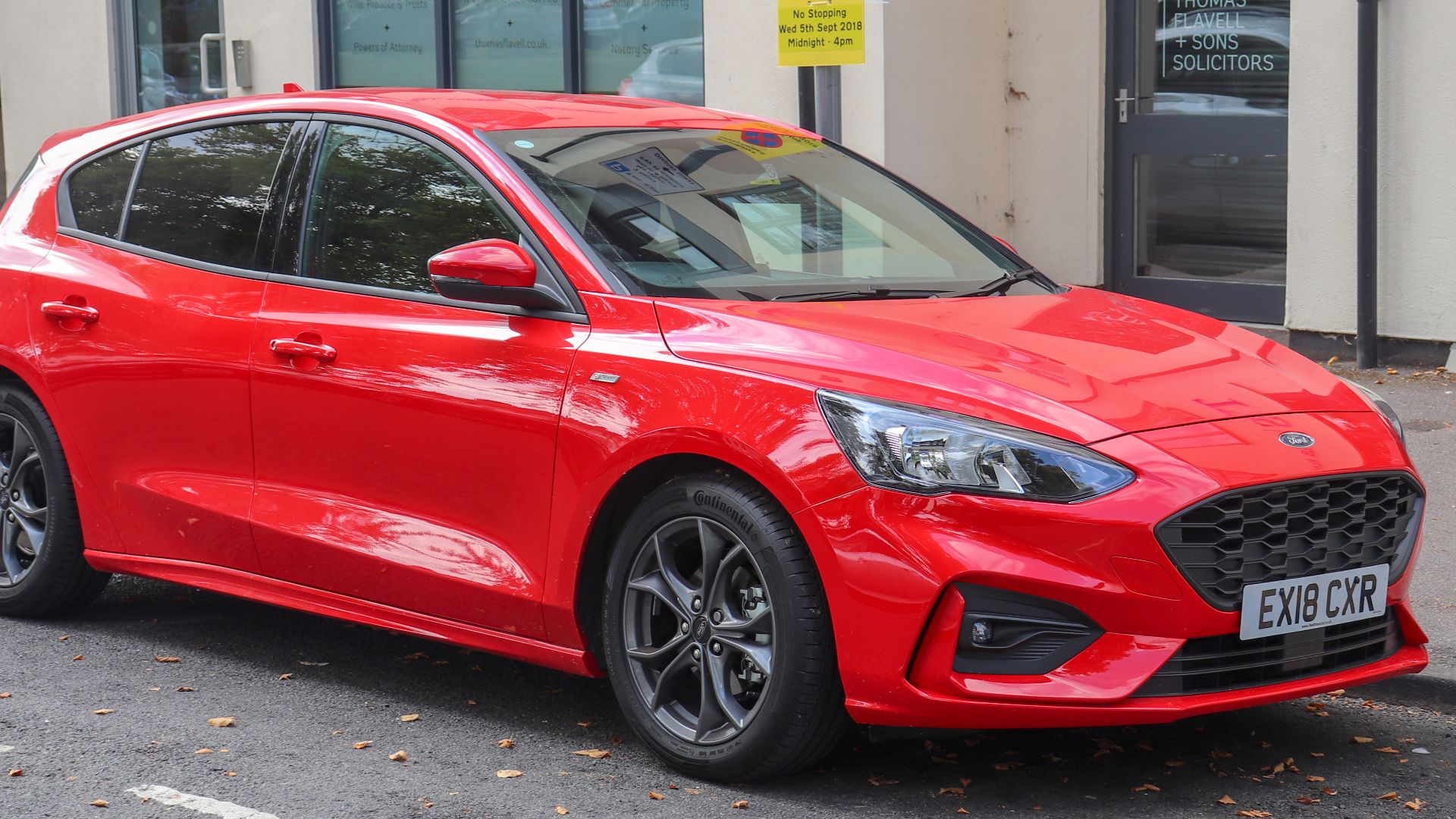
5. Ford Focus And Fiesta Dual-Clutch Transmissions
These vehicles suffered from jerky shifting, stalling, and premature wear. Internal documents revealed known issues, later confirmed by court cases. Ford settled lawsuits but avoided a formal recall.
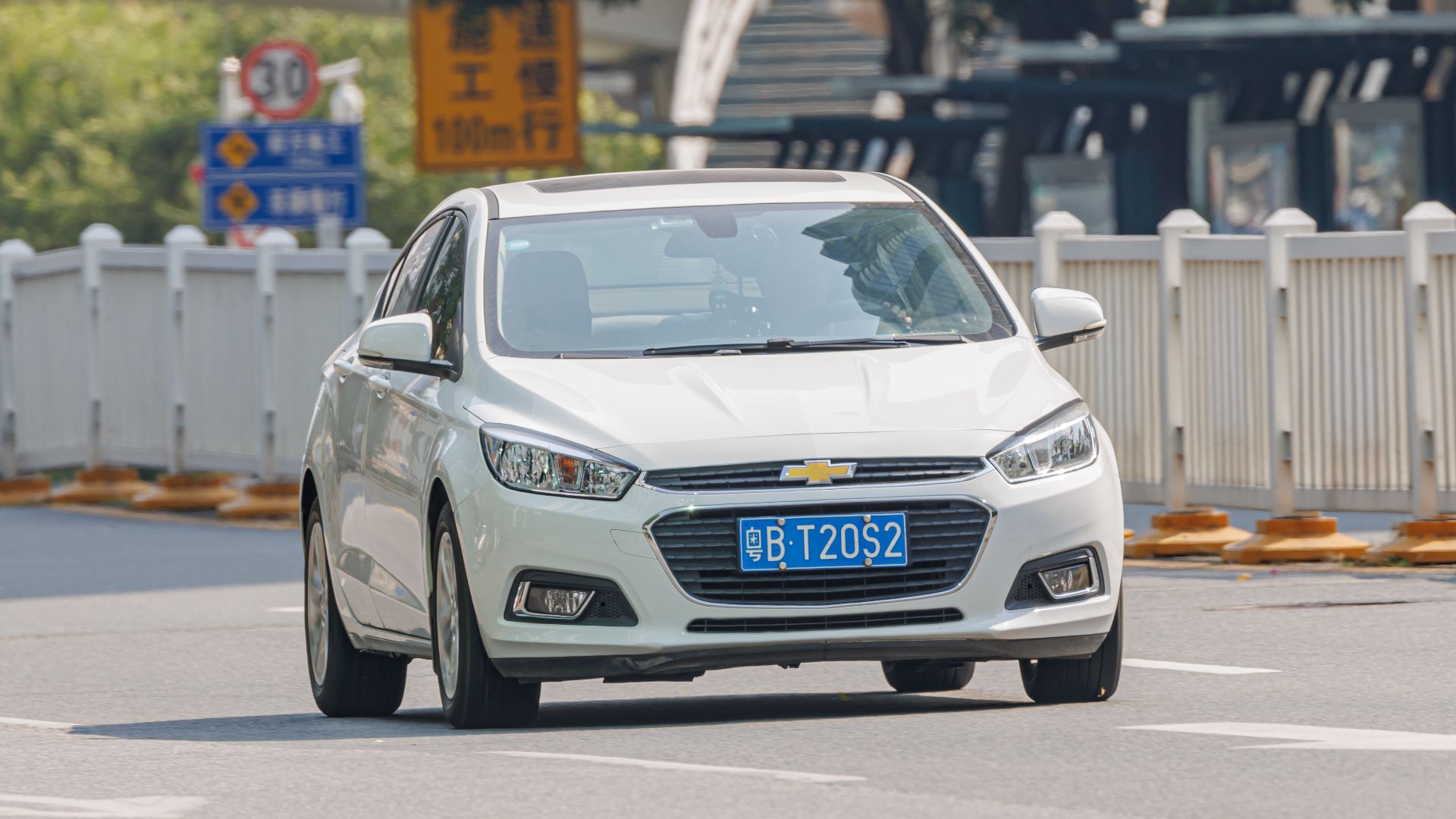
6. Chevrolet Cruze
Early Cruze models were notorious for coolant leaks, turbo failures, and electrical faults. Owner forums document repeat repairs. Issues were addressed through technical service bulletins instead of recalls.
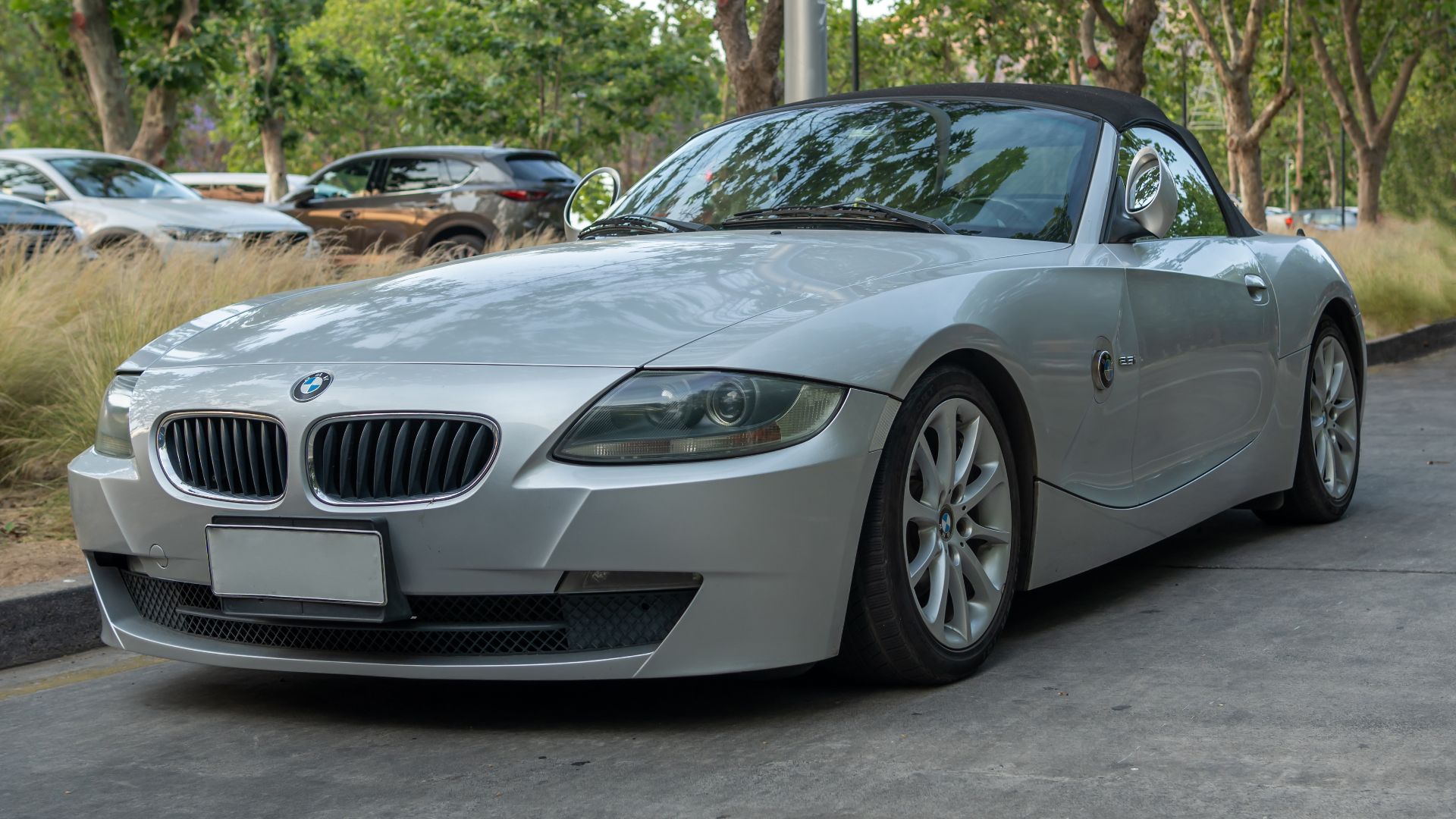
7. BMW Vehicles With Oil Consumption Issues
Certain BMW engines burned oil at excessive rates, sometimes leading to engine damage. Complaints were widespread and well-documented. Repairs were often expensive and rarely covered under recall campaigns.
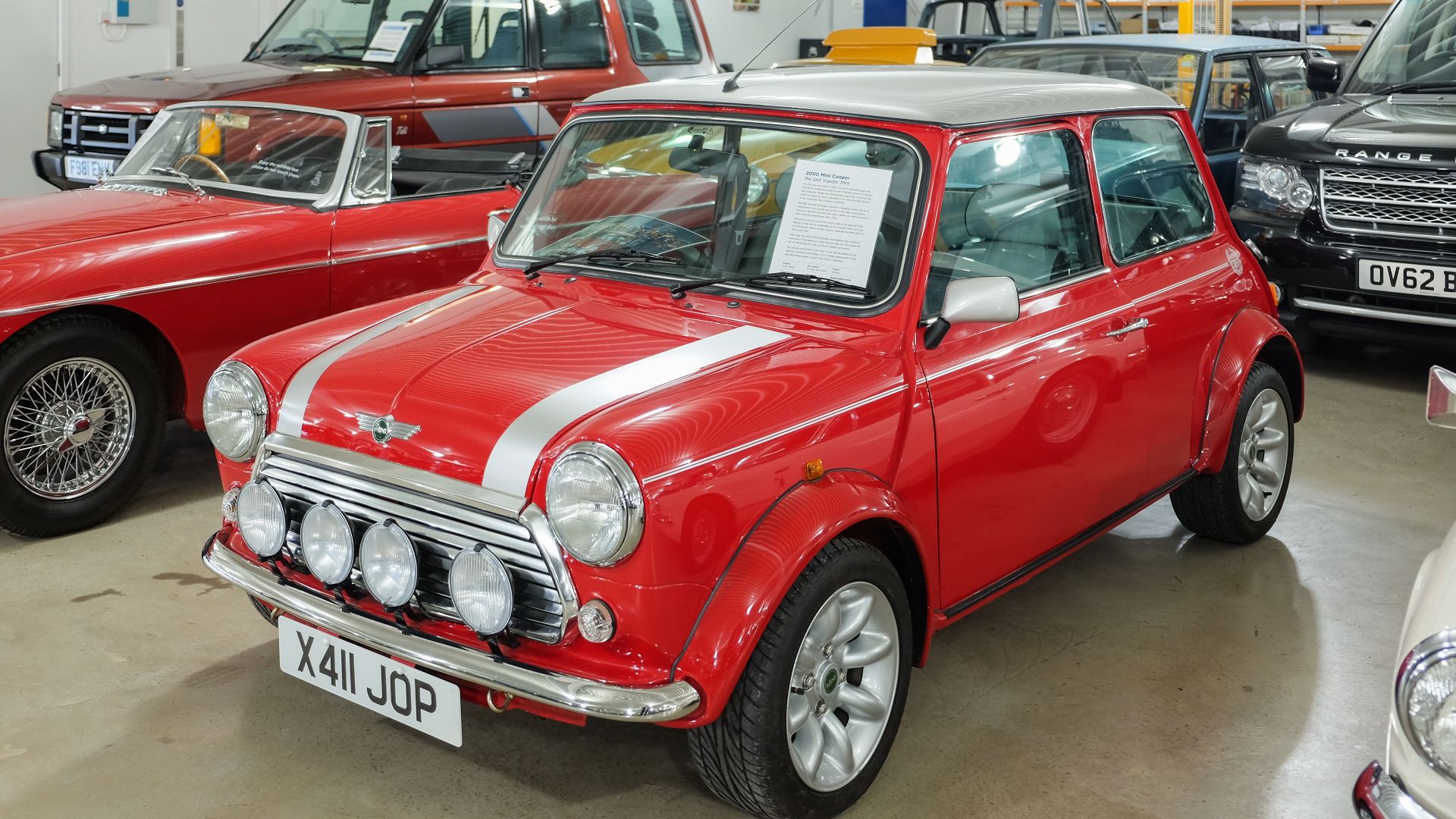
8. Mini Cooper Reliability Years
Mini Coopers from the late 2000s developed timing chain failures and electrical problems. Consumer Reports flagged them as high-risk used cars. Fixes remained owner-funded.
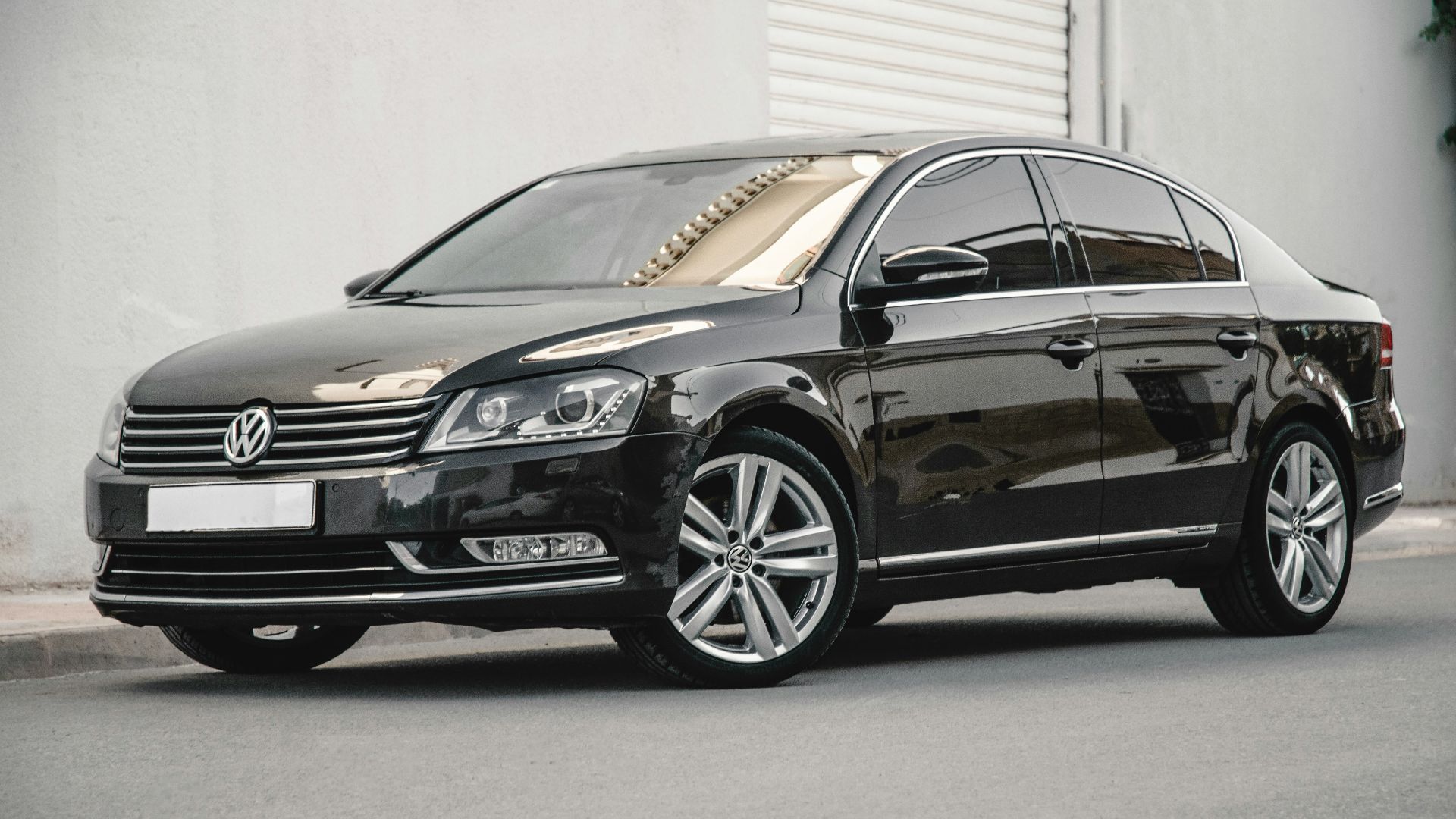
9. Volkswagen Passat Early 2000s Models
Electrical failures, brake issues, and transmission problems plagued these models. Owner complaints accumulated steadily. Recalls addressed isolated issues but not systemic reliability concerns.
10. Tesla Model 3 Early Build Quality Issues
Panel gaps, paint defects, and electronic glitches were widely reported by early owners. Many issues were cosmetic but frequent. Repairs were handled individually rather than through recall action.