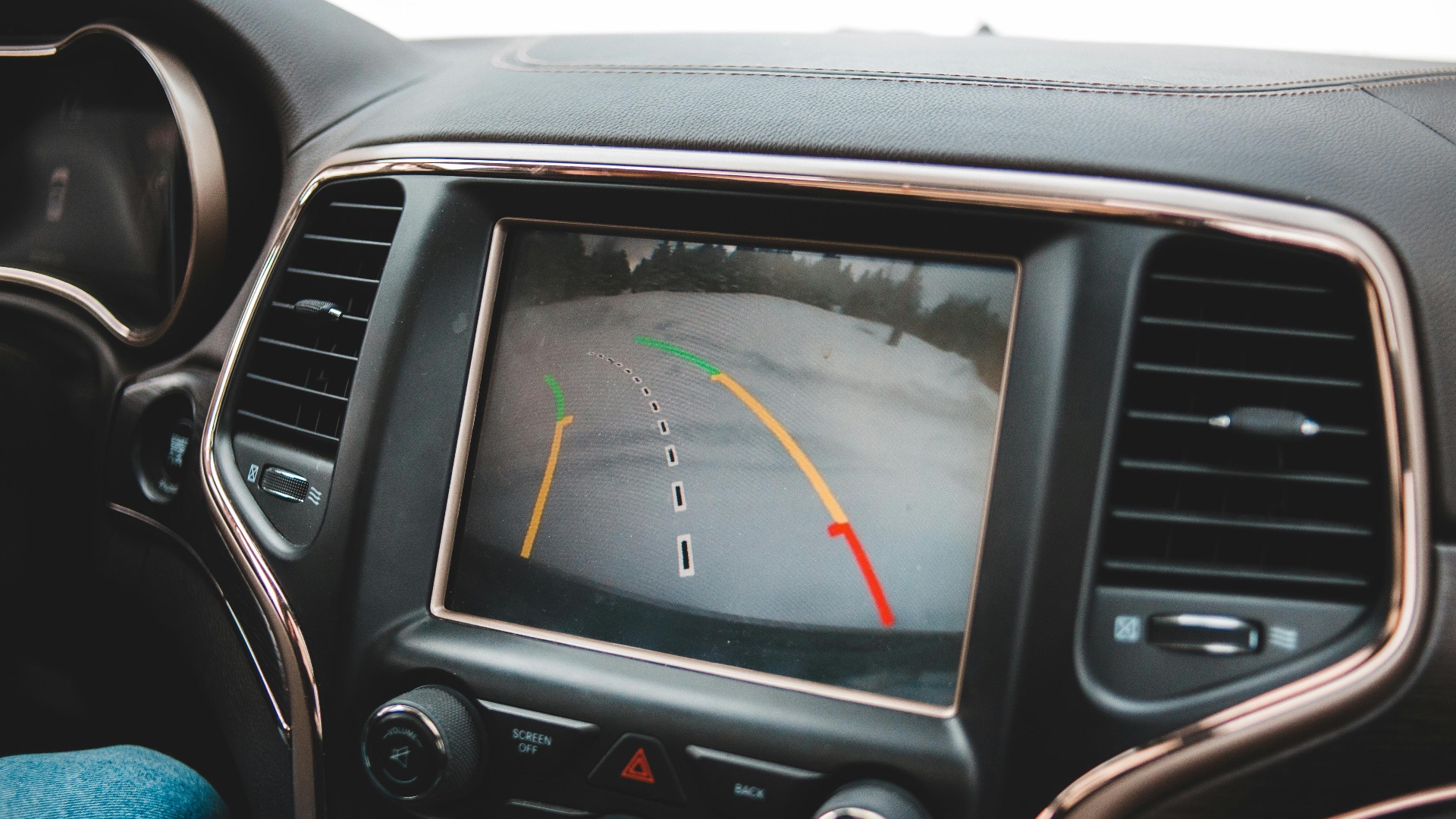
If you can't reverse into a parking spot without relying on your backup camera, you're far from being alone. Whereas the norm before had been to glance at our mirrors and the rear window to guide us through the maneuver, advancements in techonology has made our role in the front seat easier than ever. But is this really such a good thing?
Useful as backup cameras are, they're not meant to replace good driving habits altogether, and you shouldn't think that way, either. In fact, relying too much on these built-in systems may actually create a false sense of security and put you at risk. Let's take a deeper look at why you should treat your backup camera as an additional tool, not as a crutch.
Depth Perception Can Be Inaccurate
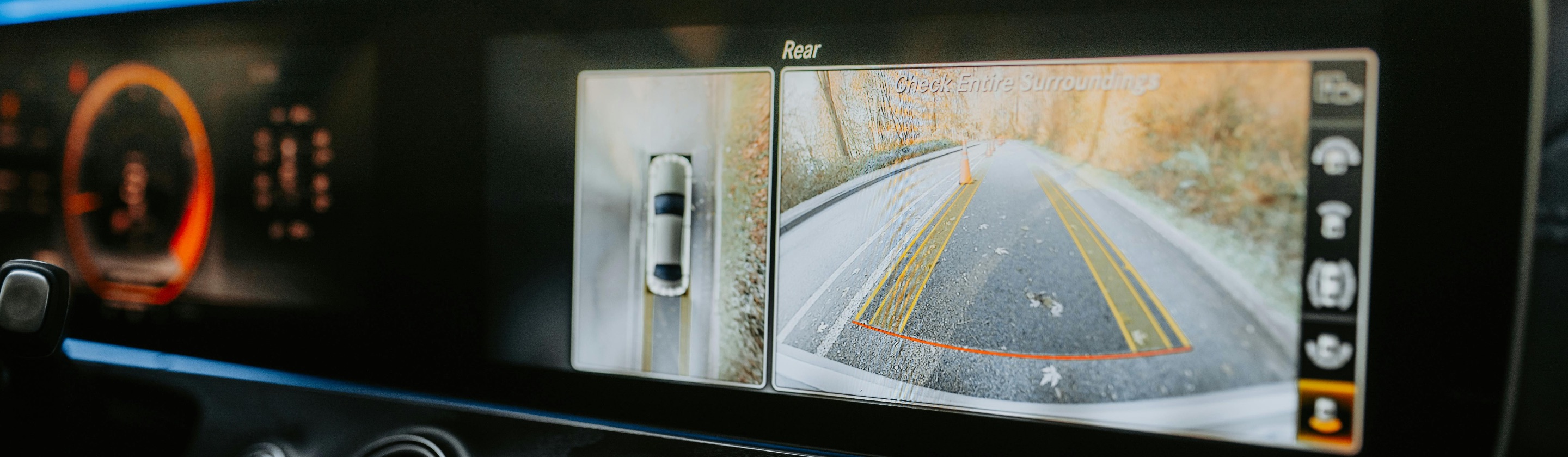
Backup cameras were introduced to provide drivers with a better view of their surroundings. The National Highway Traffic Safety Administration (NHTSA) put forth a law that made it mandatory for all vehicles manufactured after May 2018 and weighing under 10,000 pounds to come equipped with rearview technology systems. The goal of this requirement was to reduce the risk of backover accidents caused by limited or obstructed visibility.
And yet, backup cameras don't always show everything, at least depending on the model of your vehicle. While they certainly help with blind spots, depth perception can be wonky at best. Objects can sometimes appear farther or closer than they actually are, and if a driver isn't completely familiar with how to interpret the system and guidelines, it can lead to confusion or overconfidence.
Trains Drivers to Stop Turning Heads
Plus, as useful as rearview cameras are, their convenience is a double-edged sword. On one hand, they're helpful and allow drivers to see blind spots; on the other, they can train drivers to stop checking their mirrors and looking over their shoulders entirely. After all, if you have the option to follow a camera, why bother scanning your surroundings from the rear window?
Drivers who rely solely on their backup camera can also lose spatial and situational awareness. They may miss moving vehicles, cyclists, and pedestrians in the environment that are outside the camera's line of sight, and, in turn, be unable to predict what might happen next and how they can safely respond. They may also become so dependent on technology that they forget how to perform certain maneuvers when these systems suddenly fail. Being distracted and inattentive can also result in accidents, even with a working camera.
But Aren't Backup Cameras Safer Than Mirrors?
Many drivers may think that backup cameras are safer than traditional methods, but it's important to think of them as simply an additional tool. While the technology helps you better understand what's happening in your blind spots, rearview cameras aren't meant to be solutions, and you shouldn't rely on them like so.
The best way to drive and back up safely is to do a manual 360-degree check every time you shift your vehicle into reverse. Look over your shoulders for blindspots, check your mirrors, then turn back in your seat to scan outside through your rear window. Once you've done this, do an additional check through your backup camera.
Remember: you should never rely on these safety features to replace manual vision checks. To stay in control behind the wheel, you have to be aware, alert, and take it slow.