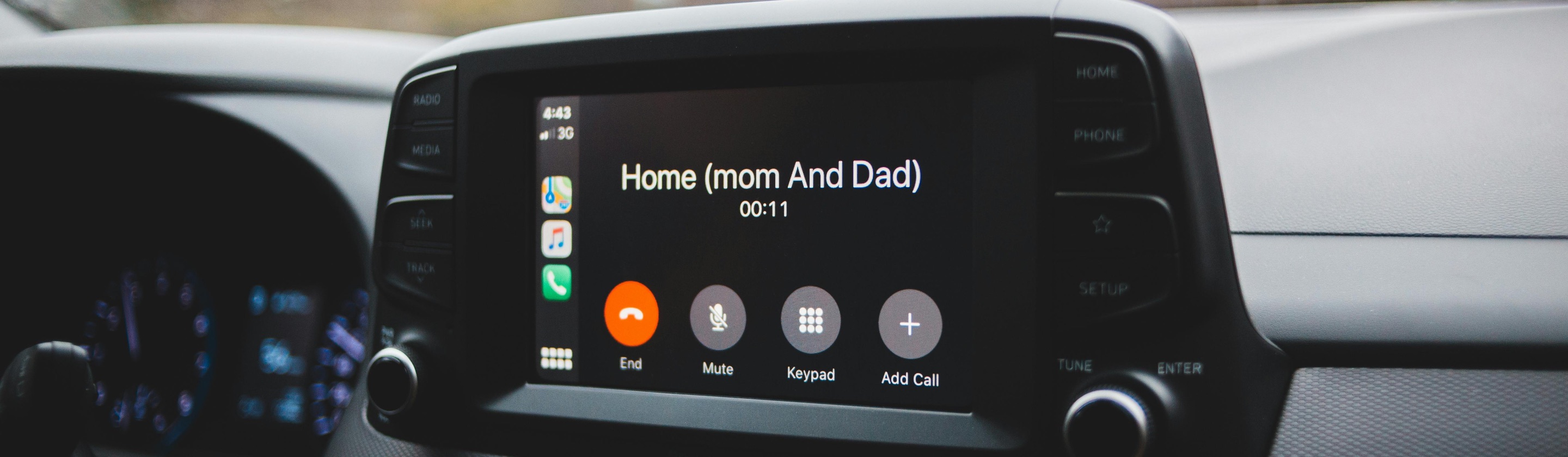
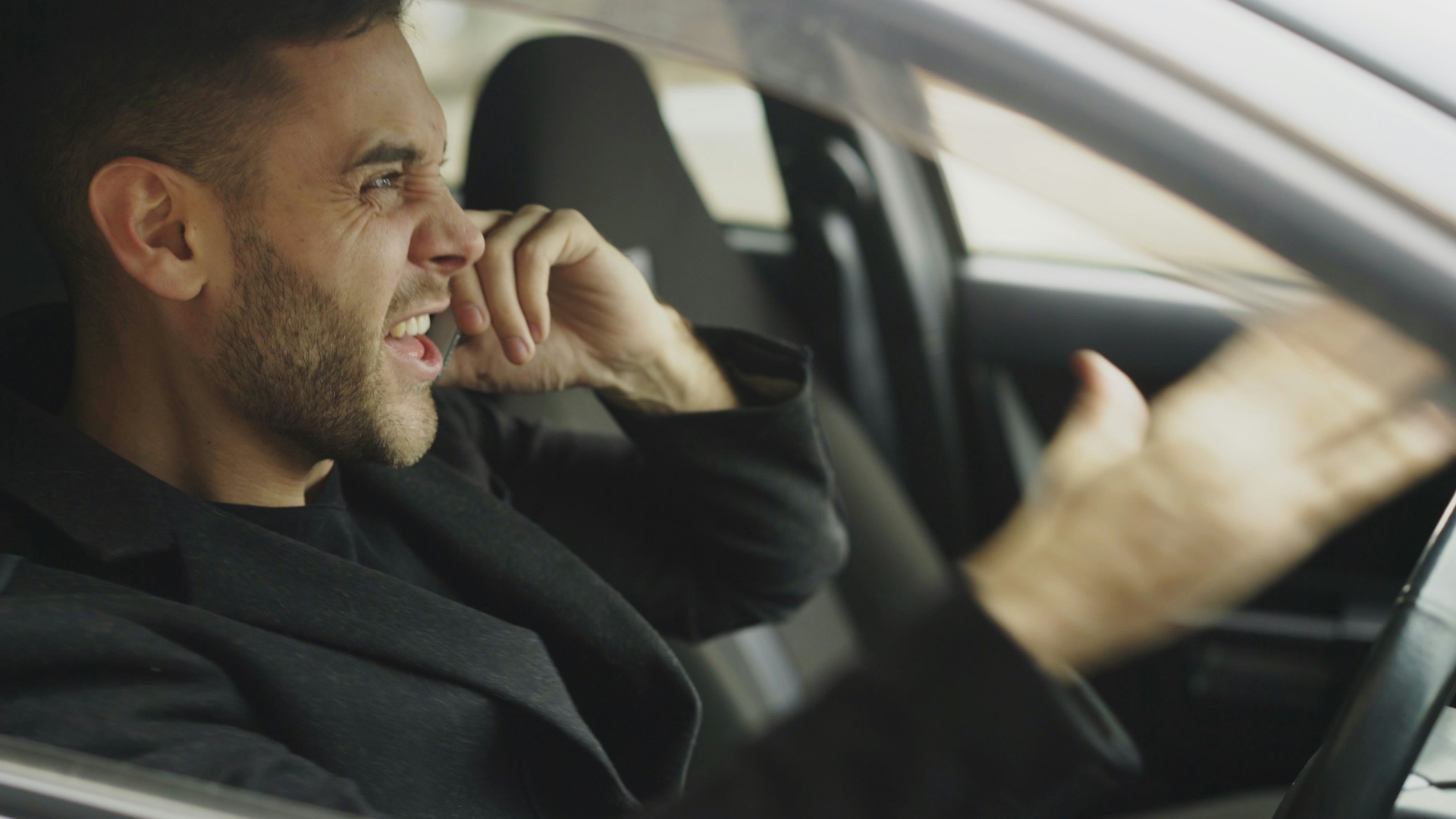
You're driving down the highway when your partner calls. You're hesitant to pick up; you both got into a heated argument half an hour ago, before you left for work. But if you don't take the call, the conflict might only spiral into something deeper and harder to untangle. So, do you answer the phone?
Contrary to what you may believe, even though taking a call hands-free may not be as dangerous as texting while driving, maintaining conversations can still add to cognitive load and be just as distracting. Let's take a closer look at why.
Your Brain Isn't Designed to Multitask
No matter how capable you think you feel, your brain isn't designed to multitask. In fact, it can only focus on one attention-heavy thing at once. Throw another one into the mix, and it won't be able to equally concentrate on either.
Driving, for one, already demands all of our attention. We're constantly making important decisions on the road, whether it's making sure we're in control of our speed or double-checking to ensure our surroundings are safe before we carry out our maneuvers. Adding a phone call to that only forces your brain to rapidly juggle between both tasks, which hinders your overall performance. This slows your reaction time, and even if it's just a few seconds, these brief mental lapses can be deadly.
Cognitive Distraction
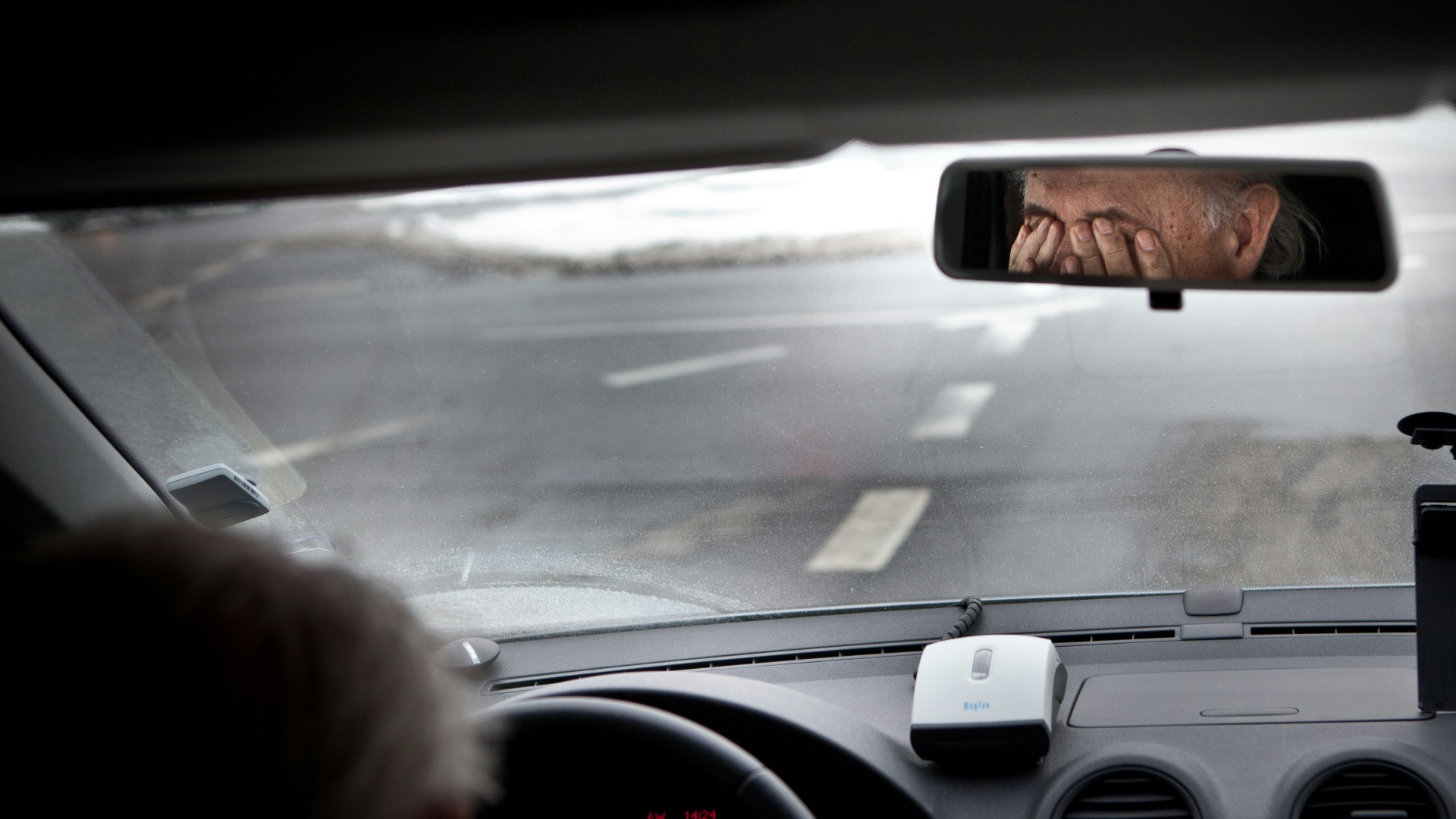
Inattentional blindness is a real thing. Many studies have researched further into this phenomenon and have found that, even if your gaze is directed to certain objects in a driving environment, such as a pedestrian or another vehicle, you fail to perceive they're actually there because your brain is somewhere else. Older adults tend to be more susceptible to this, too.
Not all phone calls are equal, either. Going back to our example in the introduction, some conversations can be extremely stressful or emotional, which only pulls more of your attention away from the road. This may make you more prone to speeding, miss certain cues in your surroundings, or take longer to respond safely to unexpected changes in traffic.
The Bottom Line
Over 3,000 people died in 2023 as a result of distracted driving. If you think that hands-free cellphone usage doesn't count, think again. Any form of distraction counts. For some, it might not be hands-free calls that pull their focus away; they may be programming their GPS, wondering what to make for dinner, or turning around briefly to calm a finicky infant.
The next time you see an incoming phone call, especially if it's one that you know may lead to an emotional or heated conversation, let it ring out and call back later when you're safely parked. You can also set up your phone to send automatic replies when you're driving, so the recipient knows why you can't answer at the moment. By taking these precautionary steps, you can help keep the roads safer.