A Fourth Color Added To Stoplights? Researchers Say We Need One
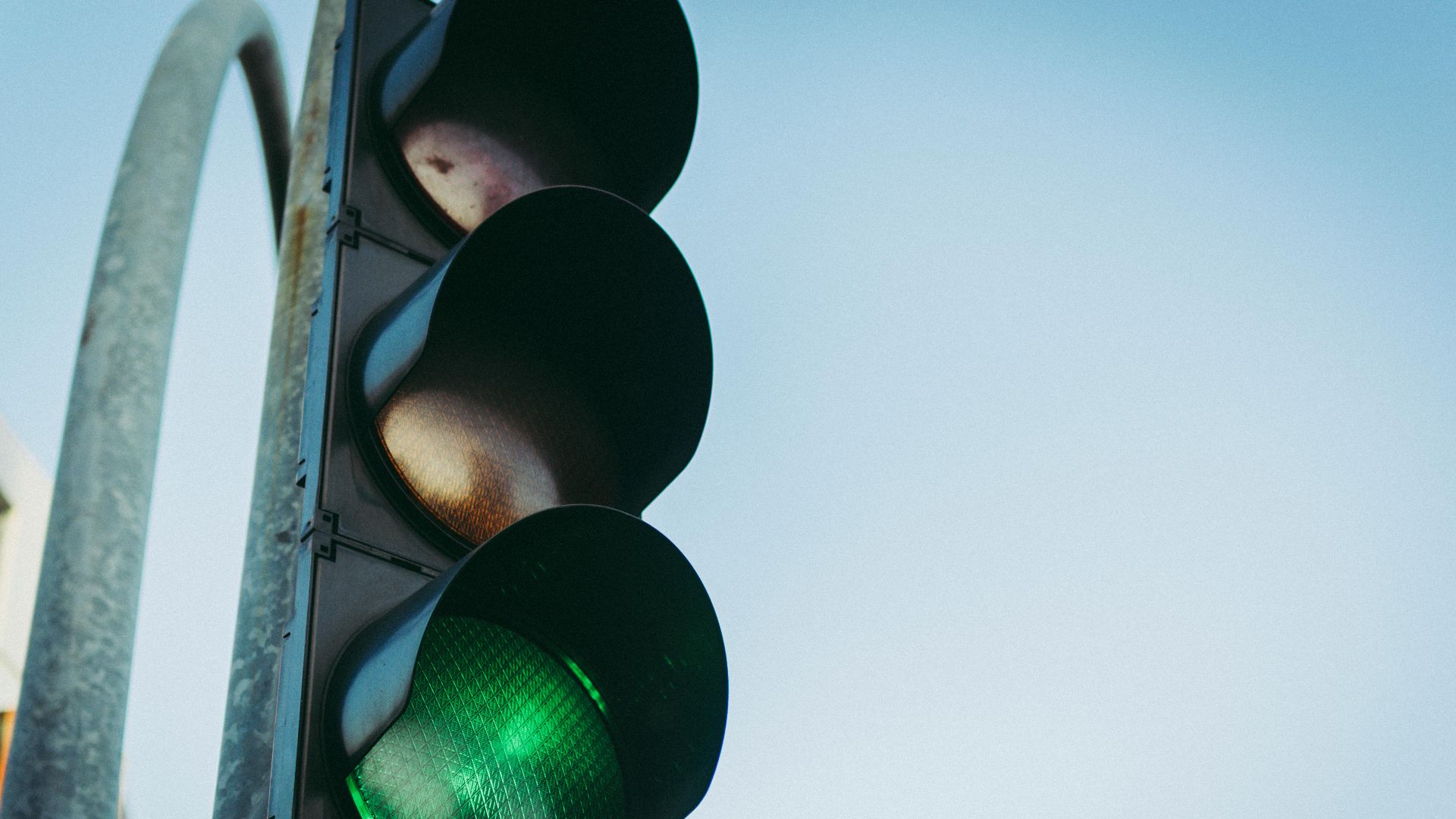
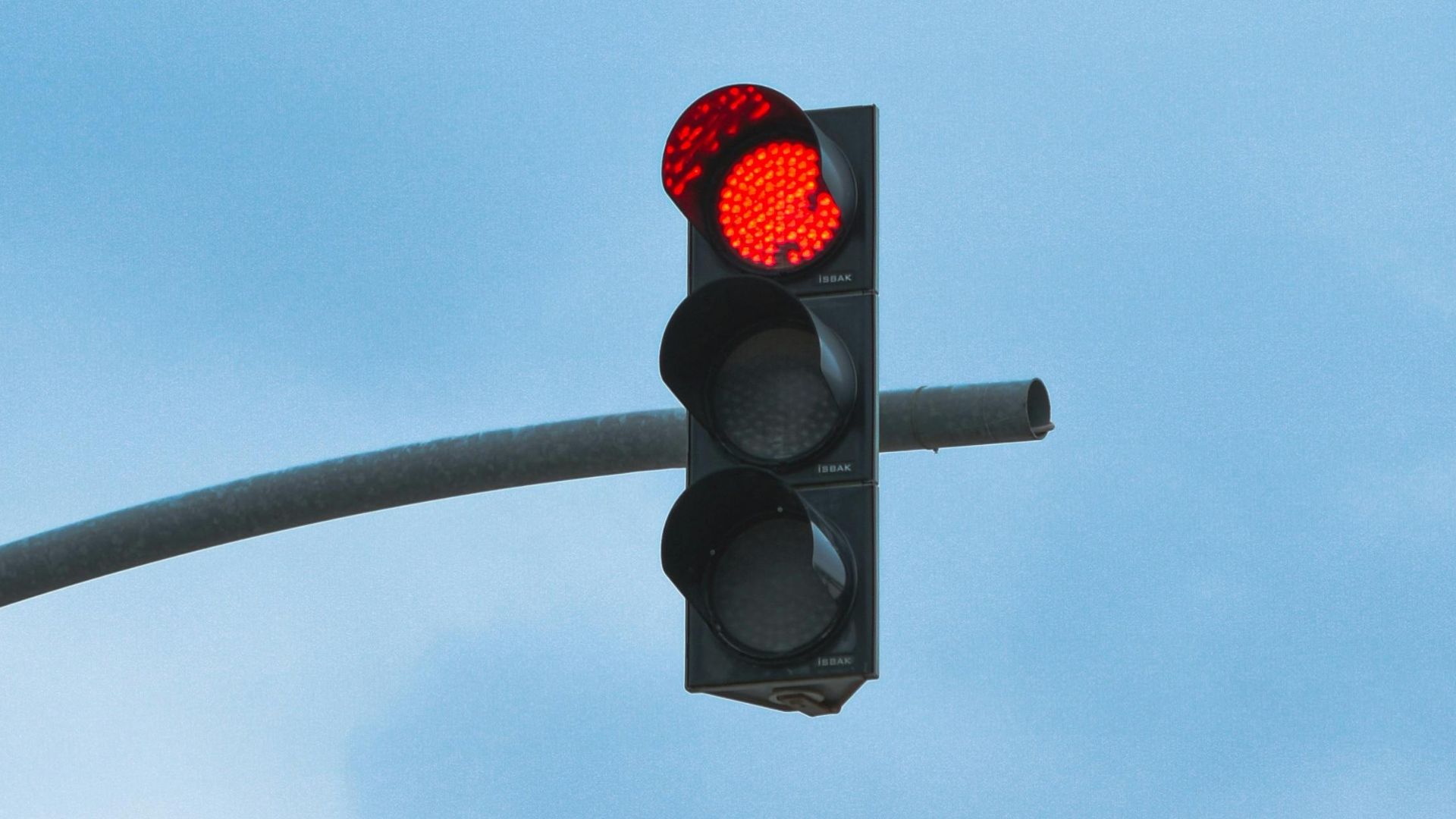
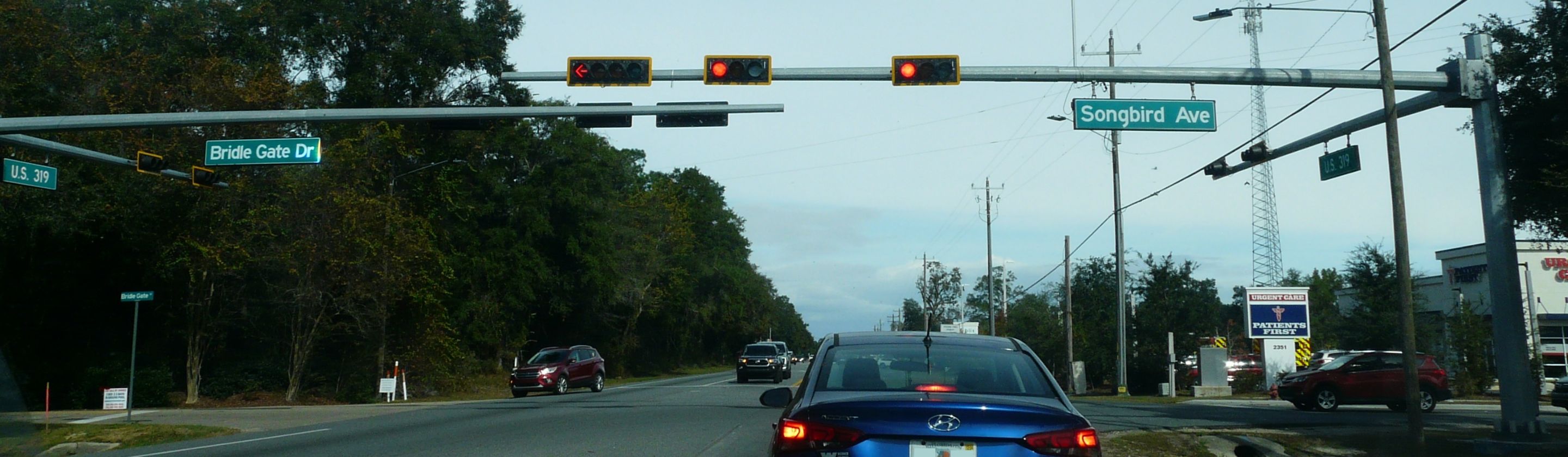
For nearly a century, the trio of red, yellow, and green has governed our intersections. These universally recognized signals have become so embedded in our daily lives that we rarely question their design. But researchers at North Carolina State University are challenging this standard with a groundbreaking proposal.
If the thought of a fourth color on the stoplight makes you scratch your head, then join us as we explore why some researchers believe we actually need an additional light.
The White Light Revolution
This isn't simply an aesthetic change; it's a response to the dawning age of autonomous vehicles (AVs) and represents a fundamental shift in how we might navigate intersections in the very near future. The white light would serve a unique purpose, unlike any of the existing signals.
When activated, it would indicate to human drivers that autonomous vehicles are temporarily controlling the traffic flow at that intersection. Drivers would simply need to follow the car ahead of them—if it stops, they stop; if it proceeds through the intersection, they follow.
Science Behind The Signal
Associate Professor Ali Hajbabaie and his team at North Carolina State University developed this concept through extensive computational modeling. According to their research published in IEEE Transactions on Intelligent Transportation Systems, incorporating this white phase could significantly reduce traffic delays, even when accounting for pedestrian movement through intersections.
Professor Hajbabaie's team at North Carolina State University tested their concept using sophisticated microscopic traffic simulators—complex computational models explicitly designed to recreate traffic conditions down to the level of individual vehicle movements.
The results were impressive: when just 10% of vehicles were autonomous, traffic delays improved by 3%. With 30% autonomous vehicles, the improvement jumped to 10.7%. In theoretical scenarios where most vehicles are autonomous, the reduction in delays could reach as high as 94%, resulting in a drastic cut in fuel consumption and emissions.
From Theory To Reality
The success of this innovation will depend not only on technology but also on human behavior and public acceptance. According to Associate Professor Ali Hajbabaie, the lead researcher, the white light concept is designed to be intuitive for human drivers. "Granting some of the traffic flow control to the AVs is a relatively new idea, called the mobile control paradigm," Hajbabaie explains.
While the concept is promising, implementation presents challenges. Upgrading every intersection would require a reasonable amount of time and money. The researchers suggest starting with pilot projects in controlled environments, such as ports, where commercial vehicles, which tend to adopt autonomous technology more quickly than personal vehicles, create predictable traffic patterns with few pedestrians.
For widespread adoption, several key elements would be necessary: standardization to ensure that the white light means the same thing everywhere; transparent metrics on performance improvements; and a fail-safe design that would allow the system to revert to traditional red-yellow-green signals if communication drops or the proportion of autonomous vehicles decreases.
While widespread adoption might be years away, these traffic lights of the future represent a fascinating glimpse into how our infrastructure might evolve to accommodate the changing nature of transportation.