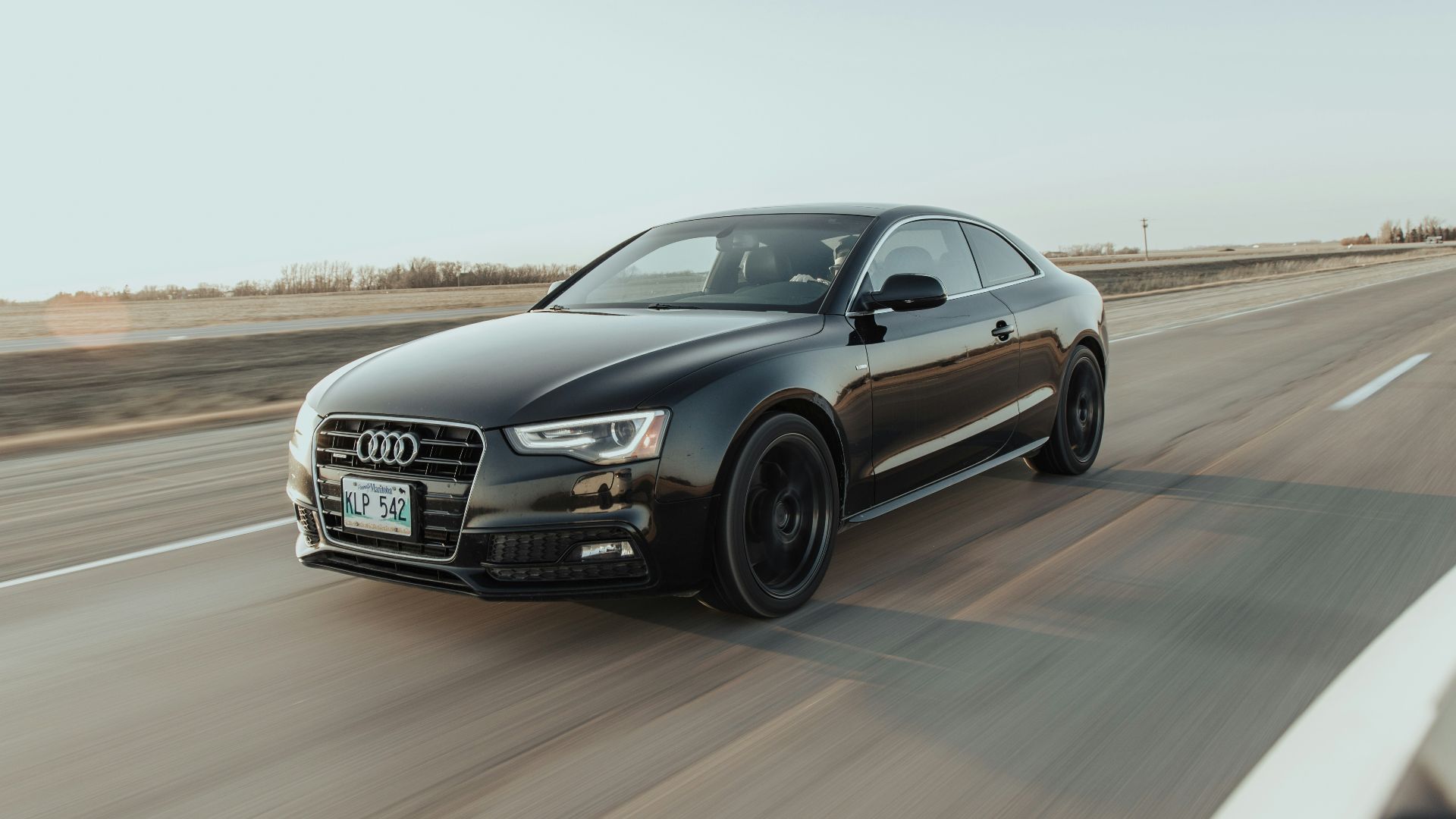
Mastering the Open Road
Highway driving can feel like freedom—or frustration—depending on how you approach it. Between unpredictable drivers, long stretches of monotony, and those surprise moments when traffic slows to a crawl, it’s easy to lose focus or patience. But being a confident highway driver doesn’t just make the ride smoother—it makes it safer for everyone on the road. These twenty practical tips will help sharpen your highway skills, stay calm behind the wheel, and actually enjoy long drives.

1. Keep a Safe Following Distance
Tailgating is one of the biggest causes of highway accidents. Use the three-second rule: pick a landmark and make sure at least three seconds pass before you reach it. If the visibility is poor, double that gap—it gives you more time to react instead of slamming the brakes.

2. Check Blind Spots Every Time
Your mirrors can’t see everything, and highway speeds make that oversight dangerous. Always glance over your shoulder before changing lanes. A quick look can save you from a close call or worse.
 Wolfgang Hasselmann on Unsplash
3. Use Turn Signals Early
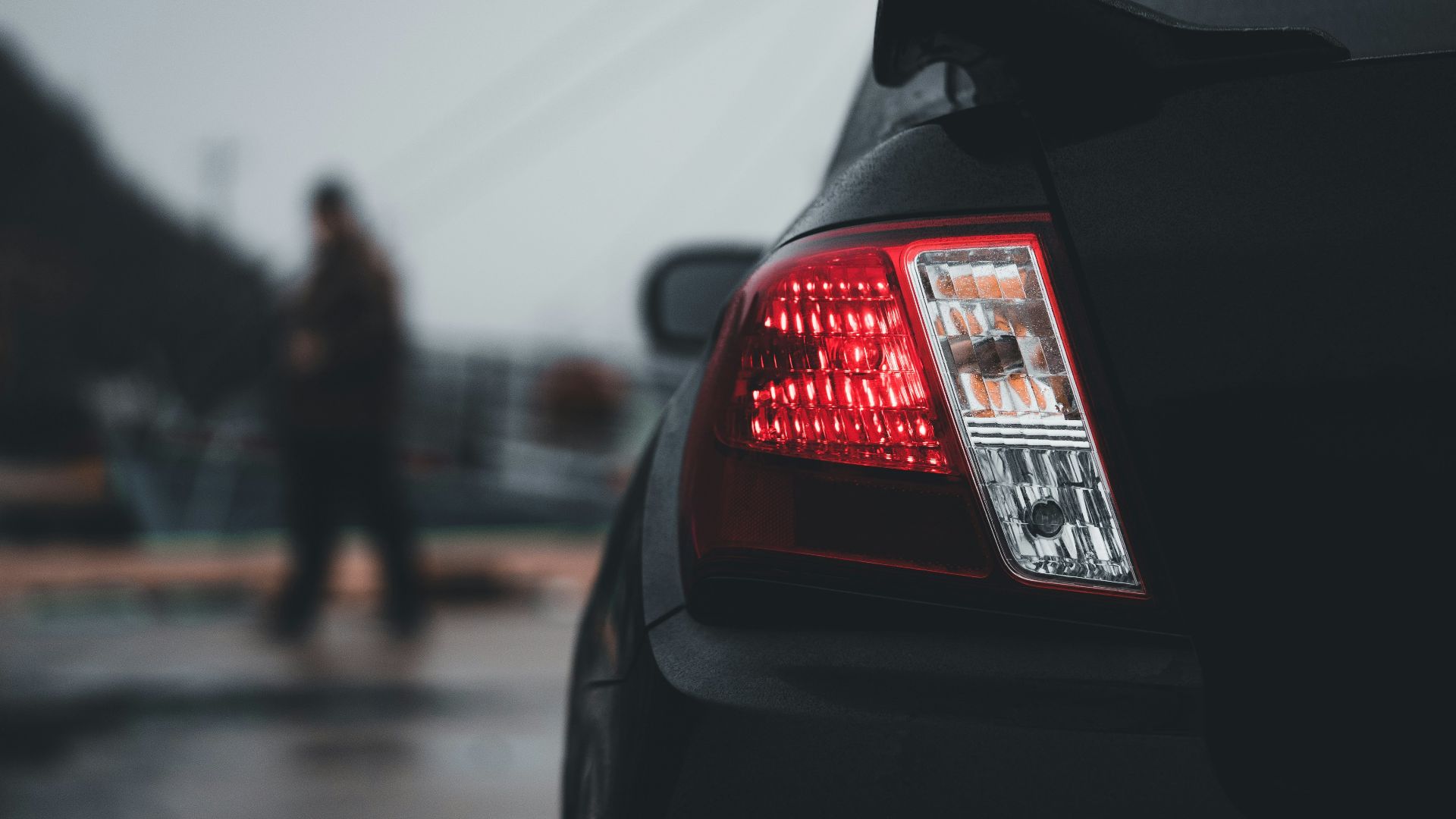
Your turn signal isn’t just a formality—it’s clear communication. Flick it on at least a few seconds before you move over so other drivers have time to adjust. It’s a simple courtesy that keeps everyone safer and reduces unnecessary tension on the road.
4. Stay in the Right Lane Unless Passing
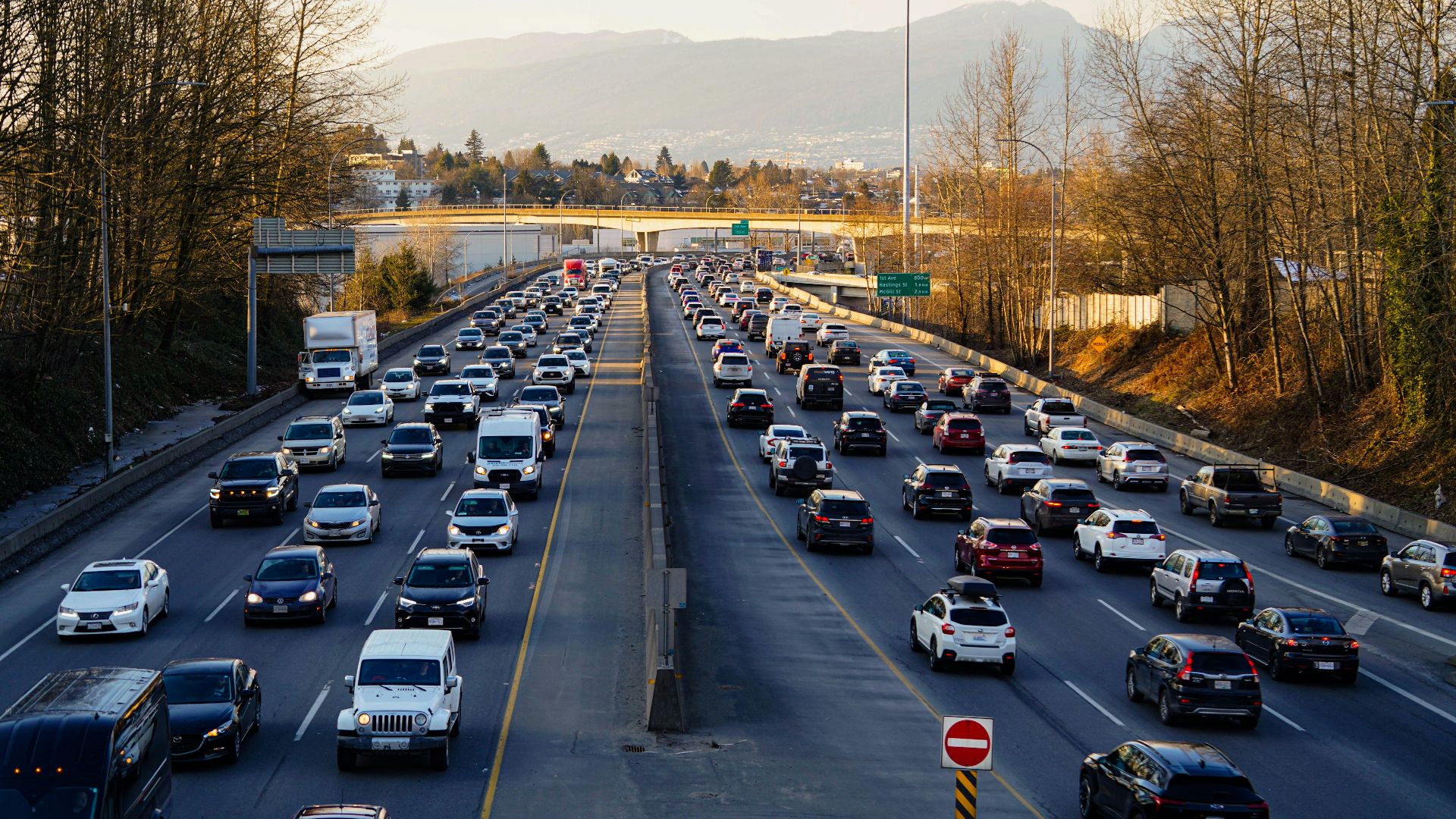
The left lane is for passing, not cruising. If you’re not overtaking anyone, move back to the right, so faster cars can go by. It’s not about ego; it’s about keeping the flow of traffic predictable and reducing frustration for everyone.

5. Match the Flow of Traffic
Driving too slowly can be just as dangerous as speeding. Stay near the pace of surrounding vehicles while still respecting the speed limit. You’ll avoid forcing others into risky maneuvers to get around you.
6. Limit Distractions
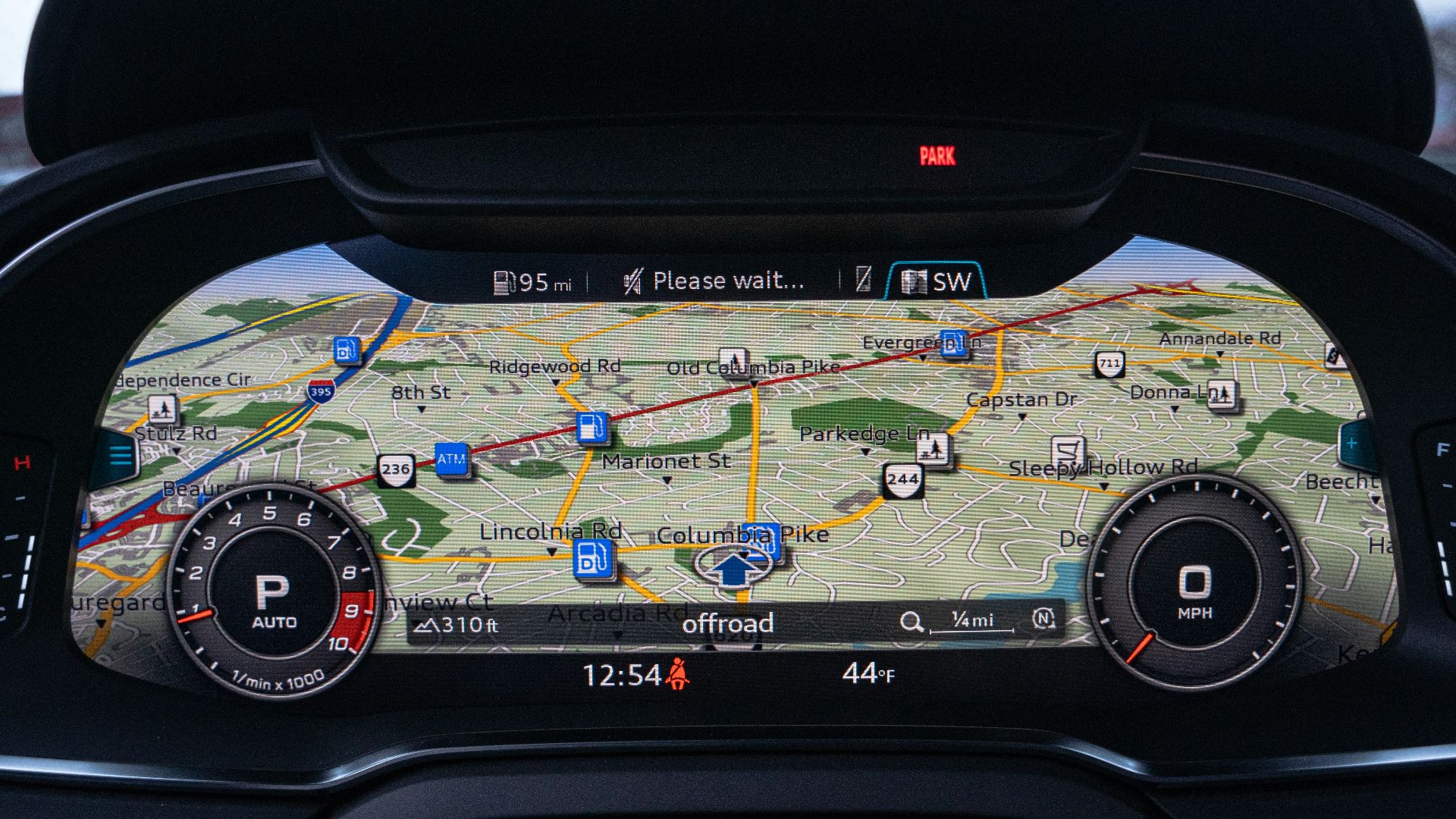
Even a glance at your phone can cost you precious seconds of reaction time. Keep notifications muted, set your GPS before you start, and let passengers handle music changes. The fewer distractions you have, the more relaxed and responsive you’ll be.

7. Plan Your Route Ahead of Time
Nothing ruins a highway trip faster than realizing your exit’s coming up at the last second. Glance at your route before leaving so you know what to expect. It saves you from sudden lane changes and unnecessary stress.
8. Mind the Weather
Rain, fog, and snow can turn highways into hazards. Slow down, use headlights when visibility worsens, and avoid using cruise control on slick surfaces. The safest drivers are the ones who adjust to conditions.

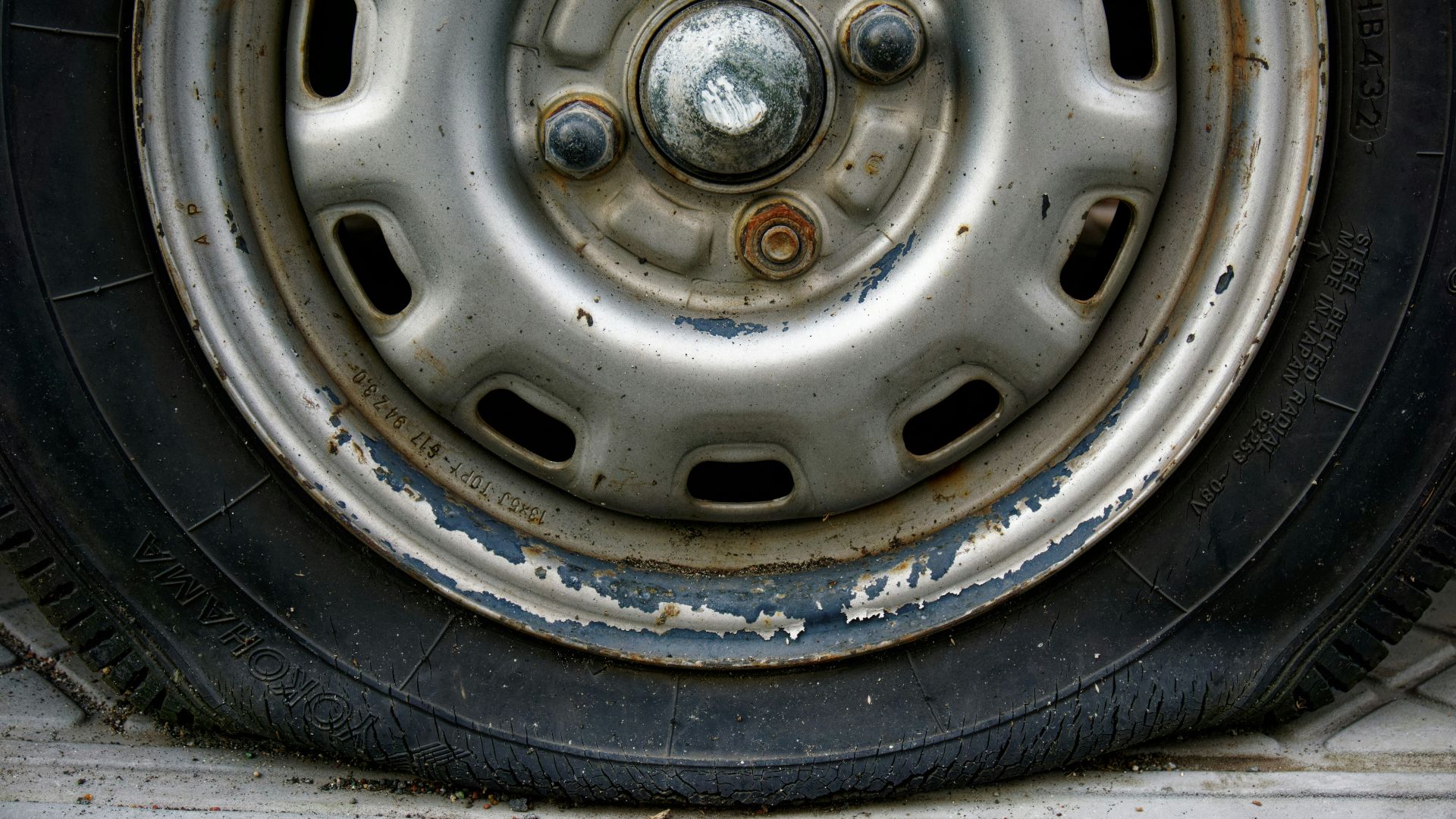
9. Check Tire Pressure Regularly
Underinflated tires affect handling and fuel efficiency, especially at high speeds. Make it a habit to check your tires before long drives. Properly inflated tires grip better, last longer, and give you smoother control when you need to brake suddenly.
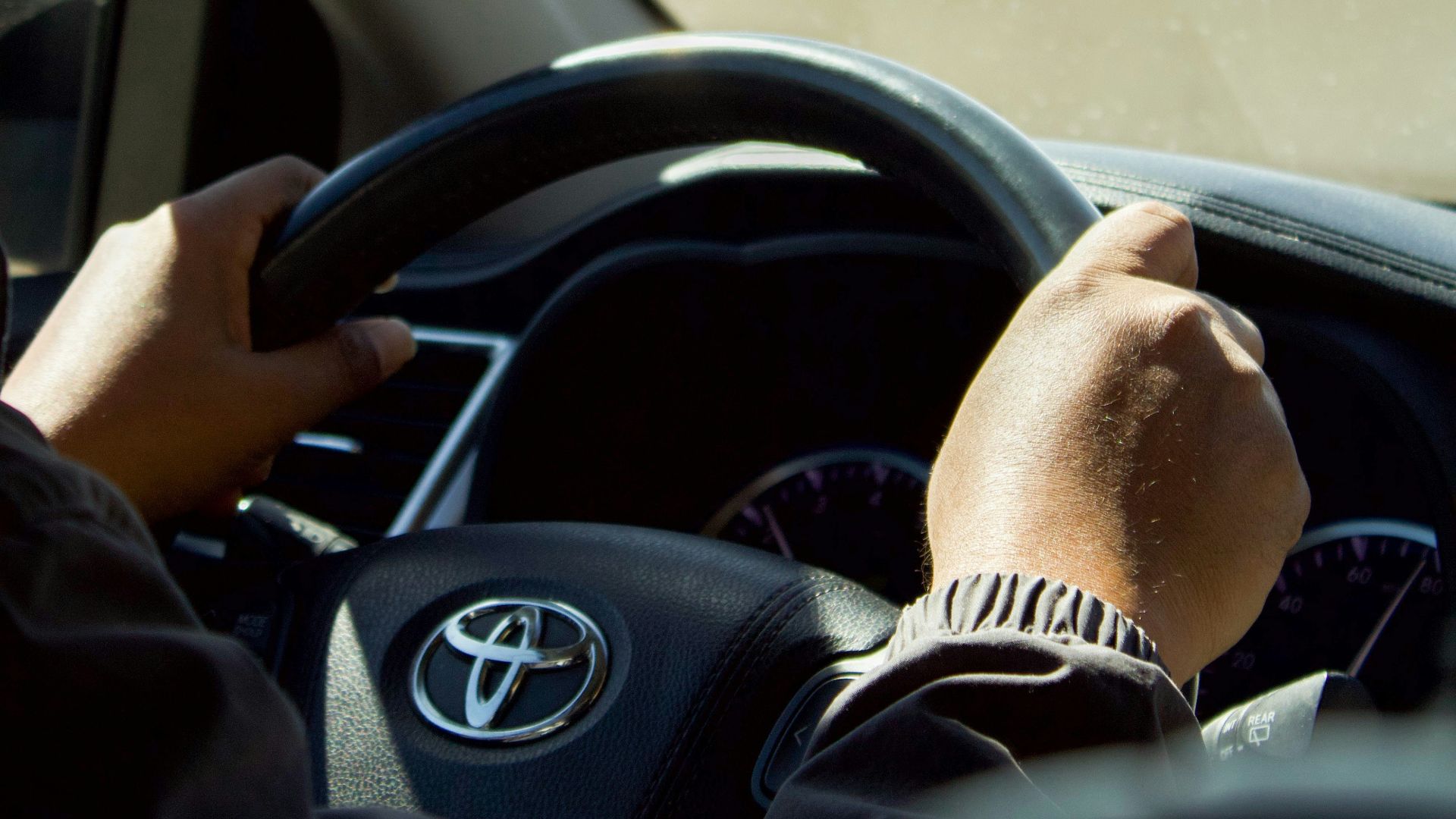
10. Use Cruise Control Wisely
Cruise control can make long trips easier, but it’s not a substitute for awareness. Use it only when traffic and weather are consistent. If the road’s crowded or hilly, take control manually so you can respond instantly to changing conditions.
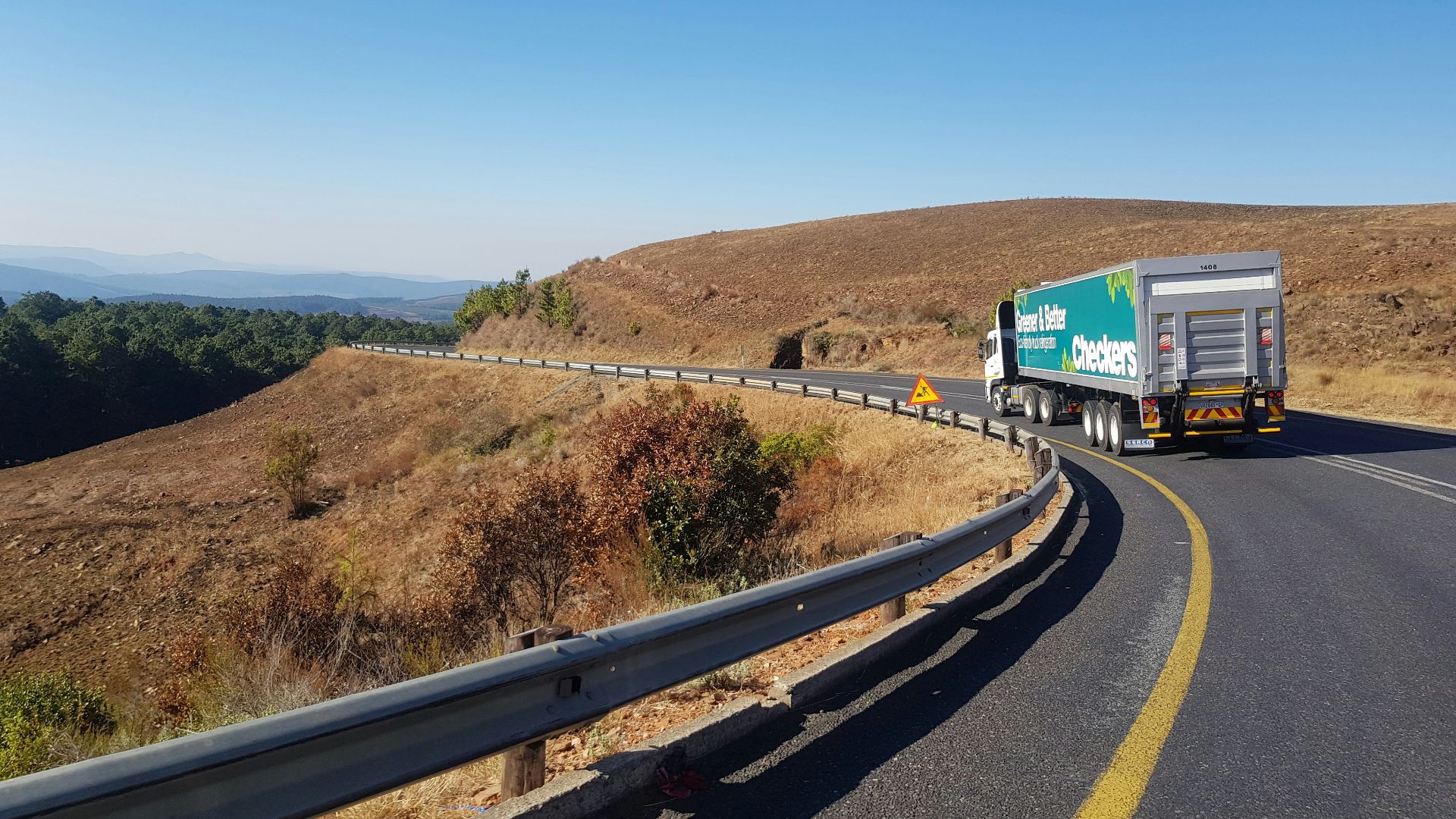
11. Keep Right for Trucks and Heavy Vehicles
Large vehicles take longer to accelerate, stop, and change lanes. Give them space and avoid hanging in their blind spots. When passing, move steadily but safely. It’s best to spend as little time beside a truck as possible.
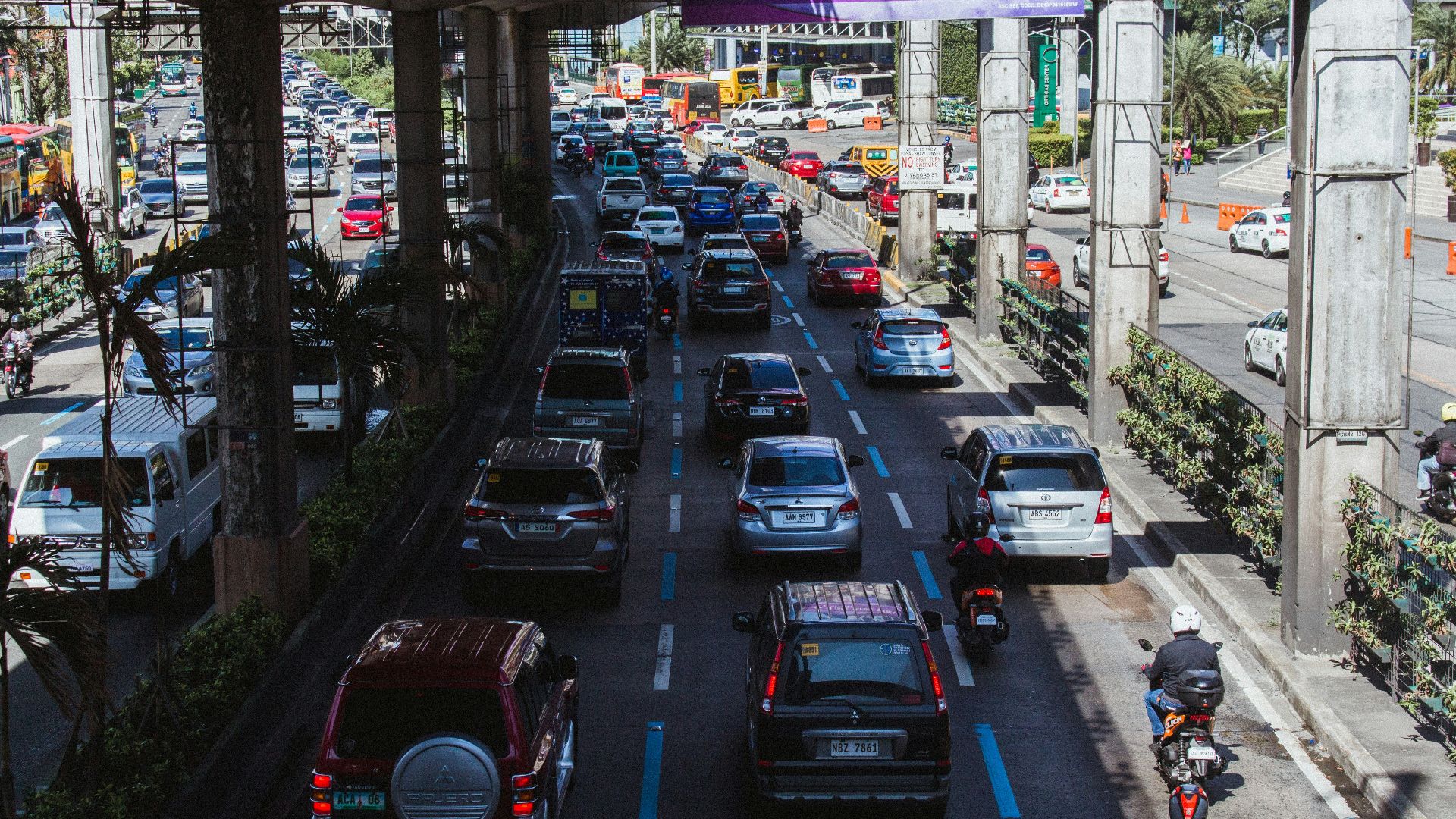
12. Anticipate Traffic Flow
Look far ahead instead of just focusing on the car in front of you. Spotting brake lights early gives you more time to ease off the gas instead of braking hard. Anticipation is what separates relaxed drivers from reactive ones.
13. Stay Calm During Merges
Merging doesn’t have to be stressful if you time it right. Accelerate to match the speed of traffic and look for a natural opening rather than forcing your way in.

14. Use Headlights Strategically
Headlights aren’t only for nighttime—they help others see you during rain, fog, or dusk. Always turn them on in low-visibility conditions. Daytime running lights can help, too, but they don’t replace full headlights when it’s truly dim.
 Christian Wiediger on Unsplash
15. Maintain a Comfortable Speed Buffer
Speeding rarely gets you to your destination faster, but it increases your risk exponentially. Instead, find a comfortable speed that keeps pace without pushing limits. You’ll use less gas, feel more in control, and have time to respond to surprises ahead.

16. Stay Out of the Left Lane When Tired
If you’re feeling drowsy, stick to the middle or right lanes. Fatigue slows your reaction time, and slower reflexes in the passing lane can frustrate other drivers. Better yet, pull over at a rest stop—no destination is worth falling asleep behind the wheel.
17. Adjust Mirrors for Maximum Coverage
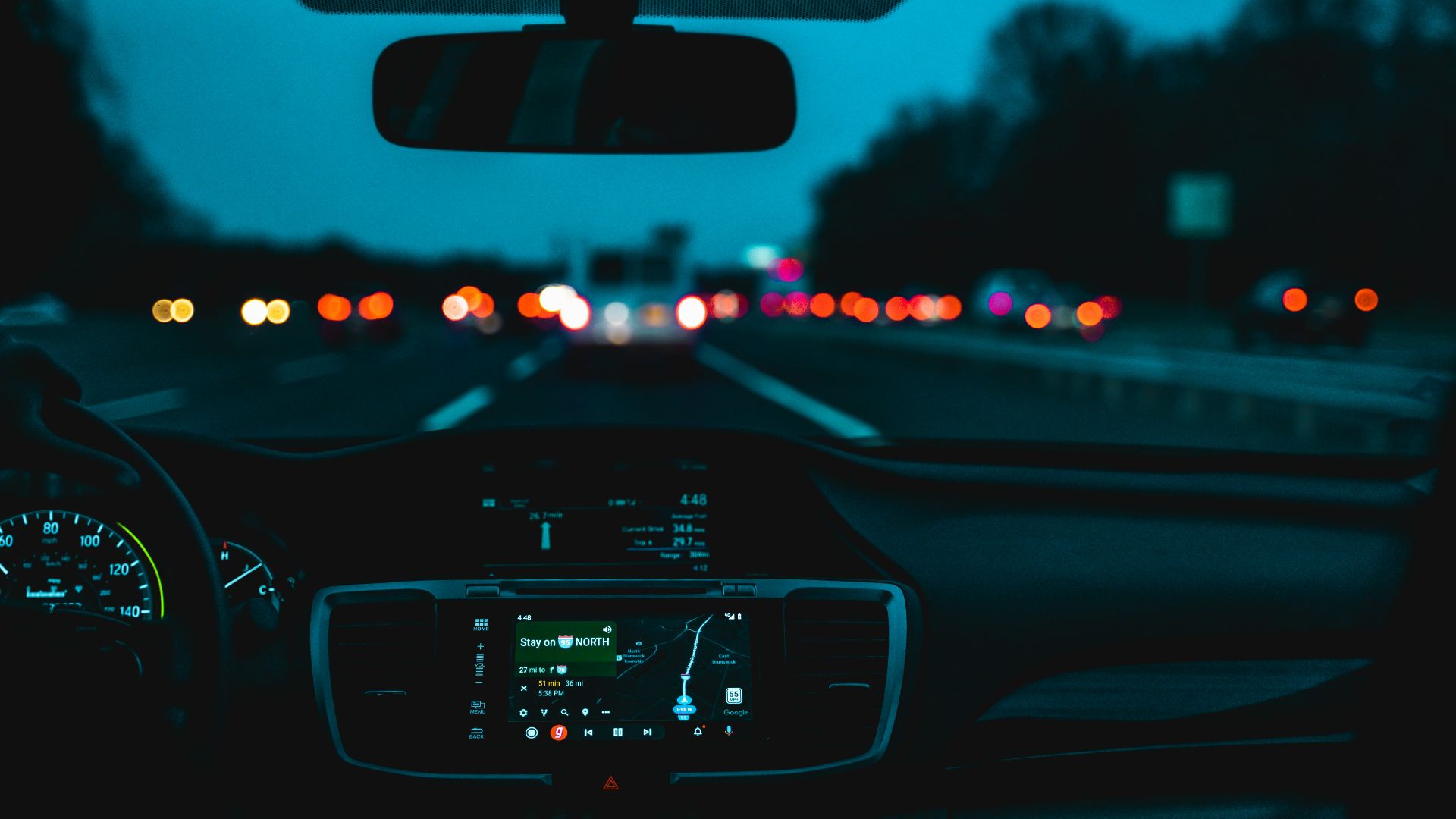
Your side mirrors should just barely show the edges of your car, not the full sides. This minimizes blind spots and widens your field of vision. It takes a few minutes to set up properly, but it pays off every single drive.

18. Don’t Camp in Someone’s Blind Spot
If you can’t see a truck’s mirrors, the driver can’t see you. The same goes for cars—staying beside another vehicle for too long makes both of you vulnerable. Pass efficiently and return to a visible position.

19. Watch for Signs of Aggressive Drivers
Speeding, tailgating, or constant lane weaving are signs to steer clear. Give aggressive drivers plenty of space rather than trying to “teach them a lesson.” You’ll stay safer and less stressed if you let them pass and disappear.

20. Keep Your Vehicle in Top Shape
Regular maintenance isn’t just about reliability—it’s about safety. Fresh brakes, working lights, and proper fluid levels make your car respond better at highway speeds. When your vehicle’s running smoothly, you can focus on the road instead of worrying about what might go wrong.