Stretch Every Gallon
It’s true that gas prices fluctuate, but many drivers overlook habits that quietly influence fuel costs. As a matter of fact, small choices made during daily commutes often matter more than vehicle type. Luckily, there are several practical adjustments that reveal overlooked opportunities to help drivers spend less without changing their routines dramatically. The result? More dollars saved and an engine that performs better.

1. Accelerate Gradually Instead Of Flooring The Pedal
Easing into acceleration reduces how hard your engine works during starts. Rapid takeoffs demand extra fuel, especially in city traffic. Smooth acceleration keeps fuel delivery steady and helps drivers maintain better control during everyday commuting on busy roads.

2. Maintain A Steady Speed Whenever Possible
Once a comfortable pace is reached, holding a consistent speed prevents unnecessary fuel surges. Frequent speeding up and slowing down forces the engine to burn more gas. However, steady driving on open roads supports efficiency and lowers long-term fuel consumption.
3. Obey Speed Limits Especially On Highways
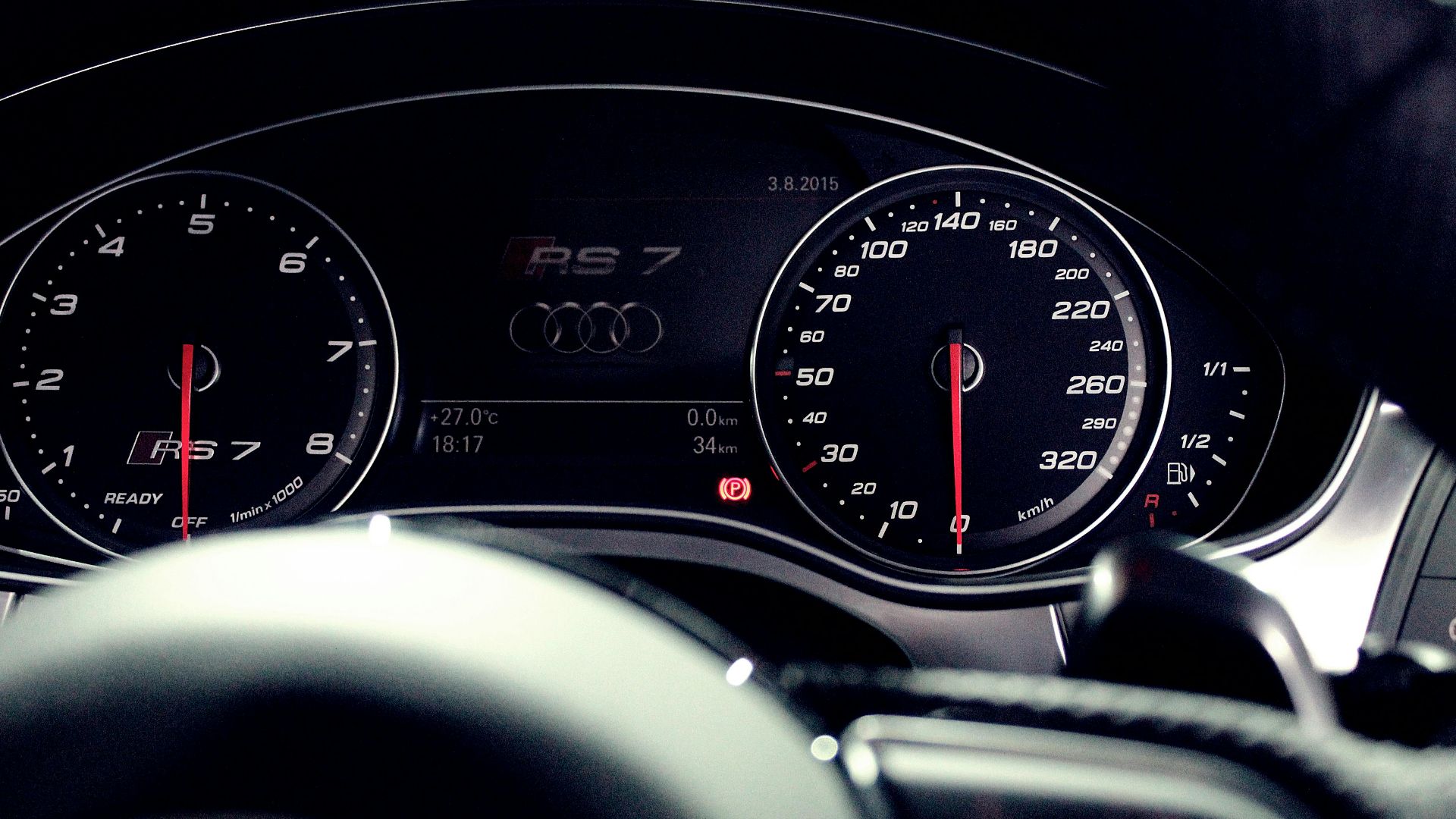
Highway speeds above posted limits dramatically reduce fuel efficiency due to increased wind resistance. Driving within legal limits allows engines to operate more efficiently, so they can last longer. Slowing down slightly on long trips often saves gas and improves overall vehicle performance.

4. Avoid Unnecessary Idling When Parked
When you let a vehicle idle, it burns fuel without moving you anywhere. Modern engines do not need long warm-ups, even in colder weather. As a result, turning the engine off during extended waits can conserve gas and reduce wear on engine components over time.

5. Replace Dirty Air Filters On Schedule
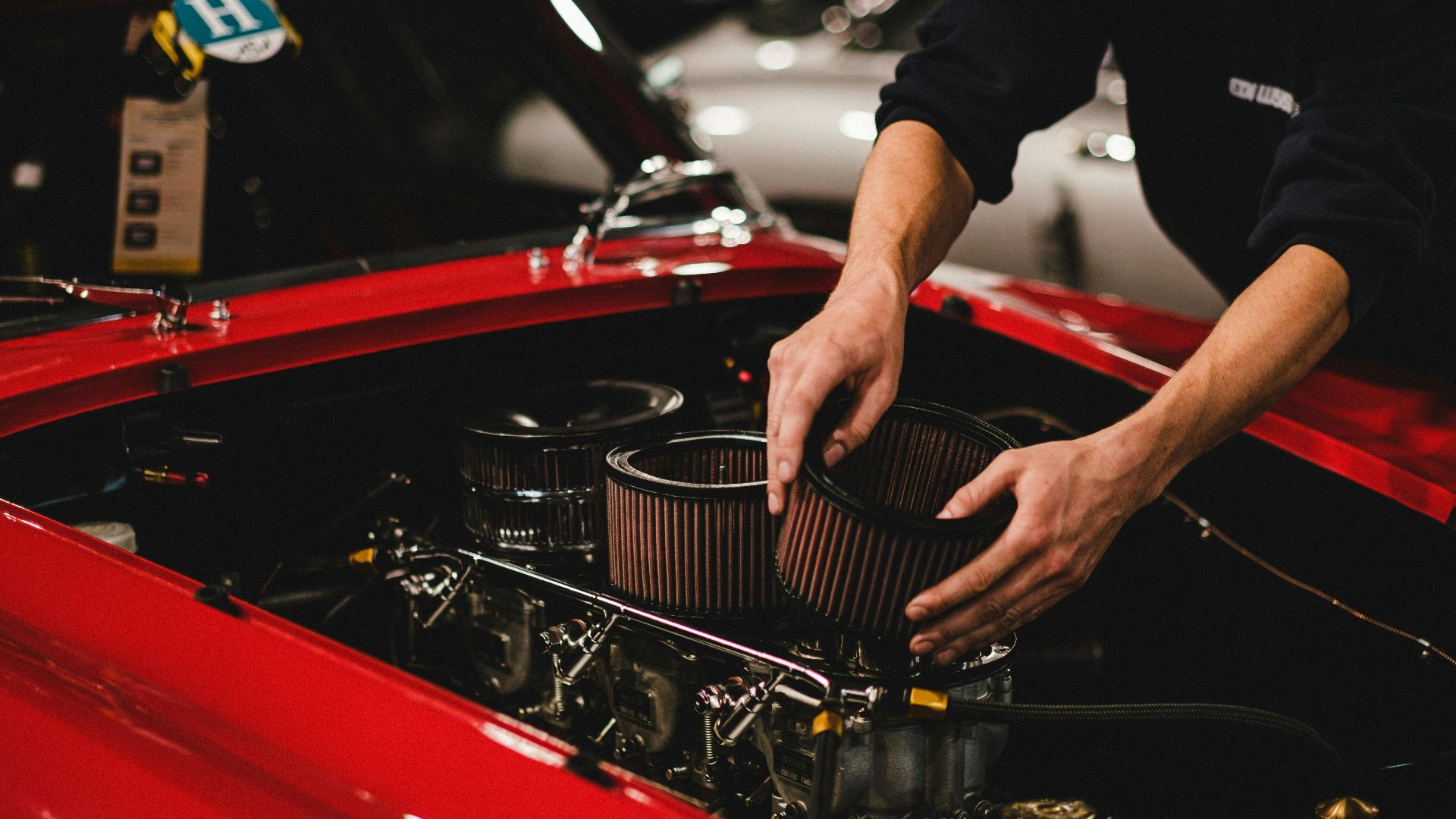
A clogged air filter forces the engine to work harder than necessary because it obstructs the airflow. Replacing it on schedule supports proper air-fuel balance, improves combustion efficiency, and can boost gas mileage, mainly for older vehicles driven frequently in stop-and-go traffic.
6. Use The Recommended Motor Oil For Your Vehicle
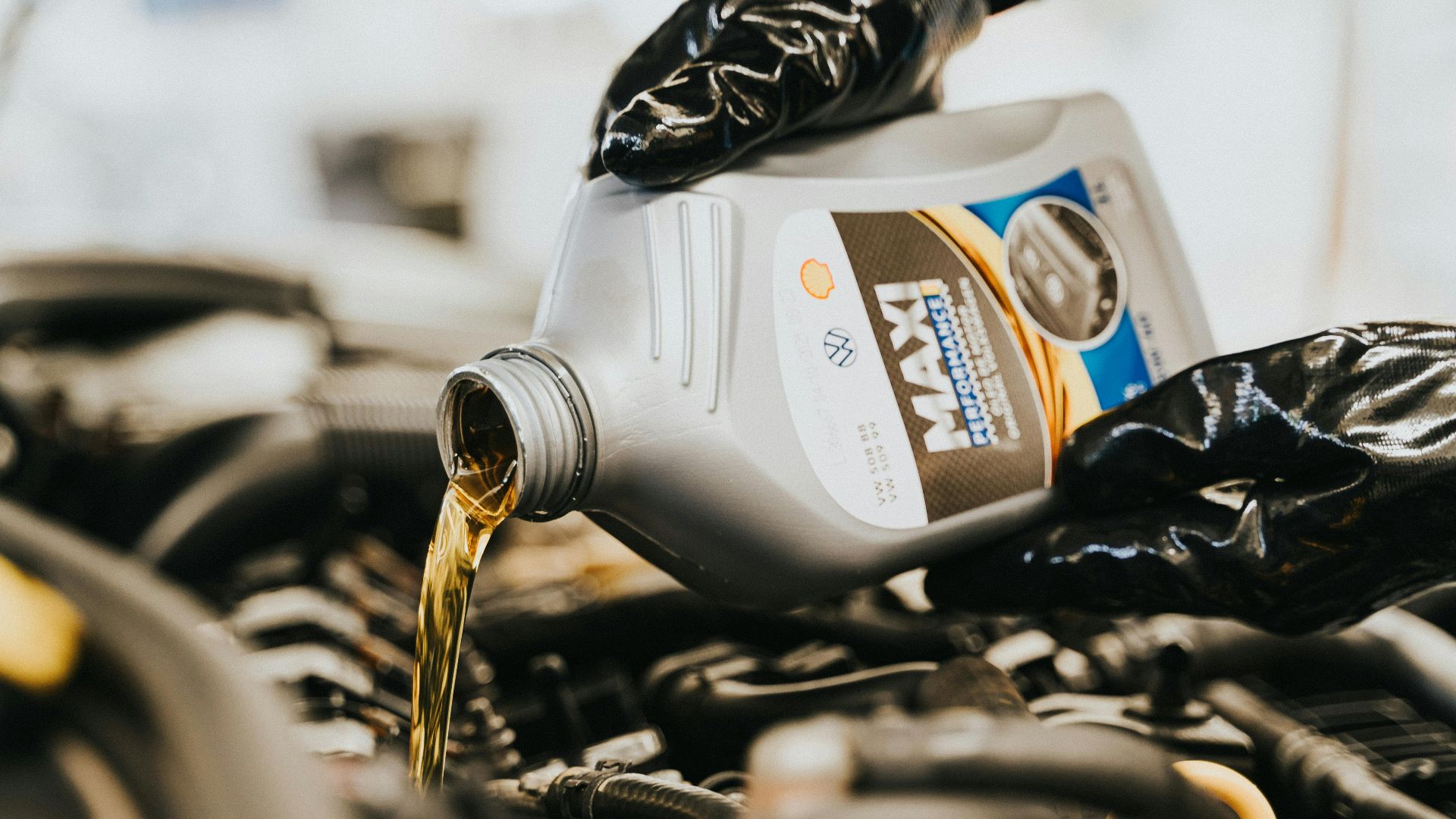
Using the manufacturer-recommended motor oil reduces internal engine friction and helps components move smoothly because proper viscosity allows engines to reach optimal operating temperature faster. This improves fuel efficiency during daily driving and protects long-term performance.
7. Keep Windows Closed At Higher Speeds
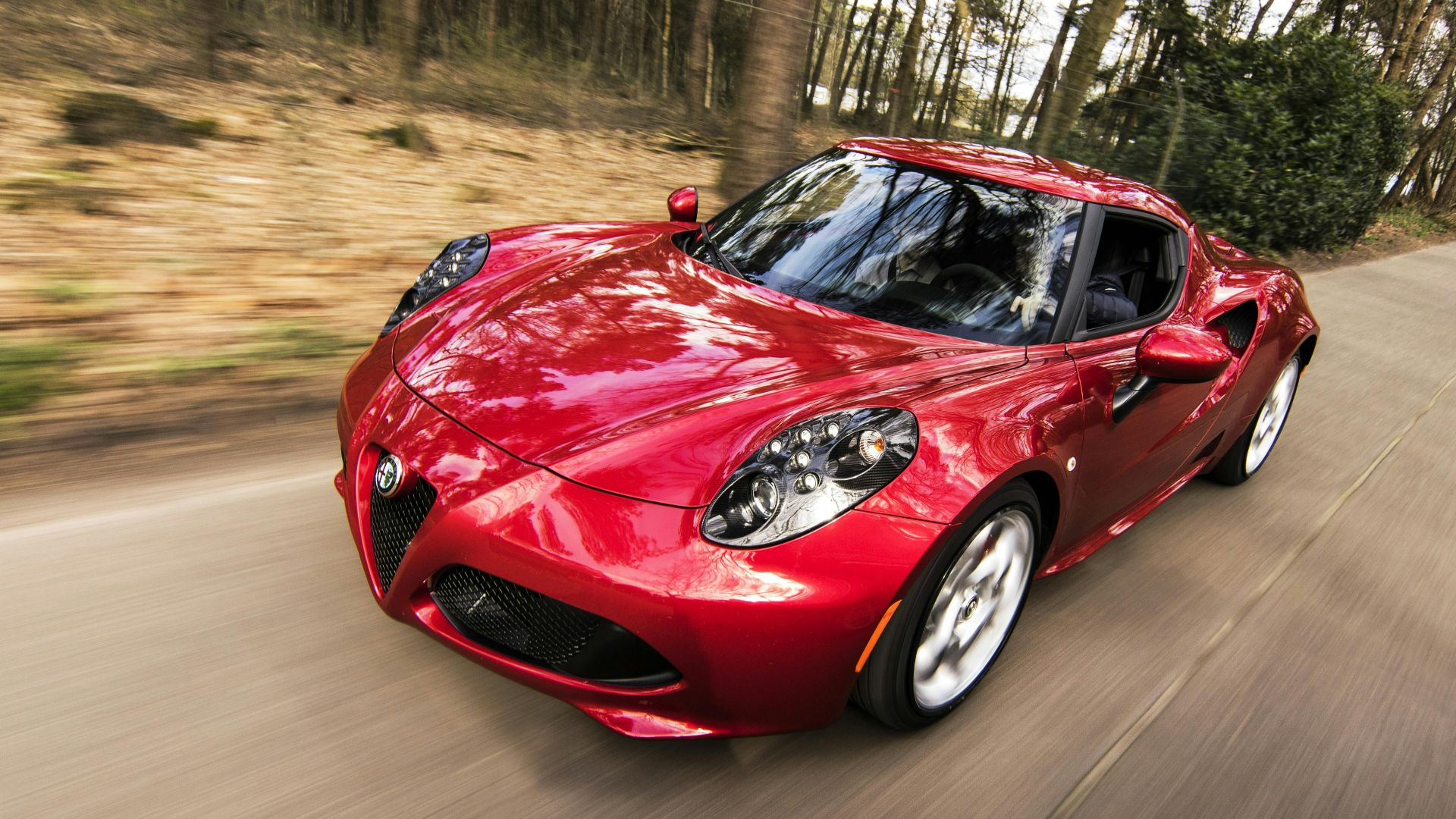
At higher speeds, open windows disrupt airflow and increase aerodynamic drag. That resistance forces engines to burn additional fuel. Keeping windows closed while using ventilation wisely helps vehicles move smoothly and maintain better efficiency.
8. Use Gas Price Comparison Apps
Gas price comparison apps show nearby station prices in real time and help drivers avoid overpaying, as small differences add up over months. Checking prices before filling up encourages smarter fueling decisions without changing driving routines.

9. Address Check Engine Lights Promptly
A check engine light shouldn’t be ignored, as it can hide issues that quietly increase fuel consumption. Faulty sensors or emission problems usually cause engines to run inefficiently. Prompt diagnosis helps restore proper performance and prevents wasted gasoline.

10. Use Cruise Control On Flat Highways
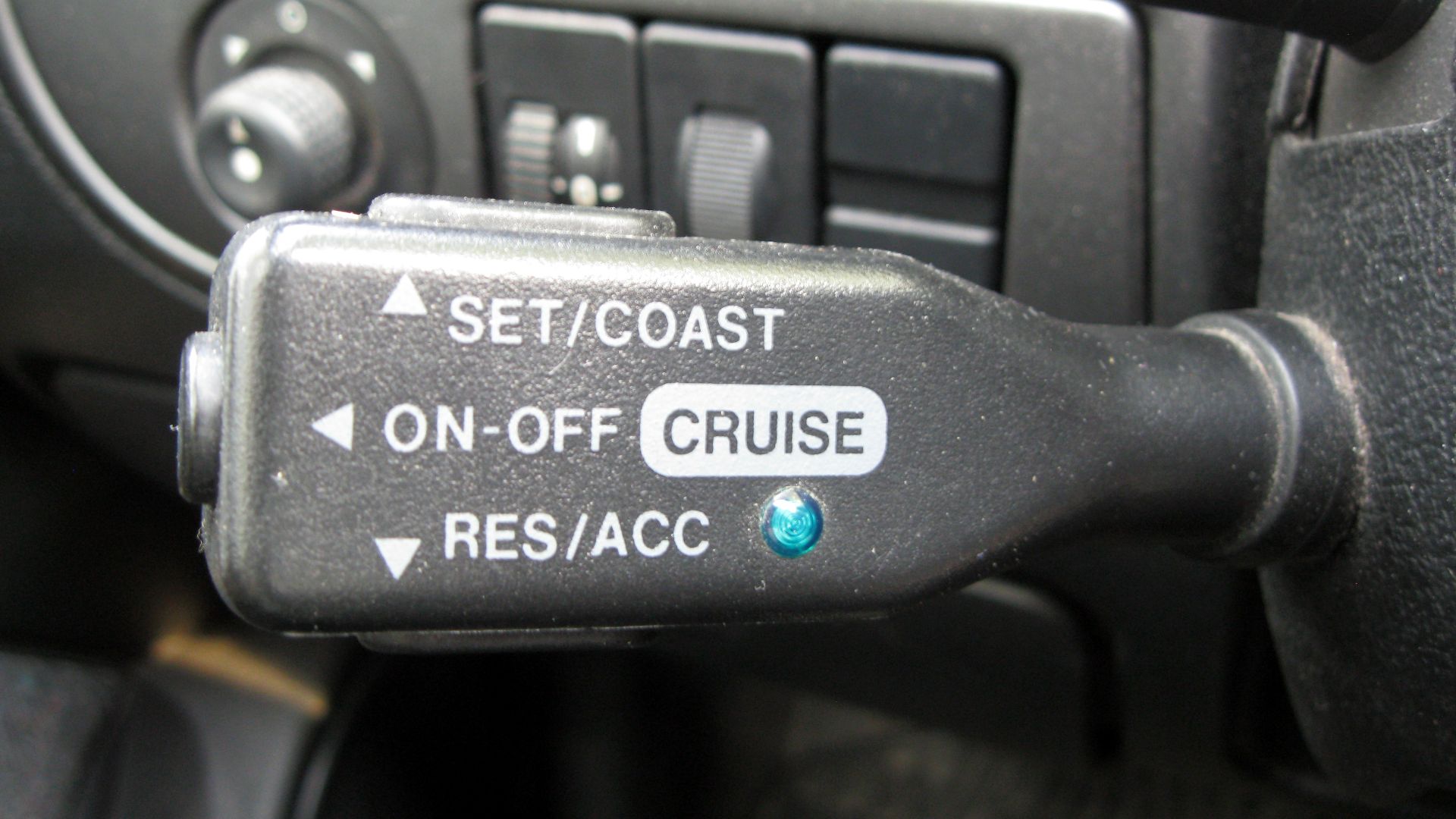
On level highways, cruise control helps maintain a constant speed more precisely than most drivers can manually. This consistency prevents unnecessary fuel spikes, but it works best on flat terrain, where frequent speed changes are unnecessary.
 Santeri Viinamäki on Wikimedia
11. Keep Tires Properly Inflated
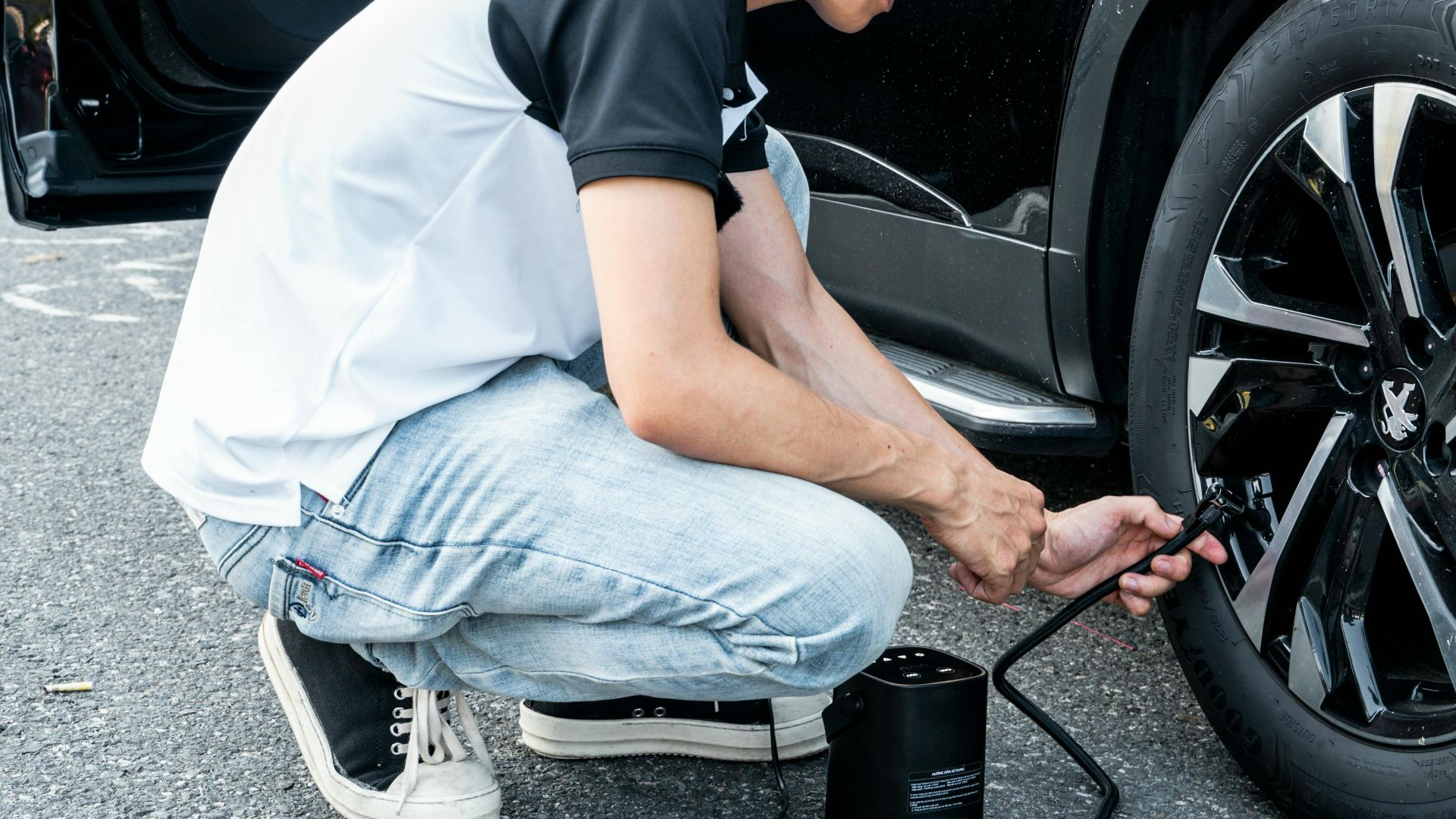
Tires inflated below recommended levels create extra rolling resistance, and they force engines to work harder. Proper inflation improves fuel economy and promotes even tread wear, which saves money in the long run. Check tire pressure regularly, especially during temperature changes, to avoid unnecessary fuel loss year-round.
12. Follow Routine Maintenance Intervals
Regular maintenance keeps engines operating as designed, which directly affects fuel efficiency. Skipping service intervals can allow small problems to grow unnoticed, but following recommended schedules ensures fluids and components work together efficiently.

13. Combine Errands Into One Trip
Cold engines burn more fuel during short drives, which makes multiple small trips inefficient. Instead, combine errands into a single outing to allow engines to reach efficient temperatures. This simple habit saves time and lowers overall fuel use.

14. Drive During Off-Peak Hours When Possible
Scheduling drives outside rush hours reduces stop-and-go traffic that wastes fuel. Lighter congestion allows smoother speeds and fewer idle moments. Even small timing adjustments can improve mileage and reduce stress for commuters.
 Dan Gold danielcgold on Wikimedia
15. Keep Wheels Properly Aligned
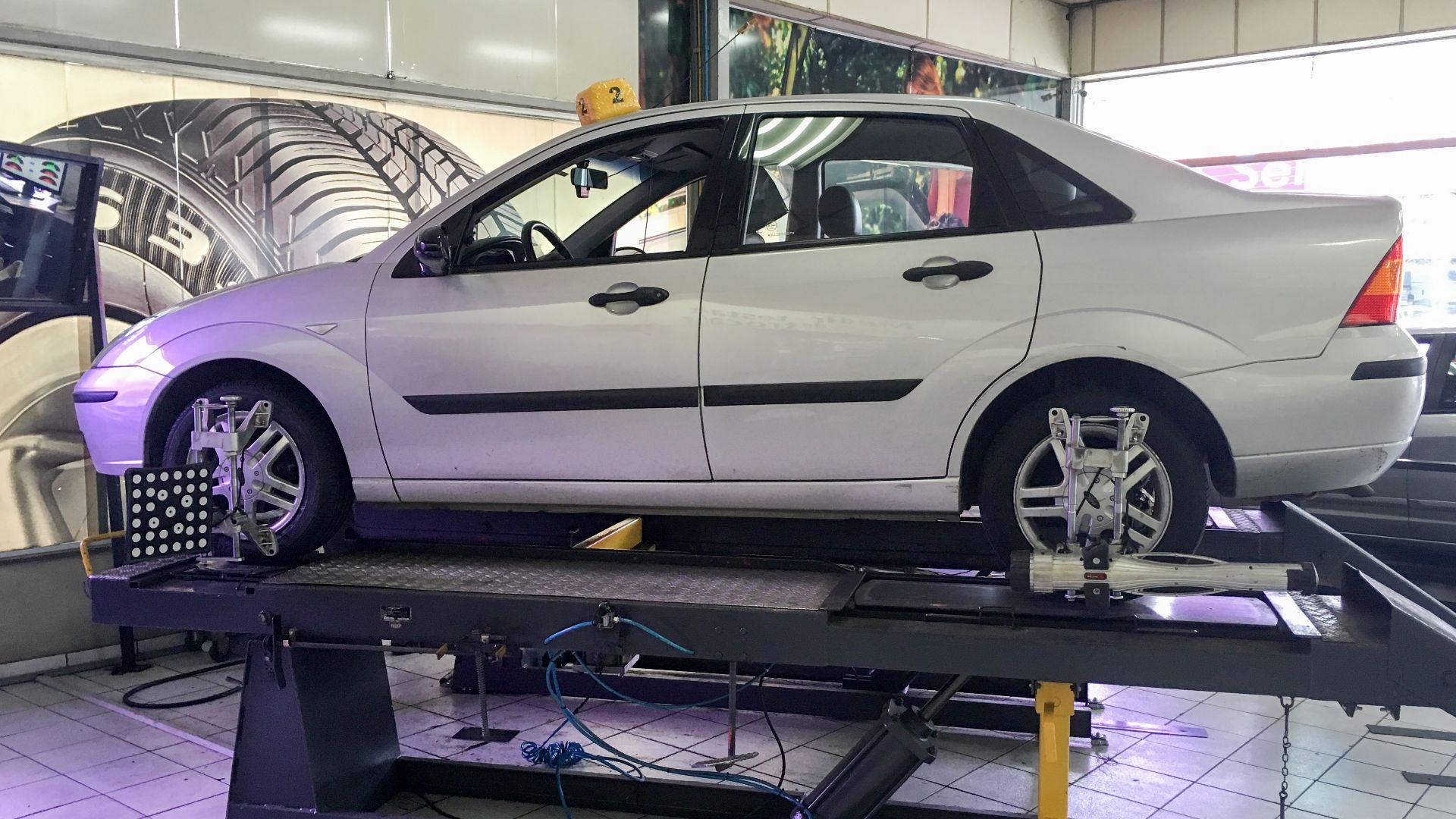
When wheels fall out of alignment, tires drag slightly instead of rolling freely. That resistance forces engines to burn more fuel to maintain speed. Proper alignment improves handling and extends tire life. It also helps vehicles move efficiently without unnecessary energy loss.
 Photograph by Mike Peel (www.mikepeel.net). on Wikimedia
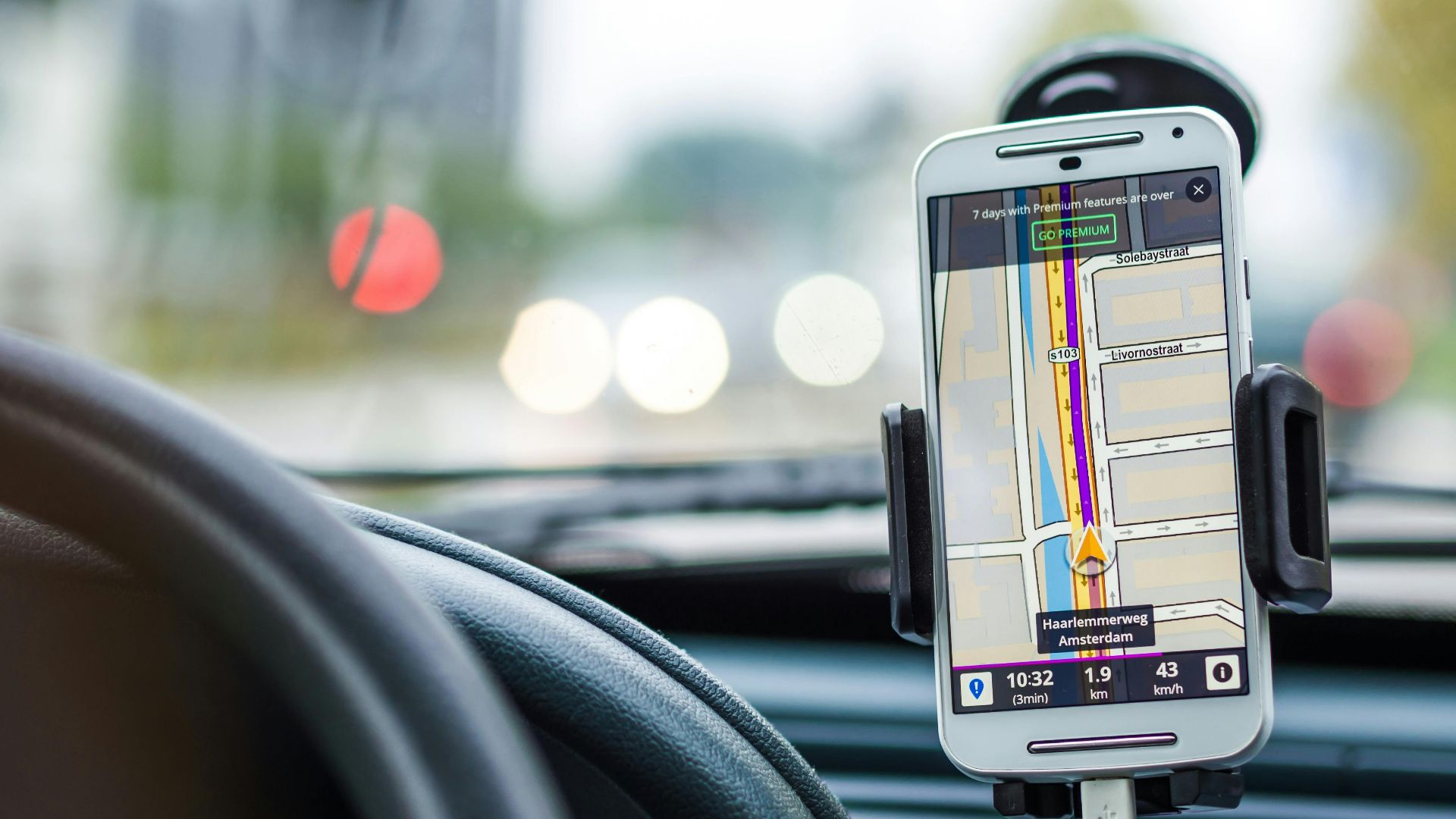
16. Use Apps That Suggest Fuel-Efficient Routes
Modern navigation apps analyze traffic patterns, elevation, and road conditions to suggest efficient routes. Choosing paths with fewer stops and smoother flow can lower fuel use. These tools help drivers save gas without changing driving habits significantly.
17. Remove Unnecessary Weight From The Vehicle
Driving with extra weight makes engines work harder, mainly during acceleration. In other words, carrying unused items in trunks or back seats quietly lowers efficiency. Removing unnecessary cargo improves fuel economy and braking for a more economical and responsive driving experience.

18. Avoid Roof Racks Or Cargo Boxes When Not In Use
Roof racks and cargo boxes create wind drag that increases fuel consumption, even when empty. Removing them when not needed improves aerodynamics. Less resistance allows vehicles to glide more efficiently, particularly at highway speeds.

19. Take Advantage Of Fuel Rewards Or Loyalty Programs
Fuel rewards programs offered by grocery stores, credit cards, coupons, and gas stations provide cents off per gallon, and enrolling is usually free. Consistent use can lead to meaningful savings over time, especially for drivers who fuel up regularly.

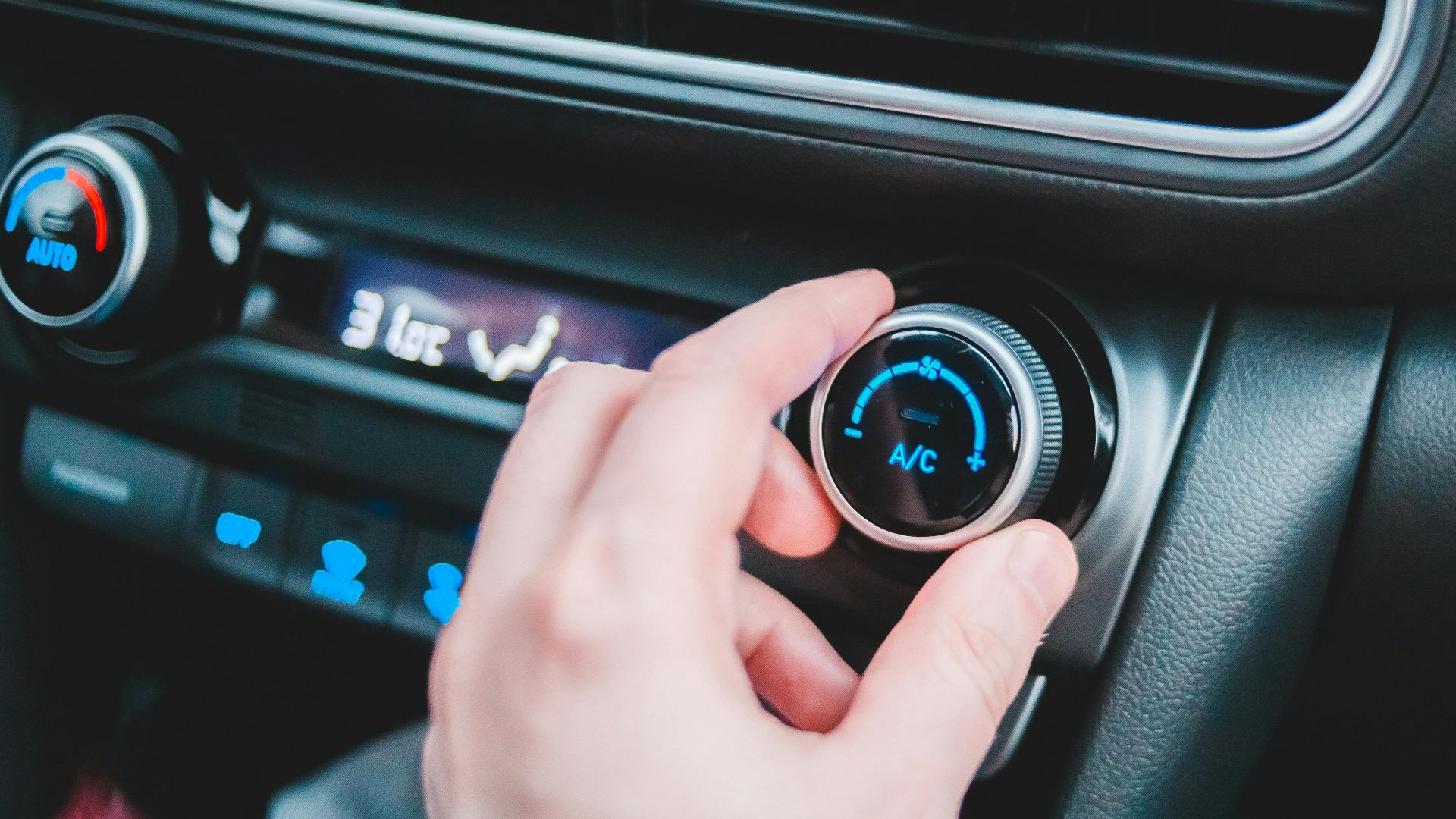
20. Use Air Conditioning Efficiently Instead Of Max Settings
Air conditioning increases fuel use by adding load to the engine. Using moderate settings, parking in shade, and ventilating the heat first can help. Smart use keeps cabins comfortable without forcing engines to burn more fuel in warm weather.