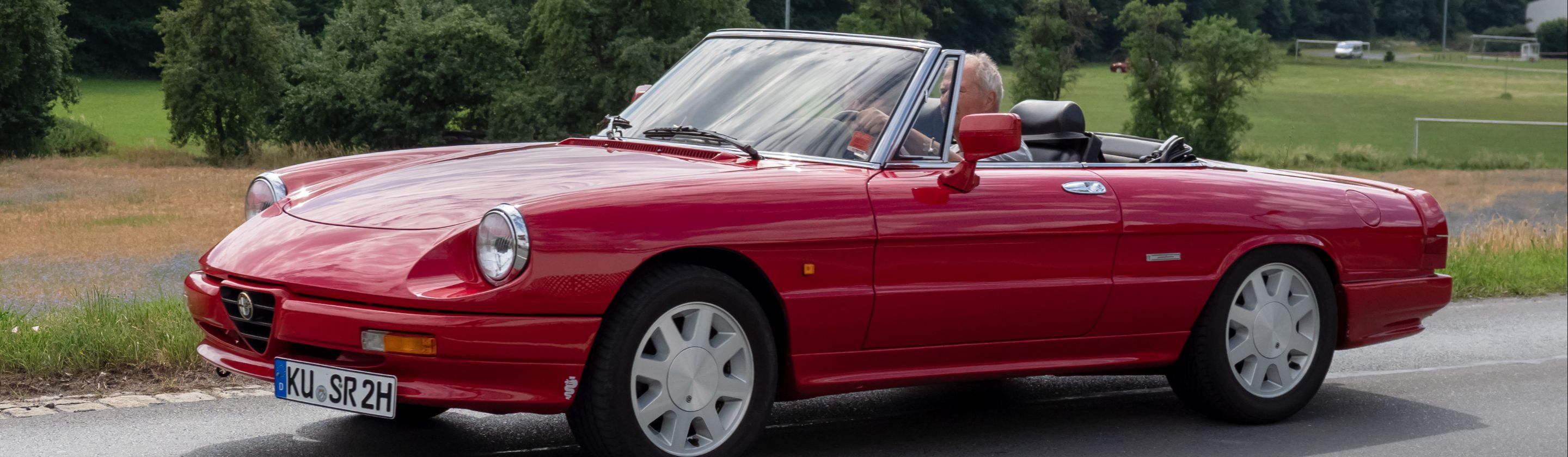


You open your renewal notice and stare at the total. It’s higher than last time, even though you haven’t had an accident or changed a thing. Sounds familiar? You’re not imagining it. Auto insurance rates have climbed faster than many household expenses. Several overlapping factors are driving this surge, and most of them have little to do with your personal driving habits. Let’s unpack what’s going on and how you can respond.
The Hidden Cost Of Modern Cars
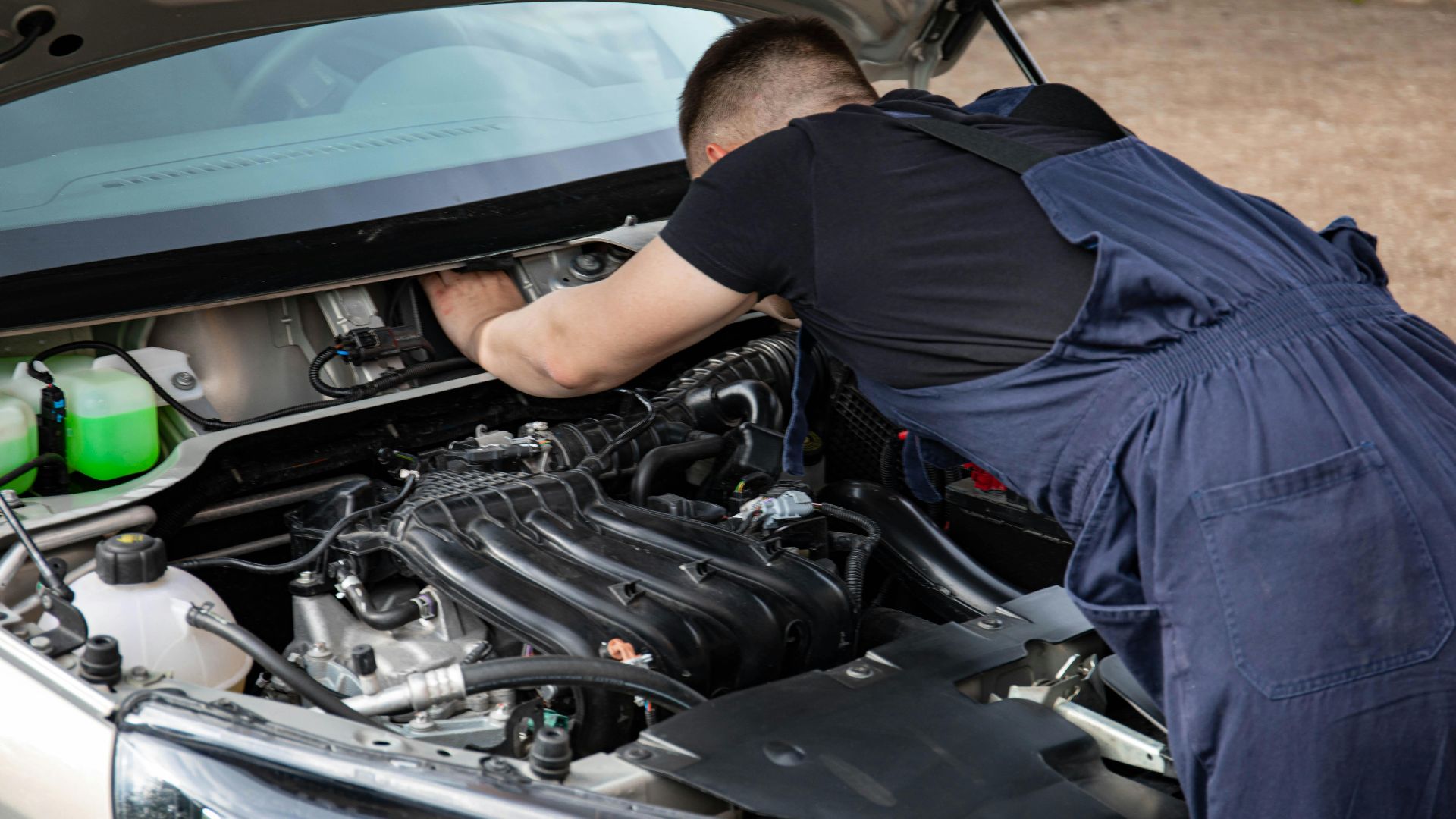
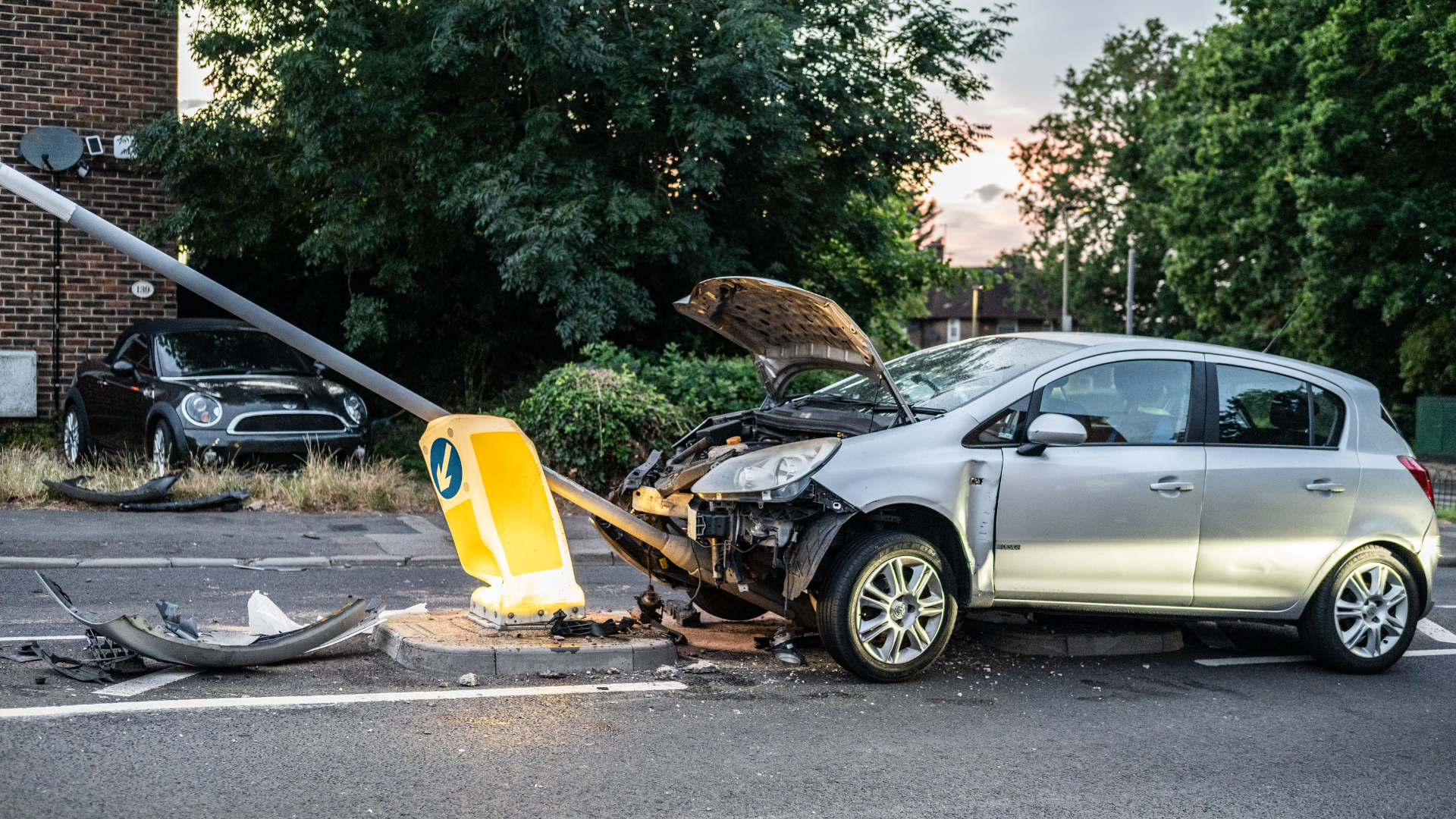
Today’s vehicles are technological marvels, and all that tech comes at a price. What was a simple fender bender now involves sensors, cameras, radar units, and computer modules. Replacing a bumper on a modern SUV can cost thousands. Even a cracked windshield may require recalibrating lane-assist systems or head-up displays.
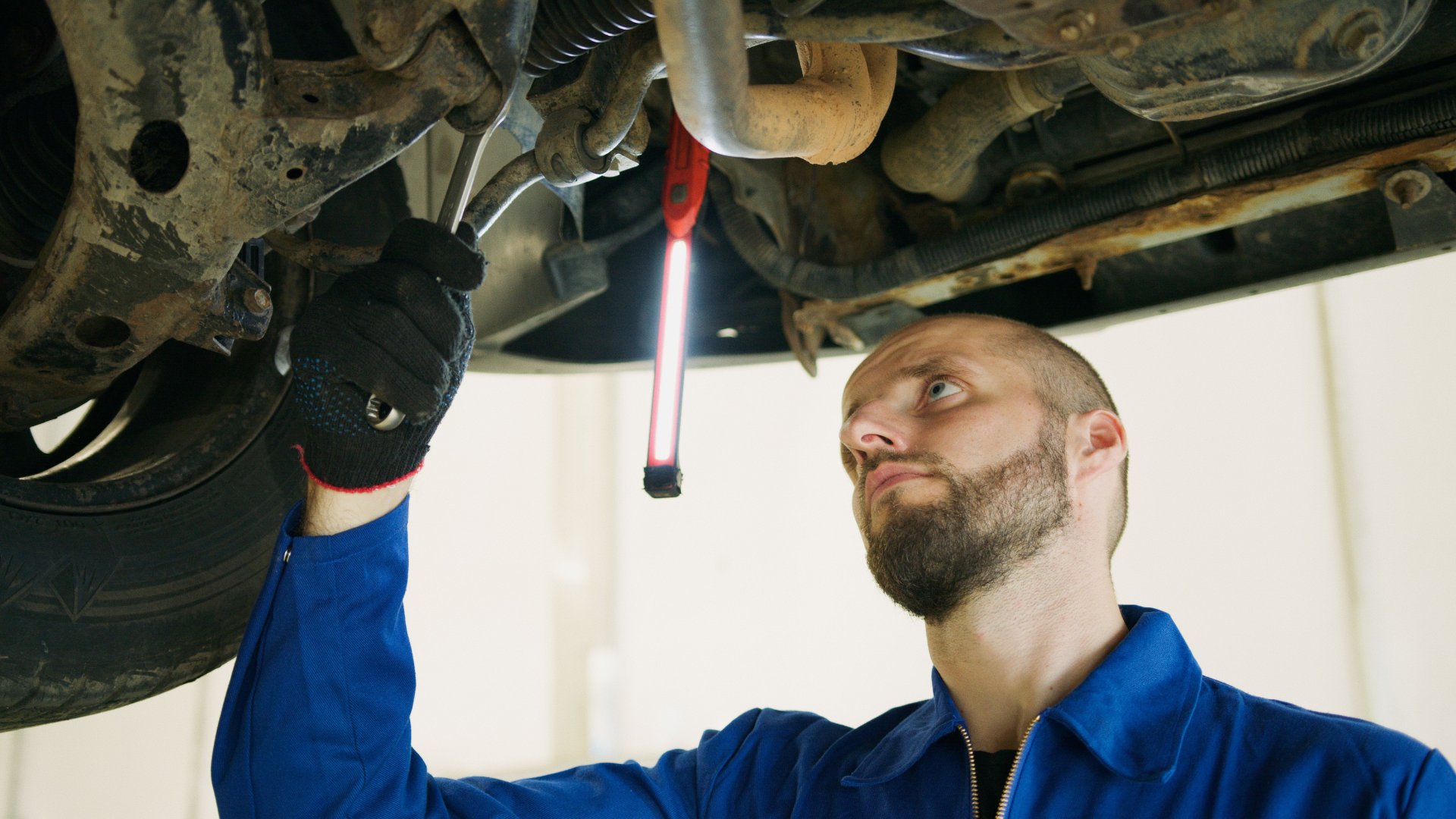
Labor costs are climbing, too. Repair shops are struggling to find skilled technicians, which means higher hourly rates. Parts shortages linger from supply chain disruptions, stretching repair timelines and increasing rental car expenses while you wait.
Riskier Roads And Climate Hits
Across the country, risky driving behaviors like speeding and distracted driving have increased. Although after years of improvement followed by a post-pandemic rise, fatal crashes have been declining in recent quarters, severe collisions still mean costlier payouts for insurers.
Then there’s the weather. Flooding, hail, and hurricanes have destroyed more vehicles in the past few years than in decades prior. Insurers factor in those climate-driven losses, even if you live far from a coastal zone. Legal and medical costs are climbing as well.
Where You Live, What You Drive, And How You’re Profiled

Your ZIP code is one of the biggest pieces of your premium puzzle. Urban drivers face denser traffic and more potential for collisions. Even if you’re careful, you share risk with everyone around you. That means someone else’s accident in your area can still nudge your rate upward.
The kind of car you drive matters, too. Vehicles loaded with safety features may help prevent crashes, but when they do get damaged, repairs are expensive. On the flip side, older cars without modern safety tech can increase risk and lead to more injuries, another cost insurers must anticipate.
Your individual profile rounds out the equation. Age, driving record, mileage, and even credit history (in many states) affect how risky you appear.
What You Can Do About It
Start by comparing quotes from different insurers when your policy comes up for renewal. Each company calculates risk a little differently, and that variation can mean big savings. Then, look closely at your current coverage. If you’re carrying full collision on an older car, trimming that option or raising your deductible could lower your monthly bill.
Ask your insurer about discounts you might already qualify for, like safe-driver programs or anti-theft features. Finally, think about parking in a garage and keeping your car in top condition for the long run. Well, small changes today could keep your costs steady tomorrow.