The Jetsons Made Americans Fall In Love With Flying Cars In The 60s—So Why Don't We Have Them Yet?
The Jetsons Made Americans Fall In Love With Flying Cars In The 60s—So Why Don't We Have Them Yet?
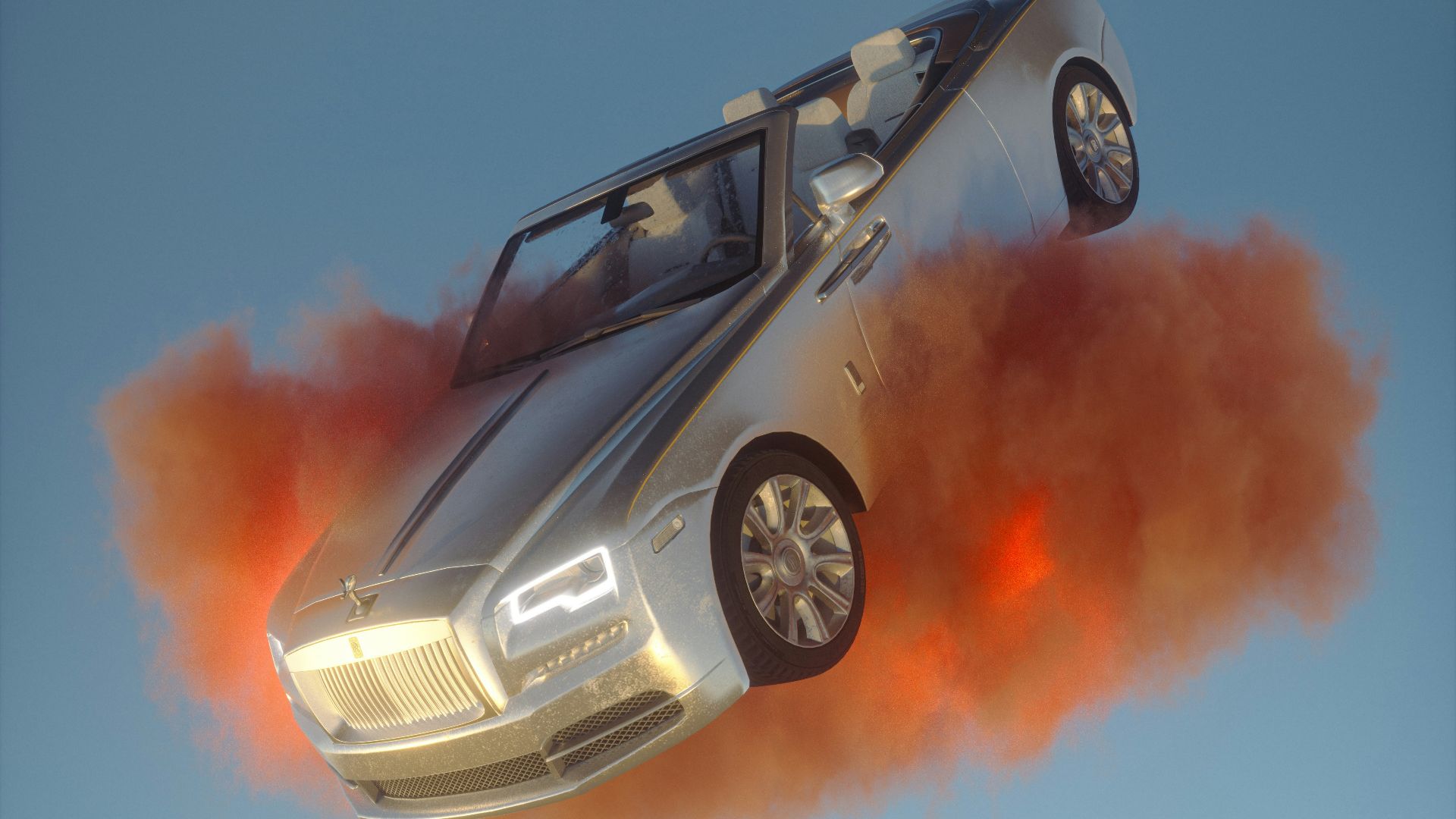
If there's one thing that the sci-fi lied to us about, it wasn't that we'd slowly be replaced by machines, or that we'd slowly become addicted to life inside a screen. No, the biggest lie in science fiction is also the one that hurts the most. 2025 is almost at a close, and we don't have flying cars yet!
On paper, flying cars are one of those things that seem simple but are more difficult to pull off than you would guess. In fact, some scientists say that we may never have flying cars. If we have cars, and we have planes, then combining the two should be easy.
How Would Flying Cars Work?
The reality isn't so simple. It isn't so much that flying cars are impossible—after all, there were prototypes all the way back in the 1940s—but that they're improbable. Getting a car off the ground might be the least of our worries.
For our little thought experiment, let's assume that all the airspace would mean fewer collisions. Based on research assumptions, the opposite would be more likely true. However, flying cars are part of a utopian dream.
For starters, you'd want a car that's more like a helicopter than a plane. That is, unless you live in the middle of nowhere with ample room for a runway instead of a driveway. Even so, the propellers necessary to get a car off the ground would take up a ton of space, so driveways and garages would have to be extra-wide.
Additionally, driving and flying are not one-to-one equivalencies. There's a y-axis to worry about! To drive a flying car, you'd need both a driver's license and a pilot's license, which would take extra time and money to achieve.
Jumping off that point, cost is the biggest thing keeping society from achieving our dreams of flying cars. Already, cars are at their most expensive—and those only drive on the road rather than fly. Flying cars would be wildly expensive for both owners and manufacturers.
Estimates put owning a flying car at around $300K, so the Jetsons probably wouldn't be able to own one. Only the richest of the rich would be allowed to fly around, and they can already do that with helicopters. That's without even touching on the energy.
Flying has a much larger carbon footprint than driving as not only are aircraft bigger, but they require much more fuel than cars, which they use in a different ways. You'd need enough fuel to get off the ground, but not too much that the car is impossible to handle on the road. That fuel would cost astronomically more per gallon than fuel today.
No matter how much you may want a flying car, unless you're part of the 1%, you wouldn't be able to afford one.
Potential Roadblocks
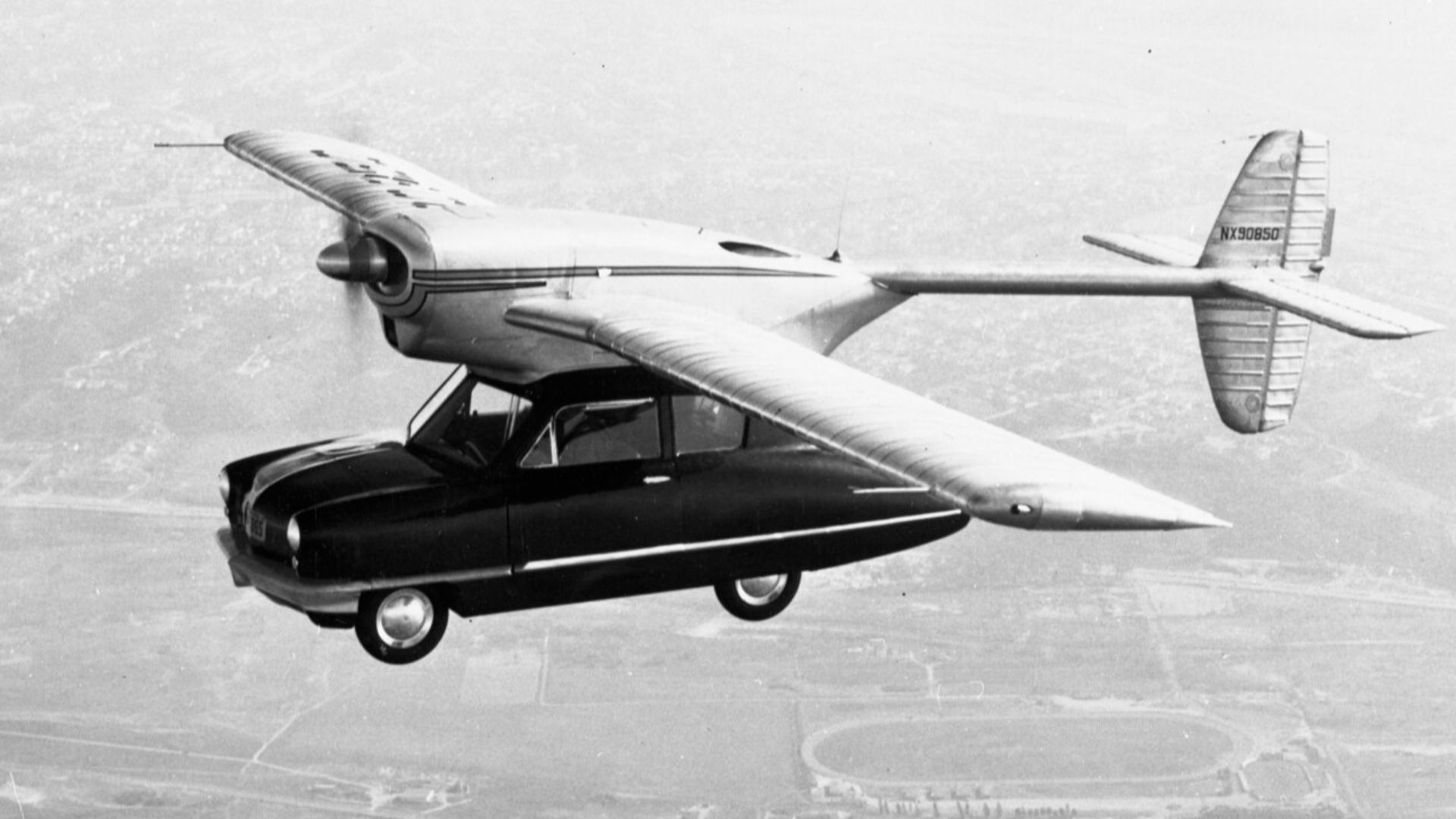 Unknown authorUnknown author on Wikimedia
Another thing people may not consider about flying cars is the potential noise. Planes, helicopters, and even drones are seriously noisy, much noisier than even the loudest of cars. You wouldn't want to live with that amount of noise in your daily life; you'd go insane unless there were strict curfews while people slept.
Lastly, even assuming that everyone in this scenario has a perfect driving record, accidents are bound to happen. If a pilot-driver ran out of fuel, lost control of the steering, or met inclement weather, the fallout could be disastrous. A collision with another flying car would quite literally rain havoc down on civilians.
To cut a long story short, it isn't technology holding us back from flying cars. It's everything else.