The Failure of Ferrari: Why The Prancing Horse Has Been Struggling To Make The Podium
The Failure of Ferrari: Why The Prancing Horse Has Been Struggling To Make The Podium
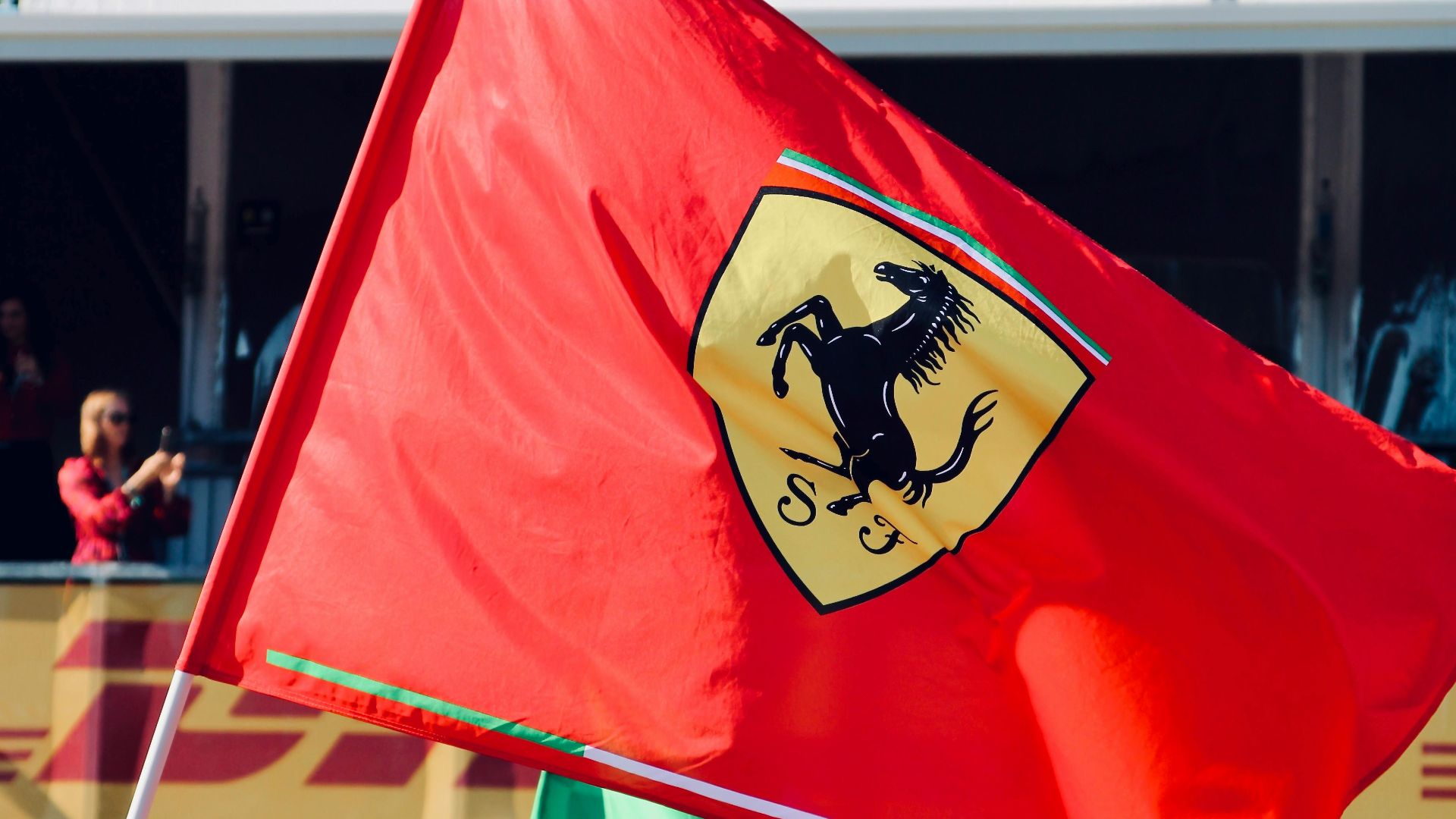
Many of us who grew up watching Formula One recall the days when Michael Schumacher absolutely dominated under Scuderia Ferrari, taking five consecutive championship titles in the early 2000s. As the oldest and most iconic F1 team with one of the most dedicated fan bases, Ferrari is synonymous with excellence and prestige, which is why it's so disappointing to watch them miss out on the podium time and again. This repeated failure begs the question: what gives, Ferrari?
Technical setbacks
At the heart of Ferrari’s difficulties lies the performance problems of their latest car, the Ferrari SF-25. The SF-25 was engineered with an aggressive aerodynamic and suspension package, including a pull-rod front suspension aimed at maximizing downforce and ground-effect performance, but reality hasn't met expectations.
The car reportedly suffers from inconsistent downforce, instability, and problematic tire wear. The drivers have complained about unpredictable handling, especially under braking or through slow-to-medium corners.
To make matters worse, regulatory scrutiny came into play. In one high-profile incident, during this year's Chinese Grand Prix, both of Ferrari’s cars were disqualified after post-race checks found one car underweight and the other had excessive plank wear (floor skid block wear)—a consequence of running the car very low to maximize performance.
This forced Ferrari to raise the ride height and adopt more conservative setups, but this compromise cost the team a lot of performance.
“The disqualifications threw us off track a bit. We had to leave ourselves a safety margin in terms of ground clearance," Ferrari team principal Fred Vasseur said in an interview with F1 TV.
“These cars are extremely sensitive when it comes to ground clearance," he added. "Every millimetre is a position on the starting grid. If you don’t have full control over the vehicle height, it affects the car’s competitiveness."
Strategy & execution
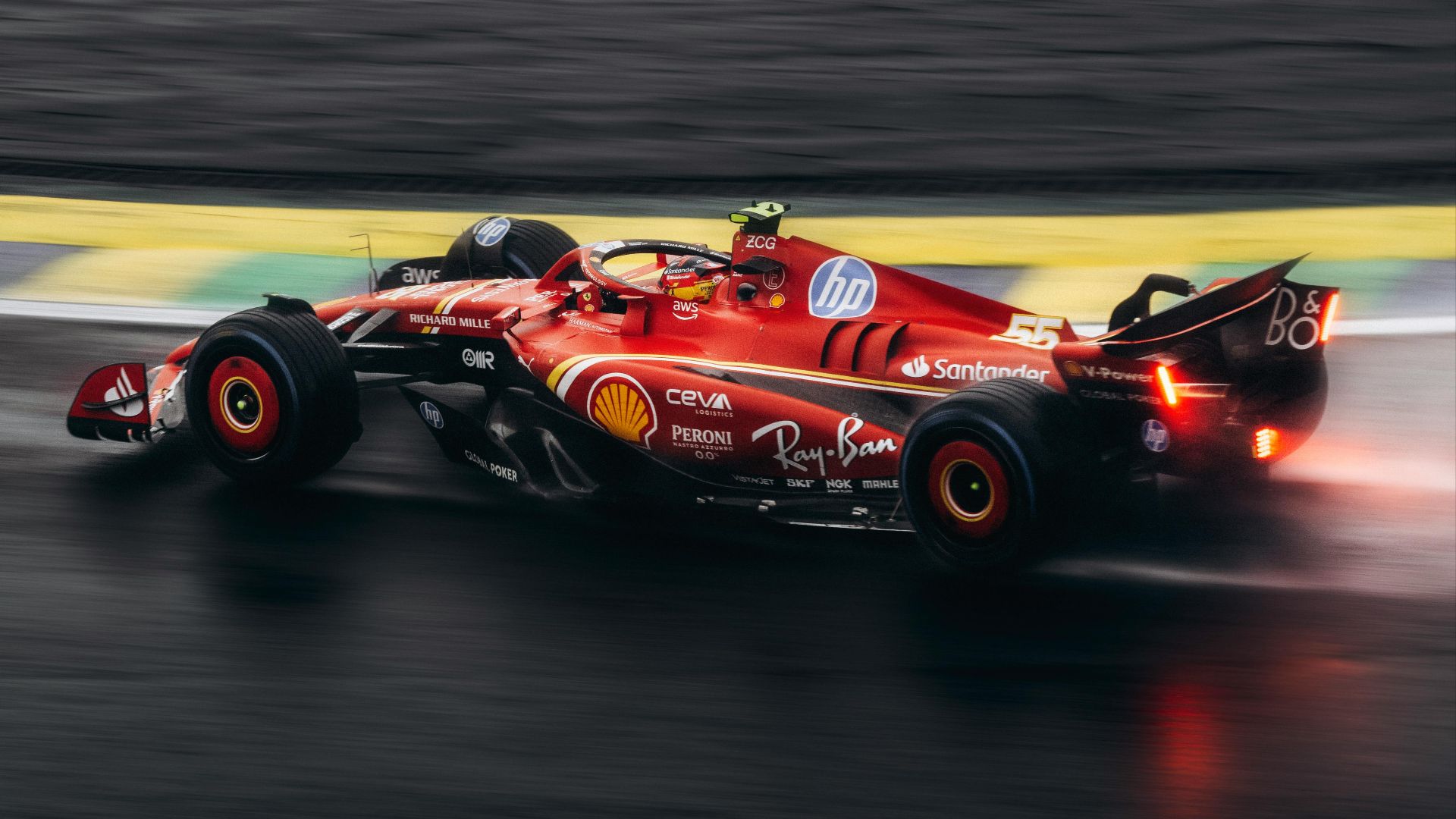
Anyone who's been watching F1 in the past few years knows that strategy is Ferrari's Achilles heel. Even when everything seems to be going right for them technically, they shoot themselves in the foot by making poor strategic decisions. Pit-stop timing, tire choices, and race-weekend setup decisions have produced inconsistent results, even when pace seemed competitive.
For example, during the Monaco Grand Prix, a bad pit strategy made Leclerc unable to profit from a late-race safety car, finishing fifth instead of where he should have been—on the podium. Strategic blunders like this have made the team somewhat of a laughing stock.
Both drivers have also struggled with warming up their tires properly during critical out-laps, which means poor grip when it matters most. This compromises their starting positions and stunts any comeback attempts.
High expectations
Internally, Ferrari is reportedly under growing pressure. Departures in technical staff, conservative leadership decisions under Frédéric Vasseur, and a culture that reveres legacy as much as innovation are all being blamed. Modern F1 is also operating under budget cuts, and regulations are getting stricter, making it more difficult for Ferrari to invest heavily to rapidly catch up.
Despite having the star power and sheer talent of Lewis Hamilton and Charles Leclerc, Ferrari hasn’t secured a single Grand Prix win in 2025, and only a handful of podiums—an embarrassment for a team with such a legacy.
Comeback hopes
There have been glimpses of improvement that keep the hopes of the tifosi high. While Ferrari has struggled, they've experienced some highs this season, including some qualifying shows and better race-pace performance on certain tracks.
However, bridging the performance gap requires more than flashes of speed; it demands a stable technical direction, smarter execution, and a return to some fundamentals they abandoned.