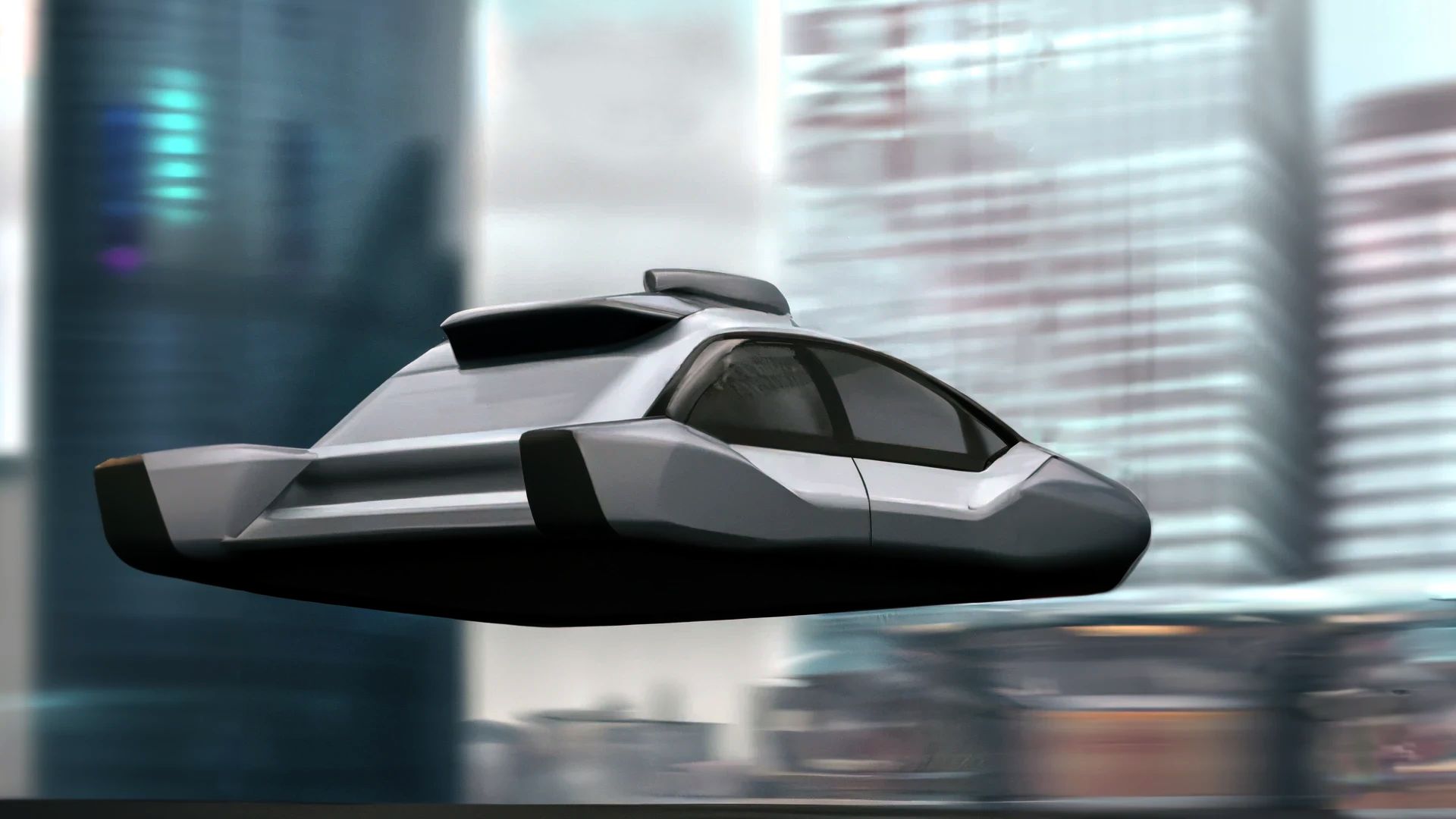
Earlier this month, the Tokyo government created a plan for introducing an urban air taxi service by 2030, but isn't it a little early to be talking about The Fifth Element-esque flying cabs? Actually, flying cars may be closer than you think. Several companies, like Joby Aviation, Hyundai, and Toyota, have already developed working prototypes, bringing the futuristic pipe dream closer to reality than ever before.
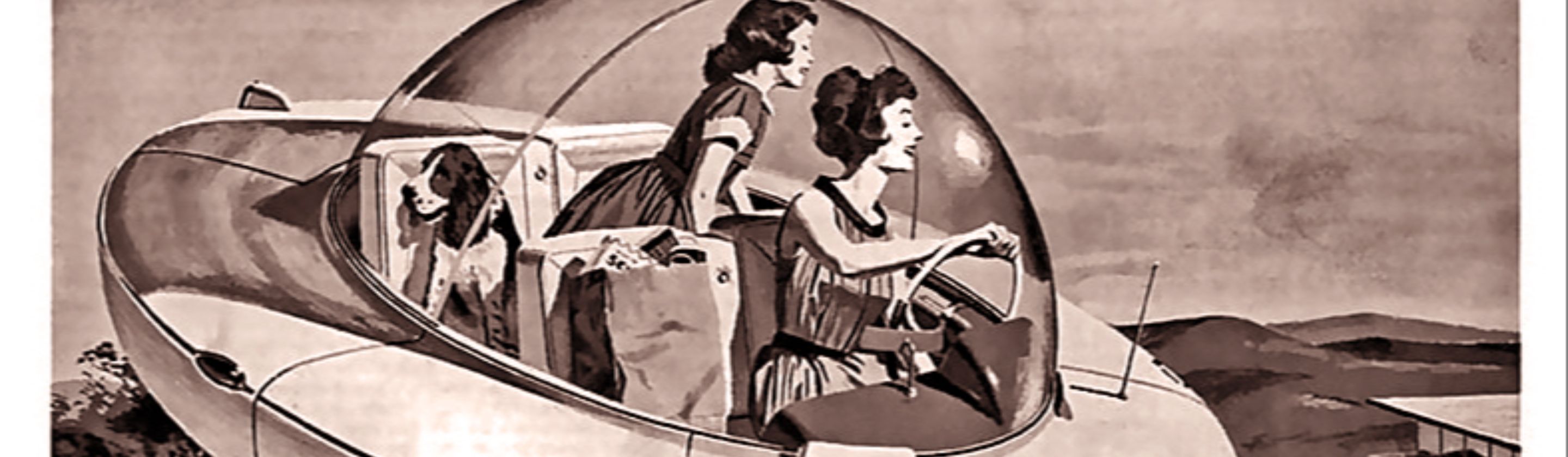
The modern flying car is very different from what was previously imagined in cartoons and movies. Most designs fall under the category of eVTOLs (electric vertical takeoff and landing aircraft). They operate more like drones than traditional airplanes or cars, and can take off and land in tight spaces, making them ideal for crowded cities. They also run on electric motors, making them quieter and cleaner than helicopters. Beyond being incredibly neat, flying cars could be the answer to reducing ground congestion in increasingly busy cities.
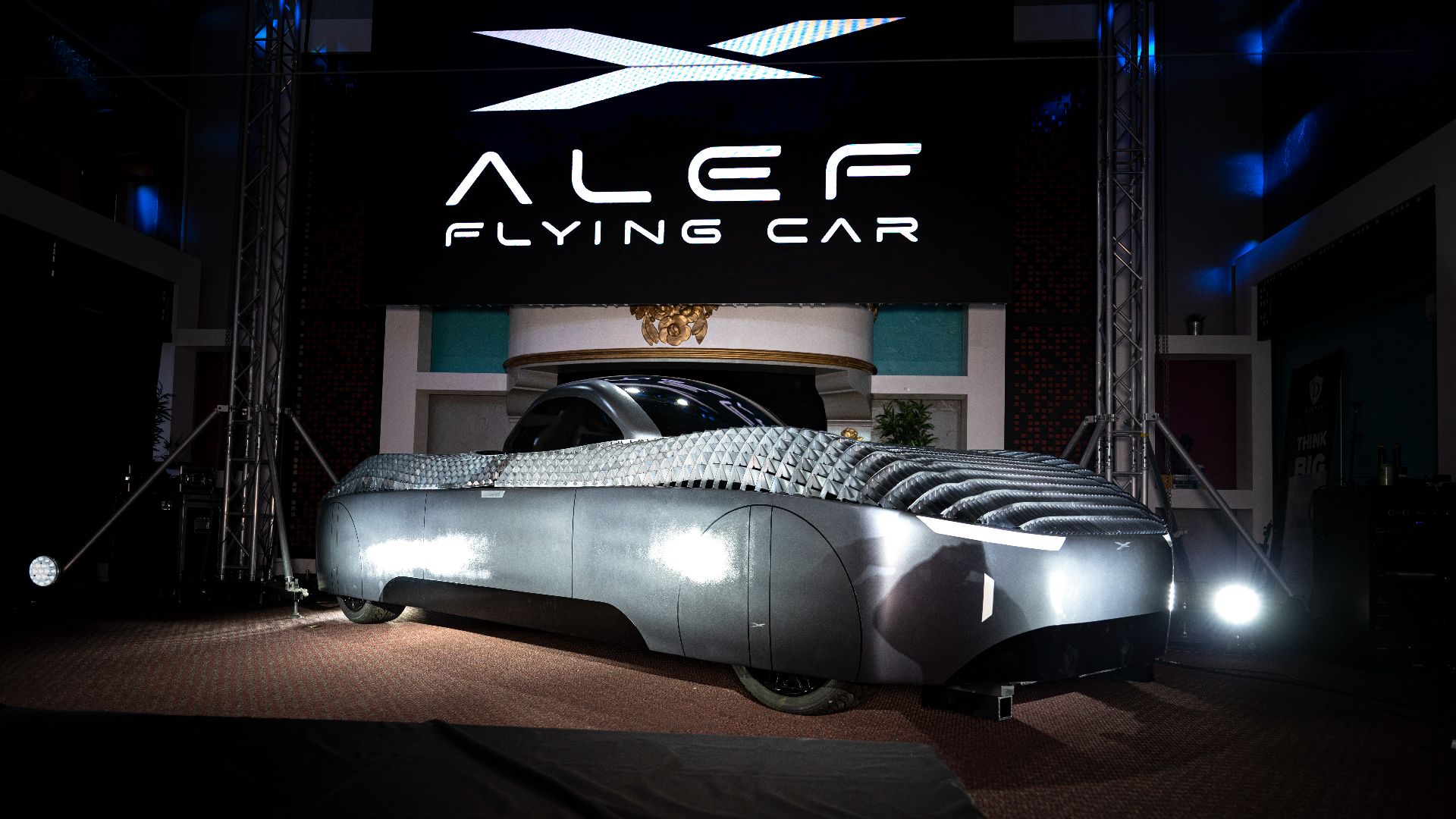
The prototypes developed so far can fly distances ranging from 20 to 150 miles. Startups like Alef Aeronautics are developing true “road-to-air” vehicles that can drive like a car and lift off vertically. The Federal Aviation Administration (FAA) and the European Union Aviation Safety Agency (EASA) have taken notice and are already creating certification pathways that could allow commercial operations in the next few years.
What are the barriers?
Having working vehicles is just the beginning. As with any major overhaul to transportation, introducing flying cars will be a huge logistical challenge. Cities will need “vertiports,” charging networks, air-traffic management systems, and designated flight corridors to keep low-altitude skies safe and organized.
EVTOLs will have to be operational in all weather conditions, sustain long battery life, and meet strict safety standards. Regulations for air traffic control at low altitudes over cities are still being developed, and because currently, you can only fly with a pilot's license, it's not as if every average Joe will get to own one.
What's more, the vehicles, as well as the infrastructure needed, will be incredibly costly to integrate into cities. Early models will be sold for hundreds of thousands, or even millions of dollars. While early flying taxis will likely serve business travelers or luxury passengers, mass adoption will depend on making rides affordable for everyday commuters.
The final hurdle to a flying car future is public acceptance. People tend to be skeptical about any new technology, but especially one that involves flying hundreds of feet above the ground at high speeds. Concerns about noise, privacy, safety, and visual clutter will need to be addressed through thoughtful design and transparent testing. However, if we can learn from history, once a technology proves itself (like elevators or airplanes), people end up embracing it.
Despite these challenges, some companies estimate that flying taxi services could launch as early as next year, likely starting with rides between airports and city centers. With companies racing to be the first to pioneer this lucrative technology, and consumers being increasingly open to sustainable alternative transportation, the momentum towards flying cars becoming the new normal is undeniable.