
To Drive Or Not To Drive
A lot of people assume city living automatically means ditching a car, but that’s not always the best fit for real life. Transit, biking, and walking are great until weather, schedules, or surprise errands throw a wrench into your day. However, the convenience of some wheels always comes with a price.
1. Errands Get Easier
Groceries, big-box runs, and last-minute pickups are way simpler when you can toss everything in the trunk. You don’t have to juggle heavy bags on a crowded train or pray your backpack zipper holds. When you’re busy, that convenience is hard to beat.
 Boxed Water Is Better on Unsplash
2. Bad Weather Backup
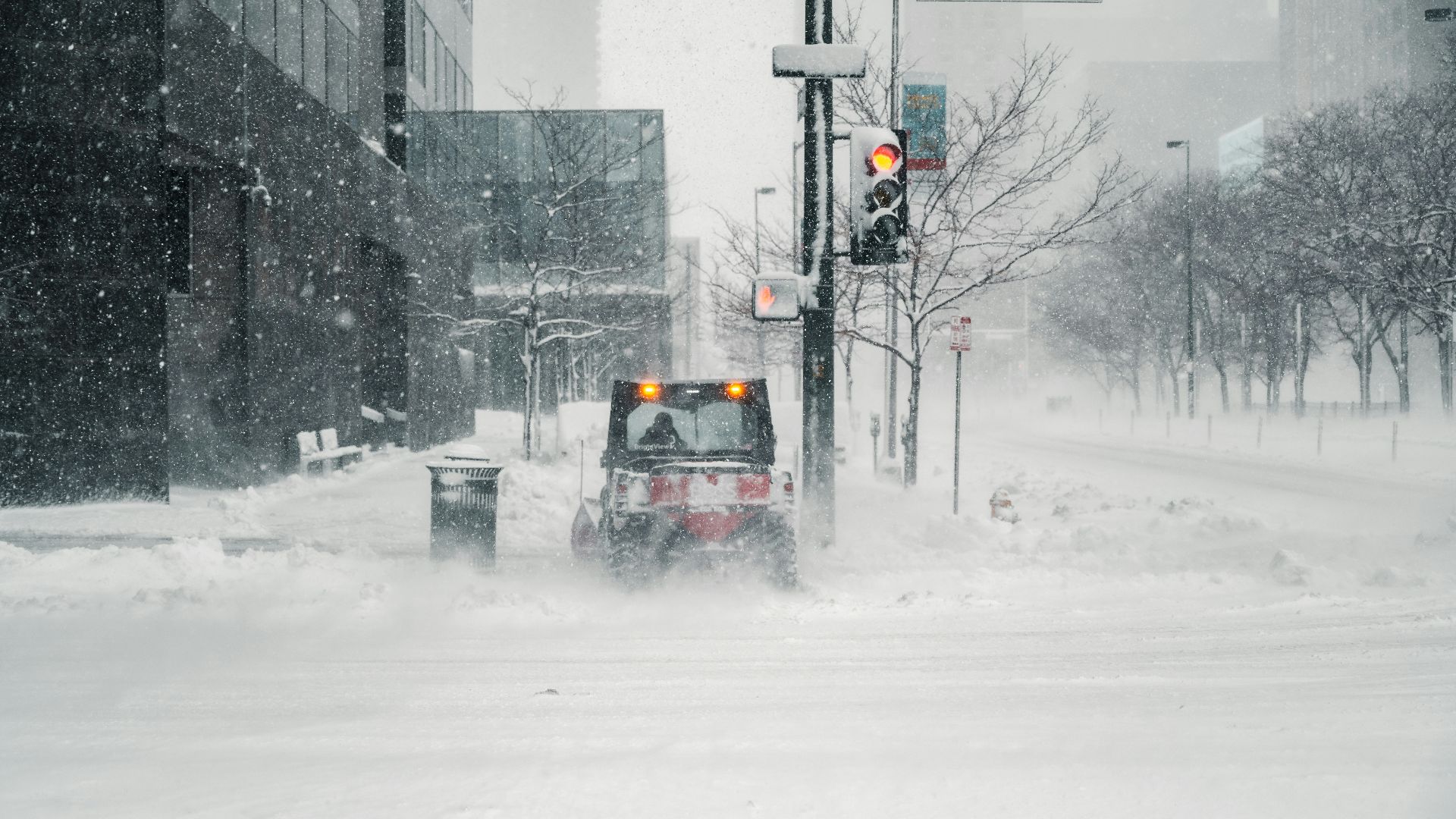
Rain, snow, and brutal heat can turn a simple commute into a whole production. With a car, you can skip the soggy shoes and the wind-whipped wait at the stop. It also lets you get out of town if you’re worried about some extreme conditions.
3. Late-Night Freedom
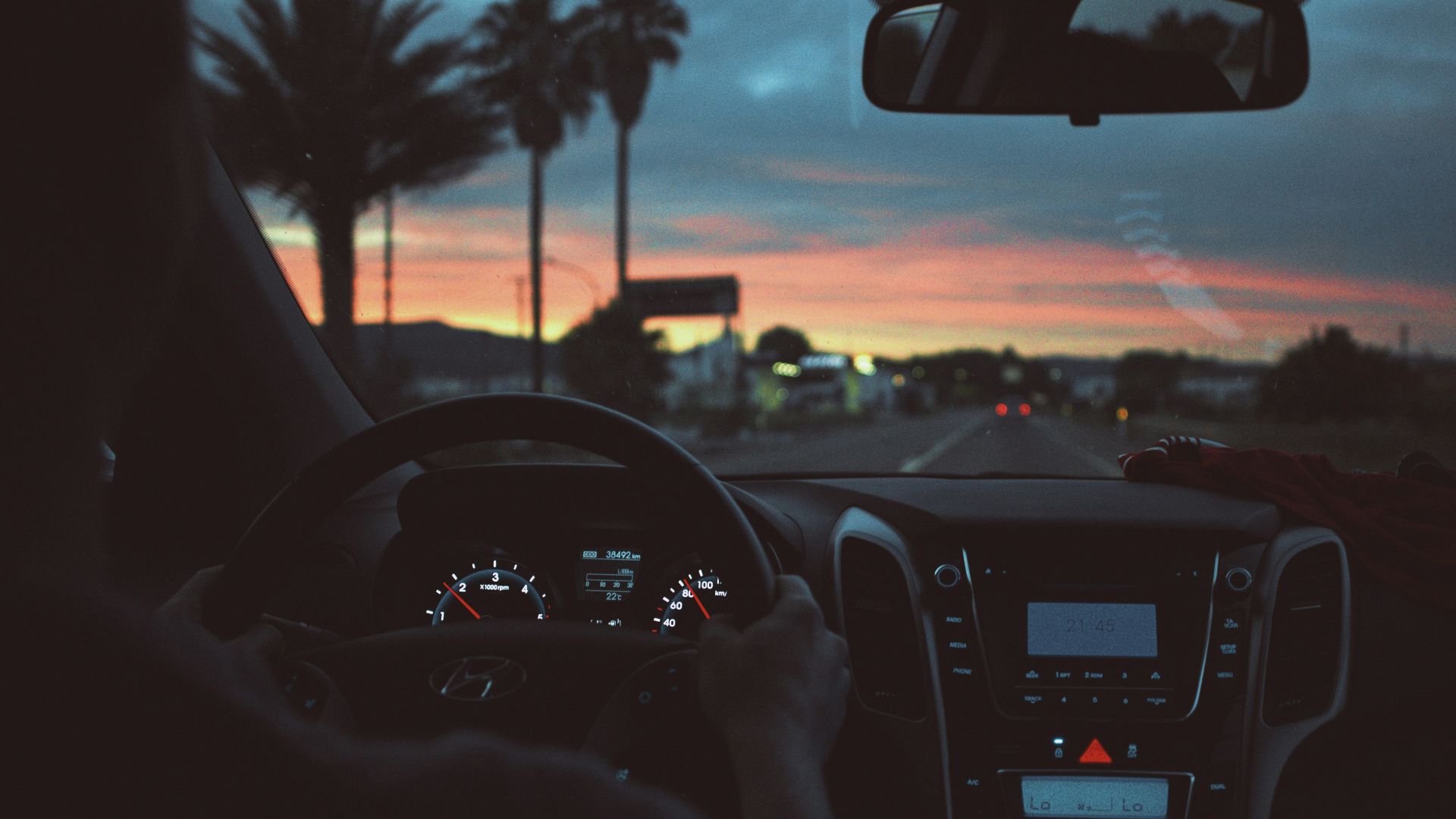
When it’s late, transit can thin out, and ride-shares can surge at the worst possible moment. A car lets you get home without watching the clock or refreshing an app. You’ll feel a lot more relaxed saying yes to plans that end after midnight.
4. Weekend Escape Option
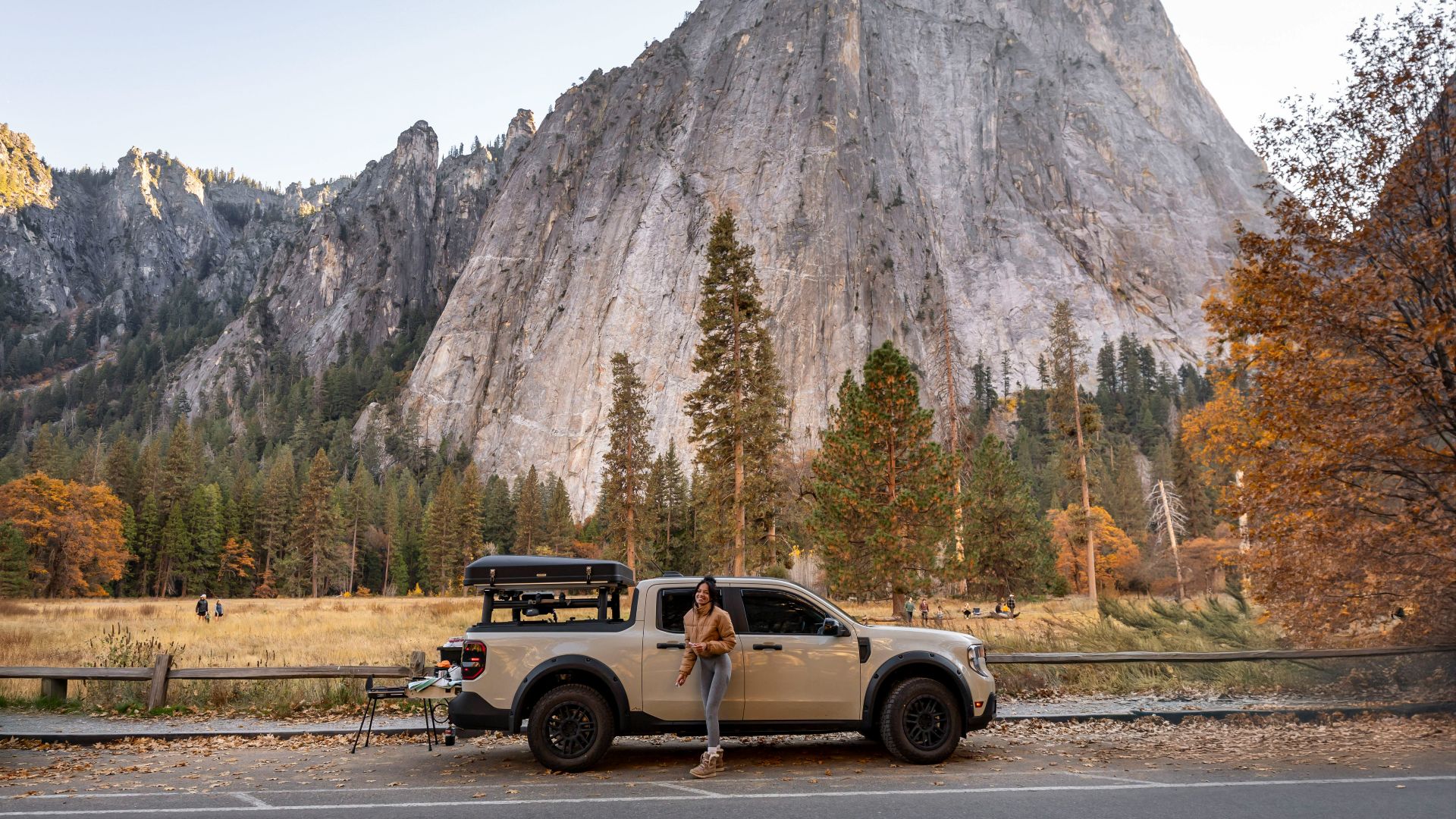
City routines are great until you desperately need trees, quiet, or a beach that isn’t packed shoulder-to-shoulder. With a car, you can leave on your schedule, take the scenic route, and stop for snacks without overplanning. Even a short getaway feels easier when you’re not coordinating timetables.
5. Better For Pets
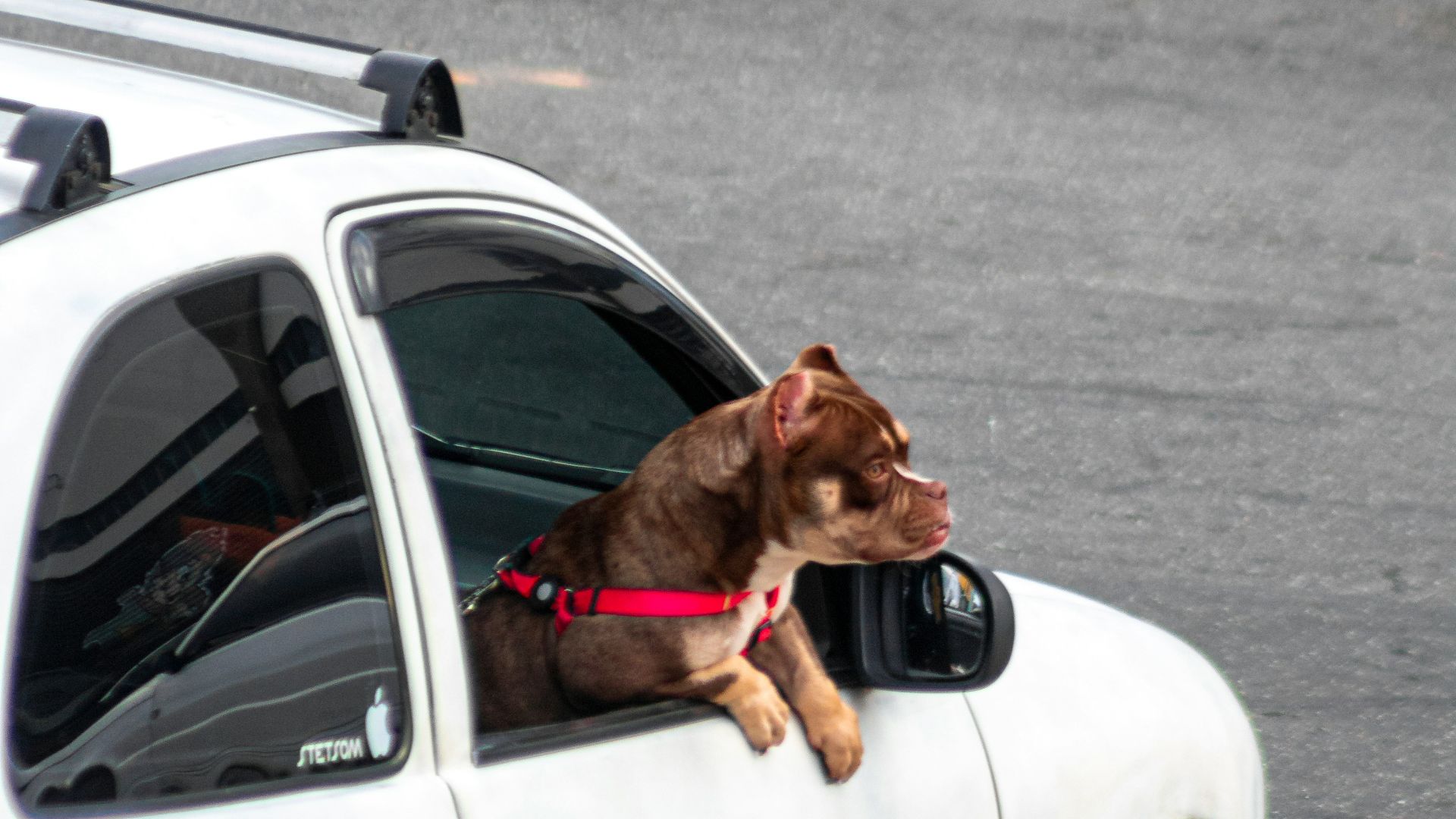
If you’ve ever tried taking a pet to the vet on public transit, you already know it’s an adventure. A car makes pet travel calmer, quicker, and less stressful for both of you. You also won’t feel like you’re inconveniencing your bus neighbors with a yowling animal.
6. Feeling Safer
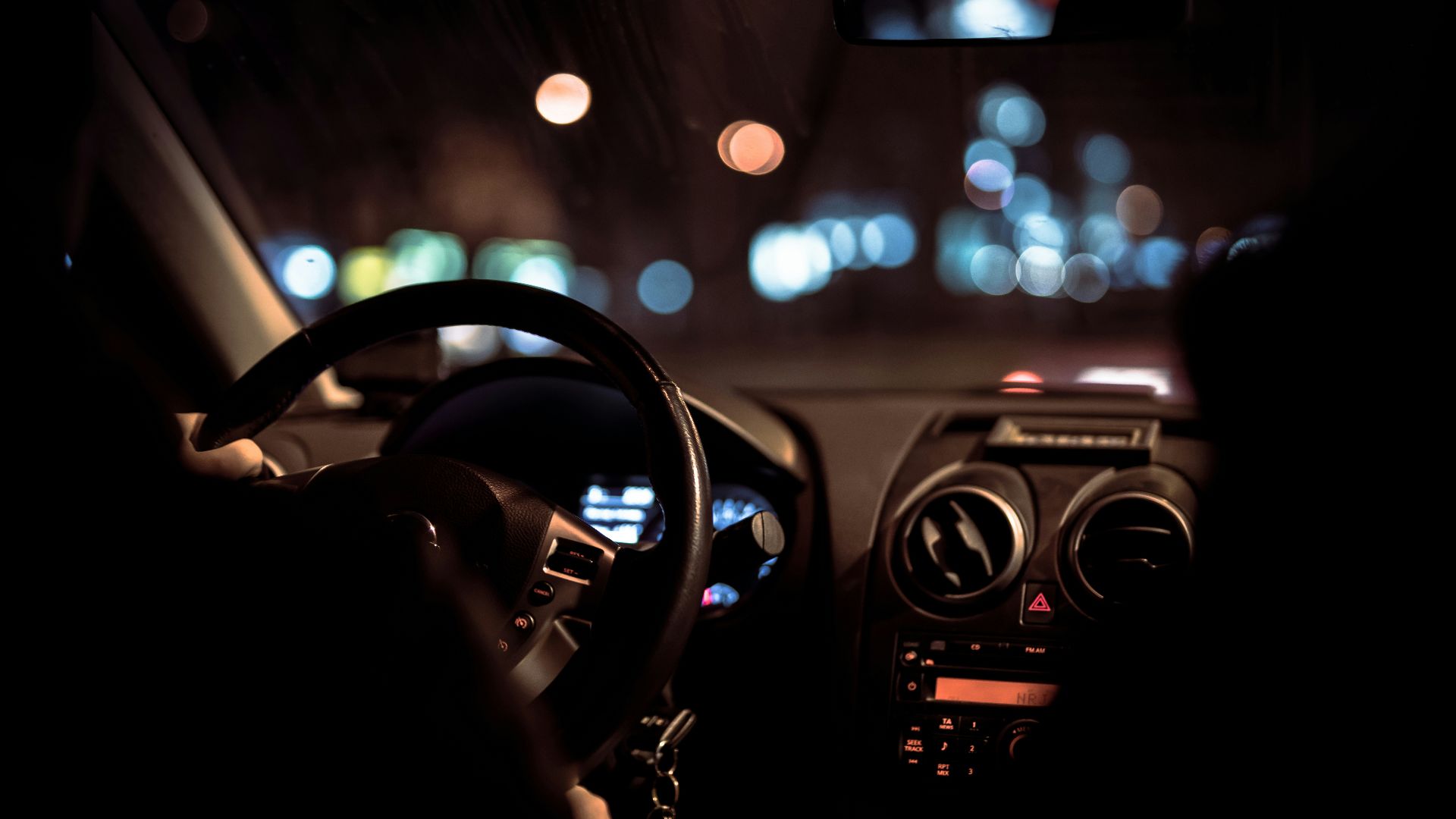
Some routes and times of day just feel sketchy, and it’s okay to admit that. Having a car gives you another option when you’d rather not walk alone or wait at an empty stop. It can add peace of mind, especially when you’re tired or distracted.
 Volodymyr Proskurovskyi on Unsplash
7. Helping Friends Out
Being the person with a car turns you into a minor hero in the group chat. You can help someone move a chair, grab airport pickups, or rescue a friend who’s stranded by a transit delay. It’s not mandatory, but it’s nice to have the ability when it matters.

8. Shopping Without Limits
Some of the best deals and specialty stores aren’t right next to a train line. With a car, you can go where you want, buy what you want, and not worry about carrying it all home. It’s a lot easier to say yes to bulk buys when you’re not hauling them by hand.
9. Work Flexibility
Not every job plays nicely with transit schedules, especially if you’re commuting across town or working odd hours. A car can shorten your travel time and make your day feel less unpredictable. You’ll also have a backup plan when trains are delayed or routes change.
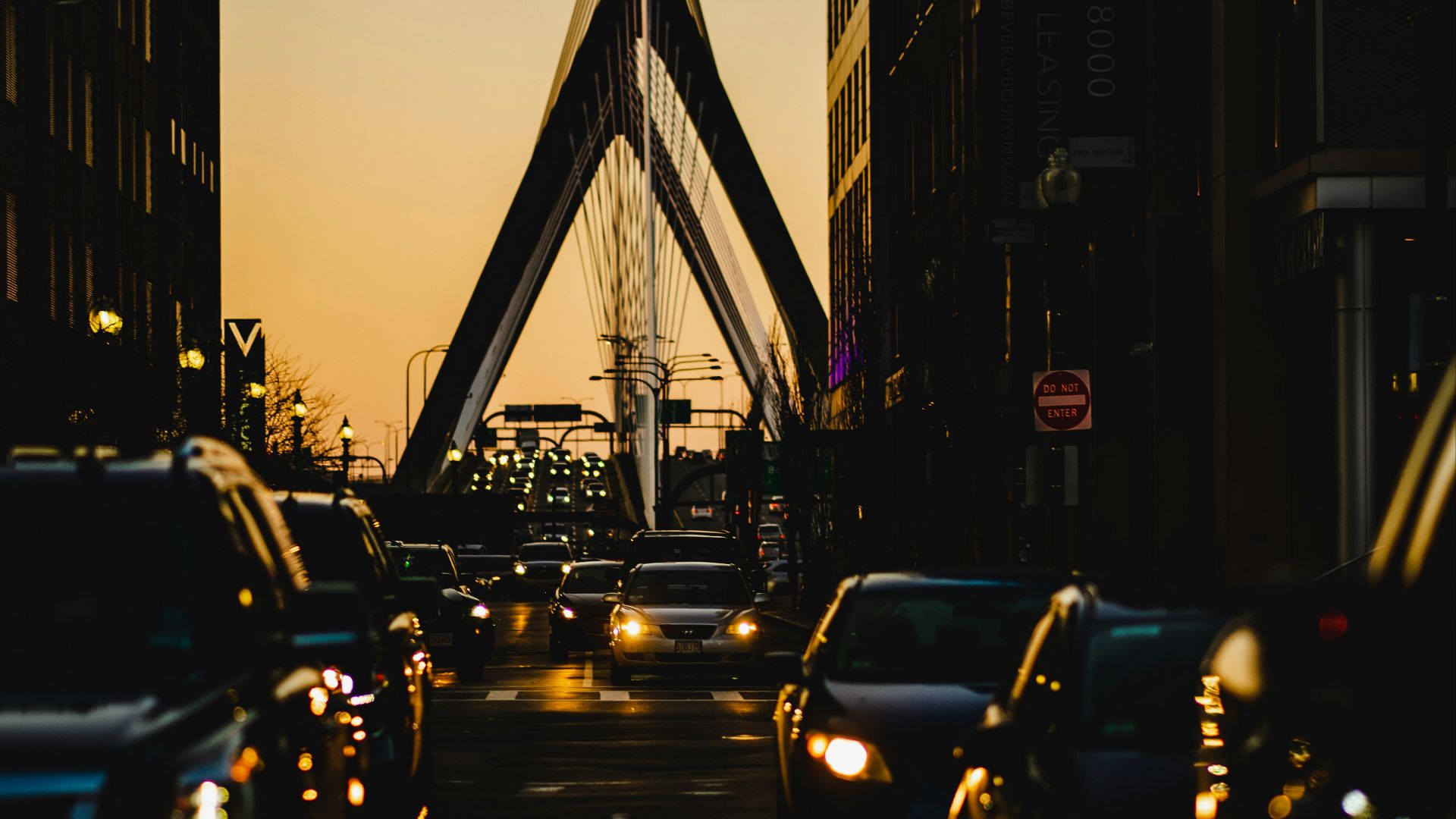
10. Emergency Convenience
When something goes wrong, speed matters more than idealism. A car can get you to urgent appointments, pick up supplies, or reach family faster than waiting on transit. You might not need it often, but you’ll be glad it’s there when you do.
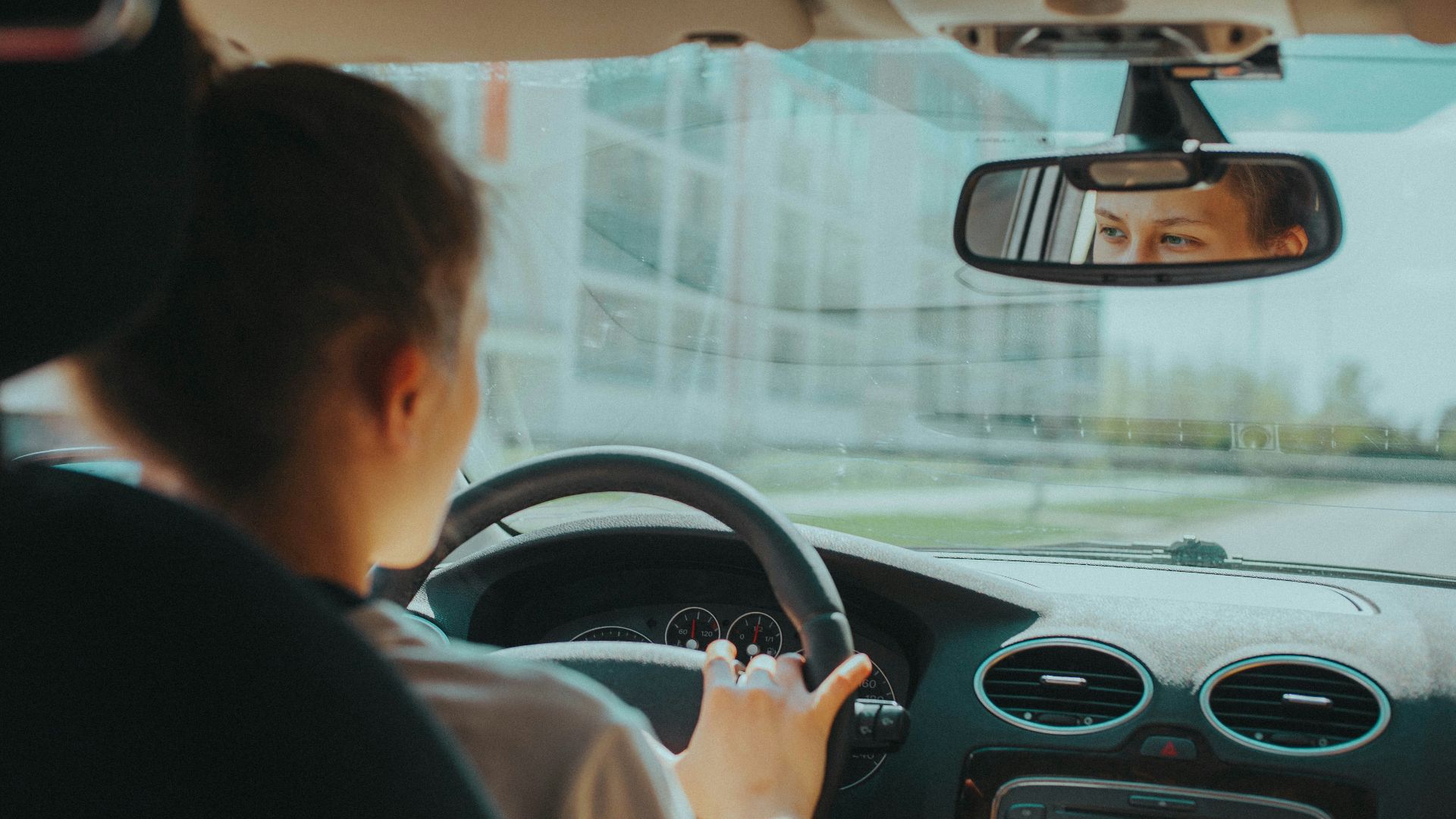
1. Parking Is a Job
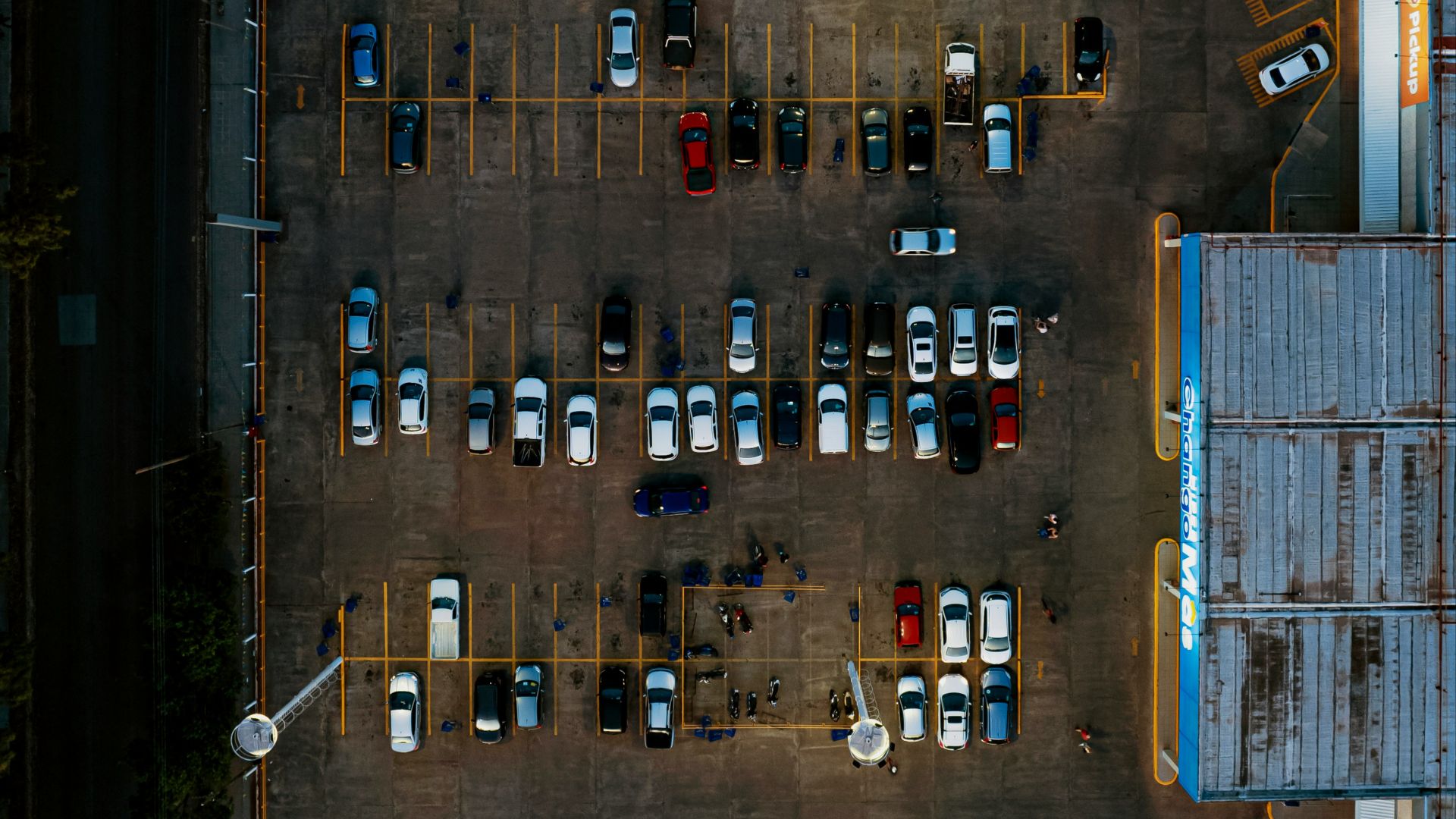
Finding a spot can take longer than the trip you just finished. Street parking turns into a nightly scavenger hunt with confusing signs and strict time limits. It also means you’re paying top dollar to let your car sit idly, which seems backwards.
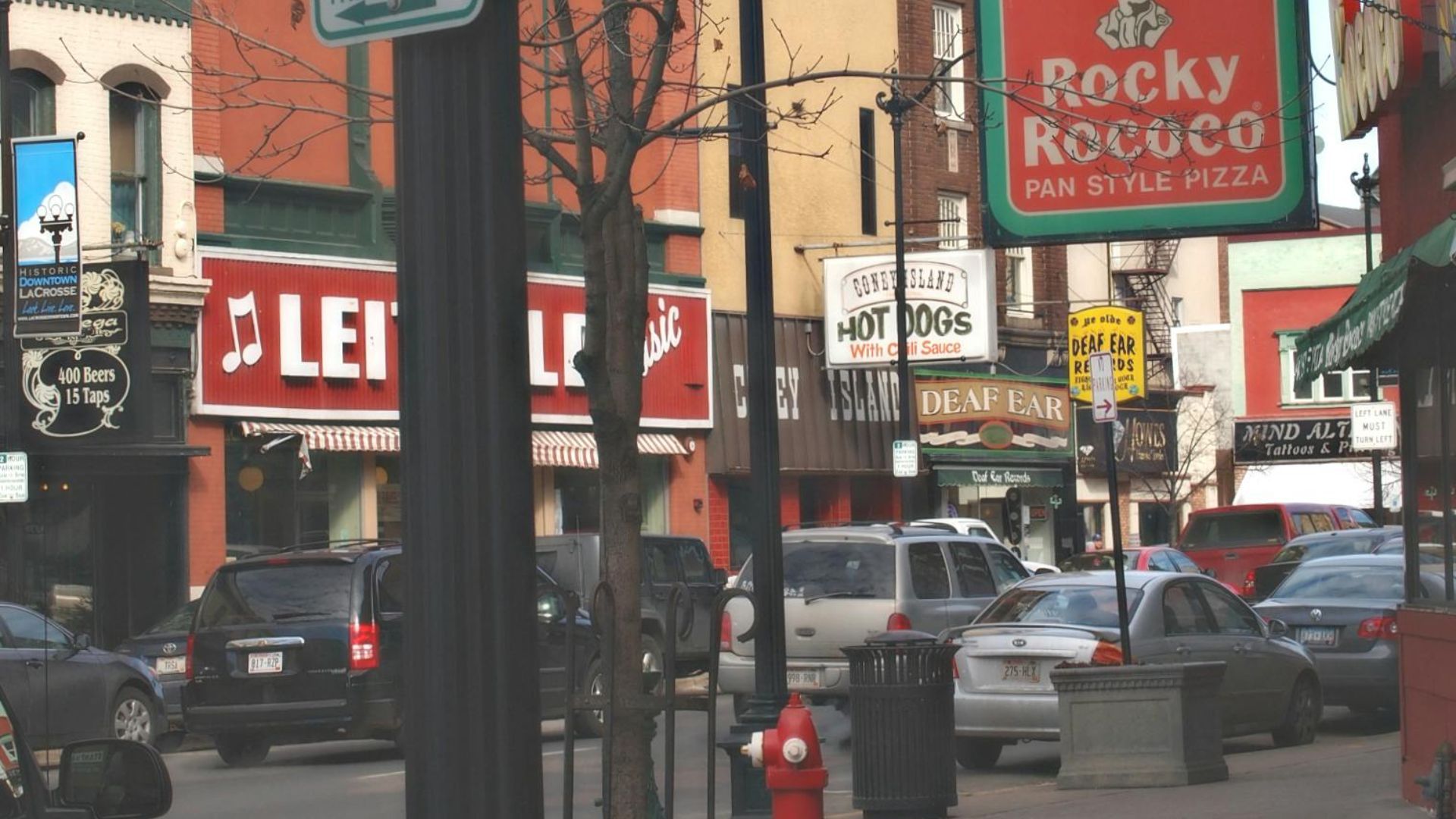
2. Traffic Eats Time
City driving often means crawling from light to light. You can spend half your commute staring at brake lights and wondering why you did this to yourself. It’s hard to feel efficient when you’re bumper-to-bumper for over an hour.
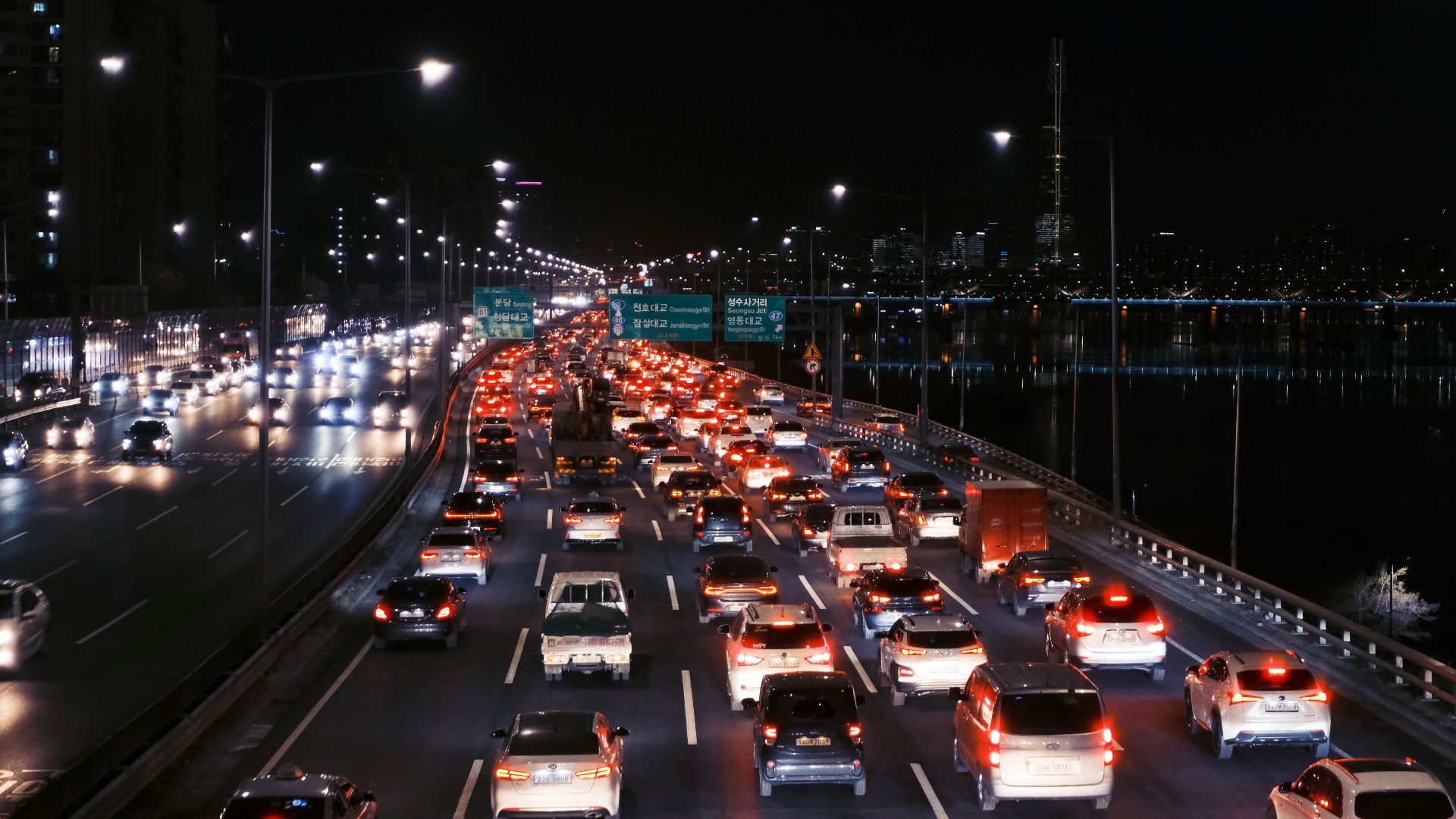
3. Costs Add Up Fast
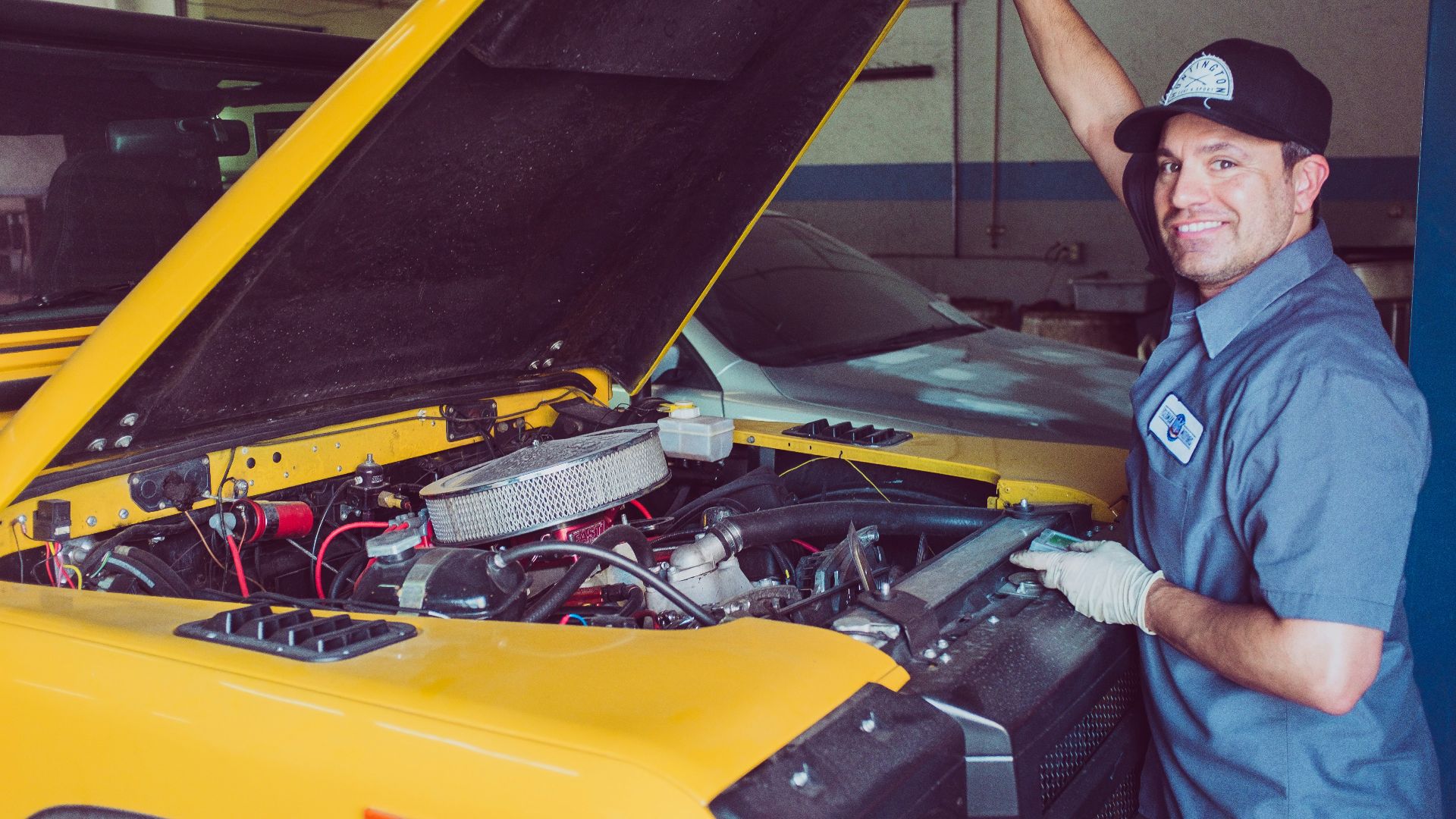
Between payments, insurance, gas, maintenance, and registration, cars quietly drain your budget, not to mention surprise parking fees or repairs. You might realize you’re spending a lot just to keep something sitting still most of the day.
4. Transit Is Often Better
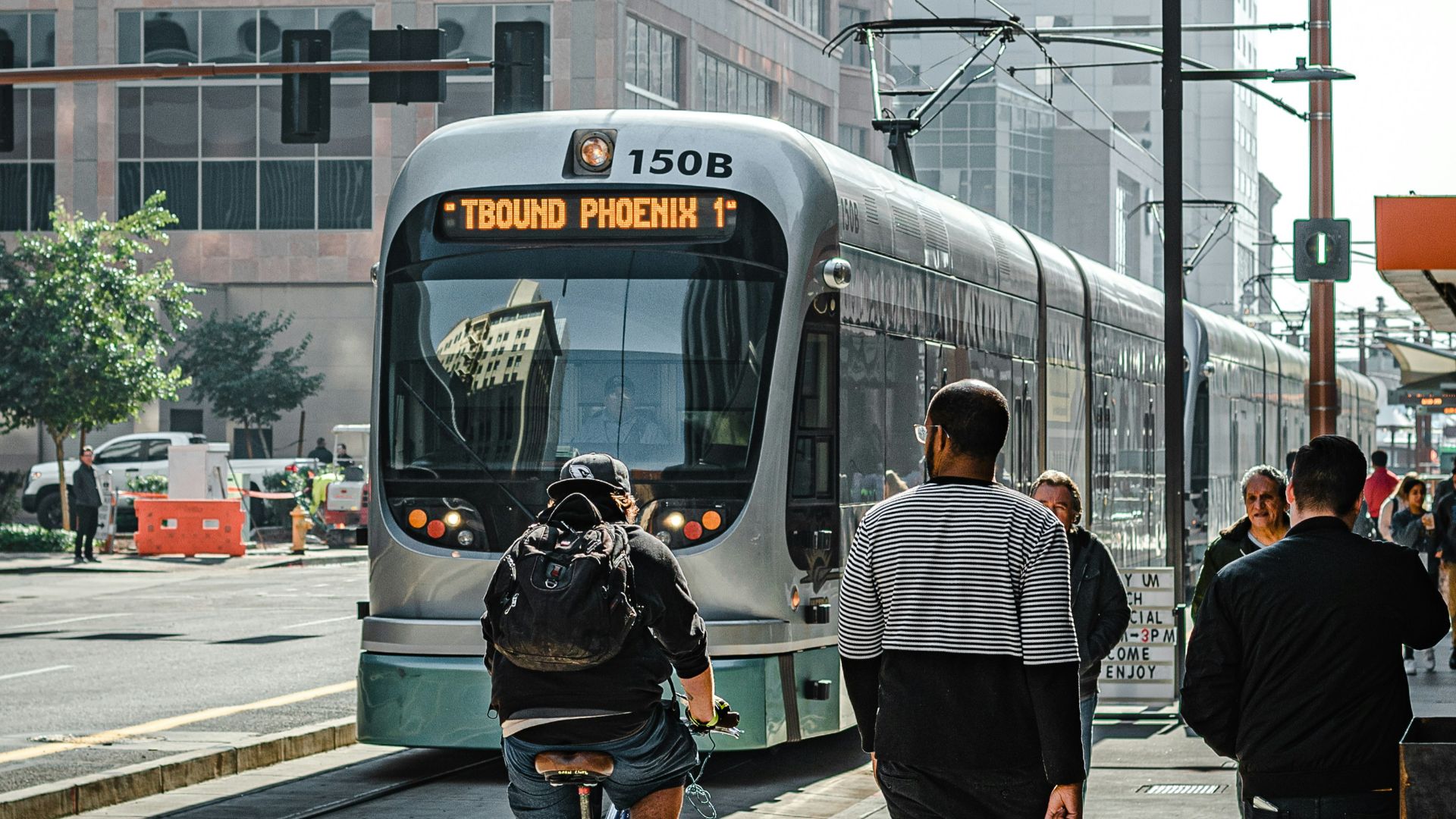
In many cities, buses and trains are built to bypass the worst of car congestion. You can read, scroll, or zone out instead of fighting for your life at four-way stops. Once you get used to not driving, it’s hard to miss it.
5. Walking Becomes Normal
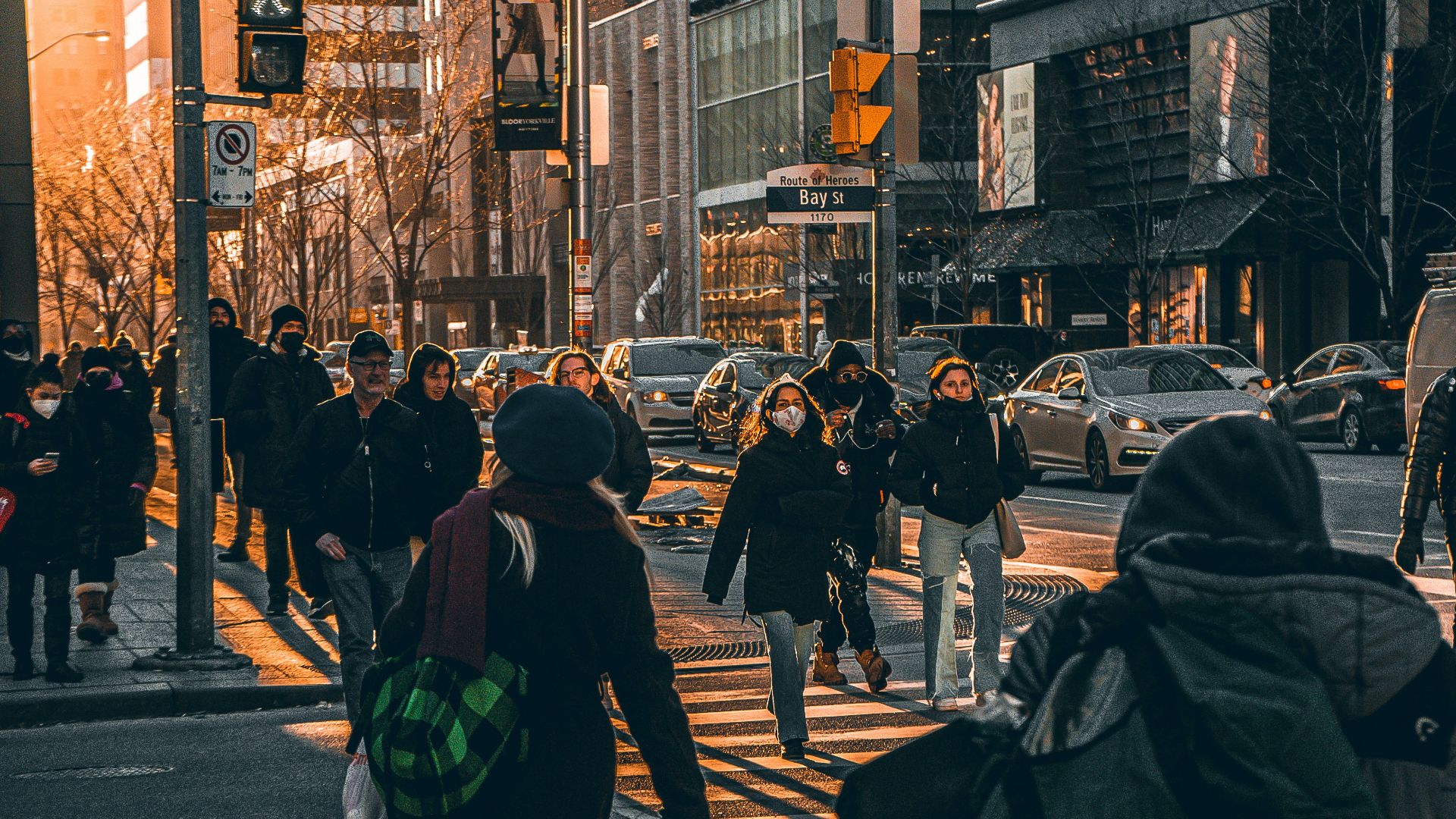
Without a car, you naturally walk more, and that adds up in a good way. Errands become little routines instead of mini road trips. You also start noticing neighborhood spots you’d otherwise ignore.
6. Ride-Share Fills Gaps
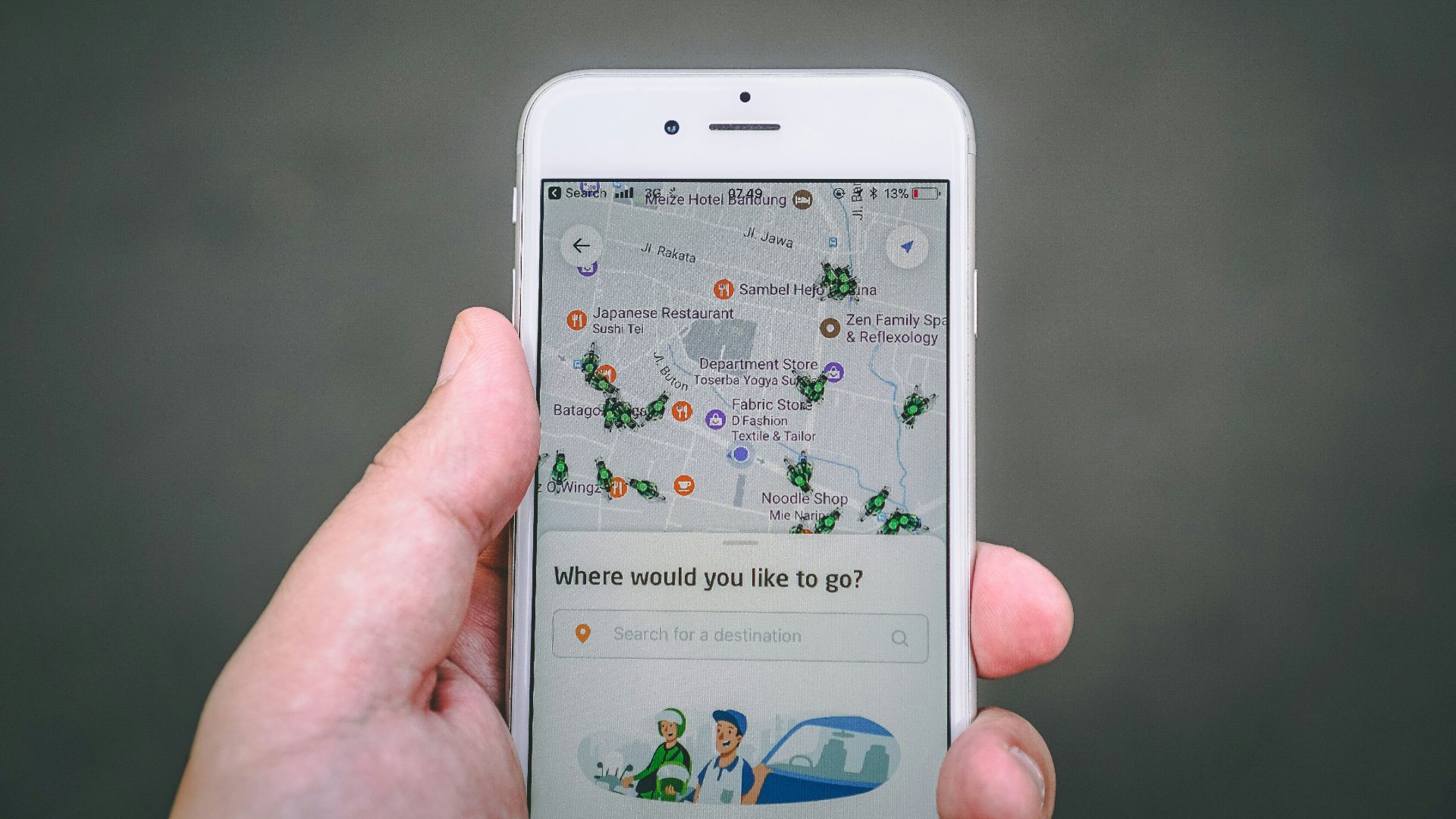
For the occasional late night or awkward route, ride-shares can cover what transit doesn’t. You pay only when you actually need a ride, which can be cheaper than full-time ownership. Plus, you get dropped off without circling for parking.
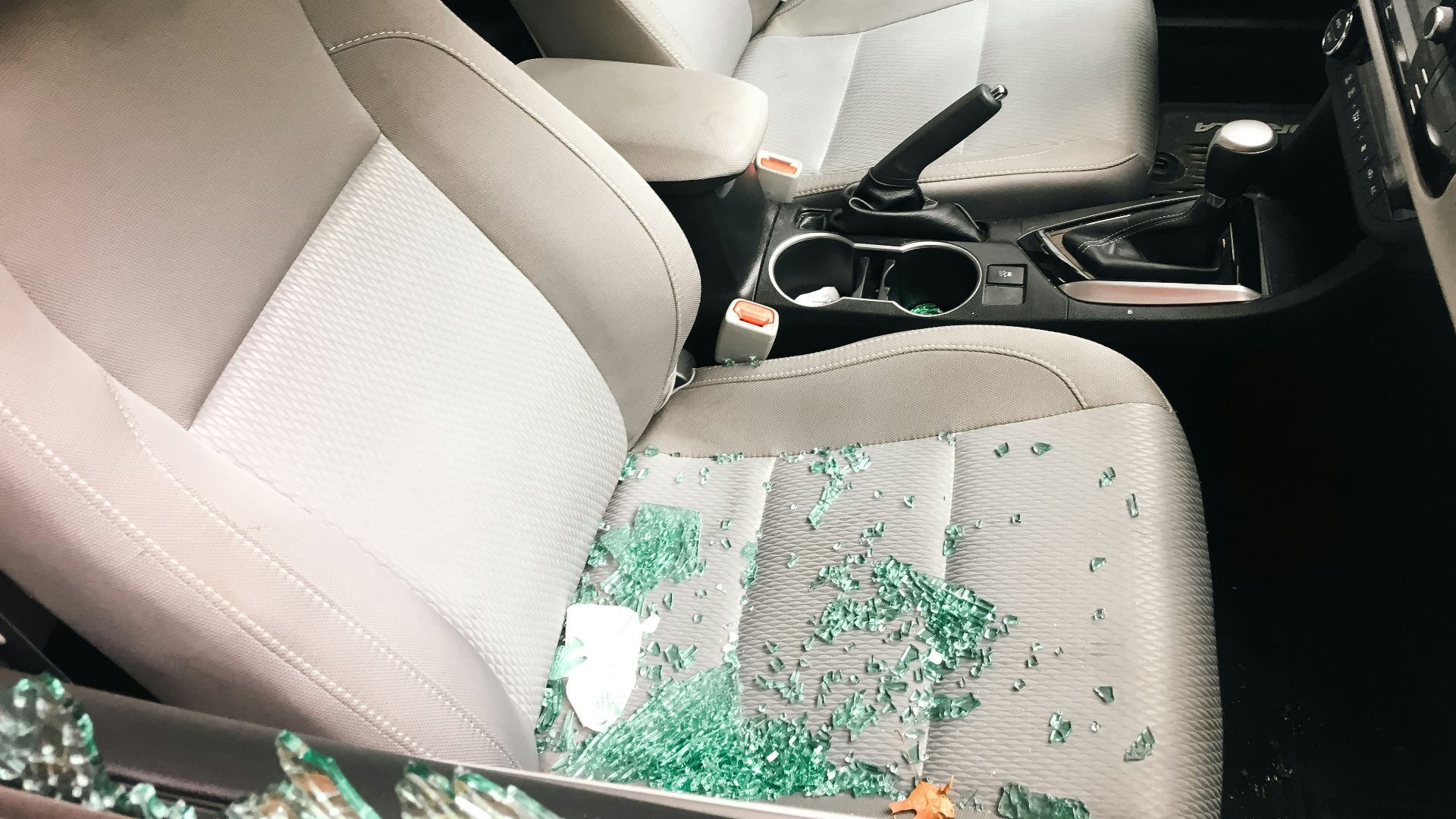
7. Car Break-Ins Happen
City parking can make your car a tempting target. Break-ins and theft are a real risk in some areas, and the stress isn’t fun. Now you’re scared, and you have to fork out even more money for a new windshield.
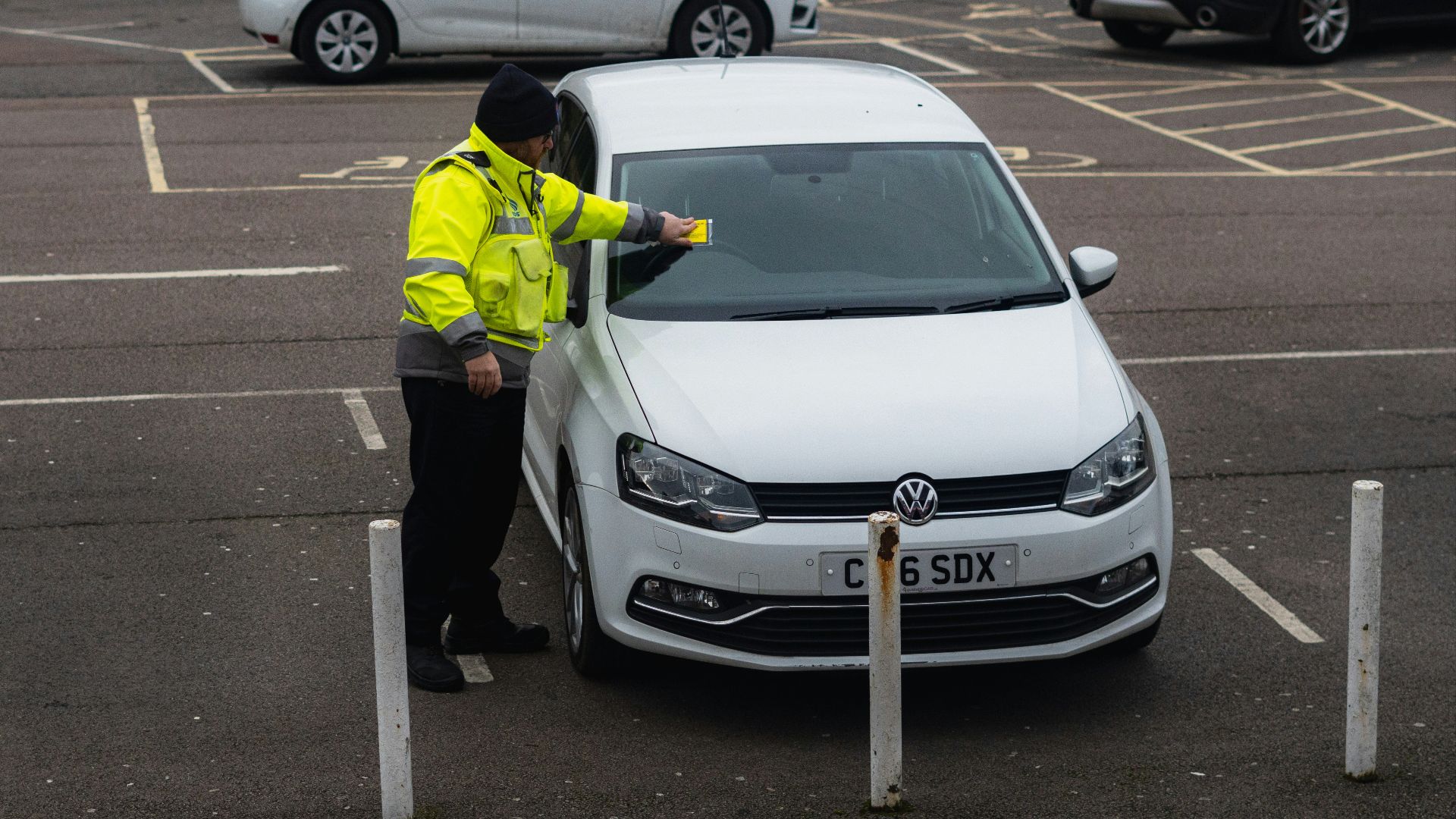
8. Tickets Feel Inevitable
Street cleaning, meters, permit zones, and random rule changes can turn into a ticket parade. You can follow everything perfectly and still get burned by a confusing sign. Paying fines for simply sitting in the wrong spot is incredibly irritating.
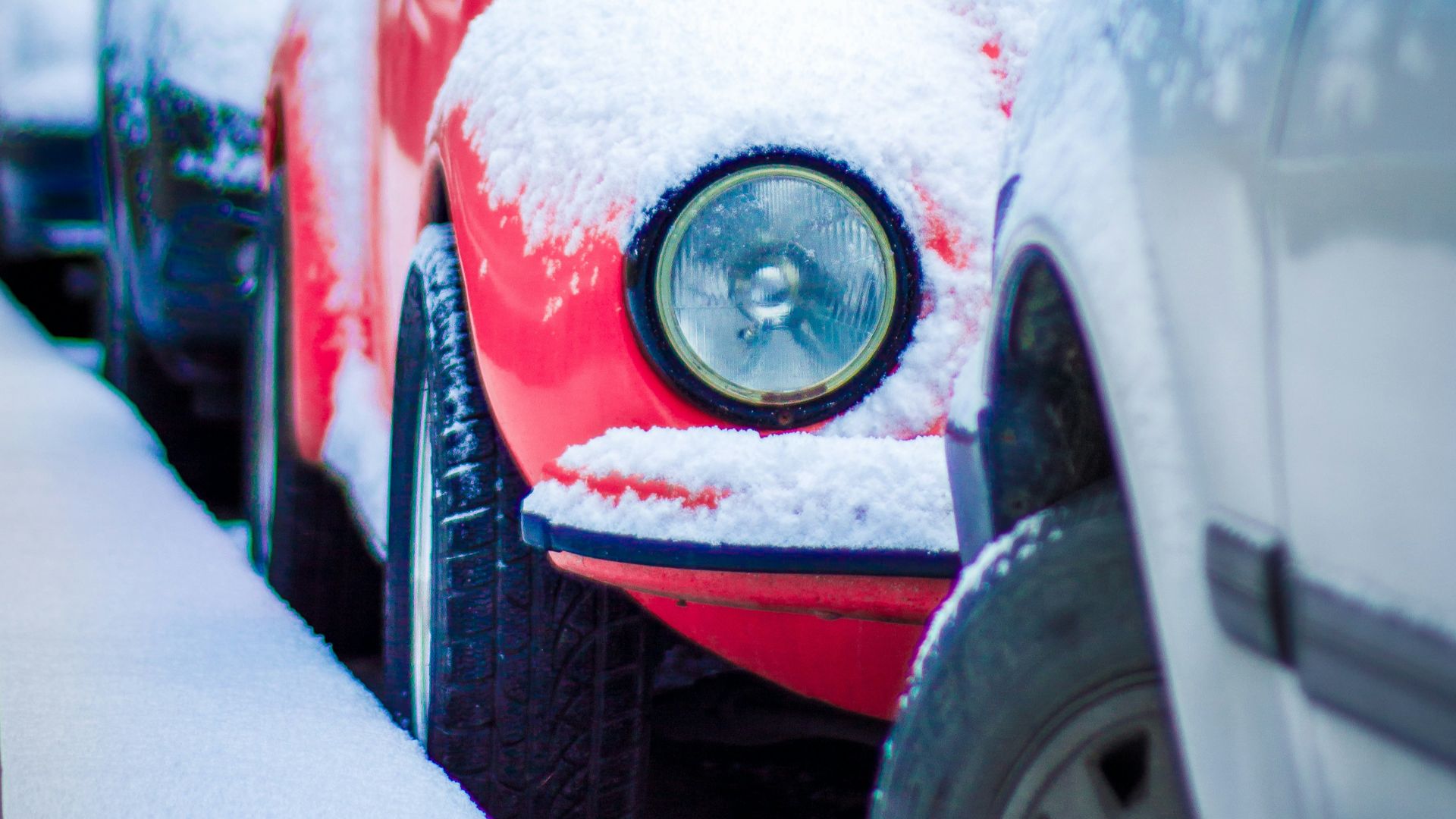
9. Weather Is Rougher
Snow, ice, and heavy rain make city driving more stressful than it needs to be. Narrow streets and impatient drivers don’t exactly create a relaxing vibe. Bad weather can turn simple trips into something much more tense and potentially dangerous.
10. Less Stuff, Less Stress
Not having a car removes a whole category of daily decisions. You don’t have to think about maintenance schedules, gas levels, or where you’ll park later. It’ll be hard not to wonder why you didn’t go car-free before.
 JOHN LLOYD from Concrete, Washington, United States on Wikimedia