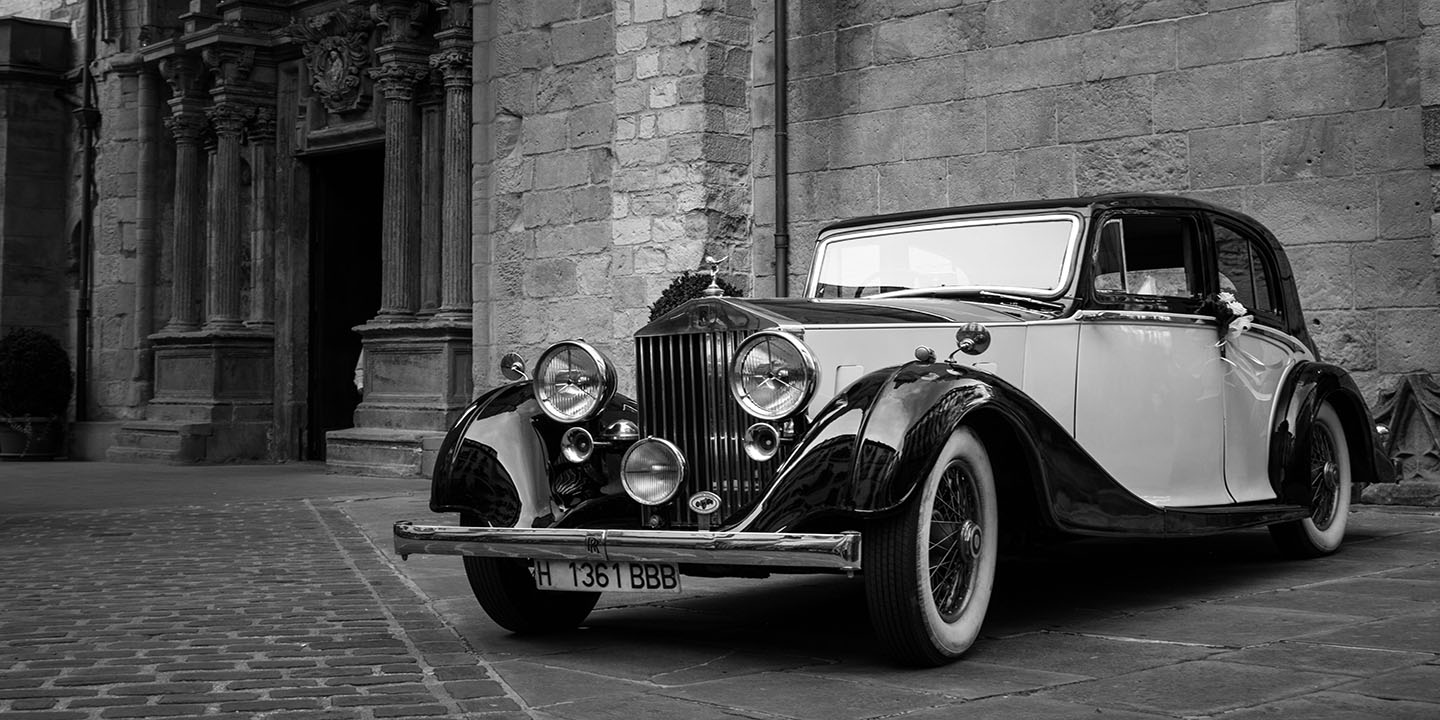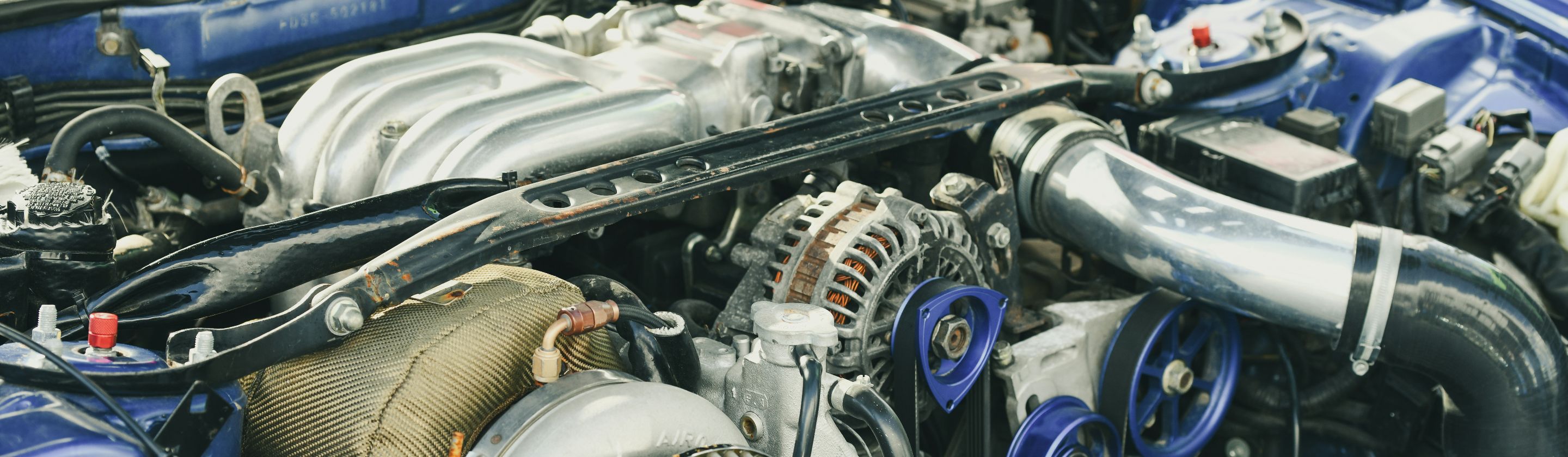
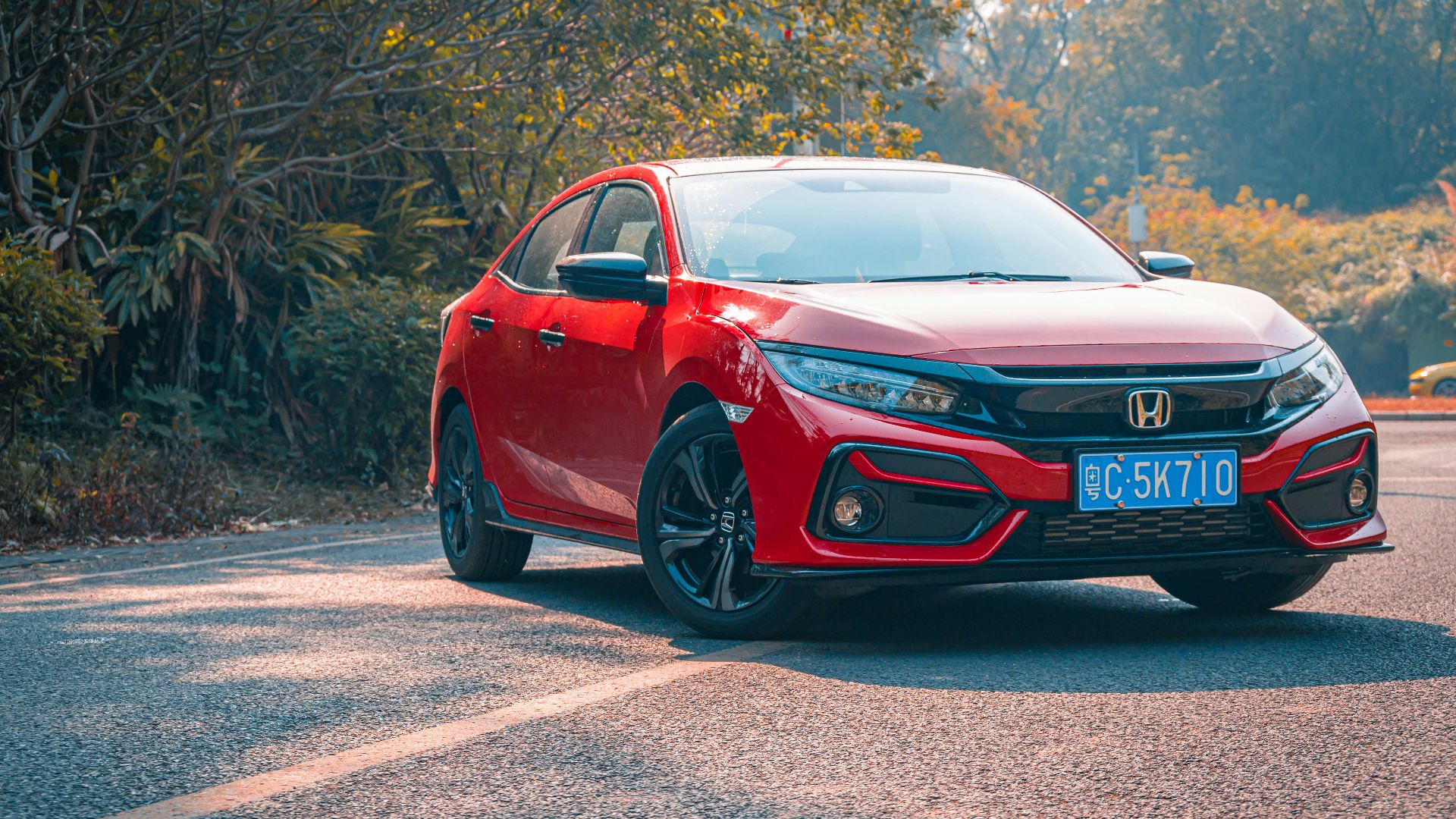
A base-model family sedan can now hit sixty miles per hour in under seven seconds. Objectively, cars have never been quicker, safer, or more capable. And yet, something essential has been lost in the translation from analog machines to computerized appliances. Drive something from the 1980s or 1990s, even something unremarkable, and you'll feel immediately what's missing: the sense that you're controlling a mechanical thing, that your inputs matter, that the car has a personality beyond its spec sheet.
The Steering Wheel Is Lying to You
Electric power steering is now ubiquitous. There's no longer a direct mechanical connection between your hands and the front wheels, just sensors and electric motors generating artificial feedback. Manufacturers program in "feel" the way sound engineers add fake engine noise through the speakers. And they do add that, by the way. Many cars now pipe synthesized engine sounds into the cabin because the actual engine is too quiet or doesn't sound aggressive enough.
The result is a weird disconnect where you're never quite sure what the tires are doing. You turn the wheel, and the car responds, sure, and maybe it even responds quickly. Something's missing, though. Gone is that sense of the road's texture and the weight of the car loading up through a turn. It's been replaced by a video game controller that happens to turn wheels.
Everything Is Turbocharged and Smooth
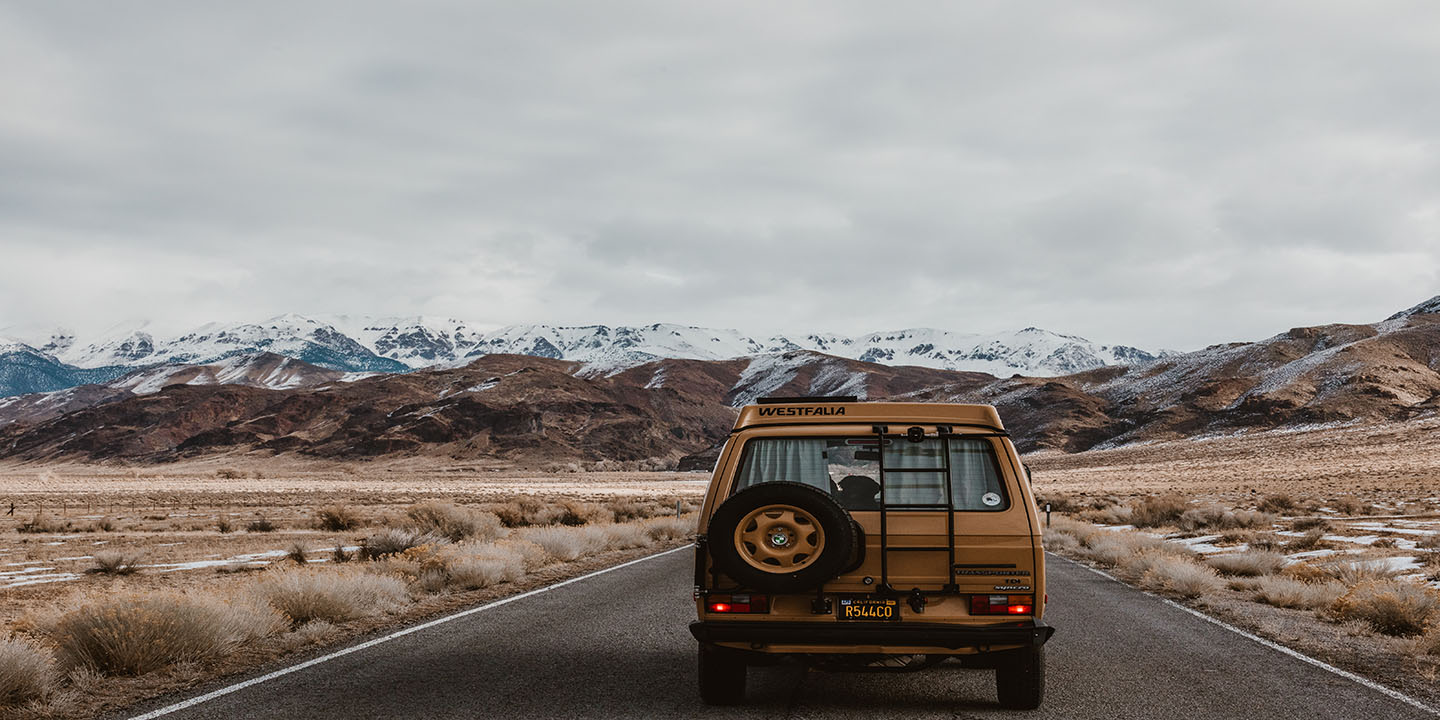
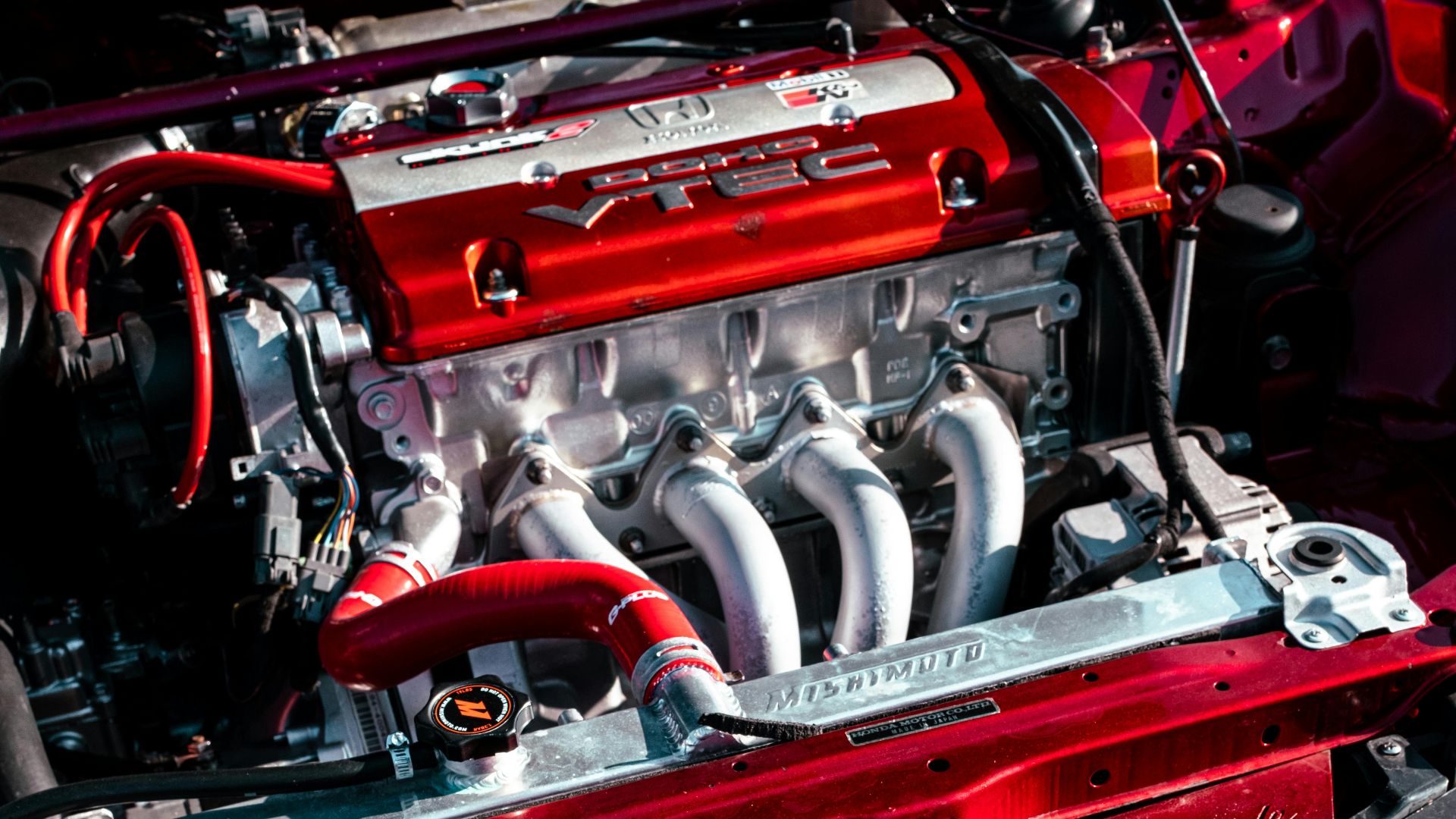 Connor Scott McManus on Pexels
Naturally aspirated engines are nearly extinct. These were the ones that revved freely and had personality in their power delivery. Now everything is turbocharged, and while that makes for impressive dyno numbers and great fuel economy, it also makes every engine feel basically the same.
Back in the day, you'd actually use the gearbox, work the engine through its rev range, and feel the power come alive above 5,000 RPM. That's mostly gone. Modern turbo engines make peak torque at 2,000 RPM and stay there until redline. Are they efficient? Absolutely. Are they engaging? Not even a little.
Modern transmissions are brilliant pieces of engineering that shift so smoothly you barely notice them working. The shifts happen in the background, managed by computers optimizing for efficiency. You're a passenger in the process.
The Computers Won't Let You Make Mistakes
There's stability control, traction control, brake assist, collision mitigation, and lane-keeping assist, to name a few. Nobody's arguing against safety features. These systems have saved countless lives, no question, but they've also created cars that refuse to let you explore their limits by intervening the moment they detect anything that might possibly go wrong.
Try to induce oversteer in a modern car on a closed course. The electronics will catch it before you feel it start. Attempt to brake late into a corner, and the computer will decide you've made an error and adjust accordingly. The car is constantly second-guessing you, correcting you, and protecting you from yourself.
Weight Has Become Inevitable
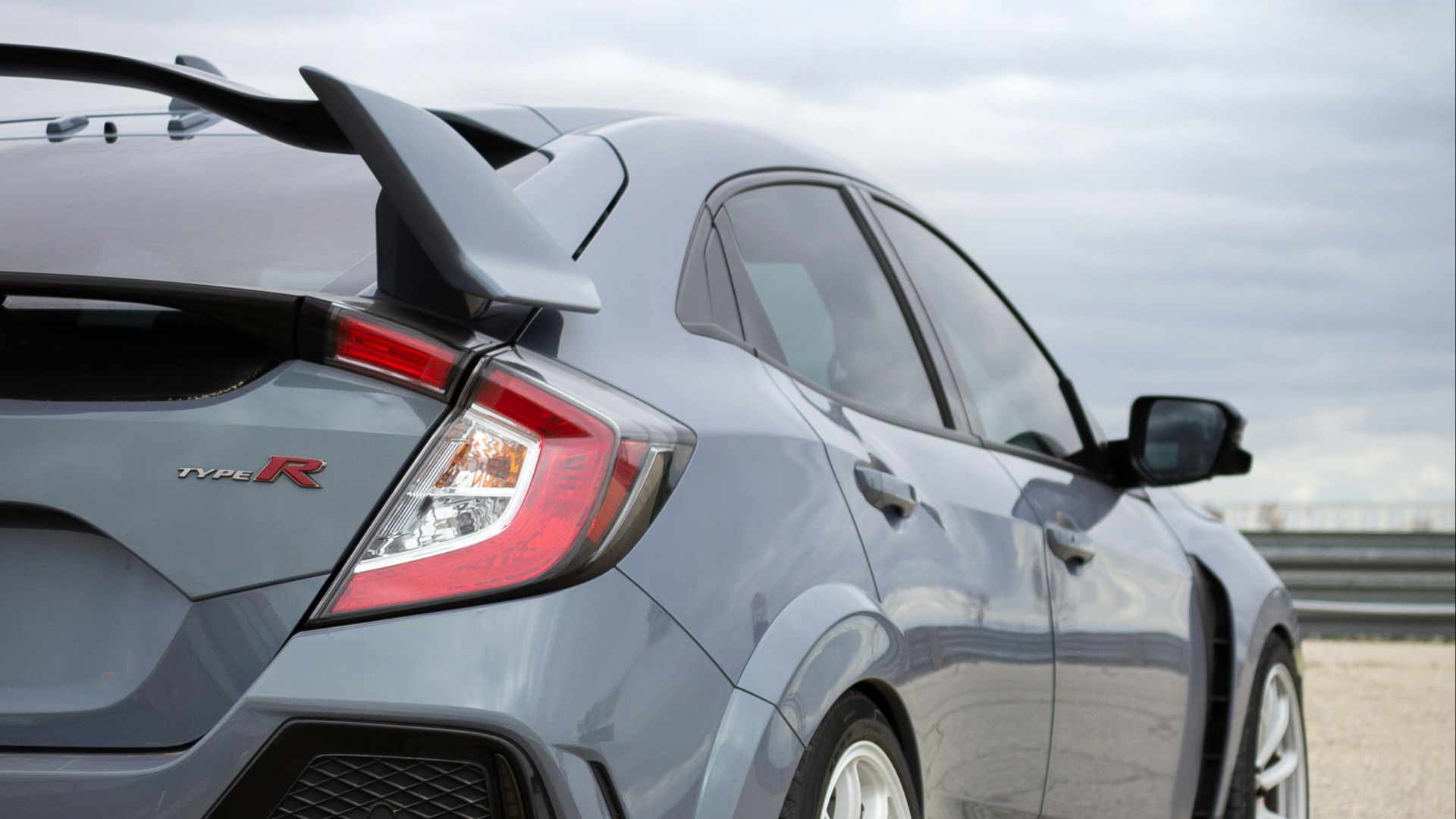
A modern Honda Civic weighs about 3,000 pounds. A 1990s Civic is maybe 2,400. That's 600 pounds of safety equipment, sound deadening, infotainment systems, and structural reinforcement. Everything has gotten heavier, even sports cars.
Physics doesn't care about horsepower gains. Mass resists acceleration, fights turn-in, and pushes through corners instead of rotating around them. You can tune suspension to compensate, add bigger brakes and wider tires, but you can't make a heavy car feel light. That agile connection to the road requires lightness, which is not only expensive but often impossible given modern safety regulations.
The Visibility Is Terrible
Sit in a 1990s car, and you'll notice that you can actually see your surroundings. The windows are big, the pillars are thin, and the beltline sits low enough that you can rest your elbow on the door and still see over it. Now sit in a modern car. You're in a bunker. The window sills are at shoulder height, and the A-pillars are thick enough to hide entire vehicles.
This happened gradually enough that we didn't really notice. Everything is mediated now through cameras, sensors, and warnings. You're managing information streams instead of directly perceiving the environment. And somehow, we arrived at a place where even parking requires consultation with multiple screens and proximity sensors because you literally cannot see what's around your own car.