
Complex Cars, Complex Repairs: Why Servicing Is Getting Harder
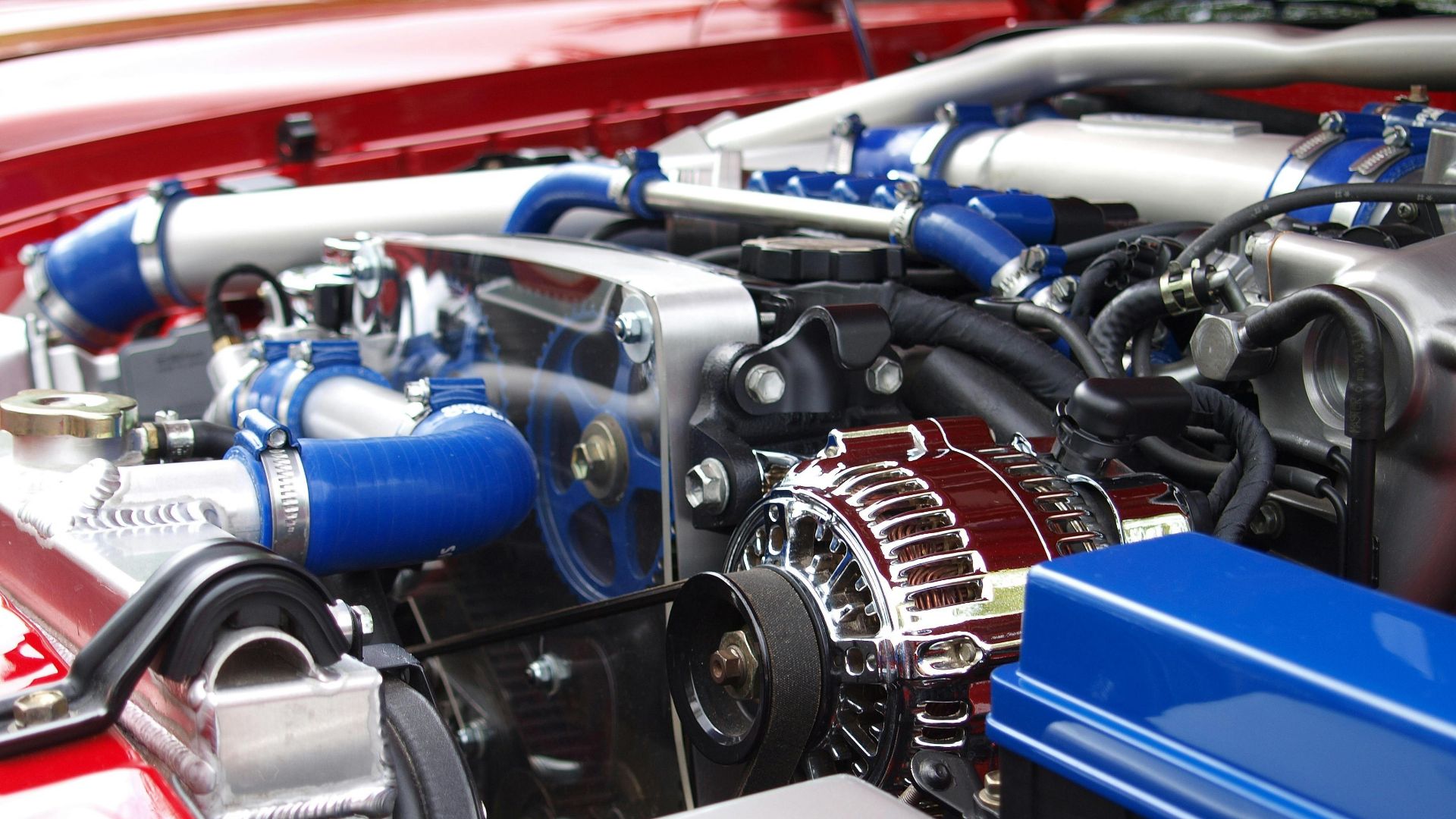
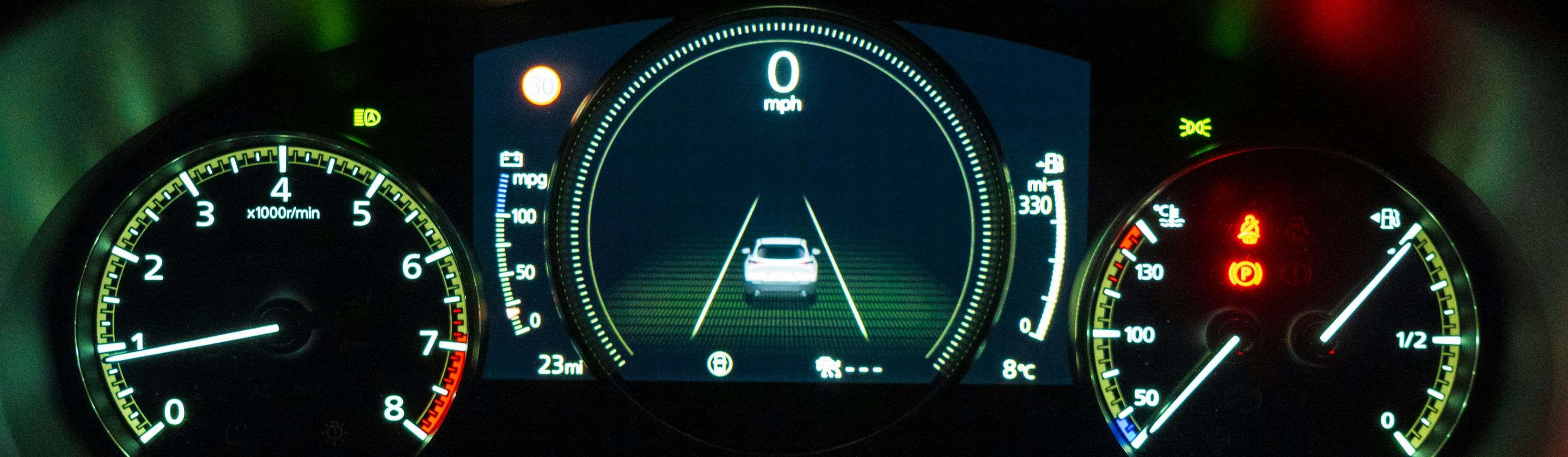
Pop the hood on a 1970s sedan, and you'd see the engine, belts, and maybe some hoses you could actually identify by name and function. Open a modern car's hood, and you're left staring at a plastic cover hiding a maze of sensors, computers, and proprietary systems that require specialized diagnostic equipment just to understand what's wrong. The average car today contains roughly 100 million lines of software code—more than a Boeing 787 Dreamliner. We've turned vehicles into rolling computers, and the days of backyard mechanics armed with socket wrenches are fading fast.
Proprietary Software Locks Out Independent Mechanics
Manufacturers encrypt their diagnostic systems, requiring dealership-specific tools to access vehicle computers. That check engine light could be anything from a loose gas cap to a failing transmission, and you can't tell without plugging in equipment that costs thousands of dollars and is only available to dealerships.
Independent shops struggle to compete when they can't even read error codes without paying licensing fees to automakers. Tesla famously restricts access to repair manuals and parts, forcing owners toward company-approved service centers. Right-to-repair advocates have been fighting this for years, with Massachusetts voters passing a ballot measure in 2020 requiring manufacturers to provide independent shops the same diagnostic access as dealerships.
Sensors Everywhere, Failure Points Multiplied
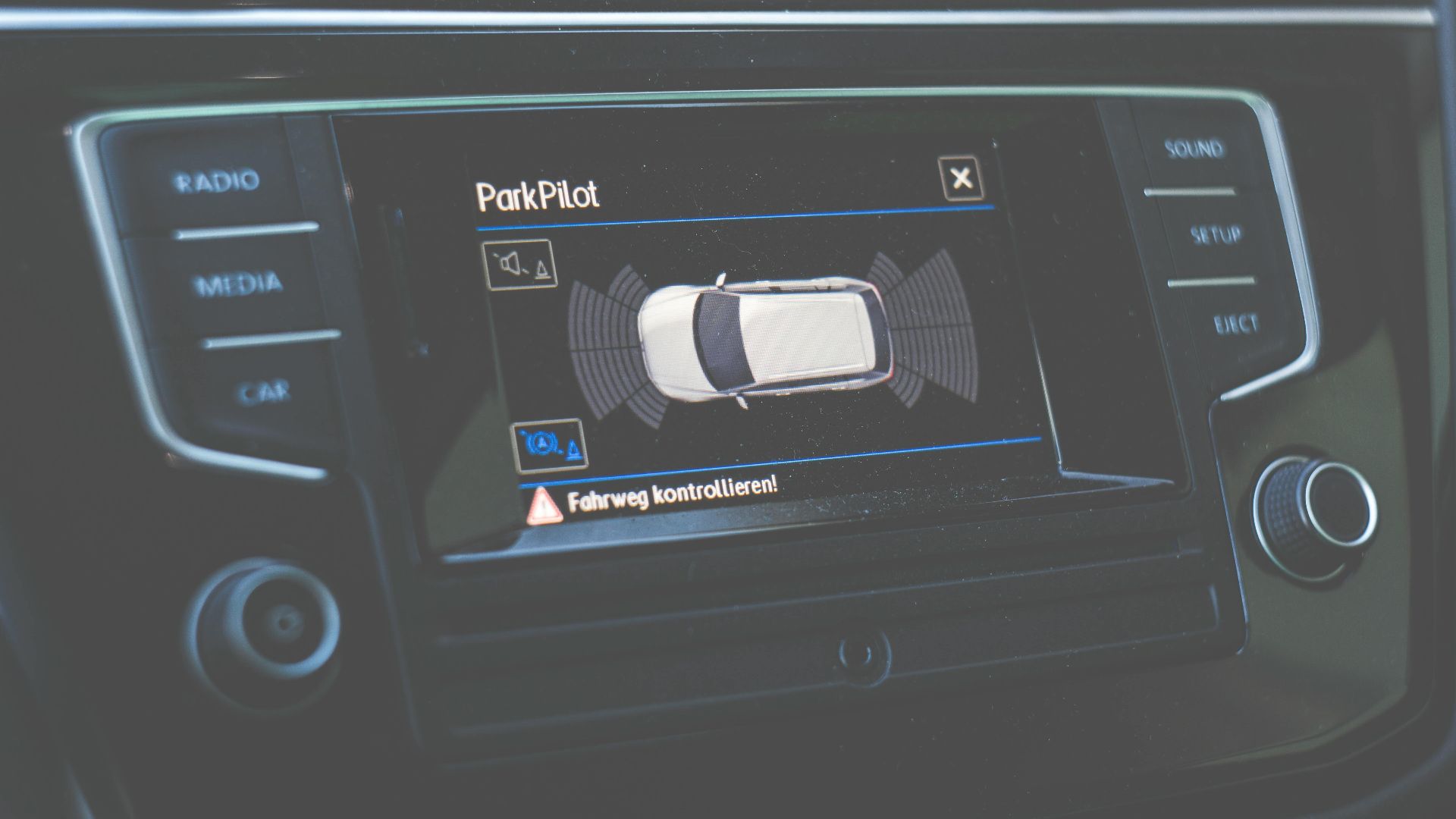
Modern cars bristle with sensors monitoring everything from tire pressure to blind spots to whether you're drifting out of your lane. Each sensor represents another potential failure point.
A single malfunctioning sensor can put your car into limp mode, limiting speed and performance until you get it fixed. Meanwhile, you're trying to figure out if the problem is the sensor itself, the wiring, or the computer module interpreting the data. Parts that would've cost $50 twenty years ago now run $500 because they're integrated with electronic systems.
The Shade Tree Mechanic Is Nearly Extinct
The days when you could spend a Saturday afternoon tinkering on a carburetor are gone. It’s no longer possible to adjust modern fuel injection systems without laptop computers running proprietary software, and even then, you're mostly guessing unless you've been trained on that specific make and model.
YouTube tutorials can only take you so far when the repair requires clearing fault codes or reprogramming control modules. The knowledge gap between enthusiast and professional has widened into a chasm. Even oil changes have gotten complicated, with some vehicles requiring specific procedures to reset maintenance reminders through touchscreen menus.
Electric Vehicles Raise the Stakes
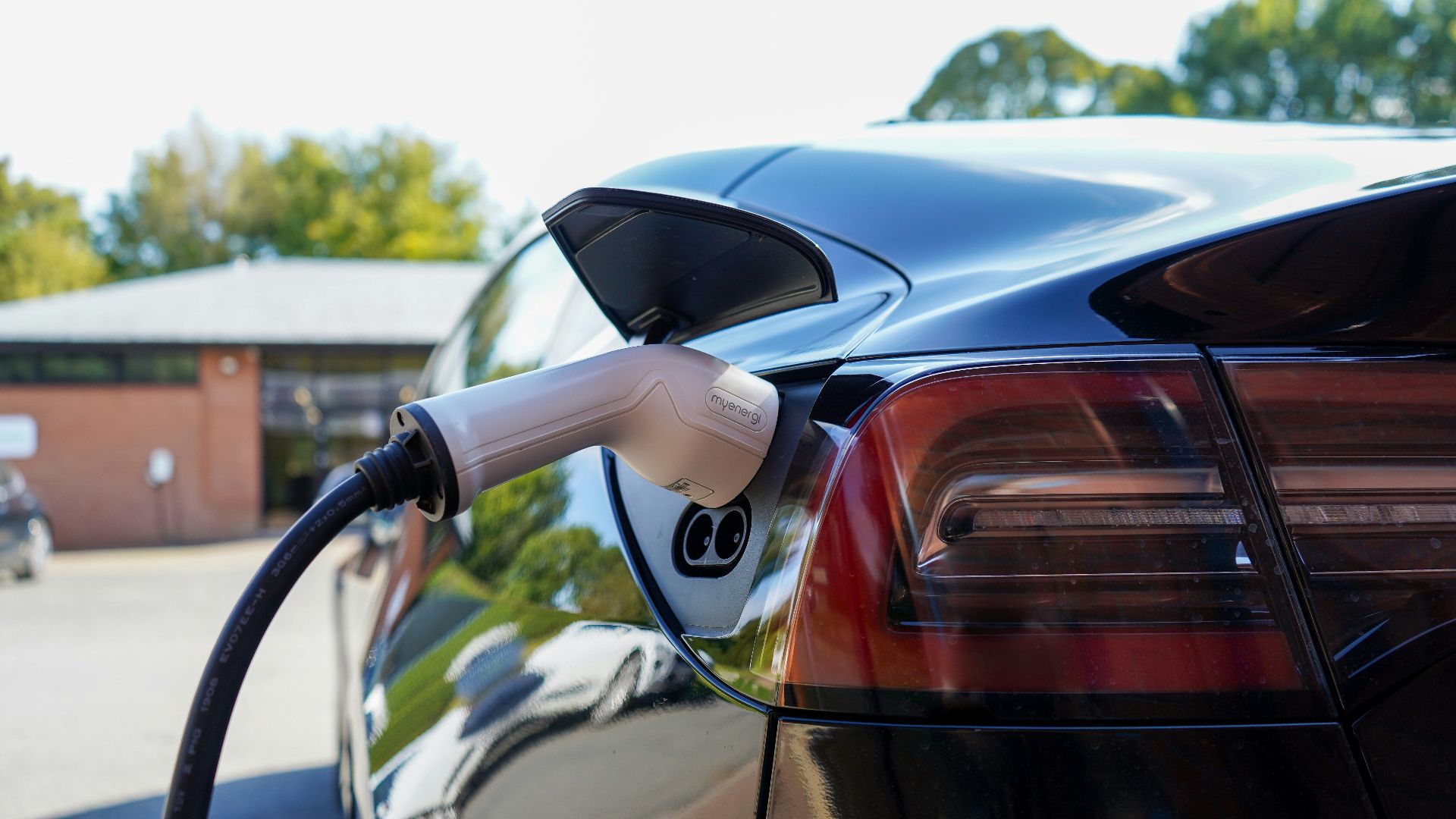
As a result of their lack of oil and transmission fluid, EVs eliminate many traditional maintenance issues. They’ve swapped these annoyances with high-voltage battery systems that can kill you if mishandled. Most independent mechanics won't touch EV battery repairs because the liability and specialized training requirements are too steep.
When something does go wrong with an EV, repairs often mean replacing entire battery modules costing tens of thousands of dollars. The right-to-repair problem intensifies because manufacturers argue that safety concerns justify their control over service and parts.
Planned Obsolescence Through Complexity
When repairs cost more than monthly payments on a new car, people end up trading in rather than fixing. The average age of vehicles on American roads has been climbing, reaching over 12 years, partly because people are holding onto paid-off cars longer despite rising repair costs.
The sweet spot for automakers is a car that lasts just past warranty expiration, then becomes expensive enough to maintain that you're pushed toward a new purchase. Your grandfather's truck might have run 300,000 miles with basic maintenance, but your modern crossover will be lucky to make it to 150,000 before an electronic failure costs more to fix than the vehicle's worth.