
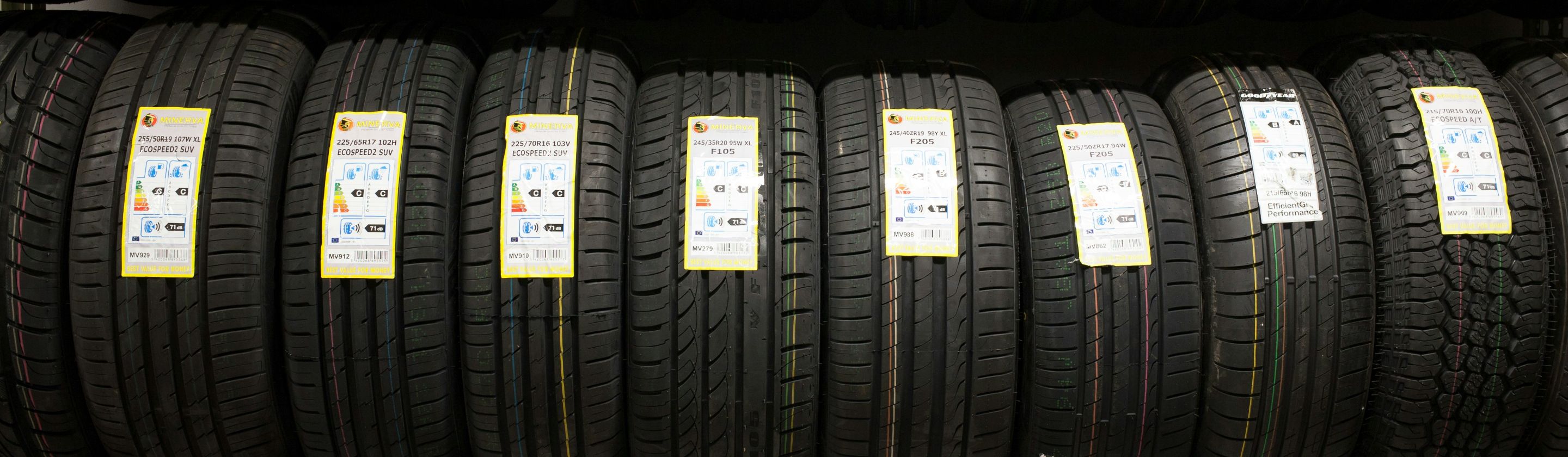

The appeal of the all-season tire is a strong one. For one, you don’t have to pay a mechanic to switch them out every six months, or pay to store them. If you’re not in an area that gets a lot of snow, it seems silly to pay the extra money for winter tires when you could feel secure in the same pair all year round.
But, are they actually worth your money? Well, it depends on your location and priorities.
Let’s break it down:
Pro: They Save You Money
If you’re not looking to buy two sets of tires, you’re generally getting the cheapest deal when you buy all-seasons.
You’ll still be paying a couple hundred for a set of four, but you can spend over a thousand when you’re buying summers and winters. Winter-specific tires are especially expensive, as they’re usually built with different compounds and tread patterns that help with control in the snow.
Con: They Aren’t Built For Harsh Winters
If you live somewhere temperate or generally snow-free for most of the year, this isn’t a con for you. That said, you’ve seen how unpredictable our weather is becoming.
All-Season's performance drops once snow and ice come into play, resulting in poor grip and traction, and generally poorer safety .
So, it might be cheaper upfront to get all-seasons, but one nasty crash will have you paying much more down the road.
Pro: They’re Convenient
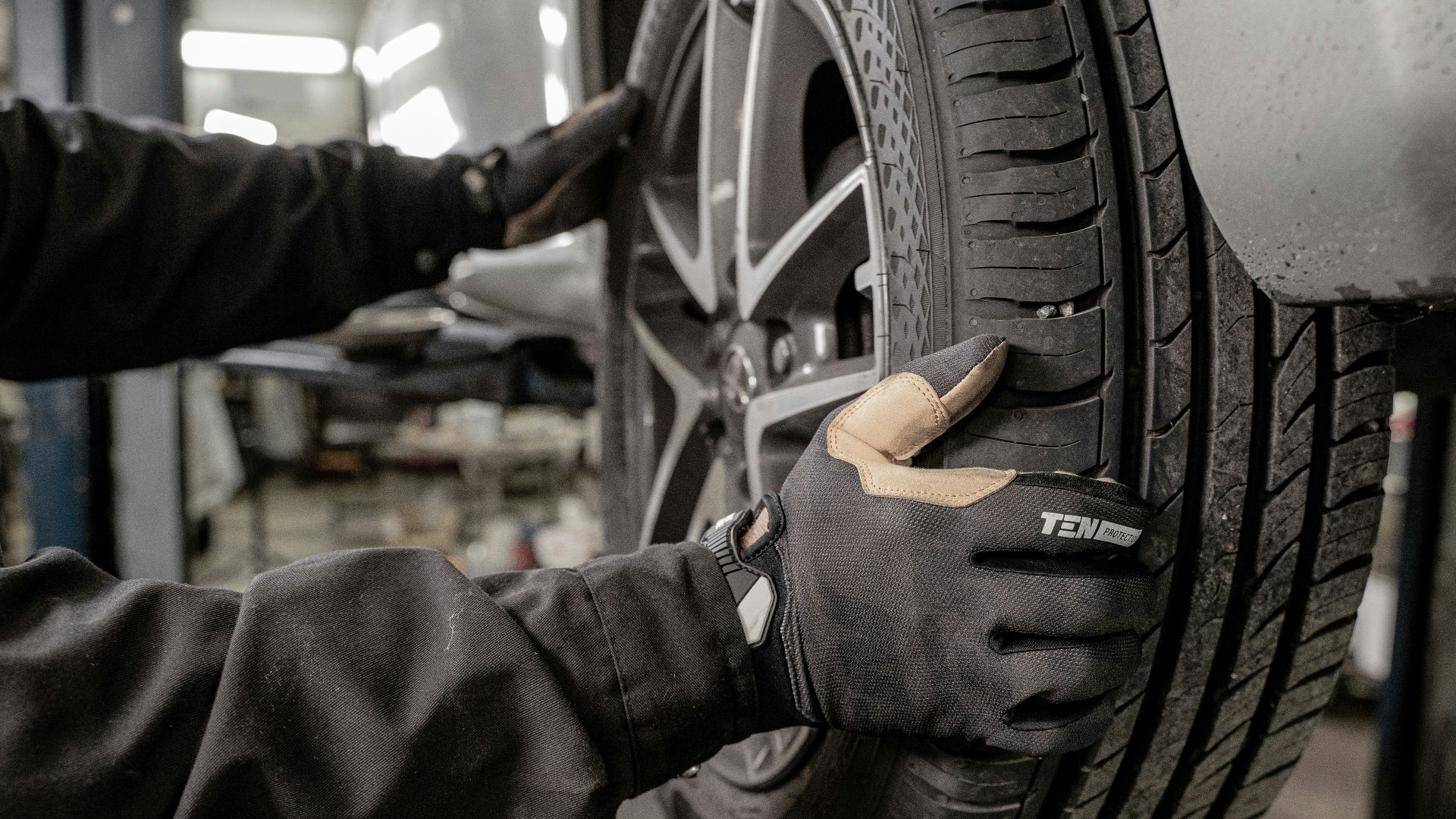 Jimmy Nilsson Masth on Unsplash
Yes, we can’t deny that all-seasons are convenient. A trip to the mechanic could run you anywhere from $40-$200, depending on the needs of your vehicle, and that’s every six months.
Storage is another problem. If you don’t have the capacity to store your tires somewhere, that means you’re going to end up paying your mechanic or another company to do so, which is only adding more costs. This can also add up, leaving you paying waaaay more money than you thought you’d have to.
Con: They May Not Last As Long
The one thing rarely discussed when it comes to switching between summers and winters is that the tires tend to last much longer due to each tire playing to their seasonal strengths.
Winter tires usually last the shortest, around 3 to 6 years depending on use. Summer tires can last a little longer, usually needing replacements every 6 years.
All season tires will also last around 3 to 5 years, but this comes with appropriate tire care (aka, another trip to the mechanic). If you do end up driving in harsher weather more, or aren’t rotating or inflating your tires, you could end up having to replace your all seasons much quicker than your standard summers and winters.
So, What?
So, the choice is up to you.
If you live in northern Canada, where it snows for 8 months out of the year, it’s no contest - you need designated winter tires. If you live somewhere like Georgia, but, the answer may be a little more fluid.
It does depend on your driving habits, your geographical location, and how well you know how to take care of a vehicle.