10 Most Fuel-Efficient Cars Ever Made & 10 Massive Gas Guzzlers
Saving Every Drop Or Burning It Freely
Fuel efficiency has always been less about virtue and more about priorities. Some cars were built during oil crises, regulatory crackdowns, or moments when engineers were challenged to squeeze the impossible out of physics. Others came from eras of cheap gas, wide highways, and a belief that excess was part of the appeal. You can usually feel the difference from the driver’s seat, either in the quiet satisfaction of stretching a tank far past expectations or the low dread of watching the fuel gauge move faster than the scenery. What follows is 10 cars that treated fuel like something precious and 10 that burned it freely.
1. Volkswagen XL1
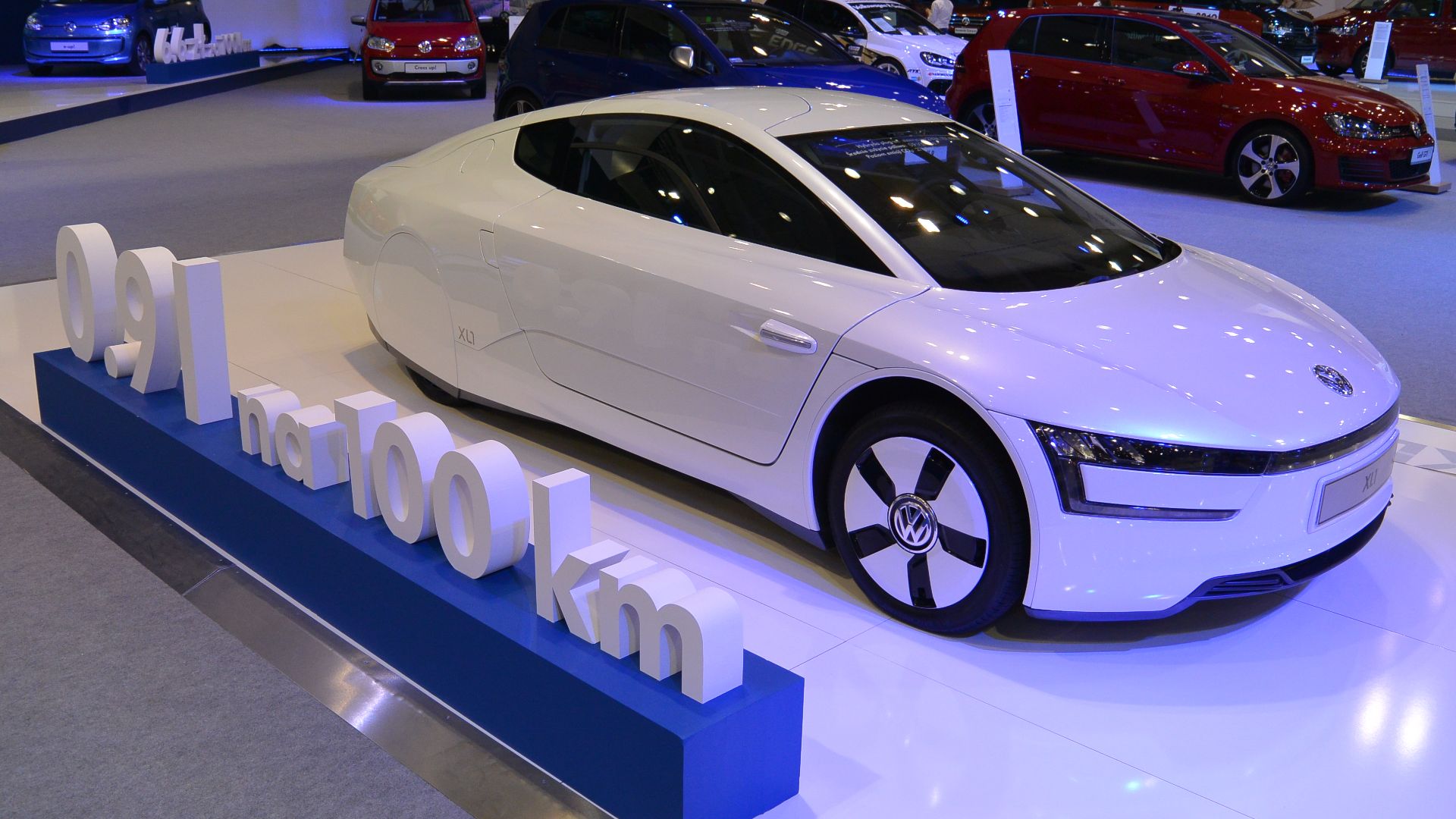
The XL1 looked like a science experiment that escaped the lab. Built in limited numbers in the early 2010s, it used a diesel plug-in hybrid system and aggressive aerodynamics to achieve astonishing efficiency. Volkswagen treated it as a proof of concept rather than a commercial product.
2. Toyota Prius
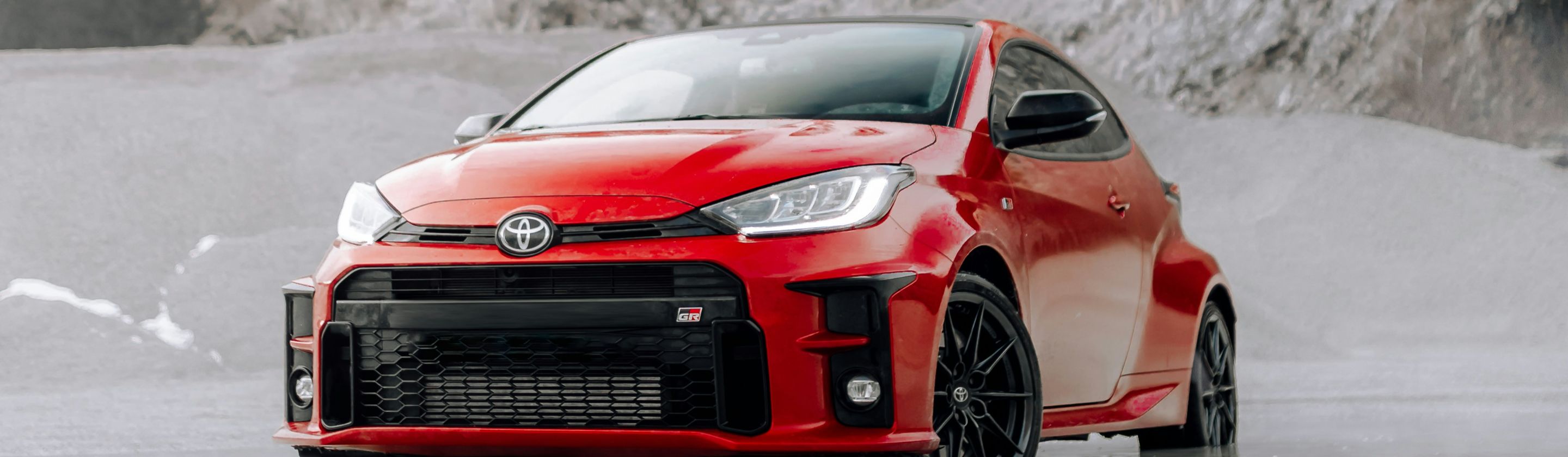
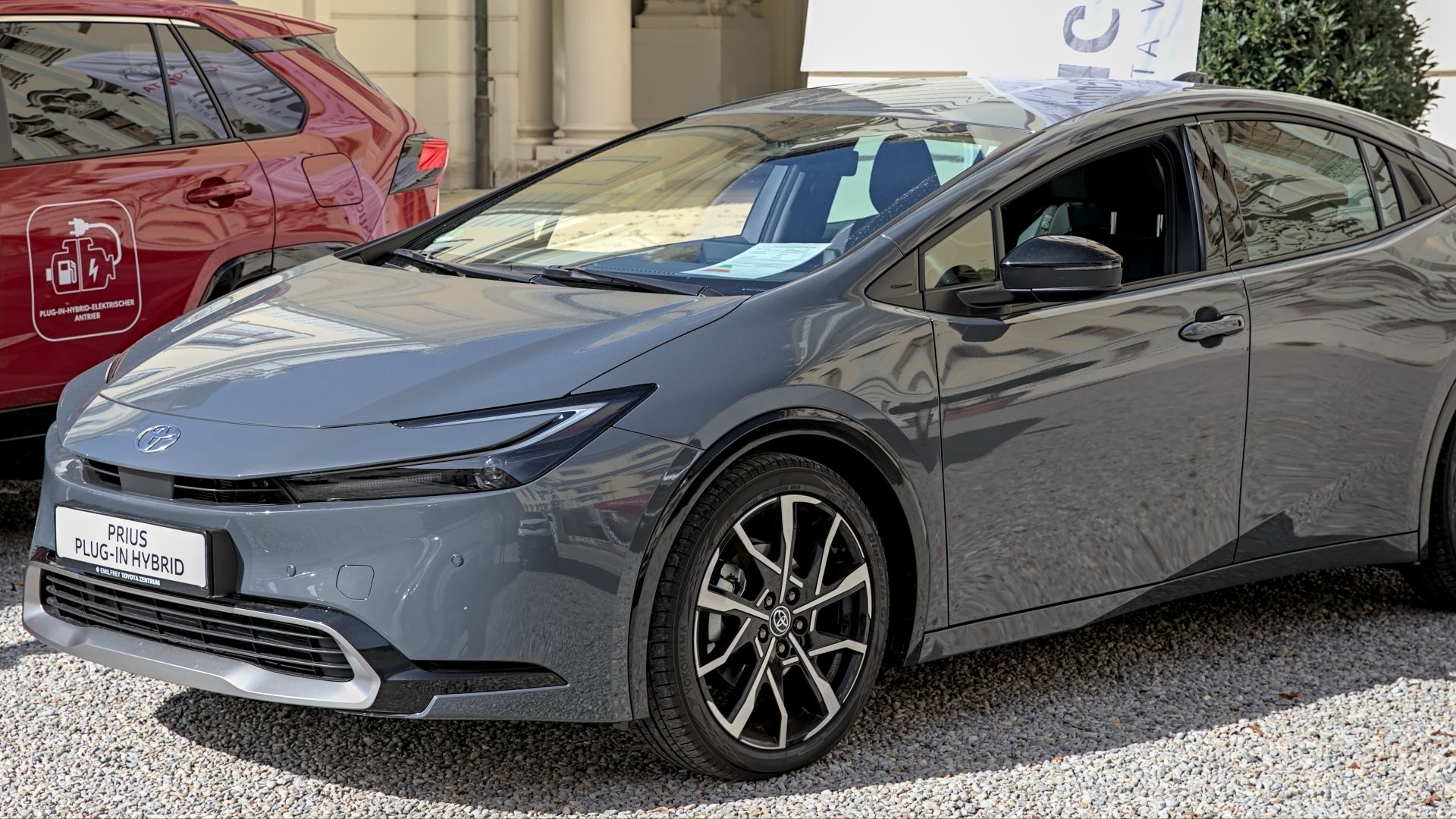
The Prius became shorthand for fuel efficiency in the early 2000s. Its hybrid system prioritized steady gains rather than flashy performance, and it worked. Taxi fleets and commuters turned it into a rolling case study in long-term efficiency.
3. Honda Insight
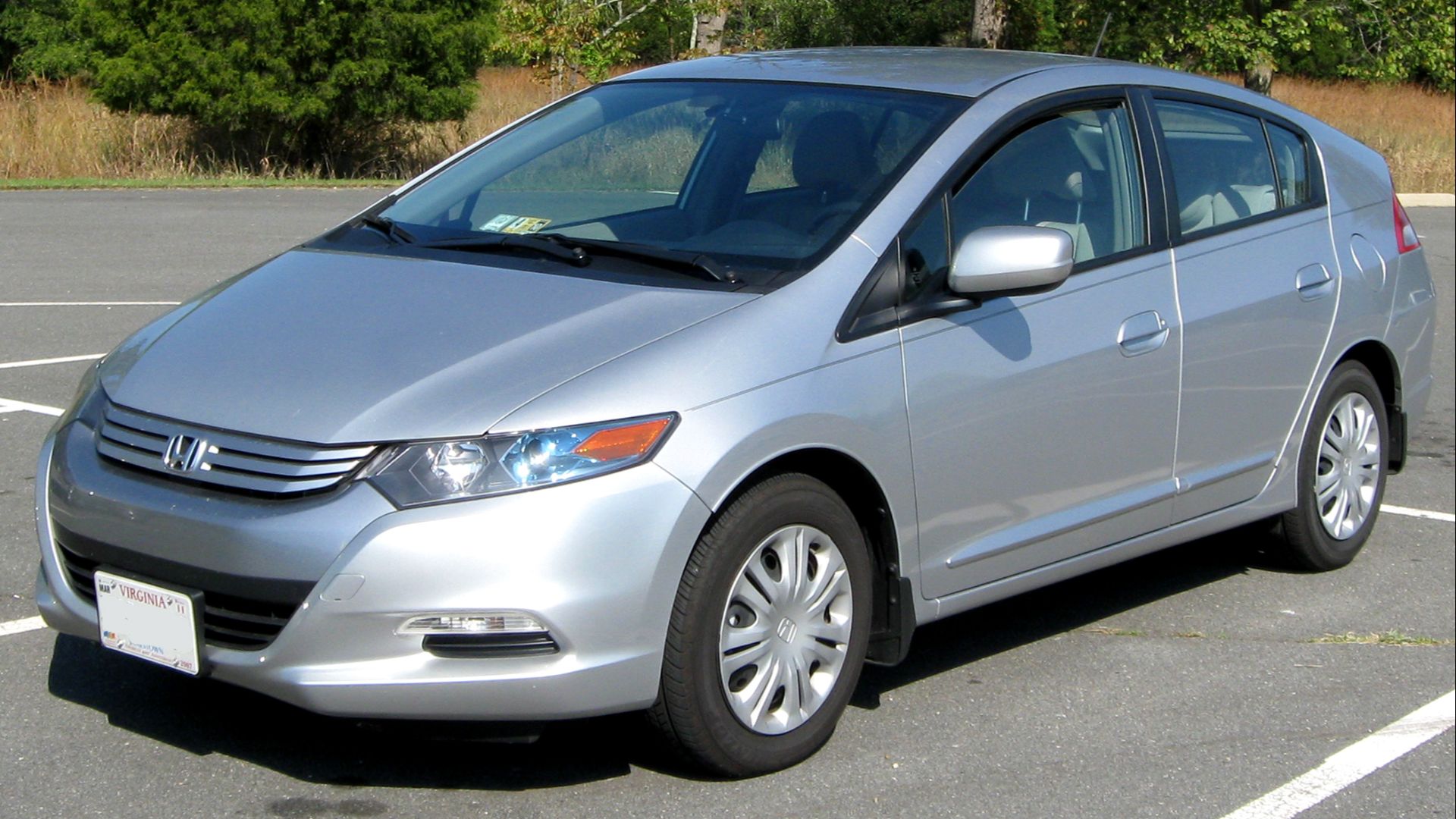
Honda’s original Insight arrived in the U.S. in 1999 with a lightweight aluminum body and a tiny hybrid engine. It looked odd and felt deliberate in every design choice. The car rewarded restraint and punished aggressive driving habits.
4. Volkswagen Lupo 3L
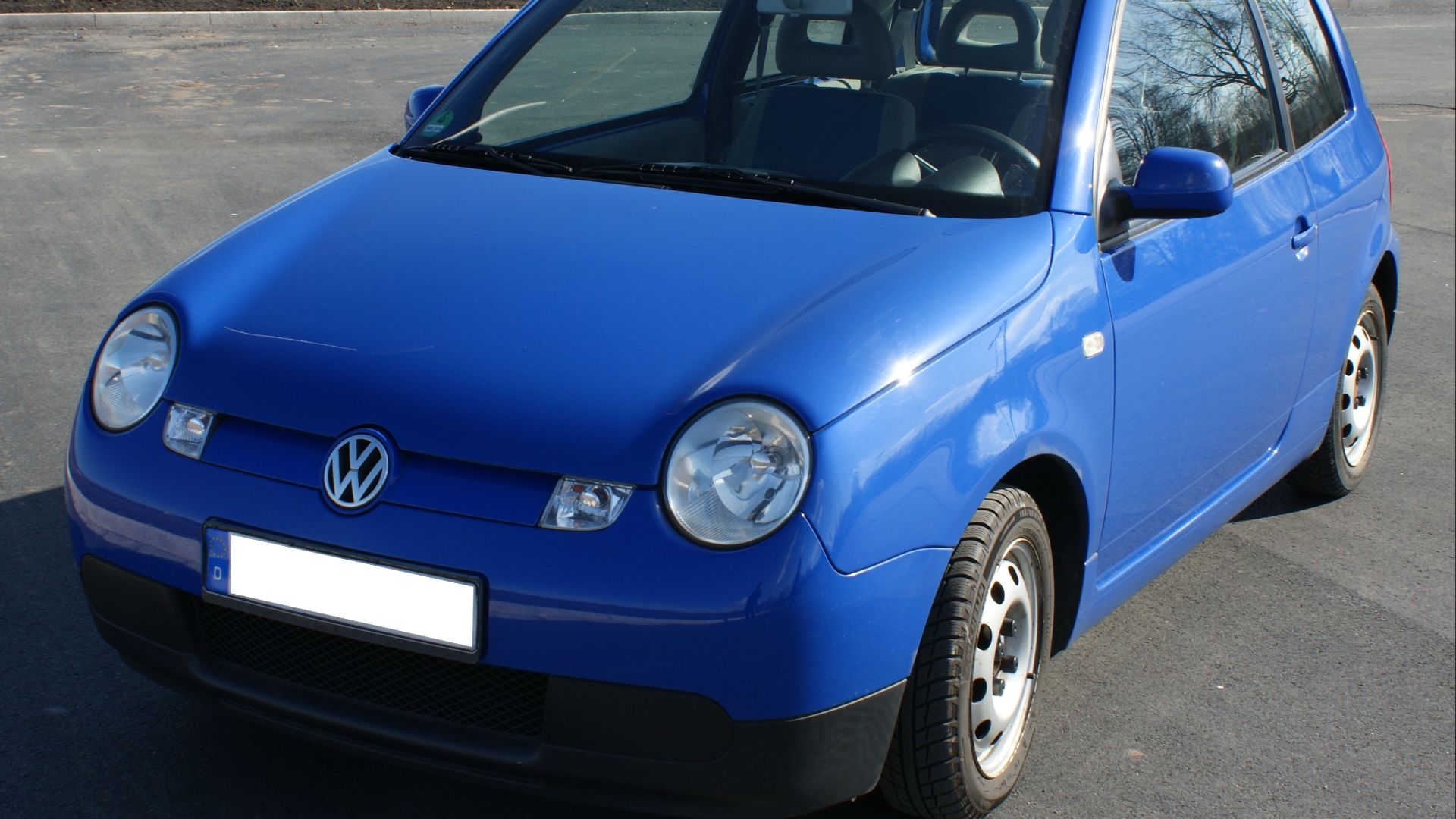
The Lupo 3L was engineered to sip fuel at a time when most small cars still felt wasteful. Its name referenced its consumption goal, not engine size. European efficiency standards pushed its development in ways American markets rarely did.
5. Hyundai Ioniq Blue
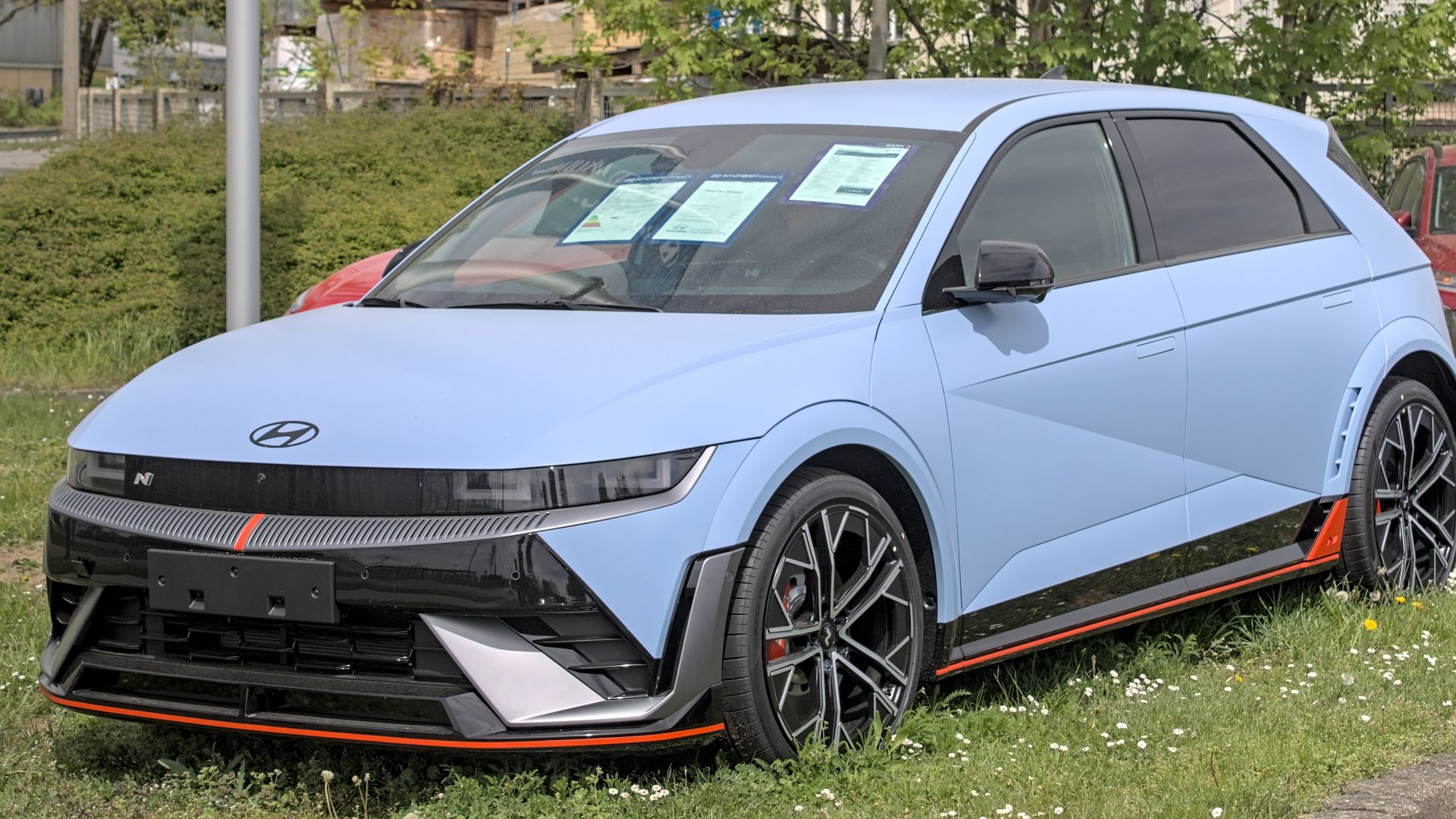
Hyundai tuned the Ioniq Blue specifically for efficiency rather than balance. Low rolling resistance tires and careful drivetrain calibration paid off. It showed how far mainstream manufacturers had come without asking drivers to suffer.
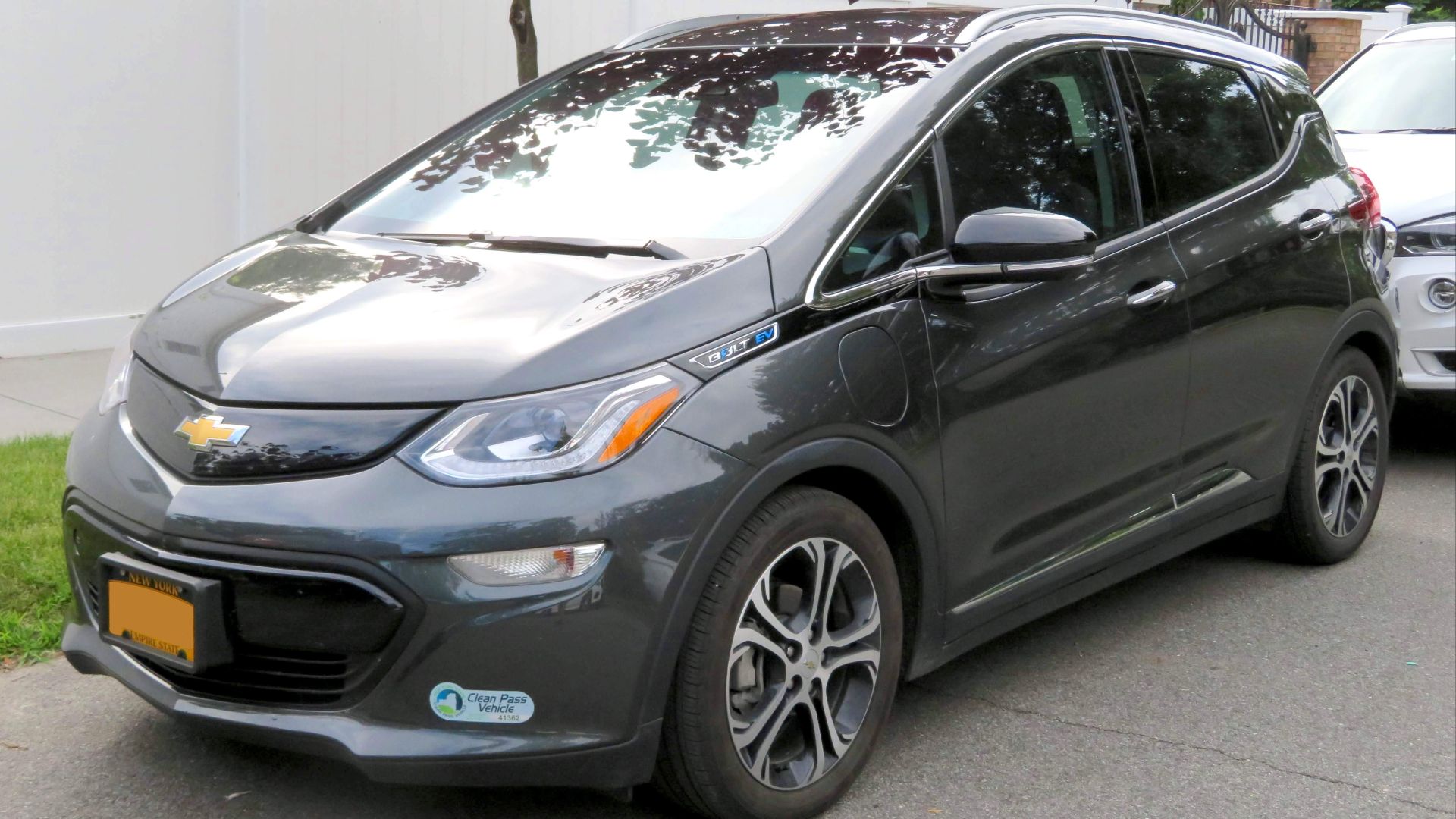
6. Chevrolet Bolt EV
Electric vehicles shift the conversation, but efficiency still matters. The Bolt focused on maximizing range from a relatively modest battery. Its success reflected careful energy management rather than raw capacity.
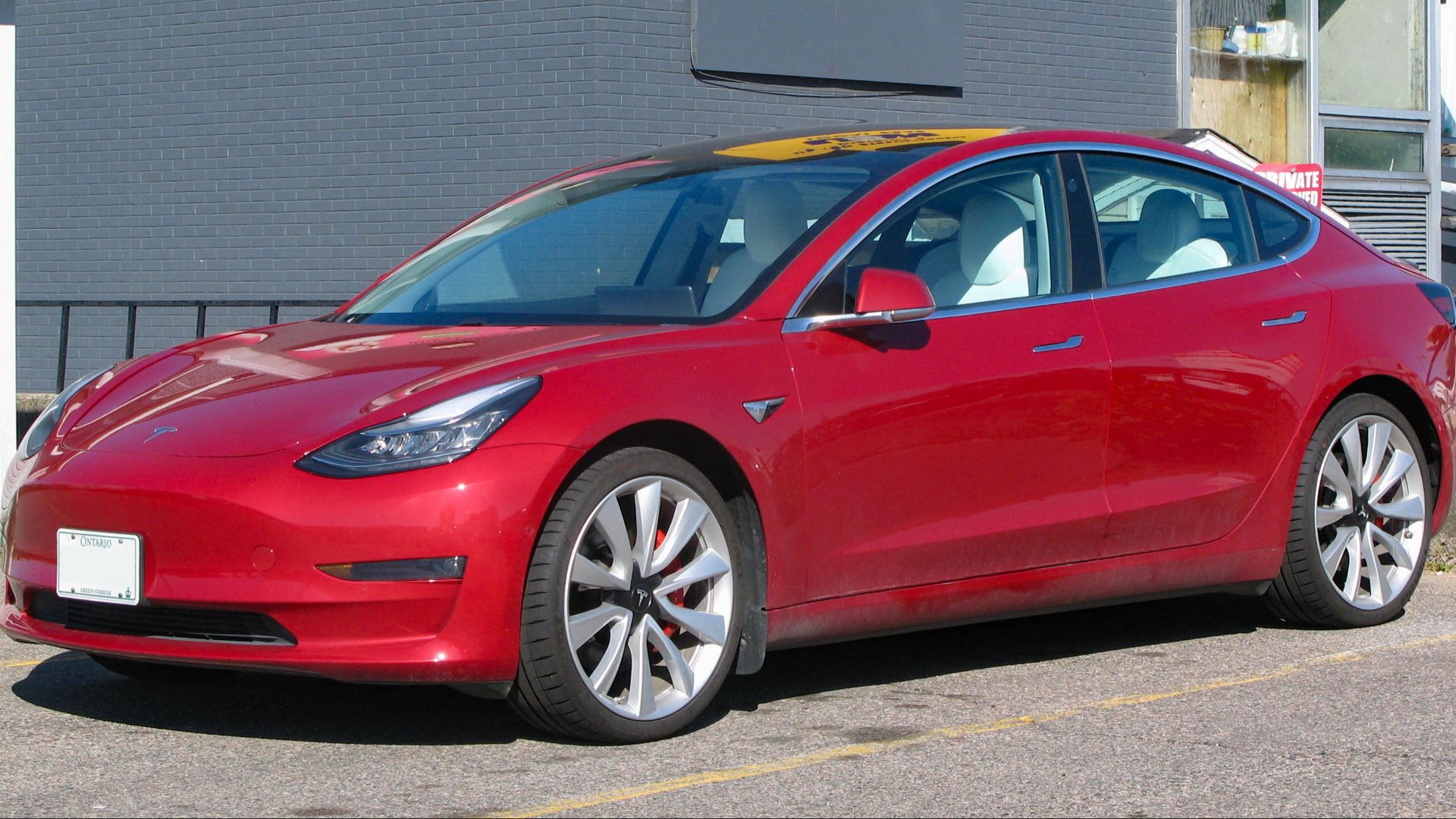
7. Tesla Model 3 Standard Range
Tesla designed the Model 3 with aerodynamics and software efficiency in mind. Updates quietly improved range over time without changing hardware. The car demonstrated how digital optimization could rival mechanical ingenuity.
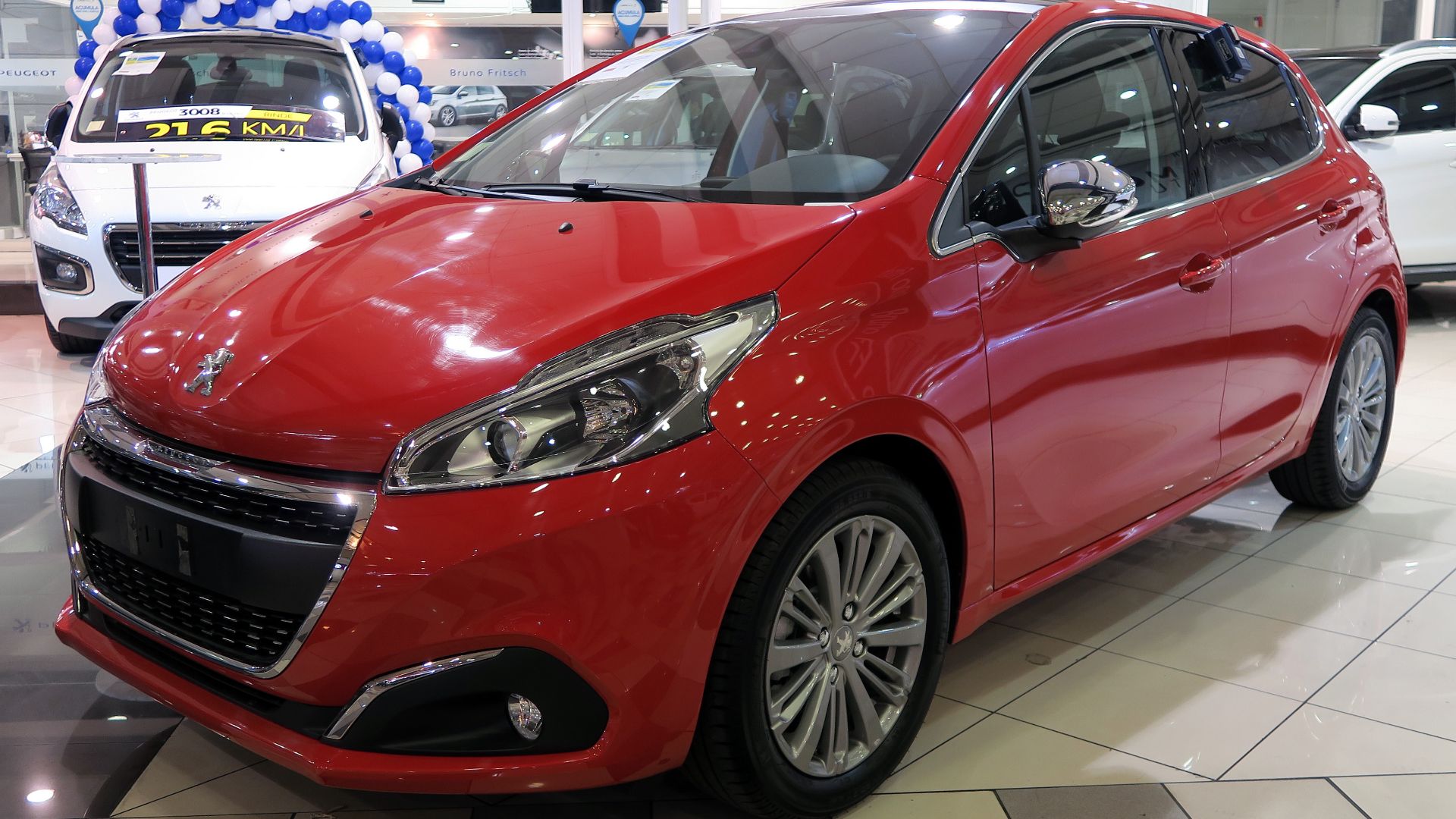
8. Peugeot 208 BlueHDi
Peugeot leaned heavily into diesel efficiency for European drivers facing high fuel costs. The 208 BlueHDi delivered impressive mileage without sacrificing everyday usability. It felt like an answer to real-world constraints rather than marketing goals.
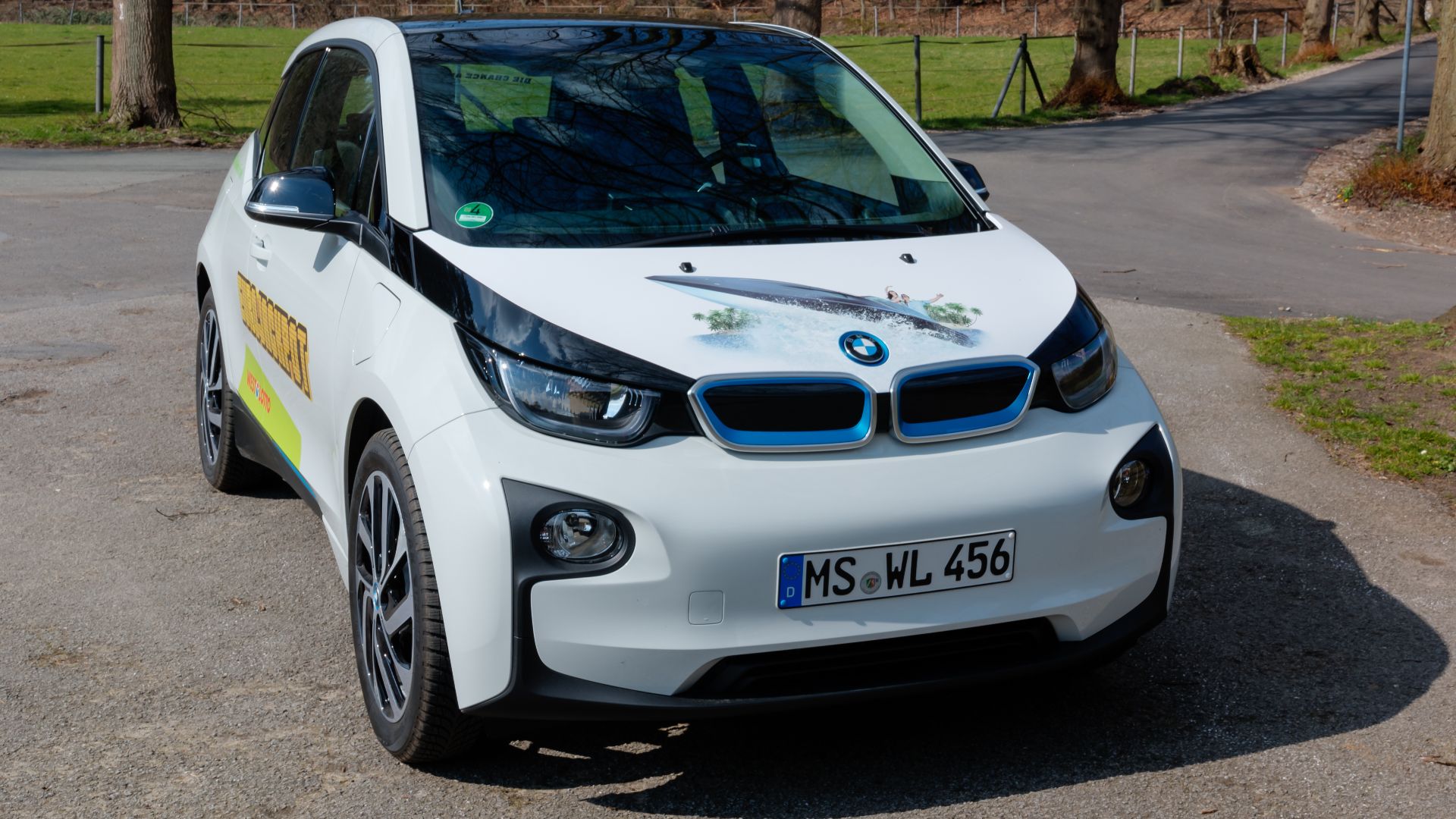
9. BMW i3
The i3 combined lightweight materials with a compact electric drivetrain. Its carbon fiber construction reduced mass in ways few production cars attempted. Efficiency came from subtraction as much as innovation.
10. Geo Metro
The Geo Metro was never glamorous. Its tiny engine and minimal features reflected a singular focus on economy. Owners often remember it fondly for how rarely it needed fuel.
The other end of the spectrum tells a very different story, where consumption was either ignored or actively embraced.
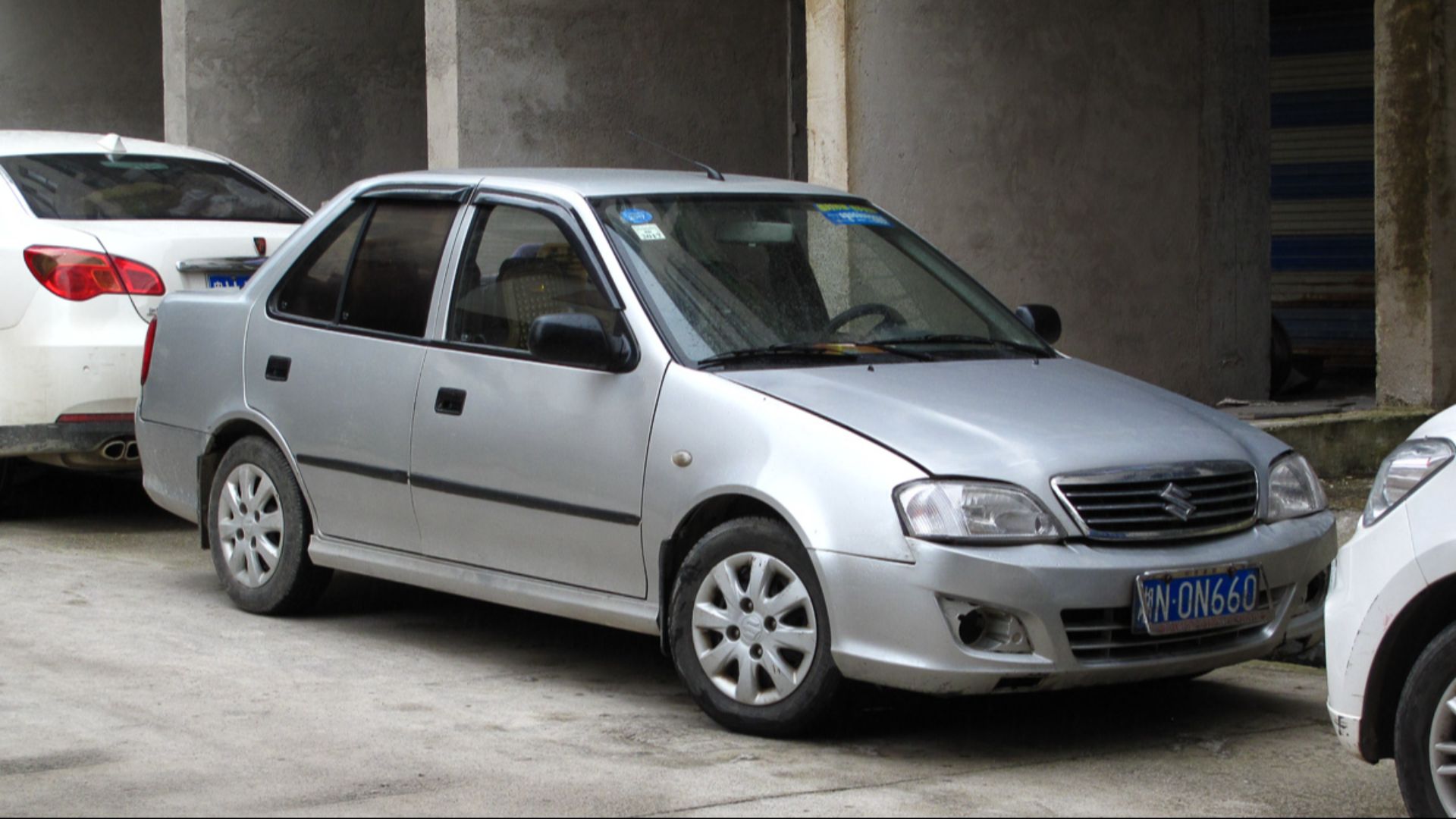 Rutger van der Maar on Wikimedia
1. Hummer H1
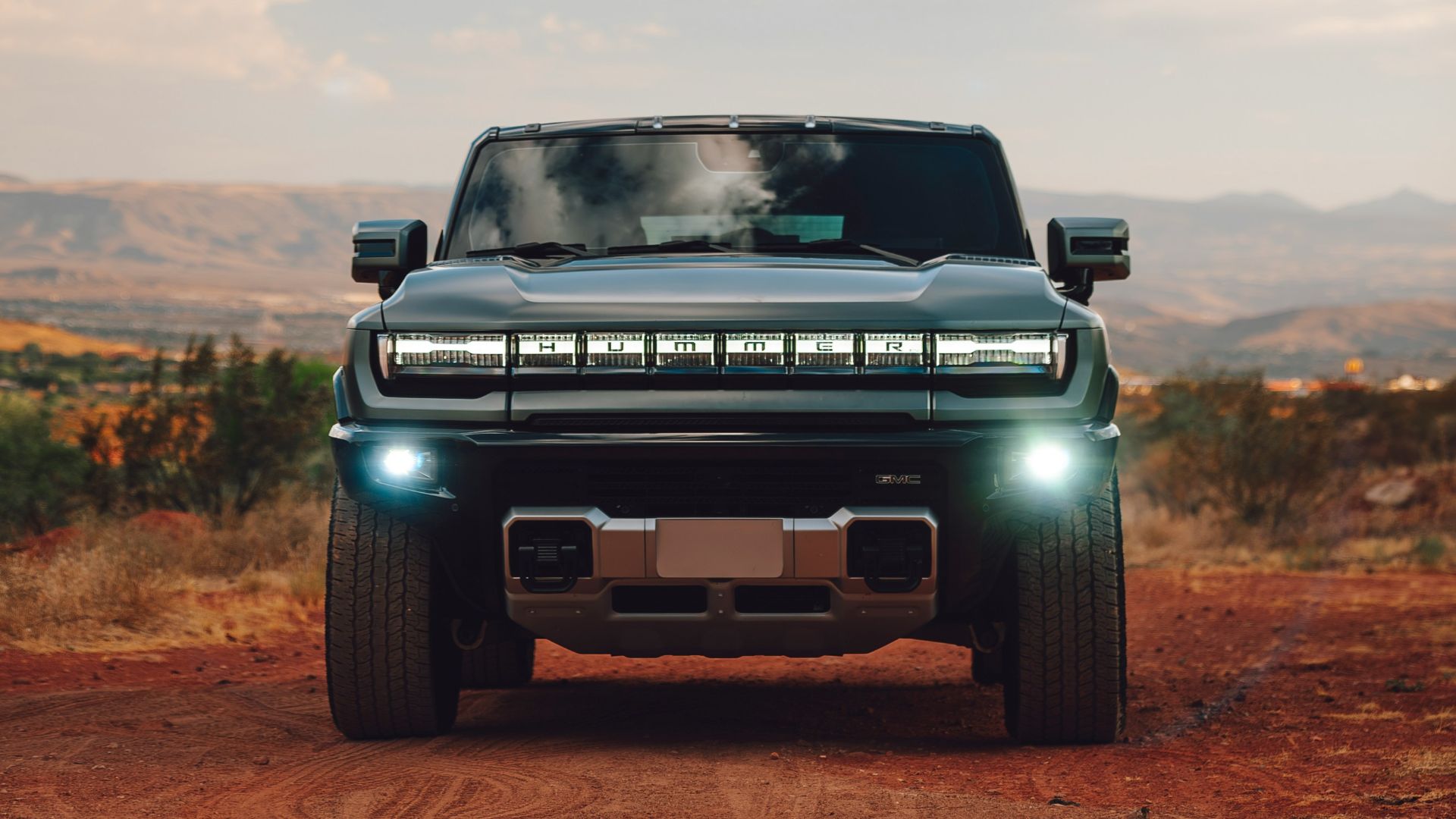
The H1 was a military vehicle repurposed for civilian roads. Its weight, width, and drivetrain made efficiency irrelevant. Driving one felt like declaring war on the gas pump.
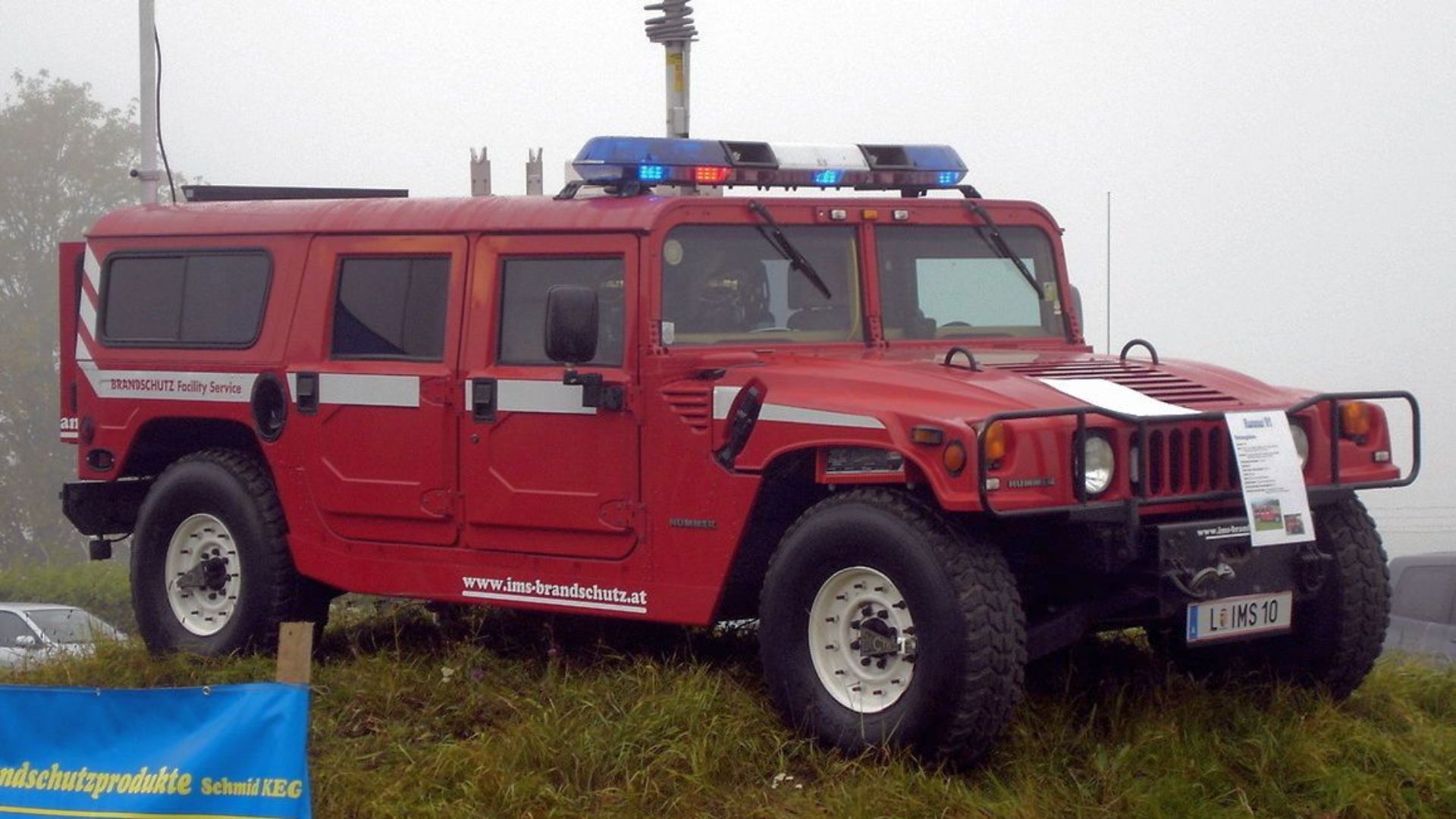
2. Cadillac Escalade ESV
The Escalade prioritized presence over restraint. Its large V8 and substantial mass delivered comfort at a cost. Fuel consumption became part of the ownership experience.
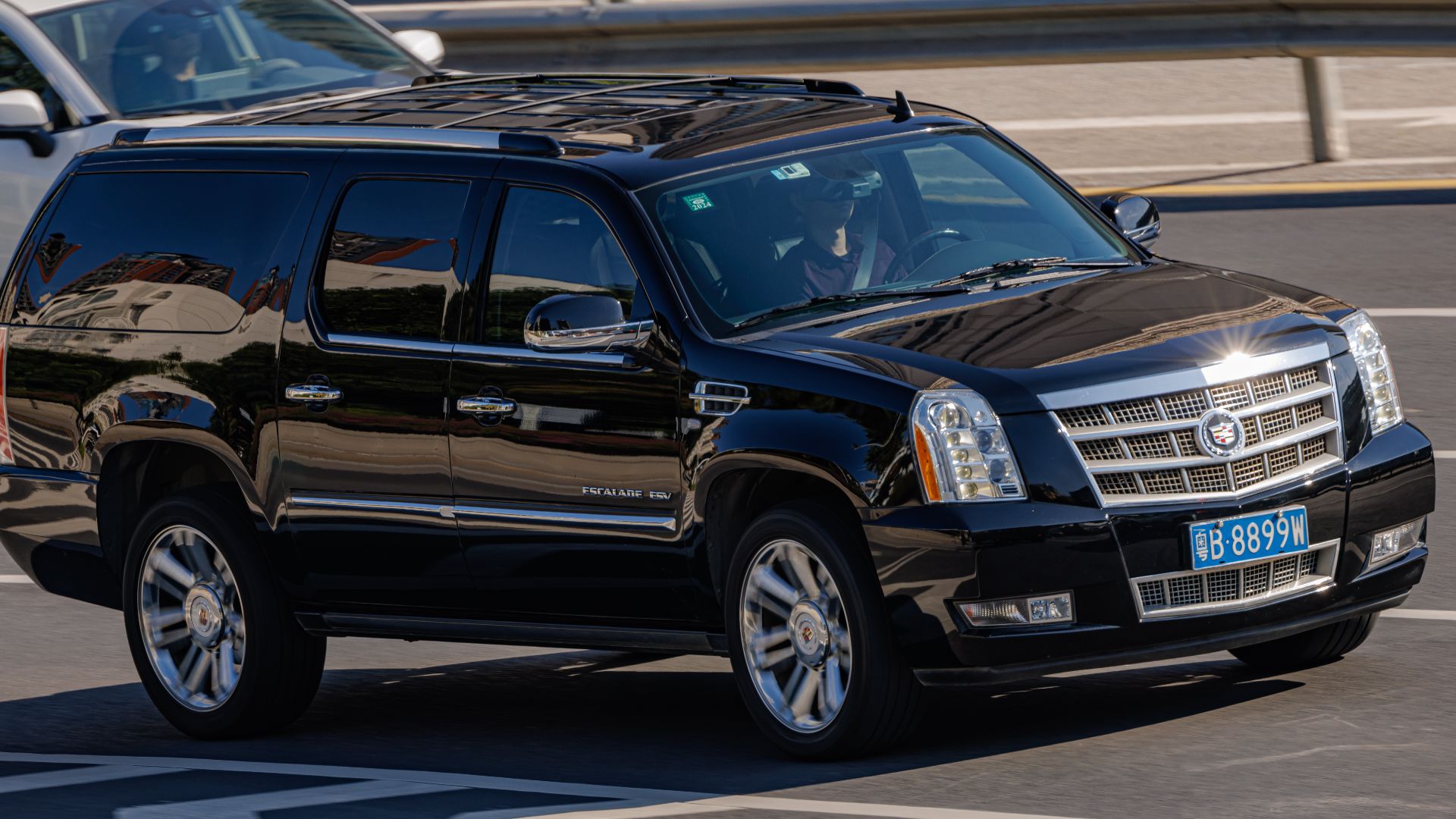
3. Dodge Ram SRT-10
Dodge installed a Viper engine into a pickup truck and never looked back. The result was thrilling and deeply impractical. Efficiency was sacrificed for spectacle without apology.
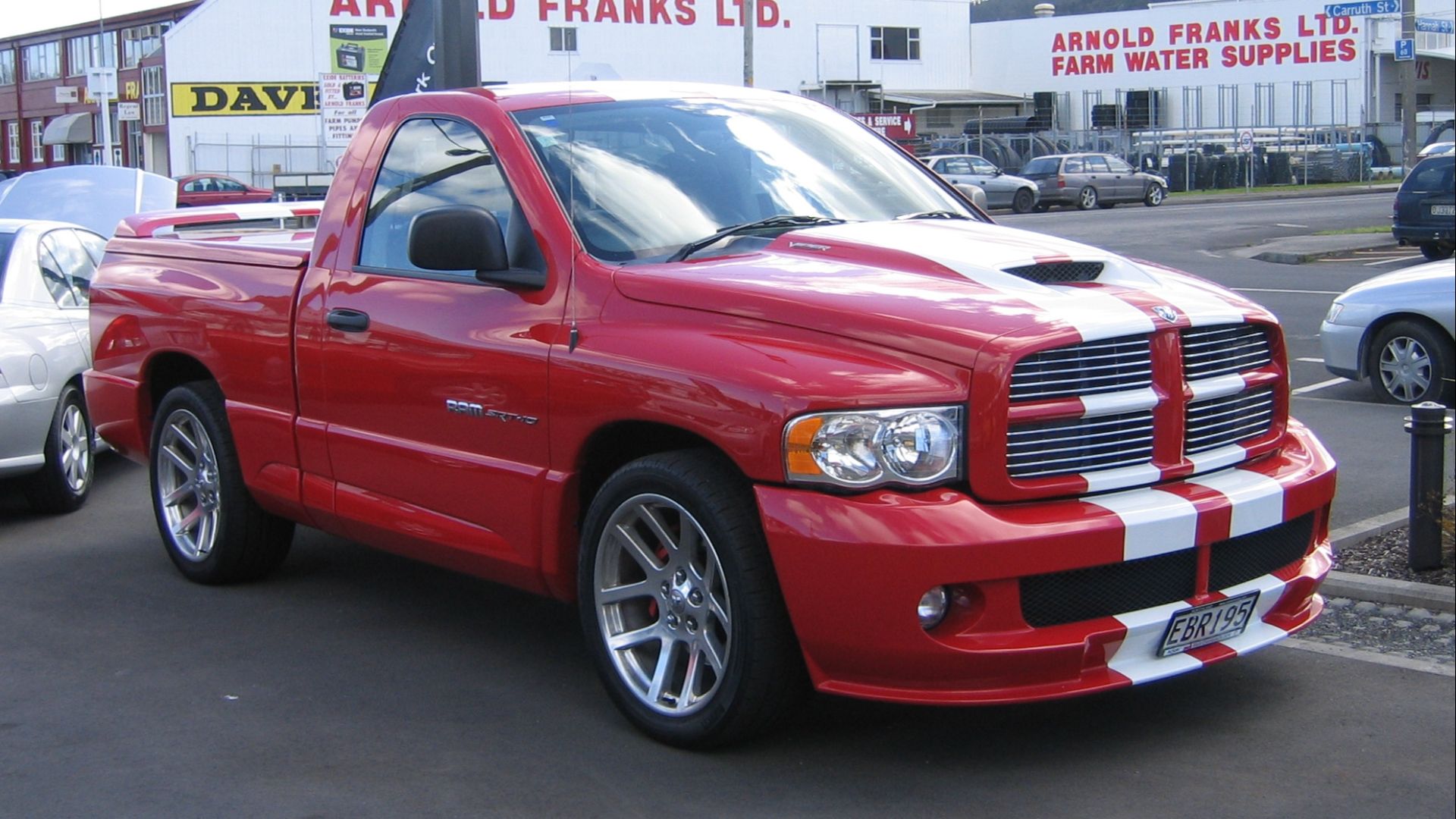
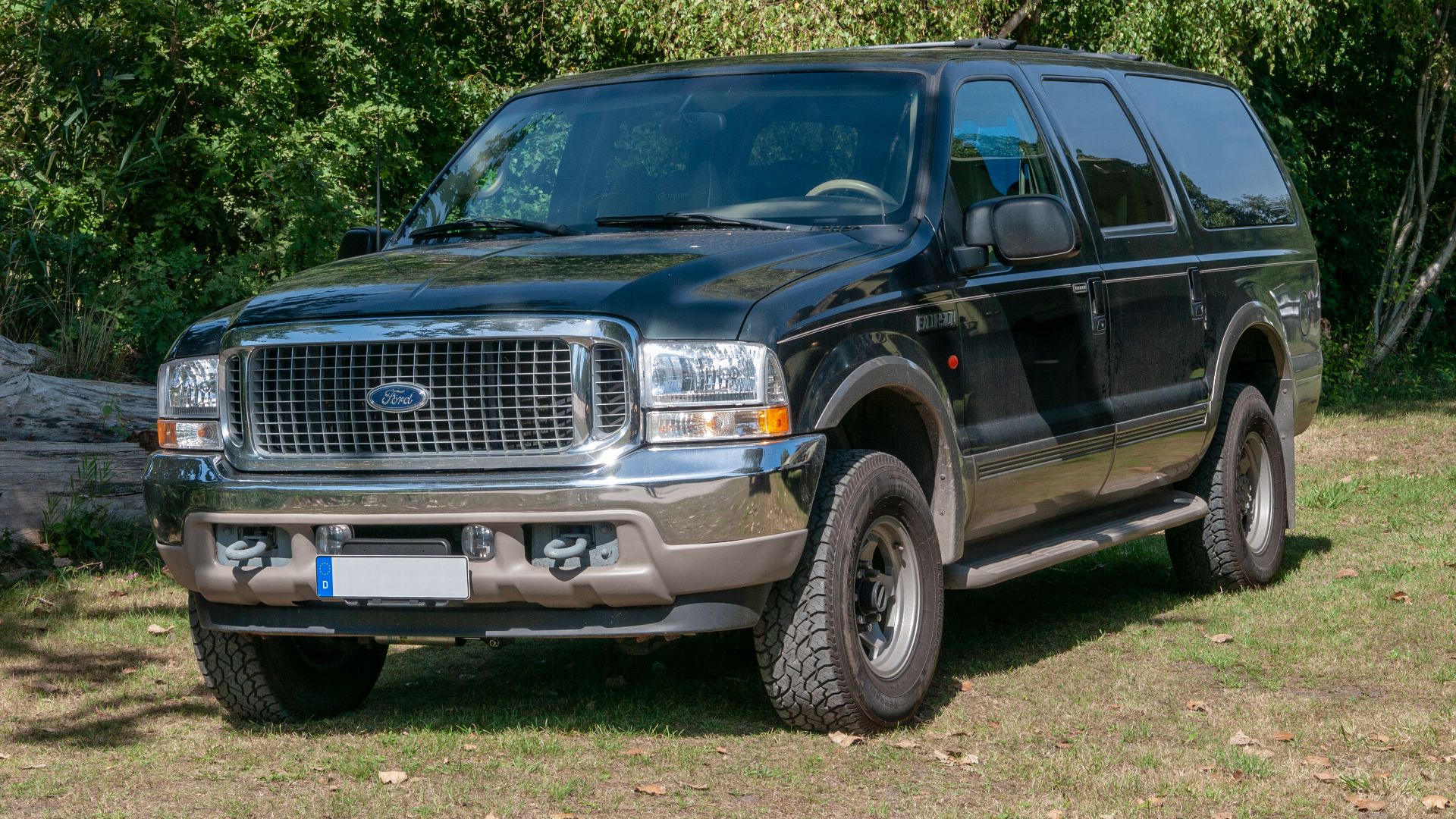
4. Ford Excursion
The Excursion was built during an era when size equaled safety and status. Its diesel and gasoline options both struggled with efficiency. Families learned to plan fuel stops like logistics exercises.
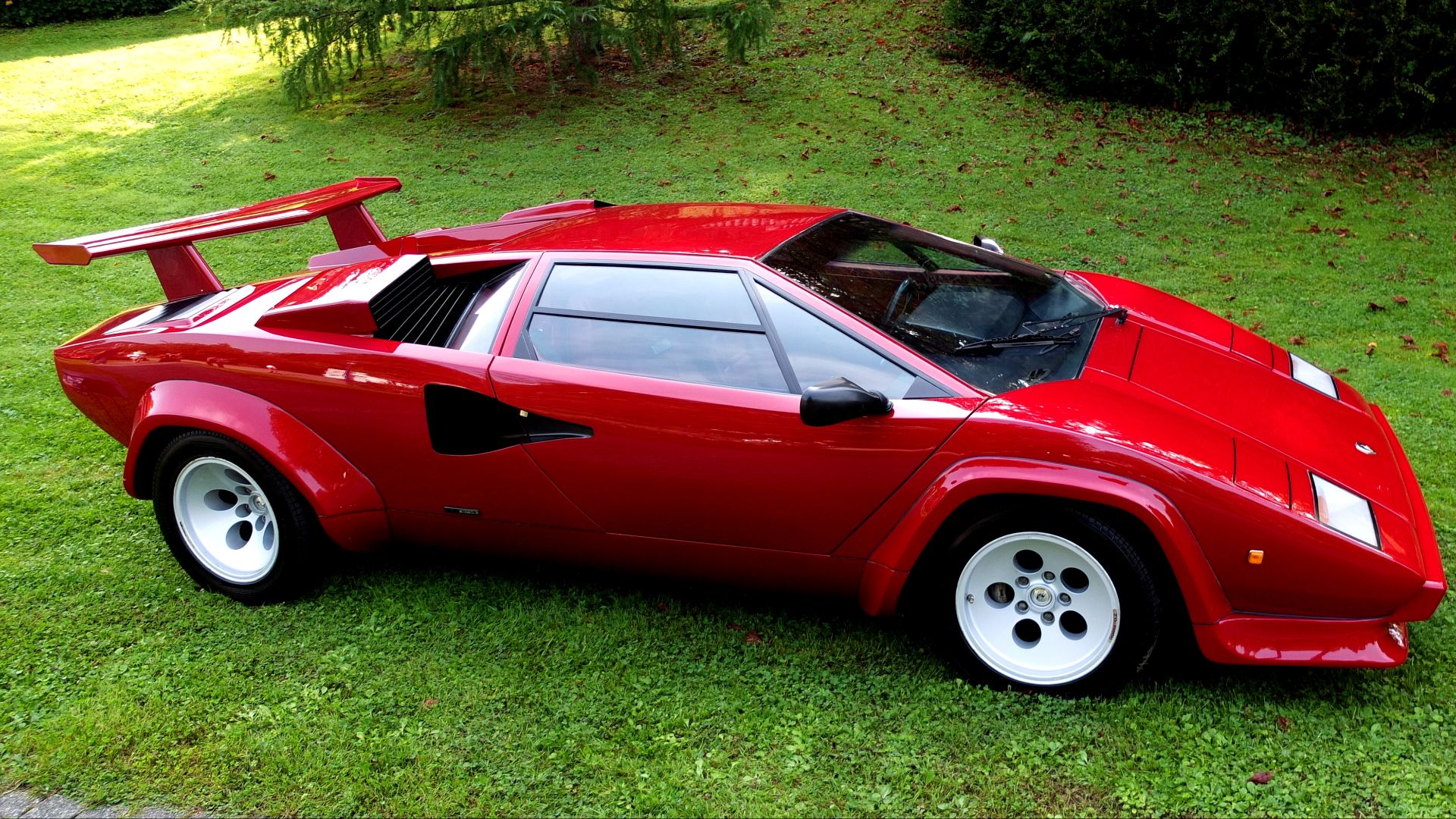
5. Lamborghini Countach
The Countach turned fuel into noise and heat with enthusiasm. Its V12 engine and wedge-shaped body prioritized drama. Few owners cared how often it needed refueling.
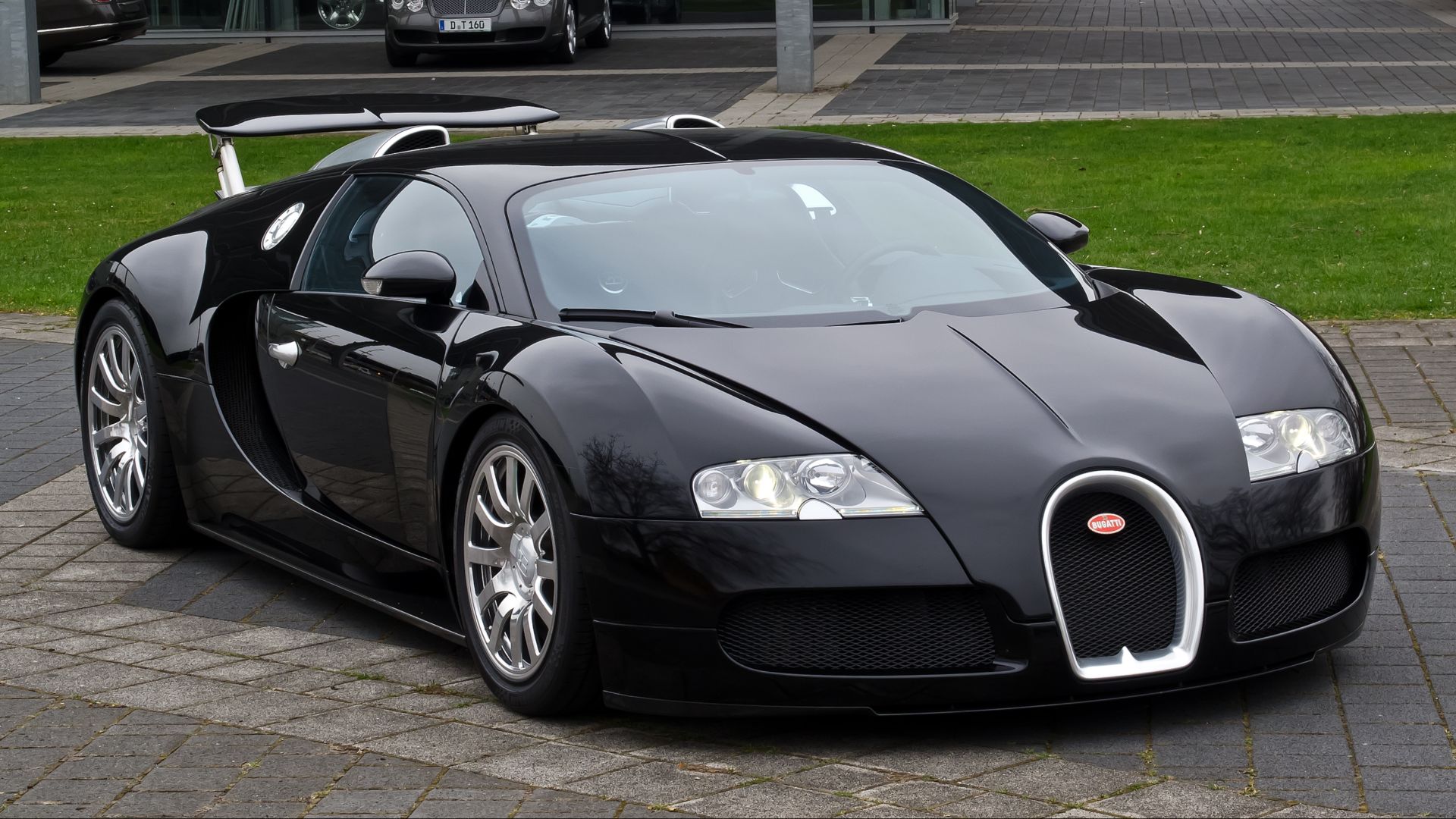
6. Bugatti Veyron
The Veyron treated fuel as a resource to be consumed quickly. Its quad-turbocharged engine was engineered for extremes. Efficiency was incompatible with its mission.
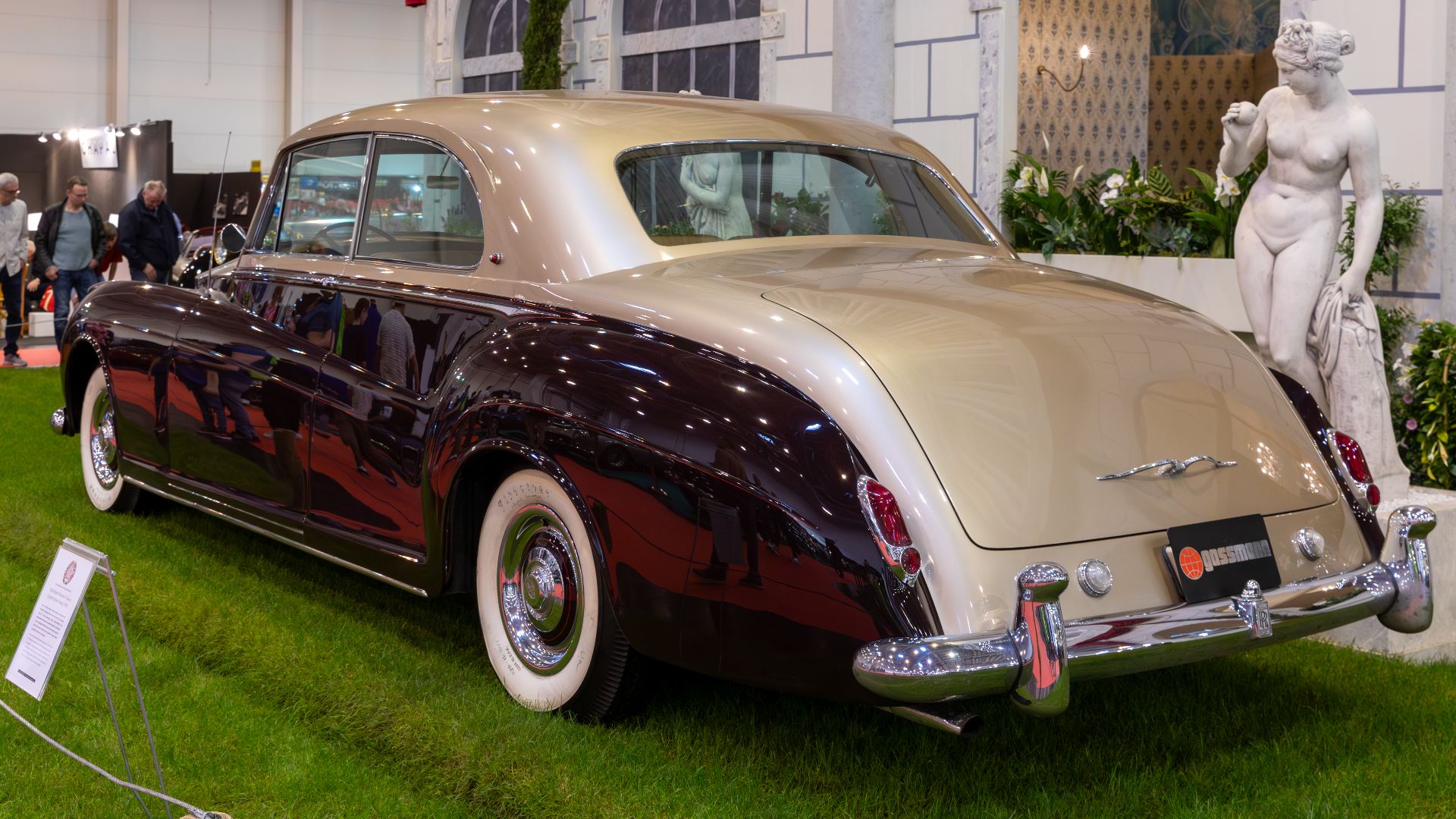
7. Rolls-Royce Phantom
Rolls-Royce engineered silence and smoothness, not economy. The Phantom’s massive engine delivered effortlessness at the expense of efficiency. Owners rarely noticed fuel costs, by design.
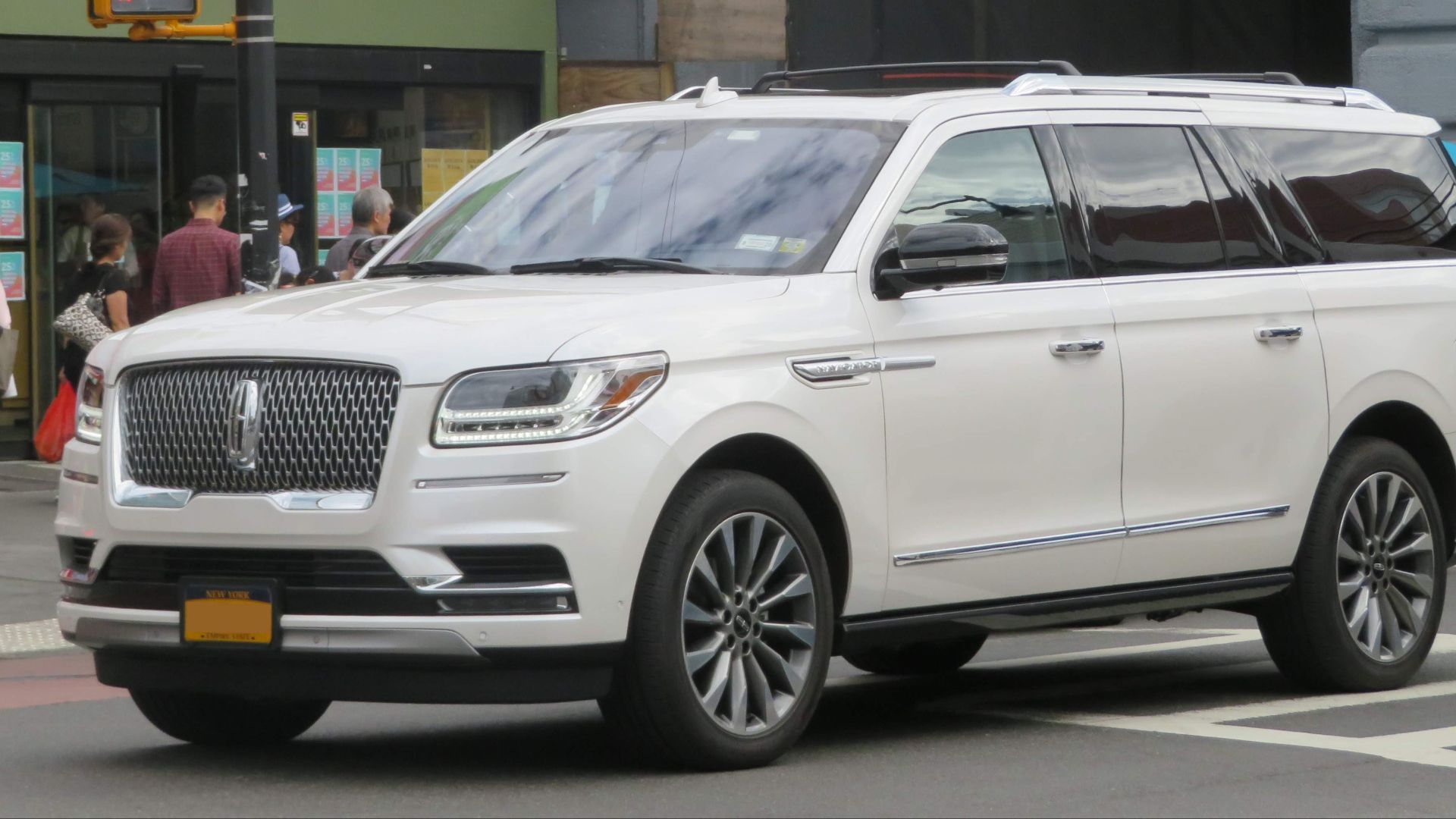
8. Lincoln Navigator
The Navigator defined luxury SUVs in the late 1990s and early 2000s. Its size and power reflected American tastes of the time. Fuel economy sat low on the priority list.
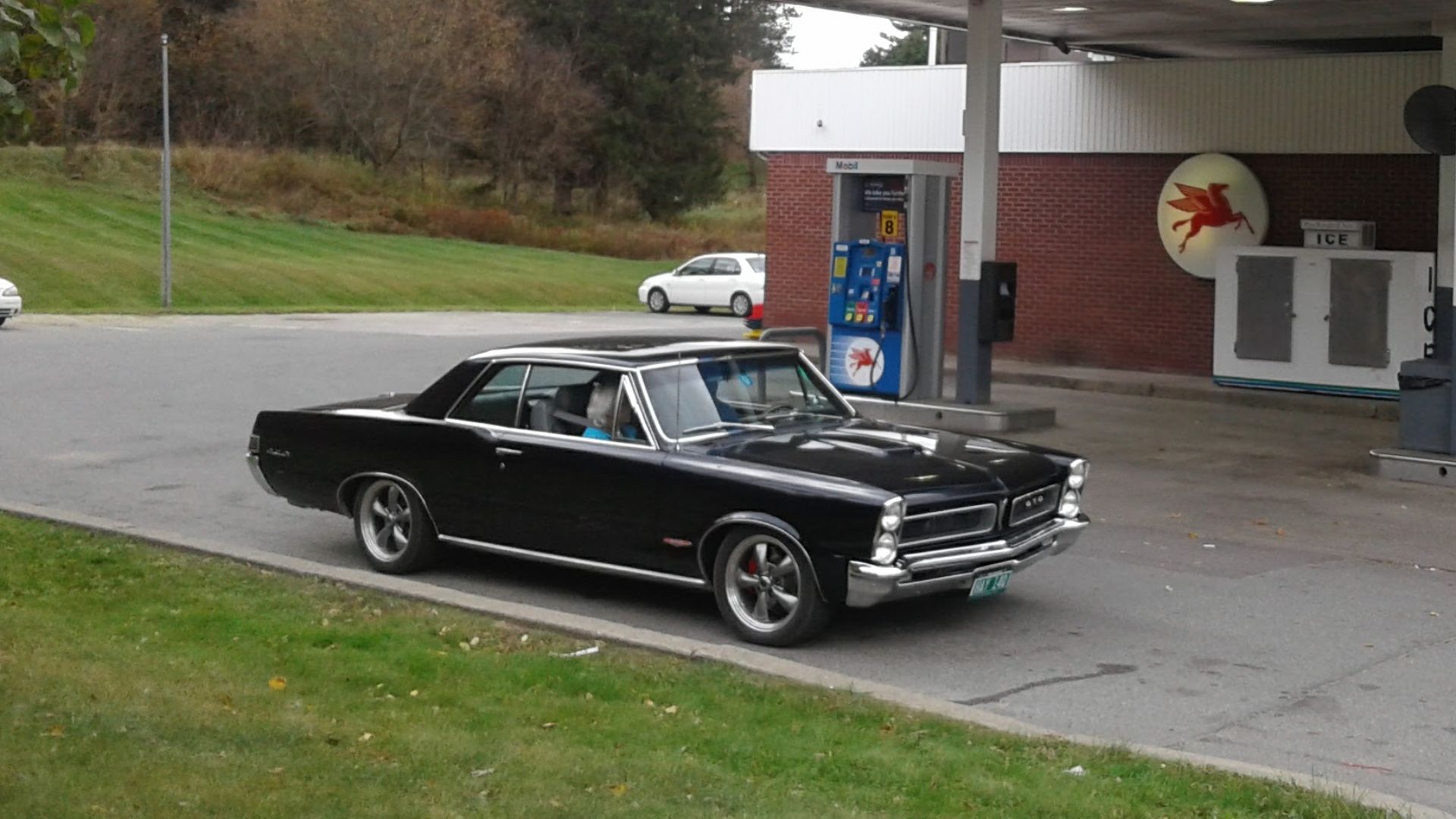
9. Pontiac GTO
The GTO helped define the muscle car era. Performance came first, second, and third. Fuel efficiency was an afterthought during an age of cheap gas.
10. Chevrolet Suburban 2500
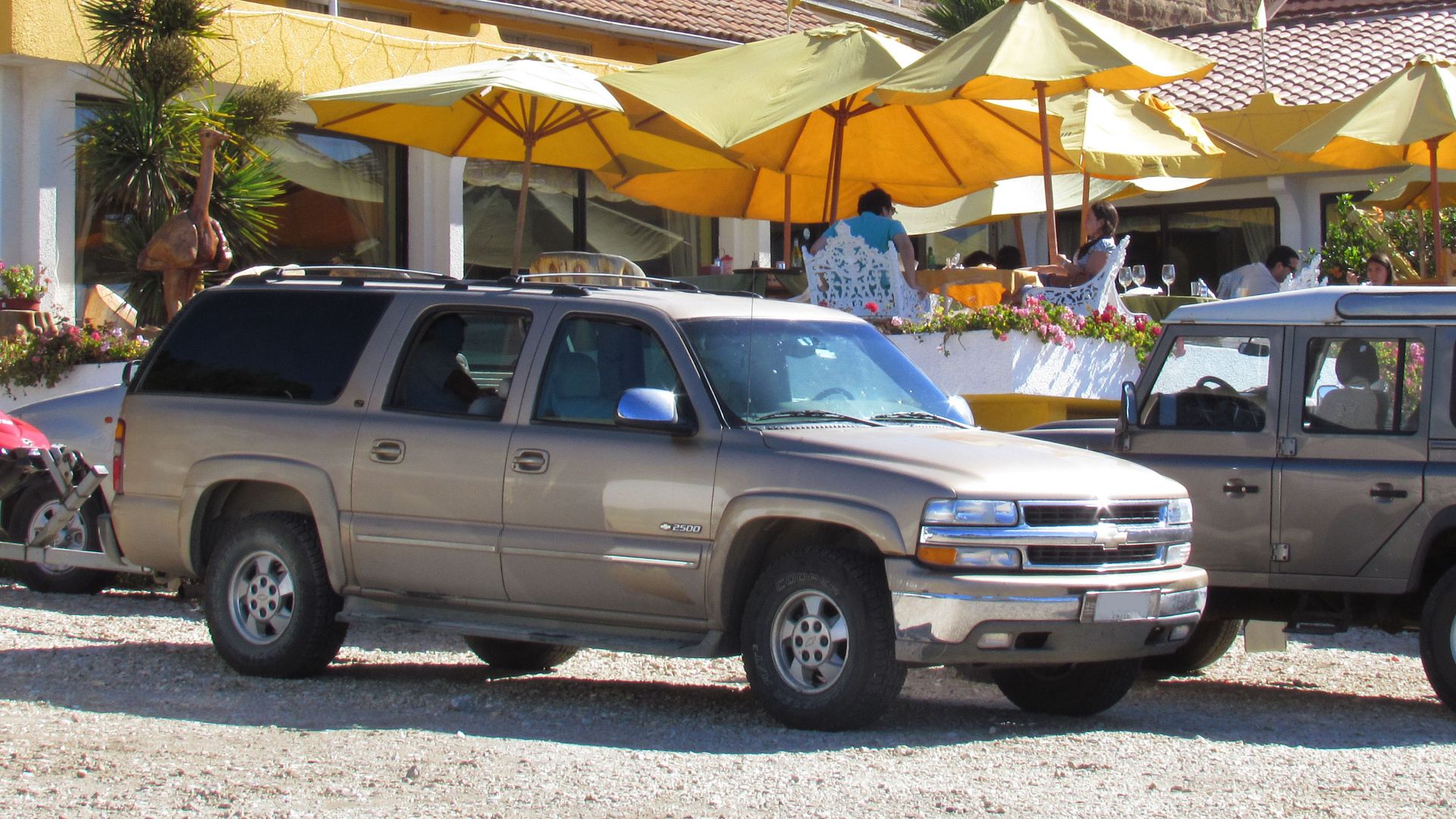
The heavy-duty Suburban was built to haul and tow without compromise. Its durability came with significant fuel consumption. Long-distance drives required commitment and frequent stops.