Cars these days are sophisticated, safety-focused, and filled with features that would seem like science fiction to drivers of even just a few decades ago. Screens, sensors, driver-assist programs, connectivity features: you name it, the newest automobiles have it. But despite all the technology, a growing number of drivers are discovering the joys of driving a car that’s older, simpler, and unburdened by digital technology.
The experience that you get when getting behind the wheel of an older, well-maintained vehicle is one that many modern cars can’t quite match. In fact, some drivers are arguing that it’s one that many of them actually do not match. When you get into an older car or truck, it’s a reminder that driving used to have a different feel to it. It was simpler, yes, but it was also more mechanical, more honest, and a lot more engaging. In many ways, it was a far more “real” experience, and for a lot of drivers, one that was worth far more than an array of touchscreens and driver-assistance features.
The Cost
It's even more true if you factor in how much it costs to own new cars today. New vehicles arrive with six-figure price tags, decades-long loans, and cost-prohibitive insurance requirements. You pay through the nose, and what you get in return is a boatload of technology that can be disabled remotely, locked down remotely, and has an astronomically high bill for repairs. And after all that, your new car is still likely headed for the junkyard 15 to 20 years later.
The digital complexities that make your car so "smart" also make it more difficult to keep on the road without all manner of specialized equipment and trips to expensive dealerships. So if you factor in the exorbitant cost of ownership, the planned obsolescence, and the tightening degree of digital control car manufacturers have over their own products, it's not unreasonable to ask: why buy a vehicle that's expensive, nearly impossible to repair, and on its way to an early grave?
A Classic Comparison
This is also where older cars begin to excel. A lot of people out there prefer purchasing an older car with fewer electronics precisely because these advantages are so real, so here and now. You can usually get a good, trustworthy used vehicle for $10,000 or less, sometimes in the $3,000 to $5,000 range. Purchasing used, you can own the car outright instead of being stuck in a multiyear loan.
Older vehicles can't be remotely shut off or factory-installed location-tracked, so they're much more theft-resistant from a digital angle. Repairs are easier and cheaper, since the technology isn't as fancy, and many of them can be done by the owners themselves.
They are also far less attractive to thieves and their hi-tech equipment, since older vehicles lack keyless entry and all the other hacking-prone features that modern crooks use to target newer cars. And let's not forget the cultural bonus you get by buying used: it weeds out the superficial, draws in people who aren't afraid of character. You also get to use that CD or cassette player once again.
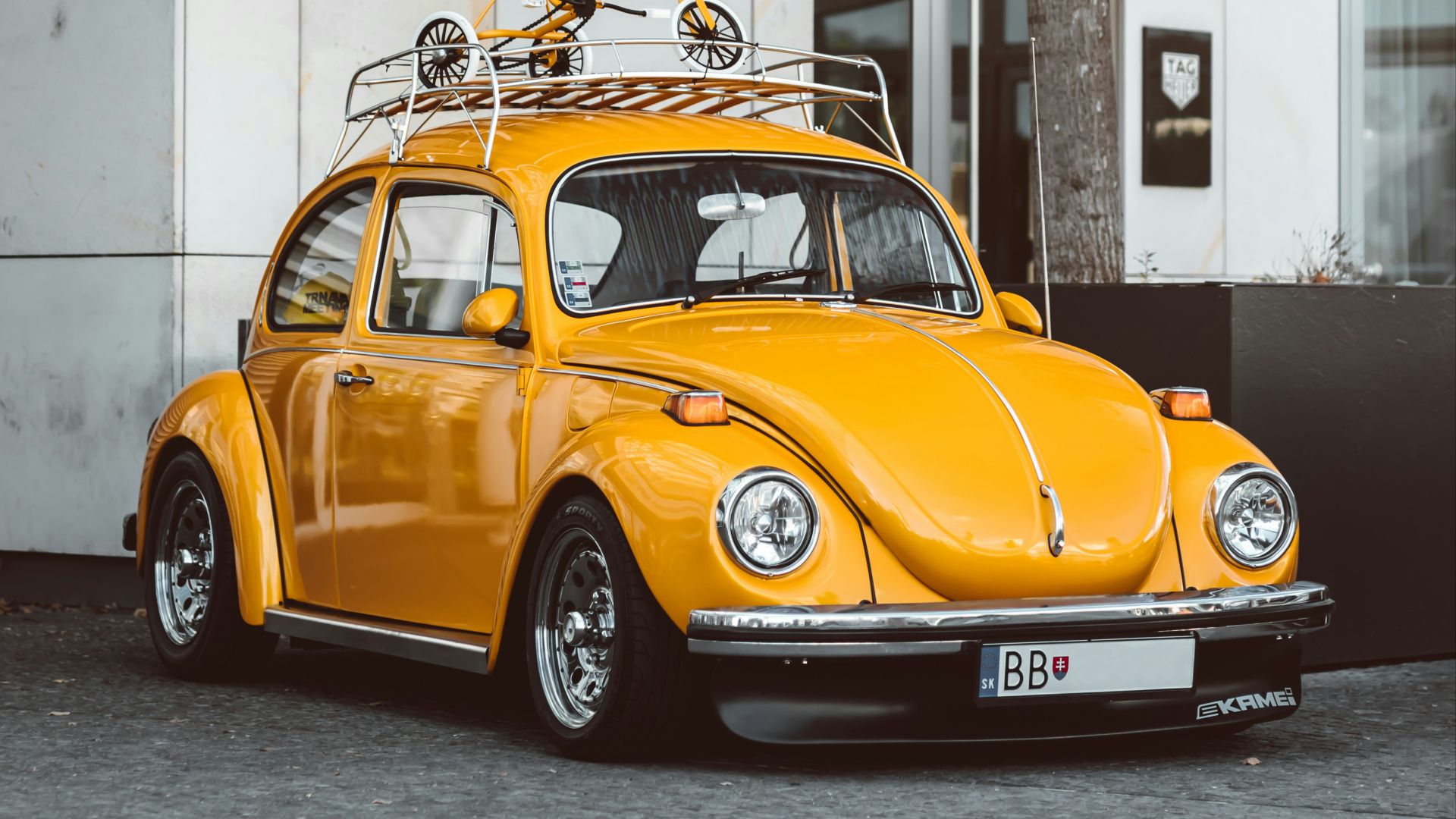
Still, others have developed a reputation for reliability over the years and for being simple to work on. The 1938–2003 Volkswagen Beetle, for example. Slow, yes. Utterly simple, yes. But sometimes, that's exactly what makes it so endearing. Many breakdowns can be repaired roadside with minimal tools due to how simple the mechanical layout of the Beetle is.
The 1979–1993 Ford Mustang has also aged surprisingly well. Many Mustangs of this era still have the potential to be daily-drivable in terms of reliability if they have been properly maintained, and the aftermarket support for them is vast.