Trident Badge, Mixed Results
A Maserati badge has always promised something a Porsche or a base Mercedes couldn't: an Italian voice, real design pedigree, and a willingness to overlook a few flaws in exchange for character. That trade-off has worked out beautifully more than a few times, and it's gone sideways almost as often. Some models earned every dollar of their premium through genuine engineering, timeless design, or outright rarity, while others leaned hard on the trident badge to justify a price tag the car underneath couldn't quite back up. Sorting out which is which takes a look at what was actually happening under the hood and inside the factory at the time. Here are 10 Maseratis worth what they cost, and 10 that mostly just wore the badge.
 Rex Gray from Southern California on Wikimedia
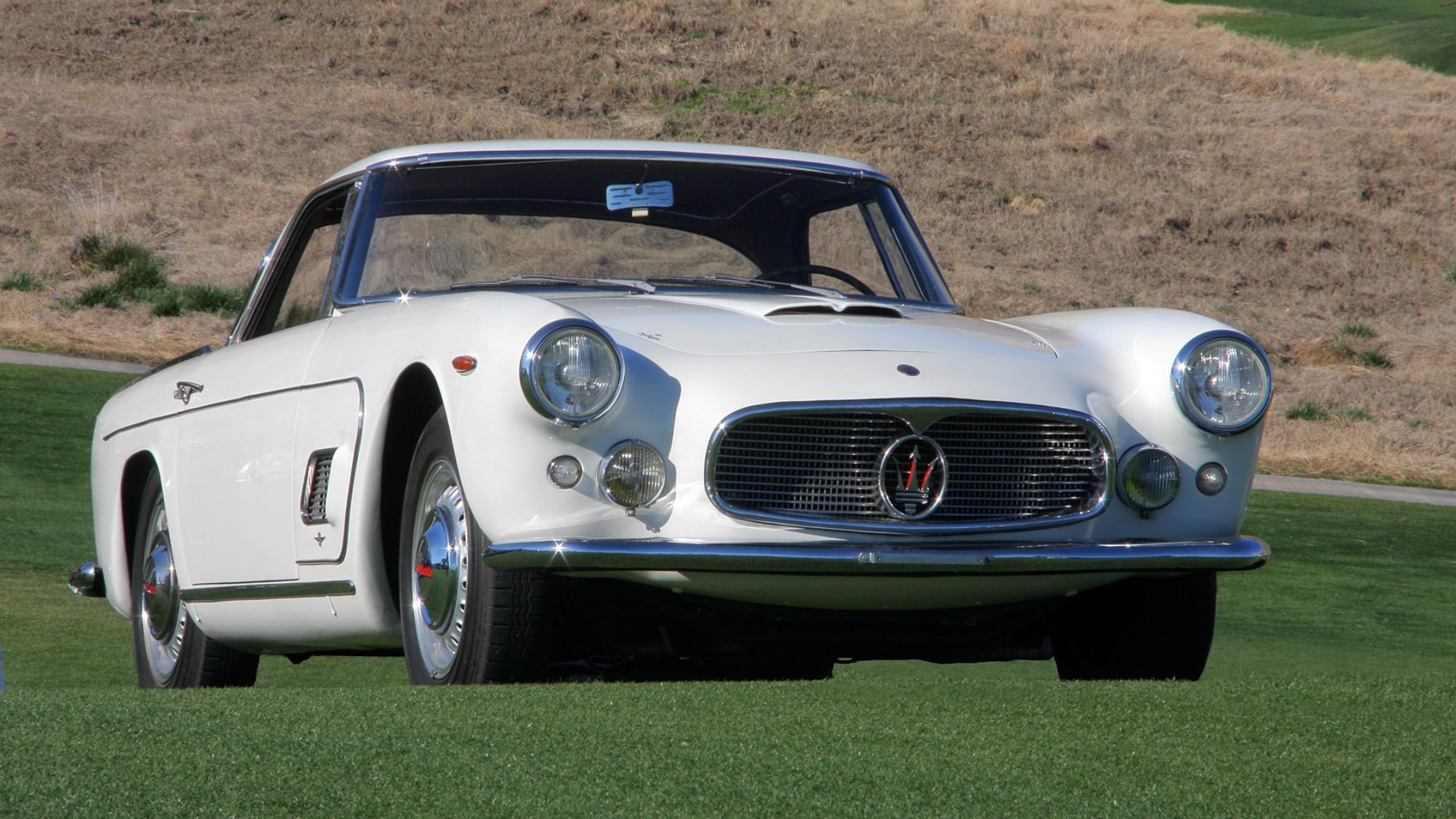
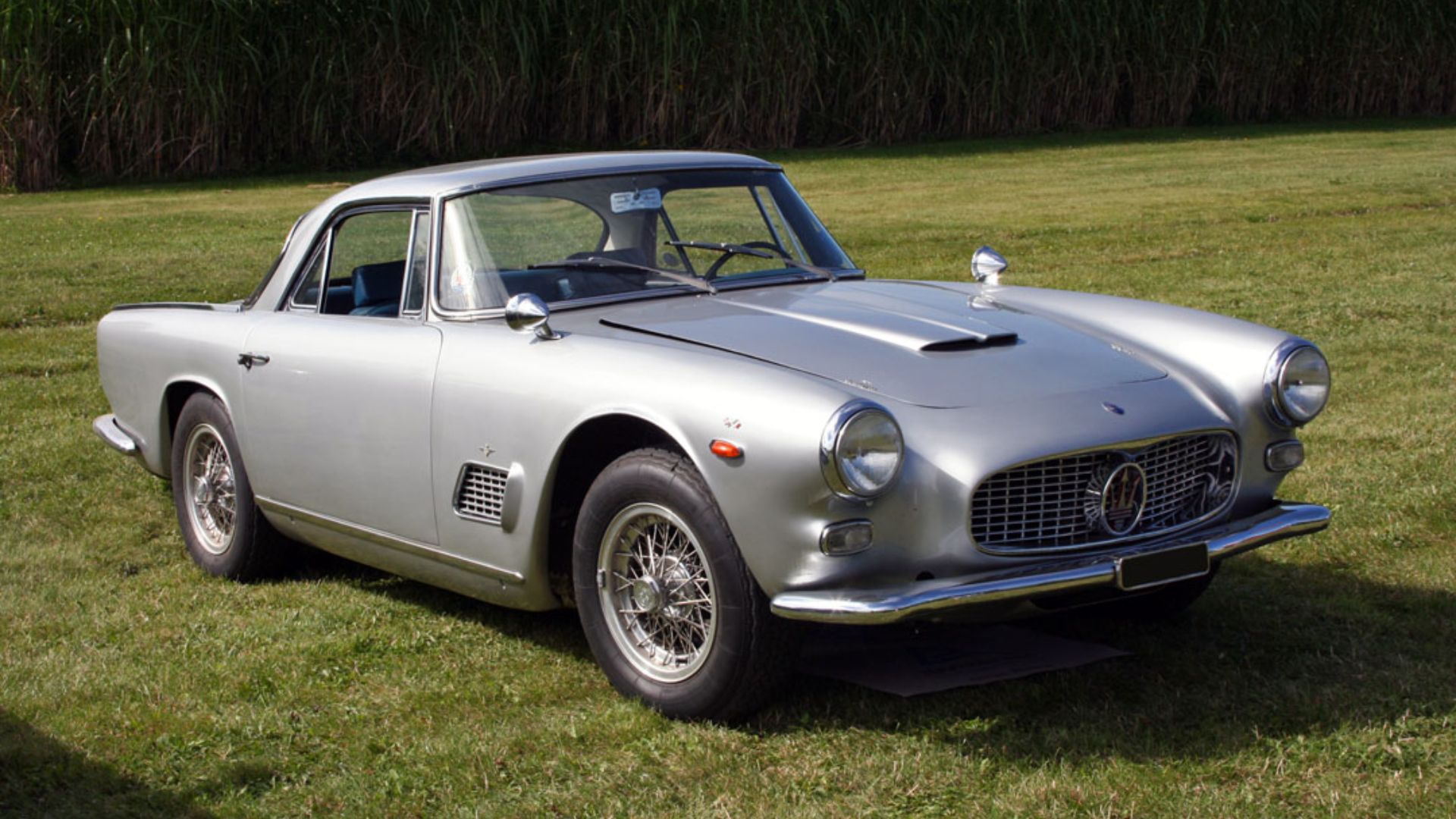
1. Maserati 3500 GT
The 3500 GT turned Maserati from a boutique racing outfit into a real production automaker, and it earned the transition honestly. It paired a race-proven straight-six with coachbuilt Touring bodywork, giving buyers real performance wrapped in a design that still holds up. For the era, it delivered exactly what a grand tourer at that price should.
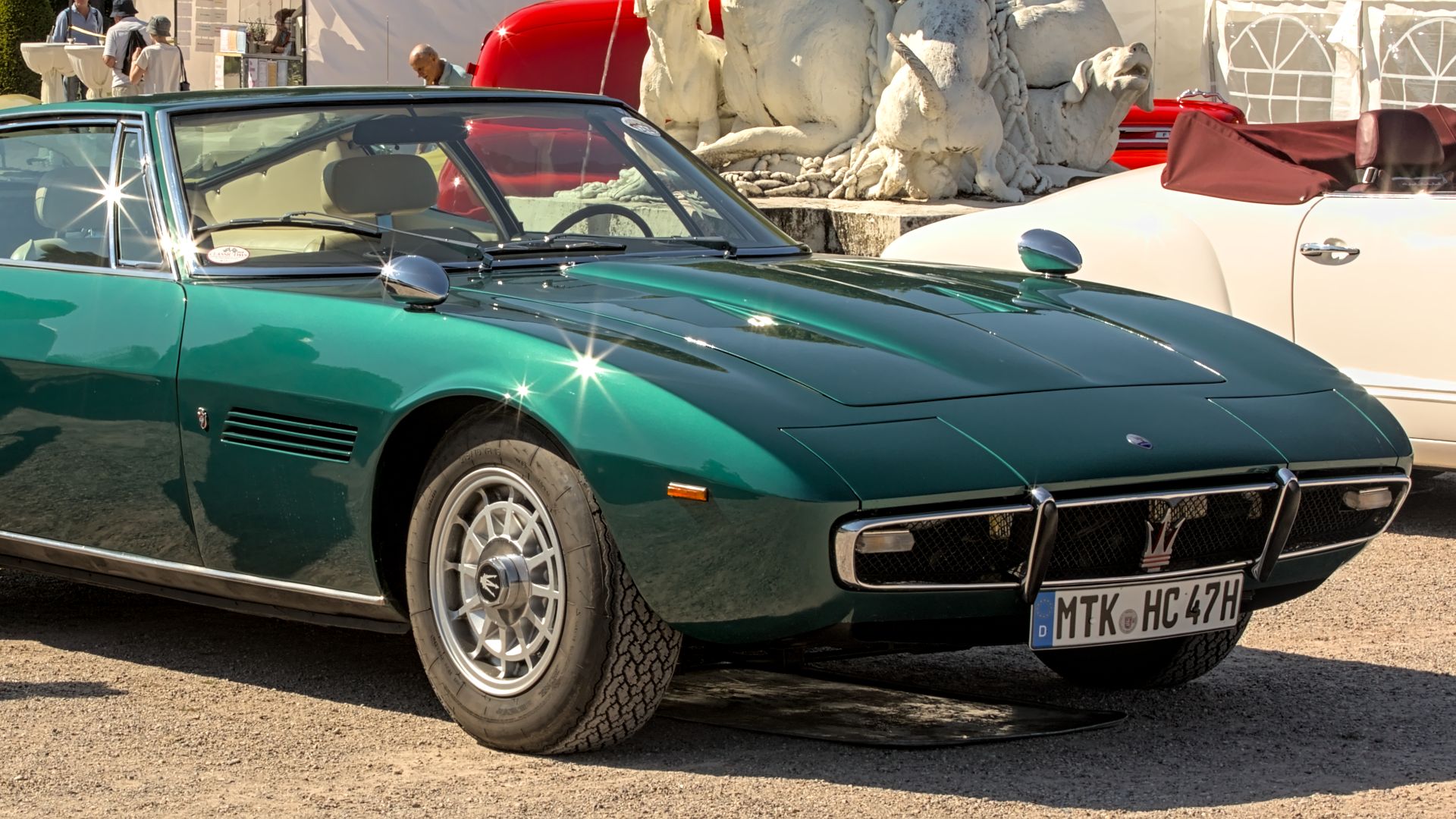
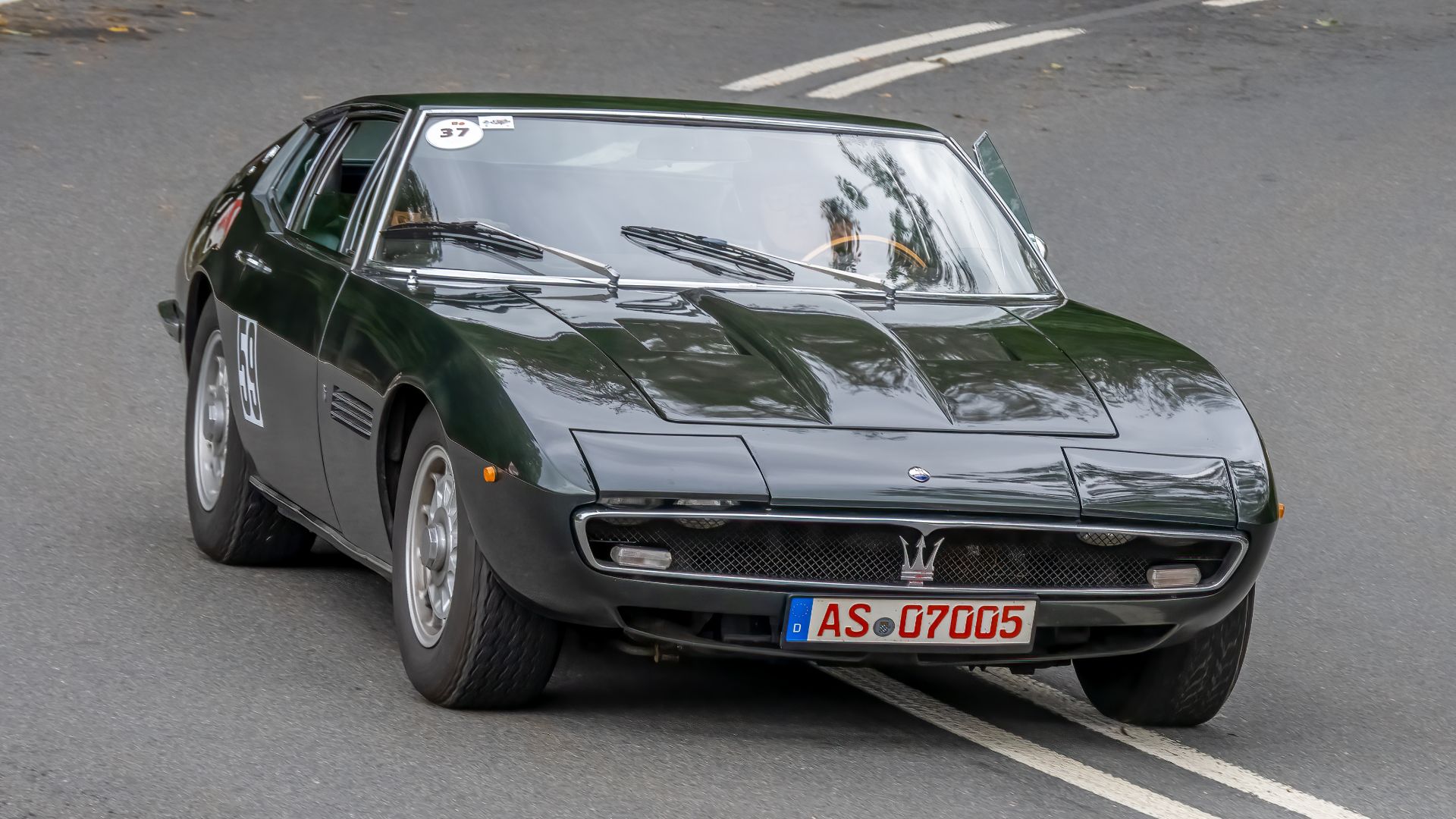
2. Maserati Ghibli (1966)
Styled by Giorgetto Giugiaro at Ghia, the original Ghibli is still considered one of the most beautiful cars Maserati ever built, with a low stance that made even the Ferrari Daytona look conservative. Under the hood sat a genuinely potent V8 capable of over 170 mph, backing the looks with real performance. It's a rare case where the styling alone might have justified the price, and the engineering matched it.
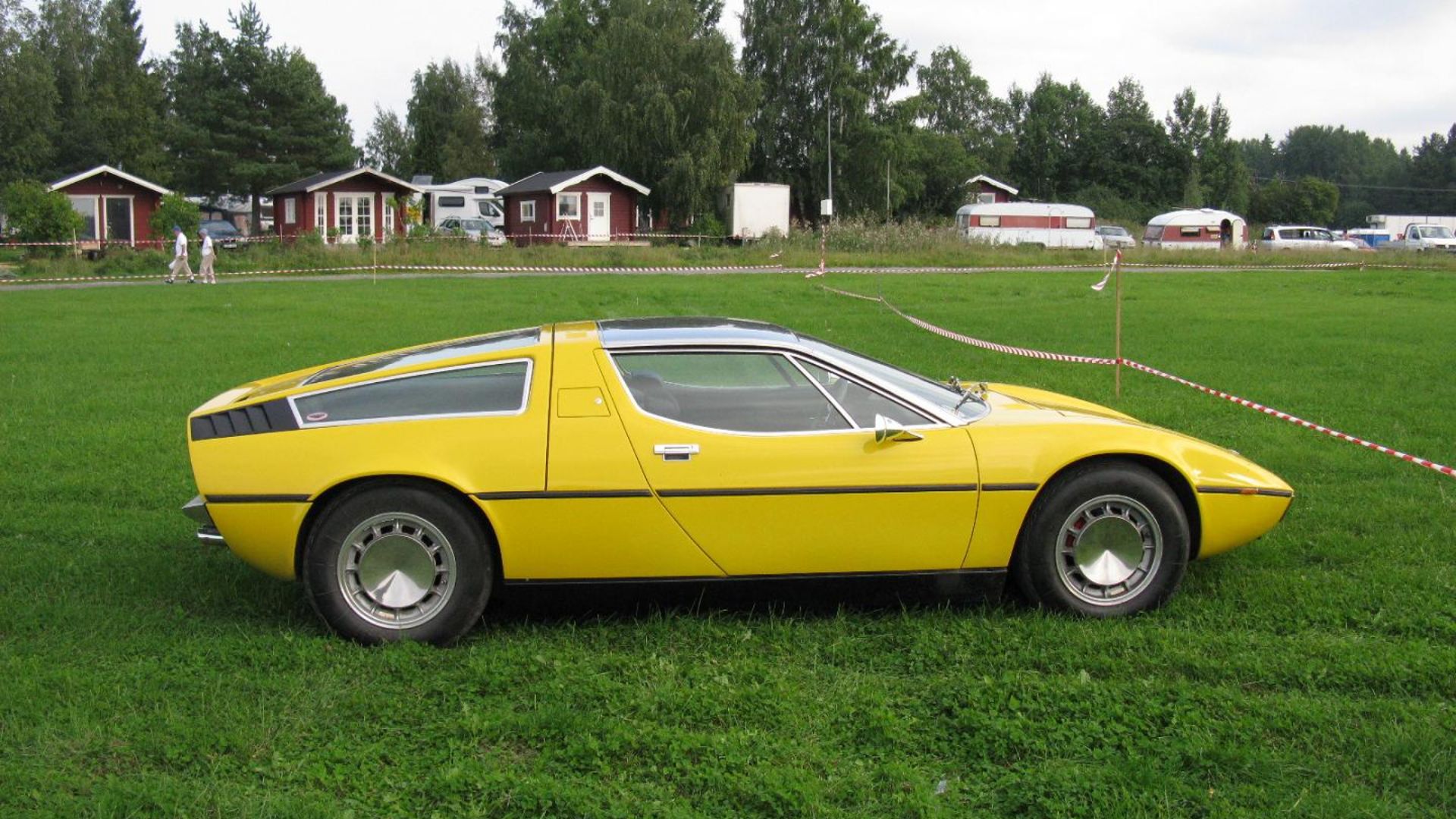
3. Maserati Bora
The Bora was Maserati's first mid-engine road car, bringing real race-derived engineering to a company that had mostly built front-engine GTs. Giugiaro's design gave it a genuinely modern silhouette for the early 1970s, and the chassis and V8 held up well against Ferrari and Lamborghini. It's still one of the more underrated classic Italian supercars, largely because it actually delivered.
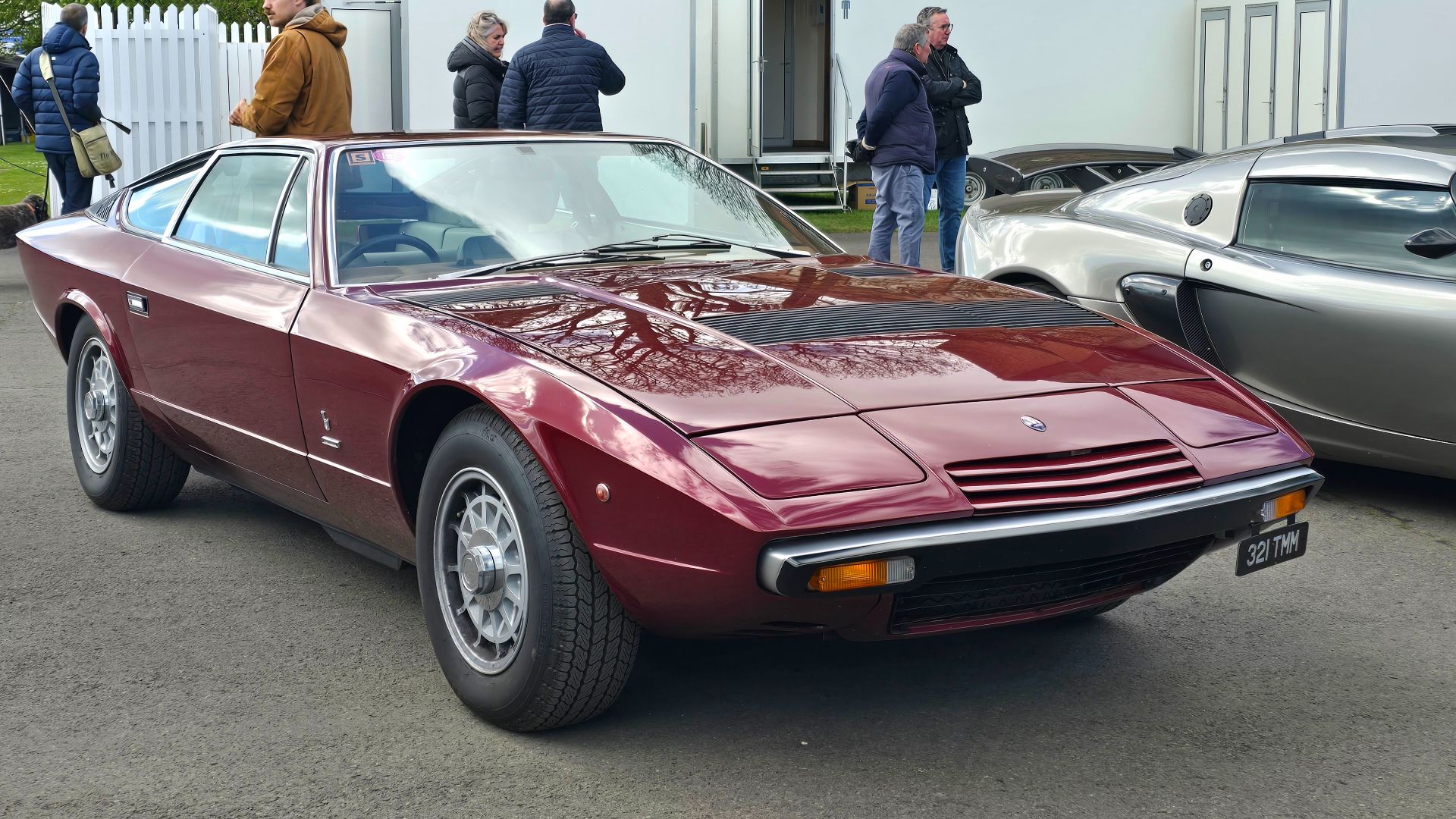
4. Maserati Khamsin
Bertone-designed and built around a powerful V8, the Khamsin answered cars like the Ferrari Daytona with styling that's aged remarkably well. Citroën's involvement at the time brought quirky hydraulic brakes and steering, but the overall package delivered real speed and comfort. It never sold in huge numbers, but survivors are treated like the serious cars they were.
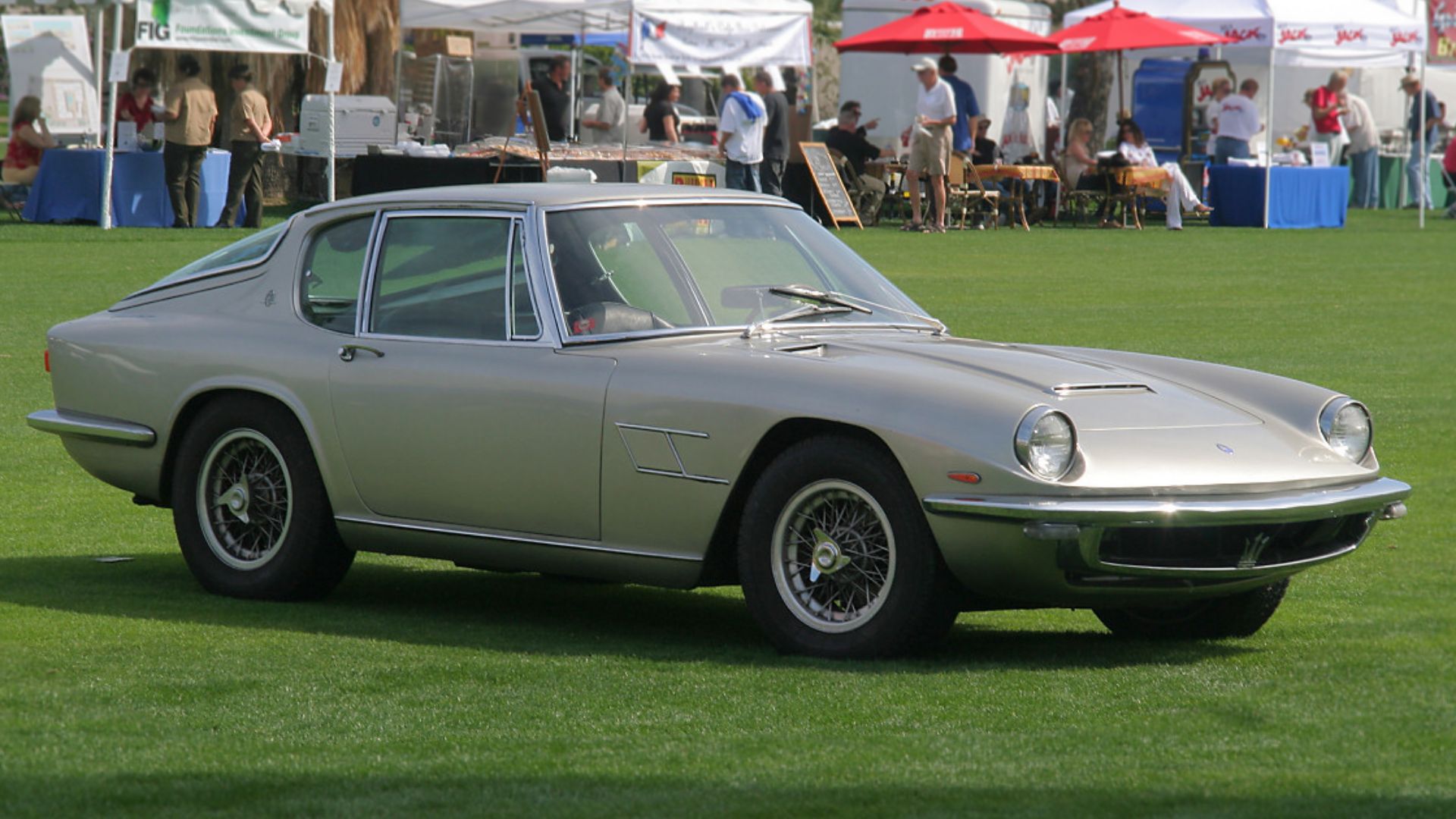
5. Maserati Mistral
The Mistral was Maserati's last six-cylinder grand tourer before the V8 era, combining a genuinely quick engine with one of the cleanest Frua-designed bodies of the decade. It wasn't trying to be the fastest car on the road, just a fast, elegant one, and it succeeded. Values on well-kept examples have climbed steadily as collectors recognize what a complete package it was.
 Rex GrayAltered by Cloverleaf II on Wikimedia
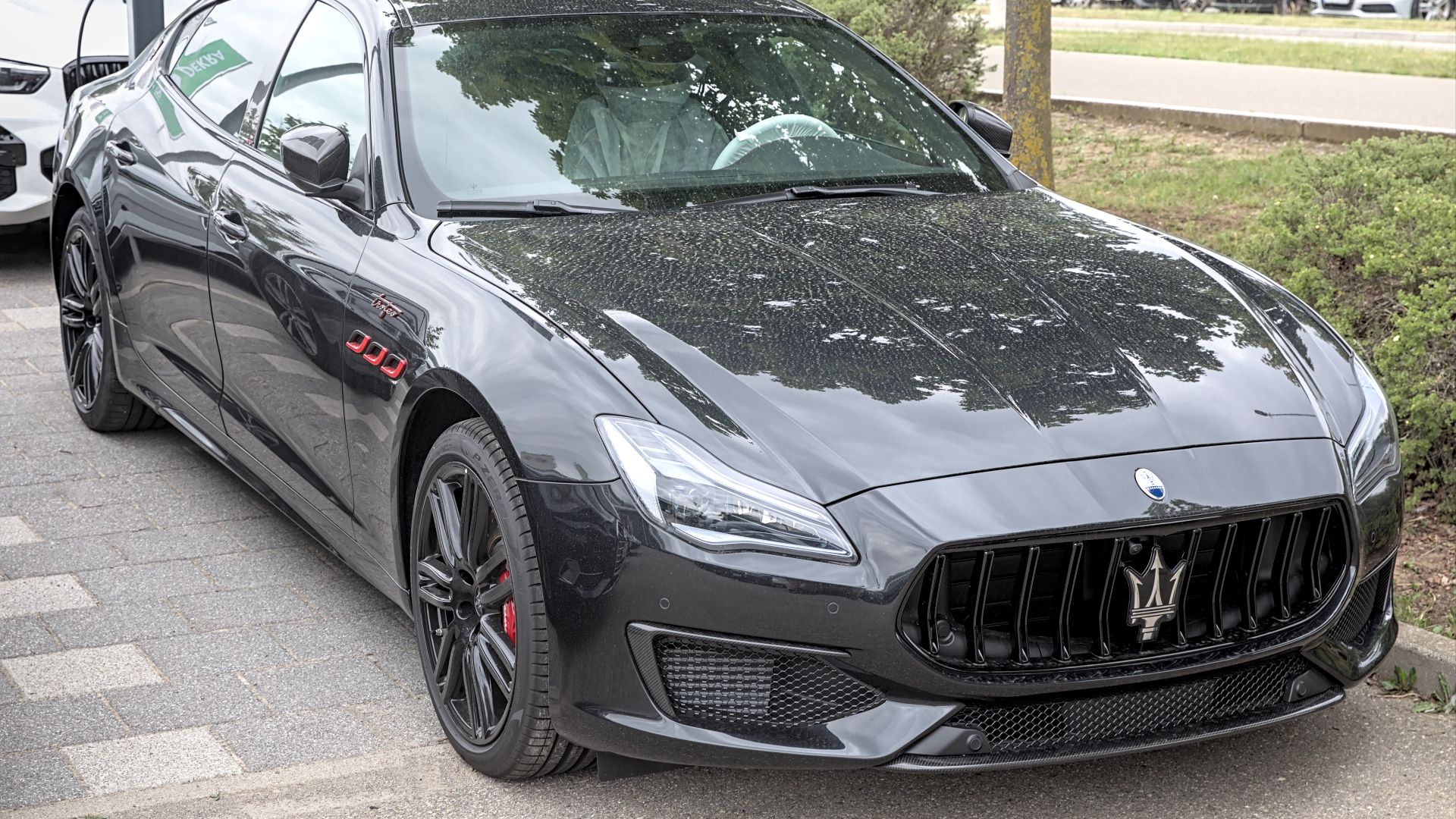
6. Maserati Quattroporte (Modern Era)
The current Quattroporte, especially with the Ferrari-built V8, delivers something rare: a full-size luxury sedan that sounds and drives like it has real racing heritage. German rivals can match the comfort and technology, but few can match the engine note or the sense of real pedigree behind it. It's a case where the badge and the mechanicals underneath actually back each other up.
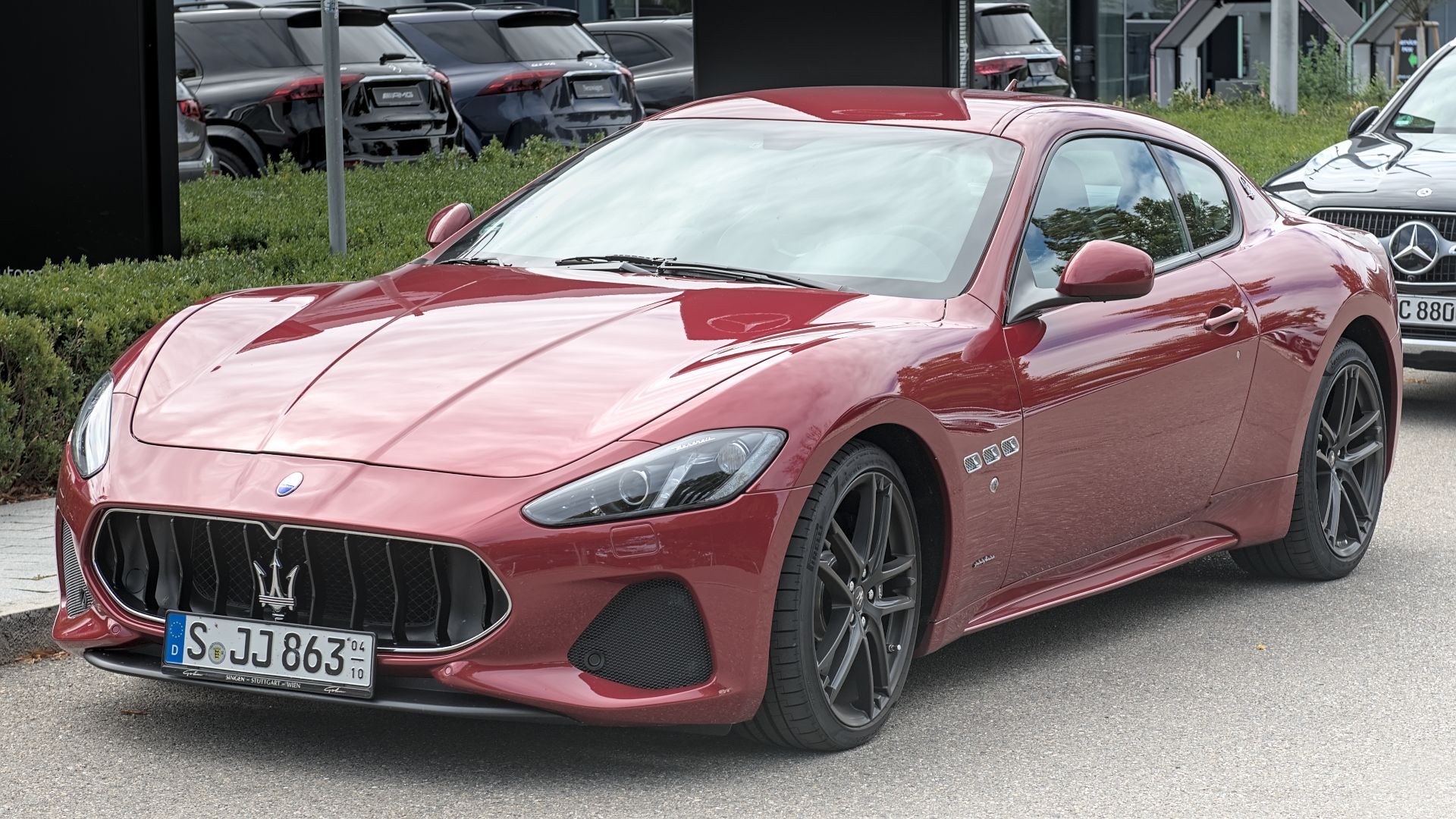
7. Maserati GranTurismo
The GranTurismo paired Pininfarina styling with a naturally aspirated V8 as most rivals moved to smaller turbocharged engines, and it aged into one of the last analog Italian GT cars. It wasn't the fastest or most advanced car in its class, but it delivered a driving experience and soundtrack turbocharged rivals couldn't replicate. Depreciation has made used examples a genuine bargain for what the car offers.
8. Maserati MC12
Built on the same platform as the Ferrari Enzo and limited to 50 road cars, the MC12 existed purely to homologate Maserati's return to endurance racing, which makes its price almost beside the point. Everything about it, from the carbon fiber tub to the race-bred aerodynamics, was there for a performance reason, not a marketing one. It remains one of the most legitimately track-focused road cars Maserati has built.
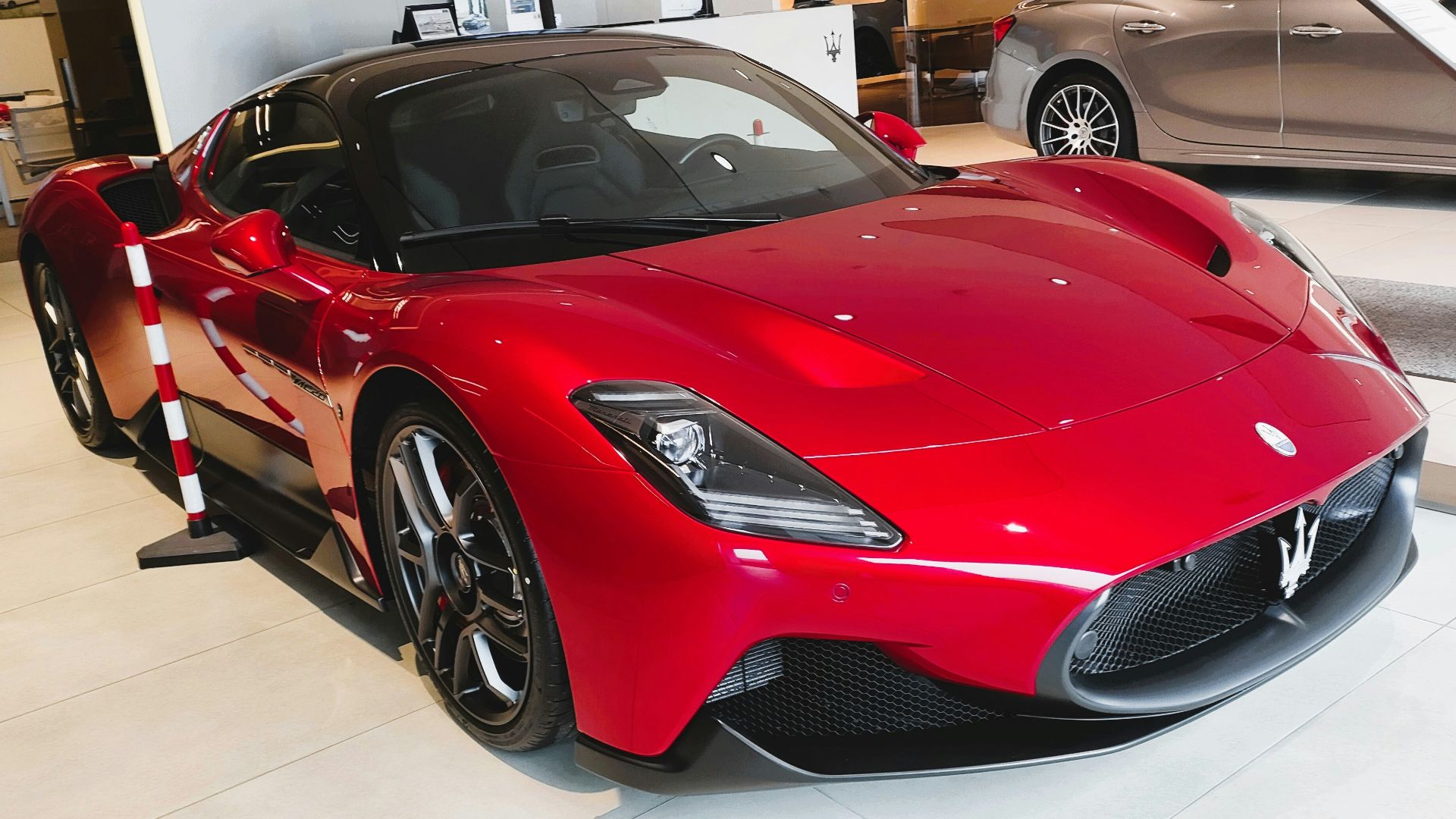
9. Maserati MC20
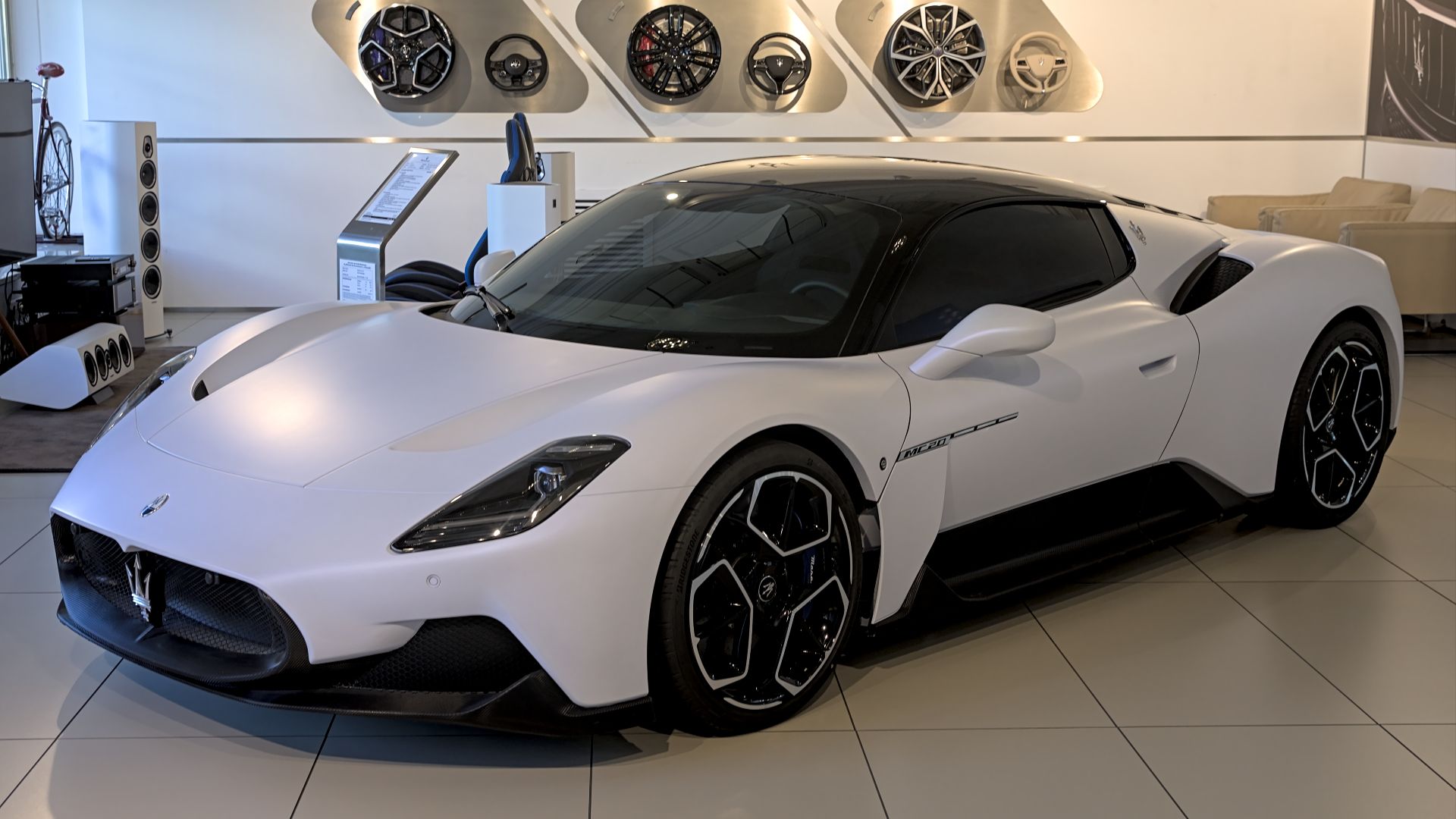
The MC20 marked Maserati's return to genuine supercar engineering, built around the Nettuno, an in-house engine using F1-derived combustion technology instead of a borrowed motor. It competes directly with Ferrari and McLaren while costing noticeably less, and the numbers back that comparison up. For the first time in decades, Maserati built something that justifies its price against real rivals, not just its own history.
10. Maserati Merak
Sharing its chassis with the Bora but running a smaller V6, the Merak was pitched as the more attainable mid-engine Maserati, delivering real sports car dynamics without the Bora's price. Giugiaro's design gave it flying buttress rear glass that still turns heads at car shows decades later. It's proof Maserati could build something genuinely good without it being the flagship.
Here's 10 that didn't quite earn the badge.
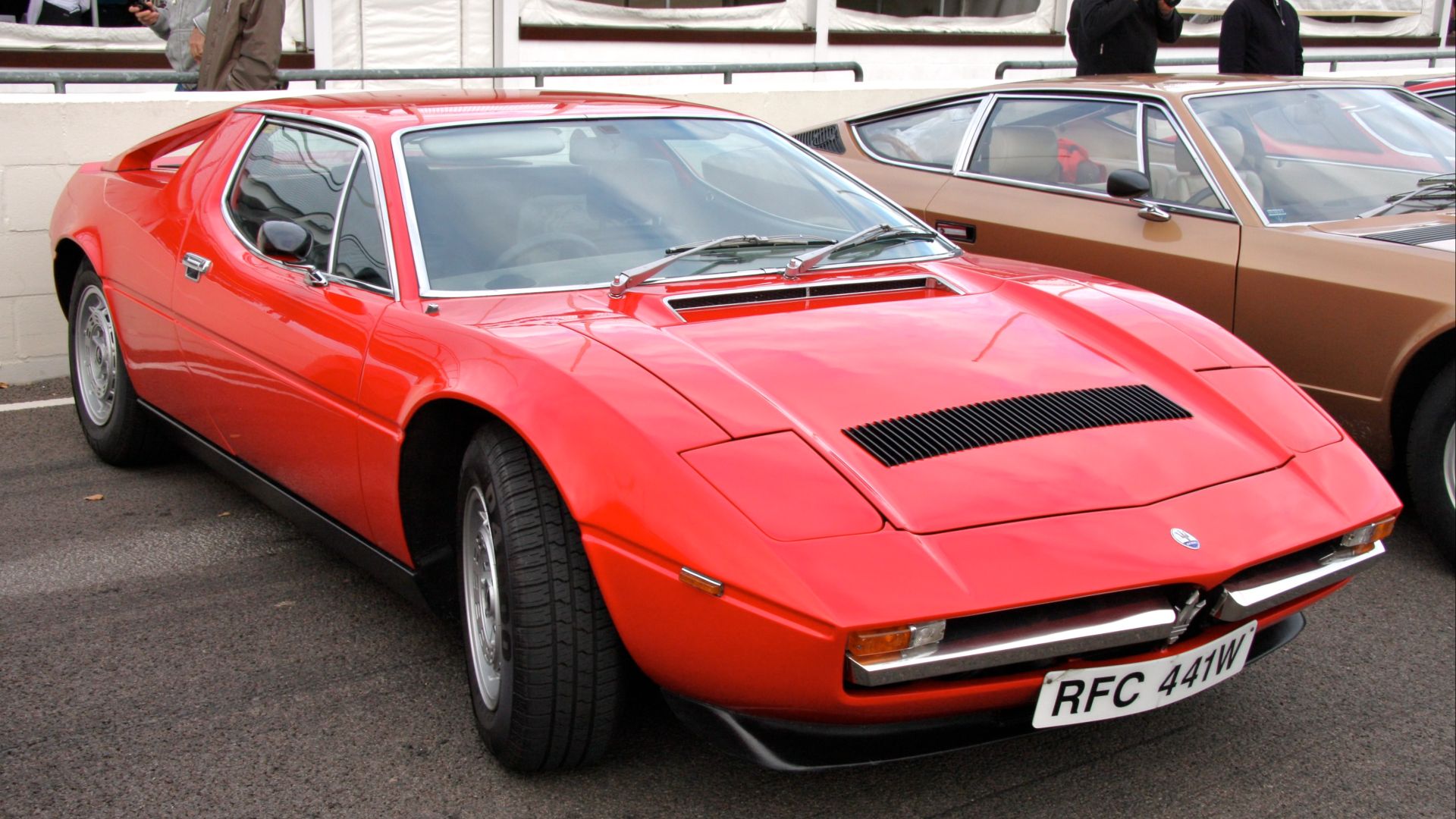
1. Maserati Biturbo
The Biturbo was meant to make Maserati ownership attainable for a wider audience, and it sold well at first, but reliability problems with its twin-turbo V6 became infamous fast. Owners dealt with turbo failures, oil leaks, and electrical gremlins that made the car feel more like a science experiment than a luxury purchase. It did more to damage Maserati's reputation in the 1980s than almost anything else the company made.
 Hassocks5489 at en.wikipedia on Wikimedia
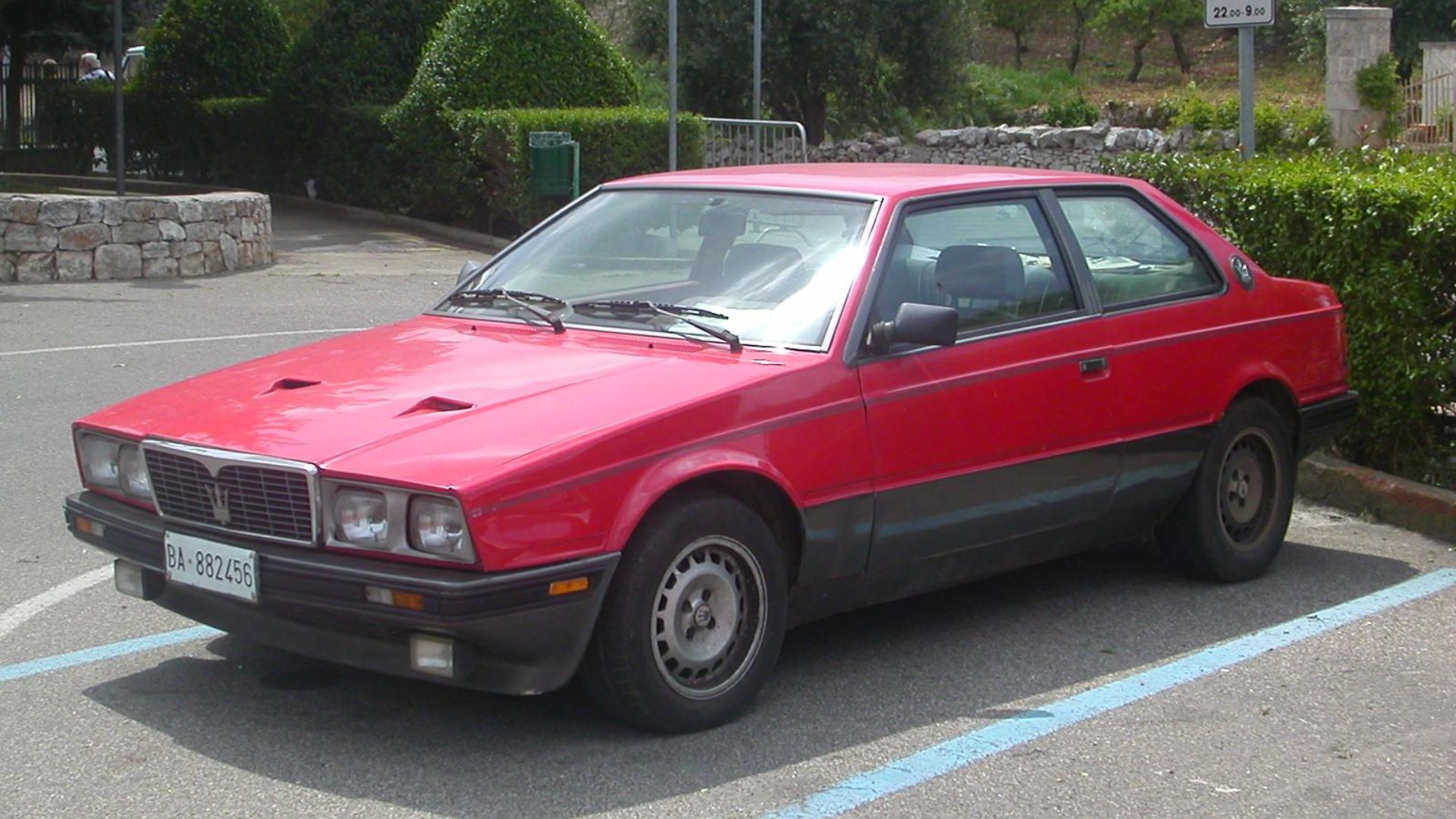
2. Chrysler TC By Maserati
Marketed as a joint effort between Chrysler and Maserati, the TC was mechanically closer to a Chrysler LeBaron than to anything wearing a trident, sharing much of its interior and drivetrain. Buyers paid a serious premium for what was largely a rebadged American convertible with some Italian styling and an Italian assembly plant. It's still cited as one of the clearer cases of badge engineering on record.
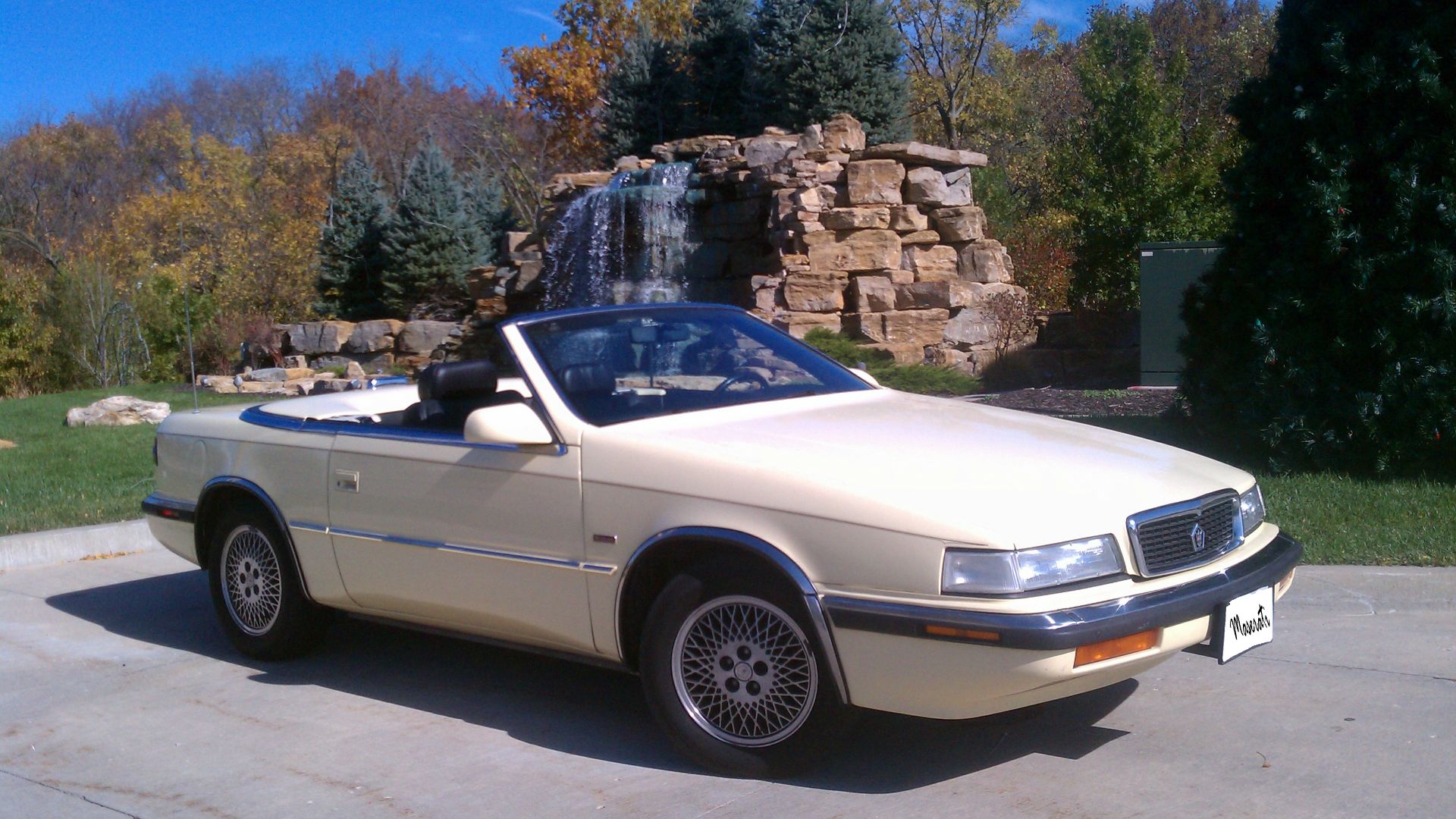
3. Maserati Karif
Built on the same troubled Biturbo platform, the Karif inherited most of its mechanical headaches, plus a higher price and a shorter wheelbase that made handling twitchier. Production numbers stayed low, which sounds exclusive until you realize soft demand explains part of that. It's mostly a footnote in Maserati's history for reasons that have little to do with exclusivity.
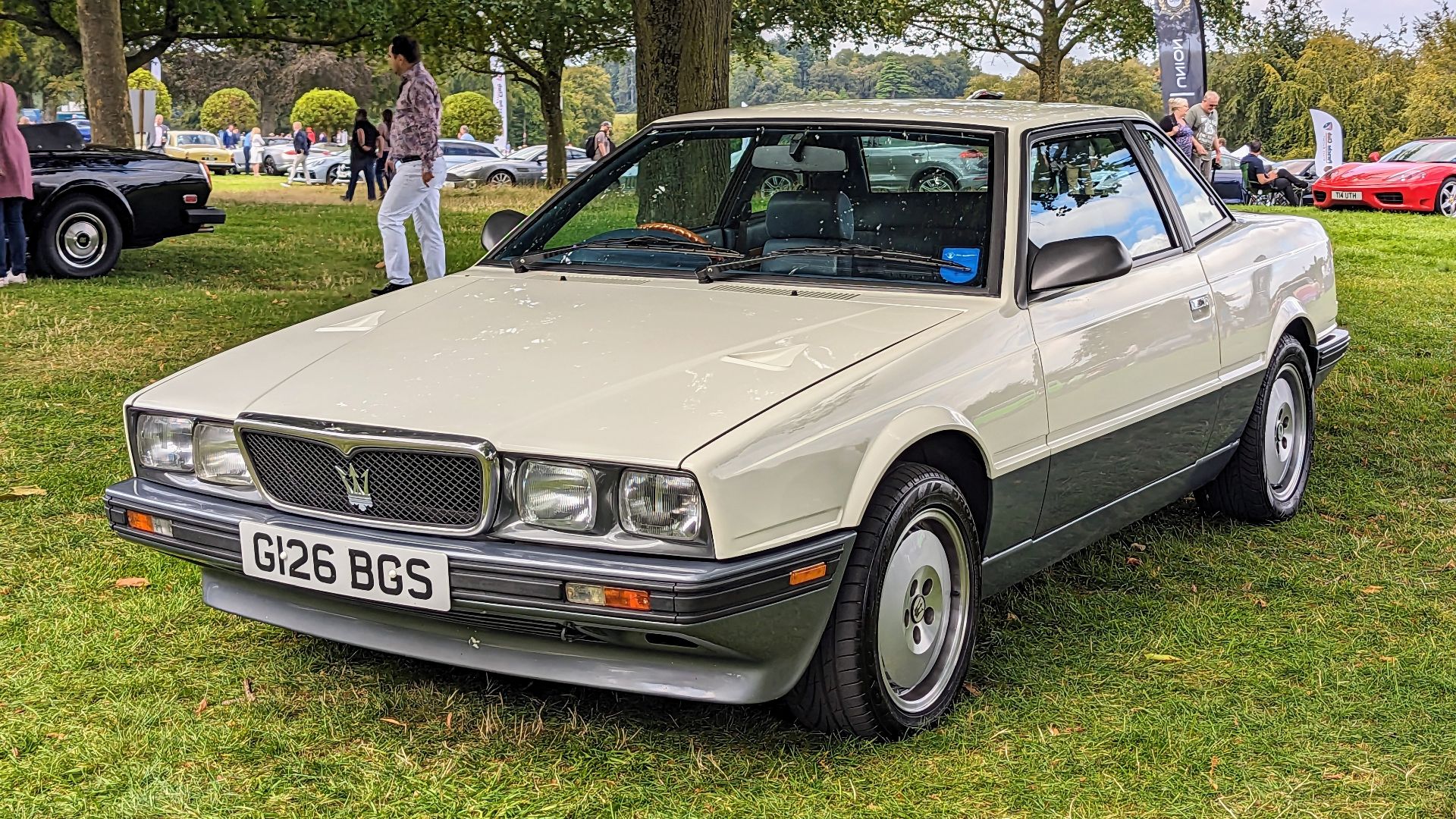
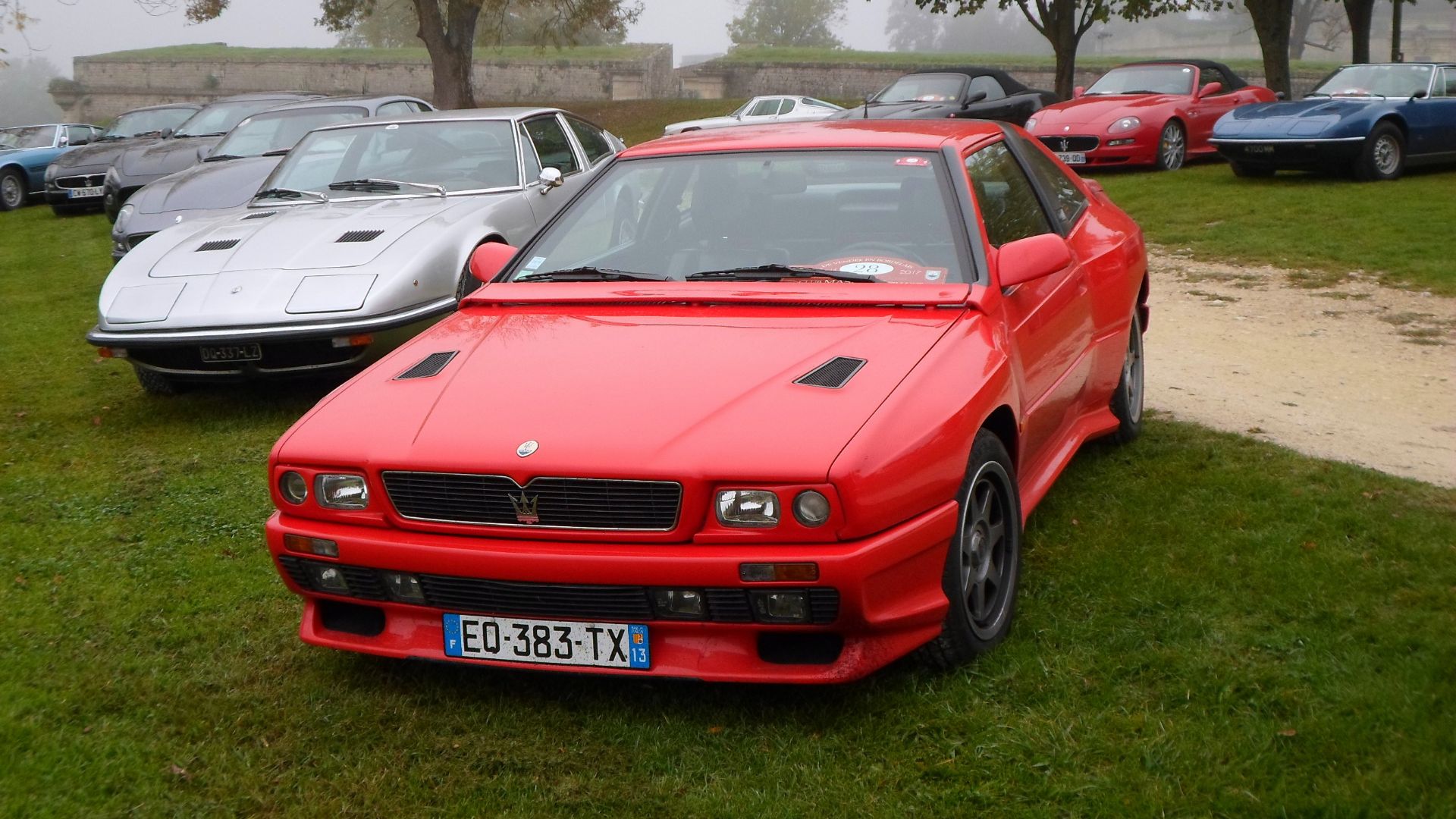
4. Maserati Shamal
The Shamal arrived with dramatic, controversial styling and a twin-turbo V8 crammed into a chassis many reviewers at the time felt couldn't handle that much power cleanly. It carried a steep price for what was still, underneath the flared fenders, a Biturbo-derived platform with the same reliability reputation. Enthusiasts today mostly remember it for its looks, not for how well it actually drove.
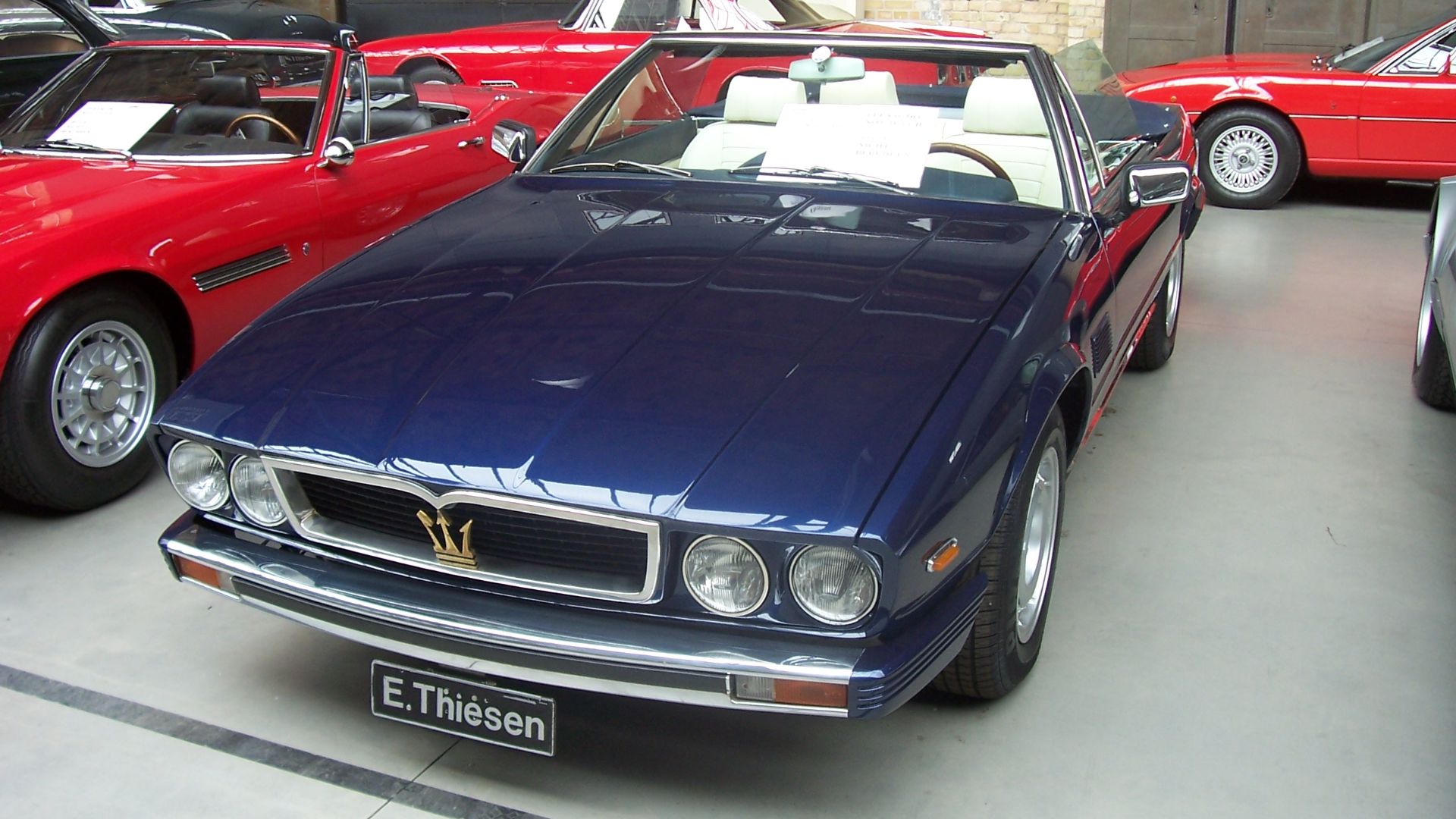
5. Maserati Kyalami
The Kyalami was based on a De Tomaso Longchamp chassis rather than anything purpose-built by Maserati, and purists noticed immediately. It looked the part from certain angles, but underneath the badge was a different company's engineering doing most of the work. Buyers paying trident-level prices got a car with a thin connection to what made Maserati worth paying for.
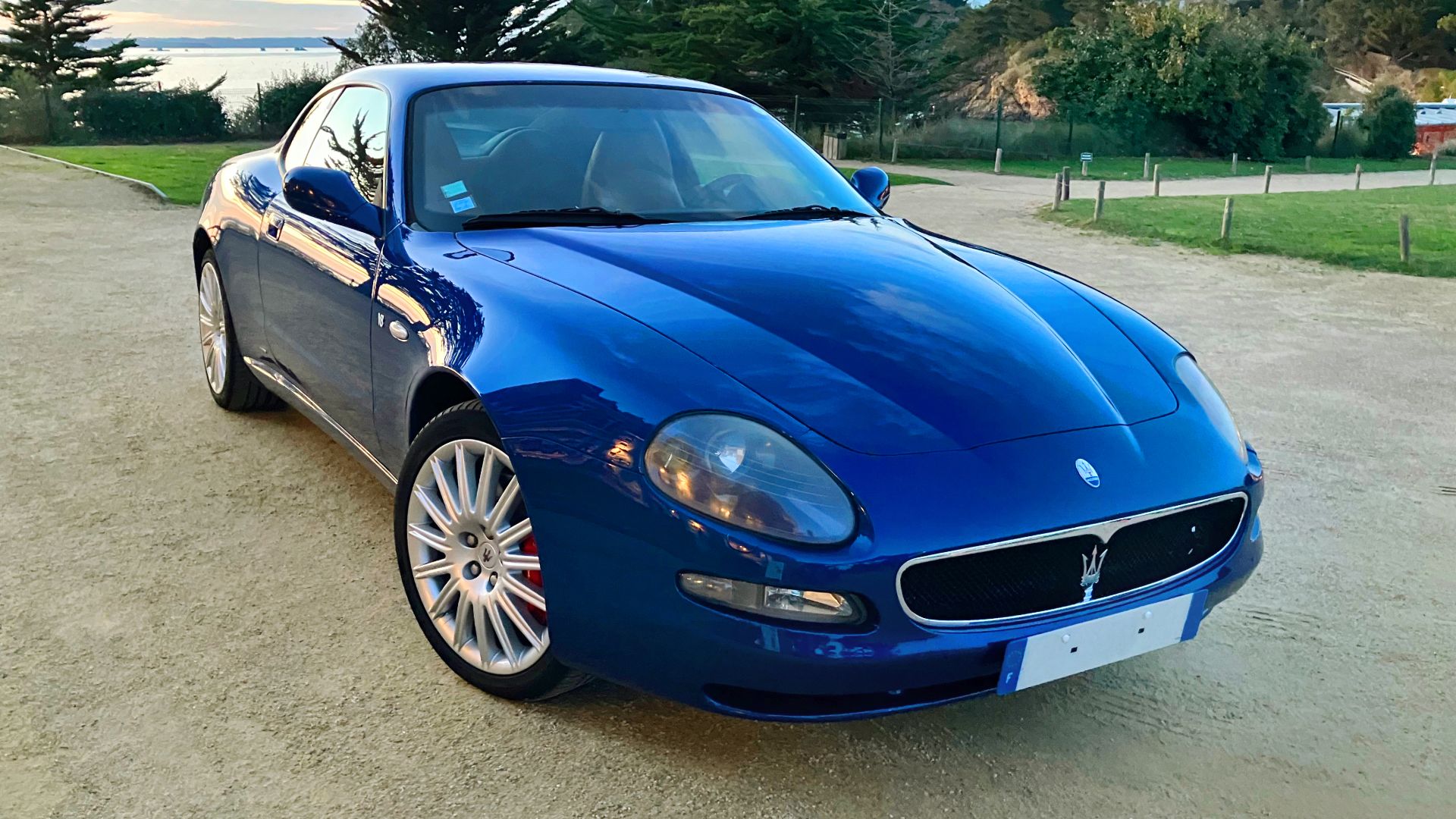
6. Maserati Coupe/Spyder Cambiocorsa
The 4200-series Coupe and Spyder looked genuinely handsome and packed a strong Ferrari-derived V8, but the optional Cambiocorsa automated manual became one of the most complained-about features in the brand's modern history. Shifts were jerky at low speeds, clutches wore out faster than expected, and repair bills piled up fast. A car that should have been a straightforward win got undercut by a transmission that made daily driving feel like a chore.
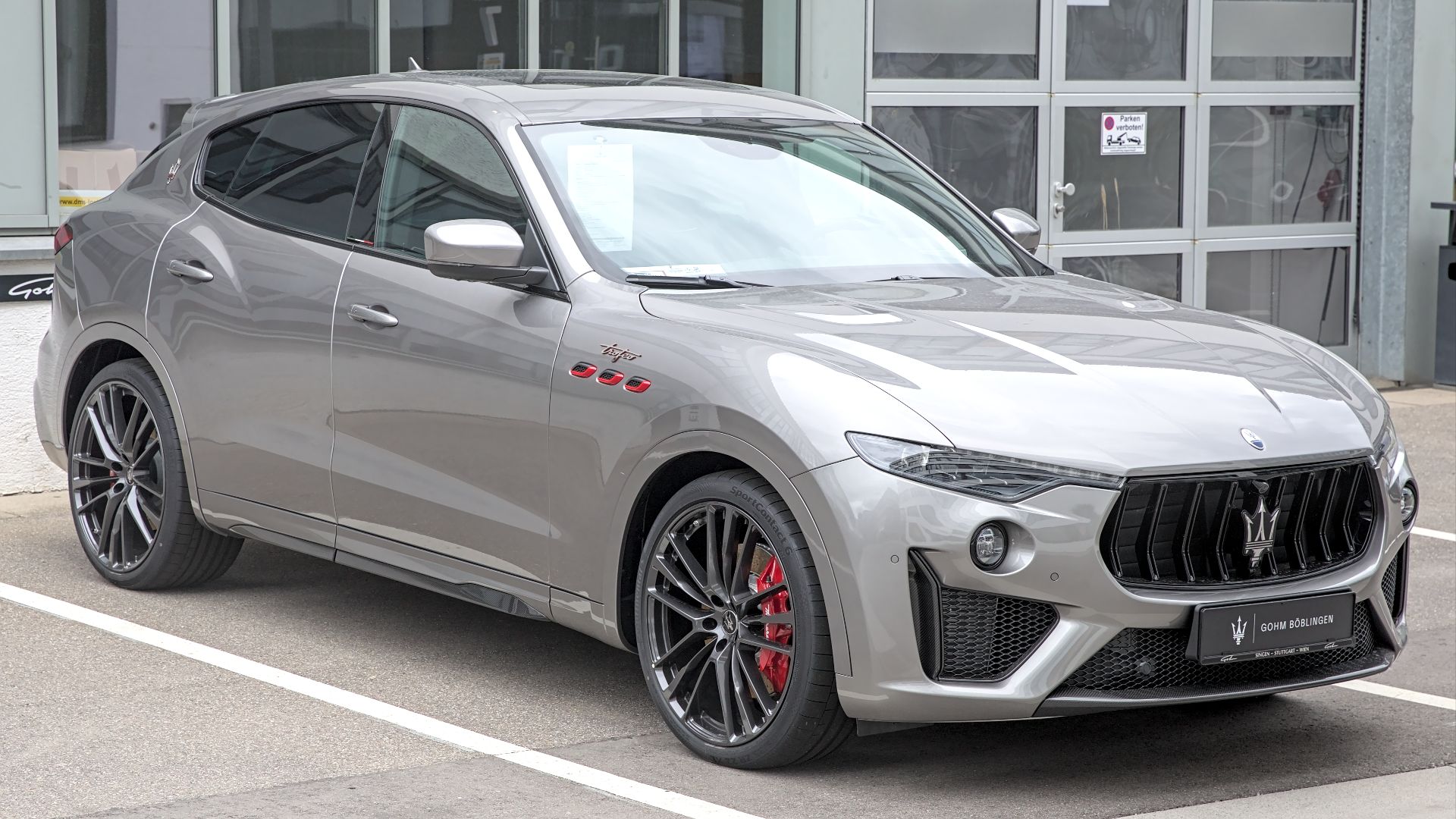
7. Maserati Levante (Early Years)
The early Levante shared its underlying platform and a fair number of parts with the Jeep Grand Cherokee, which made the price gap hard to justify once buyers noticed. Reliability complaints piled up fast in the first few model years, covering electronics and build quality alike. It improved over time, but the early cars asked buyers to pay a premium for a badge stretched over familiar bones.
8. Maserati Ghibli (Base Trim)
The modern Ghibli shares meaningful platform and drivetrain elements with the Chrysler 300 and Dodge Charger, a connection reviewers point out often. Interior materials and infotainment in base trims regularly drew criticism for not matching the price, especially against German rivals at similar money. It's a genuinely attractive sedan, but the entry-level version asks for a lot of trust in the badge.
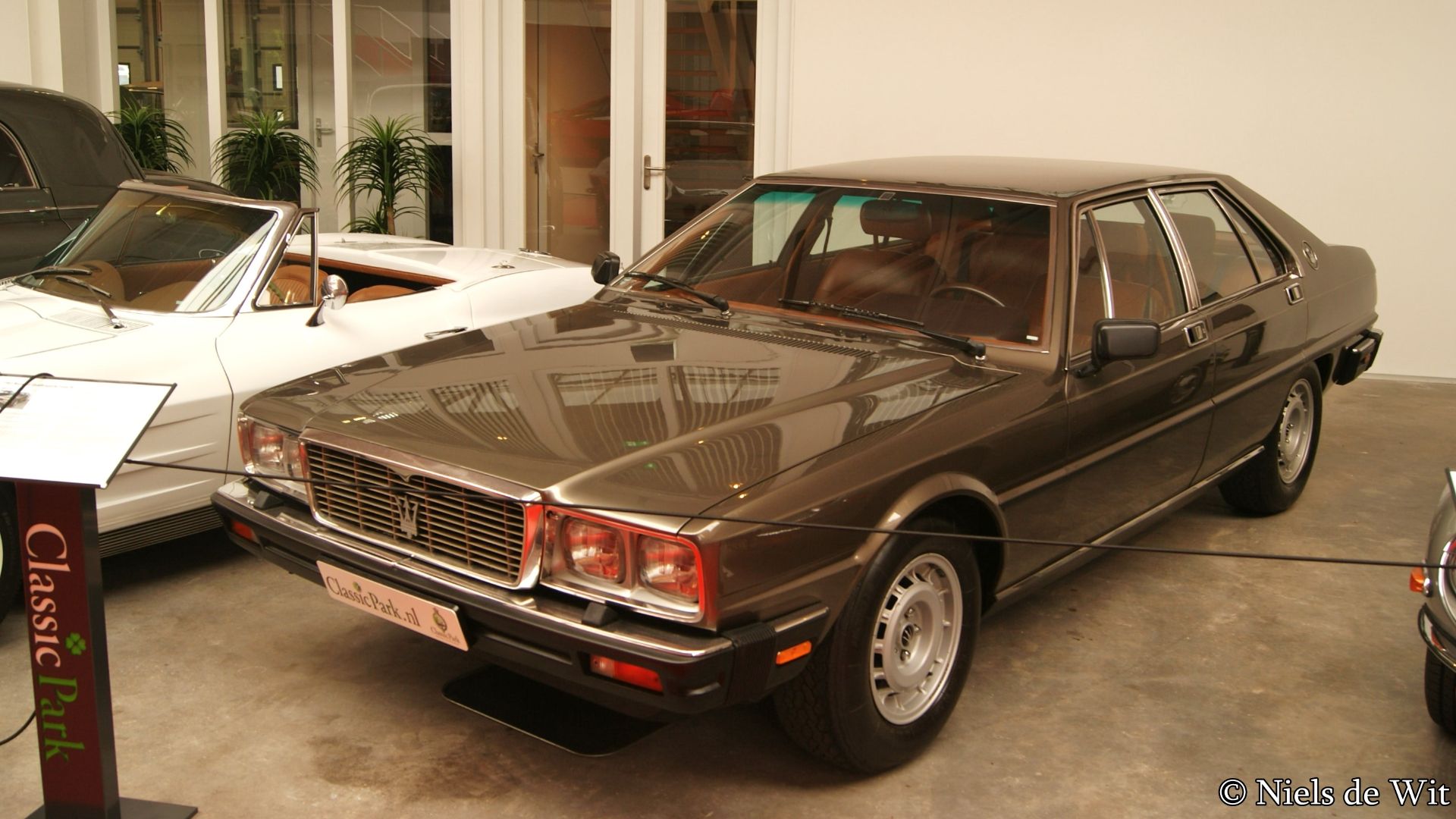
9. Maserati Quattroporte III
Built during Maserati's turbulent years under De Tomaso ownership, the third-generation Quattroporte struggled with build quality and sourcing that reflected the company's financial instability. Buyers paying flagship-sedan prices got a car that, by most accounts, felt assembled under pressure rather than craftsmanship. It's
 Niels de Wit from Lunteren, The Netherlands on Wikimedia
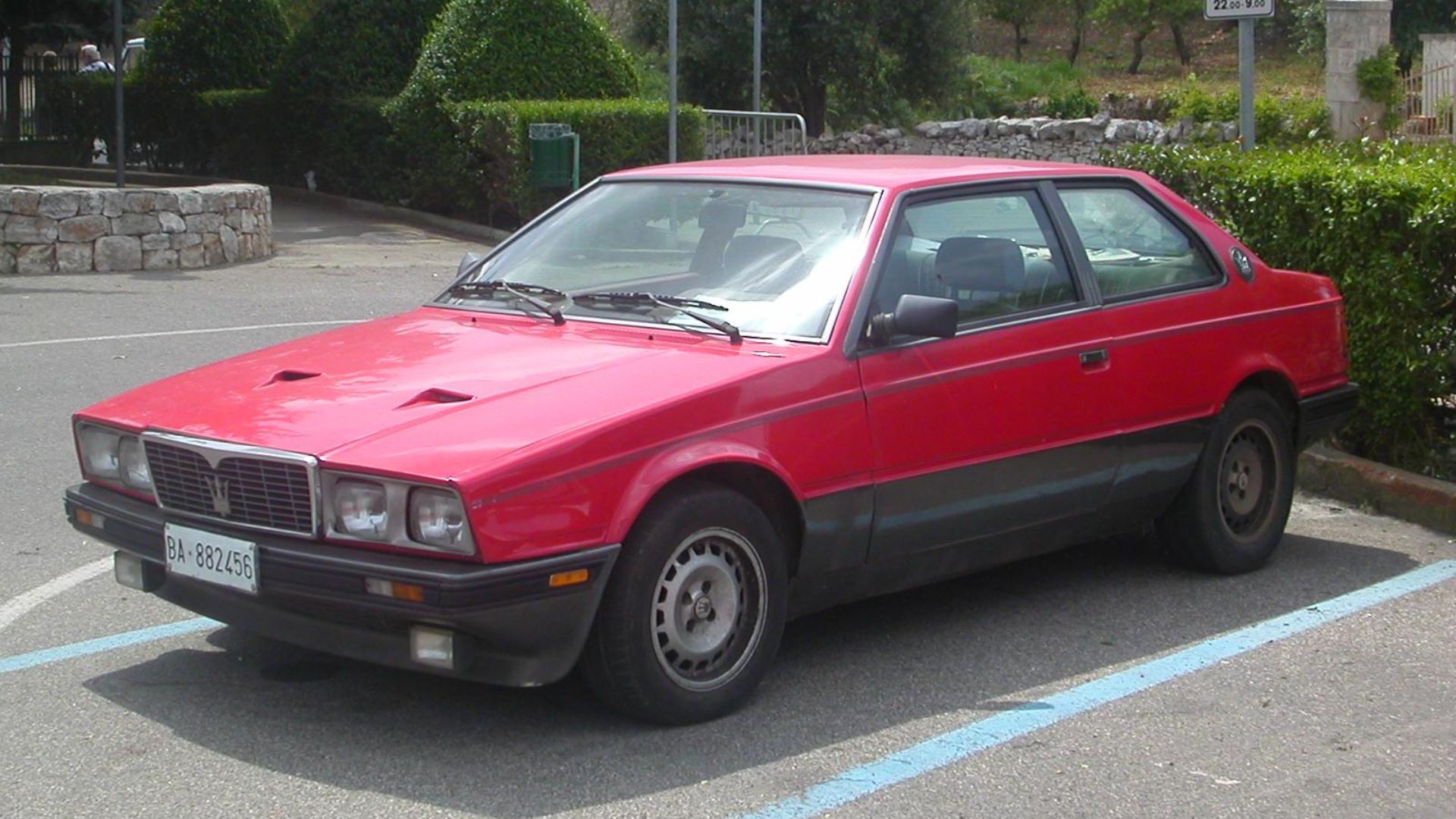
10. Maserati 228
Essentially a coupe riding on Biturbo mechanicals, the 228 arrived late in that platform's life and never shook off its reliability reputation. Low production numbers made it rare, but rarity alone doesn't make a car worth its price if what's underneath shares its cheaper siblings' known issues. It's mostly a curiosity for collectors today, not a car anyone points to as a high point for the brand.
 Hassocks5489 at en.wikipedia on Wikimedia