Chevrolet’s Greatest Hits and Most Damaging Missteps
Chevrolet has spent more than a century building vehicles for everyone from suburban families and tradespeople to performance enthusiasts, but not every model wearing the bowtie has strengthened that relationship. Some nameplates earned decades of loyalty through dependable service, accessible performance, practical design, or a strong connection with American culture, while others became associated with quality problems, disappointing execution, recalls, or questionable styling. Together, these models reveal 10 Chevrolets that built lasting loyalty and 10 that hurt the brand’s image.
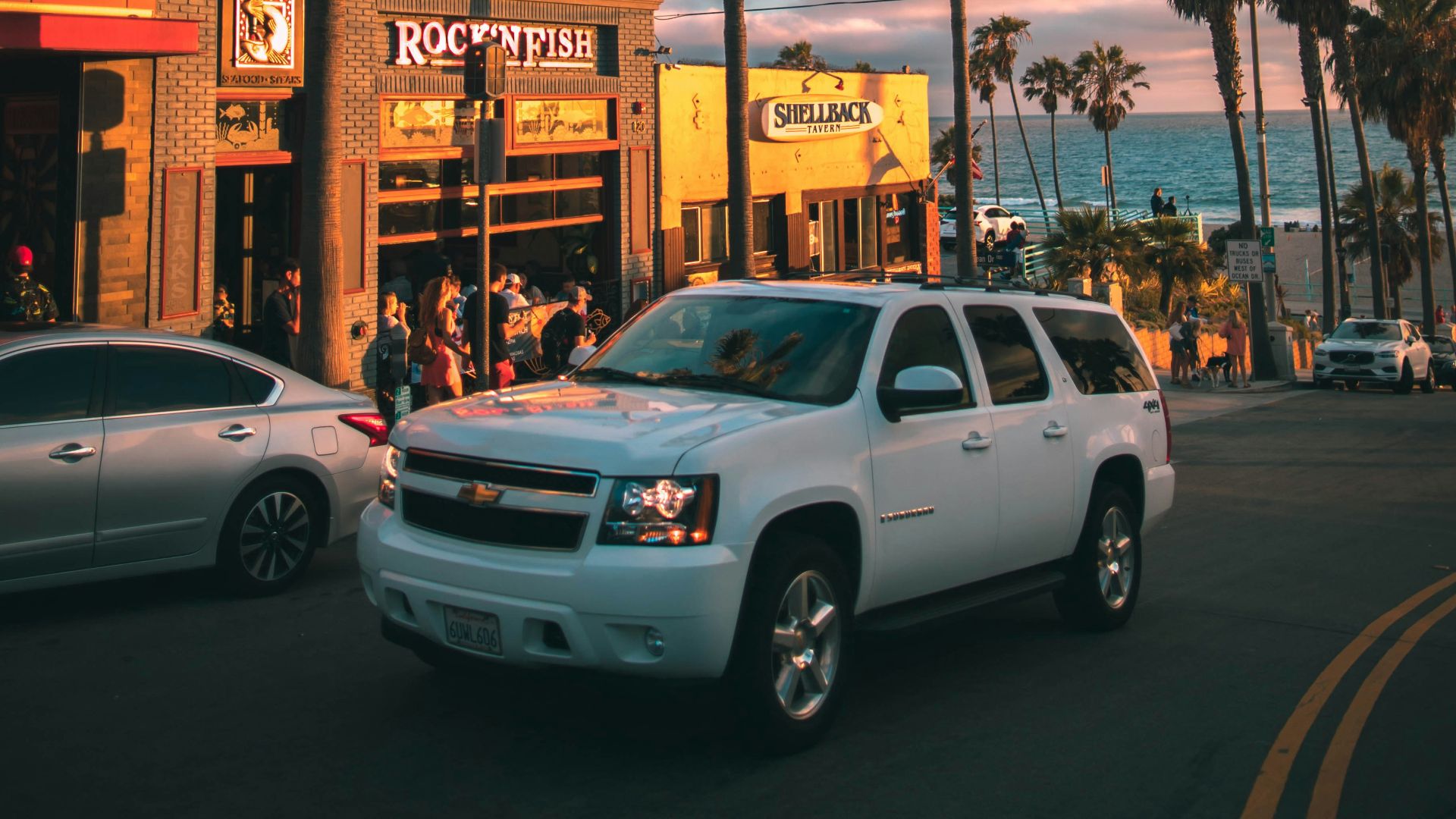
1. Chevrolet Suburban
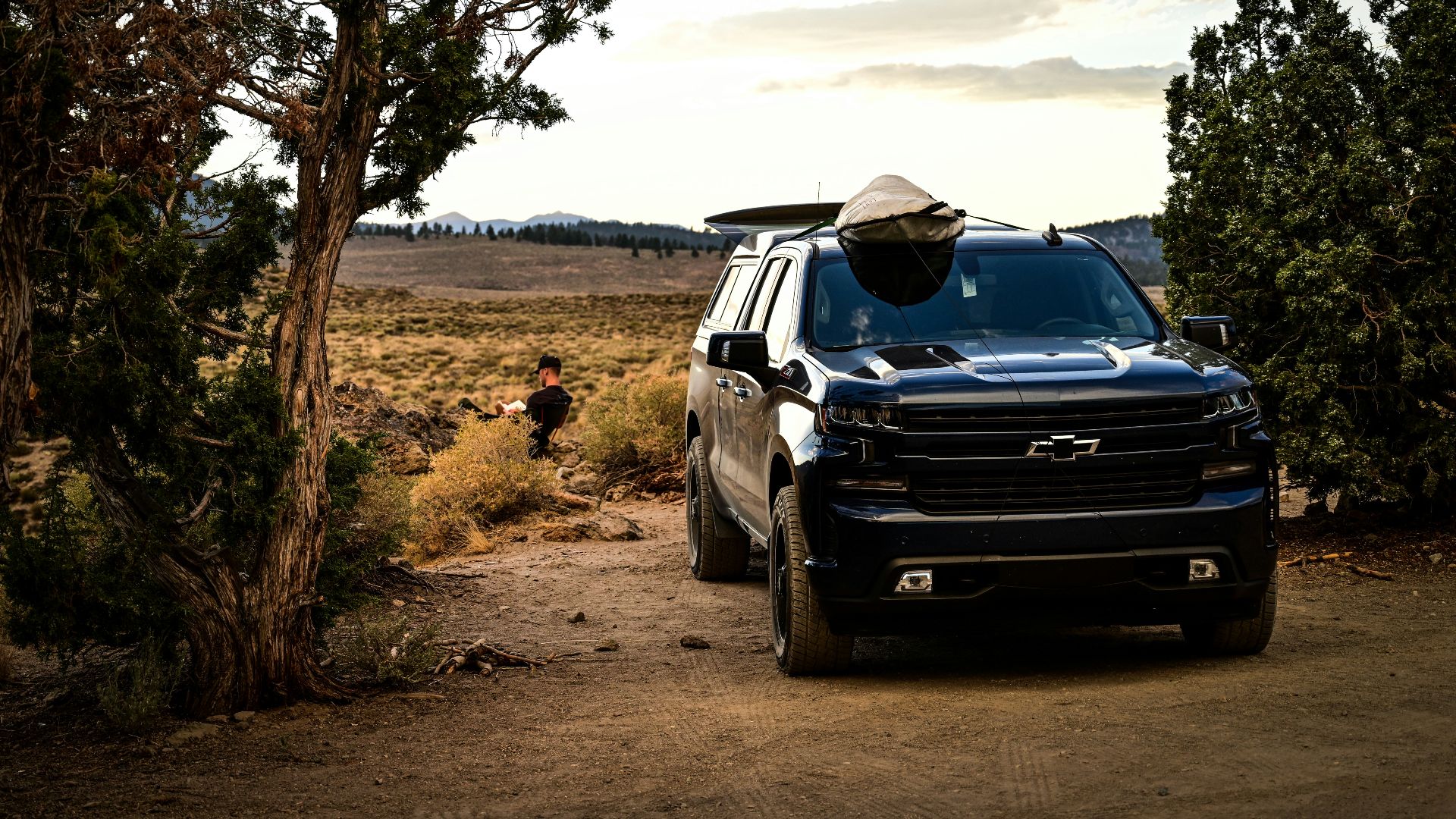
Introduced in the 1930s, the Suburban became one of Chevrolet’s longest-running nameplates by steadily adapting to the needs of large families, businesses, and government fleets. Its combination of truck-based capability, generous passenger space, and substantial cargo room created a remarkably loyal customer base.
2. Chevrolet Corvette
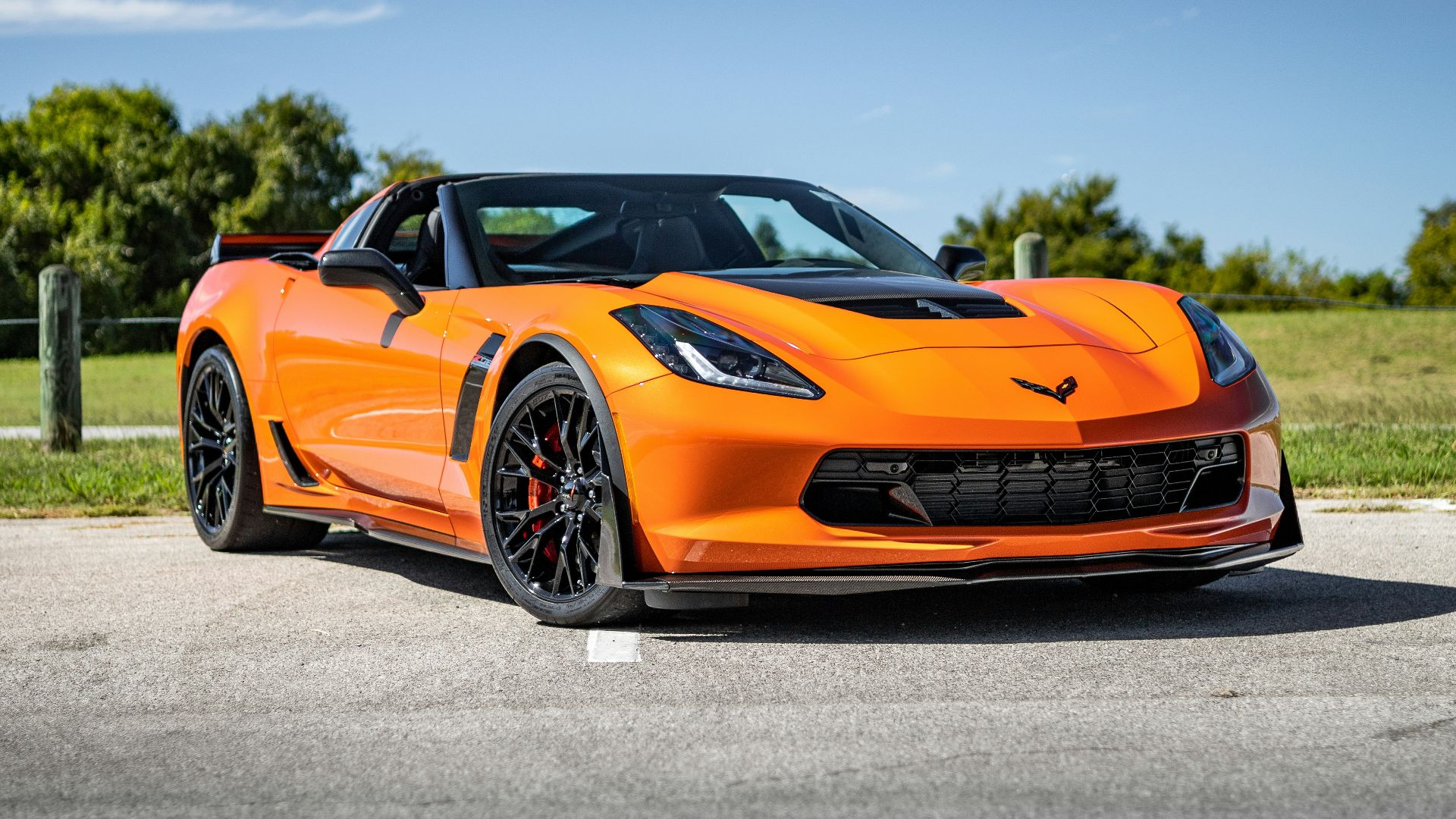
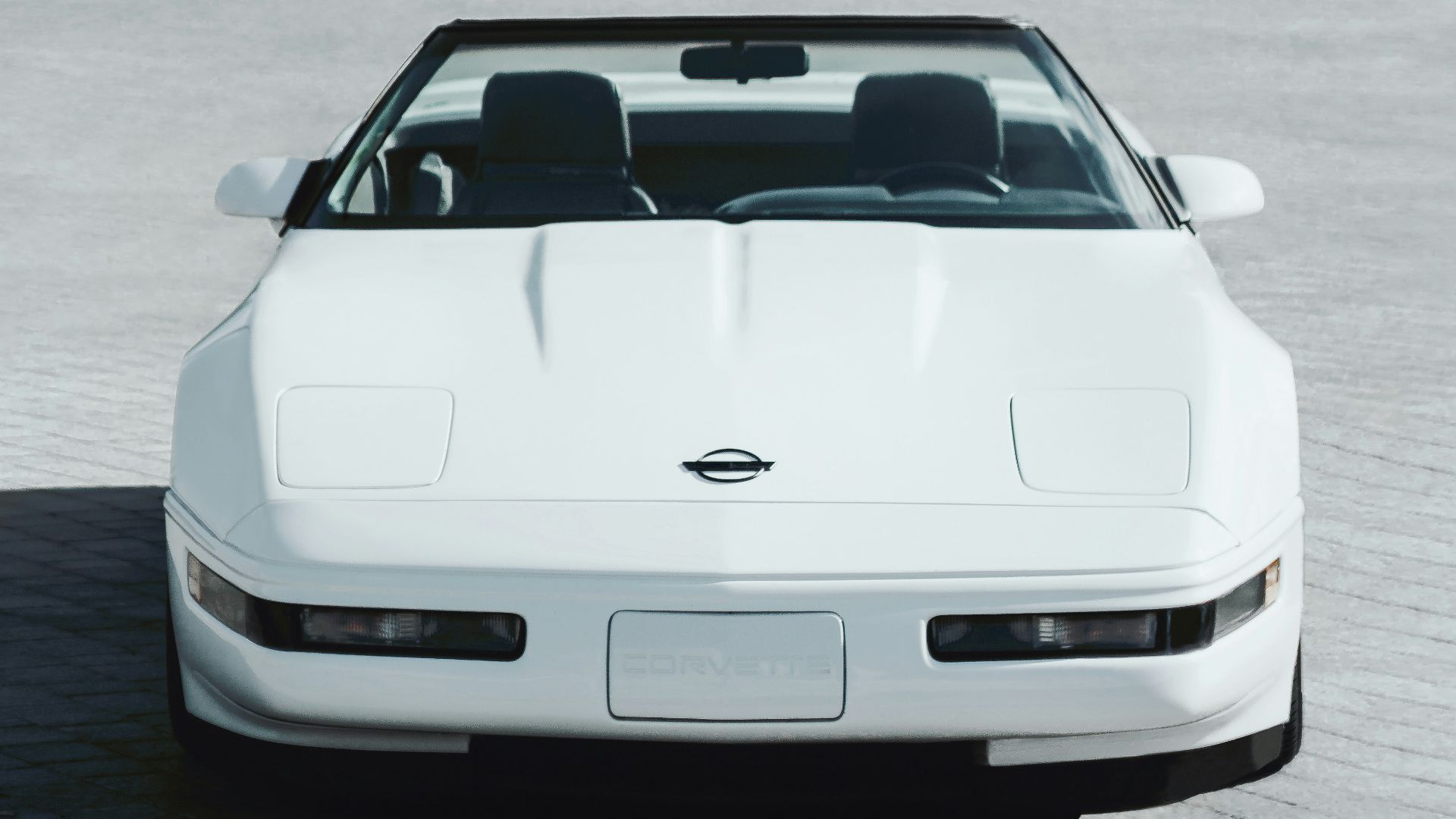
The Corvette gave Chevrolet a genuine American sports car and became an important symbol of the company’s engineering ambition. Across multiple generations, it offered dramatic styling and serious performance at prices generally below those of many exotic competitors.
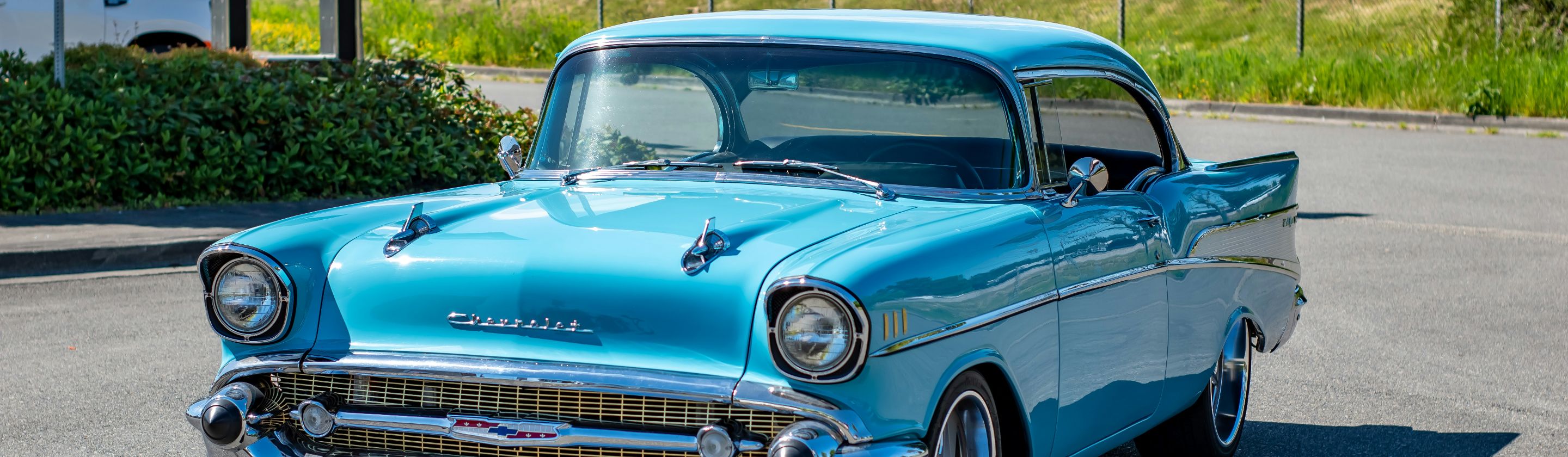
3. Chevrolet Bel Air
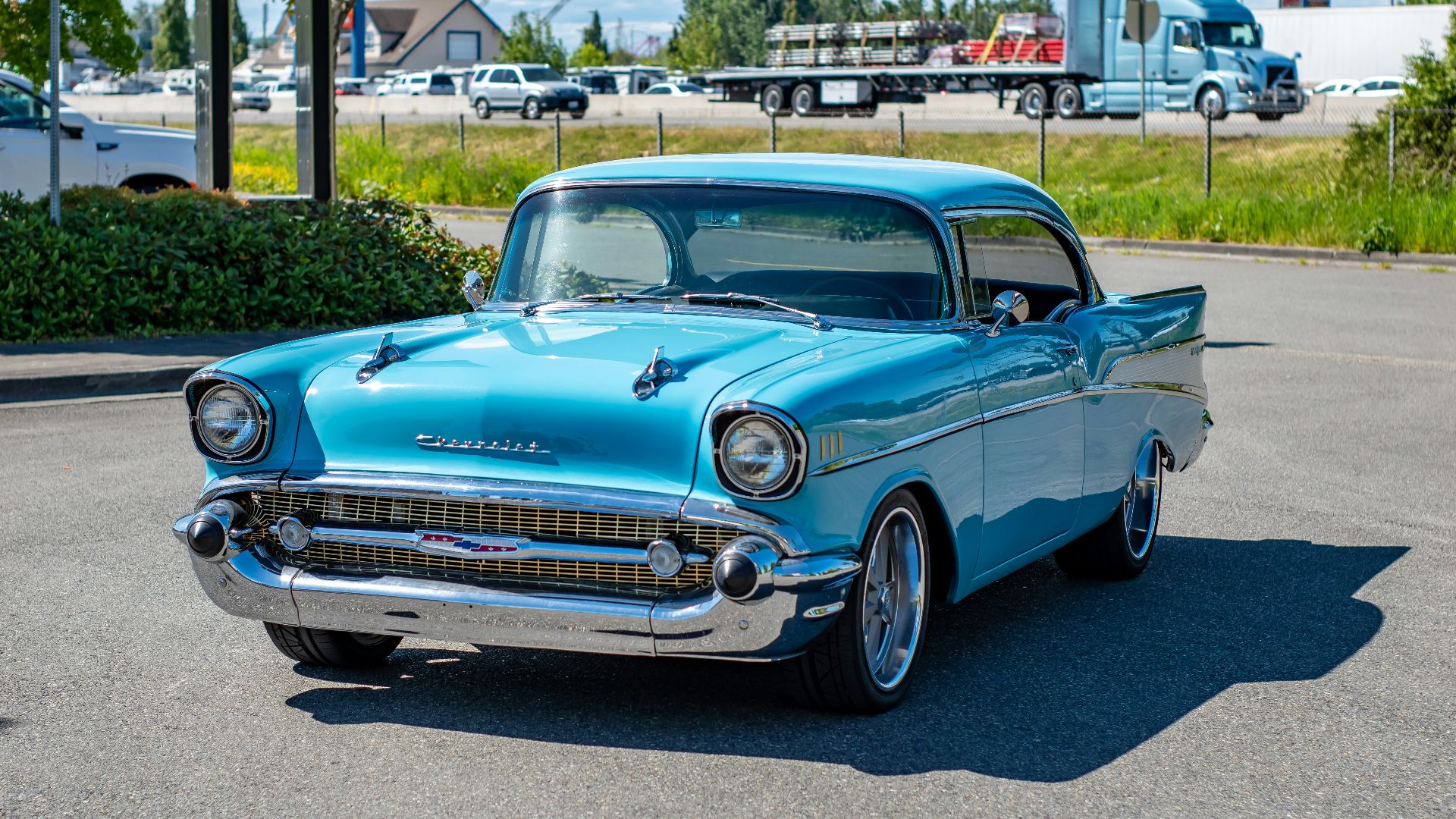
During the 1950s, the Bel Air represented the colorful styling and growing prosperity associated with postwar American motoring. The 1955 through 1957 models became particularly collectible because of their recognizable designs and available V8 performance.
4. Chevrolet Impala
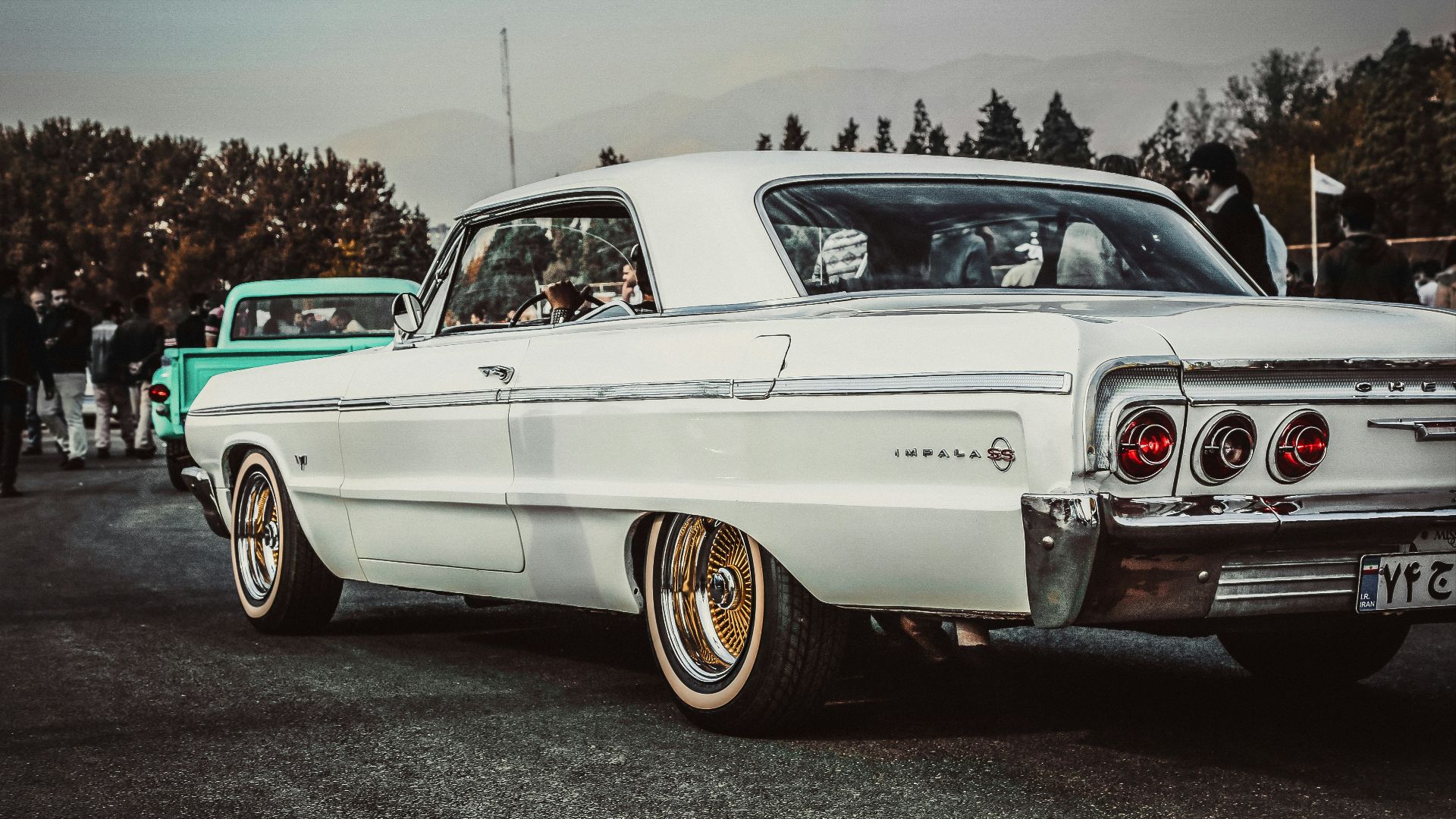
The Impala served generations of drivers who wanted a spacious, comfortable car without moving into a luxury brand. It appeared as a family sedan, stylish coupe, convertible, wagon, police vehicle, and performance-oriented model over its long history.
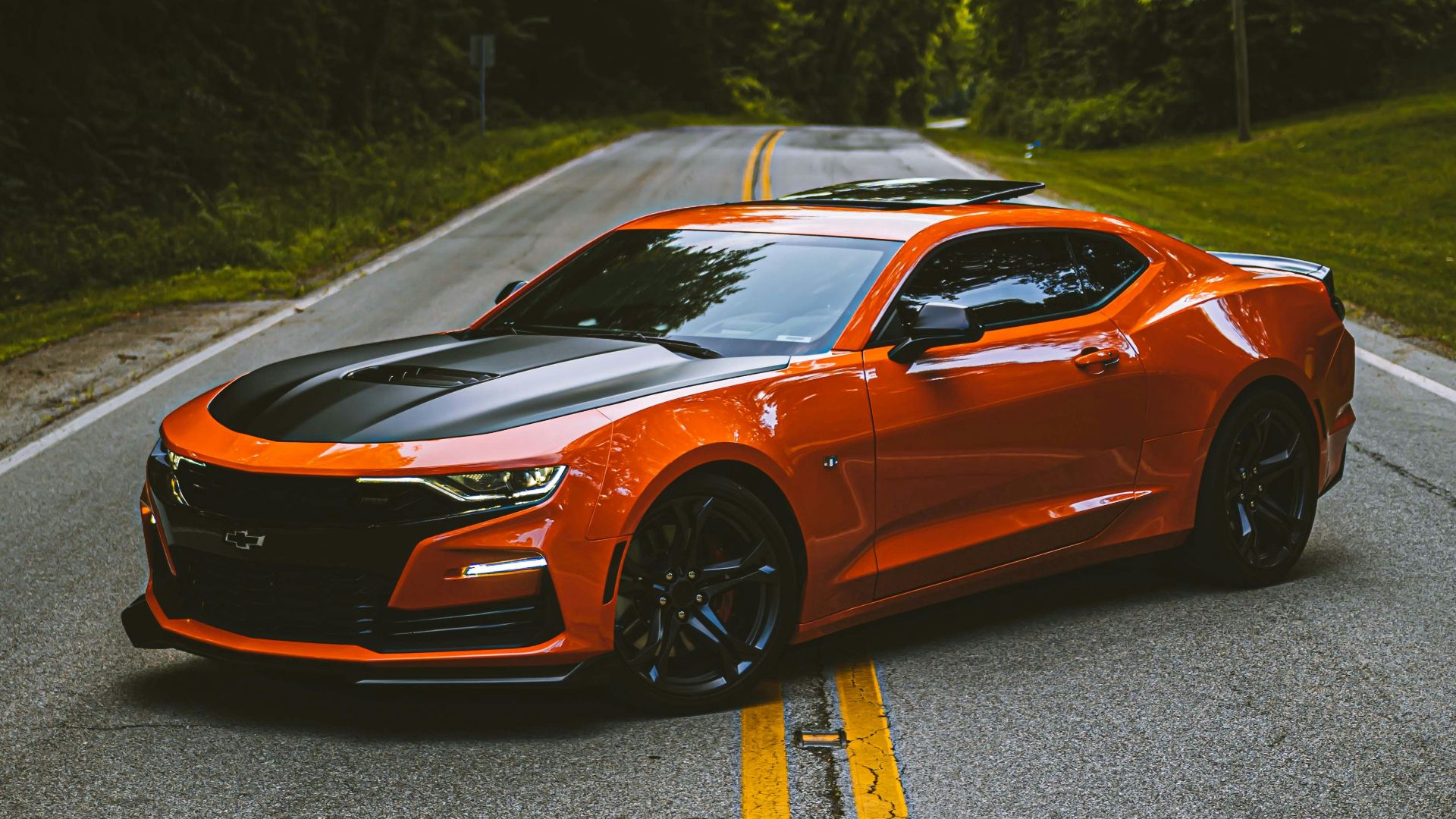
5. Chevrolet Camaro
Launched for 1967, the Camaro gave Chevrolet a direct competitor in the growing pony-car market. Buyers could select everything from approachable six-cylinder versions to powerful V8 models that became performance legends.
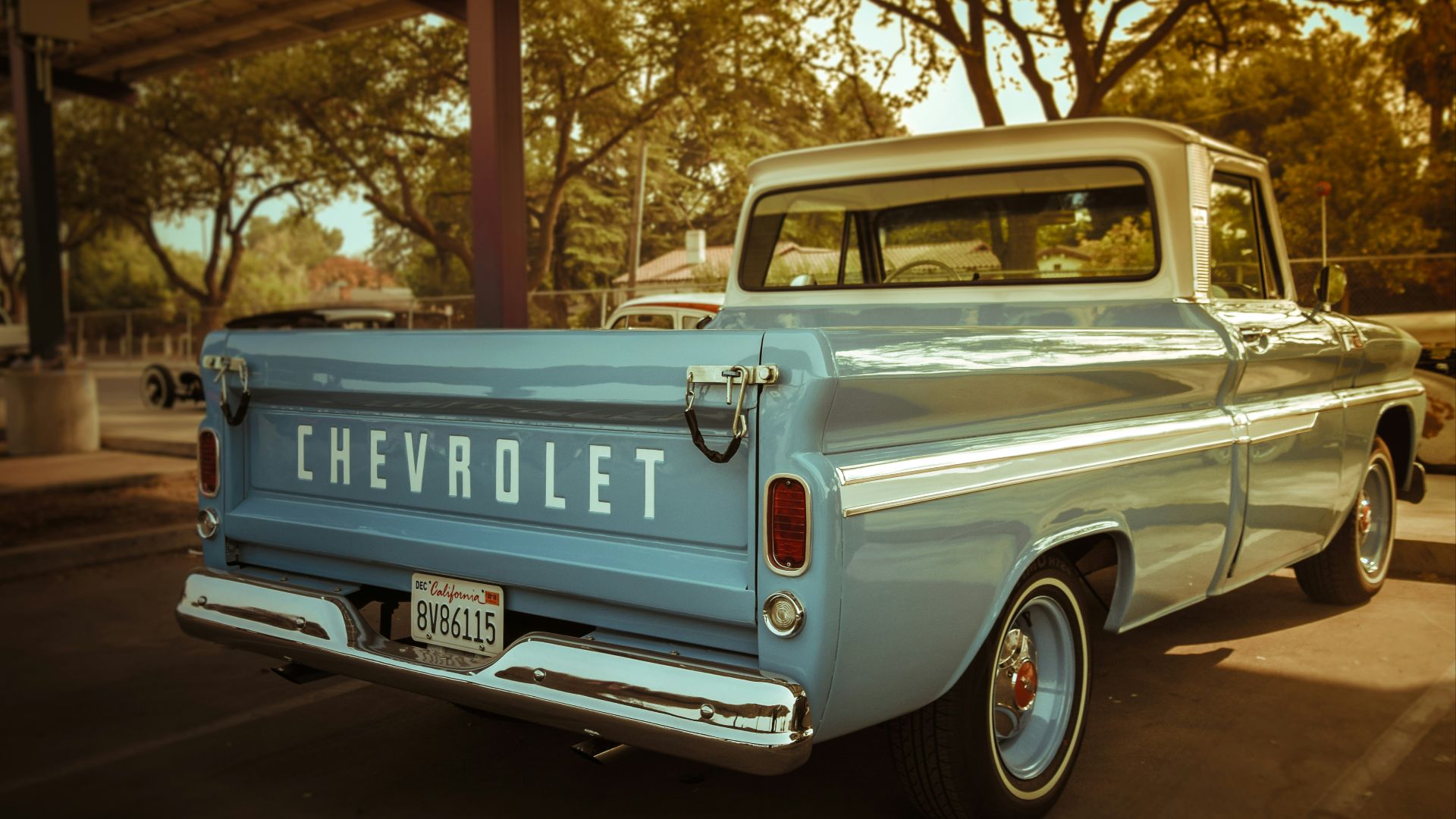
6. Chevrolet C/K Pickup
The C/K series helped establish Chevrolet as a trusted truck manufacturer long before the Silverado became a standalone model. Its many configurations allowed customers to choose a straightforward work truck, a capable farm vehicle, or an increasingly comfortable personal pickup. Durable examples remained in service for decades, giving the trucks credibility among owners who valued repairability and utility.
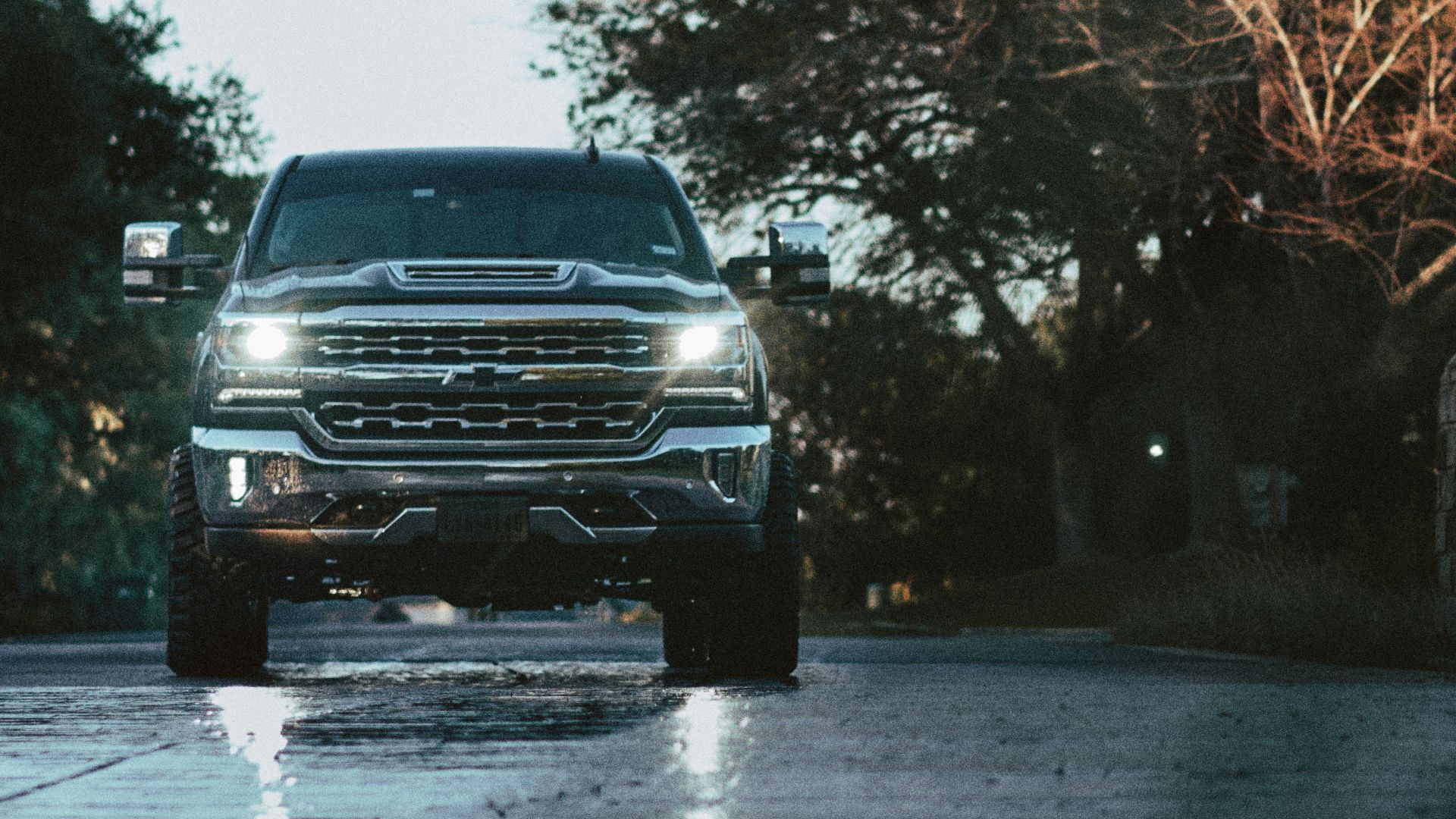
7. Chevrolet Silverado
The Silverado built upon Chevrolet’s established pickup reputation while offering stronger engines, modern technology, and increasingly refined interiors. Contractors, fleet operators, rural drivers, and everyday commuters have all found versions suited to their particular needs.
 Hill Country Camera on Unsplash
8. Chevrolet Tahoe
The Tahoe became a popular choice for drivers who wanted the capability of a full-size Chevrolet truck in an enclosed SUV. Its towing strength, roomy cabin, and familiar V8 powertrains made it useful for families, police departments, and commercial fleets.
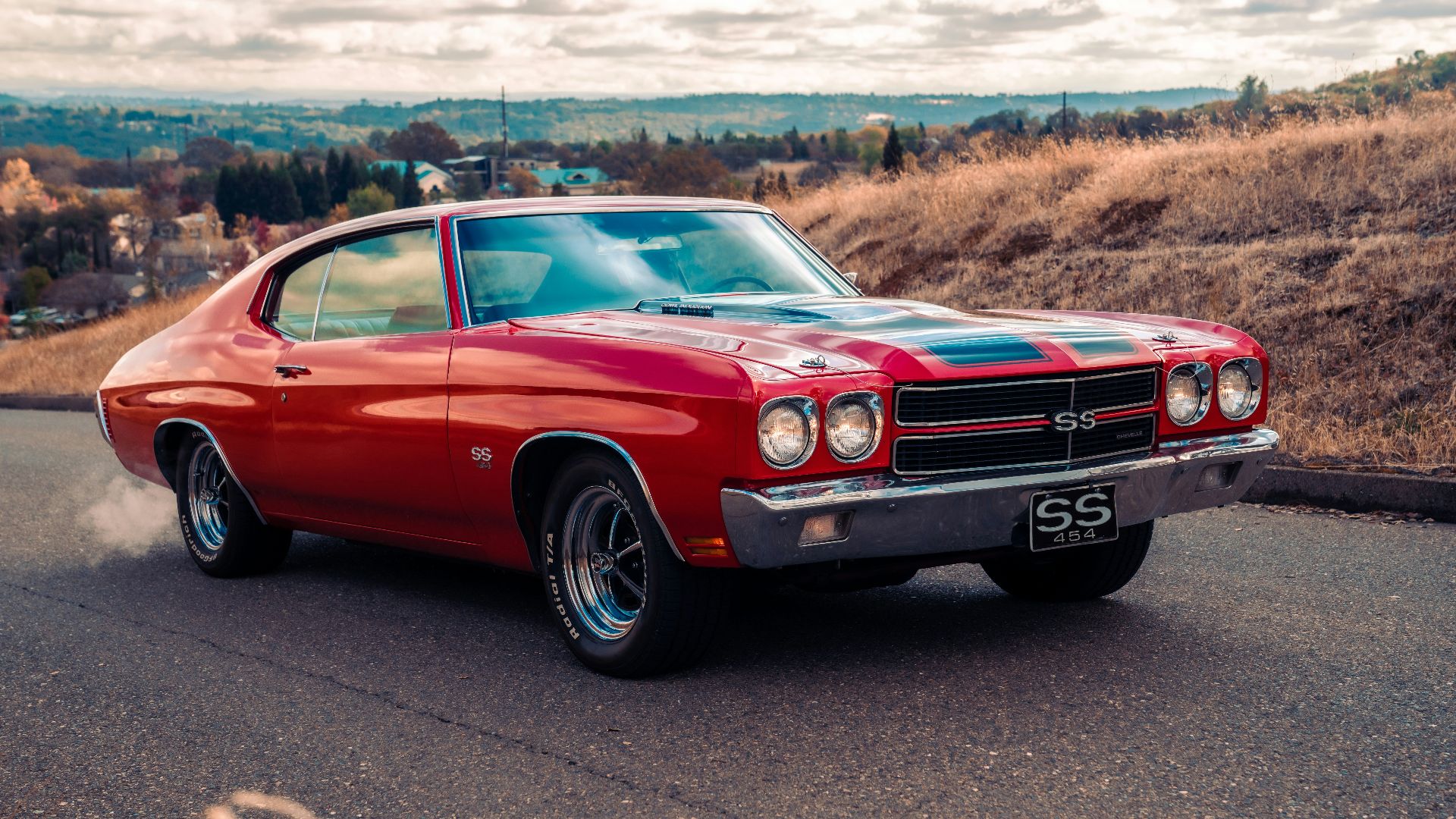
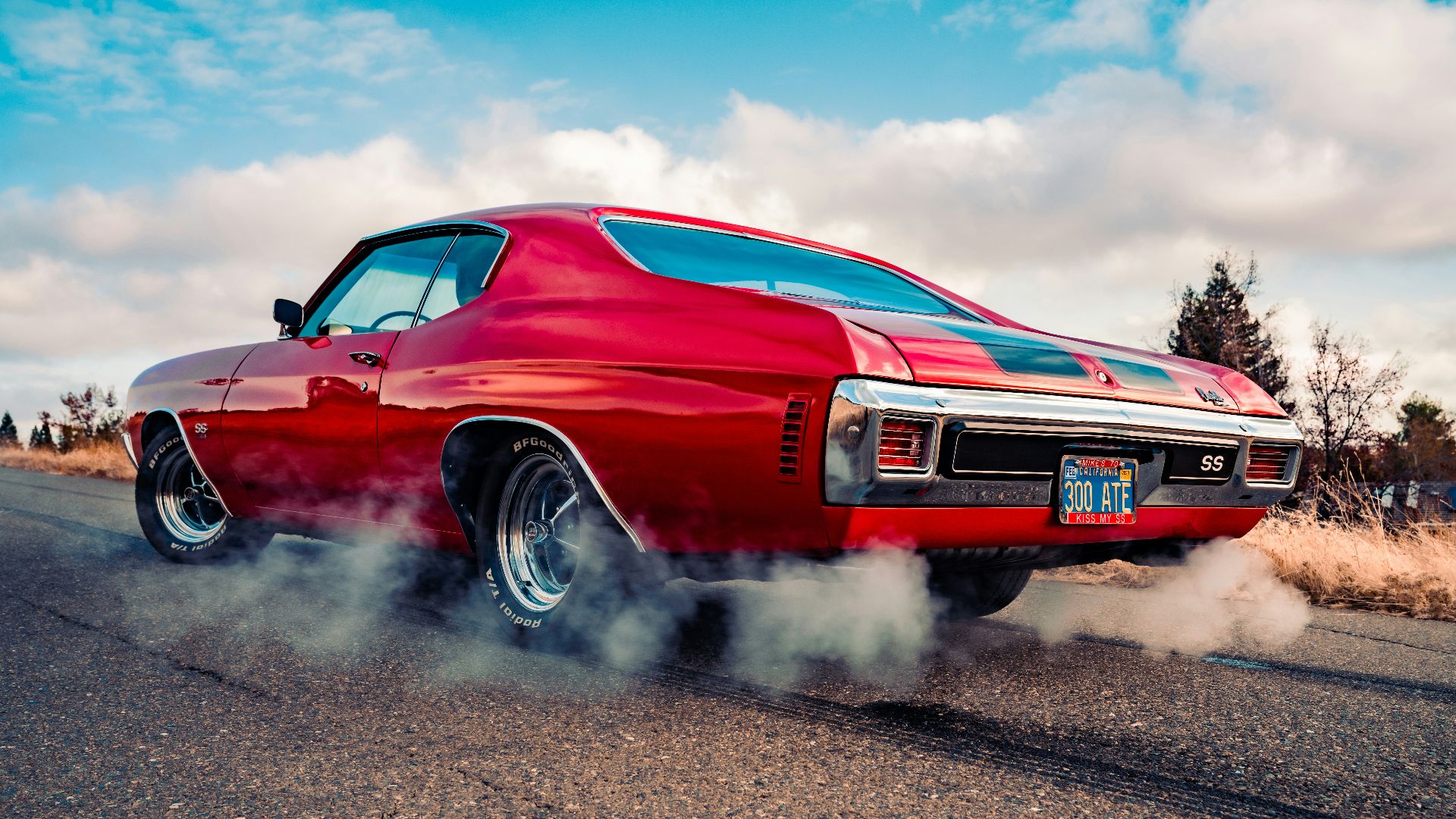
9. Chevrolet Chevelle
The Chevelle covered a broad portion of the market during the 1960s and 1970s, offering practical family models alongside memorable muscle cars. High-performance versions such as the SS 396 and SS 454 strengthened Chevrolet’s reputation during the horsepower era.
10. Chevrolet Volt
The Volt earned a committed following by combining electric driving with a gasoline engine that reduced concerns about running out of charge. Owners could complete many everyday trips using electricity while retaining the flexibility needed for longer journeys. Although Chevrolet ended production in 2019, the car demonstrated technical ambition and helped introduce many drivers to electrified transportation.
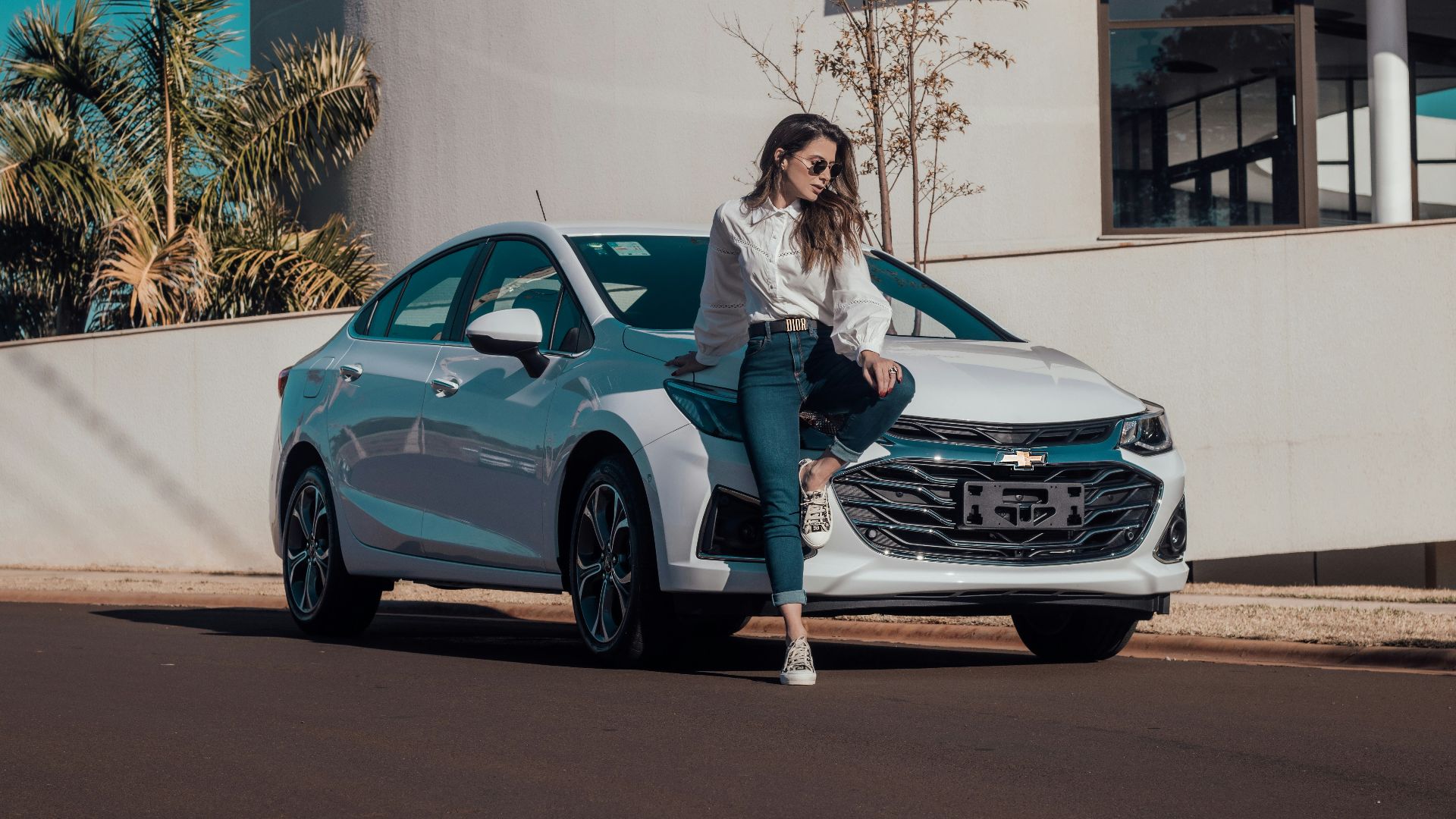
1. Chevrolet Vega
The Vega arrived for 1971 with attractive styling and ambitious engineering, but corrosion, engine durability concerns, and inconsistent build quality damaged its reputation. Early problems were especially harmful because Chevrolet had promoted the subcompact as an important new product.
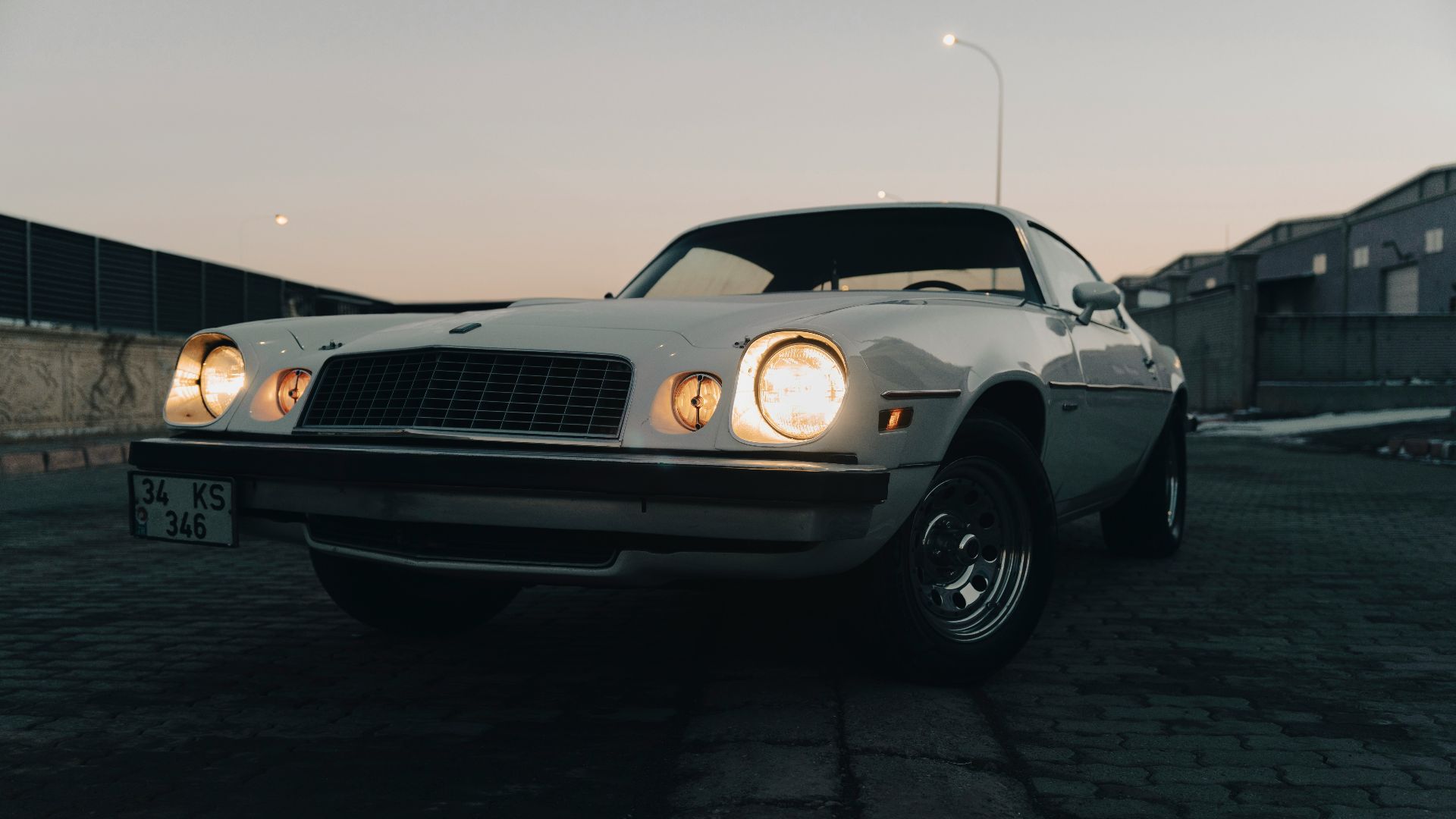
2. Chevrolet Citation
Chevrolet’s front-wheel-drive Citation generated enormous interest when it debuted for the 1980 model year. Complaints involving quality, drivability, and handling soon weakened that promising start, while highly publicized safety controversy further affected customer confidence. Sales declined sharply after the initial rush, leaving the Citation associated with Detroit’s difficult transition to smaller front-wheel-drive cars.
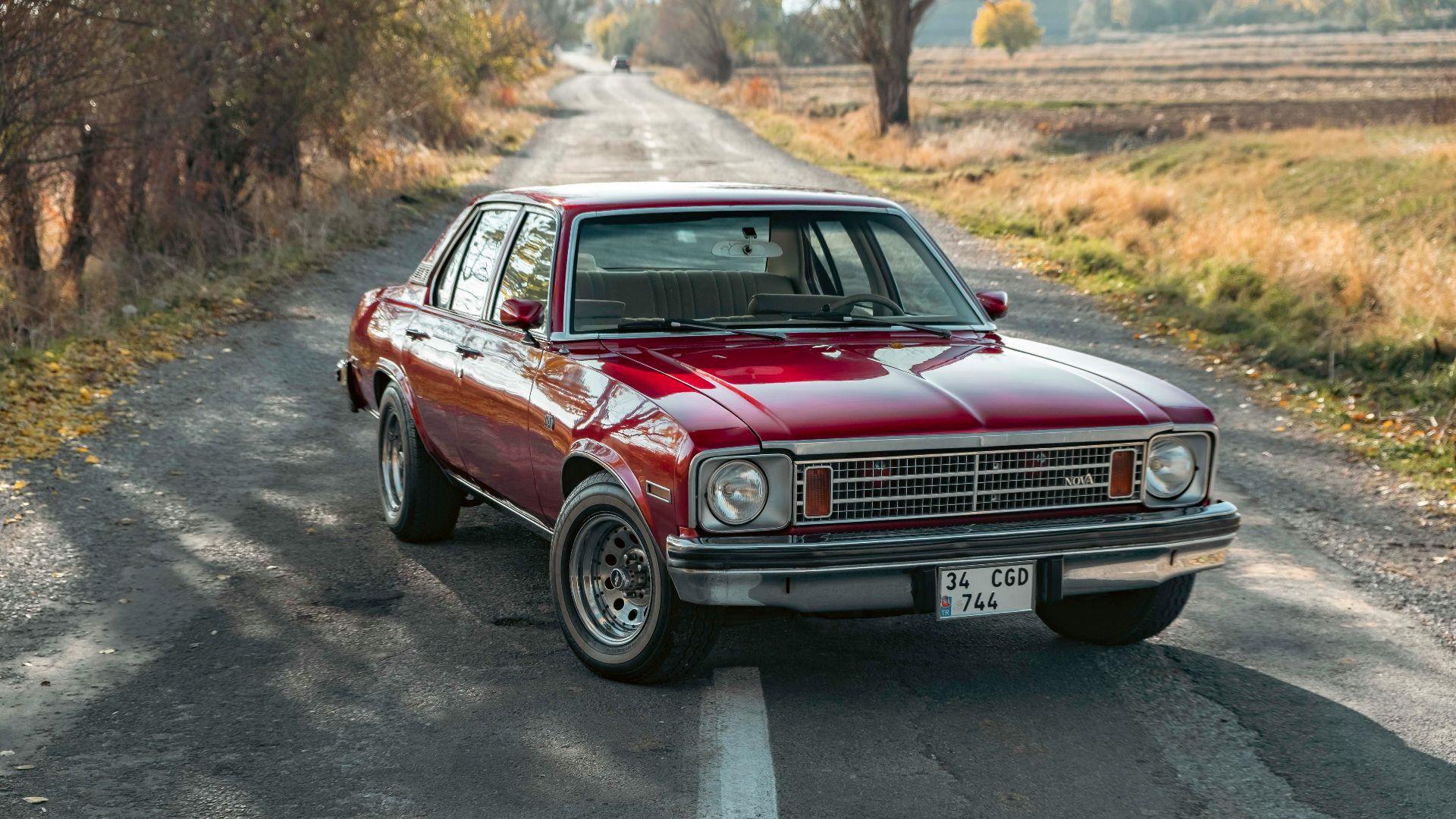
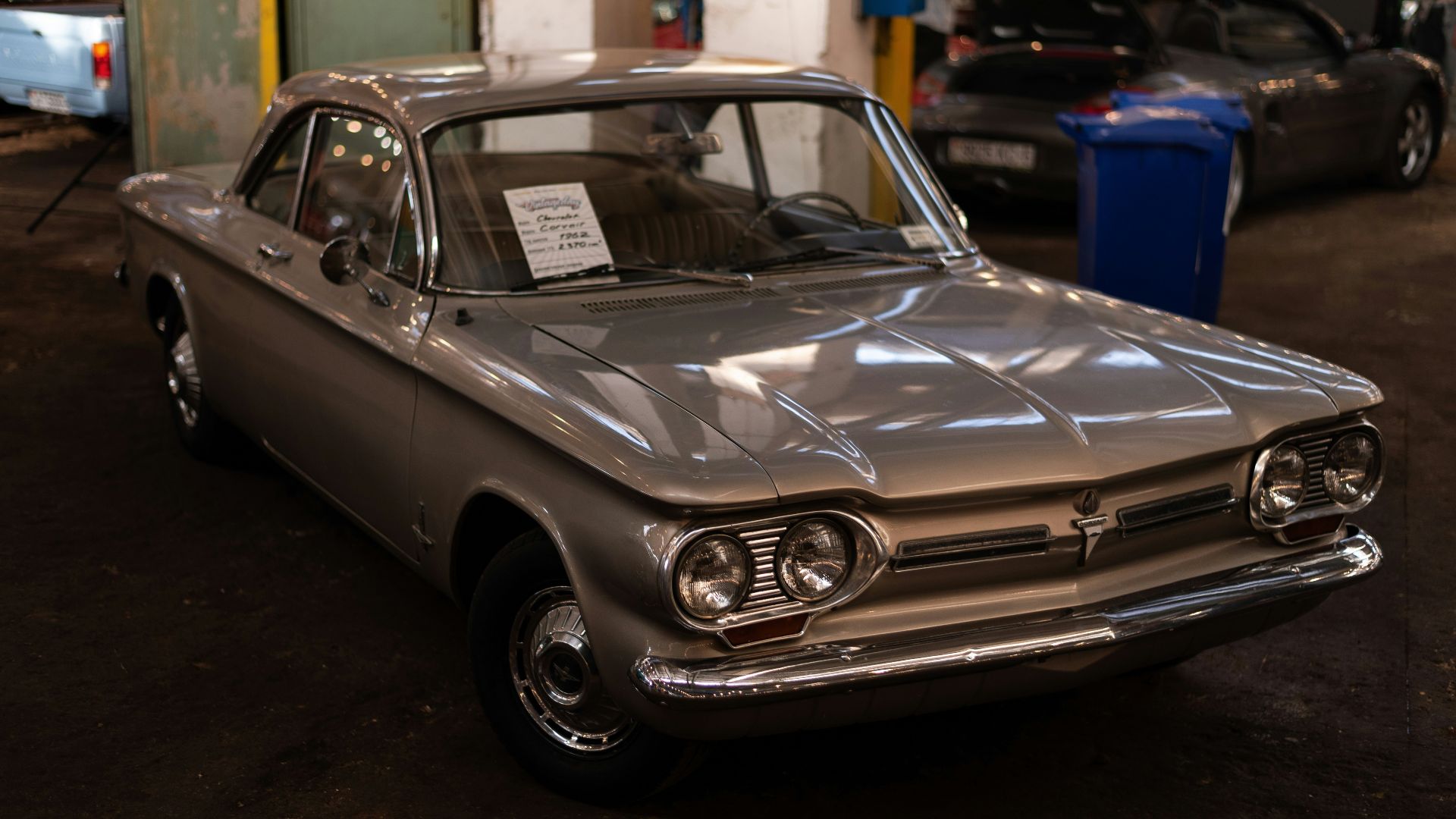
3. Chevrolet Corvair
The rear-engine Corvair was innovative, stylish, and unlike most American cars of its period, but controversy over early-model handling overwhelmed many of its strengths. Ralph Nader’s criticism brought national attention, even though later government testing didn’t find the 1960–1963 Corvair more prone to loss of control than comparable vehicles.
 Vitali Adutskevich on Unsplash
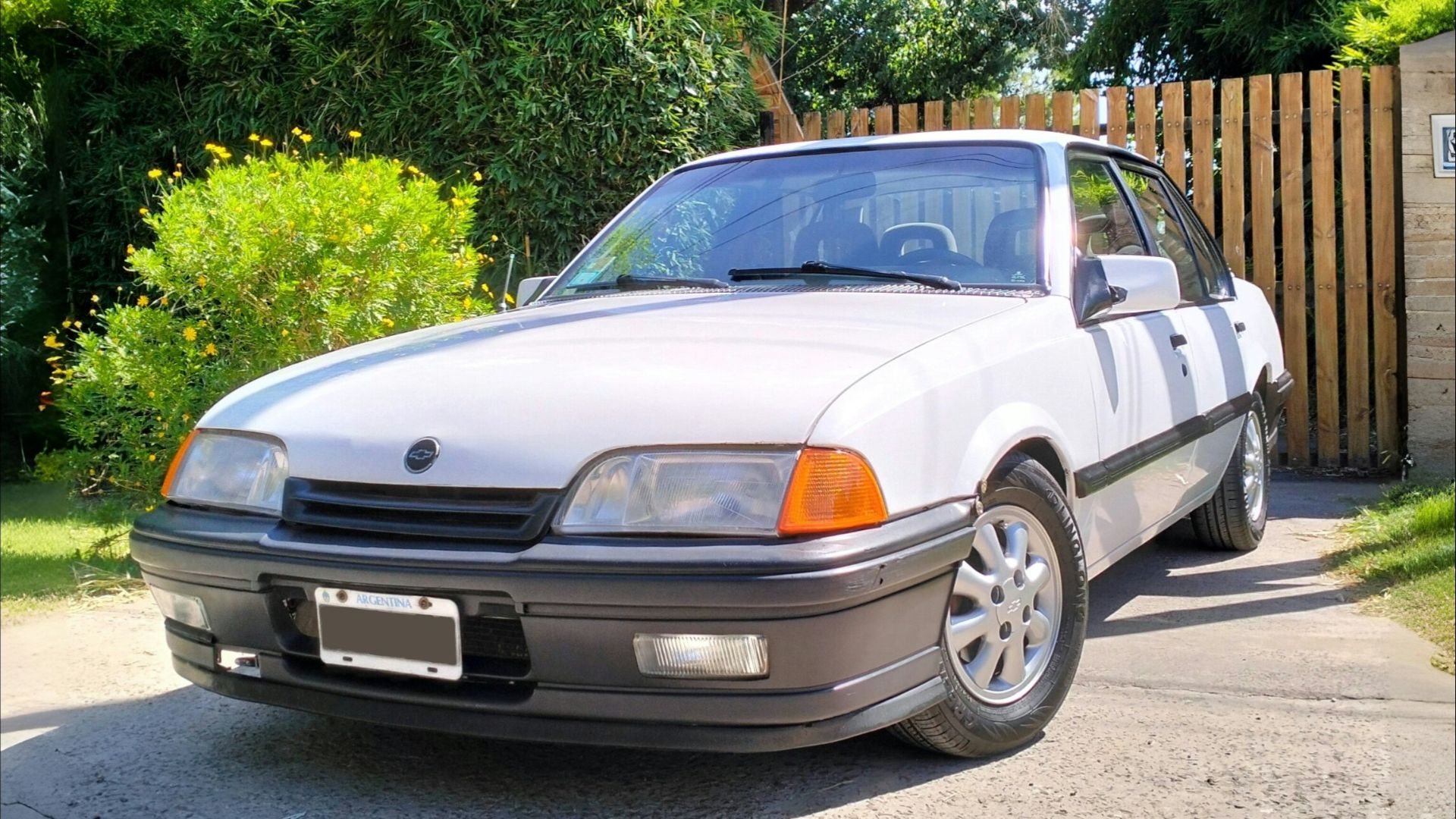
4. Chevrolet Cavalier
The Cavalier provided affordable transportation for many years, but its lengthy production also made Chevrolet appear slow to improve its small-car offerings. Later versions faced criticism for basic interiors, dated engineering, and unimpressive refinement compared with stronger competitors.
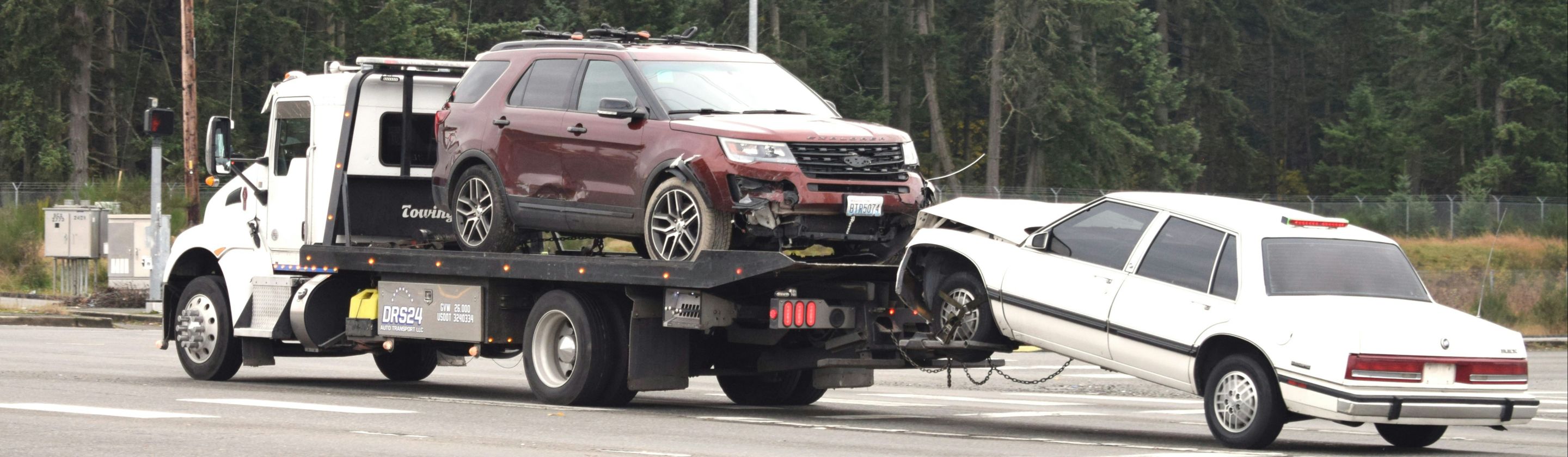
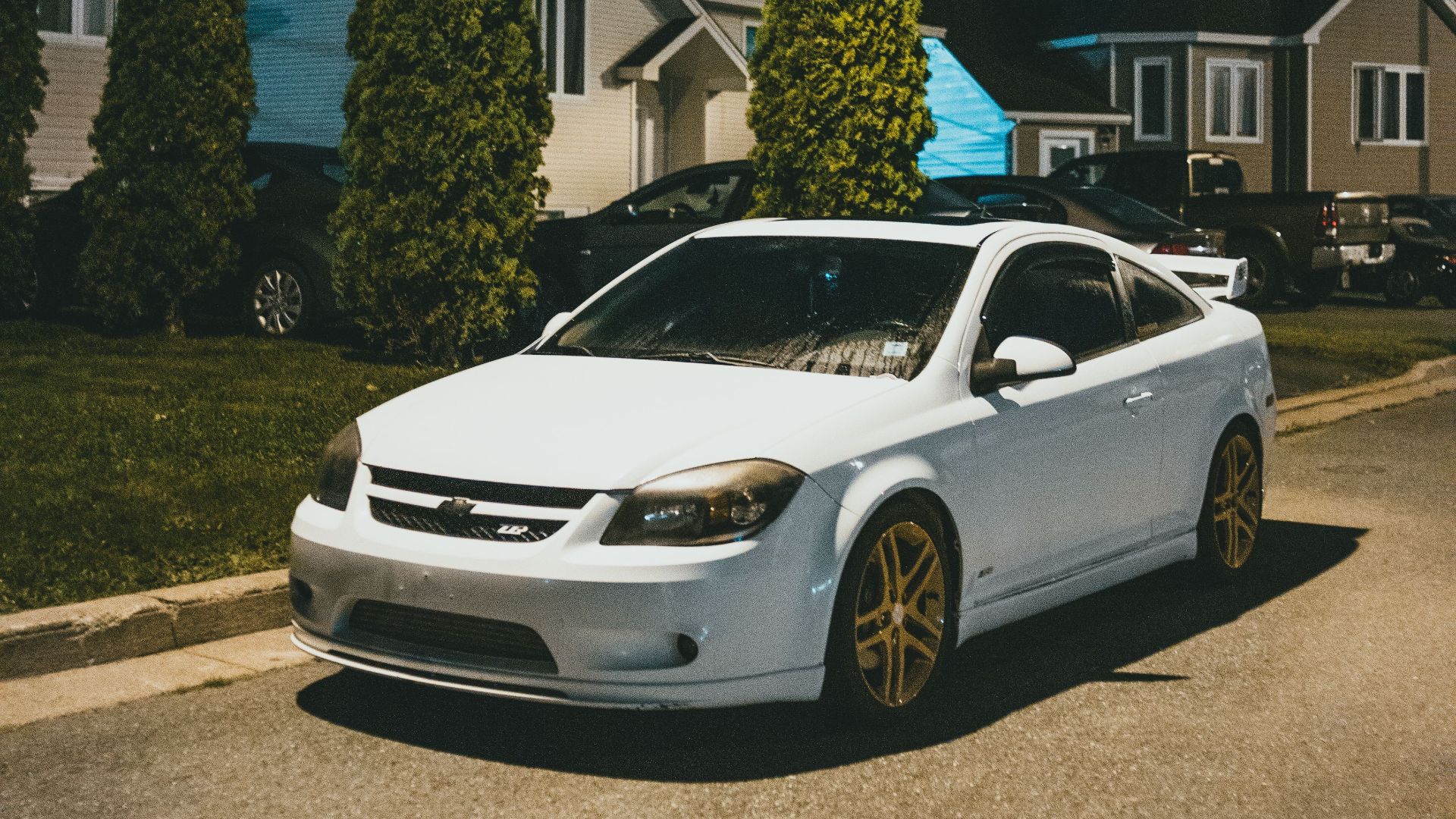
5. Chevrolet Cobalt
The Cobalt initially seemed like a much-needed improvement over the Cavalier, particularly in design and driving manners. Its reputation was later devastated by the defective ignition-switch crisis, which involved crashes, fatalities, delayed recalls, and intense scrutiny of General Motors.
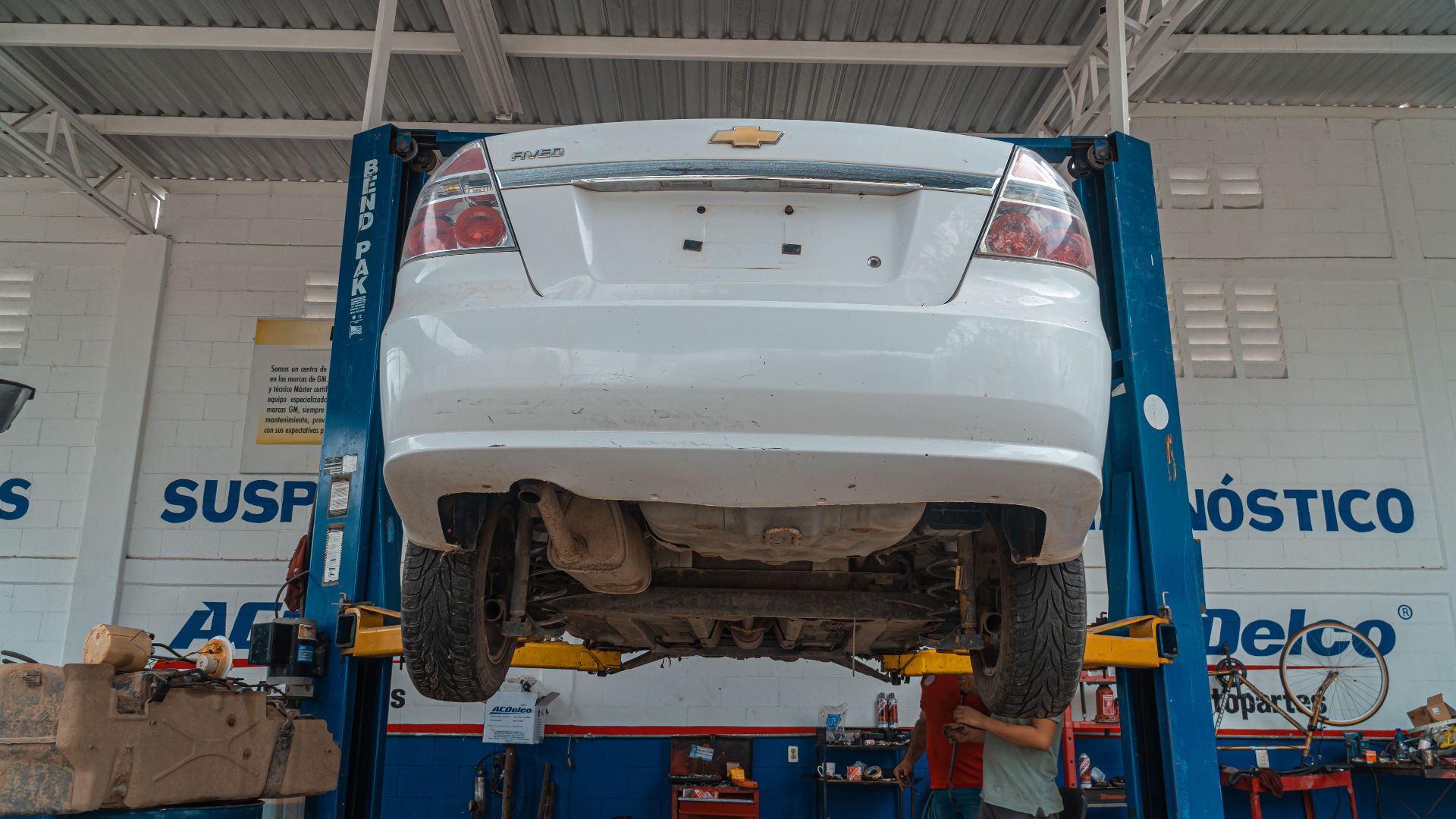
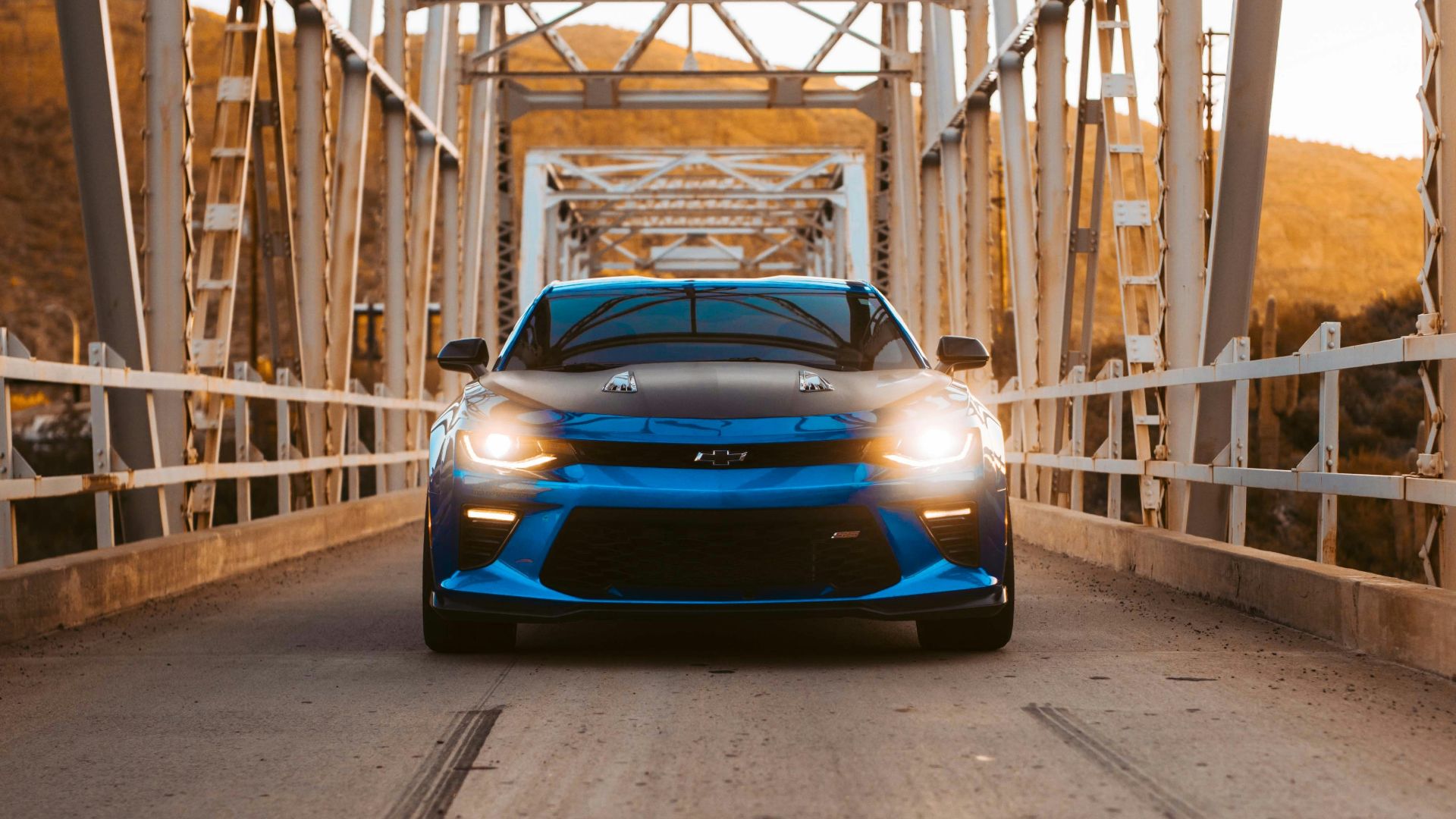
6. Chevrolet Aveo
The Aveo gave Chevrolet an inexpensive entry-level car, but low pricing couldn’t entirely excuse its modest performance and economy-focused construction. Reviews frequently criticized its refinement, driving experience, and interior quality, especially as competing subcompacts became more sophisticated.
7. Chevrolet SSR
The SSR combined retro pickup styling, a folding hardtop, and V8 power in one highly unusual vehicle. Unfortunately, its high price, limited practicality, considerable weight, and initially underwhelming performance narrowed its audience.
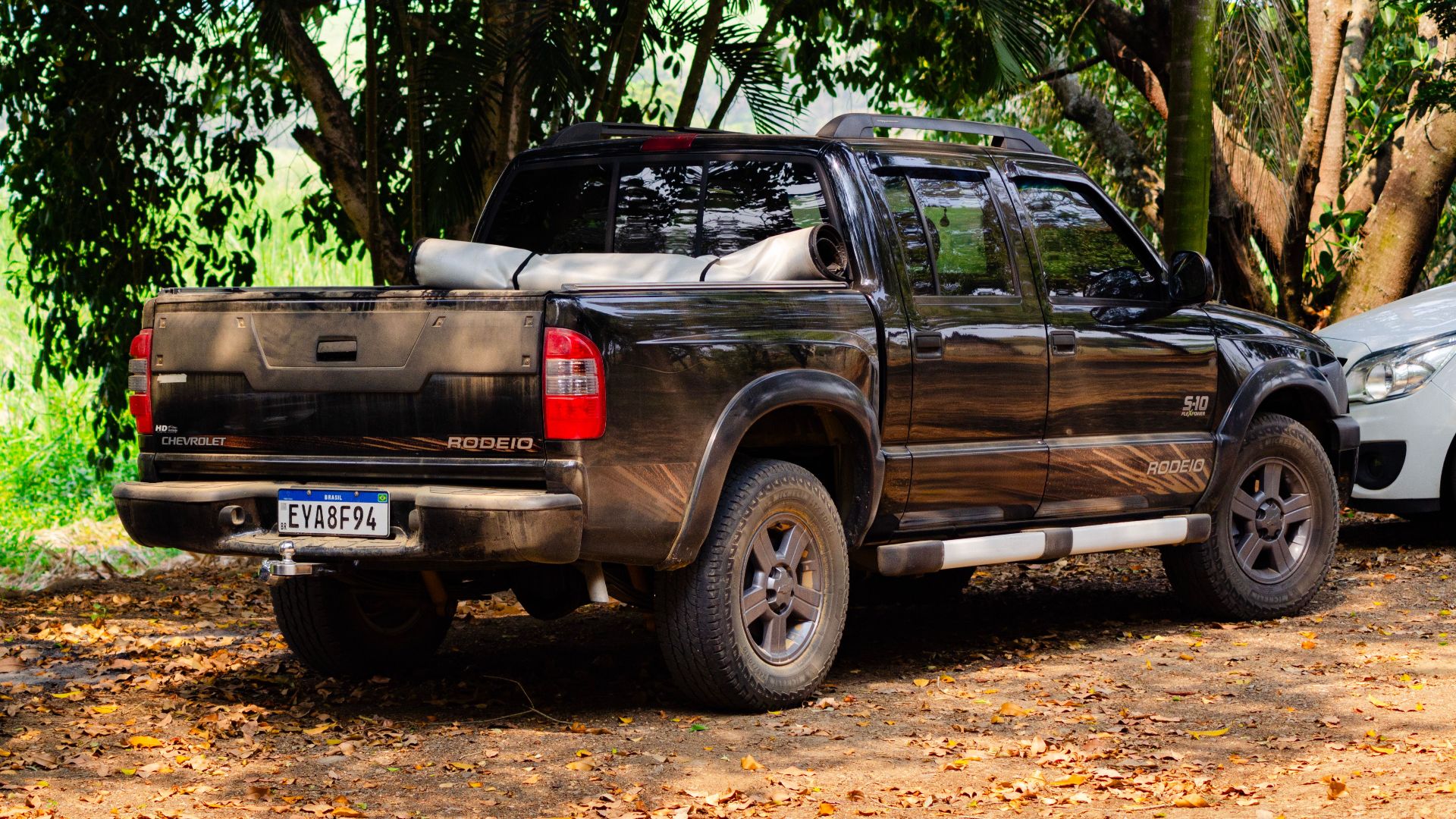
8. Chevrolet Lumina APV
Chevrolet’s Lumina APV minivan offered useful interior space, yet its pointed nose and enormous windshield produced extremely divisive styling. The unconventional proportions made it difficult for some drivers to judge the vehicle’s front end, while the cabin materials didn’t always match its futuristic exterior.
 Eugene Tkachenko on Unsplash9. Chevrolet Bolt EV
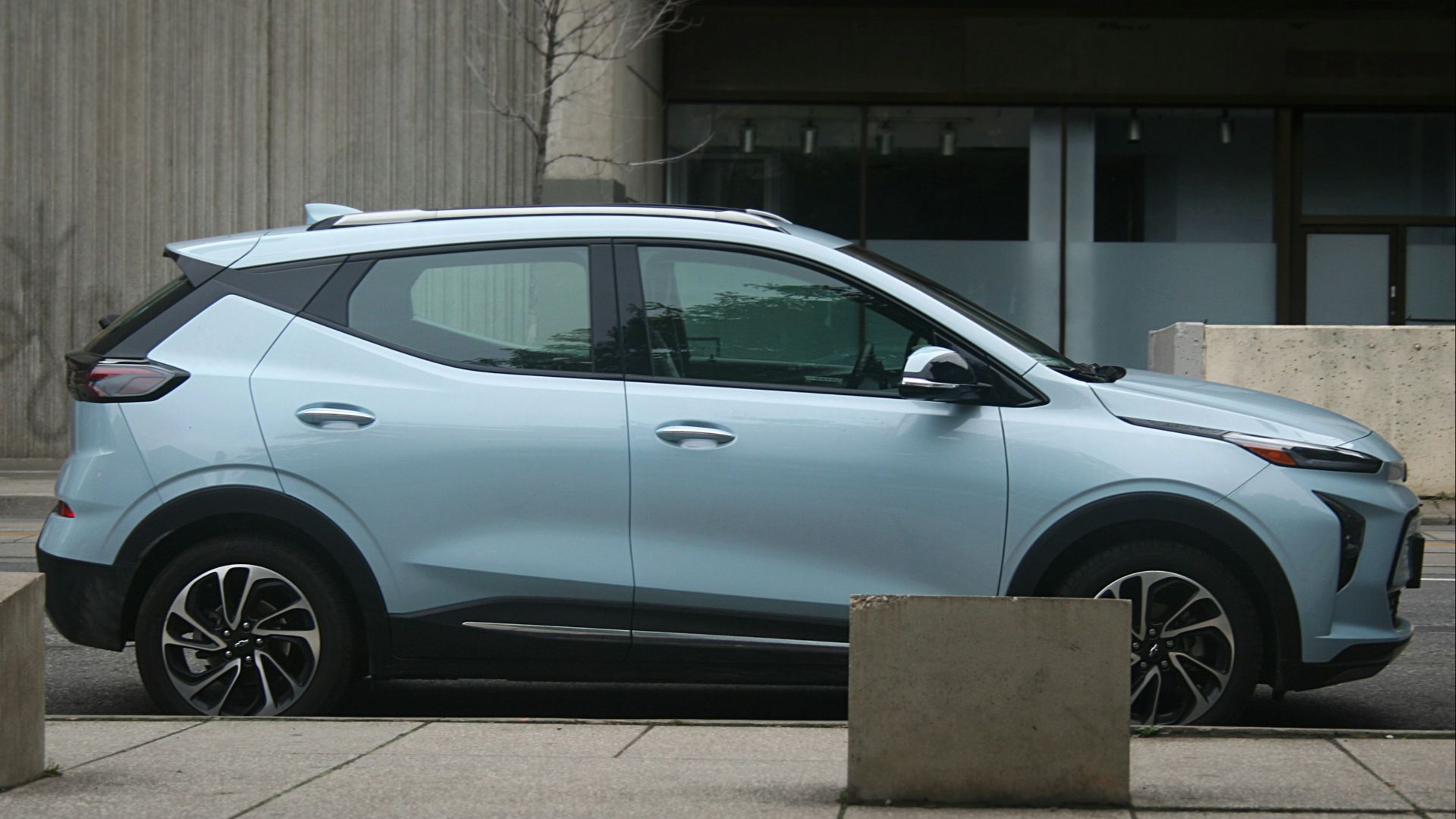
The Bolt EV received praise for delivering useful electric range at a comparatively attainable price, but its battery-fire recalls severely disrupted that positive story. Owners faced charging restrictions, parking guidance, repair delays.
10. Chevrolet HHR
The HHR provided good cargo space and distinctive retro-inspired design, but its styling invited constant comparisons with Chrysler’s PT Cruiser. Thick roof pillars, compromised visibility, and an economy-car interior limited its overall appeal.