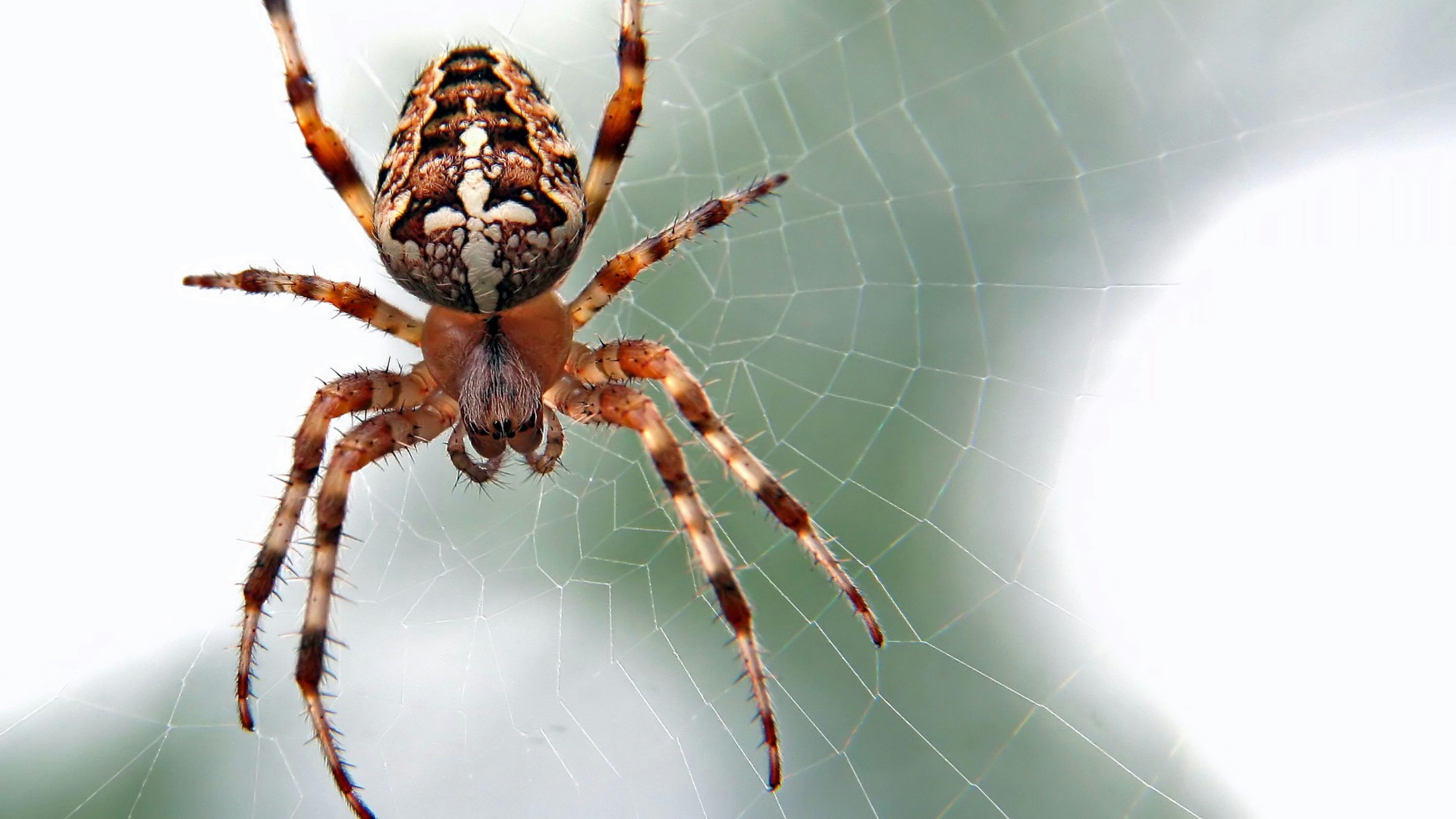
Spotting a spider dangling from your rearview mirror or hearing the buzz of a bee near your ear while you're doing 65 on the highway ranks among the most jarring surprises a driver can face. Your first instinct might be to swat, swerve, or slam on the brakes, but any of those reactions can turn a minor annoyance into a genuine emergency. So what should you do instead of risking losing control?
It's worth understanding just how serious this seemingly small distraction actually is before you're stuck dealing with it. Researchers at the Virginia Tech Transportation Institute found that an insect in your car increases your crash risk by more than six times compared to driving without any insects present. That statistic alone should tell you that the way you handle those first few seconds matters far more than most people realize, so let's break down exactly what to do.
Keep Your Hands on the Wheel and Your Eyes on the Road
The single most dangerous thing you can do when a bug appears is take your eyes off the road, even for a split second. It's tempting to glance down or turn your head to track exactly where the spider went, but that brief lapse in attention is when most bug-related accidents actually happen. Your peripheral vision is more than capable of tracking a moving insect while you keep your primary focus forward.
Resist the urge to swat at the insect with your free hand while you're still moving. This reaction not only takes a hand off the wheel but also tends to agitate the bug further, especially if it's a bee or wasp that can sting in self-defense. According to the National Highway Traffic Safety Administration, an insect in your vehicle heightens your risk of crashing significantly, and swatting can cause your car to swerve while also provoking the insect into a defensive response.
Instead, remind yourself that the bug is far less dangerous than the two-ton vehicle you're operating at speed. A bite or sting, while unpleasant, is almost always survivable; a collision might not be. Keep both hands where they belong and treat the insect as a background problem rather than the main event until you can safely address it.
Signal, Slow Down, and Find a Safe Place to Stop
Once you've got your hands steady and your eyes forward, start planning your exit strategy immediately. Turn on your hazard lights if you're on a highway or busy road, since this alerts drivers behind you that something is off and gives them time to react. Begin slowing down gradually rather than braking hard, which keeps you predictable to the traffic around you.
Look for the nearest safe spot to pull over completely, whether that's a shoulder, a parking lot, or a side street. Slamming on your brakes and stopping in an active traffic lane because of a spider isn't a safe option, and it won't be viewed favorably by other drivers or law enforcement. Give yourself the extra few seconds it takes to find an appropriate stopping point rather than panicking and stopping wherever you happen to be.
If you're genuinely unable to reach a safe stopping point right away, roll down your windows instead. Increasing airflow gives flying insects a route out of the car and can sometimes solve the problem before you even need to stop. This buys you time and reduces the urgency of the situation while you continue searching for a proper place to park.
Deal with the Bug Once You're Safely Parked
After you've come to a complete stop in a safe location, put the car in park and take a breath before doing anything else. This is the moment to actually assess what you're dealing with, whether it's a house spider, a wasp, or something else entirely. Most spiders found in vehicles are harmless and more interested in escaping than in confronting you.
Open all the doors and windows to create an easy exit route for the insect, then step outside the vehicle if needed. Allowing the insect to leave on its own accord, rather than chasing it around the interior, is usually the fastest and least stressful solution. If it needs a little encouragement, a rolled-up piece of paper or a light nudge with a shoe can help guide it toward an open door without cornering or provoking it.
Once the bug has left or been safely removed, take a minute to check the rest of the cabin, including door pockets, under the seats, and the sun visors, in case there are more unwelcome passengers. Vehicles often provide dark, warm, and undisturbed spaces that pests find appealing as shelter, so a single spider sighting can sometimes indicate there are others nearby. Give the car a quick once-over before you continue your drive so you're not caught off guard again a few miles down the road.
All that said, a bug in your car doesn't have to end in disaster. The next time something skitters across your dashboard, remember that the insect is far more afraid of you than you are of it, and a few extra seconds of composure is all it takes to handle the situation without incident.